🏬Supersize Online Funeral Retailer🪦1000's of Headstones⚱️Over 10,000 Cremation Urns⚰️Caskets Overnight Delivery🛒Funeral & Memorial Superstore🚚FREE Shipping on ALL Orders👨👩👧👦Helping Families for over 20 Years💰Lowest Price Guarantee🏬Supersize Online Funeral Retailer🪦1000's of Headstones⚱️Over 10,000 Cremation Urns⚰️Caskets Overnight Delivery🛒Funeral & Memorial Superstore🚚FREE Shipping on ALL Orders👨👩👧👦Helping Families for over 20 Years💰Lowest Price Guarantee
🏬Supersize Online Funeral Retailer🪦1000's of Headstones⚱️Over 10,000 Cremation Urns⚰️Caskets Overnight Delivery🛒Funeral & Memorial Superstore🚚FREE Shipping on ALL Orders👨👩👧👦Helping Families for over 20 Years💰Lowest Price Guarantee🏬Supersize Online Funeral Retailer🪦1000's of Headstones⚱️Over 10,000 Cremation Urns⚰️Caskets Overnight Delivery🛒Funeral & Memorial Superstore🚚FREE Shipping on ALL Orders👨👩👧👦Helping Families for over 20 Years💰Lowest Price Guarantee
Headstone Symbols and Meanings: 180+ Explained | Memorials.com Info Center
🏬Supersize Online Funeral Retailer🪦1000's of Headstones⚱️Over 10,000 Cremation Urns⚰️Caskets Overnight Delivery🛒Funeral & Memorial Superstore🚚FREE Shipping on ALL Orders👨👩👧👦Helping Families for over 20 Years💰Lowest Price Guarantee🏬Supersize Online Funeral Retailer🪦1000's of Headstones⚱️Over 10,000 Cremation Urns⚰️Caskets Overnight Delivery🛒Funeral & Memorial Superstore🚚FREE Shipping on ALL Orders👨👩👧👦Helping Families for over 20 Years💰Lowest Price Guarantee
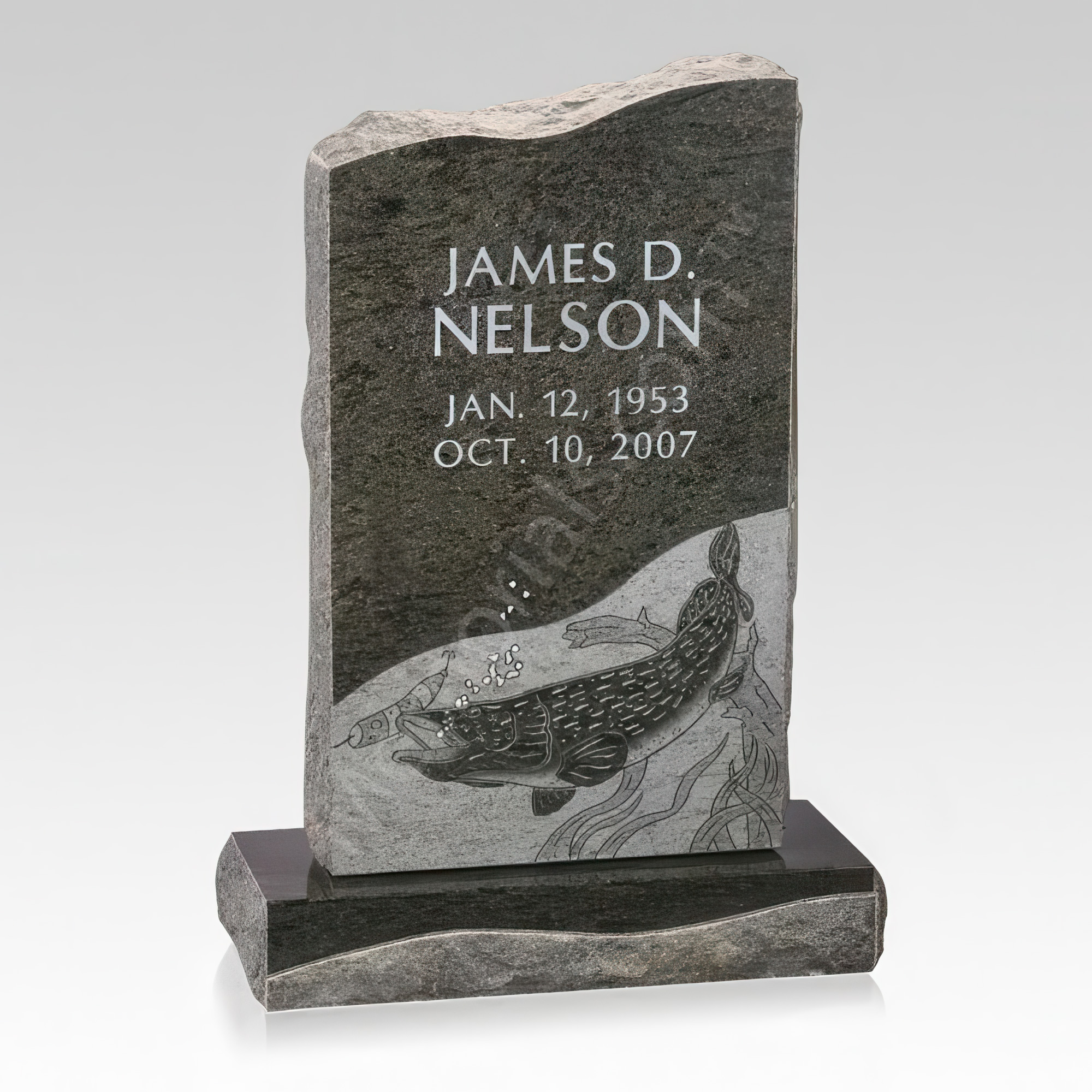
When choosing headstones or bronze grave markers, we often pick design elements with little knowledge about the symbolism behind it. Understanding these symbols can inspire meaningful headstone design ideas that truly reflect a loved one's life.
This glossary of cemetery symbolism will help you to understand the meaning of the many design elements. If you're also shopping for a memorial, our complete headstone buying guide walks you through materials, styles, and pricing.
For those who would like to learn more about the different symbols seen in the form of emblems, this emblem article is very useful.
A Collection of a 180+ Common Gravestone Symbols
We have gathered over 180 of the most cemetery symbols found in most modern cemeteries.
Gravestone Symbols by Letter
A
Acanthus Leaf
Acanthus is associated with the rocky ground were most Greek cemeteries were placed. Symbol of peace in the Garden of Eden.
A.E.F.
American Expeditionary Forces
Alpha Omega
Very old sign used in second century, first and last letter of alphabet (Greek), beginning and end of life.
Anchor
Early Christians used the anchor as a disguised cross, and as a marker to guide the way to secret meeting places. A Christian symbol of hope, it is found as funeral symbolism in the art of the catacombs. It is also an occupational symbol in sea-faring areas or the attribute of Saint Nicholas, patron saint of the seamen, it symbolized hope and steadfastness. An anchor with a broken chain stands for the cessation of life.
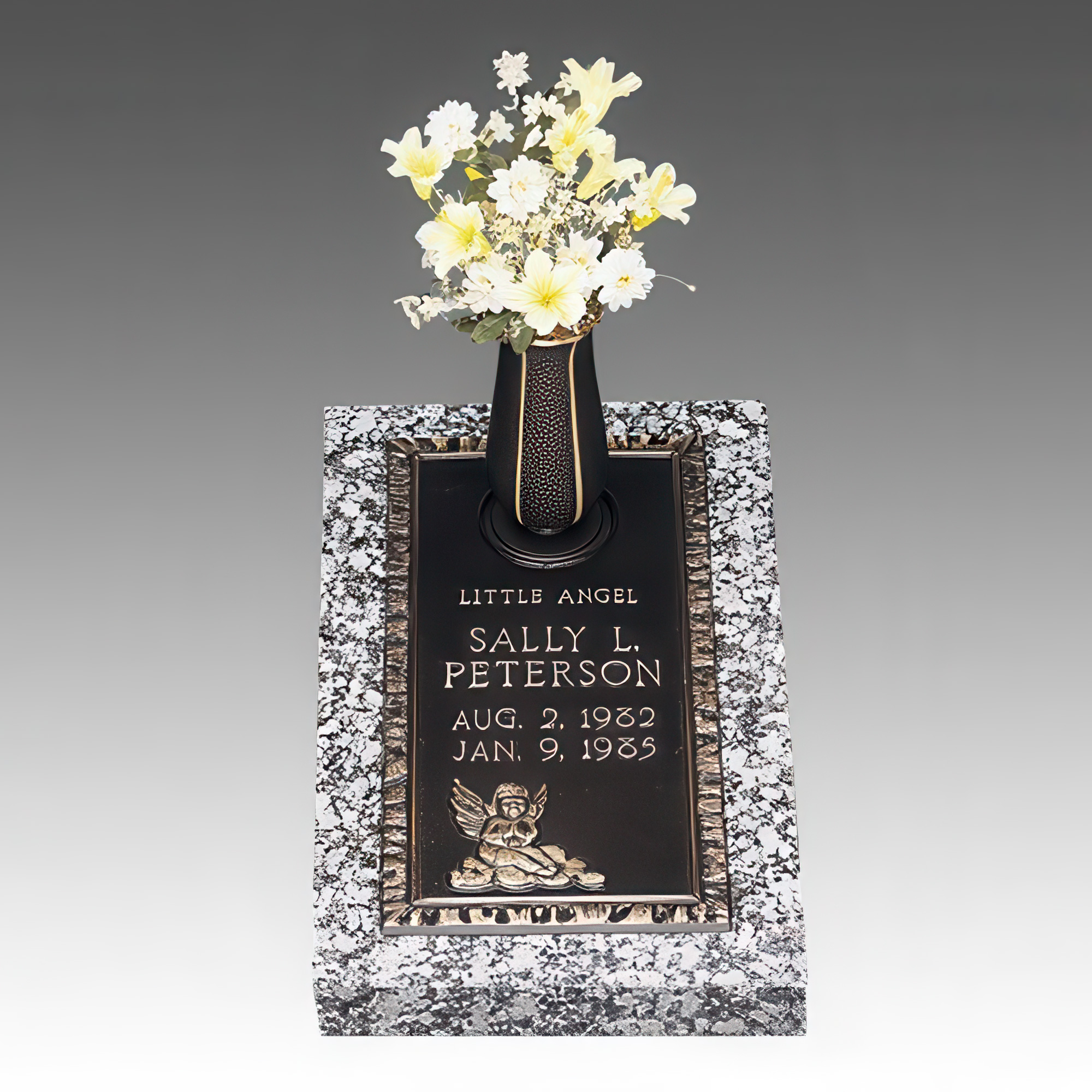
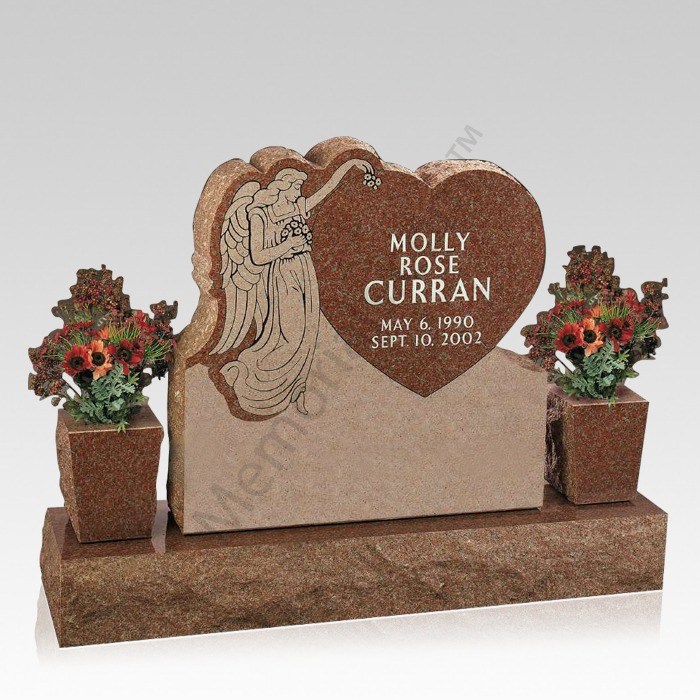
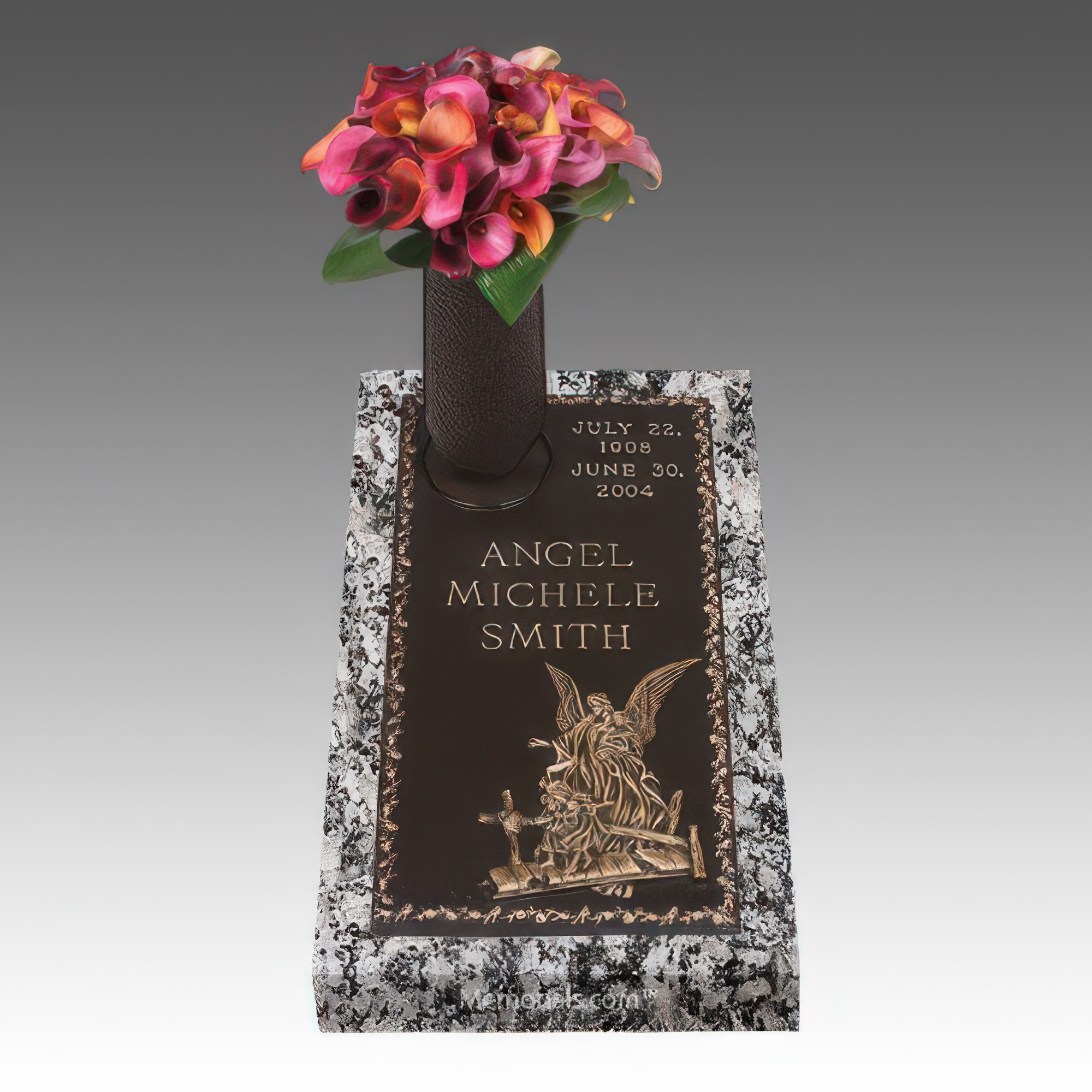
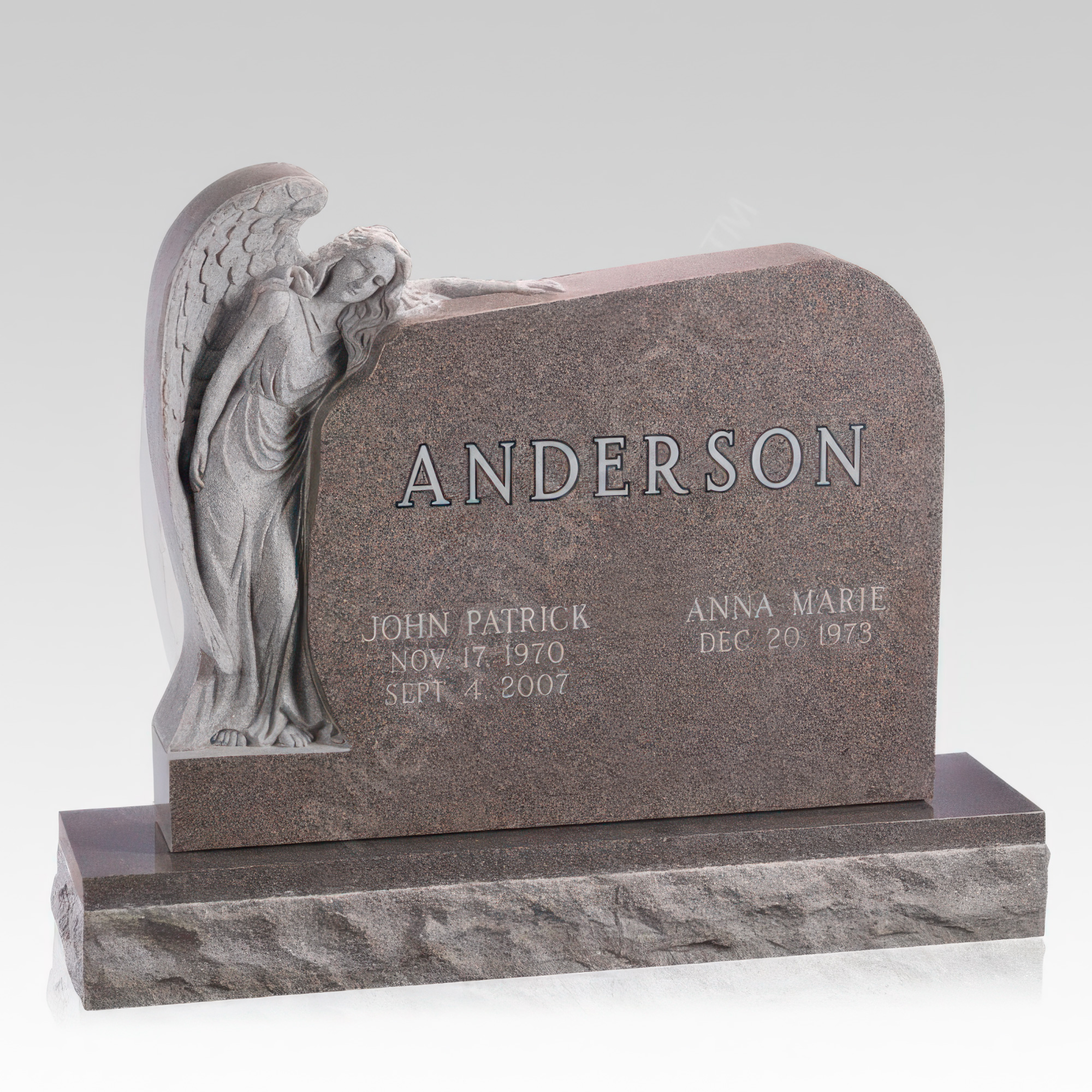
The agent of God, often pointing towards heaven; guardians of the dead, symbolizing spirituality. Angels are shown in all types of poses with different symbolism. Two angels can be named, and are identified by the objects they carry: Michael, who bears a sword and Gabriel, who is depicted with a horn.
Blowing a trumpet (or perhaps two trumpets) – representing the day of judgment, and Call to Resurrection.
Carrying the departed soul- as a child in their arms, or as a Guardian embracing the dead. The “messengers of God” are often shown escorting the deceased to Heaven.
Flying- Rebirth.
Many Angels gathered together in the clouds- represents Heaven.
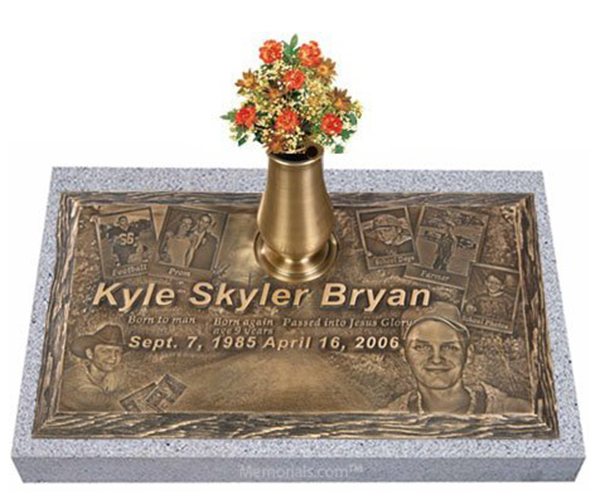
Weeping- grief, or mourning an untimely death. For a deeper look at weeping angel and religious headstone designs, including Celtic crosses and faith-based memorial styles, see our dedicated guide.
Arch
Victory of life; or victory of death.
Arms Outstretched
The plea for mercy.
Arrow
Denotes mortality.
B
Baby’s Chair
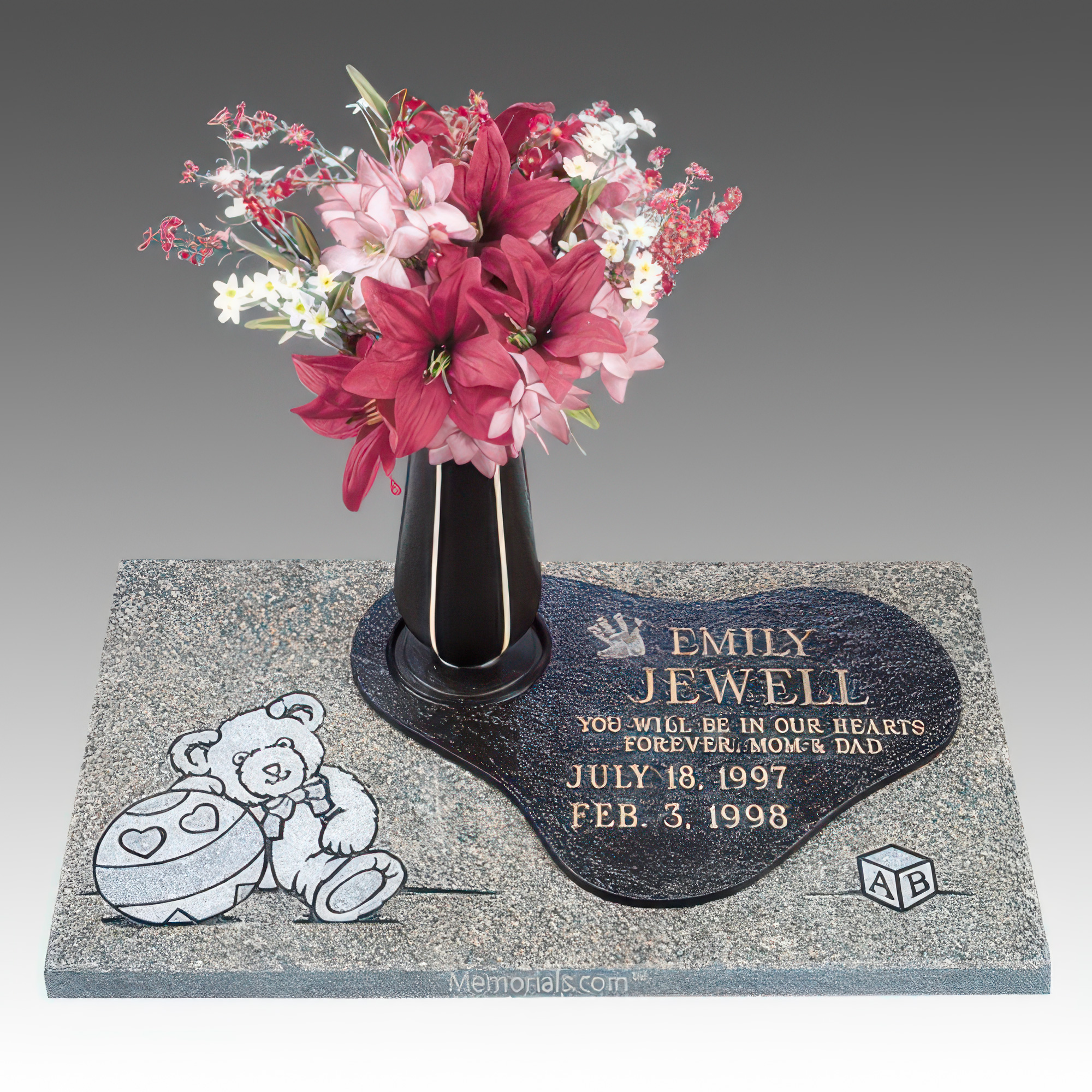
Small, empty furniture symbolized unfulfilled lives of children; represented the child now gone; with small shoes on chair-connection to childhood, symbolized inability to achieve adulthood.
Bamboo
The emblem of Buddha. The seven-knotted bamboo denotes the seven degrees of initiation and invocation in Buddhism. On Japanese memorials, symbolic of devotion and truthfulness.
Bible
Connotes a religious lay person or cleric.
Bird in Flight
Flight of the soul. The representation of the soul by a bird goes back to ancient Egypt. Eternal life.
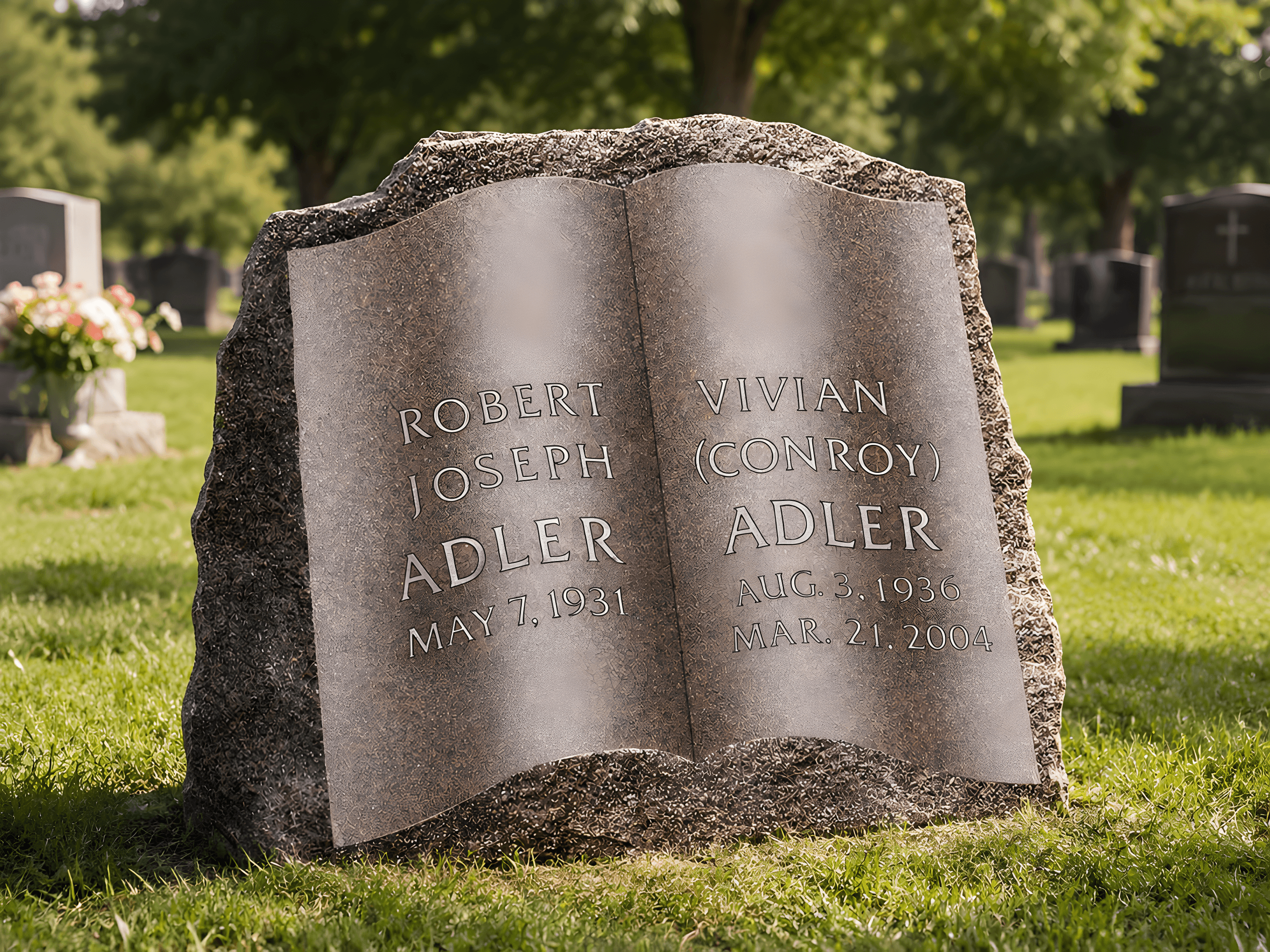
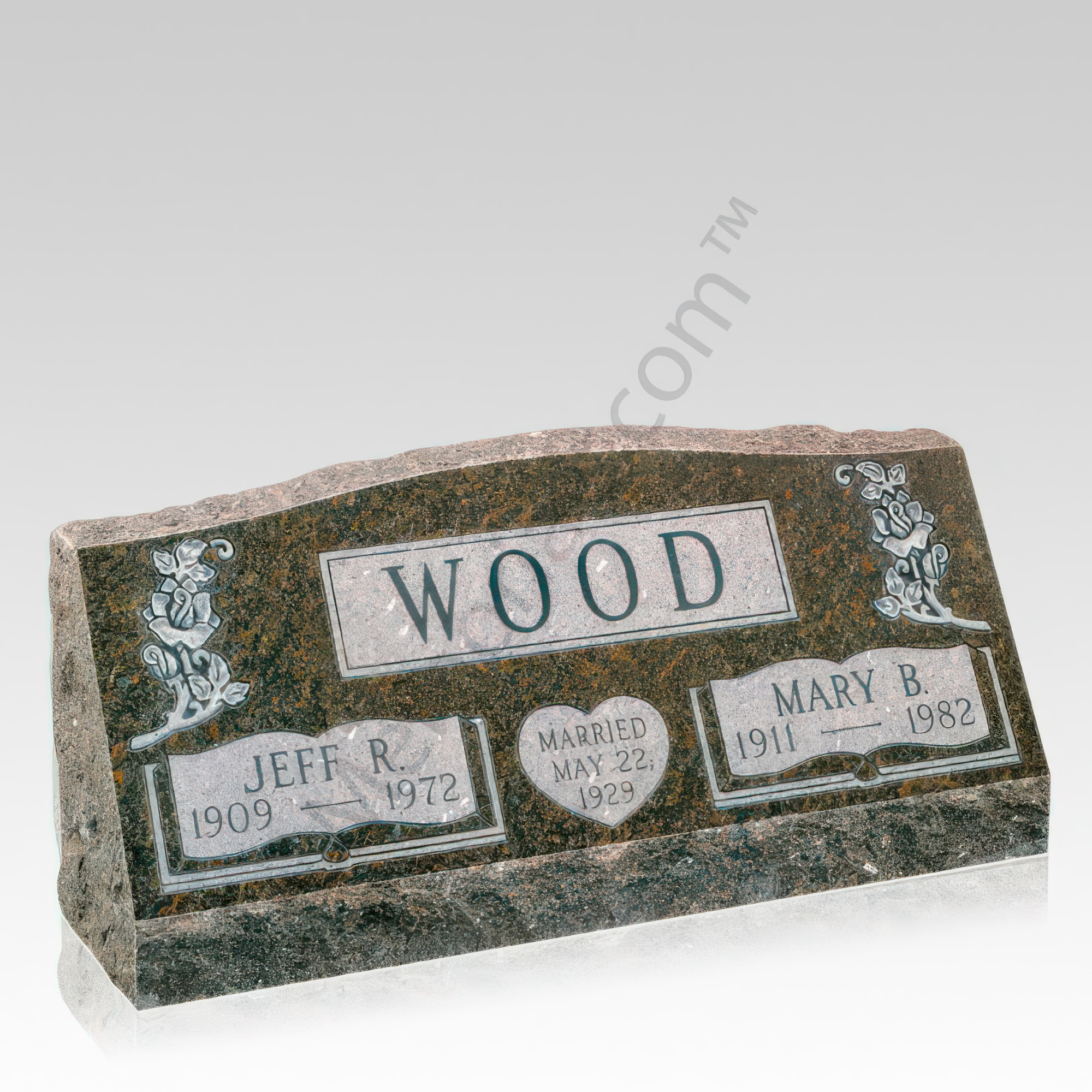
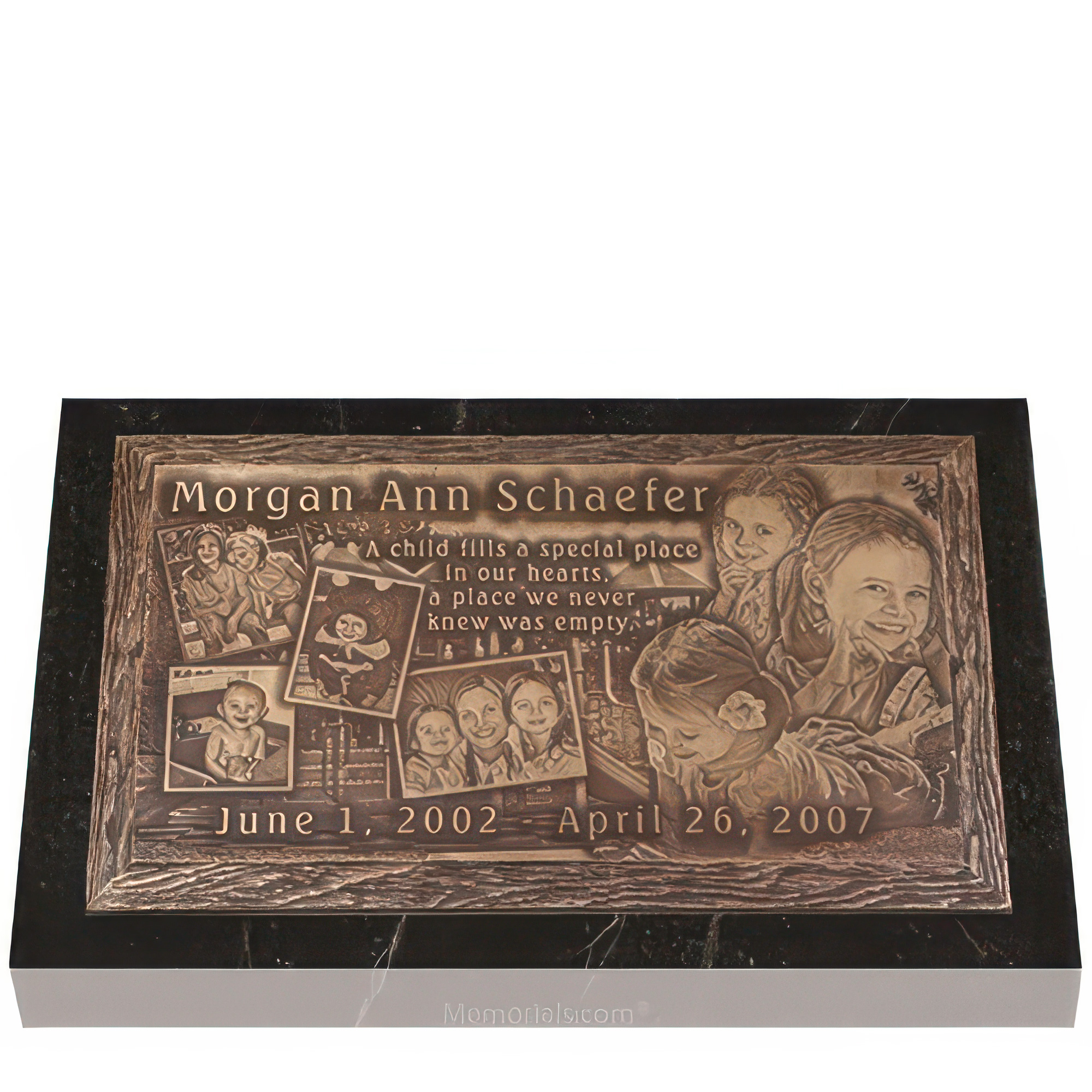
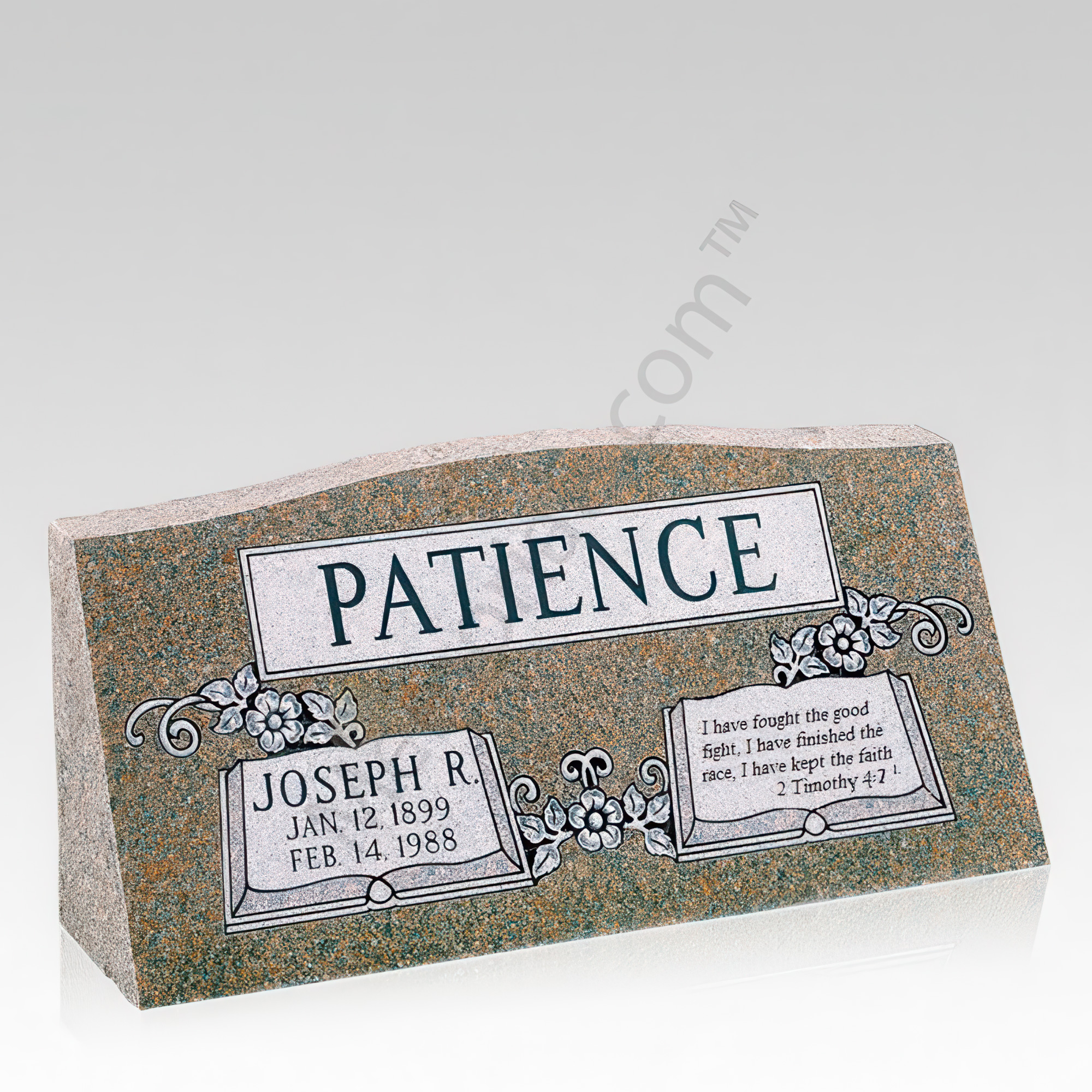
Faith, learning to read and write, a scholar. A prayer, or knowledge or even memory (where it has a dog-eared page). It may represent the Book of Life and is often shown as a Bible. A popular form is the book as a double page spread. Arabic characters identify the book as the Koran. Some families combine symbolic engravings with portraits — learn how to add a picture to a headstone for a more personal tribute.
Bugles
Resurrection; also military.
Buttercup
Cheerfulness.
Butterfly
The soul. It is symbolic of the resurrection of Christ. The meaning is derived from the three stages of the life of a butterfly—the caterpillar, the chrysalis, and the butterfly. The three stages are symbols of life, death and resurrection. Short-life.
C
Calla Lilly
Symbolizes marriage.
Candle
Candles symbolize the spirit or the soul. In Christian contexts, candles can symbolize Jesus Christ. Catholics practice of leaving burning candles on the grave, signify prayers have been said for the deceased.
Candle with Flame
Eternal life.
Browse Our Most Popular Headstones & Grave Markers
Handcrafted memorials to honor your loved one for eternity
Medieval thinkers sometimes held that a golden chain bound the soul to the body. Broken links on a headstone can mean the severance and subsequent release of the spirit from the body. Chains are also the insignia of the International Order of Odd Fellows, so called because of their dedication to giving the poor respectable burials.
Chalice
Sacraments; The chalice often appears in association with a white circle representing the consecrated Eucharist. The two items combine to signify the Catholic rite of Holy Communion. The headstones of priests often bear these symbols.
Cherubs
Angelic; the graves of children. Divine wisdom or justice.
Chrisma
A cross like shape formed by a combination of two Greek letters, chi (X) and rho (P) corresponding to the CH and R of the word, Christi, hence a symbol for Jesus Christ.
Circle
The circle is pre-Christian and its original symbolic meaning has been adopted by Christianity. It is universally known as the symbol of eternity and never-ending existence. Extremely common on gravesites, its usual representation is a cross surrounded by a circle. Two circles, one above the other, represent earth and sky. Three interconnected circles represent the Holy Trinity.
Cinquefoil
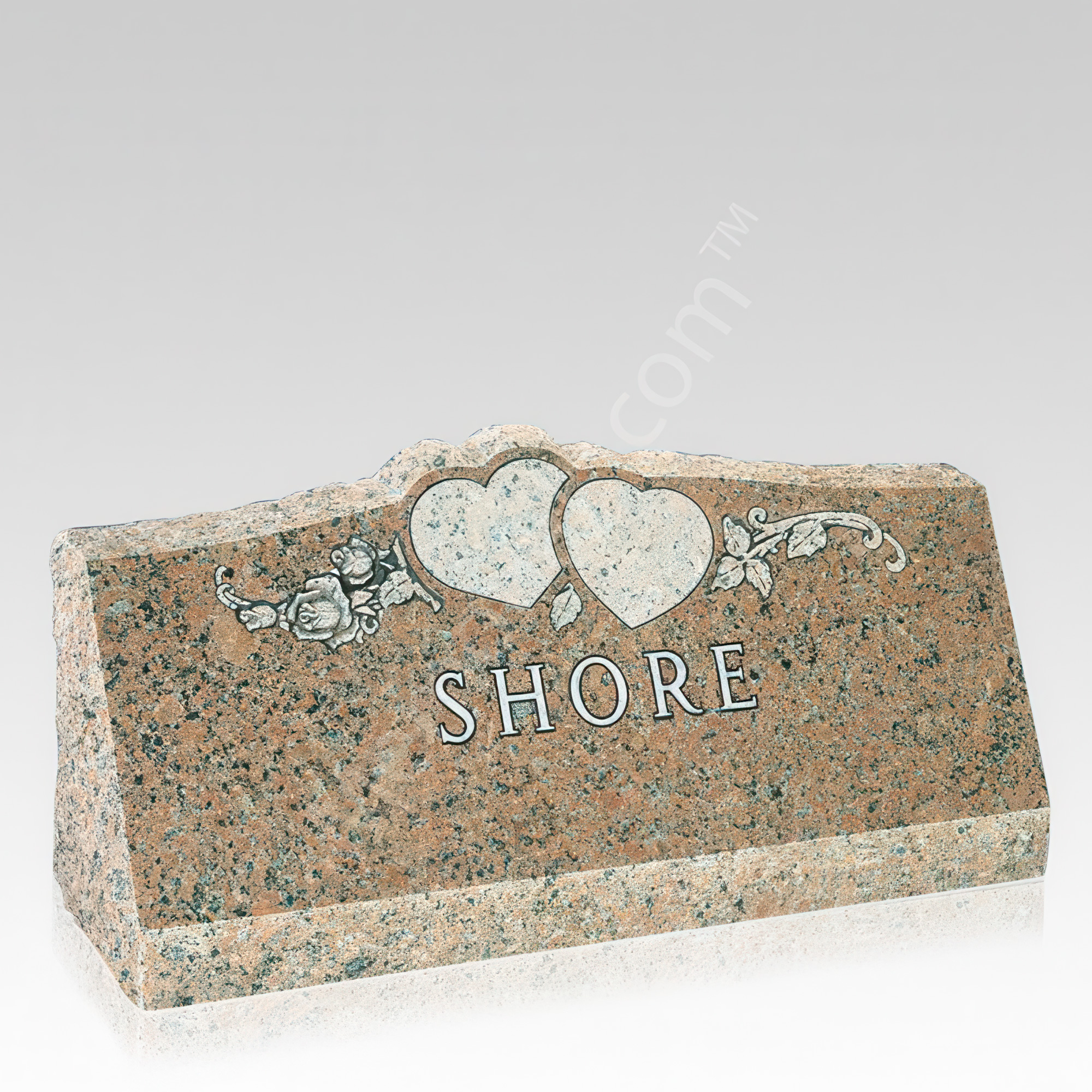
Maternal affection, beloved daughter
Clouds
Veil which conceals God from His worshippers
Clover
The trinity, symbol of the Irish.
Coffin, Sarcophagus, Cemetery Monument
Mortality
Columns
Regular: Noble Life.
Broken: Early Death
Complete: Signifies that life has been completed
Urn on Top: a symbol of death
Shroud on Urn: a funerary sign meaning burial
With Archway: Heavenly Entrance
Conch Shell
Wisdom
Christ, Virgin Mary, a Saint or an Angel
Devotion to that holy figure; desire for their aid to attain heaven.
Crocus
Youthful gladness.
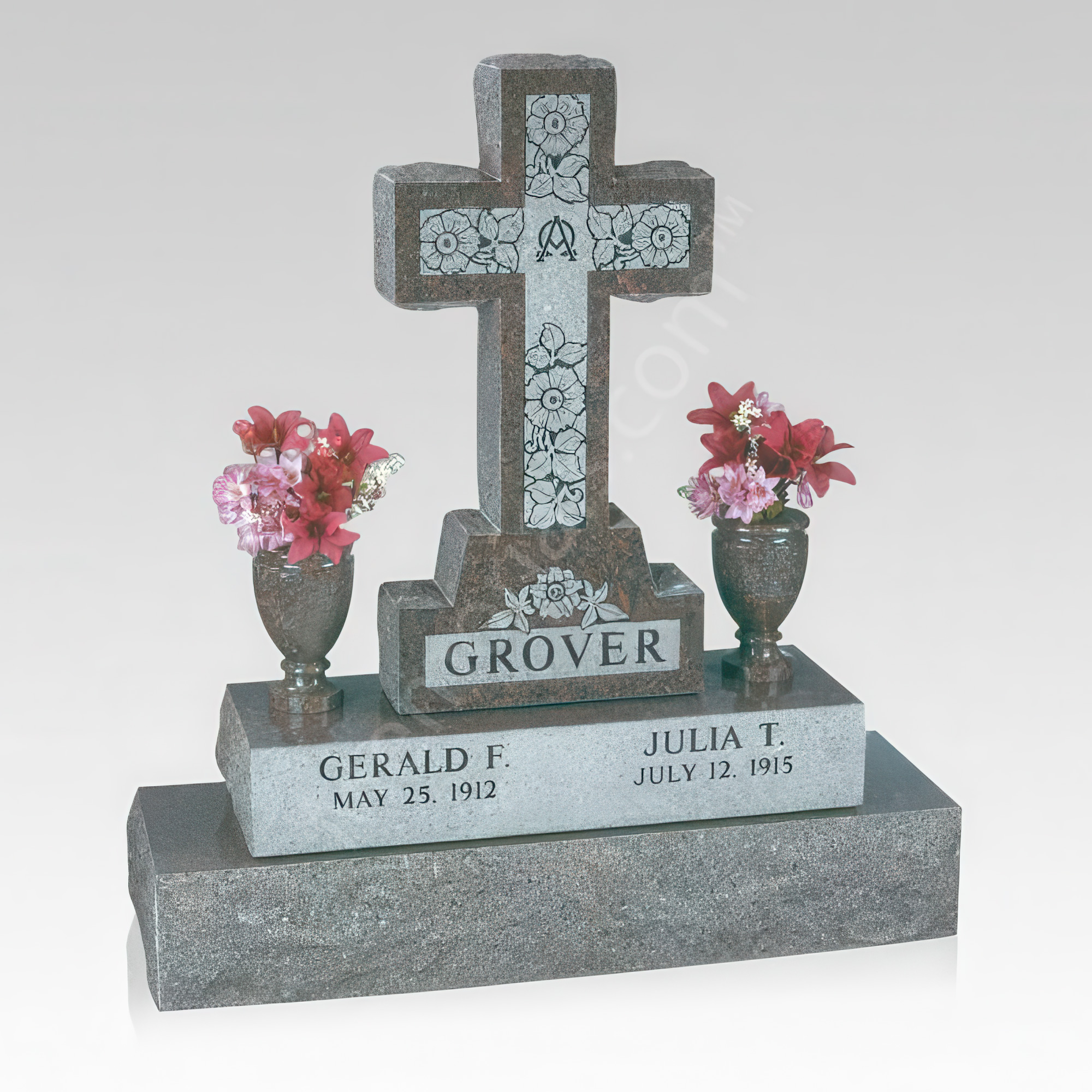
Cross
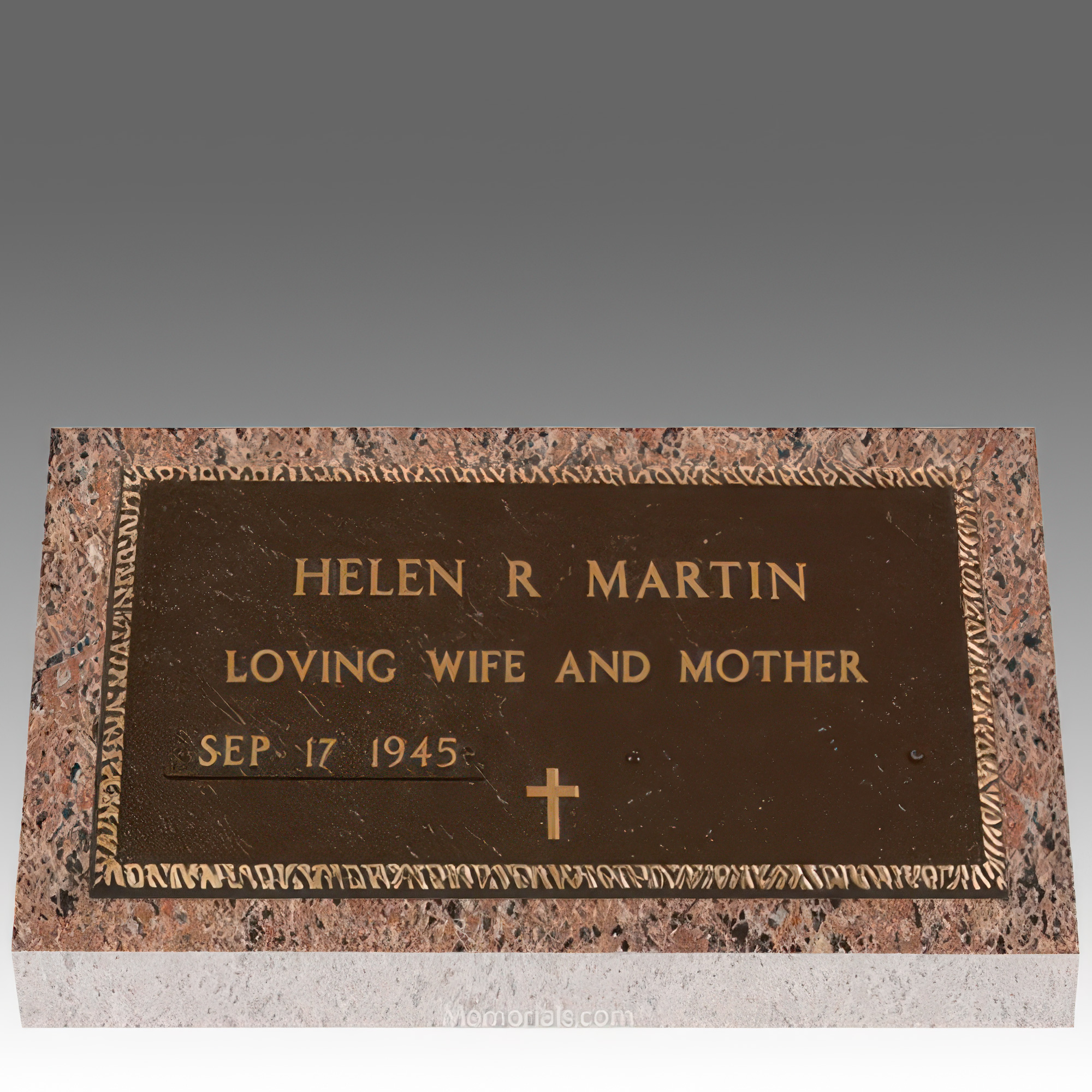
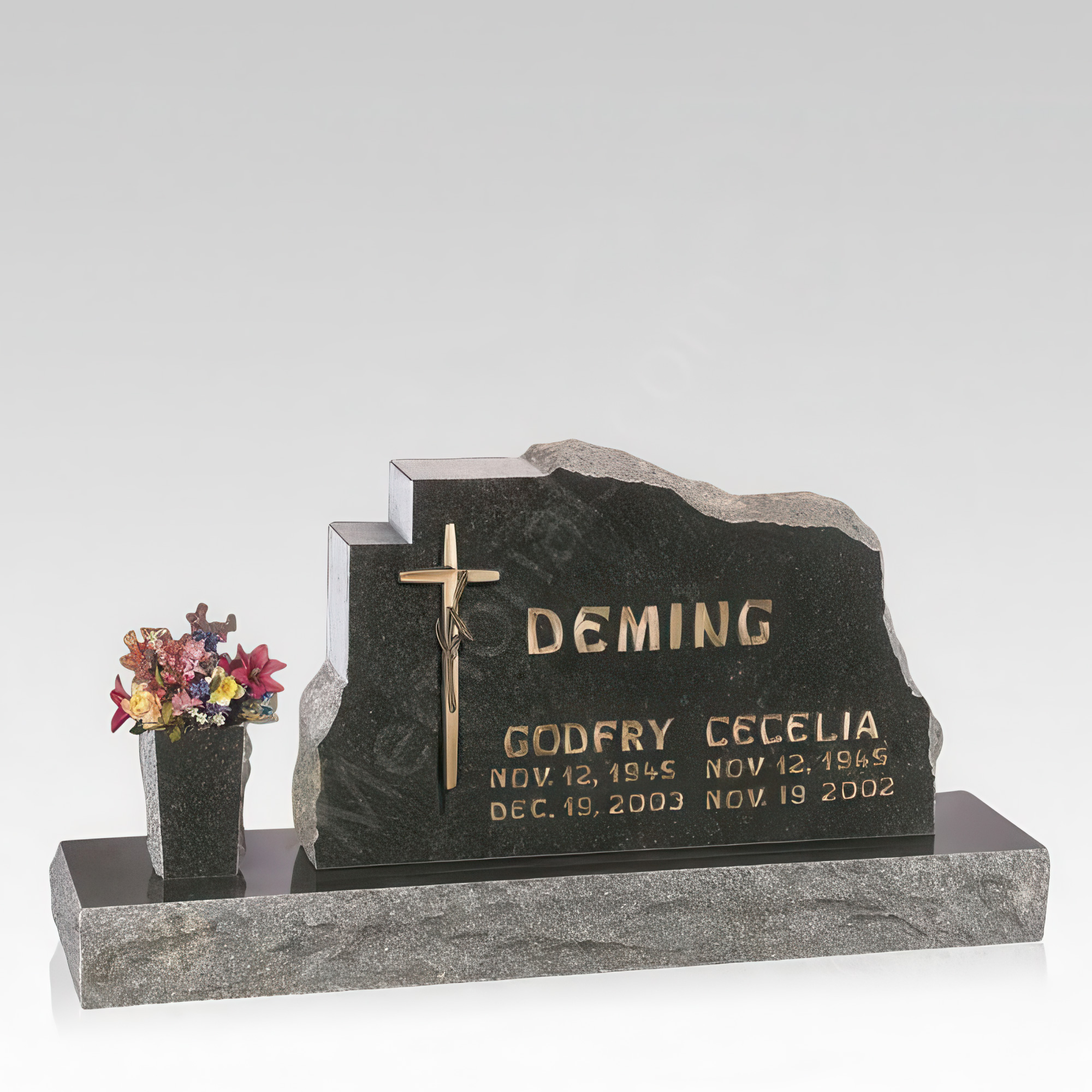
The ties between all religious beliefs and symbolism have always been strong. To the Christians the greatest symbolic message is in the crucifix. The crucifix or cross can generate many sumbolic messages ranging from love, faith and goodness to terror and fear. (i.e. the Ku-Klux-Klan’s use of the burning cross). There are many different types of Christian crosses worldwide, but only a handful are common in North America.
Botonee Cross- So named because of its modified trefoil (three-lobed) ends, represents the trinity.
Calvary Cross- A Latin cross standing on three steps or blocks, it signifies faith, hope and love. Love is sometimes replaced by charity.
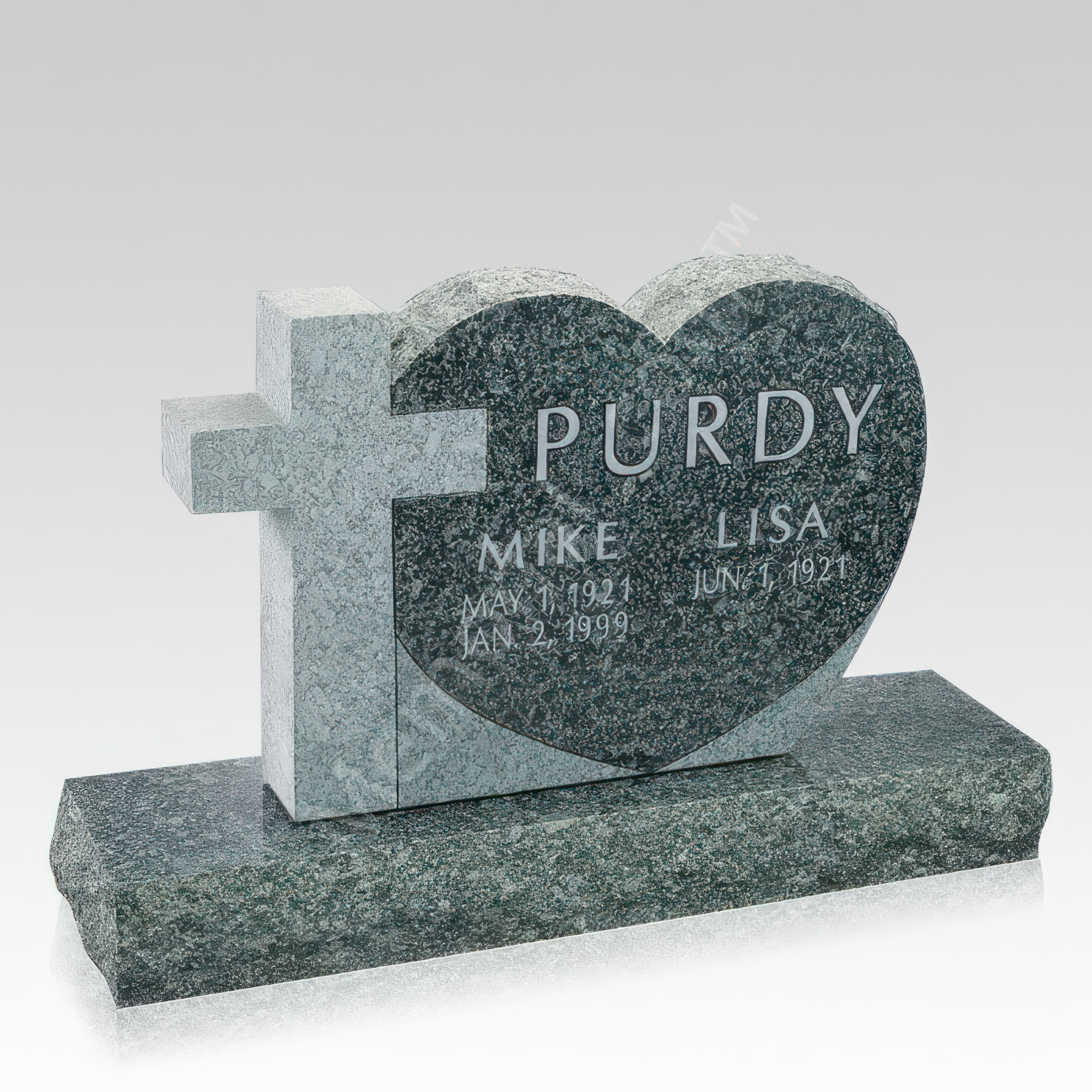
Celtic Cross– The circle around the crosspiece symbolizes eternity. Its’ origin can be traced to the Celtic cultures of the British Isles. There is a legend of how St. Patrick when preaching to some soon to be converted heathens was shown a sacred standing stone that was marked with a circle that was symbolic of the moon goddess. Patrick made the mark of a Latin cross through the circle and blessed the stone making the first Celtic Cross. It is said to serve as a double symbol of eternity and unity, both that of the Son with the Father and the Holy Spirit and that of the believer with the Trinity. That was a common theme of St. Patrick’s preaching.
Eastern Cross- Used in Orthodox (Russian/ Greek) Christian Religions, this cross’ upper horizontal shoulder representing the inscription over the head of Jesus. The lower slanting shoulder represents the footrest of the crucified Jesus.
Flueree Cross/Gothic Cross– This flowered cross symbolizes the adult Christian by its more opened flared out ends.
Ionic Cross- Similar to the Celtic Cross, its’ ends flare outward. The ionic cross signifies everlasting salvation, love and glory. The circle around the crosspiece symbolizes eternity.
Latin Cross– One of the oldest symbols of Christianity and the most commonly used form, it is also the simplest in design. In early times, it was called God’s mark.
Cross & Crown
Victory with Christ over death
Cross & Anchor
Another early Christian symbol referring to Christ as “hope we have as an anchor of the soul, both sincere and steadfast” (Hebrews 6:19).
Crossed Swords
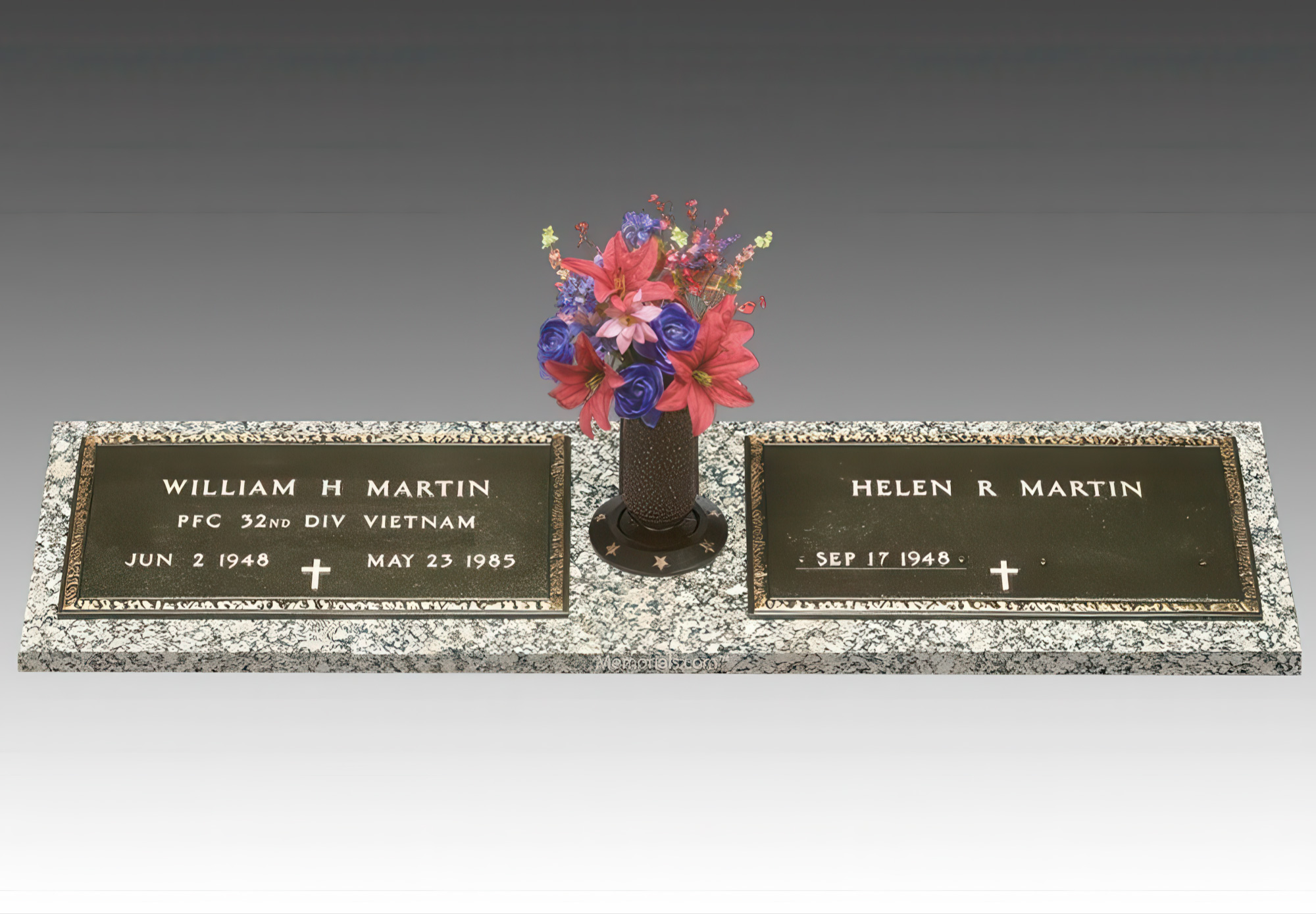
High-ranking military person. Military cemeteries carry many symbolic traditions — including coins left on headstones to honor fallen service members.
Crown
Reward and glory. Honors glorified souls and angels, or points to the triumph of death, when it caps a winged skull. Sometimes juxtaposed with cross; indicates that earthly life includes suffering, and the afterlife, victory.
Cypress Tree
Designates hope.
D
Daffodil
Death of youth, desire, art, grace, beauty, deep regard.
Daisy
Innocence of child, Jesus the Infant, youth, the Son of righteousness, gentleness, purity of thought.
D.A.R./S.A.R.
Daughters/Sons of the American Revolution
Dog
Signifying the loyalty and that the master was worth loving.
Dogwood
Christianity, divine sacrifice, triumph of eternal life, resurrection.
Dolphin
Salvation, bearer of souls to Heaven. Portrays the idea of resurrection.
Dove
An important symbolic animal in Christianity representing the Holy Spirit. The white dove is referred to in the story of baptism of Christi. “And John bore record, saying, I saw the Spirit descending from Heaven like a dove, and it abode upon him.” (Bible John 1:32) The descending dove is a common motif on grave memorials. Judaism recognizes the dove as a symbol of peace.
Doors & Gates
Passage into the afterlife; Heavenly entrance.
Dragon
In Christianity, depicts sin and worldly pleasures, or may represent resurrection. For the Chinese, the dragon is an emblem of Imperial Power, which brought the universe into its thrall. It also stands for the Universe itself, a chaotic force which none of us can truly master. If being depicted by St. George, depicts triumph over sin.
Draperies / Curtains
In the days when the body lay in state in the parlor, it was the custom to cover everything in black. Draperies, with their fancy frills and tassels, are more elaborate than a simple shroud. They allow the expression of mourning to linger long after the body has been taken out the front door and the accoutrements have been stowed for the next death in the family. Curtains can also set the stage. Parted, they reveal a telling excerpt. What is important in such displays is the main actor or central object of the stone.
Drapery Over Anything
Sorrow, mourning.
E
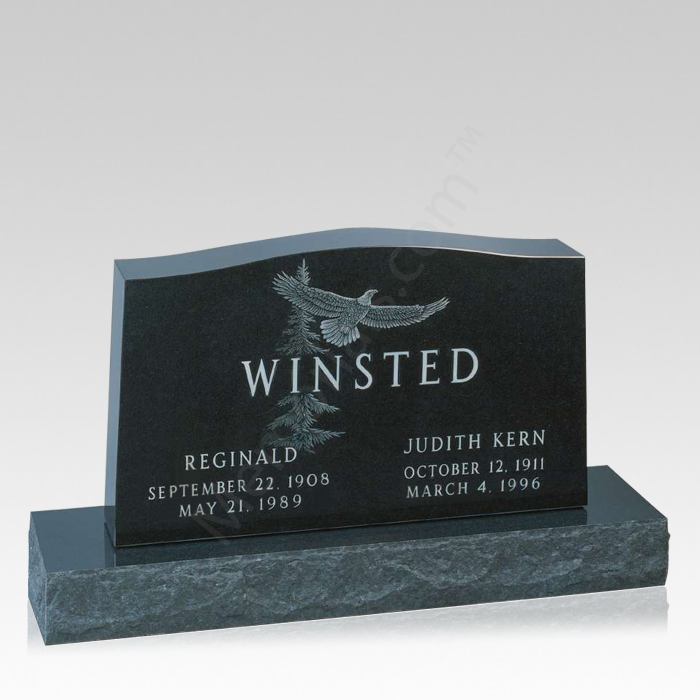
Eagle
Suggests courage and possibly a military career, symbol for St. John
Eye in the Triangle
Eye of God in the Trinity, all seeing, all knowing. During the Renaissance period in Europe it was common to illustrate the Eye of God surrounded by a triangle (the Holy Trinity). The eye within the triangle, surrounded by a circle and radiating rays of light is used to symbolize the holiness of the true God.
F
Fern
Sincerity, sorrow.
Figs or Pineapple
Prosperity, eternal life.
Fish
Indicates Faith
Flame
Eternity
Fleur De Lis
Flame, passion, ardor, mother.
F.L.T. (in three links of a chain) I.O.O.F.
Friendship, Love, and Truth. It is the symbol of the Independent Order of Odd Fellows, a fraternal organization also known as “The Three Link Fraternity”. This benevolent and social society originated in England in the 1700’s.This organization takes cares of widows and orphans, and in general does good works.
Frog
Depicts in and worldly pleasures, or may represent resurrection.
Fruits
Eternal plenty.
G
G.A.R.
Grand Army of the Republic; the Union Army during the War Between the States.
Garland or Wreath
The use of garlands, wreaths and festoons dates back to ancient Greek times and it was adopted into the Christian religion as a symbol of the victory of the redemption. Ancient symbol of victory, memory, passed to eternal life.
Ivy Wreath: symbolic of gaiety, joviality. The wreath and festoon together symbolize memory.
Laurel Wreath: usually associated with someone who has attained distinction in the arts, literature, athletics or the military.
Maiden’s Garland: A garland of white paper or linen, embellished streamers and a single white glove, which was carried at he funerals of unmarried women of blameless reputation. The garlands were hung in the church after the funeral and allowed to decay. Then the pieces would be buried in the graveyard.
Geometry Compass
In open position, often shown over open book, with letter “G” within angle of compass; Masonic affiliation (Freemasons; Free and Accepted Masons).
Grapes
Represents Christ, blood of Christ, God’s care or Last Supper.
Grapes with Leaves
Christian faith.
Grim Reaper
Death Personified
H
Hands
One hand: the hand of God
Two hands clasped: holy matrimony; the person who died first holds the other’s hand, guiding the spouse to Heaven.
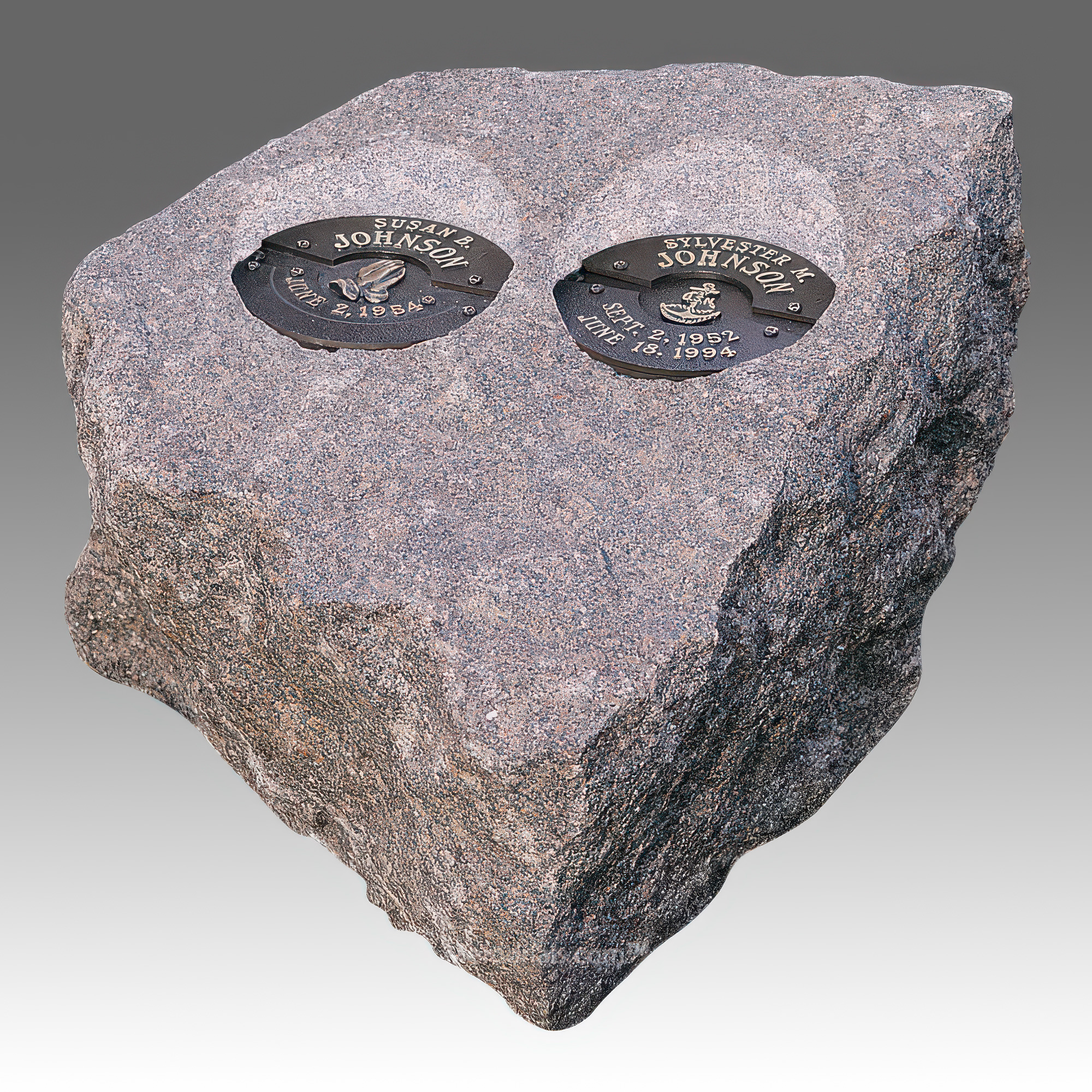
Two hands praying: connote devotion.
Two hands palms facing the viewer, with the four fingers on each hand positioned as two sets of two fingers: a Jewish symbol indicating the deceased was a Cohen, a Temple Priest. This is the hand gesture made by Cohen at the end of services in Orthodox synagogues, its’ benediction, and had come to universally represent Cohens.
Harp
Associated with David in the Old Testament; symbol of St. Cecilia, patron saint of musicians. Symbolic of worship in Heaven, hope. Praise to God.
Hart / Male Deer
Represented either faithfulness, thirsting for God, or Christ slaying Satan.
Love, mortality, love of God, courage and intelligence. Bleeding: Christ’s suffering for our sins.
Encircled with thorns: the suffering of Christ.
Flaming: signifies extreme religious fervor.
Pierced by a sword: the Virgin Mary, harkening to Simeon’s prophecy to Mary at the birth of Christ, “Yea, a sword shall pierce through thine own soul.” It can also be used to represent charity.
Holly
Foresight
Horse
Courage or generosity. An attribute of St. George, St. Martin, St. Maurice, and St. Victor, all of whom represented in Christian art on horseback.
Horseshoe
Protection against evil
Hourglass
Swiftness of time; short life. Its use associated with personified figures of Death and Father Time comes out of a long tradition of mortuary symbolism. Rarely used alone; usually appeared along with hearts, stars, leaves, and sacred flowering vines.
On its side: that time has stopped for the deceased.
Winged: time and its swift flight.
I
IHS (occasionally seen as IXC)
Signifies devotion to Jesus Christ; variously interpreted as an abbreviation for His name as spelled in ancient languages, or of the Latin phrase Iesu Hominum Salvator (Jesus, mankind’s Savior)
Ivy
Because it stays green forever, it has long been symbolic of immortality; eternal life. Also may signify friendship.
K
Keys
Keys stand for spiritual knowledge or, if held in the hands of an angel or saint, the means to enter heaven.
Knot
The interlaced Celtic knot represents resurrection and life everlasting.
L
Labyrinth
The passage of life.
Lamb
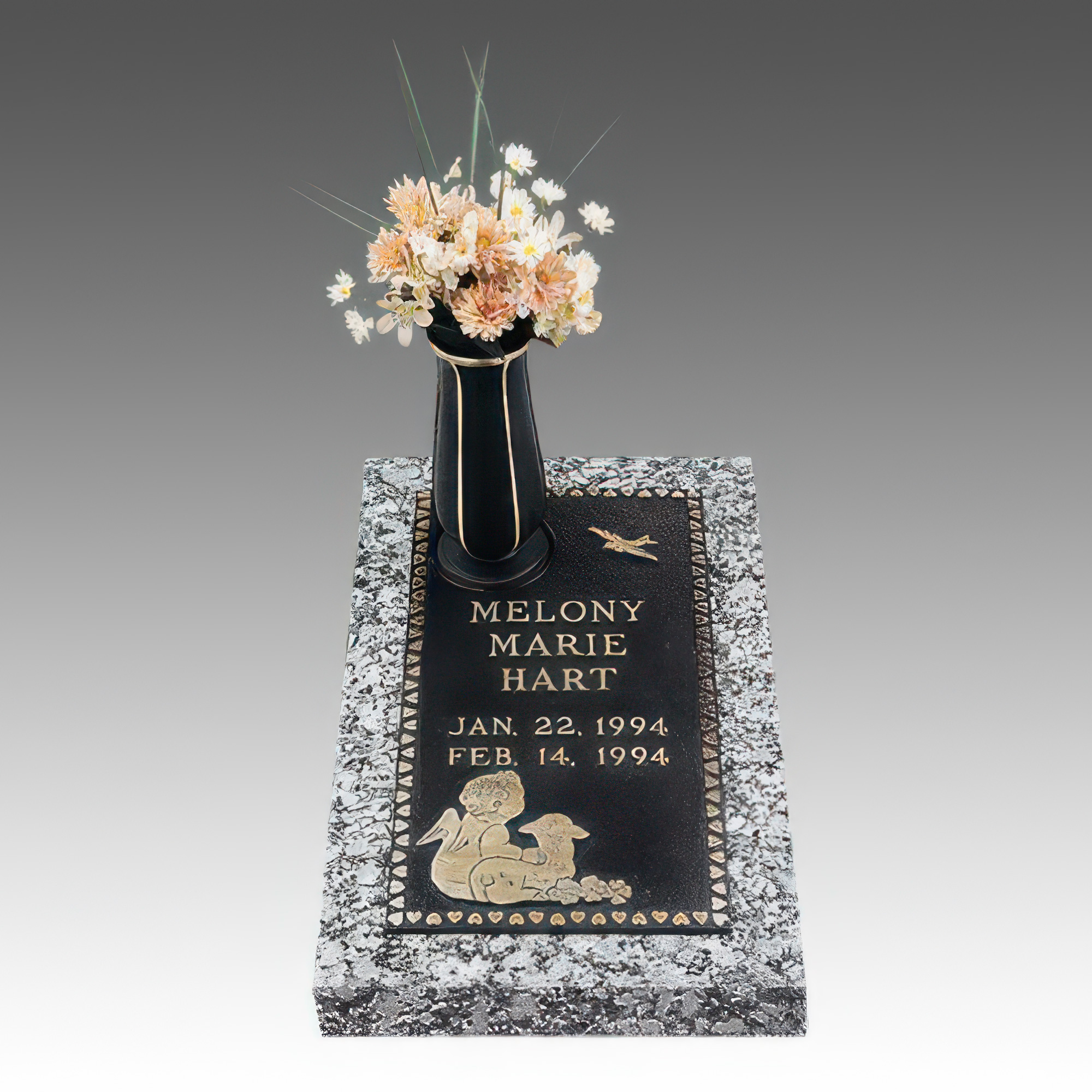
This is the most common animal symbol found on a child’s grave. The use of the lamb in religious art pre-dates Christianity and appears to have been used first by the Egyptians. It signifies purity and innocence. Because the lamb is a symbol of Christ: “Behold the lamb of God, which taketh away the sin of the world.” (Bible, John 1:29) it appears throughout the ages with great regularity in Christian art.
Ladder
Scale of perfection
Lamp
Knowledge, a love of learning, and the immortality of the spirit.
Innocence, purity, and resurrection. Often associated with the Virgin Mary and resurrection and used on women’s graves. The use of lilies at funerals symbolizes the restored innocence of the soul at death.
Lily of the Valley
Return to happiness, purity, humility
Lion
Symbolizes the power of God and guards the tomb against evil spirits. Like other guardians, the lion’s watch is as eternal as the stone of which it is depicted. The lion also recalls the courage and determination of the souls which they guard, they manifest the spirit of the departed. Resurrection.
M
Menorah
Seven-branched candlestick that is a Jewish symbol for divine presence of God. The seven branches of the candlestick represent the seven channels of the spiritual self-expression.
Mermaid
Dualism of Christ – half God, half man
Moss
Merit.
Morning Glory
Resurrection, mourning, youth, farewell, brevity of life, departure, mortality; beginning of life.
Mulberry
I will not survive you.
O
Oak
Strength. It is believed to have been the tree from which Jesus Christ’s cross was made. In smaller pioneer cemeteries, it is common to place children’s graves near oak trees. The oak tree was the tree of life in pre-Christian times. The Druids worshipped the oak.
Olive Branch
Peace; symbol of safety which the dove brought to Noah after the flood
P
Pall, Pick, Spade
Mortality
Palm
Spiritual victory, success, eternal peace, a symbol of Christ’s victory over death as associated with Easter.
Pansy
Symbolizes remembrance and humility.
Passion Flower
The elements of the passion of Christ: the lacy crown-the crown of thorns; the five stamens-the five wounds; the ten petals- the ten faithful apostles.
Peacock
Symbolized the incorruptibility of flesh, resurrection, beauty of soul, immortality.
Pentagram
This is a five-pointed, star-shaped figure made by extending the sides of a regular pentagon until they meet. This figure pre-dates Christianity and was first known to be used by Pythagoras, the Greek philosopher. Later, in the Middle Ages, the pentagram was used by magicians and sorcerers. It was believed that the pentagram offered protection against evil. Christianity adopted the figure and the symbolism to suggest the five wounds suffered by Christ on the cross. It is interesting to note that the pentagram is used by both Christianity and Wicca (witchcraft).
Traditional Jewish symbol found on a man’s flat grave marker, signifying a Levite, who was responsible for cleaning the hands of the Temple Priest before he performed his priestly duties.
Poppy
Peace, rest, sleep, eternal sleep, consolation.
Portals
Passageway to eternal journey.
Pyramid
Eternity. It was supposed that a pyramid-shaped tombstone prevented the devil from reclining on a grave.
R
Relict
Widow
R.I.P.
Short form for Requiescat In Pace (Rest In Peace)
Rod or Staff
Comfort
Rooster
Awakening, courage, vigilance.
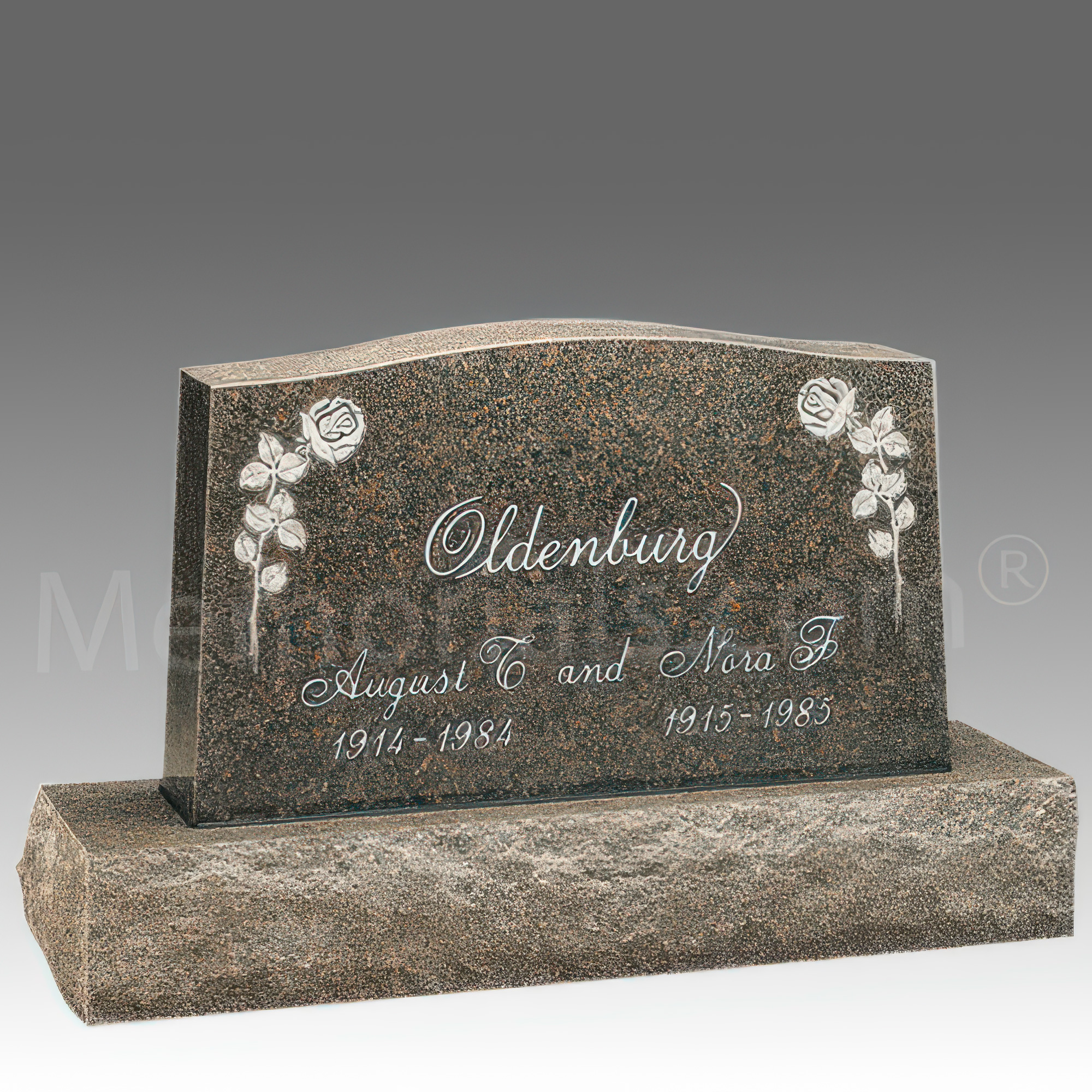
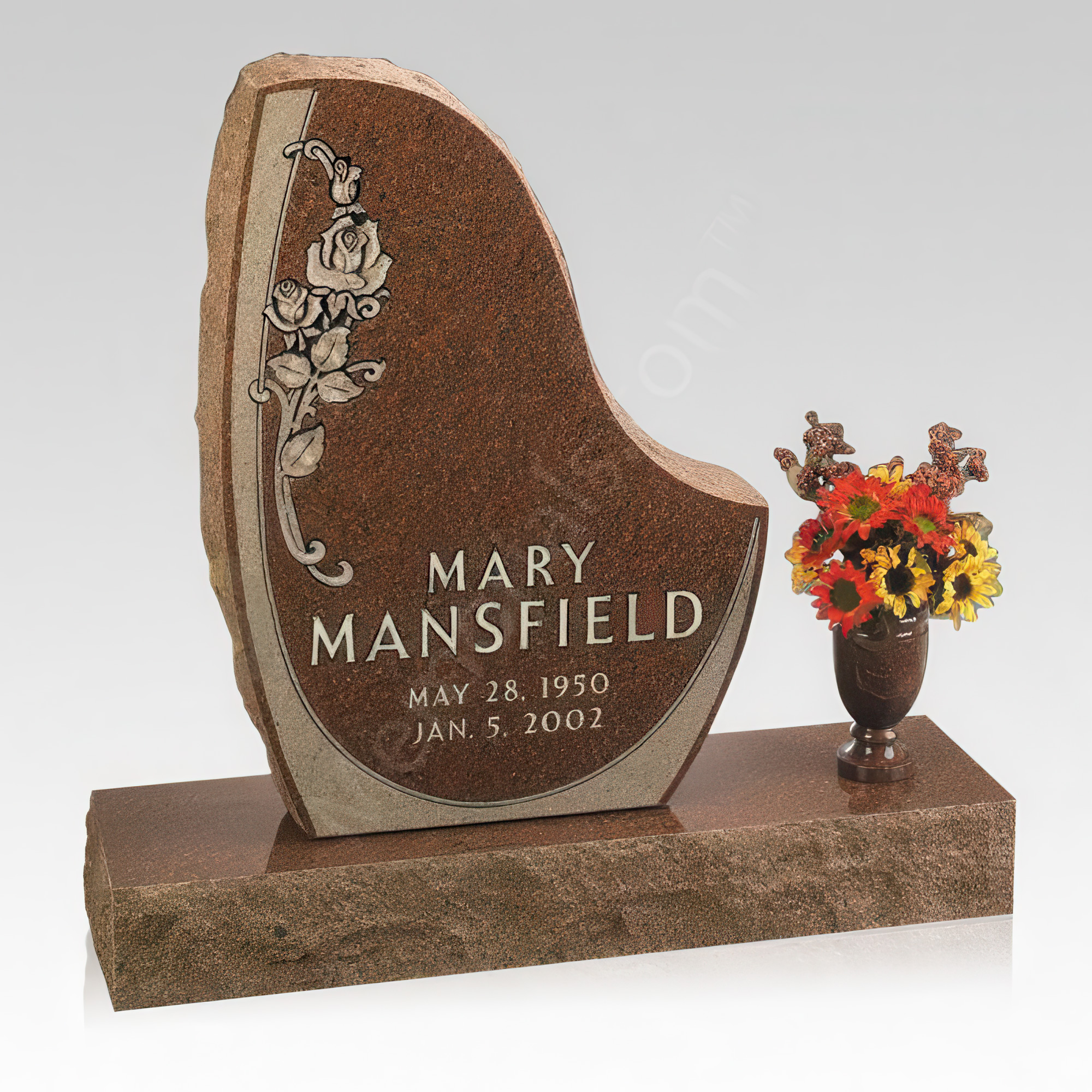
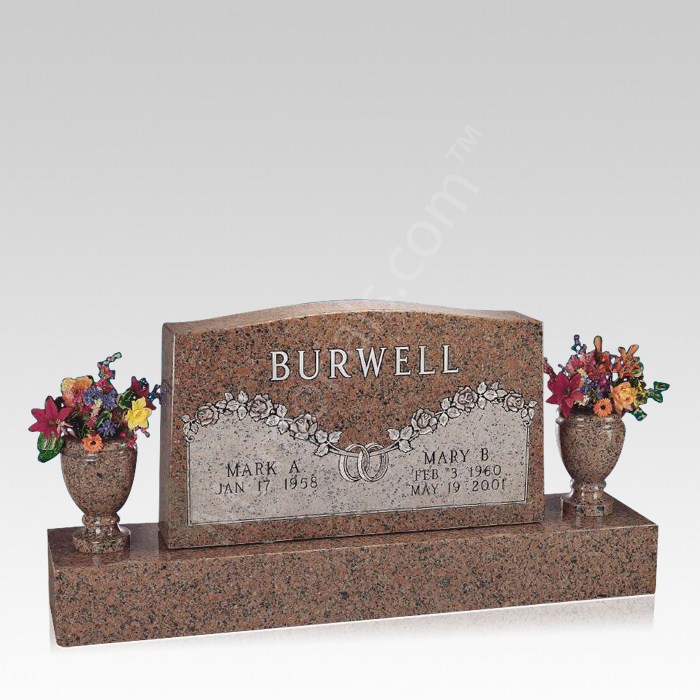
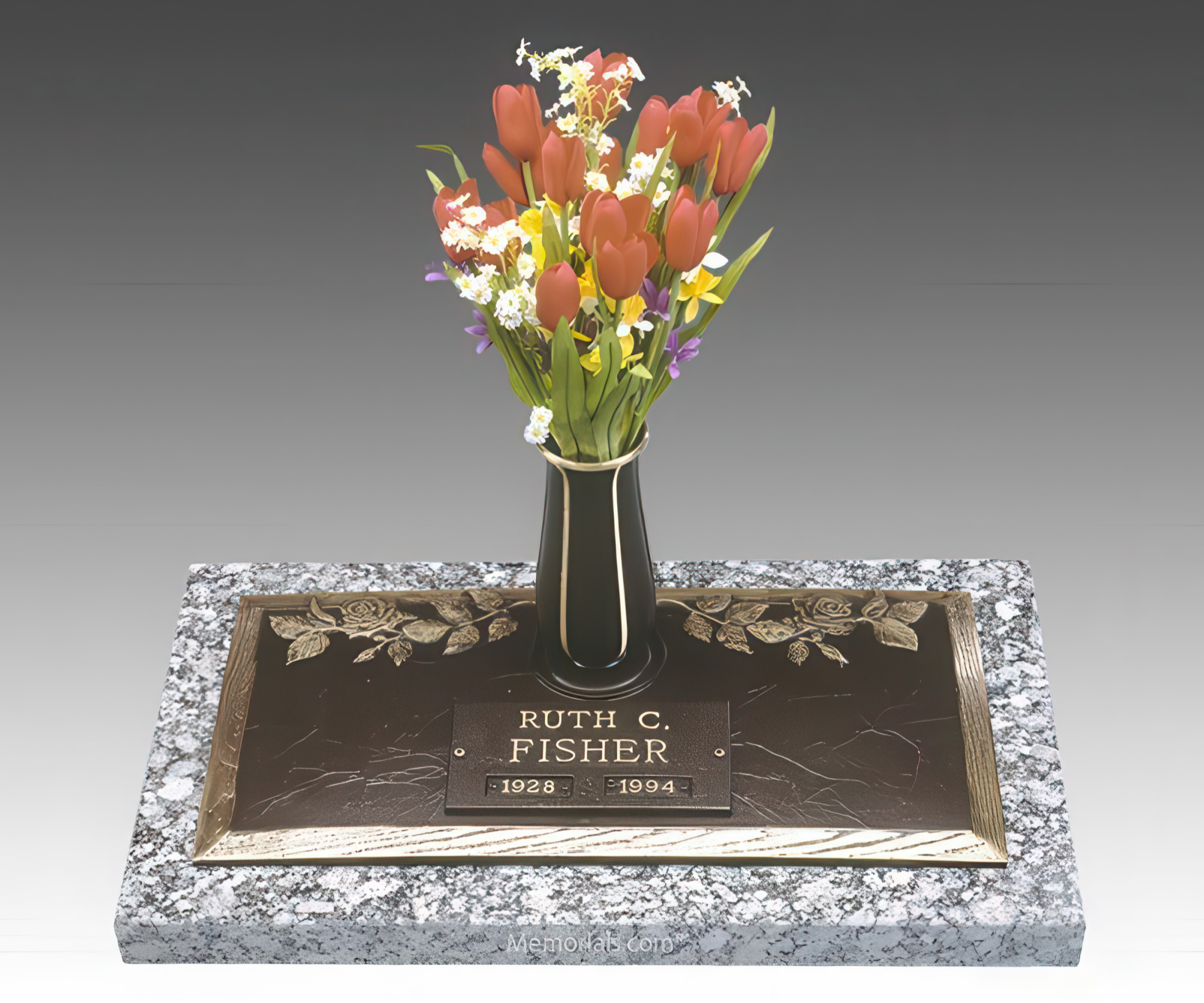
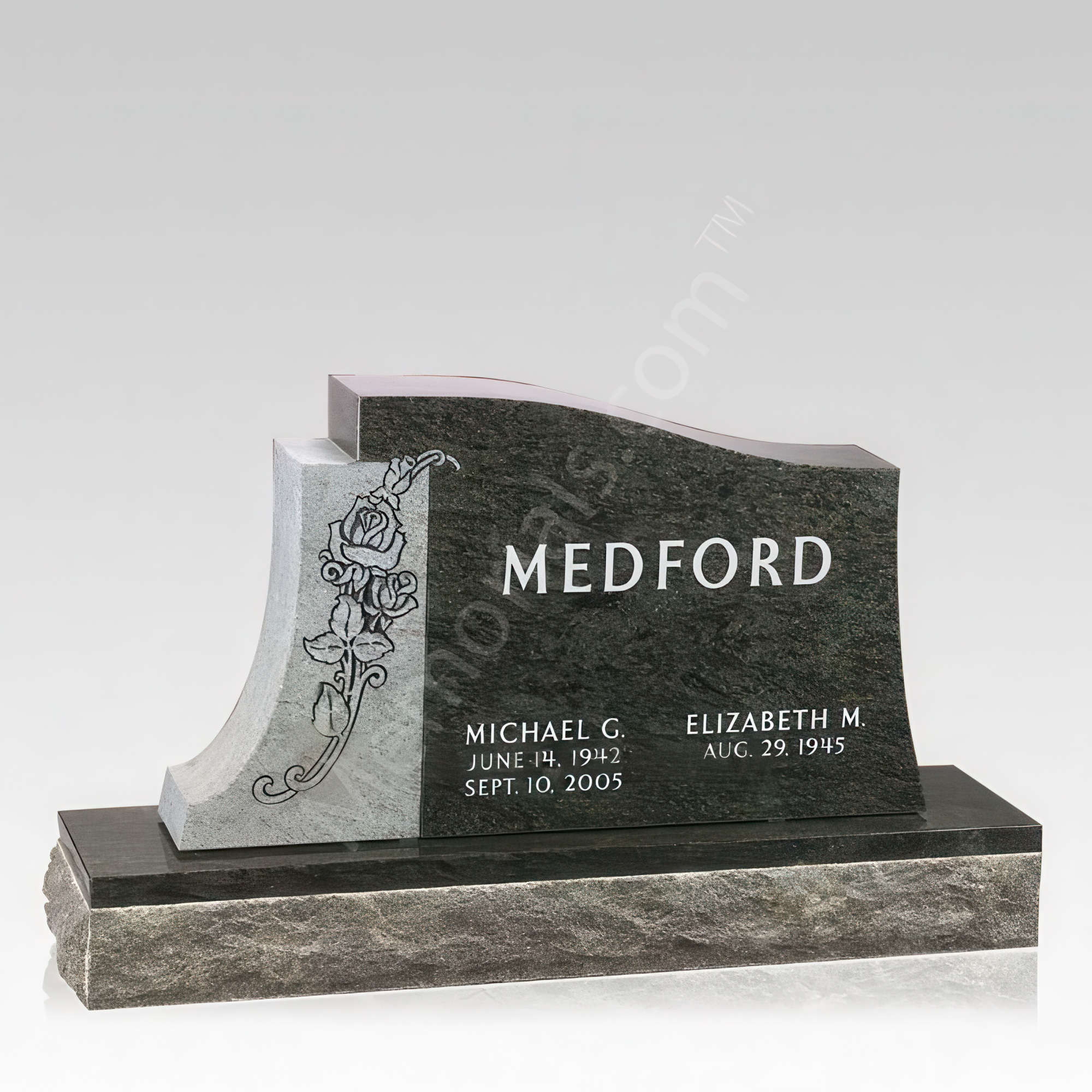
Rose
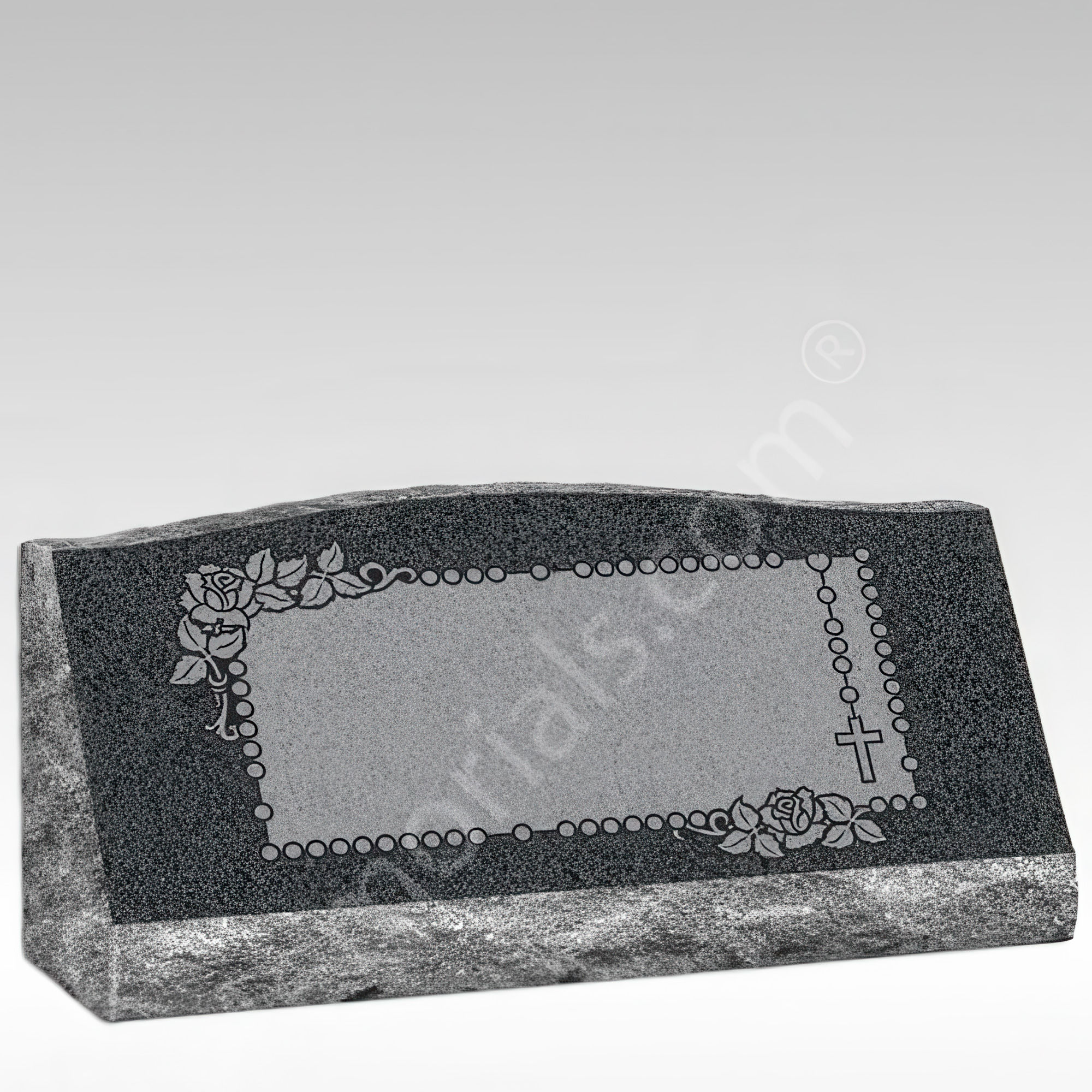
Love, beauty, hope, unfailing love, associated with the Virgin Mary, the “rose without thorns.” A red rose symbolizes martyrdom and a white rose symbolizes purity and virginity. The different stages of a rose’s bloom, is indicative of the person’s age at time of death.
Full bloom: normally in early/mid-twenties. The deceased died in the prime of life.
Rosebud, broken: life cut short usually found with a young person’s grave.
Rosebuds, joining: strong bond between two people (e.g. mother and child who died at the same time)
Rosebuds, several on same branch: secrecy
Rosette: The Lord, messianic hope, promise, love.
Wreath of rose: Beauty and virtue rewarded.
S
Scallop
Symbol of the Crusades, pilgrim, pilgrim’s journey, resurrection, life everlasting, connotes one’s life journey. A symbol of birth and resurrection, a traditional symbol of the Puritans.
Scroll
Symbol of life and time. Both ends rolled up indicate a life that is unfolding like a scroll of uncertain length and the past and future hidden. Often held by a hand representing life being recorded by angels. The scroll can also suggest honor and commemoration.
Scythe
Death, the divine harvest.
Serpent
Shown swallowing its own tail, it represents spiritual striving.
Shamrock
Ireland as country of origin.
Shell
The use of shell in burials is pre-Christian in practice and pre-dates even Egyptian burial practices. Shell is symbolic of fertility, resurrection and pilgrimage. Shell, small stones, and coins are the traditional objects left at grave sites. There are several meanings given to this act. It may be a symbolic referral to the ancient custom of burying the dead under a cairn of rocks to protect the body from scavenging animals, or a reminder that the individual is not forgotten.
Ship
The grave of a seafarer.
Sickle
Death as the “last harvest”.
Skull / Skeleton
Mortality; death.
Snake in a Circle
Everlasting life in Heaven.
Soldier on Horseback
While some sources state that the following meanings are not uniformly intended by the monument craftsman, other sources state that if the horse has both front hoofs in the air, the person died in battle. If one hoof is raised, the person died as a result of wounds; if the horse has all four hoofs on the ground, the person died of natural causes.
Square
It represents the earth and earthly existence. Some monuments have a cube or square inverted to point the corners downward and upward. This illustrates earthly existence and the directions of earth and heaven.
Five-pointed star- Symbolic of the life of Christ and may also represent the five wounds of Christ.
Five-pointed pentagram star-This star is drawn with one stroke of the pen. Its exact origin is unknown, and its meaning has changed throughout the ages. The pre-Christian Celtic priests called it the witch’s foot. It is also called Solomon’s Seal and was known in the Middle Ages as the goblin’s cross. Today the symbol is a favorite among graffiti artists and so-called demonology practitioners. Like the pentagon, it is believed to have protective powers against evil. In Wicca beliefs, it represents protection against demons and a symbol of safety. The ancient Babylonians used the symbol as a magic charm. The five-pointed pentagram star represents the five senses. In Judaism, it represents the five mosaic books. This symbol has also been adopted by Masonic organizations.
The Star of David- six-pointed star or Magen David (Hebrew for shield of David), it is typically used as a symbol of Judaism. The star is actually comprised of two triangles. It signifies divine protection as epitomized by the alchemistic signs for fire and water which are an upward and downward apexed triangle. The star can be traced back to ancient times, used by several Asia Minor cultures, as well as some Greek city states. For Judaism, the Star of David came into widespread use at the beginning of the 20th century. Theodore Hertzel, a Jewish activist, adopted the symbol in his writings promoting Palestine as a Jewish homeland.
Sun Setting
Death.
Sun Rising / Shining or with Rays
Renewed life; resurrection
Swastika
Exact origin is unknown but it is considered one of the oldest and widespread symbols used. Commonly found on Buddhist memorials, it represents the sea of the Buddha’s heart; the doctrine of the Buddha; the round of existence. To the Chinese, the swastika had two forms symbolizing the male and female; clock-wise and counter-clockwise. Also used by the Romans and later by the Nazi party in Germany during the Second World War.
Sword
A military career.
Broken sword- life cut short.
Crossed swords- life lost in battle.
T
Thistle
Earthly sorrow, Christ’s crown of thorns, Scotland as country of origin, remembrance.
Tree
The all-covering love of Christ. Life, The Tree of Life.
In Christianity, the equilateral triangle is the symbol of the Trinity. Other geometric shapes representing the Holy Trinity are the trefoil, the triquetra, the circle within the triangle, the triangle in the circle and the triquetra and circle. To the ancient Egyptians, the triangle was an emblem of Godhead; to the Pythagoreans, it symbolized wisdom. Another use of the triangle is in the symbol of the eye (Eye of God) surrounded by a triangle.
Trumpets
Victory and resurrection.
Trumpeters
Heralds of the resurrection.
U
Urn
Greek symbol of mourning, the body as a vessel of the soul, originating as repository for the ashes of the dead in ancient times – a popular symbol of mourning.
Urn with Blaze
Undying friendship.
V
Vessel with Flame
The eternal flame or the eternal spirit of man.
Vine
The sacraments, God’s blood, God
W
Weeping Willow
Mourning, grief. Nature’s lament, a symbol of sorrow.
Wheat
Resurrection, bread and wine (Christian), fertility. Convent bakers use wheat flour to make communion wafers, making it a holy plant, of sorts, fit to grace the tombstone of a priest.
Winged Face
Effigy of the soul of the deceased.
Winged Globe
A symbol of the first Egyptian sun god, Re. On Victorian monuments it is symbolic of the power that can recreate and, with the wings, means, “God, Lord over all, creator.”
Winged Skull
Flight of the soul from mortal man.
Winged Wheel
Symbolized the Holy Spirit.
Woman Hanging onto Cross
Faith. Original drawing accompanied Rev. Toplady’s hymn “Rock of Ages.” Also seen as woman clinging to pillar or anchor. Common motif on white bronze monuments and Masonic grave memorials.
Y
Yew Tree
Sadness, eternal life.
Gravestone Symbols Wrap-Up
Well, there you have it. Over 180 gravestone symbols with their meanings and a few pictures, too. Hopefully you learned something new. Let us know in the comments below if you think we missed any symbols. We want this guide to be the most exhaustive one anywhere online, so let us know if we missed any.