🏬Supersize Online Funeral Retailer🪦1000's of Headstones⚱️Over 10,000 Cremation Urns⚰️Caskets Overnight Delivery🛒Funeral & Memorial Superstore🚚FREE Shipping on ALL Orders👨👩👧👦Helping Families for over 20 Years💰Lowest Price Guarantee🏬Supersize Online Funeral Retailer🪦1000's of Headstones⚱️Over 10,000 Cremation Urns⚰️Caskets Overnight Delivery🛒Funeral & Memorial Superstore🚚FREE Shipping on ALL Orders👨👩👧👦Helping Families for over 20 Years💰Lowest Price Guarantee
🏬Supersize Online Funeral Retailer🪦1000's of Headstones⚱️Over 10,000 Cremation Urns⚰️Caskets Overnight Delivery🛒Funeral & Memorial Superstore🚚FREE Shipping on ALL Orders👨👩👧👦Helping Families for over 20 Years💰Lowest Price Guarantee🏬Supersize Online Funeral Retailer🪦1000's of Headstones⚱️Over 10,000 Cremation Urns⚰️Caskets Overnight Delivery🛒Funeral & Memorial Superstore🚚FREE Shipping on ALL Orders👨👩👧👦Helping Families for over 20 Years💰Lowest Price Guarantee
How to Buy a Headstone: The Complete Guide to Choosing a Lasting Memorial
memorialization
Choosing a headstone is one of the most meaningful decisions you will make after losing someone you love. The memorial you select will stand for generations, marking a life lived and offering a place for reflection long after the flowers have been cleared and the service has ended. It is also a decision that most families face without any prior experience, which can make the process feel overwhelming at the worst possible time.
This guide walks you through every step of buying a headstone — from understanding cemetery requirements and comparing materials to selecting a style, personalizing the design, and placing your order. Whether you are arranging a memorial shortly after a loss or planning ahead for yourself, the information here will help you make a confident, informed choice.
Understanding Your Options: Headstone Types and Styles
Before visiting a monument dealer or browsing online, it helps to know the basic categories of memorials. Each type has a distinct look, different price range, and specific cemetery requirements.
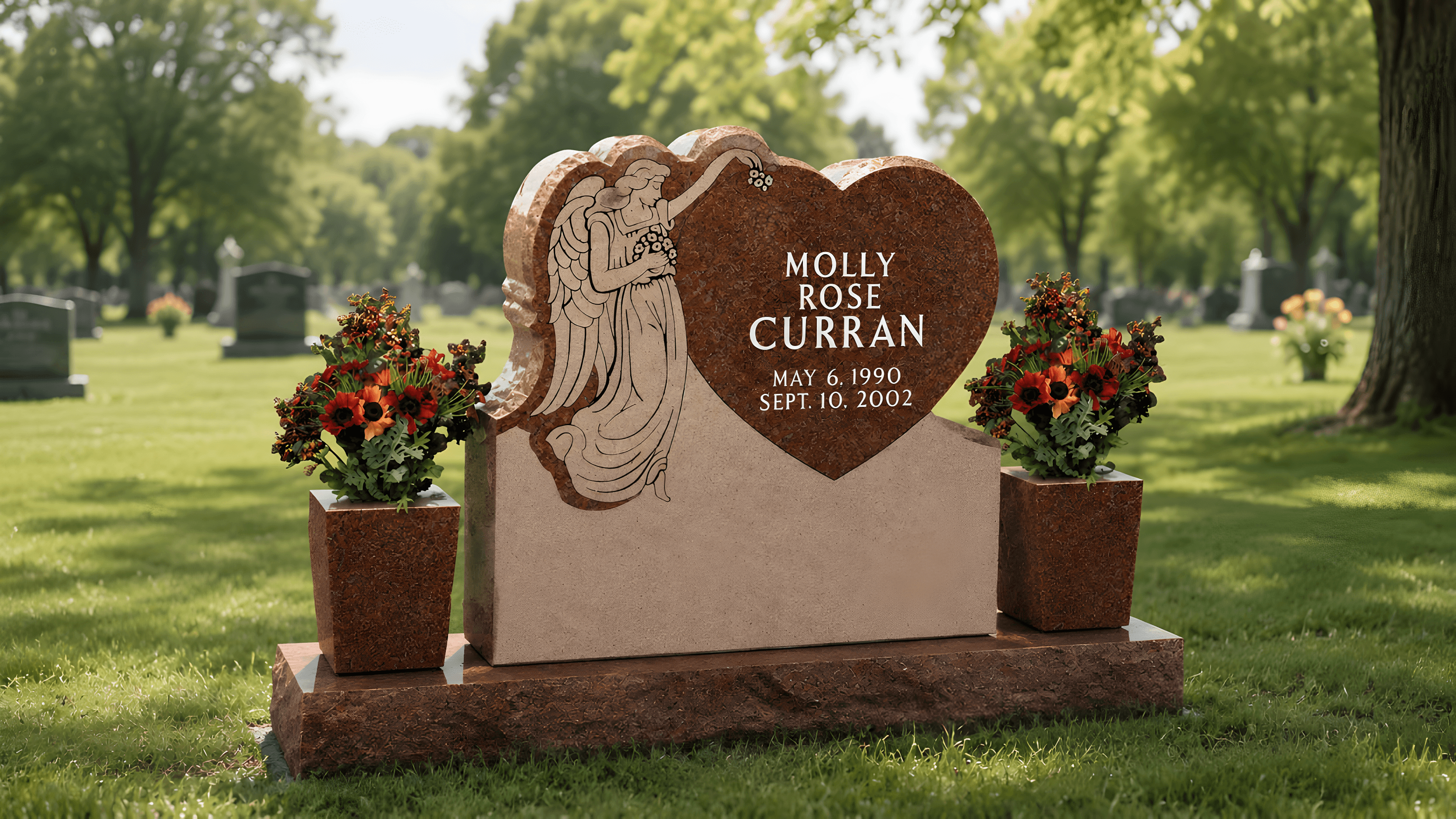
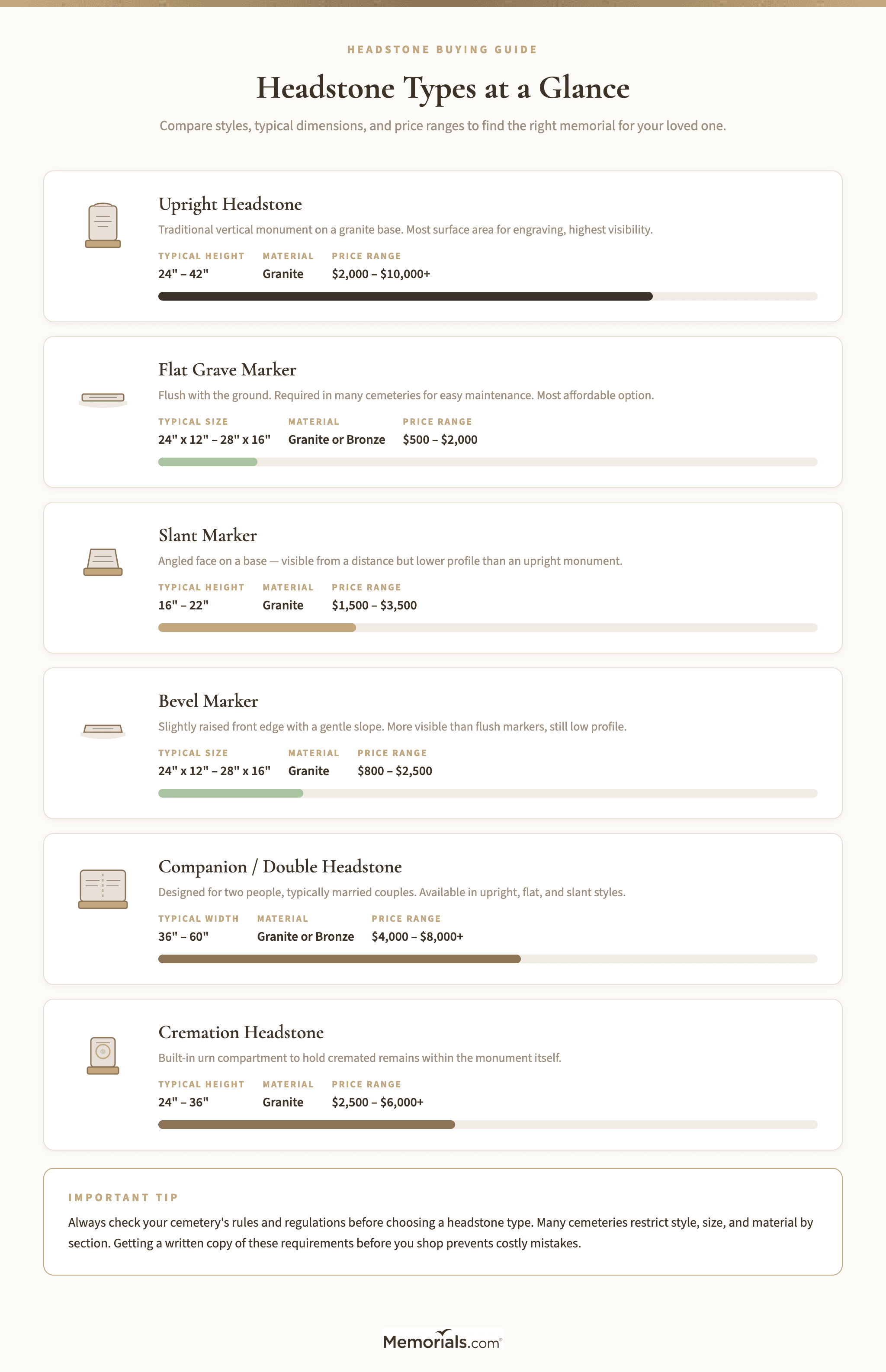
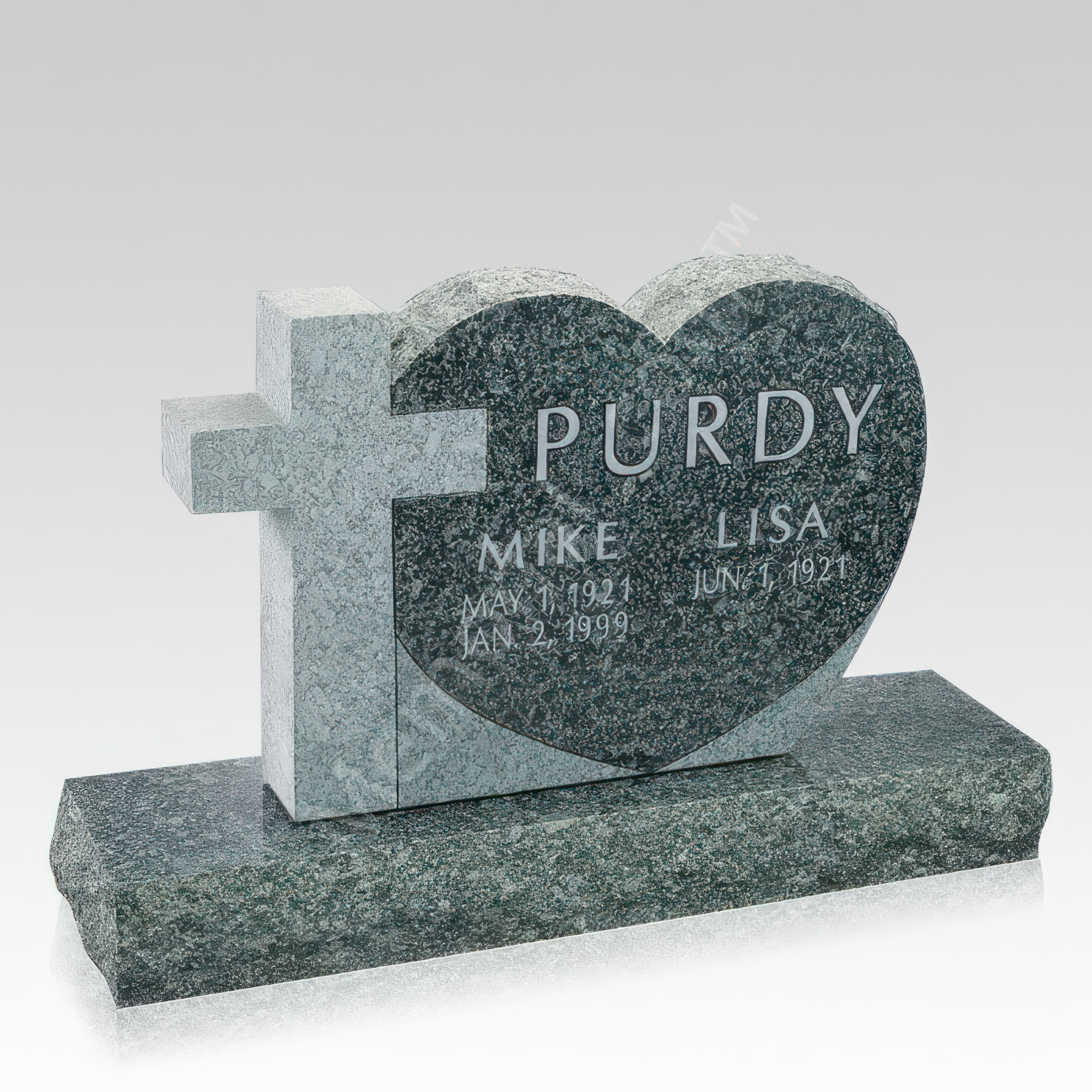
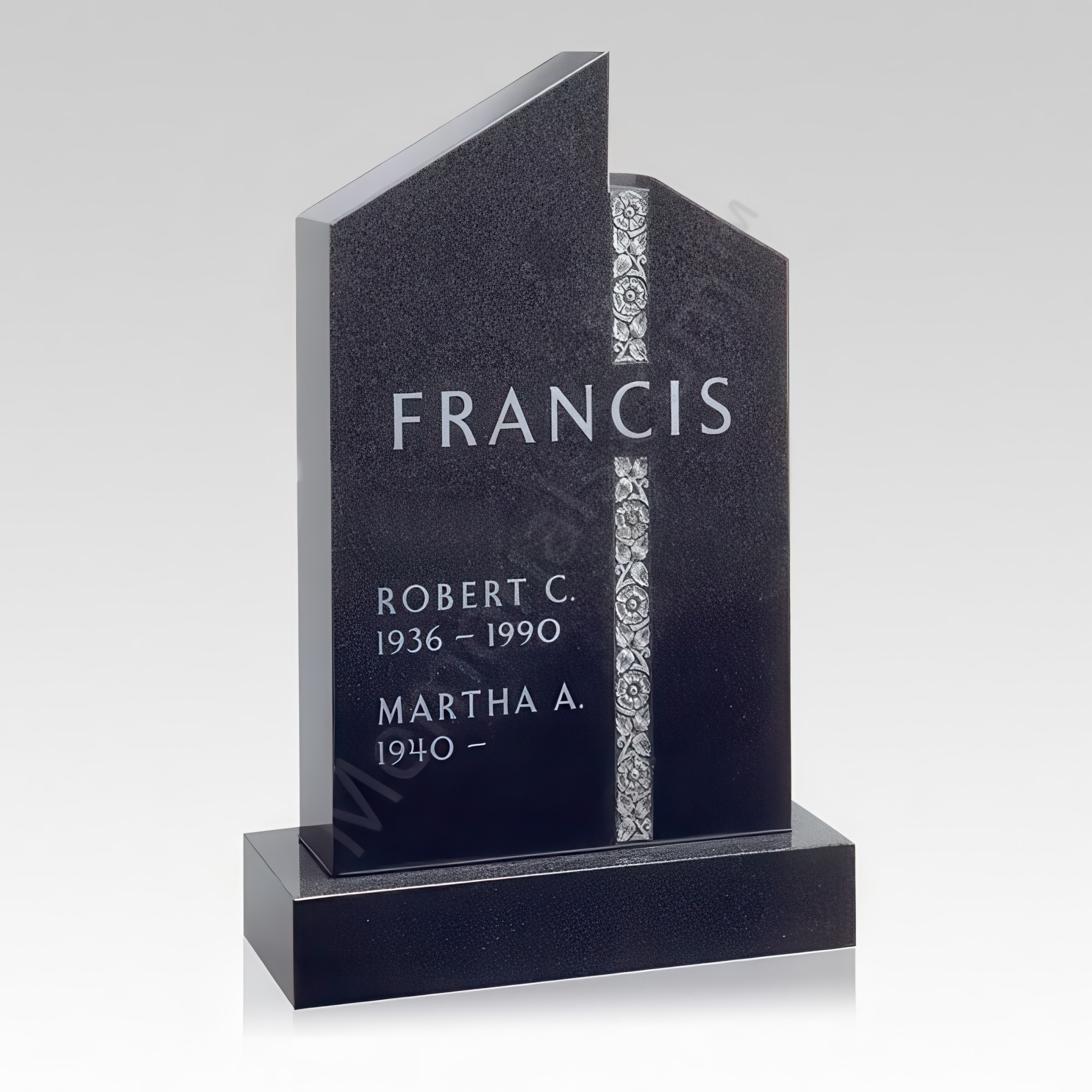
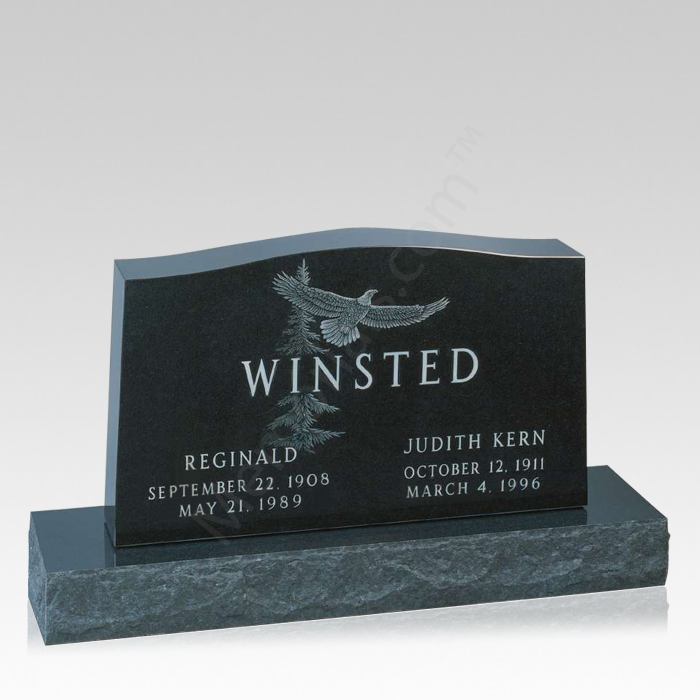
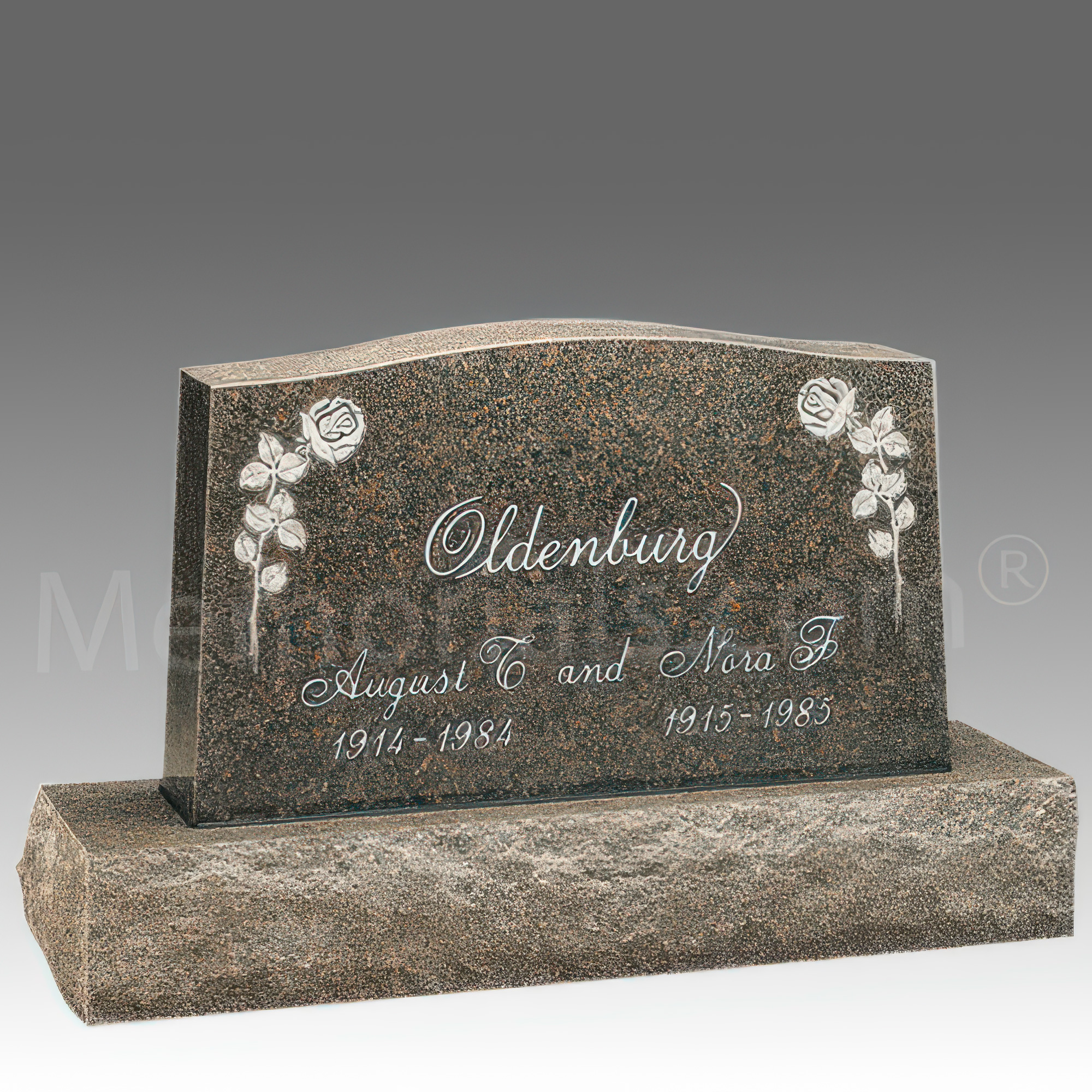
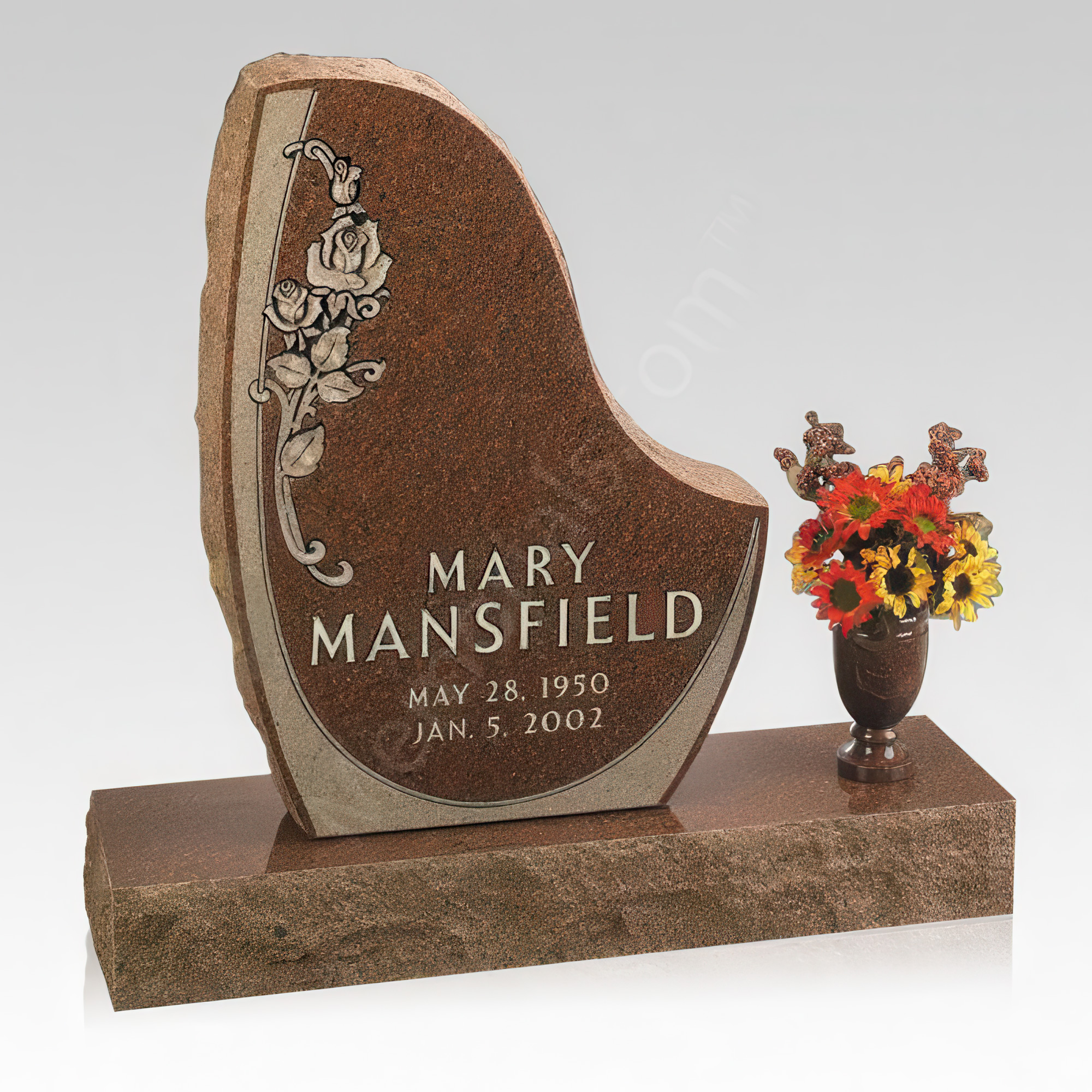
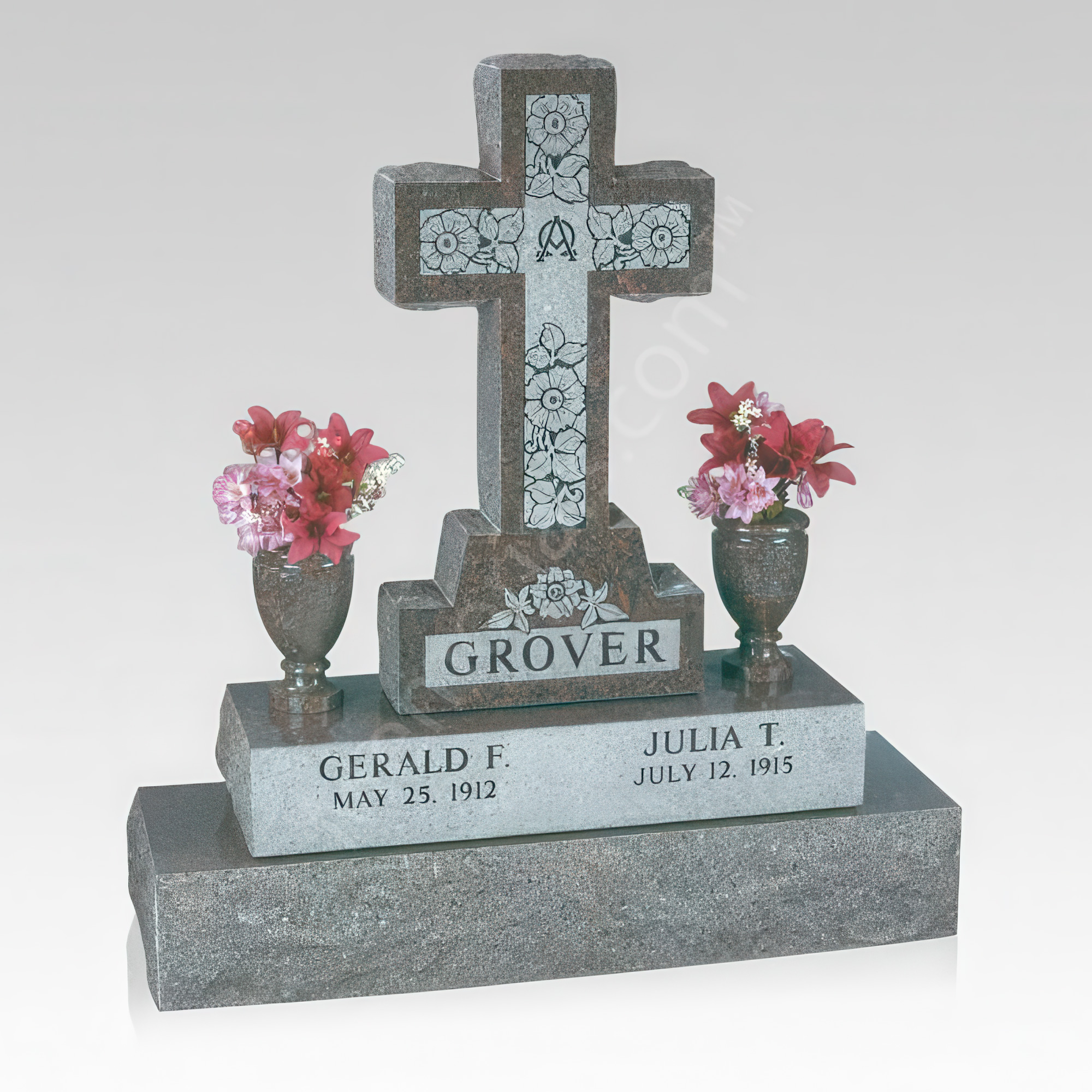
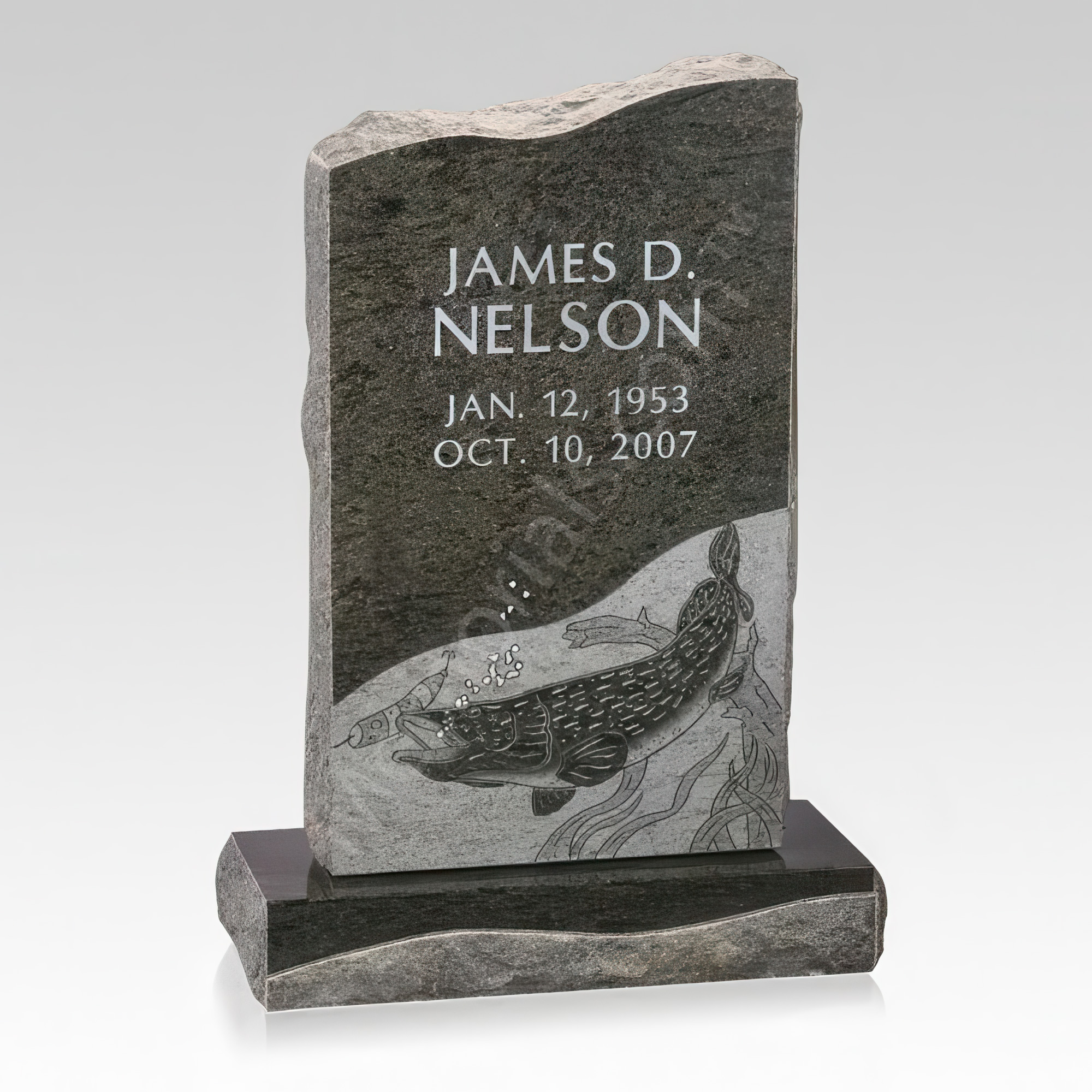
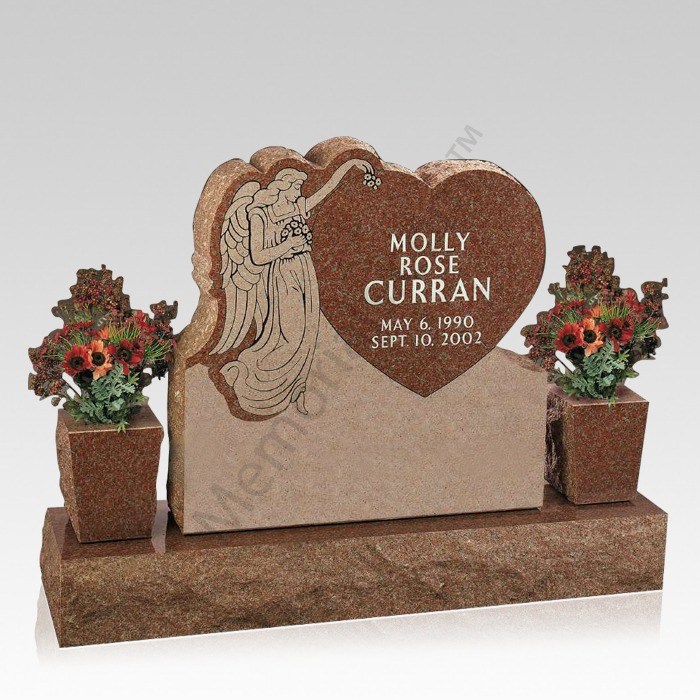
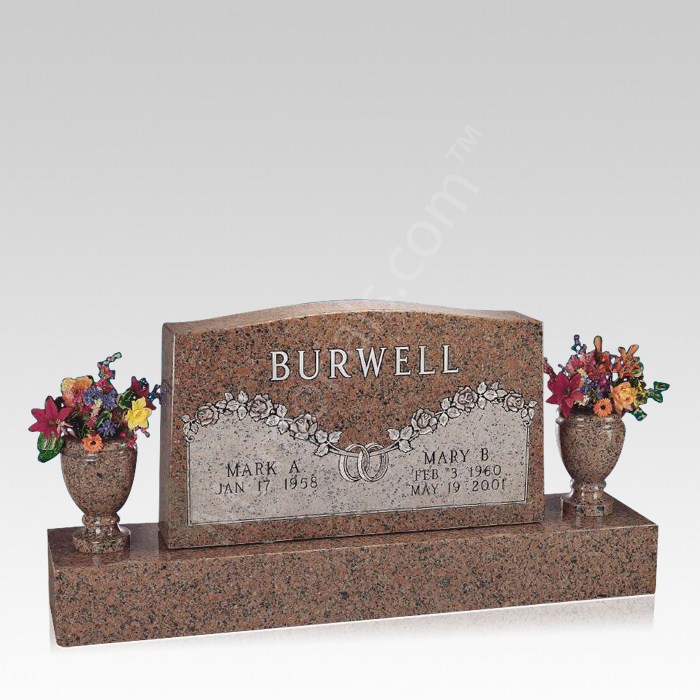
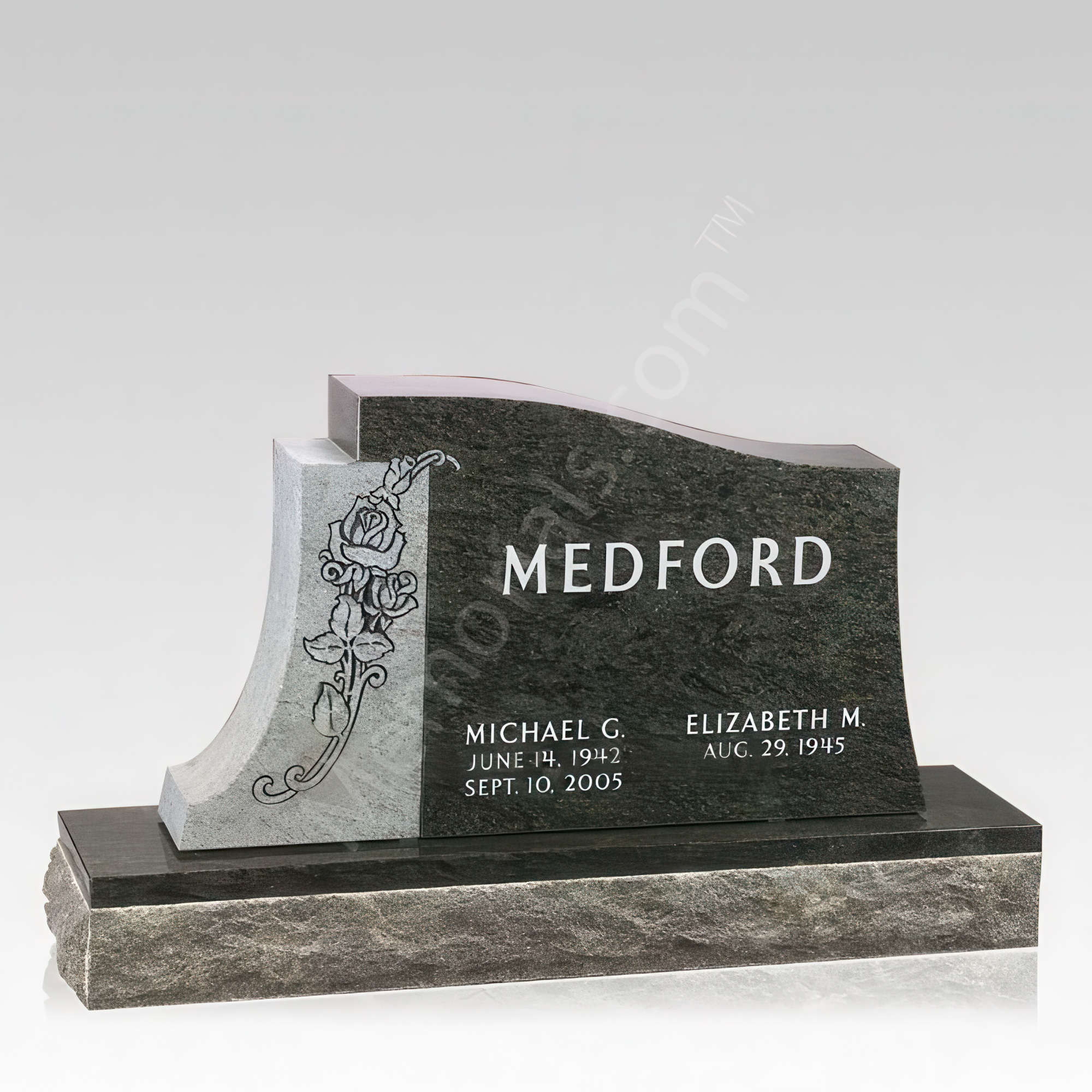
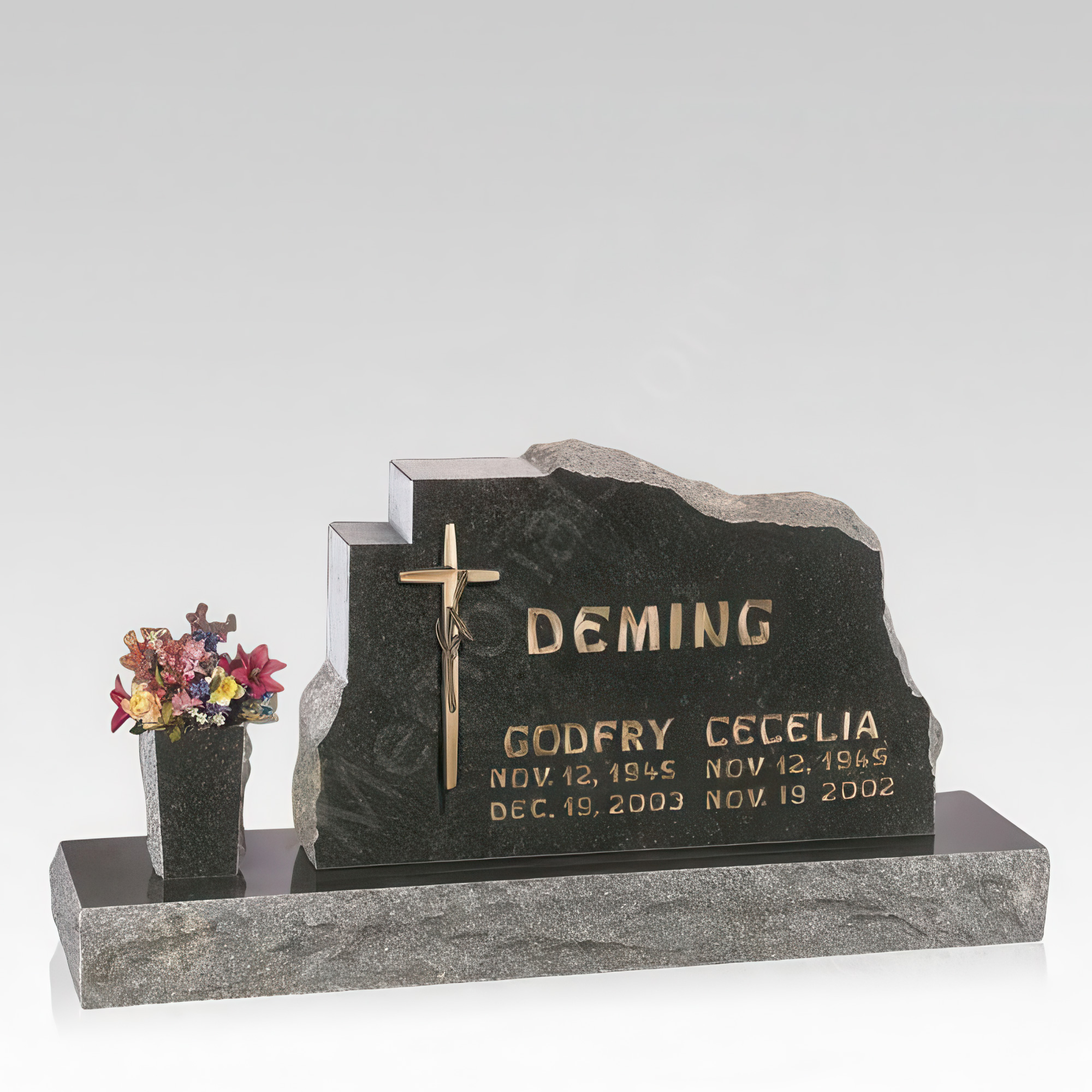
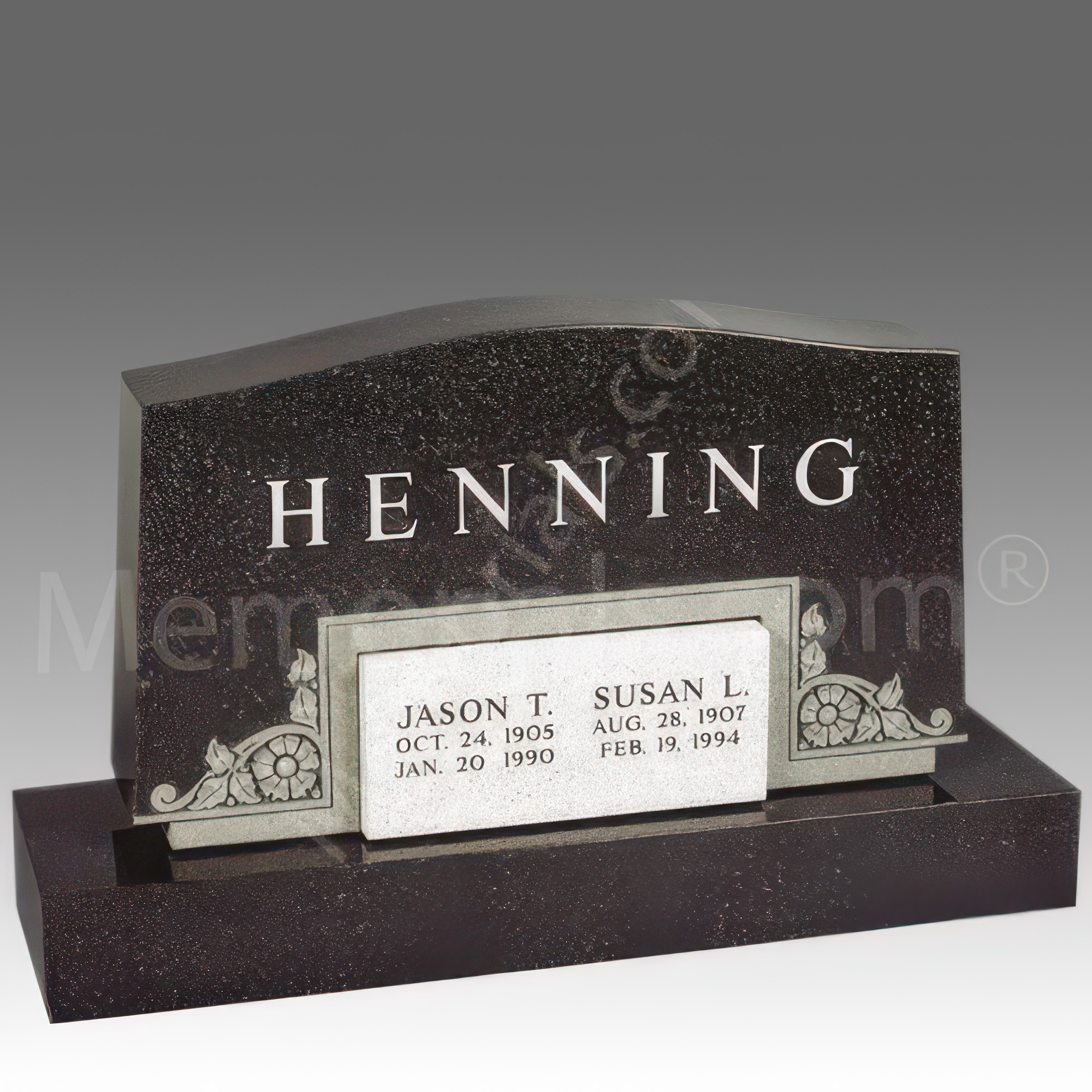
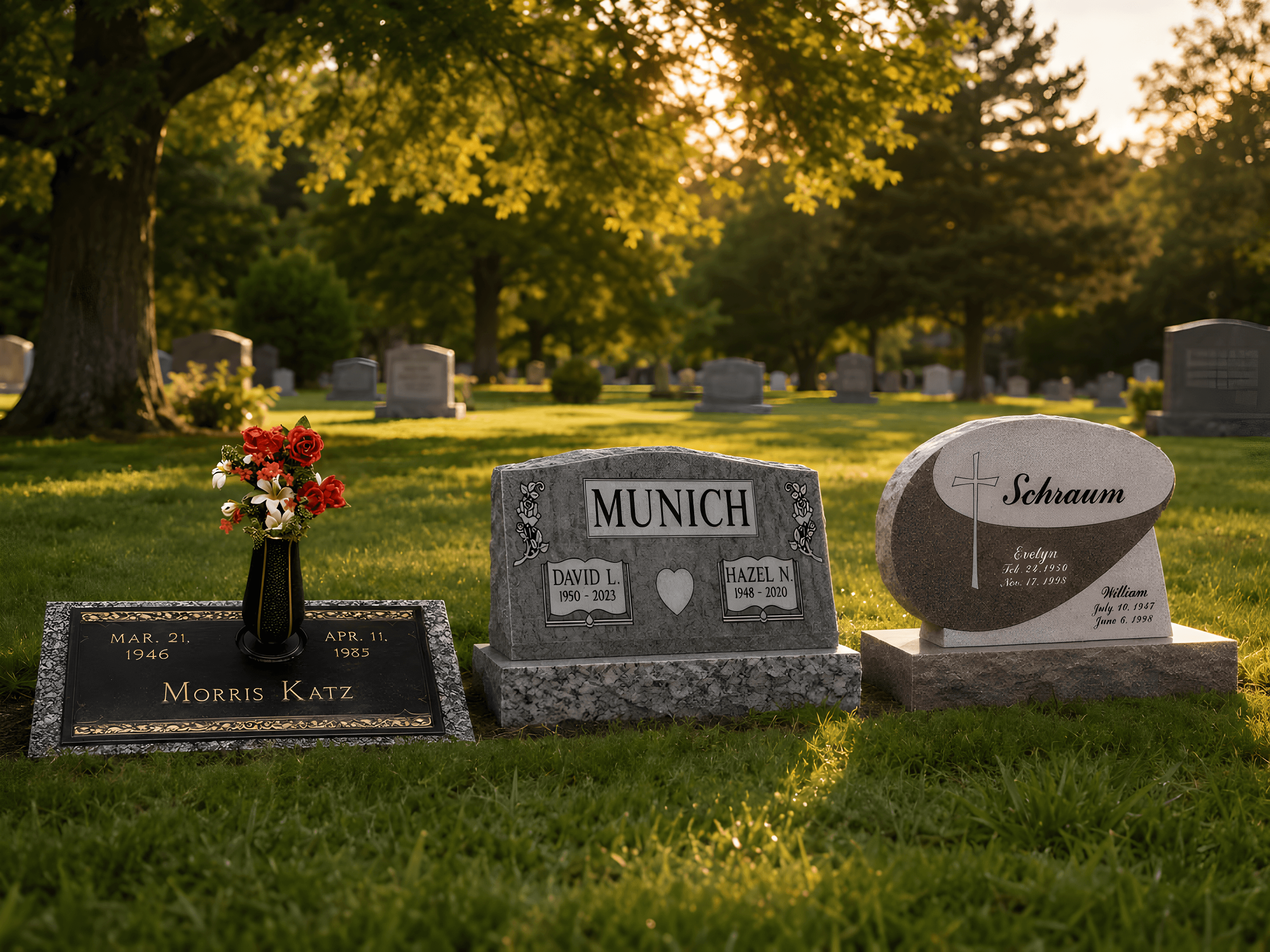
Upright headstones are the traditional style most people picture — a vertical stone tablet mounted on a granite base. They offer the most surface area for engraving and stand prominently at the head of the grave. Most range from 24 to 42 inches tall and can be shaped in a variety of profiles, from classic serpentine tops to custom carved designs.
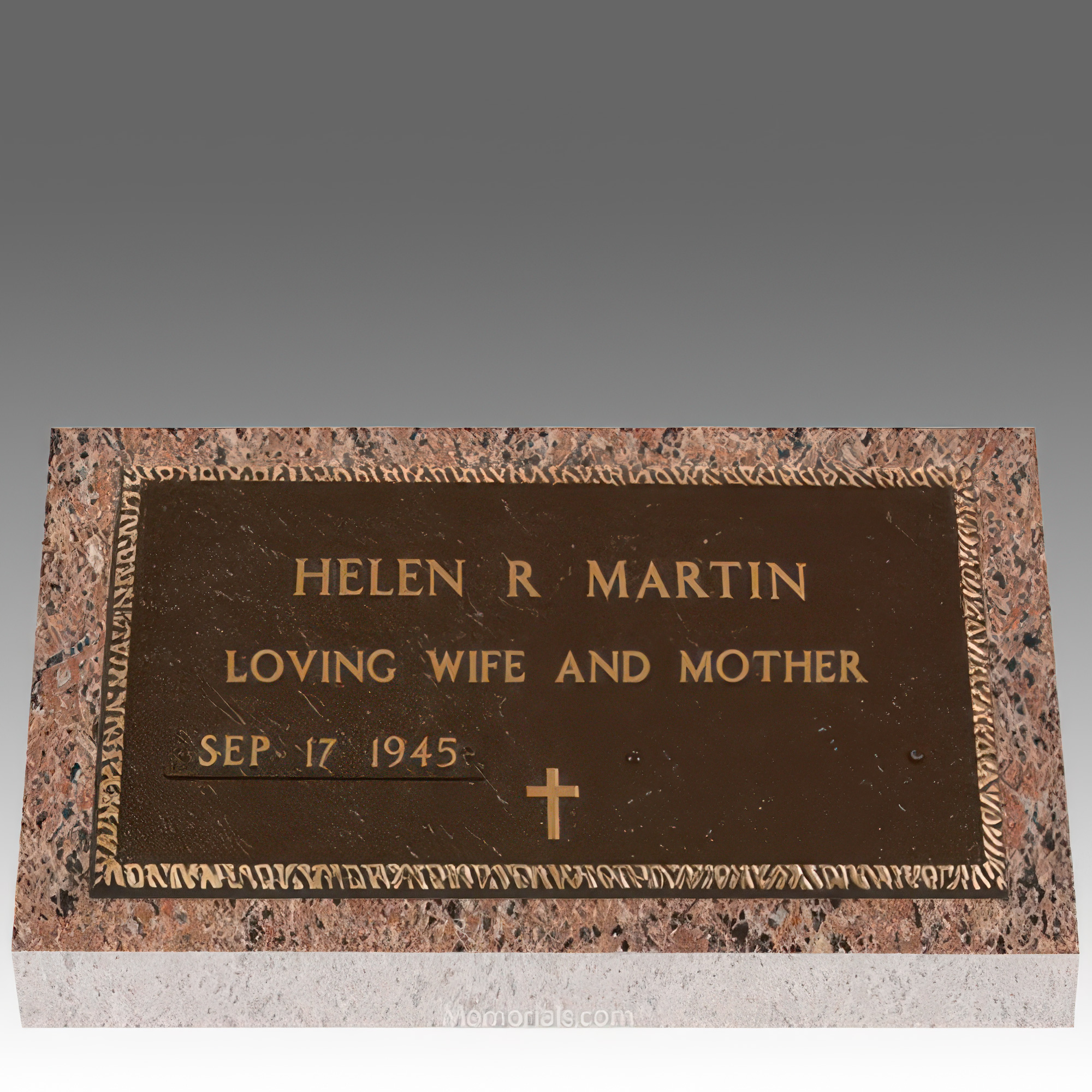
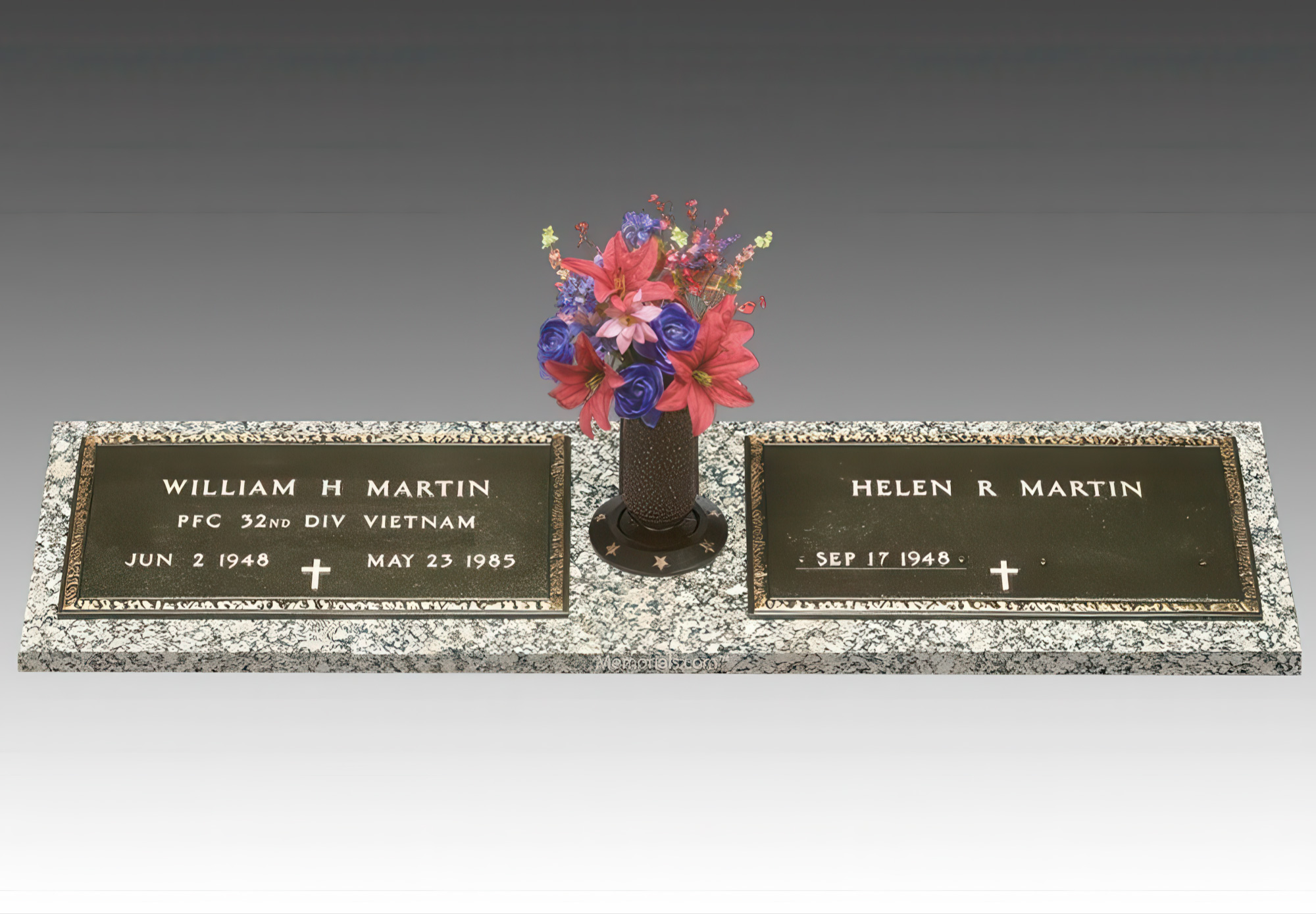
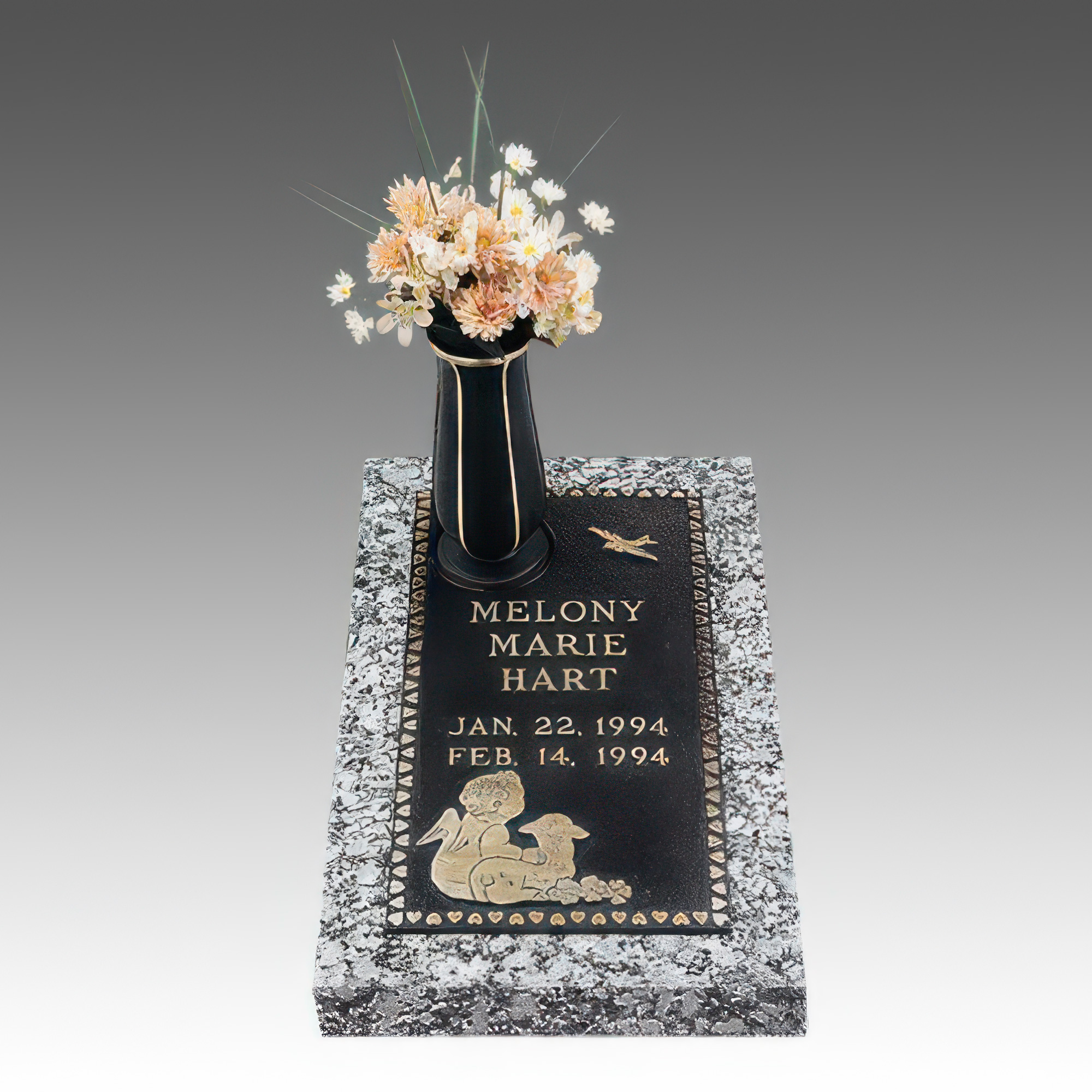
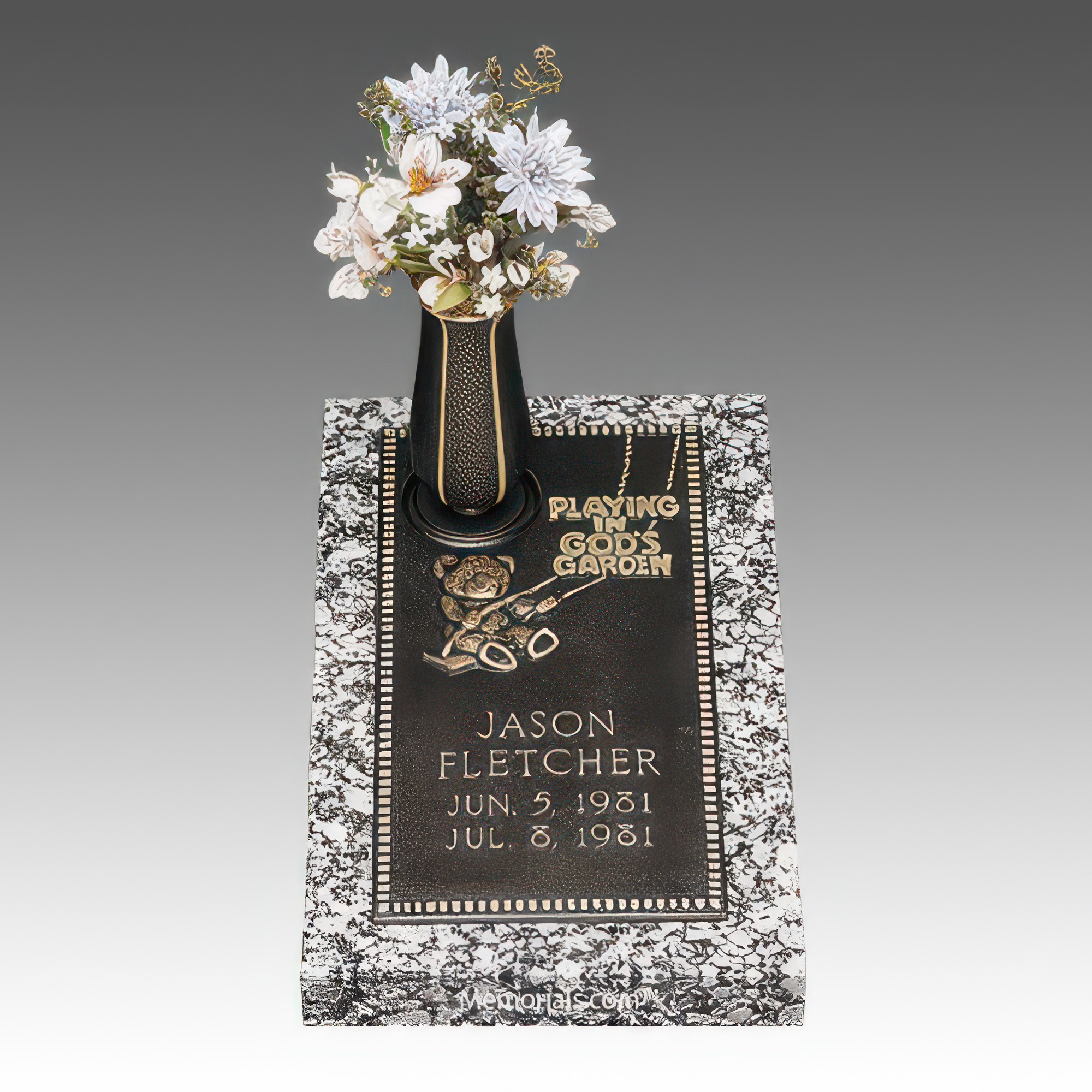
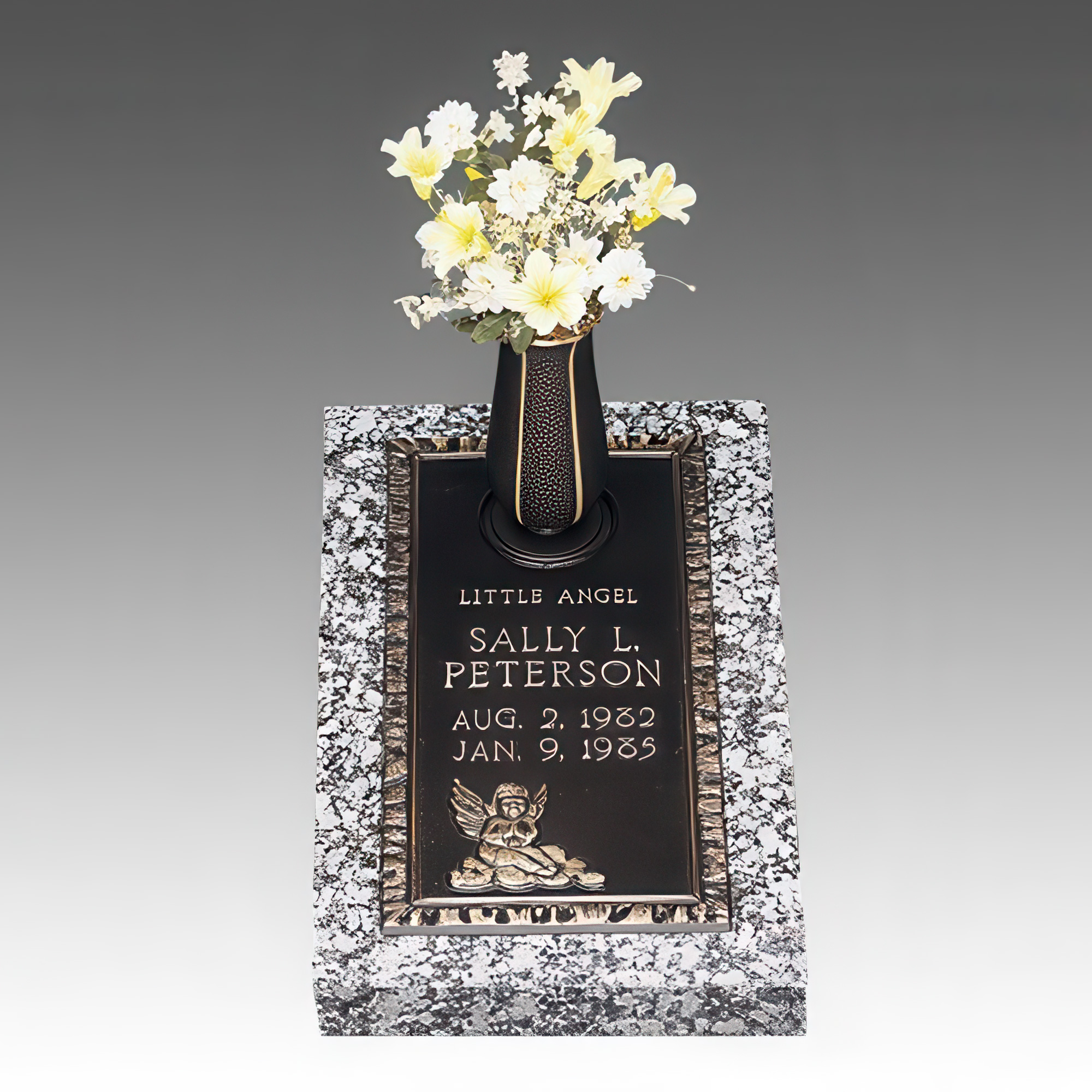
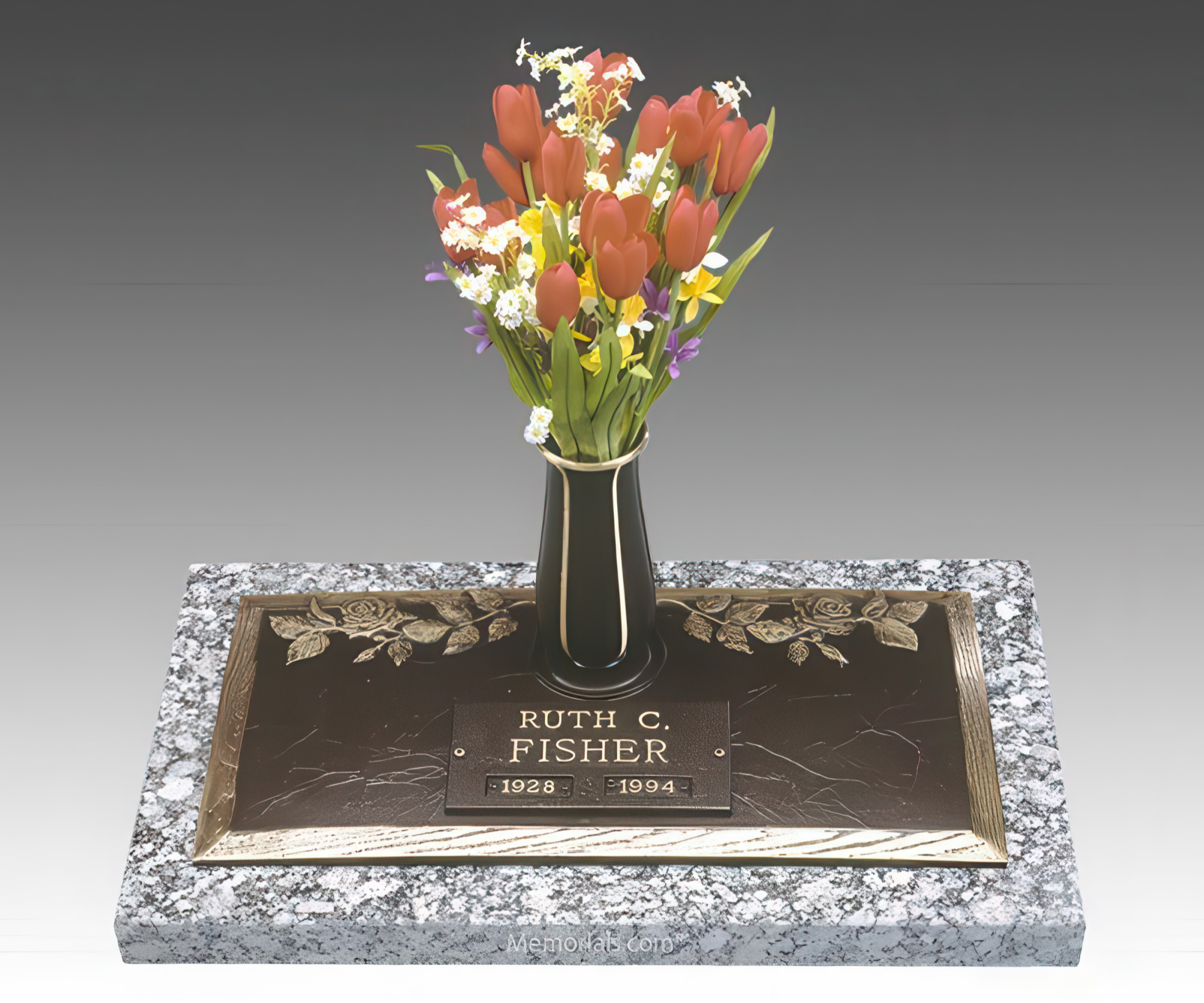
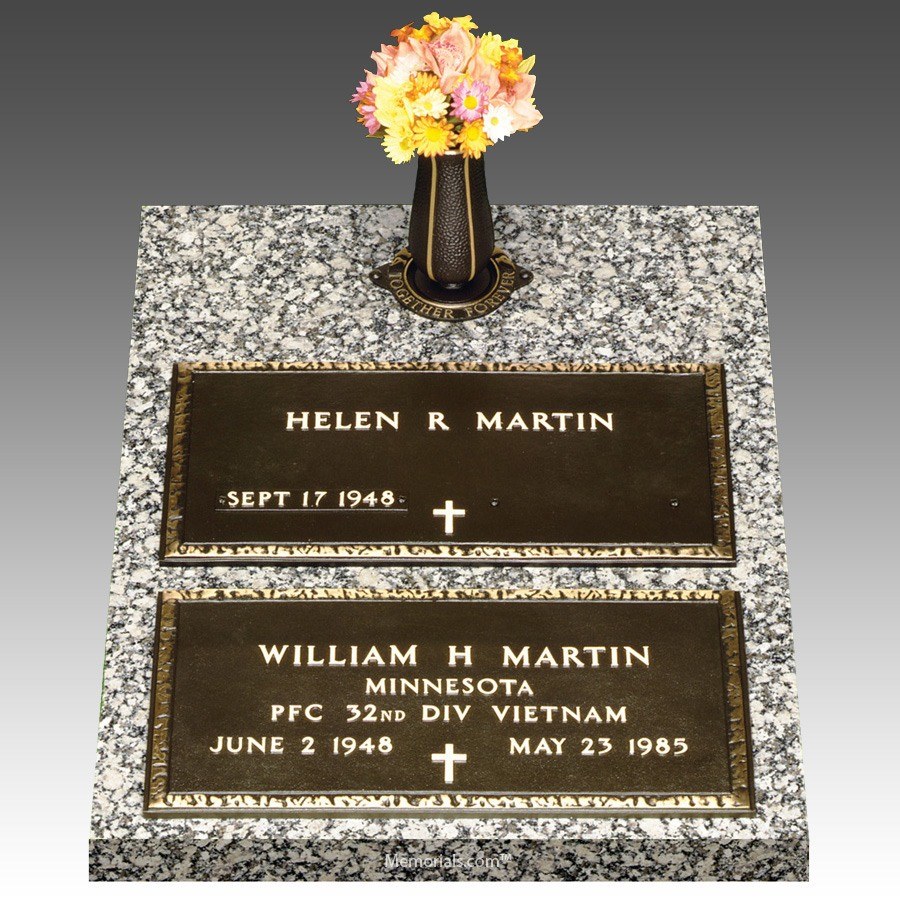
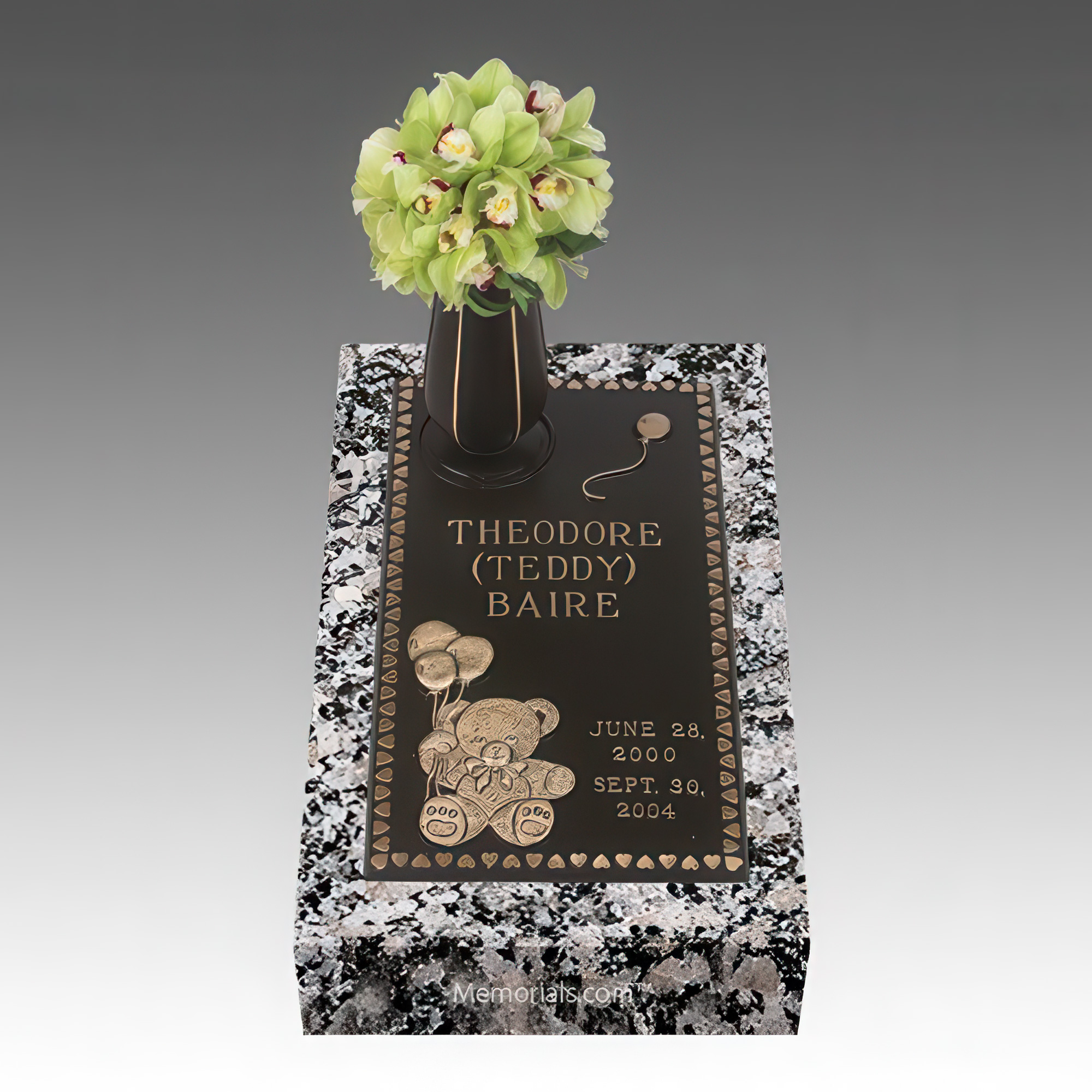
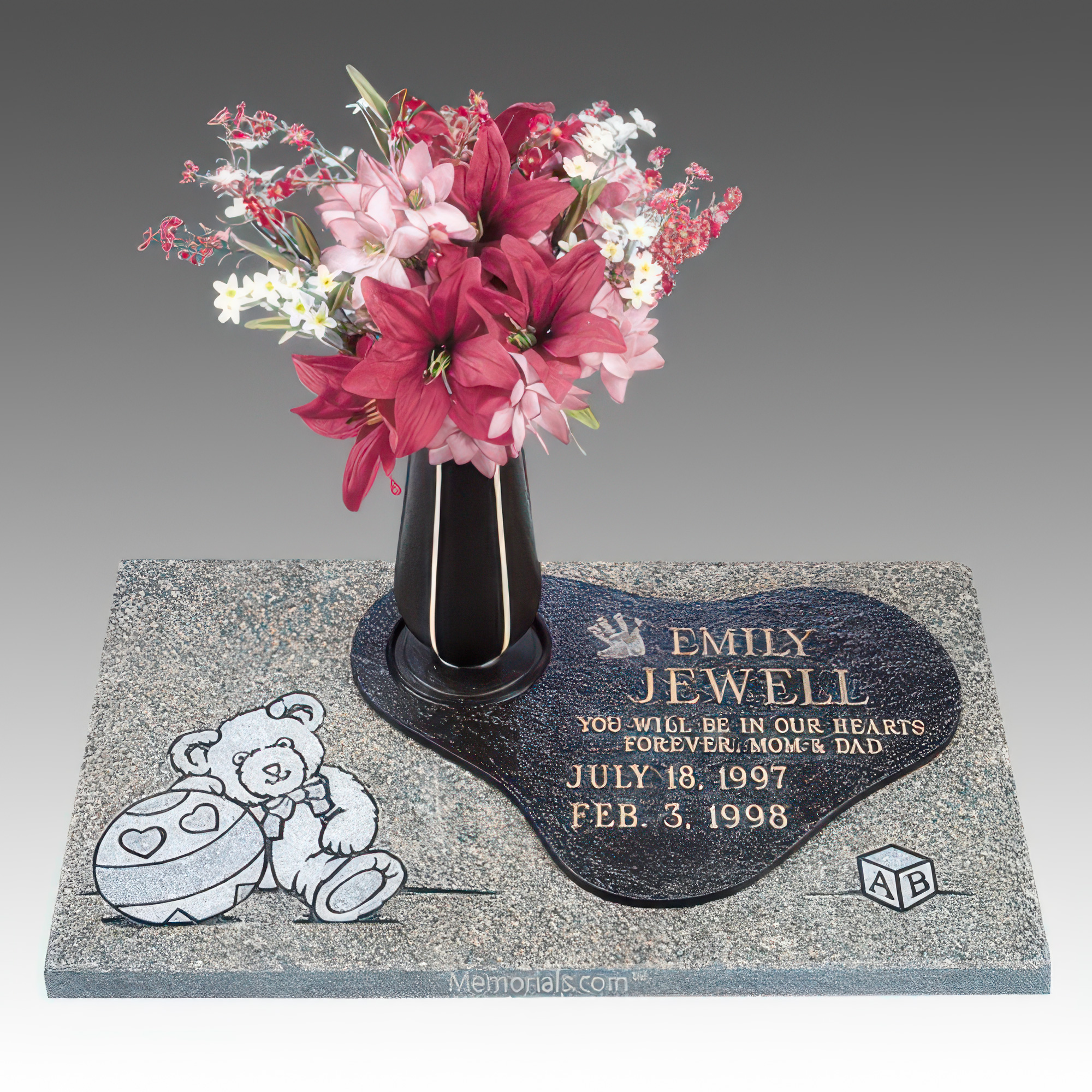
Flat grave markers sit flush with the ground or rise only slightly above the surface. Many cemeteries require flat grave markers because they simplify groundskeeping — mowers can pass directly over them without obstruction. These markers are typically less expensive than upright monuments and work well in sections with strict size regulations.
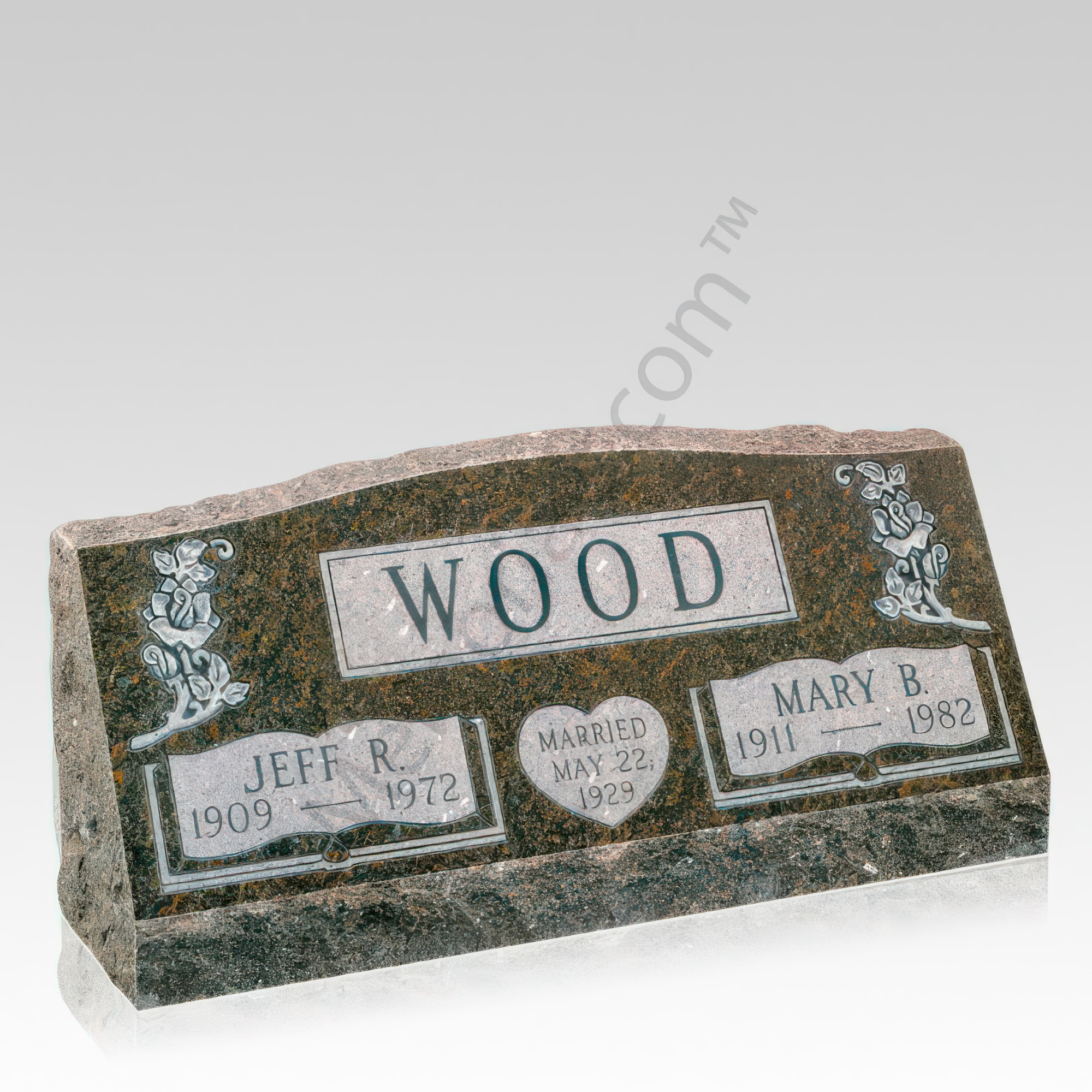
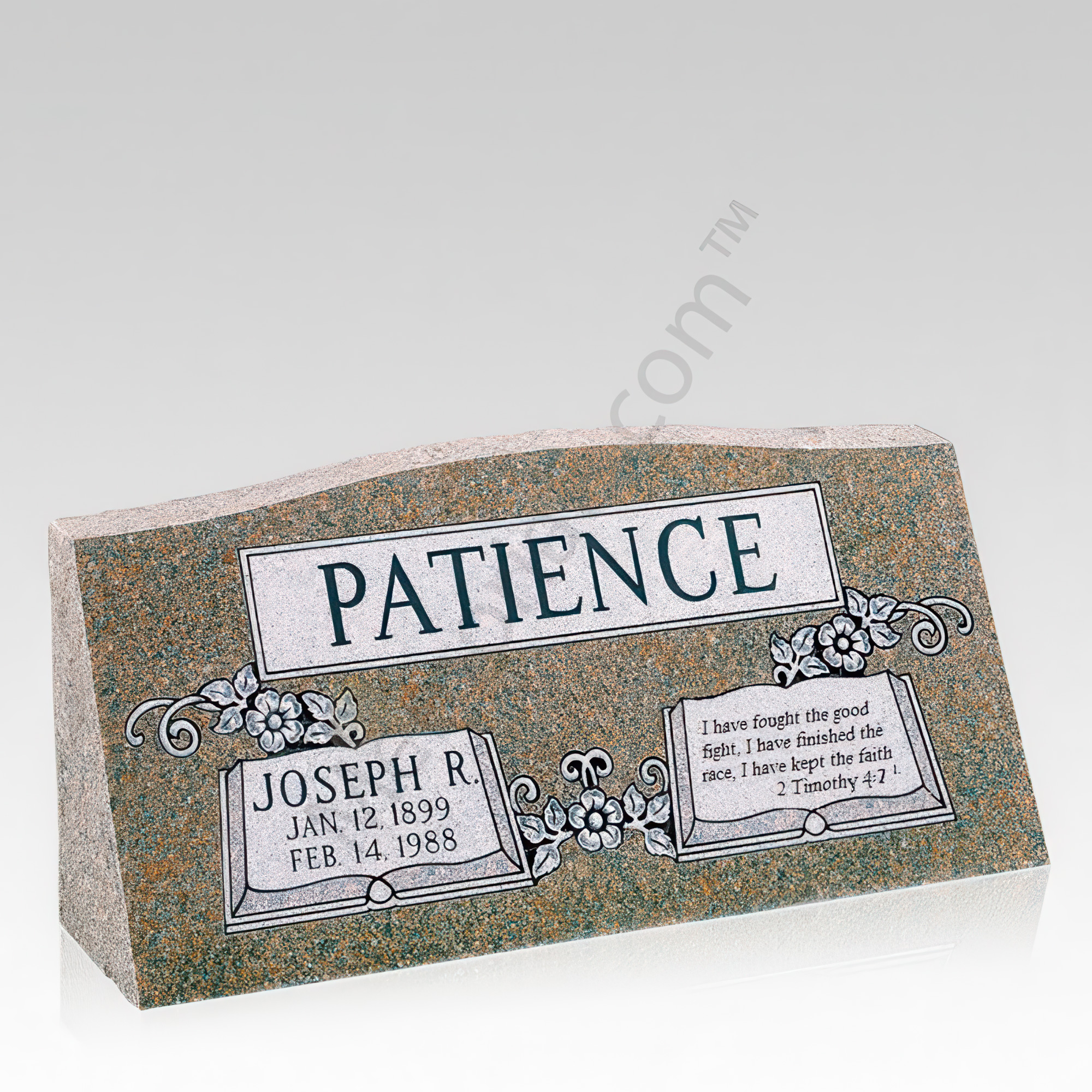
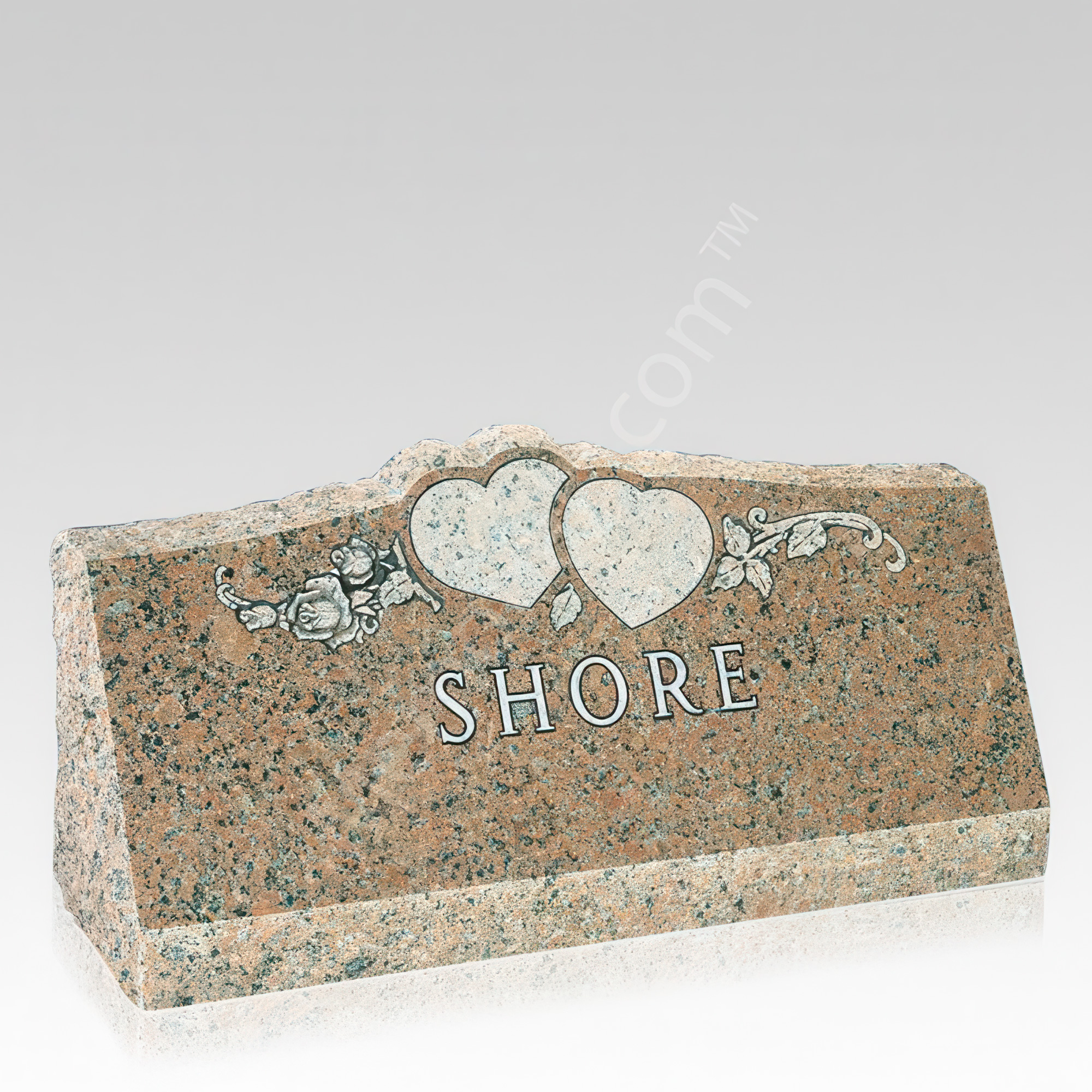
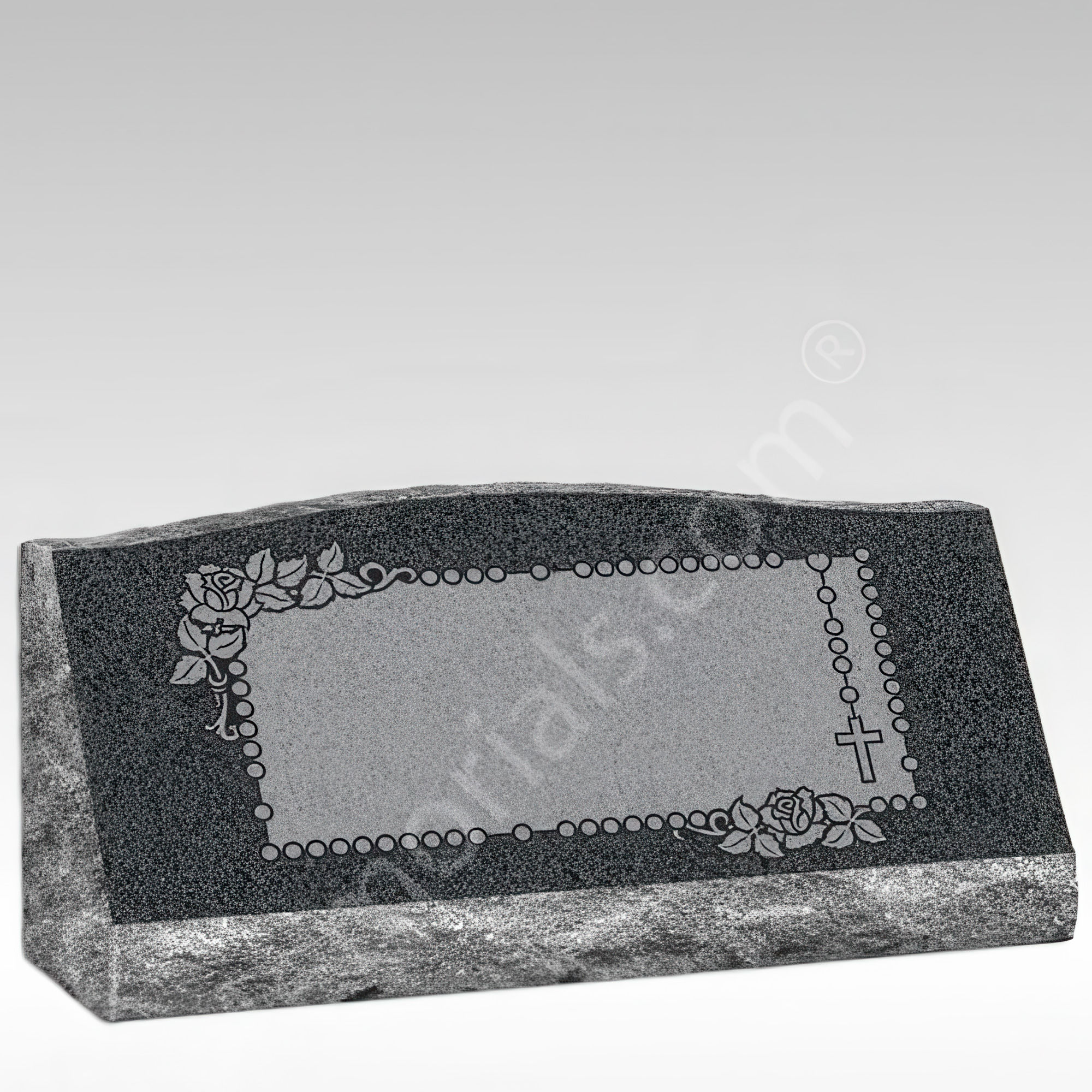
Slant markers offer a middle ground between flat and upright styles. A slant headstone rests at an angle on a granite base, providing good visibility and a generous engraving surface while maintaining a lower profile than a full upright monument.
Bevel markers are similar to flat markers but have a slightly raised front edge, creating a gentle slope. They are often permitted in sections where upright monuments are not allowed but families want something more visible than a completely flush marker.
Ledger stones cover the entire grave surface. These large, flat memorials are common in older cemeteries and certain cultural traditions.
Bench memorials serve a dual purpose — they mark the gravesite while providing a place for visitors to sit. Granite memorial benches are a popular choice in memorial gardens and family plots.
If you are choosing a memorial for cremation headstones, many styles are available with built-in compartments designed to hold an urn within the monument itself. Families who want a flat option for cremated remains can also choose cremation grave markers sized specifically for cremation plots, which are typically smaller than full-casket burial plots.
For a detailed comparison of the two most popular styles, our guide to flat vs. upright headstones breaks down the costs, appearance, and cemetery rules for each.
Headstone Materials: Granite, Bronze, and More
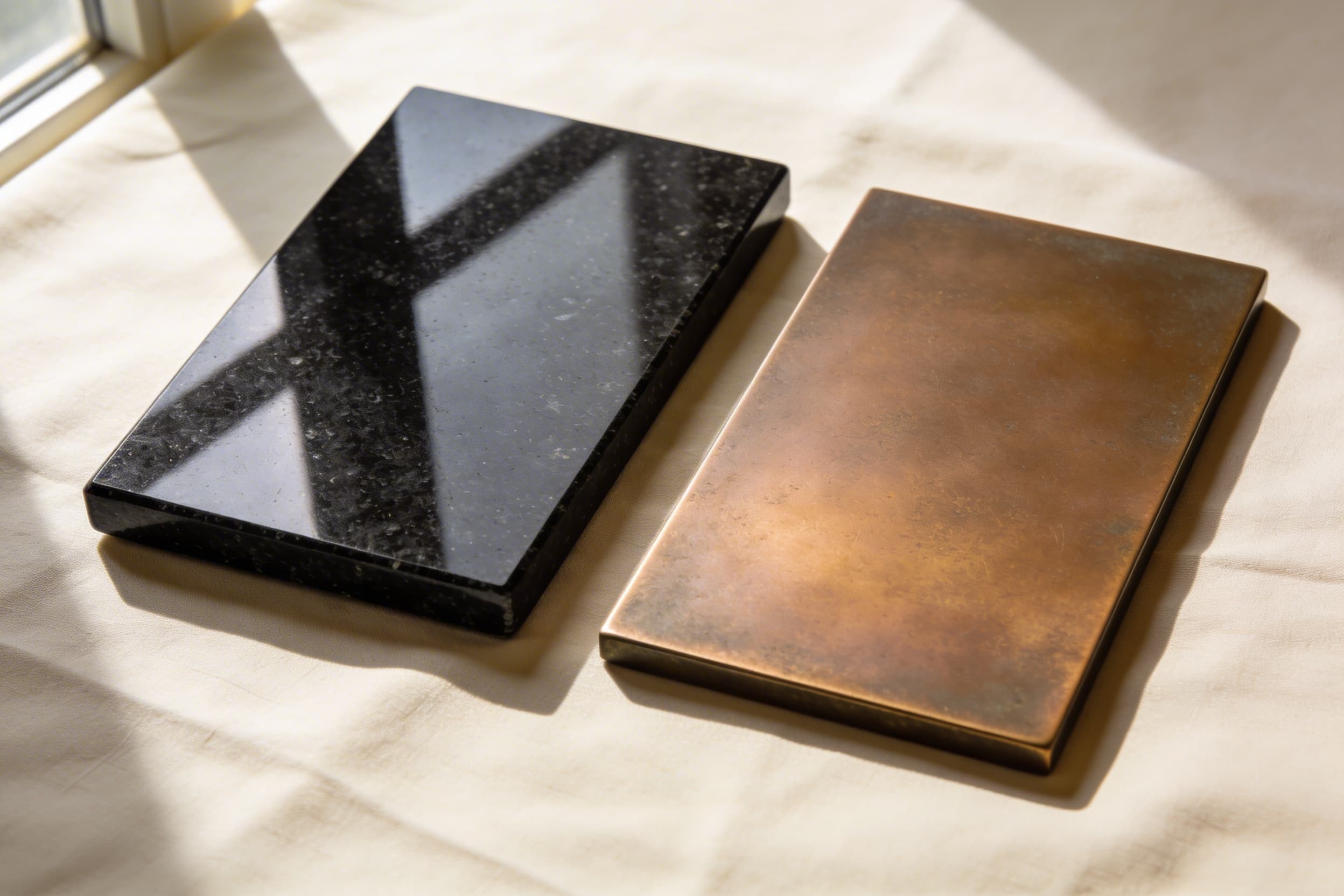
The material you choose determines the headstone's appearance, durability, engraving options, and long-term maintenance needs. Two materials dominate the modern memorial industry: granite and bronze.
Granite
Granite is the most popular headstone material in use today, and for good reason. It is exceptionally hard, resists weathering for centuries, and accepts both sandblasted and laser-etched engravings with sharp detail. Granite is available in dozens of colors — gray, black, red, blue, pink, green, and mahogany are among the most common. Black granite is especially valued for laser-etched portraits and intricate artwork because the contrast between etched and polished surfaces is striking. Our guide to black granite headstone designs showcases the range of what is possible with this versatile stone.
Granite requires very little maintenance. An annual cleaning with water and a soft brush is usually all that is needed to keep a granite memorial looking new. For complete care instructions, see our guide on how to clean a headstone.
Bronze
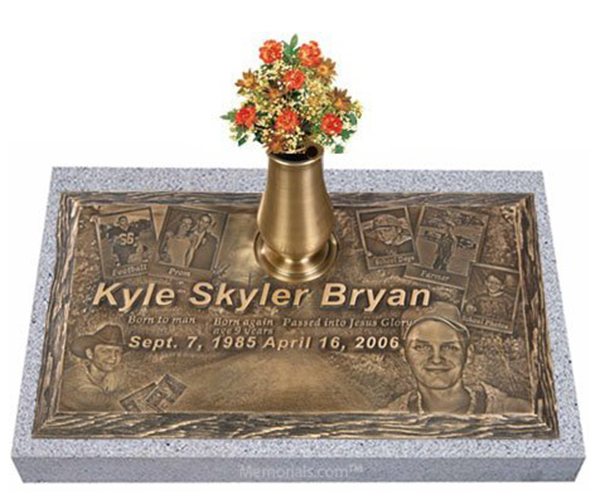
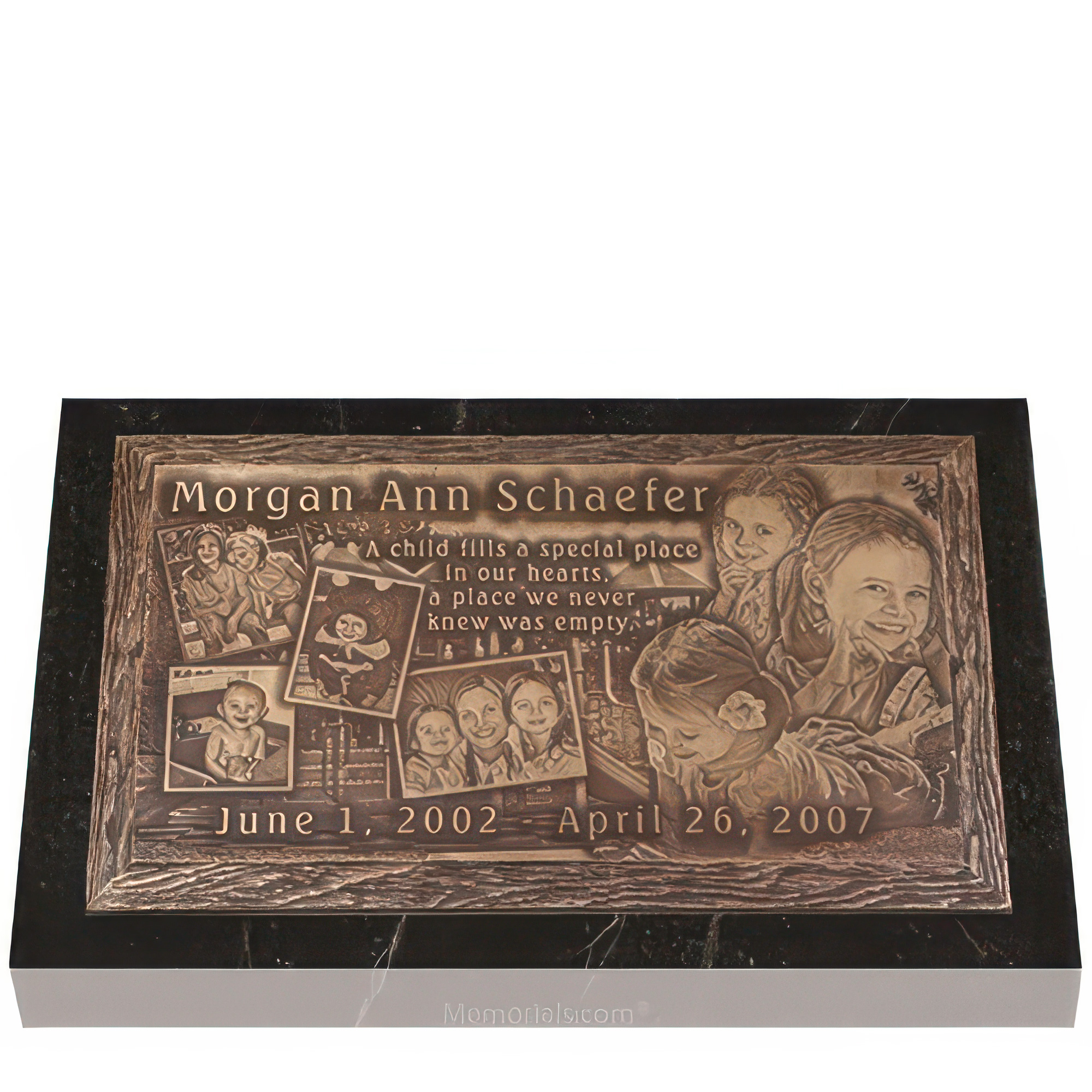
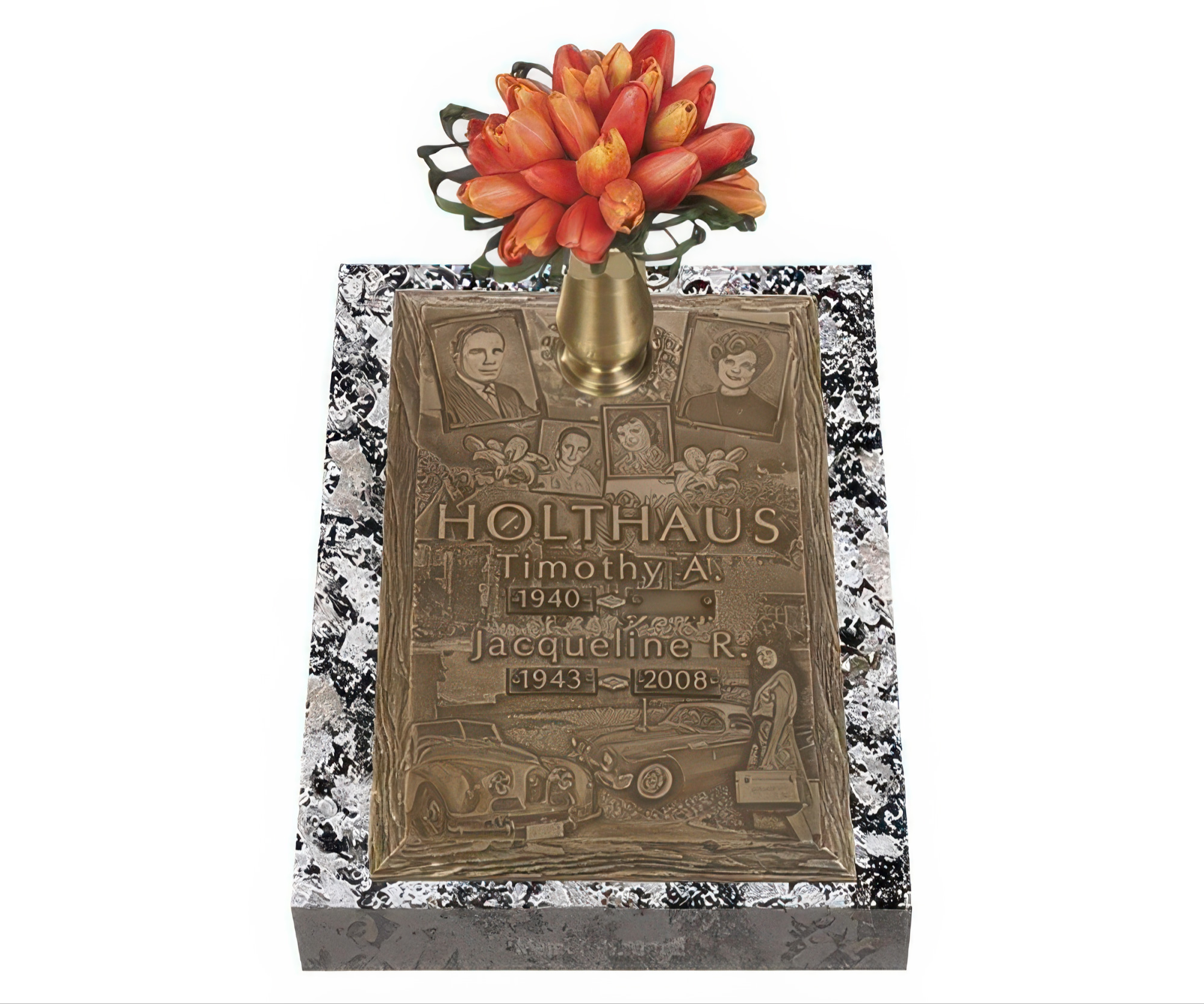
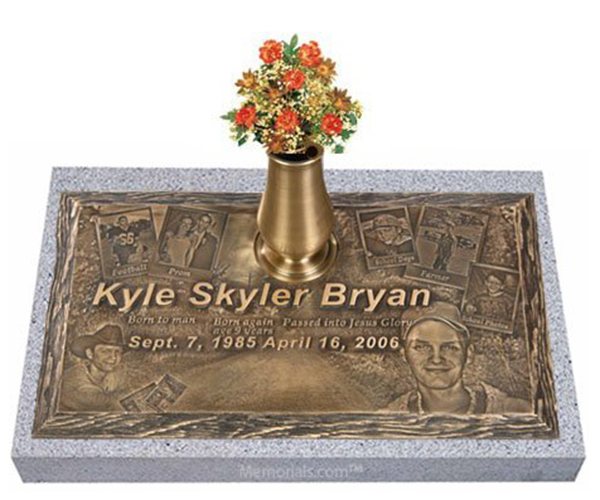
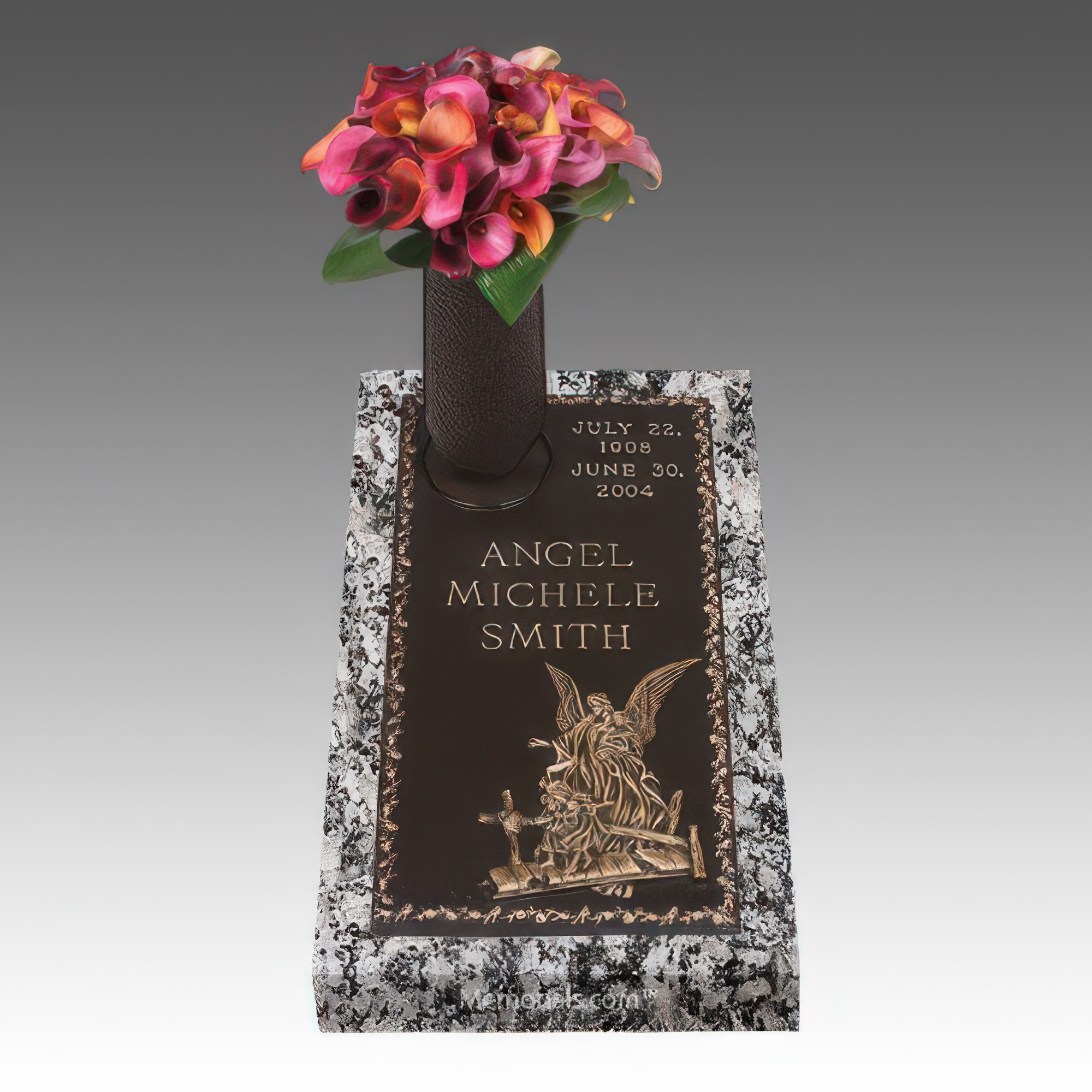
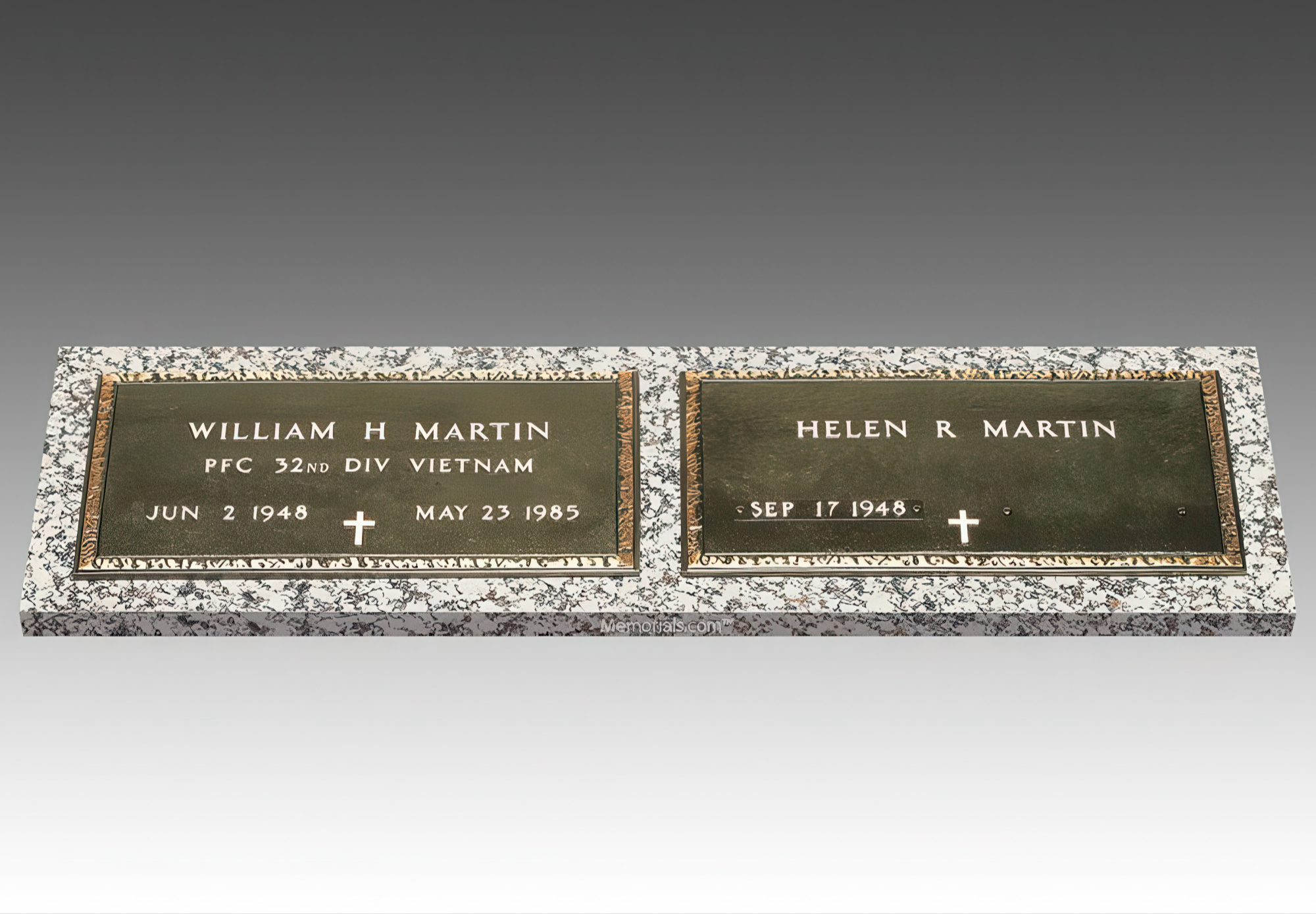
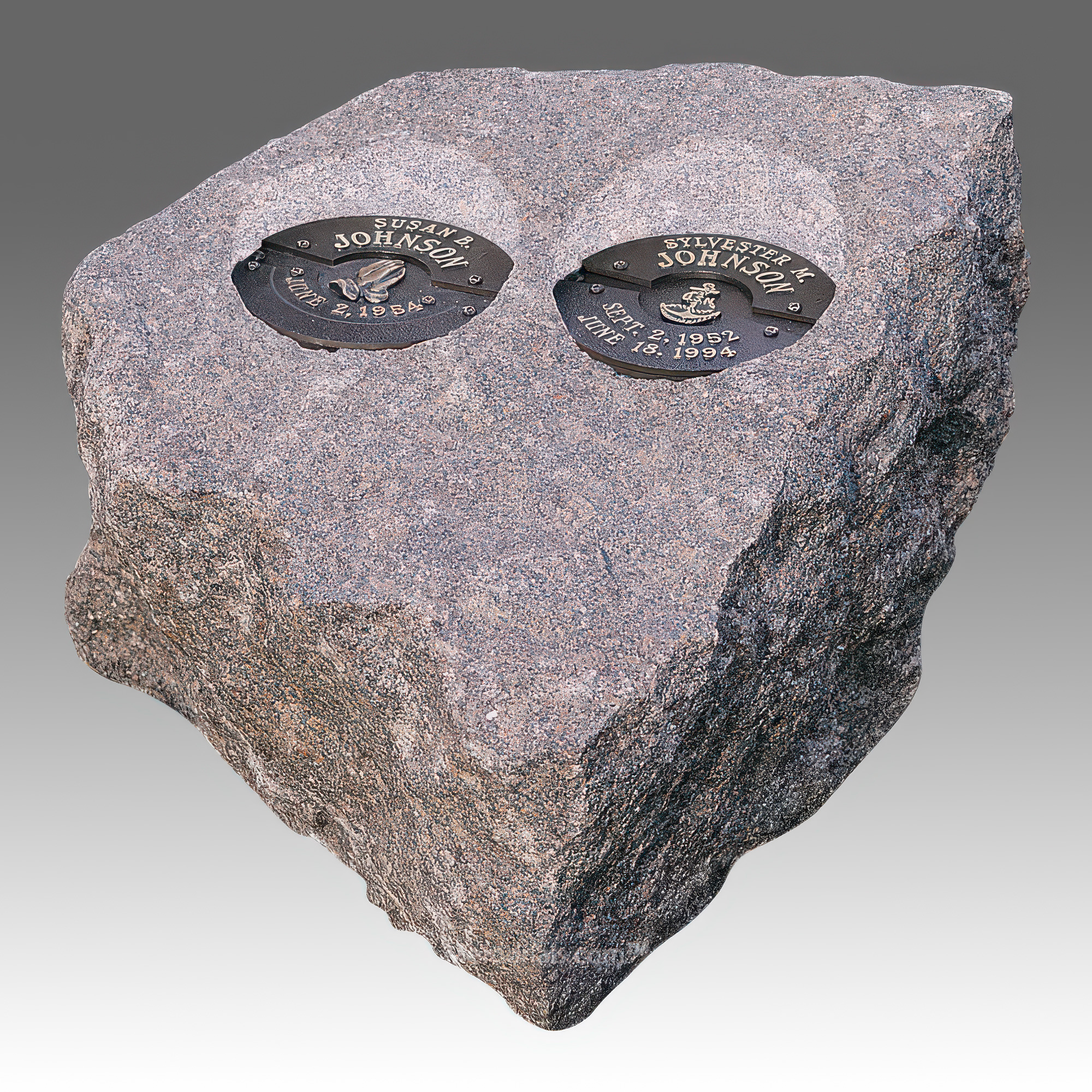
Bronze headstones are cast metal plaques mounted on a granite base. Bronze markers are standard in many national cemeteries and VA burial grounds, and they offer a distinctive, dignified appearance with raised lettering and emblems. Over time, bronze develops a natural patina that many families find beautiful, though it can be maintained with regular polishing.
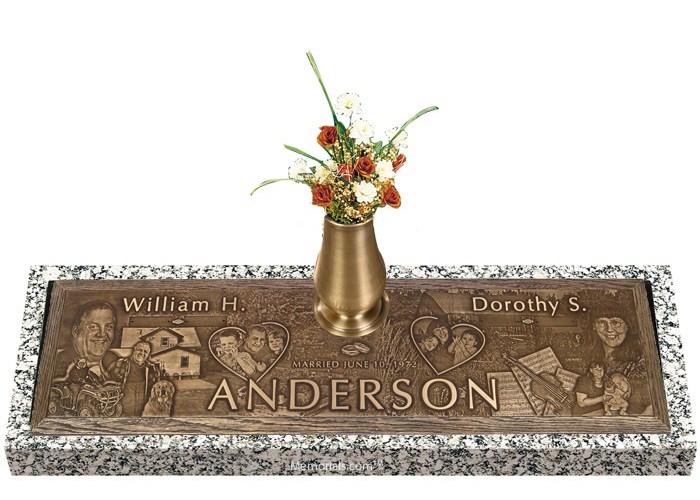
Bronze is also the standard material for flat bronze grave markers, which are widely used in cemeteries that require uniform, ground-level markers. Military families often choose bronze veteran grave markers that incorporate service emblems, branch insignias, and patriotic imagery.
Marble and Other Materials
Marble was the material of choice for centuries but has largely been replaced by granite in modern cemeteries. Marble is softer, more porous, and more susceptible to acid rain and biological growth. Existing marble headstones can often be restored — our headstone restoration and repair guide explains when professional restoration makes sense versus when replacement is the better option.
Other materials you may encounter include sandstone, slate, fieldstone, and limestone, most commonly on historic types of old gravestones found in older cemeteries. For new memorials, granite and bronze remain the most practical and widely accepted choices. For a deeper look at material properties, durability, and cost differences, see what are headstones made of.
Cemetery Regulations: The First Step in Any Headstone Purchase
Before you choose a style, material, or size, contact the cemetery where the burial will take place and request a written copy of their rules and regulations. This is the single most important step in the entire process, and skipping it is the most common mistake families make.
Cemetery by-laws govern nearly every aspect of your headstone:
Size restrictions. Most cemeteries specify maximum height, width, and thickness for each section. Some sections allow only flat markers; others permit upright monuments up to a certain height. Our headstone size guide covers standard dimensions and how cemetery rules affect your options.
Material requirements. Some cemeteries accept only granite; others require bronze markers in certain sections. A few historic or religious cemeteries have unique material requirements. Always confirm before ordering.
Foundation specifications. Upright headstones require a concrete foundation that extends below the frost line. The cemetery may pour the foundation themselves or require you to hire an approved contractor. Foundation costs are separate from the headstone price.
Approved vendors. Some cemeteries work with specific monument companies and may charge a setting fee — sometimes $300 to $800 or more — if you purchase a headstone from an outside supplier. By law, most cemeteries cannot refuse a headstone purchased elsewhere as long as it meets their specifications, but the setting fee is their prerogative.
Required paperwork. Many cemeteries require marker authorization forms, setting permits, or photo-release waivers before they will accept delivery. Ask about these forms upfront so they do not delay installation.
If you have not yet chosen a burial location, our guide on how to buy a cemetery plot walks through what to look for and what questions to ask. For a comprehensive overview of what cemeteries can and cannot require, see our article on cemetery regulations for urns and markers.
Browse Our Most Popular Headstones & Grave Markers
Handcrafted memorials to honor your loved one for eternity
Headstone prices vary widely depending on the type, material, size, and level of customization. Here are typical price ranges to expect:
Flat granite grave markers typically start around $500 and range up to $2,000, depending on size, granite color, and engraving complexity. Standard sizes like 24″ × 12″ in gray granite sit at the lower end, while larger companion markers in premium colors cost more.
Slant markers generally range from $1,500 to $3,500, including the base. The angled face requires more stone and labor than a flat marker.
Upright headstones are the broadest category. A single upright monument starts around $2,000 for a modest size and can exceed $10,000 for large, custom-carved monuments. The average upright headstone falls in the $3,000 to $5,000 range.
Bronze markers start around $1,000 for a standard flat plaque and can reach $3,000 or more for larger sizes with custom emblems or photo medallions.
Beyond the headstone itself, budget for these additional costs: foundation and setting fees ($300–$800), engraving per character or per line ($5–$20 per character is common), ceramic photo medallions ($150–$400), delivery and shipping ($200–$500 for out-of-area orders), and the cemetery's installation or setting fee.
For families watching their budget, there are meaningful ways to honor a loved one without overspending. Our guide to affordable headstones covers practical strategies for finding quality memorials at lower price points. For a complete cost breakdown by type and material, see how much does a headstone cost.
Where to Buy a Headstone
You have several options for purchasing a headstone, each with its own advantages.
Local Monument Dealers
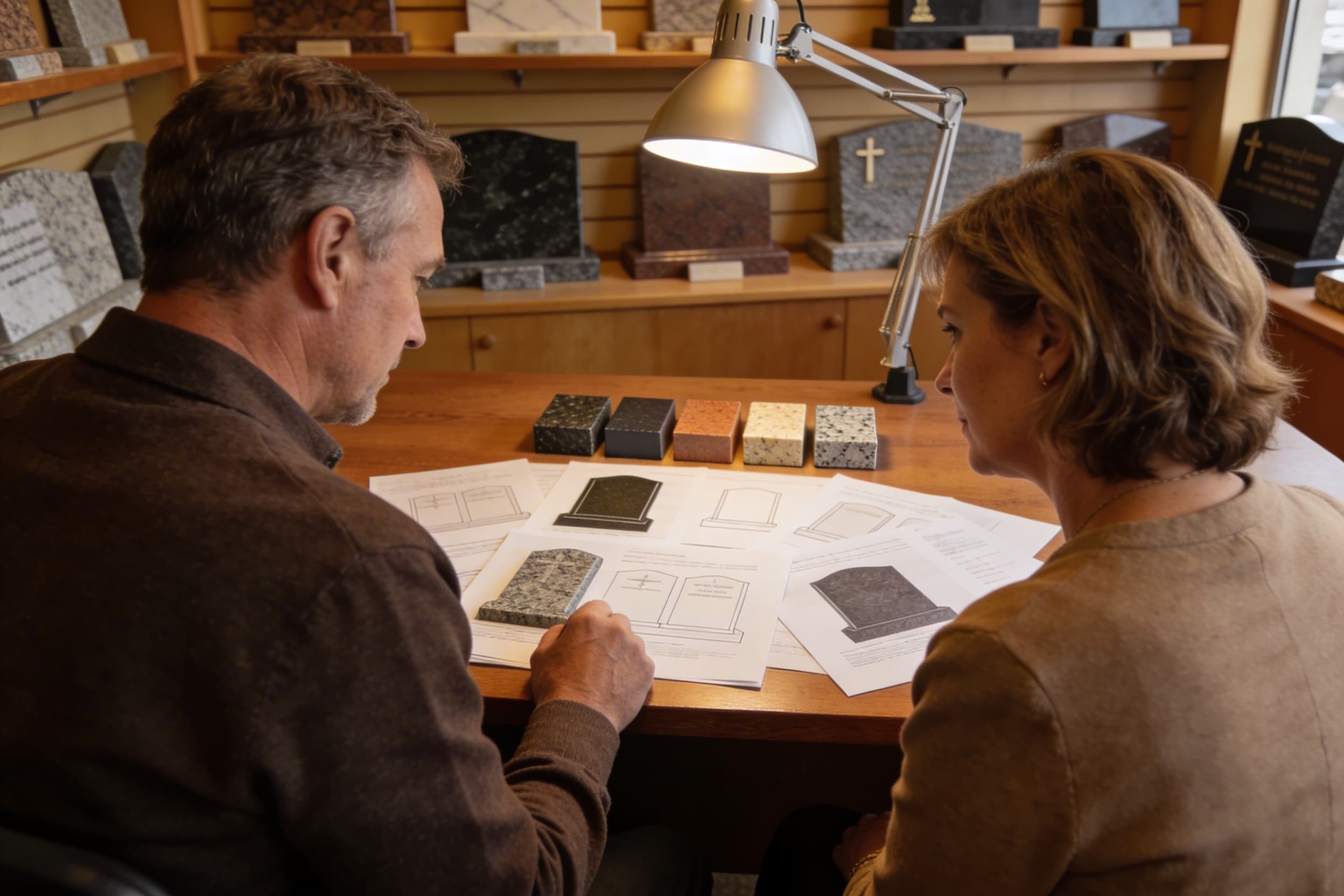
A local monument company or stonemason is the traditional route. The advantages are significant: you can see and touch sample stones, discuss your vision face to face, and the dealer likely knows your local cemetery's regulations by heart. Many monument dealers handle delivery, foundation work, and installation as part of the purchase, simplifying the entire process. To find dealers in your area, organizations like the Monument Builders of North America maintain searchable directories.
Cemeteries and Funeral Homes
Some cemeteries sell headstones directly, often through partnerships with local monument companies. Buying through the cemetery can simplify logistics since they handle everything on their end. Funeral homes may also offer headstone sales, though they typically add a markup. Under the FTC's Funeral Rule, funeral homes cannot charge you a handling fee for a casket purchased elsewhere, but headstones are not covered by this rule — so price comparisons are worth doing.
Online Retailers
Ordering a headstone online has become increasingly common and can offer substantial savings. Online monument retailers typically have lower overhead costs and pass those savings along. The trade-off is that you cannot physically inspect the stone before purchase, and you will need to coordinate delivery and installation separately. When buying online, make sure to verify the company's reputation, confirm their return and satisfaction policies, and double-check that the headstone meets your cemetery's specifications.
Memorials.com offers a wide selection of headstones for graves in granite and bronze, with detailed product photos, dimensions, and customization options for each memorial. You can also browse cemetery products such as vases, plaques, and accessories to complement the headstone.
Personalizing Your Headstone
Personalization transforms a headstone from a simple marker into a meaningful tribute. Here are the key decisions you will make during the design process.
Inscriptions and Epitaphs
At a minimum, most headstones include the deceased's full name, dates of birth and death, and a brief epitaph or sentiment. Beyond these basics, you might add family roles ("Beloved Mother and Grandmother"), military service information, fraternal or religious affiliations, or a meaningful quote.
Keep in mind that space is limited — especially on flat markers — and that every line of text adds to the cost. Choose your words thoughtfully. Our article on beautiful words to put on a headstone offers curated inscription ideas organized by theme and relationship.
Artwork, Symbols, and Carvings
Headstones can incorporate a wide range of visual elements: religious crosses, Stars of David, doves, angels, flowers, military emblems, fraternal symbols, and hobby or profession-related imagery. Many of these symbols carry deep traditional meaning — for a comprehensive glossary, see our guide to headstone symbols and their meanings.
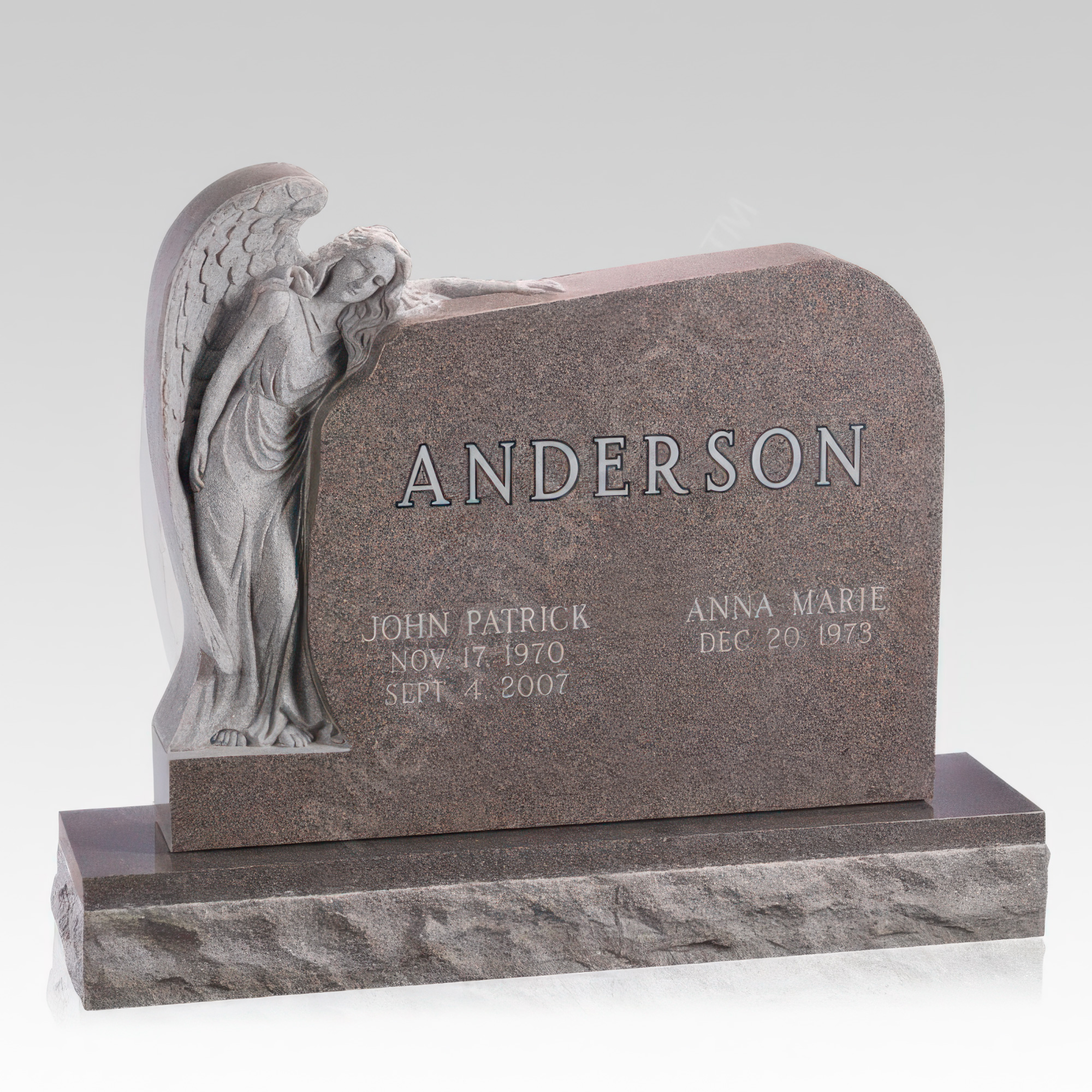
Families choosing a spiritual or faith-based theme may want to explore angel and religious headstone designs, which range from simple cross carvings to full sculptural angel monuments.
Photos and Portraits
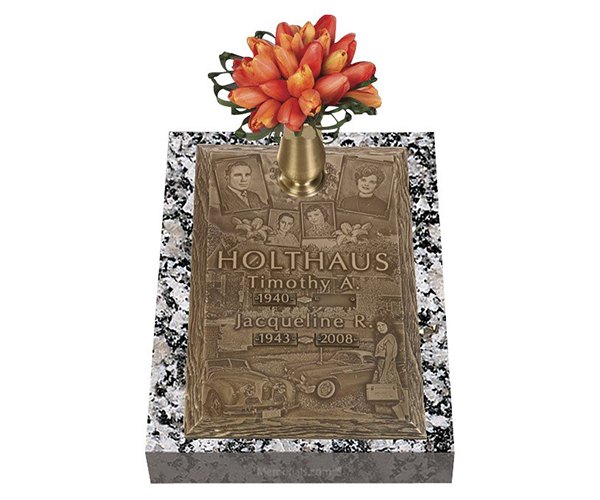
Adding a photograph to a headstone has become a popular way to keep a loved one's likeness present at the gravesite. There are several methods available, including ceramic photo medallions, porcelain ovals, and laser-etched portraits on polished black granite. Our guide on how to put a picture on a headstone covers each method, including costs and durability considerations.
Engraving Methods
The two primary engraving techniques are sandblasting and laser etching. Sandblasting carves letters and images into the stone surface by directing a high-pressure stream of abrasive material against the granite. It produces deep, lasting impressions that are easy to read even from a distance. Laser etching uses a focused beam to etch fine detail onto polished stone surfaces, creating photographic-quality images. Laser etching works best on dark, polished granite where the contrast between etched and polished areas is sharpest.
Design Proofs and Approval
Reputable monument companies will provide a design proof — a digital rendering of the finished headstone — for your review before fabrication begins. Examine the proof carefully. Check spelling, dates, spacing, and artwork placement. Once a headstone has been cut and engraved, changes are extremely difficult or impossible to make. Take your time with the proof, share it with family members, and do not approve it until every detail is exactly right.
The Ordering and Installation Timeline
Understanding the timeline helps set realistic expectations and reduces stress during an already difficult period.
Waiting period. Most monument professionals recommend waiting three to six months after a burial before installing a headstone. This allows the ground to settle fully. Installing a heavy monument on unsettled ground can cause shifting, tilting, or sinking over time. During this waiting period, a temporary marker typically identifies the gravesite.
Design and fabrication. After you approve the design proof, fabrication typically takes four to eight weeks for a standard headstone and longer for custom-carved or specialty orders. Complex designs with carved portraits, multi-colored granite, or unusual shapes may take three months or more.
Delivery and setting. The finished headstone is delivered to the cemetery, where the monument company or cemetery staff installs it on a prepared foundation. Setting an upright monument requires pouring a concrete foundation that extends below the frost line — in northern climates, this may mean digging three to four feet down. Flat markers may be set with a simpler concrete or gravel bed.
Final inspection. After installation, visit the site to confirm everything looks correct. Check that the headstone is level, the engraving is legible and accurate, and the memorial is positioned properly on the plot. If anything is wrong, contact the monument company immediately.
For detailed information about the installation process, including foundation requirements and cemetery coordination, see our article on cemetery headstone installation.
Buying a Headstone Pre-Need
Pre-need purchasing means choosing and paying for a headstone before it is needed — either for yourself or for a loved one who is still living. There are several advantages to planning ahead:
No pressure. You can take your time researching options, comparing prices, and designing the memorial without the emotional weight of a recent loss.
Price lock. Memorial costs tend to rise over time. Buying pre-need locks in today's prices for granite, bronze, and engraving.
Family alignment. Planning ahead gives family members the opportunity to discuss preferences and make decisions together, reducing the burden on whoever would otherwise have to make these choices alone.
Companion planning. Couples often purchase a double headstone pre-need so that both names and birth dates can be engraved at the time of purchase. The death date for the surviving spouse is added later. This is one of the most common pre-need purchases.
When buying pre-need, make sure to confirm the cemetery's storage policy. Some cemeteries will hold a pre-purchased headstone on site until it is needed; others require the monument company to store it. Confirm in writing who is responsible for the headstone's safekeeping and what happens if the cemetery or monument company changes ownership.
Design Inspiration and Style Guides
If you are just starting to explore what is possible, visiting local cemeteries is one of the best ways to gather ideas. Walk through different sections, take photos of designs that catch your eye, and note the materials, shapes, and engraving styles that appeal to you.
For curated design inspiration, our headstone design ideas guide covers a wide range of styles — from classic and traditional to modern and personalized. If you are drawn to distinctive dark stone memorials, our black granite headstone designs article showcases what laser etching and custom carving can achieve on this premium material. And for those who want to see truly exceptional memorials, our gallery of the most beautiful headstone designs features striking examples from across the country.
A headstone is built to last for generations, but basic maintenance helps preserve its appearance over time. An annual cleaning with clear water and a soft-bristle brush is sufficient for most granite memorials. Avoid household cleaners, bleach, or pressure washers, which can damage the stone surface and fill lettering.
Bronze markers benefit from periodic polishing to maintain their original luster, though many families prefer the natural green patina that develops over the years. If a headstone suffers damage from weather, vandalism, or ground settling, professional repair can often restore it. See our headstone restoration and repair guide for guidance on when to attempt cleaning yourself versus when to call a professional conservator.
For detailed step-by-step cleaning instructions by material type, our article on how to clean a headstone covers granite, bronze, and marble techniques. If you need to clean a memorial that is already installed in a cemetery, our guide on cleaning headstones in a cemetery setting addresses the additional considerations of working on cemetery grounds.
Headstone Traditions and Symbolism
Every culture and faith tradition brings its own customs to the memorialization process. Understanding these traditions can add depth and meaning to the headstone you choose.
Leaving coins on headstones is a military tradition that communicates the visitor's relationship to the deceased. A penny means someone visited; a nickel means the visitor trained with the deceased; a dime means they served together; and a quarter means the visitor was present when the service member died.
Religious symbols have appeared on memorials for millennia. Crosses, angels, doves, menorahs, crescents, and dharma wheels each carry specific theological meaning that connects the memorial to the deceased's faith. Choosing the right symbol is a deeply personal decision — our guide to headstone symbols and meanings explains the most common options.
The history of old gravestones reveals how memorial traditions have evolved from simple fieldstone markers in colonial America to the elaborate granite monuments we see today. Understanding this history can inform your own choices and connect your family's memorial to a broader tradition.
Headstone vs. Grave Marker: Clarifying the Terminology
The terms "headstone," "gravestone," "tombstone," and "grave marker" are often used interchangeably, but they have distinct meanings in the monument industry. Generally, a headstone or monument refers to an upright memorial placed at the head of a grave, while a grave marker is a flat or near-flat memorial placed at ground level. Understanding these differences can help you communicate clearly with monument dealers and cemetery staff. For a full breakdown, see our guide to headstone vs. grave marker differences.
Frequently Asked Questions
How long does it take to get a headstone after ordering?
Most standard headstones take four to eight weeks to fabricate after design approval. Custom-carved monuments may take three months or longer. Add time for delivery, foundation work, and cemetery scheduling. Many monument professionals recommend waiting at least three to six months after burial before installation to allow the ground to settle.
Can I buy a headstone online?
Yes. Many families purchase headstones from online retailers and have them shipped directly to the cemetery. The FTC prohibits cemeteries from refusing a headstone purchased elsewhere, as long as it meets their size and material specifications. However, the cemetery may charge a setting fee to install an outside headstone.
Who is responsible for headstone installation?
In most cases, the monument company coordinates delivery to the cemetery, and either the cemetery staff or an approved contractor handles the actual setting. Installation requires a concrete foundation for upright monuments and a prepared bed for flat markers. Setting fees vary by cemetery and region.
Can I change a headstone after it has been installed?
Minor changes — like adding a death date to a companion headstone — are routine and can be done on site. Major changes to existing engraving are generally not possible because the stone cannot be un-carved. If a significant error was made, the headstone may need to be replaced.
What information do I need before ordering a headstone?
Before placing your order, gather the following: the cemetery's written rules and regulations (including size and material requirements), the deceased's full legal name, exact dates of birth and death, any military service information, the epitaph or inscription text, and any artwork or symbol preferences. Having all of this ready before your first meeting with a monument dealer will make the process smoother.
Headstones Guide: Hub Library
Explore our complete collection of headstone and grave marker guides for detailed information on every topic covered above.
A headstone is more than a marker — it is a lasting statement of love, respect, and remembrance. Taking the time to understand your options, follow cemetery guidelines, and work with a reputable supplier ensures that the memorial you choose will honor your loved one for generations to come.
When you are ready to begin, explore Memorials.com's complete selection of headstones for graves to find the right style, material, and size for your family's needs.