🏬Supersize Online Funeral Retailer🪦1000's of Headstones⚱️Over 10,000 Cremation Urns⚰️Caskets Overnight Delivery🛒Funeral & Memorial Superstore🚚FREE Shipping on ALL Orders👨👩👧👦Helping Families for over 20 Years💰Lowest Price Guarantee🏬Supersize Online Funeral Retailer🪦1000's of Headstones⚱️Over 10,000 Cremation Urns⚰️Caskets Overnight Delivery🛒Funeral & Memorial Superstore🚚FREE Shipping on ALL Orders👨👩👧👦Helping Families for over 20 Years💰Lowest Price Guarantee
🏬Supersize Online Funeral Retailer🪦1000's of Headstones⚱️Over 10,000 Cremation Urns⚰️Caskets Overnight Delivery🛒Funeral & Memorial Superstore🚚FREE Shipping on ALL Orders👨👩👧👦Helping Families for over 20 Years💰Lowest Price Guarantee🏬Supersize Online Funeral Retailer🪦1000's of Headstones⚱️Over 10,000 Cremation Urns⚰️Caskets Overnight Delivery🛒Funeral & Memorial Superstore🚚FREE Shipping on ALL Orders👨👩👧👦Helping Families for over 20 Years💰Lowest Price Guarantee
Choosing a permanent memorial often comes with more decisions than people expect. Two of the most common options, an upright headstone and a flat grave marker, can both honor a life beautifully, yet they look different, cost different amounts, and may be treated very differently by cemetery rules.
The best choice usually has less to do with what is “better” and more to do with what fits the cemetery, the setting, and the kind of remembrance your family wants, whether you are memorializing a parent, a spouse, a child, or even a beloved pet. For a broader look at the full buying process, our complete headstone buying guide walks through every step from choosing a cemetery to placing your order.
In everyday conversation, people use headstone, gravestone, and marker interchangeably. Cemeteries and memorial providers often use the terms more precisely.
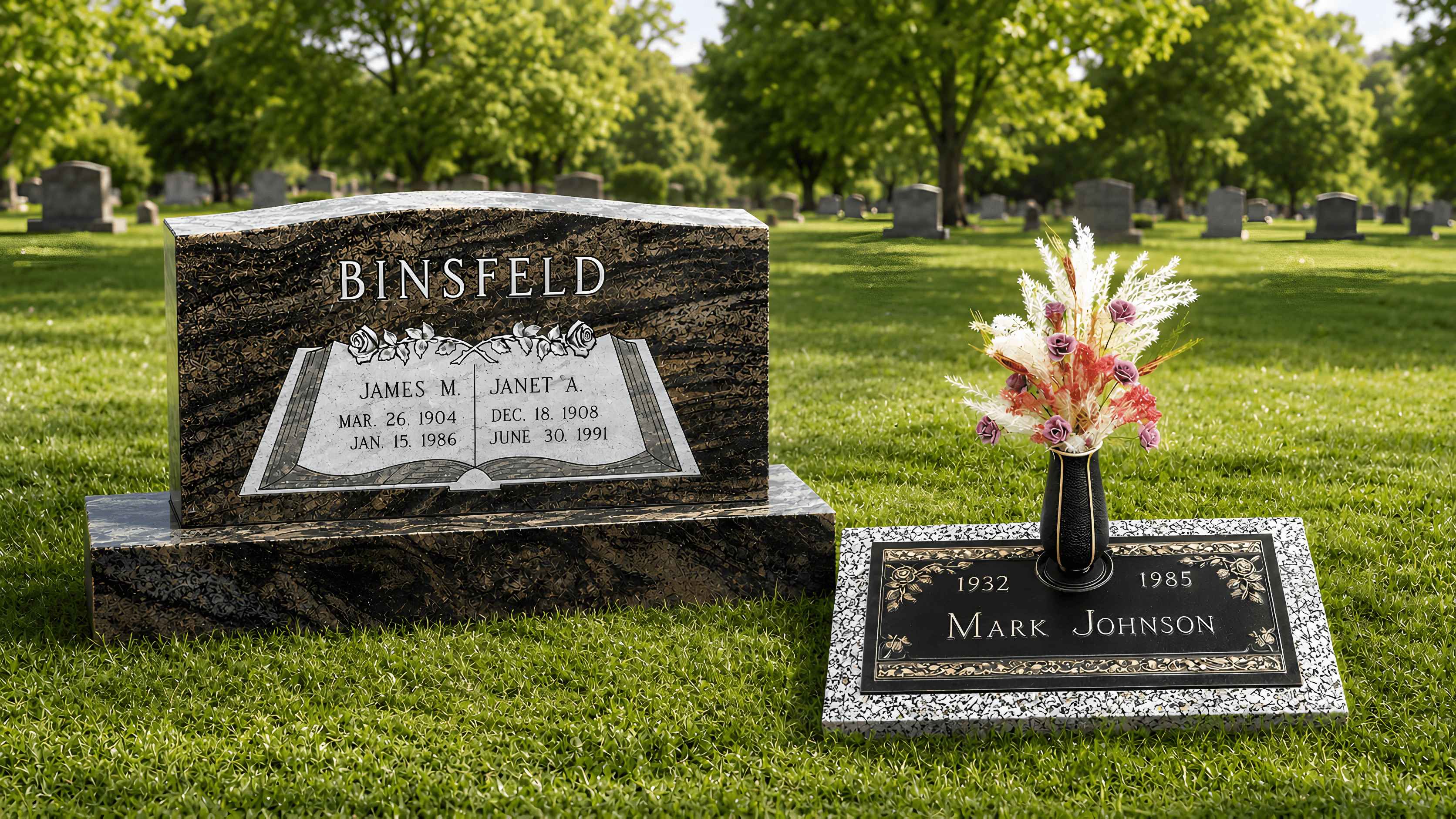
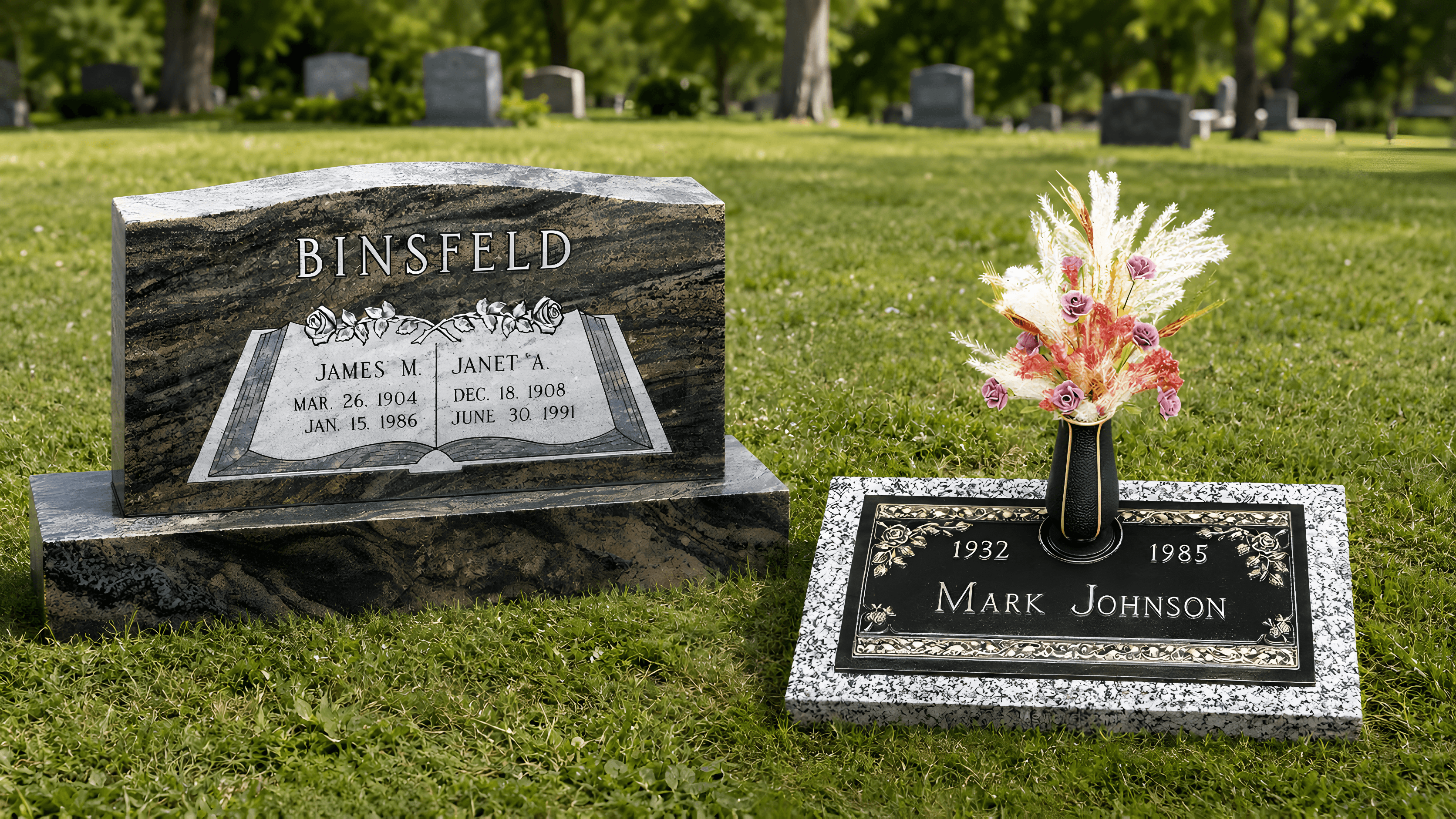
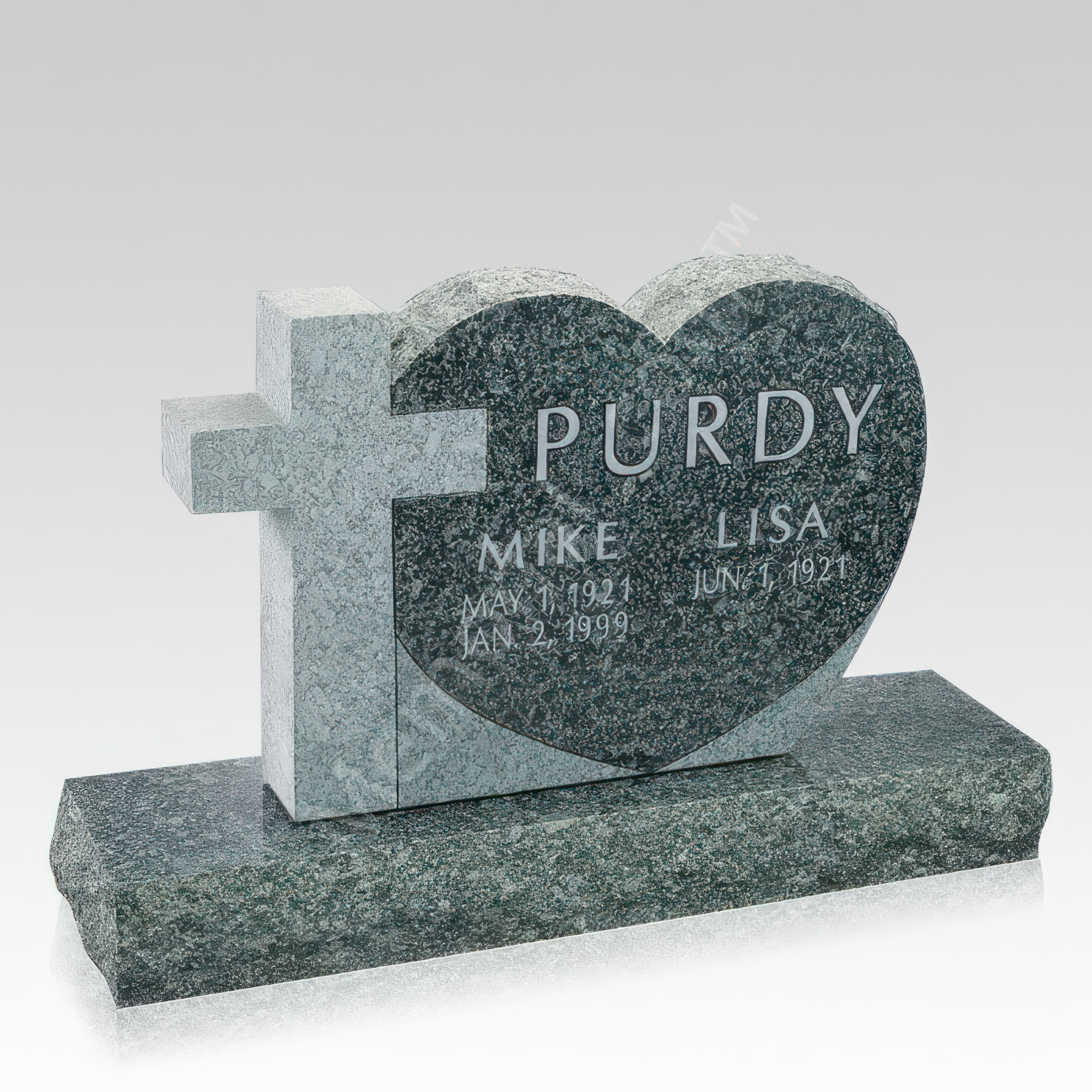
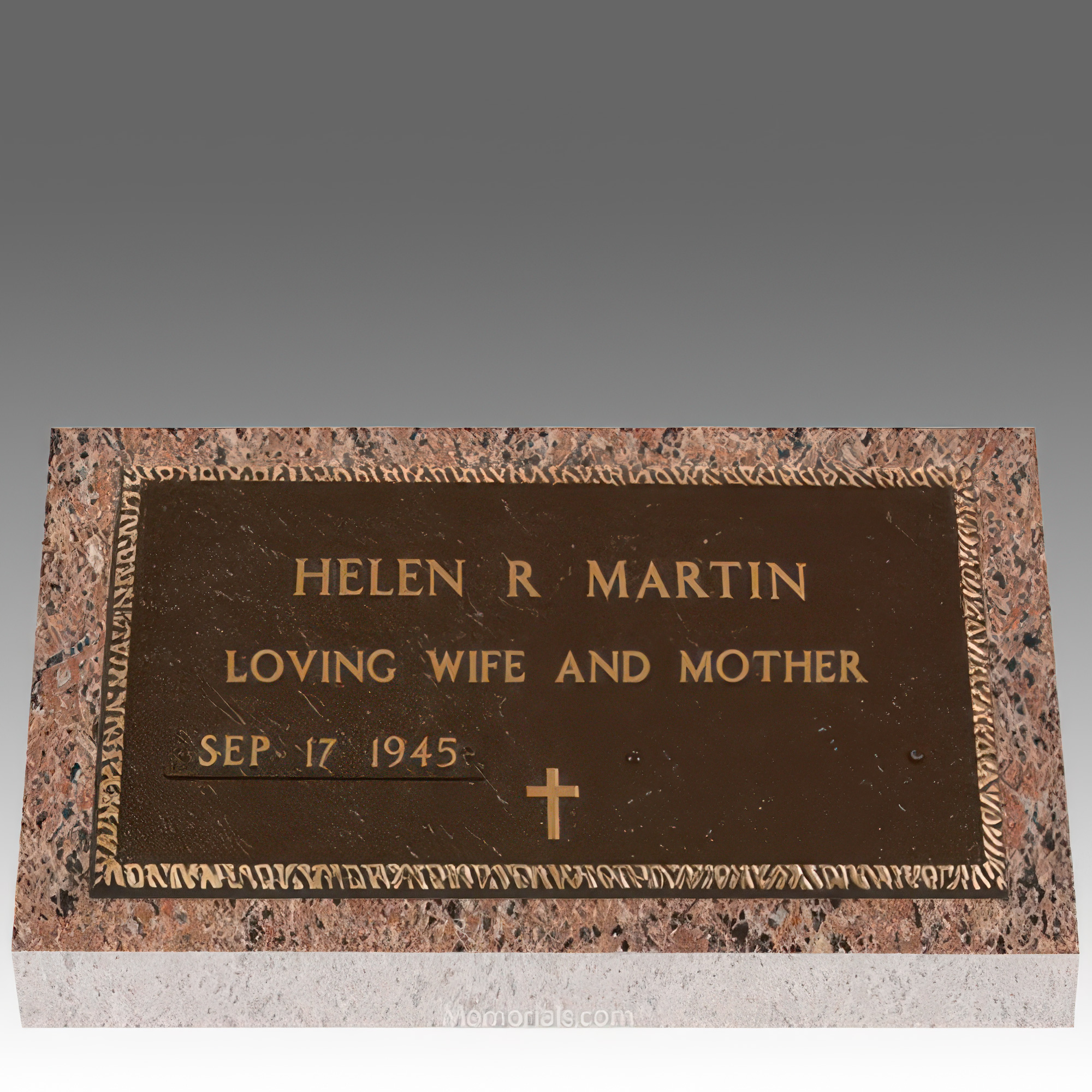
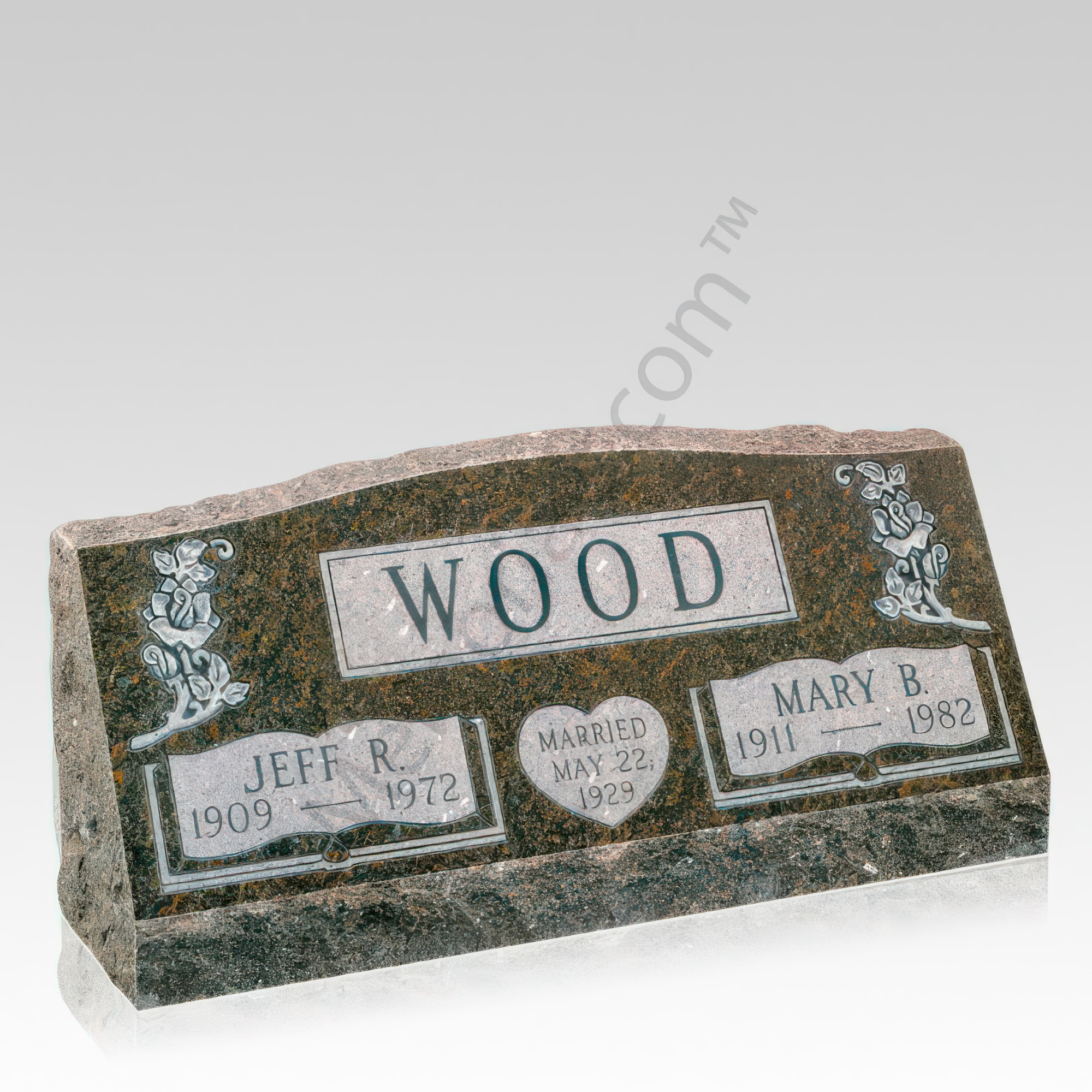
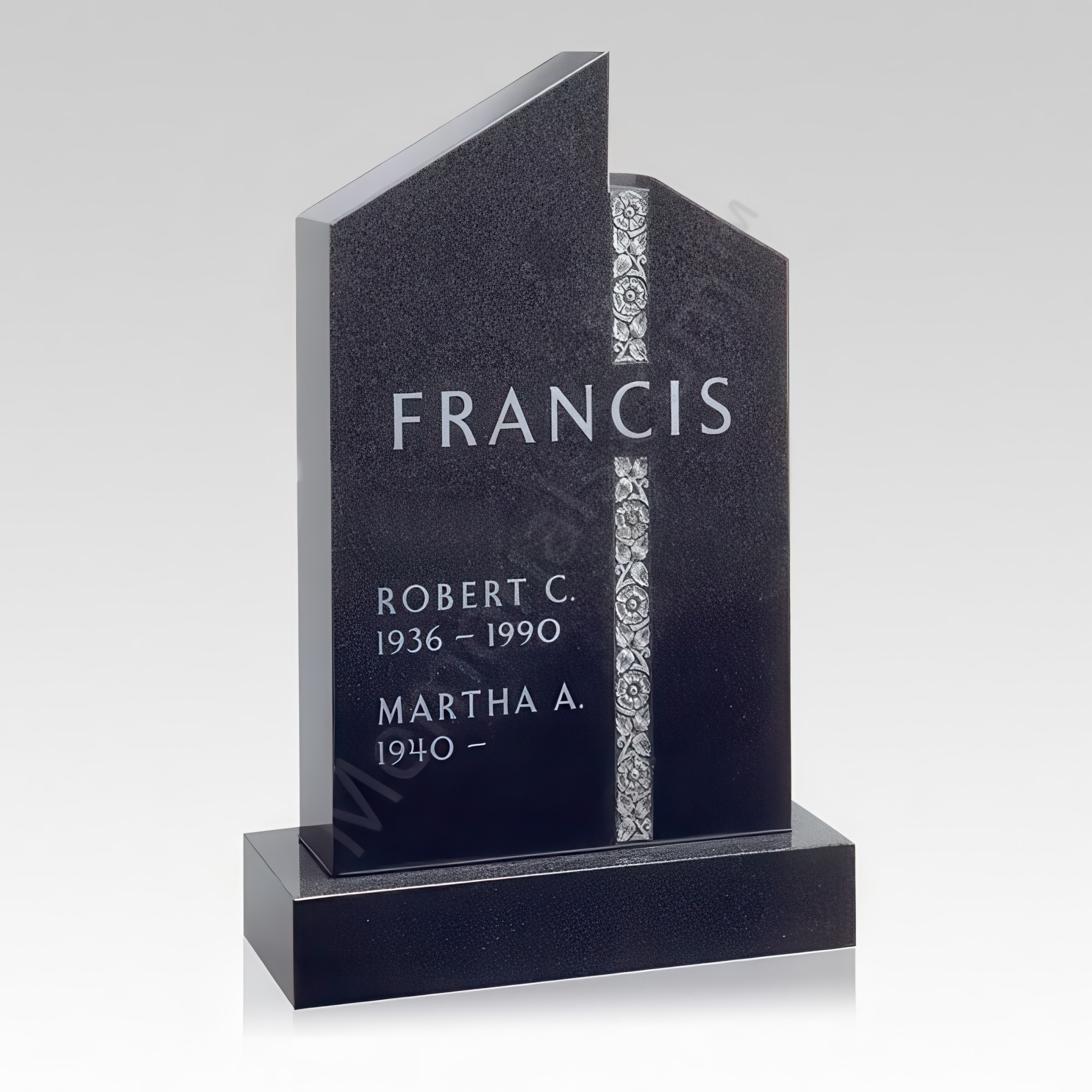
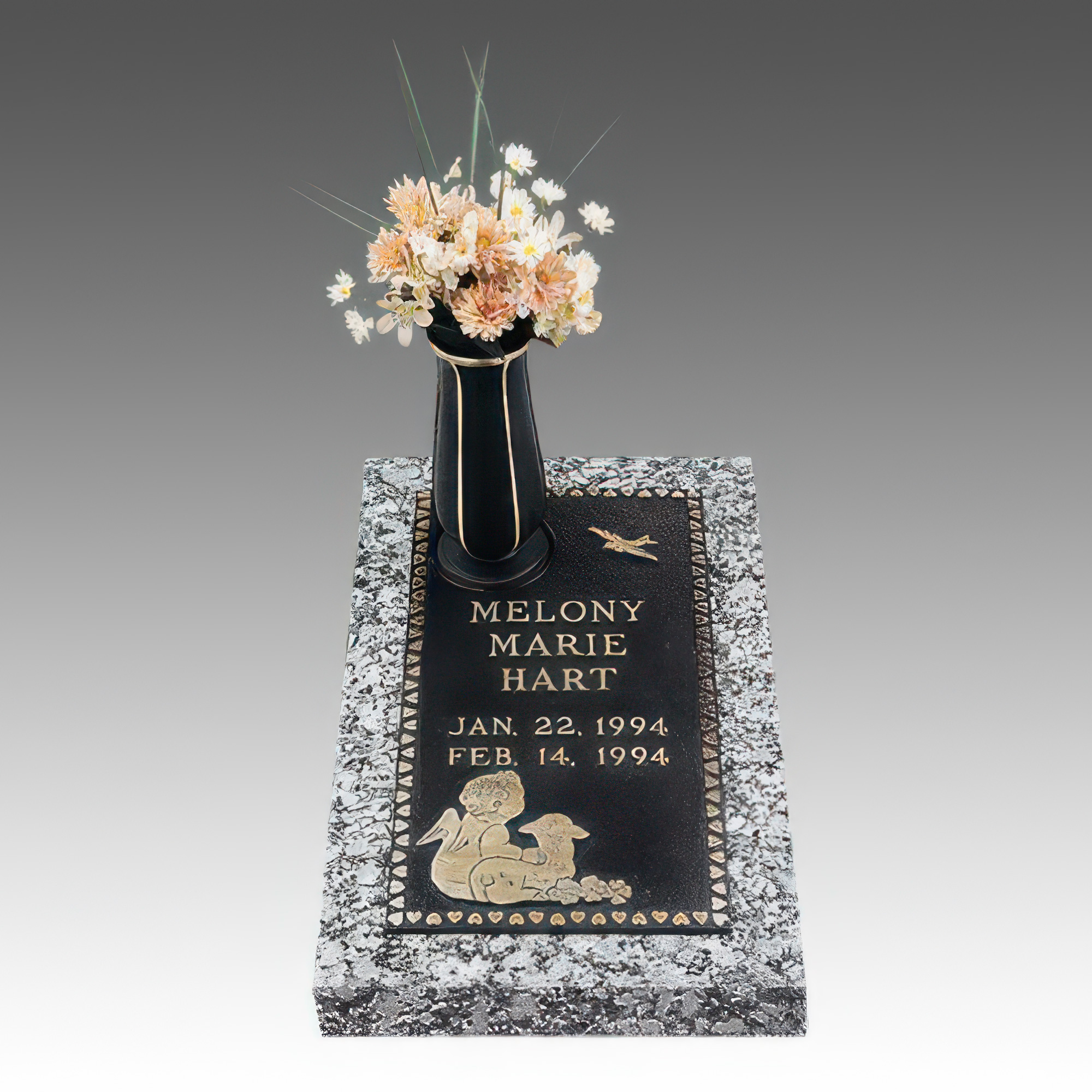
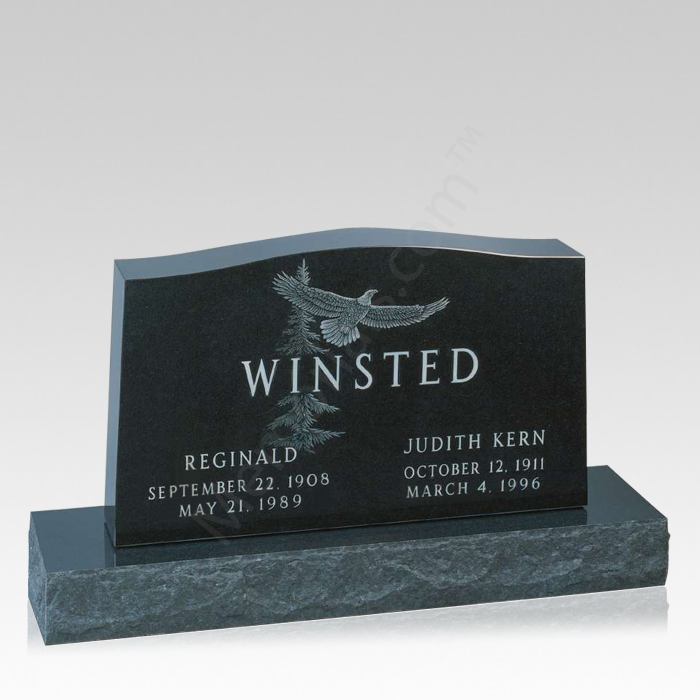
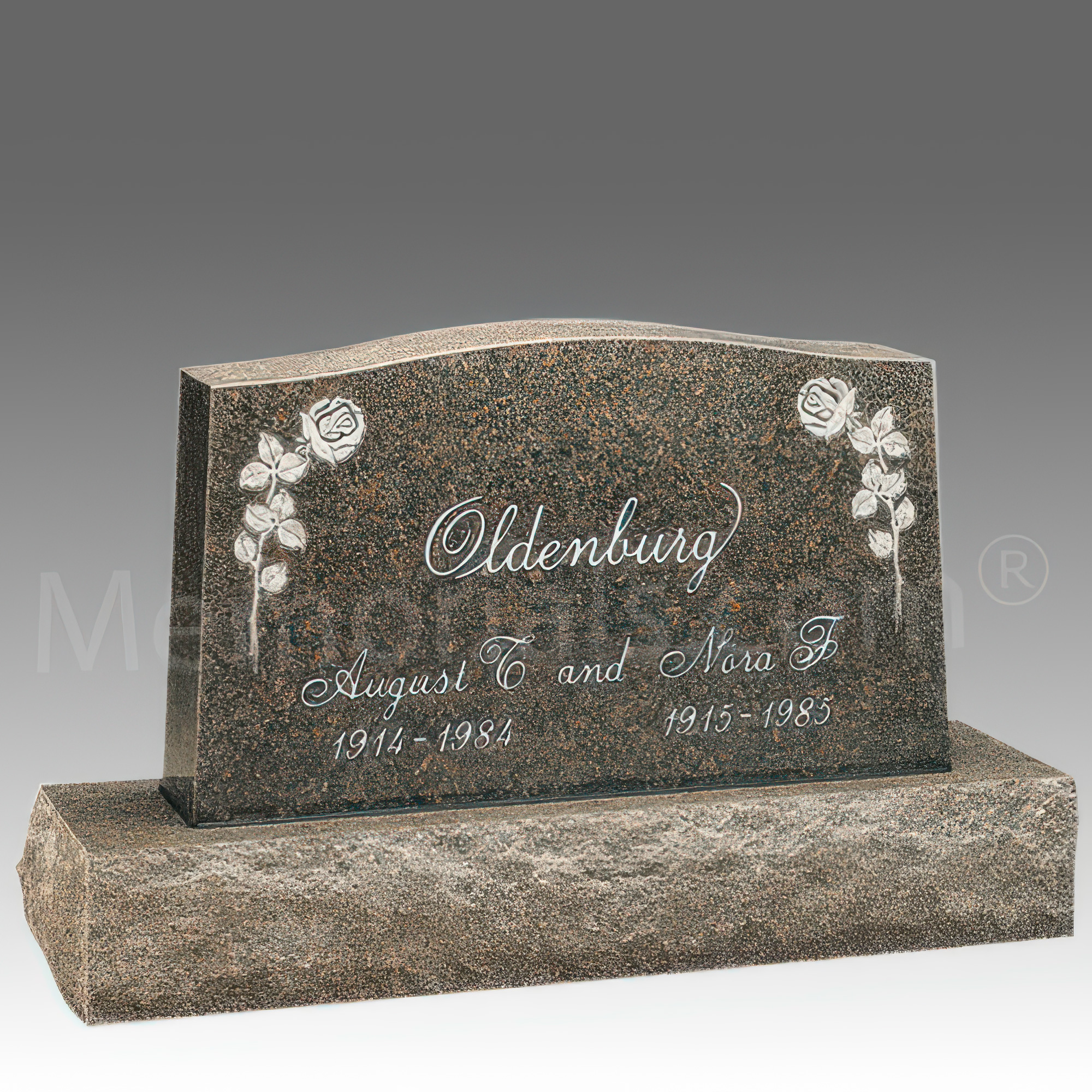
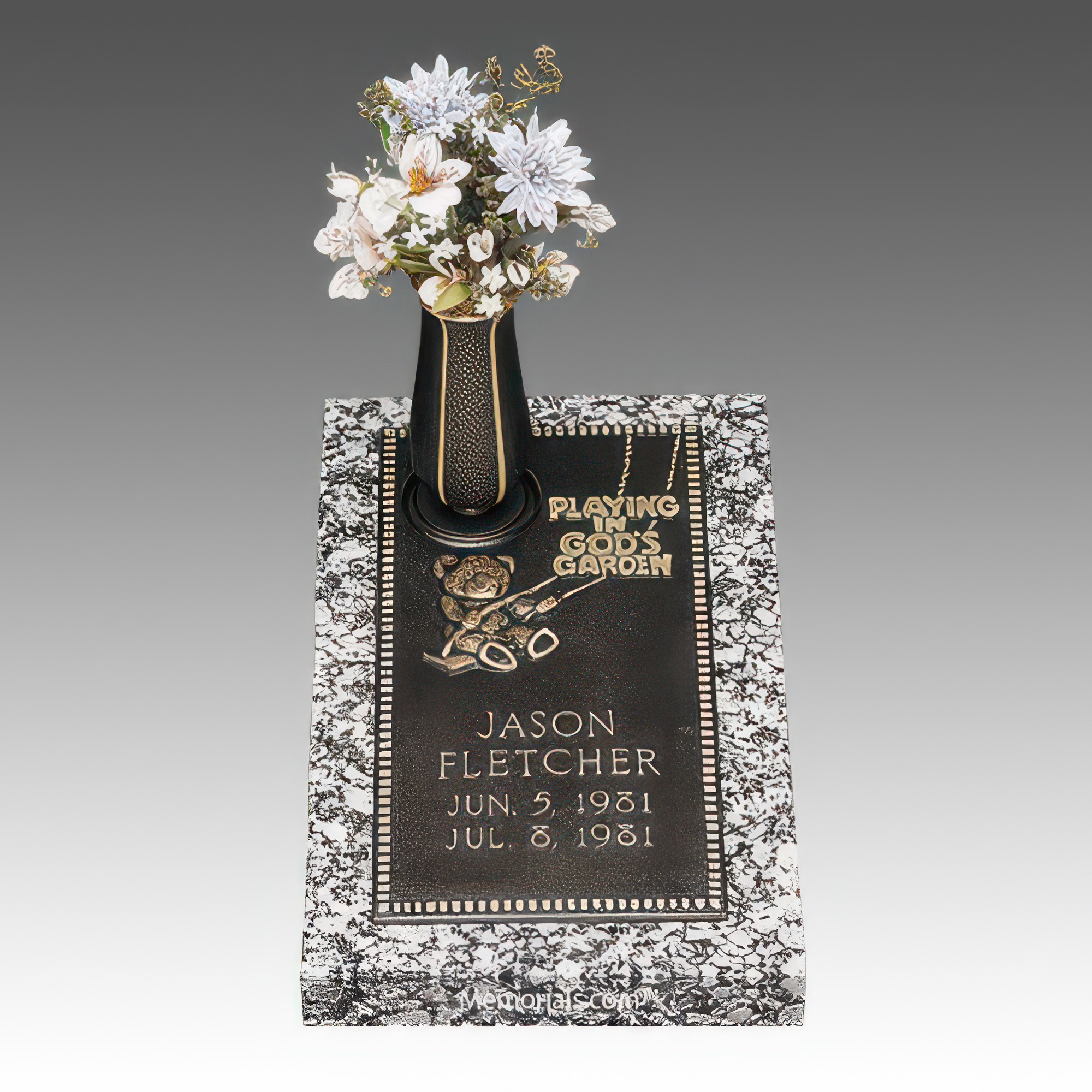
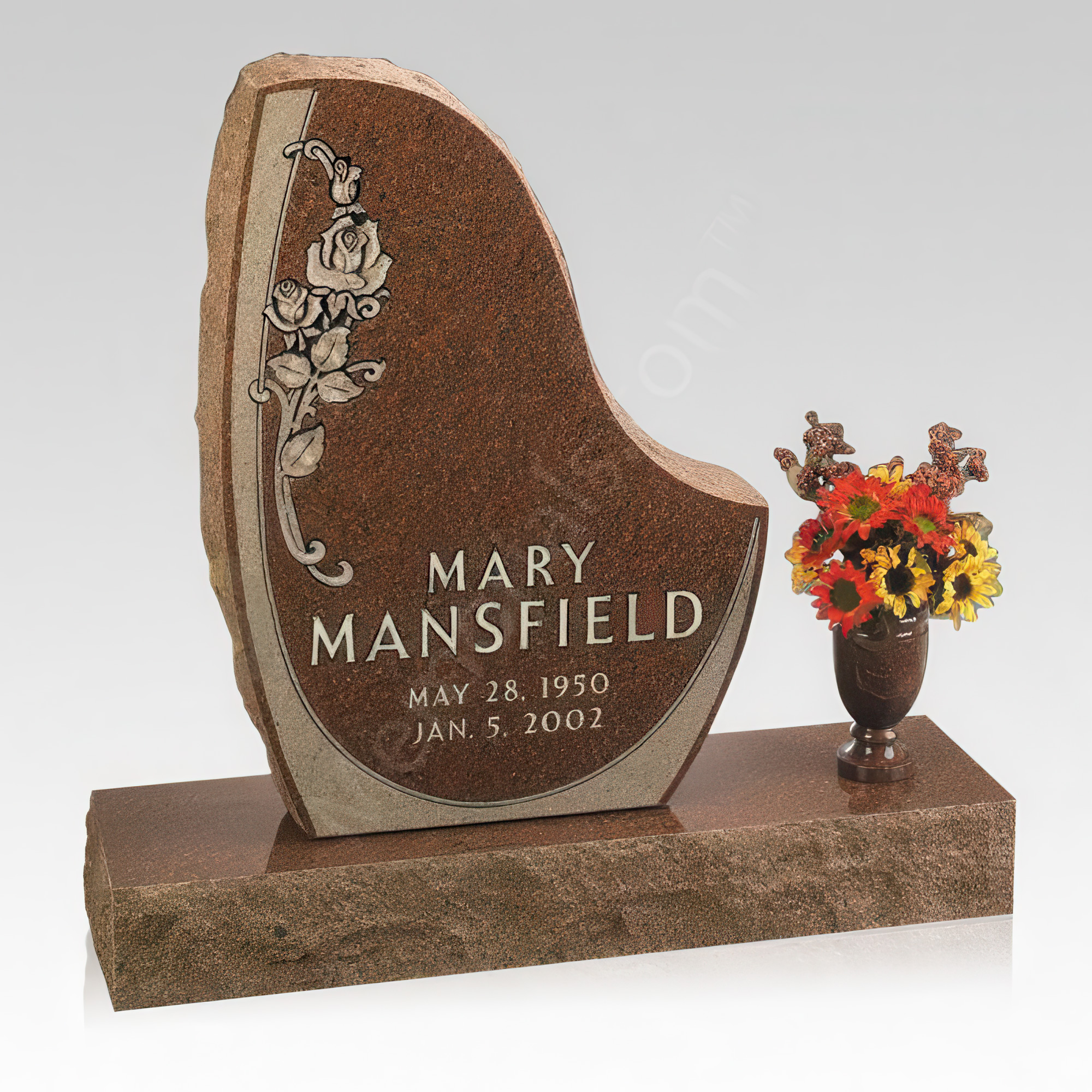
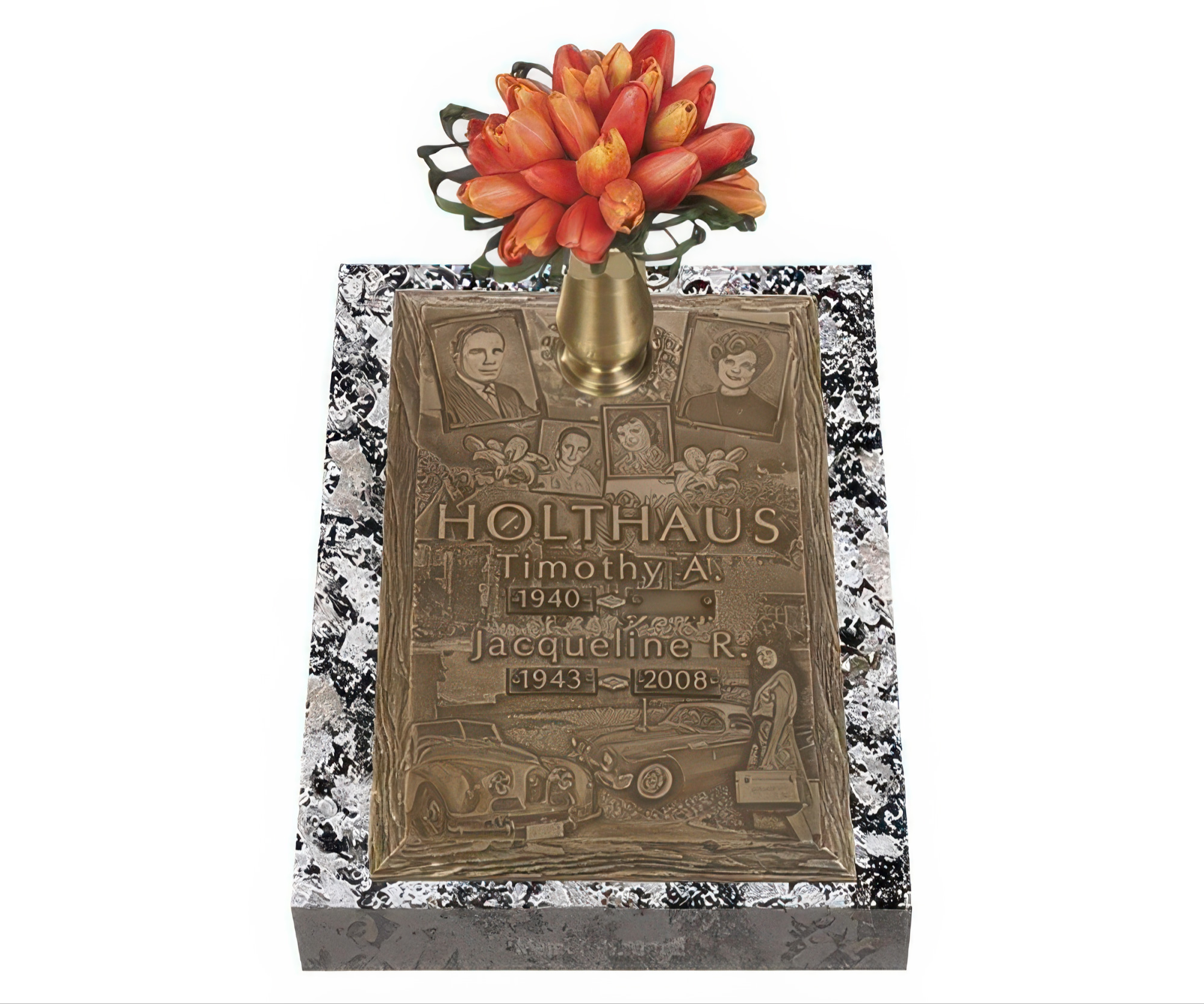
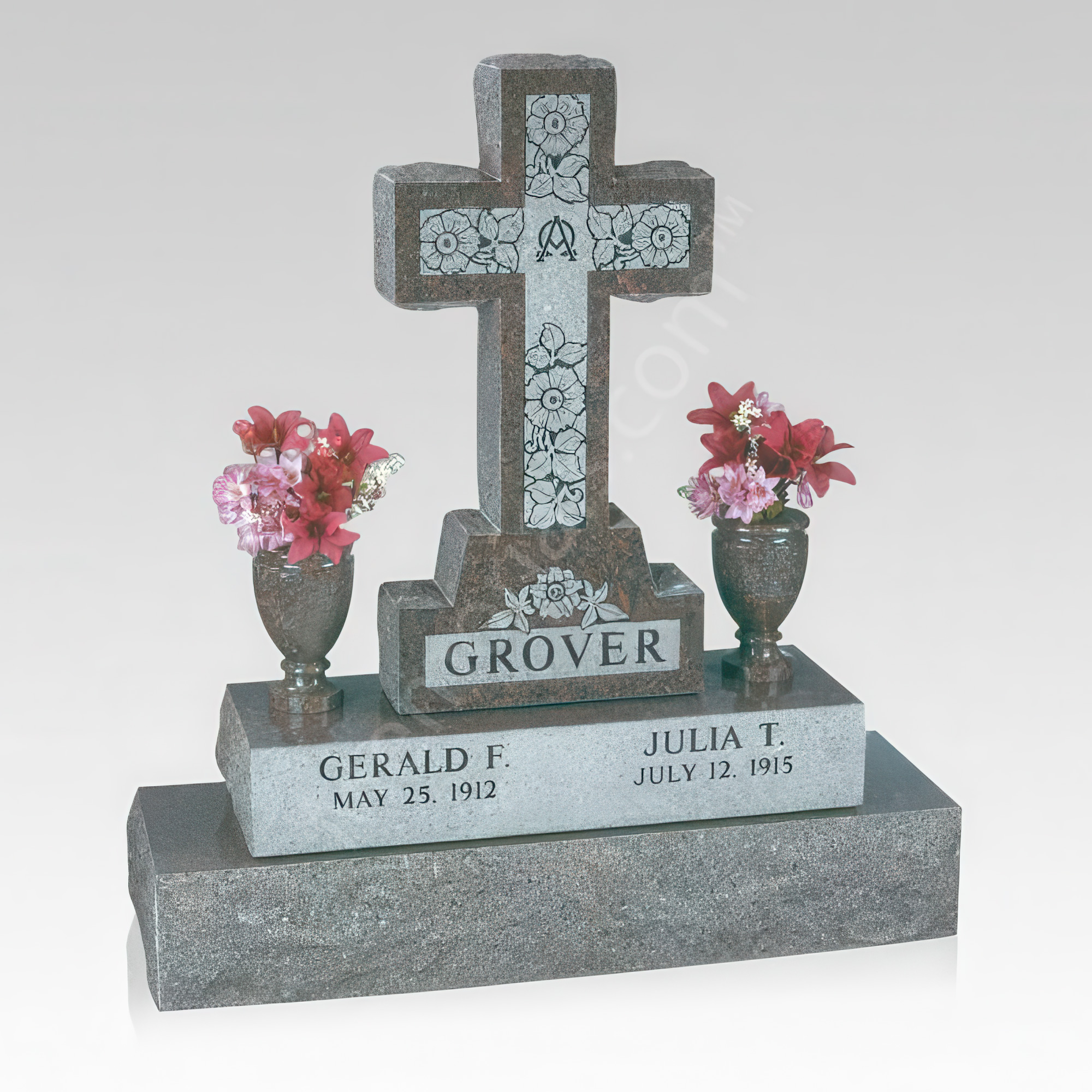
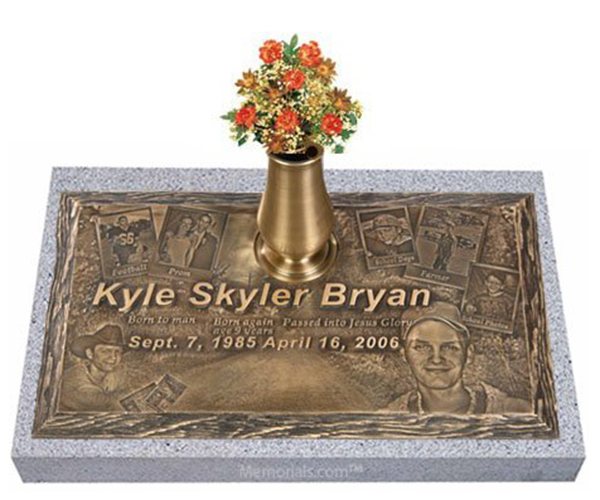
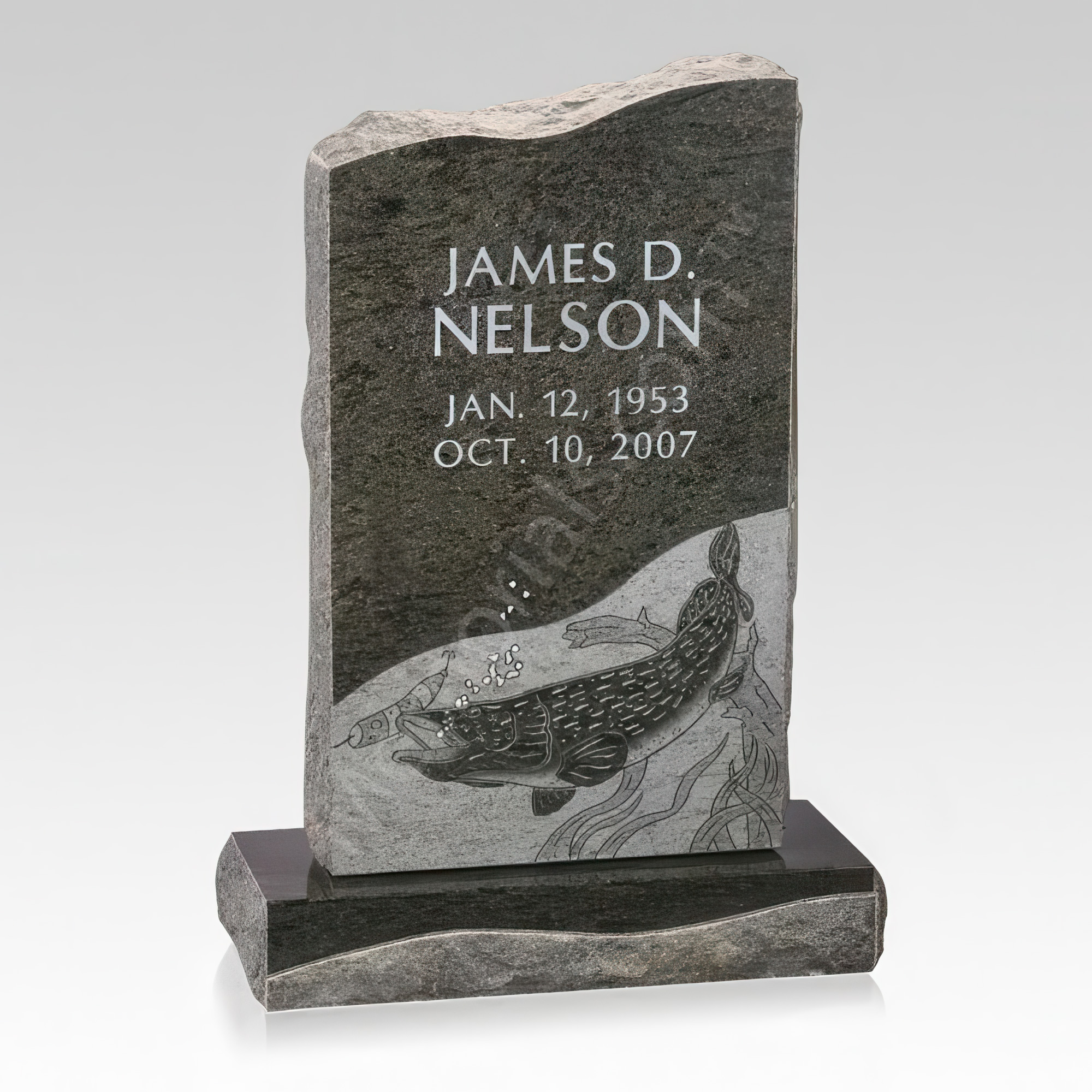
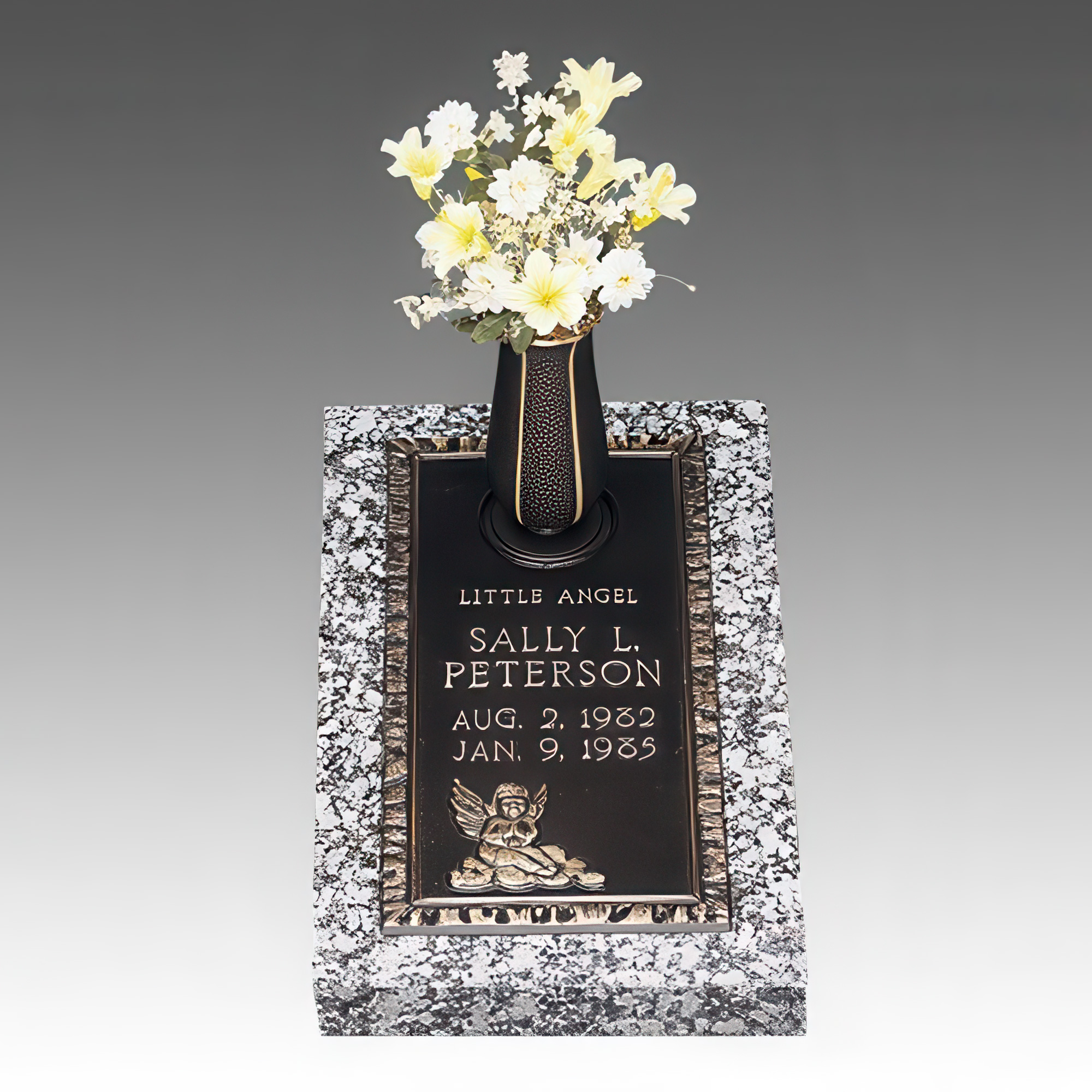
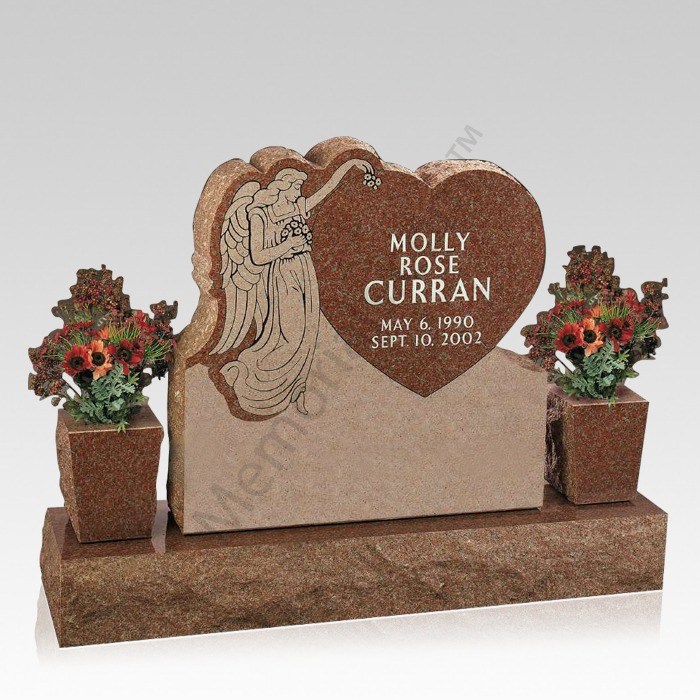
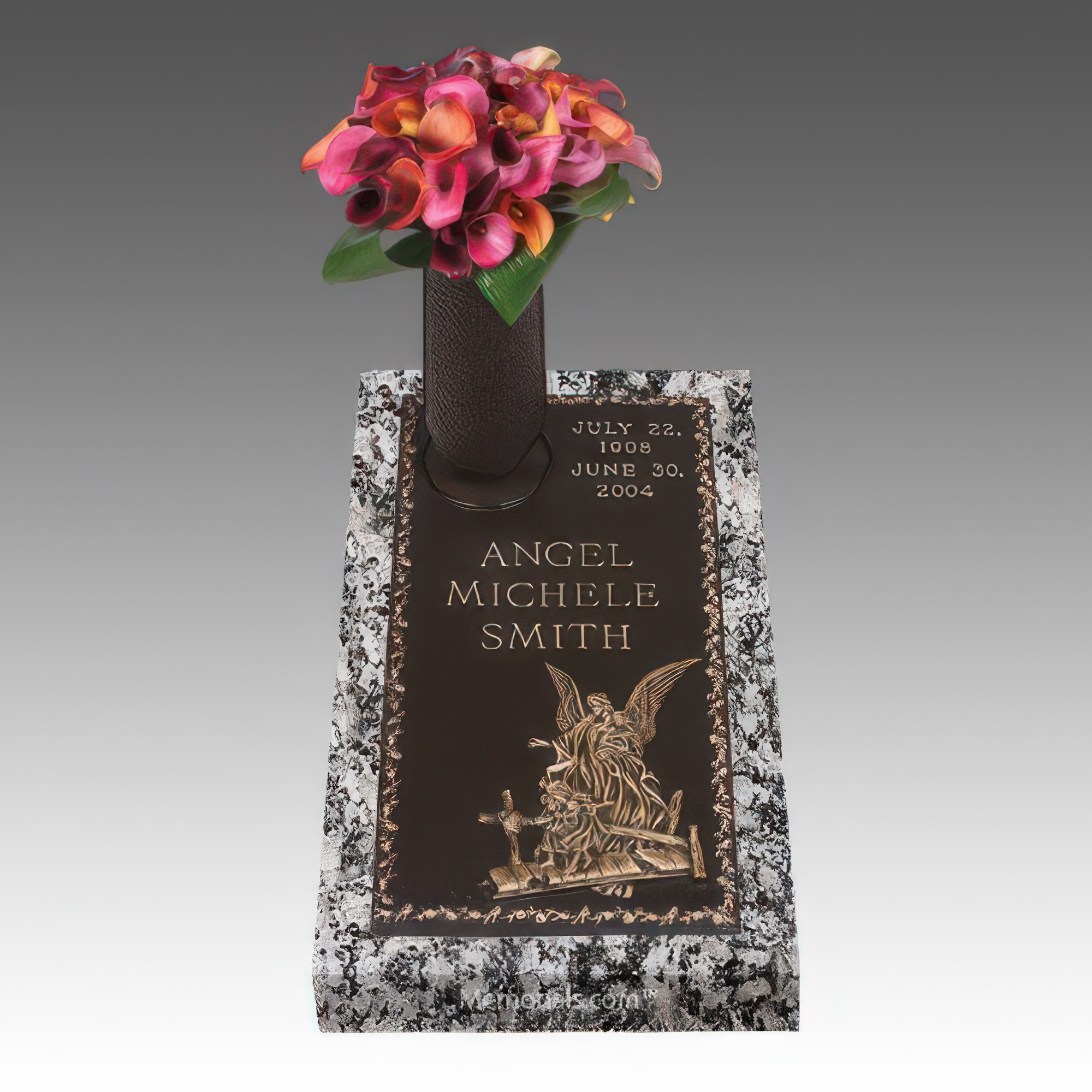
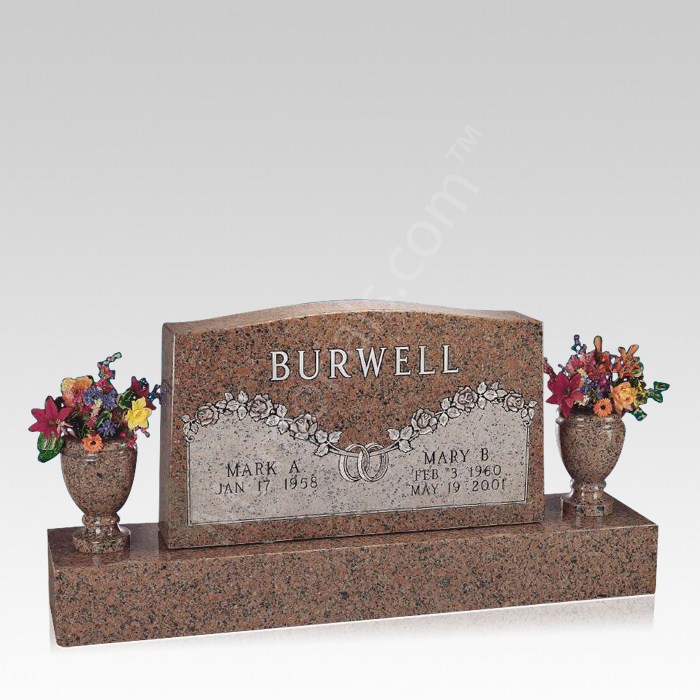
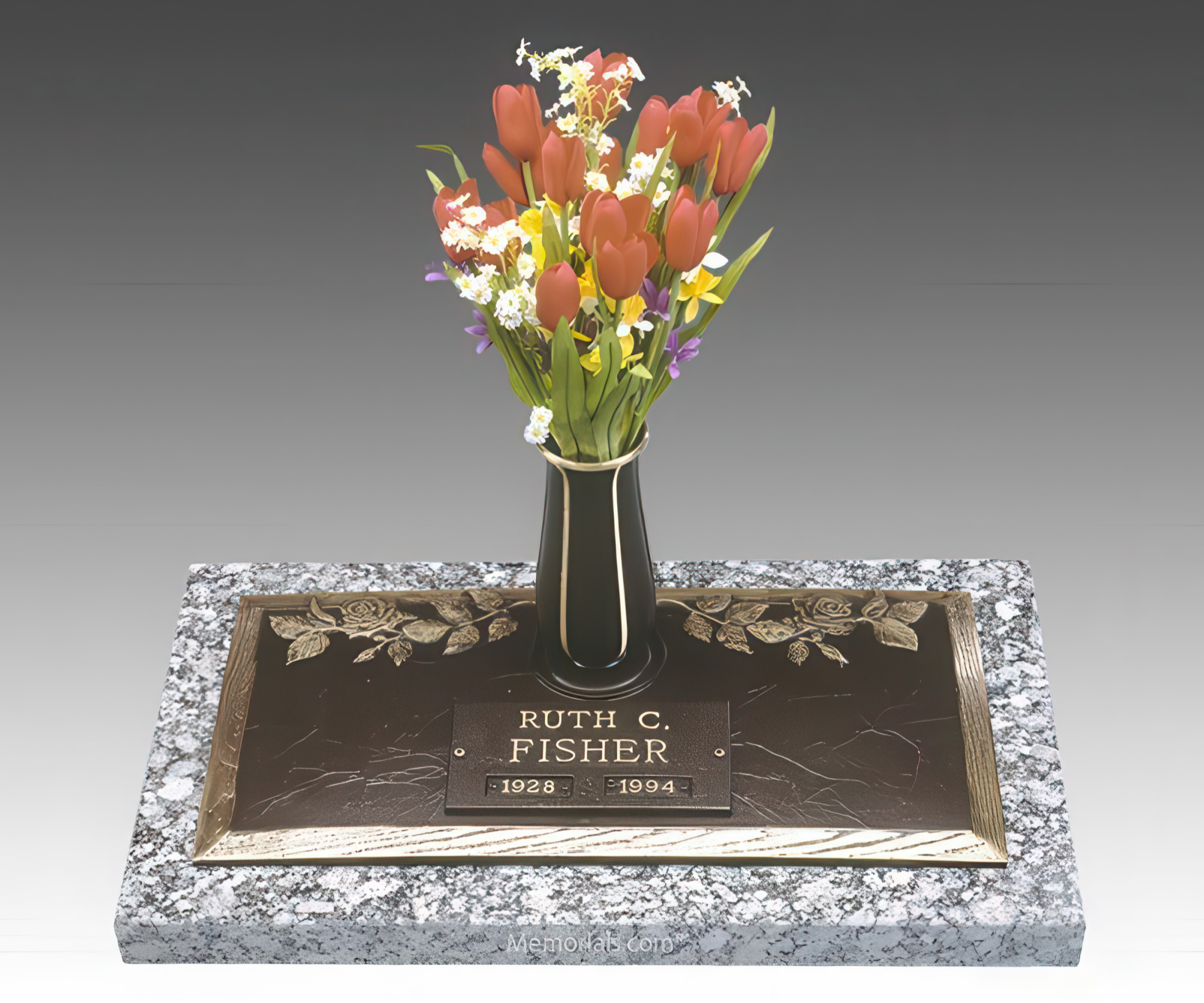
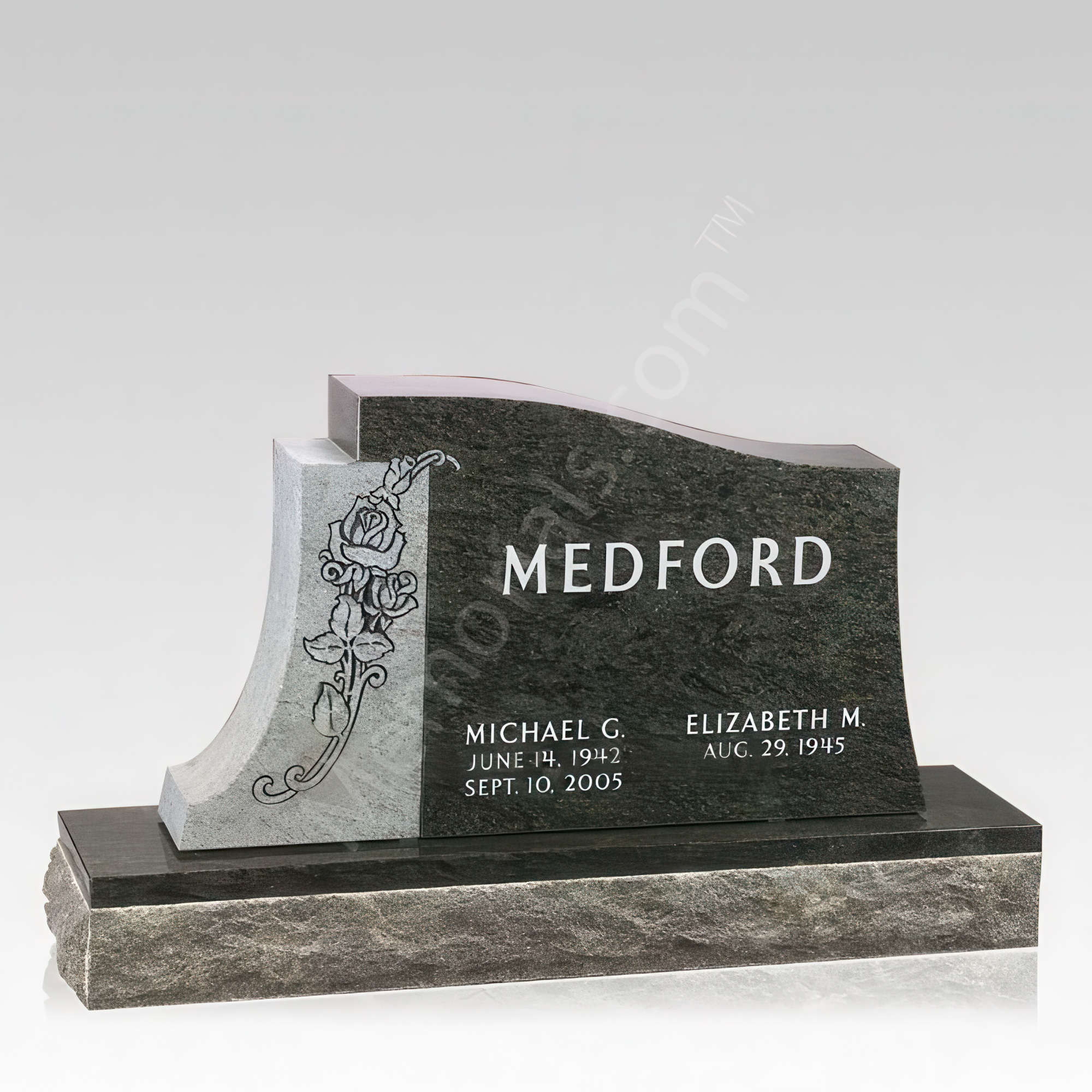
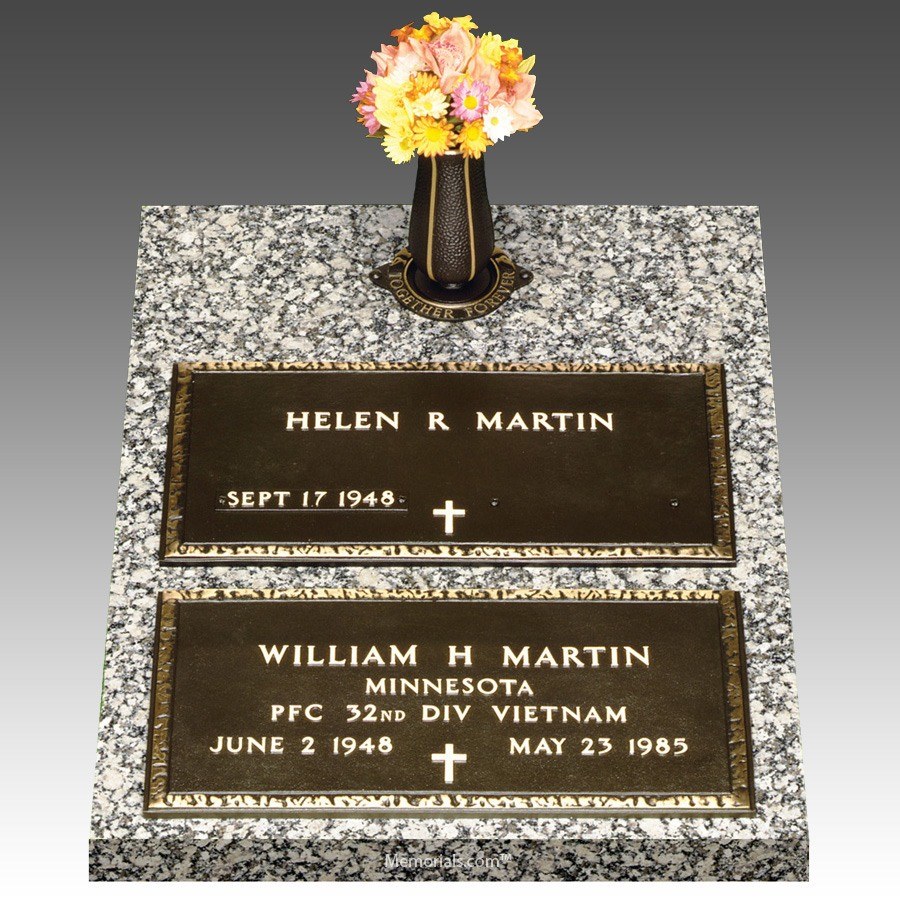
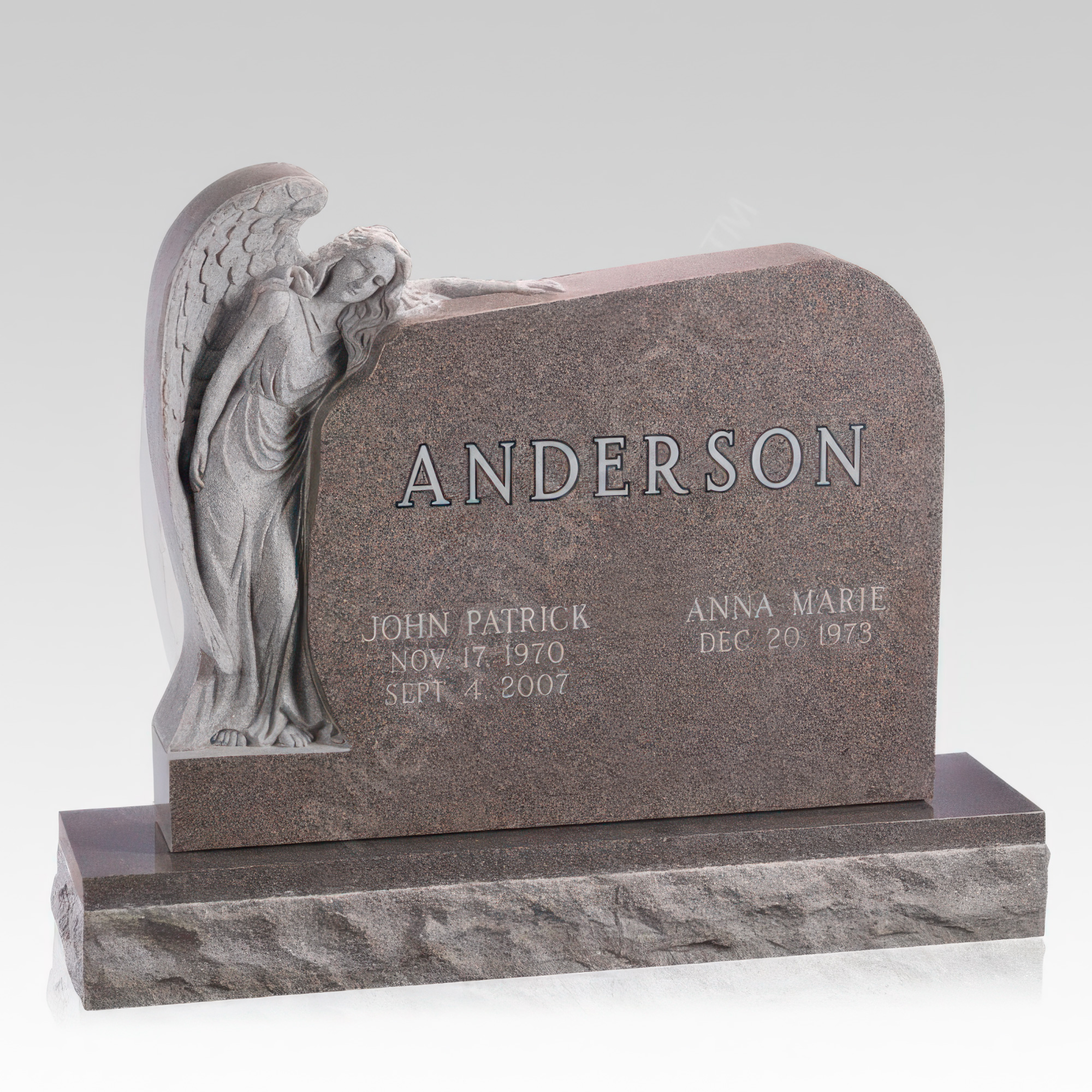
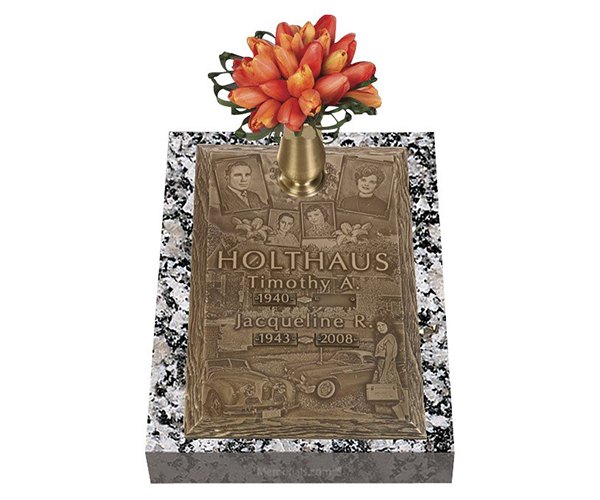
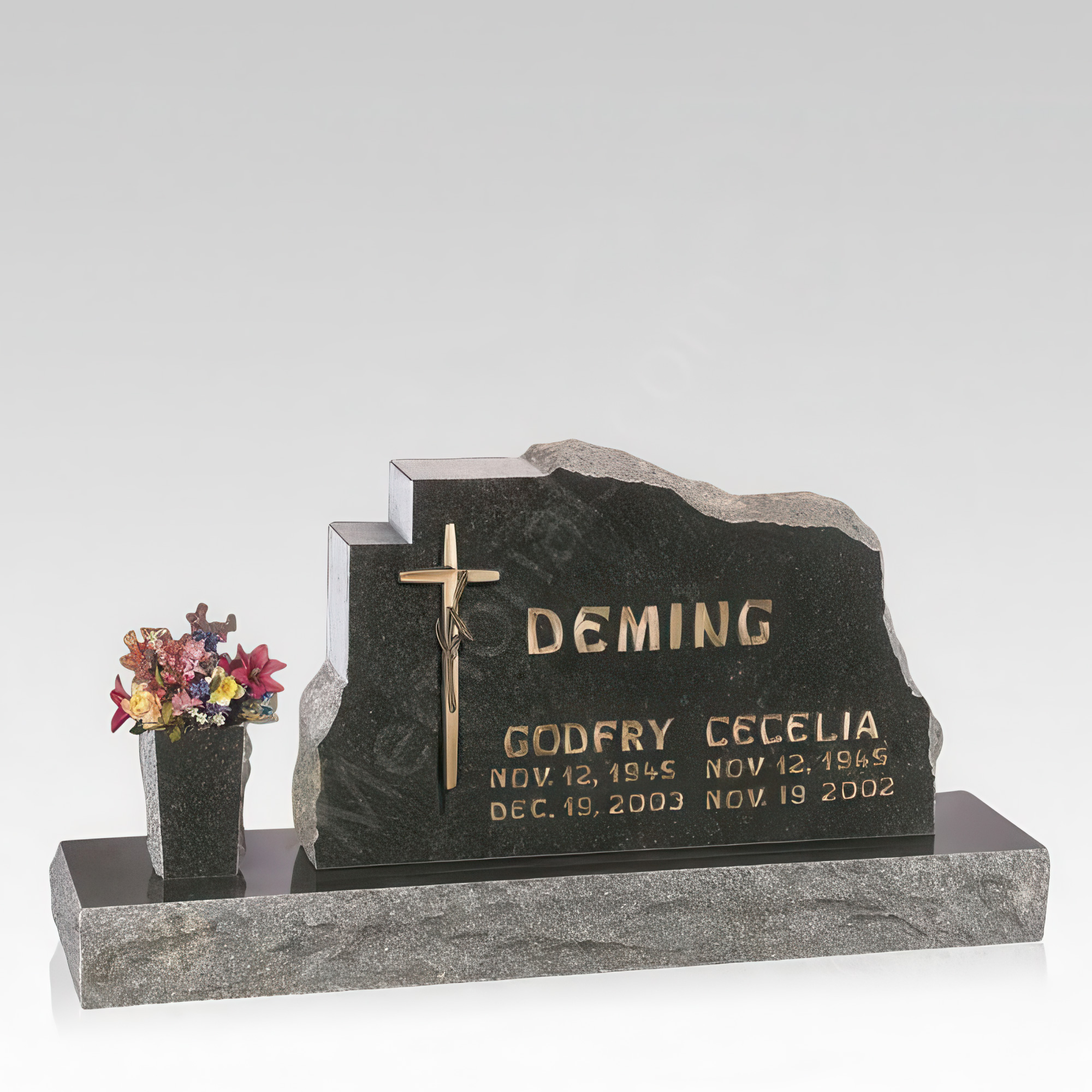
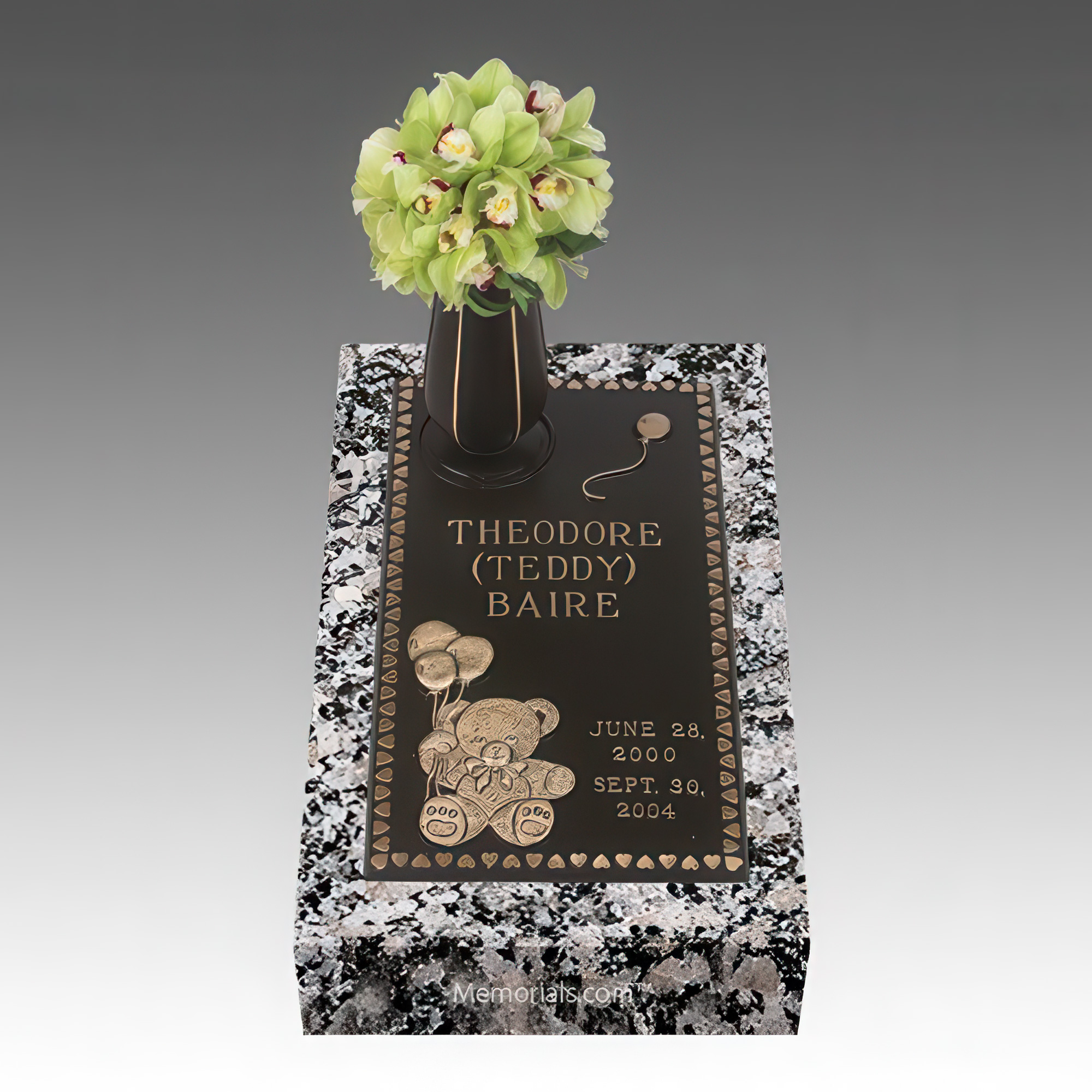
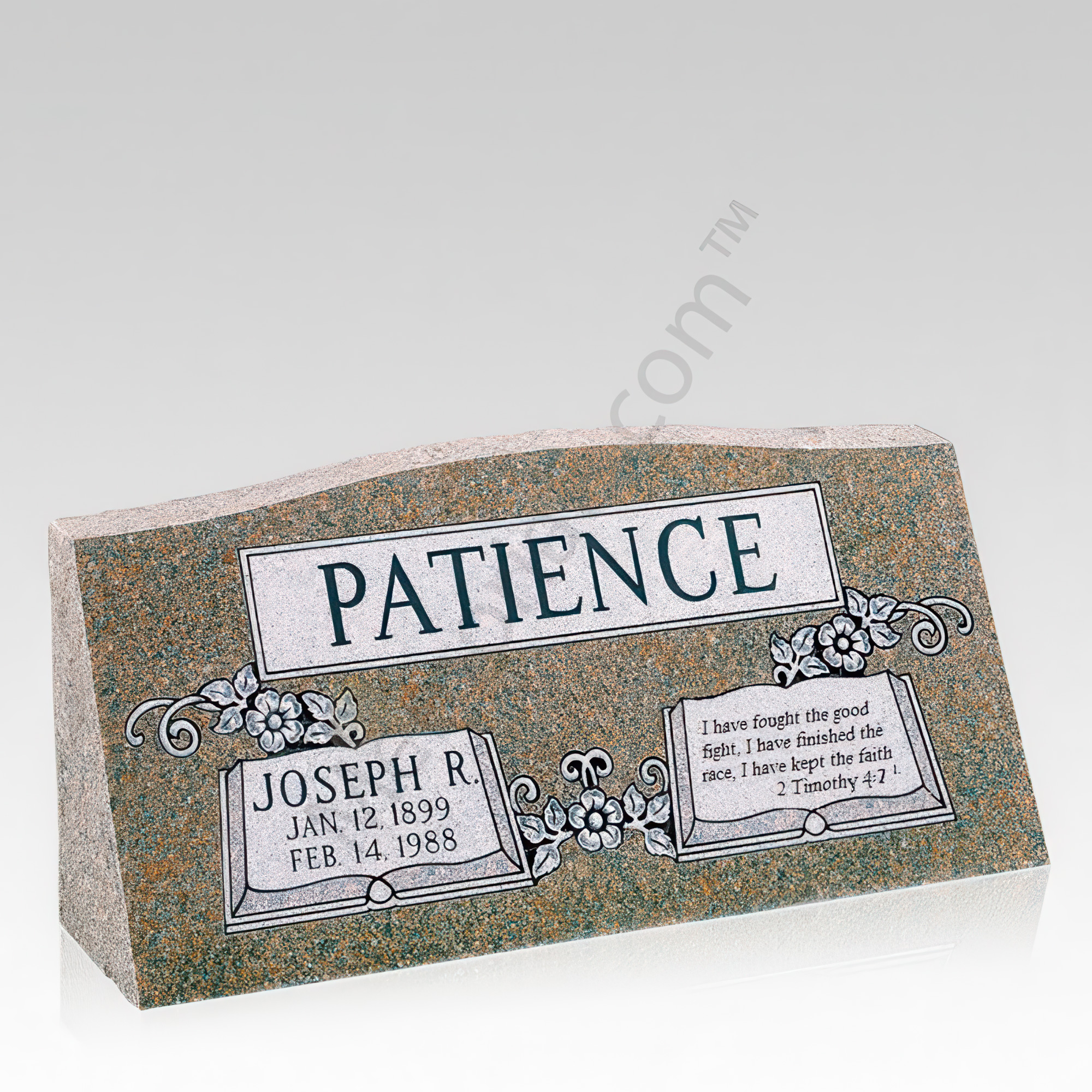
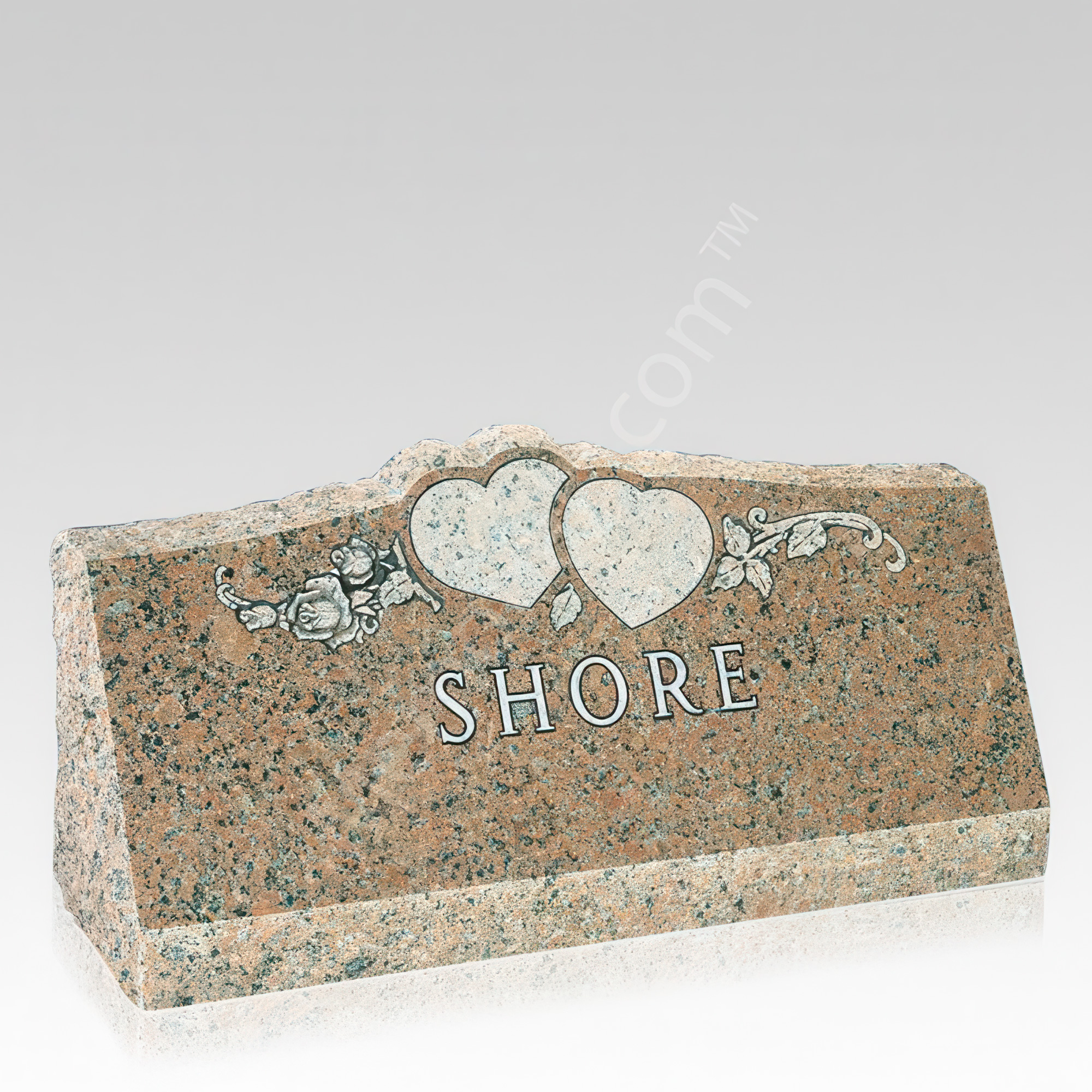
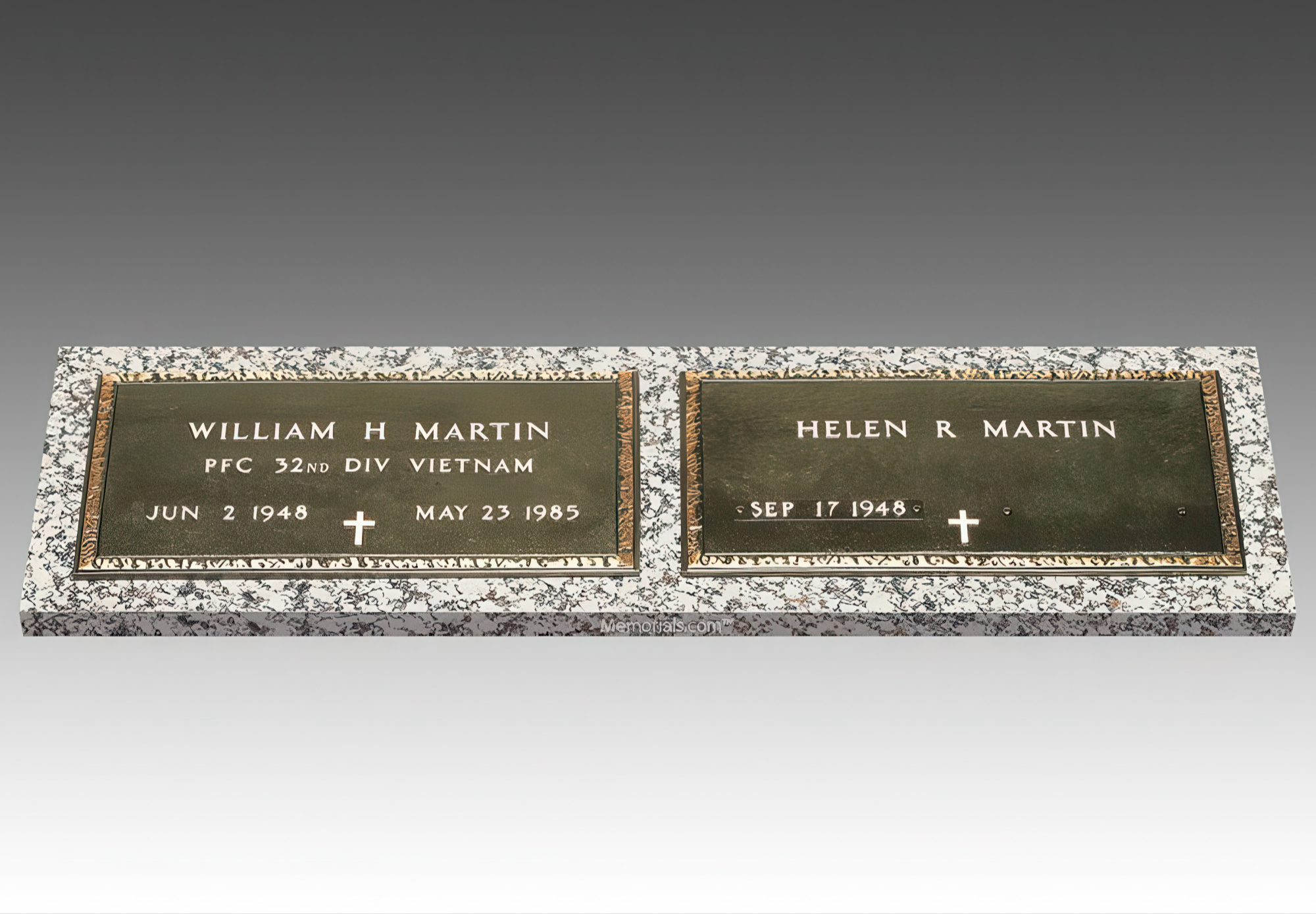
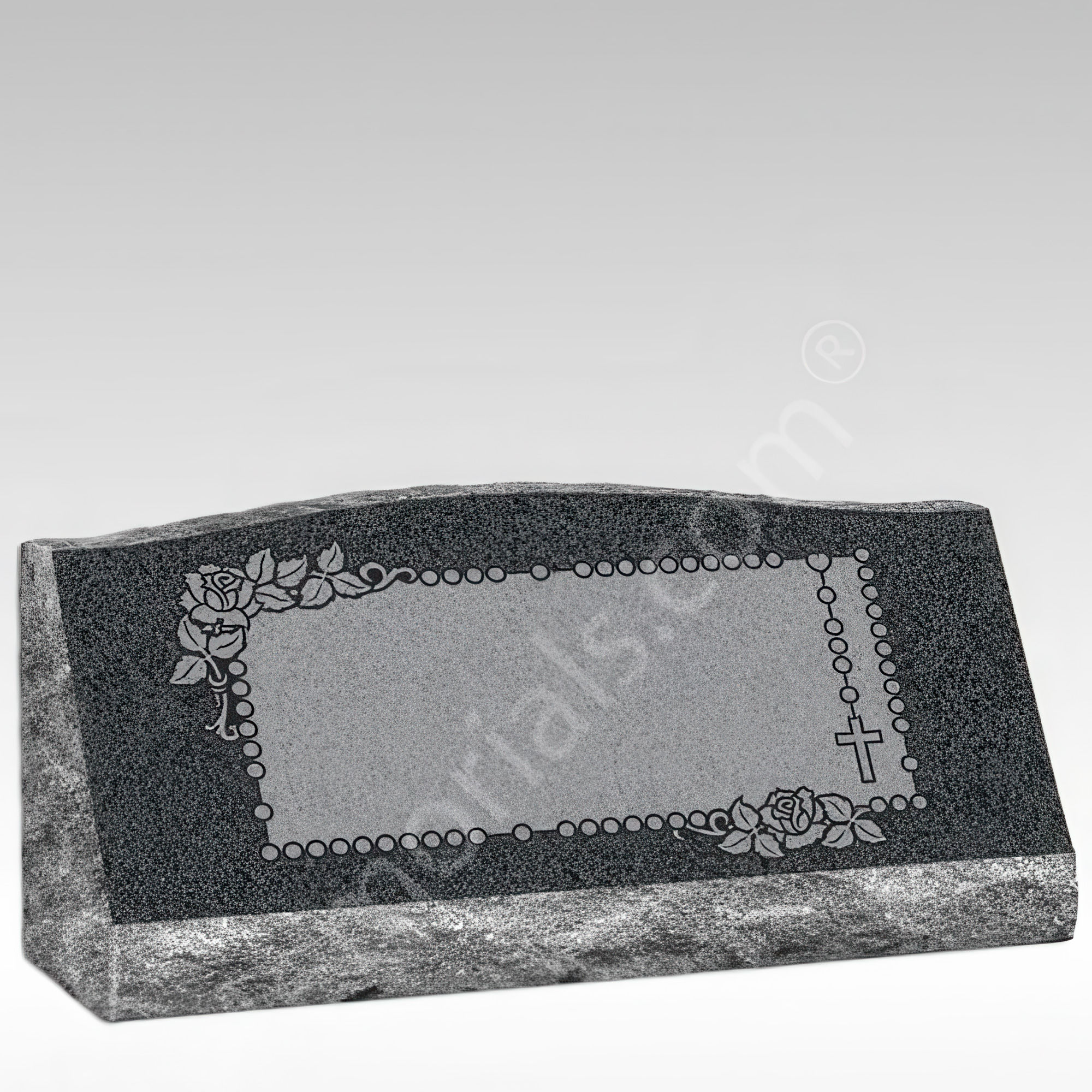
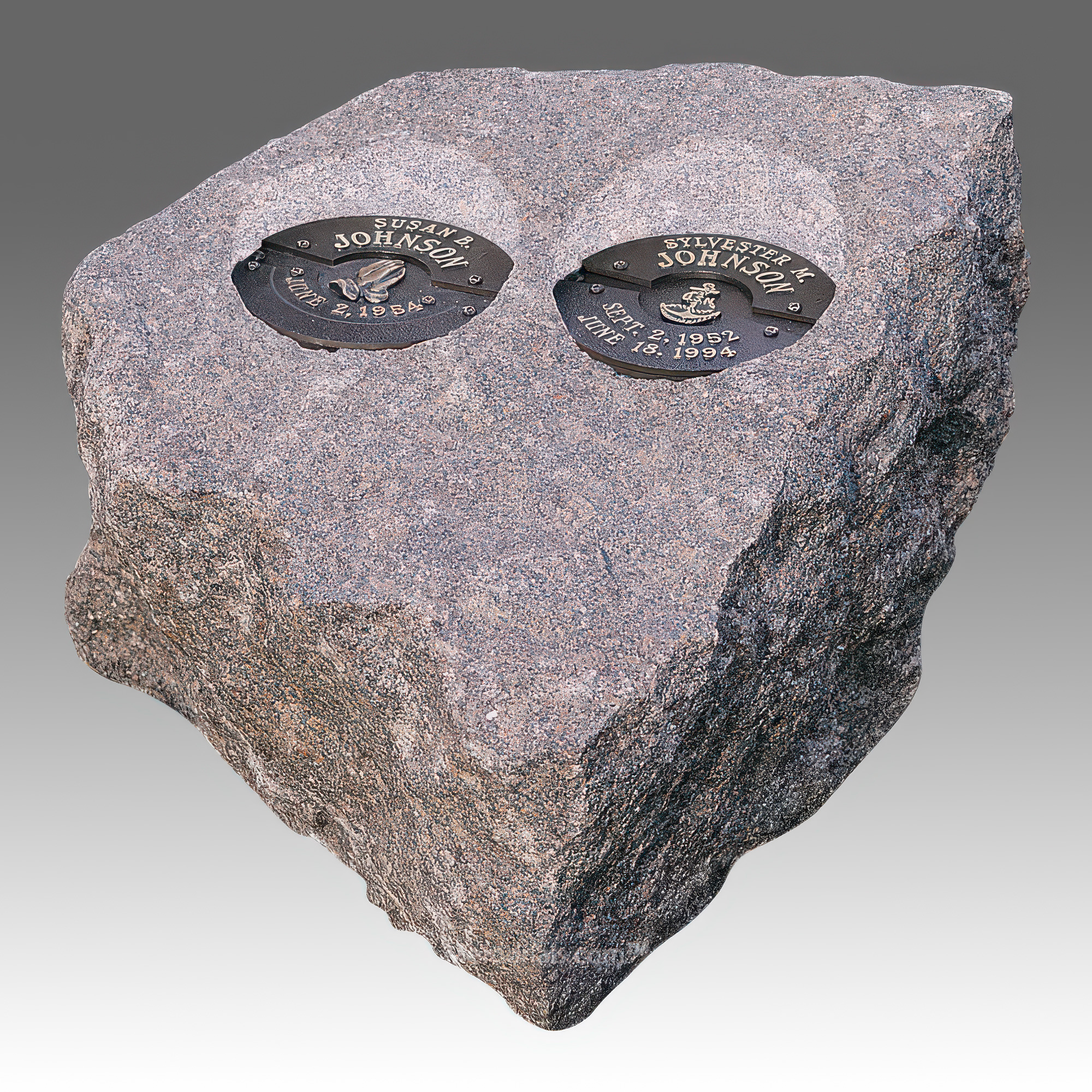
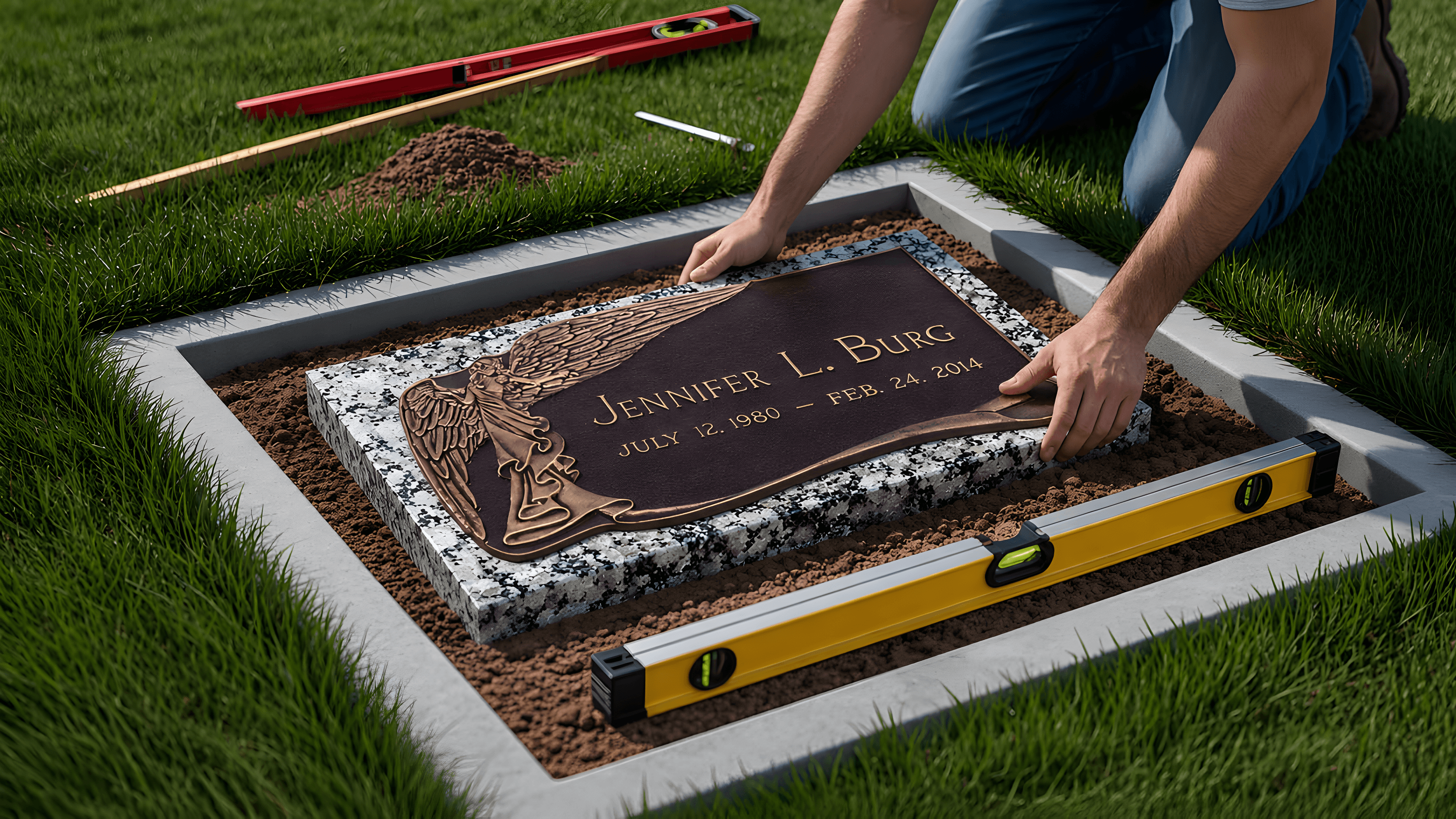
A headstone most often means an upright monument placed at the head of the grave. A flat grave marker often means a flat or low-profile memorial that sits flush with the grass, or slightly above it (sometimes called a lawn marker, flush marker, bevel marker, or slant marker depending on the profile).
That simple shape difference affects almost everything that follows: visibility, design options, maintenance, installation requirements, and sometimes what the cemetery will allow.
A side-by-side look at the differences
The quickest way to compare is to look at how each type behaves in a real cemetery setting: what you see from the walkway, how it is installed, and what it needs over the years.
Feature
Upright headstone (upright monument)
Grave marker (flat, bevel, or slant)
Typical orientation
Vertical tablet on a base
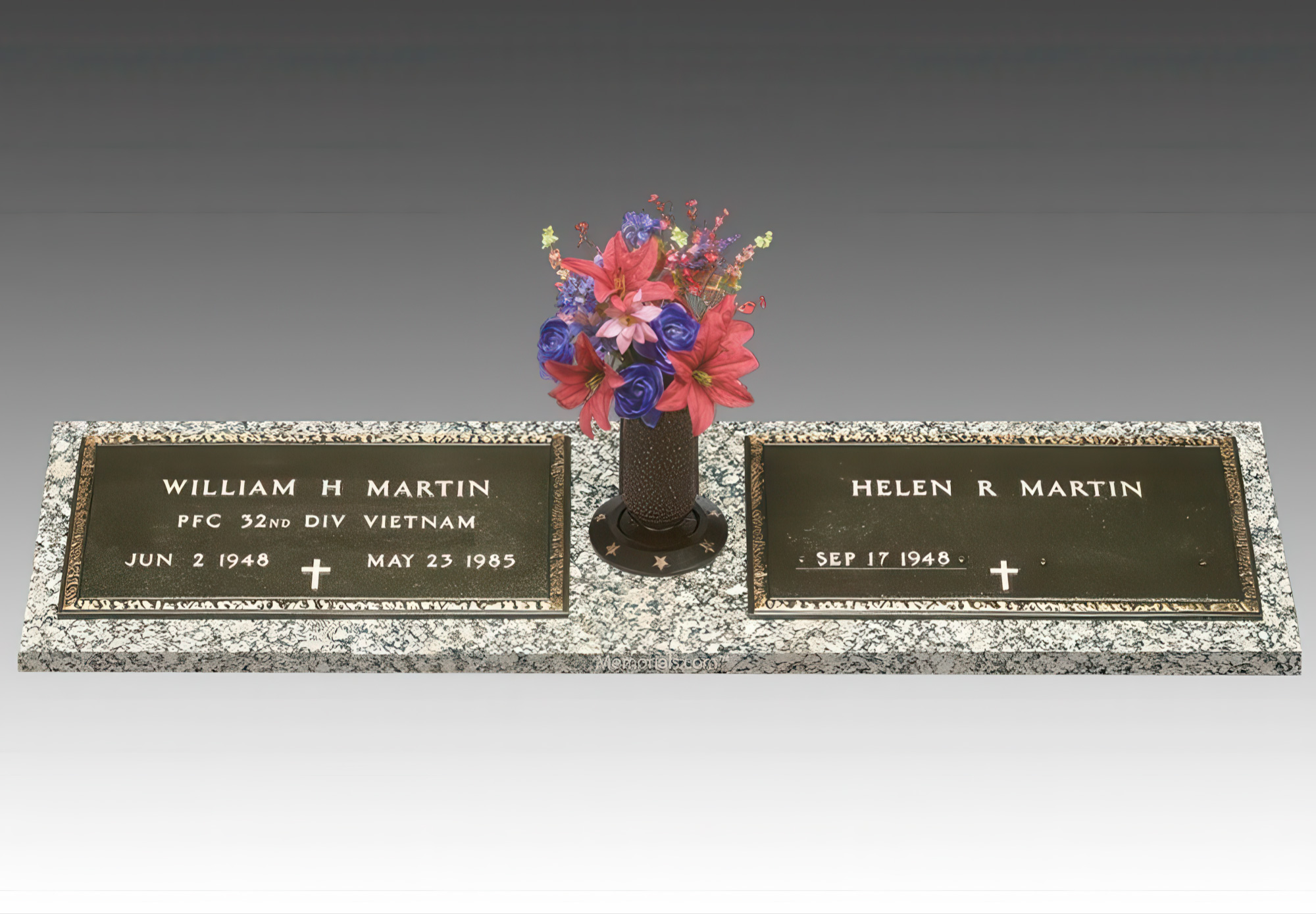
Flat or low-profile surface in the turf
Visibility
Easier to spot from a distance; readable while standing
Subtle; may be harder to find if you do not visit often
Common materials
Granite; sometimes marble; sometimes bronze elements on stone
Often starts around low four figures and rises with size and customization
Often starts lower than upright, with bronze or larger sizes increasing price
Installation
Usually needs a deeper footing and a level base; may require more equipment
Shallower base; still needs a stable foundation to avoid sinking
Maintenance
Watch for leaning over time; periodic cleaning
Keep edges clear of soil and grass; periodic cleaning
Cemetery style matters here. A traditional section with varied monuments often “fits” an upright headstone naturally. A lawn-style section with tight mowing patterns often “fits” a flush marker, and may require it. For a deeper dive into the form factor decision, see our flat vs upright headstone comparison.
Design, visibility, and the feel of the memorial
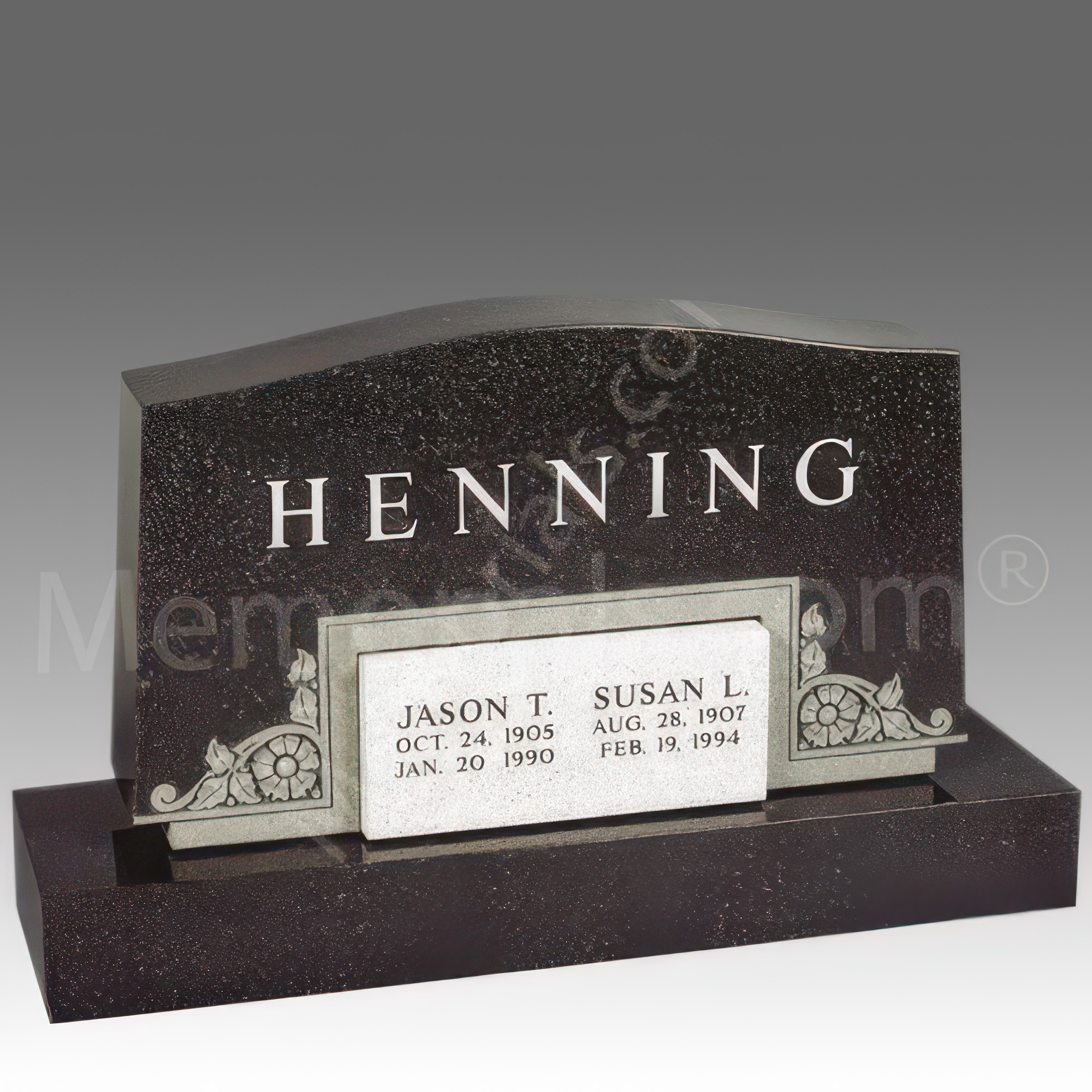
An upright headstone changes how a gravesite feels. It creates a visual focal point, and it is readable while standing. That matters for families who want visitors to be able to walk through a section and find a name quickly, or who want a memorial that feels more like a monument.
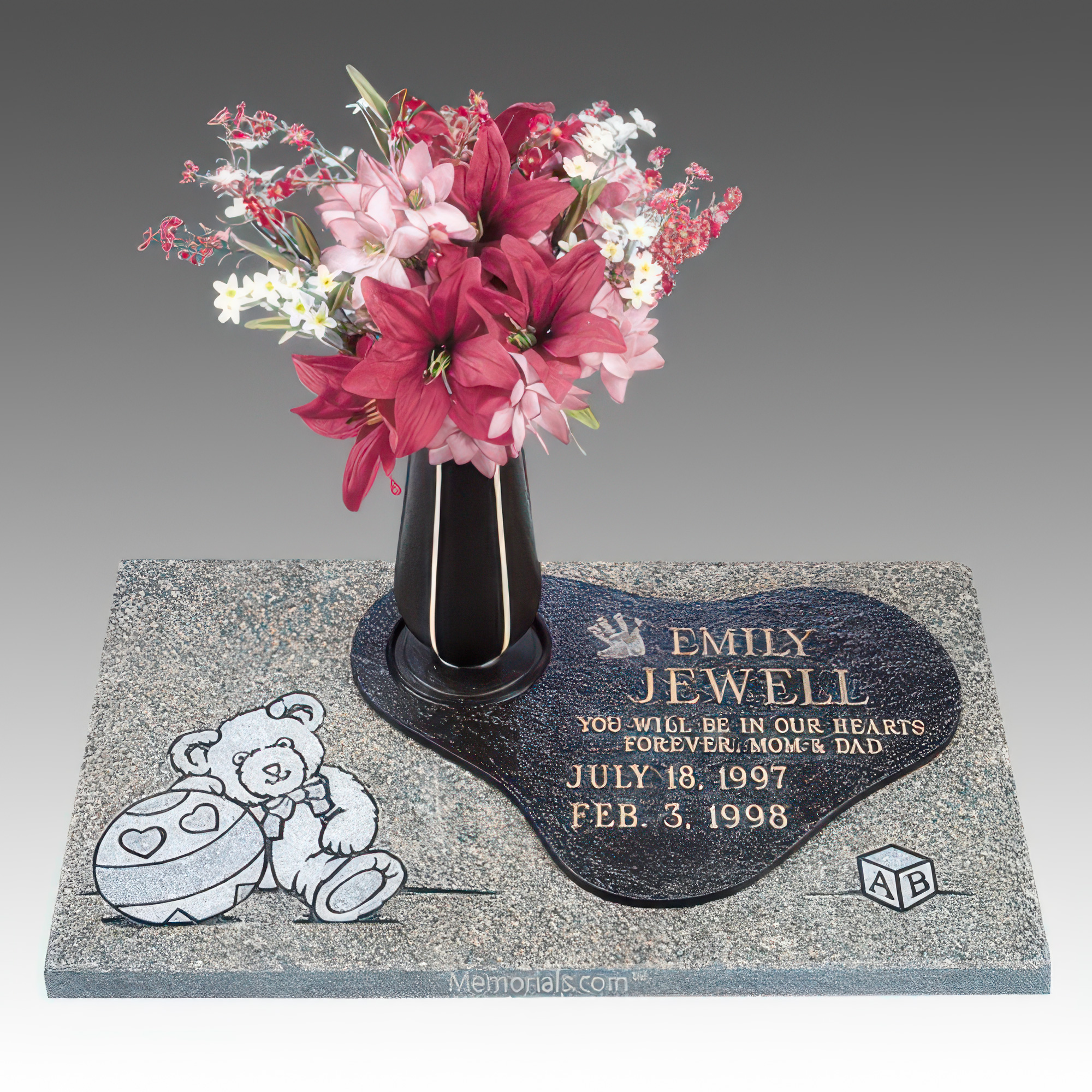
A flush marker feels quieter. Many families like the way it blends into a uniform lawn. It can also feel less imposing, which can be important when the memorial is for a child, or when a family prefers simplicity.
After you think about appearance, think about the practical side of how people will visit the site. If the grave is in a large cemetery and relatives may come only occasionally, a low-profile marker can be harder to locate without the section and plot details.
Many people also consider how the memorial will hold personal elements: a long epitaph, a poem, religious text, military service, a ceramic photo, or detailed artwork. Upright stones usually have more room for these details without crowding.
After considering the overall look, it can help to list what you want the memorial to do.
Easy to spot while walking
Room for longer inscriptions
Space for artwork and emblems
A traditional monument presence
Browse Our Most Popular Headstones & Grave Markers
Handcrafted memorials to honor your loved one for eternity
Both headstones and markers are often made from granite, and granite is popular for a reason. It is very durable, holds engraving well, and comes in many colors. Our headstone materials guide covers every stone and metal option in detail. Even so, granite is porous, so it can develop staining, moss, or lichen depending on climate and nearby trees.
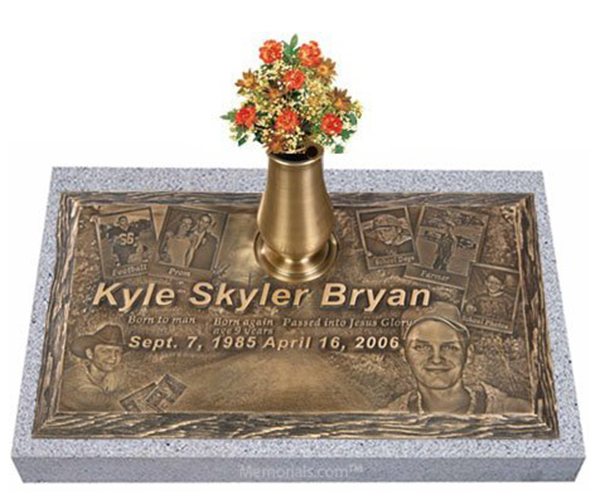
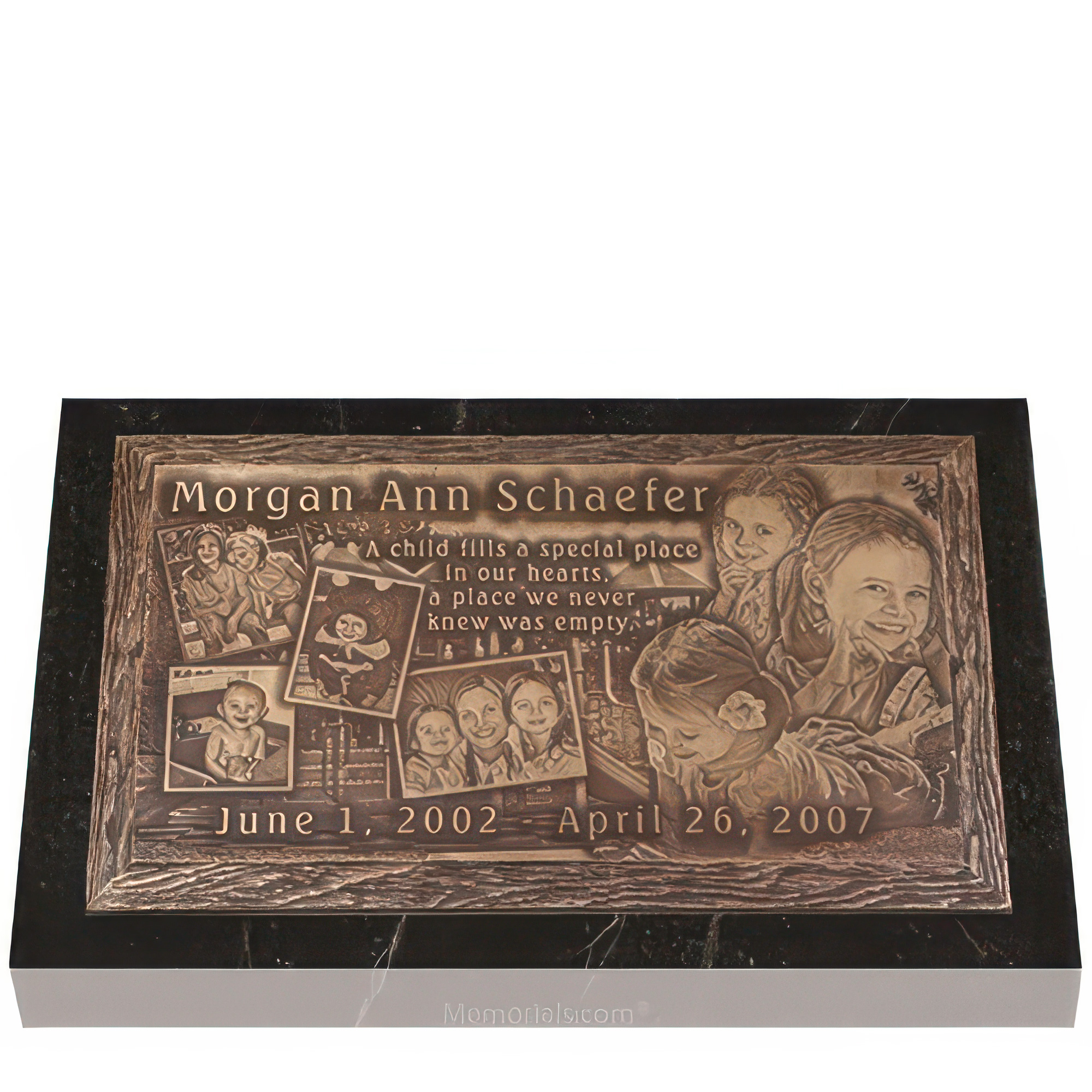
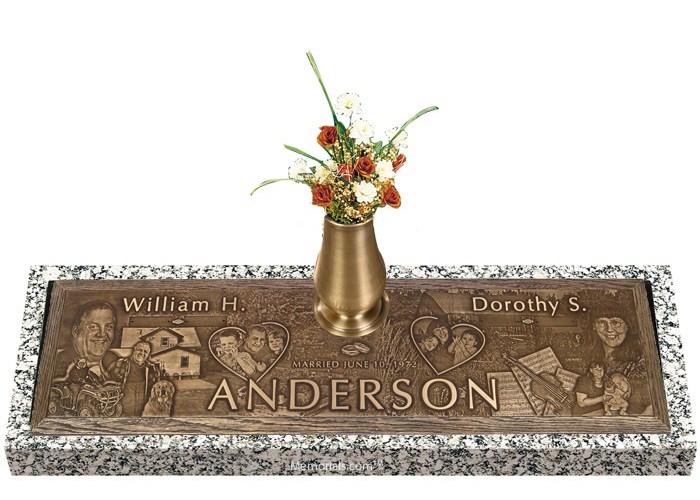
Bronze is also common, usually as a plaque attached to a granite base. Bronze grave markers do not "wear away" in the same way soft stone can, but the bronze does develop a patina. Some people love that aged look. Others prefer to keep bronze brighter, which can mean occasional cleaning and waxing with appropriate products.
Marble is seen more in older cemeteries. It can be beautiful, but it tends to weather faster than granite, and inscriptions may soften over time.
Material choice can also be influenced by the cemetery. Some cemeteries restrict certain finishes (very dark polished stones, reflective surfaces, certain colors), or require all markers in a section to match a specific style.
If you are deciding between granite and bronze, it helps to think about maintenance style, not only aesthetics:
Granite: Usually gentle cleaning with water and a soft brush; avoid harsh household cleaners that can damage stone.
Bronze plaque: Mild soap and water for cleaning, then a suitable wax if you want to slow discoloration.
Costs: what you are really paying for
People often look for a single price: “How much is a headstone?” The better question is: “What combination of size, material, artwork, and installation rules will apply here?” Our headstone cost guide breaks down every pricing factor.
In broad strokes, flat markers often cost less than upright headstones because they use less stone and have simpler installation requirements. But price can shift quickly when you add a larger footprint, premium granite colors, bronze plaques, custom art, photo elements, or a more complex foundation requirement.
Here are common cost drivers that apply to both styles:
Size: More material, more weight, higher shipping and setting complexity.
Engraving and layout complexity: Additional lettering, multiple fonts, or detailed scenes can increase cost.
Artwork and add-ons: Etched portraits, ceramic photos, vases, or custom emblems can change the final number.
Cemetery fees: Many cemeteries charge a setting fee and may require a specific foundation.
Installation costs are often underestimated. Even if a memorial company includes ground shipping, the cemetery may still charge for setting, for the foundation, or for permit processing. Some cemeteries require that their staff install all memorials, which can mean you pay the cemetery directly regardless of where you purchase the stone.
Shopping options also affect budget. Local monument providers may bundle design, installation, and cemetery coordination. Online retailers can offer broad selection and transparent pricing, and some also help with cemetery verification. Memorials.com, for example, offers a large catalog across headstones, grave markers, and related memorial products, and highlights policies like free ground shipping and a 30 day return policy, along with customer service support and long-running experience in the space.
Installation: what changes between upright and flat
Even though both types of memorial can often be set in a single day once everything is ready, the groundwork is different.
A flat marker generally needs a shallow excavation and a stable base that keeps it level and prevents sinking. Depending on cemetery requirements and soil conditions, that base may be compacted gravel or a concrete pad. The goal is for the marker to stay flush and safe for mowing.
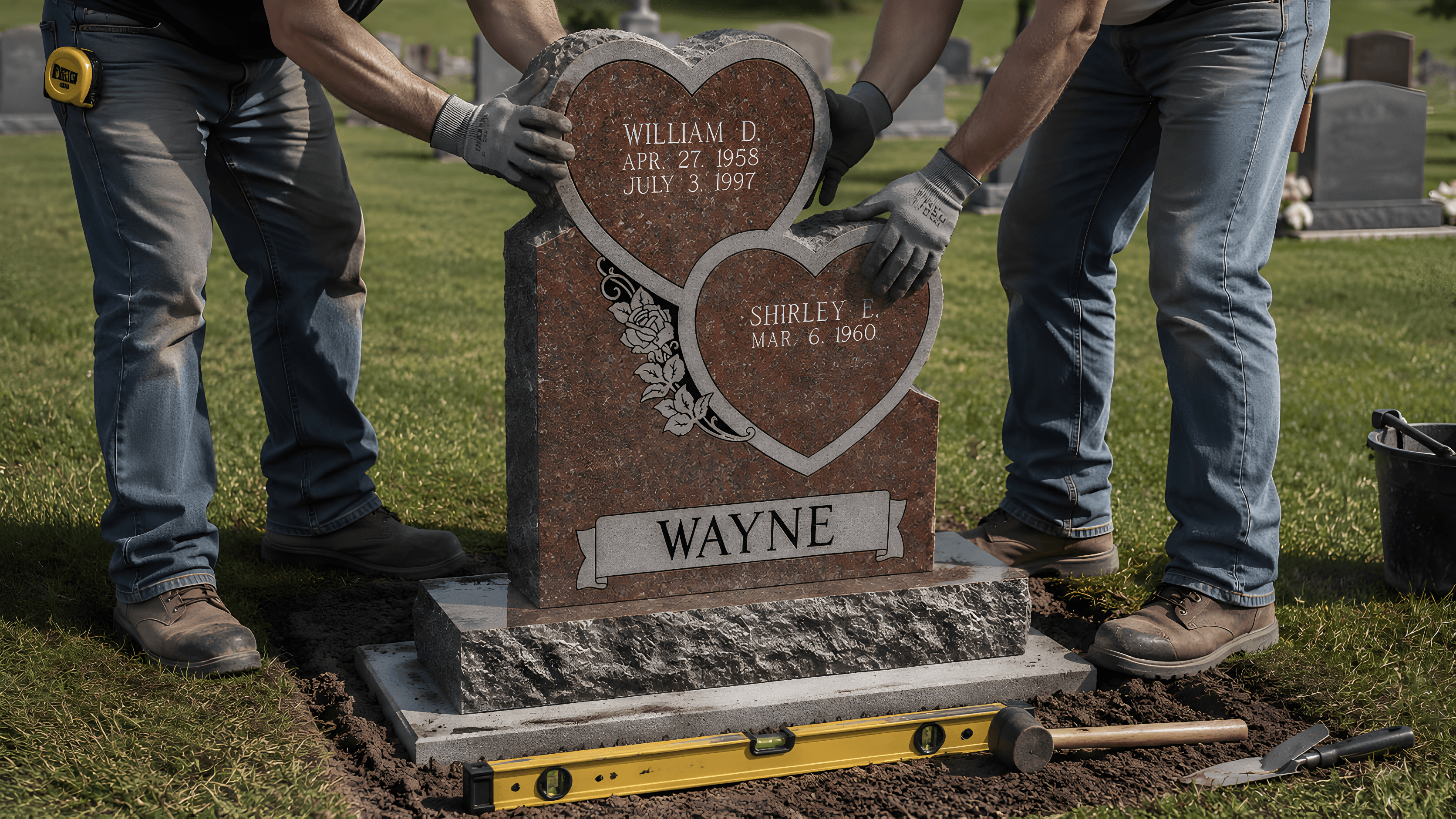
An upright headstone typically needs a deeper footing and a carefully leveled foundation, because the stone stands tall and can lean if the base shifts. To better understand what this process involves, read our guide to Cemetery Headstone Installation. Installers may use reinforced concrete and, in some cases, anchoring methods to increase stability. The equipment needs may be greater too, especially for large stones.
There is also the timeline. Many families are surprised that ordering, approval, fabrication, and scheduling can take weeks. Cemeteries may also ask that the grave settle for a period before a permanent memorial is installed.
Cemetery rules can decide the answer for you
Before you fall in love with a design online, verify what the cemetery allows. Some cemeteries permit upright monuments only in certain sections. Others, especially lawn-style memorial parks, allow only flush markers to keep maintenance consistent.
Rules can cover details that affect cost and design:
Bronze plaque thickness, border style, or finish color
Whether a vase is permitted, and if it must be recessed
Who is allowed to install, and the required foundation dimensions
These details are not “fine print” in practice. They determine whether your memorial can be set at all.
After you have the rules, you can make choices that stay inside them.
Section restrictions: Ask what memorial types are allowed in the exact section and lot.
Size limits: Confirm maximum dimensions for single, companion, or family spaces.
Foundation requirements: Get the required base size, depth, and whether reinforcement is required.
Setting policies: Confirm whether the cemetery installs, or if outside installers are permitted.
Fees and timing: Ask for current setting fees and typical scheduling lead times.
How to choose based on real-life priorities
Families usually arrive at the decision by focusing on a few practical priorities, then matching the memorial to those priorities.
If you value a memorial that is easy to find and read while standing, an upright headstone is often the natural fit. If you value a uniform lawn appearance, or if the cemetery requires it, a flush marker is often the right choice.
Here is a simple way to frame it after you know the cemetery rules:
Want a stronger visual presence: Upright headstone is typically more visible and offers more design space.
Prefer simplicity and a low profile: Flat or bevel marker keeps the landscape open and tidy.
Concerned about long inscriptions: Upright stones usually handle longer text more comfortably.
Planning for two names: Companion markers and companion headstones are both common; size limits may steer the decision.
If cremation is involved, the same headstone-vs-marker decision still applies — but with additional options like urn compartments and niche-compatible sizes. Our guide to cremation memorial marker options covers every cremation-specific style.
If the memorial is for a pet, many cemeteries and pet cemeteries also use the same general categories. A flat pet grave marker can suit a small space, while a small upright can create a distinct place to visit. The same advice applies: check the rules, then choose the style that matches how you want to remember them.
Maintenance expectations over the years
No memorial is truly maintenance-free, but most care is light when the material is granite and the installation is solid.
With upright stones, families sometimes need to watch for shifting or leaning after freeze-thaw seasons, heavy rain, or ground settling. With flat markers, the most common issues are grass overgrowth, dirt buildup along the edges, and gradual sinking if the base was not prepared well.
If the memorial includes bronze, expect that the color will change over time. Some families let it age naturally. Others clean it periodically to keep details crisp and contrast high.
Cemeteries may also have cleaning rules. Some do not allow families to use certain chemicals, and some prefer that only staff handle cleaning in order to prevent damage.
Where selection and service fit in
Once the cemetery requirements are clear, many families compare selection, personalization tools, and support.
A large online catalog can make it easier to find a memorial that matches a loved one’s personality, whether that is a classic granite tablet, a bronze plaque with floral corners, a military emblem, or a design that leaves room for later inscriptions. Strong customer service also matters, because the process often includes coordinating a proof, matching cemetery specs, and confirming shipping and setting arrangements.
When evaluating any seller, look for practical policies that reduce stress: clear proofs before engraving, a reasonable return window when allowed, and shipping practices that protect heavy stone in transit. Those details can matter as much as the design you choose.