🏬Supersize Online Funeral Retailer🪦1000's of Headstones⚱️Over 10,000 Cremation Urns⚰️Caskets Overnight Delivery🛒Funeral & Memorial Superstore🚚FREE Shipping on ALL Orders👨👩👧👦Helping Families for over 20 Years💰Lowest Price Guarantee🏬Supersize Online Funeral Retailer🪦1000's of Headstones⚱️Over 10,000 Cremation Urns⚰️Caskets Overnight Delivery🛒Funeral & Memorial Superstore🚚FREE Shipping on ALL Orders👨👩👧👦Helping Families for over 20 Years💰Lowest Price Guarantee
🏬Supersize Online Funeral Retailer🪦1000's of Headstones⚱️Over 10,000 Cremation Urns⚰️Caskets Overnight Delivery🛒Funeral & Memorial Superstore🚚FREE Shipping on ALL Orders👨👩👧👦Helping Families for over 20 Years💰Lowest Price Guarantee🏬Supersize Online Funeral Retailer🪦1000's of Headstones⚱️Over 10,000 Cremation Urns⚰️Caskets Overnight Delivery🛒Funeral & Memorial Superstore🚚FREE Shipping on ALL Orders👨👩👧👦Helping Families for over 20 Years💰Lowest Price Guarantee
Families facing the loss of a loved one often wrestle with a deeply personal question: is it wrong to separate cremated ashes? The short answer is no — separating cremated remains is neither illegal nor universally considered disrespectful. Millions of families divide ashes every year, and the practice has become increasingly common as cremation rates in the United States continue to rise.
That said, the decision carries emotional, spiritual, and sometimes legal weight. Understanding what major religions teach, what the law allows, and how to handle cremated remains with dignity can help you move forward with confidence during an already difficult time. If you are also weighing urn options, our guide to choosing a cremation urn covers every factor to consider.
There are several meaningful reasons families decide to divide a loved one's cremated remains rather than keeping them in a single vessel.
Honoring the Wishes of the Deceased
The most important factor is whether your loved one expressed a preference. If the deceased asked for their ashes to be shared among family members or scattered in multiple locations, those wishes should carry the most weight. Unless a loved one specifically instructed that their remains stay together, most families feel comfortable assuming that dividing them is acceptable.
Multiple Family Members Want Their Own Memorial
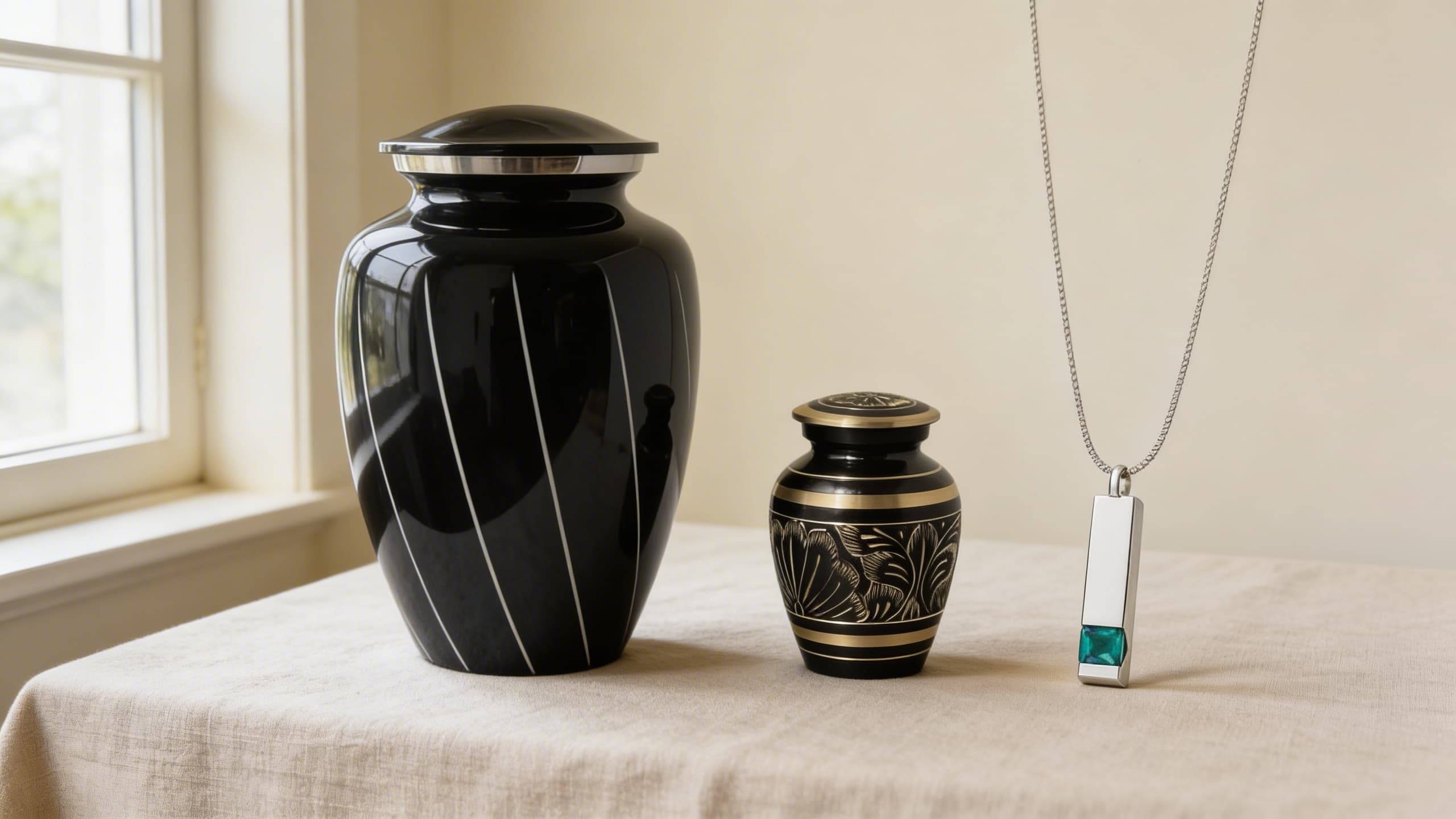
When siblings, adult children, or close friends each want to keep a portion of the ashes, splitting the remains allows everyone to grieve and remember in their own way. One family member might place a portion in a keepsake urn, while another might choose cremation jewelry to carry a small amount close to their heart. Sharing ashes among family works through how that is done in practice — who divides them, how much each piece needs, and how to handle the relative who wants no part of it.
Combining Multiple Memorial Options
Many families today want to honor a loved one in more than one way. You might bury a portion of the ashes in a cemetery, scatter some at a meaningful location, and keep the rest at home in a cremation urn. Dividing the cremated remains makes all of this possible.
Resolving Family Disagreements
Disagreements about what to do with ashes are more common than people realize. When family members cannot agree on a single plan — burial versus scattering versus keeping them at home — separating the remains can be a practical compromise that respects everyone's feelings.
What Does Religion Say About Separating Ashes?
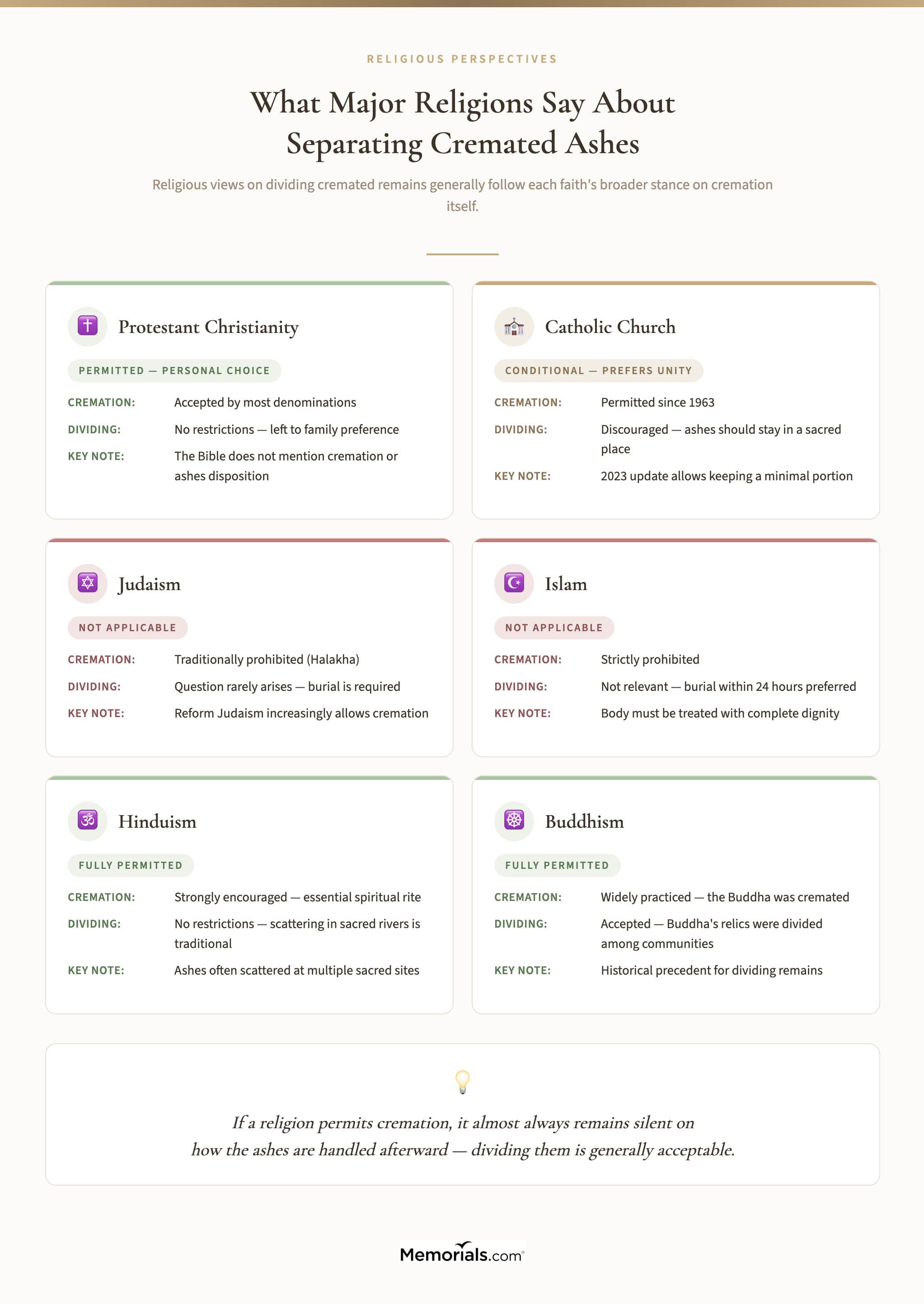
Religious perspectives on dividing cremated remains generally follow each faith's broader stance on cremation itself. If a religion accepts cremation, it typically has no objection to how the ashes are handled afterward.
Christianity
The Bible does not specifically mention cremation or address what should be done with ashes. Most Protestant denominations leave the decision entirely to the family's personal preference. The often-quoted phrase "ashes to ashes, dust to dust" from Genesis 3:19 reminds us that all bodies eventually return to the earth — regardless of the method of disposition.
Many Christians find comfort in knowing that God's power to resurrect is not limited by the state of a person's remains. As the apostle Paul wrote, the resurrected body will be entirely new — so the physical condition of earthly remains does not affect a believer's hope.
The Catholic Church
The Catholic position is more specific. In 2016, the Vatican issued the instruction Ad Resurgendum Cum Christo, which states that cremated remains should not be divided among family members, scattered, or kept in mementos. The Church prefers that ashes be preserved intact in a sacred place such as a cemetery or columbarium.
However, in December 2023, the Dicastery for the Doctrine of the Faith issued a clarification allowing families to retain a minimal portion of ashes under certain conditions, provided local civil laws are observed and the remaining ashes are placed in a sacred location. This represents a softening of the earlier position, though the preference for keeping remains together still stands.
Judaism and Islam
Both Jewish and Muslim traditions generally oppose cremation itself. Traditional Jewish law (Halakha) and Islamic teaching both emphasize burial of the intact body as the respectful and required practice. Because cremation is discouraged, the question of dividing ashes rarely arises within these traditions.
Hinduism and Buddhism
Eastern religions take a markedly different approach. Hinduism strongly encourages cremation and views it as an essential step in releasing the soul from the body. There are no restrictions on how the ashes are stored or dispersed — in fact, scattering ashes in a sacred river is a central part of Hindu funeral rites.
Buddhism similarly supports cremation and places no stipulations on dividing or scattering the remains. The Buddha himself was cremated, and his relics were divided among multiple communities — a precedent that suggests dividing ashes has deep historical roots in the tradition.
The General Rule
If a religion permits cremation, it almost always remains silent on how the ashes should be handled afterward. Dividing them among several keepsake urns is considered just as acceptable as keeping them in a single container or scattering them at a meaningful location.
Is It Bad Luck to Split Ashes?
The idea that splitting ashes brings bad luck is a superstition with no basis in any major religious teaching, cultural tradition, or scientific fact. No credible spiritual authority — from Christian pastors to Hindu priests — teaches that dividing cremated remains invites misfortune.
This concern often stems from a general unease about handling the dead, which is entirely natural. Grief can amplify anxiety, and families sometimes worry that any deviation from what feels "traditional" might be wrong. But the truth is that cremation itself is a relatively modern mainstream practice, and the ways families choose to memorialize their loved ones continue to evolve.
If you are feeling uncertain, consider speaking with a trusted clergy member, grief counselor, or funeral director. Their guidance can help ease any lingering concerns.
What Does the Law Say About Dividing Ashes?
In the United States, there are no federal, state, or municipal laws that prohibit dividing cremated remains. The law is essentially silent on this question, leaving the decision entirely to the family or to the wishes expressed by the deceased.
Legal disputes can arise when family members disagree about the disposition of ashes. Courts generally treat cremated remains the same as a body, which means they are reluctant to order the separation of remains between disputing parties. However, when all family members agree, there are no legal barriers whatsoever.
A few practical legal points to keep in mind:
Scattering regulations vary by location. Some municipalities, national parks, and private properties have rules about where ashes may be scattered. Always check local regulations before scattering remains on public or private land.
Air scattering and water scattering may require permits. The EPA requires that ashes scattered at sea be released at least three nautical miles from shore.
Transporting ashes by air is generally permitted. The TSA allows cremated remains in carry-on luggage, though a temporary or permanent urn must be able to pass through an X-ray machine.
How to Separate Ashes After Cremation
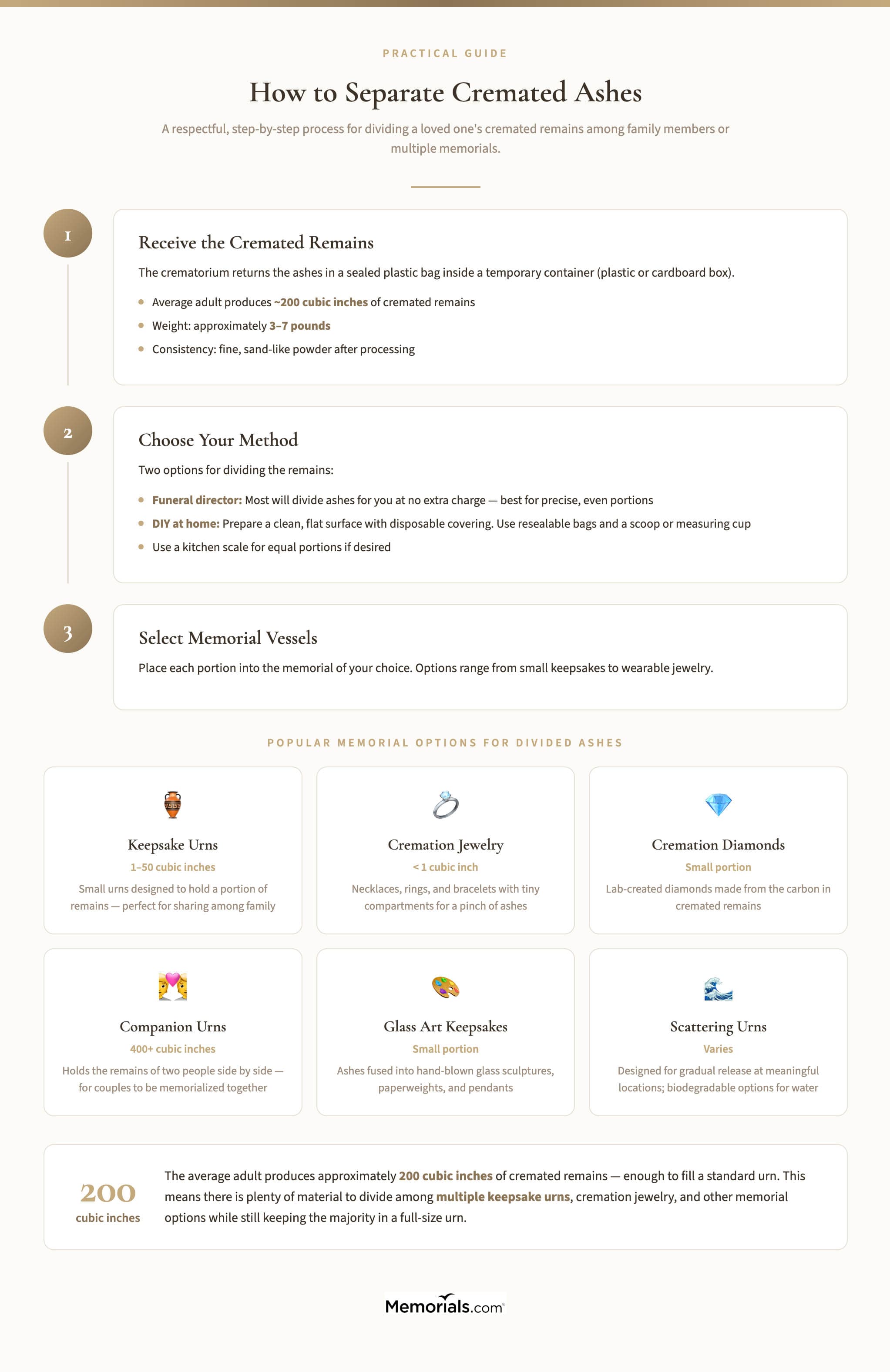
Dividing cremated remains is a straightforward process. After cremation, the bone fragments are processed into a fine, sand-like powder that can be easily portioned.
Step 1: Receive the Cremated Remains
The crematorium or funeral director will return the ashes to you in a sealed plastic bag inside a temporary container — usually a plastic or cardboard box. An average adult produces approximately 200 cubic inches of cremated remains, which weighs roughly three to seven pounds.
Step 2: Choose Your Method
You have two options for dividing the ashes:
Ask your funeral director. Most funeral homes will divide the remains for you at no additional charge. They can portion the ashes into multiple containers based on your instructions — an especially good option if you want precise, even amounts.
Do it yourself. If you prefer to handle this privately at home, prepare a clean, flat surface with a disposable covering. Use thick, resealable plastic bags or small containers for each portion. A simple kitchen scoop or measuring cup works well for transferring the ashes.
Step 3: Select Your Memorial Vessels
Once divided, you can place each portion into the memorial vessel of your choice:
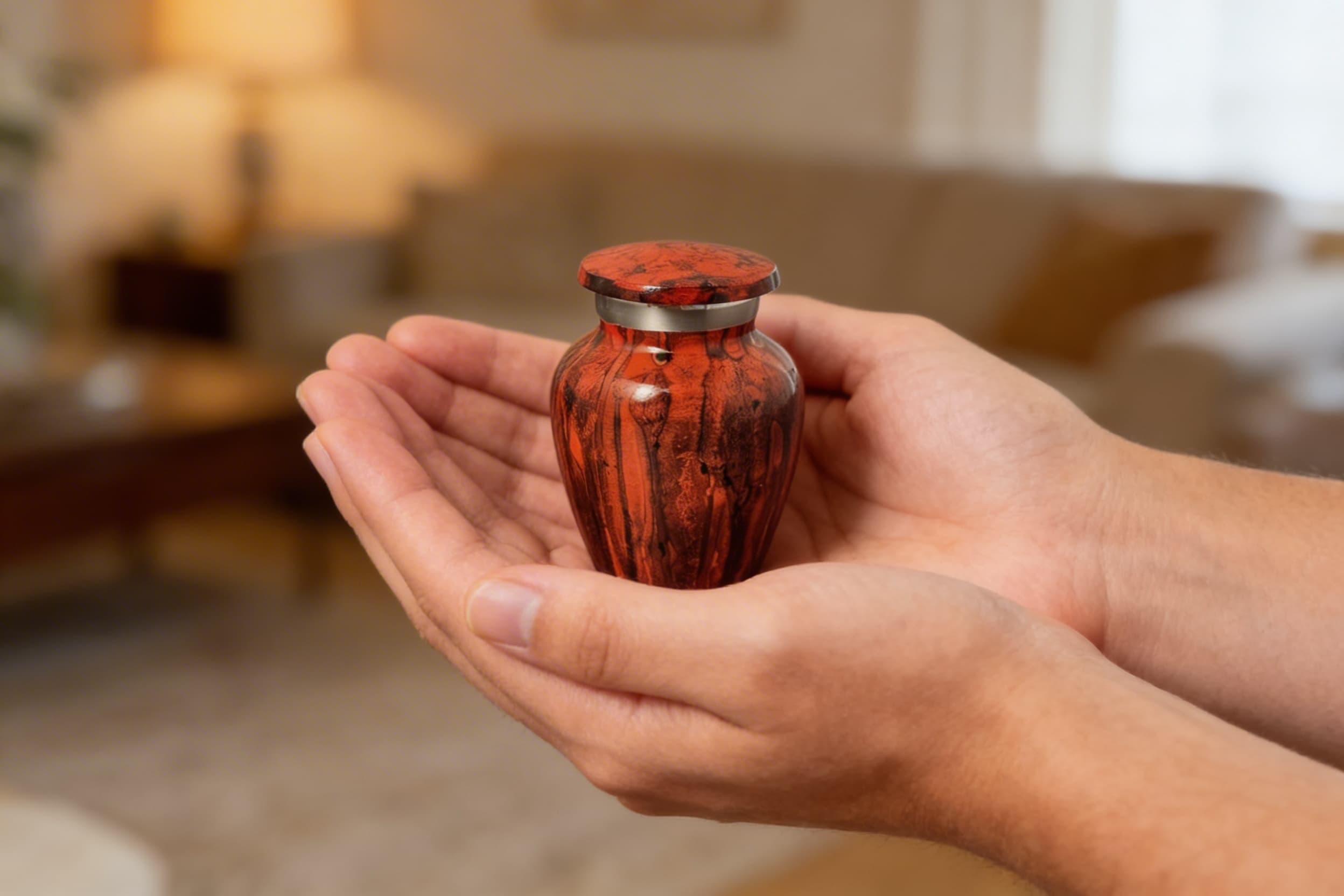
Keepsake urns are small cremation urns designed to hold a portion of the remains. They are the most popular choice for families who want to share ashes among multiple loved ones. Our comparison of keepsake urns vs. full-size urns can help you decide which size is right.
Companion urns hold the remains of two people side by side — ideal for couples who wish to be memorialized together. These typically hold 400 cubic inches or more. Learn more in our guide to choosing a companion urn.
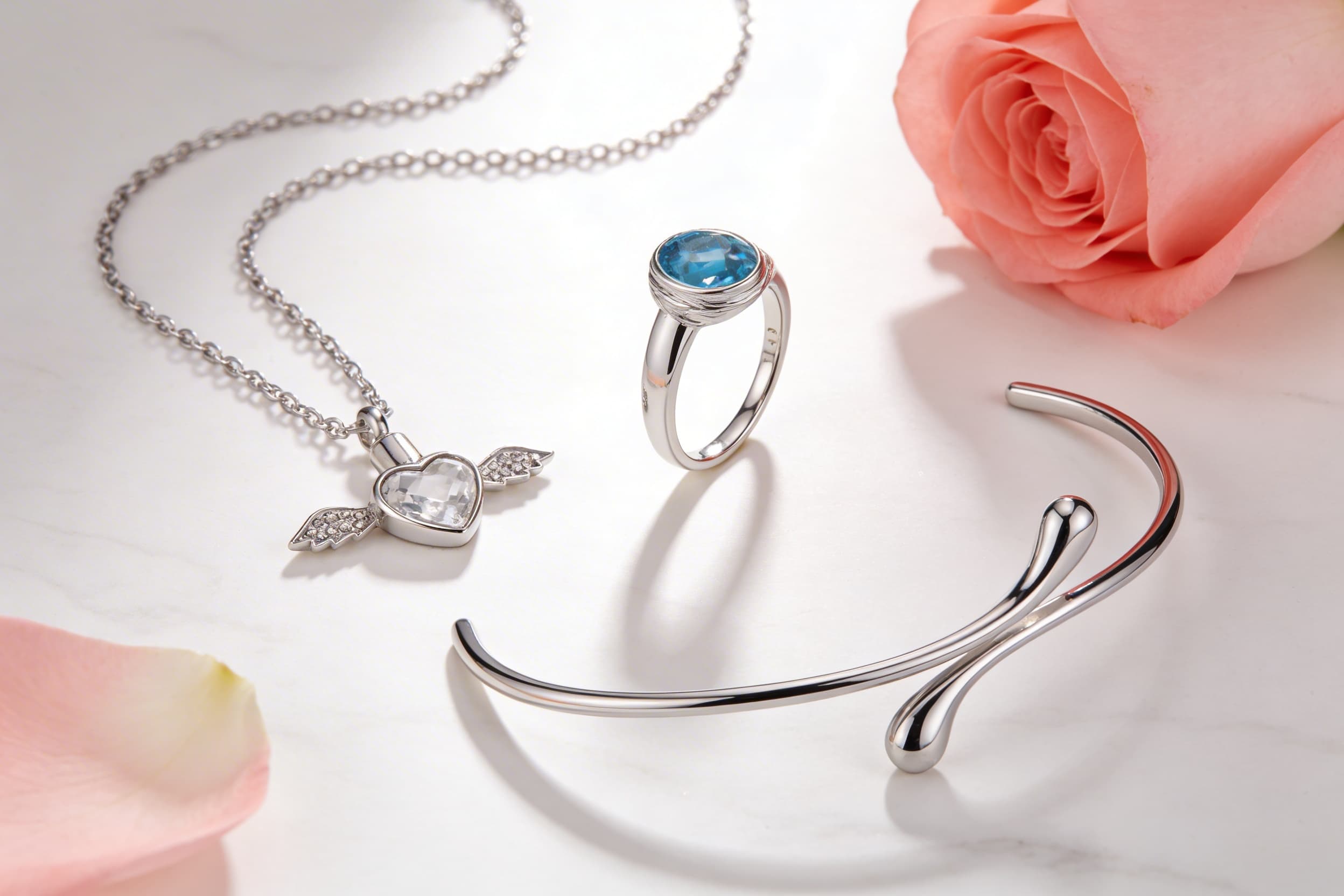
Cremation jewelry — necklaces, rings, and bracelets with small compartments — allows you to carry a tiny amount of ashes with you always.
Cremation diamonds are lab-created diamonds made from the carbon in cremated remains. The process requires only a small portion of ashes and produces a lasting, wearable memorial.
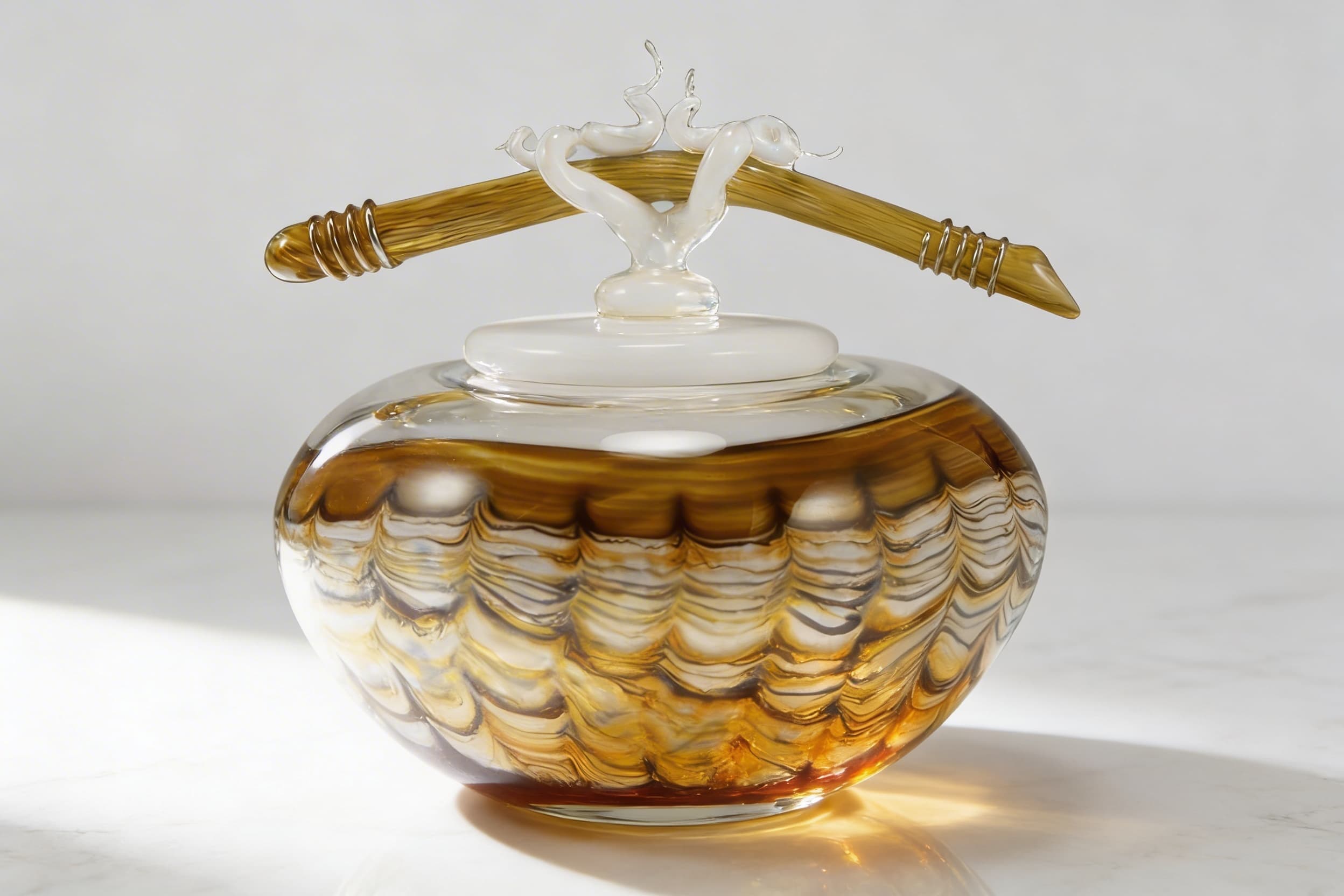
Glass art keepsakes incorporate ashes into hand-blown glass sculptures, paperweights, and pendants — a truly unique way to honor a loved one.
Scattering urns are designed with an opening that allows you to release ashes gradually at one or more meaningful locations. Biodegradable urns are available for water ceremonies and will naturally break down over time.
Ways to Memorialize Divided Ashes
Once you have separated the cremated remains, the possibilities for creating meaningful memorials are extensive.
Keep Ashes at Home in an Urn
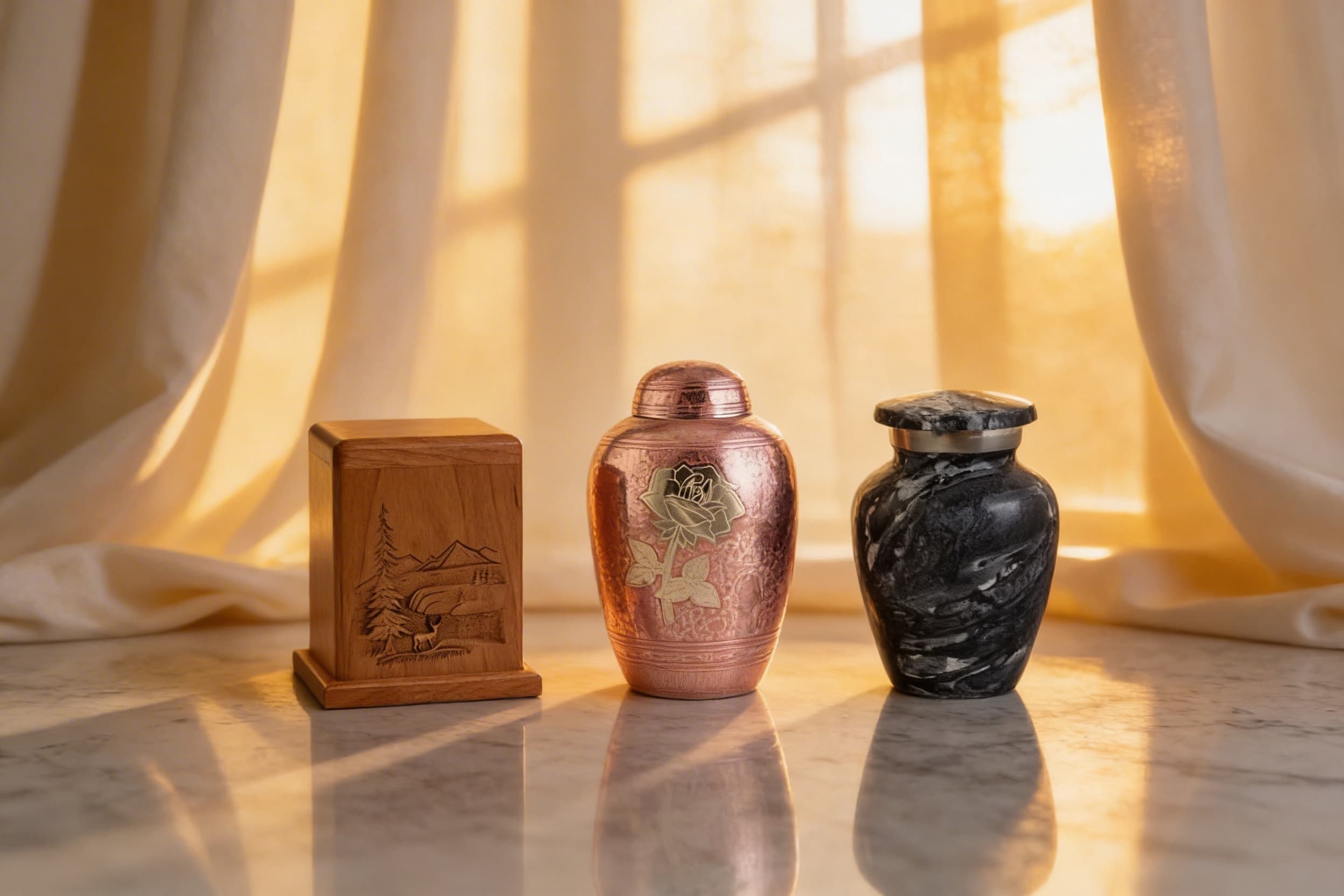
The most traditional option is to place the ashes in a cremation urn displayed in your home — on a mantel, bookshelf, or in a dedicated memorial space. Urns come in a wide range of materials including wood, brass, marble, and ceramic. Choosing an urn that reflects your loved one's personality makes the memorial feel personal and intentional. If you have heard superstitions about this practice, our article on whether it is bad luck to keep ashes in the house puts those myths to rest.
Wear Cremation Jewelry
Cremation necklaces, rings, and bracelets contain a tiny hollow compartment that holds a small pinch of ashes. This allows you to carry a physical connection to your loved one wherever you go. Some families also commission cremation art — glass-blown jewelry where the ashes are fused directly into the glass during the creation process.
Scatter in a Meaningful Location
Scattering ashes at a place that held special significance — a favorite hiking trail, a childhood home, a body of water — is a powerful way to honor someone's memory. You can scatter at multiple locations if you have divided the remains, creating a trail of remembrance across the places that mattered most. For step-by-step guidance on the process, see our complete guide to how to scatter ashes.
Create Cremation Art
For families who want a truly distinctive memorial, cremation art transforms ashes into hand-crafted glass sculptures, paintings, or other one-of-a-kind works. These pieces serve as both a tribute to the deceased and a beautiful addition to a home.
Bury Ashes in a Cemetery
You can bury all or part of the cremated remains in a traditional cemetery plot, often inside an urn vault that protects the vessel from the elements. Many families choose to bury a portion of ashes alongside a previously buried spouse, using the remaining ashes for other memorial purposes.
Frequently Asked Questions
Is it a sin to separate cremated ashes?
No. The Bible does not mention cremation or provide any instruction about dividing ashes. Most Christian denominations consider this a matter of personal and family preference. The Catholic Church prefers that ashes remain together in a sacred location, though a 2023 clarification allows families to retain a small portion under certain conditions.
Is it bad luck to split ashes?
There is no basis in any religion, culture, or tradition for the belief that dividing ashes brings bad luck. This is a common superstition that likely stems from general discomfort with handling cremated remains. Millions of families divide ashes every year without any negative consequences.
How do you physically divide cremated ashes?
You can ask your funeral director to divide the remains for you, or do it at home using resealable bags and a clean scoop. The ashes have a fine, sand-like consistency that makes them easy to portion. Many families use a kitchen scale to ensure equal amounts.
Can you scatter ashes in multiple locations?
Yes. There are no federal laws prohibiting the scattering of ashes in the United States, though some local jurisdictions, parks, and private properties may have specific regulations. The EPA requires sea scattering to occur at least three nautical miles from shore.
Is it disrespectful to open an urn?
No. Urns are designed to be opened — they are storage vessels, not sealed containers. Families commonly open urns to transfer ashes into keepsake urns, cremation jewelry, or other memorial items. Handle the remains gently and with respect, and there is nothing disrespectful about the act.
Can you keep ashes at home?
Absolutely. Keeping cremated remains at home is one of the most common choices families make after cremation. There are no laws in the United States that prohibit this practice. Displaying ashes in a beautiful urn can provide a sense of closeness and comfort during the grieving process.
How much ash does cremation produce?
An average adult produces approximately 200 cubic inches of cremated remains, weighing between three and seven pounds. This is enough to fill a standard adult cremation urn. Smaller keepsake urns typically hold between 1 and 50 cubic inches, making them ideal for dividing ashes among multiple family members.
The decision to separate cremated ashes is deeply personal, and there is no single right answer. What matters most is that the choice honors your loved one's memory and brings comfort to those who are grieving. Whether you choose to keep the ashes together in a single urn, divide them among family members, or combine scattering with a permanent memorial at home, the path you take should reflect the love and respect you hold for the person you have lost.
If you are ready to explore your options, browse our collection of keepsake urns, cremation jewelry, and cremation art to find a meaningful way to honor your loved one.