🏬Supersize Online Funeral Retailer🪦1000's of Headstones⚱️Over 10,000 Cremation Urns⚰️Caskets Overnight Delivery🛒Funeral & Memorial Superstore🚚FREE Shipping on ALL Orders👨👩👧👦Helping Families for over 20 Years💰Lowest Price Guarantee🏬Supersize Online Funeral Retailer🪦1000's of Headstones⚱️Over 10,000 Cremation Urns⚰️Caskets Overnight Delivery🛒Funeral & Memorial Superstore🚚FREE Shipping on ALL Orders👨👩👧👦Helping Families for over 20 Years💰Lowest Price Guarantee
🏬Supersize Online Funeral Retailer🪦1000's of Headstones⚱️Over 10,000 Cremation Urns⚰️Caskets Overnight Delivery🛒Funeral & Memorial Superstore🚚FREE Shipping on ALL Orders👨👩👧👦Helping Families for over 20 Years💰Lowest Price Guarantee🏬Supersize Online Funeral Retailer🪦1000's of Headstones⚱️Over 10,000 Cremation Urns⚰️Caskets Overnight Delivery🛒Funeral & Memorial Superstore🚚FREE Shipping on ALL Orders👨👩👧👦Helping Families for over 20 Years💰Lowest Price Guarantee
How long can a dead body be kept in a freezer is not a question anyone expects to be typing, and the people who type it are almost always doing so in the dark with a pet on the floor and nothing open. The short answer is that you have more time than it feels like: a body kept genuinely cold holds for days, not hours, and nothing about the next decision has to be made tonight.
This page is written for the person standing in a kitchen at 2am with no plan. It covers how long you actually have, the real difference between chilled and frozen, how to do it without making things worse, and the one thing freezing takes off the table afterward. If you only read one section, read that last one before you move anything.
For what happens after this — the options, the costs, the paperwork — our pet cremation process guide and the wider cover the whole sequence. Right now you only need the next twelve hours.
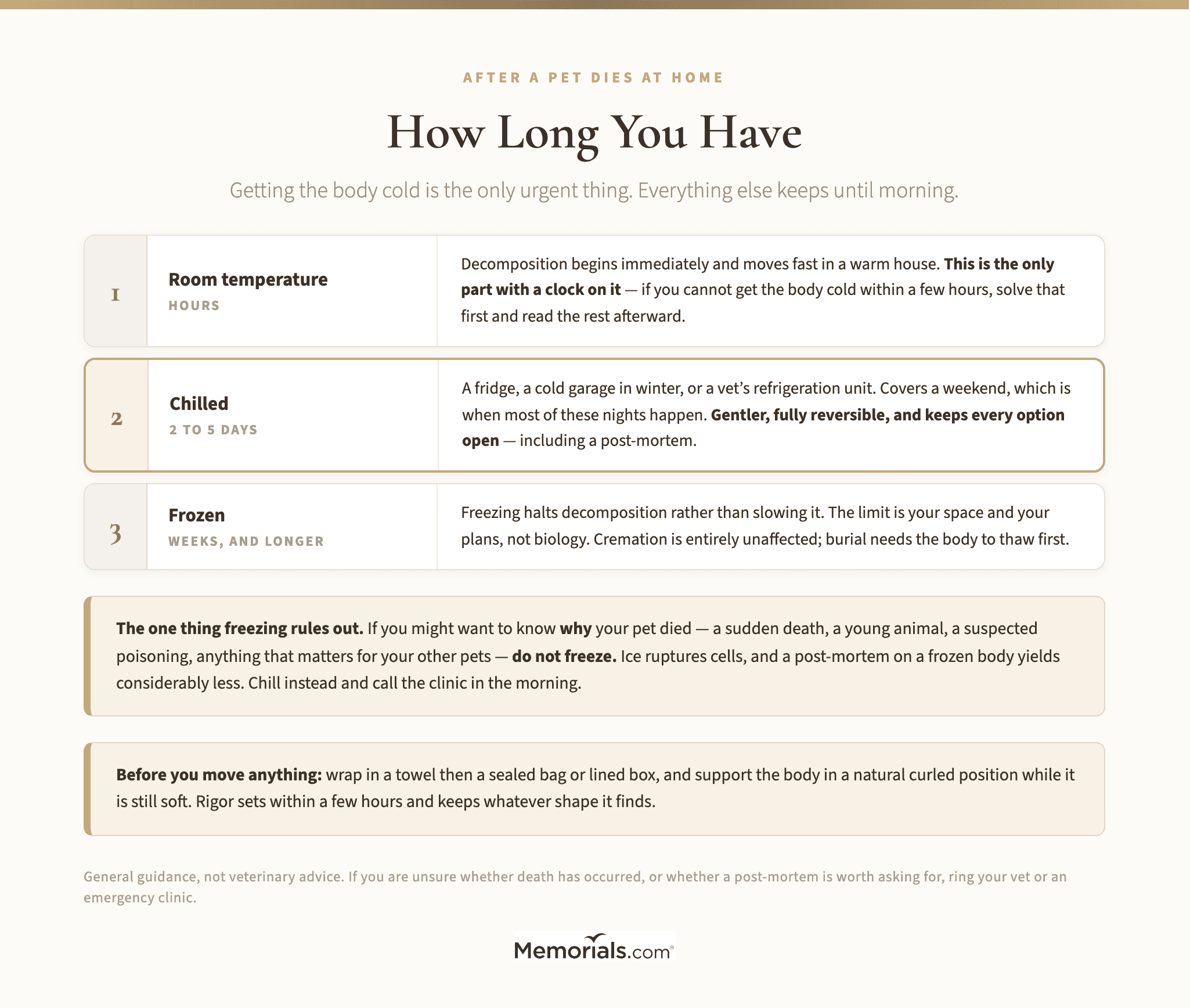
Chilled, around 2 to 5 days. A domestic fridge, a cool garage in winter, or a vet's refrigeration unit. This is the normal route and it is what clinics do.
Frozen, several weeks or more. Freezing effectively stops decomposition rather than slowing it, so a dead body in a freezer is held more or less in the state it went in. Weeks is realistic; months is possible.
At room temperature, hours. Decomposition begins immediately and moves fast in a warm house. If you cannot get the body cold within a few hours, that is the thing to solve first.
So how long can you keep a dead pet in the freezer has a reassuring answer and an uncomfortable one at the same time: long enough that the question is not really about time. It is about what you want to happen next, and freezing buys you the room to decide that properly.
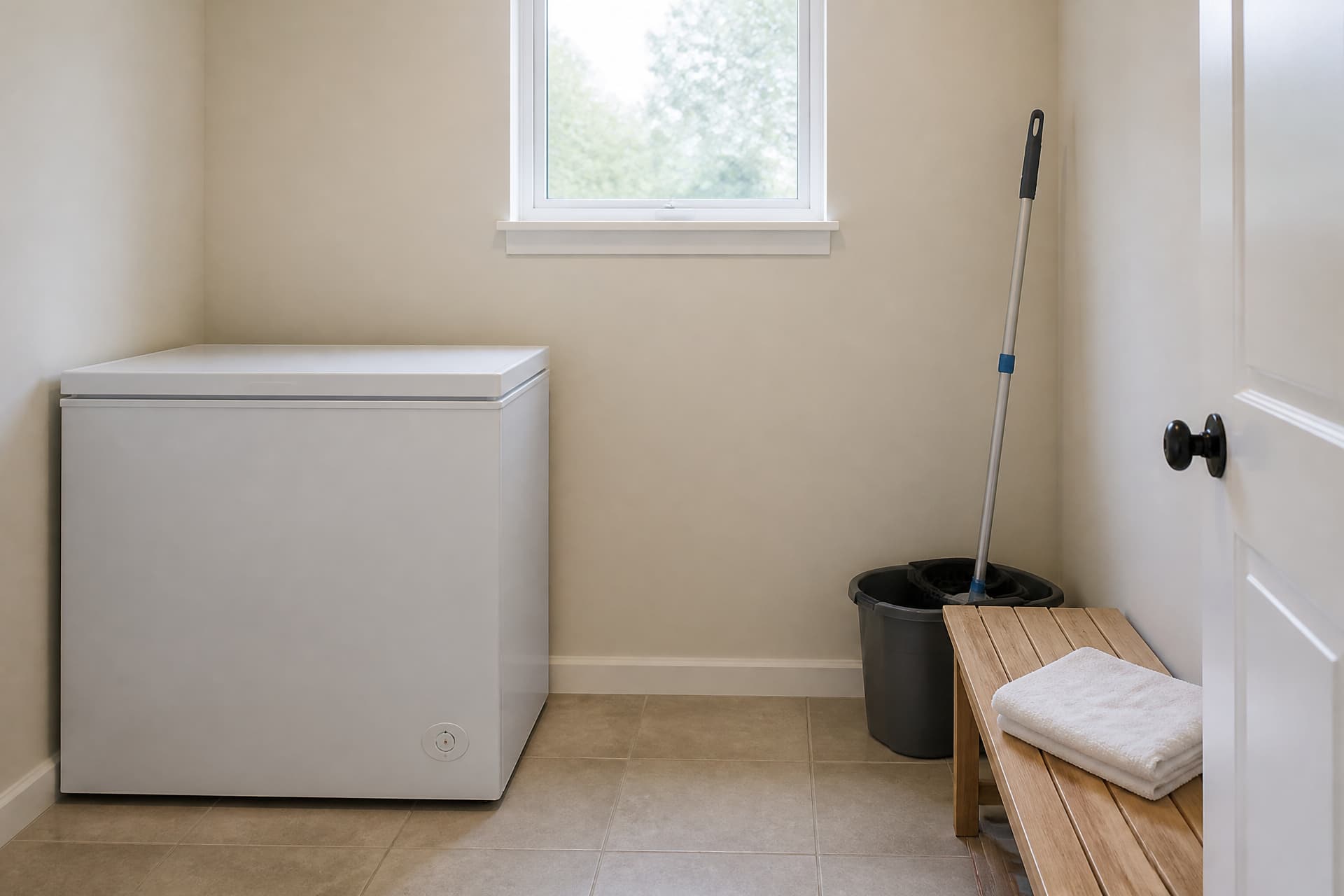
Any genuinely cold space will do, and a chest freezer in the garage is fine. Getting the body cold within a few hours matters far more than where.
These are different decisions and most pages run them together.
Chill if the next step is days away. A cremation booked for Monday, a vet collecting in the morning, a family member driving over. Chilling is gentler, entirely reversible, and keeps every option open.
Freeze if the next step is genuinely uncertain, or further off than a few days — you are waiting on a decision, waiting for someone to travel, waiting until you can afford the service you want. Freezing is the right tool for an open-ended wait.
The reason this matters is the next section. Freezing closes one door that chilling does not, and a lot of people freeze first and find out afterward.
What Freezing Rules Out
A home or private burial becomes difficult, and an autopsy becomes much less useful.
If you want to know why your pet died — a sudden death, a young animal, a suspected poisoning, anything where the answer matters to you or to your other pets — do not freeze. Freezing ruptures cells as the water in them expands, and that damage makes tissue much harder to read. A veterinary pathologist can still learn things from a frozen body, but considerably less, and some findings are lost outright. Chill instead, and call the clinic in the morning.
This is the single piece of information on this page that is hard to reverse, and it is the one almost nobody is told. If there is any chance you will want a post-mortem, chill.
Freezing also rules out very little else. Cremation is entirely unaffected — crematories receive frozen animals routinely and it changes nothing about the process or the result. Burial is still possible; the body simply needs to thaw first, which takes longer than people expect for a large dog.
How to Do It Properly
Four things, in order.
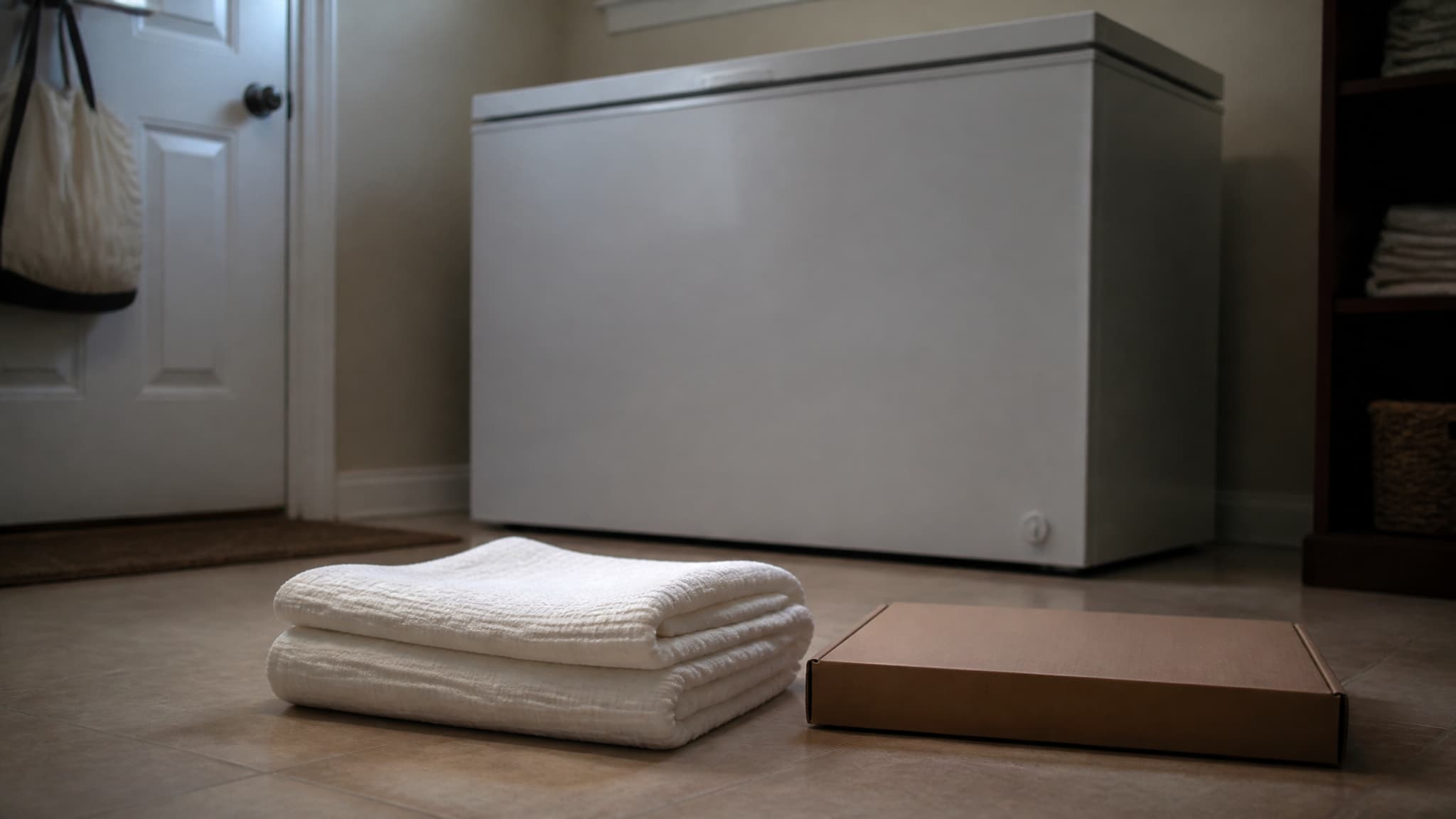
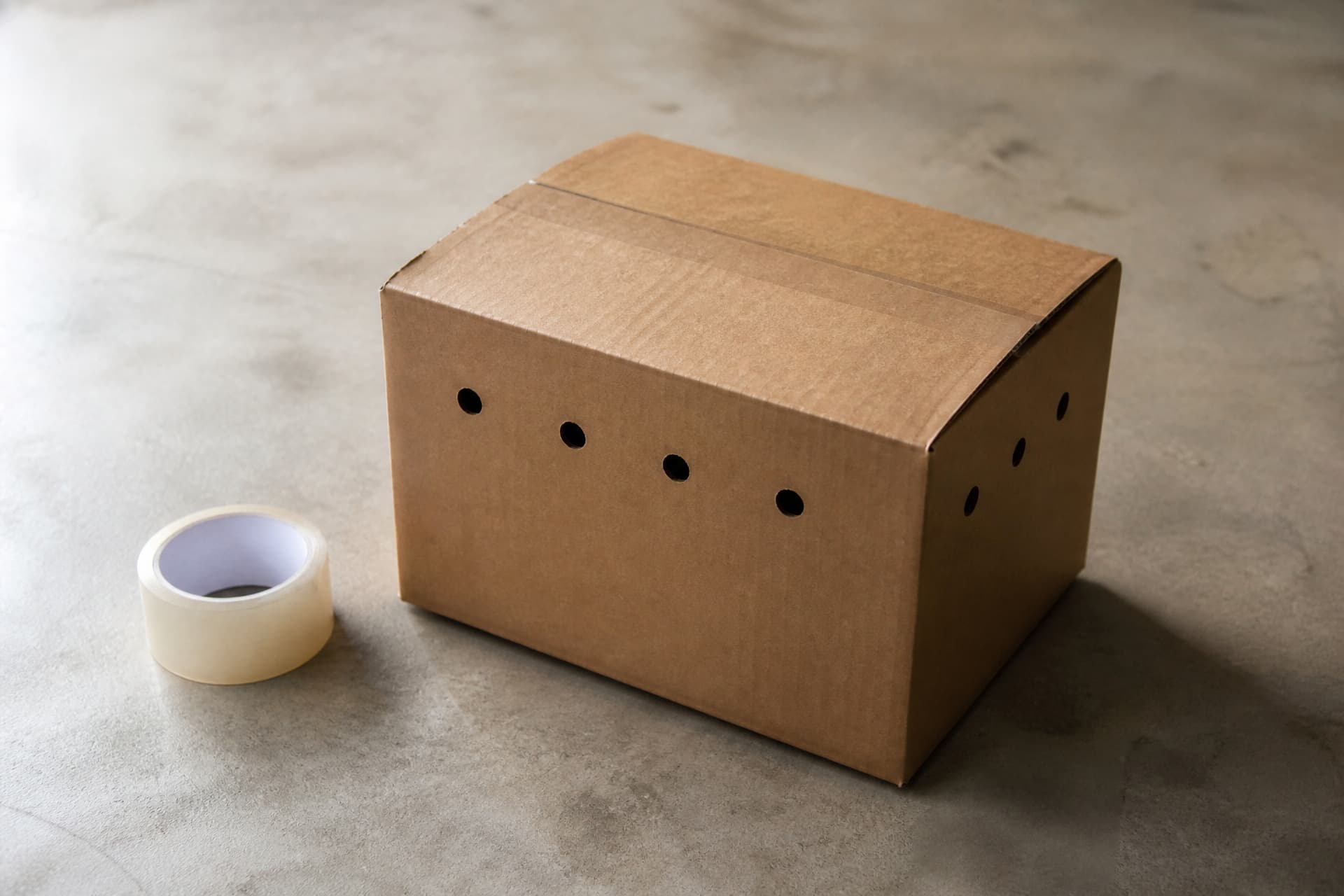
Wrap the body before anything else. A clean towel or blanket first, then a sealed bag or a lined box. There will be fluid — this is normal and expected, not a sign anything is wrong — and containing it is the difference between a manageable situation and a distressing one. Two layers is not excessive.
Support the body in a natural position while it is still soft. Rigor sets in within a few hours and whatever shape the body is in then is the shape it keeps. Curled on its side, legs folded, as though asleep. If you are planning a burial or a viewing, this matters a great deal, and it cannot be fixed later.
Get it cold quickly. Sooner is materially better than later. If the only cold space is a chest freezer in the garage, that is fine.
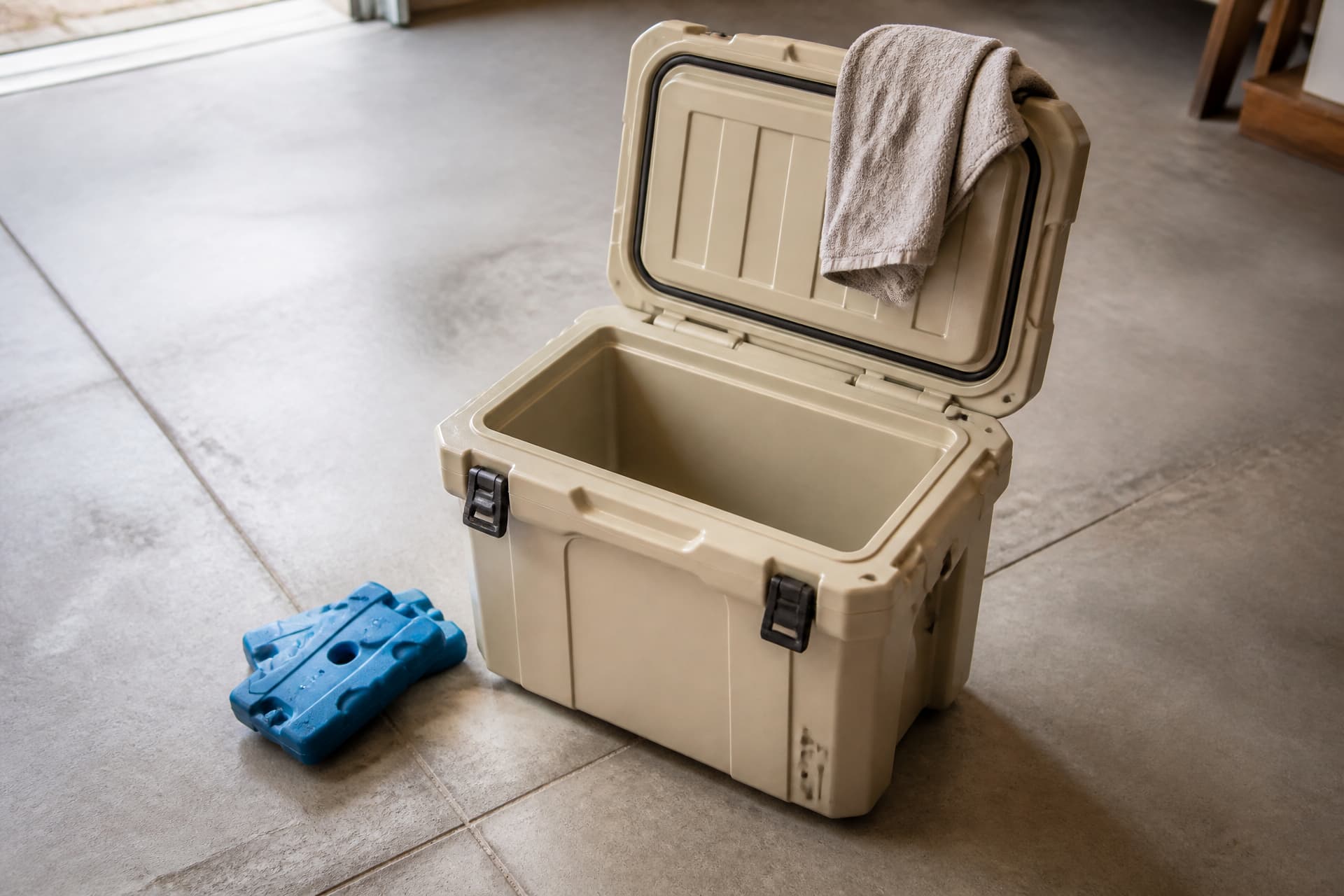
Separate it from food. A sealed container, a different shelf, ideally a different appliance. Practically this is a hygiene point; emotionally, for a lot of people, it is more than that, and a cheap cooler box is worth the trip if it means your pet is not next to the groceries.
If any of this is beyond you right now — and it very often is, because this is one of the worst nights people have — ring the emergency vet and ask whether they will hold your pet. Most will, many for no charge or a small one, and it is a reasonable thing to ask for.
Wrap first, in a towel or blanket, then a sealed bag or a lined box. There will be fluid; containing it is the difference between a manageable situation and a distressing one.
Cats, Dogs, and Why Size Changes the Answer
The biology is the same; the logistics are not.
A cat or a small dog fits a domestic freezer. A dead cat in freezer is, bluntly, the manageable version of this problem — a sealed box on a shelf, and you have weeks.
A large dog usually does not fit anywhere you have. This is where people get stuck, and the honest answer is that a dog in freezer is often not an option at all for a labrador or anything bigger. Chilling is then the realistic route: the coolest room in the house, curtains closed, no heating, the body wrapped and off the floor. That buys a day or two rather than a week, so the call to a vet or crematory moves up the list.
It is worth knowing that most crematories and many clinics will collect, often the same day, and that collection is sometimes included in the price you were quoted and sometimes extra. Our pet cremation cost guide covers what the figures usually include.
How long each option buys you, and the one thing freezing takes off the table.
How Long Can You Keep a Dead Pet in the Fridge
Separately worth answering, because a fridge is what most people actually have, and how long can you keep a dead pet in the fridge is a different number from the freezer one.
Two to five days, at normal fridge temperature. Shorter than frozen, but almost always long enough: it covers a weekend, which is when the majority of these searches happen.
A fridge is also the better choice if a post-mortem is even a possibility, for the reason above. And it is enough time to arrange almost anything — a cremation, a collection, a burial, a relative's visit.
What a fridge will not do is hold a body for a week while you decide. If you need longer than a few days, freeze, having read the section above.
What to Do Next, When You Are Ready
Nothing on this list is urgent tonight. It is here so that when you are ready there is a sequence rather than a blank.
Decide between burial and cremation. Home burial is legal in many places and prohibited in others, and the rules are local rather than national — worth checking before you dig rather than after.
If cremation, decide whether you want the ashes. That is the one genuinely irreversible choice in the process, because a communal cremation returns nothing at all, while a private one returns your pet's own. Partitioned sits between the two. Ask which of the three you are buying using those exact words, because the vocabulary is used loosely and "individual" often means partitioned.
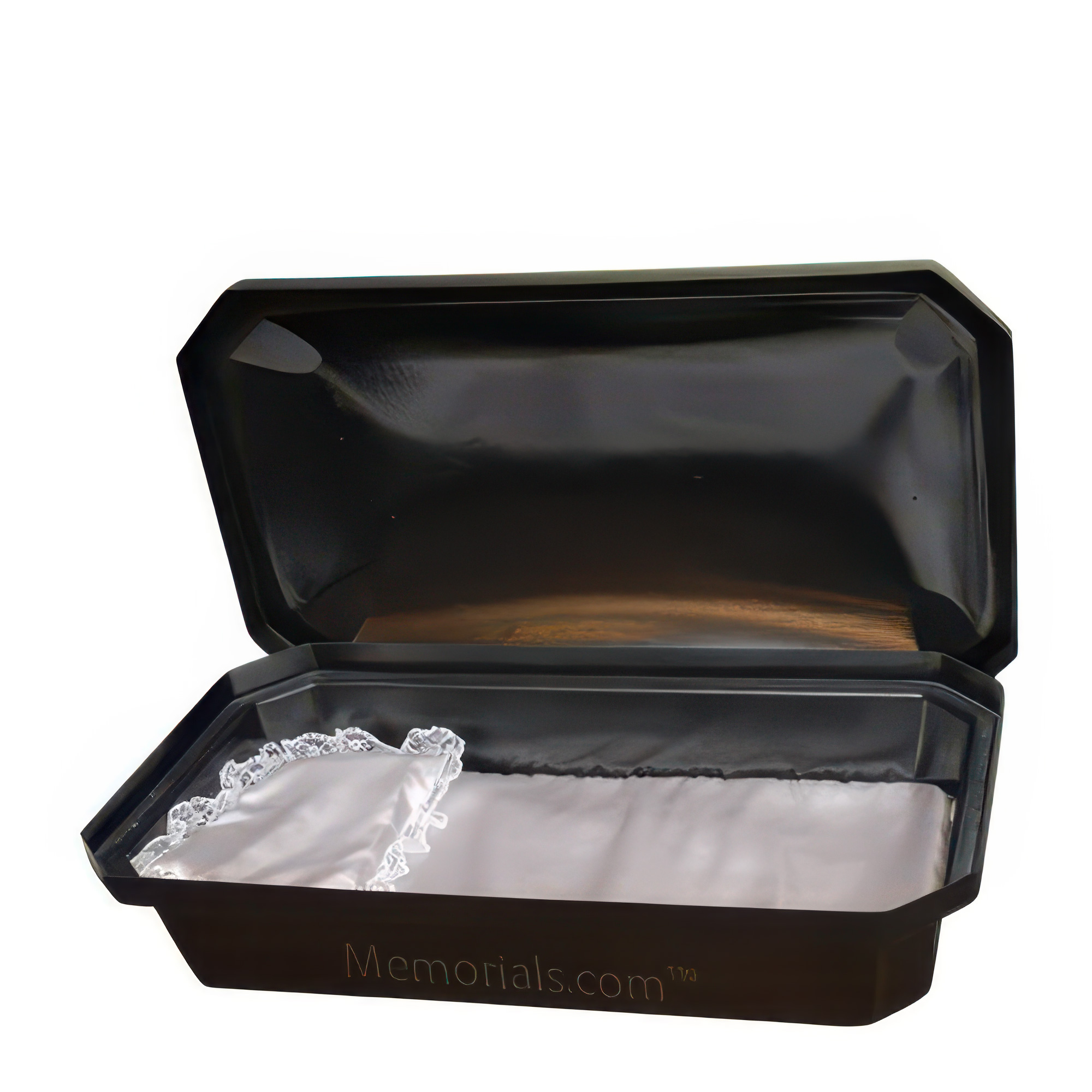
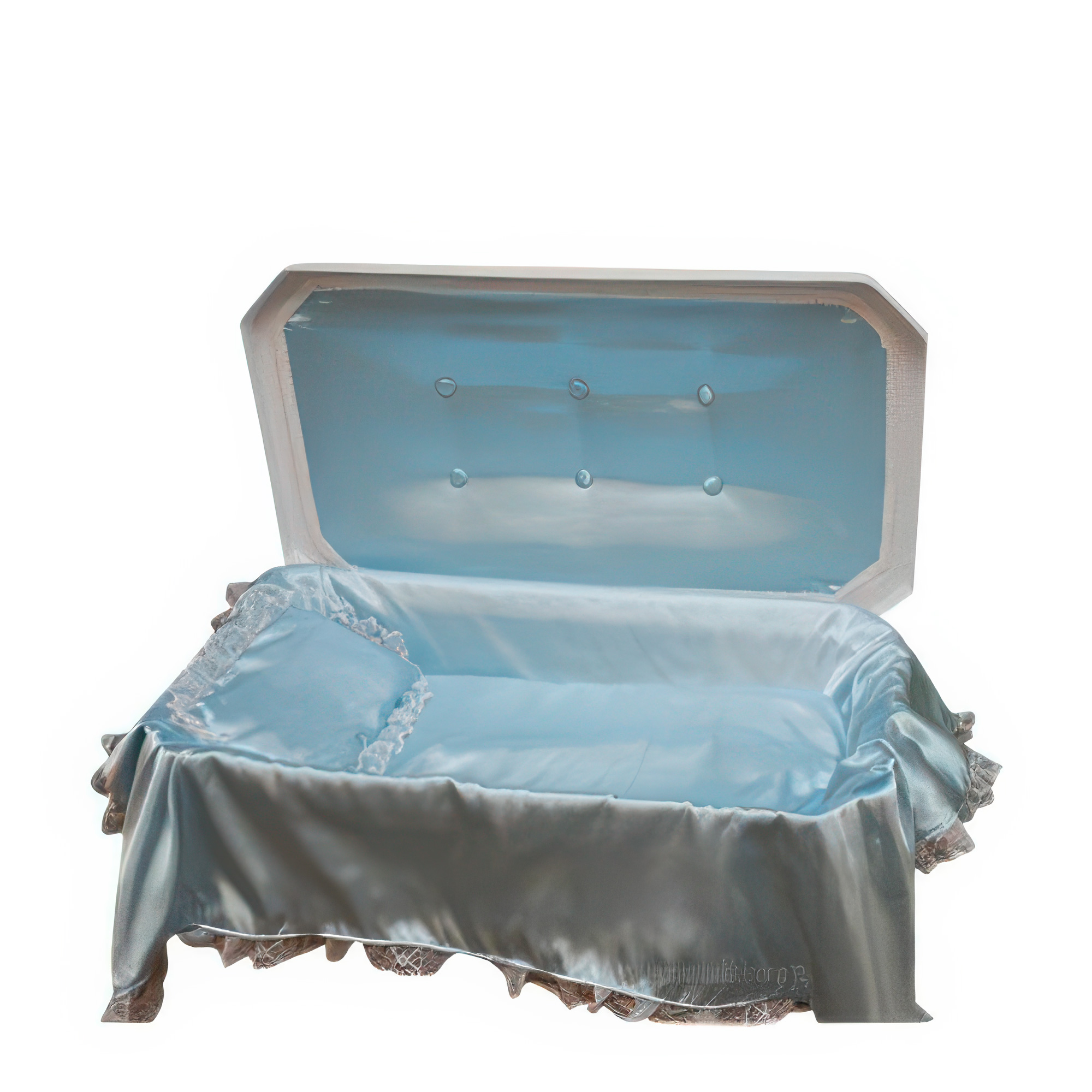
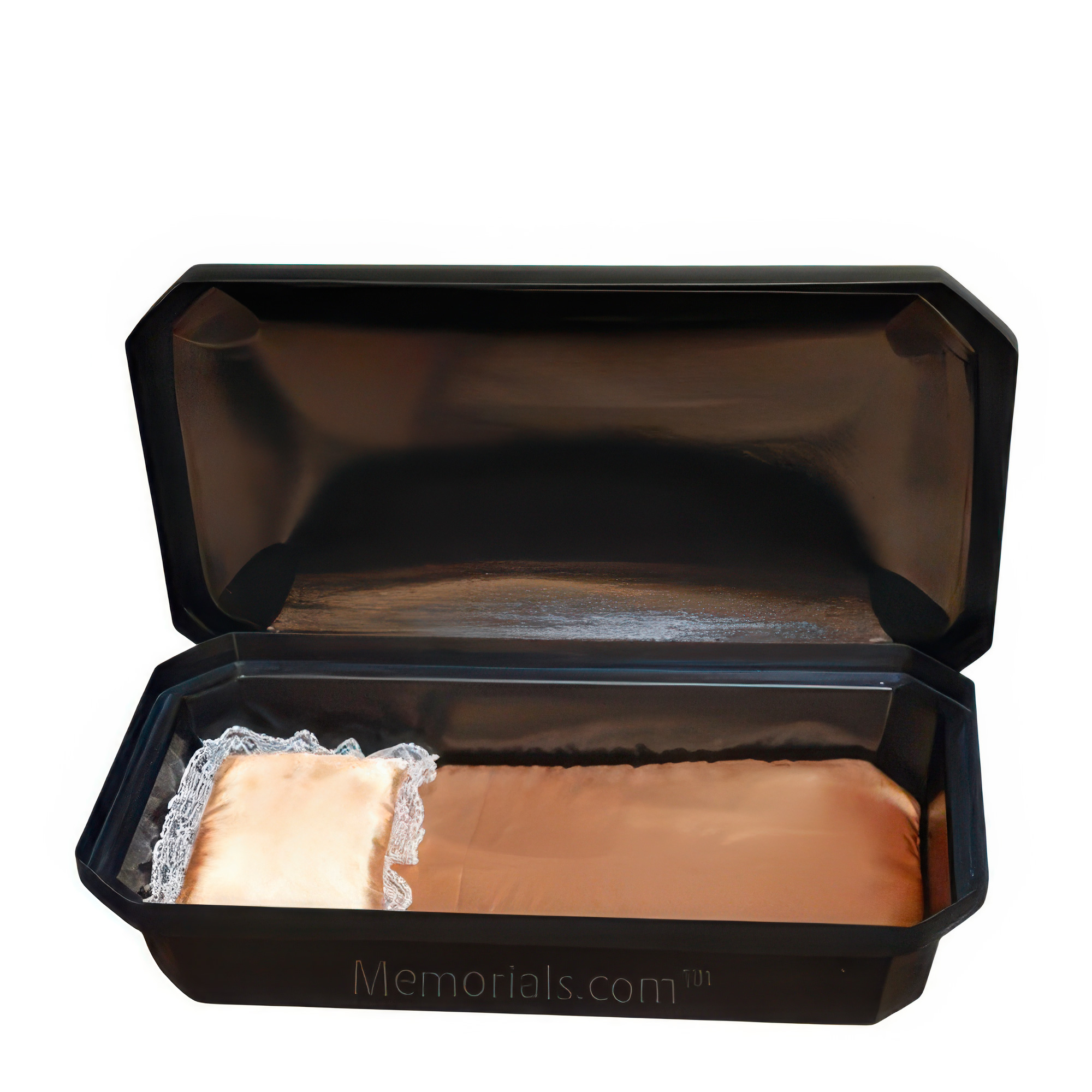
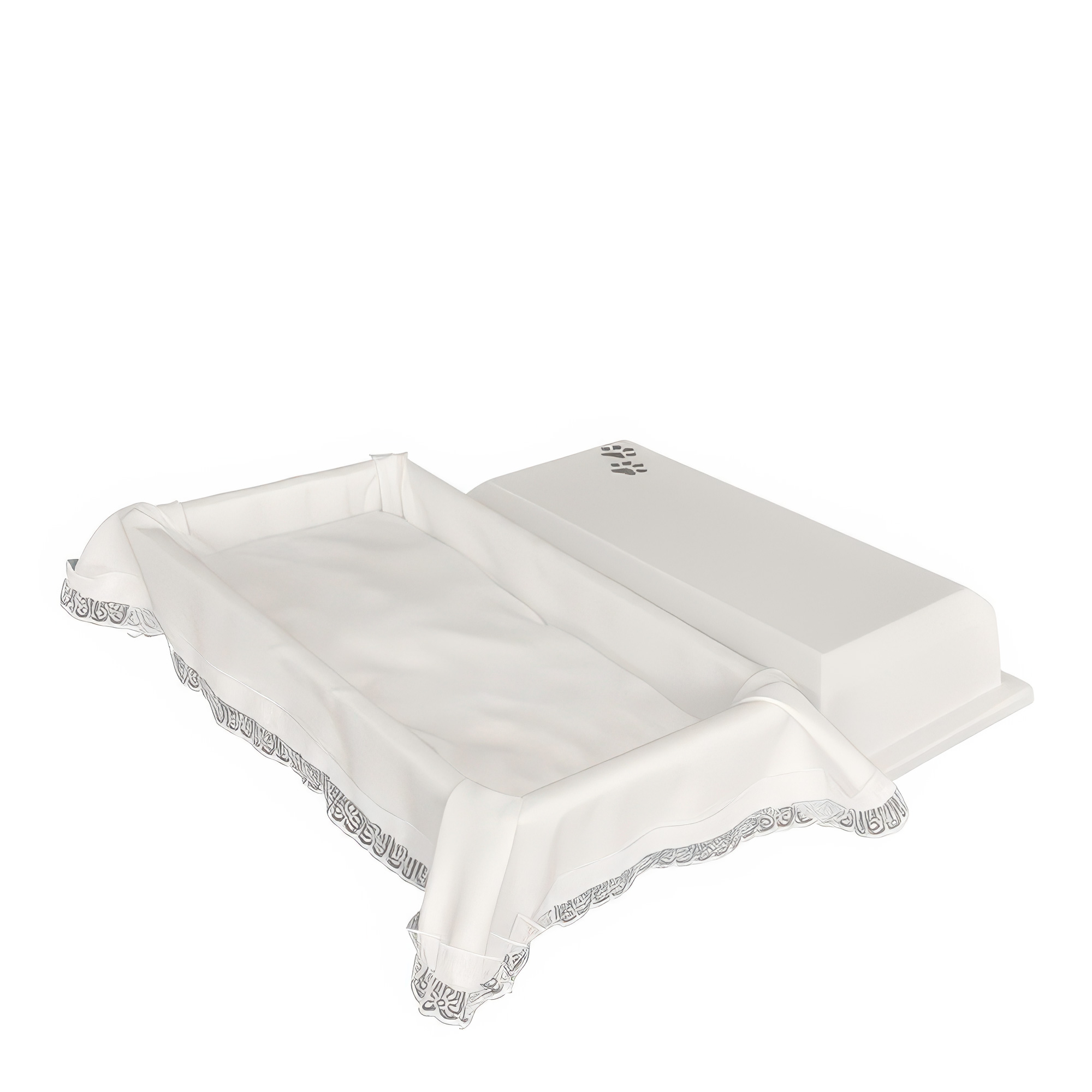
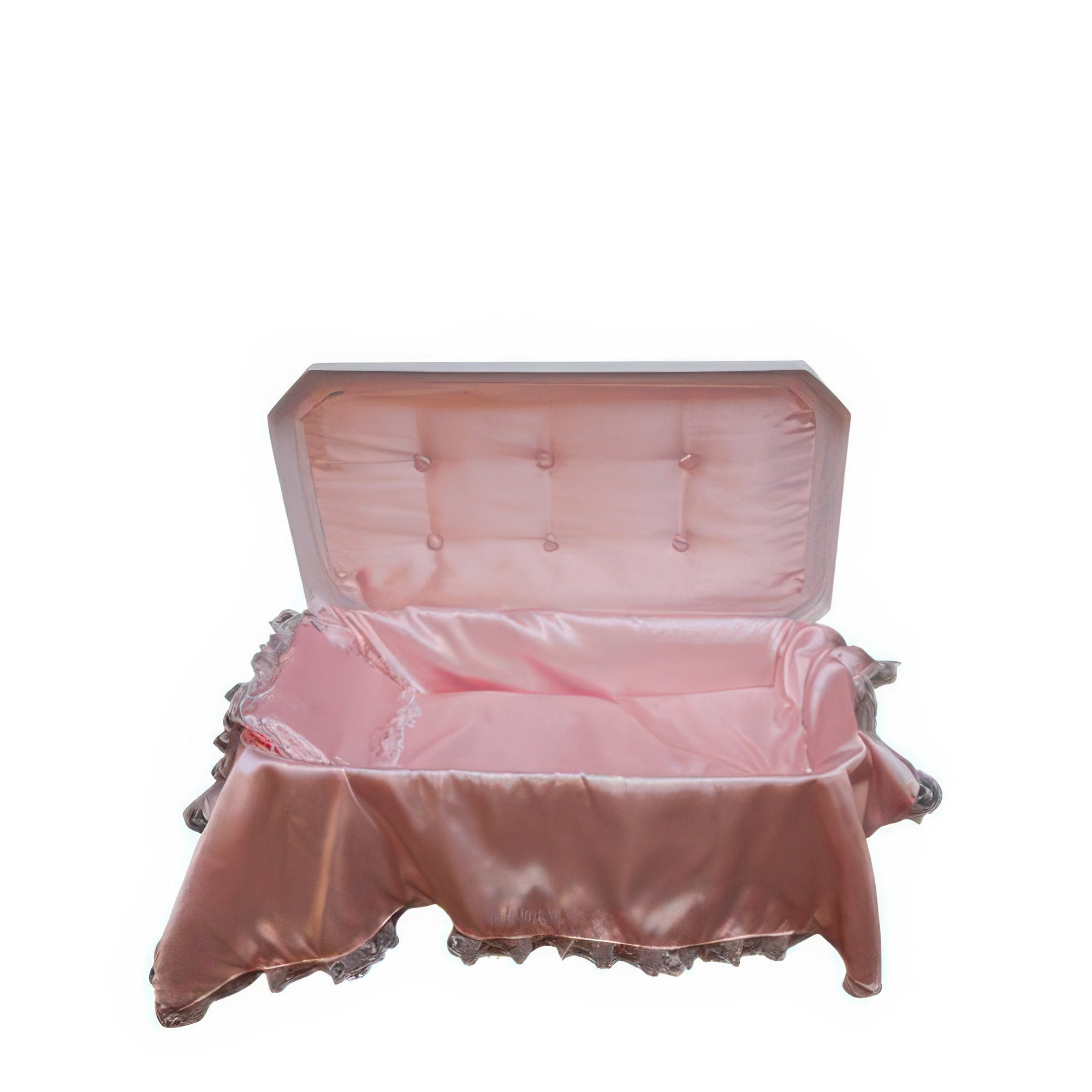
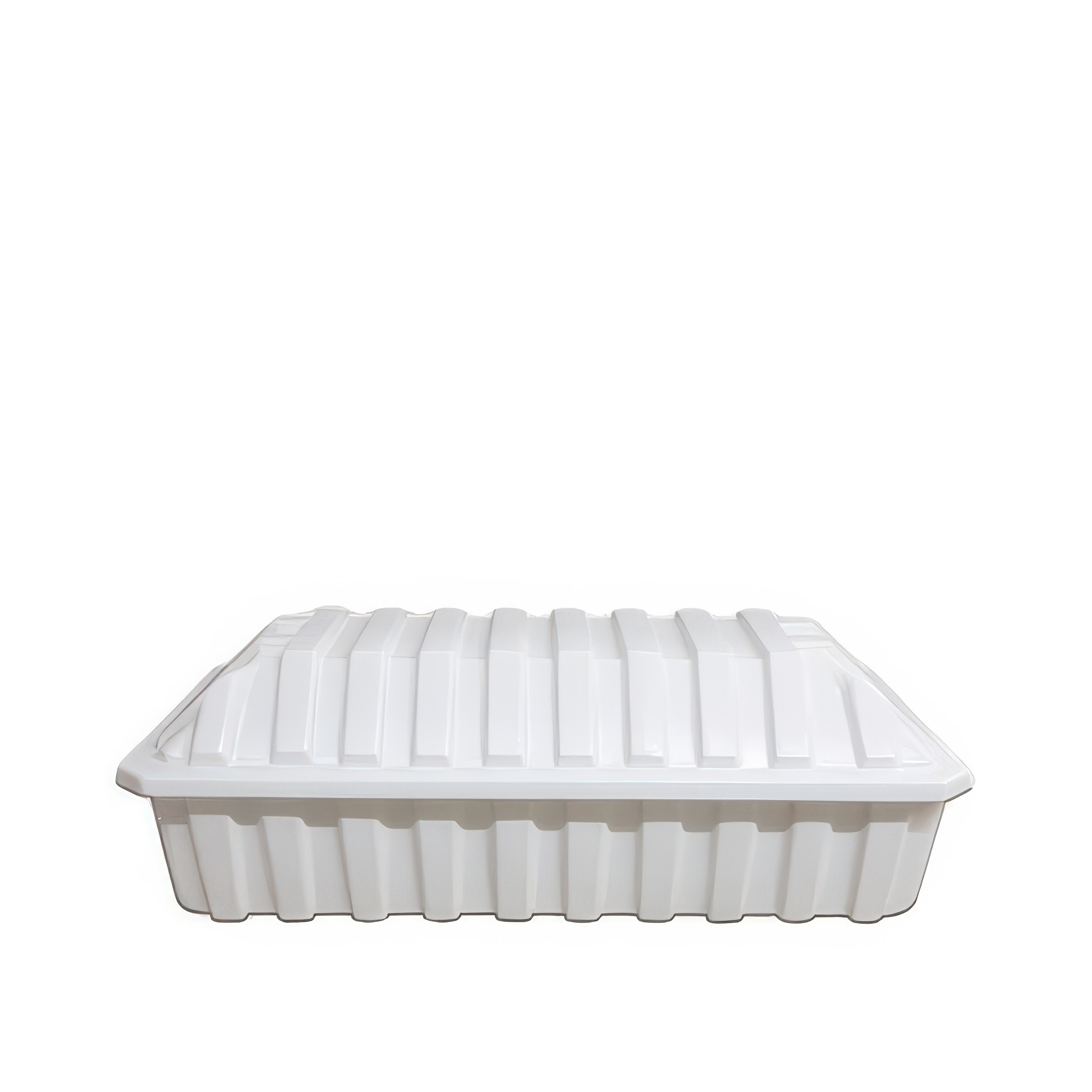
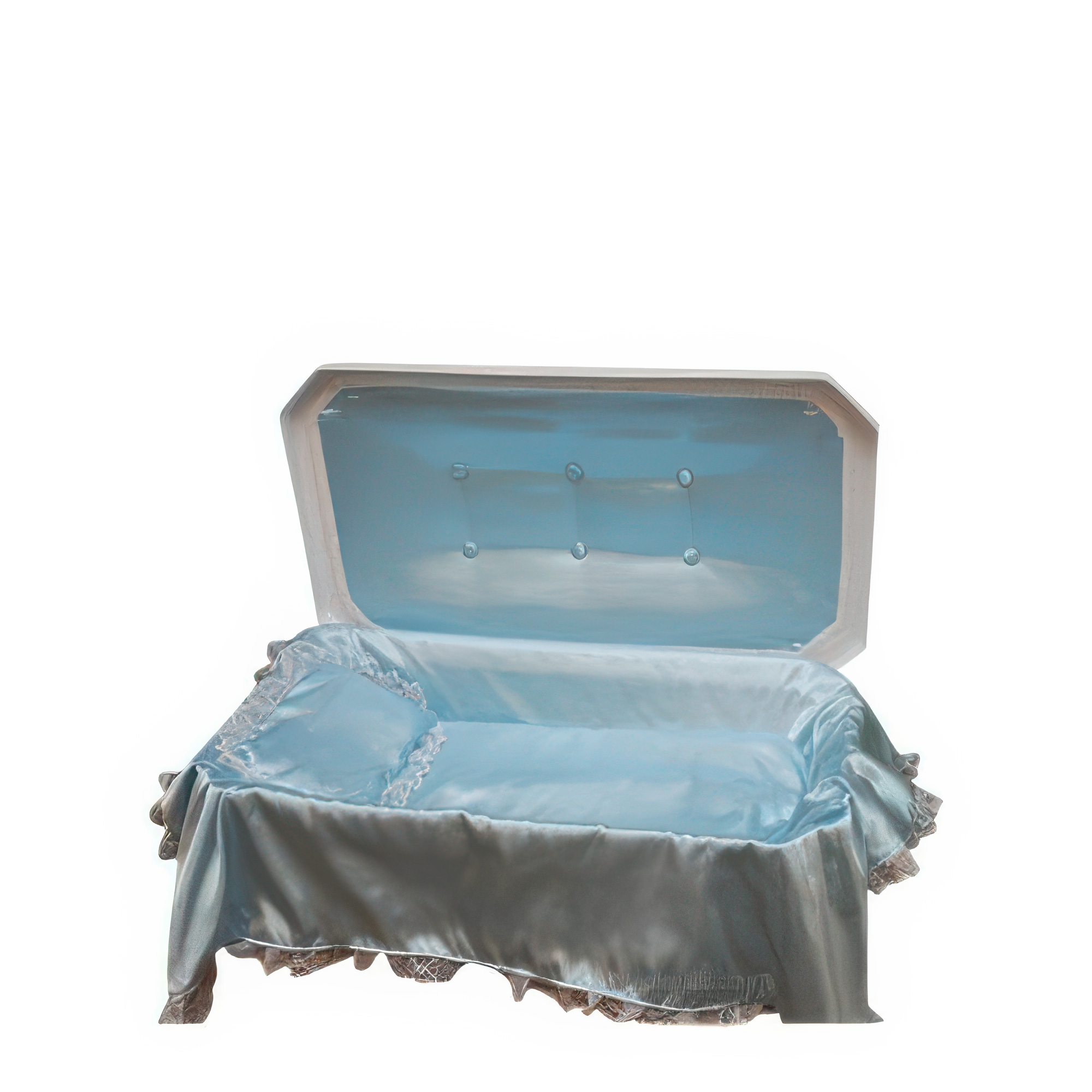
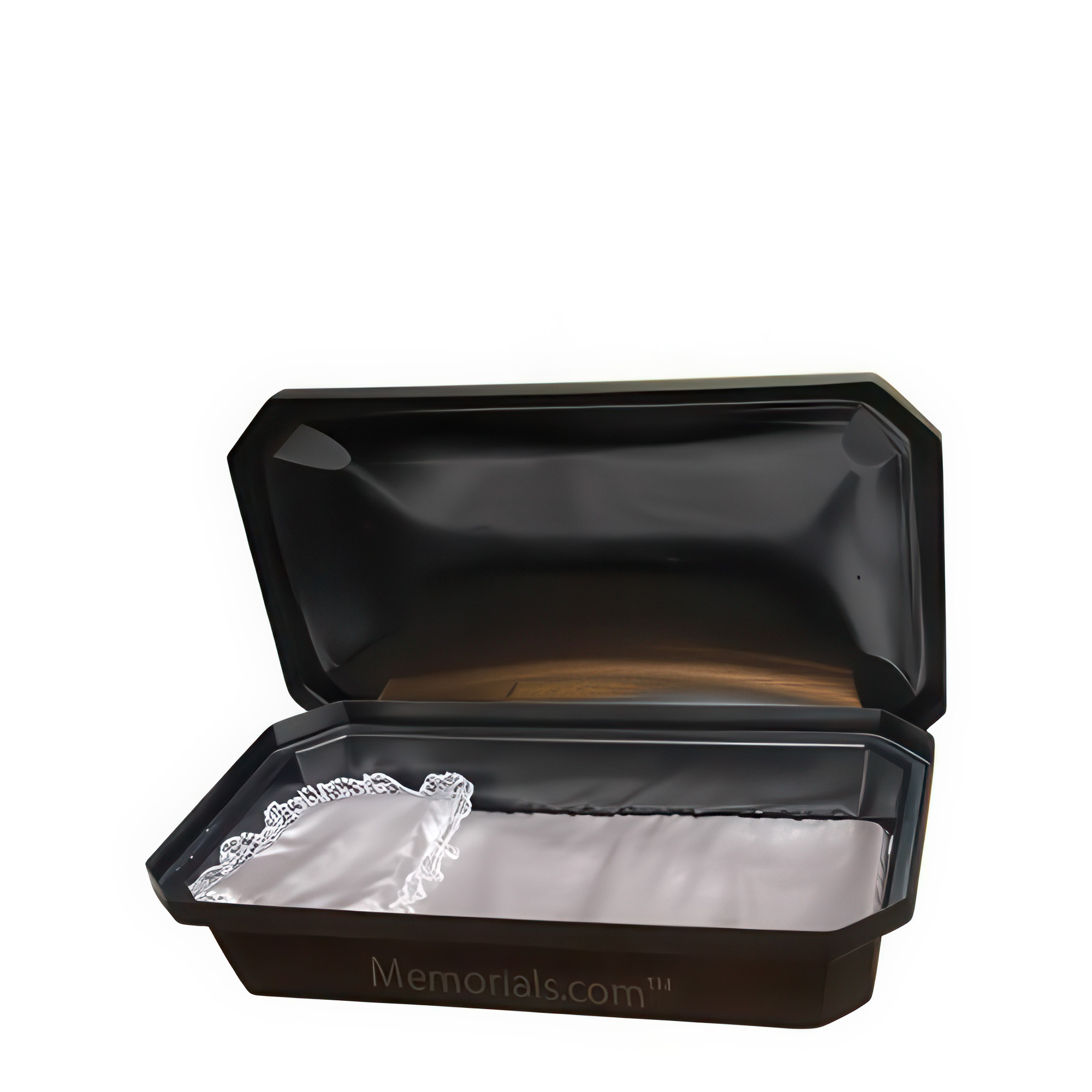
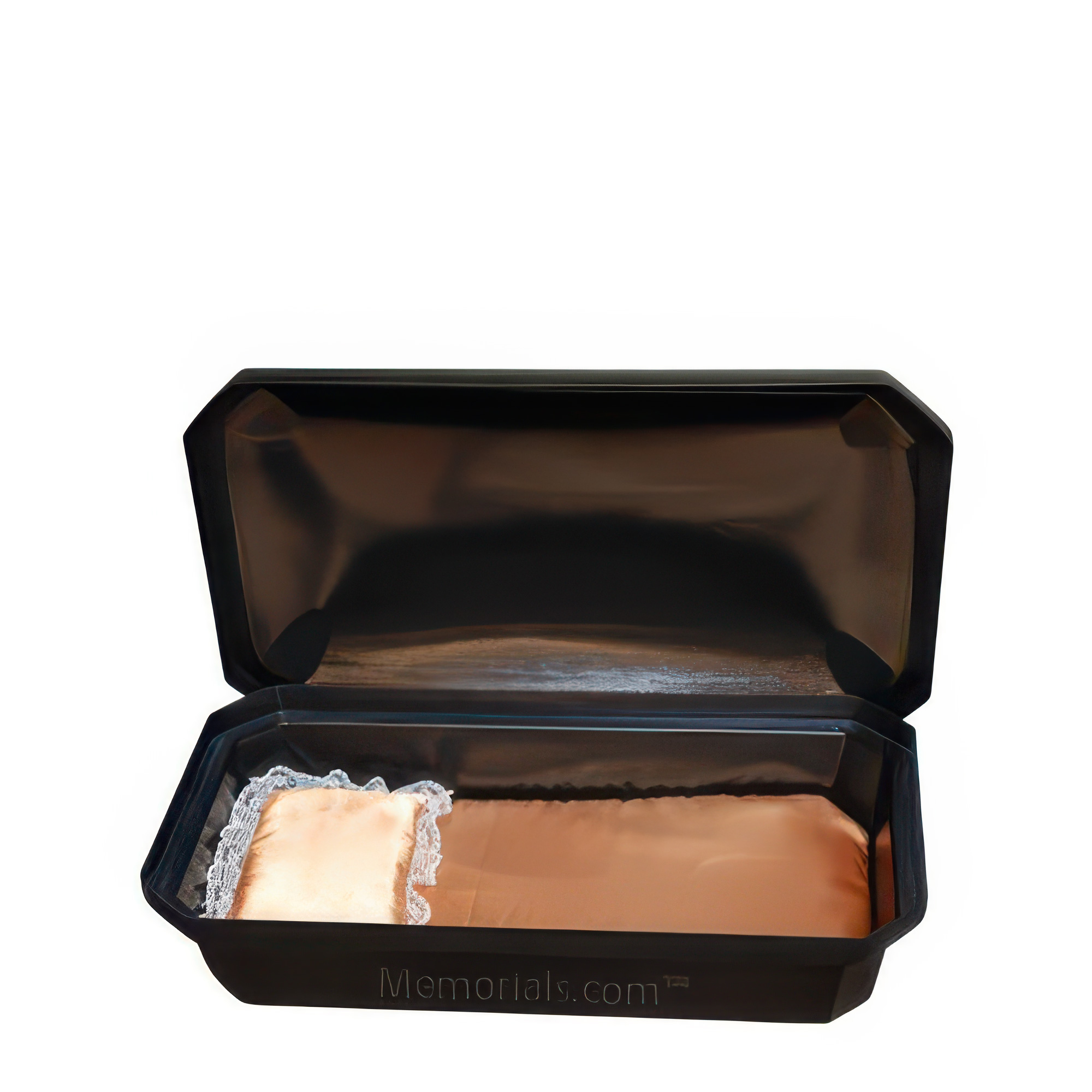
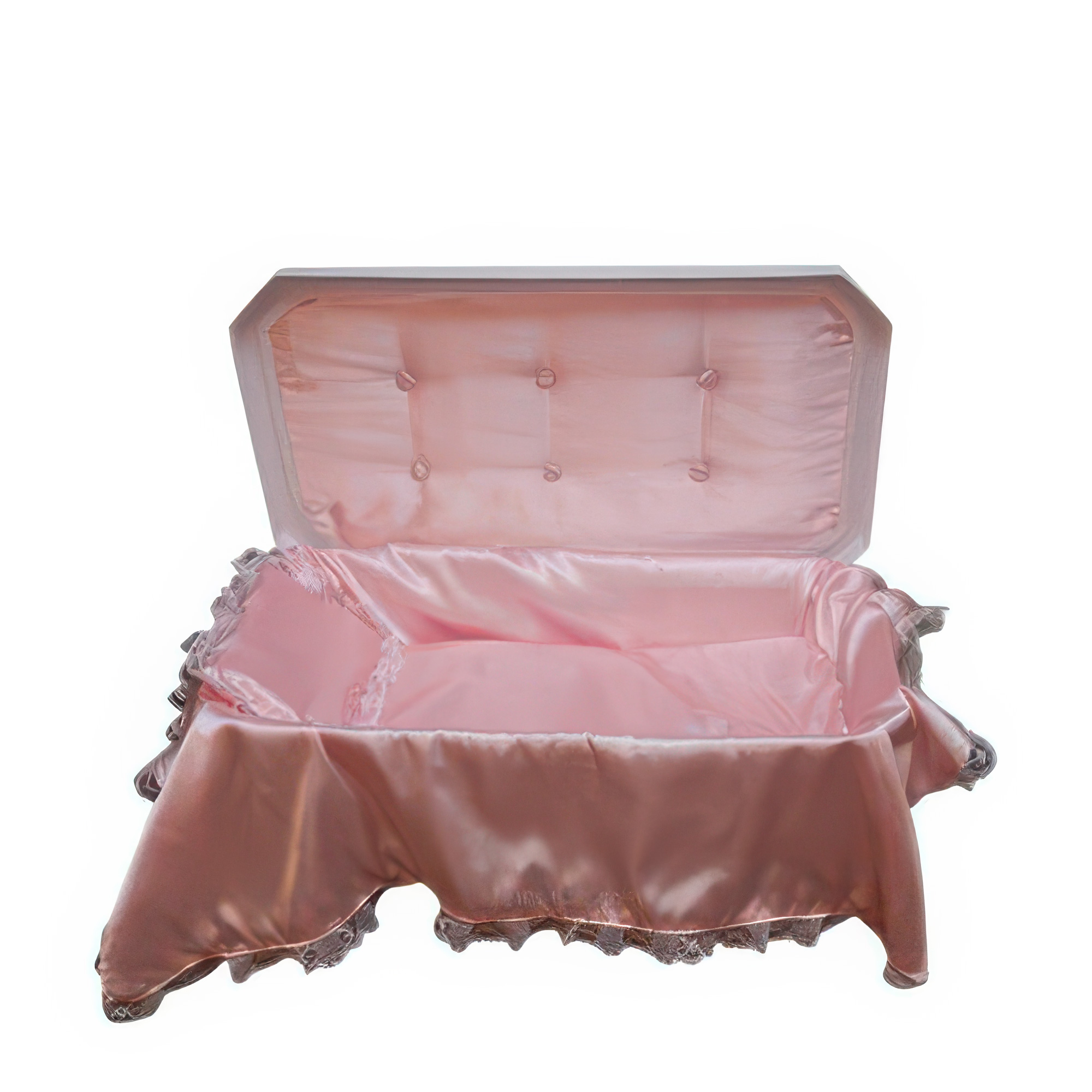
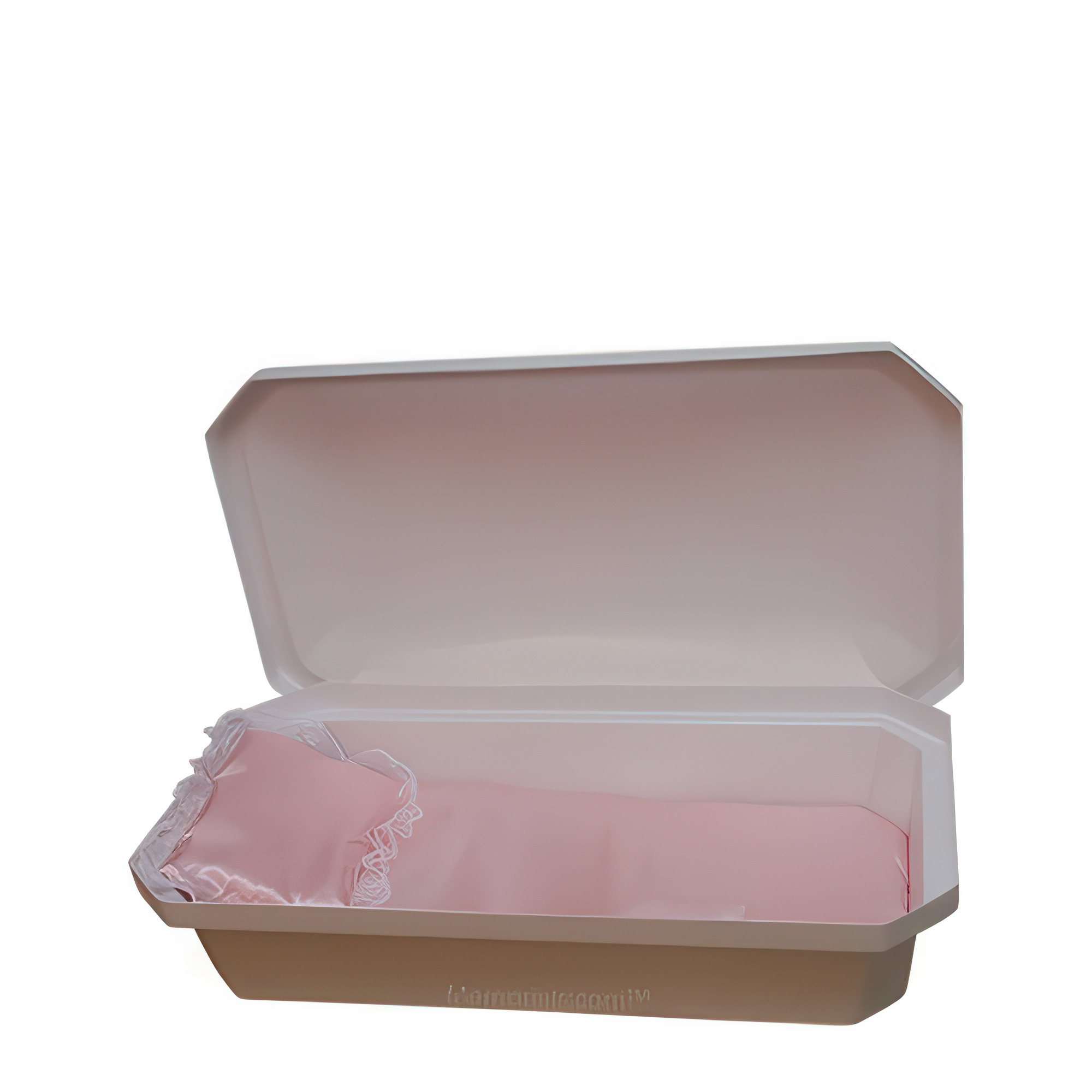
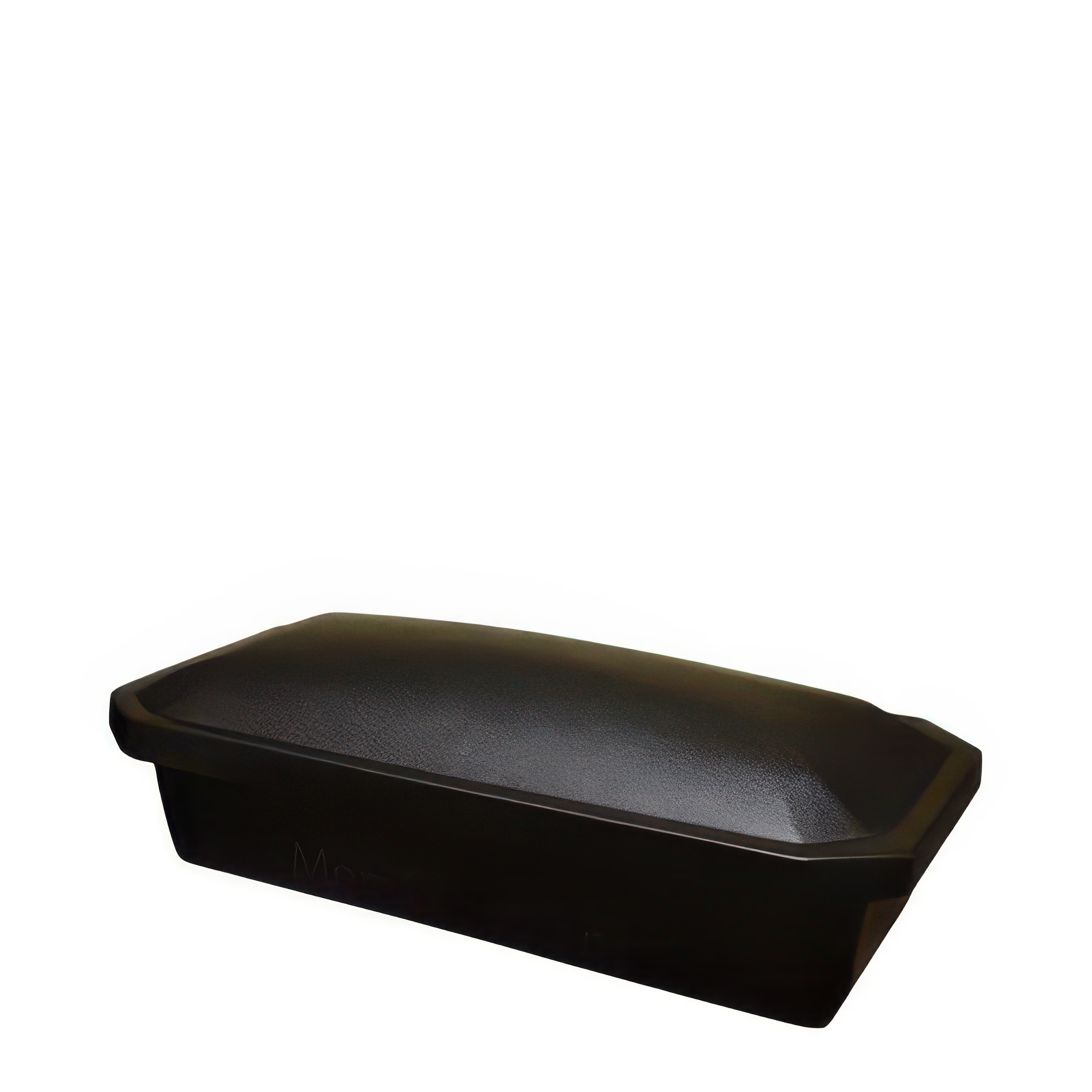
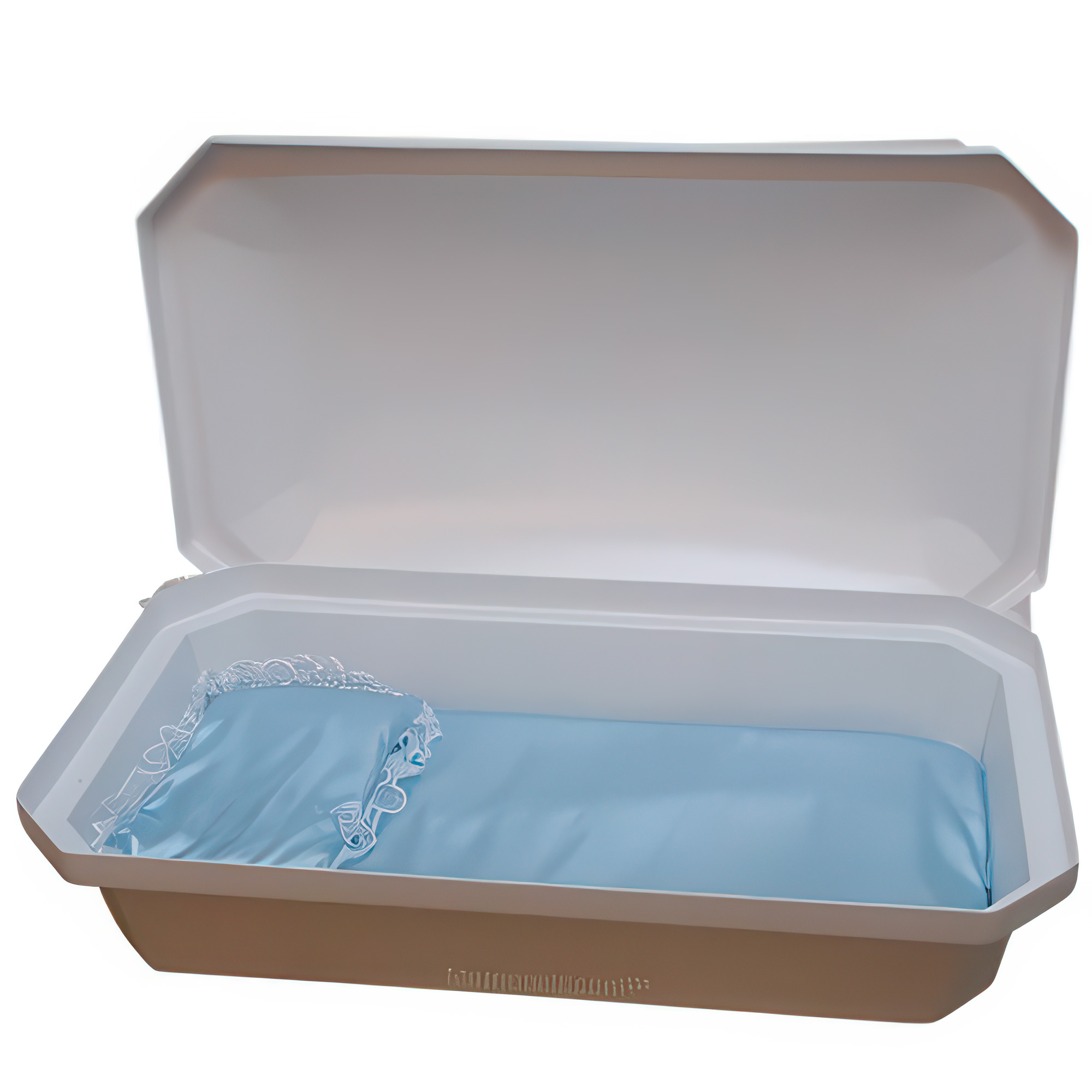
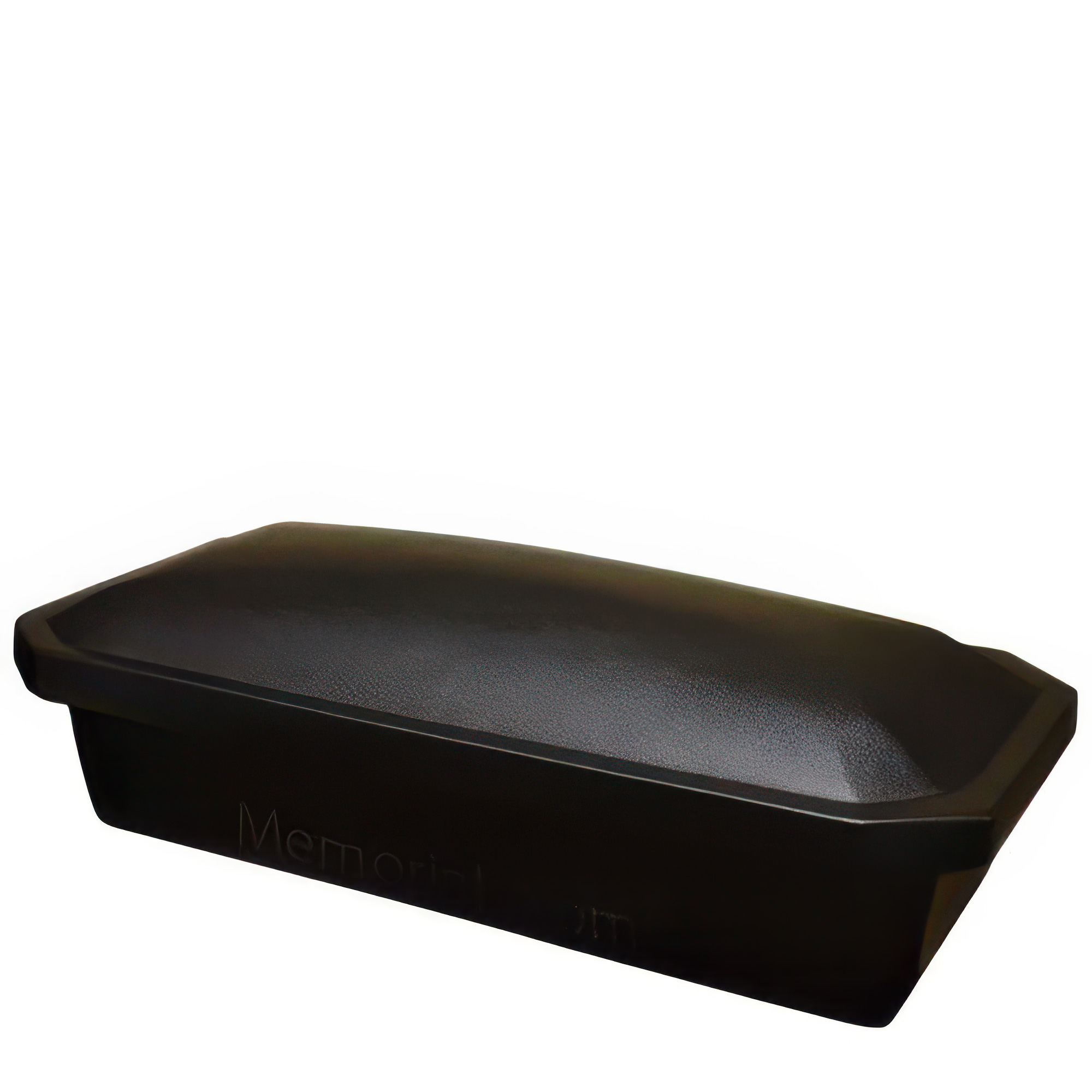
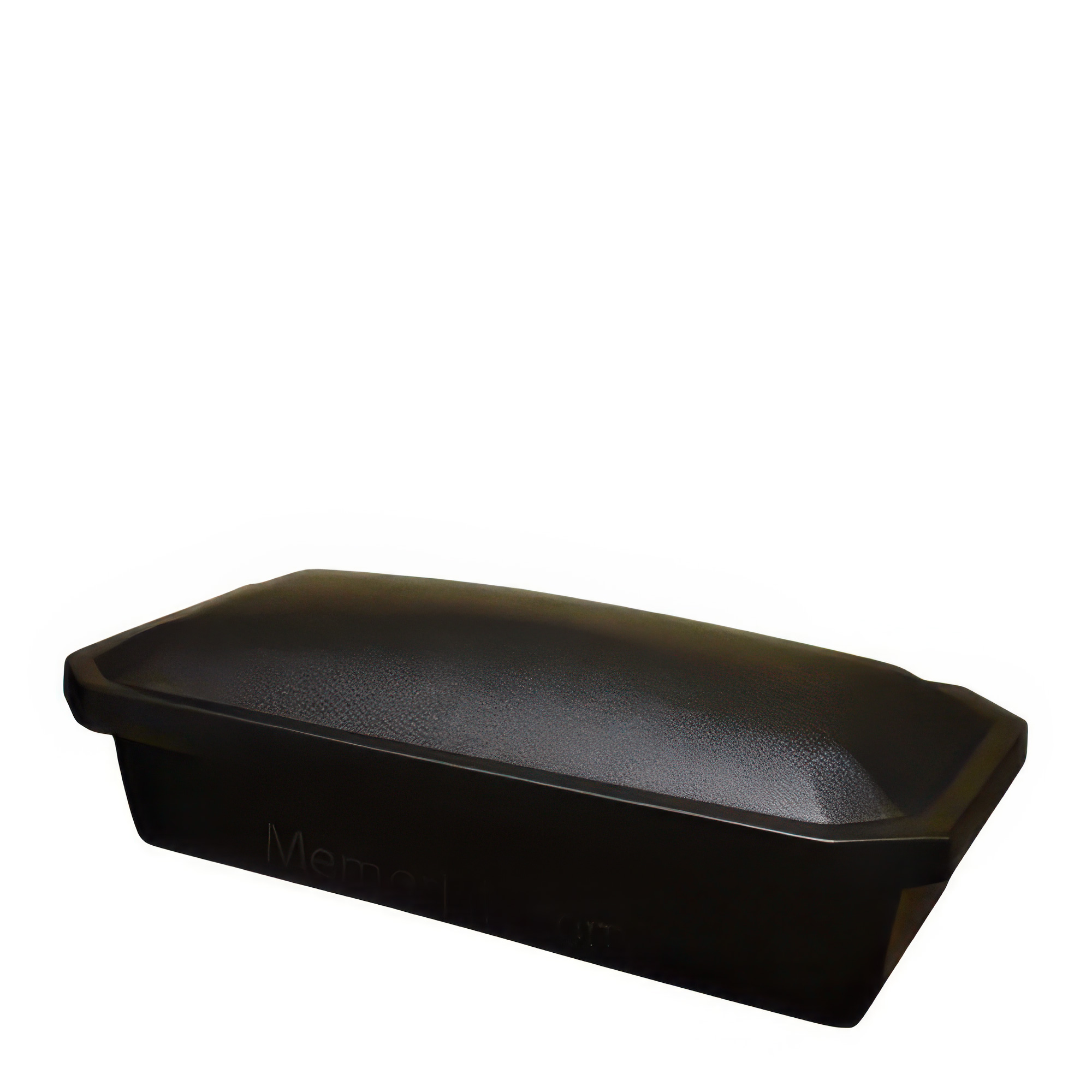
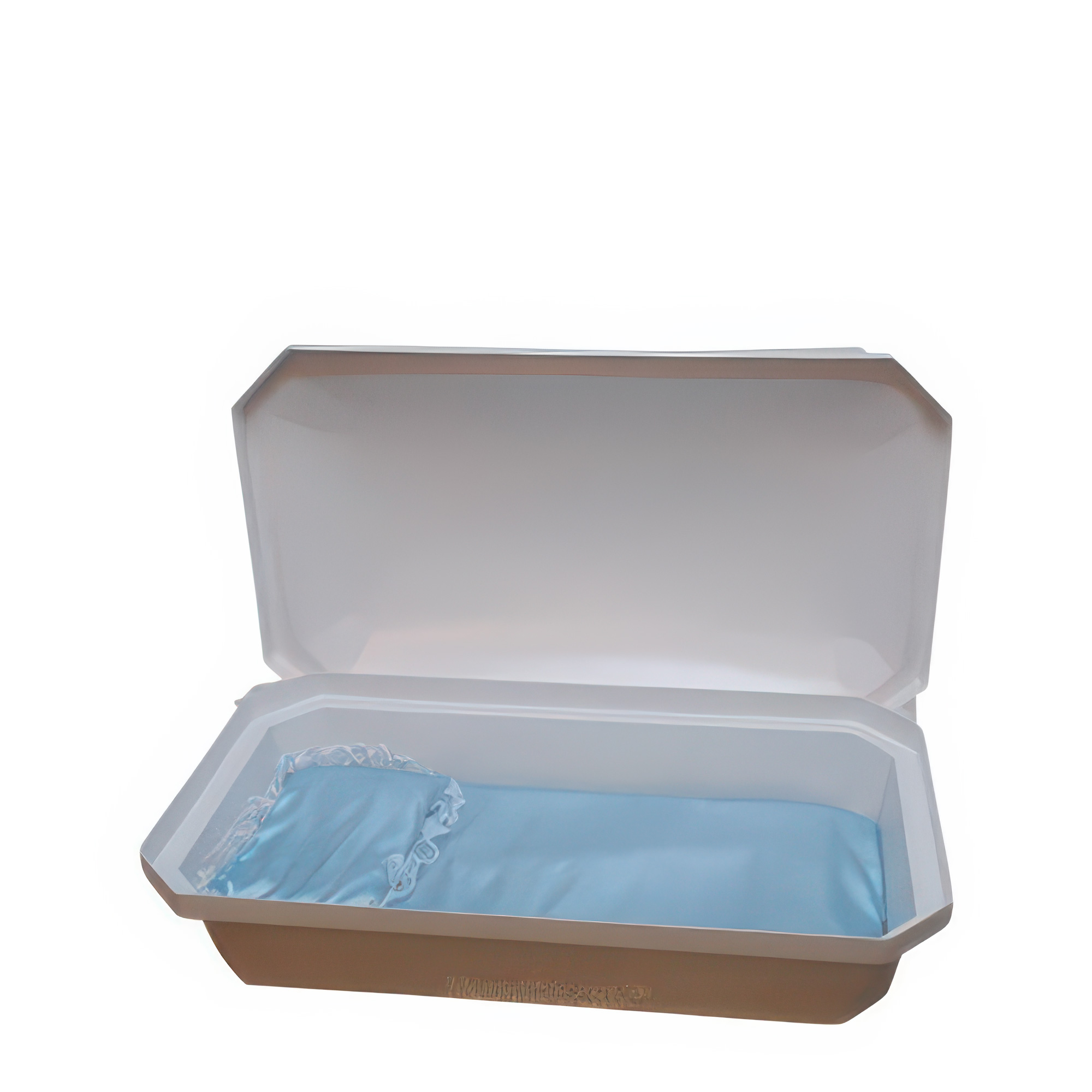
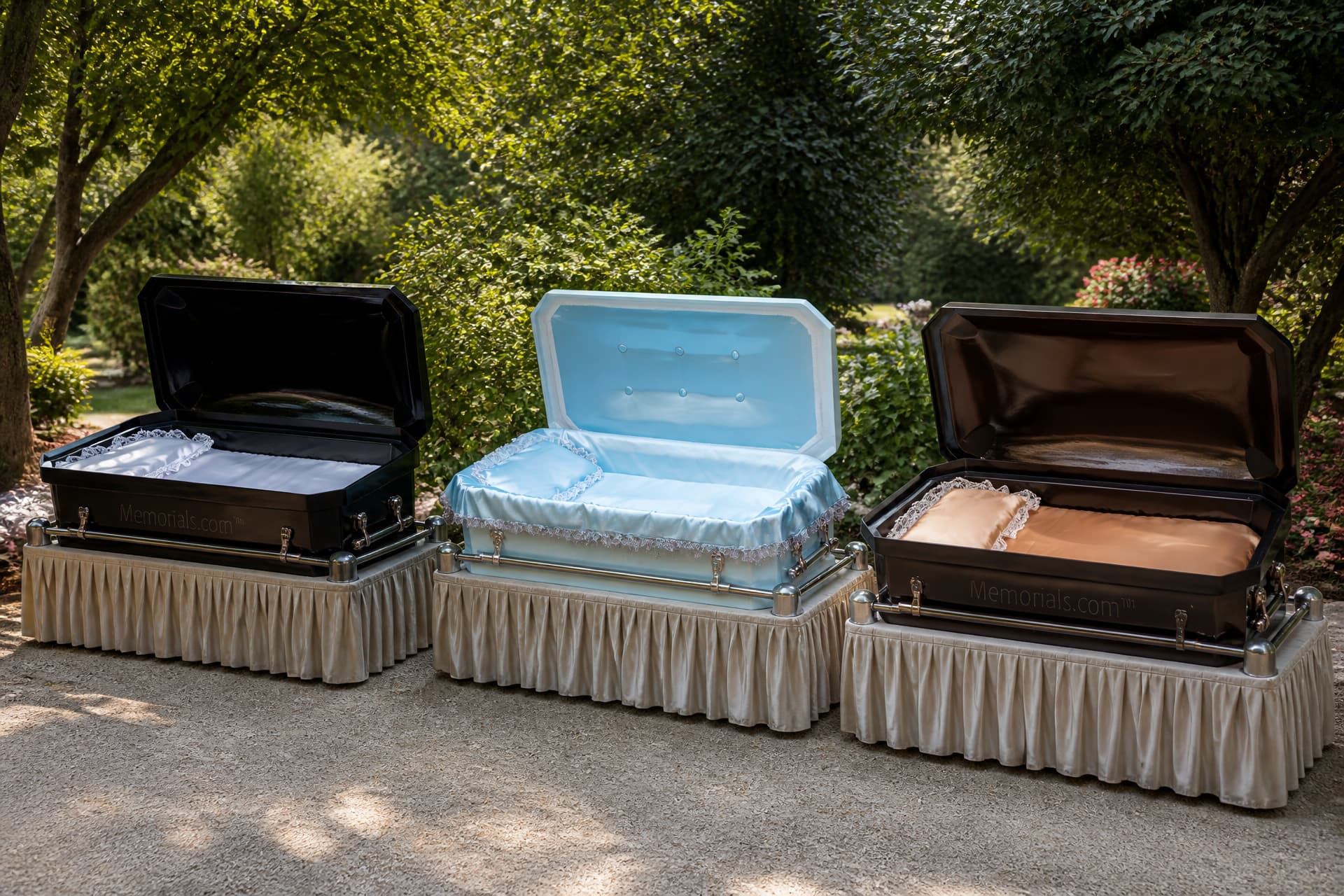
If burial, think about the container now rather than later. A body that has been frozen needs to thaw before burial, which takes a day or more for a large dog, and that is easier to plan for than to discover. Cultured pet caskets and pet metal caskets are both built for burial rather than display, and if your ground is wet or you want a more permanent arrangement a pet vault goes around the casket.
Ring the vet in the morning whatever you decide. Even if you handle everything yourself, they can tell you what is permitted locally, who collects, and what it costs — and they will not be surprised by the question.
A cooler box with ice packs holds a cat or small dog for a day or two, and keeps your pet out of the food freezer if that matters to you. For many people it does.
The Things Nobody Warns You About
Four practicalities that come up constantly and are almost never written down.
Your other animals will know, and they may need to. Dogs and cats frequently react to a dead companion — searching the house, sitting where the animal slept, going off food for a day or two. Several behaviourists suggest letting surviving pets spend a short time with the body before it is moved, because an animal that simply vanishes is harder for them than one that is understood to have gone. It is not something to force, and it is worth knowing it is an option rather than discovering it afterward.
There may be sounds and movement after death, and they mean nothing. Air leaving the lungs, a muscle twitch, the body settling. It is distressing and it is not breathing. If you are unsure whether death has actually occurred, that is a reason to ring the emergency vet rather than to wait.
Smell is not usually the problem people fear. A body that goes cold within a few hours, wrapped in two layers, will not make a house smell. If there is a strong odor, the body is not cold enough or not sealed well enough, and both are fixable.
Summer and winter are genuinely different situations. An unheated garage in January is a refrigerator; in July it is worse than the kitchen. If the plan relies on an outbuilding, check the actual temperature rather than assuming.
What the Crematory or Vet Will Want to Know
If you are ringing in the morning, these are the questions you will be asked, and having the answers ready shortens a call nobody wants to be on.
Your pet's weight, because almost everything is priced by it, and a rough figure is fine.
Whether the body has been frozen or chilled, and roughly how long. This is not a judgment — they need it to allow thawing time and to schedule.
Whether you want the ashes back. This is the decision that sets the price and it is the one you cannot change afterward, so it is worth having thought about before the call rather than during it.
Whether you need collection or will bring your pet in. Collection is common, often same-day, and sometimes included in the quote.
Whether you want anything taken before cremation — a paw print, a fur clipping, the collar back. These have to be asked for in advance, and they are frequently the thing people most regret not mentioning.
Frequently Asked Questions
How long can a dead body be kept in a freezer? Weeks, and in practice longer. Freezing halts decomposition rather than slowing it, so the limit is practical — your space and your plans — rather than biological.
How long can you keep a dead pet in the freezer before cremation? As long as you need. Crematories routinely receive frozen animals and it affects neither the process nor the ashes. Tell them it has been frozen so they can allow for thawing time.
Will freezing hurt my pet? No. Your pet died before any of this, and nothing that happens to a body afterward is felt. This question is asked a great deal and it deserves a direct answer rather than a gentle deflection.
Should I freeze my pet if I want to know why they died? No. Chill instead and call the clinic. Freezing damages tissue as cells rupture, and a post-mortem on a frozen body yields considerably less.
Is it safe to keep a dead pet in the same freezer as food? Double-wrap and seal it, keep it on a separate shelf, and clean the surfaces afterward. If that is not something you can live with — and for many people it is not — a cooler box with ice packs will hold a cat or small dog for a day or two.
What if my dog is too big for the freezer? Chill rather than freeze: coolest room, heating off, body wrapped and raised off the floor. That gives you a day or two, so ring a vet or crematory about collection sooner rather than later. Most will collect.
Can I still bury a pet that has been frozen? Yes. Let it thaw first, which takes a day or more for a large dog, and check whether home burial is allowed where you live.
A Final Thought
The reason this page exists is that the question gets asked at the worst possible hour and the honest answer is calming: you have days, the common options are all still open, and the only choice worth making carefully tonight is whether you might want to know why.
Wrap your pet, get them cold, and go to bed. The rest keeps until morning.