🏬Supersize Online Funeral Retailer🪦1000's of Headstones⚱️Over 10,000 Cremation Urns⚰️Caskets Overnight Delivery🛒Funeral & Memorial Superstore🚚FREE Shipping on ALL Orders👨👩👧👦Helping Families for over 20 Years💰Lowest Price Guarantee🏬Supersize Online Funeral Retailer🪦1000's of Headstones⚱️Over 10,000 Cremation Urns⚰️Caskets Overnight Delivery🛒Funeral & Memorial Superstore🚚FREE Shipping on ALL Orders👨👩👧👦Helping Families for over 20 Years💰Lowest Price Guarantee
🏬Supersize Online Funeral Retailer🪦1000's of Headstones⚱️Over 10,000 Cremation Urns⚰️Caskets Overnight Delivery🛒Funeral & Memorial Superstore🚚FREE Shipping on ALL Orders👨👩👧👦Helping Families for over 20 Years💰Lowest Price Guarantee🏬Supersize Online Funeral Retailer🪦1000's of Headstones⚱️Over 10,000 Cremation Urns⚰️Caskets Overnight Delivery🛒Funeral & Memorial Superstore🚚FREE Shipping on ALL Orders👨👩👧👦Helping Families for over 20 Years💰Lowest Price Guarantee
After cremation, the funeral home or crematory returns your loved one's cremated remains — typically within a few days — in a temporary container. From that point forward, the decision of what to do with the ashes belongs entirely to you and your family.
There is no legal deadline to act, and there is no single "right" answer. Some families know immediately what they want. Others need weeks, months, or even years to decide. Both approaches are completely normal. This is one of several decisions families face when choosing a cremation urn, and understanding all your options can help.
This guide walks through every major option for cremated remains, from traditional choices like urn display and burial to newer paths like living memorials and — glass, paintings and sculpture made with the ashes themselves. Each section explains what's involved, what to consider, and how to get started.
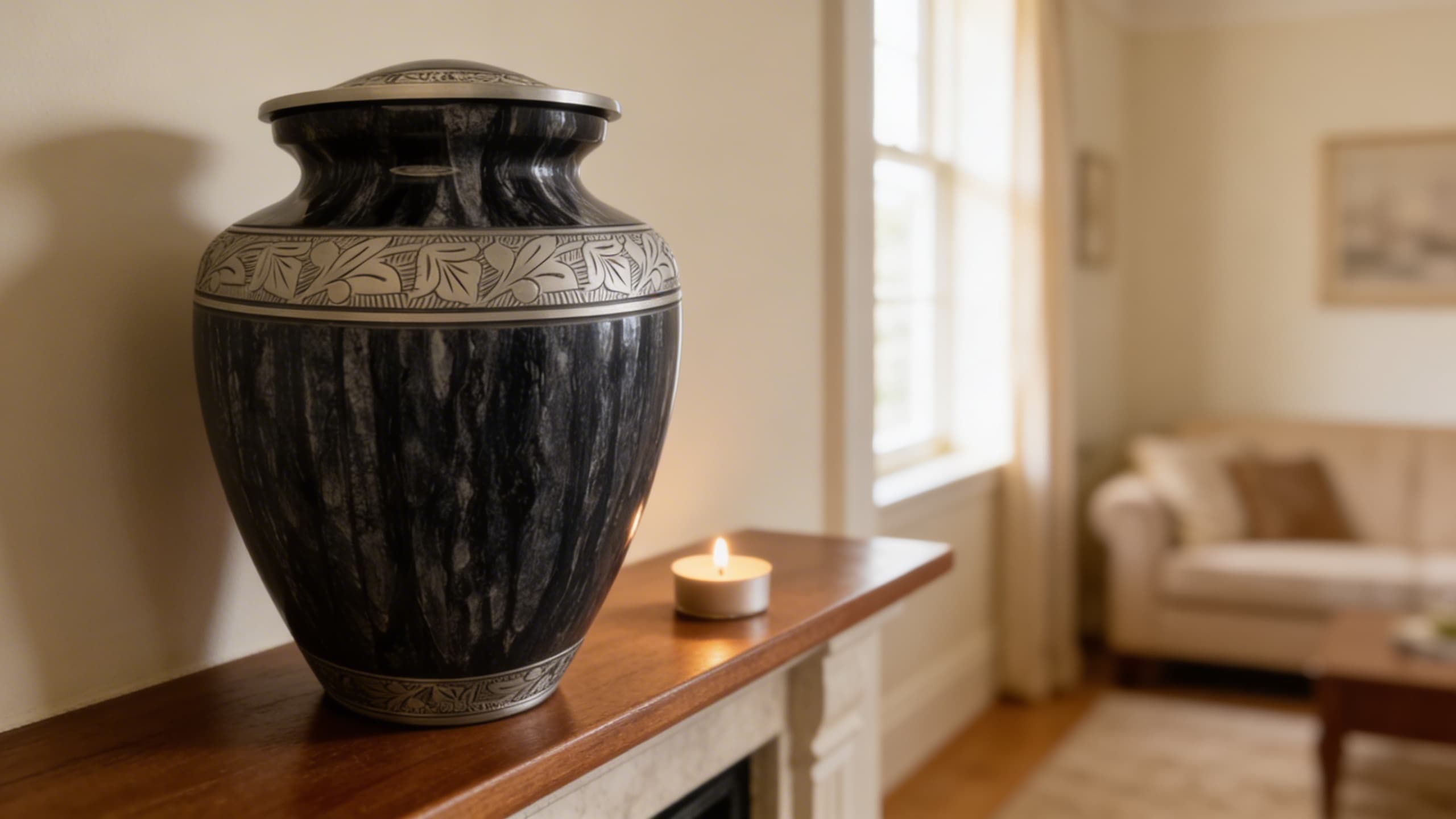
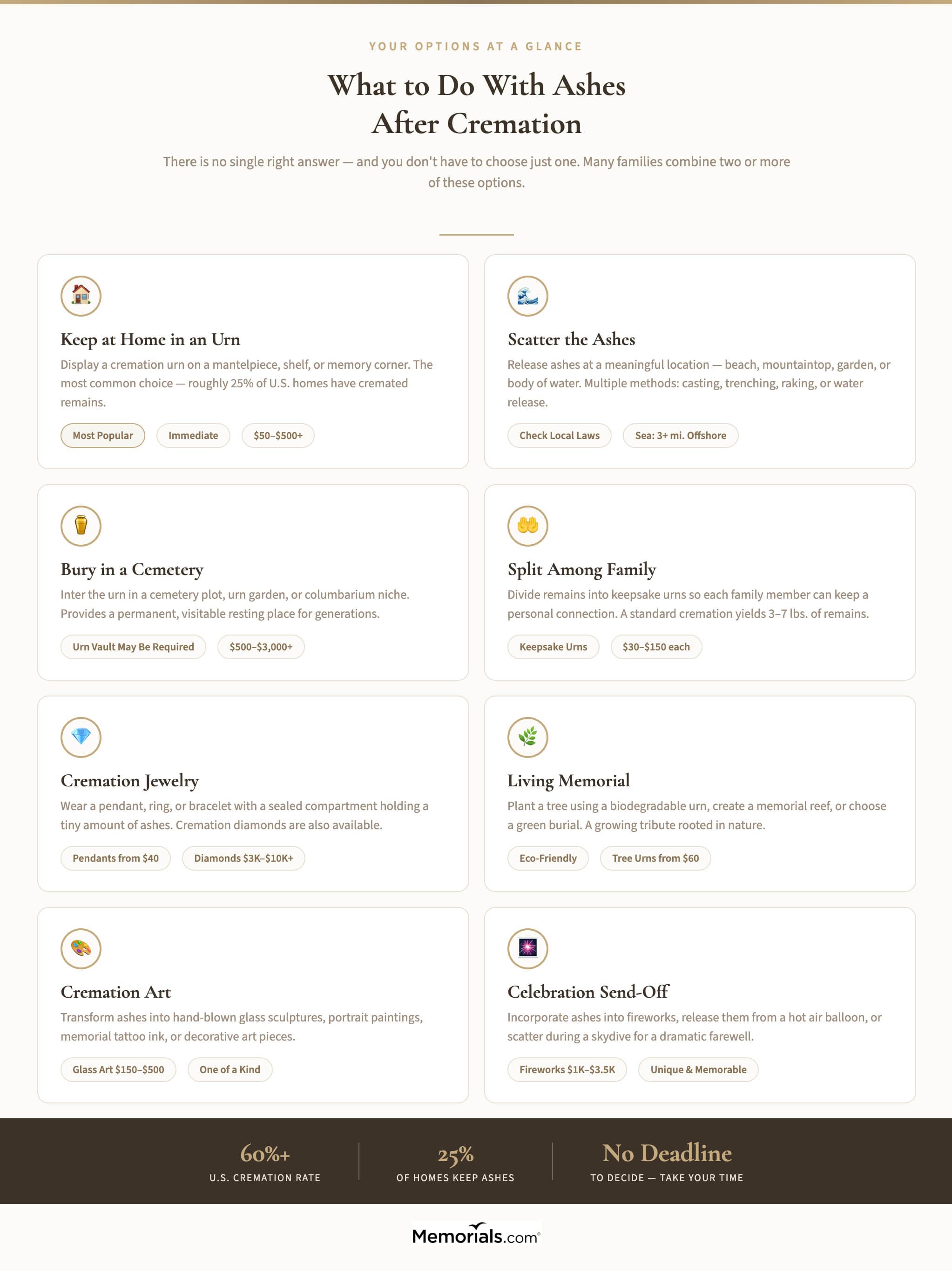
Displaying an urn at home is the most common first step after cremation, and for many families, it becomes the permanent arrangement. According to the Cremation Association of North America (CANA), roughly 25% of U.S. households currently have at least one set of cremated remains at home.
Choosing the Right Urn
The container you select depends on whether you plan to keep the ashes at home permanently, bury them later, or divide them among family members.
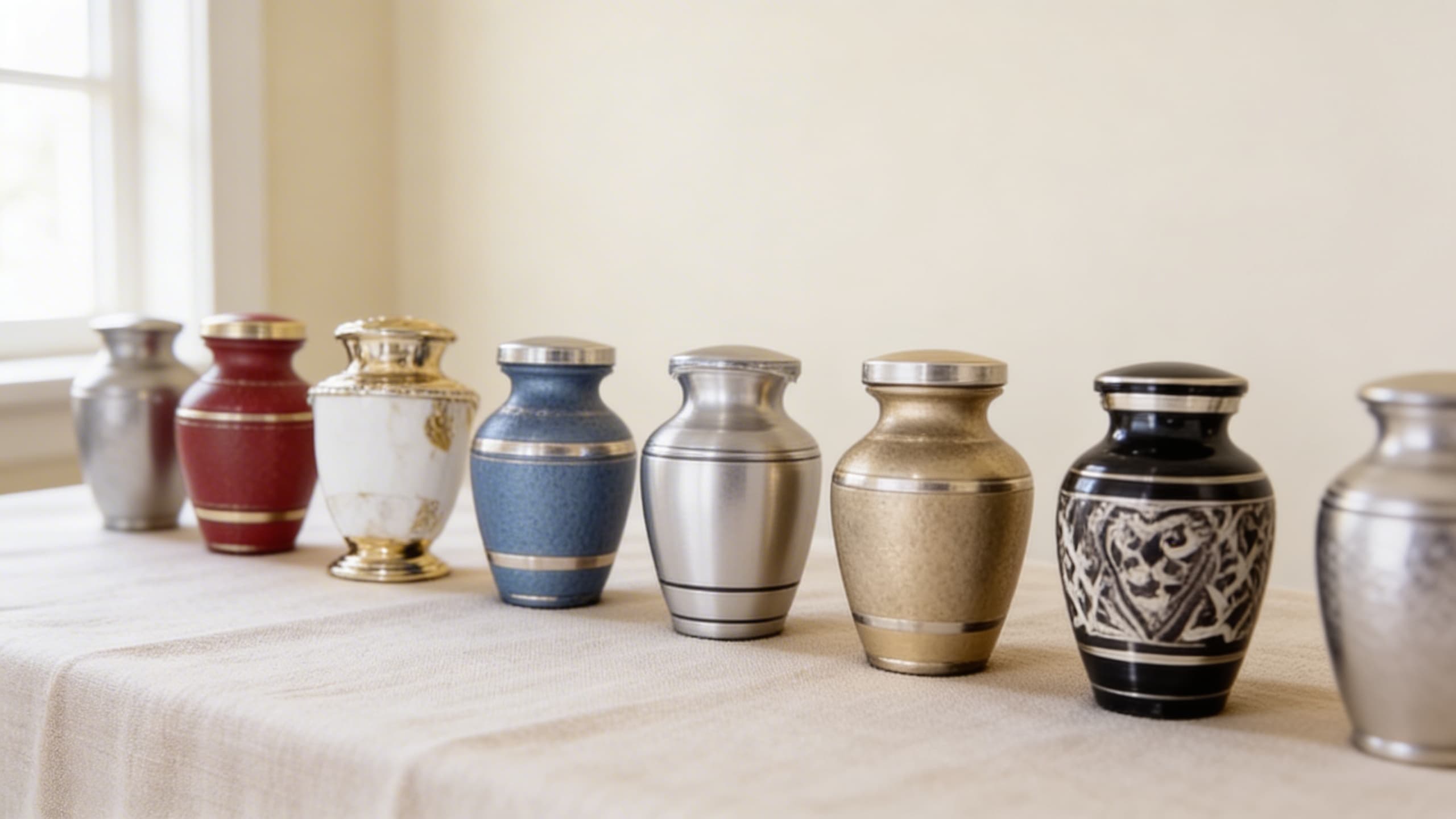
Cremation urns come in virtually every material and style — ceramic, wood, bronze, glass, marble, and more. A standard adult urn holds approximately 200 cubic inches of cremated remains, which accommodates most adults. If you're unsure about sizing, our cremation urn size guide breaks down the specifics.
For couples who want their remains together eventually, companion urns are designed to hold two sets of cremated remains in a single vessel.
Display Considerations
Most families place the urn in a living room, bedroom, or private study — somewhere that feels natural rather than staged. A mantelpiece, bookshelf, or dedicated memorial shelf all work well. Some families build a small memory corner with photographs, candles, and personal mementos alongside the urn.
There are no health or safety concerns with keeping cremated remains at home. The cremation process eliminates all organic material, leaving only bone fragments that are processed into a fine, sterite powder.
Important Planning Note
While keeping ashes at home can be deeply comforting — and some families wonder whether is it bad luck to keep ashes in the house — CANA recommends having a long-term plan. Urns can be passed through generations, but without clear instructions, family members may face difficult decisions later. Consider documenting your wishes — or your loved one's wishes — alongside the urn.
Scattering Ashes
Scattering cremation ashes in a meaningful location is one of the most popular and emotionally powerful options available to families. It can be done at a favorite beach, hiking trail, garden, or virtually any place that held significance for the person who passed.
Scattering Methods
There are several approaches to scattering, each suited to different settings and preferences:
Casting involves releasing the ashes into the wind. This works best in open outdoor spaces — a hilltop, shoreline, or open field. Always check wind direction first, as cremated remains contain fine particles that carry easily.
Trenching means digging a shallow channel in the earth, placing the ashes inside, and covering them with soil. This method works well in gardens, at the base of a tree, or in a private family plot.
Raking spreads the ashes across the surface of soil and then gently mixes them in with a garden rake. Some families combine this with planting flowers or a memorial shrub at the site.
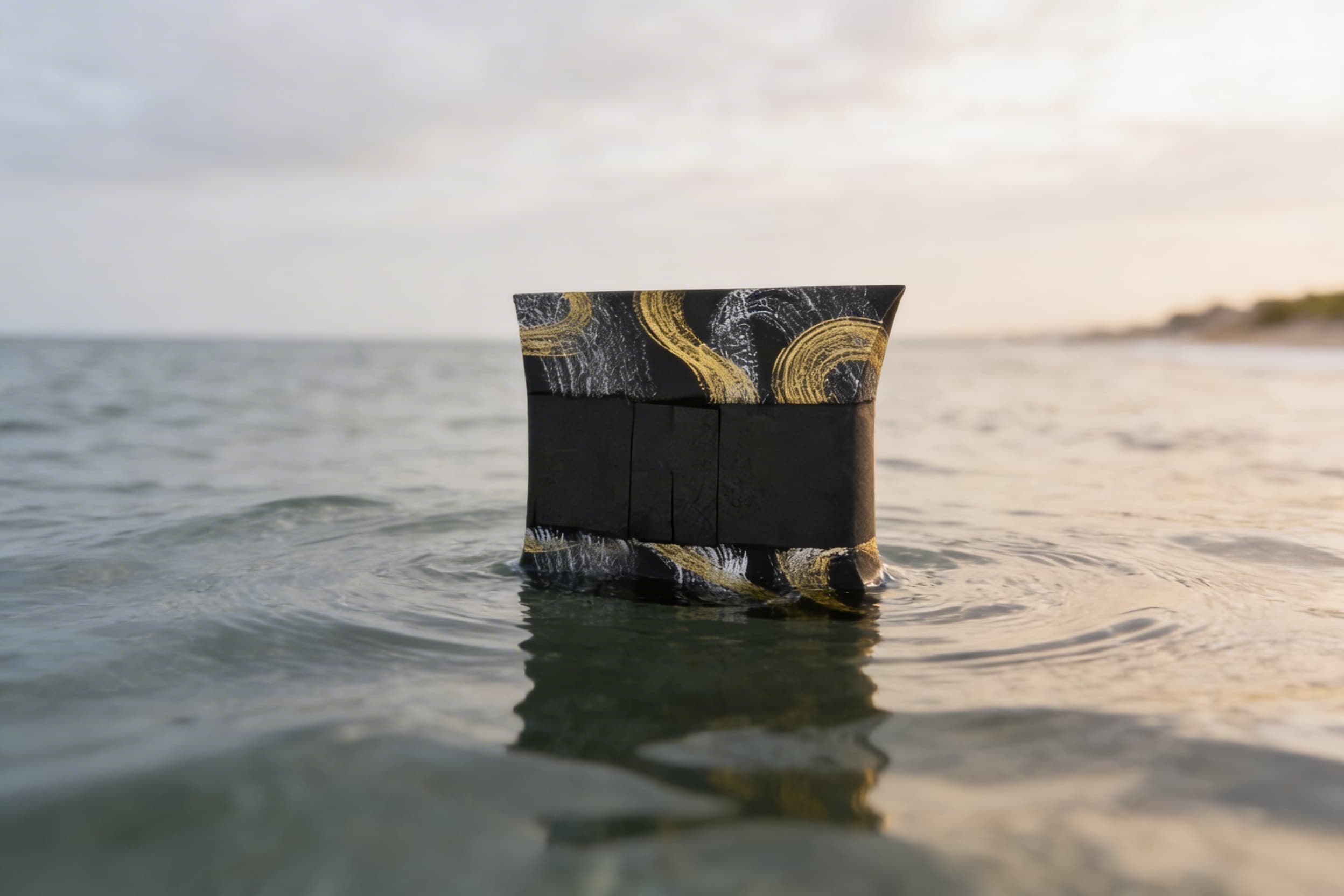
Water scattering releases the ashes into a lake, river, or ocean. Many families choose a water-soluble scattering urn that dissolves naturally after being placed on the surface.
Legal Considerations
In the United States, scattering ashes is broadly permitted, but rules vary by location:
Private property: Allowed with the landowner's permission.
Public land: Generally permitted on uncontrolled federal land, but stay at least 100 yards from trails, roads, and developed areas.
National parks: Most allow scattering with written permission from the park ranger. Specific restrictions may apply.
At sea: The EPA requires scattering to occur at least three nautical miles from shore. Notify the EPA within 30 days of the scattering. Only biodegradable materials (flowers, wreaths) may accompany the ashes.
State and local laws: Some states have additional requirements. Check with your local authorities before proceeding.
Burying cremated remains follows many of the same traditions as a full casket burial, but with more flexibility in location and cost. Families who value a permanent resting place — a fixed location they can visit — often find this option brings long-term peace of mind.
Cemetery Burial
Most cemeteries accept cremated remains for burial, and selecting the right cremation urns for burial depends on cemetery requirements and personal preference. The urn is placed in a small plot (often called an urn garden) or in a full-size grave alongside an existing burial. Many cemeteries require an urn vault — a protective outer container made of concrete, metal, or polymer — to prevent the ground from settling over time.
Cemetery burial costs are typically a fraction of traditional casket burial. However, fees for the plot, opening/closing of the grave, and a headstone or grave marker still apply. For a full breakdown of what cemeteries require, see our article on cemetery regulations for urns and markers.
Columbarium Niches
A columbarium is an above-ground structure with rows of recessed compartments (niches), each designed to hold one or two urns. Niches are available at many cemeteries, churches, and memorial gardens, both indoors and outdoors.
Each niche typically includes a memorial plaque listing the person's name, dates, and a short inscription. This option appeals to families who want a dedicated memorial space without ground burial. Our cremation niche and columbarium guide covers costs, availability, and what to expect when selecting a niche.
Private Property Burial
In most U.S. states, burying cremated remains on private land is legal without special permits. However, if you or the property owner sell the land in the future, the buried remains could become difficult for family members to access. Some families mark the location with a garden stone, bench, or planting to create a small memorial space.
Splitting Ashes Among Family Members
Dividing cremated remains is a practical choice when multiple family members want to keep a physical connection to the person who passed. A standard cremation produces roughly 3 to 7 pounds of remains — enough to share among several people.
Keepsake Urns
Keepsake urns are smaller urns designed to hold a portion of cremated remains. They come in the same range of materials and styles as full-size urns — brass, wood, ceramic, glass — but in a compact form that fits on a nightstand, shelf, or desk.
Families often purchase a set of matching keepsake urns so each member has a consistent memorial piece. The remaining ashes can go into a full-size urn for display, burial, or scattering.
This question comes up often, and the answer depends on personal, cultural, and religious beliefs. Most mainstream perspectives consider it perfectly acceptable. Some religious traditions — particularly Catholicism — advise keeping cremated remains together and interring them in a sacred place. Our article on whether it is wrong to separate cremated ashes covers this topic in depth.
The most important thing is open communication among family members before dividing. Having a clear plan avoids potential disagreements later.
Cremation Jewelry and Wearable Memorials
Cremation jewelry allows you to carry a tiny amount of cremated remains with you — literally close to your heart. These pieces contain a small, sealed compartment that holds a pinch of ashes, a lock of hair, or a trace of dried flowers from the memorial service.
Types of Cremation Jewelry
The most common forms include:
Pendants and necklaces: A small hollow pendant, often heart-shaped or cylindrical, worn on a chain. Necklaces for ashes are the most popular style.
Rings:Cremation rings feature a discreet compartment built into the band or setting.
Bracelets:Cremation bracelets include a bead, charm, or clasp that holds remains.
Cremation Diamonds
A newer option transforms a small portion of cremated remains into a lab-grown diamond through extreme heat and pressure applied to the carbon in the ashes. The resulting stone can be set in a ring, pendant, or earring. Cremation diamonds typically range from $3,000 to $10,000 or more depending on size, cut, and color.
This option requires only a small amount of ashes (roughly half a cup), leaving the rest for other memorialization choices.
Biodegradable Urns and Living Memorials
For families drawn to the idea of returning their loved one to nature, biodegradable urns and living memorials offer a path rooted in environmental stewardship.
Tree Pod Urns
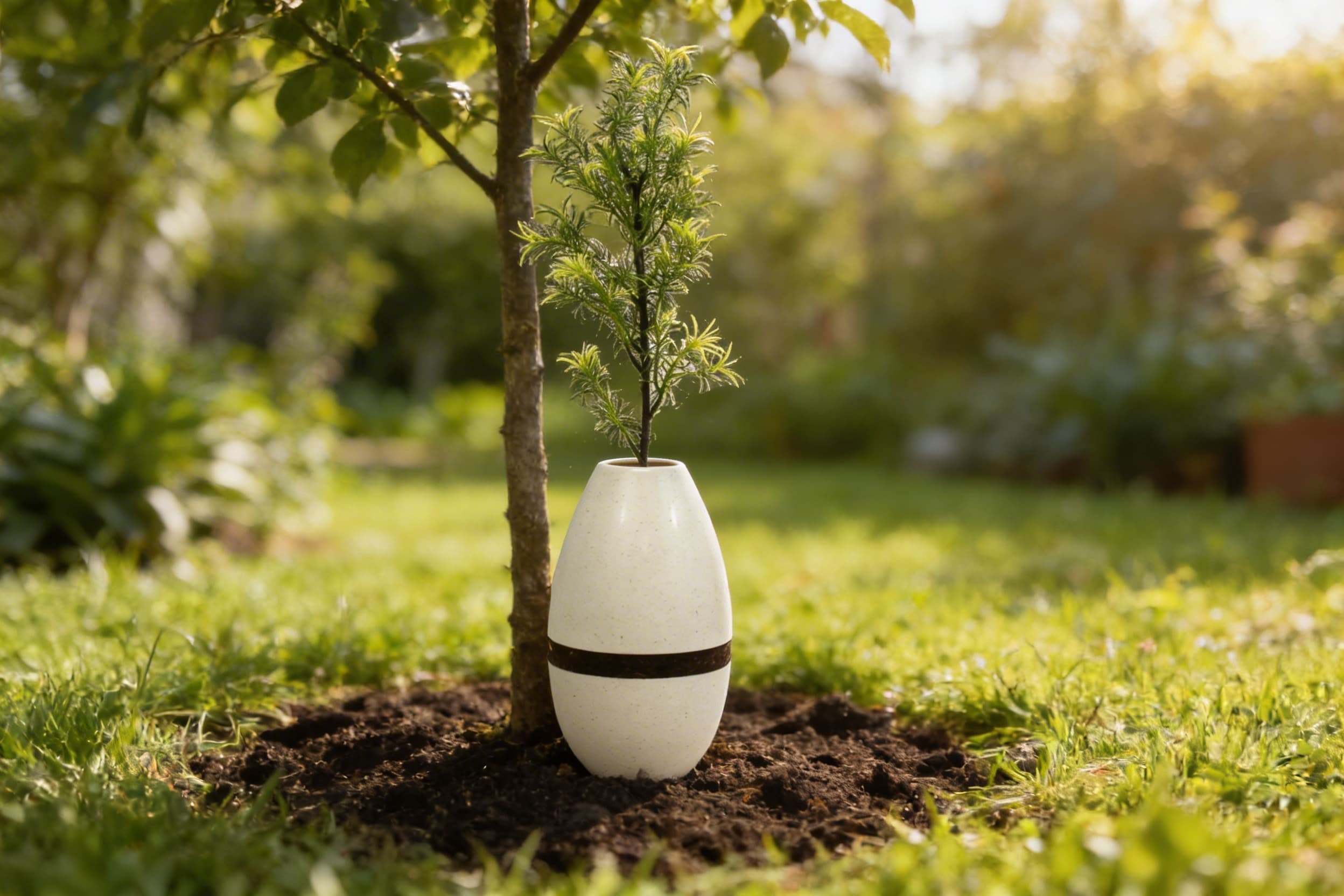
Biodegradable urns designed for tree growth typically feature two compartments: an upper section holding soil and a tree seed or sapling, and a lower section for the cremated remains. Over time, the roots grow down through the remains, and the urn material breaks down naturally.
It's worth noting that cremated remains alone don't provide nutrients that directly feed plant growth — they're inite and inorganic. The soil mixture in the upper compartment does the work. Still, the symbolic connection of a growing tree rooted in a loved one's remains is deeply meaningful for many families.
Biodegradable urns designed for water scattering dissolve within minutes to hours after being placed on the surface. They're made from materials like sand, salt, or plant-based compounds. These work especially well for ocean, lake, or river ceremonies where families want a structured release rather than hand-scattering.
Memorial Reefs
A more specialized option involves mixing cremated remains with environmentally safe concrete to create an artificial reef structure. The reef is then placed on the ocean floor, where it becomes habitat for marine life. Memorial reef programs typically cost between $2,500 and $7,500 and include a ceremony for the family.
Cremation Art and Creative Memorials
A growing number of artisans transform cremated remains into lasting works of art. These options appeal to families looking for something deeply personal and visually meaningful.
Glass Art
Cremation art incorporates a small amount of ashes into hand-blown glass sculptures, paperweights, or ornaments. The remains are mixed into molten glass at extremely high temperatures, creating unique swirls and patterns within the finished piece. Each piece is one of a kind.
Portrait Painting
Some artists mix a trace amount of cremated remains into paint, then use that paint to create a portrait or landscape painting. The result is a visible keepsake with an invisible but deeply personal layer of meaning.
Tattoo Ink
Memorial tattoos have long been a way to honor someone who has passed. A newer variation involves infusing a small amount of cremation ashes into tattoo ink before the artist applies the design. Not all tattoo studios offer this service, so you'll need to find one with specific experience in cremation ink work.
Fireworks
Companies that specialize in memorial services can incorporate cremated remains into professional-grade fireworks. The display becomes a celebration of life — a dramatic, joyful send-off. Pricing varies based on the scale of the show, but most packages start between $1,000 and $3,500.
Combining Multiple Options
Because a standard cremation produces enough remains to share across several memorialization choices, many families combine approaches. A common arrangement looks like this:
A full-size urn at home for the primary display
Several keepsake urns distributed to close family members
A cremation jewelry pendant for a spouse or child
A small portion set aside for scattering at a meaningful location
There's no rule saying you must choose just one path. The flexibility of cremation is one of its greatest advantages — it allows every member of the family to honor their loved one in the way that feels most right to them.
FAQ: Common Questions About Cremated Remains
Can you keep cremation ashes at home permanently?
Yes. There are no federal or state laws in the United States prohibiting you from keeping cremated remains at home indefinitely. The ashes are sterile and pose no health risks. Many families display them in a decorative urn on a mantelpiece, shelf, or in a private room.
How long can you wait before deciding what to do with ashes?
There is no legal time limit. You can keep the ashes in their temporary container or a permanent urn for as long as you need. Many families take months or even years before making a final decision — and some choose to keep the ashes at home permanently.
Where can you legally scatter ashes in the United States?
You can scatter ashes on your own private property, on uncontrolled public land (away from trails and developed areas), in most national parks (with written permission), and at sea (at least three nautical miles from shore, per EPA regulations). Always check local and state laws, and get landowner permission for private land you don't own.
Is it OK to split cremation ashes among family members?
For most families and belief systems, yes. Dividing remains is a practical way to give each family member a personal connection. Keepsake urns and cremation jewelry are specifically designed for this purpose. Some religious traditions prefer keeping remains together — if this applies to your family, consult your clergy or spiritual advisor.
What is the most popular option for cremated remains?
Keeping ashes in an urn at home remains the most common choice, followed by scattering and cemetery burial. Cremation jewelry and biodegradable urns are growing rapidly in popularity as families seek more personalized and environmentally conscious options.
Finding the Right Path Forward
The decision of what to do with cremated remains is deeply personal, and there is no wrong answer. Some families find comfort in tradition — an urn on the mantel, a burial plot in the family cemetery. Others are drawn to something less conventional — a living tree, a piece of glass art, a diamond.
What matters most is that the choice reflects the person who passed and brings peace to the people who loved them.
If you're still exploring your options, browse our full collection of cremation urns to find a style and material that feels right. For unique and artistic options, explore our unique urns collection. And if you have questions at any point in the process, our team is here to help.