🏬Supersize Online Funeral Retailer🪦1000's of Headstones⚱️Over 10,000 Cremation Urns⚰️Caskets Overnight Delivery🛒Funeral & Memorial Superstore🚚FREE Shipping on ALL Orders👨👩👧👦Helping Families for over 20 Years💰Lowest Price Guarantee🏬Supersize Online Funeral Retailer🪦1000's of Headstones⚱️Over 10,000 Cremation Urns⚰️Caskets Overnight Delivery🛒Funeral & Memorial Superstore🚚FREE Shipping on ALL Orders👨👩👧👦Helping Families for over 20 Years💰Lowest Price Guarantee
🏬Supersize Online Funeral Retailer🪦1000's of Headstones⚱️Over 10,000 Cremation Urns⚰️Caskets Overnight Delivery🛒Funeral & Memorial Superstore🚚FREE Shipping on ALL Orders👨👩👧👦Helping Families for over 20 Years💰Lowest Price Guarantee🏬Supersize Online Funeral Retailer🪦1000's of Headstones⚱️Over 10,000 Cremation Urns⚰️Caskets Overnight Delivery🛒Funeral & Memorial Superstore🚚FREE Shipping on ALL Orders👨👩👧👦Helping Families for over 20 Years💰Lowest Price Guarantee
After a scattering ceremony, families often feel a mix of relief and lingering grief. The ashes have been returned to a place that held meaning — a favorite hiking trail, a stretch of coastline, a garden your loved one tended for decades. But now you're home, and an empty urn sits on the counter.
That urn carried something precious. It feels wrong to simply throw it away, yet keeping it without a plan can become its own source of quiet stress. The good news: there are several thoughtful, practical options for an empty urn, and none of them require you to decide immediately. This is one of many decisions families encounter after choosing a cremation urn, and it deserves the same care.
This guide covers eight meaningful ways to repurpose, reuse, or respectfully retire an urn after scattering ashes — so you can choose the path that feels right for your family.
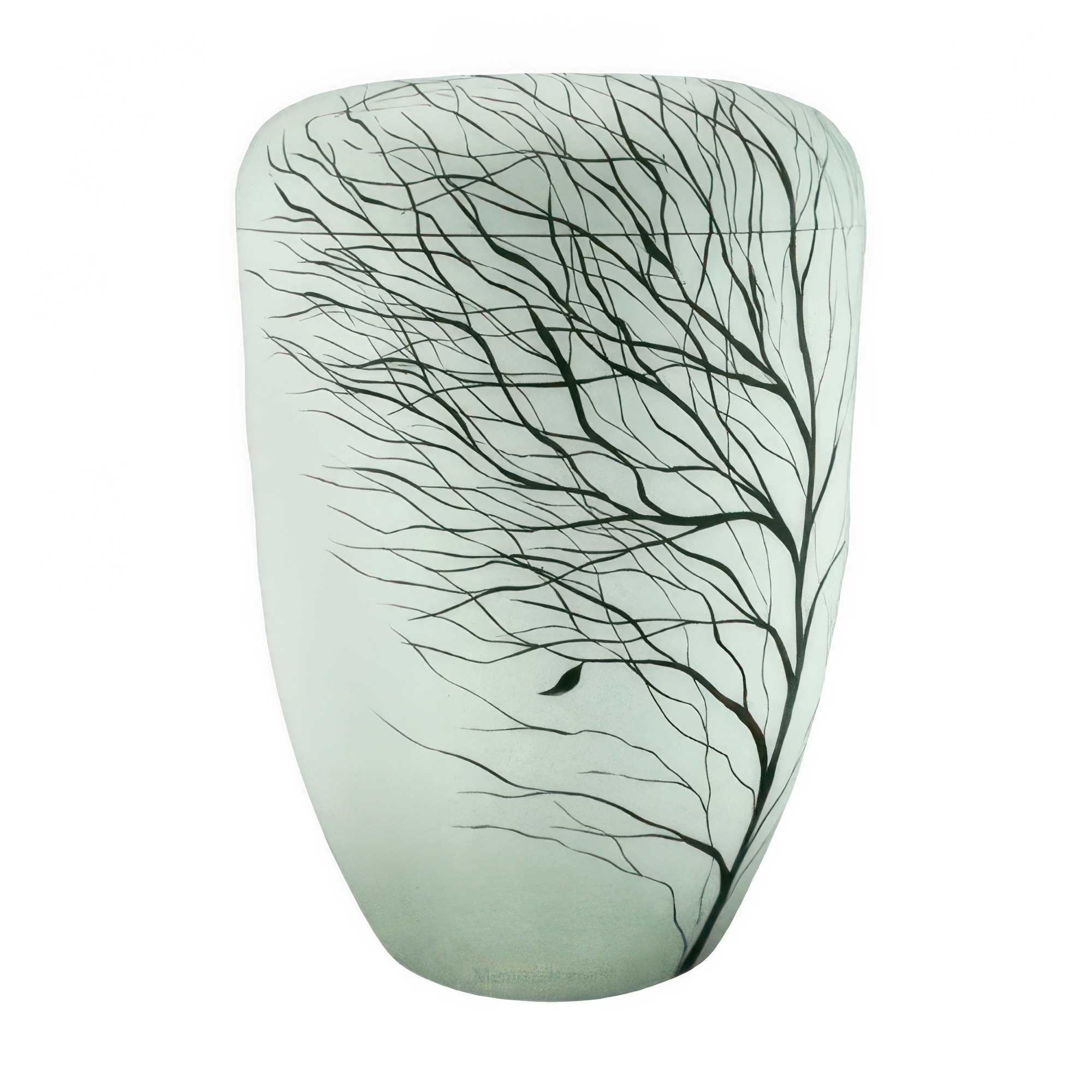
Many families find comfort in giving the empty urn a permanent place of honor in their home. Even without ashes inside, the urn itself carries emotional weight. It was chosen with care, often during one of the most difficult periods of your life, and that history gives it meaning.
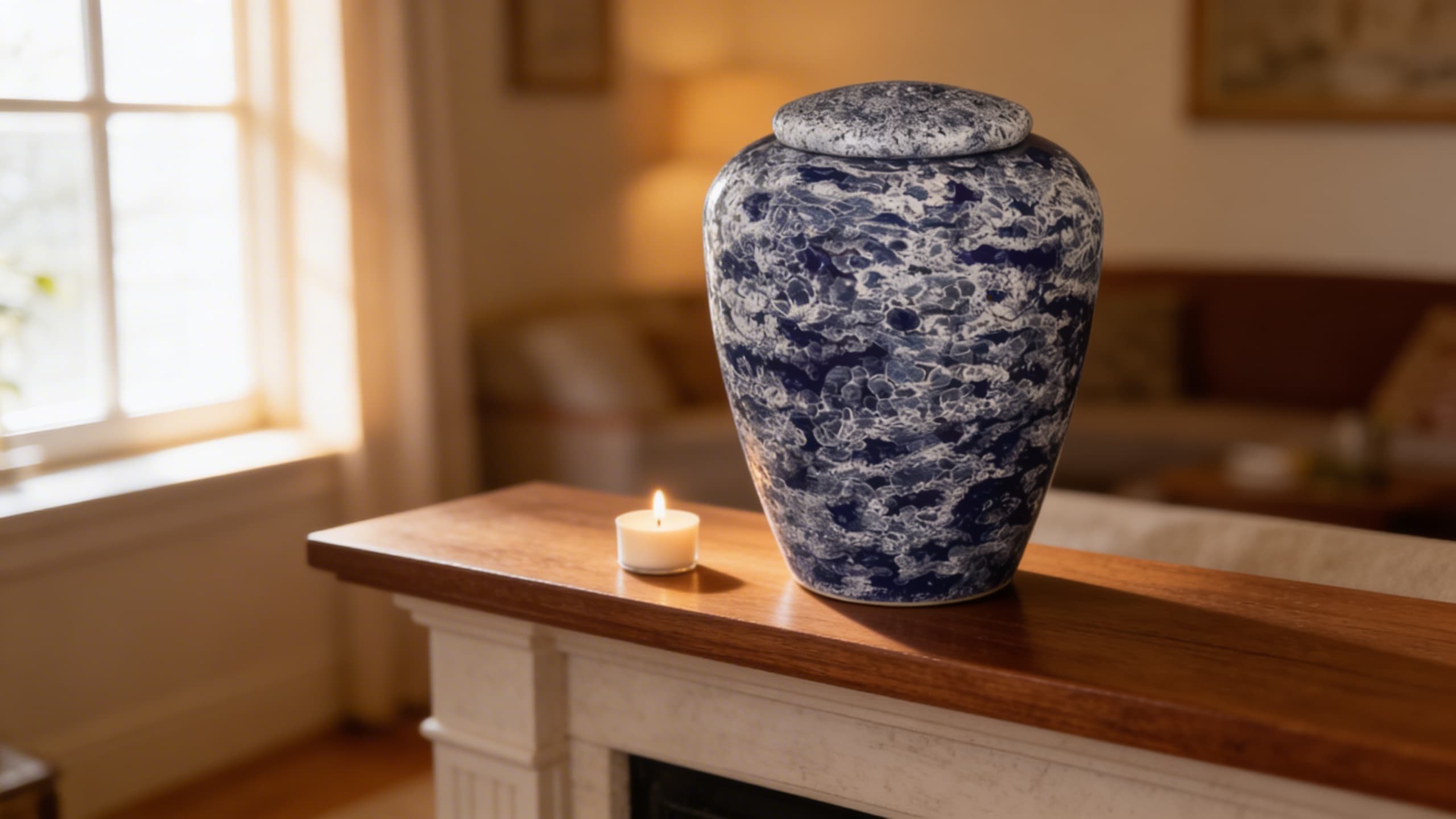
Place the urn on a mantel, bookshelf, or dedicated memorial shelf alongside a framed photograph, a candle, or a small object that reminds you of your loved one — reading glasses, a watch, a handwritten note. This creates a simple, grounded remembrance space without requiring any modifications to the urn itself. You can also personalize the urn with urn engraving — adding a name, meaningful date, or short inscription directly onto the surface.
Some families add an engraved nameplate or small plaque near the urn with their loved one's name and dates. Others keep it understated, allowing the urn to serve as a quiet visual anchor for memory. For more ideas on placement, lighting, and creating a dedicated space, see our guide on how to display a cremation urn at home.
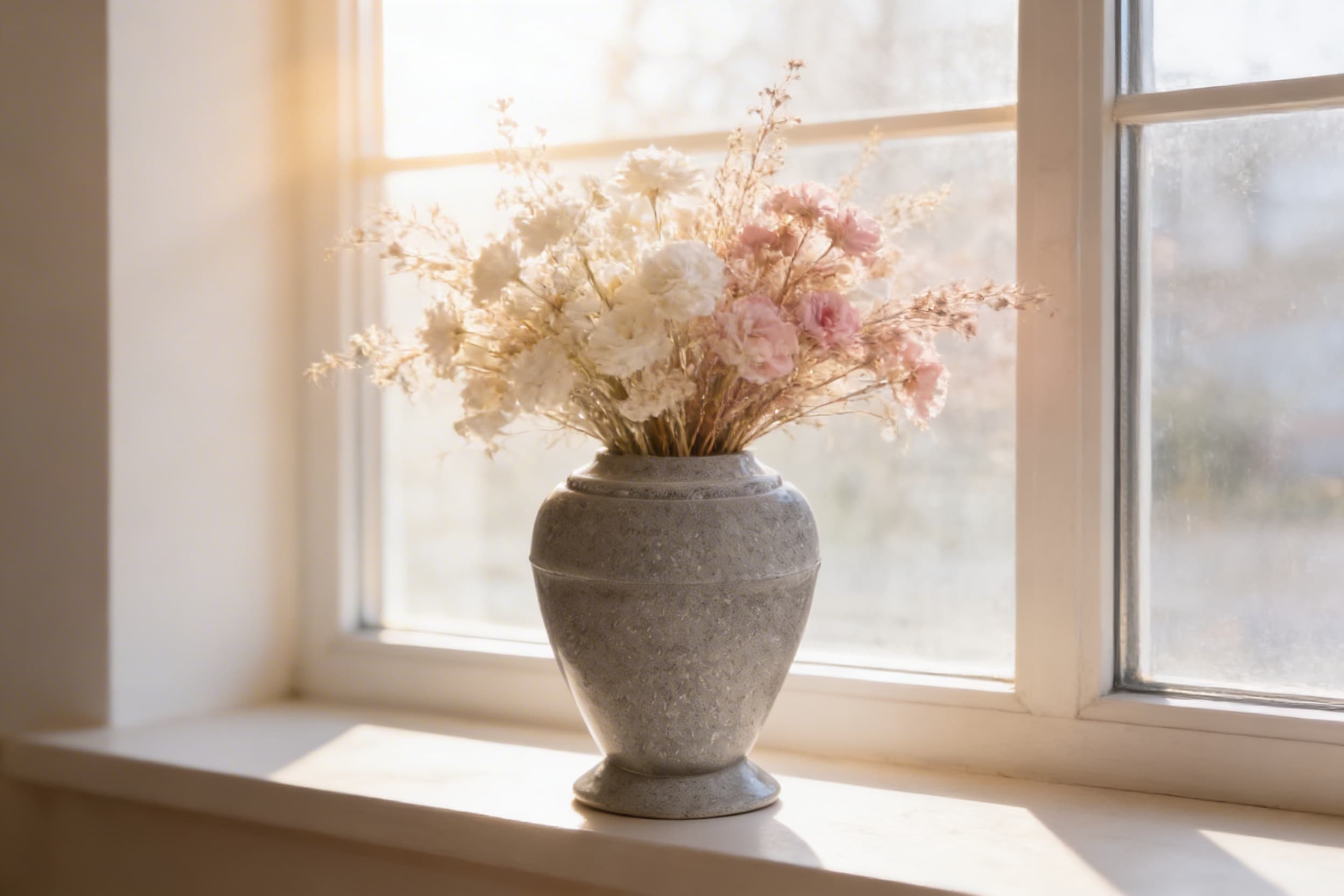
An urn repurposed as a vase stays part of daily life rather than going into storage.
Repurpose It as a Flower Vase
One of the most natural transitions for an empty urn is to use it as a vase. Many cremation urns are already vase-shaped with wide openings, making them well-suited for floral arrangements.
If the urn is made of metal, ceramic, or stone and can hold water, fresh flowers work beautifully. Choose blooms that your loved one favored — lilies, roses, wildflowers — and the urn becomes a living tribute that changes with the seasons.
For urns made of wood or other materials that shouldn't hold water, dried flower arrangements are an excellent alternative. Dried lavender, eucalyptus, or preserved roses require no maintenance and last for months. You can also use silk flowers for a permanent, low-maintenance display.
This approach works especially well for families who want the urn to remain visible and purposeful rather than stored away. If you're weighing whether to use the original vessel or buy a dedicated display piece, our comparison of urn vase vs cremation urn breaks down the key differences.
Repurposing an urn as a keepsake box transforms it from a vessel for ashes into a vessel for memories. Fill it with small, meaningful items that connect you to your loved one:
Handwritten letters or cards they wrote
A favorite piece of jewelry — a ring, a watch, a locket
Photographs that didn't make it into frames
Small personal effects — a keychain, a pen, reading glasses
A lock of hair or a pressed flower from the memorial service
This approach is particularly meaningful for families with children or grandchildren. Decades from now, someone may open the urn and discover these artifacts, sparking stories and preserving a personal history that might otherwise fade.
Some families take this a step further and create a time capsule: sealing the urn with a note explaining its contents and a message to future family members. It becomes a bridge between generations.
Plant a Memorial Garden Feature
For families who love the outdoors, an empty urn can become a beautiful addition to a garden. Depending on the material and size, you can:
Use it as a planter. Fill the urn with soil and plant flowers, herbs, or a small shrub that held meaning for your loved one. A rosemary plant (symbolizing remembrance), a peace lily, or their favorite herb creates a living memorial that grows over time.
Display it as a garden accent. Stone, marble, and metal urns weather gracefully outdoors. Placed among garden beds, beside a bench, or near a water feature, the urn becomes part of the landscape — a quiet marker of memory in a place associated with life and growth.
Create a dedicated memorial corner. Pair the urn with a stepping stone, a wind chime, or a small garden statue. Add a weather-resistant nameplate or engraved stone nearby. This gives family members a specific place to visit, sit, and reflect.
If you plan to use the urn outdoors, consider the material. Ceramic and certain metals may crack in freezing temperatures. Stone and brass tend to hold up well across seasons.
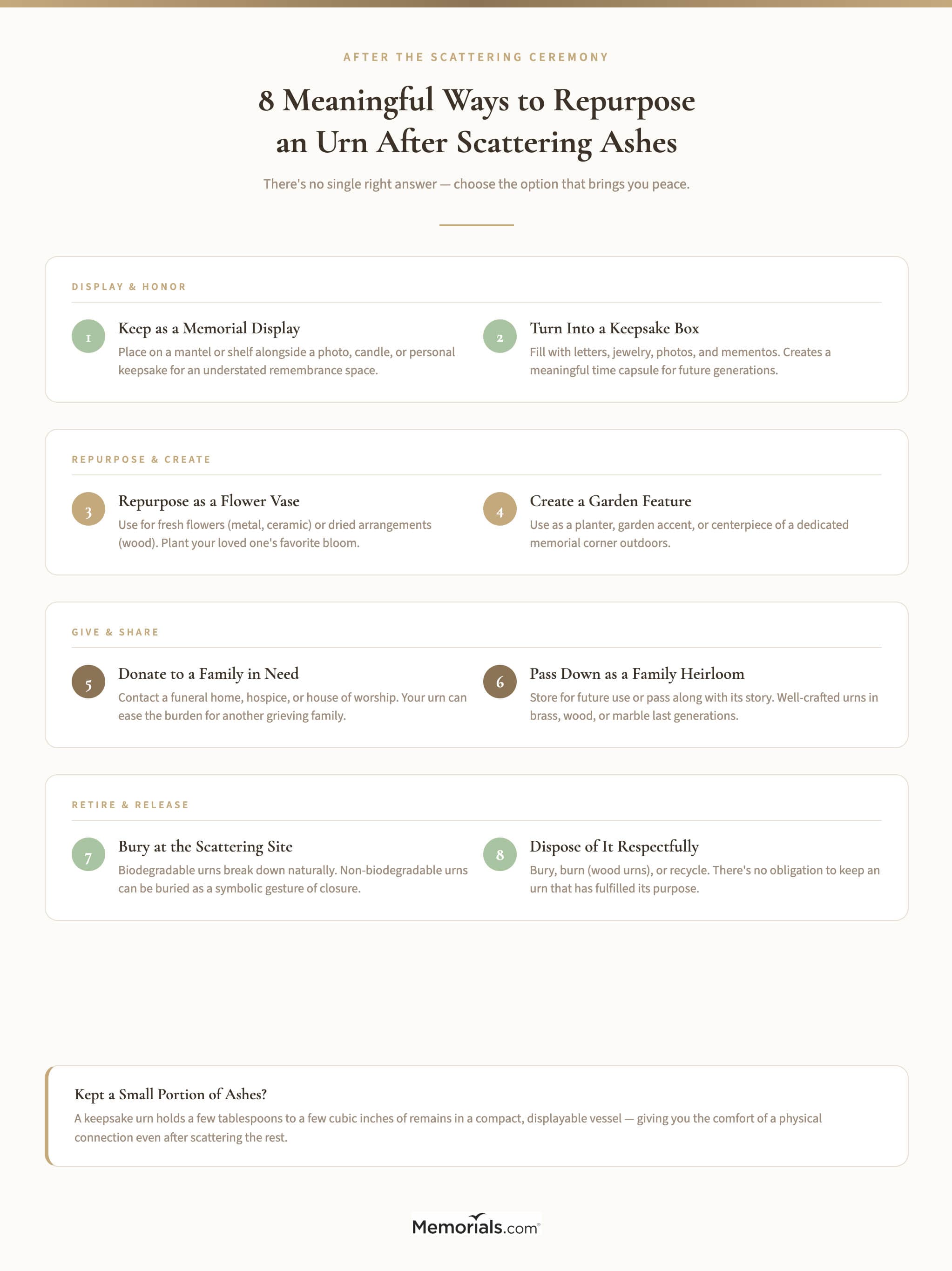
Eight things to do with an urn after scattering, grouped into display, repurpose, give away and retire.
Donate or Give the Urn to Someone in Need
Not every family has the financial resources to purchase a quality urn when a loved one passes. Donating your empty urn is an act of generosity that honors both your loved one and a family you may never meet.
Contact these organizations to ask if they accept urn donations:
Local funeral homes often know of families facing financial hardship after a death. A donated urn can ease one small part of an overwhelming situation.
Hospice organizations serve patients and families at end of life and may be able to connect your donation with someone who needs it.
Houses of worship — churches, synagogues, mosques, and temples — sometimes maintain small funds or resource closets for congregants dealing with death and may welcome an urn donation.
Before donating, clean the urn thoroughly. If ashes came in direct contact with the interior (rather than in a sealed bag), be transparent about that when offering the donation. Most recipients will appreciate the honesty.
Pass It Down as a Family Heirloom
Some families choose to keep the urn specifically for future use. While this may sound unusual at first, it's a practical and deeply personal tradition. A well-crafted urn — especially one made of hardwood, bronze, or marble — can serve multiple generations.
This approach works best when discussed openly among family members. If everyone is comfortable with the idea, the urn can be stored safely and retrieved when needed, saving both cost and decision-making stress during an already difficult time.
Even if the urn isn't reused for ashes, it can be passed down as a family object with its own story: "This held Grandma's ashes before we scattered them at the lake." That narrative gives the object a kind of gravity that few heirlooms carry.
Many families don't scatter all of the ashes. They keep a small portion and scatter the rest. If this describes your situation, a keepsake urn offers a meaningful way to hold that smaller amount.
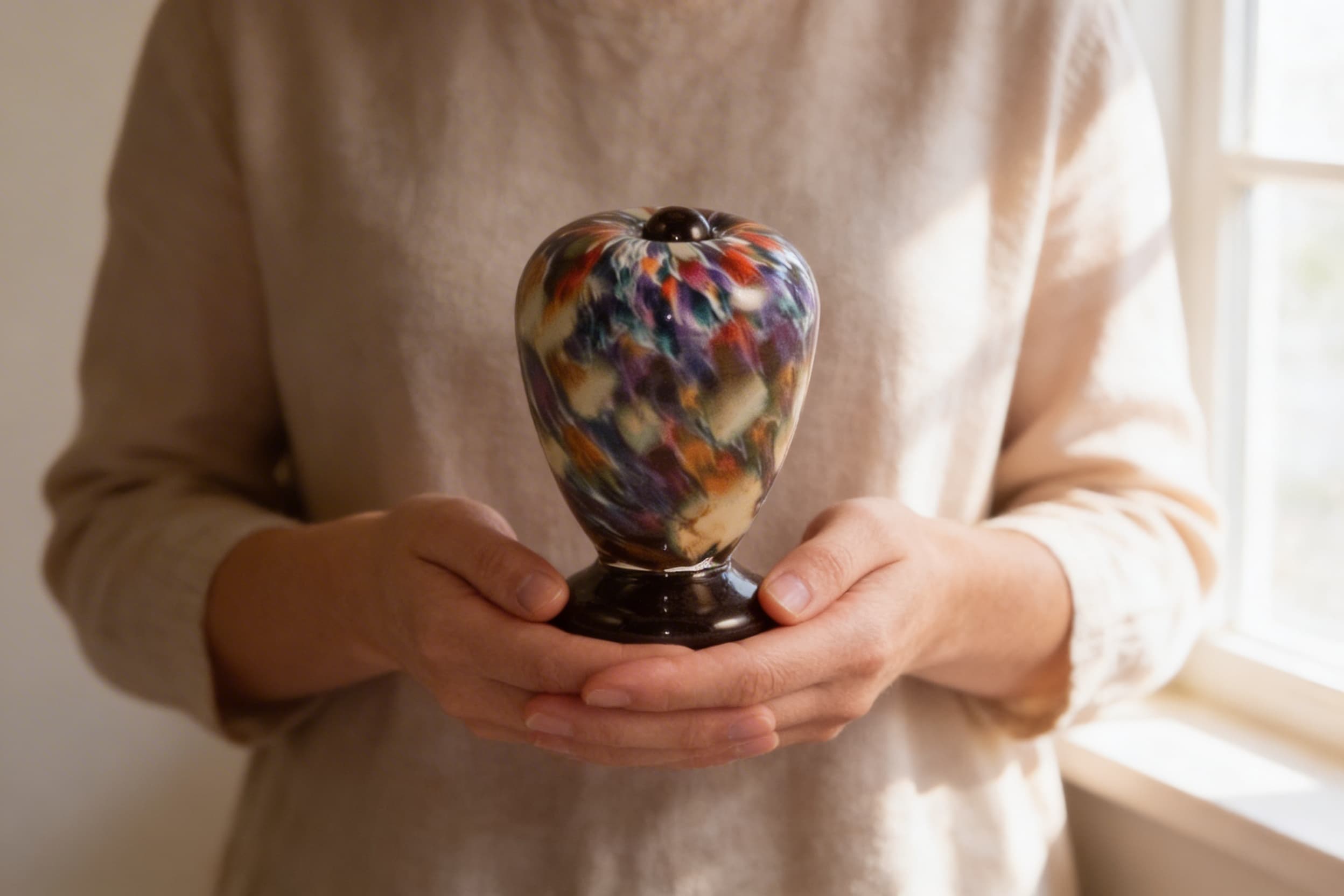
Keepsake urns are designed to hold a few tablespoons to a few cubic inches of cremated remains. They come in a wide range of styles — from handblown glass to engraved brass to natural stone — and are small enough to display on a nightstand, bookshelf, or in a curio cabinet.
If you scattered from a full-size urn, you might pair that larger urn (now repurposed) with a keepsake urn that still holds a small portion of your loved one's remains. This gives you the best of both worlds: the closure of scattering and the comfort of keeping a physical connection.
Some families also choose cremation jewelry — pendants, rings, or bracelets designed to hold a tiny amount of ashes. These wearable memorials let you carry your loved one with you, which can be especially comforting in the early months of grief.
A keepsake urn holds a small portion, so scattering the rest does not have to mean keeping nothing.
Bury the Urn at the Scattering Site
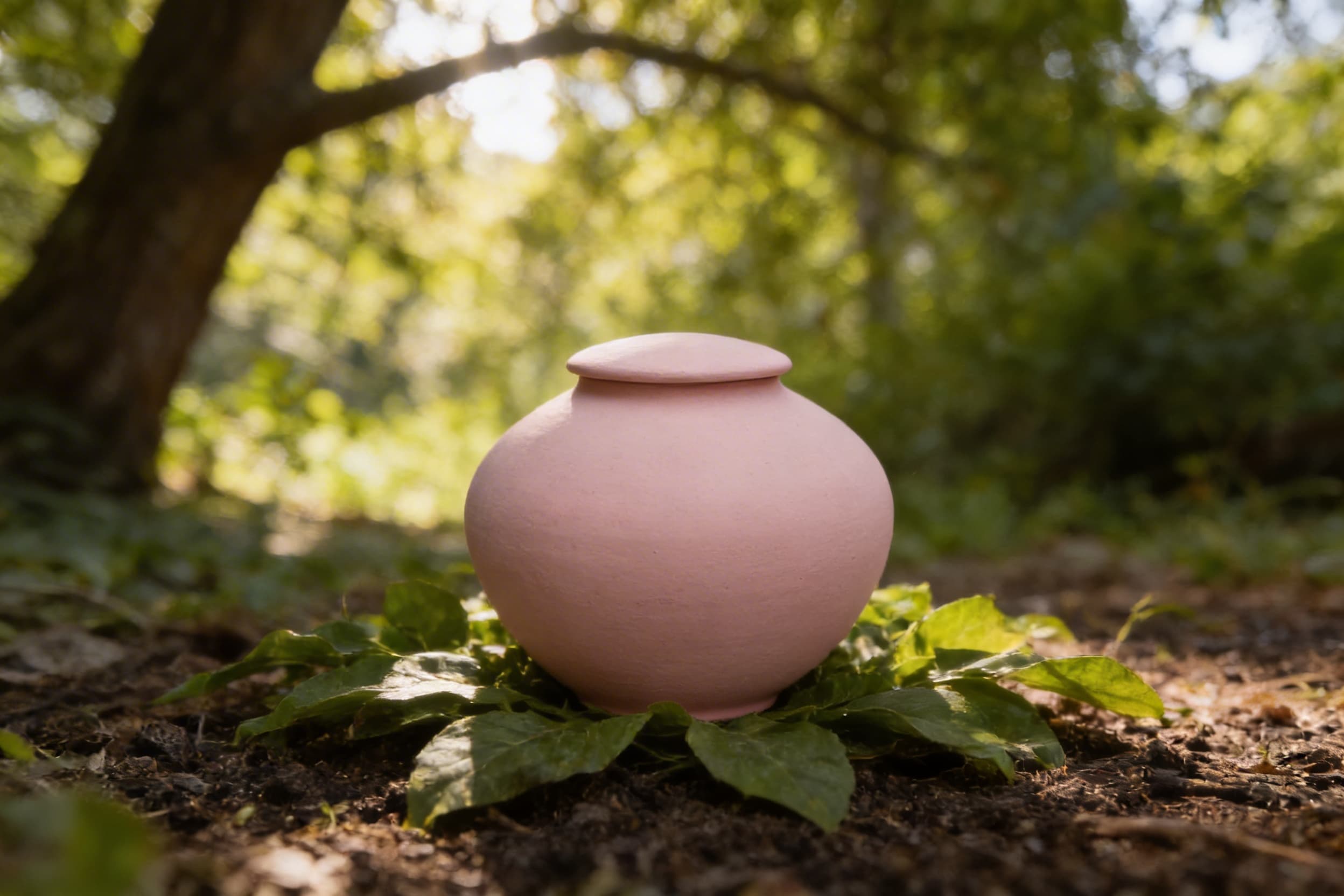
Burying the empty urn at the location where ashes were scattered adds a layer of ritual and closure to the ceremony. It gives the urn a final resting place that mirrors the intention behind the scattering itself.
If you scattered ashes at a private residence or on land you own, you can bury the urn in a garden, beneath a newly planted tree, or in another spot that feels right.
For scattering that took place at a cemetery scattering garden, ask the cemetery if they allow burial of the empty vessel. Many do, and some offer the option to place a small plaque or marker at the site.
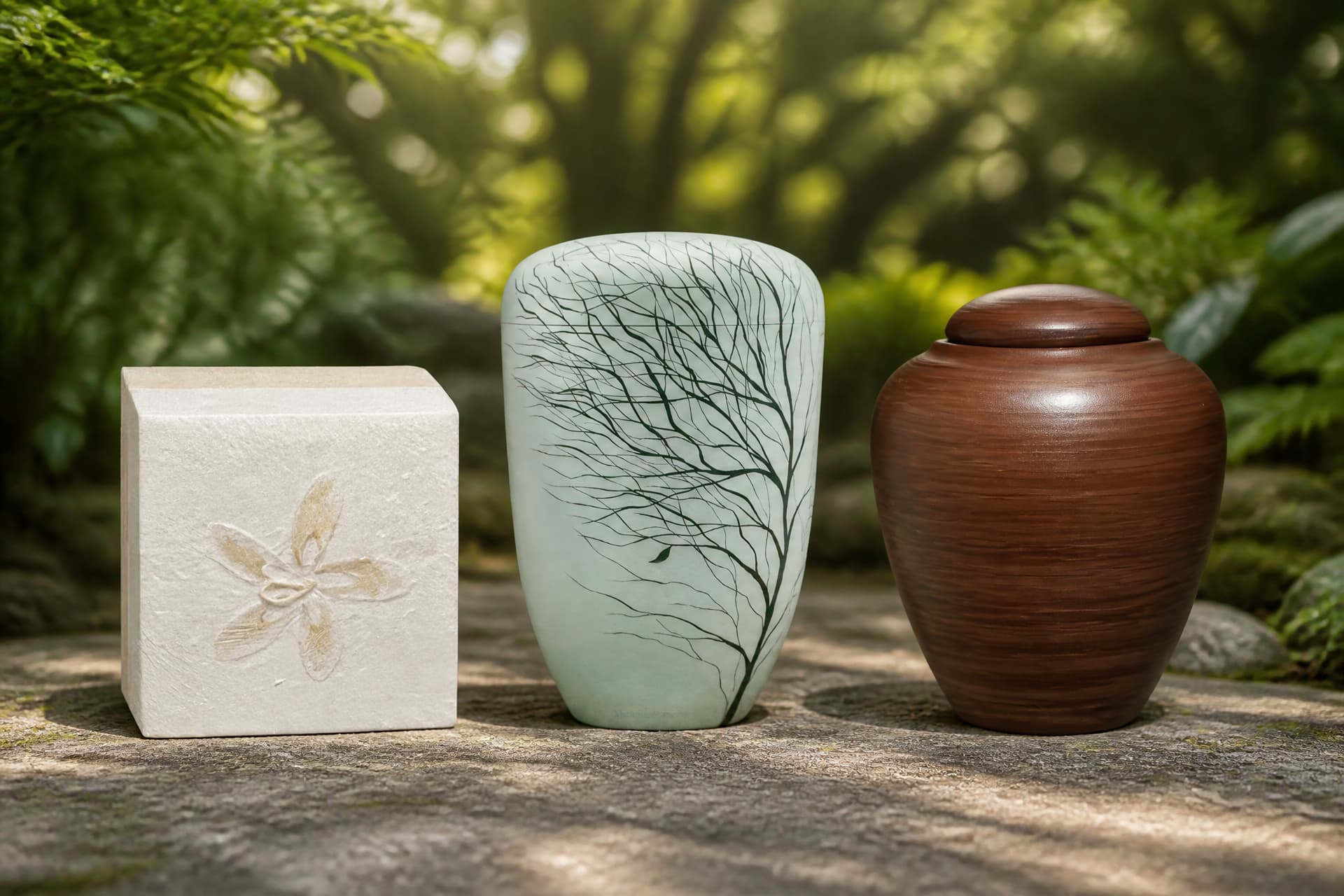
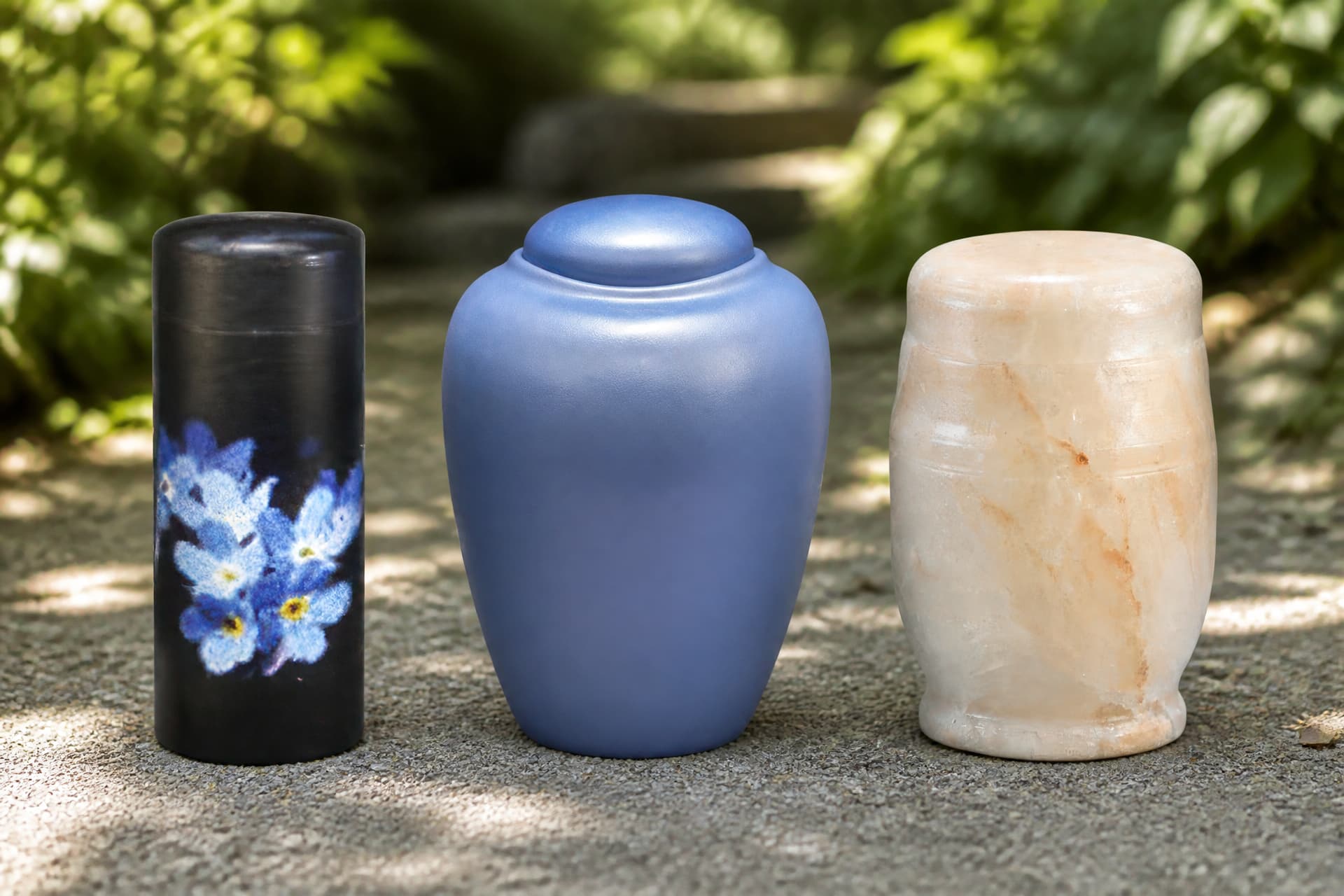
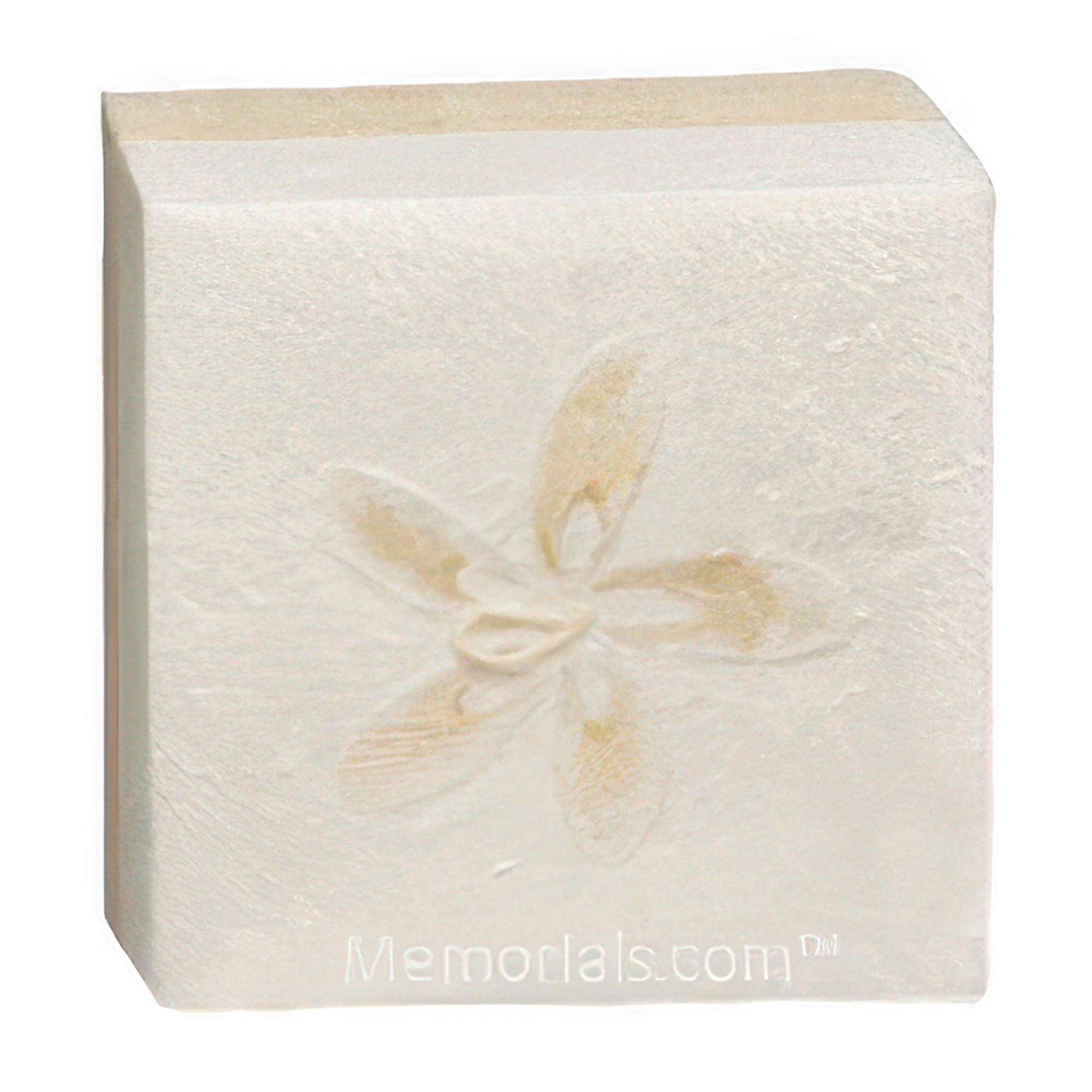
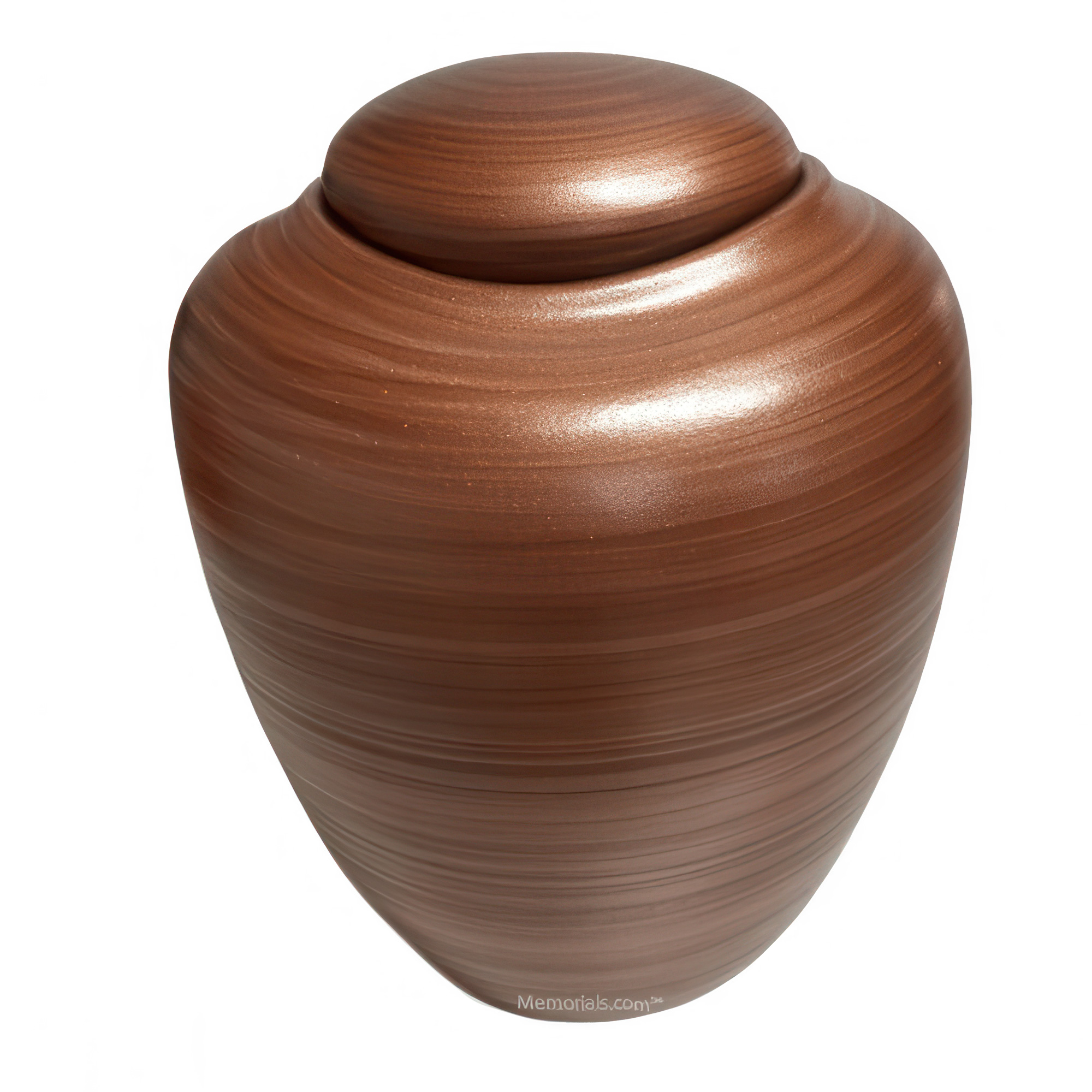
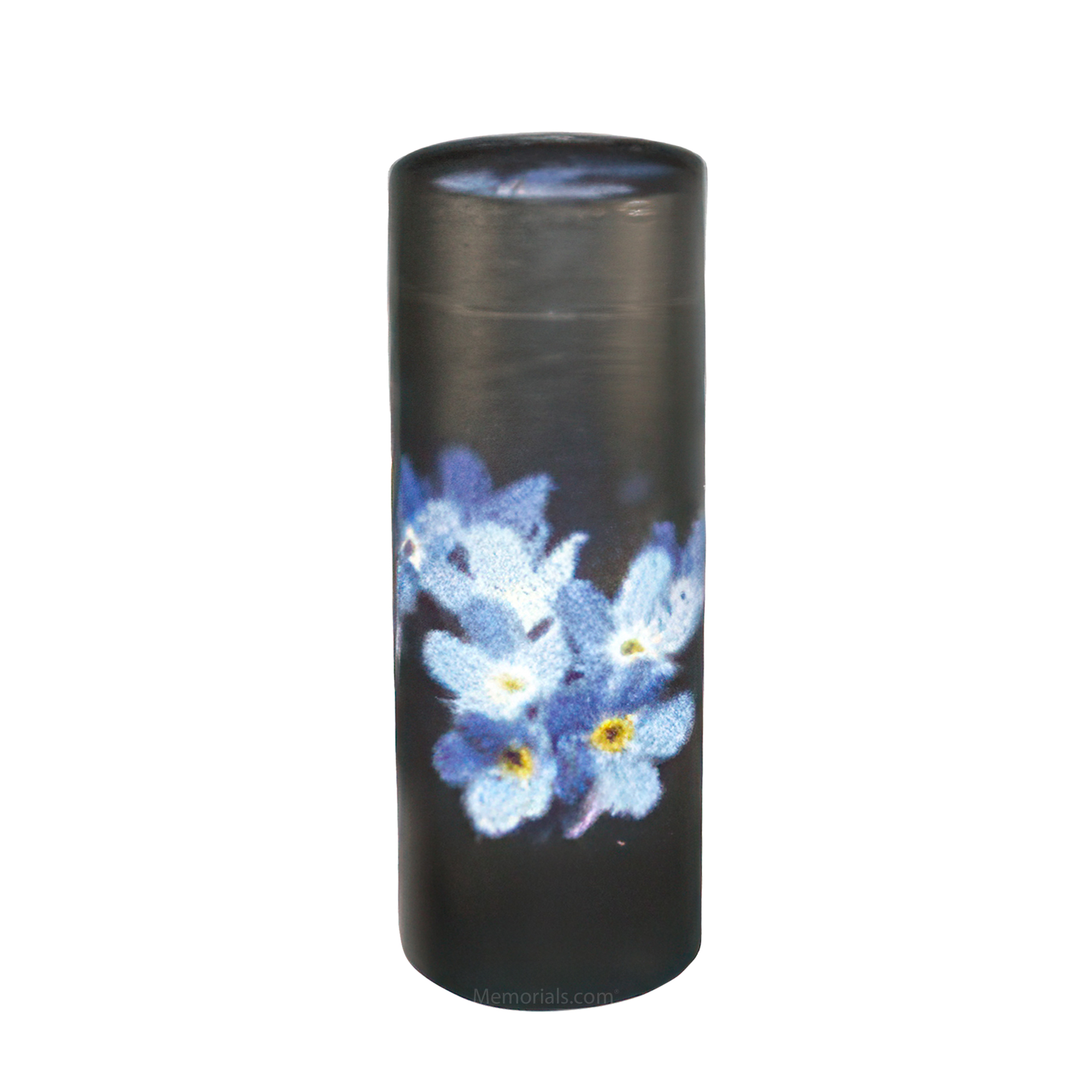
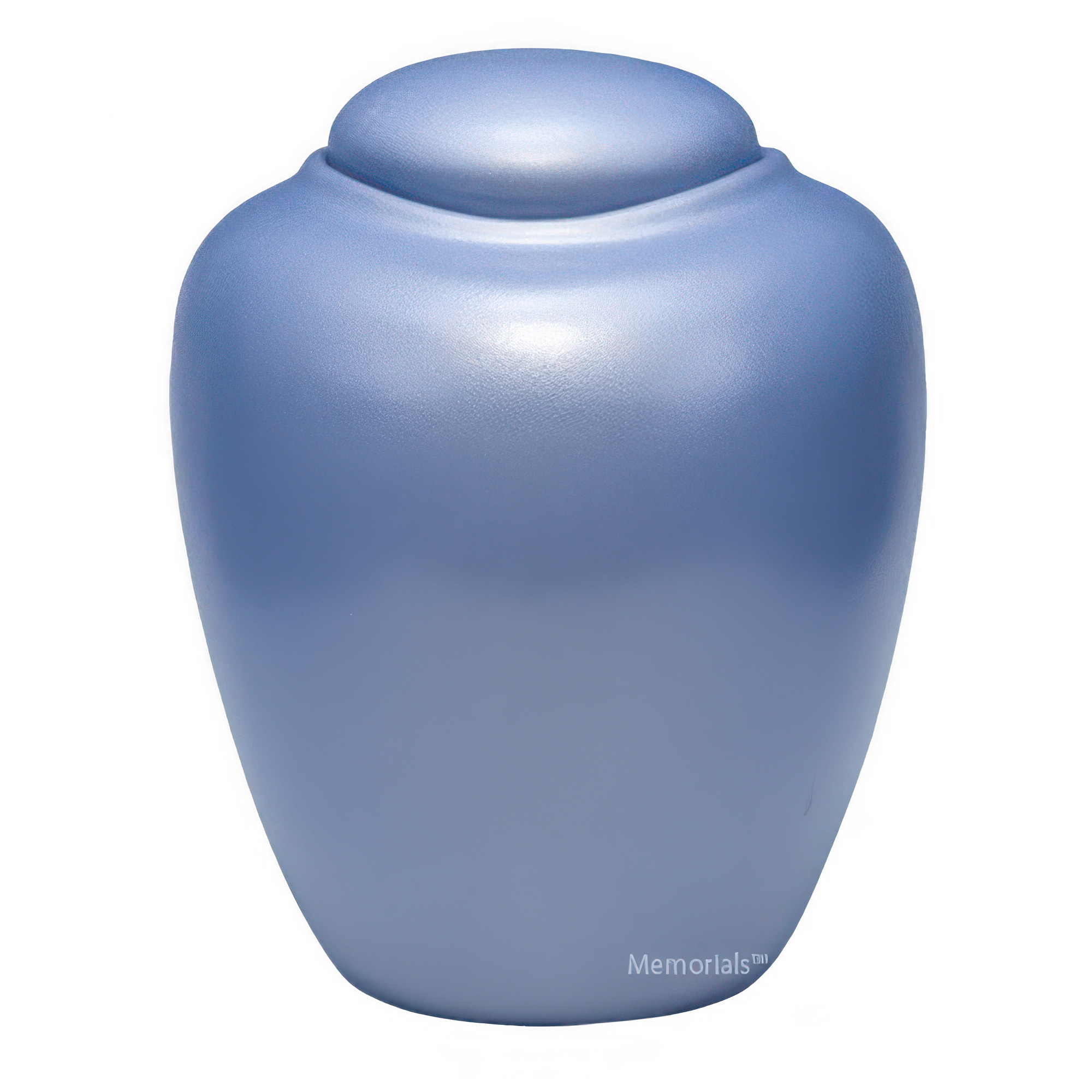
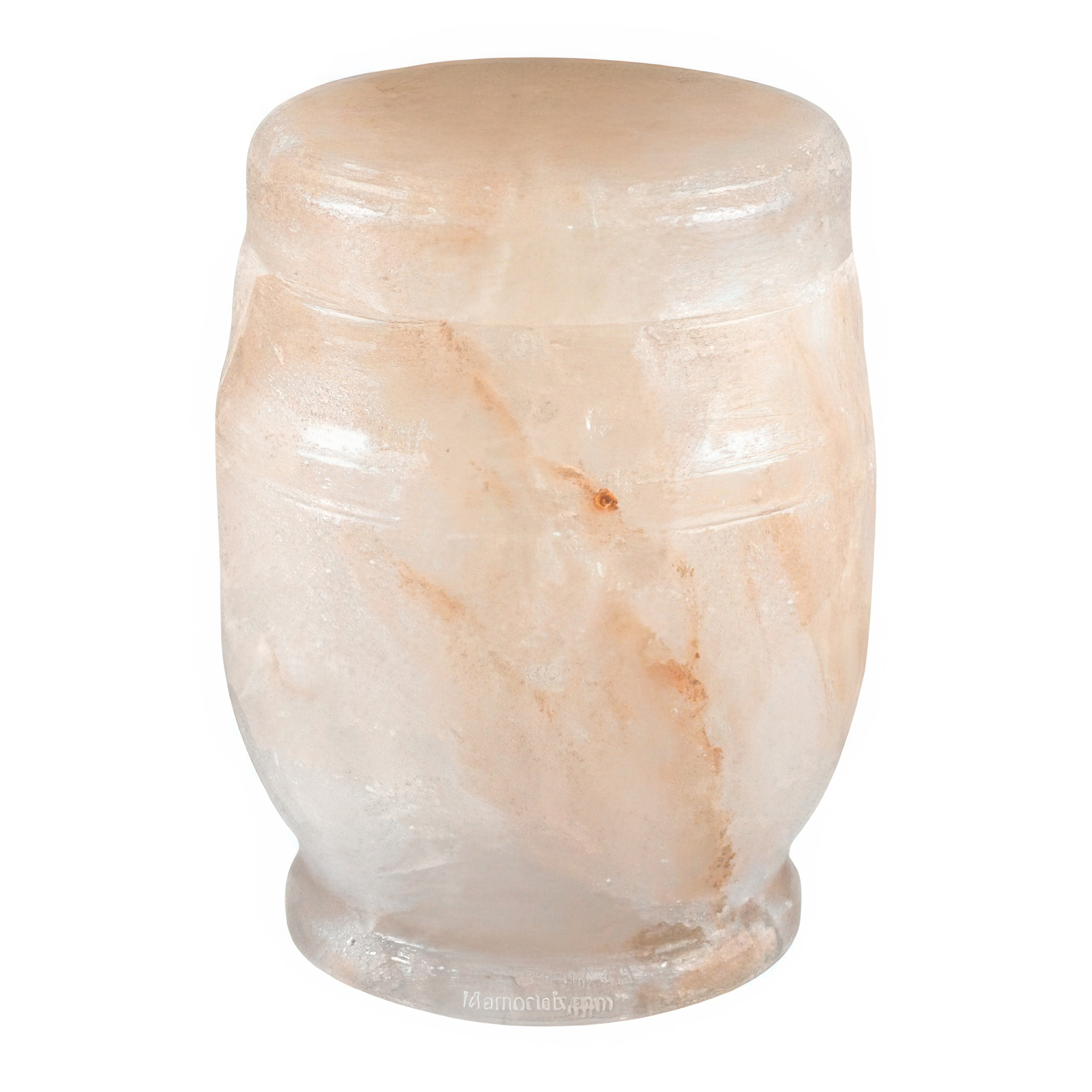
Biodegradable urns are specifically designed for this purpose. Made from materials like recycled paper, bamboo, sand, or plant fibers, they break down naturally over time when buried in soil. If you planned ahead and chose a biodegradable scattering urn, burying it is the most seamless conclusion to the ceremony. Our biodegradable cremation urns guide covers materials, timelines, and what to expect during the breakdown process.
For water scattering, biodegradable urns designed for sea burial dissolve gradually after being placed in the water — no separate disposal needed. If you haven't yet held the ceremony, our guide on how to scatter ashes covers locations, methods, and legal considerations.
A biodegradable urn is built to break down in soil or water, so it is not designed to be kept after use.
Dispose of the Urn Respectfully
Sometimes the most honest answer is that you don't want to keep the urn. Maybe the scattering brought the closure you needed. Maybe the urn itself doesn't hold sentimental value — it was a simple, functional container that served its purpose.
That's completely valid. There is no obligation to keep an urn indefinitely. If none of the options above resonate, you can dispose of it — but doing so respectfully tends to feel better than simply placing it in the trash.
A few approaches that families have found meaningful:
Bury it. Even if you're not burying it at a symbolic location, placing the urn in the ground acknowledges its role and provides a sense of finality.
Burn it. Wooden urns can be safely burned in a fire pit or fireplace. Some families incorporate this into a small private gathering — a final act of release.
Recycle it. Metal and certain other materials can be recycled. Check your local recycling guidelines to see what's accepted.
The key is choosing the method that matches your emotional relationship with the urn. If it feels wrong to throw it away, don't. If disposing of it feels like a relief, trust that instinct.
How to Decide: Questions to Ask Yourself
Choosing what to do with an empty urn doesn't need to happen the same day as the scattering. Give yourself time. When you're ready, these questions can help clarify your path:
Does the urn itself hold emotional meaning? If you chose it carefully, if it reflects your loved one's personality, or if the act of selecting it was part of your grieving process — keeping it (as a display, keepsake box, or garden feature) may feel right.
Do other family members have feelings about the urn? A quick conversation can prevent misunderstandings. Someone else in the family may want the urn even if you're ready to let it go.
Is the urn high quality or made from durable material? Well-crafted urns in brass, hardwood, marble, or ceramic have long lifespans and lend themselves to repurposing or heirloom use. Simple containers may be easier to retire.
Did you keep any ashes? If you reserved a small portion, a keepsake urn provides a purpose-built home for those remains while the original urn takes on a new role.
FAQ
Can you reuse a cremation urn for another family member?
Yes. There is no legal restriction against reusing a cremation urn. If the urn is in good condition and was properly cleaned, it can serve another family member in the future. Many families view this as a practical and even meaningful tradition — the urn becomes a shared family vessel rather than a single-use object. Clean the urn thoroughly between uses, and store it in a dry, protected location.
Is it disrespectful to throw away a cremation urn?
Feelings about this vary widely among families. Some people feel that once the ashes have been scattered, the urn has fulfilled its purpose and disposing of it is perfectly acceptable. Others feel a stronger attachment to the physical object. Neither response is wrong. If discarding the urn feels uncomfortable, consider burying it, donating it, or repurposing it instead. The right choice is the one that brings you peace.
How do you clean an urn before repurposing or donating it?
Start by removing any remaining residue with a soft cloth. For metal urns, a gentle metal polish restores the finish. Wooden urns can be wiped with a damp cloth and dried completely. Ceramic and stone urns can be washed with mild soap and warm water. Avoid harsh chemicals that might damage the finish or leave strong odors. If ashes were placed directly inside (not in a sealed bag), you may want to use a more thorough cleaning approach or simply disclose this to any recipient.
What if I scattered most ashes but kept a small amount?
This is very common. Many families scatter the majority of remains at a meaningful location while reserving a small portion to keep at home. A keepsake urn is designed for exactly this purpose — holding a few tablespoons to a few cubic inches of cremated remains in a compact, displayable vessel. You can browse keepsake urns to find one that suits your style and space.
Can I bury an urn in my backyard?
In most areas, yes. Burying cremated remains or an empty urn on private property is legal in the majority of U.S. states, though some localities may have specific regulations. Check with your county or municipality if you're unsure. If you're burying the urn in a garden or yard, consider placing it at least 18 inches deep and marking the spot so it isn't accidentally disturbed during future landscaping.