🏬Supersize Online Funeral Retailer🪦1000's of Headstones⚱️Over 10,000 Cremation Urns⚰️Caskets Overnight Delivery🛒Funeral & Memorial Superstore🚚FREE Shipping on ALL Orders👨👩👧👦Helping Families for over 20 Years💰Lowest Price Guarantee🏬Supersize Online Funeral Retailer🪦1000's of Headstones⚱️Over 10,000 Cremation Urns⚰️Caskets Overnight Delivery🛒Funeral & Memorial Superstore🚚FREE Shipping on ALL Orders👨👩👧👦Helping Families for over 20 Years💰Lowest Price Guarantee
🏬Supersize Online Funeral Retailer🪦1000's of Headstones⚱️Over 10,000 Cremation Urns⚰️Caskets Overnight Delivery🛒Funeral & Memorial Superstore🚚FREE Shipping on ALL Orders👨👩👧👦Helping Families for over 20 Years💰Lowest Price Guarantee🏬Supersize Online Funeral Retailer🪦1000's of Headstones⚱️Over 10,000 Cremation Urns⚰️Caskets Overnight Delivery🛒Funeral & Memorial Superstore🚚FREE Shipping on ALL Orders👨👩👧👦Helping Families for over 20 Years💰Lowest Price Guarantee
The decision usually starts with a feeling, not a product page. You want something close – something you can touch, glance at, carry with you. Then the options open up, and suddenly you're weighing pendants against bands, chambers against inlays, wrist versus neck versus finger.
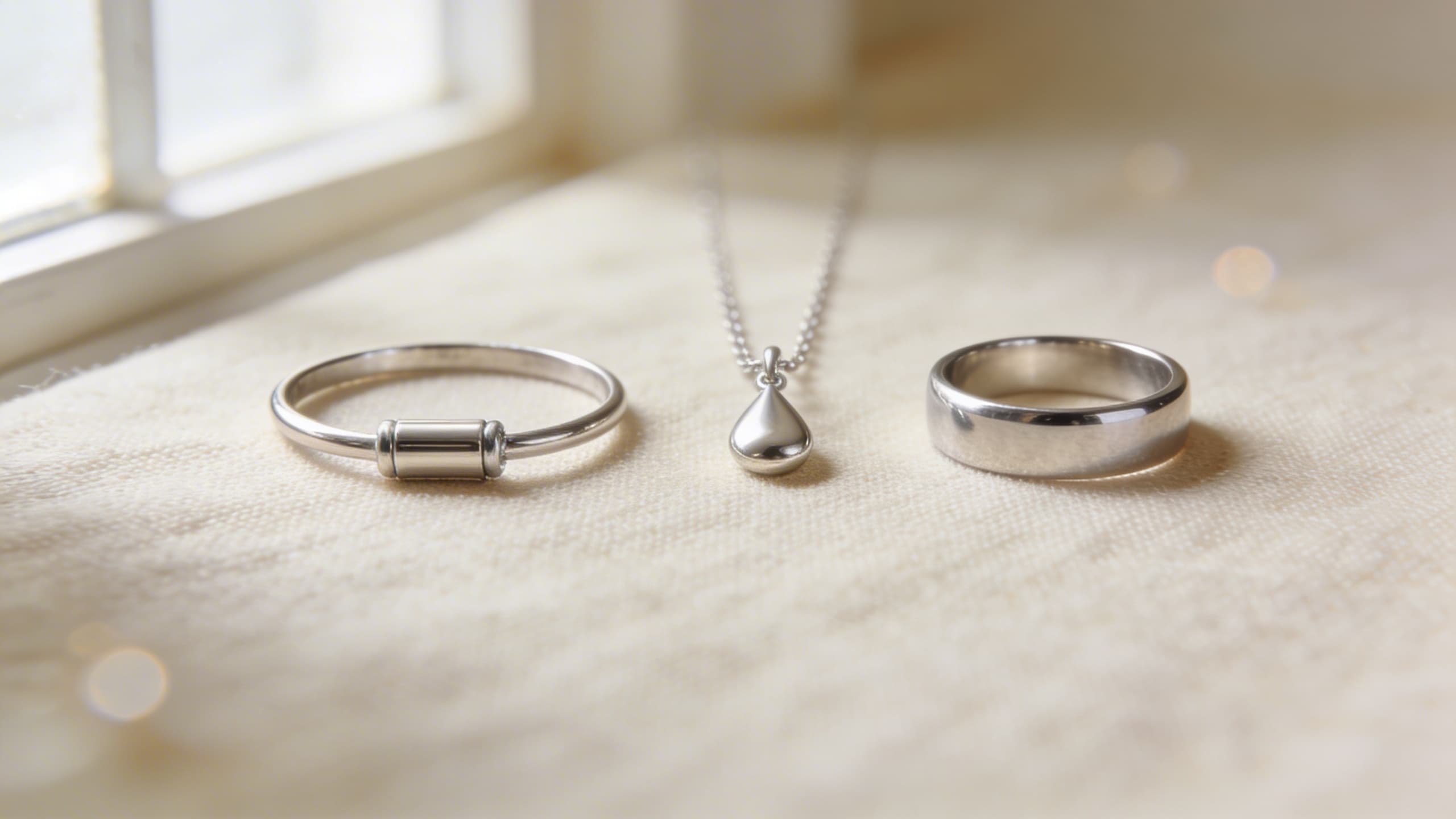
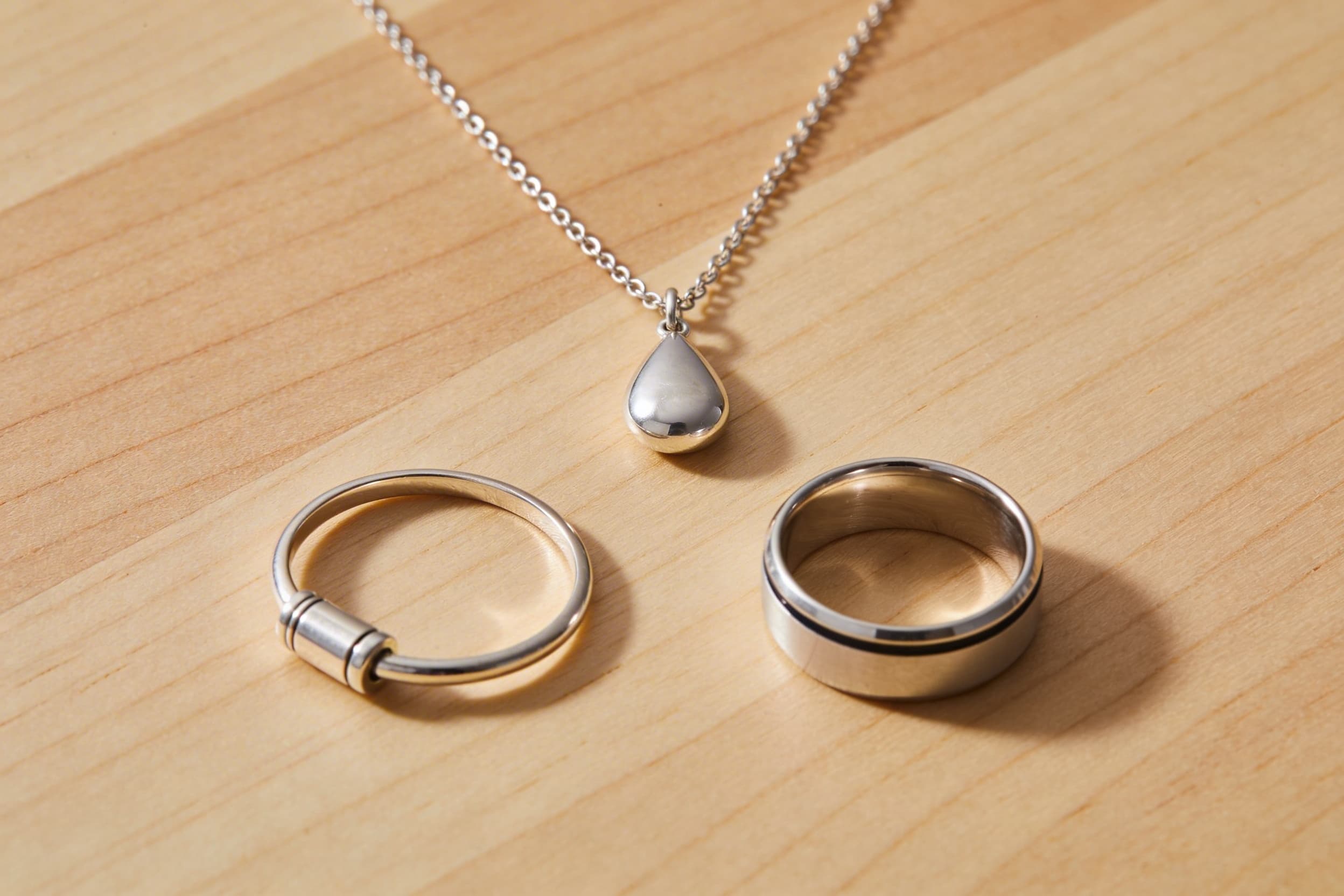
This guide breaks down the three most common types of cremation jewelry to wear – necklaces, bracelets, and rings – and gives you an honest framework for choosing the one that will actually fit your life. For a broader overview, our guide to choosing cremation jewelry covers every consideration from materials to budget.
What Makes Cremation Jewelry Different From a Keepsake Urn
A full-size urn stays in one place. Cremation jewelry is designed for the opposite – to move with you. Each piece holds a small, symbolic portion of cremated ashes (typically a pinch, less than ⅛ teaspoon) in a secure compartment. The exterior looks like ordinary jewelry. The interior is private.
That distinction matters when you're choosing a type. You're not choosing the best-looking piece. You're choosing the piece that will integrate most naturally into your daily routine while holding something irreplaceable.
The Three Main Types at a Glance
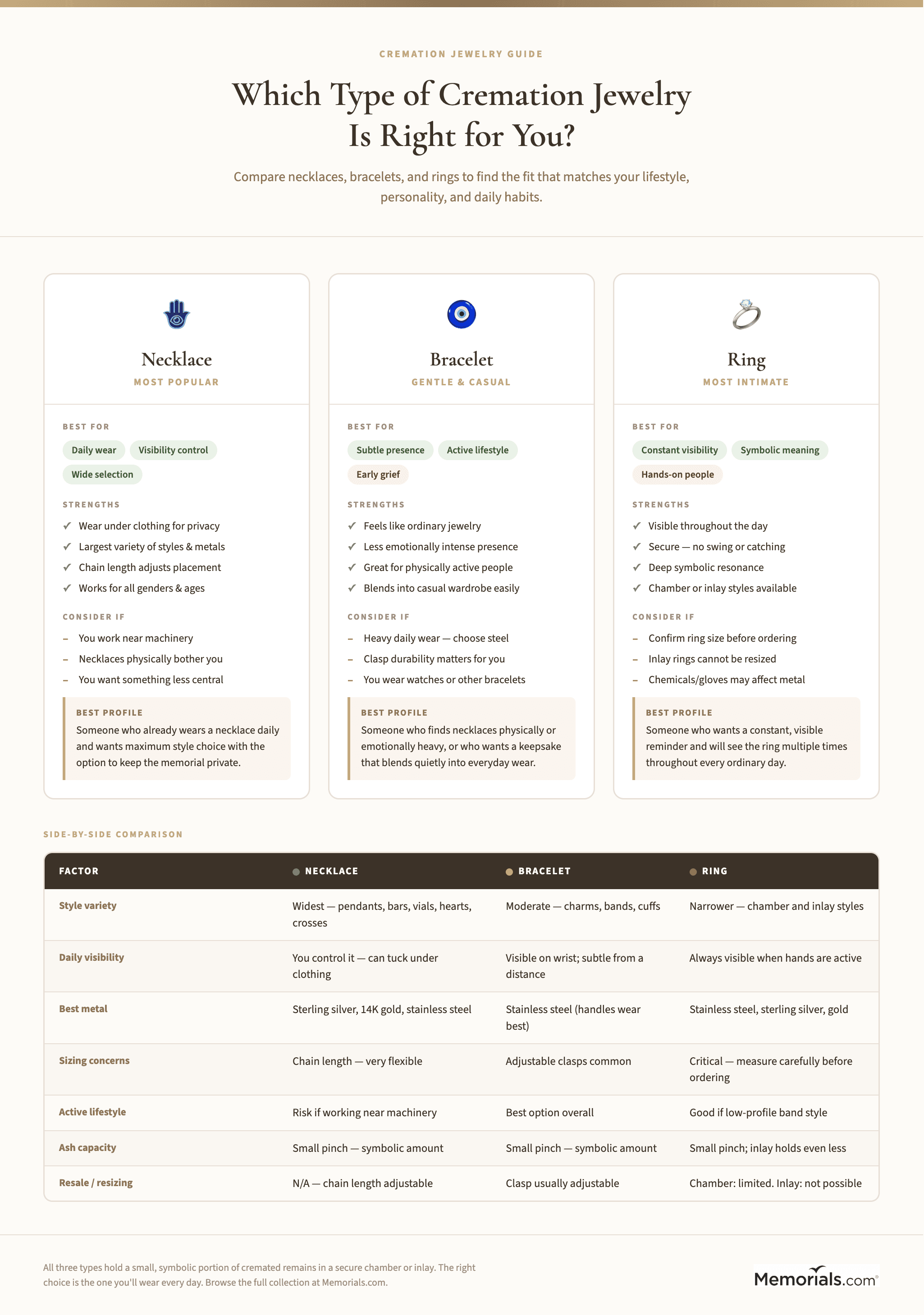
Each jewelry type has a different relationship to your body, your lifestyle, and how visible you want the memorial to be. Here's a quick summary before we go deeper:
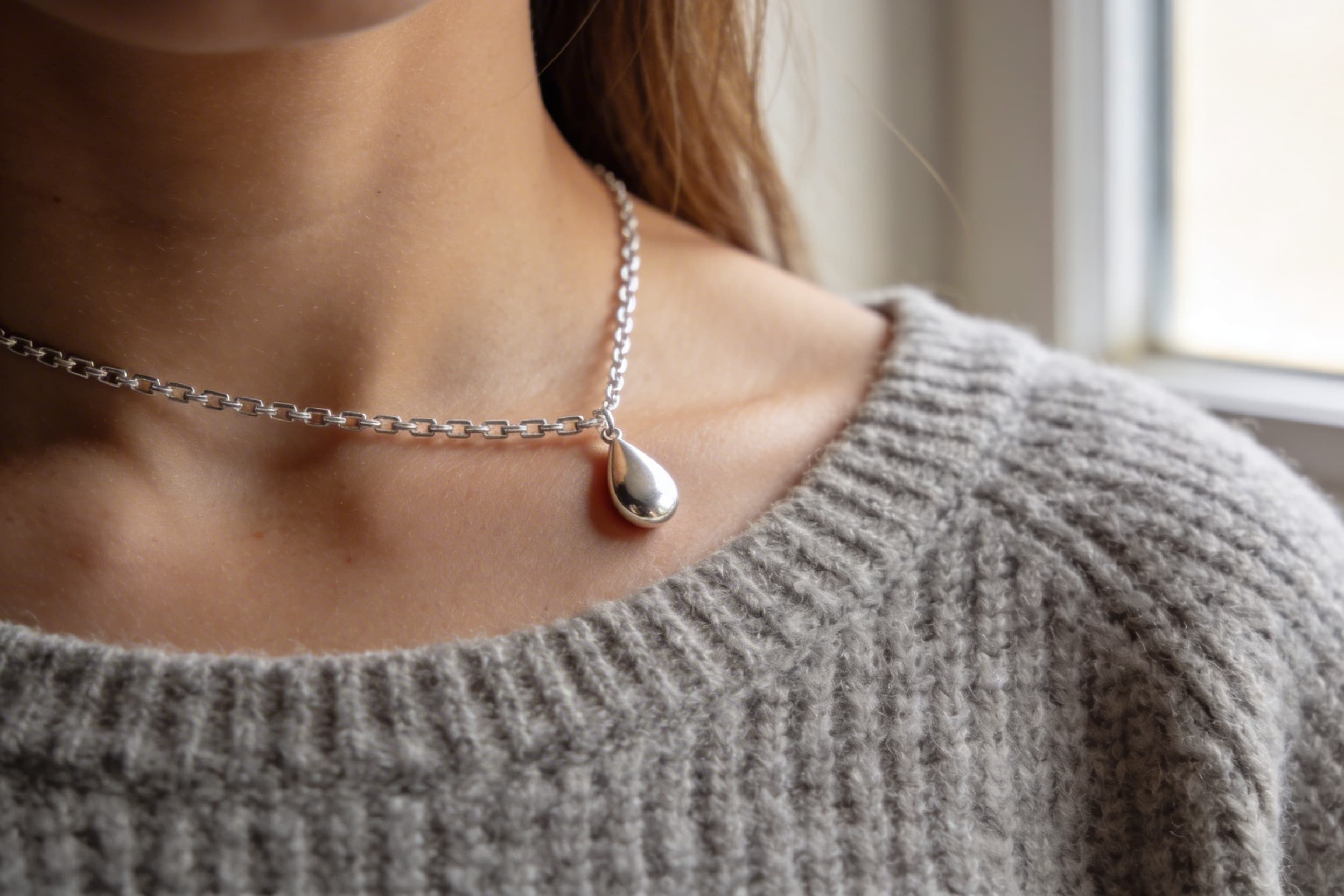
Necklaces rest at chest level and are the most widely available type. They stay hidden under clothing or can be worn openly. Most use a pendant with a small threaded chamber in the back.
Bracelets sit on the wrist and tend to feel more like everyday jewelry. They work well for people who find necklaces emotionally heavy or physically awkward. They take more daily wear, so durability matters.
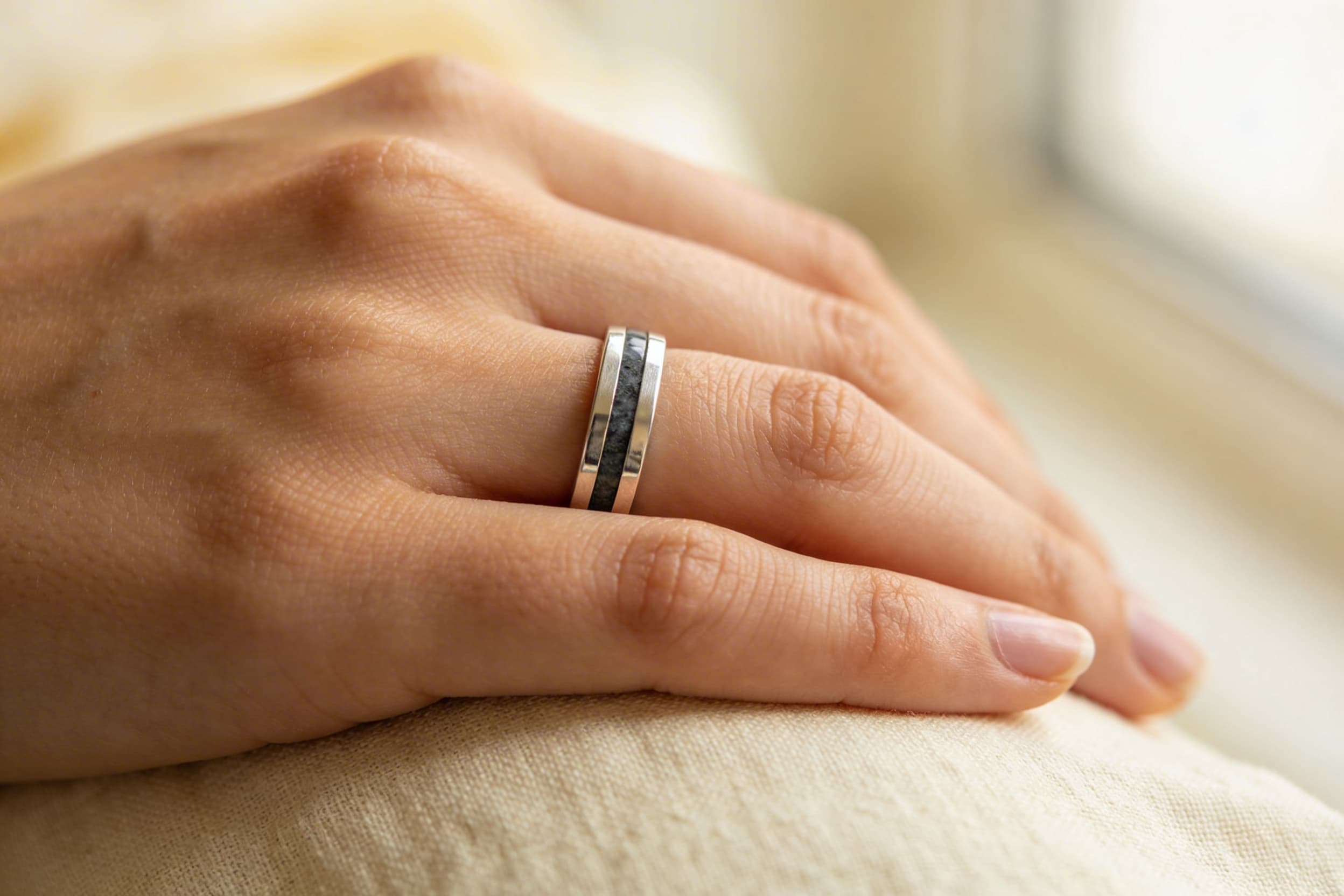
Rings are worn on the finger – visible every time you look at your hands. They come in two styles: chamber rings (with a small compartment) and inlay rings (where ashes are incorporated directly into the band). The right ring is deeply personal and practical considerations apply.
Cremation Necklaces: The Most Popular Choice
For most families, a necklace is the starting point – and for good reason. Cremation necklaces offer the widest selection of styles, metals, shapes, and price points of any cremation jewelry type.
How they work
The pendant contains a small ash chamber, usually accessed through a tiny screw on the back or side. A few pinches of cremated remains are placed inside, and the opening is sealed. Some families have the jeweler seal it permanently; others prefer to keep it accessible.
The pendant hangs from a chain – typically 18", 20", or 24" – and rests near the chest.
What makes them a strong choice
Visibility control. A necklace can be worn under a shirt or blouse for privacy, or displayed openly. You decide how visible the memorial is on any given day.
Widest selection. Hearts, teardrops, crosses, cylinders, bars, tree of life – virtually every shape and material is available in necklace form. Urn necklaces and necklaces for ashes span every metal type from stainless steel to 14K gold.
Chain length personalizes placement. A shorter chain keeps the pendant close to the collarbone and more visible. A longer chain lets it rest at the sternum, more private and closer to the heart.
Works for all genders and ages. From simple sterling silver bars to ornate glass pendants, there's a necklace style that works for essentially any aesthetic. Our guide to cremation jewelry for women highlights popular pendant styles and chain lengths.
When a necklace may not be the right fit
If you work with your hands in an environment where a hanging pendant could catch on equipment or machinery, a necklace presents a safety risk. A bracelet or ring would serve you better.
If necklaces physically bother you – the chain weight, the awareness of something around your neck – honoring that preference matters. You'll wear the piece far less than you intend.
If you want something subtle that doesn't draw attention even when visible, some pendant styles are more recognizable as memorial pieces than others.
Cremation Bracelets: A Gentler, More Casual Fit
Cremation bracelets are the right choice for a specific type of person: someone who wants daily closeness but finds necklaces emotionally intense or physically uncomfortable.
There's something quieter about a bracelet. It sits on the wrist, visible primarily to you. It doesn't hang at the center of the chest. For many people in the earlier weeks of grief, that slight reduction in emotional intensity makes the bracelet easier to wear consistently.
How they work
Cremation bracelets vary more in construction than necklaces. The most common styles:
Pendant-style bracelet: A small urn pendant or charm is attached to a chain or cord bracelet, functioning like a necklace but worn on the wrist.
Hollow-band bracelet: The band itself contains an ash compartment, typically accessed through a small screw or panel.
Engraved plate bracelet: A flat metal cuff or link bracelet with a surface for engraving a name, date, or brief message. Some include a concealed chamber beneath the engraved plate.
What makes them a strong choice
Natural everyday fit. Bracelets blend easily into a casual wardrobe in a way that elaborate pendants sometimes don't.
Less emotionally loaded. If you want to carry your loved one without the memorial piece being the first thing people notice – or the first thing you think about every time you look down – a bracelet can provide that lighter touch.
Good for active people. A well-made bracelet with a secure clasp works well for people who are physically active and find pendant necklaces inconvenient.
Durability consideration
Bracelets contact surfaces constantly – desks, steering wheels, kitchen counters, other bracelets. Sterling silver shows wear faster than stainless steel in this format. If daily wear is your plan, a stainless steel bracelet or a solid sterling silver piece built for durability will hold up better over time.
Cremation Rings: The Most Personal Option
A ring is the most intimate type of cremation jewelry to wear. It's on your hands – the most active and visible part of your body. Every time you reach for a coffee cup or wave to someone, it's there.
That visibility is exactly why people choose rings. It's also why some people don't.
The two ring styles
Chamber-style rings work like a miniature pendant built into a ring design. The band contains a small hidden compartment – usually accessed by a tiny screw – where ashes are held. From the outside, the ring looks like an ordinary band or statement piece.
Inlay-style rings incorporate ashes directly into the band's visual design. The cremated remains are blended into a resin, colored medium, or composite material set into a channel or groove in the band. These rings are not meant to be opened; the ashes become part of the piece itself. Cremation rings in both styles are available in stainless steel, sterling silver, and gold.
What makes rings a strong choice
Daily visibility. If you want a constant, quiet reminder – something you'll notice throughout every ordinary day – a ring provides exactly that.
Secure and stable. Rings don't swing or catch on anything the way a pendant does. For people who work with their hands but still want to wear a memorial piece, a low-profile band ring is often the most practical option.
Deeply symbolic. A ring on the finger carries cultural weight – commitment, permanence, devotion. For many families, that symbolism feels exactly right. For understated band styles suited to everyday wear, our guide to cremation jewelry for men is a useful reference.
Practical considerations
Sizing matters more with cremation rings than with other jewelry types. Chamber rings have limited adjustability depending on construction, so confirming your ring size before ordering is essential.
Inlay rings may not be resizable at all once the ash composite is set into the band. If your ring size could change, a chamber-style ring or a different jewelry type may be safer.
If you frequently wash your hands, work with chemicals, or wear gloves at work, consider how much wear the ring will take. Stainless steel handles daily stress better than plated metals in this application.
How to Choose: A Decision Framework
None of these types is objectively better. The right answer depends on how you live, what you already wear, and what kind of presence you want the memorial to have.
Work through these questions:
1. What jewelry do you already wear daily? If you already wear a necklace every day, adding a cremation pendant to your existing habit is seamless. If you never wear necklaces, buying one because it's "the most popular" won't change your habits.
2. What's your work environment? Hands-on work with equipment, frequent hand washing, wearing gloves, or working near machinery all affect which type will work safely and hold up. A bracelet or ring generally handles physical work better than a hanging pendant.
3. How visible do you want the memorial to be? Some people want the piece to be part of conversations with others. Some want it entirely private. Necklaces offer the most control over visibility through chain length and placement. Rings are almost always visible when you're active.
4. How emotionally ready are you for constant contact? In early grief, some people find a ring overwhelming – it's always in sight, impossible to ignore. A necklace tucked under clothing, or a bracelet worn on the less dominant wrist, offers a slightly gentler experience while still keeping your loved one close.
5. Are multiple family members sharing the ashes? If several people want to carry a portion of the same person's ashes, each person can choose the type that fits them. One sibling might choose a necklace; another a bracelet; a parent might choose a ring. Memorial jewelry is often purchased in sets or multiples for this reason.
Materials: What to Know Before You Buy
Regardless of the type you choose, the metal affects both appearance and durability.
Stainless steel is the most durable everyday option. It resists tarnish, handles daily wear well, and is the most affordable. The tradeoff is that it looks less fine than precious metals.
Sterling silver has a classic look and takes engraving beautifully. It tarnishes with exposure to moisture and body chemistry over time, so occasional polishing is part of the commitment. If you shower with it or wear it during exercise regularly, expect to clean it more often.
Gold vermeil (gold-plated over silver) gives the look of gold at a lower price point. The plating can wear off over time with heavy daily use and may require replating in future years.
14K gold is the longest-lasting precious metal option. It's significantly more expensive but will maintain its appearance across decades with basic care.
For a deeper breakdown of how each metal holds up over years of daily wear, see our cremation jewelry materials guide. If budget is a factor in your decision, our cremation jewelry cost guide outlines typical price ranges across all three jewelry types and every metal.
For any cremation jewelry, the closure mechanism is as important as the metal. A secure, well-engineered screw closure on the ash chamber is what keeps the ashes safe during daily wear.
Caring for Your Cremation Jewelry
Maintenance routines differ slightly by type:
Necklaces: Wipe with a soft lint-free cloth every two weeks to remove oils and buildup. Polish with a jewelry polishing cloth after cleaning. Store in a pouch or jewelry box when not wearing.
Bracelets: Same cleaning routine, with additional attention to the clasp mechanism. Check the clasp regularly for secure closure.
Rings: Use the same cloth routine. Remove rings before washing dishes, applying lotion, or swimming in chlorinated water. Check the ash chamber screw occasionally to confirm it remains tight.
For all types: if the ash chamber opening ever becomes difficult to open or close, stop forcing it. A jeweler can clean and reset the threading without damage to the piece.
FAQ
Can cremation jewelry hold more than ashes? Yes. Many people place a small lock of hair, dried flower petal, soil from a meaningful location, or even a tiny piece of fabric inside the chamber. Any small, dry remembrance that fits in the compartment is appropriate.
How much of the ashes does cremation jewelry hold? Most pieces hold a very small, symbolic amount – roughly a pinch or less than ⅛ teaspoon. This is intentional. Cremation jewelry isn't meant to hold a significant volume of remains; it's designed to keep a small, meaningful portion close to you while the majority of the ashes are stored in an urn or otherwise handled.
Is it safe to wear cremation jewelry every day? Yes, with appropriate care for the material. Stainless steel and 14K gold are the most durable options for continuous daily wear. Sterling silver requires occasional polishing. The chamber closures in quality pieces are engineered to stay secure through normal daily activity.
Can I buy matching pieces for multiple family members? Many families do this, and it's one of the most meaningful uses of cremation jewelry. Multiple people can each carry a small portion of the same person's ashes – in whatever type fits their lifestyle. Some families choose matching styles; others let each person select the type and design that feels most personal.
What if I'm not sure which type I want? If you're genuinely uncertain, a necklace is the lowest-risk starting point. It offers the most style variety, can be worn or tucked away as needed, and won't interfere with daily activity in the way a ring can if sizing turns out to be wrong. From there, you can always add a second piece later.
The Right Choice Is the One You'll Actually Wear
The best type of cremation jewelry to wear is the kind you put on in the morning without thinking twice about it. Not the prettiest piece. Not the most expensive. The one that fits your hands, your habits, and your grief.
Whether that means a pendant at your chest, a band at your wrist, or a ring on your finger – all three types offer a real and lasting way to keep someone close.
Browse the full collection of cremation jewelry at Memorials.com to find the type and style that's right for you.