🏬Supersize Online Funeral Retailer🪦1000's of Headstones⚱️Over 10,000 Cremation Urns⚰️Caskets Overnight Delivery🛒Funeral & Memorial Superstore🚚FREE Shipping on ALL Orders👨👩👧👦Helping Families for over 20 Years💰Lowest Price Guarantee🏬Supersize Online Funeral Retailer🪦1000's of Headstones⚱️Over 10,000 Cremation Urns⚰️Caskets Overnight Delivery🛒Funeral & Memorial Superstore🚚FREE Shipping on ALL Orders👨👩👧👦Helping Families for over 20 Years💰Lowest Price Guarantee
🏬Supersize Online Funeral Retailer🪦1000's of Headstones⚱️Over 10,000 Cremation Urns⚰️Caskets Overnight Delivery🛒Funeral & Memorial Superstore🚚FREE Shipping on ALL Orders👨👩👧👦Helping Families for over 20 Years💰Lowest Price Guarantee🏬Supersize Online Funeral Retailer🪦1000's of Headstones⚱️Over 10,000 Cremation Urns⚰️Caskets Overnight Delivery🛒Funeral & Memorial Superstore🚚FREE Shipping on ALL Orders👨👩👧👦Helping Families for over 20 Years💰Lowest Price Guarantee
People ask what does dog ashes look like before they open the container, and almost always for the same reason: they want to know whether they are about to be upset. The honest answer is that it is less like ash than the word suggests, and most people find it easier than they expected rather than harder.
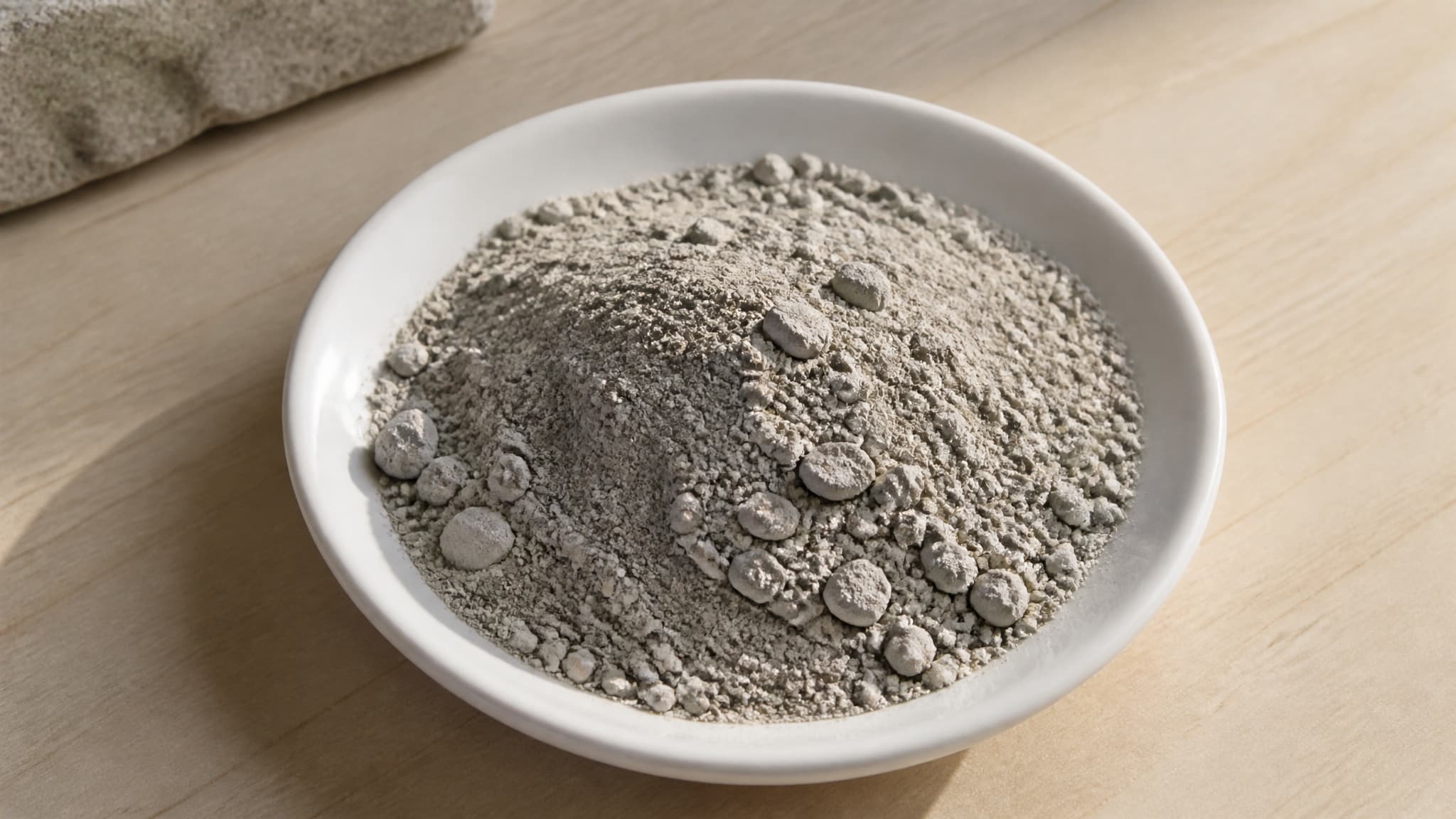
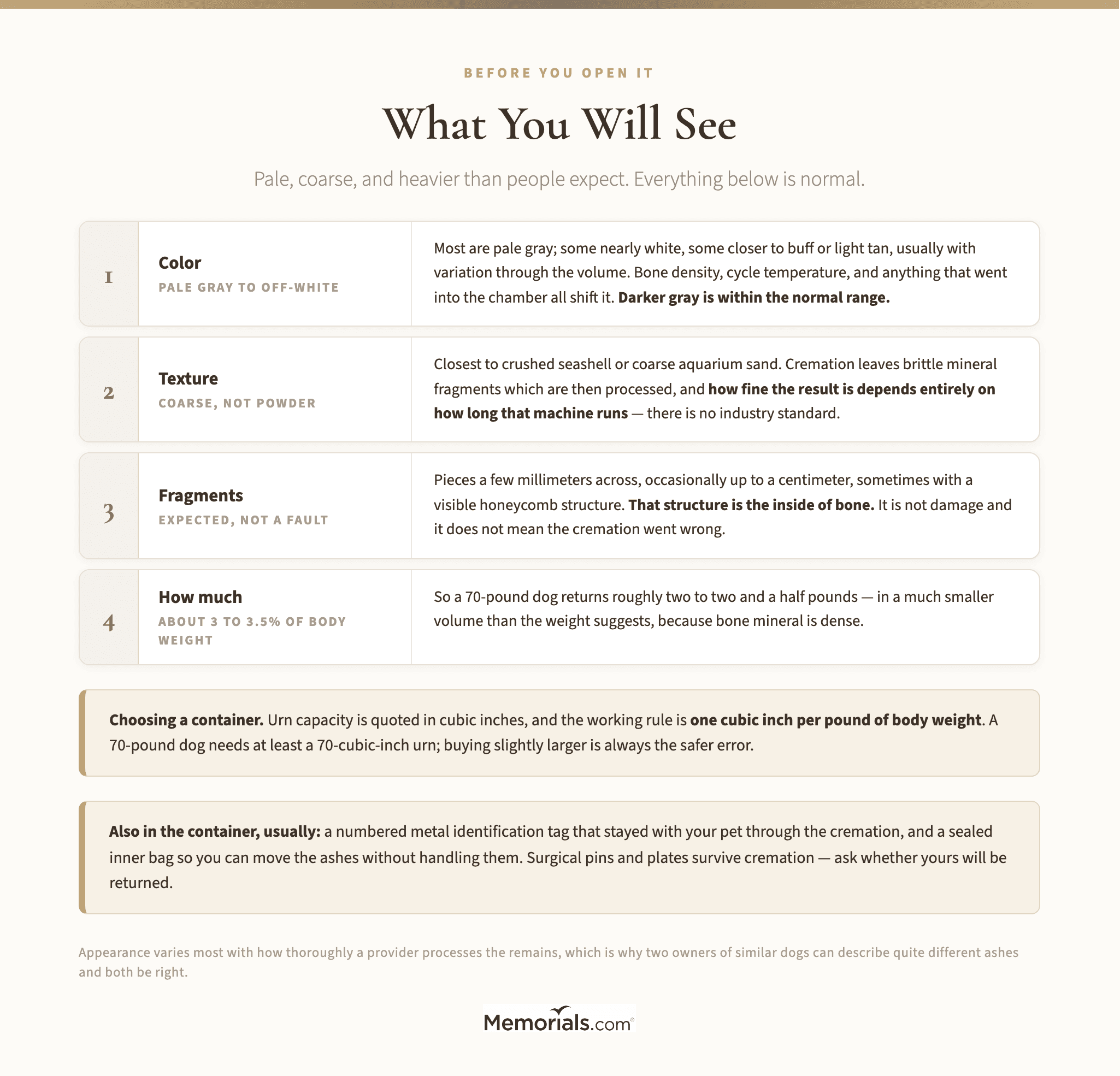
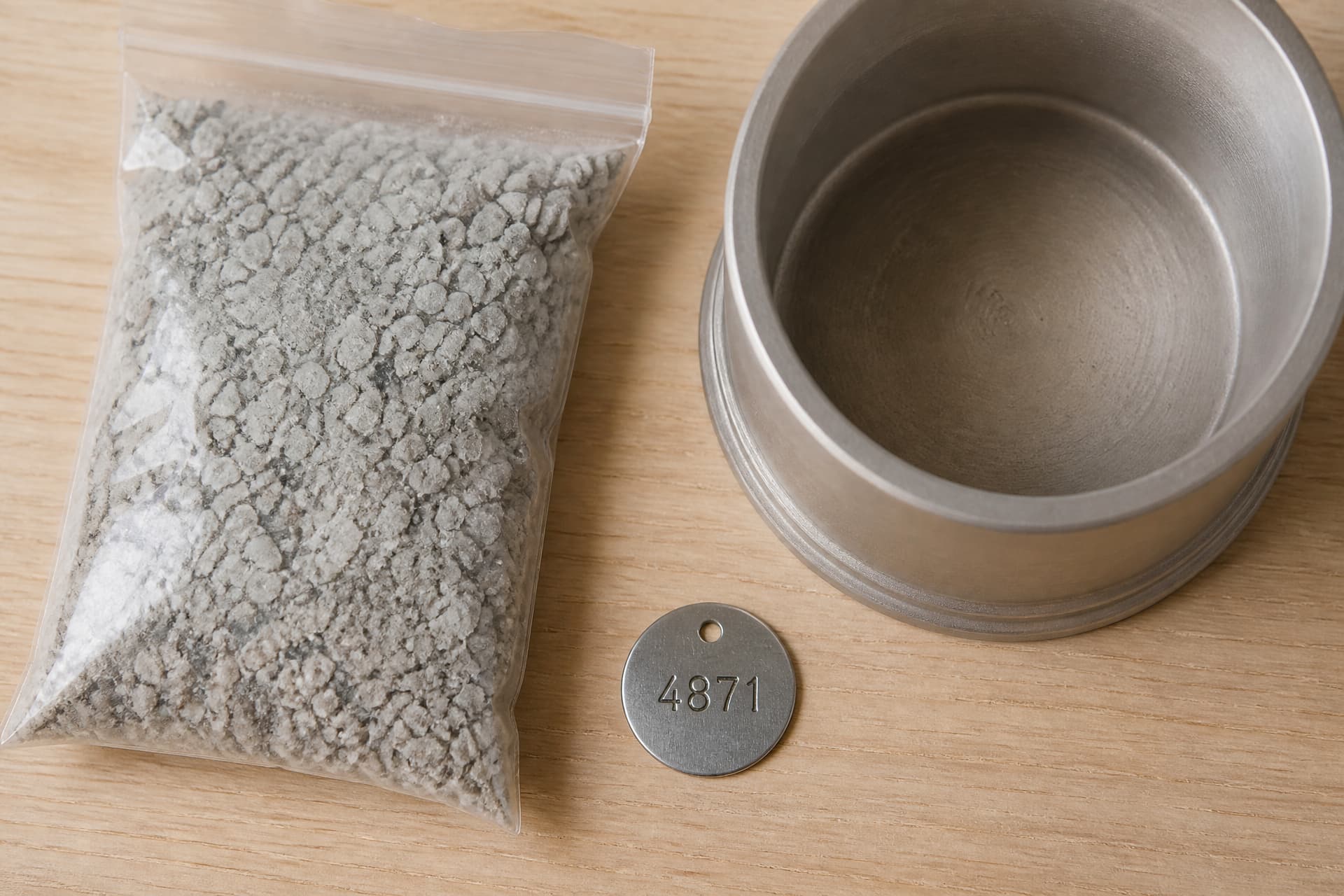
Dog ashes are pale gray to off-white, coarse rather than powdery, and noticeably heavy for their volume. The texture is closest to crushed seashell or coarse aquarium sand. There will be recognizable fragments in there, and that is normal.
If you have not opened it yet and you are deciding whether to: there is nothing in there that looks like a dog. Cremation at working temperature leaves only mineral, and what you have is bone.
What color are dog ashes has a range rather than one answer, and every shade in the range is normal.
Most are pale gray. Some are nearly white, some closer to buff or light tan, and most have small variations through the whole volume rather than being one uniform color.
Three things move it, and none of them is a problem:
Bone density. A heavy-boned older dog tends toward whiter ash than a small or young one. Calcium content drives the color.
Chamber temperature and cycle length. A hotter or longer cycle leaves lighter, more completely reduced remains. Crematories run within a standard band, but the band is wide enough to show.
What went in with the body. A blanket, a collar, a soft toy, a bed — anything combustible added to the chamber contributes its own residue, which usually reads as faint darker specks. If you sent something in with your dog, this is where it is.
Darker gray is common and is not a sign of anything wrong. The shade people occasionally worry about is a greenish or bluish tinge, which is almost always mineral staining from pigments or metal in something that went in — a dyed blanket, a collar buckle, a tag.
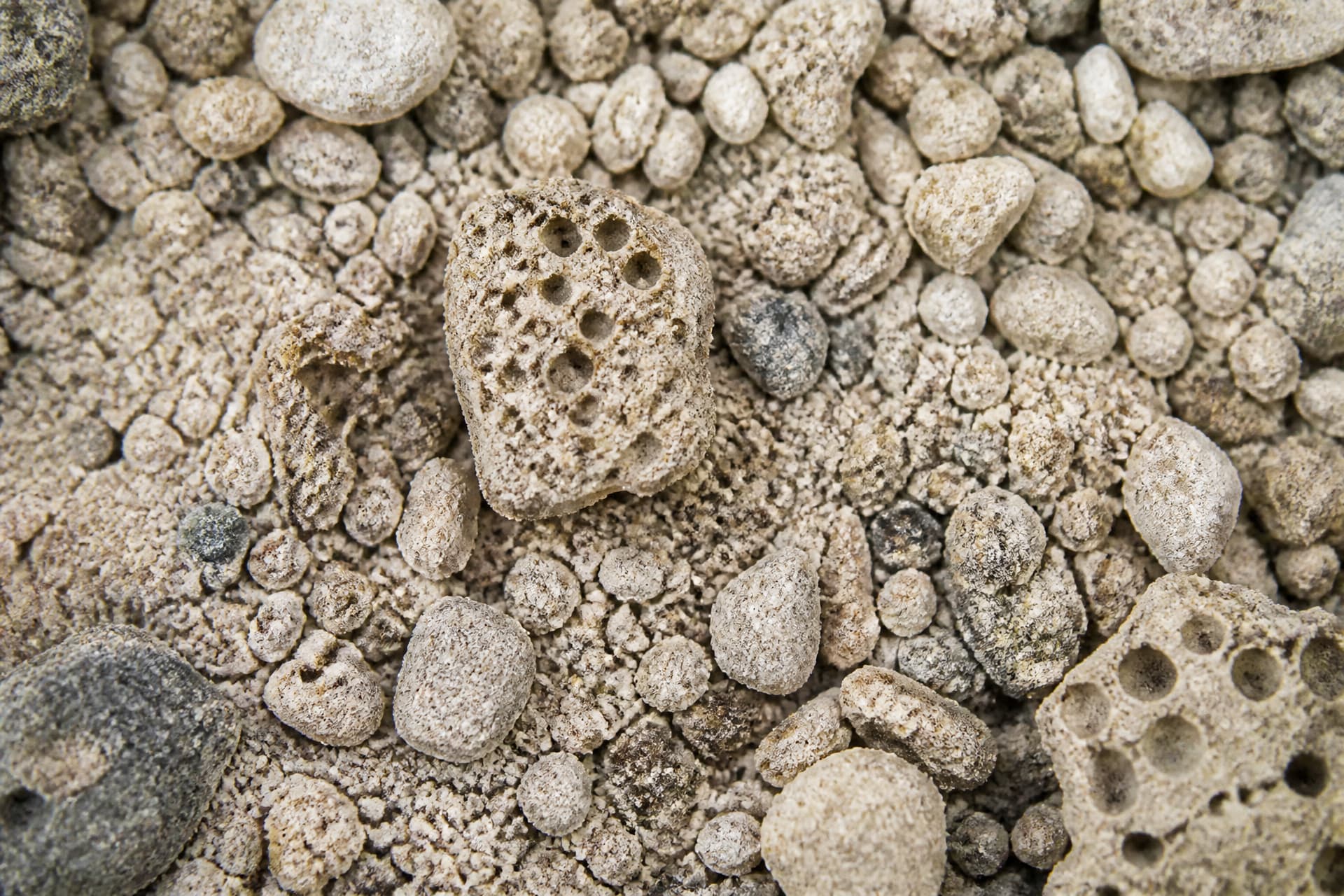
Closer to crushed seashell than to fireplace ash. The fragments with a visible honeycomb structure are the interior of bone — not damage, and not a sign the cremation went wrong.
Urns and Keepsakes for Ashes
Containers sized by your pet's weight, and keepsakes that hold a little
This is the part that surprises people, and the search data shows it: why do my dogs ashes look like rocks is a question a great many owners type after opening a container for the first time.
Because they partly are. Cremation does not reduce bone to powder. It reduces it to brittle mineral fragments, which the crematory then processes in a machine that breaks them down further. How fine the result is depends entirely on how long that machine runs, and there is no industry standard, so the output varies a lot between providers.
So you may find:
Mostly coarse grains the size of coarse sand or granulated sugar. This is the commonest result.
Visible fragments a few millimeters across, sometimes up to a centimeter, with a recognizable honeycomb structure if you look closely. That structure is the inside of bone, and it is the single most reassuring thing to understand about the contents — it is what bone looks like from the inside, not damage or incompleteness.
Occasional larger pieces from the densest parts of the skeleton, usually joint ends. More common with large breeds.
Very fine, almost powdery ash if the provider processes thoroughly.
None of these means the cremation went wrong, and none means you received the wrong remains. If anything, coarser ash with identifiable fragments is a mild indicator that the remains were handled individually rather than processed in bulk.
How Much There Will Be
Enough to be startling if you are expecting a small bag.
The rule of thumb used across the industry is roughly 3 to 3.5 percent of the animal's live body weight — so a 70-pound labrador returns something in the region of two to two and a half pounds, and it occupies a volume much smaller than you would guess from the weight, because bone mineral is dense.
The practical consequence is about containers. Urn capacity is quoted in cubic inches, and the working rule is one cubic inch per pound of body weight. A 70-pound dog therefore needs at least a 70-cubic-inch urn, and buying slightly larger is always the safer error. People who choose by eye rather than by that number are the ones who end up with ashes that do not fit.
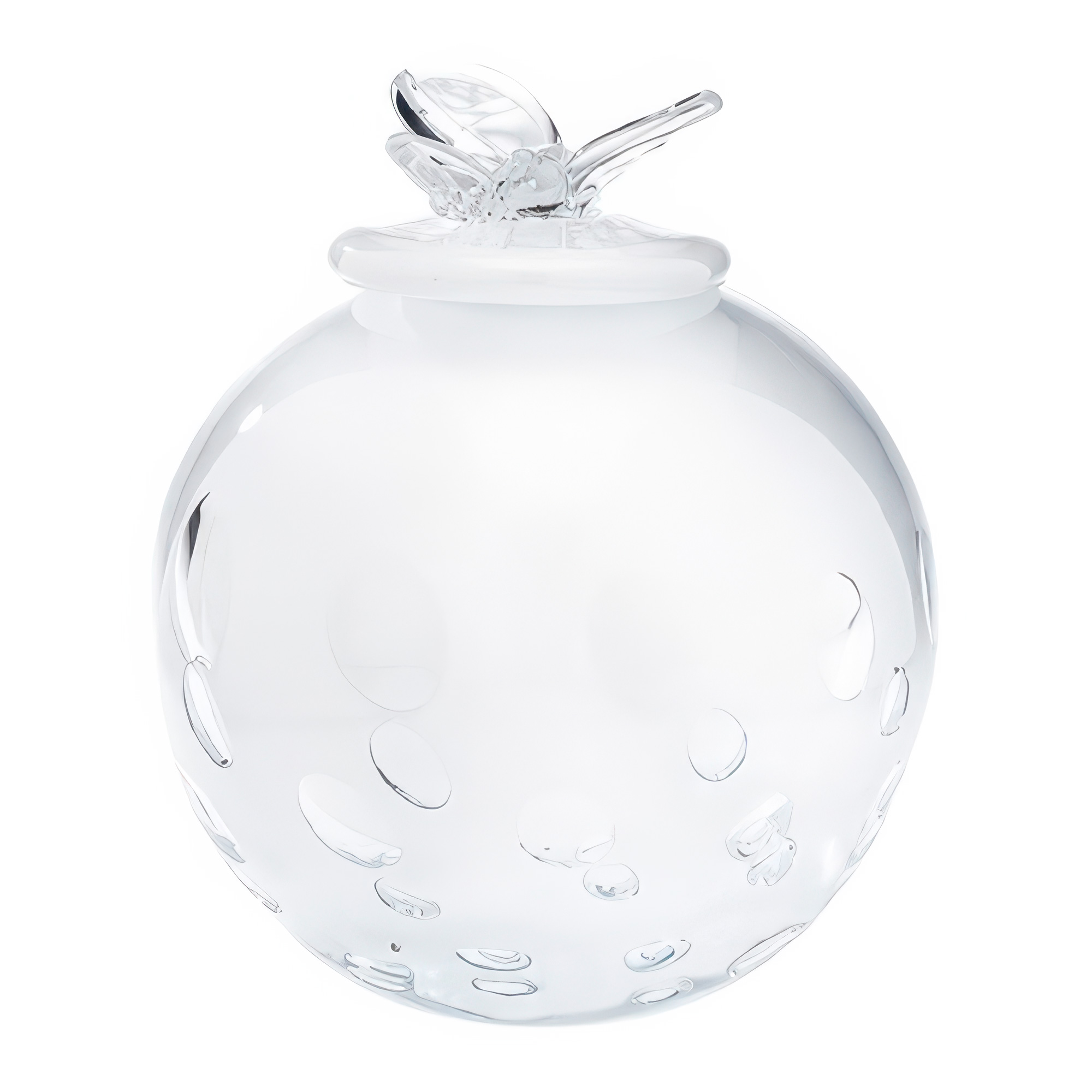
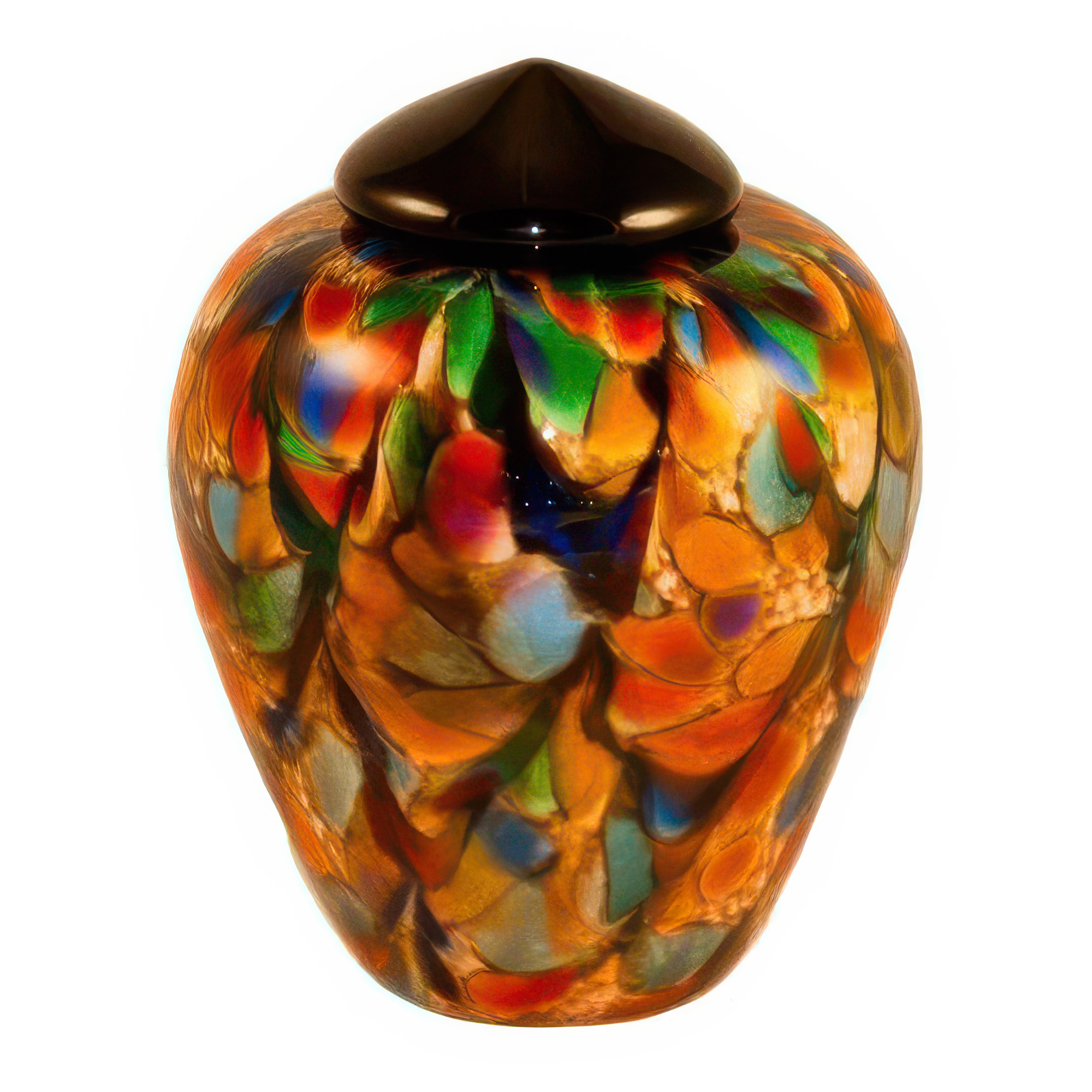
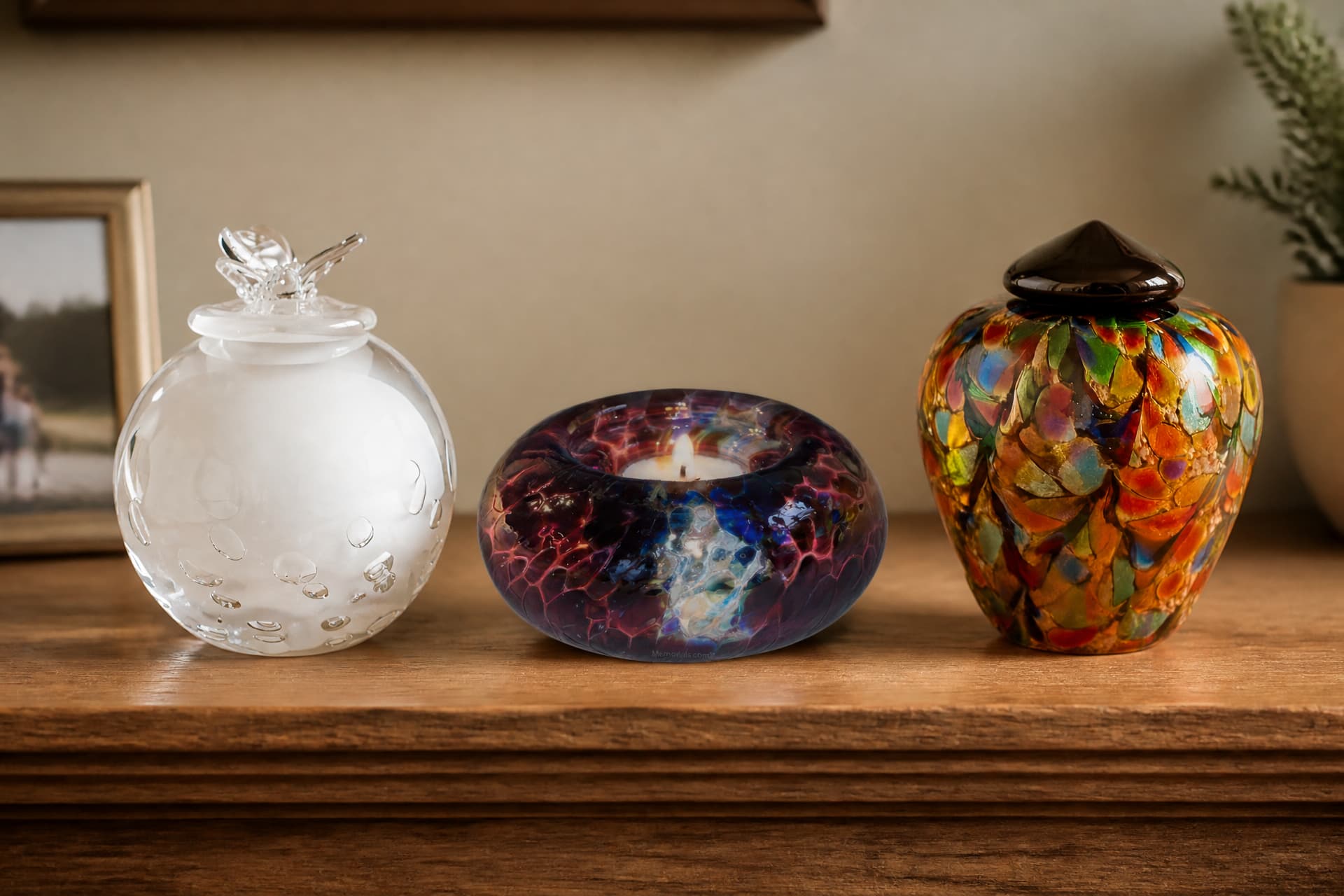
If you want to see what you have rather than store it out of sight, a glass dog urns piece holds them visibly, which some families find much better than a sealed container and others find much worse — it is worth knowing it is a choice. A pet cremation box with photo does the opposite, putting the dog rather than the contents in front of you.
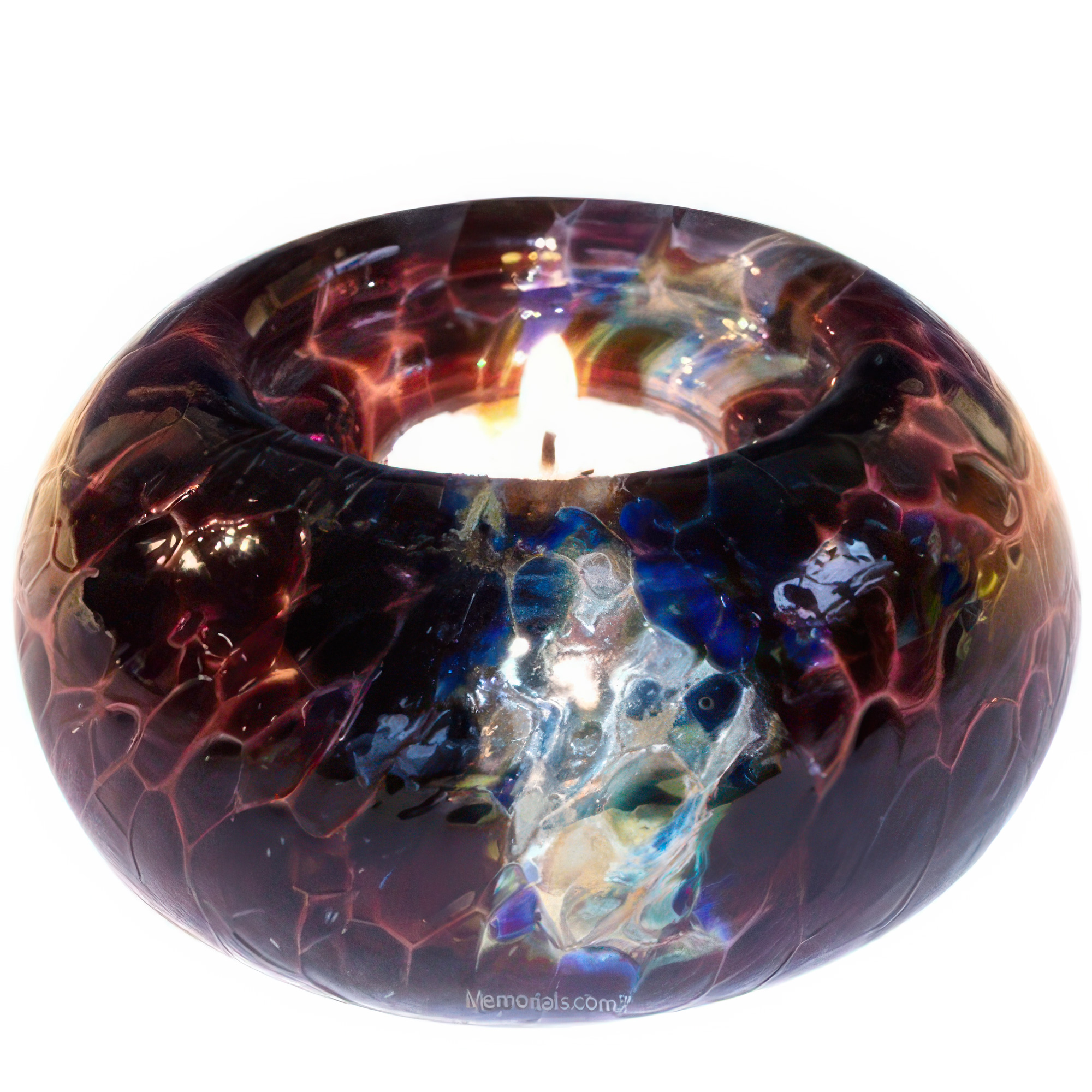
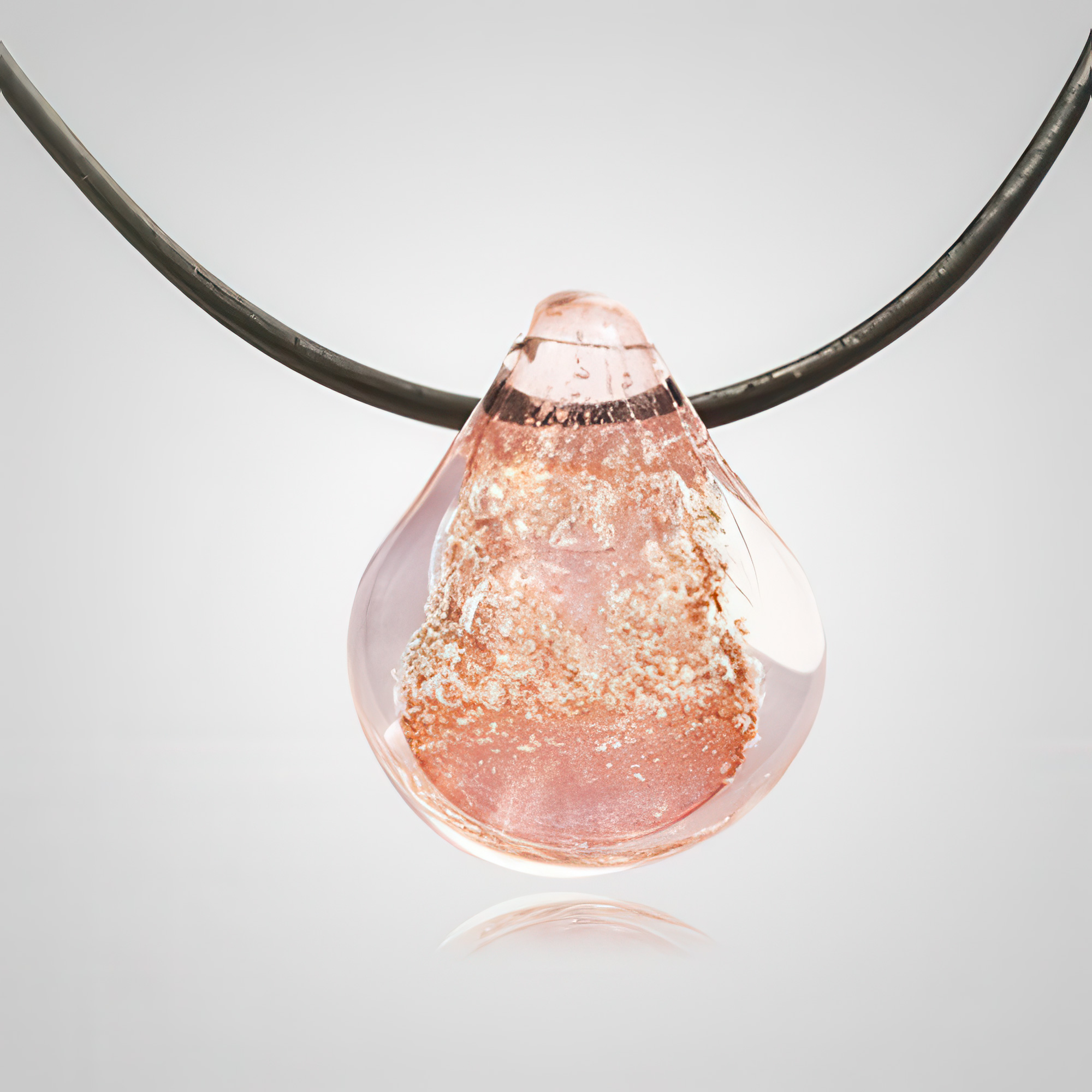
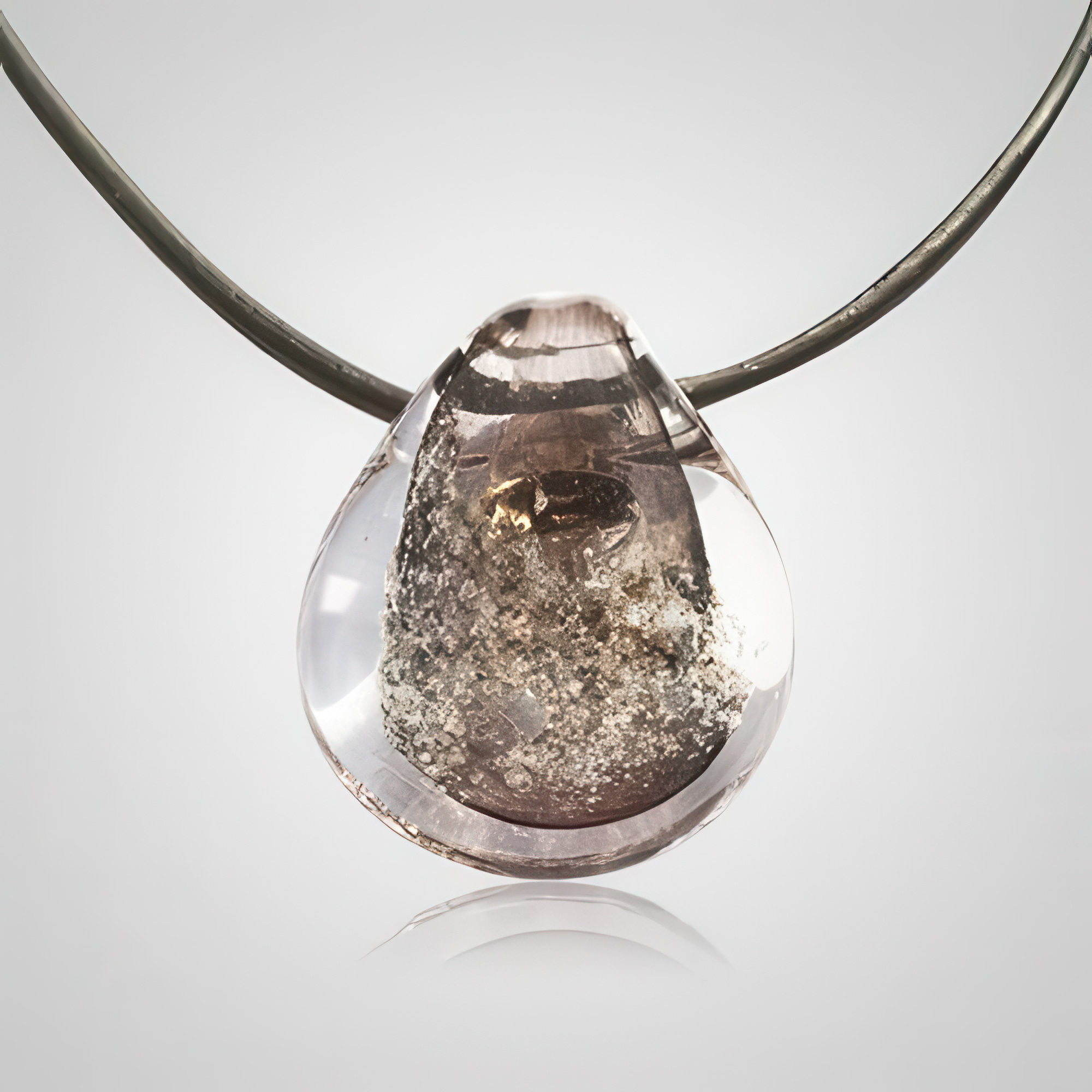
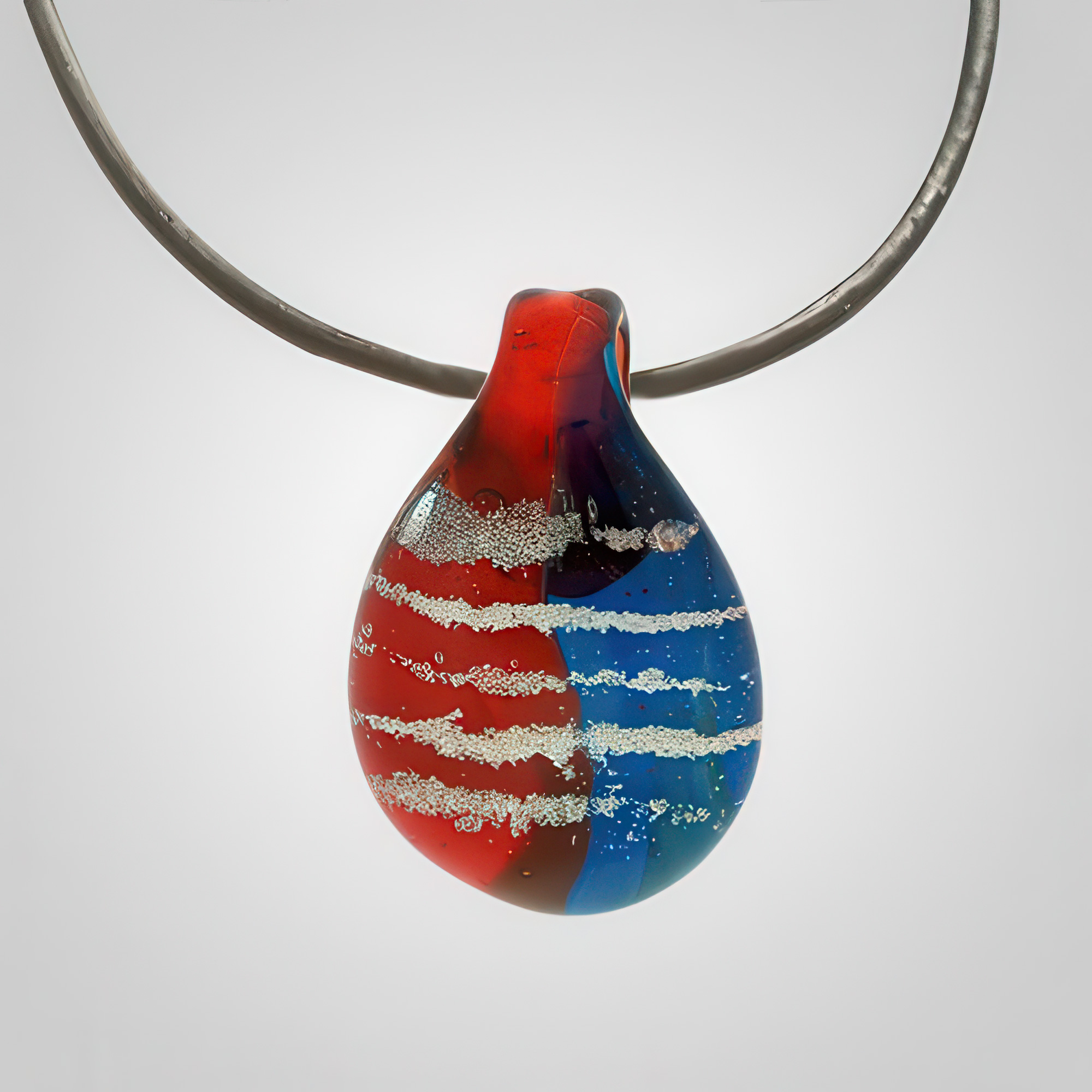
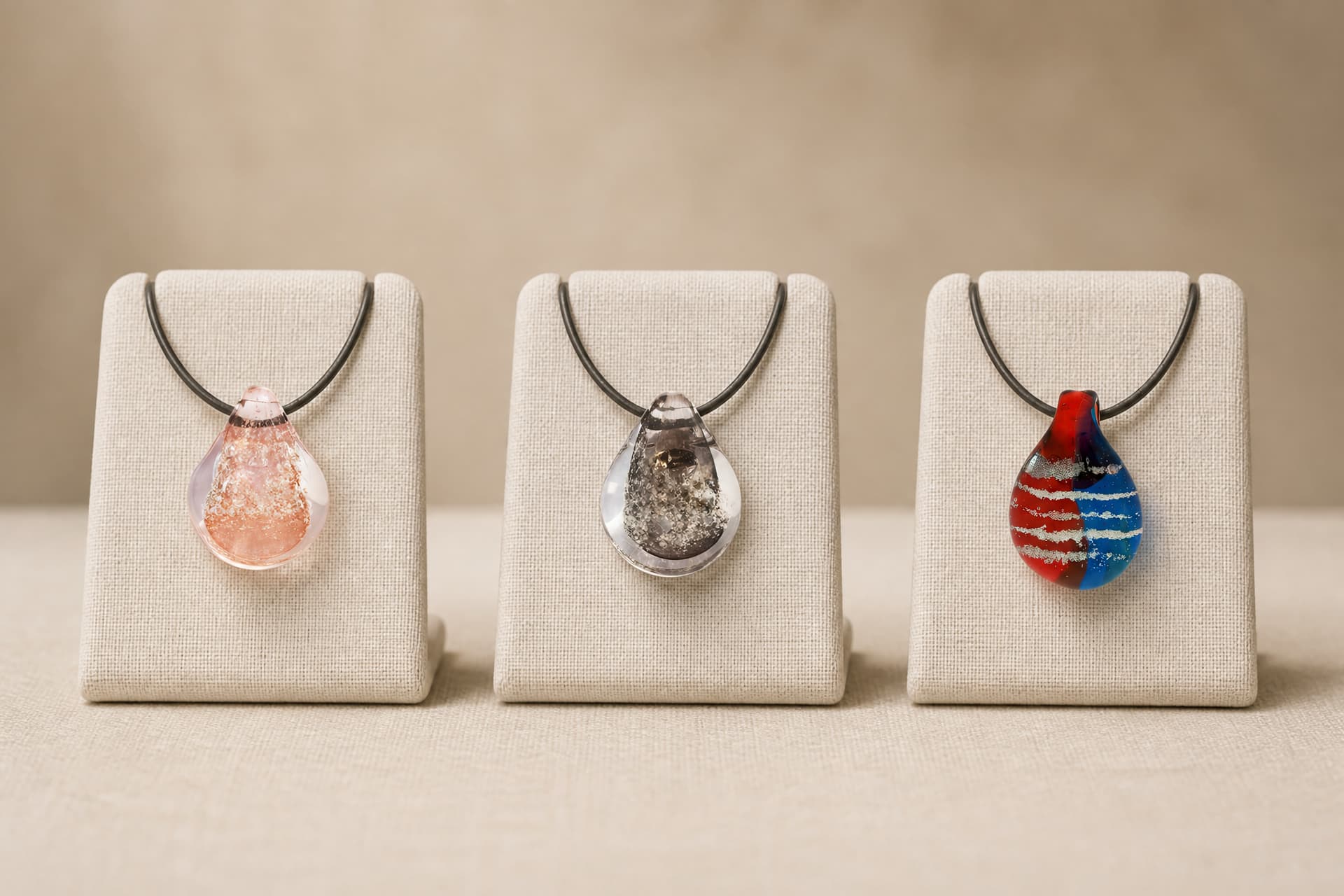
And you do not have to keep all of it in one place. Dividing ashes is entirely normal — some kept, some scattered, some turned into pet ashes into keepsakes for the people who want something small to carry. Nothing about that is disrespectful, and a lot of families find it solves an argument about what to do.
Color, texture, fragments and quantity — and the one cubic inch per pound rule for choosing a container.
Cats, and Other Animals
What do cat ashes look like has the same answer in a smaller quantity. The color range is identical, the texture is identical, and the only real difference is that a cat's lighter and finer skeleton tends to produce a slightly finer result with fewer large fragments — and roughly a quarter to a third of the volume of a medium dog.
What do animal ashes look like generally: the same, across species, because what you are looking at is bone mineral and bone mineral is bone mineral. Rabbits and birds return very little and it is usually fine and pale. Horses return a great deal. The appearance does not change.
What does change between providers is the degree of processing, which is why two people with dogs of the same size can describe quite different-looking ashes and both be right.
The numbered disc stayed with your pet through the cremation and is the physical end of the chain of custody. If you want to confirm an individual cremation, this is the number to quote.
What Else Might Be in the Container
Usually a few things besides the ashes, and it is better to know in advance.
A numbered metal tag or disc. This is the identification tag that stayed with your dog through the cremation, and it is the physical end of the chain of custody. Many families keep it. If you want to confirm your dog was cremated individually, this is the thing to ask about — a provider who returns a numbered tag can tell you which cycle it belonged to.
A plastic or heavy bag inside the container. The ashes are nearly always bagged rather than loose, which means you can move them between urns without handling them directly.
Occasionally, surgical metal. Pins, plates, and joint replacements survive cremation. Some crematories remove them and some return them, and if your dog had orthopedic surgery it is worth asking which. Finding a titanium pin unexpectedly is a jolt.
Not usually the collar. If you want it back, say so before the cremation — it has to be removed beforehand and it is one of the most common things people wish they had asked for.
If You Have Opened It and Something Seems Wrong
A short section, because occasionally something genuinely is.
Far less than expected, well under a couple of percent of body weight for a large dog, is worth a phone call. So is a container that feels light for its size.
Material that is not bone — fabric, plastic, anything that clearly did not come from an animal — is worth asking about, though small amounts of residue from items placed in the chamber are normal.
A strong chemical smell. Ashes are essentially odorless. A faint mineral or burnt smell fades within days; anything strong or persistent is not expected.
In each case ring the crematory rather than the vet, give them the number from the tag, and ask what cycle your dog was in and what weight was recorded. They keep that record. Most of the time the answer is reassuring, and asking is not an accusation.
Where People Keep Them, and Why It Matters Here
Appearance drives this decision more than people expect, so it belongs on this page rather than only on an urn page.
If the texture bothers you, choose a sealed container. A solid urn with a fitted base means you never see or handle the contents again, and for a lot of people that is exactly right. There is no virtue in confronting something you would rather not.
If it does not, a visible container can be better. Families who find the ashes less distressing than they feared often say a sealed box felt like hiding something. Glass, or a vessel with a window, keeps the dog present rather than put away.
If you are undecided, keep the bag and buy nothing yet. The ashes arrive sealed and stable. There is no deadline, nothing degrades, and the container is a decision that gets easier with a few months behind it.
Scattering changes the calculation. Coarse ash scatters very differently from powder — it drops rather than drifts, which is safer in wind than people imagine but means it lands in a pile unless you spread it deliberately. Fragments do not blow back at you. If you are planning to scatter, the texture is genuinely useful to know in advance.
The Word "Cremains", and Why You Will See It
Worth a note because you will meet it on every price list and nobody explains it.
Cremains is the industry contraction of "cremated remains". Crematories, vets and urn retailers all use it, and it appears on paperwork, invoices and shipping labels.
Some people find it clinical and dislike it, which is a reasonable reaction to a word built for convenience rather than for a family. Others prefer it precisely because it is neutral. Nothing turns on which you use — if a form says cremains and you would rather say ashes, say ashes.
It is also the reason searches for this topic look strange in the data: people type the industry word and the plain question together, having picked up the first from a document and the second from not knowing what to expect.
Frequently Asked Questions
What do dogs ashes look like when you first open the urn? Coarse pale gray granular material, usually in a sealed bag, with visible fragments throughout and a few larger pieces. Heavier than it looks.
How do dog ashes look like sand? Closer to coarse aquarium sand or crushed shell than to fireplace ash or powder. The word "ashes" sets the wrong expectation — this is processed bone mineral, not soft ash.
What do pet ashes look like if the pet was very small? Finer and paler, with few large fragments, and there is not much of it. A rabbit or a cat returns a small fraction of a dog's volume.
Is it normal for dog ashes to have chunks in them? Yes, and it is extremely common. Processing times vary between providers and there is no standard. Fragments with a honeycomb structure are the interior of bone.
Why are my dog's ashes dark? Usually residue from something that went into the chamber with your dog — a blanket, a bed, a collar. Cycle temperature also shifts the shade. Dark gray is within the normal range.
How much do dog ashes weigh? Around 3 to 3.5 percent of live body weight, so roughly two to two and a half pounds for a 70-pound dog.
Can I touch the ashes? Yes. They are sterile — nothing survives the temperatures involved — and they are safe to handle. Many people do when scattering or dividing them.
The reason this question gets asked so often is that nobody describes it beforehand, so people open a container with no idea what to expect on a day they are already struggling.
It is pale, coarse, heavier than it looks, and there is more of it than you think. There is nothing in there that will undo you.
If you were putting it off until you knew what to expect, now you do. And if you open it and find you would rather not look again, close it and buy a solid urn — that is a completely ordinary reaction and it is not a failure of nerve. The container is there to let you decide how much of this you want to see.