🏬Supersize Online Funeral Retailer🪦1000's of Headstones⚱️Over 10,000 Cremation Urns⚰️Caskets Overnight Delivery🛒Funeral & Memorial Superstore🚚FREE Shipping on ALL Orders👨👩👧👦Helping Families for over 20 Years💰Lowest Price Guarantee🏬Supersize Online Funeral Retailer🪦1000's of Headstones⚱️Over 10,000 Cremation Urns⚰️Caskets Overnight Delivery🛒Funeral & Memorial Superstore🚚FREE Shipping on ALL Orders👨👩👧👦Helping Families for over 20 Years💰Lowest Price Guarantee
🏬Supersize Online Funeral Retailer🪦1000's of Headstones⚱️Over 10,000 Cremation Urns⚰️Caskets Overnight Delivery🛒Funeral & Memorial Superstore🚚FREE Shipping on ALL Orders👨👩👧👦Helping Families for over 20 Years💰Lowest Price Guarantee🏬Supersize Online Funeral Retailer🪦1000's of Headstones⚱️Over 10,000 Cremation Urns⚰️Caskets Overnight Delivery🛒Funeral & Memorial Superstore🚚FREE Shipping on ALL Orders👨👩👧👦Helping Families for over 20 Years💰Lowest Price Guarantee
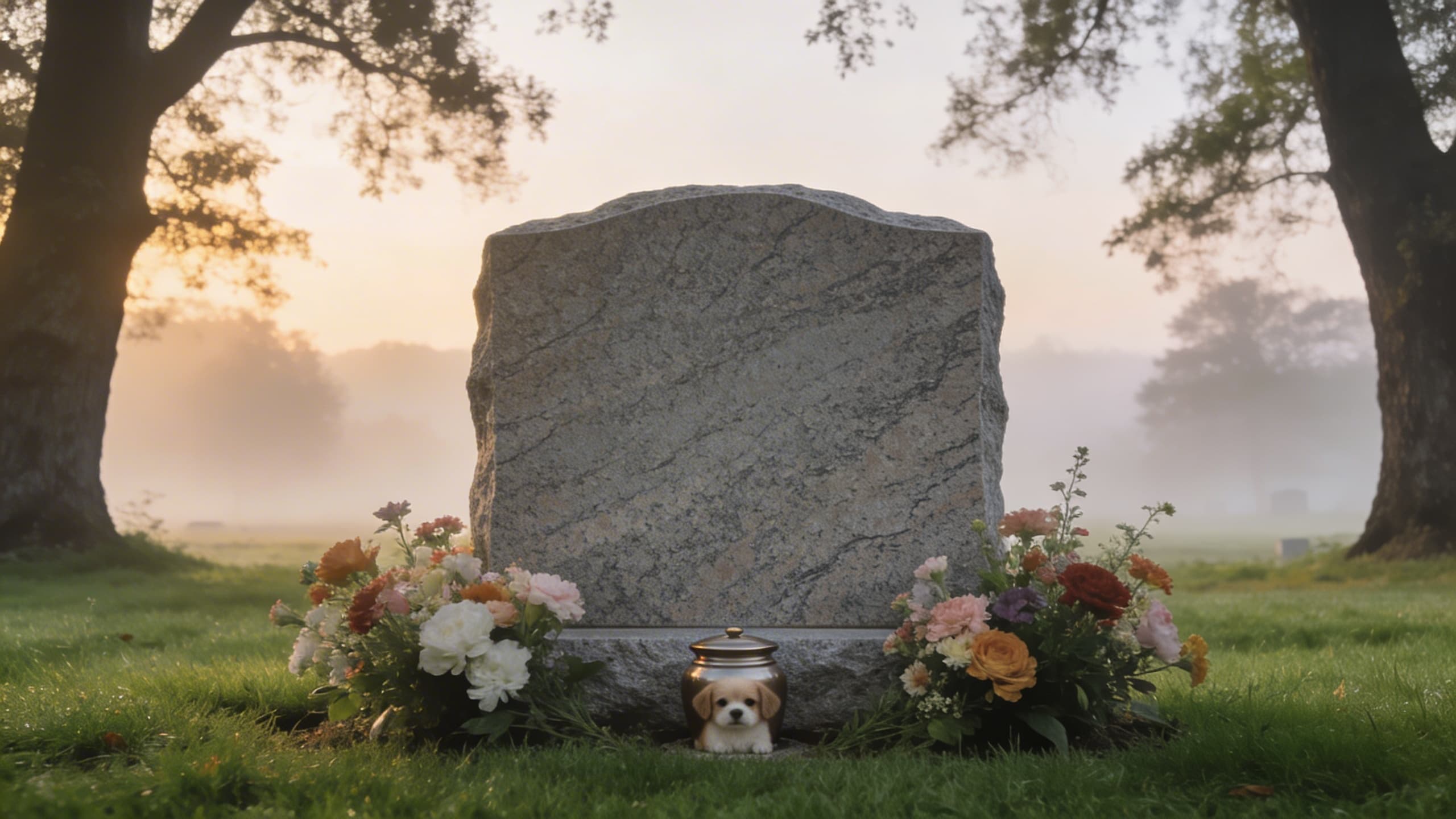
It's not uncommon for people to form deep, lifelong bonds with their pets. For many families, pets aren't just animals—they're beloved family members who deserve dignity and respect, even in death. When you're facing the loss of a cherished companion, you may wonder: "Can I be buried with my pet's ashes?"
The answer is encouraging: yes, in many cases, you can. However, the rules vary significantly depending on where you live, which cemetery you choose, and how you arrange the burial. This comprehensive guide explores state-by-state regulations, practical options, and meaningful ways to rest together with your beloved pet. It's one of many topics covered in our complete guide to pet memorials, which walks through every aspect of honoring a pet after loss.
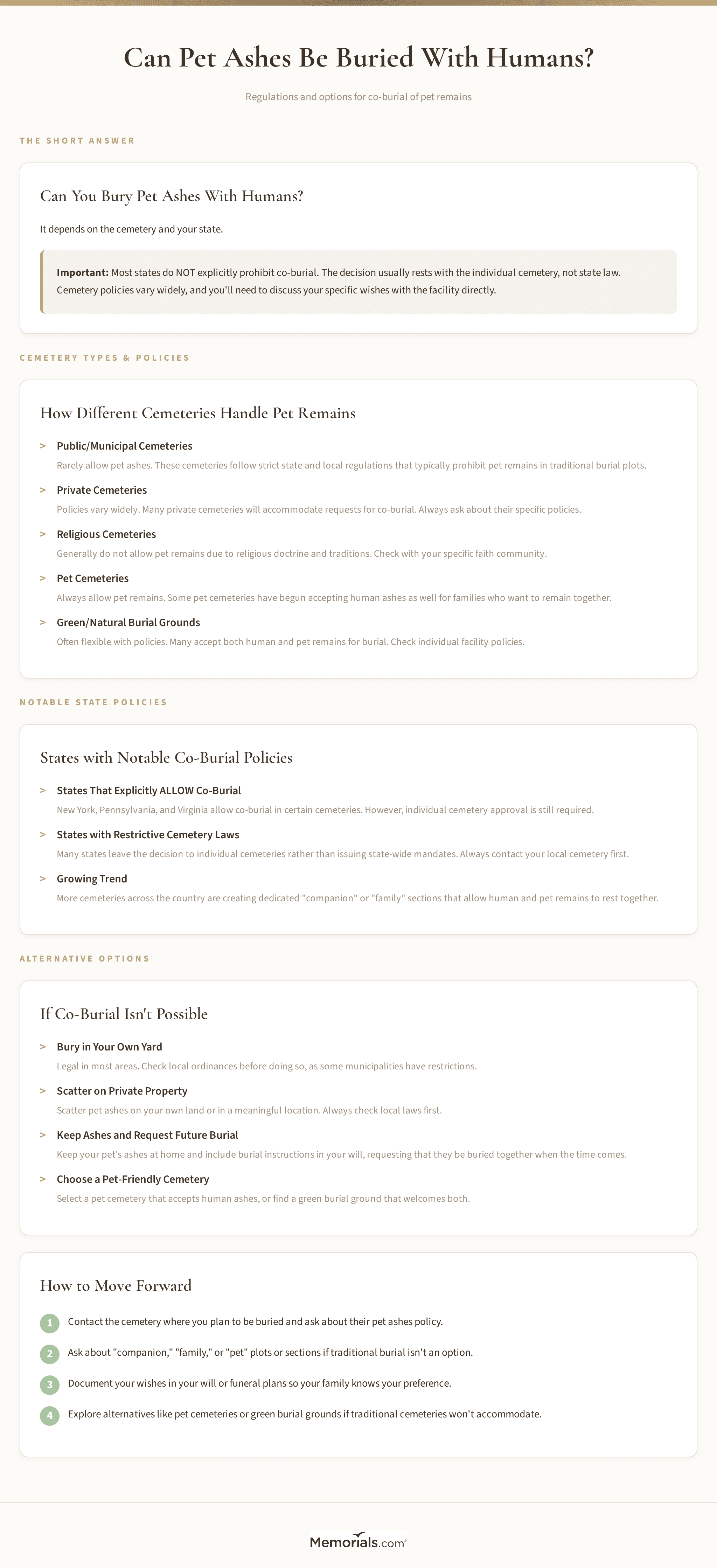
The short answer is yes—but with important conditions. Unlike human burial laws, which are fairly standardized across the country, regulations governing pet and human co-burial vary widely. In most states, there's no single statute that explicitly permits or prohibits burying pet ashes with humans. Instead, individual cemeteries create their own policies based on state law, local regulations, and governing documents.
This means the decision ultimately rests with your chosen cemetery and funeral home. The good news? A growing number of cemeteries nationwide are updating their policies to accommodate families who want to be buried alongside their pets. In fact, some states have passed specific legislation making this practice more accessible.
State-by-State Regulations for Pet and Human Ashes
Regulations differ significantly across the United States. Here's what you need to know about key states:
New York: Pioneering Pet-Friendly Burial Law
In 2016, New York became a leader in pet memorial law by enacting legislation that explicitly allows cremated pet remains to be buried with human remains in cemeteries. However, certain restrictions apply:
Pet remains must be cremated (not whole body burials)
Religious cemeteries can opt out of this policy
Other cemeteries may also decline to participate
The cemetery must clearly mark the rules in writing
What this means for families: New York residents have legal protection to arrange burials with their pets, though you should always confirm with your specific cemetery beforehand.
Pennsylvania: Multi-Section Cemetery Approach
Pennsylvania has allowed flexible pet burial arrangements since approximately 2006. Many Pennsylvania cemeteries establish three distinct sections:
Human-only burial areas
Pet-only burial areas
Mixed-use areas for both humans and pets
This three-section framework gives families flexibility while maintaining cemetery organization and cleanliness standards.
Virginia: Companion Animal Burial Standards
Virginia passed its pet burial law in 2014, permitting cemeteries to designate clearly marked sections for companion animals and humans to be buried together. Important requirements include:
Companion animals must meet Virginia's legal definition of "companion animal"
Each pet must have its own casket or appropriate container
The cemetery must clearly designate these burial areas
Families must provide proper documentation
Florida: Separate-Remains Policy
Florida explicitly permits cremated pet remains to be buried alongside human cremains, provided that:
Pet and human remains are kept in separate, sealed containers
Remains are not commingled
Proper authorization and documentation are completed
The cemetery has approved the arrangement
This "separate container" requirement protects both the integrity of remains and cemetery standards.
California: Cemetery-by-Cemetery Basis
California law doesn't prohibit pet ashes burial, but it also doesn't mandate it. Instead, each cemetery determines its own policy. Some California cemeteries welcome pet burial arrangements; others don't. Always contact your specific cemetery to learn their rules.
Massachusetts: Growing Acceptance
Massachusetts permits pet cremains to be placed alongside human remains in many cemeteries, though policies vary. Some cemeteries allow pet urns to be buried in the same plot; others only permit pet ashes in a keepsake form placed inside the human casket.
Understanding Companion Urns: Human and Pet Together
One of the most meaningful ways to honor your bond with your pet is through companion urns—specialized funeral vessels designed to hold both human and pet cremains safely and beautifully.
What Are Companion Urns?
Companion urns are dual-compartment or side-by-side urn designs that allow human and pet ashes to be kept together in one elegant memorial piece. These urns are increasingly popular with families who want to ensure their beloved pet remains close throughout eternity.
Types of companion urns include:
Side-by-side designs: Separate chambers for human and pet, with each cremains kept distinct
Stacked compartments: One section above the other, allowing visual separation
Integrated designs: Unified vessels with designated areas for each set of cremains
Many families choose companion urns for home display or later placement in a columbarium (a wall of niches in a cemetery or mausoleum). These urns offer both practical functionality and emotional symbolism.
Companion Urns vs. Pet Keepsake Urns
It's important to distinguish between companion urns and smaller pet keepsake urns. Keepsake urns are tiny vessels (holding 1-5 cubic inches) designed to hold a small portion of pet ashes—perhaps shared among family members or placed in a human's casket. Companion urns, by contrast, hold full amounts of both human and pet cremains.
Placement Options for Companion Urns
Your companion urn can be:
Displayed in your home as a permanent memorial
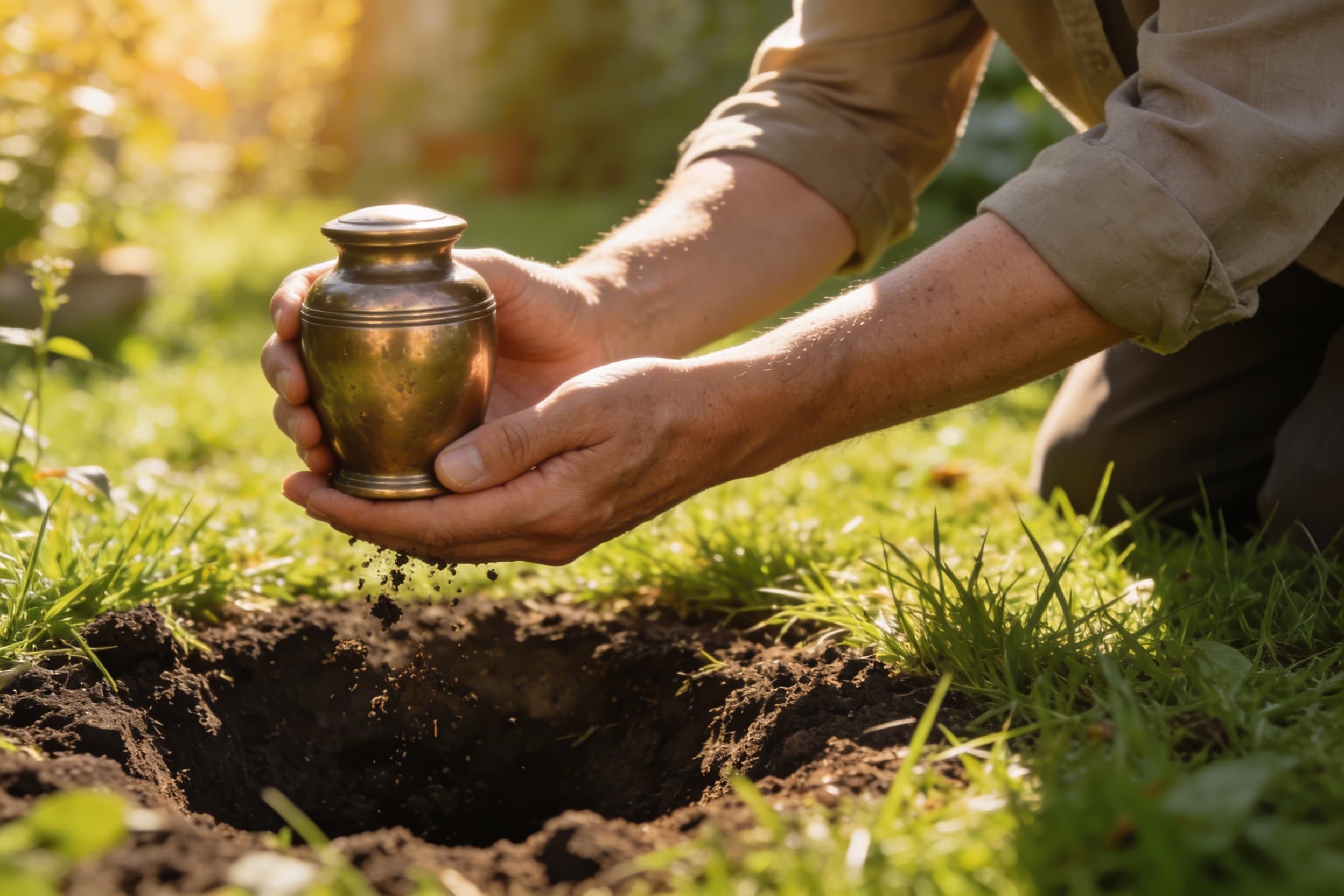
Buried together in a cemetery plot
Entombed in a columbarium or mausoleum
Scattered together at a meaningful location (where permitted by law)
Practical Options for Burying Pet Ashes With Humans
If you want your pet's ashes to accompany you to your final resting place, several options exist:
Option 1: Place Pet Ashes in Your Casket
One of the most common and straightforward approaches is to have your pet's cremains placed inside your casket before burial. Here's how it works:
The process:
Your pet is cremated, and the ashes are placed in a sealed pet urn or container. If you haven't chosen one yet, our guide to selecting the right pet urn covers sizing, materials, and styles.
You work with your funeral home to arrange casket placement
The sealed container is placed inside your casket—either visible during viewing or sealed inside before the final closure
You and your pet are buried together in the same grave
Advantages:
Simple to arrange
No special cemetery permission needed in many cases (treated as a personal item)
Maintains the bond you shared
Creates a private, intimate final resting place
Considerations:
The pet urn must be sealed to prevent odor or leakage
If you want an open-casket viewing, the urn may need to be hidden
Always confirm with your funeral home and cemetery first
Option 2: Separate Pet Urn in the Same Burial Plot
Some cemeteries allow you to purchase a single burial plot and place both your casket and a pet urn vault in the same location. This approach:
Keeps your pet's ashes in a dedicated, protected vessel
Allows both to be buried in the same plot without mixing remains
Provides a clear, organized arrangement
Can be marked on the monument or headstone
Urn vault benefits: A vault protects your pet urn from ground moisture and deterioration, ensuring your pet's remains are preserved safely for generations.
Option 3: Whole-Family or Mixed-Use Cemeteries
A growing number of cemeteries now specifically market themselves as "whole-family" or "family pet" cemeteries. These facilities are designed from the ground up to accommodate multi-generational human burials alongside pets. They offer:
Designated sections for pet and human co-burial
Professional, pet-friendly staff
Clear policies and options
Often more affordable options than traditional human cemeteries
Many families find these cemeteries offer peace of mind, knowing their pet-friendly wishes will be honored.
Option 4: Mixing or Commingling Ashes
Some families choose to have their pet's ashes mixed with their own cremains, creating a unified memorial. This deeply personal option means you and your pet become one in a symbolic and literal way.
Important considerations:
Some funeral homes and crematory facilities don't allow this practice
Check with your crematory about their policies
This option may not be permitted for burial in traditional cemeteries
Scattering mixed ashes is often easier to arrange than burial
If mixing ashes appeals to you, discuss it with your cremation provider early in the planning process.
Pet Cremation and Burial: Important Logistics
Before making final decisions about burial arrangements, understand these important factors. For a detailed breakdown of what cremation services cost, see our guide to pet cremation costs.
Timing Matters
In some states (notably New York), you must be cremated before your pet's ashes can be buried with you. Your pet should be cremated separately, and arrangements should be made with both a funeral home and cemetery before your death. This requires planning and documentation.
Sealed Containers Are Essential
Whether burying a pet urn inside a casket or in a separate plot, the container must be completely sealed. This prevents:
Ground water infiltration
Decomposition odors
Pest intrusion
Environmental contamination
Quality pet urn vaults are designed for this purpose and should always be used for in-ground burial.
Documentation and Permits
Most cemeteries will require:
A completed cremation authorization form
Proof of pet ownership or identification
Cemetery application forms
Sometimes, a notarized statement of your wishes
Start this paperwork early. Your funeral home can guide you through the process.
Cemetery Plot Regulations
Traditional human cemeteries have specific rules about:
What can be placed in a grave
Size and type of urns permitted
Whether pet urns require a separate vault
Headstone or marker regulations that mention pets
Always request a cemetery's written regulations before purchasing a plot.
Alternatives: Other Meaningful Ways to Memorialize Your Pet
If cemetery burial isn't possible in your area, or if you prefer other options, consider these alternatives. Our guide to other options for pet ashes covers the full range of choices beyond burial.
Biodegradable and Eco-Friendly Pet Urns
Biodegradable pet urns allow your pet's ashes to return naturally to the earth. Many families:
Plant a tree or garden with a biodegradable urn
Scatter ashes at sea using water-soluble urns
Create a pet memorial tree as a living tribute
These options offer environmental benefits and symbolic renewal. For a deeper look at materials, timelines, and legal requirements, see our biodegradable urn options guide.
Keepsake Jewelry and Pet Ashes
Many families keep a small portion of their pet's ashes in keepsake urns or pet cremation jewelry. This allows you to:
Carry your pet's memory with you
Share ashes among family members
Keep a beloved pet close to your heart
Pet Caskets for Traditional Burial
If you prefer not to cremate, pet caskets allow whole-body burial. Some families:
Bury their pet in a backyard (where local laws permit)
You don't have to bury your pet's ashes immediately. Many families keep an urn displayed at home as a permanent memorial, later deciding on a final resting place.
How to Arrange Pet and Human Ashes Burial: Step-by-Step
If you've decided to be buried with your pet, here's what to do:
Step 1: Choose Your Preferred Urn and Container
Decide whether you want a companion urn (holding both human and pet ashes), separate urns, or another arrangement. Browse pet urns designed for cemetery placement and preservation.
Step 2: Select a Pet-Friendly Cemetery
Research cemeteries in your area. Call ahead and ask about their specific policies regarding:
Pet ashes burial allowances
Whether they have dedicated pet sections
What documentation they require
Costs and plot availability
Step 3: Consult With Your Funeral Home
Meet with a funeral director to discuss:
How your wishes will be documented
The timing of cremations (yours and your pet's)
Whether a casket placement or vault burial makes sense
All associated costs
Step 4: Get Everything in Writing
Ensure your cemetery and funeral home provide written confirmation of:
Your pet burial arrangement
Plot location and specifications
Any markers or designations
Contact information and policies
Step 5: Update Your Will or Advance Directives
Legally document your wishes regarding:
Pet cremation preferences
Burial location and arrangement
Designated executor for your pet memorial
Funds set aside for arrangements
Step 6: Create a Pet Memorial Plan
Document for your family:
Your preferred cemetery and plot location
Container and urn preferences
Any specific wording for a memorial marker
Contact information for the cemetery and funeral home
Understanding Pet Burial Regulations by Region
Urban Areas
Major cities often have stricter regulations about pet burials. Most urban cemeteries:
Prohibit pet-only burials within city limits
Permit pet ashes in limited circumstances
Require sealed, vaulted containers
May charge premium prices for mixed burials
Rural and Suburban Areas
Many rural areas offer more flexibility:
Some allow backyard pet burial (check local ordinances)
Pet cemeteries are more common
Traditional human cemeteries may have dedicated pet sections
Costs are often lower than urban alternatives
Native American and Cultural Considerations
Some cultural traditions have specific views on human-animal co-burial. If your family has cultural or religious beliefs about this practice, discuss them with your funeral home and cemetery early in the planning process.
Frequently Asked Questions About Pet Ashes and Human Burial
Can pet ashes be mixed with human ashes for burial?
In most cases, pet and human cremains should remain in separate, sealed containers for burial. However, some cremation facilities will mix ashes if requested. Check with your crematory about their specific policies. If burial in a traditional cemetery is your goal, mixing may not be allowed—keep remains separate to ensure cemetery compliance.
What's the difference between a pet urn and a companion urn?
A pet urn is designed to hold only cremated pet remains. A companion urn features dual compartments or chambers, designed to hold both human and pet ashes in one unified vessel. Companion urns are ideal if you want your pet's ashes to remain with you throughout burial and eternity.
Do all cemeteries allow pet ashes burial?
No. Cemetery policies vary widely. Some actively welcome pet burials and have dedicated sections; others prohibit them entirely. Always contact your specific cemetery to ask about their policies in writing before making arrangements. Religious cemeteries, in particular, may have strict prohibitions.
How much does it cost to bury pet ashes with humans?
Costs vary dramatically by location and cemetery. Pet urn vaults may cost $200–$500. Cemetery fees for a plot may be $500–$5,000+. Many cemeteries charge the same for a pet and human burial in the same plot as for a single burial. Always ask for a complete cost breakdown upfront.
What if my pet dies before me—can I store the ashes until my death?
Yes. Pet urns can be safely stored at home indefinitely. Many families keep an urn displayed as a memorial, sometimes for years or decades, before final burial. Ensure the urn is placed in a cool, dry location away from direct sunlight and humidity.
Are biodegradable pet urns allowed in all cemeteries?
No. Most traditional human cemeteries prohibit biodegradable urns for in-ground burial, as they decompose and may damage groundwater. However, biodegradable pet urns are ideal for home planting, tree ceremonies, or scattering at sea. Always confirm with your cemetery before using a biodegradable urn.
Can I include my pet in my memorial headstone or marker?
Most cemeteries allow you to include your pet's name and dates on your headstone. Some even permit pet silhouettes or paw print engravings. Browse pet headstones and pet grave markers for engraved options, and check your cemetery's design guidelines—they typically have approved wording and imagery standards.
Important Considerations: Planning Ahead
Document Your Wishes
The most important step you can take is documenting your wishes in writing. Include:
Your preferred cemetery and plot
Urn preferences (including pet urns, keepsake urns, or companion urns)
Whether you want pet caskets for whole-body burial
Cost limits and funding arrangements
Contact information for your preferred funeral home and cemetery
Discuss With Your Family
Have an open conversation with your loved ones about:
Your feelings about pet burial
Your pet's significance to your family
Your budget expectations
Who will be responsible for executing these arrangements
Plan for Your Pet's Future
If you pass away before your pet, include provisions in your will for:
Your pet's ongoing care
Cremation arrangements
Designated executor for pet memorial planning
Funds to cover these costs
Research Your State's Laws
Laws change frequently. Before making arrangements, research current regulations in your state by:
Contacting your state's cemetery board
Speaking with local funeral homes
Visiting potential cemeteries to discuss their current policies
Final Thoughts
While losing a beloved pet is one of life's most painful experiences, you don't have to say goodbye forever. In many states and cemeteries across America, you have options to be buried alongside your cherished companion. Whether through companion urns, separate sealed containers in the same plot, or specialized whole-family cemeteries, meaningful co-burial arrangements are increasingly available.
The key is to:
Start early — Don't wait until the moment of loss to research options
Get it in writing — Work with your cemetery and funeral home to document all arrangements
Plan financially — Set aside funds and update your will
Share your wishes — Tell your family and executor what matters most to you
Your pet wasn't just a pet; they were family. Honoring that bond through a final resting place together is a beautiful way to celebrate the love you shared and ensure your connection endures forever.