🏬Supersize Online Funeral Retailer🪦1000's of Headstones⚱️Over 15,000 Cremation Urns⚰️Caskets Overnight Delivery🛒Funeral & Memorial Superstore🚚FREE Shipping on ALL Orders👨👩👧👦Helping Families for over 20 Years💰Lowest Price Guarantee🏬Supersize Online Funeral Retailer🪦1000's of Headstones⚱️Over 15,000 Cremation Urns⚰️Caskets Overnight Delivery🛒Funeral & Memorial Superstore🚚FREE Shipping on ALL Orders👨👩👧👦Helping Families for over 20 Years💰Lowest Price Guarantee
🏬Supersize Online Funeral Retailer🪦1000's of Headstones⚱️Over 15,000 Cremation Urns⚰️Caskets Overnight Delivery🛒Funeral & Memorial Superstore🚚FREE Shipping on ALL Orders👨👩👧👦Helping Families for over 20 Years💰Lowest Price Guarantee🏬Supersize Online Funeral Retailer🪦1000's of Headstones⚱️Over 15,000 Cremation Urns⚰️Caskets Overnight Delivery🛒Funeral & Memorial Superstore🚚FREE Shipping on ALL Orders👨👩👧👦Helping Families for over 20 Years💰Lowest Price Guarantee
The moment you receive your beloved pet's ashes is both meaningful and overwhelming. You now hold a physical connection to the companion you loved, and you're faced with an important decision: what comes next?
There is no "right" answer. Honoring your pet's memory is deeply personal, and the best choice is the one that feels right for your family and your pet's legacy. Whether you prefer a permanent home for your pet's ashes, a living memorial, a wearable keepsake, or a combination of these, this guide will walk you through the most meaningful options available.
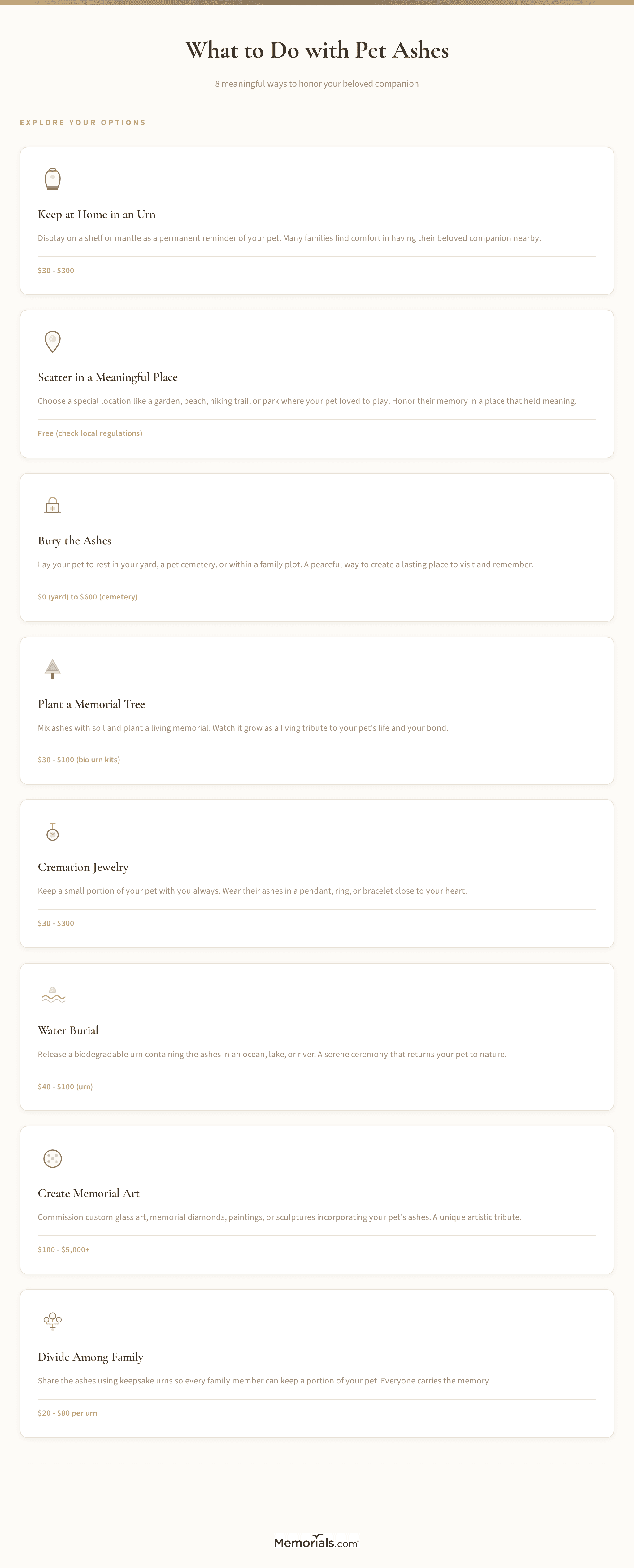
Let's explore eight thoughtful ways to honor your pet's memory with their cremated remains.
1. Display Your Pet's Ashes in an Urn at Home
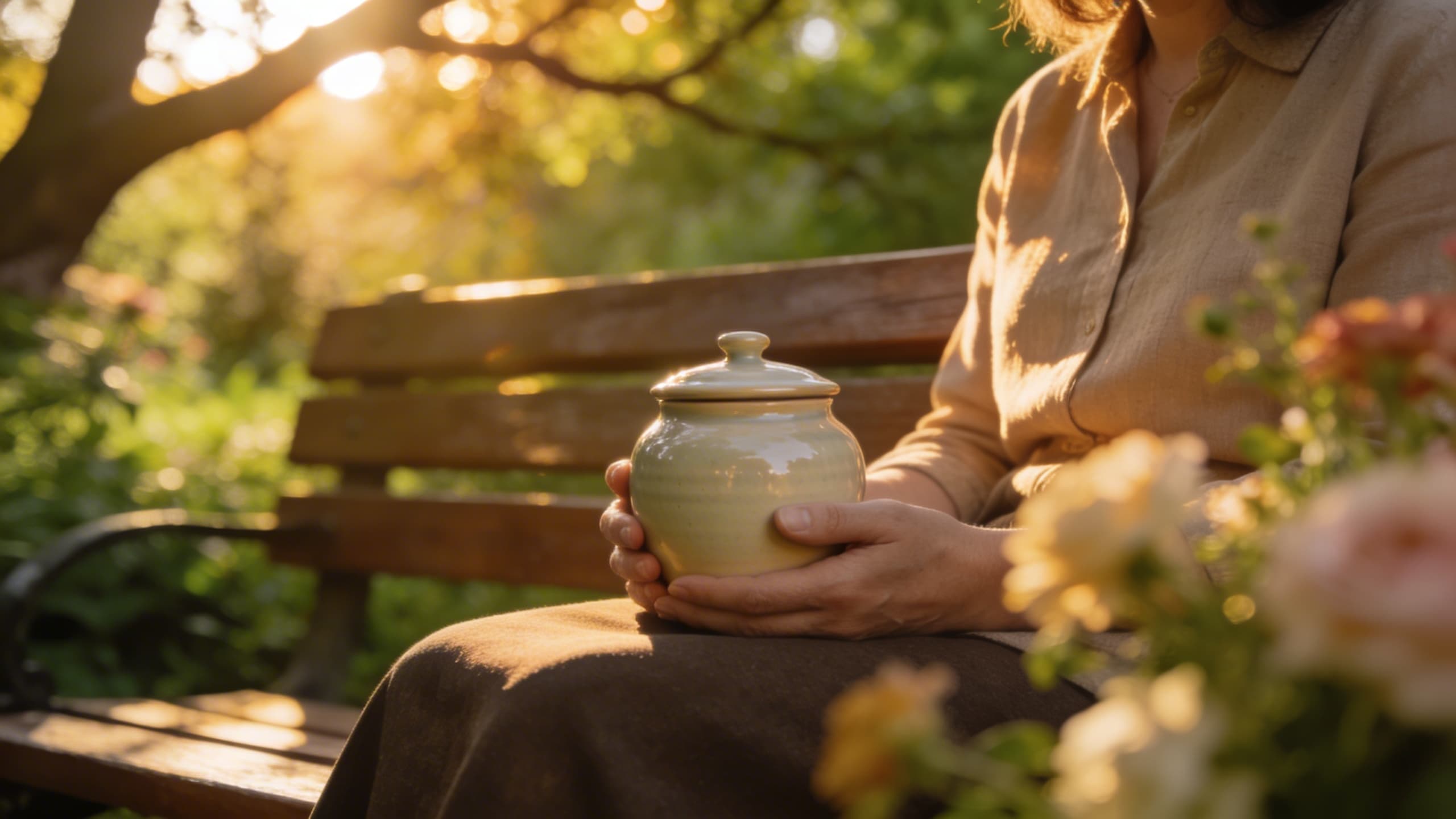
The most traditional option—and the most popular—is to keep your pet's ashes in a beautiful urn displayed in your home. This creates a permanent, visible place to remember your pet and allows their memory to remain an active part of your daily life.
You'll select a pet urn that matches your home's décor and your pet's personality. Pet urns range from ceramic pet urns and wood pet urns to photo pet urns that feature your pet's image, to elegant marble pet urns and metal pet urns in brass and bronze. You can display the urn on a shelf, mantelpiece, bedroom, or library—wherever feels most meaningful to you. For guidance on choosing the right pet urn, consider material, size, and style preferences before making your decision.
Pros and Cons
Pros:
Keeps your pet's memory visible and present in your home
Creates a dedicated memorial space for reflection
Beautiful urns serve as meaningful home décor
You can add personal touches like flowers, photos, or remembrance items around the urn
Cons:
Requires deciding on a permanent display location
May be emotionally difficult to see daily for some families
Moving requires careful handling and planning
Cost Range
Pet urns typically range from $50 to $500+, depending on materials and customization. Photo pet urns—which feature a custom image of your pet—generally cost between $150 and $400. Browse our custom pet urns for engraved, hand-painted, and fully personalized options.
A growing number of families are choosing to create a living memorial by burying their pet's ashes in a biodegradable pet urn and planting a tree or garden above. This transforms your pet's ashes into a thriving, living tribute that grows year after year.
How It Works
You'll place your pet's ashes in a specially designed biodegradable urn made from natural materials like coconut husk, peat, and other organic compounds. The urn fully decomposes over time, nourishing the soil and allowing a tree or flowering plant to grow. The Living Urn, the nation's leading system for this method, offers over 40 types of trees and plants tailored to your climate zone. You can bury the urn in your backyard, a meaningful location, or even in a dedicated Memory Forest.
Pros and Cons
Pros:
Creates a living, growing memorial that endures
Environmentally friendly and sustainable
Provides a meaningful destination for reflection
Your pet literally becomes part of nature
Can be planted in your own yard or a special location
Cons:
Requires proper planting and tree care
Moving to a new home complicates the memorial
Takes years for the tree to mature
Requires space for planting
Cost Range
Biodegradable tree urn systems typically cost between $129 and $200, depending on the tree species selected. Premium options with larger trees or faster-growing species may cost more.
3. Scatter Your Pet's Ashes in a Meaningful Location
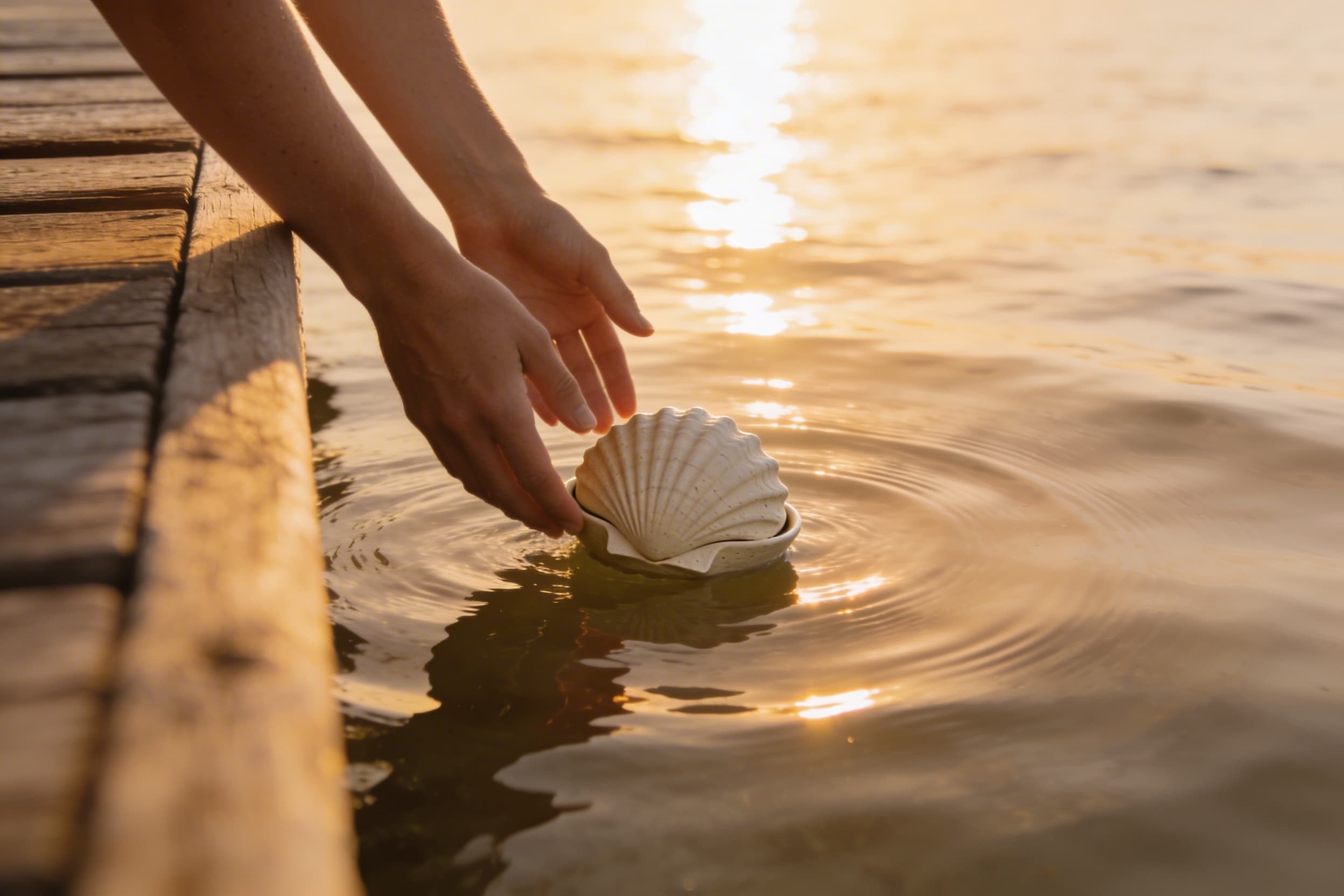
Scattering offers a symbolic release and allows your pet's ashes to return to nature in a location that held meaning for your family—a favorite hiking trail, a beloved beach, a vacation destination, or a cherished backyard garden.
How It Works
After choosing a meaningful location, you scatter your pet's ashes during a simple or elaborate ceremony—however you wish to say goodbye. Some families scatter ashes alone in quiet reflection; others hold a gathering with loved ones. You can scatter all the ashes at once or save some for a future scattering in another meaningful location.
Important Legal Considerations
Before scattering, research local laws and obtain necessary permissions:
Private property: On your own land, you generally have the right to scatter ashes. Check your homeowners' association rules first.
Public land: Parks, forests, and public beaches often require permits or have specific regulations. Contact the property manager for permission.
Water scattering: Most states allow scattering in rivers, lakes, and ocean water, but some require a permit. Federal law does not permit animal remains to be scattered at sea, but inland waterways are typically permitted with state approval.
Cemeteries: Pet cemeteries have specific rules about scattering on their grounds.
Always check your local ordinances before scattering to ensure compliance.
Pros and Cons
Pros:
Meaningful symbolic gesture of release
Allows your pet's ashes to return to nature
Can be as simple or ceremonial as you wish
Creates a special memory of the scattering
Can scatter in multiple meaningful locations
Cons:
Requires researching and obtaining legal permission
No physical memorial remains after scattering
Cannot be reversed if you change your mind
Weather or location changes may complicate plans
Some families regret not keeping any ashes
Cost Range
Scattering is typically free, though you may incur costs for travel, ceremonies, or professional scattering services ($100–$500+).
4. Wear Your Pet's Memory With Cremation Jewelry
Pet cremation jewelry allows you to keep a small, precious portion of your pet's ashes close to your heart—literally. This category includes pet ashes necklaces, rings, pet cremation bracelets, and even earrings designed with a small, sealed compartment that holds cremated remains.
How It Works
A small amount of your pet's ashes is carefully placed into a hollow compartment in the jewelry piece. The compartment is then sealed with a special resin or closure to prevent spills. You can wear the jewelry daily, creating a constant, intimate connection to your pet's memory.
Pros and Cons
Pros:
Keeps your pet close to your heart
Deeply personal and intimate memorial
Portable—you can wear it anywhere
Multiple family members can have their own piece
Works well for splitting ashes among loved ones
Wearable art that celebrates your pet's memory
Cons:
Limited amount of ashes can fit in the compartment
Requires careful handling to prevent damage
Some people find wearing ashes emotionally difficult
Can be lost or broken
Cost Range
Cremation jewelry typically ranges from $50 to $400+, depending on materials and design. Sterling silver and gold-plated options tend toward the higher end; stainless steel and brass options are more affordable.
5. Keep Ashes in a Keepsake Urn for Family Sharing
A pet keepsake urn—sometimes called a family sharing urn—is a smaller urn designed to hold a portion of your pet's ashes. Keepsake urns are perfect when multiple family members want to keep a small amount of ashes, or when you want a movable, portable memorial to travel with you.
How It Works
Your pet's ashes are divided among one or more keepsake urns. Each family member, household, or location can have its own keepsake urn with a portion of the ashes. Keepsake urns are designed to be beautiful, portable, and intentional—often displayed alongside photos, remembrance items, or flowers.
Pros and Cons
Pros:
Allows each family member to keep ashes
Portable for travel and moving
Beautiful enough for any room in your home
Can be combined with other memorial options
Solves the "what if people disagree" problem
Cons:
Divides ashes among multiple containers
Requires coordination among family members
Each person is responsible for their keepsake
Some families find splitting ashes difficult
Cost Range
Keepsake urns typically cost between $40 and $300, depending on materials and design.
When to Consider This Option
Keepsake urns are ideal when:
You want to split ashes among family members
You plan to eventually scatter or bury some ashes, but want to keep some
You travel frequently and want a portable memorial
You're unsure about a permanent decision and want flexibility
6. Transform Ashes Into Memorial Art and Creative Keepsakes
Beyond traditional urns and jewelry, you have multiple artistic options for transforming your pet's ashes into lasting, beautiful memorial art.
Pet Cremation Glass
Glass artists can incorporate a small amount of your pet's ashes into a custom glass sculpture—often designed to look like your pet, a meaningful symbol, or an abstract design. This creates a stunning piece of art that catches light beautifully and serves as a unique memorial.
Cost: $300–$800+
Best for: Families who want a one-of-a-kind art piece
Cremation Diamonds
Using advanced technology, your pet's ashes can be transformed into a genuine diamond that can be set into any piece of jewelry. The resulting diamond is chemically identical to a mined diamond and can be passed down as a family heirloom.
Cost: $2,000–$5,000+
Best for: Creating a permanent, family heirloom memorial
Custom Paintings and Portraits
Some artists create custom memorial paintings from your pet's ashes mixed into the paint, creating a portrait infused with your pet's remains. Browse our pet memorial art collection for professionally crafted artwork and cremation art options.
Cost: $400–$1,500+
Best for: Artistic families who want a personalized portrait
Similar to biodegradable urns, a memorial tree creates a living, growing tribute to your pet. However, instead of burying the ashes in a special urn, you can scatter or place ashes directly in the soil before planting a tree in a meaningful location.
How It Works
After scattering your pet's ashes in the soil, you plant a tree, shrub, or flowering plant in your yard, a family property, or a dedicated memorial forest. The tree's roots will literally grow from the nutrient-rich ashes, creating a physical transformation of your pet's remains into living growth.
Pros and Cons
Pros:
Creates a living, enduring memorial
Beautiful destination for reflection
Environmentally meaningful
Works in any climate with appropriate tree selection
Creates a lasting legacy
Cons:
Requires ongoing tree care
Takes years for the tree to mature and become significant
Cannot move the memorial if you relocate
Weather events can threaten the tree
Requires sufficient space
Cost Range
Trees typically cost $20–$100+; soil preparation and planting services may add $100–$300.
Related Resources
Browse pet memorial trees and memorial planting options.
8. Bury Your Pet's Ashes With a Pet Grave Marker
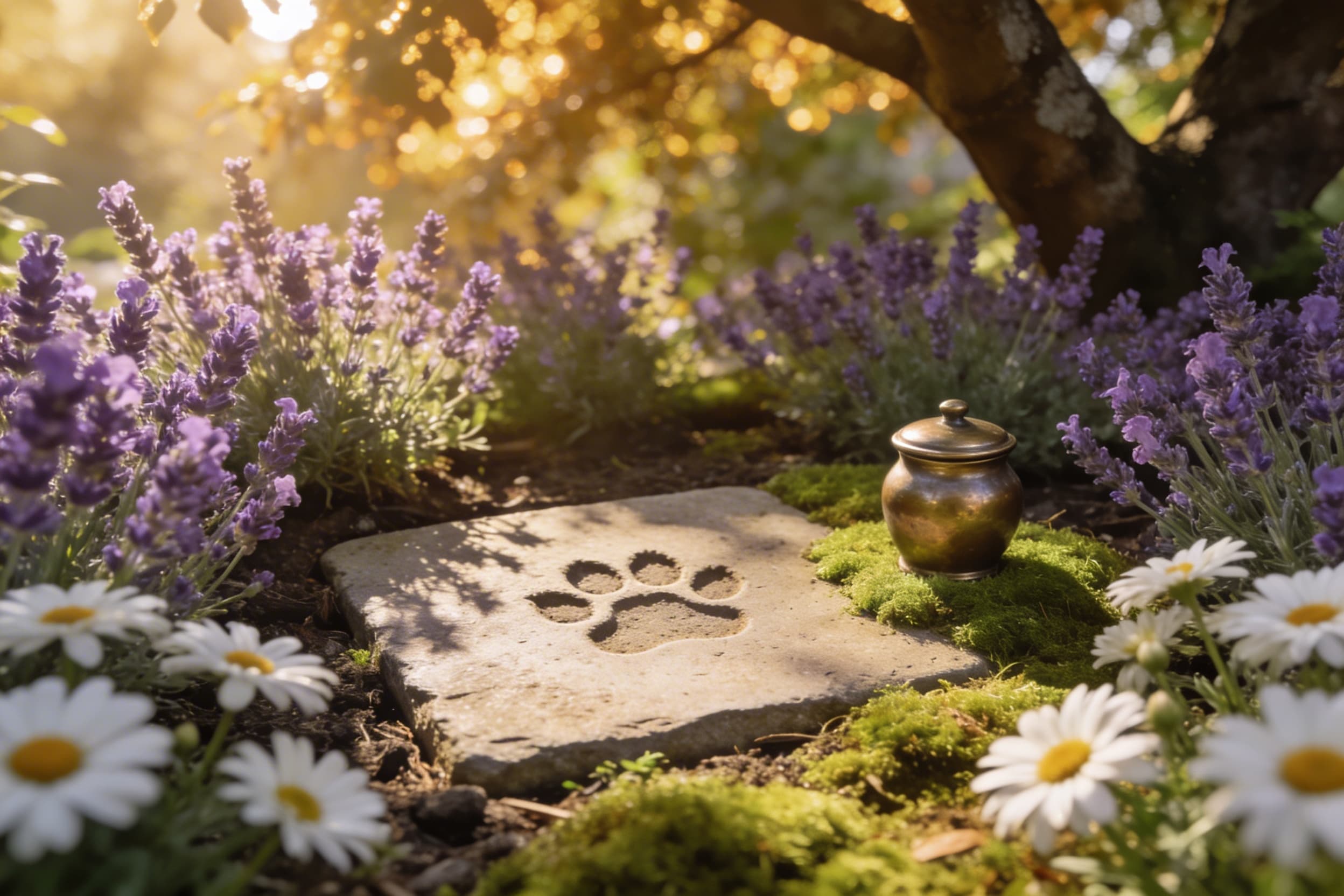
For families who want a cemetery-style memorial, you can bury your pet's ashes (in any urn or container) in a designated location and mark the grave with a memorial marker, stone, or plaque. Some families explore the option of burying pet ashes with human remains to create a family memorial.
How It Works
You choose a meaningful burial location—your backyard, a pet cemetery, a family property, or a dedicated pet memorial garden—and bury the urn. A pet urn vault protects the urn from ground moisture during in-ground burial. A pet memorial stone or grave marker placed above marks the location and can be engraved with your pet's name, dates, and a meaningful message or symbol.
Pros and Cons
Pros:
Creates a formal, cemetery-style memorial
Clearly marks and honors the burial location
Allows for a memorial plaque or stone with personalization
Pet memorial grave stones range from $50 to $500+, depending on materials, size, and customization.
Mixing Methods: Combining Multiple Options
You don't have to choose just one option. Many families create a combination memorial by dividing their pet's ashes:
Common Combinations:
Keep + Scatter: Keep most ashes in a main urn at home, scatter a small portion in a meaningful location
Keep + Jewelry: Keep ashes in a main urn, share a small amount in cremation jewelry with family members
Keep + Plant: Keep ashes in a keepsake urn, plant some in a memorial tree or biodegradable urn
Jewelry + Scatter: Wear a small amount in jewelry while scattering the rest
Multiple Keepsakes: Divide ashes among a main urn, keepsake urns for each family member, and a piece of jewelry
Why Split Ashes?
Because cremated remains are mineral-based (similar to sand), they can be easily divided. Splitting ashes allows you to:
Honor multiple family members' wishes
Preserve flexibility if you're unsure about a final decision
Create multiple meaningful memorials
Keep some ashes while scattering others
How to Divide Ashes
You can ask the crematory to divide ashes into multiple containers at pickup, or you can divide them yourself after receiving them. If dividing yourself, use a small scoop and carefully place portions into separate, sealed containers. For detailed guidance on transferring ashes into a new urn, consult our practical guide.
As you consider these eight meaningful ways to honor your pet's ashes, ask yourself:
What was my pet's personality? Did they love nature, adventure, or home? Choose an option that reflects their essence.
What does my family need? Do we want a daily visible memorial, or a private, intimate one? Do we need to share ashes among family members?
What feels right emotionally? Some families find comfort in keeping ashes at home; others prefer the symbolic release of scattering.
What's our budget? Options range from free (scattering) to thousands (memorial diamonds). Choose what's affordable for your family.
Do we want flexibility? Keepsake urns and split ashes allow for future changes if you're not ready to commit to one permanent option.
Remember: There is no right or wrong choice. The best memorial is the one that honors your pet and brings comfort to your family.
Frequently Asked Questions (FAQs)
Can I change my mind after scattering my pet's ashes?
Unfortunately, once ashes are scattered, you cannot retrieve them. This is why some families choose to scatter only a portion of their pet's ashes, keeping the rest in an urn or keepsake for future reflection. If you're uncertain, consider keeping some ashes before scattering the rest.
Is it okay to keep my pet's ashes at home indefinitely?
Absolutely. There is no timeline or deadline for deciding what to do with your pet's ashes. Many families keep ashes at home for years or permanently. Your pet's ashes will remain stable and safe in a sealed urn or container.
Can multiple family members each have a portion of the ashes?
Yes. Your pet's ashes can be divided among multiple urns or keepsakes so each family member can have a meaningful portion. You can request division at the time of cremation, or divide the ashes yourself after receiving them.
How do I know if my pet's ashes will fit in cremation jewelry?
Pet cremation jewelry is designed with small compartments specifically sized for pet ashes. A single pinch or small teaspoon of ashes is typically all that's needed to fill a pendant or ring. When ordering jewelry, confirm the compartment size with the retailer. See our pet cremation jewelry guide for more information.
What if I scatter ashes, but later wish I had kept some?
This is a common concern. The safest approach if you're uncertain is to keep most ashes in an urn and scatter only a small, symbolic portion. This preserves the option to change your mind later, while still honoring the symbolic release of scattering.
Are there any religious or cultural considerations for handling pet ashes?
Some religious traditions have specific views on cremation and ashes. Check with your faith community about any guidelines or restrictions. Many religions honor pet memorials, though the specific method may vary. Choose an option that aligns with your beliefs and values.
How much does it cost to scatter ashes professionally?
Professional scattering services vary widely based on location and method. Basic services may cost $100–$300, while elaborate ceremonies or water scattering via chartered boat can cost $500–$1,500+. Many families scatter ashes themselves at no cost.
Your Pet's Legacy Lives On
Your pet's ashes represent a tangible connection to the love and joy they brought into your life. Whether you display them in a beautiful urn, transform them into jewelry, plant them as a living memorial tree, or scatter them in nature, you're creating a lasting tribute to your beloved companion.
Take time to grieve, consult with family, and choose the option—or combination of options—that feels most meaningful. Your pet's memory will live on in whatever way you choose to honor it. For a complete guide to pet memorials, explore all the meaningful ways to celebrate your pet's life.