🏬Supersize Online Funeral Retailer🪦1000's of Headstones⚱️Over 10,000 Cremation Urns⚰️Caskets Overnight Delivery🛒Funeral & Memorial Superstore🚚FREE Shipping on ALL Orders👨👩👧👦Helping Families for over 20 Years💰Lowest Price Guarantee🏬Supersize Online Funeral Retailer🪦1000's of Headstones⚱️Over 10,000 Cremation Urns⚰️Caskets Overnight Delivery🛒Funeral & Memorial Superstore🚚FREE Shipping on ALL Orders👨👩👧👦Helping Families for over 20 Years💰Lowest Price Guarantee
🏬Supersize Online Funeral Retailer🪦1000's of Headstones⚱️Over 10,000 Cremation Urns⚰️Caskets Overnight Delivery🛒Funeral & Memorial Superstore🚚FREE Shipping on ALL Orders👨👩👧👦Helping Families for over 20 Years💰Lowest Price Guarantee🏬Supersize Online Funeral Retailer🪦1000's of Headstones⚱️Over 10,000 Cremation Urns⚰️Caskets Overnight Delivery🛒Funeral & Memorial Superstore🚚FREE Shipping on ALL Orders👨👩👧👦Helping Families for over 20 Years💰Lowest Price Guarantee
Understanding the cremation process can bring families a measure of clarity during an overwhelming time. Whether you are pre-planning your own arrangements or making decisions for someone you love, knowing exactly what happens at each stage — from the moment a funeral home receives the body to the day ashes are placed in your hands — removes much of the uncertainty. Our guide to the cremation process and costs covers every aspect of planning, but this article focuses specifically on the physical and procedural steps that make up a modern cremation from start to finish.
What Is Cremation?
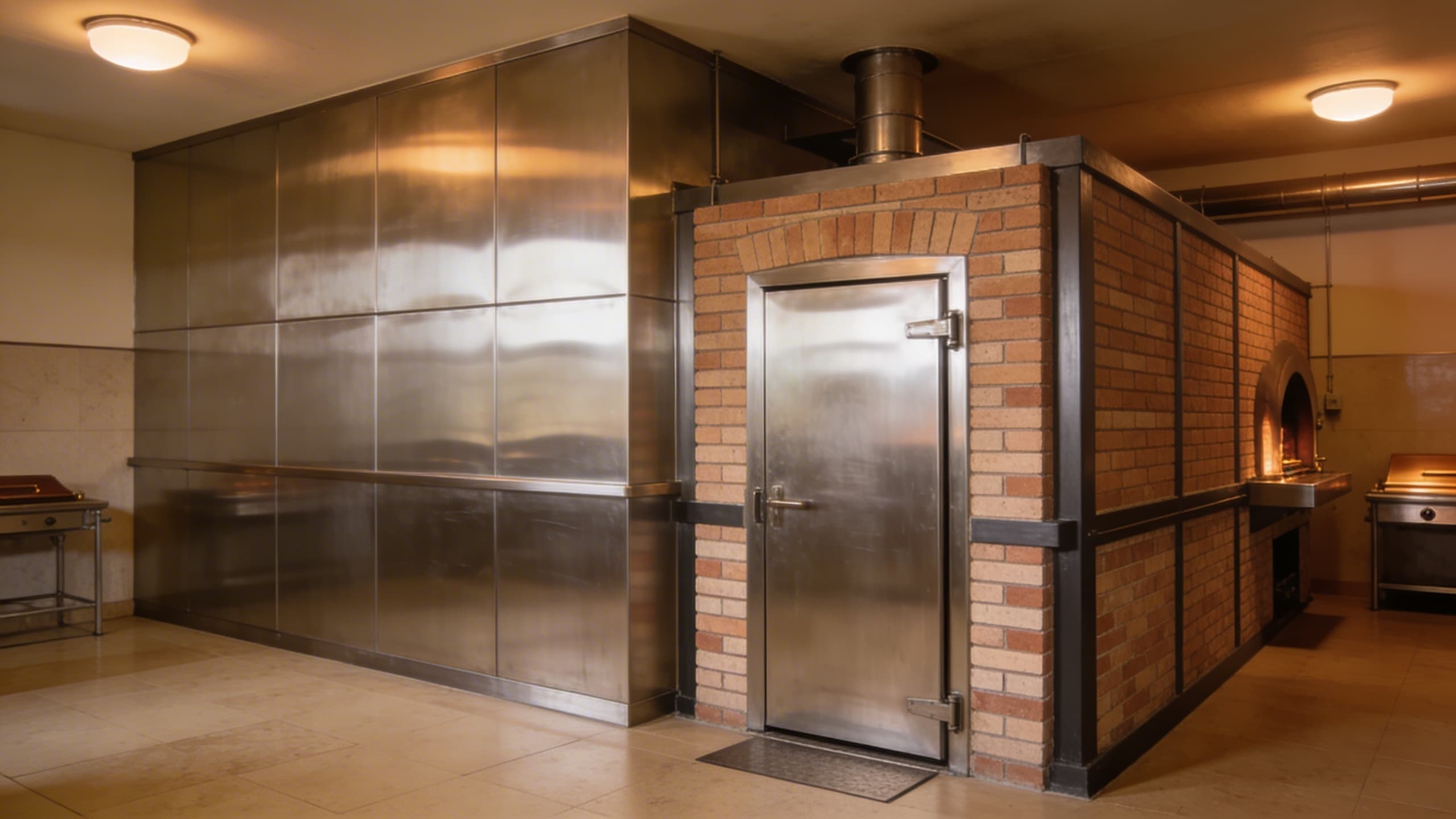
Cremation is a method of final disposition that uses intense heat to reduce the human body to its basic mineral compounds. The result is a collection of bone fragments — not fine powder, as many people assume — that are then mechanically processed into the granular substance families receive. A modern crematorium, sometimes called a crematory, houses one or more cremation chambers (the industry term is "retort") lined with fire-resistant bricks capable of withstanding temperatures well above 2,000 degrees Fahrenheit.
The practice dates back thousands of years, but the technology has advanced considerably. Today's cremation chambers are powered by propane or natural gas burners, equipped with computerized temperature controls, and designed with secondary combustion chambers and exhaust filtration systems that minimize emissions. Every step is governed by state and local regulations, and reputable facilities follow strict identification, documentation, and handling protocols throughout.
Types of Cremation Services
Before walking through the physical process, it helps to understand the two main service models families choose between.
Traditional cremation with a funeral service follows a familiar pattern: the body is embalmed and prepared for a viewing or visitation, a funeral or memorial service is held, and the cremation takes place afterward. Families who choose this route often select cremation caskets — specially designed combustible caskets that can be used for the service and then go directly into the retort.
Direct cremation skips the embalming, viewing, and formal service entirely. The body is transported to the crematory, legally required paperwork is completed, and the cremation proceeds without a prior ceremony. Because it eliminates several funeral home fees, direct cremation is the most affordable option — our article on direct cremation explained walks through the full cost breakdown and what to expect. Families who choose direct cremation may still hold a memorial service at a later date, with or without the cremated remains present.
In both models, the physical cremation process itself is identical. The differences lie in the services, timeline, and costs surrounding it.
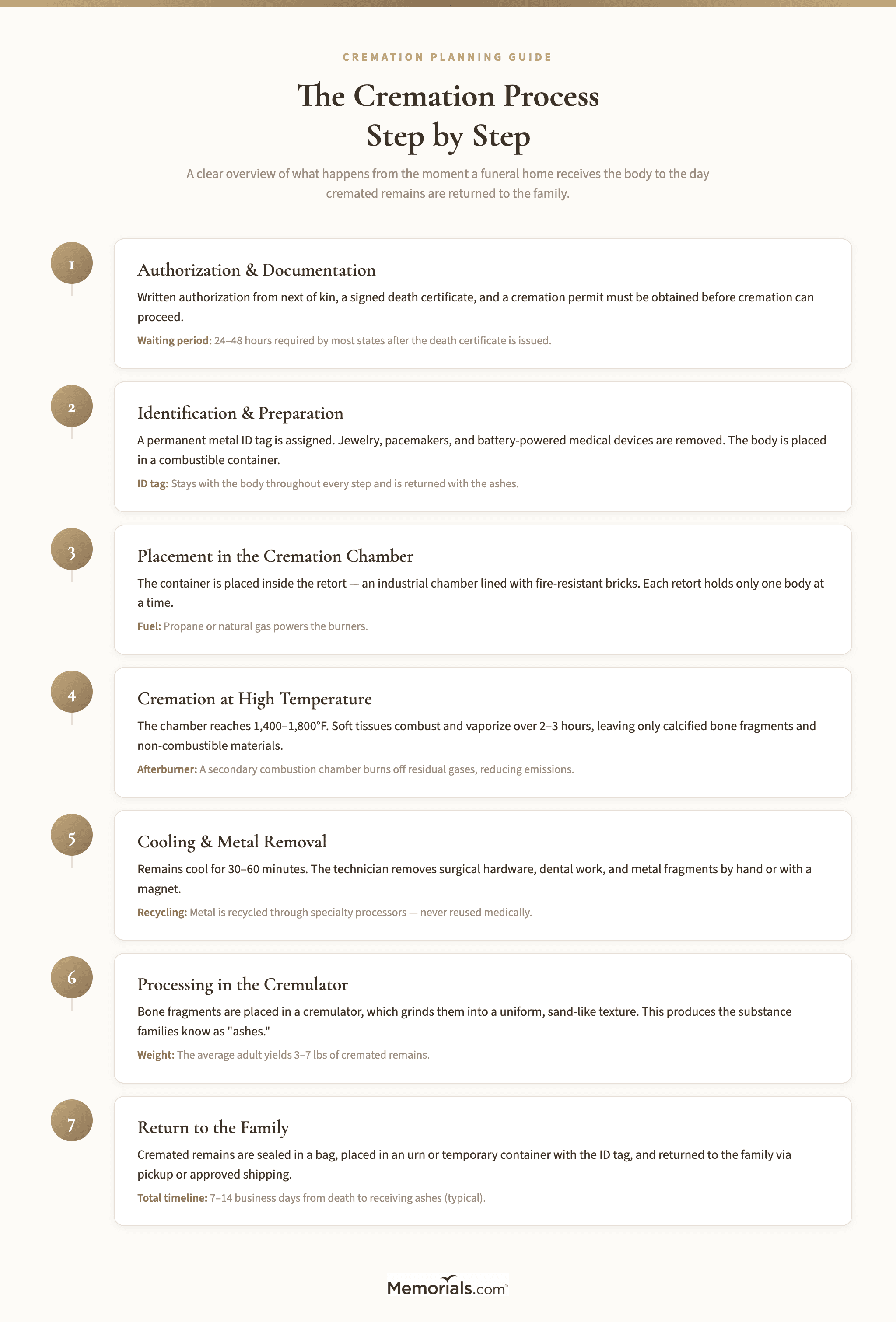
Step 1: Authorization and Legal Documentation
No cremation can proceed without written authorization from the legal next of kin and a signed cremation permit. The documentation process typically includes:
A cremation authorization form signed by the next of kin or a legally designated agent. This form confirms the identity of the deceased, authorizes the cremation, specifies who will receive the cremated remains, and indicates the type of container to be used.
A death certificate signed by the attending physician, medical examiner, or coroner. In many states, a mandatory waiting period of 24 to 48 hours must pass after the death certificate is issued before cremation can begin. Some jurisdictions also require clearance from the medical examiner's office, particularly if the death was sudden, unattended, or under investigation.
A cremation permit issued at the county level. This low-cost administrative step authorizes the crematory to proceed and is typically handled by the funeral director on behalf of the family.
These requirements exist to protect families and ensure that cremation — an irreversible act — is carried out only with proper consent. Understanding cremation rules and restrictions can help families prepare for situations where additional clearances or accommodations may be needed.
Step 2: Identification and Body Preparation
Proper identification is one of the most important safeguards in the cremation process. When the body arrives at the crematory, a permanent metal identification tag is assigned and placed with the deceased. This tag — stamped with a unique tracking number — stays with the body through every subsequent step, including the cremation itself, and is ultimately placed with the cremated remains before they are returned to the family.
Body preparation involves several steps. The crematory technician removes any jewelry or personal items the family wishes to keep. Medical devices that could react dangerously under extreme heat — most notably cardiac pacemakers, which contain lithium batteries that can explode — are also removed. Prosthetic joints, surgical pins, and screws are typically left in place, as they pose no safety risk during cremation and are separated from the remains afterward.
If the family has not chosen the embalming process and a traditional viewing, the body is simply cleaned and placed in the cremation container. There is no legal requirement for embalming prior to cremation, and most families opting for direct cremation skip this step entirely.
The body is then placed in a combustible cremation container. This may be a cremation casket selected by the family, a simple pressed-wood or cardboard container provided by the funeral home, or another rigid, fully combustible enclosure. The container must be sturdy enough to support the body, completely combustible, and leak-resistant. Federal regulations prohibit crematories from requiring families to purchase a casket for cremation.
Step 3: The Cremation Chamber (Retort)
The cremation takes place inside a retort — an industrial chamber lined with refractory (fire-resistant) bricks designed to withstand extreme temperatures over thousands of cycles. Each retort is sized to hold one body at a time. Reputable crematories never cremate more than one person in a single chamber simultaneously, and the identification tag system ensures chain-of-custody integrity throughout.
Before the cremation begins, the chamber is preheated. Once it reaches operating temperature, the container holding the body is placed inside through a mechanized door, and the cremation cycle begins.
Step 4: The Cremation Itself
This is the core of the process — what actually happens inside the retort once the door closes.
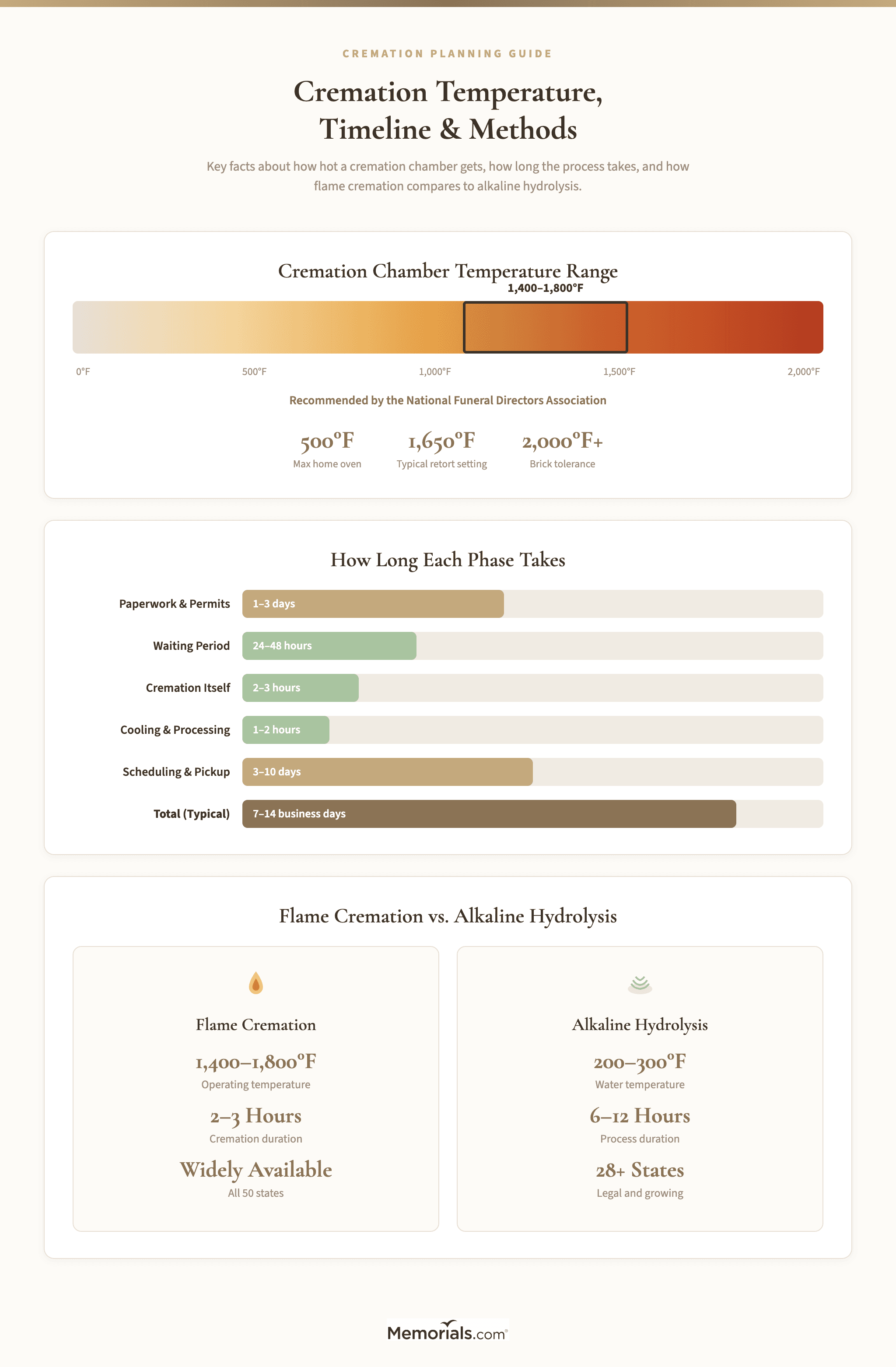
Temperature. The cremation chamber operates at temperatures between 1,400 and 1,800 degrees Fahrenheit (approximately 760 to 980 degrees Celsius). Most facilities maintain a target temperature around 1,600 to 1,700 degrees, adjusting based on the chamber model, body size, and other variables. The heat is generated by propane or natural gas burners positioned to produce consistent airflow throughout the chamber.
What happens to the body. The intense heat first ignites the combustible container. As temperatures rise, the body's soft tissues — skin, muscle, fat, and organs, which are composed largely of water and carbon — dry out, combust, and vaporize. This process moves through the body over the course of two to three hours. The duration depends on the individual's body composition, the chamber's efficiency, and the temperature maintained.
The role of airflow. Cremation is not simply burning — it is a controlled oxidation process. The retort's design allows continuous oxygen flow, which sustains efficient combustion, minimizes smoke, and ensures the process reaches completion. A secondary combustion chamber (sometimes called an afterburner) operates at even higher temperatures to burn off residual gases, reducing emissions and odors before exhaust passes through filtration systems and exits the building.
What remains. After two to three hours, the organic material has been fully consumed. What remains inside the retort are calcified bone fragments — dry, chalky-white pieces of varying size — along with any non-combustible materials such as surgical hardware, dental fillings, or metal from the container.
Step 5: Cooling and Metal Removal
After the cremation cycle completes, the chamber must cool before the next step. The operator allows the remains to rest until they can be safely handled, which typically takes 30 minutes to an hour depending on facility airflow and cooling procedures.
Once cooled, the crematory technician carefully inspects the remains and removes any metal objects. Surgical pins, joint replacements, dental work, and hardware from the cremation container are extracted by hand or with a strong magnet. These metal items are never reused in any medical capacity — they are either recycled through specialty metal recyclers or disposed of responsibly, depending on the facility's policies.
Step 6: Processing the Remains
The bone fragments that emerge from the retort do not resemble the fine, uniform texture that most families picture when they think of "ashes." At this stage, the remains consist of irregularly shaped pieces of calcified bone, some as large as a few inches across.
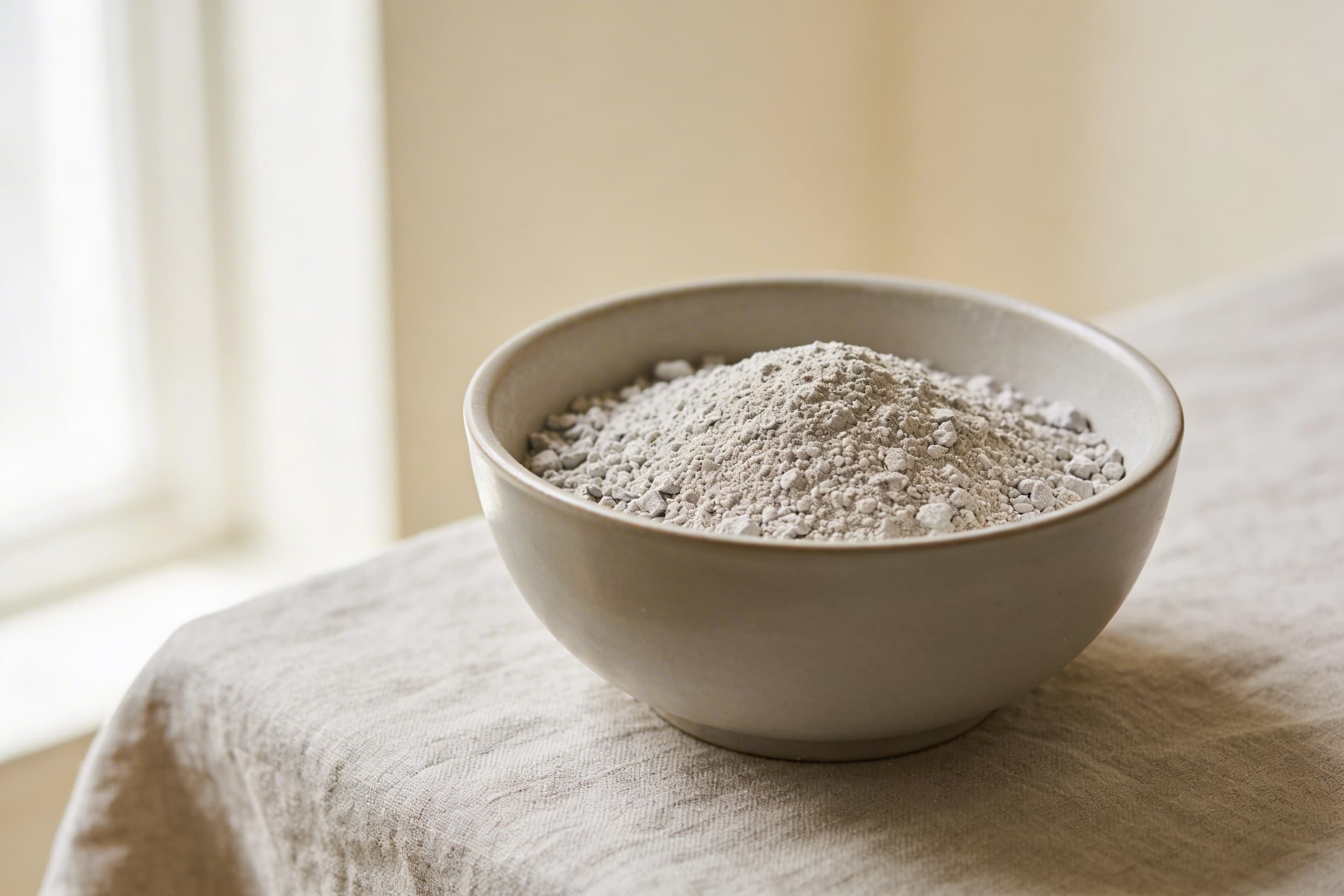
To produce the familiar powdery consistency, the fragments are placed in a cremulator — a specialized mechanical processor that uses rotating blades or grinding balls to reduce the bones to a uniform, granular texture. The result is a grayish-white substance with a consistency similar to coarse sand. This is what the funeral industry formally calls "cremated remains," though most families and funeral professionals simply say "ashes" or "cremains."
The average adult produces approximately 3 to 7 pounds of cremated remains, though the exact amount depends on the individual's bone density and body size. Our guide to how much cremation ashes weigh explores the factors that affect volume and weight in detail, including how those measurements relate to choosing the right urn.
Step 7: Return of Cremated Remains to the Family
After processing, the cremated remains are placed in a heavy-duty plastic bag, which is then sealed and placed inside either a temporary container provided by the crematory or a permanent urn for ashes selected by the family. The metal identification tag is included with the remains to confirm identity one final time.
The family (or their designated representative) picks up the cremated remains from the funeral home or crematory, or the facility ships them using approved carriers. The entire timeline from death to receiving ashes is typically 7 to 14 business days, though this can vary based on mandatory waiting periods, medical examiner requirements, and the crematory's schedule.
To understand more about the physical and chemical composition of what families receive — including color, texture, and safe handling — our guide to what human ashes are covers everything from the science of cremated remains to memorialization options.
Cremation Temperature: What Families Should Know
One of the most common questions families ask is how hot the cremation chamber gets. The National Funeral Directors Association recommends an operating range of 1,400 to 1,800 degrees Fahrenheit for the cremation chamber. Most modern crematories keep their retorts between 1,600 and 1,700 degrees during active cremation.
Several factors influence the exact temperature and duration of each cremation cycle. A larger individual may require a slightly longer cycle or a higher sustained temperature. The type of cremation container also plays a role — thicker caskets take longer to combust than simple cardboard containers. The age, model, and calibration of the retort affect efficiency as well. Newer chambers with digital controls maintain temperature more precisely than older manual units.
The extreme heat serves multiple purposes beyond reducing the body. It destroys bacteria, viruses, and pathogens, ensuring the cremated remains are completely sterile. It also promotes complete combustion of organic material, minimizing residual odors and reducing the emissions that exit the facility's exhaust system.
What Is a Crematorium?
A crematorium (also called a crematory) is the facility where cremations are performed. Some crematoriums are standalone buildings, while others are located within funeral homes, cemeteries, or memorial parks. A well-equipped modern crematorium typically contains one or more retorts, a processing room where remains are cremulated and packaged, a refrigerated holding area for bodies awaiting cremation, administrative space for paperwork and family consultations, and an exhaust and filtration system that meets local environmental regulations.
Families are sometimes given the option to witness the beginning of the cremation — watching as the container enters the chamber. Some religious traditions, including Hindu and Buddhist practices, incorporate this witnessing as part of the funeral rite. Most facilities accommodate these requests with a dedicated viewing area adjacent to the retort room.
Crematoriums operate under state licensing requirements and are subject to inspection by health departments and environmental agencies. The Cremation Association of North America (CANA) also provides voluntary certification programs that hold member facilities to professional and ethical standards.
Human Cremation vs. Pet Cremation
The fundamental mechanics of cremation — high-temperature reduction followed by processing of bone fragments — are the same whether the cremation involves a human or a companion animal. The key differences are scale and regulation.
Human cremation involves strict legal requirements (death certificates, cremation permits, mandatory waiting periods) that do not apply to pet cremation. The retorts used for human cremation are larger and must comply with more rigorous environmental standards. Pet cremation facilities use smaller chambers, and the timeline from death to receiving ashes is often shorter because fewer legal steps are involved. Families navigating the loss of a pet can learn more in our guide to how pet cremation works, which covers the differences between private, communal, and witnessed pet cremation services.
Alkaline Hydrolysis: An Alternative to Flame Cremation
While traditional flame-based cremation remains the most widely available option, alkaline hydrolysis — commonly called water cremation, aquamation, or bio-cremation — has become legal in a growing number of states. This process uses a combination of warm water, alkaline chemicals (potassium hydroxide), and gentle agitation to accelerate natural decomposition over 6 to 12 hours, depending on the system.
The result is the same as flame cremation: bone fragments that are processed into cremated remains and returned to the family. Advocates point to its lower energy consumption and reduced carbon emissions compared to flame-based cremation. However, availability remains limited because not all states have approved the practice, and relatively few facilities currently offer it.
What Happens After You Receive the Ashes
Once the cremated remains are in the family's care, there are no legal deadlines or requirements dictating what must happen next. Common choices include:
Keeping the ashes at home in a decorative urn displayed on a mantel, shelf, or in a memorial cabinet.
Burial in a cemetery plot, cremation garden, or columbarium niche — a small compartment within a wall-mounted structure designed specifically for urns.
Scattering at a meaningful location, whether on private land, at sea, or in a designated scattering garden. Local and federal laws govern where and how scattering may be done.
Dividing the ashes among family members using keepsake urns or cremation jewelry, allowing multiple loved ones to keep a physical connection to the person who died.
Memorial art or living memorials such as cremation glass, cremation diamonds, or tree-planting urns that incorporate a portion of the ashes.
Many families combine several of these options — burying a portion, keeping a keepsake urn at home, and scattering the rest at a favorite spot. There is no single right answer, and the flexibility cremation provides is one of the reasons it has become the most chosen form of disposition in the United States.
Frequently Asked Questions
How long does the cremation process take?
The cremation itself takes approximately two to three hours at 1,400 to 1,800 degrees Fahrenheit. However, the full timeline from death to receiving cremated remains typically spans 7 to 14 business days, accounting for legal paperwork, mandatory waiting periods, the cremation schedule, and processing.
Are cremated remains really ashes?
Not exactly. Cremated remains are primarily composed of calcium phosphate from processed bone fragments. The term "ashes" is a common shorthand, but the texture is closer to coarse sand or fine gravel than to fireplace ash. Color ranges from white to pale gray.
Can families watch the cremation?
Many crematories offer the option for family members to witness the beginning of the cremation — specifically, the moment the container enters the retort. This practice is common in Hindu, Buddhist, and other religious traditions. Facilities that accommodate witnessing typically have a designated viewing area near the cremation chamber.
Is a casket required for cremation?
No. Federal law (the FTC Funeral Rule) prohibits funeral homes and crematories from requiring families to purchase a casket for cremation. A simple, rigid, combustible container is all that is needed. Families may choose a cremation casket for aesthetic or ceremonial reasons, but it is not mandatory.
What happens to metal implants during cremation?
Metal implants — including hip and knee replacements, surgical pins, screws, and dental work — do not combust at cremation temperatures. After the cremation cycle and cooling, these items are removed from the remains by hand or with a magnet. They are never reused medically; most are recycled through specialty metal recyclers.