🏬Supersize Online Funeral Retailer🪦1000's of Headstones⚱️Over 10,000 Cremation Urns⚰️Caskets Overnight Delivery🛒Funeral & Memorial Superstore🚚FREE Shipping on ALL Orders👨👩👧👦Helping Families for over 20 Years💰Lowest Price Guarantee🏬Supersize Online Funeral Retailer🪦1000's of Headstones⚱️Over 10,000 Cremation Urns⚰️Caskets Overnight Delivery🛒Funeral & Memorial Superstore🚚FREE Shipping on ALL Orders👨👩👧👦Helping Families for over 20 Years💰Lowest Price Guarantee
🏬Supersize Online Funeral Retailer🪦1000's of Headstones⚱️Over 10,000 Cremation Urns⚰️Caskets Overnight Delivery🛒Funeral & Memorial Superstore🚚FREE Shipping on ALL Orders👨👩👧👦Helping Families for over 20 Years💰Lowest Price Guarantee🏬Supersize Online Funeral Retailer🪦1000's of Headstones⚱️Over 10,000 Cremation Urns⚰️Caskets Overnight Delivery🛒Funeral & Memorial Superstore🚚FREE Shipping on ALL Orders👨👩👧👦Helping Families for over 20 Years💰Lowest Price Guarantee
Mother's Day and Father's Day are among the most emotionally charged holidays on the calendar. When the parent you want to celebrate is no longer here, these days can feel less like celebrations and more like reminders of everything you have lost. The cards, commercials, and social media posts honoring living parents can make the absence feel sharper than usual.
There is no single right way to spend these holidays after loss. Some people find comfort in creating new memorial traditions, while others prefer quiet reflection. Whatever feels right for you is the right approach. If you are navigating this kind of grief for the first time — or the tenth — the complete grief support guide offers a broader framework for working through loss at every stage.
This guide covers practical ways to honor a deceased mother on Mother's Day and a deceased father on Father's Day, along with keepsakes and memorial products that can bring comfort on these difficult days and throughout the year.
Why Mother's Day and Father's Day Grief Feels Different
Losing a parent is the most common form of bereavement, but that commonality does not make it easier. What makes Mother's Day and Father's Day especially difficult is that the grief is not just personal — it is public. The holidays are culturally unavoidable. Stores fill with cards and gifts weeks in advance. Coworkers and friends share celebration plans. Social media overflows with tributes to living parents.
This is sometimes called anniversary grief — the intensified sadness that returns around dates with deep emotional significance. The first Mother's Day or Father's Day without a parent tends to be the hardest, but grief rarely follows a neat timeline. Some years may pass without tears, while a later year brings an unexpected wave of sorrow triggered by a song, a scent, or a milestone your parent will never witness.
Give yourself permission to feel whatever comes up. Grief does not expire, and there is no deadline for moving on.
Honoring a Deceased Mother on Mother's Day
Mother's Day without Mom can feel especially isolating because the holiday carries such strong cultural expectations around togetherness, gratitude, and nurturing. These ideas can help you honor her memory in a way that brings comfort rather than pressure.
Visit Her Resting Place
If your mother is buried or interred in a columbarium, visiting her gravesite on Mother's Day can be a grounding ritual. Bring her favorite flowers — or carnations, the traditional flower of remembrance for the holiday. You do not have to go alone; bringing a sibling, spouse, or your own children can turn the visit into a shared act of love.
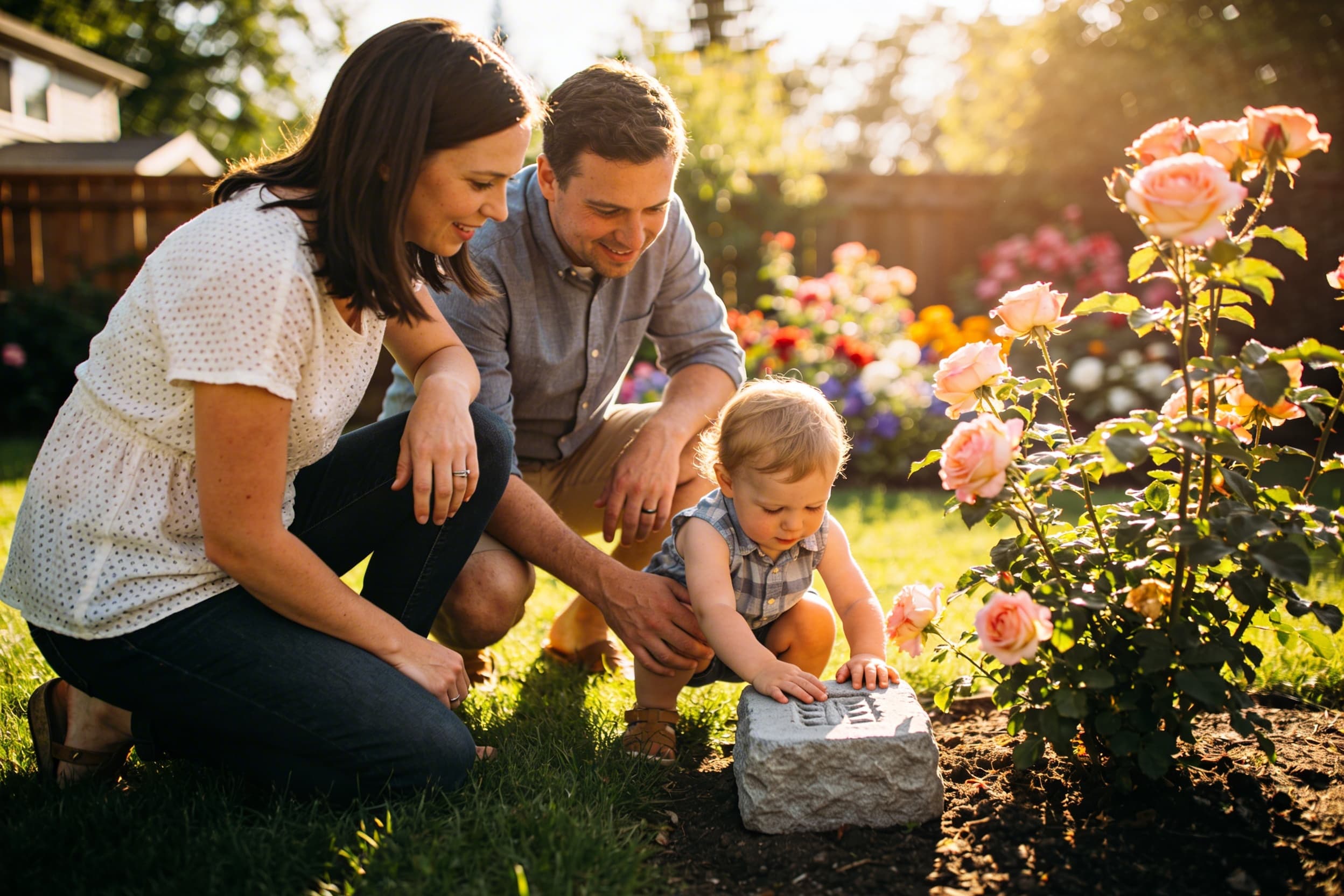
If her resting place is far away, consider placing a remembrance stone in your own garden as a local place of reflection you can visit anytime.
Cook Her Signature Recipe
Few things conjure a parent's presence like the smell and taste of their cooking. Spend part of Mother's Day preparing the dish she was known for — her Sunday pot roast, her holiday pie, her famous biscuits. Invite family and share stories while you cook. If she had a handwritten recipe card, frame it afterward as a piece of kitchen decor that honors her daily.
Create or Add to a Memory Collection
Pull out photo albums, home videos, or old letters and spend time revisiting the moments you shared. If you have children who never met their grandmother, this is a powerful way to introduce her. Consider compiling a simple photo book or digital slideshow set to her favorite music to share with the family.
Wear Something of Hers
Many people find comfort in wearing a piece of their mother's jewelry on Mother's Day. If her original pieces are not your style, cremation jewelry allows you to keep a small amount of her cremated ashes with you in a pendant, bracelet, or ring that you wear every day — not just on holidays. For many who have lost a parent, having something tangible and close to the body provides a sense of connection that photographs alone cannot match.
Write Her a Letter
Even though she will not read it, writing a Mother's Day letter to your mom can be deeply therapeutic. Tell her what has happened since she passed. Share what you miss most. Mention the things she taught you that still guide your daily life. You can keep the letter in a special place, tuck it into a memory box, or bring it to her gravesite.
Honoring a Deceased Father on Father's Day
Father's Day grief carries its own character. Fathers are often remembered through shared activities — fishing trips, car rides, sports, building projects — and the absence can feel most acute when you encounter the things you used to do together.
Do Something He Loved
Spend part of Father's Day engaged in an activity your father enjoyed. Go for a bike ride, cast a line at his favorite lake, watch his team play, or fire up the grill the way he used to. The activity itself is less important than the intention behind it — recreating a moment of connection with his memory.
Tell His Stories
Fathers are often the family storytellers, and those stories can fade if no one carries them forward. Gather family around the dinner table and ask each person to share a favorite Dad or Grandpa story before the meal. If you have children, tell them the stories your father told you — the life lessons, the exaggerated adventures, the running jokes. Keeping his voice alive through narrative is one of the most lasting forms of memorial.
Light a Memorial Candle
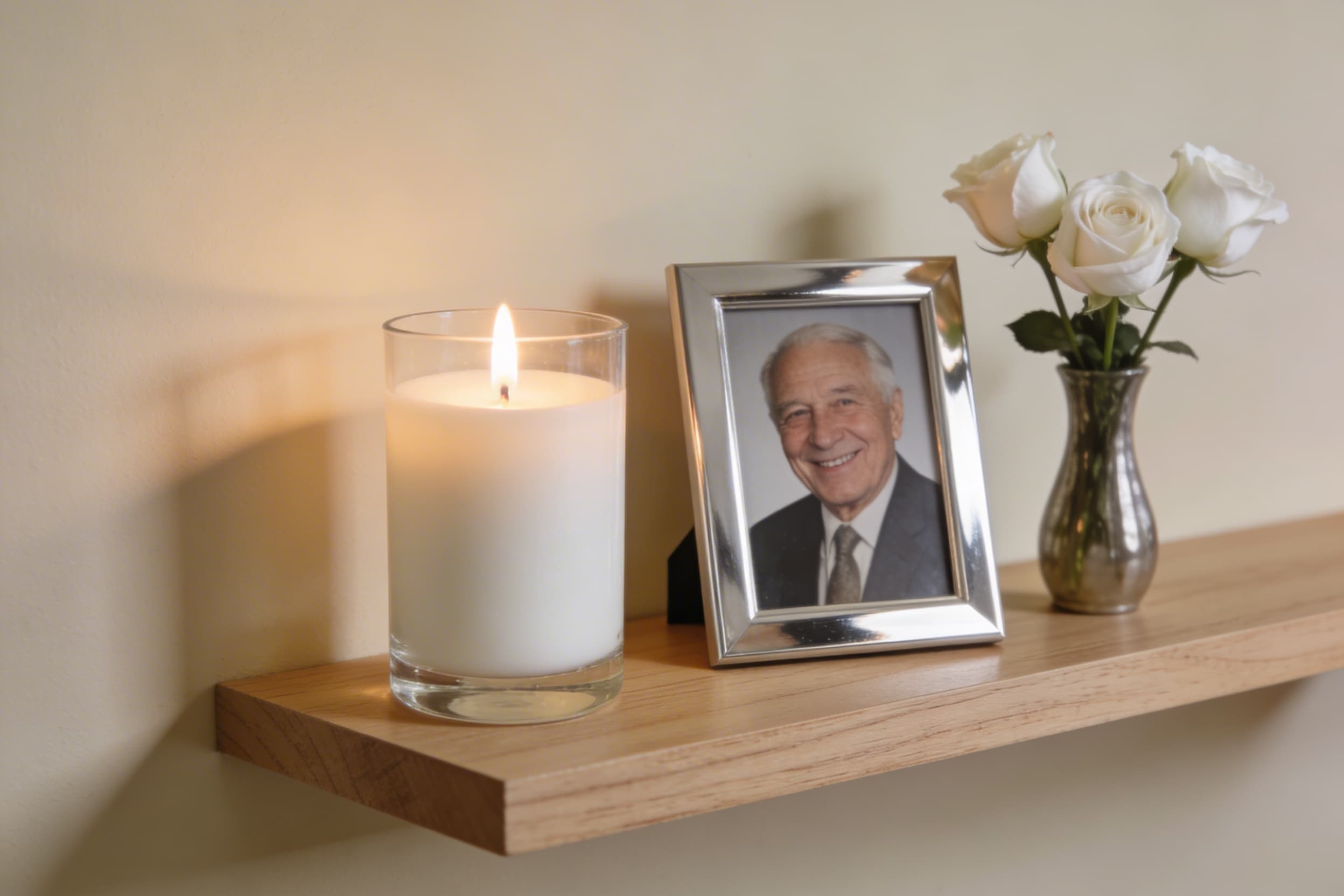
Across many cultures and faith traditions, lighting a candle in honor of a loved one is a simple but powerful act of remembrance. Designating a candle on Father's Day — perhaps placed beside a favorite photograph — creates a quiet focal point for reflection. The ritual takes only a moment, but it acknowledges his presence in the room even in his absence.
Donate or Volunteer in His Name
If your father supported a particular charity, volunteered in the community, or was passionate about a cause, honor his values by continuing that work. Donate in his name, spend Father's Day volunteering, or support an organization he cared about. Acts of service channel grief into something generative and keep his influence visible in the world.
Memorial Keepsakes for Mother's Day and Father's Day
Physical objects provide an anchor for memory. Having something you can hold, touch, or display creates a tangible connection to a parent who is no longer physically present. These memorial keepsakes are especially meaningful on holidays dedicated to the parent you have lost.
Cremation Jewelry and Wearable Memorials
A small pendant or locket holding a portion of cremated ashes lets you carry your parent with you — literally — throughout the day. Many people who are honoring a deceased parent on Mother's Day or Father's Day choose to wear their cremation pendant specifically on the holiday as a personal, private act of remembrance. Others wear it daily as an ongoing connection.
Photo Memorial Keepsakes
A framed photograph, a custom photo ornament, or a photo-engraved keepsake gives your parent a visible place in your home. Displaying their image on the holiday — surrounded by flowers or a candle — creates a simple memorial space that the whole family can acknowledge.
Memorial Garden Stones
For families who honor a parent's memory outdoors — in a garden, on a patio, or near a favorite tree — a memorial stone provides a lasting tribute that weathers the seasons just as love does. Garden memorials are especially fitting if your parent was a gardener, a nature lover, or someone who found peace outdoors.
Creating New Holiday Traditions
One of the most healing things you can do is create a new tradition that acknowledges the loss while also moving forward. New traditions are not about replacing your parent; they are about integrating their memory into the ongoing life of your family.
A Mother's Day or Father's Day brunch in their honor. Serve their favorite foods, set an empty place card, and ask each guest to share a memory. The meal becomes both a celebration and a memorial.
A yearly act of kindness. If your mother was known for her generosity, spend Mother's Day performing random acts of kindness in her name. If your father coached Little League, volunteer at a youth sports event on Father's Day. Kindness in their spirit carries their values forward.
A family walk or outing to a meaningful place. Visit the park where you played as a child, the restaurant where your family celebrated birthdays, or the trail your parent loved. Familiar places hold emotional resonance that can make a parent feel close again, even briefly.
These traditions also connect to how families approach Thanksgiving memorial traditions and honoring loved ones at Christmastime. Seasonal remembrance does not have to be isolated to a single holiday — many families build a year-round rhythm of honoring their loved ones at each major occasion.
Gift Ideas for Someone Honoring a Deceased Parent
If someone you care about is facing Mother's Day or Father's Day after losing a parent, your thoughtfulness can make a real difference. A simple acknowledgment — a text, a call, or a note that says "I know today is hard, and I'm thinking of you" — often means more than any physical gift.
For those who want to give something tangible, sympathy gifts designed for ongoing remembrance are more meaningful than generic holiday presents. Consider a memorial candle, a remembrance stone, a photo keepsake, or a comfort item that acknowledges the loss directly. If you want to explore relationship-specific gift ideas in more depth, our guide to sympathy gifts for the loss of a parent covers options organized by price range, gift type, and grieving stage.
Managing Grief on the Day Itself
Even with the best plans and most meaningful traditions, Mother's Day and Father's Day can still hit hard. A few grounding strategies can help:
Make a plan, but hold it loosely. Decide in advance how you want to spend the day, but give yourself permission to change course. If you planned to visit the cemetery but cannot bring yourself to go, that is fine. If you planned a quiet day at home but suddenly want company, reach out.
Limit social media if it helps. Scrolling through other people's celebrations can amplify feelings of loss. Muting feeds or stepping away from your phone for the day is a legitimate form of self-care.
Spend time with people who understand. Surround yourself with family or friends who knew your parent and understand the depth of your loss. Avoid people who minimize your grief or suggest you should be "over it" by now.
Let children participate. If you have kids, let them help create the memorial tradition — drawing a picture for Grandma, picking flowers for Grandpa's stone, or helping cook the special recipe. Children process grief through action, and including them normalizes the experience of honoring someone who has died.
For a broader collection of remembrance approaches that extend beyond a single holiday, our memorial ideas for a loved one resource covers year-round options for keeping a parent's memory present in daily life.
Frequently Asked Questions
How do I get through my first Mother's Day or Father's Day after my parent died?
The first holiday without a parent is typically the hardest because everything feels unfamiliar. Plan the day with intention — choose one or two meaningful activities rather than trying to fill every hour. Lean on people who understand your grief, and give yourself permission to feel sad, angry, or numb without judgment. It may help to set a small, specific goal: "I will visit the cemetery and then have lunch with my sister." Structure provides comfort when emotions feel overwhelming.
Is it normal to still feel grief on Mother's Day years after my mom passed?
Grief does not follow an expiration date. Many people experience waves of sadness on Mother's Day or Father's Day decades after a parent's death, especially during life milestones — a graduation, a wedding, or the birth of a grandchild the parent never met. This is completely normal and does not mean you have failed to "move on." It means your parent mattered deeply to you.
What should I say to someone who lost a parent before Mother's Day or Father's Day?
A simple, direct acknowledgment is best: "I know this day is tough for you. I'm thinking of you and your mom (or dad)." Avoid platitudes like "they're in a better place" or "time heals all wounds." Say the parent's name if you can — grieving people often find comfort in hearing others remember the person they lost. A brief text or handwritten note is often more appreciated than a phone call, which can put pressure on the griever to perform composure.
Can I celebrate Mother's Day as a mom while also mourning my own mother?
Yes, and many people navigate exactly this tension. You can celebrate being a mother while also honoring the mother you lost. Some families address this by splitting the day — morning activities focused on remembering Grandma, afternoon focused on celebrating Mom. Others integrate both by cooking Grandma's recipe as part of the Mother's Day celebration. Holding two emotions at once — gratitude and grief — is not contradictory. It is deeply human.
What memorial products help on Mother's Day or Father's Day?
Cremation jewelry, photo keepsakes, memorial candles, and remembrance stones are among the most meaningful items for holiday remembrance. Cremation pendants and lockets let you carry a small amount of ashes close to your heart throughout the day. Photo-engraved keepsakes give your parent a visible presence in your home. Memorial garden stones create an outdoor tribute you can visit year after year. The best choice depends on whether you want something wearable, displayable, or placed in a meaningful outdoor location.