🏬Supersize Online Funeral Retailer🪦1000's of Headstones⚱️Over 10,000 Cremation Urns⚰️Caskets Overnight Delivery🛒Funeral & Memorial Superstore🚚FREE Shipping on ALL Orders👨👩👧👦Helping Families for over 20 Years💰Lowest Price Guarantee🏬Supersize Online Funeral Retailer🪦1000's of Headstones⚱️Over 10,000 Cremation Urns⚰️Caskets Overnight Delivery🛒Funeral & Memorial Superstore🚚FREE Shipping on ALL Orders👨👩👧👦Helping Families for over 20 Years💰Lowest Price Guarantee
🏬Supersize Online Funeral Retailer🪦1000's of Headstones⚱️Over 10,000 Cremation Urns⚰️Caskets Overnight Delivery🛒Funeral & Memorial Superstore🚚FREE Shipping on ALL Orders👨👩👧👦Helping Families for over 20 Years💰Lowest Price Guarantee🏬Supersize Online Funeral Retailer🪦1000's of Headstones⚱️Over 10,000 Cremation Urns⚰️Caskets Overnight Delivery🛒Funeral & Memorial Superstore🚚FREE Shipping on ALL Orders👨👩👧👦Helping Families for over 20 Years💰Lowest Price Guarantee
How to Help a Child Deal With a Pet's Death | Memorials.com Info Center
🏬Supersize Online Funeral Retailer🪦1000's of Headstones⚱️Over 10,000 Cremation Urns⚰️Caskets Overnight Delivery🛒Funeral & Memorial Superstore🚚FREE Shipping on ALL Orders👨👩👧👦Helping Families for over 20 Years💰Lowest Price Guarantee🏬Supersize Online Funeral Retailer🪦1000's of Headstones⚱️Over 10,000 Cremation Urns⚰️Caskets Overnight Delivery🛒Funeral & Memorial Superstore🚚FREE Shipping on ALL Orders👨👩👧👦Helping Families for over 20 Years💰Lowest Price Guarantee
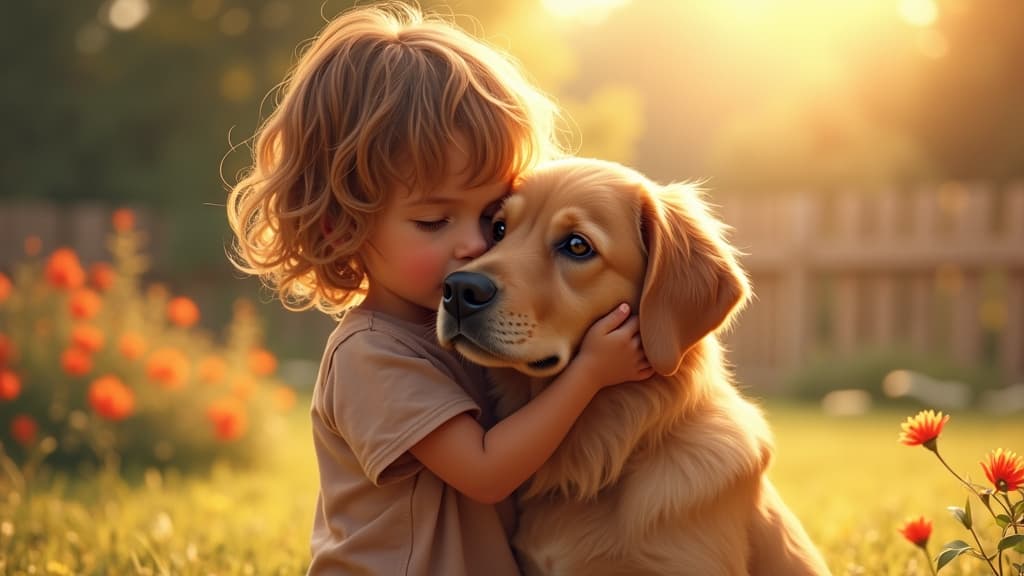
When a pet dies, it's as if a family member has passed away, and it's especially challenging for children. For many kids, the death of a pet is their very first encounter with loss — and how parents handle it can shape the way they process grief for years to come.
As a parent, it's natural to want to protect your children from pain. But shielding them completely can actually make things harder. Children are perceptive — they pick up on sadness in the household, and unanswered questions often lead to confusion or anxiety.
This article walks through practical, age-appropriate ways to help your child before and after the death of a beloved pet, from having the initial conversation to creating memorials that keep your pet's memory alive.
If your pet is aging or ill, you have the opportunity to prepare your child before the loss happens. Children who know what to expect tend to cope more effectively than those who are blindsided by sudden news.
A study published in the Journal of Environmental Education found that children between ages 6 and 14 described the day their pet died as one of the worst days of their lives. Yet the same study revealed that children are perceptive about whether an animal lived a full life — they understand more than we give them credit for.
If your pet's life is being cut short by illness or injury, use the time you have to begin the conversation rather than waiting for the worst moment.
Tell Your Children Right Away
When your pet's condition becomes serious — or after it has already passed — don't wait for your children to ask. Tell them directly. Children who aren't told may spend days searching for a pet that isn't coming back, which compounds the grief with confusion.
Use clear, honest language. Saying "we lost Buddy" or "Buddy went to sleep" can confuse younger children who may take the words literally. Instead, say something like: "Buddy died today. His body stopped working because he was very sick, and the doctors couldn't fix it."
This directness may feel harsh, but it gives children a foundation of truth to build their understanding on. It also shows them that death is something families can talk about openly.
Sharing the News
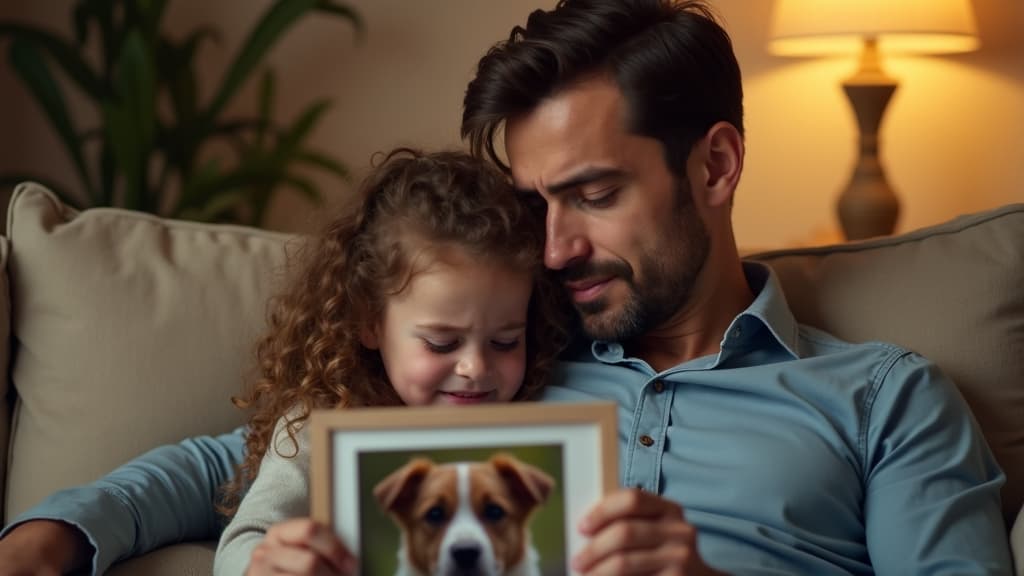
The conversation about a pet's loss can be emotionally challenging. The most important thing is to be honest and available. You don't need a perfect speech — what matters is that your child sees you being real about what happened.
Choose a quiet, private moment when you won't be interrupted. Sit at their level, make eye contact, and be prepared for any reaction — tears, silence, anger, or even apparent indifference. All of these are normal.
Be Prepared for Questions
Your child will likely have questions, especially if this is their first experience with death. Common questions include "Where did they go?", "Did it hurt?", and "Will you die too?"
Answer honestly based on your family's beliefs. It's okay to say "I don't know" — that's more helpful than a fabricated answer they'll eventually see through. What children need most is the assurance that their feelings are valid and that they're safe asking difficult questions.
If you're not sure how to answer in the moment, it's fine to say: "That's a really important question. Let me think about it and we'll talk more tonight." Then follow through.
Explain Euthanasia
If euthanasia is part of your pet's end-of-life plan, children who are old enough to understand deserve an honest, gentle explanation. You might say: "The vet can give our pet medicine that will stop the pain and let them pass away peacefully. It doesn't hurt — it's like falling into a very deep sleep."
Emphasize that this is a decision made out of love, not convenience. Children need to know that making the euthanasia decision is one of the hardest choices a pet owner faces, and it's done to prevent suffering.
For children under 5, simpler language works better: "The vet is going to help our pet stop hurting. After that, our pet won't be alive anymore, but they won't be in pain."
Prepare for Your Child's Reaction
Children grieve differently based on age, temperament, and their relationship with the pet. Some will cry immediately. Others may seem unaffected at first and break down days or weeks later. Some may express anger — at the vet, at you, or at the pet for "leaving."
All of these responses are normal. Your role isn't to fix the emotion — it's to be present for it. Let your child know that sadness, anger, and confusion are all okay. Avoid phrases like "Don't be sad" or "They're in a better place" — these dismiss the child's experience rather than honoring it.
If your child wants to say goodbye to the pet before or after death, consider whether this is appropriate for their age and emotional readiness. Many children find it comforting to have that closure.
After the Pet's Death
Once the initial conversation is over, grief doesn't end — it evolves. In the days and weeks following your pet's death, your child will need ongoing support. If you're navigating the immediate logistics for the first time, our guide on what to do when your dog dies covers the practical steps families face.
Reassure your child that they are not alone in their feelings. Share your own sadness openly — when children see a parent grieve authentically, it gives them permission to do the same.
Comforting Your Child
Keep the Channels of Communication Open
At a young age, the concept of death is new, and children may circle back to questions they've already asked. This is normal — they're processing. Don't treat repeated questions as a sign that something is wrong. Each time they ask, they're understanding a little more.
It's essential to keep communication channels open after a pet's death. Let your child know they can come to you any time — even weeks or months later when a memory surfaces unexpectedly.
You can also help by giving them ways to express what they're feeling. Some children talk; others draw, write, or act out their emotions through play. Follow their lead rather than insisting on one approach.
Reassure Your Child
Reassurance helps children feel safe enough to grieve without fear. It can take many forms — words, physical comfort, simply being nearby. Some phrases that help:
"I know this is really hard."
"I'm here for you, and I'm not going anywhere."
"We will get through this together."
"It's okay to cry. It means you loved them."
Avoid reassurances that minimize the loss ("We can get another pet") or make promises you can't keep ("This will never happen again"). These well-meaning statements can make a child feel like their grief isn't being taken seriously.
Do Your Best to Answer Questions
Your child may ask about the afterlife, about what happened to the pet's body, or about whether other family members or pets will die. These conversations can feel overwhelming, but they're an important part of how children build their understanding of the world.
Draw on your family's beliefs when it feels right. If your child asks "Where is Buster now?" you might say "I believe he's somewhere peaceful and happy" or "I'm not sure, but I know the love we shared is still real." Both are honest and comforting in different ways.
Don't sugarcoat the situation or make it seem less sad than it is. Children can tell when adults are being evasive, and that disconnect can be more unsettling than the truth.
Encourage Returning to Their Normal Routine
While your child may need a day or two to adjust, maintaining their regular routine provides stability during an unstable time. School, activities, and time with friends give children a sense of normalcy and remind them that life continues.
That said, don't pressure your child to "get over it" on any timeline. Some children bounce back quickly; others need weeks to feel like themselves again. Watch for their cues. If they say they're not ready for school, a half-day or a quiet morning at home can be a reasonable compromise.
Watch for Signs of Prolonged Grief
Most children move through pet loss grief within a few weeks, but some struggle longer. Signs to watch for include:
Frequent crying that doesn't diminish over time
Loss of interest in activities they previously enjoyed
Changes in sleep, appetite, or energy levels
Declining school performance or difficulty concentrating
Withdrawal from family and friends
If you notice these patterns persisting beyond a few weeks, consider talking with your child's pediatrician or a child therapist. Grief counseling can give children tools that parents alone may not be able to provide.
You can also help your child process their feelings through creative outlets — journaling, drawing pictures of the pet, or writing a letter to the pet. These activities give grief a constructive channel.
Don't Forget About Yourself
As a parent, it's easy to focus entirely on your child's grief while ignoring your own. But you lost a companion too. If you need support coping with pet grief, allow yourself to seek it — whether from a partner, friend, or counselor.
Children who see their parents grieve honestly learn that sadness is a normal response to loss. You don't need to fall apart in front of them, but letting them see your tears or hear you say "I really miss Max today" normalizes the experience.
You'll also be better positioned to support your child if you've attended to your own emotional needs first.
Remembering the Pet
Creating tangible ways to remember a pet gives children something concrete to do with their grief — and something to return to in the months and years ahead. Our pet memorial guide walks through the full range of options families choose, from simple home tributes to lasting keepsakes.
A study by researchers at the University of Cambridge, published in Developmental Psychology, found that most parents reported their children coped well after a pet's death — and that actively remembering the animal was one of the most effective ways for children to process the loss.
Here are several activities families can do together.
Memorial Service
A memorial service doesn't need to be elaborate. It can be as simple as gathering in the backyard, sharing favorite stories, and saying goodbye together. Let your child participate — they might want to read a poem, share a memory, or place a favorite toy by the pet's resting spot.
Including children in the service gives them a sense of agency during a time when everything feels out of their control. For more creative approaches, our article on pet memorial ideas offers dozens of family-friendly options.
Plant A Tree To Honor The Pet’s Memory
Planting a tree or flowers where the pet is buried — or simply in a meaningful spot in the yard — gives children a living, growing reminder of their companion. Over time, watching the plant grow can become a comforting ritual.
You can also place a pet memorial grave stone near the planting site to mark the spot. Children often appreciate having a specific place they can visit when they want to feel close to their pet.
Some families choose to scatter their pet's ashes in a place that was special — the park where they played, the trail they loved. A pet urn can hold the ashes until the family is ready for this step, and the scattering itself can become a meaningful family moment.
Create A Scrapbook
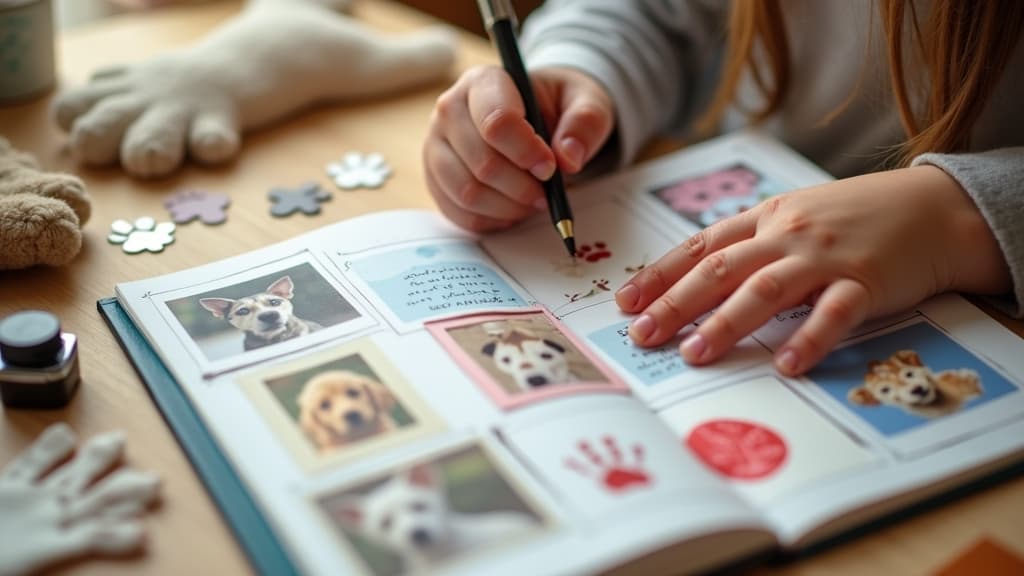
A scrapbook is one of the most hands-on memorial activities for children. Gather photos, paw prints, collar tags, and any other mementos. Let your child arrange and decorate the pages — this gives them something productive to do with their grief while creating a keepsake they'll treasure for years.
Some families pair the scrapbook with pet keepsakes like paw print kits or memorial ornaments, which give children a physical object to hold onto. For younger children especially, having something tangible can be more comforting than abstract reassurances.
Set Aside a Place in Your Home as a Memorial Spot
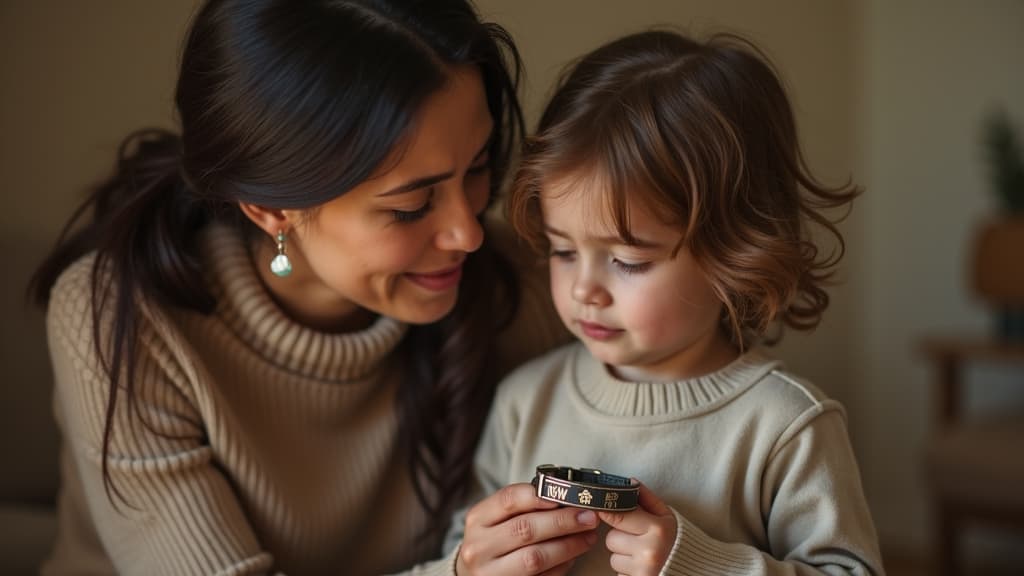
A small shelf, tabletop, or corner dedicated to the pet's memory gives children a place to go when they want to feel close to their companion. Display photos, the pet's collar, a favorite toy, or a small urn.
Children often add to memorial spots on their own — a drawing, a written note, a flower from the yard. This is a healthy way for them to continue processing their feelings long after the initial loss. Browse pet memorials for display items that can anchor a home tribute.
Helping Your Child Move Forward
There is no "right" way for children to grieve, and there's no timeline that applies to every child. Some kids will talk about their pet frequently for months. Others will seem to move on quickly but revisit the loss later — on the pet's birthday, when they see a similar animal, or when another loss occurs.
Your job is to keep the door open. Let your child know that it's always okay to miss their pet, even years later. The pain of losing a companion does fade, but the happy memories remain — and those memories deserve to be celebrated, not hidden away.
When your family feels ready, consider whether a new pet might be a welcome addition — not as a replacement, but as a new relationship with its own personality and place in your family's story. There's no rush on this decision, and it's worth having an open conversation about it rather than surprising a child who may not be ready.
Frequently Asked Questions
Should I let my child see the pet after it dies?
This depends on your child's age and emotional readiness. Many child psychologists suggest that seeing the pet's body can help children understand the finality of death, which prevents confusion about whether the pet might come back.
For younger children (under 5), a brief, calm viewing with a parent present is usually sufficient. If the pet's death was traumatic or the body is not intact, it may be better to explain what happened verbally and offer another form of closure, like a memorial activity.
At what age do children understand pet death?
Children begin developing a basic understanding of death around age 4-5, though they may not grasp its permanence until age 7-9. Toddlers and preschoolers may ask where the pet went repeatedly — this isn't denial, it's how they learn.
School-age children typically understand that death is permanent and universal, though they may struggle with the "why" more than the "what." Teenagers grieve more like adults but may resist showing emotion openly. Tailor your conversations to what your child can process, and revisit the topic as they grow.
Should we get a new pet right away?
Most grief experts recommend waiting until the family has had time to fully process the loss before bringing a new pet home. For children, introducing a new animal too quickly can send the message that companions are replaceable — or it can prevent them from completing their grief process.
A good guideline is to wait until your child starts talking about wanting a pet again on their own, rather than introducing the idea yourself. When the time does come, involve your child in the decision and frame it as welcoming a new family member, not replacing the one who was lost.
How do I explain euthanasia to a child?
Use age-appropriate, honest language. For children ages 4-6, you might say: "The vet gave our pet special medicine so they could stop hurting. They fell into a very deep sleep and won't wake up, but they aren't in pain anymore."
For older children, you can be more direct: "Our pet was suffering, and the medicine the vet had couldn't make them better. We made the difficult decision to have the vet help them die peacefully so they wouldn't be in pain."
Emphasize that this was an act of love and compassion. Let your child ask follow-up questions, and answer them honestly. Avoid euphemisms like "put to sleep" with very young children, as they may become afraid of bedtime.