🏬Supersize Online Funeral Retailer🪦1000's of Headstones⚱️Over 10,000 Cremation Urns⚰️Caskets Overnight Delivery🛒Funeral & Memorial Superstore🚚FREE Shipping on ALL Orders👨👩👧👦Helping Families for over 20 Years💰Lowest Price Guarantee🏬Supersize Online Funeral Retailer🪦1000's of Headstones⚱️Over 10,000 Cremation Urns⚰️Caskets Overnight Delivery🛒Funeral & Memorial Superstore🚚FREE Shipping on ALL Orders👨👩👧👦Helping Families for over 20 Years💰Lowest Price Guarantee
🏬Supersize Online Funeral Retailer🪦1000's of Headstones⚱️Over 10,000 Cremation Urns⚰️Caskets Overnight Delivery🛒Funeral & Memorial Superstore🚚FREE Shipping on ALL Orders👨👩👧👦Helping Families for over 20 Years💰Lowest Price Guarantee🏬Supersize Online Funeral Retailer🪦1000's of Headstones⚱️Over 10,000 Cremation Urns⚰️Caskets Overnight Delivery🛒Funeral & Memorial Superstore🚚FREE Shipping on ALL Orders👨👩👧👦Helping Families for over 20 Years💰Lowest Price Guarantee
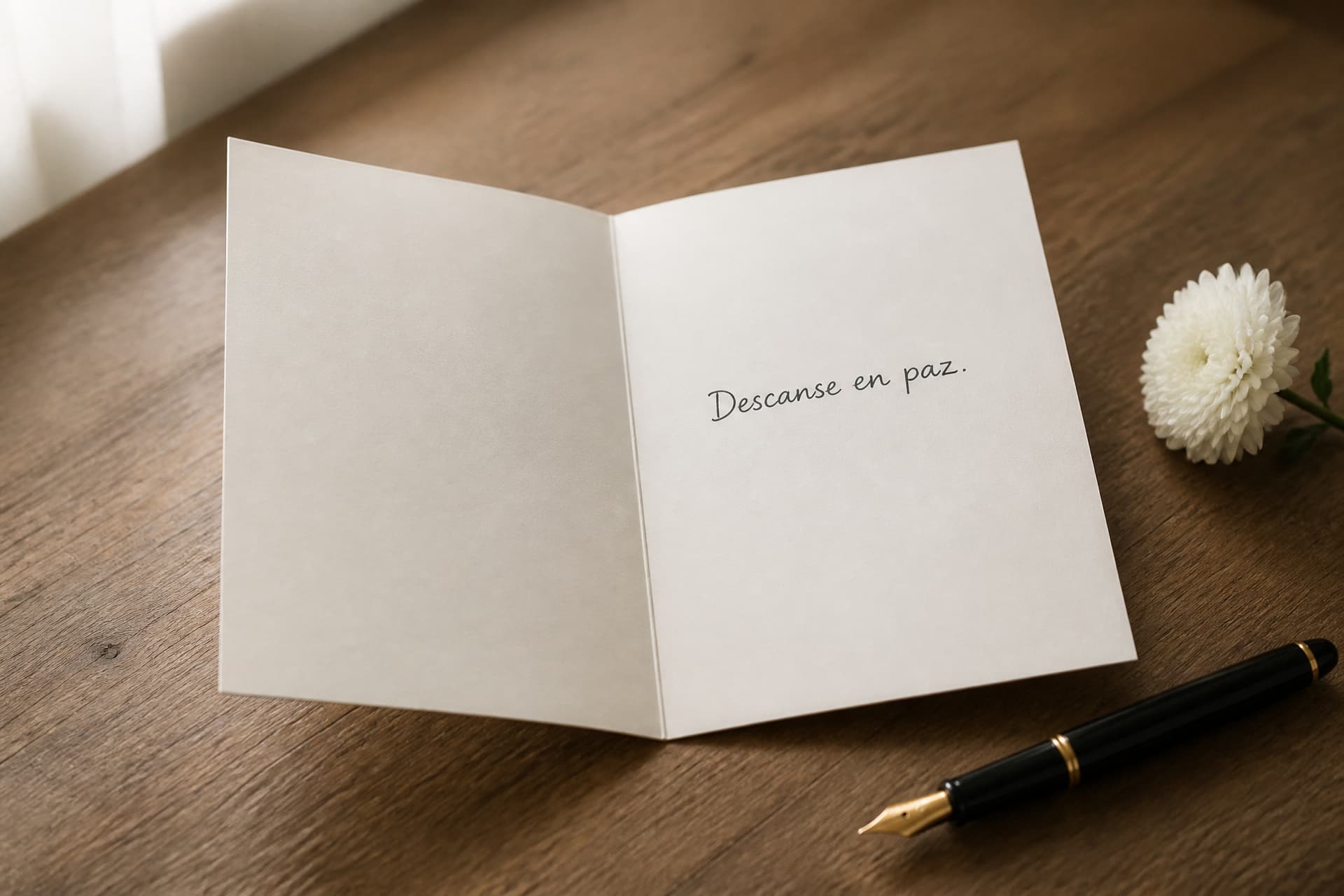
If you need rest in peace in Spanish right now, the phrase is descanse en paz. It is correct in a card, in an obituary, spoken at a graveside, and carved on a stone, and no one has ever been offended by it.
That answers the question. What follows is the part that matters if the words are going somewhere permanent: there are four common forms, one abbreviation you will see far more often than any of them, and a grammar decision most English speakers make wrongly by accident.
People search how do you say rest in peace in spanish and get four answers, which is why the question keeps getting asked. Here is the one that is never wrong: descanse en paz. If you remember one thing from this page, that is it. How to say rest in peace in Spanish correctly is, in practice, that phrase and nothing else.
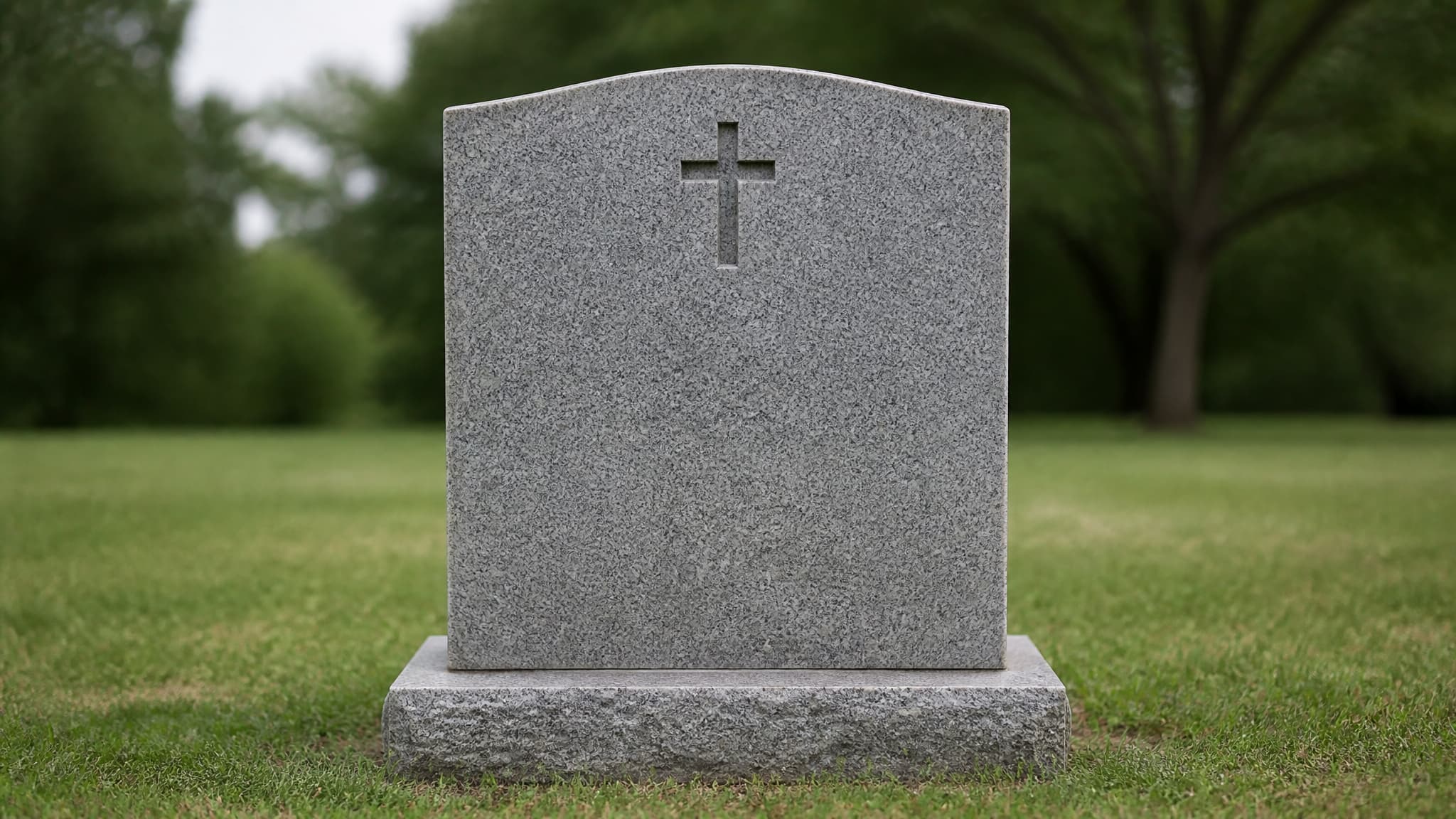
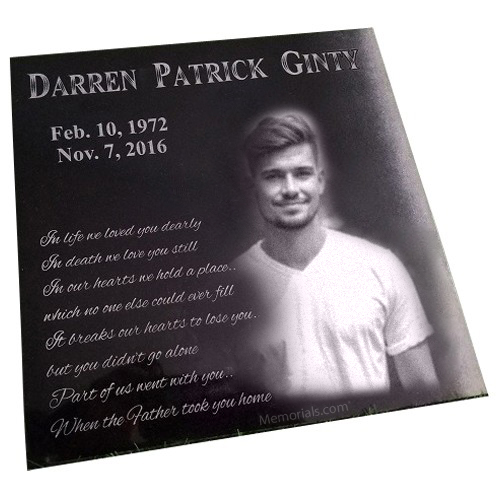
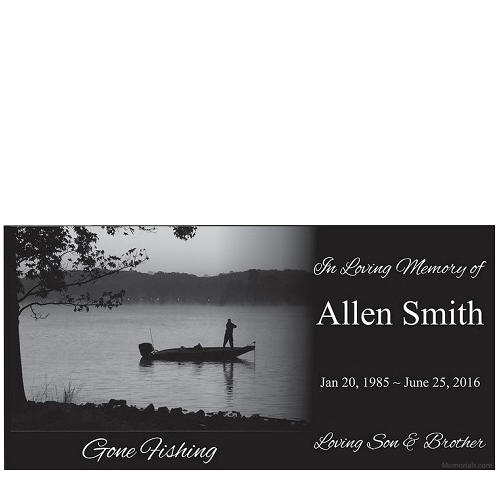
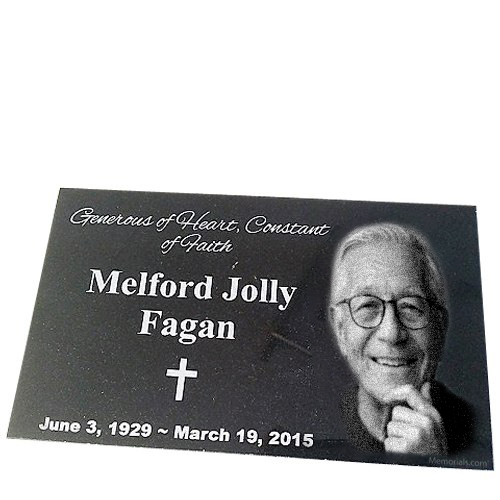
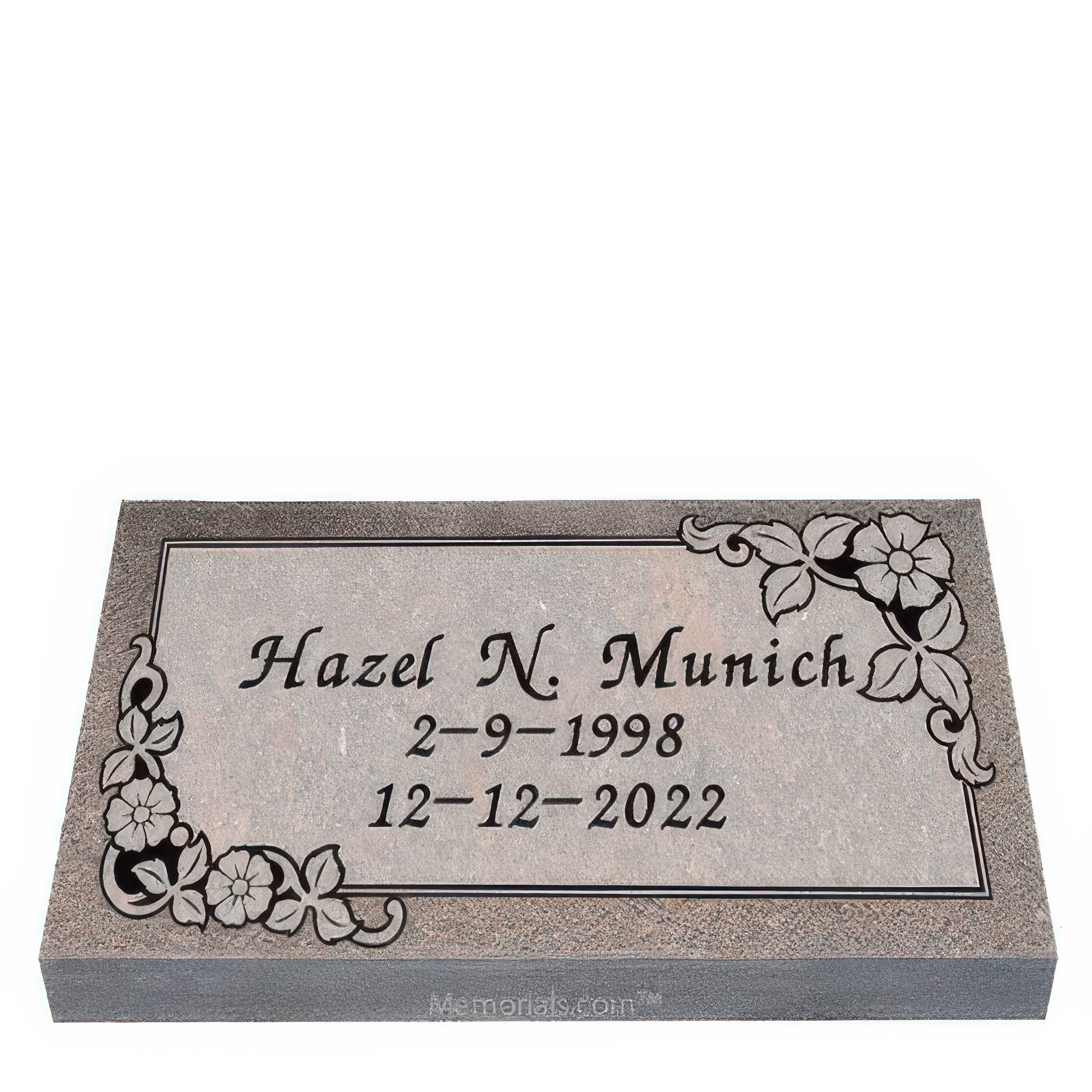
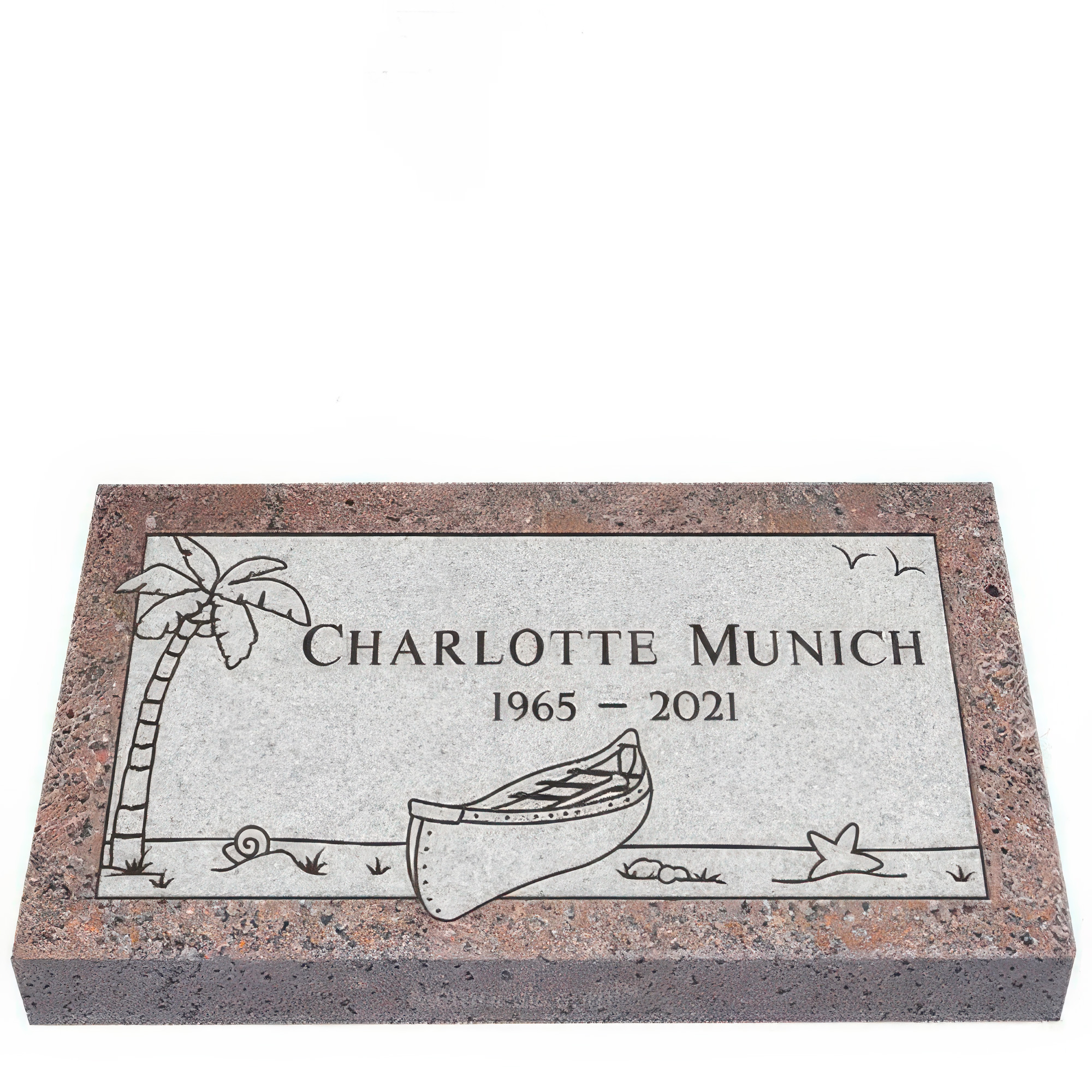
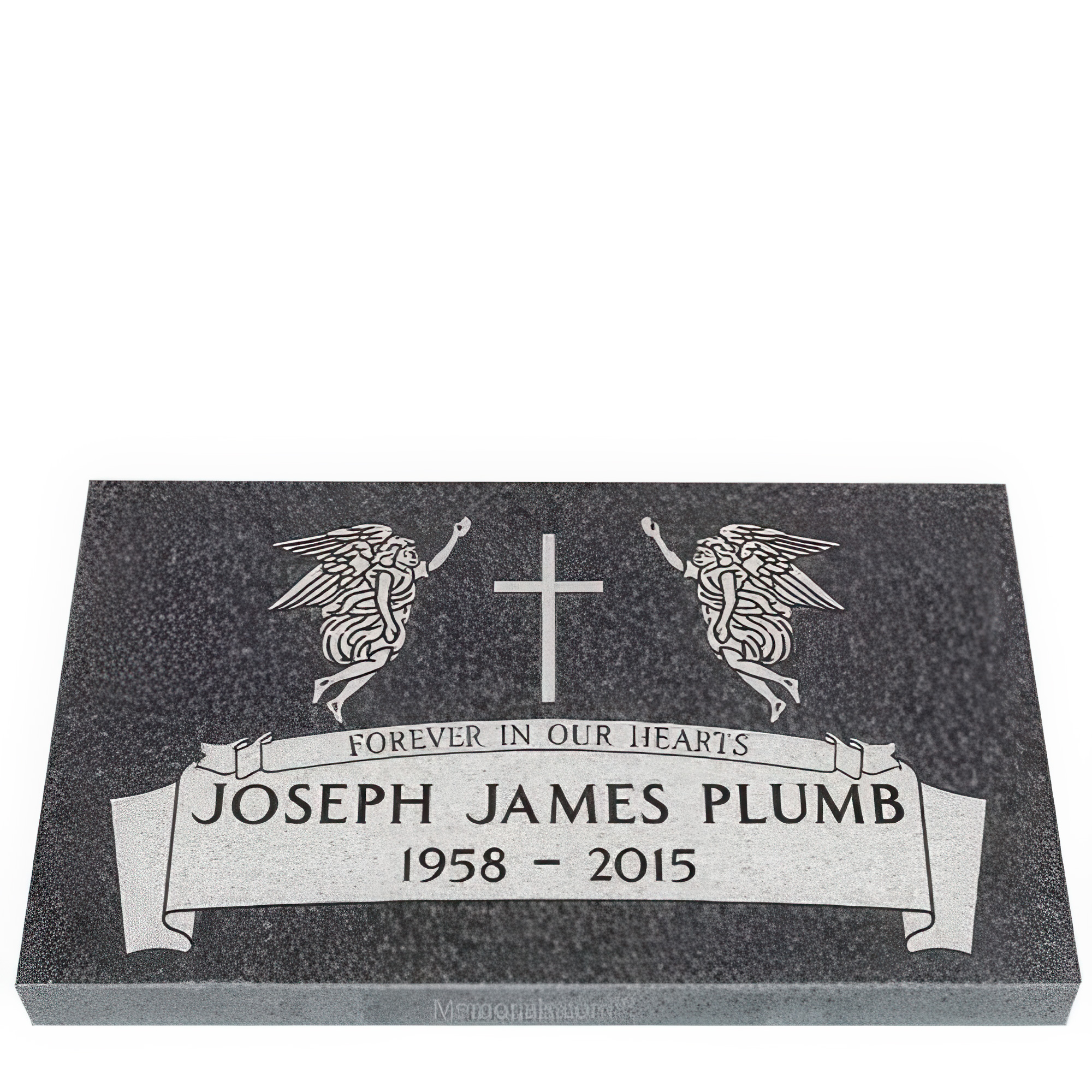
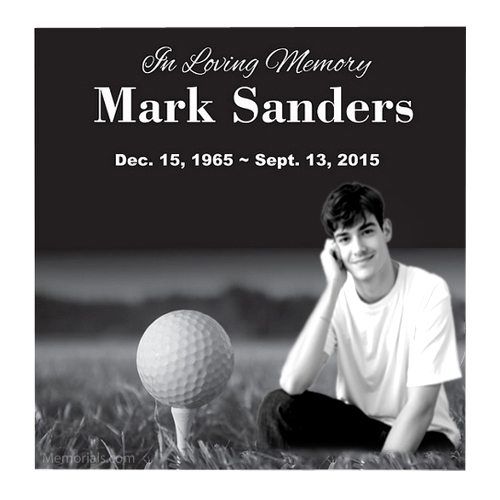
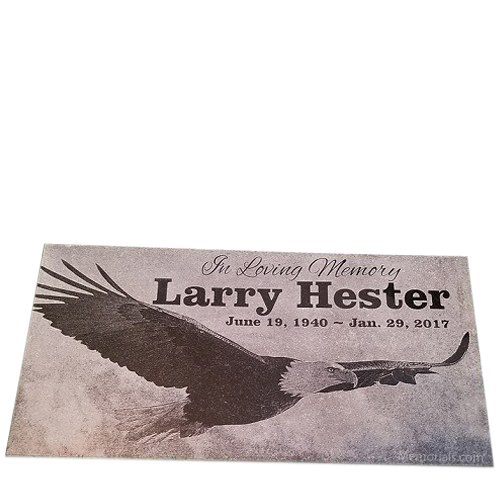
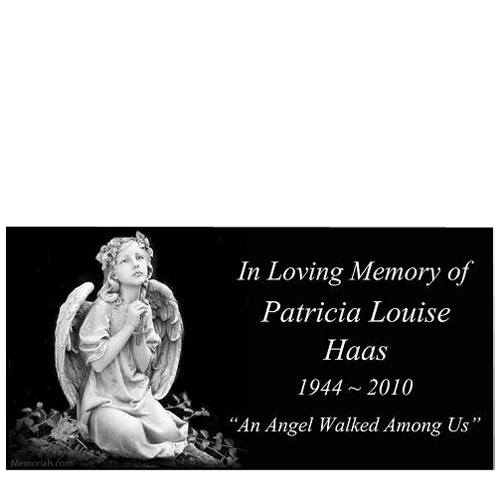
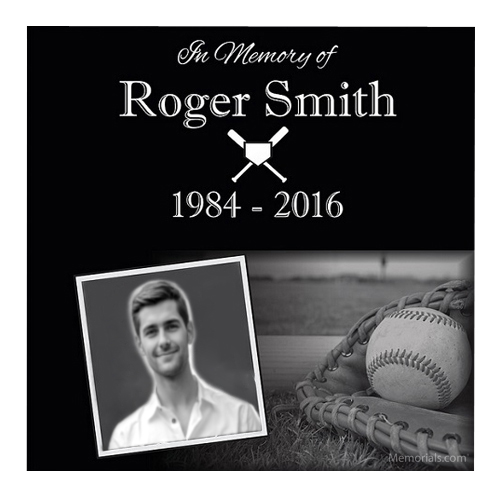
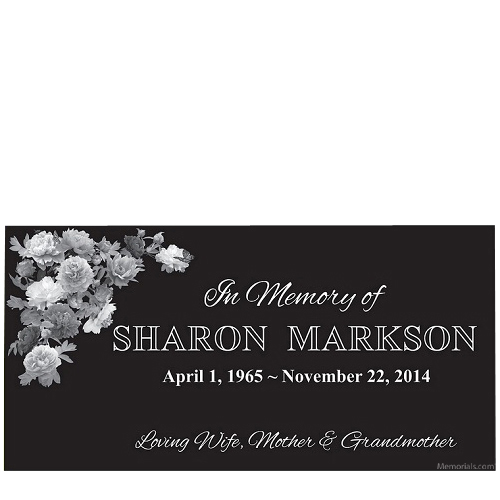
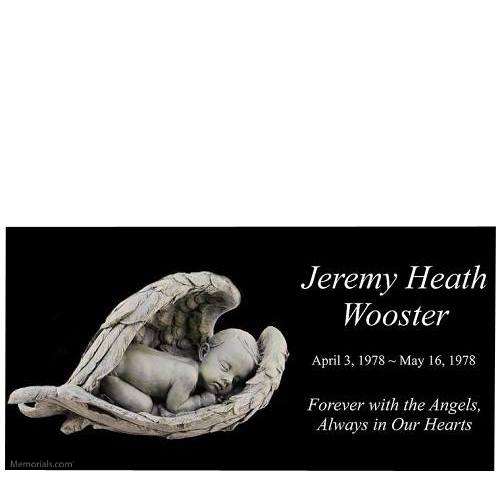
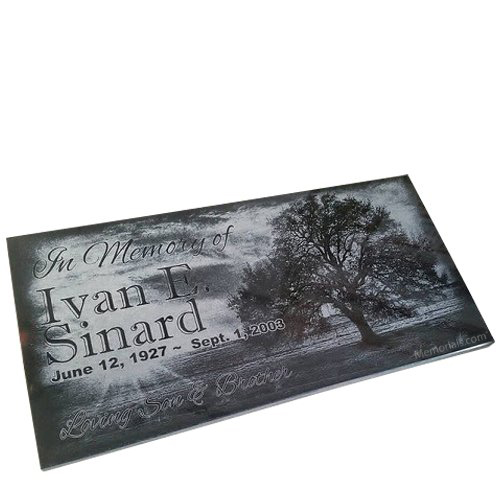
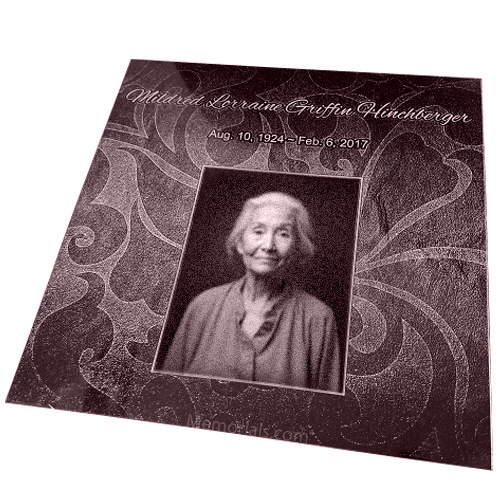
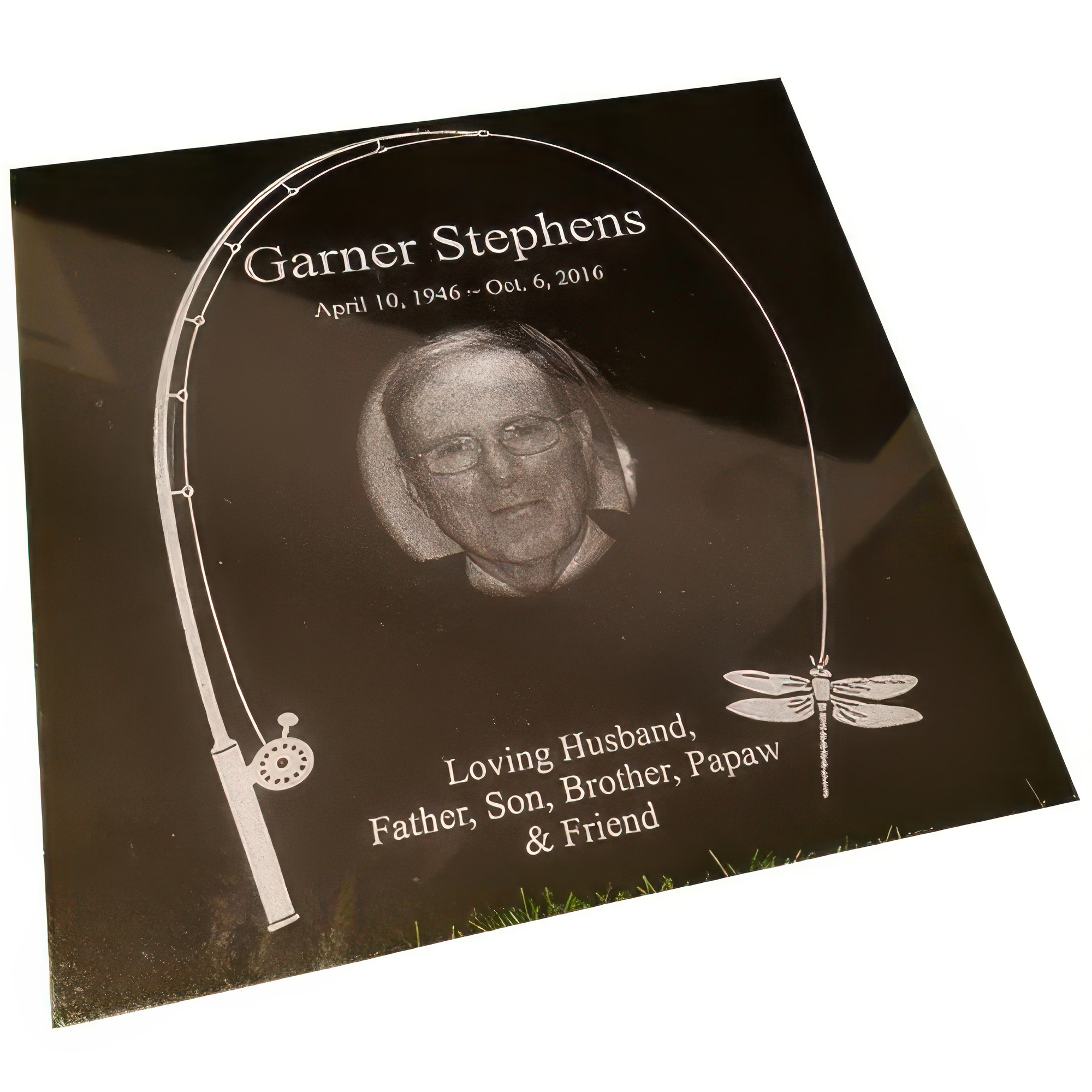
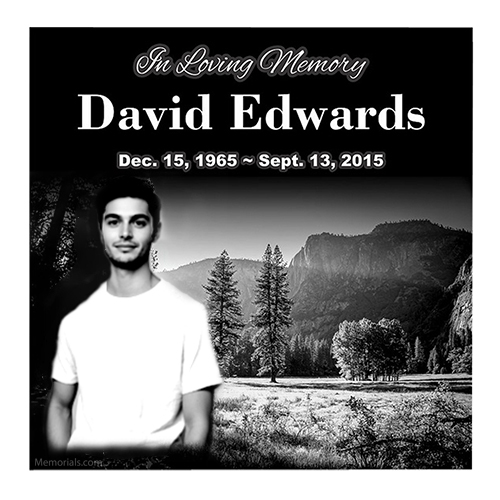
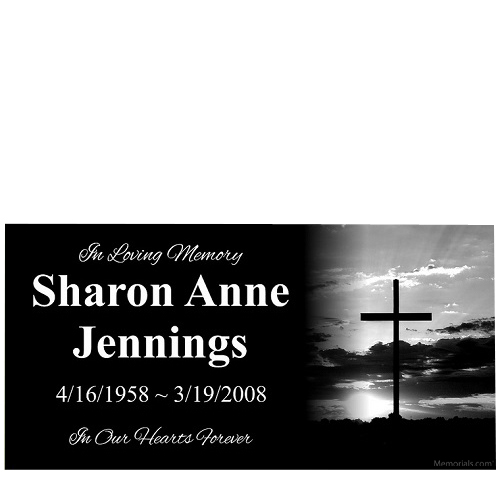
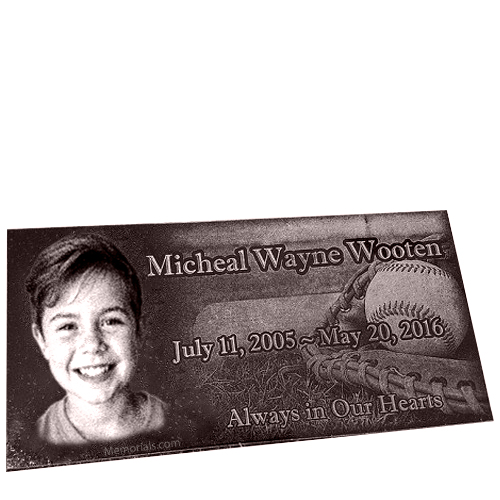
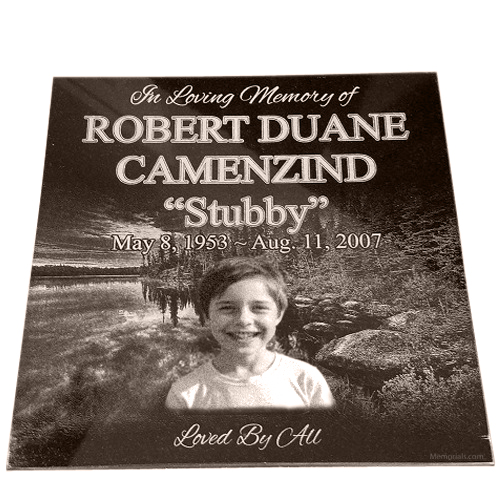
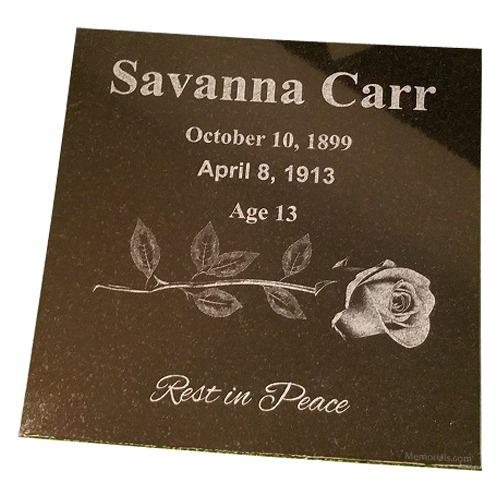
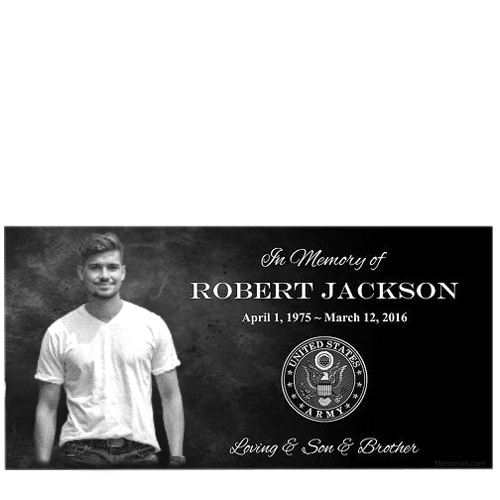
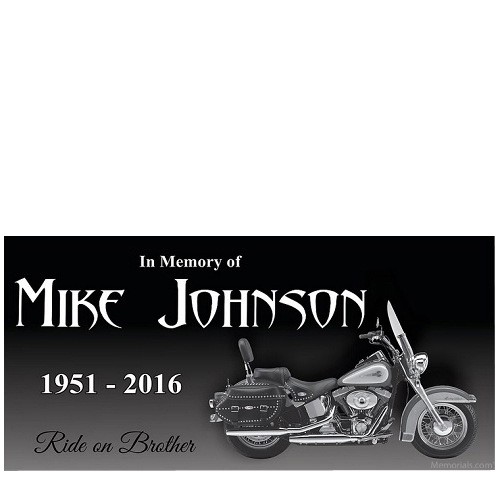
Shop Grave Markers and Memorial Stones
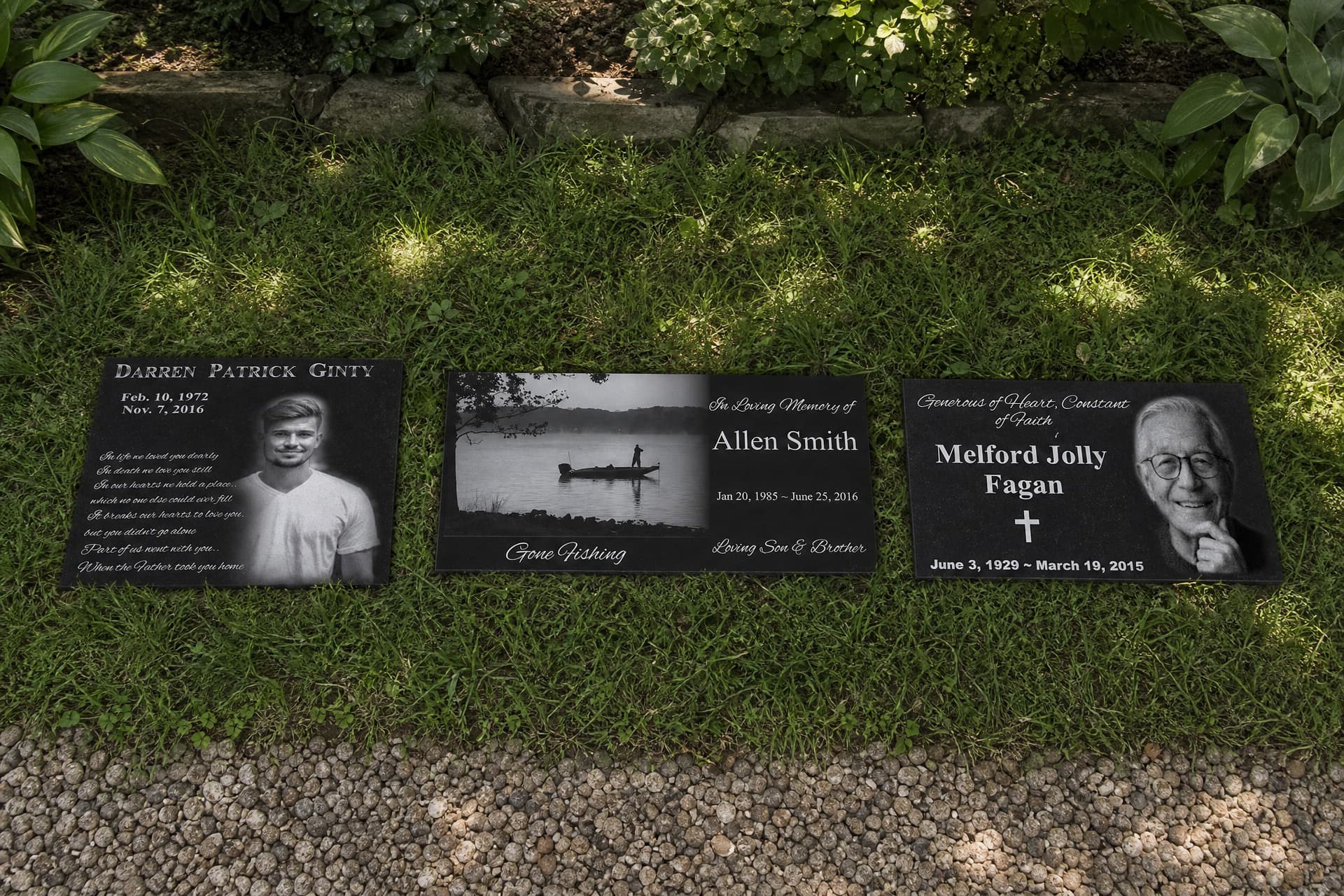
Granite markers and laser-etched stones, engraved in the wording you choose
Descanse or Descansa — the Decision Nobody Warns You About
This is the grammar point, and it is the one place English speakers stumble.
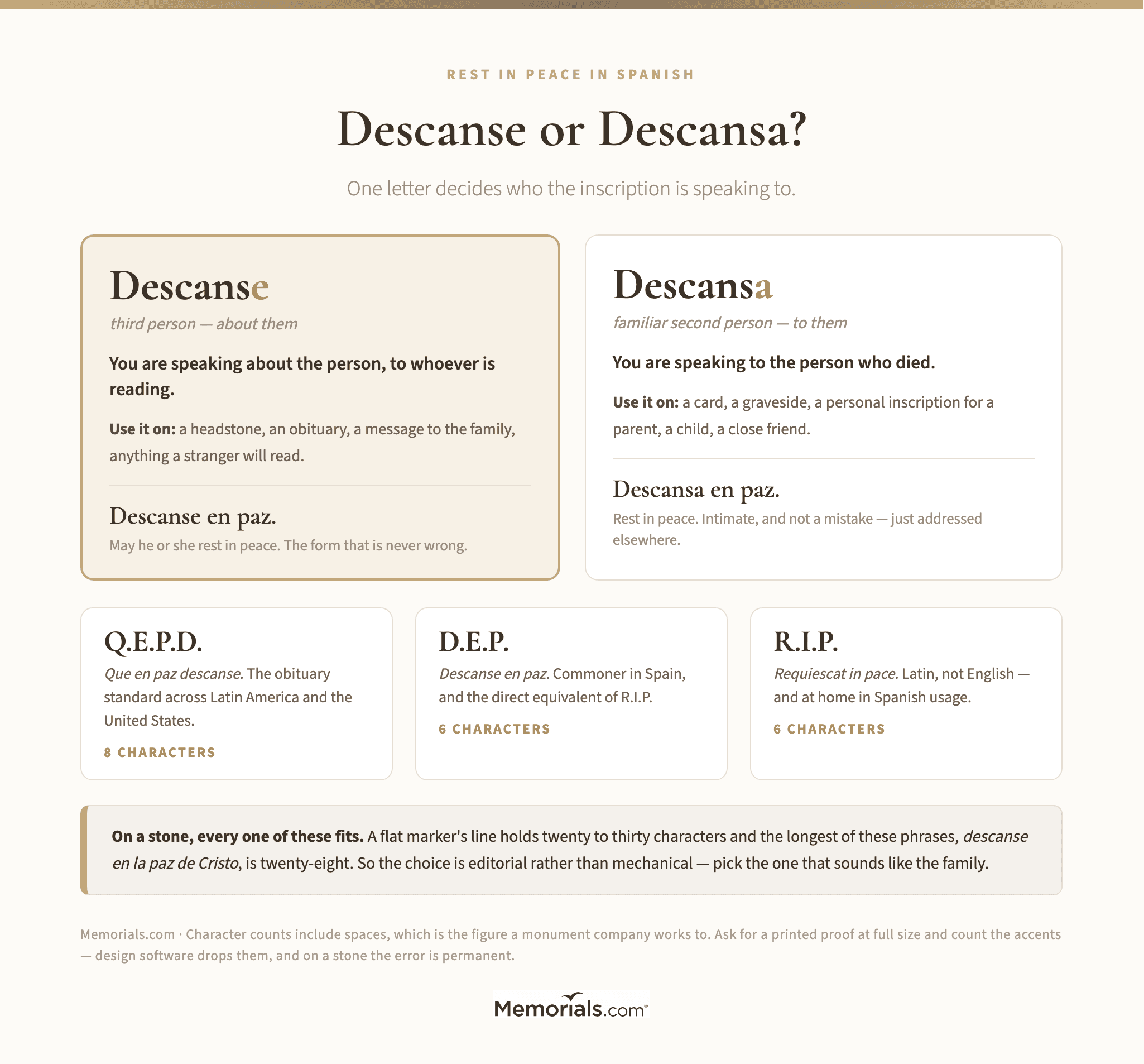
Descanse is the third person. You are speaking about the person, to whoever is listening. This is what belongs in an obituary, on a headstone, or in a message to the bereaved family.
Descansa is the familiar second person — tú. You are speaking to the person who died. This is intimate and it is not a mistake; families use it constantly for a parent, a child, a close friend. But it reads as personal address, and on a public memorial it can look like the writer forgot who was reading.
The safe rule: descanse on anything a stranger will read, descansa when the person writing it loved them and does not mind the whole world knowing.
One letter decides who the inscription is talking to. Descanse for anything a stranger will read; descansa when the writer is speaking to the person who died.
Rest in Peace in Spanish Quotes and Longer Lines
If you want more than three words, these are the phrases that carry a sense of peace without sounding translated. People search rest in peace in spanish quotes expecting verses, and most of what circulates is a line from a psalm rather than anything idiomatic.
Que en paz descanse — the obituary standard.
Paz a sus restos — peace to his or her remains. Formal, and common in Latin American obituaries.
Descanse en la paz de Cristo — for a religious family, and unmistakably so.
Hasta que nos volvamos a encontrar — until we meet again.
Su memoria es nuestro consuelo — his or her memory is our comfort.
El Señor es mi pastor — Psalm 23 in the Reina-Valera, which is the translation most Spanish-speaking families recognize.
A caution on longer quotations: modern Spanish translations of scripture are under copyright in the same way English ones are. The Reina-Valera 1909 and earlier are safely public domain; recent revisions are not. For a card it does not matter. For a headstone it is worth a moment's thought.
Q.E.P.D. and D.E.P.
You will see the abbreviations more often than the phrases, particularly in print.
Q.E.P.D. — que en paz descanse. By far the more common of the two, and the standard in obituaries across Latin America and the United States.
D.E.P. — descanse en paz. Commoner in Spain, and the direct equivalent of the English R.I.P.
R.I.P. itself is Latin, not English, and is perfectly at home in Spanish-language usage. Many families use it precisely because it belongs to neither language.
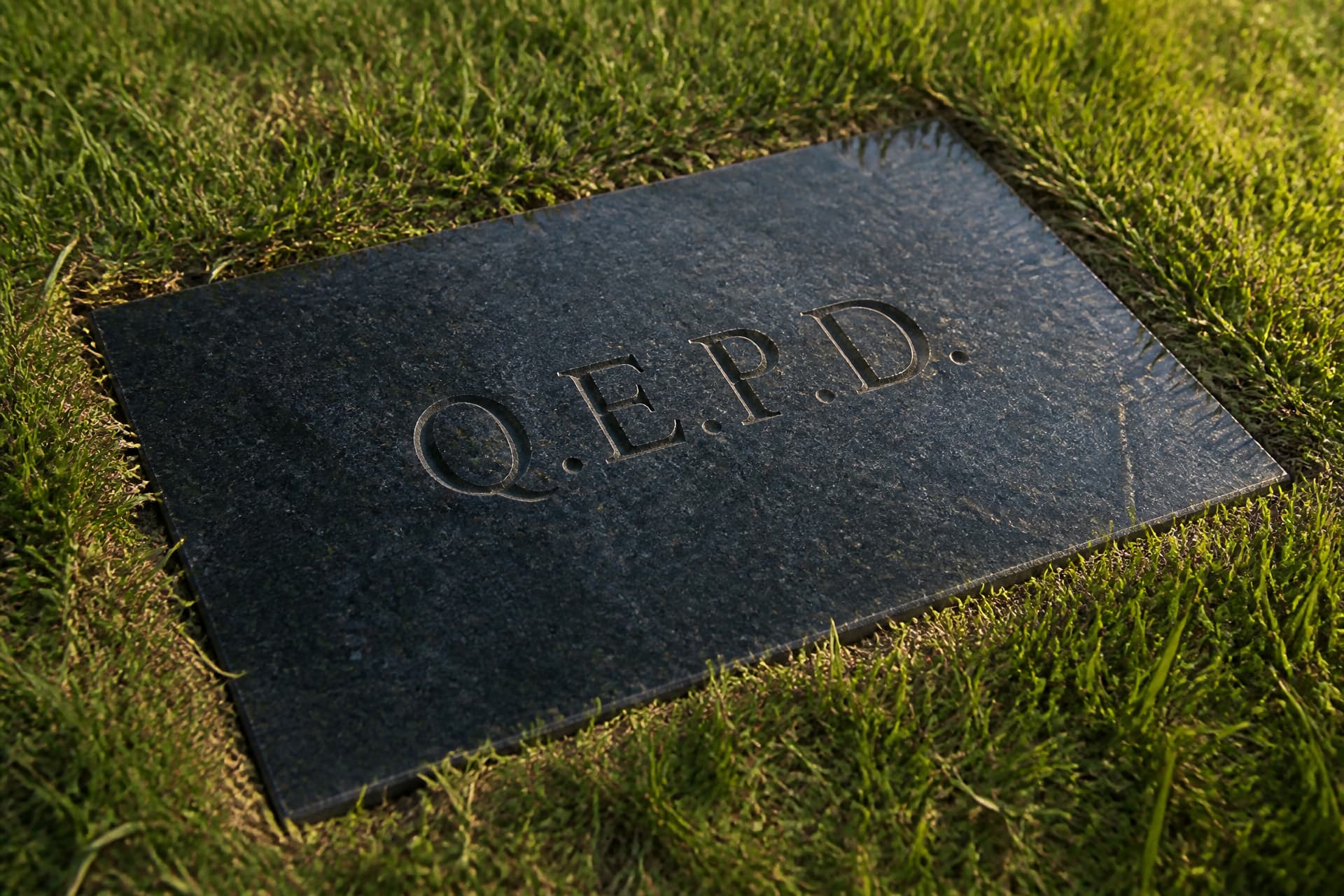
On a stone, the abbreviation earns its place: Q.E.P.D. is eight characters against nineteen for the phrase written out, and on a flat marker that difference is often the difference between fitting and not.
Eight characters, and everyone who reads Spanish knows what it says. On a flat marker that is often the difference between the line fitting and not.
Which Version Fits on a Headstone
This is where the choice stops being about language and becomes about space.
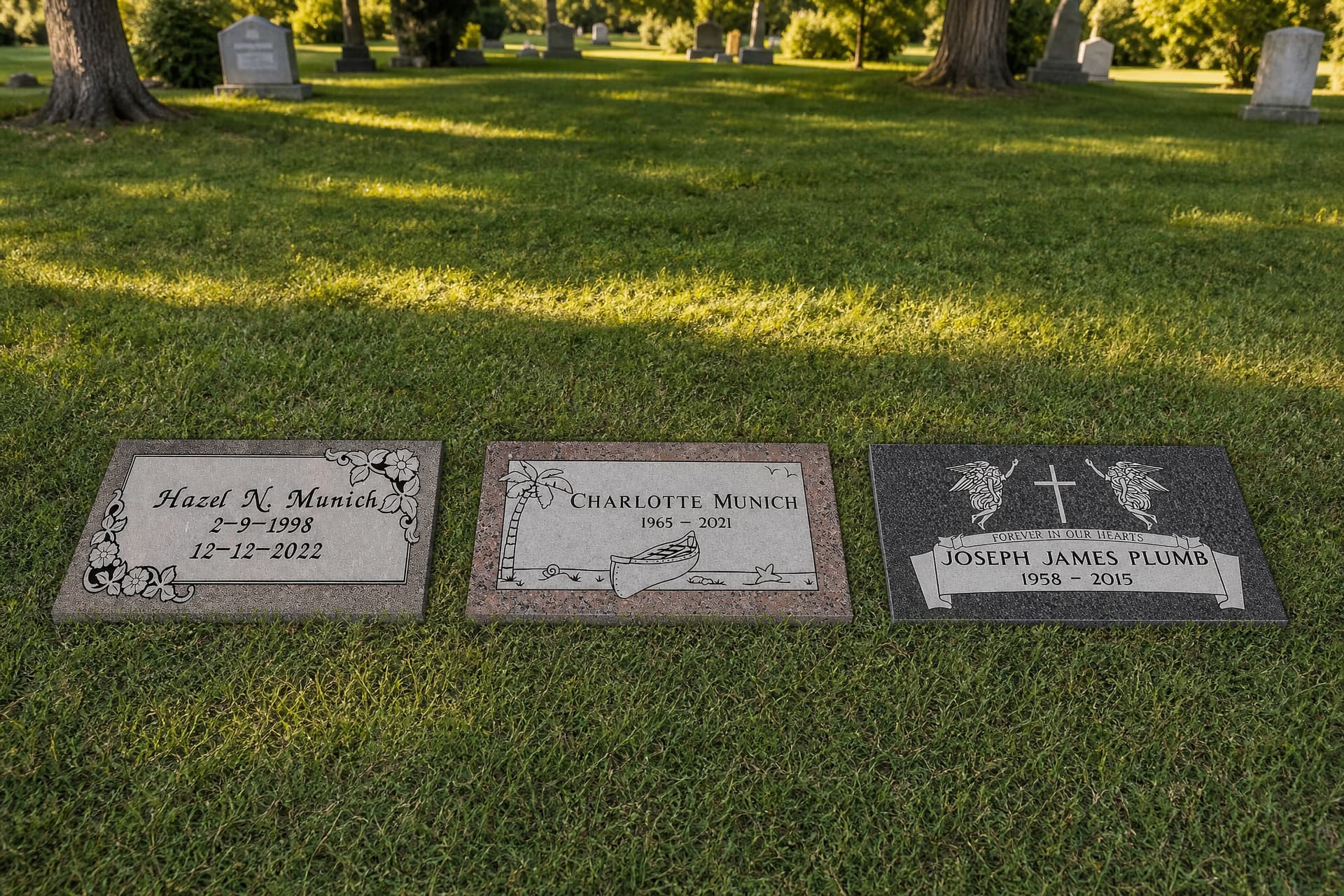
A flat grave marker holds two to four lines at roughly twenty to thirty characters per line. Once the name and dates are in place, one line is usually what remains.
Phrase
Characters
Fits a flat marker?
D.E.P.
6
Always
Q.E.P.D.
8
Always
Descanse en paz
15
Yes
En paz descanse
15
Yes
Paz a sus restos
16
Yes
Que en paz descanse
19
Yes
Descanse en la paz de Cristo
28
Yes, at the limit
All of them fit, which is unusual — most inscriptions force a compromise and these do not. The decision is therefore purely editorial, which is a better position to be in.
Two practical notes for the monument company. Ask for a printed proof at full size and check the accents, because design software drops them routinely and a missing accent on a stone is permanent. And if the inscription mixes Spanish and English — a common choice for families where the generations differ — ask to see both lines set together before approving.
If you will speak the phrase at a service rather than write it, the pronunciation is the part worth ten seconds of practice.
Descanse en paz — des-KAHN-seh en PAHS. The stress falls on KAHN. The z in paz is an s across Latin America and a soft th in most of Spain; either is correct and nobody will correct you.
Que en paz descanse — keh en PAHS des-KAHN-seh. The que is one quick syllable, closer to keh than to the English kay.
Q.E.P.D. is not spoken as letters. Read aloud, it becomes the full phrase.
The commonest mistake English speakers make is stressing the final syllable of descanse, which turns it into a different verb form. Put the weight in the middle and it comes out right.
Regional Differences Worth Knowing
The phrase is universal; the surrounding conventions are not.
Mexico and Central America. Q.E.P.D. is near-universal in obituaries. Misa de cuerpo presente — a Mass with the body present — is a standard line in a notice, and the nine days of novenario that follow a death are frequently mentioned.
Spain. D.E.P. is commoner than Q.E.P.D. Notices tend to be shorter, and the funeral is usually within a day or two, so announcements run in a hurry.
The Caribbean. Conventions follow the Mexican pattern more closely than the Spanish one, with longer family lists.
The United States. Spanish-language notices published here mix both. Many funeral homes will set a bilingual notice — the same content in two columns — and this is worth asking about rather than choosing one language for a family that speaks both.
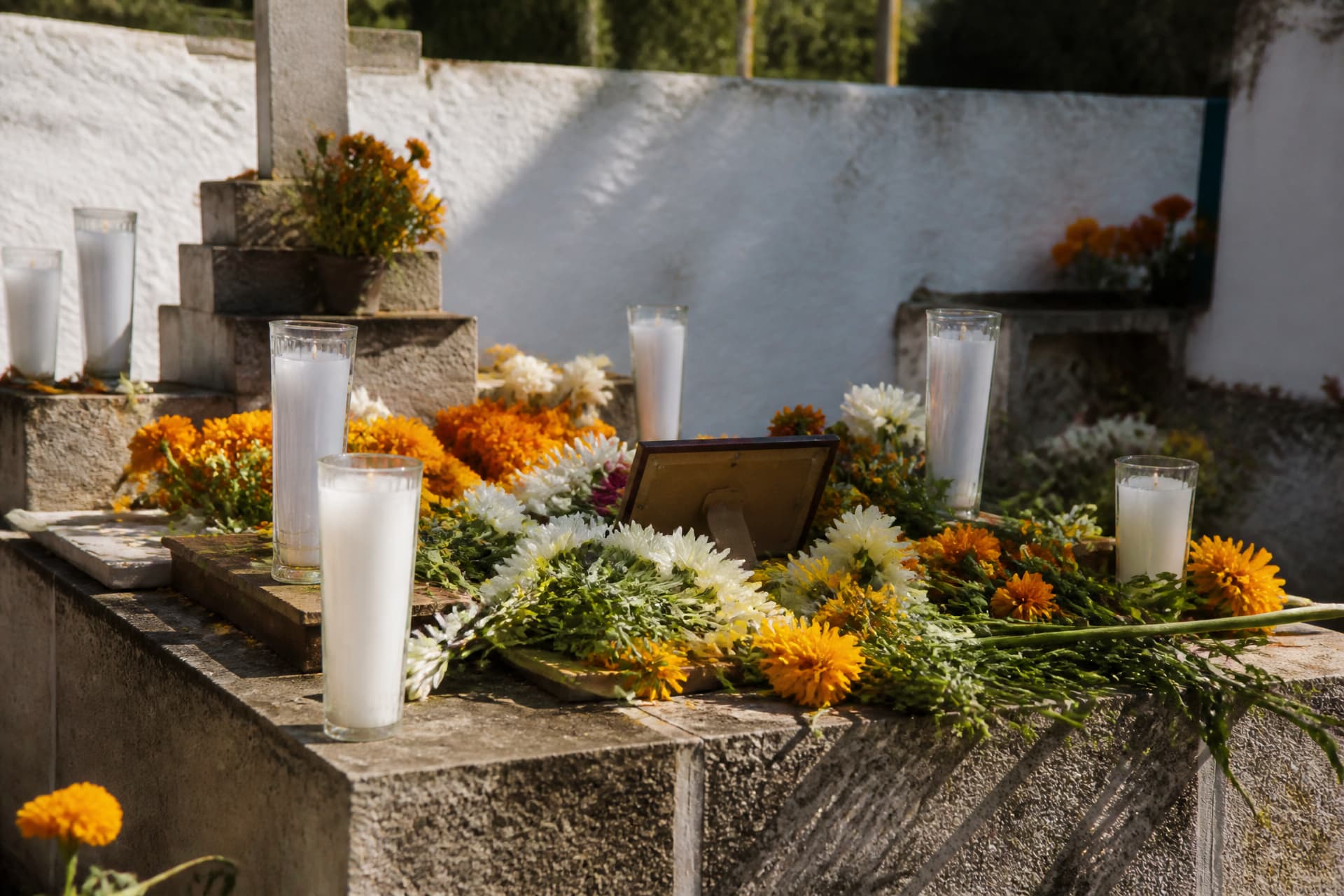
The phrase is universal; what surrounds it is not. Candles, marigolds and a Mass with the body present are conventions of one region rather than of the language.
What Not to Say
A short list, because the errors are consistent.
Do not translate "sorry for your loss" literally.Siento por tu pérdida is understood but reads as translated. The idiom is mi más sentido pésame or simply lo siento mucho.
Do not use adiós on a memorial. It is a goodbye in the ordinary sense and lands as abrupt. Hasta siempre carries the meaning intended.
Do not assume usted is safer in every case. Writing to a grandmother you have known all your life, usted can read as distance at exactly the moment distance is not wanted. Match whatever the family uses with each other.
Do not drop the accents because the software did.Señor without the tilde is a different word, and on a stone the error outlives everyone involved.
Obituaries in Spanish
Obituaries in Spanish follow a form that differs from the English one in ways worth knowing before you write or translate one.
The opening is a formula.Falleció el [fecha] — passed away on — or entregó su alma a Dios, gave his soul to God, for a religious family. English obituaries lead with the name; Spanish ones frequently lead with the fact.
Q.E.P.D. follows the name, usually in parentheses or on its own line directly beneath.
Family is listed more fully. Spanish-language obituaries conventionally name surviving family at greater length than English ones, and omitting a sibling or a comadre is noticed.
Both surnames appear. Most Spanish-speaking countries use two — the father's followed by the mother's. Publishing only the first is a common and avoidable error in translated notices.
The invitation is explicit.Se invita a familiares y amistades — family and friends are invited — is standard, where English notices often leave attendance implied.
Funeral Announcement in Spanish
A funeral announcement in Spanish is shorter than an obituary and does one job: time and place. The conventional shape is the name, the dates, Q.E.P.D., then the service details under a heading such as Servicios funerarios or Misa de cuerpo presente where there will be a Mass with the body present.
If you are writing to the family rather than announcing the service, our guide to condolences in Spanish covers what to say and how to say it, including the tú and usted decision in a card.
The Gendered Version — and Why There Isn't One
English speakers reach for a gendered form and Spanish does not supply one, which causes more confusion than it should.
Searching may he rest in peace in spanish and may she rest in peace in spanish returns the same answer, because it is the same answer: descanse en paz covers both. The verb form does not change with the gender of the person. There is nothing to get wrong.
Where gender does appear is in the surrounding words — amado for a man and amada for a woman, querido and querida, nuestro hijo and nuestra hija. Those agree. The phrase itself does not.
On a Card, in a Text, at the Graveside
The same phrase behaves differently depending on where it lands, and matching the register matters more than the vocabulary.
In a sympathy card.Descanse en paz on its own line, after whatever you have written to the family. It closes a message the way R.I.P. does in English, and it does not need a sentence around it.
In a text or on WhatsApp. Q.E.P.D. is normal and not casual — Spanish-speaking families use the abbreviation in messages far more readily than English speakers use R.I.P. Adding un abrazo, a hug, is the standard warmth.
Spoken at a graveside.Que en paz descanse said once, after the name, is the form most people will recognize. In many families it functions as a response rather than a statement, and others will say it back.
On social media. Both abbreviations appear constantly, usually with the person's name and dates. There is no convention against it.
In a bilingual family. The commonest solution is the English on one line and the Spanish on the next, in that order or reversed depending on which grandmother is being addressed. Nobody minds the repetition; it is read as care rather than as padding.
In a card the phrase stands on its own line and needs no sentence around it. It closes a message the way R.I.P. does in English.
If You Are Ordering the Stone
A short checklist, because the Spanish adds two steps that the English version does not have.
Decide descanse against descansa before anything else. It changes who the stone is talking to.
Decide whether the abbreviation or the full phrase goes on. Both are correct; Q.E.P.D. buys you eleven characters.
Ask for a printed proof at full size, not a file on a screen. Accents are lost at this step more than at any other.
Have someone who reads Spanish check the proof, even if you read it yourself. A second pair of eyes catches Señor set as Senor.
If the stone is bilingual, ask to see both lines set together. They rarely balance without the lettering being adjusted.
Descanse en paz. Searching rest in peace spanish returns several forms and this is the one that fits every situation — a card, an obituary, spoken aloud, or carved in stone. Que en paz descanse is the obituary variant and the source of the abbreviation Q.E.P.D.
What does Q.E.P.D. mean?
Que en paz descanse — may he or she rest in peace. It is the standard abbreviation in Spanish-language obituaries. D.E.P., from descanse en paz, is commoner in Spain.
Is it descanse or descansa?
Descanse speaks about the person and belongs on anything a stranger reads. Descansa speaks to them and is right for a card or a personal inscription. Neither is incorrect; they address different listeners.
Does the phrase change for a man or a woman?
No. Descanse en paz is the same either way. Only the words around it agree in gender — amado against amada.
Can I mix Spanish and English on a headstone?
Yes, and many families do where the generations differ. Ask the monument company for a proof with both lines set together, because the two languages rarely balance without adjustment.
Is R.I.P. acceptable in Spanish?
Yes. R.I.P. is Latin rather than English, and it is used comfortably in Spanish-language contexts — sometimes chosen precisely because it belongs to neither.
The Short Version
Say descanse en paz and you will be right in almost every situation. Write Q.E.P.D. in an obituary, because that is what the form expects.
On a stone, all of the phrases fit, so choose the one that sounds like the family rather than the one that saves space. Then ask for a printed proof and count the accents, because that is the only part of this that cannot be corrected later.