🏬Supersize Online Funeral Retailer🪦1000's of Headstones⚱️Over 10,000 Cremation Urns⚰️Caskets Overnight Delivery🛒Funeral & Memorial Superstore🚚FREE Shipping on ALL Orders👨👩👧👦Helping Families for over 20 Years💰Lowest Price Guarantee🏬Supersize Online Funeral Retailer🪦1000's of Headstones⚱️Over 10,000 Cremation Urns⚰️Caskets Overnight Delivery🛒Funeral & Memorial Superstore🚚FREE Shipping on ALL Orders👨👩👧👦Helping Families for over 20 Years💰Lowest Price Guarantee
🏬Supersize Online Funeral Retailer🪦1000's of Headstones⚱️Over 10,000 Cremation Urns⚰️Caskets Overnight Delivery🛒Funeral & Memorial Superstore🚚FREE Shipping on ALL Orders👨👩👧👦Helping Families for over 20 Years💰Lowest Price Guarantee🏬Supersize Online Funeral Retailer🪦1000's of Headstones⚱️Over 10,000 Cremation Urns⚰️Caskets Overnight Delivery🛒Funeral & Memorial Superstore🚚FREE Shipping on ALL Orders👨👩👧👦Helping Families for over 20 Years💰Lowest Price Guarantee
If you need to offer condolences in Spanish and you need it in the next ten minutes, the phrase is mi más sentido pésame — my most heartfelt condolences. It is the closest Spanish has to a universal formula, it is correct in a card, at a wake, or in a message, and nobody has ever been offended by it.
But the reason you are on this page is probably not that you need one phrase. It is that you have to say something to a family whose language is not your first, and getting it wrong feels worse than saying nothing. That worry is well founded in exactly one respect, and it is not vocabulary. It is whether you address them as tú or as usted — a choice English does not force you to make, that changes every word in the sentence, and that a translation app gets wrong roughly half the time.
This page covers the phrases, the formality decision, the pronunciation, and the literal translations that mark you as a stranger. For the same ground in English, see , and the is the wider starting point.
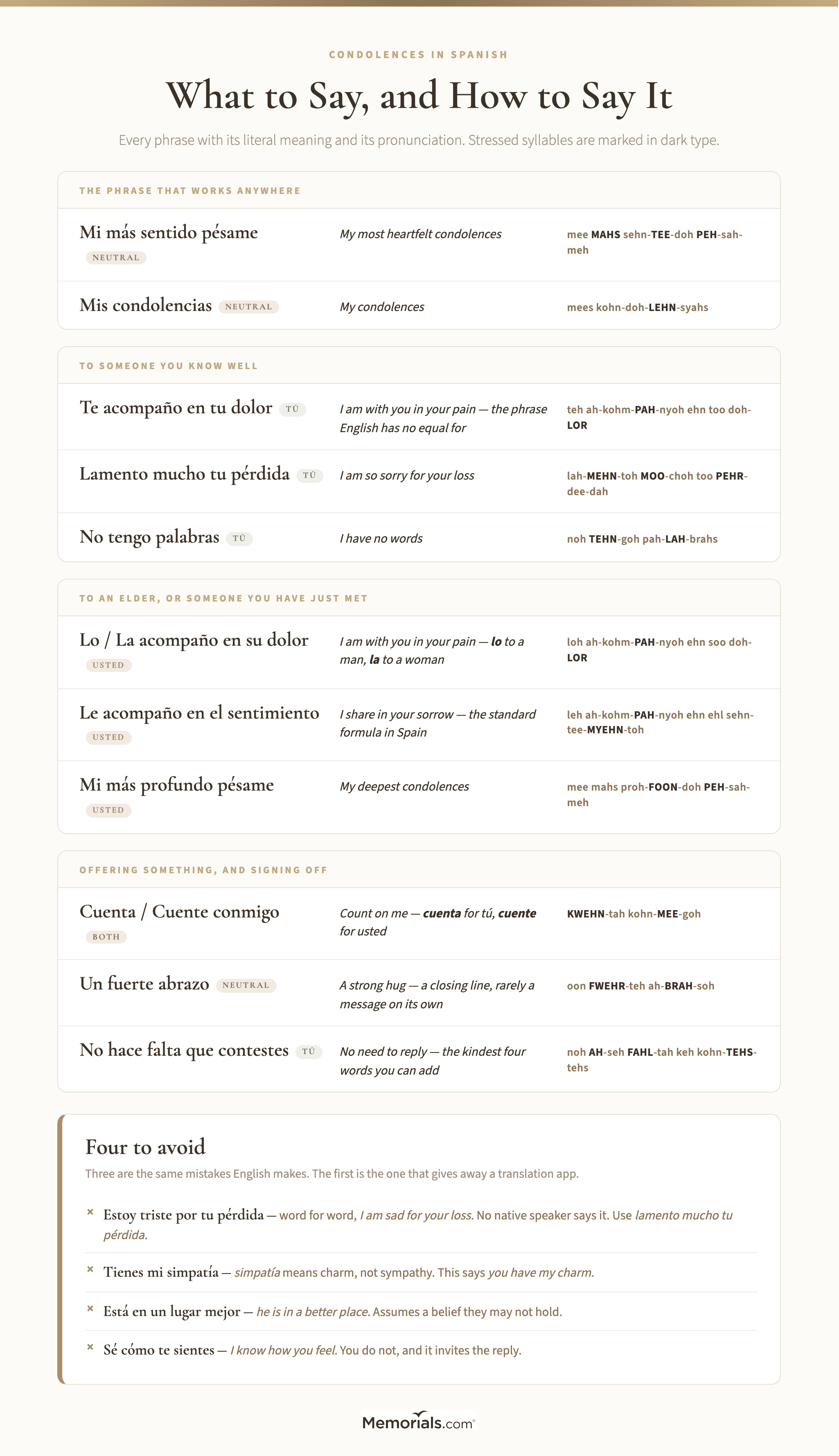
Five phrases will carry you through nearly any situation. Each is given here in the informal tú form; the next section covers how to shift them.
Spanish
Literal
When to use it
Mi más sentido pésame
My most heartfelt condolence
Anywhere. Cards, in person, formal or not. The safe default.
Te acompaño en tu dolor
I accompany you in your pain
Warm and personal. For someone you actually know.
Lamento mucho tu pérdida
I deeply regret your loss
The direct equivalent of I'm so sorry for your loss.
Siento mucho lo de tu papá
I'm very sorry about your dad
Colloquial and natural. Name the person.
Mis condolencias
My condolences
Short and correct. Slightly cool on its own.
Te acompaño en tu dolor deserves a note, because it has no good English equivalent and it is the phrase most worth learning. It does not say I'm sorry. It says I am walking alongside you in this. Spanish reaches for company where English reaches for regret, and a mourner hears the difference.
Asked point blank how to say condolences in Spanish, most people reach for mis condolencias, and that is correct. But if someone wants to know how to say my condolences in Spanish and mean it, the better answer is mi más sentido pésame, because that is the one people actually say out loud.
Written by hand, in Spanish, with the accents in place. The effort is the message.
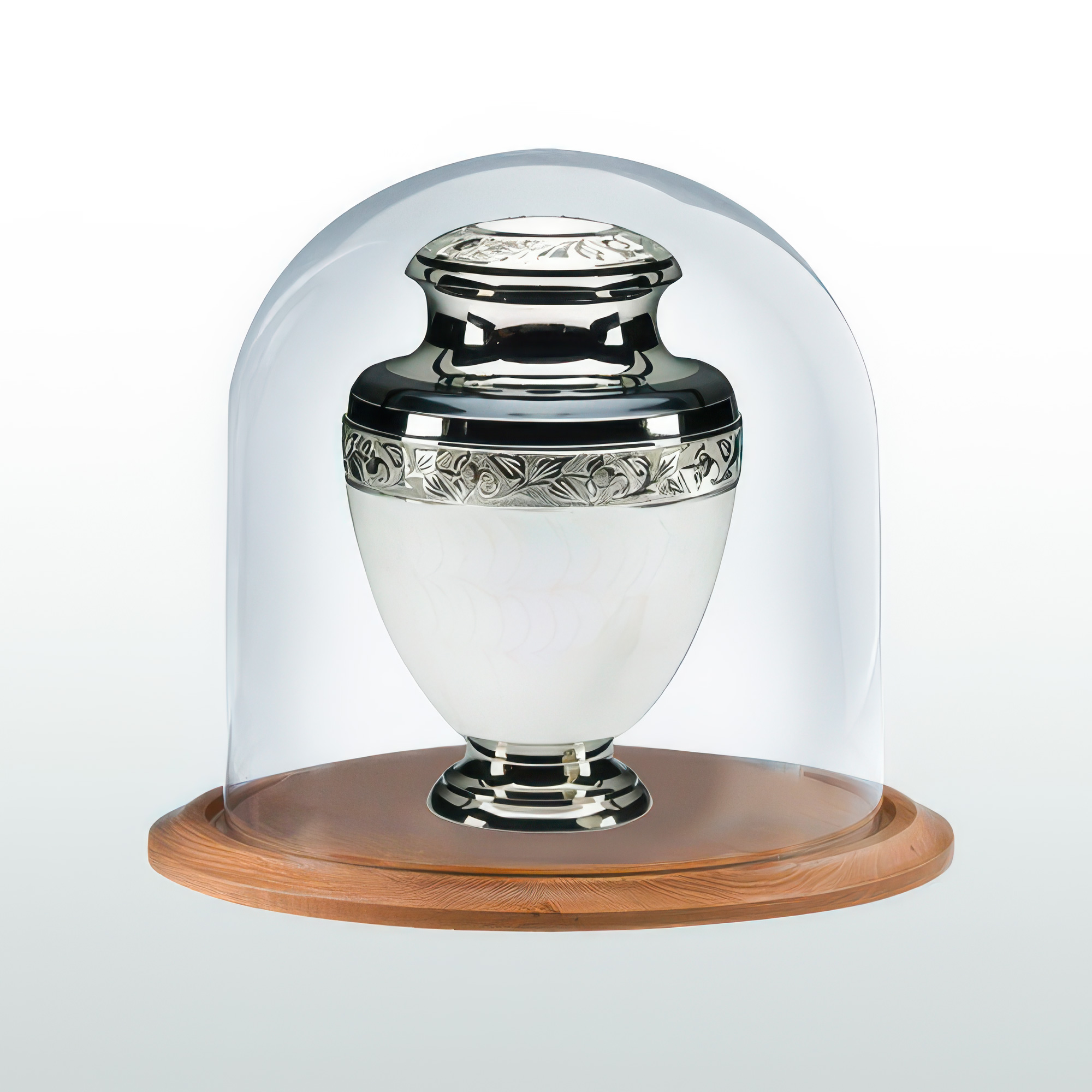
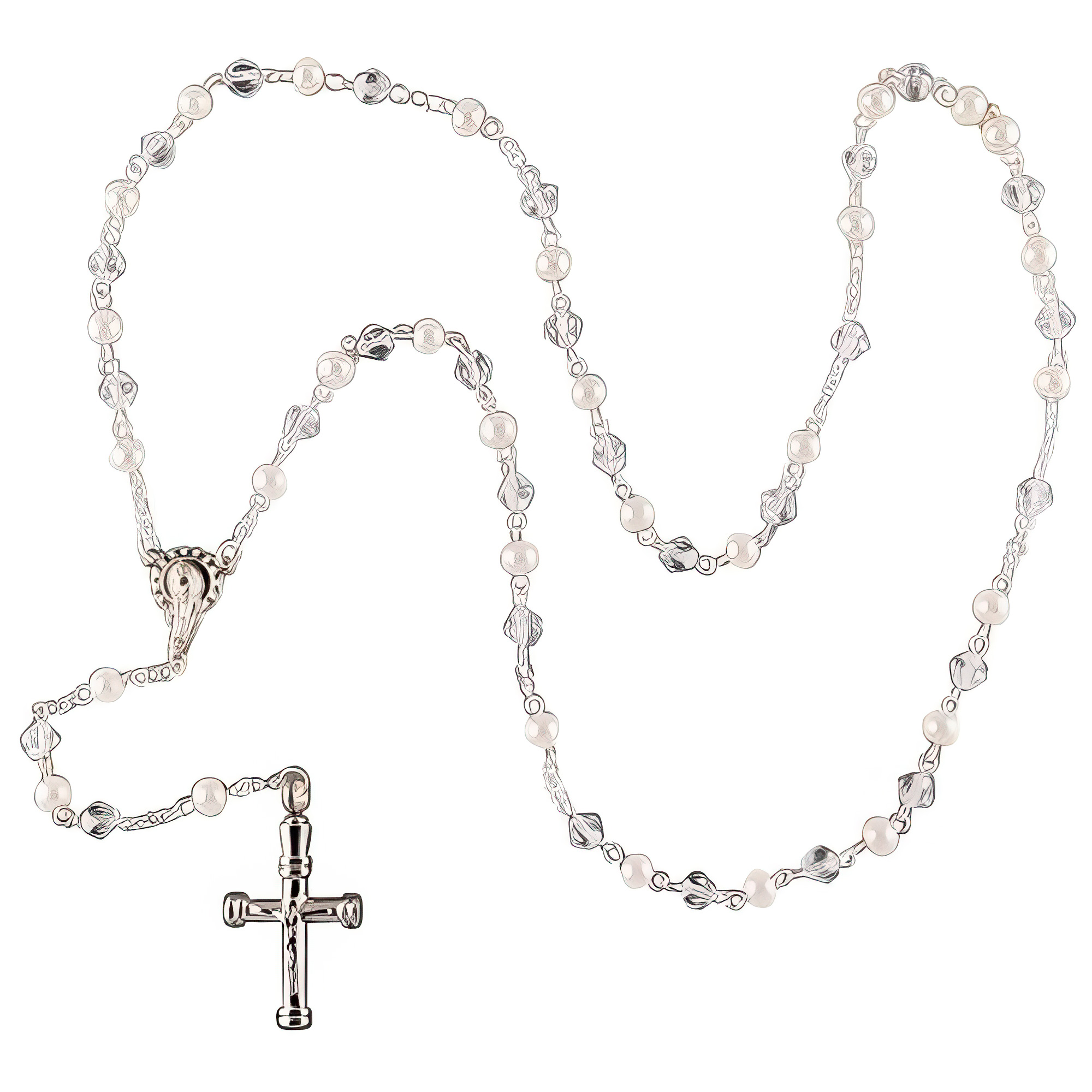
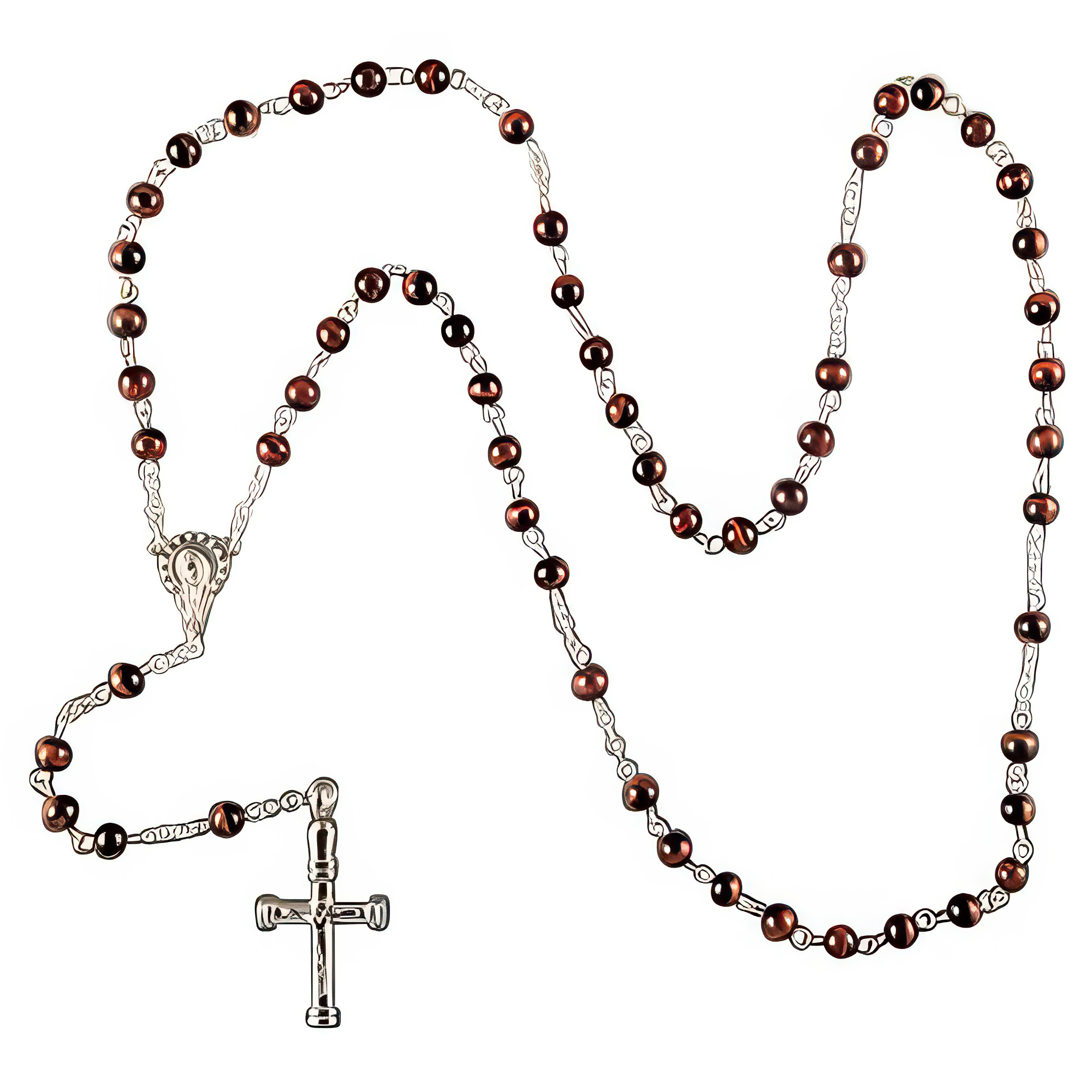
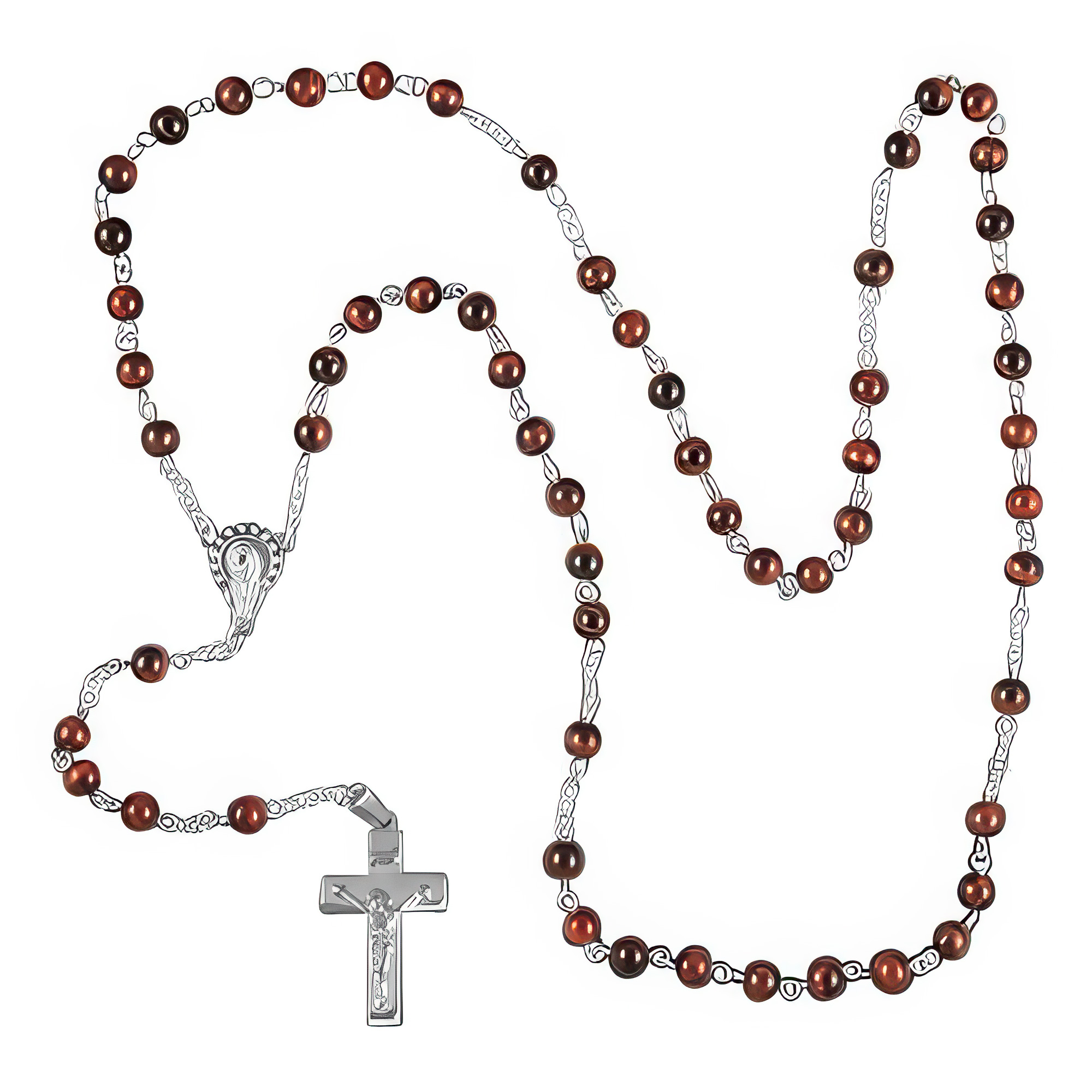
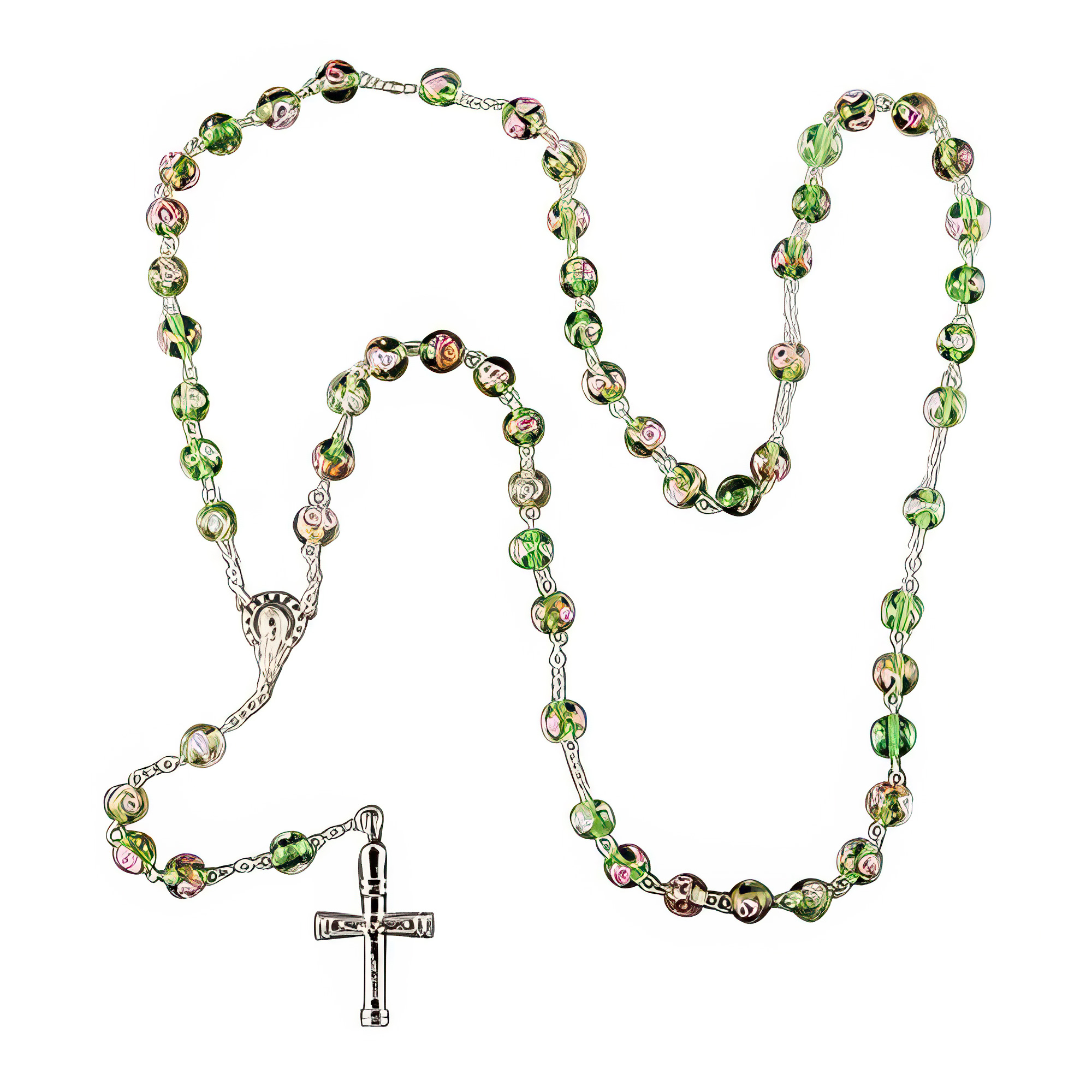
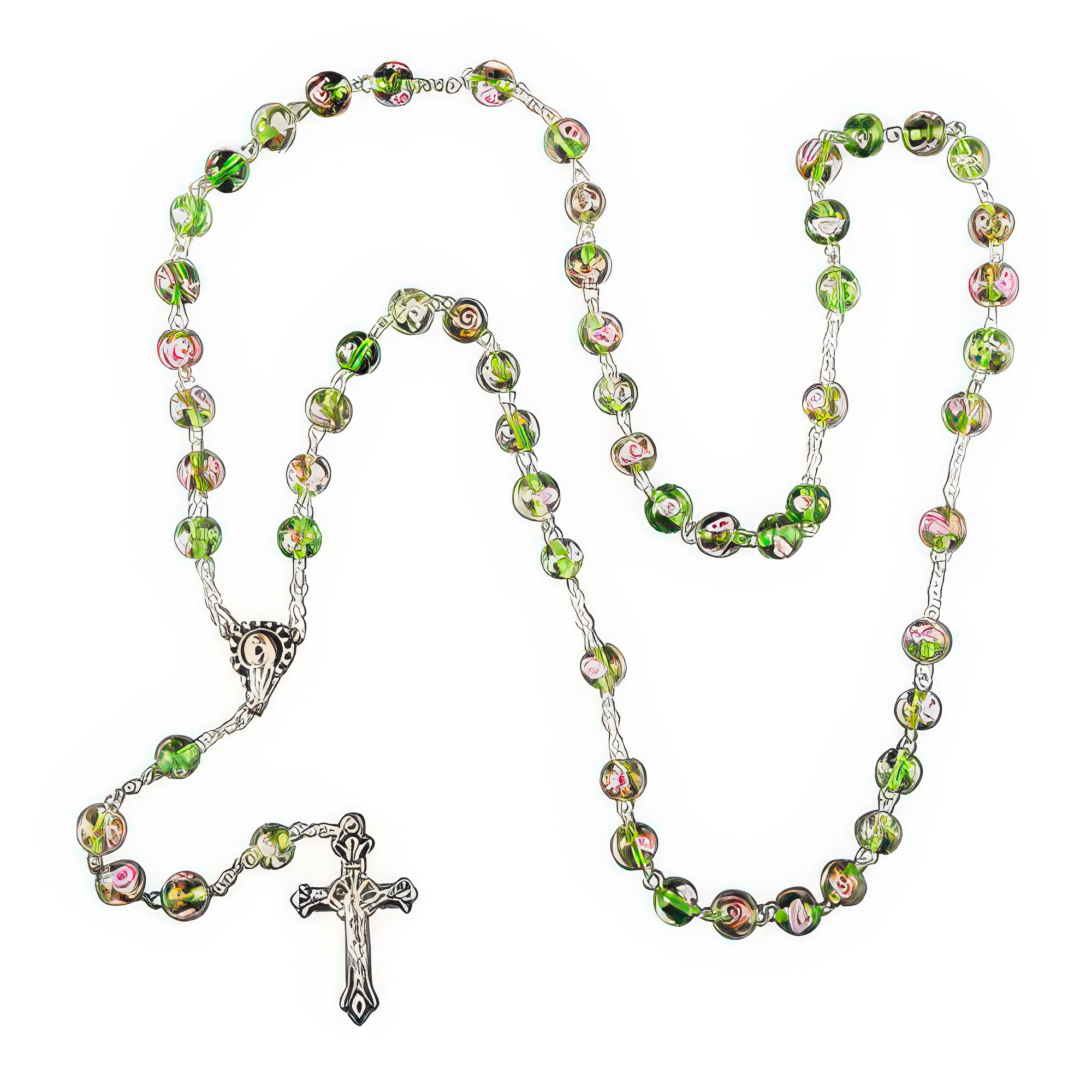
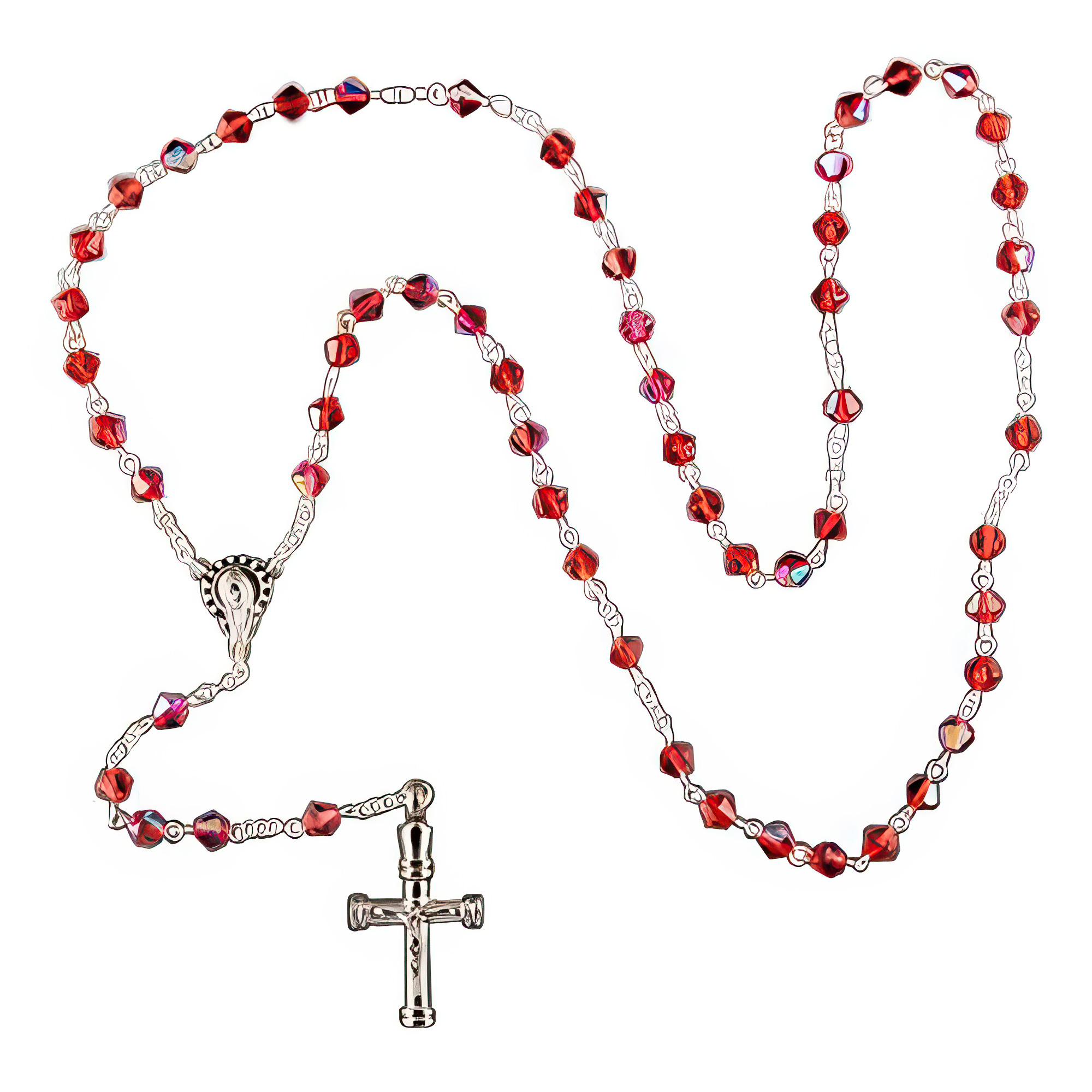
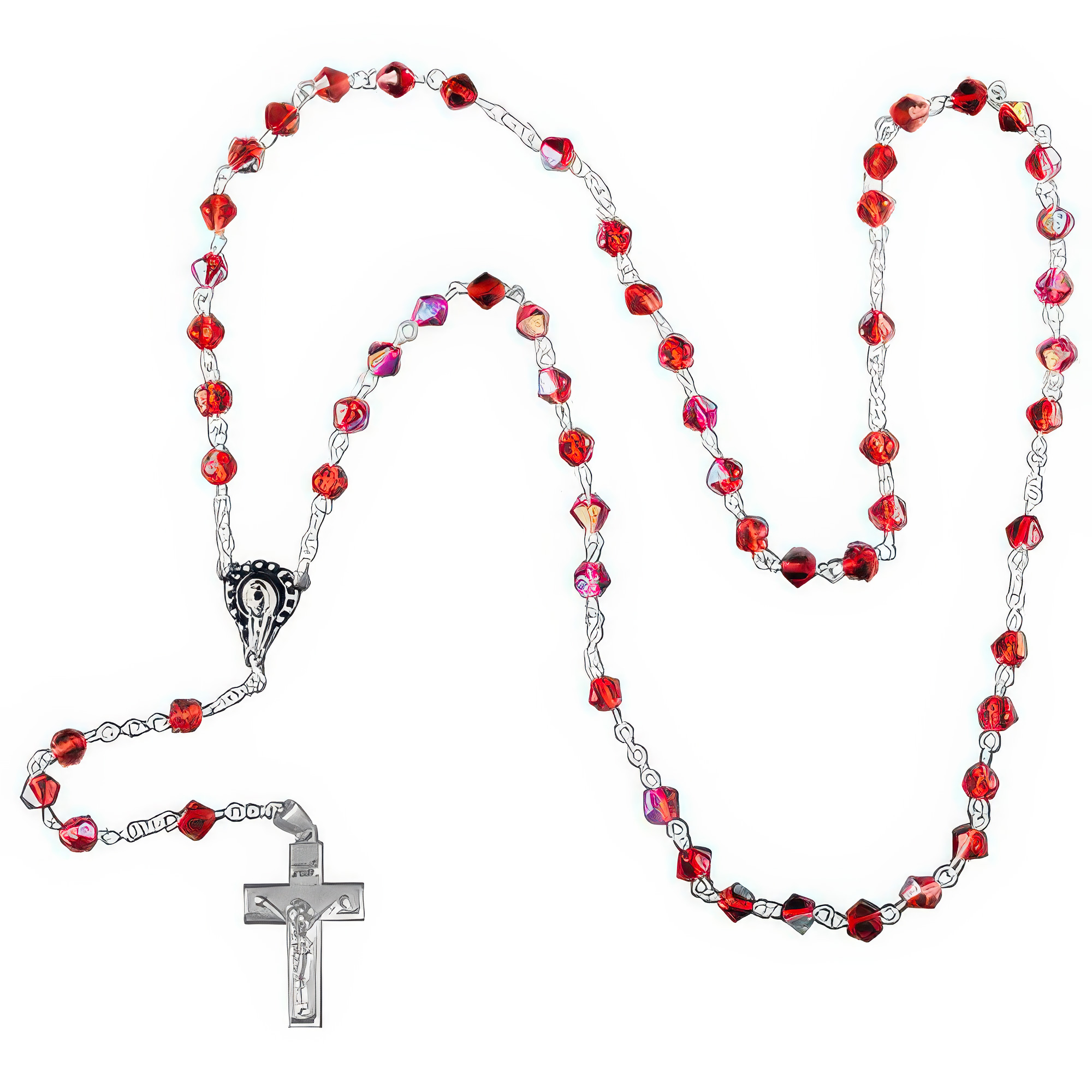
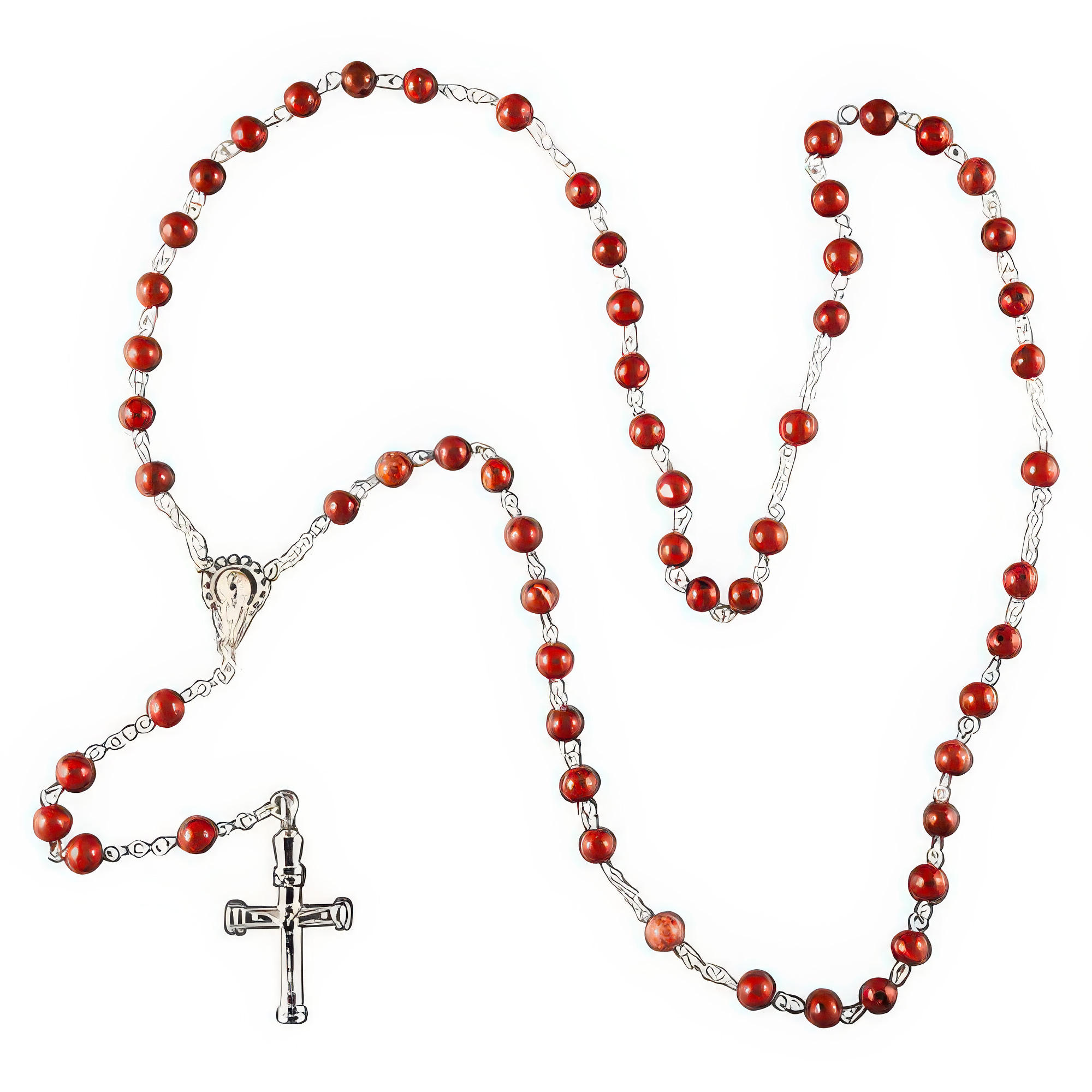
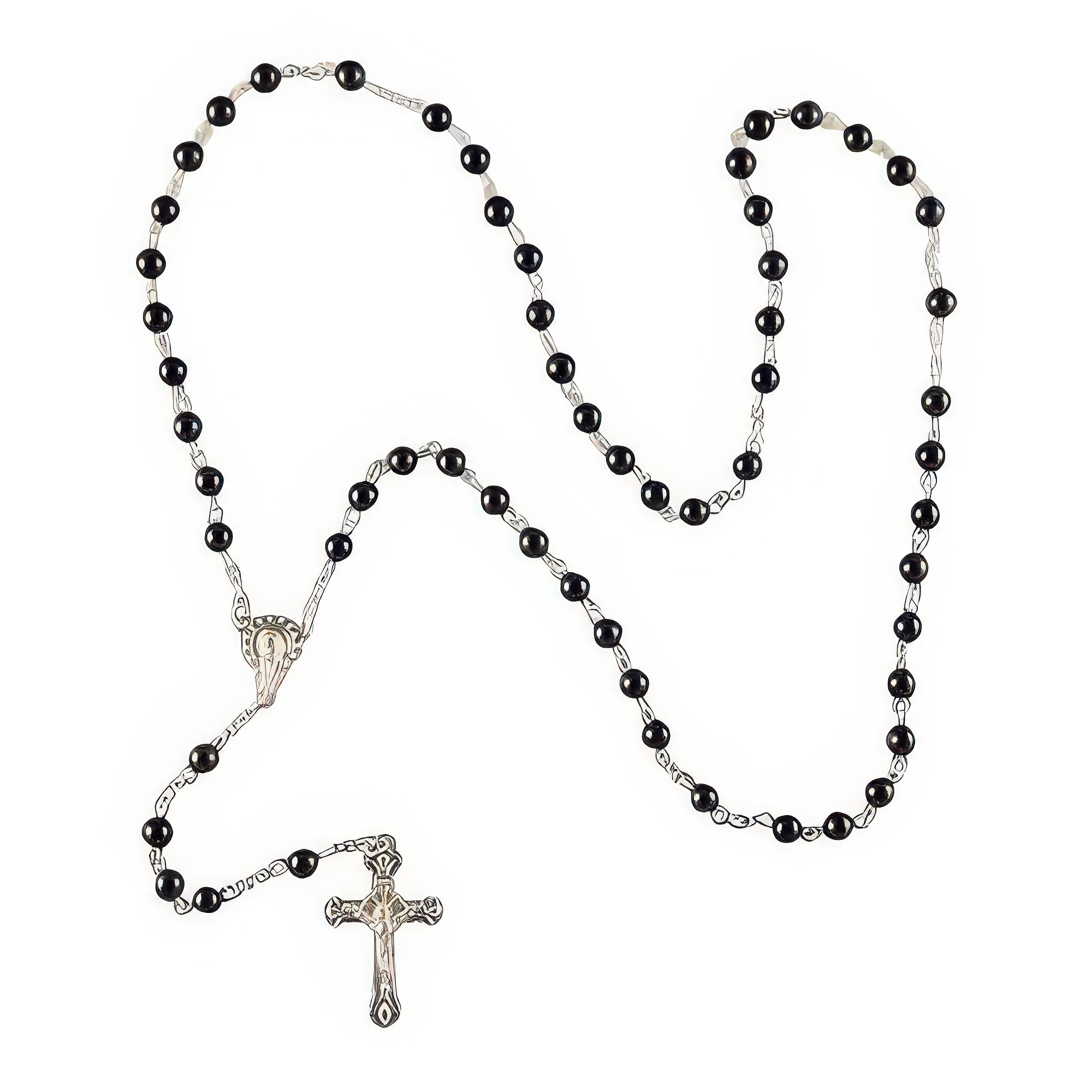
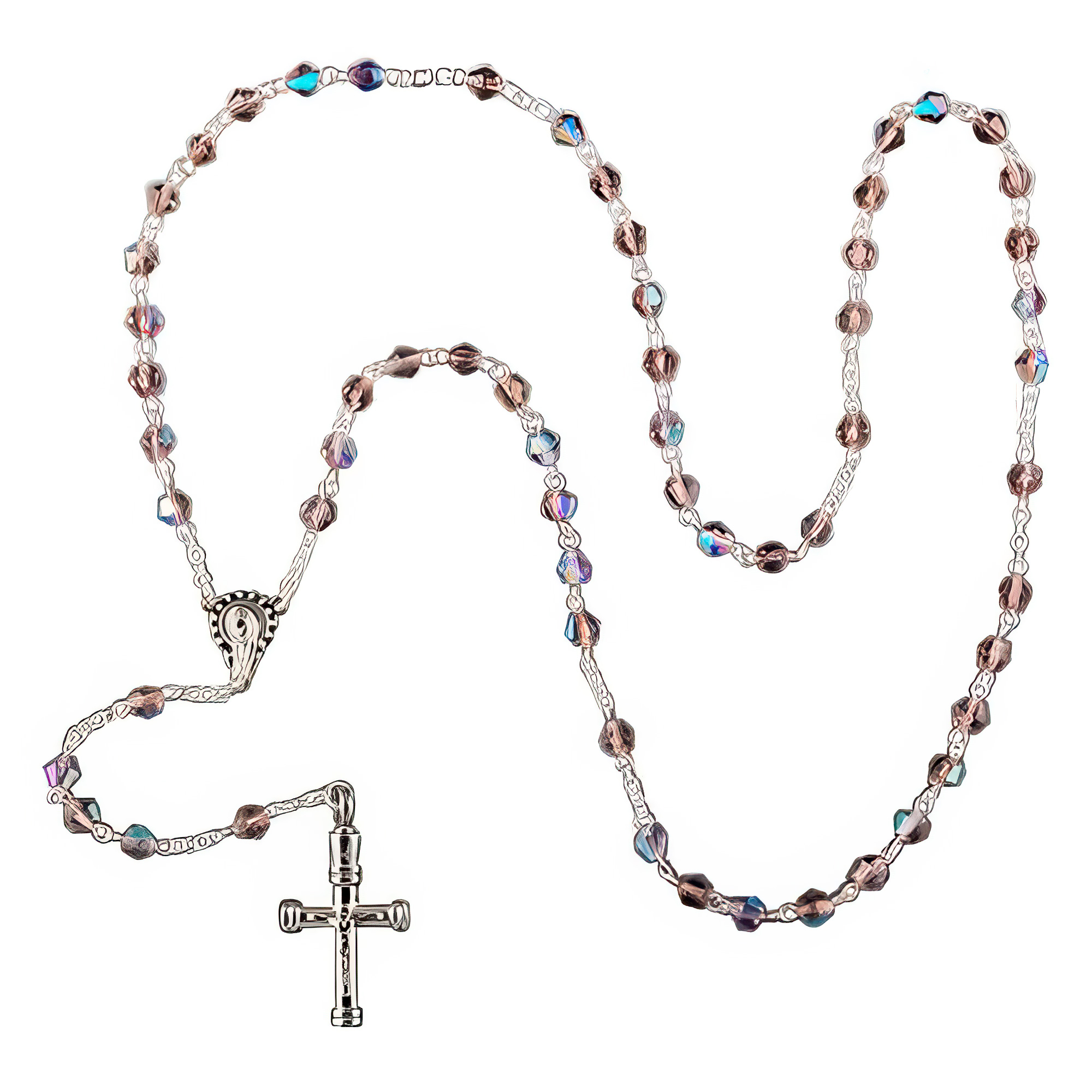
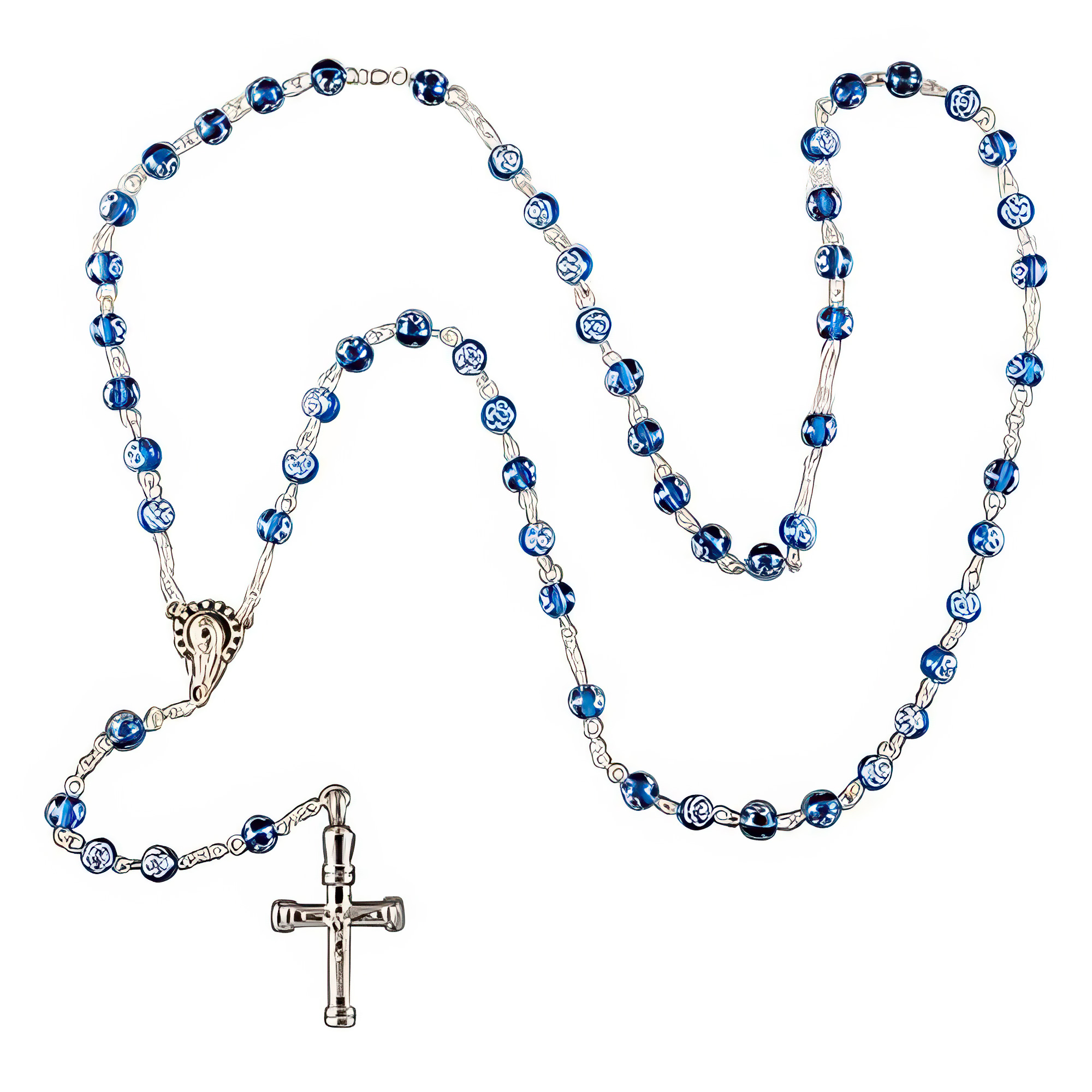
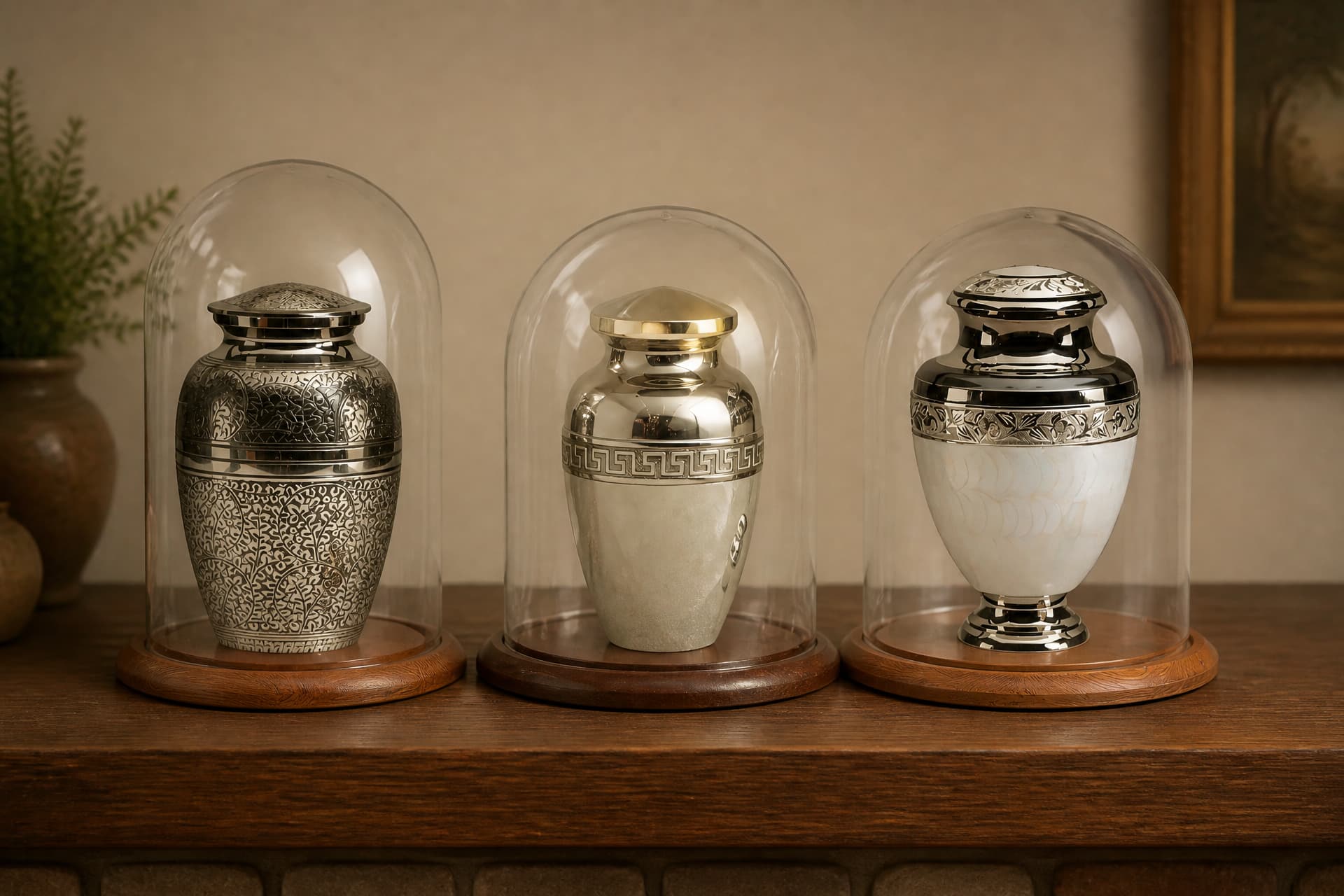
Sympathy Keepsakes and Cremation Rosaries
Pieces a family keeps, long after the messages stop arriving
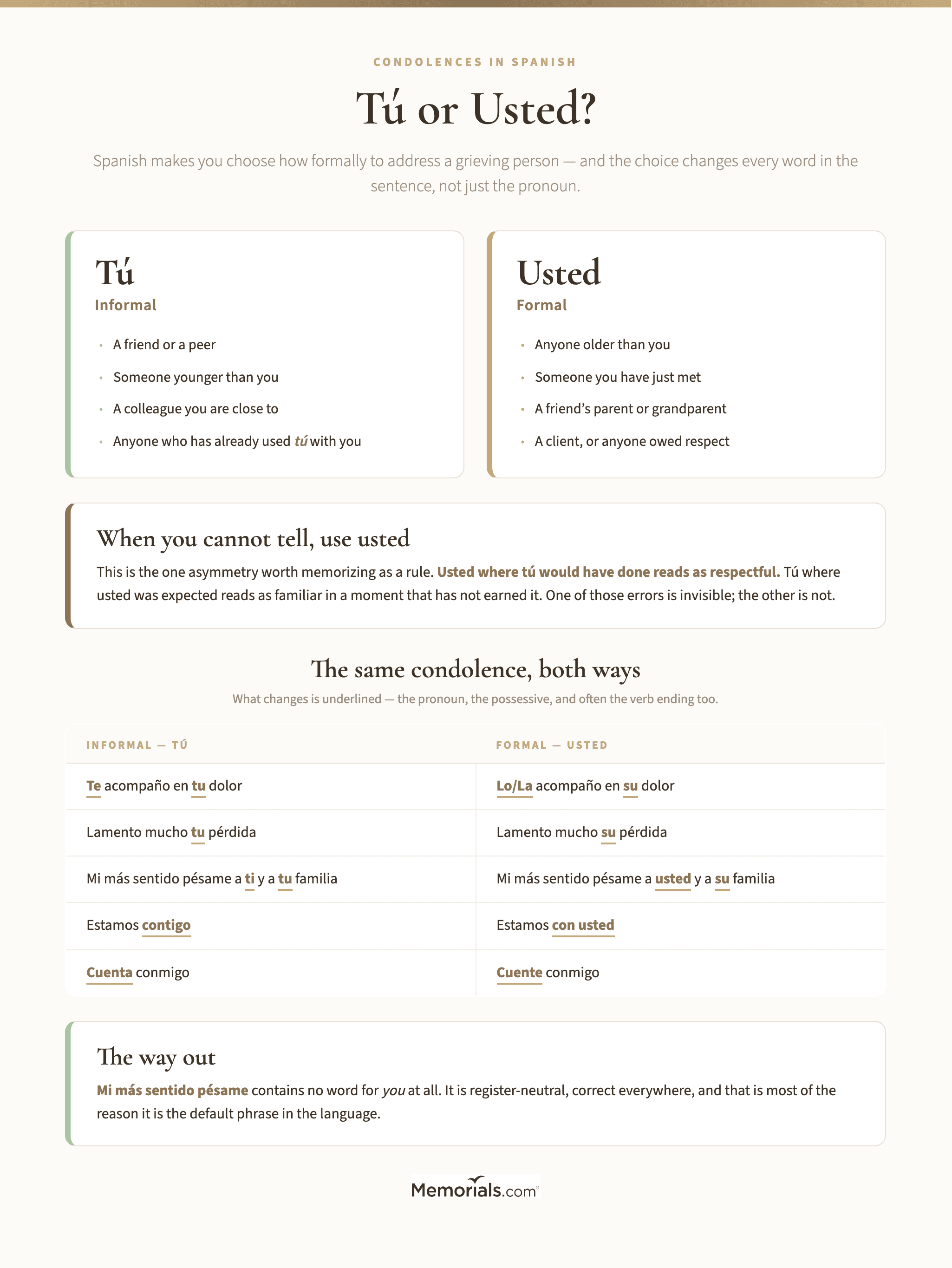
Spanish has two words for you, and choosing between them is not politeness in the English sense. It sets the register of the entire sentence.
Use tú with a friend, a peer, someone younger than you, a colleague you are close to, or anyone who has already used tú with you.
Use usted with someone older than you, someone you have just met, a parent or grandparent of a friend, an employee's family, a client, or anyone in a position of respect. In much of Mexico and Colombia, adult children still address their own parents as usted.
When you cannot tell, use usted. This is the one asymmetry worth memorizing: usted used where tú would have done reads as respectful. Tú used where usted was expected reads as familiar in a moment that has not earned it. One of those errors is invisible and the other is not.
Here is the same condolence in both registers:
Informal (tú)
Formal (usted)
Te acompaño en tu dolor
Lo acompaño en su dolor (to a man) · La acompaño en su dolor (to a woman)
Lamento mucho tu pérdida
Lamento mucho su pérdida
Mi más sentido pésame a ti y a tu familia
Mi más sentido pésame a usted y a su familia
Estamos contigo
Estamos con usted
Cuenta conmigo
Cuente conmigo
Note what changes: the pronoun, the possessive (tu → su), and in several cases the verb ending. You cannot change only the pronoun and leave the rest — that is the mistake translation tools make, and it produces a sentence that is half-formal and reads as broken.
Two shortcuts, if this is more than you want to hold in your head:
Mi más sentido pésame contains no you at all. It is register-neutral, which is a large part of why it is the default.
In Spain, le acompaño en el sentimiento is the standard formula and is already formal. It is what you will hear at a funeral in Madrid.
When you cannot tell, use usted. It is the only error of the two that nobody notices.
How to Say Them Out Loud
You may have to say this at a wake rather than write it, so the stress matters more than the spelling.
Spanish
Say it as
Note
pésame
PEH-sah-meh
The accent exists to pull the stress onto the first syllable. Without it the word would be peh-SAH-meh, which is wrong.
mi más sentido pésame
mee MAHS sehn-TEE-doh PEH-sah-meh
condolencias
kohn-doh-LEHN-syahs
te acompaño
teh ah-kohm-PAH-nyoh
ñ is the ny in canyon.
lamento mucho
lah-MEHN-toh MOO-choh
descanse en paz
dehs-KAHN-seh ehn PAHS
One structural point that saves you guessing: in Spanish a written accent almost always marks stress that would otherwise fall somewhere else. When you see one, put the emphasis there.
On the missing accents. You will constantly see the word typed as pesame, and the full phrase as mi sentido pesame, without any accent at all — English keyboards make á and é awkward and most people do not bother. It is understood, and nobody will think less of you for it in a text message. Written by hand in a card, put the accents in. They are the difference between a word spelled correctly and a word spelled nearly.
And one usage trap: pésame is a noun, not a verb. You do not pésame someone. You give it — dar el pésame.Fui a darle el pésame a su madre means I went to offer my condolences to his mother. Translating pesame in English gives you condolence or sympathy, but only as the thing itself, never as the act of offering it.
The False Friend Worth Knowing
There is no single word for sympathy in Spanish that carries the English meaning, and the word that looks like it is a trap.
Simpatía does not mean sympathy. It means charm, warmth, likeability — me cae muy simpática means I find her very likeable. Writing tienes mi simpatía to a grieving family says something closer to you have my charm, which is not the note you were going for.
What you want instead, depending on the sense:
El pésame — sympathy as the formal expression of it. Dar el pésame.
Mis condolencias — sympathy as the message you send.
Compasión — sympathy as the feeling.
Te acompaño en tu dolor — sympathy as the thing you actually do.
This is the clearest single example of why a word-for-word translation fails here. If you want to know how to express sympathy in Spanish, the answer is not a word, it is one of the four sentences above.
Short Condolence Messages in Spanish
For a text, a card signature, or a comment where a paragraph would be too much. All are complete messages on their own.
Neutral or formal
Mi más sentido pésame. — My deepest condolences.
Mis más sentidas condolencias. — My most heartfelt condolences.
Lamento mucho su pérdida. — I am very sorry for your loss.
Le acompaño en el sentimiento. — I share in your sorrow. (Spain)
Mi más profundo pésame a toda la familia. — My deepest condolences to the whole family.
Warm and personal
Te acompaño en tu dolor. — I am with you in your pain.
No tengo palabras. Te mando un abrazo. — I have no words. Sending you a hug.
Estoy contigo. — I am with you.
Un fuerte abrazo. — A strong hug. (Common as a closing line, rarely alone.)
Cuenta conmigo para lo que necesites. — Count on me for whatever you need.
Aquí estoy. — I'm here.
When you knew the person who died
Fue una gran persona. Siempre lo recordaremos. — He was a wonderful person. We will always remember him.
Siempre la recordaremos con cariño. — We will always remember her fondly.
Tu papá era muy querido. — Your father was very much loved.
Note the gender agreement in that last group: lo for a man, la for a woman. Siempre lo recordaremos and siempre la recordaremos are not interchangeable, and this is the small error most likely to slip past you. If you want the equivalent list in English, short condolence messages covers the same ground.
Writing It in a Card
A Spanish sympathy card follows the same four-part shape as an English one: acknowledge, name, offer, close.
Querida María,
Mi más sentido pésame por la pérdida de tu madre. Siempre la recordaré por su generosidad y su risa.
Cuenta conmigo para lo que necesites en estos días.
Un fuerte abrazo,Sarah
Dear María — my deepest condolences on the loss of your mother. I will always remember her for her generosity and her laugh. Count on me for anything you need in the coming days. A strong hug, Sarah.
Openings: Querido / Querida (Dear, informal) · Estimado / Estimada (Dear, formal) · Apreciada familia (Dear family).
Closings: Un fuerte abrazo · Con mucho cariño (with much affection) · Con todo mi cariño · Con nuestro más sentido pésame (formal).
You will also see D.E.P. and Q.E.P.D. on cards and notices — descanse en paz and que en paz descanse, both meaning rest in peace. They belong beside the name of the person who died, not as your message to the living.
WhatsApp is the default channel across most of Latin America and Spain. If you need to send condolences in Spanish digitally, the etiquette is the same as it is in English: send it early, keep it short, and do not ask a question the person has to answer.
Acabo de enterarme. Lo siento mucho. No hace falta que contestes. — I just heard. I'm so sorry. No need to reply.
Te acompaño en tu dolor. Un abrazo. — I'm with you. A hug.
Pensando en ti y en tu familia. — Thinking of you and your family.
Estoy aquí para lo que necesites. — I'm here for whatever you need.
No hace falta que contestes is worth keeping. It does the same work as no need to reply in English, and it is the kindest four words you can add. The same timing logic applies in any language — sending condolences by text covers why the message that arrives on day one beats the better one written next week.
What Not to Say
Some of these are grammatical, some cultural, and one is a translation that is technically correct and still wrong.
Estoy triste por tu pérdida. Word for word this is I am sad for your loss. No native speaker says it. It is the clearest sign a sentence came out of a translation box. To say sorry for your loss in Spanish, use lamento mucho tu pérdida instead.
Está en un lugar mejor.He's in a better place. Carries exactly the risk it does in English — it tells a grieving person how to feel, and it assumes a belief they may not hold.
Sé cómo te sientes.I know how you feel. You do not, and it invites the reply no, you don't.
Todo pasa por una razón.Everything happens for a reason. Avoid.
Fue la voluntad de Dios.It was God's will. Fine among people who share that faith and share it with each other. Risky from an outsider, and impossible to take back.
Lo siento on its own. Not wrong — but lo siento is also what you say when you bump into someone in a doorway. As a full condolence it lands thin. Lo siento mucho is warmer; lamento mucho tu pérdida warmer still.
If any of that sounds familiar, it is because the same instincts cause the same trouble in English — funeral etiquette covers the wider version.
The Customs Behind the Words
If you have been invited to something and you are not certain what it is, this section is for you. The word for funeral in Spanish is el funeral, or el sepelio for the burial service itself — but most of what you will be invited to has its own name.
El velorio (or velatorio) is the wake — the viewing, usually the evening before the burial, often held through the night. Attendance matters more than anything you say there. Mi más sentido pésame to each family member as you arrive is the whole obligation.
What none of this changes is the sequence underneath. How to offer condolences is the same question in any language — approach the family, say the short formula, do not linger, come back weeks after everyone else has stopped — and only the words are different.
El rosario is a rosary prayed for the person who died, commonly at the wake and often on the evening of the funeral as well. You are not expected to know it. Standing quietly is participation.
El novenario is nine consecutive days of rosaries following the death — the Spanish-speaking form of the nine-day novena prayer for the dead — widely observed in Mexico and much of Latin America. An invitation to a novenario is an invitation into the family's grief, and going to even one evening of it is noticed.
La misa de cuerpo presente is the funeral Mass with the body present. El cabo de año is the Mass held on the first anniversary — a good moment to reach out again, long after other people have stopped.
El recordatorio, sometimes called an estampita, is the small memorial card handed out at the service, with the person's name, dates, and usually a prayer or a saint's image. Families keep them for decades in wallets and missals. If you are given one, keep it — being handed a recordatorio is being counted as someone who mourned him.
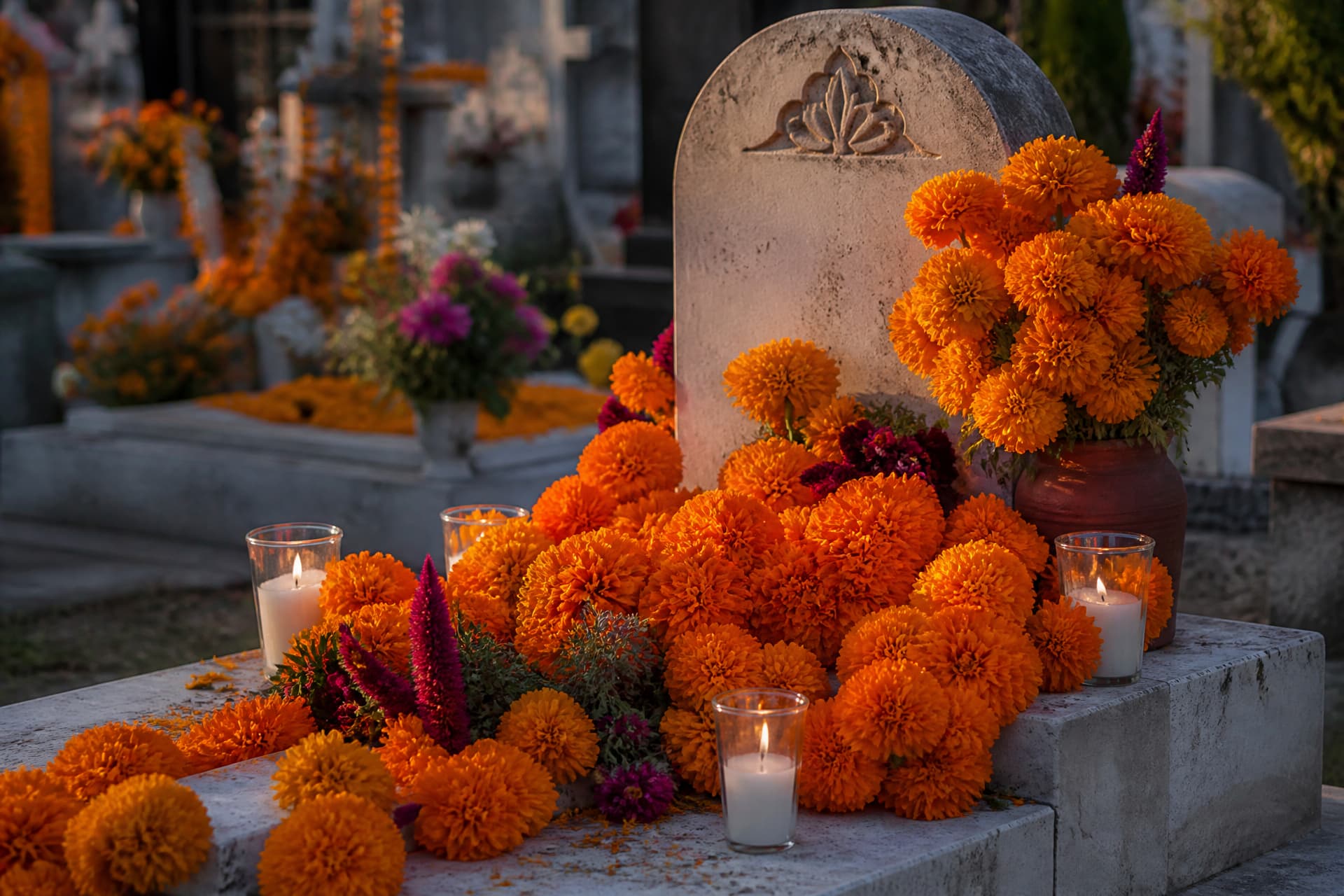
El panteón or el camposanto is the cemetery — panteón especially in Mexico. And Día de Muertos, on the first and second of November, is when the family will visit; a message on that date is remembered.
Cempasúchil marigolds on a grave for Día de Muertos. The family will be at the cemetery on the first and second of November — a message on that date lands differently than one sent in July.
At a velorio, arriving matters more than anything you say. "Mi más sentido pésame" to each family member is the whole of it.
Regional Differences Worth Knowing
Spanish is not uniform, and condolences are one of the places the differences show.
Spain.Le acompaño en el sentimiento is the formula — you will hear it far more often than pésame. Te acompaño en el sentimiento is its informal form.
Mexico.Mi más sentido pésame is standard and expected. Te acompaño en tu dolor is the warmer register. The novenario is widely observed.
Argentina and Uruguay. These use vos rather than tú, which changes verb forms: te acompaño en tu dolor is unchanged, but contá conmigo replaces cuenta conmigo. The neutral mi más sentido pésame sidesteps this entirely.
The Caribbean and Central America. Warmer and more physical in register. Un abrazo fuerte and estamos contigo carry more weight than a formal phrase would.
If you do not know where the family is from — and often you will not — mi más sentido pésame is understood everywhere and marked as foreign nowhere.
Pairing the Message With Something
A message and an object do different work. The message arrives now; the object is still there in March when the messages have stopped.
Anything inscribed in Spanish should be checked by a native speaker before it is engraved, for the same reason this page exists — accents carry meaning, and recordaremos on a keepsake meant for a woman should read la recordaremos. Among personalized sympathy gifts, a short inscription such as Siempre en nuestros corazones — always in our hearts — travels well and is hard to get wrong.
Print it, screenshot it, or keep the tab open. The pronunciation column is the one people come back for.
Frequently Asked Questions
How do you say "my condolences" in Spanish?Mis condolencias, or more warmly mi más sentido pésame — literally my most heartfelt condolence. The second is more common in speech and in cards.
What does pésame mean in English?Condolence, or sympathy — but only as the thing itself. It is a noun. The verb phrase is dar el pésame, to offer condolences. You give a pésame; you do not pésame someone.
How do you say "sorry for your loss" in Spanish?Lamento mucho tu pérdida (informal) or lamento mucho su pérdida (formal). Avoid estoy triste por tu pérdida, a literal translation nobody uses.
What is my deepest condolences in Spanish?Mi más profundo pésame or mis más sentidas condolencias. Both are formal and appropriate in writing.
Is simpatía the word for sympathy? No. Simpatía means charm or likeability. Use el pésame, mis condolencias, or compasión depending on which sense you mean.
Should I write to the family in Spanish if my Spanish is poor? Yes. A short correct phrase in Spanish followed by the rest in English reads as effort, not as error. Write mi más sentido pésame and then continue plainly in your own language.
Is it rude to use tú with someone older? Not rude so much as unearned. Use usted with anyone older than you or anyone you do not know well. If they answer you with tú, you can follow.
In Closing
If you take one line from this page, take mi más sentido pésame. It is correct in every country, in every register, in a card and out loud, and it asks nothing of the person receiving it.
And if you take a second, take te acompaño en tu dolor — because it says the thing English struggles to say, which is not I'm sorry this happened but I am here, and I am staying. That is what a grieving family is listening for in any language.