🏬Supersize Online Funeral Retailer🪦1000's of Headstones⚱️Over 10,000 Cremation Urns⚰️Caskets Overnight Delivery🛒Funeral & Memorial Superstore🚚FREE Shipping on ALL Orders👨👩👧👦Helping Families for over 20 Years💰Lowest Price Guarantee🏬Supersize Online Funeral Retailer🪦1000's of Headstones⚱️Over 10,000 Cremation Urns⚰️Caskets Overnight Delivery🛒Funeral & Memorial Superstore🚚FREE Shipping on ALL Orders👨👩👧👦Helping Families for over 20 Years💰Lowest Price Guarantee
🏬Supersize Online Funeral Retailer🪦1000's of Headstones⚱️Over 10,000 Cremation Urns⚰️Caskets Overnight Delivery🛒Funeral & Memorial Superstore🚚FREE Shipping on ALL Orders👨👩👧👦Helping Families for over 20 Years💰Lowest Price Guarantee🏬Supersize Online Funeral Retailer🪦1000's of Headstones⚱️Over 10,000 Cremation Urns⚰️Caskets Overnight Delivery🛒Funeral & Memorial Superstore🚚FREE Shipping on ALL Orders👨👩👧👦Helping Families for over 20 Years💰Lowest Price Guarantee
A cremation jewelry piece holds something irreplaceable. The moment you choose to wear it – or pass it to someone you love – it becomes a keepsake meant to last for years, even generations. That kind of longevity doesn't happen by accident. It comes from a few steady habits: cleaning it safely, storing it correctly, and knowing when to remove it before it's exposed to something that can cause damage.
The challenge with cremation jewelry is that it isn't quite the same as a regular necklace or pendant. It contains a sealed compartment holding a portion of cremated remains, which means some of the typical cleaning shortcuts – soaking, ultrasonic cleaners, liquid jewelry dips – can compromise the seal and risk the loss of what's inside. This guide walks through safe care practices organized by material type, with specific guidance on protecting the closure and knowing when to take the piece to a professional. If you're still in the process of setting up your piece, our guide to covers the initial steps before care begins. For a complete overview of choosing and wearing , see our .
Most fine jewelry can be cleaned using an ultrasonic cleaner or a quick soak in a jewelry cleaning solution. For cremation jewelry, those methods are off the table.
The reason is the closure. Most cremation pendants and lockets are accessed through a small threaded screw, a bail opening, or a hinged compartment. These closures are designed to keep the ashes secure during everyday wear, but they are not waterproof. Prolonged exposure to liquids – particularly chemicals – can degrade the adhesive seal, corrode the threads, or allow moisture to enter the compartment.
The good news: the care itself is simple. It doesn't require special tools beyond a soft cloth and a few good habits. The most important investment is in knowing what to avoid.
Material-by-Material Cleaning Guide
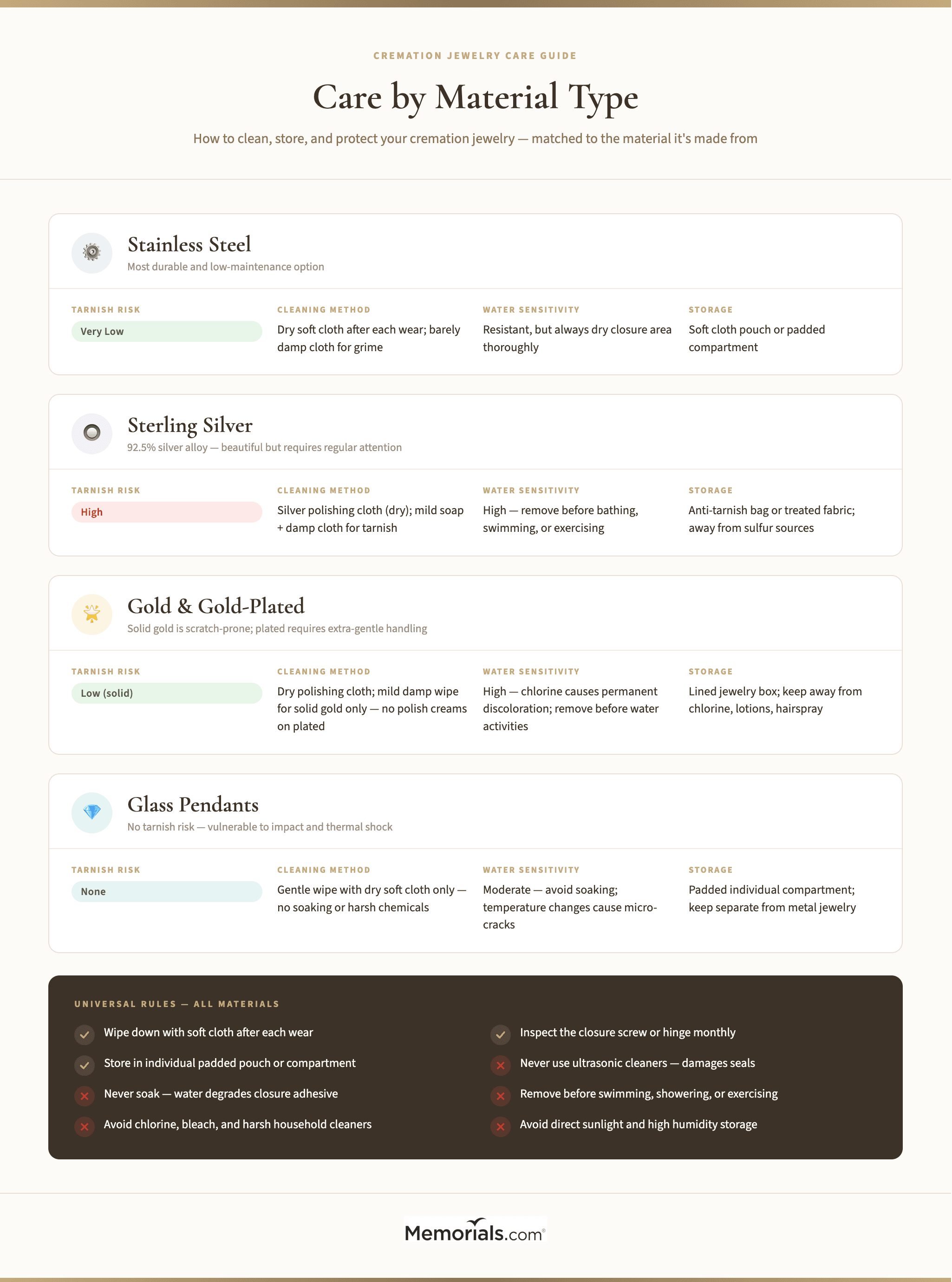
Cremation jewelry is made from a range of materials, each with different sensitivities. The right cleaning method depends on what yours is made from. For a broader look at how material choice affects longevity and durability, see our cremation jewelry materials guide.
Stainless Steel
Stainless steel is the most forgiving option from a maintenance standpoint. It's highly resistant to tarnish, naturally hypoallergenic, and easy to clean without chemicals.
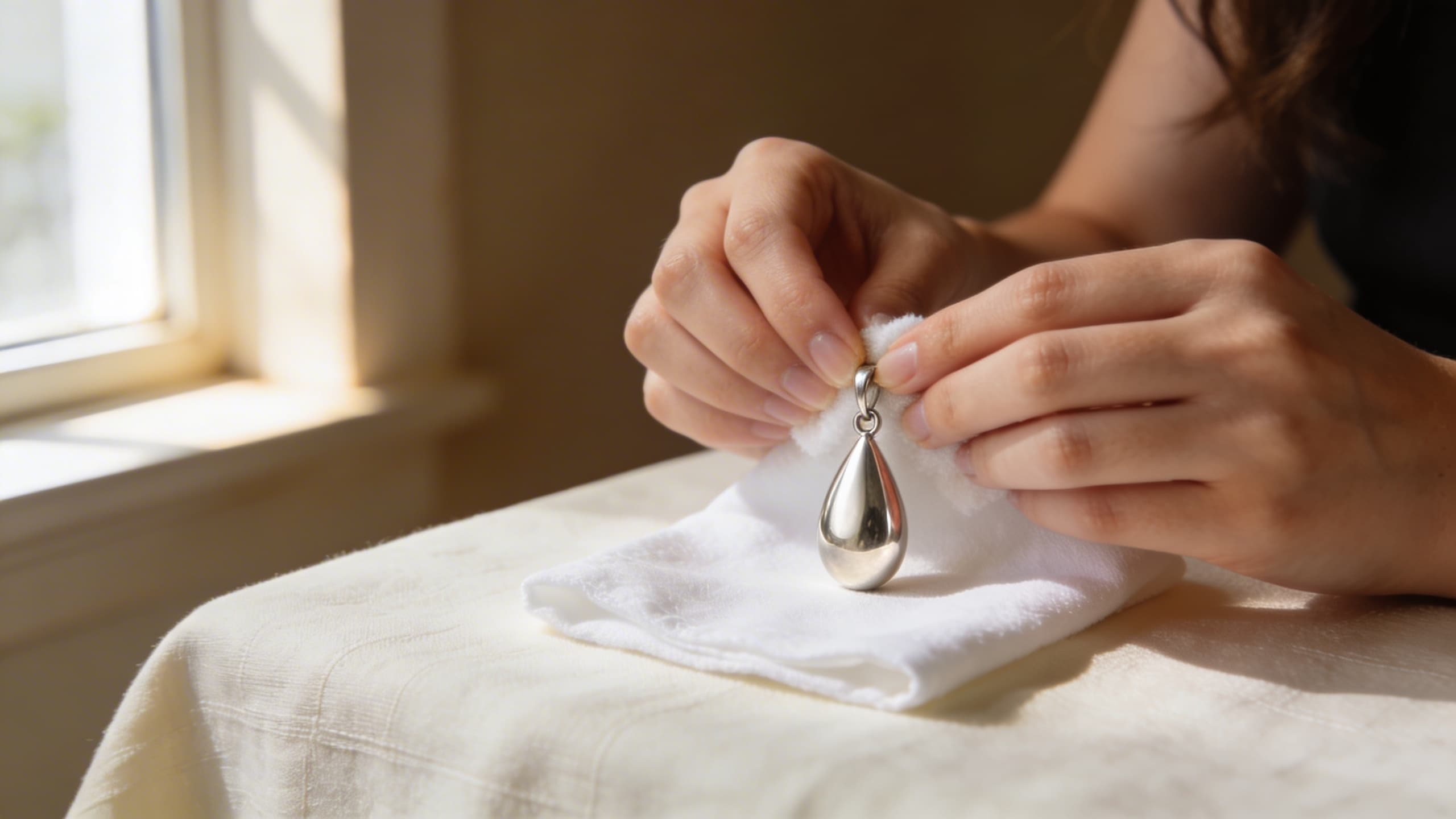
To clean stainless steel cremation jewelry, wipe the surface gently with a soft, dry, lint-free cloth after each wear. If the piece has accumulated surface grime, dampen the cloth very slightly with plain water, wipe the exterior, and then immediately dry it thoroughly – including around the closure area. Never let water pool around the screw or seal.
For deeper cleaning, a small amount of mild dish soap diluted in water can be applied with a soft cloth. Wipe the surface, then dry completely. Avoid abrasive cloths or pads, which can scratch the finish.
Store stainless steel pieces in a soft cloth pouch or padded compartment when not in use. Though tarnish-resistant, contact with harder metals can scratch the surface over time.
Sterling Silver
Sterling silver – a 92.5% silver alloy – is the material most commonly associated with tarnishing in cremation jewelry. Tarnish forms when silver reacts with sulfur-containing compounds in the air, in skin care products, and in certain foods. It's not damage; it's chemistry. And it's manageable.
The most effective prevention is regular wear. The natural oils in skin help slow the tarnishing process on sterling silver. If you wear your piece often, a quick wipe-down with a soft cloth after each use is usually sufficient.
For light tarnish, a silver polishing cloth – available from most jewelers or online – will restore the shine without any liquid contact. These are safe for cremation jewelry because they work dry.
For heavier tarnish where the polishing cloth alone isn't enough, mix a small amount of mild phosphate-free dish soap with water, dampen a soft microfiber cloth, and gently rub the surface – avoiding the closure area. Blot dry immediately. Never soak a sterling silver cremation piece.
One product to avoid entirely: toothpaste. Despite its reputation as a DIY silver cleaner, toothpaste is too abrasive for plated surfaces and can scratch the finish.
Keep sterling silver away from rubber bands, wool, latex, eggs, onions, chlorinated water, direct sunlight, and household cleaning products – all of which accelerate tarnishing. When storing, use an anti-tarnish bag or a fabric-lined jewelry box to slow the oxidization process between wears.
Gold and Gold-Plated
Solid gold is the most tarnish-resistant metal commonly used in cremation jewelry. Its main vulnerability is scratching – gold is a relatively soft metal – and chemical discoloration from chlorine and harsh soaps.
To clean solid gold, wipe gently with a dry polishing cloth. If additional cleaning is needed, use a soft cloth barely dampened with a mild soap-and-water solution, wipe carefully, and dry thoroughly. Avoid scrubbing or anything abrasive, which can leave visible scratches. Over time, light surface scratches on solid gold can be polished out professionally by a jeweler.
Gold-plated pieces – where a base metal (often sterling silver or brass) is covered with a thin layer of gold – require more caution. The plating will eventually wear with use, and harsh cleaning speeds this process. Use only a dry cloth or a lightly damp cotton cloth for cleaning. Do not use polish creams or abrasive pads on gold-plated surfaces. If the plating wears through, a jeweler can re-dip the piece.
Both solid gold and gold-plated cremation jewelry should be removed before bathing, swimming, exercising, or applying personal care products like hairspray, perfume, sunscreen, or lotion. These exposures – especially chlorine – can permanently discolor gold and weaken adhesive seals around closures.
Glass Pendants
Glass cremation jewelry – including lampwork and fused glass pieces – requires special handling. Glass is not susceptible to tarnish, but it is vulnerable to sudden temperature changes and impact.
Clean glass pendants by wiping gently with a soft, dry cloth. Avoid soaking in any liquid, and never expose glass pieces to sudden temperature extremes (moving from cold to very hot environments, or vice versa) – this thermal shock can cause micro-cracks that compromise both appearance and structural integrity.
Store glass pieces separately from metal jewelry. Contact with harder materials can chip or scratch the surface. A padded individual compartment in a jewelry display case is ideal for long-term storage.
Protecting the Closure and Seal
The closure is the most critical part of any cremation jewelry piece. A compromised seal means the risk of losing what's inside – and that's not a recoverable mistake.
Most cremation necklaces and pendants use one of three closure types: a threaded screw that fits into the bail or bottom of the pendant, a flat-head or square-head micro screw in the body of the piece, or a hinged locket mechanism. Each requires its own inspection habits.
For threaded closures: Check the screw monthly. Gently turn it with your fingertip to confirm it's seated fully. If you find it has loosened over time, many pieces come with a small tube of adhesive sealant designed specifically for this purpose. Apply a tiny amount around the threads with a toothpick before re-seating the screw. Wipe away any excess immediately.
For hinged closures: Check the hinge and any small latch or pin at each cleaning. Over time, hinges can loosen with regular opening or physical impact. A jeweler can tighten or replace hinges if needed.
Water and the seal: No cremation jewelry closure should be considered waterproof. The threaded gaskets and adhesive sealants used to secure the compartment can degrade when repeatedly exposed to water – especially water with chlorine or minerals. Remove your piece before any activity involving water.
If you ever drop your piece and it opens, or you notice the closure feels looser than usual, stop wearing it until you've inspected it carefully and re-sealed as needed.
When to Remove Your Cremation Jewelry
Knowing when to take your piece off is as important as knowing how to clean it — and it's central to the broader question of is cremation jewelry safe to wear every day. The primary situations to avoid:
Remove before:
Bathing or showering – water and soap weaken seals and accelerate tarnish
Swimming – chlorine causes chemical damage to metal finishes and adhesives
Hot tubs or saunas – heat combined with chemicals is especially damaging
Exercise – sweat accelerates tarnishing on silver and can corrode closures
Sleeping – physical pressure, tangled chains, and pillow friction can damage closures and scratch surfaces
Applying personal care products – hairspray, perfume, lotion, sunscreen, and hand sanitizer all contain chemicals that affect metal finishes
Household cleaning – bleach and ammonia-based cleaners cause rapid oxidization
Developing a simple before-and-after routine – remove before these activities, wipe down and re-check the closure after – will extend the life of the piece significantly and reduce how often deeper cleaning is needed.
Storage Best Practices
Where and how you store your piece between wears affects how quickly it accumulates tarnish, scratches, and grime.
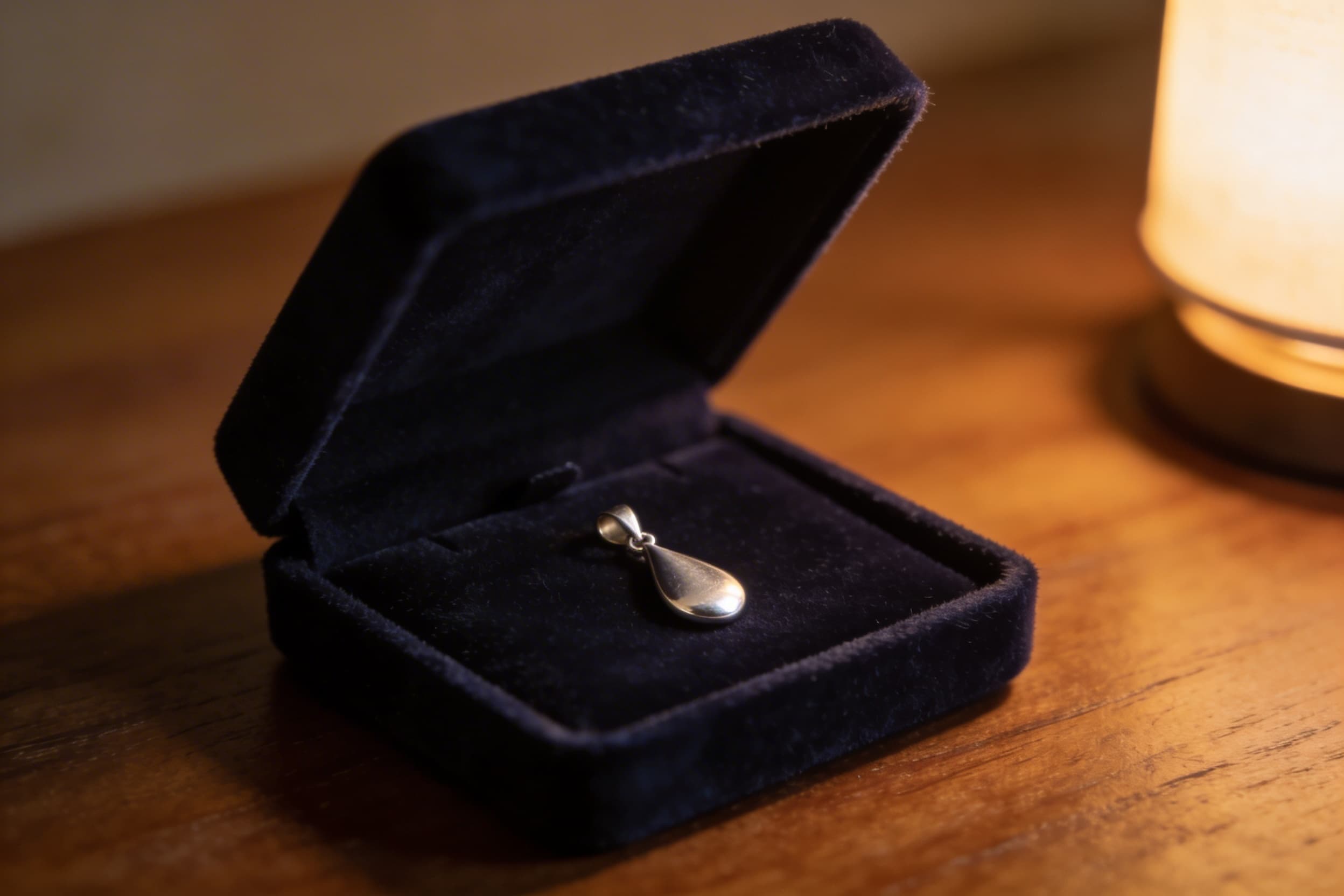
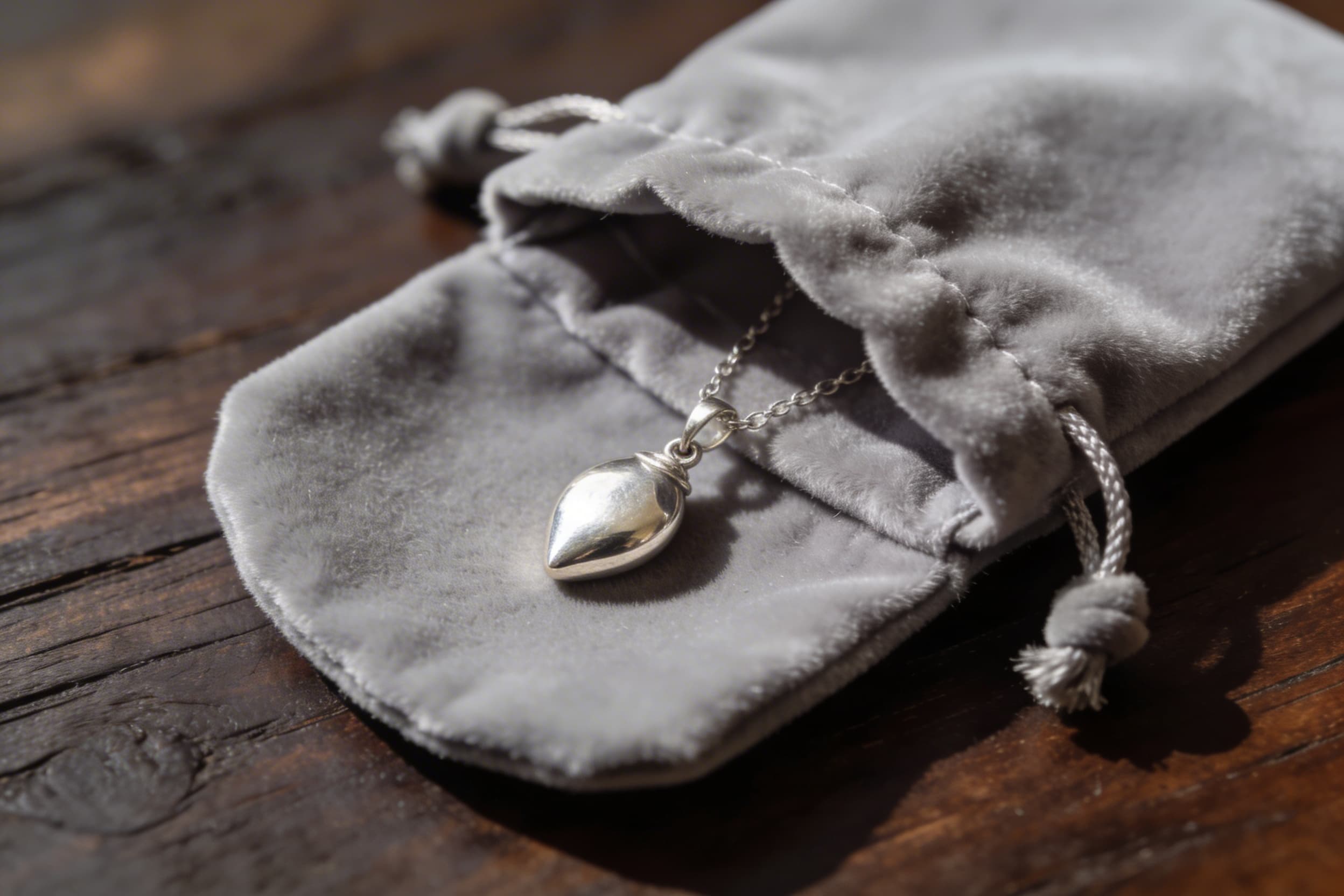
Individual compartments: Cremation jewelry should not be stored loose in a drawer or tangled with other pieces. Contact with harder metals causes scratches; tangled chains can stress closures. Store each piece in its own compartment, soft cloth pouch, or airtight zip-lock bag.
Anti-tarnish storage: For sterling silver, anti-tarnish bags or treated fabric compartments slow the tarnishing process significantly. These are available from jewelers or online. Even wrapping the piece in anti-tarnish tissue before placing it in a jewelry box provides measurable protection.
Environmental factors: Keep cremation jewelry away from direct sunlight, humidity, and heat – all of which accelerate both tarnish and adhesive degradation. A bedroom drawer or a bedside jewelry box away from windows is a good default. Avoid storing in bathrooms, where humidity spikes regularly.
Display: If you display a cremation keepsake rather than wear it, keep it in a sealed display case out of direct light. Jewelry display cases with UV-protective glass offer good long-term protection for pieces that are rarely worn.
Chains: If the chain on your pendant becomes damaged, stretched, or broken, replacement chains are available – no need to retire the pendant. A matching replacement is usually the most economical option rather than sending the whole piece for repair.
Signs It's Time for Professional Cleaning or Repair
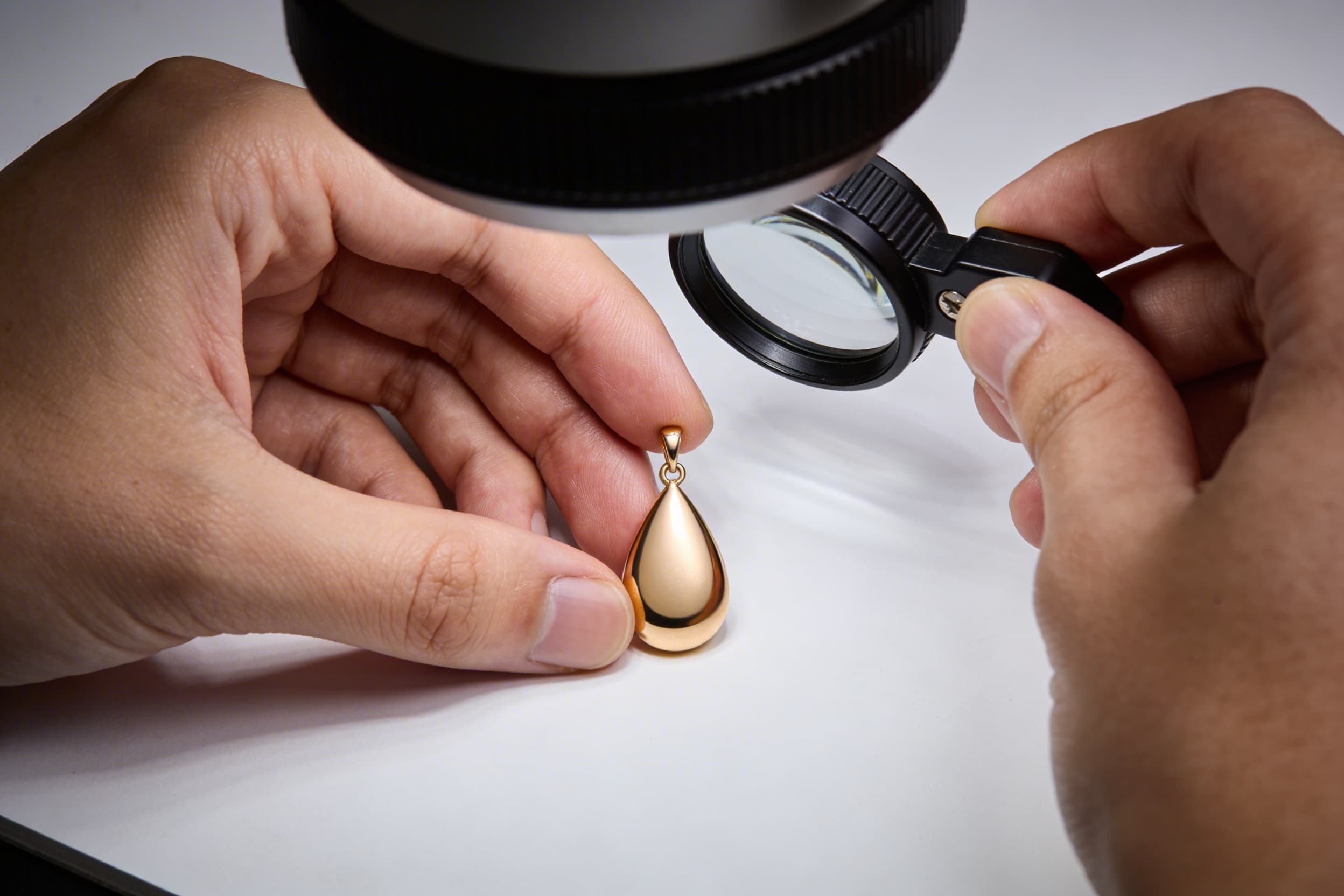
Most cremation jewelry care can be done at home. But there are situations where a professional jeweler is the right call:
Significant tarnish that doesn't respond to a polishing cloth or gentle cleaning – a jeweler can clean without compromising the compartment
Scratches in solid gold – professional buffing can remove light surface scratches from gold without damage
Loose or damaged closure – if the screw is stripped, the threads are damaged, or a hinge is failing, professional repair prevents loss of the contents
Chain damage – a broken clasp or kinked chain link is a straightforward repair for most jewelers; or browse jewelry chains for a direct replacement
When bringing cremation jewelry to a jeweler, let them know it contains cremated remains. Most professional jewelers are experienced with memorial jewelry and will handle it with appropriate care, but confirming this upfront ensures no soaking or ultrasonic cleaning is used.
FAQ
Can I shower with my cremation jewelry on? No. Showering exposes the piece to water, steam, and soap – all of which can degrade the adhesive seal around the closure and accelerate tarnishing on silver and gold metals. Remove your piece before bathing or showering and store it safely until you're done.
How do I remove tarnish from a cremation jewelry necklace? For sterling silver, start with a dry silver polishing cloth, which is the safest method. For heavier tarnish, gently wipe with a cloth barely dampened with mild soap and water, then dry immediately. Avoid soaking the piece. For stainless steel, a soft damp cloth is usually sufficient. For gold, use a polishing cloth or a very mild soap-and-water wipe.
How often should I clean my cremation jewelry? A quick wipe-down with a soft cloth after each wear prevents slow buildup and reduces how often deeper cleaning is needed. A more thorough cleaning once or twice a month is appropriate for pieces worn regularly. Monthly closure inspections are also recommended.
Will water damage the ashes inside cremation jewelry? If the closure is properly sealed – and especially if an adhesive sealant has been applied to the threads – water is unlikely to enter the compartment from brief, incidental exposure. However, repeated or prolonged water exposure (showering, swimming) carries real risk of degrading the seal over time. The safest practice is to remove the piece before any water contact.
Can cremation jewelry be cleaned in an ultrasonic cleaner? No. Ultrasonic cleaners use high-frequency vibrations and liquid solutions that can damage closures, stress seals, and compromise the adhesive holding the compartment closed. They should never be used on cremation jewelry.
Caring for a Legacy
A cremation jewelry piece is unlike most keepsakes. It's worn, carried, and passed through families – which means the care it receives over years directly affects how long it remains meaningful and intact. The habits that protect it are straightforward: wipe it down, keep it dry, check the closure monthly, store it away from humidity and light.