🏬Supersize Online Funeral Retailer🪦1000's of Headstones⚱️Over 10,000 Cremation Urns⚰️Caskets Overnight Delivery🛒Funeral & Memorial Superstore🚚FREE Shipping on ALL Orders👨👩👧👦Helping Families for over 20 Years💰Lowest Price Guarantee🏬Supersize Online Funeral Retailer🪦1000's of Headstones⚱️Over 10,000 Cremation Urns⚰️Caskets Overnight Delivery🛒Funeral & Memorial Superstore🚚FREE Shipping on ALL Orders👨👩👧👦Helping Families for over 20 Years💰Lowest Price Guarantee
🏬Supersize Online Funeral Retailer🪦1000's of Headstones⚱️Over 10,000 Cremation Urns⚰️Caskets Overnight Delivery🛒Funeral & Memorial Superstore🚚FREE Shipping on ALL Orders👨👩👧👦Helping Families for over 20 Years💰Lowest Price Guarantee🏬Supersize Online Funeral Retailer🪦1000's of Headstones⚱️Over 10,000 Cremation Urns⚰️Caskets Overnight Delivery🛒Funeral & Memorial Superstore🚚FREE Shipping on ALL Orders👨👩👧👦Helping Families for over 20 Years💰Lowest Price Guarantee
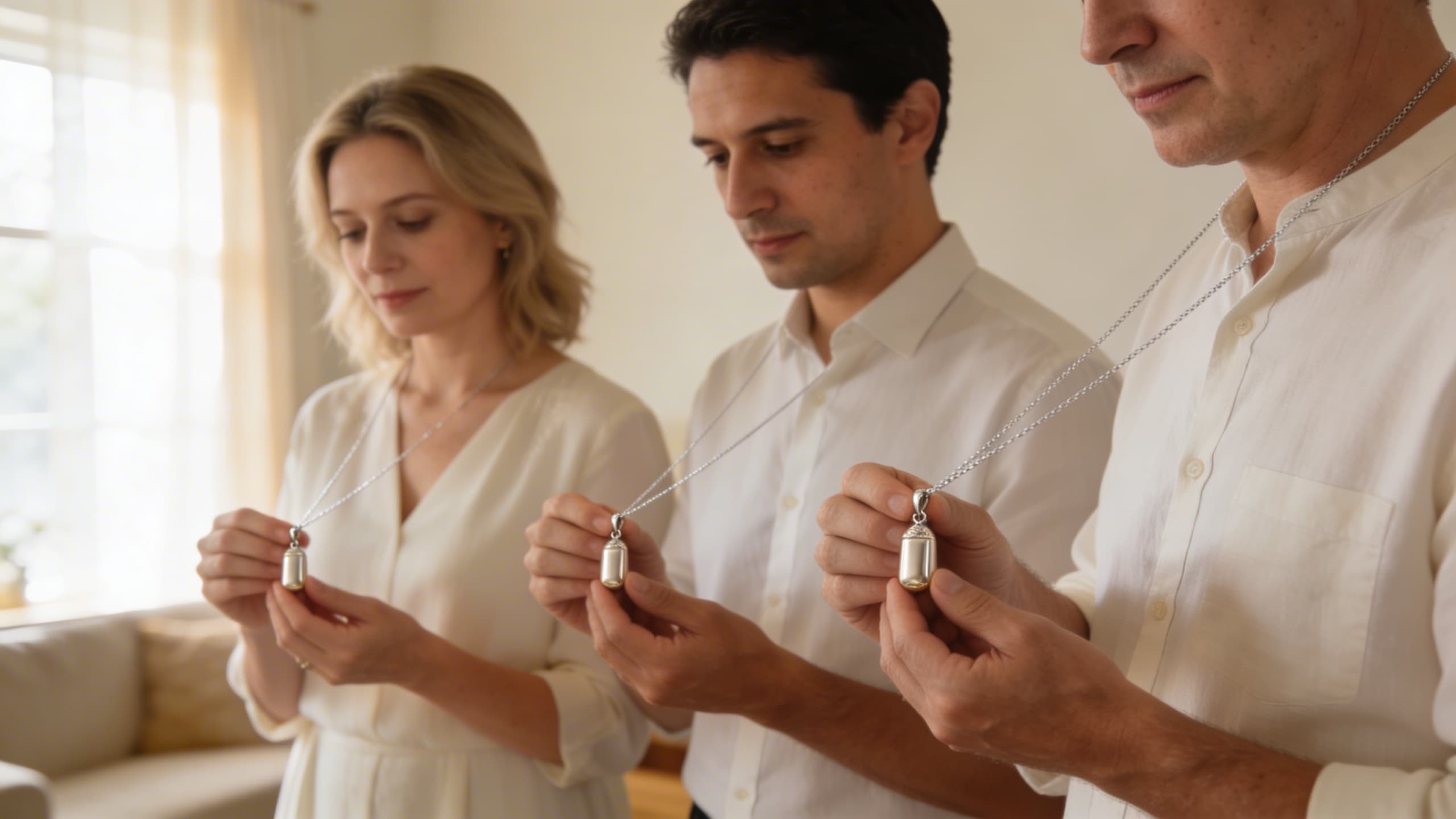
When a loved one is cremated, the family typically receives between four and eight pounds of cremated remains – enough to fill a primary urn and have meaningful portions left for every person who needs to feel close. Dividing those remains so that each family member can carry their own piece of remembrance is not only practical, it's an act of love. Cremation jewelry is the most personal and portable way to make that possible.
This guide explains how sharing ashes among family works using jewelry, what types of pieces work best for this purpose, how to divide cremated remains fairly and respectfully, and how to have honest conversations with siblings and extended family about what everyone needs. For a full overview of jewelry types, materials, and how to choose the right piece, see .
The amount of cremated remains a piece of jewelry holds is often described as a "pinch" – roughly one-eighth of a teaspoon for a standard pendant or charm. That fraction sounds small, but it's significant for two reasons.
First, it means a single cremation – which produces between 150 and 200 cubic inches of remains – can fill dozens of jewelry pieces without diminishing what is available for a primary urn, burial, or scattering. Second, it means the act of placing even a tiny portion in a wearable piece carries deep symbolic weight. Families don't divide ashes equally by volume. They divide them by meaning.
Most fillable pieces – pendants, charms, rings, and bracelets – use a threaded closure or a small screw cap to seal the chamber. Some include an O-ring gasket for added moisture protection. Cremation jewelry designed for sharing is specifically built to be secure enough for daily wear, which means you don't have to think about the contents once the piece is sealed and gifted.
Why Families Choose Jewelry to Share Cremated Remains
Jewelry is the right answer to a specific kind of need: when multiple family members live apart, when no single location will serve as a shared resting place, and when everyone wants to carry something private that belongs to them. Families who are still deciding between portable keepsakes and a single vessel may find our comparison of cremation jewelry vs keepsake urns a useful starting point.
The approach most families settle on is sometimes called "primary plus personal." One full-size urn stays in the home of the person designated as primary keeper – often a spouse or eldest child. Meaningful smaller portions go to siblings, adult children, close friends, or anyone whose grief calls for something tangible. Cremation jewelry makes the personal piece possible at virtually any budget.
Sharing ashes this way also gives everyone agency. No one has to travel to pay their respects. No one is dependent on visiting a grave or columbarium to feel close. A person wearing a pendant or carrying a keychain can hold their loved one with them at a work meeting, on a hike, or sitting in traffic – in every ordinary moment where grief tends to surface unexpectedly.
Types of Jewelry Best Suited for Sharing
Not all cremation jewelry is designed for sharing, but most is. The question is which form best fits each person's lifestyle.
Sharing is also the argument for the most expensive option in the category. More than one stone can be grown from a single set of remains, so families considering turning cremains into diamonds often commission one per sibling — and that has to be asked at the outset, because it changes how much material the laboratory requests.
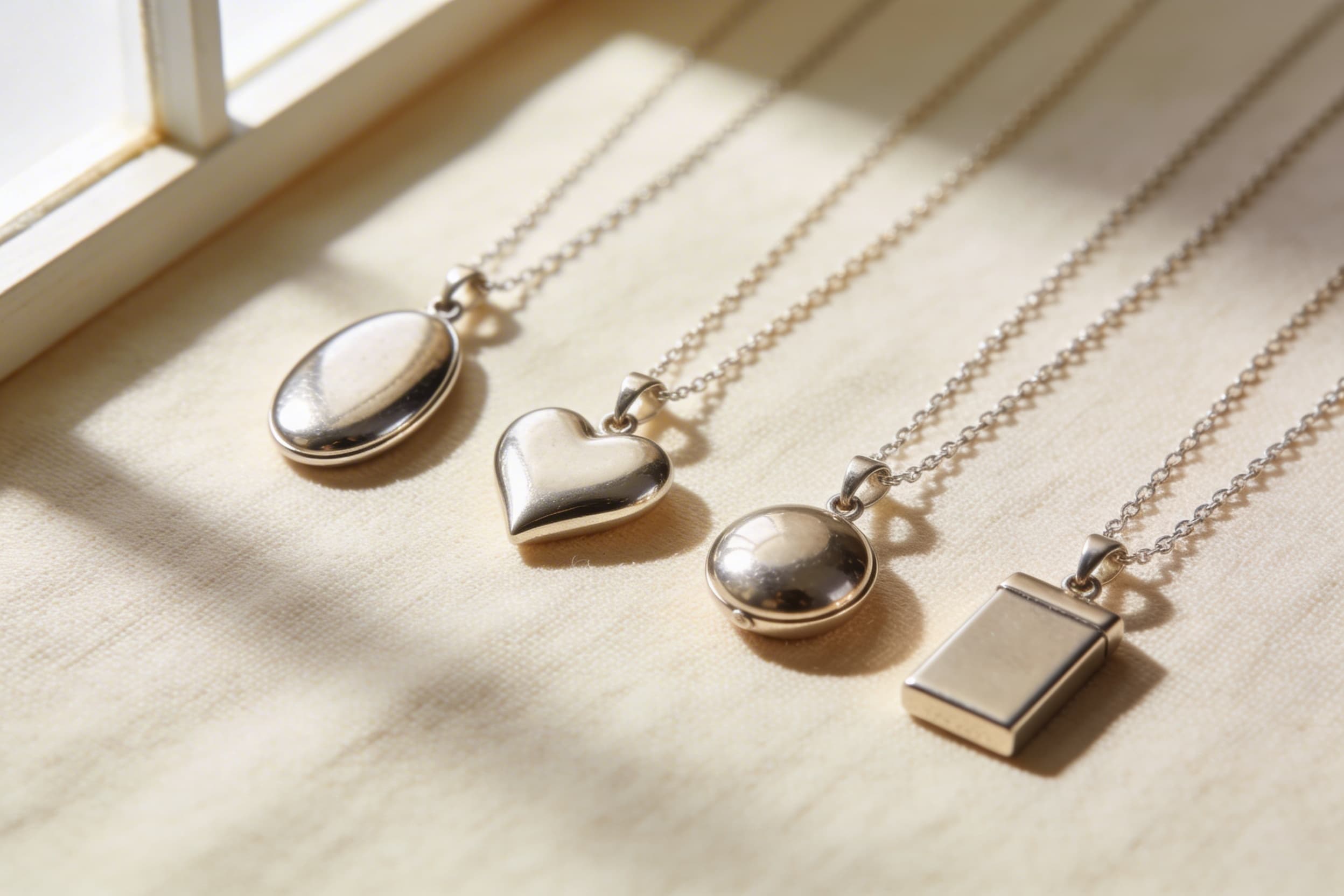
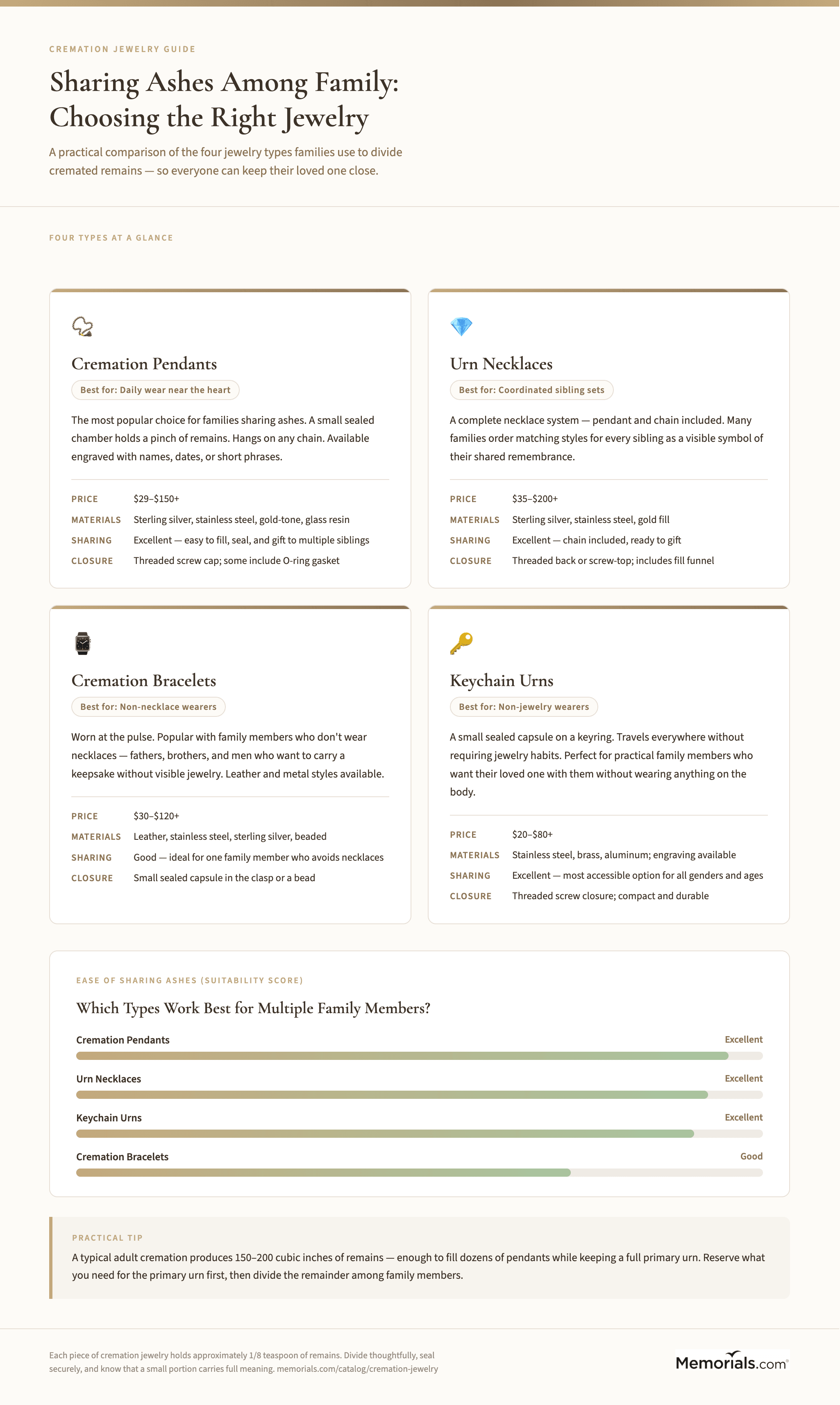
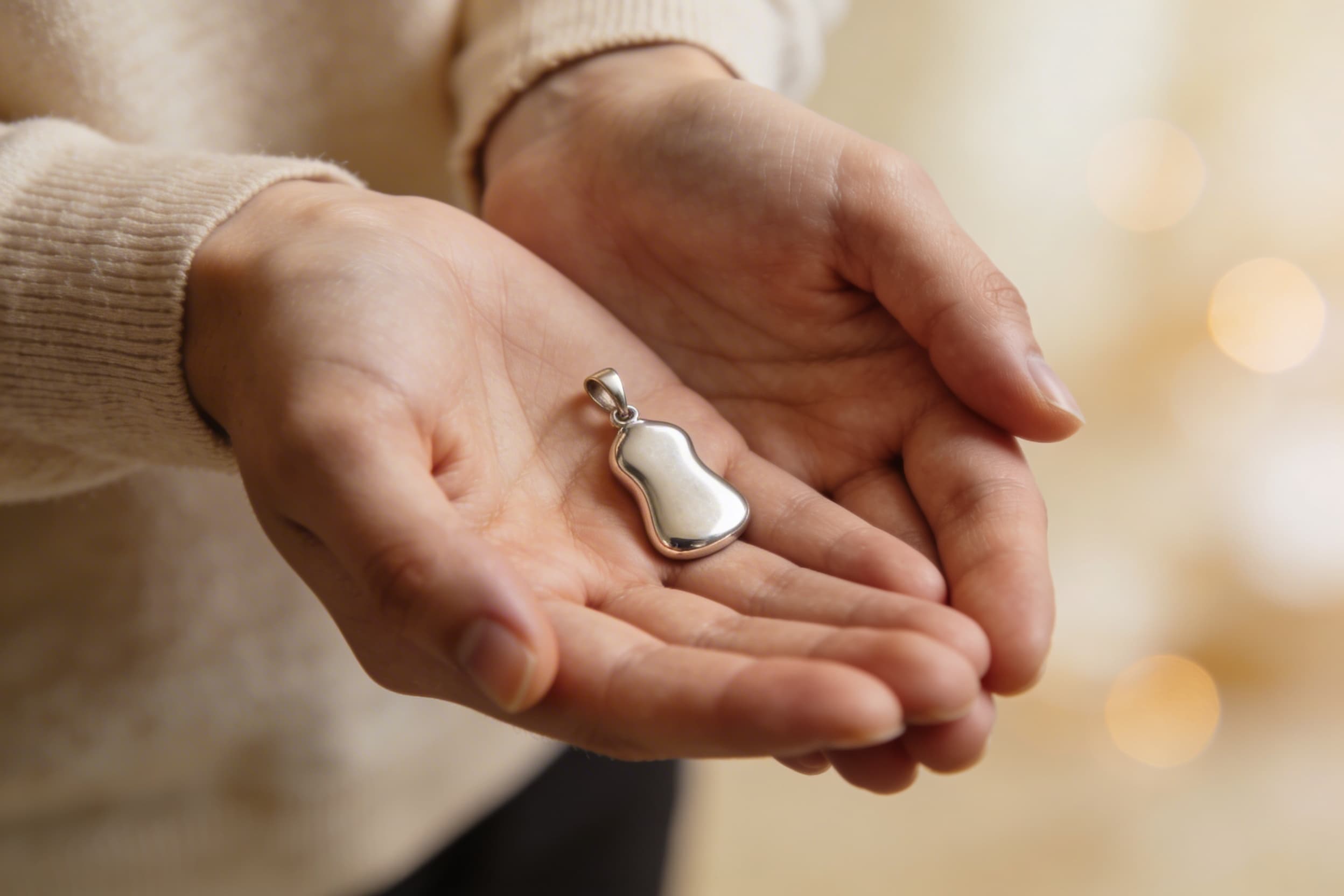
Pendants are the most common choice for sharing ashes among family members. They hang on a chain, stay close to the heart, and are easy to wear every day or store in a jewelry box when needed. Styles range from simple polished metal ovals to engraved memorial pieces with names and dates. Cremation pendants come in sterling silver, stainless steel, gold-tone, and glass, with prices starting well under $50 – which matters when you are purchasing multiple pieces for siblings or extended family.
Necklaces for ashes work on the same principle as pendants but are designed specifically as necklace systems, often including both the pendant and a matching chain. These are popular choices when a family wants every sibling to receive a matching or coordinating piece that visually signals their shared bond.
Cremation Bracelets
Cremation bracelets are the right option for someone who doesn't wear necklaces or wants to keep their keepsake less visible. Leather, beaded, and metal bracelet styles all exist with small sealed ash chambers. These are often chosen by fathers, brothers, and male family members who want to participate without wearing a necklace.
Cremation Rings
Cremation rings allow the wearer to carry their loved one literally at their fingertip. Some styles feature a small sealed compartment in the band; others incorporate ashes directly into a resin or glass inlay. Rings are a natural choice for someone who was very close to the deceased – a surviving spouse, a devoted sibling, a lifelong friend – and wants the keepsake to feel like a permanent part of themselves.
Keychain Urns
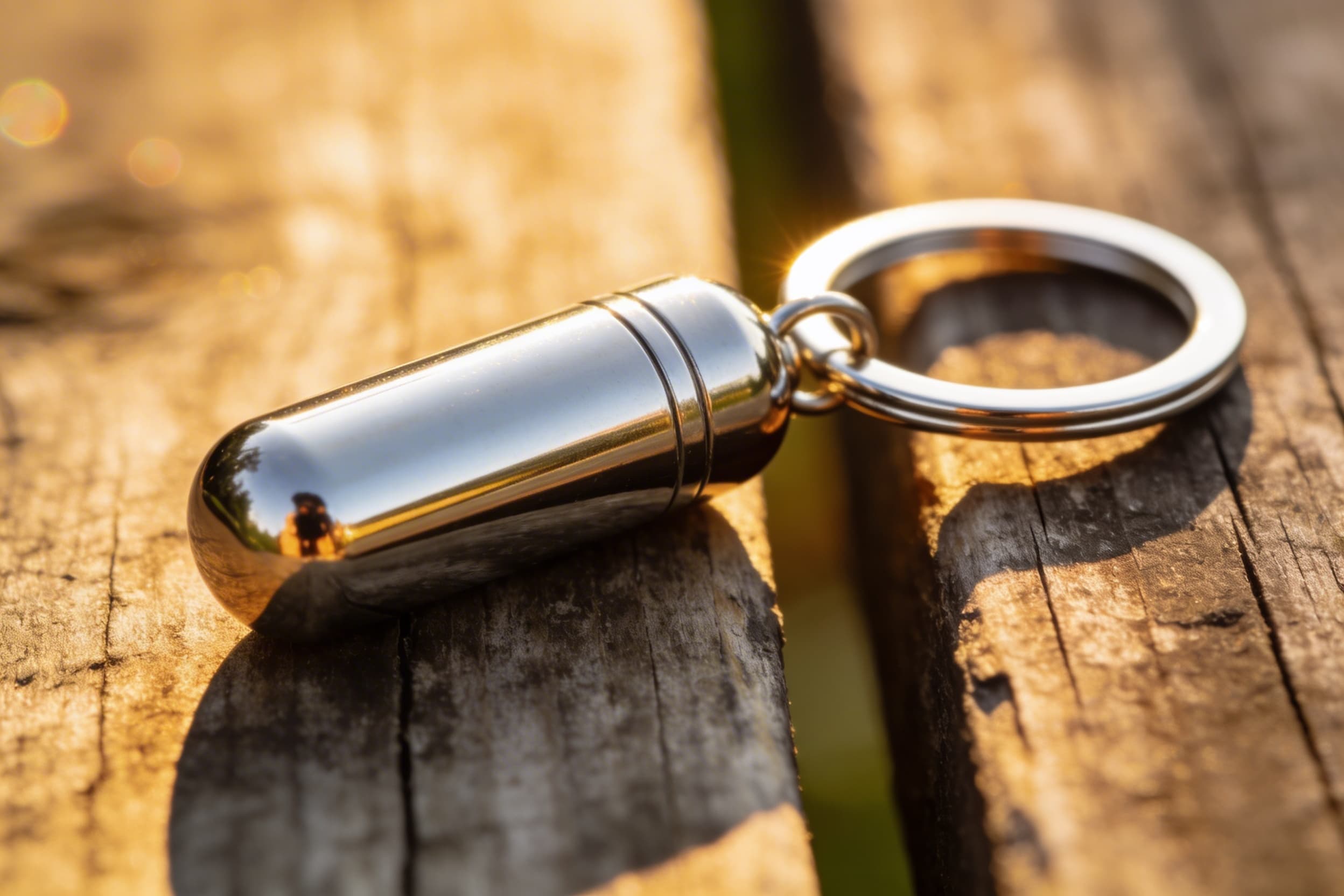
Keychain urns are a practical, understated solution for family members who don't wear jewelry at all. A small sealed capsule attached to a keyring travels everywhere the person goes. This option is particularly popular for adult children, siblings who are practical-minded, or anyone whose job or lifestyle makes wearing jewelry inconvenient.
How to Divide Cremated Remains for Multiple Family Members
The physical process of dividing cremated remains is straightforward. The conversation about how to do it respectfully is sometimes harder.
The Practical Process
Cremated remains are a fine, dry powder. Most funeral homes return them in a sealed plastic bag inside a temporary container. To divide them, you'll need:
A clean, dry workspace with a flat surface
A small funnel (most cremation jewelry includes one)
A thin-lipped measuring spoon or a folded piece of card stock for scooping
Small sealable bags or paper envelopes if you're preparing portions to send to out-of-town family members
Remove the sealed bag from the container and gently open it. Using the funnel and a slow, deliberate motion, fill each piece of jewelry one at a time. Our step-by-step guide to how to fill cremation jewelry covers tools, sealing techniques, and what to do if you're preparing pieces for family members in different cities. Many families report that this process, while emotional, also feels like a meaningful ritual – a final act of care for someone they loved.
Once filled, seal the threaded closure firmly. A small dab of clear adhesive around the threads adds extra security if the piece will be worn actively. Store any unused portions back in the original container.
Sending Portions to Family Members
If siblings or relatives live in different cities, you can divide portions into small sealed envelopes and mail them along with the unfilled jewelry. Cremated remains are legal to ship via USPS Priority Mail or FedEx within the United States, but they must be packed in a sturdy inner container (not just an envelope), labeled as "cremated remains," and sent via a tracked, signature-required method. Never ship cremated remains in a padded mailer alone.
Some families prefer to mail already-filled jewelry rather than separate remains. This is a simpler option – the family member receives the pendant or keychain ready to wear, without needing to handle the filling process themselves.
Who Should Lead the Process
There is no rule that says one person must be in charge. In some families, the executor or primary caregiver naturally takes responsibility. In others, siblings divide the task together during a gathering – making the division part of the memorial process itself rather than a logistical task to handle alone.
If emotions are running high, it can help to do this when you have quiet time, a steady pair of hands, and a trusted person nearby. There is nothing wrong with pausing, taking a breath, and continuing when you're ready.
Conversations Worth Having Before You Divide Ashes
Sharing ashes is an act of generosity – but it's worth having a few honest conversations before dividing remains, especially in families with complicated dynamics.
Does everyone want a piece? Not everyone needs or wants a physical portion of cremated remains. Some family members find comfort in shared experiences, photos, or inherited objects rather than remains. Ask rather than assume. Offering is kind; pressuring is not.
Is there a plan for the primary remains? Before dividing, clarify what will happen to the bulk of the cremated remains. Will they be kept at home? Buried? Scattered? Some families make the mistake of dividing all remains into small portions without retaining a meaningful primary quantity for a future ceremony. Reserve what you need first, then divide the rest.
What happens if circumstances change? A person who today wants a pendant may eventually move, marry, or pass away themselves. Discussing how to treat the jewelry in those circumstances – whether to pass it on to a child, return it for burial, or simply let it remain with the person – avoids future confusion and ensures the remains continue to be treated with respect.
For a deeper look at the ethics and emotions surrounding this topic, the article Is It Wrong to Separate Cremated Ashes? addresses common concerns families raise – including religious considerations and what grief counselors say about the practice.
Cremation Jewelry for Siblings: Making It a Shared Tribute
One of the most meaningful uses of cremation jewelry for siblings is ordering matching or complementary pieces that each person can wear as a set. A simple coordinating design – the same pendant style in different finishes, or a set of necklaces engraved with each sibling's birth order or a shared phrase – transforms individual keepsakes into a collective statement.
This approach works particularly well for adult children who were close and want a visible symbol of their bond as well as their connection to the person they lost. When a sibling wears the same piece you wear, there's a quiet understanding between you – even across hundreds of miles.
Some families take this further by choosing a piece of memorial jewelry that can be passed down within each sibling's own family line. A pendant a mother wears while raising her children may eventually be passed to one of those children when the time comes, with the original portion of ashes still inside. This kind of intentional inheritance planning turns a piece of jewelry into a multi-generational keepsake.
How to Choose the Right Piece for Each Person
The right piece of cremation jewelry is different for every family member. Here are the most useful practical questions to ask when choosing:
Does this person wear jewelry regularly? Daily wearers will benefit most from a durable pendant or bracelet in a finish that complements what they already own. Non-wearers may prefer a keychain urn or a piece they can keep in a meaningful place – a bedside table, a car, a desk drawer – rather than on their body.
What is their style? Classic sterling silver works for nearly anyone. Warm gold-tones suit some personalities. Glass resin pieces – where the ashes are visibly incorporated into the design – appeal to people who are open, expressive, and want the keepsake to be conversation-starting rather than discreet.
Will they want personalization? Many cremation pendants can be engraved with a name, date, initials, or short phrase. For siblings, it's common to engrave each person's piece with a different word from a shared phrase – "always," "together," "near," "close" – so that the pieces are individual but tell a complete story when held side by side.
What is the budget? Cremation jewelry ranges from under $30 to several hundred dollars. Stainless steel pieces are the most affordable. Sterling silver sits in the mid-range. Custom glass, gold, or handcrafted pieces are at the higher end. For a full breakdown of what to expect at each price point, our cremation jewelry pricing guide covers every category. When buying for multiple family members, it's worth noting that matching sets often come at a better per-piece price than individual purchases.
FAQ
Can multiple family members each have a portion of cremated remains? Yes. There is no legal restriction on dividing cremated remains among multiple family members in the United States or most other countries. Each family member may keep a portion in whatever form they choose – an urn, a piece of jewelry, or another keepsake container.
How much of the ashes do you need to fill a cremation pendant? Most cremation pendants hold between one-eighth and one-quarter teaspoon of cremated remains. A typical adult cremation produces 150 to 200 cubic inches of remains, which is more than enough to fill dozens of pendants while still maintaining a significant portion for a primary urn or other memorial.
Is it disrespectful to divide cremated remains? Many people wonder about this. Grief counselors and clergy across most traditions agree that dividing remains is a respectful act when done thoughtfully and with the family's collective agreement. The intent – giving everyone a personal connection to someone they love – is what matters most.
Can you send cremated remains through the mail to fill jewelry for a family member? Yes. Within the United States, cremated remains may be shipped via USPS Priority Mail Express or FedEx with appropriate packaging, inner containment, and labeling. Some families prefer to send filled jewelry pieces rather than the remains themselves.
What types of cremation jewelry are most popular for sharing among siblings? Pendants and urn necklaces are the most frequently chosen. Keychain urns are the most practical option for family members who don't wear jewelry. Matching sets – where siblings each receive a coordinating piece – are increasingly popular as a way to honor both the individual connection and the shared family bond.
Bringing Everyone Closer
Sharing ashes among family doesn't diminish the remains. It multiplies the remembrance. Every person who carries a small portion of someone they loved gets to grieve in the way that works for them – at their own pace, in their own private moments, without needing to coordinate a visit or share a space.
Browse our full collection of cremation jewelry for ashes to find pendants, necklaces, bracelets, rings, and keychain options suited to every personality, style, and budget. If you're purchasing for several family members, our team can help you coordinate a matching set.