🏬Supersize Online Funeral Retailer🪦1000's of Headstones⚱️Over 10,000 Cremation Urns⚰️Caskets Overnight Delivery🛒Funeral & Memorial Superstore🚚FREE Shipping on ALL Orders👨👩👧👦Helping Families for over 20 Years💰Lowest Price Guarantee🏬Supersize Online Funeral Retailer🪦1000's of Headstones⚱️Over 10,000 Cremation Urns⚰️Caskets Overnight Delivery🛒Funeral & Memorial Superstore🚚FREE Shipping on ALL Orders👨👩👧👦Helping Families for over 20 Years💰Lowest Price Guarantee
🏬Supersize Online Funeral Retailer🪦1000's of Headstones⚱️Over 10,000 Cremation Urns⚰️Caskets Overnight Delivery🛒Funeral & Memorial Superstore🚚FREE Shipping on ALL Orders👨👩👧👦Helping Families for over 20 Years💰Lowest Price Guarantee🏬Supersize Online Funeral Retailer🪦1000's of Headstones⚱️Over 10,000 Cremation Urns⚰️Caskets Overnight Delivery🛒Funeral & Memorial Superstore🚚FREE Shipping on ALL Orders👨👩👧👦Helping Families for over 20 Years💰Lowest Price Guarantee
Most pages about green burial iowa are written as though the state has natural burial grounds to choose between. It does not, and starting anywhere else wastes your time.
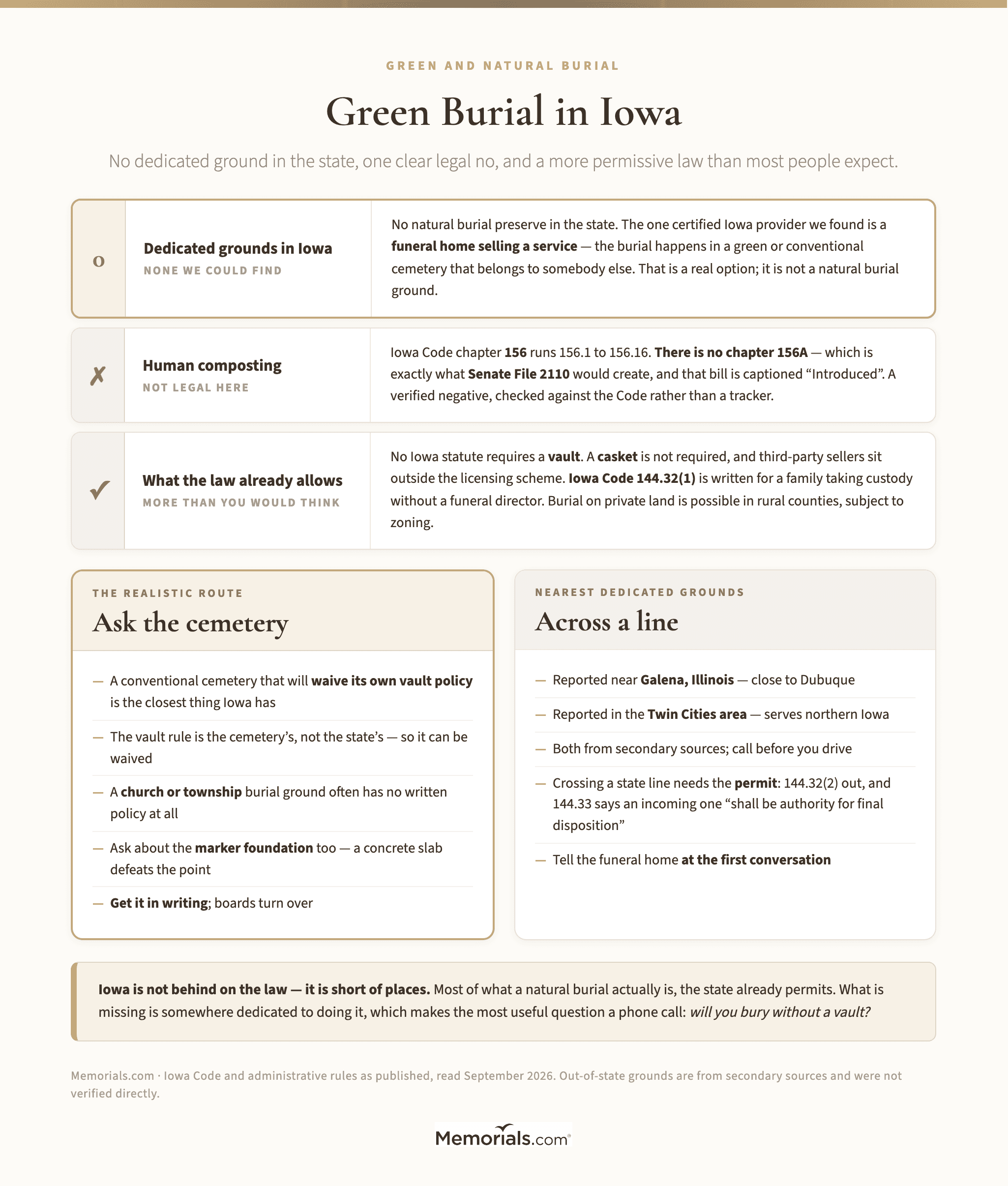
There is no dedicated natural burial ground in Iowa. The one Iowa provider certified by the Green Burial Council is a funeral home selling a natural burial service — the burial itself happens in somebody else's cemetery. That is a real and useful option, and it is not the same thing as a natural burial preserve.
So this page answers the three questions that are actually live: what Iowa law already lets you do, what is nearest if you want a dedicated ground, and whether human composting is legal here. The last one has a clean answer, so it goes first.
This is drawn from the Iowa Code and administrative rules we read for our cremation cost research, plus the providers' own published pages, in September 2026. It sits within our wider .
Human composting iowa has a one-word answer that most pages hedge. The answer is no, and it can be checked rather than taken on trust.
Natural organic reduction — the contained, accelerated conversion of a body to soil, which is what "human composting" means in statute — would be authorized in Iowa by a new chapter of the Iowa Code. Senate File 2110, introduced in the 91st General Assembly by Senators Staed, Donahue and Bennett, is "A BILL FOR An Act relating to the natural organic reduction of human remains." It would create chapter 156A, define natural organic reduction as "the contained, accelerated conversion of human remains to soil", and require an operator to hold a license from the board of mortuary science.
Here is the check that settles it. Iowa Code chapter 156 is "Funeral Directing, Mortuary Science, and Cremation", and its sections run 156.1 through 156.16. There is no chapter 156A. The bill that would create it is captioned "Introduced".
So: the legislature has been asked, and as things stand the answer is no. We could not establish what happened to the bill procedurally — the legislature's bill history did not render for us — so treat it as introduced and not enacted, which is what the document's own caption and the Code together support. It would be wrong to tell you it "died in committee" when we did not read that.
If natural organic reduction is what you want, it means traveling to a state that permits it, and arranging the transport of remains. Our guide to the burial transit permit covers the paperwork that crossing a state line requires.
The check that settles it: Iowa Code chapter 156 runs 156.1 to 156.16, and the chapter the bill would create is not there.
This is the part that surprises people, and it is more permissive than the absence of grounds suggests. Nothing in Iowa law requires a vault, and a casket is not required either.
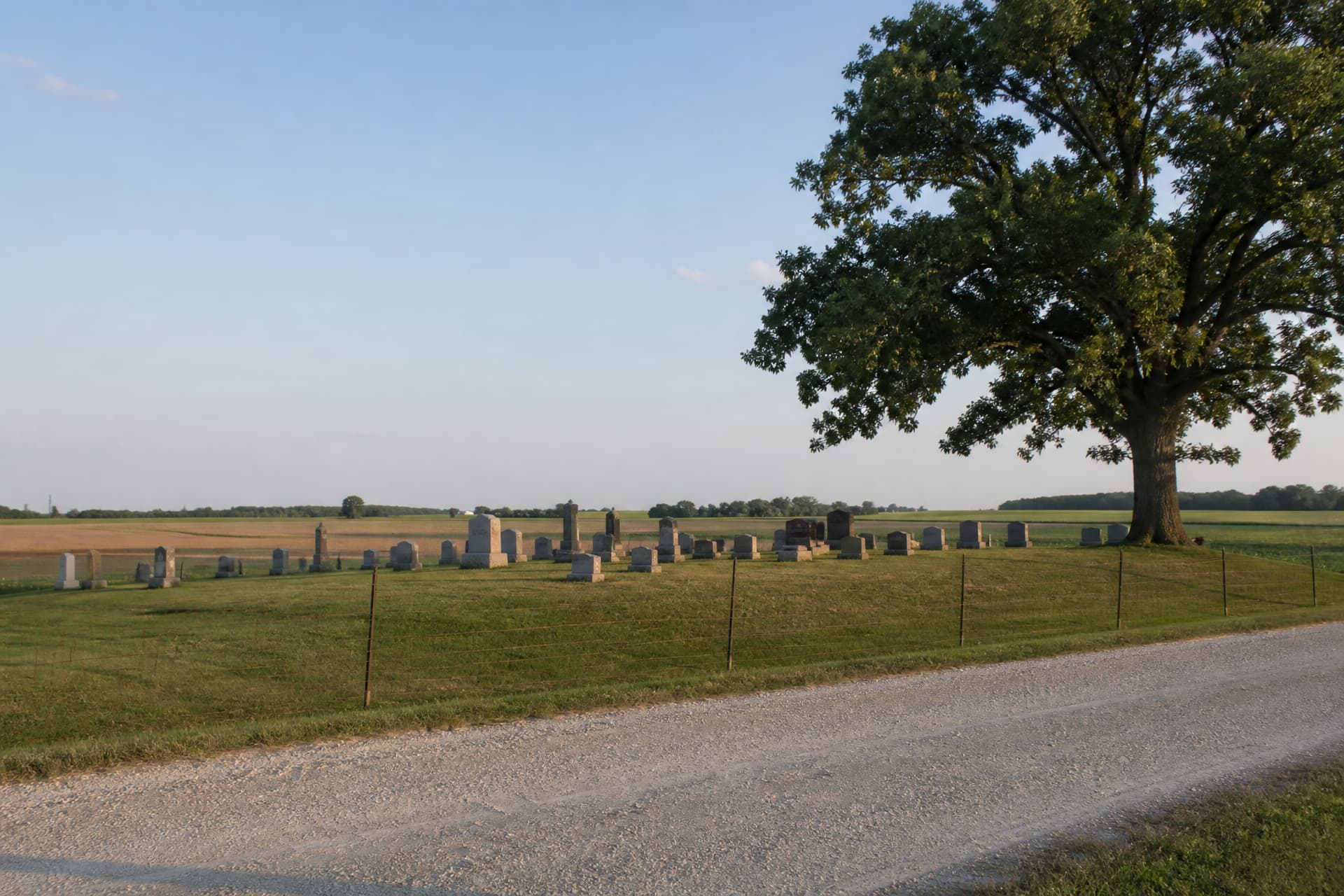
No vault is required by law. No Iowa statute we read imposes one. What requires a vault is the cemetery, as its own policy — the same relationship that holds in every state. The federal Funeral Rule obliges a provider to disclose this, and the practical consequence is that a conventional Iowa cemetery willing to waive its vault rule is the closest thing the state has to a green burial ground.
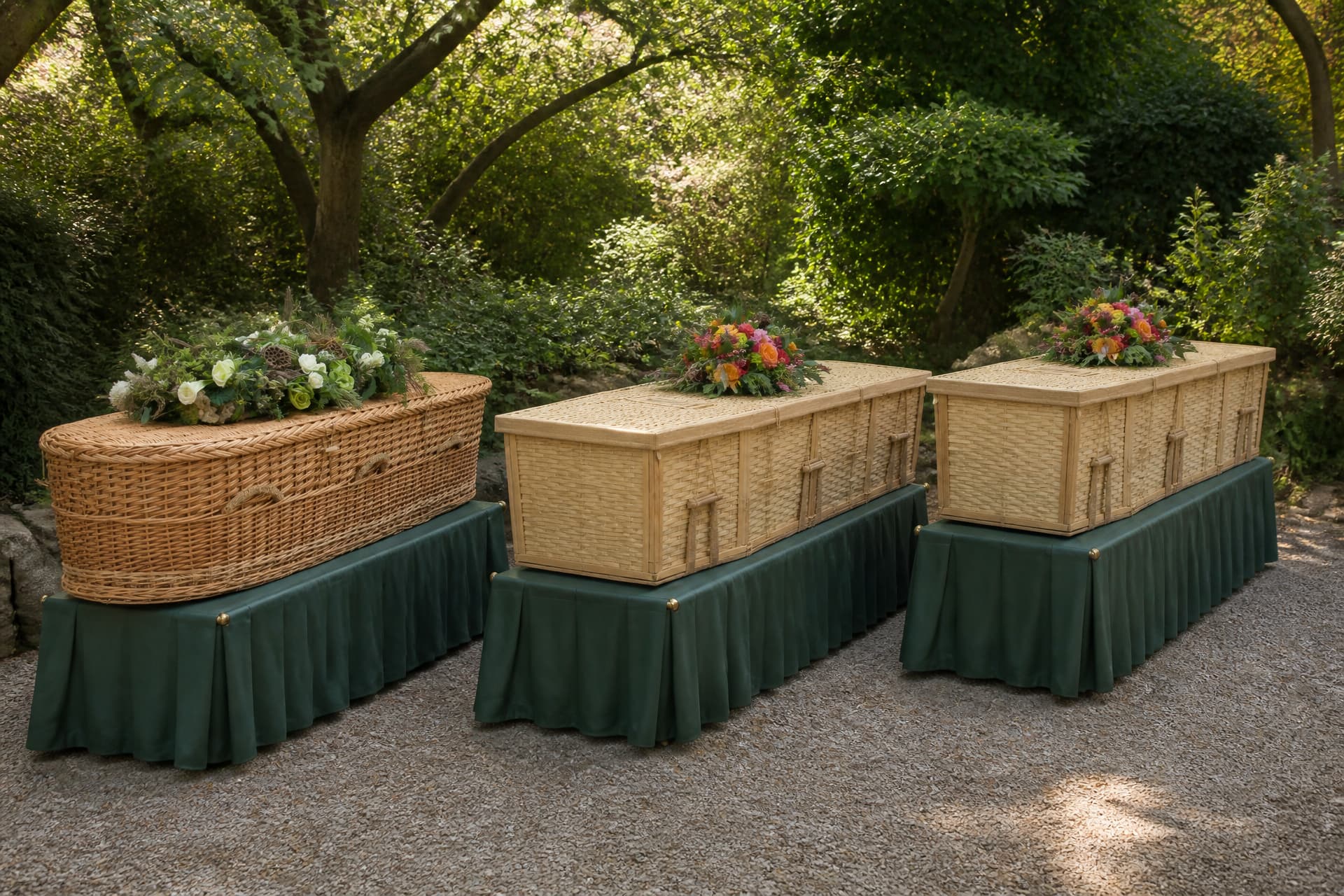
A casket is not required, and Iowa's own rule says what is. Third-party casket sellers sit outside the licensing scheme, so a shroud or a woven casket may be bought from whoever you like.
Embalming is conditional, not automatic. Iowa Code 331.805(2) makes embalming unlawful where the funeral director has reason to believe the death requires investigation, and Iowa's rules permit it to be omitted where cremation happens quickly. The picture is conditional rather than a flat "not required", which is exactly the nuance a page written from a template gets wrong.
A family may take custody. Iowa Code 144.32(1) is written for the case where "a person other than a funeral director, medical examiner, or emergency medical service assumes custody of a dead body" — that person secures a burial transit permit. The permit exists precisely so that a family can act without a licensed intermediary. One real limit: 144.32(4) bars issuing it to a non-funeral-director where the cause of death is, or is suspected to be, a communicable disease.
Burial on private land is possible in rural Iowa, subject to county zoning and the permit above. It is its own subject and worth taking seriously rather than as a footnote.
Put together, a natural burial in Iowa today usually means a conventional cemetery that will accept no vault, no embalming and a biodegradable container — which is a conversation with a cemetery superintendent rather than a search for a preserve.
One certified provider, and it is a service rather than a place.
Cedar Memorial, in Cedar Rapids, publishes a natural burial service and states that it is certified by the Green Burial Council. Its package covers director and staff services, refrigeration, preparation, a private family viewing within 72 hours, a graveside committal, transportation, and "a biodegradable, eco-friendly natural wood casket", with eco-friendly embalming available as an option. Decisively for this page, it offers burial "within a green cemetery or a conventional cemetery" — the ground is somebody else's.
We found one such provider. We could not enumerate the Green Burial Council's directory, which loads its listings dynamically, so we are not able to tell you that this is the only one in Iowa — only that it is the one we found. If certification matters to you, ask a provider directly what it currently holds.
There have also been efforts to establish Iowa's first conservation burial ground. Reporting from April 2024 describes a project working toward one. That is more than a year old and we have not confirmed its current status, so treat it as worth asking about rather than as something you can plan around.
What Is Nearest Across the State Line
If a dedicated natural burial ground is what you want, the realistic answer is a short drive out of state.
Two are commonly named. A natural cemetery near Galena, Illinois is described as certified by the Green Burial Council and operating in partnership with a county conservation foundation — that is close to Dubuque and the northeast corner. And a cemetery in the Twin Cities area is reported to have added a certified natural burial section, which serves northern Iowa. Both of those come from secondary sources we did not verify directly, so call before you drive.
Crossing a state line changes the paperwork, and it is the part people forget. The permit is issued by the state where the death occurred and honored by the state of disposition — Iowa Code 144.32(2) requires the funeral director who first assumes custody to obtain one to transfer a body out of Iowa, and 144.33 says an incoming permit "shall be authority for final disposition … in this state." Tell the funeral home at the first conversation that the burial will happen in another state, because the permit has to be obtained with that in mind rather than corrected afterwards.
No dedicated ground in the state, one certified provider selling a service, a clear no on human composting, and a permissive legal position most people do not know about.
What a Green Burial in a Conventional Iowa Cemetery Looks Like
Since this is the realistic route, it is worth describing properly rather than leaving as an instruction to go and ask.
Start with the vault, because everything follows from it. A cemetery's vault rule exists so the ground does not subside and the mowing stays level. That is a real operational concern, not obstruction, and a superintendent who has never been asked will usually want to think about it. Some will agree to a section at the edge, or to a row they can let settle. Ask in person, in the season when the grounds look their worst.
Then ask what else the policy assumes. Cemeteries that require a vault often also assume a metal casket, a set marker foundation, and a standard opening. Each of those can be unpicked separately, and a cemetery that says no to all four at once may say yes to three.
Expect the marker question to be the sticking point. A flat marker on a foundation is a concrete slab in the ground, which is the thing a natural burial is trying to avoid. Some grounds will accept a marker laid directly, some will not, and some will offer a name on a shared stone — the same range Wisconsin's dedicated grounds show, arrived at from the opposite direction. Our guide to green burial in Wisconsin sets out what those grounds allow and which of them publish a price.
A church or rural township cemetery is often the most receptive. Small burial grounds with their own boards make their own decisions and frequently have no written vault policy to waive in the first place. A municipal or corporate cemetery is likelier to have a policy manual and less room to depart from it.
A township or church burial ground with its own board is often the most receptive. Many have no written vault policy to waive in the first place.
Get the answer in writing. Not because anyone will renege, but because cemetery boards turn over and the person who agreed in 2026 may not be there when it matters. A line in the plot agreement costs nothing and settles it.
What It Costs
There is no Iowa green burial cost to quote, because nothing in the state publishes one. The certified provider does not publish a price for its natural burial package, and with no dedicated grounds there are no plot fees to compare.
What you can do is price the parts. Ask any cemetery for the plot, the opening and closing, and any perpetual care charge as separate figures, and ask explicitly whether waiving the vault changes the opening-and-closing price — sometimes it does, because the work is different. Our guide to cremation costs in Iowa sets out what Iowa price lists actually show and which charges sit outside the package, and the same reading applies to a burial.
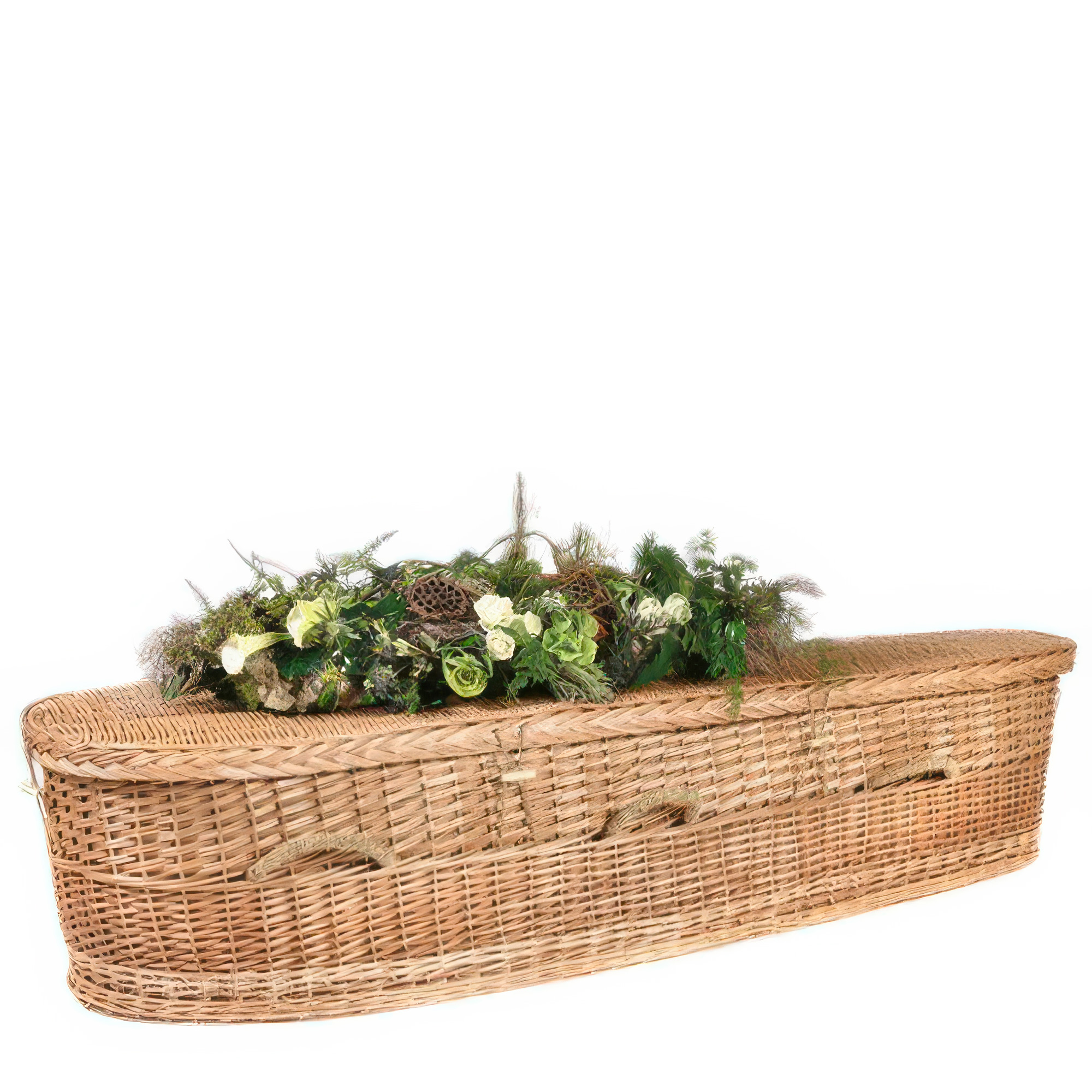
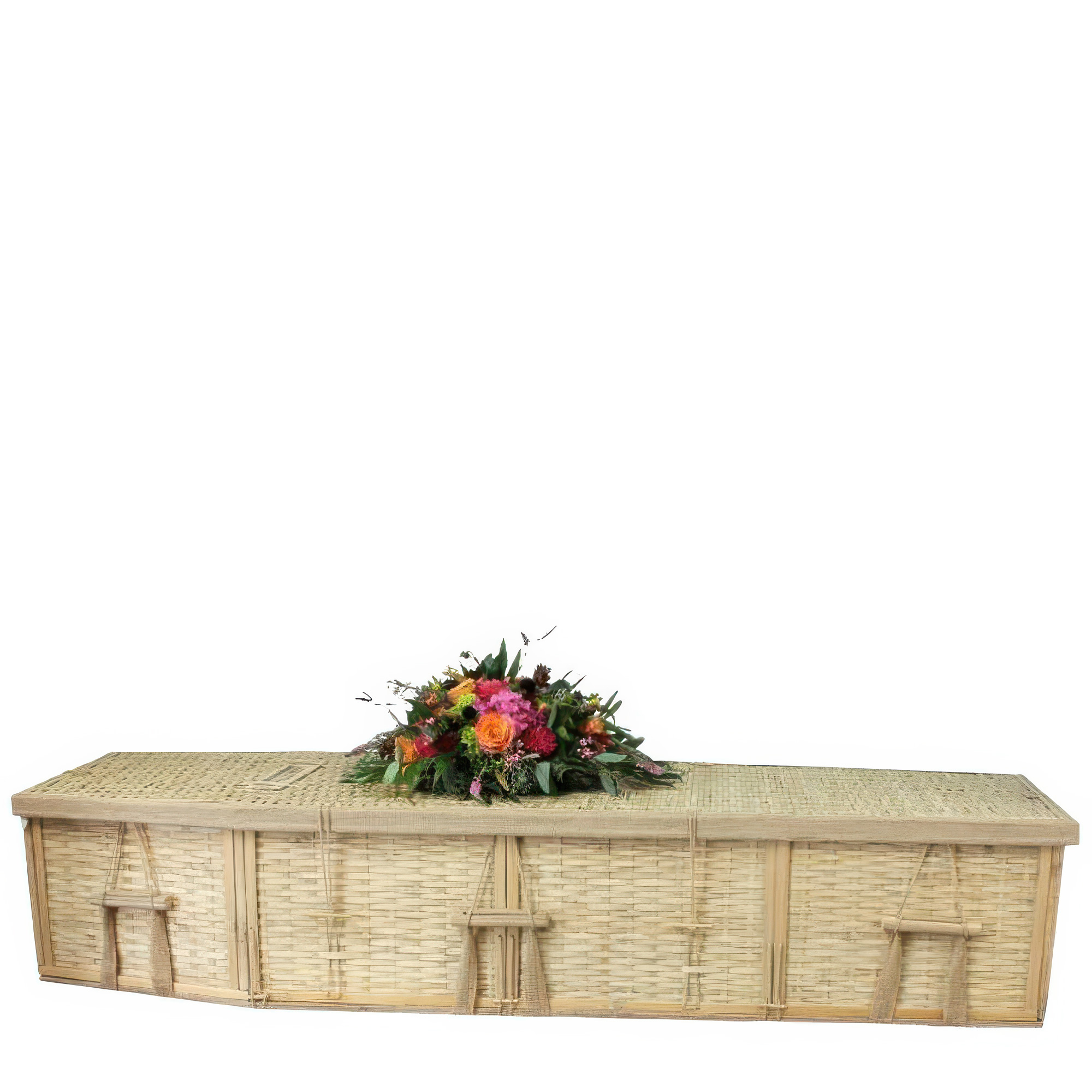
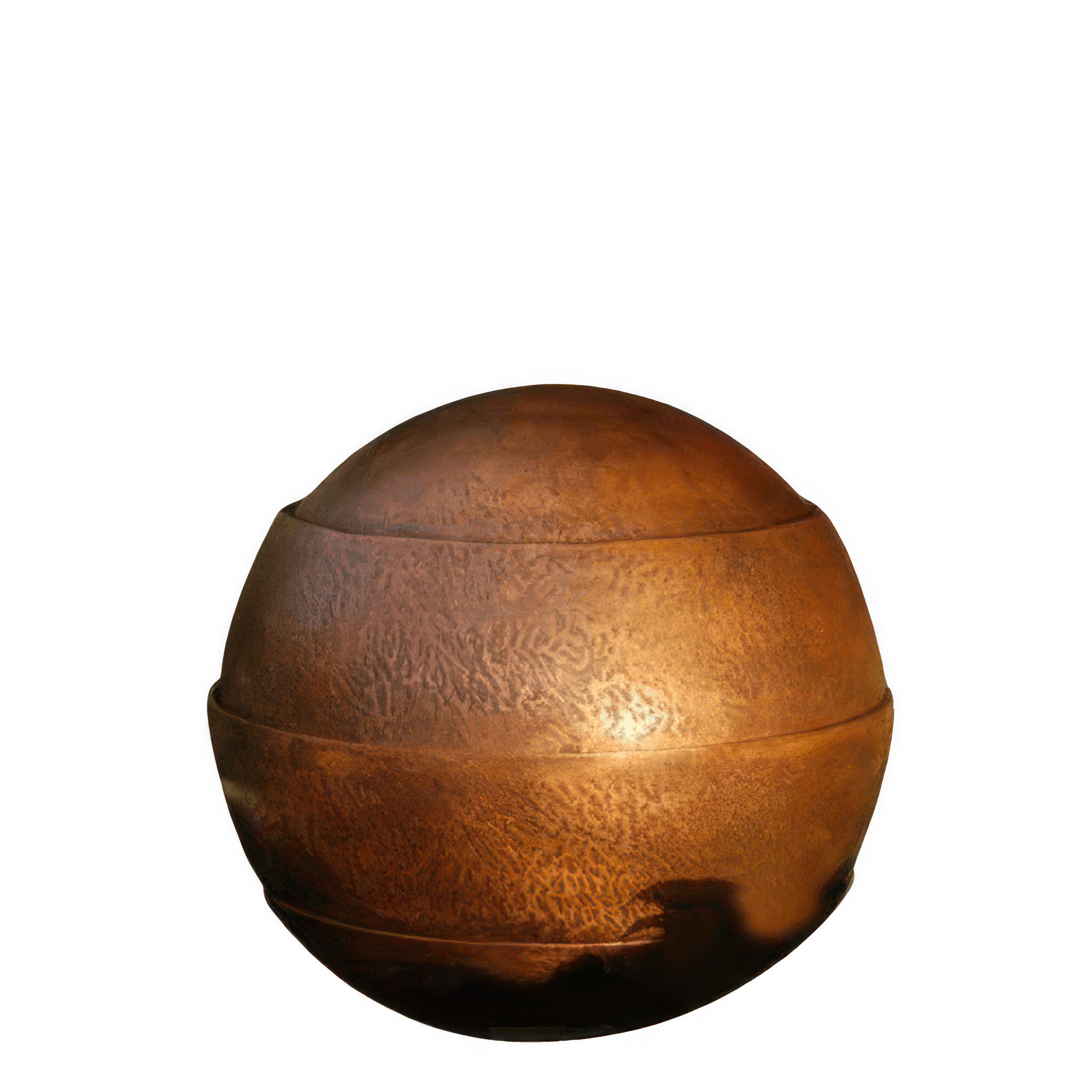
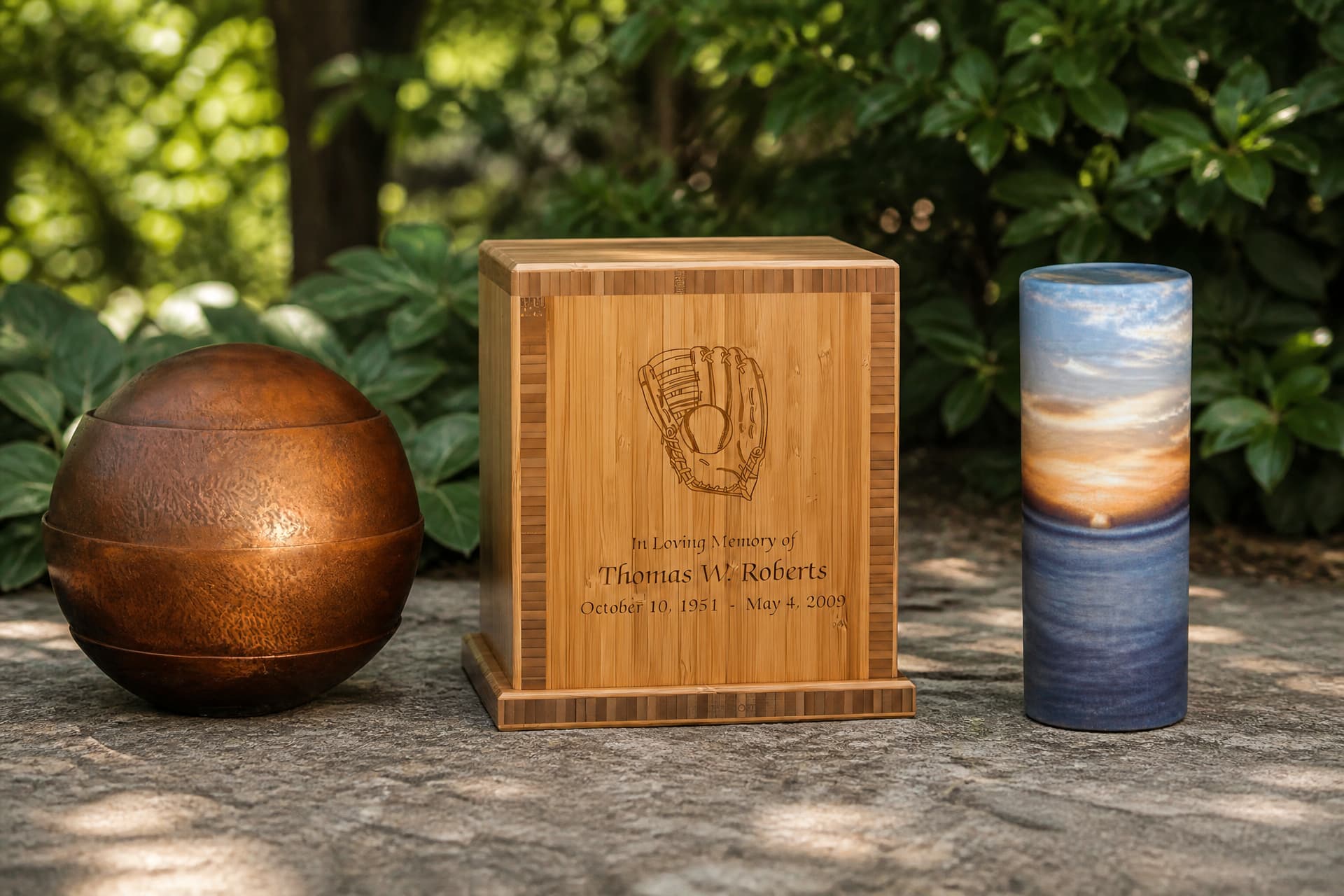
The container is the line you control and the one with the widest range. A biodegradable coffin of willow or plain wood, or a shroud, can be bought from a third party, and for a cremation burial a biodegradable urn does the same job. Our wider range of caskets covers the conventional options if the family is divided.
Are there any green cemeteries in Iowa? No dedicated natural burial ground, as far as we could establish. The one certified Iowa provider we found is a Cedar Rapids funeral home selling a natural burial service performed in a green or conventional cemetery.
Is natural burial iowa legal? Yes. No Iowa statute requires a vault, and a casket is not required either. The practical route is a conventional cemetery willing to waive its own vault policy.
Is human composting legal in Iowa? No. Senate File 2110 would create Iowa Code chapter 156A to authorize natural organic reduction; chapter 156 runs 156.1 to 156.16 and no 156A exists. The bill is captioned "Introduced".
Can I be buried on my own land in Iowa? It is possible in rural areas, subject to county zoning and to the burial transit permit under Iowa Code 144.32 where someone other than a funeral home handles the disposition. Check zoning before anything else.
Do I need a vault in Iowa? Not by law. Many cemeteries require one as their own policy, so the question to ask the cemetery is whether it will waive it — that single answer decides whether a natural burial is possible there.
What about going to Illinois or Minnesota? Both are reported to have certified natural burial grounds within reach of Iowa — near Galena and in the Twin Cities area. Confirm directly, and tell your funeral home early, because transferring a body out of Iowa requires the permit under 144.32(2).
A Final Thought
It would be easy to write this page as though Iowa were behind, and that is not quite the story. The law here already permits most of what a natural burial actually is — no vault, no casket requirement, a family able to take custody, burial on private land in rural counties. What is missing is the infrastructure: somewhere dedicated to doing it.
Which means the most useful thing an Iowa family can do is not search harder. It is to call a cemetery they already have a connection to and ask one question: will you bury without a vault? A surprising number will say yes.