🏬Supersize Online Funeral Retailer🪦1000's of Headstones⚱️Over 10,000 Cremation Urns⚰️Caskets Overnight Delivery🛒Funeral & Memorial Superstore🚚FREE Shipping on ALL Orders👨👩👧👦Helping Families for over 20 Years💰Lowest Price Guarantee🏬Supersize Online Funeral Retailer🪦1000's of Headstones⚱️Over 10,000 Cremation Urns⚰️Caskets Overnight Delivery🛒Funeral & Memorial Superstore🚚FREE Shipping on ALL Orders👨👩👧👦Helping Families for over 20 Years💰Lowest Price Guarantee
🏬Supersize Online Funeral Retailer🪦1000's of Headstones⚱️Over 10,000 Cremation Urns⚰️Caskets Overnight Delivery🛒Funeral & Memorial Superstore🚚FREE Shipping on ALL Orders👨👩👧👦Helping Families for over 20 Years💰Lowest Price Guarantee🏬Supersize Online Funeral Retailer🪦1000's of Headstones⚱️Over 10,000 Cremation Urns⚰️Caskets Overnight Delivery🛒Funeral & Memorial Superstore🚚FREE Shipping on ALL Orders👨👩👧👦Helping Families for over 20 Years💰Lowest Price Guarantee
People usually search for the penalty for scattering ashes in california expecting to find that the practice is restricted. The opposite is closer to the truth: California is one of the more permissive states on this, and it is permissive precisely because it wrote the rules down.
Most states have no scattering statute at all, which leaves families guessing — our cremation planning guide covers the wider process, and this page is the California-specific layer on top of it. California has three code sections that say what is allowed, under what conditions, and where the line sits — plus one that supplies the offense if you cross it. Understanding them turns the question from "am I allowed" into "which of these four places am I scattering".
What California Actually Allows
Start with land, because it is the provision people least expect.
Health and Safety Code section 7116(a) reads: "Cremated remains or hydrolyzed human remains may be scattered in an area where no local prohibition exists, provided that the cremated remains or hydrolyzed human remains are not distinguishable to the public, are not in a container, and that the person who has control over disposition of the cremated remains or hydrolyzed human remains has obtained written permission of the property owner or governing agency to scatter on the property."
So the answer to can you scatter ashes in california on land is yes, subject to four conditions, and each of them is doing real work:
No local prohibition. State permission is not the end of it. A city or county can forbid the practice, and the statute defers to that.
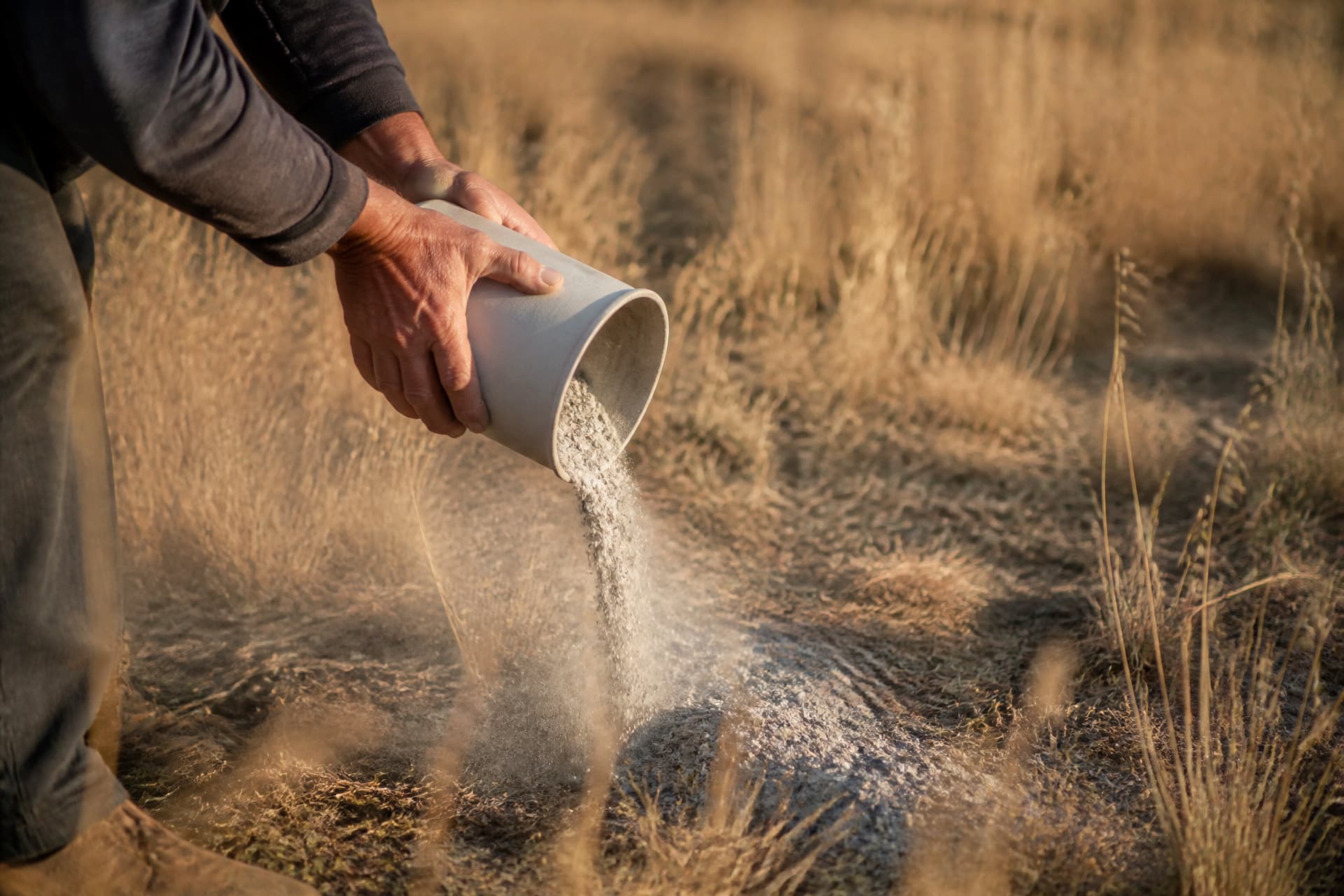
Not distinguishable to the public. The ashes must not be left as a visible deposit. Cremated remains are a coarse pale grit rather than a fine powder, so on a lawn or dark soil they show — the practical reading is to scatter thinly and, where appropriate, rake or water them in.
Not in a container. You may carry them to the site in one, but they cannot be left in it. Scattering means releasing the remains, not placing a vessel.
Written permission of the property owner or governing agency. Written, not verbal. This is the condition most often skipped and the one most likely to matter later.
The section closes with a line that removes a worry families often raise: "The scattering of the cremated remains or hydrolyzed human remains of more than one person in one location pursuant to this section shall not create a cemetery." Scattering two parents in the same meadow does not turn it into regulated cemetery land.
One forward-looking note. The same section gained a subdivision (b) that begins "Commencing January 1, 2027" and extends a parallel rule to reduced human remains — the soil produced by natural organic reduction, which California has legalized on a delayed schedule. It does not change anything about cremated ashes.
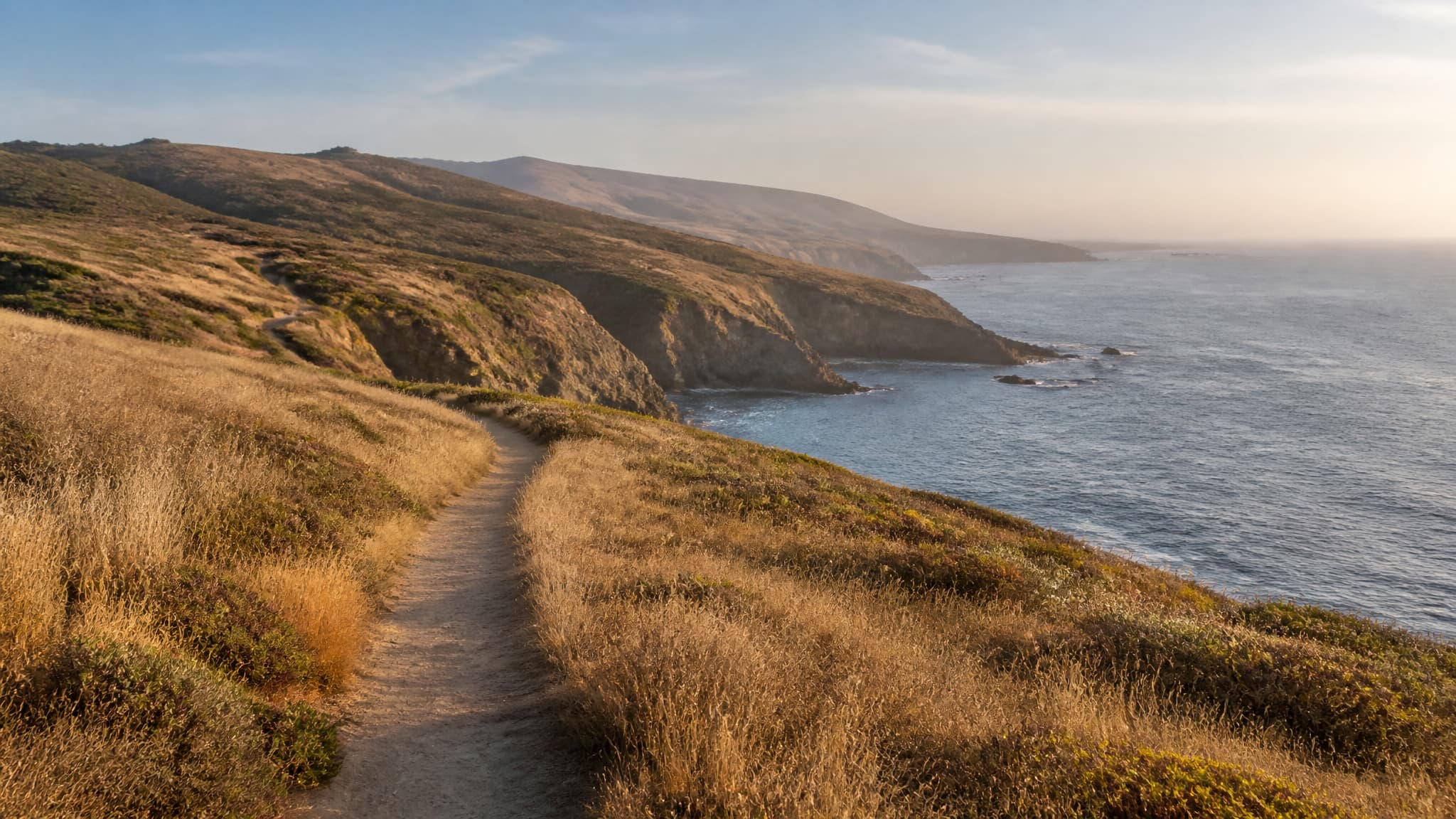
Release low and close to the ground. Section 7116 also asks that the remains not be distinguishable to the public, which in practice means scattering thinly and, where it suits the place, raking or watering them in.
Water is where California's rule and the federal rule sit on top of each other, and they do not use the same figure.
Health and Safety Code section 7117 permits cremated remains to be "taken by boat from any harbor in this state, or by air, and scattered at sea", then states that "no such scattering may take place within 500 yards of the shoreline." It adds two limits people routinely trip over. The section "does not allow the scattering of cremated human remains or hydrolyzed human remains from a bridge or pier." And its definition of "at sea" reaches "the inland navigable waters of this state, exclusive of lakes and streams" — so a navigable bay counts, and a lake or a river does not.
There is also a filing step: a verified statement goes to the county registrar, and "the first copy of the endorsed permit shall be filed with the local registrar of births and deaths within 10 days of disposition."
Now the federal layer. 40 CFR 229.1(a)(3), the general permit for burial at sea, requires that burial of cremated remains "in or on ocean waters" take place "no closer than 3 nautical miles from land", and 40 CFR 229.1(d) requires a report within 30 days to the EPA Regional Administrator for the region the vessel departed from.
Five hundred yards and three nautical miles are not the same distance — three nautical miles is about 6,000 yards, twelve times further out. The practical rule is to follow the stricter one for ocean scattering, which is the federal three miles. California's 500-yard line is what governs the state's inland navigable waters, where the federal ocean rule has nothing to say. A charter operator working out of a California harbor will know which regime applies to the water you are on; this is the single best reason to use one.
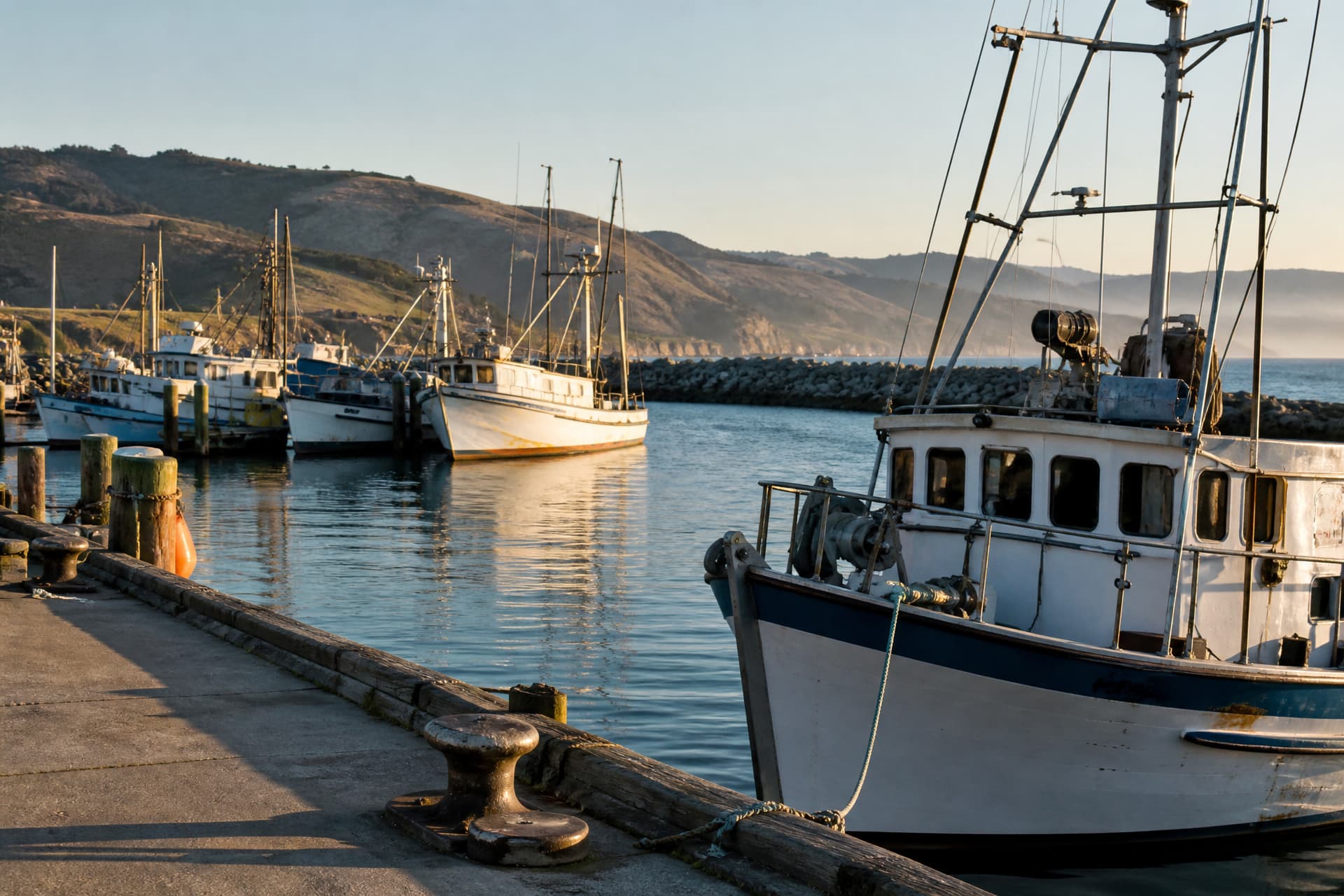
California's statute permits remains to be taken by boat from any harbor in the state. Beyond the breakwater, the federal three-nautical-mile rule is the one that governs.
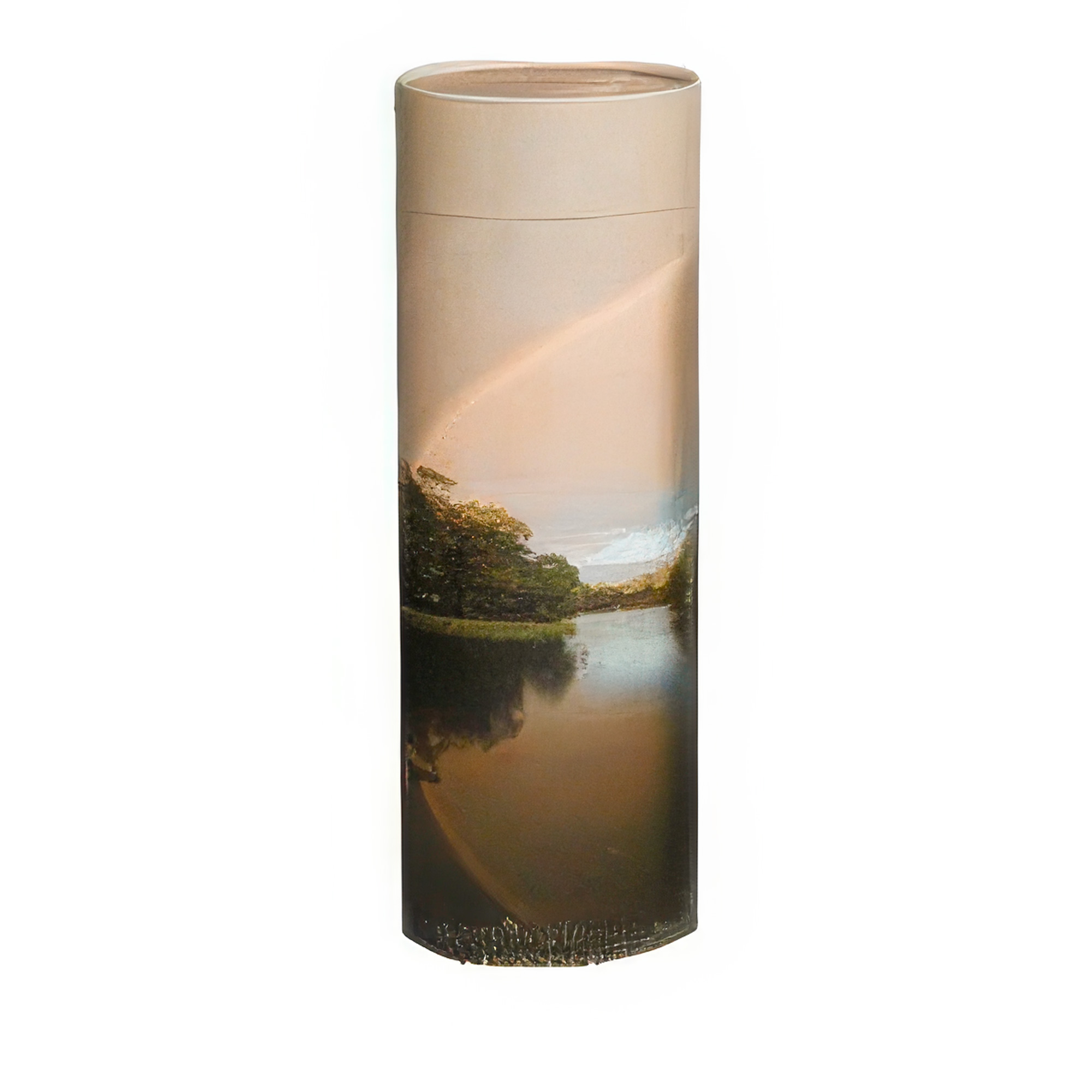
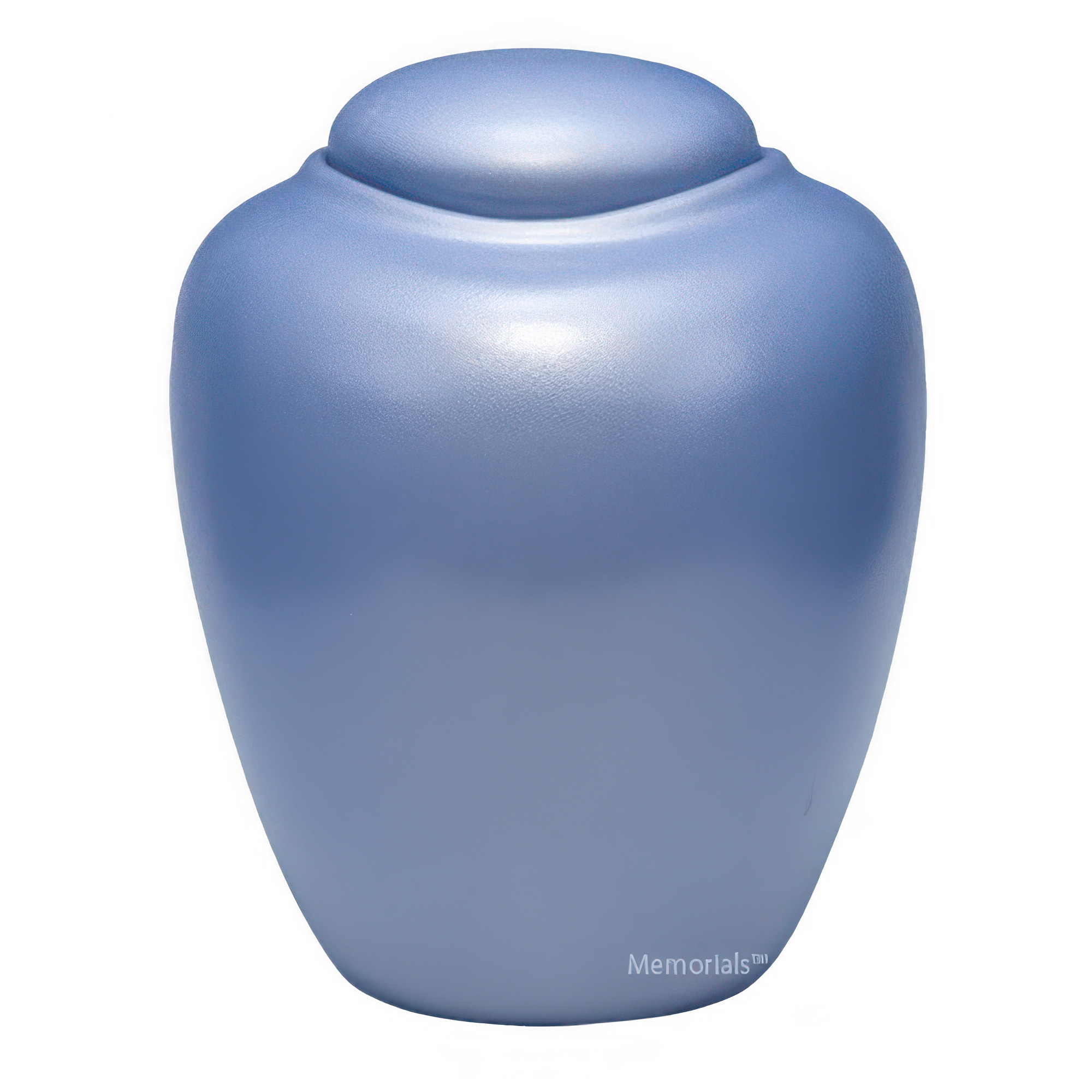
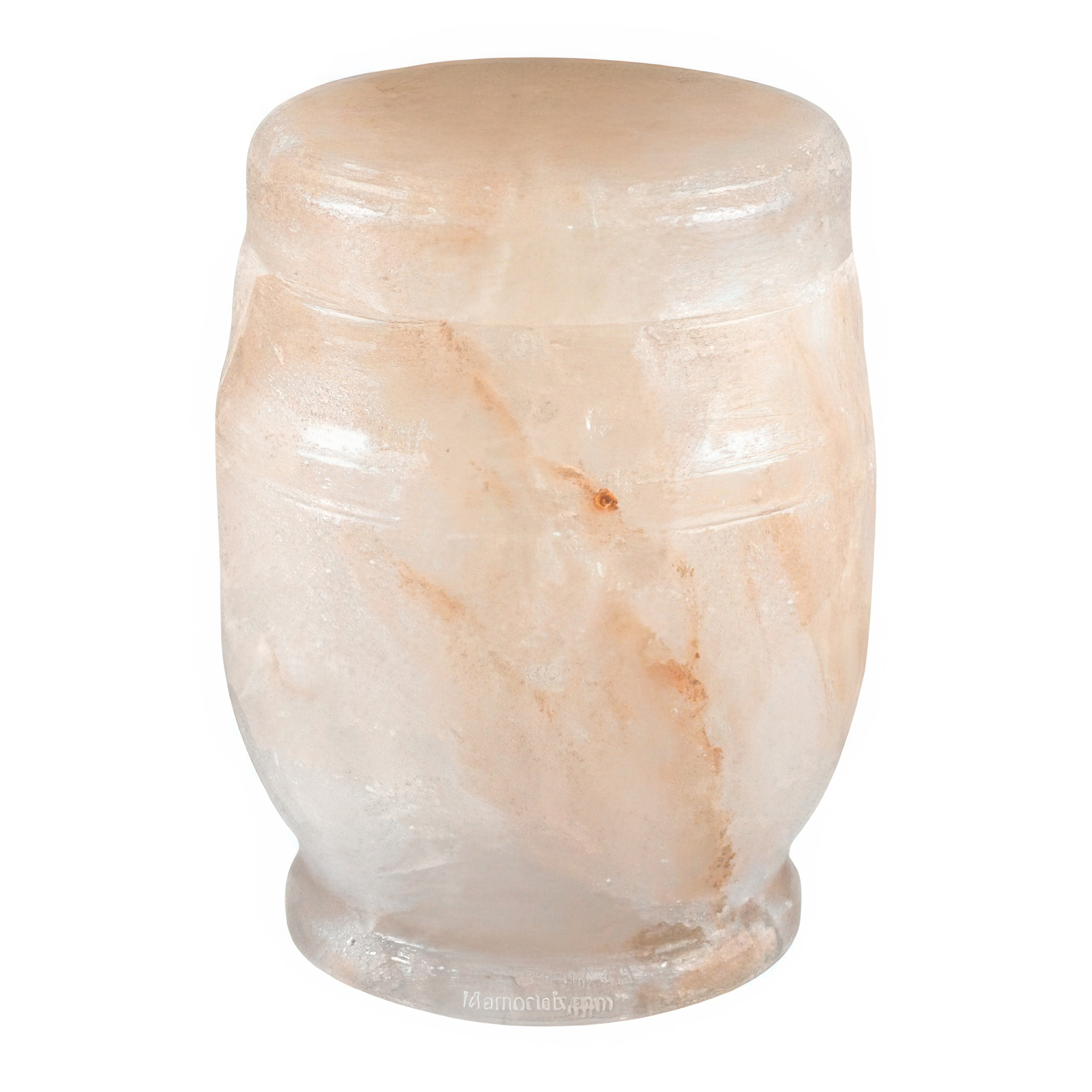
For a release at sea, a biodegradable urn built to float briefly and then break down keeps the moment something a family can watch.
Is it illegal to spread ashes in california from the beach itself, then? Yes, on both counts — it is inside 500 yards of the shoreline and it is nowhere near three nautical miles from land. Whether ashes may go on the dry sand is a different question entirely, and our guide to scattering ashes on a beach deals with that distinction. Our water burial guide covers the charter side, the costs and what happens on the day.
The Permit Most Guides Do Not Mention
Beyond 7116 and 7117 there is a separate permit attached to the remains themselves, and it is the part of California's scheme that catches families out.
Health and Safety Code section 103060 requires a permit for the disposition of cremated remains, issued by the local registrar to the person with the right to control disposition. It must describe the final disposition location. The applicant has to acknowledge in writing that trespass and nuisance laws apply and that the permit conveys no right of access to property they do not own. The holder signs it, notes the disposition date, and returns the first copy to the registrar within ten days.
That acknowledgment is the thing to read twice. A permit to scatter ashes in california is not permission to be somewhere. It authorizes the disposition; it does not get you onto the land. The written landowner permission that 7116 requires is a separate document doing a separate job, and holding one does not substitute for the other.
In practice, a funeral home or cremation provider handles this permit as part of the arrangements and it costs very little. California's statute does not set a permit fee — counties charge their own, and what is statutory is the certified-copy fee for a death record, not this. If you are comparing what a California provider includes, our guide to cremation costs in California sets out what appears on a price list and what sits outside it.
One caution on citations. This area of the code is being amended on a delayed schedule, with successor versions of several sections taking effect on January 1, 2027, as California phases in its rules for reduced human remains. The scattering provisions in 7116(a) and 7117 are not affected. If you are reading this after 2026, confirm the current text of the permit sections before relying on a section number.
State Parks, Beaches and Public Land
Public land is where most people actually want to be, and it has its own process on top of the statute.
For scattering ashes in california state parks, California State Parks publishes the rule plainly: whether scattering is appropriate at a given place is determined by the district or sector superintendent, and the request is made in writing through the district office. The department lists where it will not be permitted — on trails, at archeological sites, and at Native American burial sites — and it excludes beaches, citing the federal three-nautical-mile requirement.
Two conditions carry over from the statute and one is unique to the parks. Remains must not be distinguishable to the public and must not be in a container. And if there are particles in the ash that can be recognized as bone, they must be collected and removed from the park by the person doing the scattering. That is a real instruction, not a formality — a cremation leaves identifiable fragments more often than families expect.
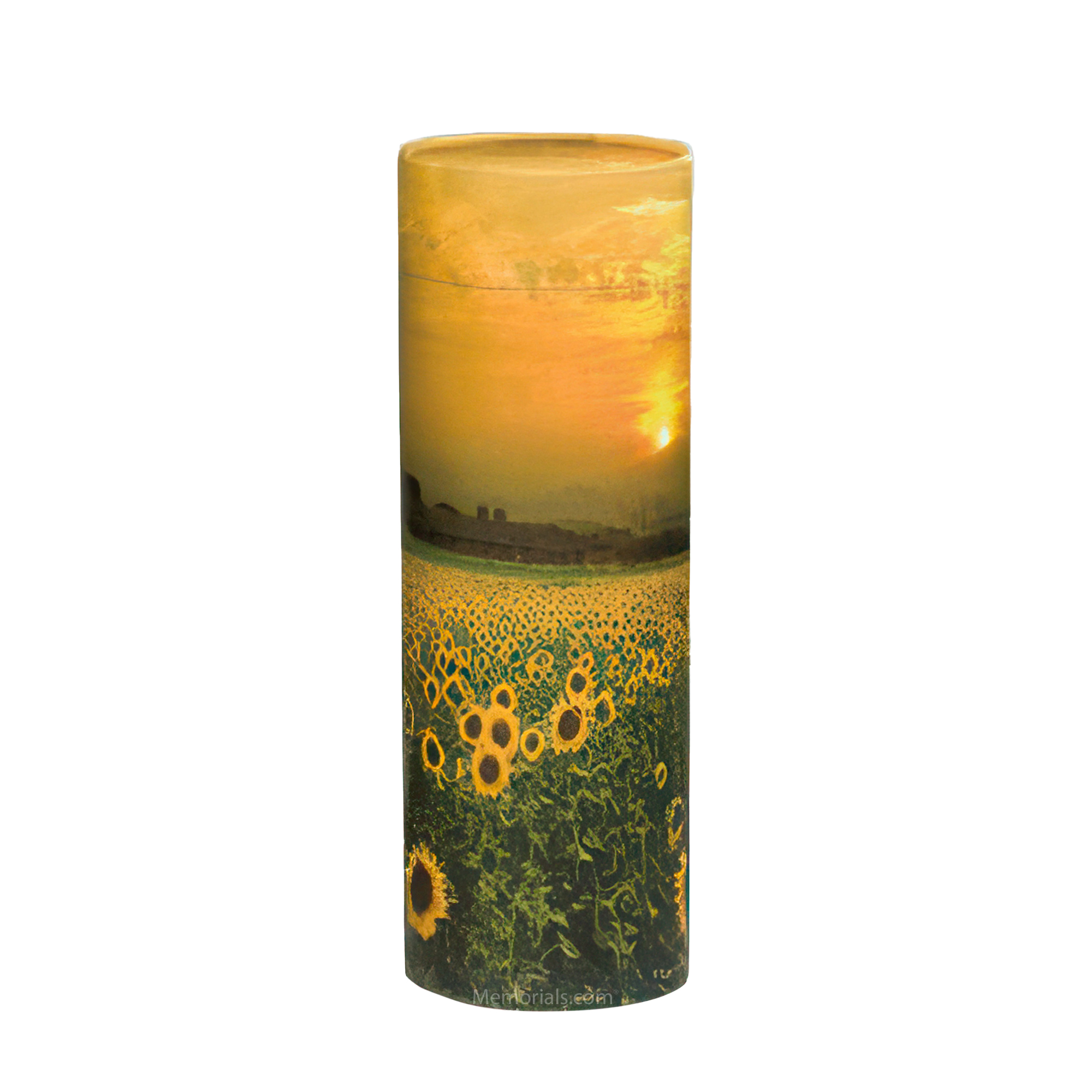
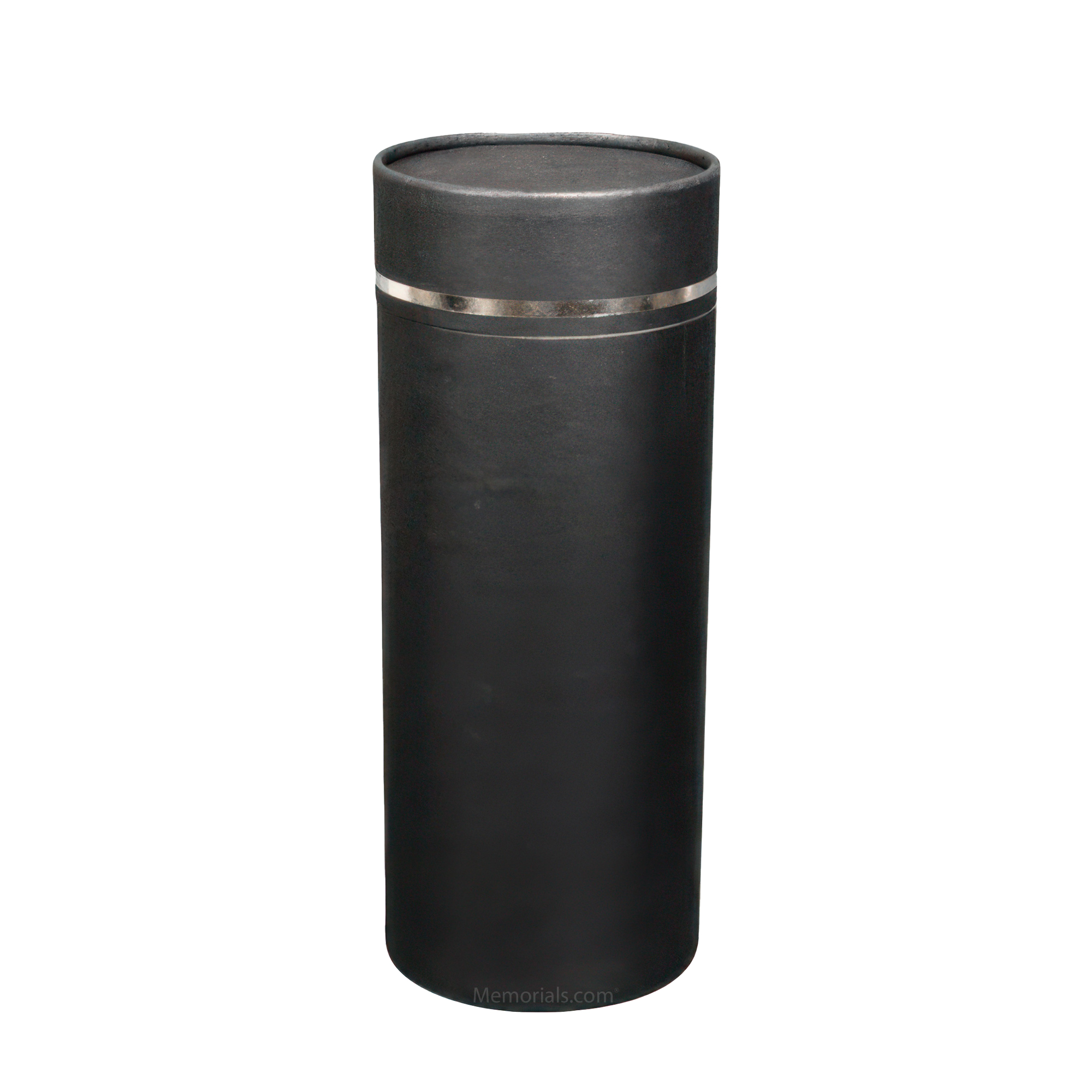
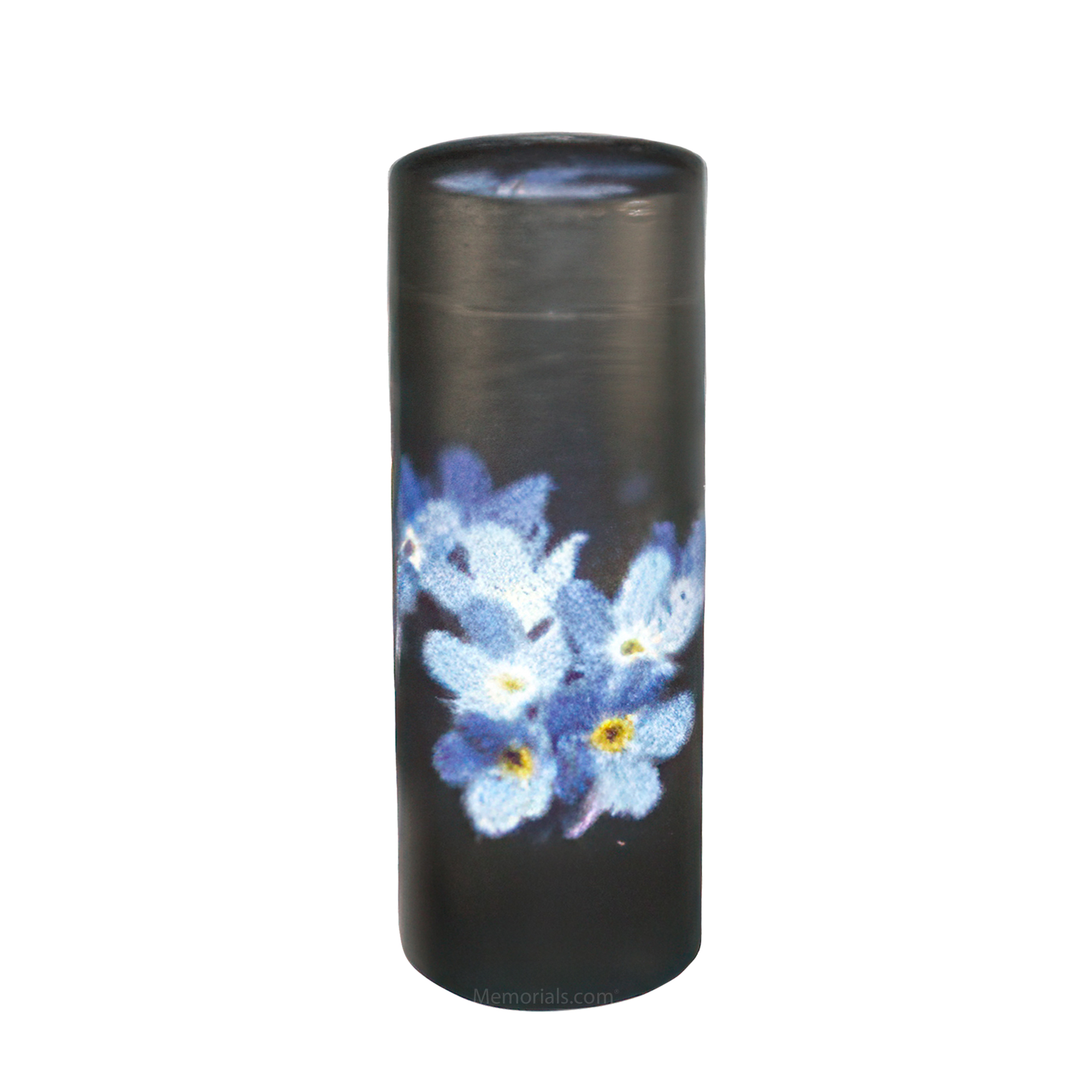
A purpose-made scattering urn meters the release, which is what both of those conditions are really asking for, and it sits alongside the wider range of cremation urns.
So where can you spread ashes in california without a fight? Ranked by how easy the permission is to obtain: land you own; land whose owner will put permission in writing; a state park unit whose superintendent approves a written request; and open ocean beyond three nautical miles with a charter. National parks and national forests run their own permit systems and several California units prohibit the practice outright, so they are a separate inquiry rather than a variation on the state process.
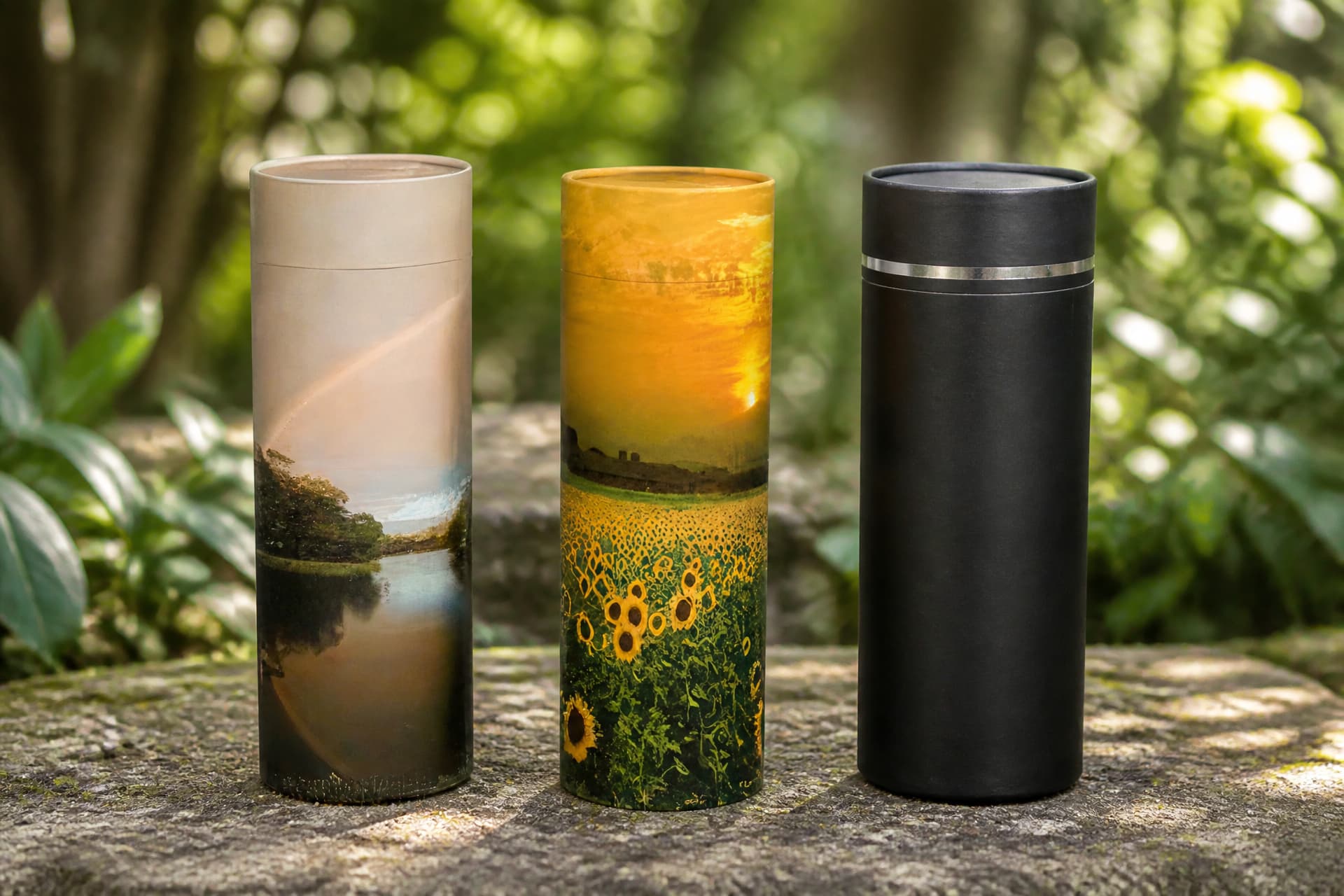
A purpose-made scattering urn meters the release. On land that is what keeps a scattering thin and even rather than heaped.
The Penalty, and What It Actually Is
This is the question the page is named for, and it deserves a precise answer rather than a number repeated from somewhere else.
California does not have a scattering-specific offense. What it has is Health and Safety Code section 7054(a)(1): "Except as authorized pursuant to the sections referred to in subdivision (b), a person who deposits or disposes of human remains in any place, except in a cemetery, is guilty of a misdemeanor." Subdivision (b) is the escape hatch, and it names exactly the sections above — cremated remains "may be disposed of pursuant to Sections 7054.6, 7116, 7117, and 103060."
Read the two together and the structure is clear. Scattering in compliance with 7116, 7117 and 103060 is authorized disposition. Scattering outside them is unauthorized disposition, and unauthorized disposition is a misdemeanor.
Note what 7054(a)(1) does not do: it states no fine and no jail term for a private individual. So what is the fine for spreading ashes in california has no answer inside that section. The figure most commonly cited is the default penalty for a California misdemeanor, and California State Parks states it on its own scattering page as $500 and/or six months in jail.
Professionals are treated far more harshly, and this is the part worth knowing if you are hiring one. Section 7054(a)(2) provides that a licensee or registrant of the Cemetery and Funeral Bureau, their agents and employees, or an unlicensed person acting in a role requiring such a license, who disposes of remains outside a cemetery without authorization is "guilty of a misdemeanor that shall be punishable by imprisonment in a county jail not exceeding one year, by a fine not exceeding ten thousand dollars ($10,000), or both that imprisonment and fine."
Twenty times the fine and twice the maximum custody. The state's enforcement attention is on the trade, not on grieving families — which is both a reassurance and a reason to use a provider who treats the paperwork seriously.
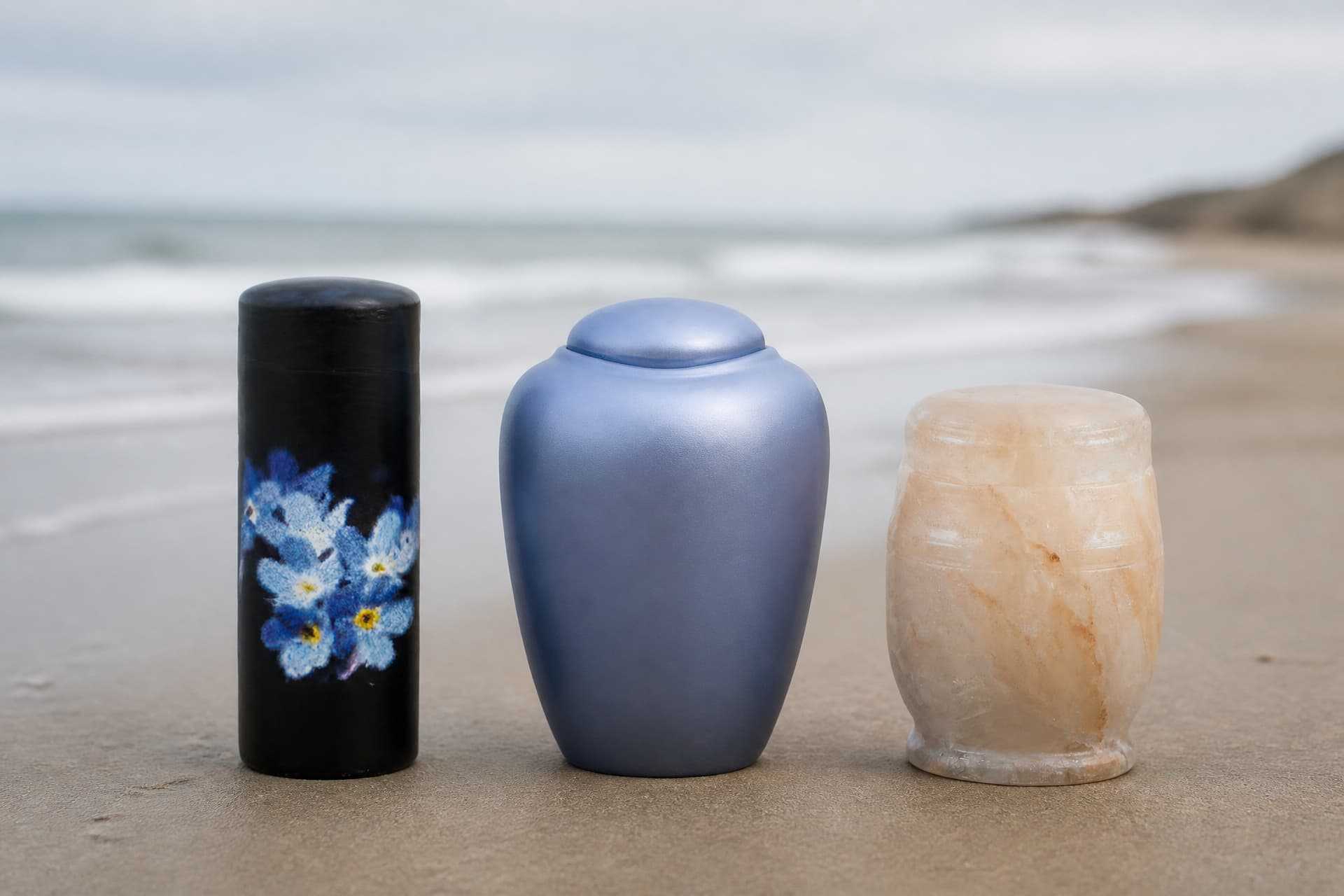
For a release beyond the three-mile line, a water urn turns the moment into something a family watches rather than manages.
In practice, prosecution of a family for a quiet scattering is rare. The realistic exposure is different and more mundane: scattering on land you had no permission to be on is trespass, independently of any burial statute, and the landowner decides whether to press it. Our guide to scattering ashes laws and etiquette covers how that plays out across states.
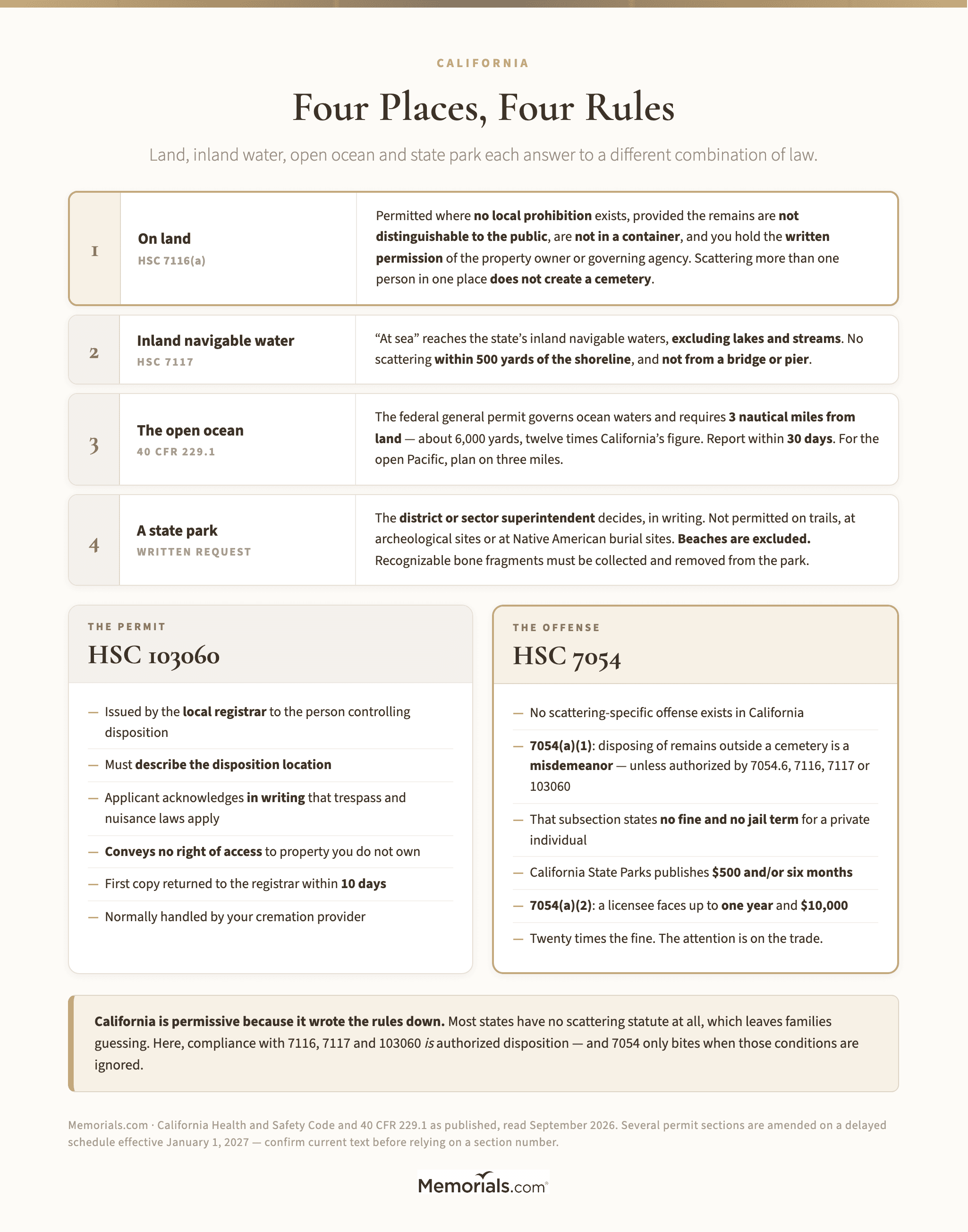
Land, inland navigable water, ocean and state park each answer to a different combination of California statute, federal regulation and land-manager permission.
Pets
Scattering pet ashes in california sits outside all of the above. The Health and Safety Code provisions quoted here govern human remains — section 7054 speaks of human remains, and 7116 and 7117 of cremated human and hydrolyzed human remains. They do not reach an animal's ashes.
What does apply is the ordinary law of the place: the landowner's permission, any local ordinance, and the rules of the park or beach you are standing on. A pet cemetery is its own category with its own regulator. The one thing not to assume is that permission for one covers the other — a cemetery that will accept a human scattering may have a firm policy against animal remains, and the reverse is also true.
Frequently Asked Questions
Do I need a permit to scatter ashes in California? Yes, in two senses that people conflate. A permit for disposition of cremated remains is issued by the local registrar under section 103060 and is normally handled by your cremation provider. Separately, section 7116 requires the written permission of the property owner or governing agency for the place itself. The permit is not permission to be there — 103060 makes the applicant acknowledge that in writing.
How far out do I have to be to scatter at sea? California's section 7117 sets 500 yards from the shoreline. The federal general permit at 40 CFR 229.1(a)(3) requires three nautical miles for ocean waters. For the open Pacific, plan on three nautical miles.
Can I scatter ashes in my own backyard in California? On land you own, and provided no local ordinance prohibits it, section 7116's conditions are the whole test — not distinguishable to the public, not in a container, and as owner you supply your own permission. Worth thinking about before you do: scattering is not reversible, and a future sale transfers the land.
Can I scatter ashes in a lake or a river? No. Section 7117's definition of "at sea" expressly excludes lakes and streams, so the at-sea authorization does not extend to them.
What about scattering from a pier at the coast? Prohibited by name. Section 7117 states that it does not allow scattering from a bridge or pier.
Is scattering ashes in a California national park the same process? No. National parks, national seashores and national forests are federal land with their own permit systems, and some California units do not allow it at all. Ask the specific park; a state park approval says nothing about them.
A Final Thought
California's reputation for regulating everything works in a family's favor here. Because the legislature wrote the rules down, there is an actual answer to give — four places, four sets of conditions, and one offense that only bites when the conditions are ignored.
The two things worth doing properly are the written landowner permission and the registrar's permit. Both are cheap, both take a few days, and together they convert a scattering from something done quietly into something nobody can question afterward. That is worth more than it sounds when the place matters to a family for the next thirty years.