🏬Supersize Online Funeral Retailer🪦1000's of Headstones⚱️Over 10,000 Cremation Urns⚰️Caskets Overnight Delivery🛒Funeral & Memorial Superstore🚚FREE Shipping on ALL Orders👨👩👧👦Helping Families for over 20 Years💰Lowest Price Guarantee🏬Supersize Online Funeral Retailer🪦1000's of Headstones⚱️Over 10,000 Cremation Urns⚰️Caskets Overnight Delivery🛒Funeral & Memorial Superstore🚚FREE Shipping on ALL Orders👨👩👧👦Helping Families for over 20 Years💰Lowest Price Guarantee
🏬Supersize Online Funeral Retailer🪦1000's of Headstones⚱️Over 10,000 Cremation Urns⚰️Caskets Overnight Delivery🛒Funeral & Memorial Superstore🚚FREE Shipping on ALL Orders👨👩👧👦Helping Families for over 20 Years💰Lowest Price Guarantee🏬Supersize Online Funeral Retailer🪦1000's of Headstones⚱️Over 10,000 Cremation Urns⚰️Caskets Overnight Delivery🛒Funeral & Memorial Superstore🚚FREE Shipping on ALL Orders👨👩👧👦Helping Families for over 20 Years💰Lowest Price Guarantee
Scattering cremated remains is one of the most personal ways to honor a loved one, and roughly one-third of families who choose cremation decide to scatter at least a portion of the ashes. But before you plan a ceremony, there are scattering ashes laws at the federal, state, and local level that families need to understand. The regulations are not designed to be burdensome — they exist to protect public health, the environment, and shared spaces — and in most cases, following them takes just a small amount of advance planning.
This guide breaks down exactly what is and is not legal, where permits are required, and how to handle the etiquette side of a scattering ceremony so the day feels dignified for everyone involved. For families still in the early stages of making cremation arrangements, our cremation planning guide walks through every decision from start to finish.
The short answer: no, scattering ashes is not broadly illegal in the United States. There is no single federal law that prohibits the practice. Cremated remains are not classified as a biohazard or environmental contaminant, and families are generally free to scatter them in a wide range of locations.
The longer answer is that where and how you scatter determines which rules apply. Federal regulations govern ocean scattering and aerial releases. State laws vary widely — some states have explicit statutes covering scattering on public land, while others have no restrictions at all. Local city and county ordinances can add another layer. And National Parks, state parks, and private properties each have their own requirements.
The result is a patchwork of rules rather than one clear set of instructions. That said, the rules are not complicated once you know which ones apply to your planned location. The sections below walk through each category.
Federal Laws for Scattering Ashes
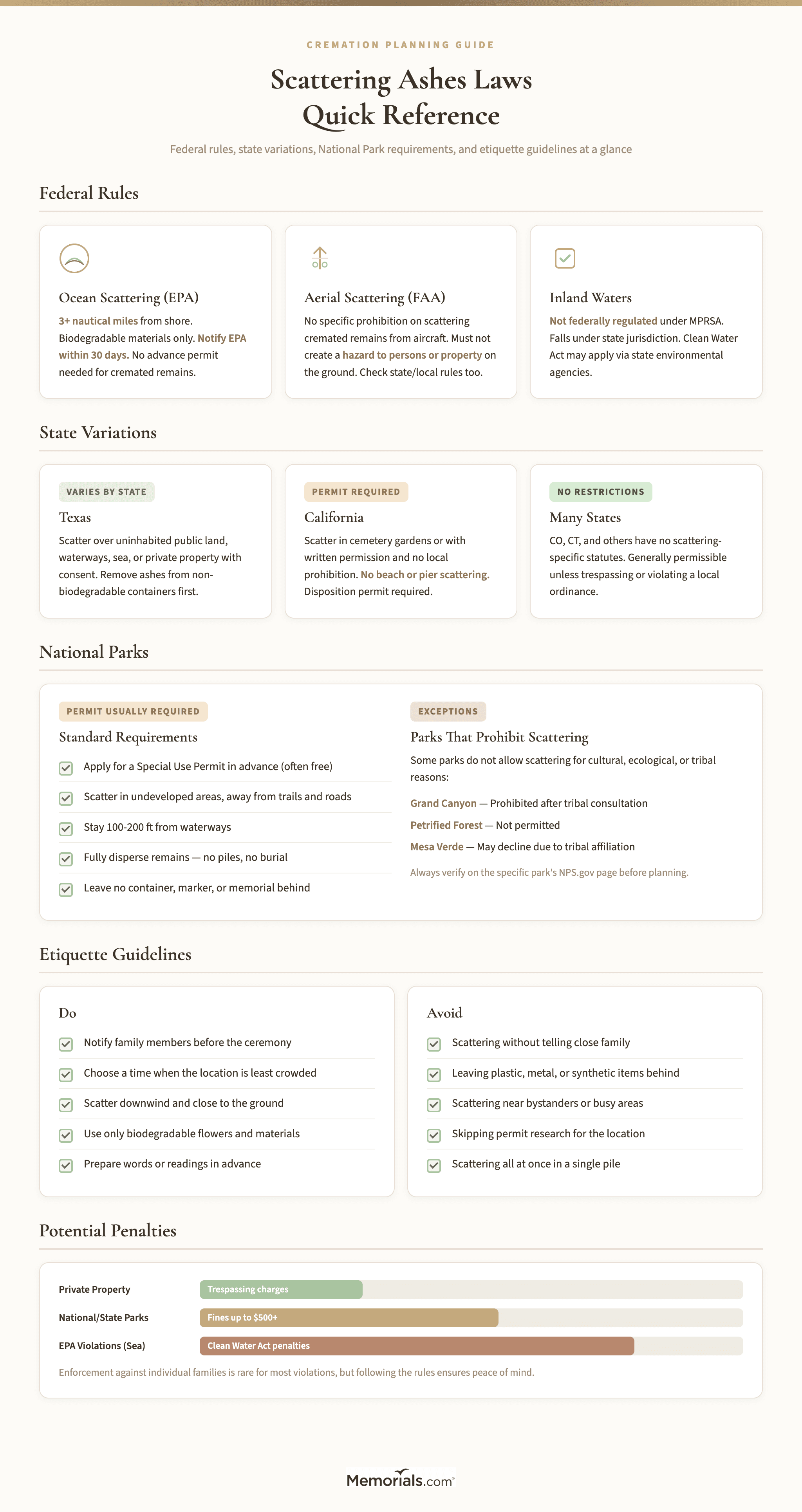
Federal regulations only come into play in two main situations: scattering at sea and scattering from an aircraft. If you are scattering on land within a single state, federal law generally does not apply — state and local rules take over instead.
EPA Rules for Scattering Ashes at Sea
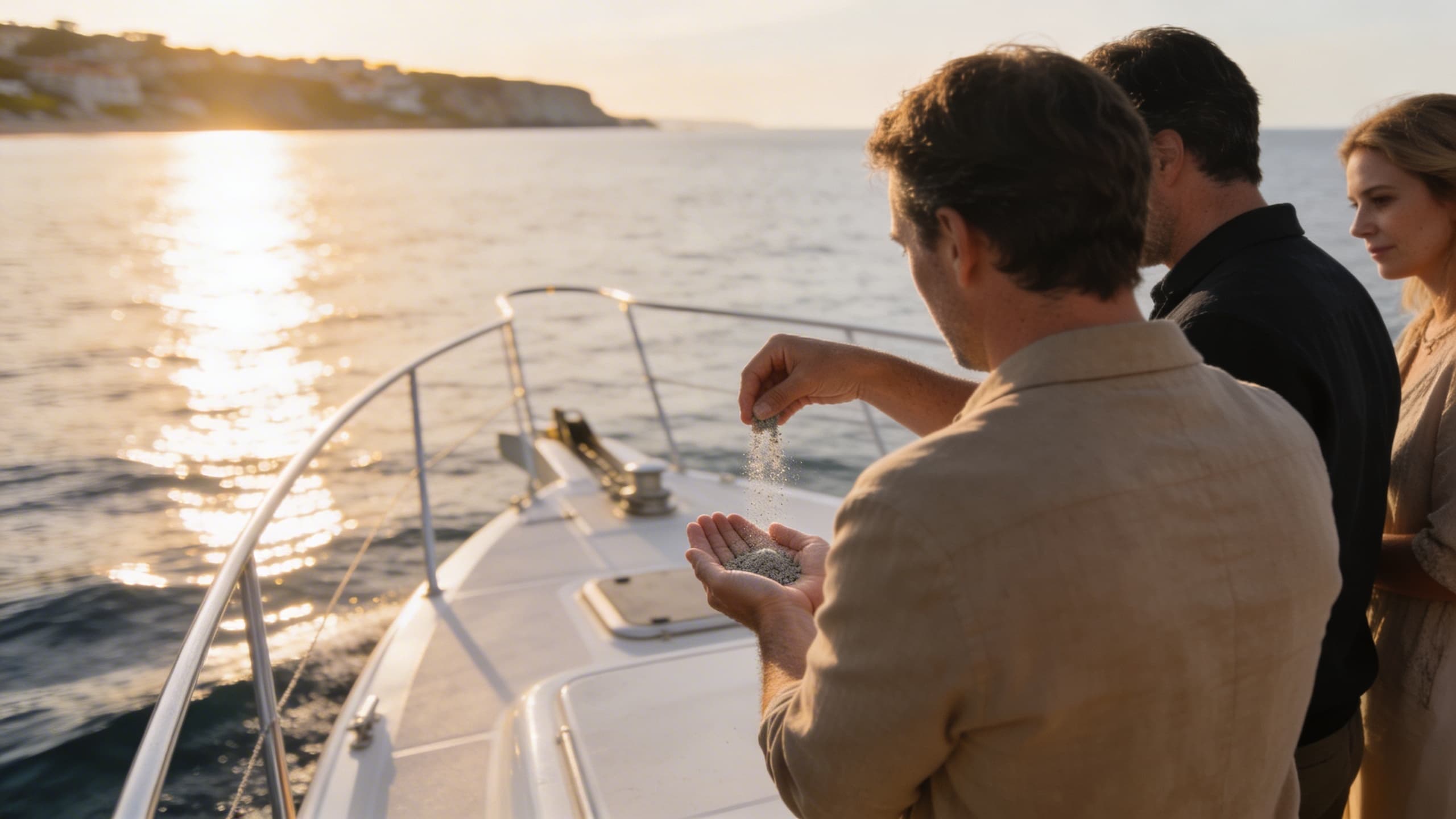
Ocean scattering is regulated by the Environmental Protection Agency under the Marine Protection, Research, and Sanctuaries Act (MPRSA). The rules are straightforward:
The three-nautical-mile rule. Cremated remains must be scattered at least three nautical miles (about 3.45 statute miles) from the nearest shoreline. This means scattering from a beach, pier, or dock does not satisfy the federal distance requirement — you need to be aboard a vessel or aircraft that has traveled far enough offshore.
Biodegradable materials only. Anything placed in the water — including urns, wreaths, and flowers — must be made of materials that decompose naturally in a marine environment. Plastic, metal, and synthetic decorations are not permitted. Families who plan a burial at sea often use biodegradable urns designed to dissolve in salt water within hours.
30-day EPA notification. After the scattering, the person who arranged it must notify the appropriate EPA Regional Office within 30 days. The notification includes the date, location coordinates, and the name of the deceased. This is a reporting requirement, not a pre-approval — you do not need to ask permission before scattering, but you do need to file notice afterward.
No permit required for cremated remains. Unlike non-cremated burials at sea (which require deeper water and additional measures), scattering cremated ashes requires no advance permit from the EPA. The 30-day notification is the only required paperwork at the federal level.
It is worth noting that the MPRSA applies only to ocean waters. Scattering in lakes, rivers, bays, and other inland waterways is not regulated at the federal level under this act — those locations fall under state jurisdiction.
FAA Rules for Aerial Scattering
The Federal Aviation Administration does not have a specific regulation that addresses scattering cremated remains from an aircraft. What it does prohibit, under 14 CFR § 91.15, is dropping any object from an aircraft in flight that creates a hazard to persons or property on the ground.
Because cremated remains are fine mineral fragments (not a solid object that could cause impact injury), scattering ashes from a plane is generally considered permissible under federal aviation law, provided the release does not endanger anyone below. Most aerial scattering is performed by licensed charter services that understand both the FAA requirements and the practical techniques for a clean release at altitude.
Families considering aerial scattering should also check state and local laws, since some jurisdictions have their own rules about releasing materials from aircraft.
State Laws for Scattering Ashes
State-level regulation is where the rules get most varied. Some states have detailed statutes that specify exactly where ashes may and may not be scattered, while others have no scattering-specific laws at all.
Both extremes are worth seeing. Hawaii sits at the permissive end with no scattering statute whatever, so scattering ashes in Hawaii comes down to the federal ocean rule and the state land agency rather than to anything in the state code.
States With Explicit Scattering Statutes
A handful of states have codified scattering rules into law:
Texas allows scattering over uninhabited public land, public waterways, the sea, or on private property with the landowner's consent. The law also specifies that unless the container is biodegradable, cremated remains must be removed from the container before scattering.
California requires that ashes be scattered only in a cemetery scattering garden or in a location where there is no local prohibition — and only with written permission from the property owner or governing agency. California's Health and Safety Code (§ 7117) explicitly prohibits scattering from beaches, piers, or into the ocean from the shore. A state disposition permit, issued through the county health department, is also required.
Florida permits scattering in most locations but requires that remains be scattered at least 100 yards from public roads, walkways, and trails.
States With No Scattering-Specific Laws
Many states — including Colorado, Connecticut, and others — have no statutes specifically addressing the scattering of cremated remains. In these states, scattering is generally permissible unless it violates another law (such as trespassing on private property without permission, or ignoring a local park ordinance). The absence of a specific scattering law does not mean anything goes, but it does mean fewer formal requirements.
The Role of Local Ordinances
Even in states without statewide scattering restrictions, individual cities and counties may have their own rules. Public parks managed by a city or county often require a permit, and some municipalities prohibit scattering in certain high-traffic areas. Before planning any land-based scattering ceremony, contact the local parks department, county clerk's office, or municipal authority to confirm whether a permit or permission is needed.
Scattering Ashes on Private Property
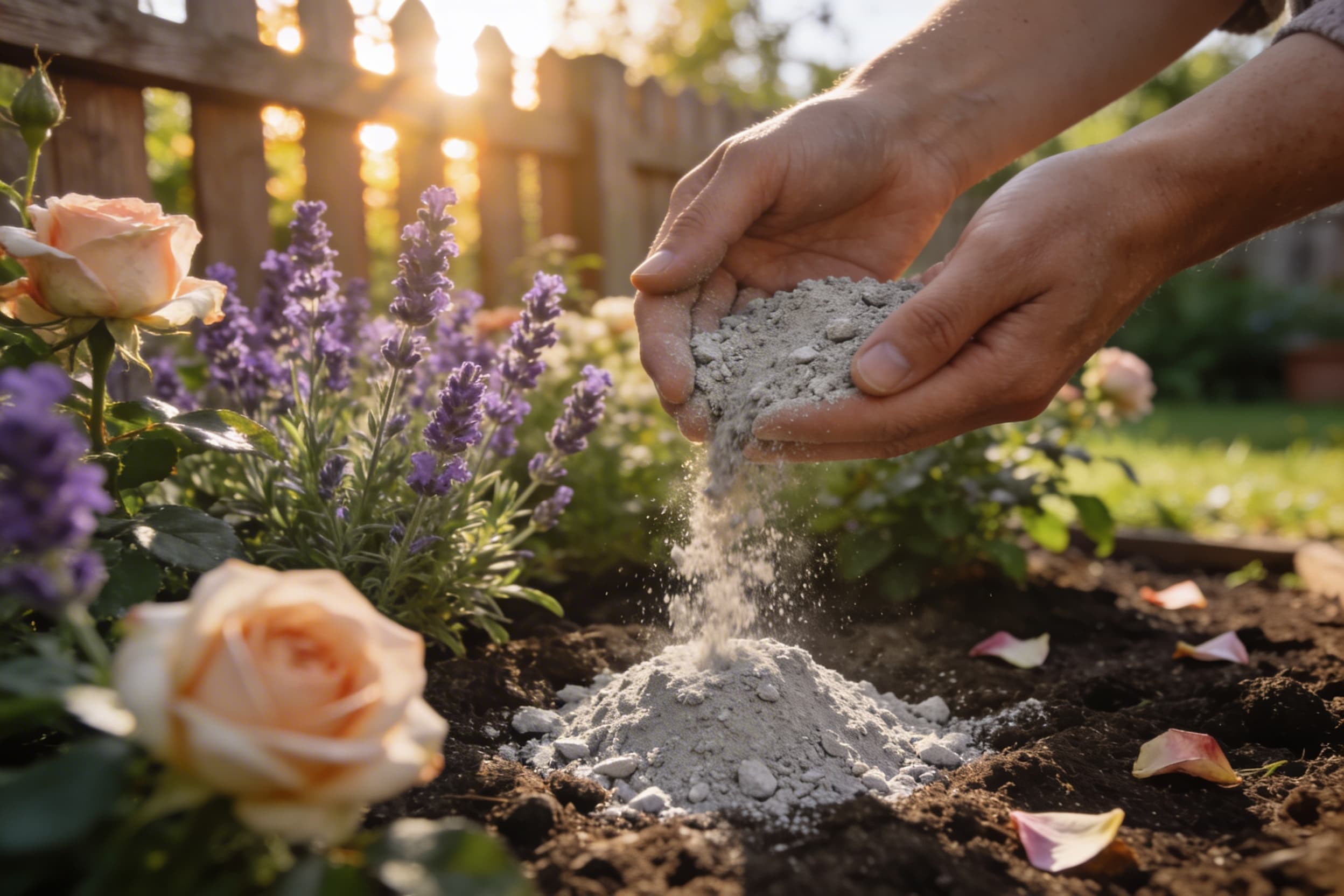
Scattering on your own private property is legal in every U.S. state. No permit is typically required, and there is no obligation to report it. Many families choose to scatter in a backyard garden, on family farmland, or at a home where the deceased lived — and this remains the simplest option from a legal standpoint.
Scattering on someone else's private property requires the landowner's written or verbal permission. This applies even to properties that feel accessible — cemeteries (many of which are privately owned), golf courses, stadiums, amusement parks, and similar venues. Entering private property to scatter without permission can be treated as trespassing in most jurisdictions.
A few practical considerations for private-property scattering: inform nearby neighbors beforehand as a courtesy, especially if the scattering takes place near a property boundary. Be aware that cremated remains are pale gray or white and have a coarse, sand-like texture — they can be noticeable on dark soil or grass. Some families choose a shallow burial or gentle raking for a more discreet result. If you are looking for techniques, our guide to how to scatter ashes covers five proven methods step by step.
Scattering Ashes in National Parks
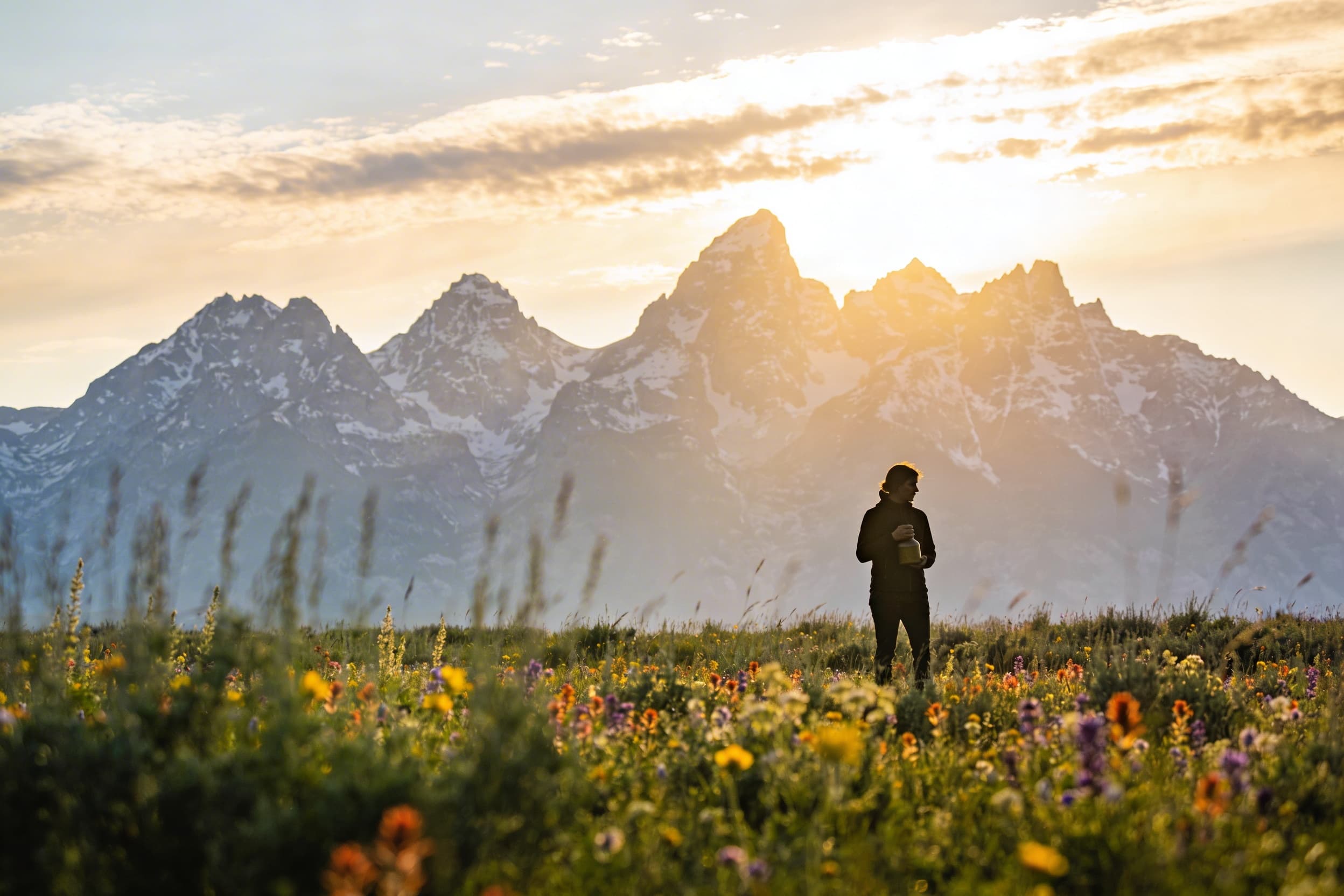
The scenic landscapes of America's National Parks make them a meaningful choice for scattering ceremonies, and the National Park Service does allow the practice in many parks — but almost never on a walk-in basis. Nearly all parks require advance permission, and many require a Special Use Permit.
The Permit Process
Most parks offer the Special Use Permit at no charge, though a few (like Zion National Park) charge a small application fee. Processing times range from a few business days to three weeks or more, so families should apply well in advance. Parks typically ask for the planned date, the location within the park, the number of attendees, and a brief description of the ceremony.
Common National Park Rules
While each park sets its own guidelines, several rules appear consistently:
Scatter in undeveloped areas away from trails, roads, buildings, and high-traffic zones. Stay at least 100 to 200 feet from any waterway, creek, or lake. Fully disperse the remains — no mounding, burying, or leaving a visible pile. Do not leave behind any container, marker, or memorial object. Keep the ceremony small and private. If more than 20 to 25 people will attend, an additional group permit may be required.
Parks That Prohibit Scattering
Not every park allows it. The Grand Canyon stopped permitting the scattering of cremated remains after consultation with eleven affiliated Native American tribes. The Petrified Forest in Arizona also prohibits the practice. Mesa Verde in Colorado may decline permits for similar cultural reasons. Always check the specific park's official NPS page before making plans.
Notable Parks and Their Processes
Rocky Mountain National Park requires a free permit and provides a list of suggested meadow locations. Yellowstone requires a permit application submitted at least 10 days before the ceremony. Yosemite issues a letter of authorization and requests three weeks' lead time. Great Smoky Mountains is one of the more permissive parks — it asks only that you download a letter of permission from the park website and carry it with you during the ceremony, provided fewer than 25 people attend.
Scattering Ashes in Lakes, Rivers, and Inland Waters
Scattering cremated remains in freshwater lakes, rivers, and streams is not regulated at the federal level the way ocean scattering is. The MPRSA and EPA three-nautical-mile rule apply only to ocean waters. Inland water scattering falls under state and sometimes local jurisdiction.
Some states require a permit from the state environmental agency or water-quality board before remains can be scattered in state-controlled waterways. Others have no restrictions at all. The Clean Water Act may apply in some cases — particularly where state environmental agencies use it as a basis for managing water-quality standards — but in practice, enforcement of scattering in inland waters is rare.
General best practices for inland water scattering: use a biodegradable container or scatter the remains directly (remove from a non-biodegradable container first). Scatter away from areas where people swim, fish, or draw drinking water. Avoid narrow streams where remains could accumulate visibly. For families who want a lasting memorial at the water's edge, cremation rocks offer an alternative that does not require placing remains directly in the water.
Scattering Ashes Internationally
Families who wish to scatter a loved one's ashes outside the United States should research the destination country's laws, as regulations vary significantly.
United Kingdom: Scattering laws are quite relaxed. There is no legal prohibition against scattering on most land, and no license is required for rivers, lakes, or sea scatterings. The general guidance is to obtain permission from the landowner for private land and to follow environmental best practices near waterways.
European Union countries: Rules differ by nation. Some countries (such as France) require that scattering take place only in designated spaces or nature areas, not in public parks or gardens. Others (such as Germany) have strict rules mandating that all cremated remains be interred in a cemetery — scattering is not legally permitted in many parts of Germany. Italy generally permits scattering in nature or at sea but may require a municipal permit depending on the region.
Traveling with ashes: The Transportation Security Administration (TSA) allows cremated remains in carry-on luggage and recommends using a container made of a non-metallic, X-ray-scannable material. Airlines generally accept urns as carry-on items, though policies vary by carrier. An official death certificate or cremation certificate should accompany the ashes for international travel, and some countries require an import permit for human remains.
Scattering Ashes Etiquette
Legal compliance is only part of the picture. How the ceremony is conducted determines whether it feels dignified for everyone present and respectful to the people who share the space.
Planning the Ceremony
Choose a time when the location is least crowded. Early mornings on weekdays tend to offer the most privacy at public parks and outdoor locations. Check the weather forecast — wind direction matters. Scatter downwind and close to the ground to prevent the ashes from drifting onto bystanders or back toward the group. For biblical perspectives on scattering, some families incorporate scripture readings or prayers into the ceremony.
Let attendees know what to expect. Not everyone has been present at a scattering before, and some people may be surprised by the appearance and texture of cremated remains. A brief, calm explanation before the ceremony begins can prevent discomfort.
What to Say and Do
Many families find that having prepared words — even a few sentences — makes the moment feel more grounded. Readings, poems, prayers, or personal memories all work well. Silence is also perfectly appropriate. If you are unsure where to start, our guide on what to say at a scattering ceremony offers suggested readings and ceremony frameworks.
After the scattering, take a moment before leaving. Some families place biodegradable flowers, pour a small amount of a favorite beverage, or simply stand together quietly. There is no single correct way to close the ceremony — what matters is that it feels complete to the people present.
Etiquette Mistakes to Avoid
Scattering without notifying others who share a connection to the deceased. Even if the legal right to scatter belongs to the next of kin, failing to inform siblings, children, or close friends can create lasting resentment. Whenever possible, offer others the opportunity to attend or at least to know the plan.
Leaving non-biodegradable items behind. Flowers with plastic wrappers, synthetic ribbons, battery-operated candles, laminated photos, and glass containers do not belong at a scattering site. Everything left behind should decompose naturally within a short time.
Ignoring the comfort of bystanders. If other people are nearby — hikers on a trail, families at a park, boaters on a lake — wait for a private moment or move to a less visible location. Scattering is a deeply personal act, but it takes place in shared spaces, and discretion is a sign of respect.
Scattering at a location without understanding the rules. Well-intentioned families sometimes scatter at a beloved spot without checking whether it is allowed, only to discover later that they have violated a park regulation or local ordinance. A small amount of research prevents both legal issues and the emotional weight of wondering whether the ceremony was done correctly. Understanding things to avoid with ashes can help families navigate these sensitivities thoughtfully.
What Happens to the Container After Scattering?
Once the ashes have been scattered, families are left with the urn or container — and many are unsure what to do with it. Some keep it as a memento; others repurpose it as a vase, planter, or keepsake box. A few families donate the urn or pass it down through the family as an heirloom. Our guide to what to do with an urn after scattering covers eight meaningful options for the container itself.
If you used a biodegradable urn for a water or earth scattering, the container is designed to decompose along with the ashes, so there is nothing to retrieve.
Penalties for Scattering Ashes Illegally
Violating scattering laws rarely leads to severe criminal charges, but penalties do exist and vary by jurisdiction:
How that works in a state that has written it down is worth seeing in full: the penalty for scattering ashes in California is not a scattering-specific offense at all, but the general misdemeanor that applies when the conditions in the state's scattering statutes are not met.
On private property without permission: Trespassing charges are possible if the landowner chooses to press the issue. This applies to stadiums, amusement parks, cemeteries, and other privately owned venues — not just residential land.
In National or State Parks without a permit: Fines for unauthorized scattering can reach $500 or more at parks like Joshua Tree, and rangers may issue citations on the spot.
At sea without following EPA rules: Scattering within three nautical miles of shore, using non-biodegradable materials, or failing to file the 30-day notification can result in penalties under the Clean Water Act and the MPRSA. In practice, enforcement of EPA ocean scattering violations against individual families is rare, but chartered services are held to strict compliance standards.
At prohibited locations: Scattering at sites that have specifically banned the practice — like the Grand Canyon — can result in citations and fines, and it disrespects the cultural and ecological reasons the prohibition was established.
The practical risk of being caught and fined for an unauthorized scattering in a remote, open-air location is low. But the rules exist for legitimate reasons — protecting ecosystems, honoring indigenous cultural sites, and respecting shared public spaces — and following them ensures the ceremony remains an act of love rather than a source of worry.
Frequently Asked Questions
Can you scatter ashes anywhere in the United States?
No. While there is no blanket federal prohibition, specific rules apply depending on the location. Ocean scattering must take place at least three nautical miles offshore. National Parks generally require a permit. Some states require written permission for public-land scattering. Private property requires the landowner's consent. The safest approach is to identify your preferred location first, then check the applicable federal, state, and local regulations for that specific spot.
Do you need a permit to scatter ashes?
It depends on where you plan to scatter. No federal permit is required for ocean scattering of cremated remains (only a 30-day post-ceremony notification to the EPA). Most National Parks require a free Special Use Permit. Some states and municipalities require a local permit for scattering on public land. Scattering on your own private property typically requires no permit at all.
Is it illegal to scatter ashes in the ocean from a beach?
Two different questions sit inside that one. Releasing ashes into the water from the shore is governed by the federal burial-at-sea permit at 40 CFR 229.1(a)(3), which covers burial "in or on ocean waters" and requires at least three nautical miles from land — so a beach, pier or dock cannot satisfy it, and a vessel or aircraft is what the rule contemplates. Scattering on the dry sand above the tide line is not an ocean-waters question at all; it is decided by whoever owns or manages that beach. Some states add their own limit on top — California prohibits scattering from a bridge or pier and within 500 yards of the shoreline. Our guide to the question “is it legal to scatter ashes on the beach” works through both halves.
Why is scattering ashes illegal in some places?
The restrictions that do exist are rooted in environmental protection, cultural respect, and public health considerations. EPA ocean rules protect coastal ecosystems and swimming areas. National Park restrictions often reflect the wishes of affiliated Native American tribes. Local ordinances may address concerns about remains being discovered in public recreational areas. The intent is not to prevent families from scattering but to ensure the practice does not harm shared natural resources or infringe on others.
Can you scatter some ashes and keep the rest?
Yes. Dividing cremated remains is completely legal and very common. Many families scatter a portion in a meaningful location while keeping the remainder in a keepsake urn, cremation jewelry, or memorial display at home. There are no laws that require all of a person's ashes to remain together. If you plan to divide them, this is typically done before the scattering ceremony rather than at the site.
A Final Thought
Scattering a loved one's ashes can be one of the most meaningful moments in the entire memorial process — a physical act of release in a place that held genuine significance. The legal framework around it is simpler than most families expect, and a small amount of advance research is usually all it takes to make sure the ceremony goes smoothly.
If you are still exploring your options for what to do with cremated remains, Memorials.com offers a wide selection of biodegradable scattering urns, memorial stones, and keepsake options to complement any plan your family chooses.