🏬Supersize Online Funeral Retailer🪦1000's of Headstones⚱️Over 10,000 Cremation Urns⚰️Caskets Overnight Delivery🛒Funeral & Memorial Superstore🚚FREE Shipping on ALL Orders👨👩👧👦Helping Families for over 20 Years💰Lowest Price Guarantee🏬Supersize Online Funeral Retailer🪦1000's of Headstones⚱️Over 10,000 Cremation Urns⚰️Caskets Overnight Delivery🛒Funeral & Memorial Superstore🚚FREE Shipping on ALL Orders👨👩👧👦Helping Families for over 20 Years💰Lowest Price Guarantee
🏬Supersize Online Funeral Retailer🪦1000's of Headstones⚱️Over 10,000 Cremation Urns⚰️Caskets Overnight Delivery🛒Funeral & Memorial Superstore🚚FREE Shipping on ALL Orders👨👩👧👦Helping Families for over 20 Years💰Lowest Price Guarantee🏬Supersize Online Funeral Retailer🪦1000's of Headstones⚱️Over 10,000 Cremation Urns⚰️Caskets Overnight Delivery🛒Funeral & Memorial Superstore🚚FREE Shipping on ALL Orders👨👩👧👦Helping Families for over 20 Years💰Lowest Price Guarantee
Why are caskets so expensive? Because the price you are quoted has very little to do with what the casket is made of, and a great deal to do with where you are standing when you are quoted it.
A steel casket that wholesales to a funeral home for several hundred dollars routinely retails for two to five times that. That is not fraud and it is not unusual — it is the standard economics of the industry, and it is entirely legal. But it is not something anybody explains during the arrangement conference, and families are making the decision at the one moment in their lives when they are least equipped to push back.
The single most useful fact in this article is this: you are not required to buy the casket from the funeral home. Federal law says so, and it says the funeral home may not charge you extra for using one you bought elsewhere.
Funeral homes buy caskets wholesale and price them retail, and the multiple is larger than in almost any other retail category. Industry convention has long been to set casket prices at a multiple of cost — historically three to five times, though it varies enormously between firms.
The reason is structural rather than greedy. A funeral home's largest costs are the building, the vehicles, the licensed staff available at any hour, and the preparation room — and none of those can be itemized attractively. Historically, the casket carried them. A family would accept a large number for a visible object more readily than the same number split across "facilities" and "staff availability", so the casket became the line where the business made its margin.
The Funeral Rule of 1984 forced funeral homes to itemize everything, which exposed this. Many firms have since rebalanced toward a non-declinable basic services fee. Plenty have not.
Materials, which are less than you would think
A 20-gauge steel casket contains perhaps $100 to $200 of steel. A poplar casket contains a few hundred dollars of lumber. The expensive materials are genuinely expensive — bronze and copper are commodities with real prices, and a solid mahogany casket uses a costly hardwood — but for the mid-range caskets most families buy, the raw material is a small fraction of the ticket.
Manufacturing and finish
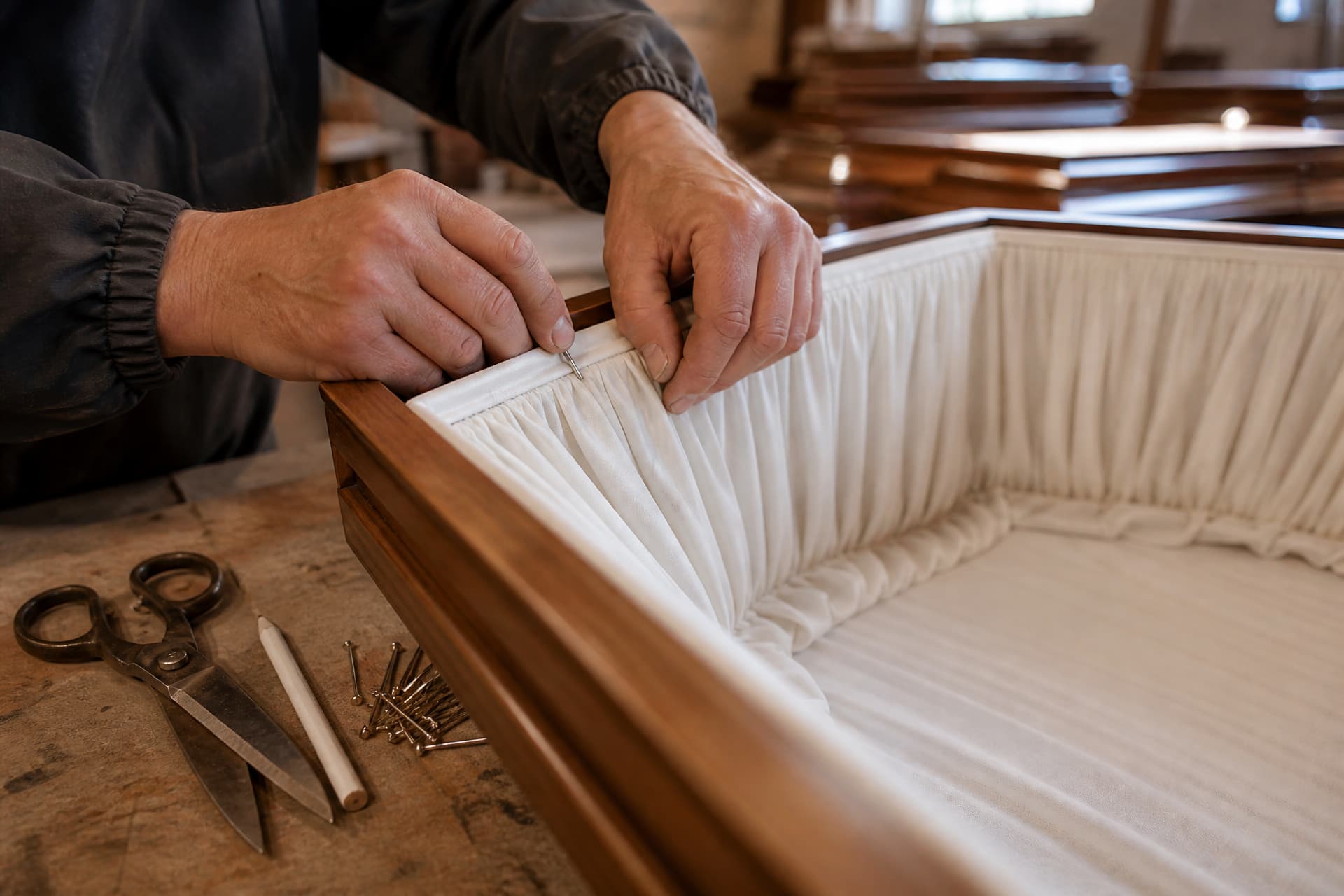
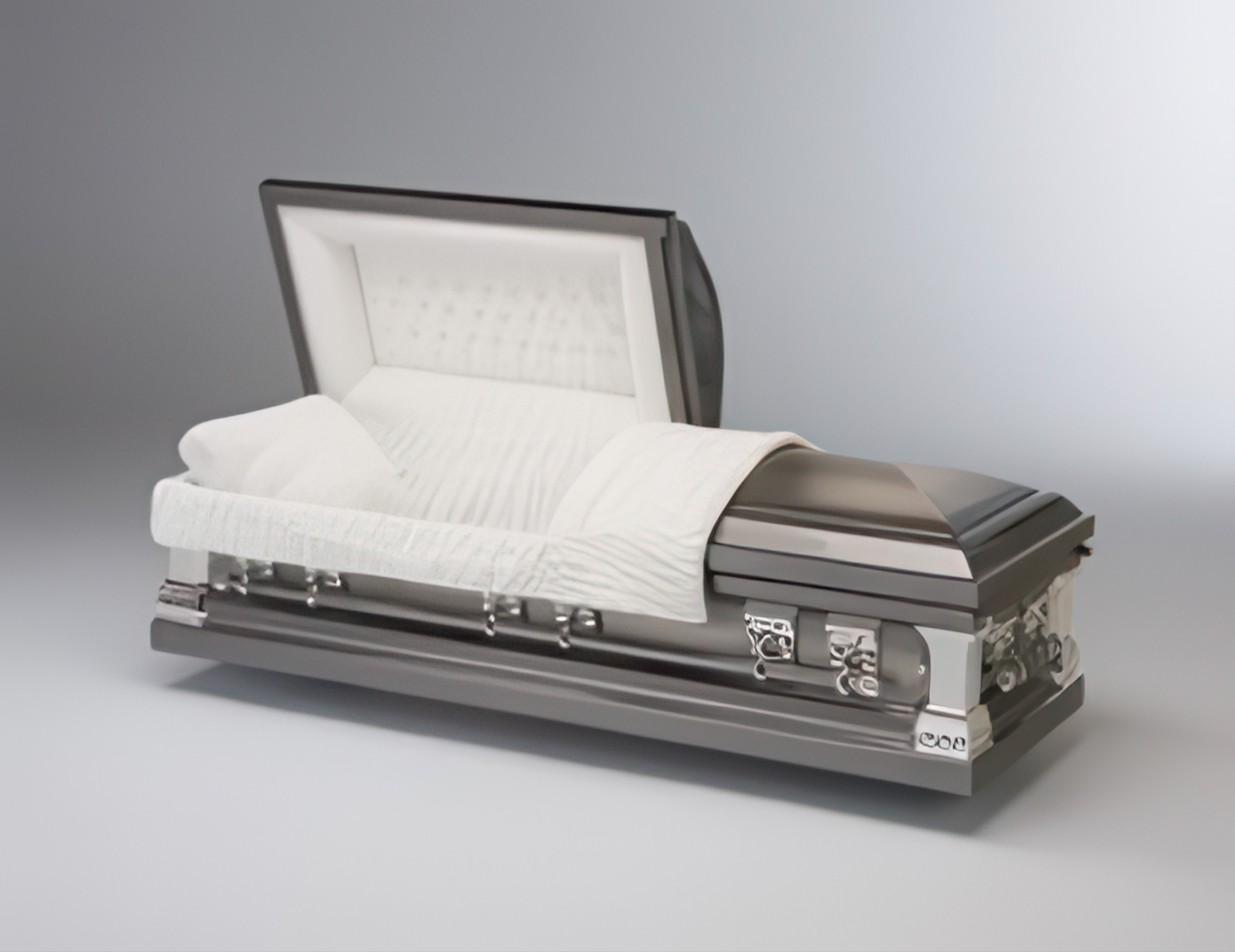
This part is real. A casket is upholstered furniture with hardware: a shell, an adjustable bed, a crepe or velvet interior, a rubber gasket in some models, swing-bar or stationary handles, and a lacquered or brushed finish. The interior work is labor-intensive and done largely by hand.
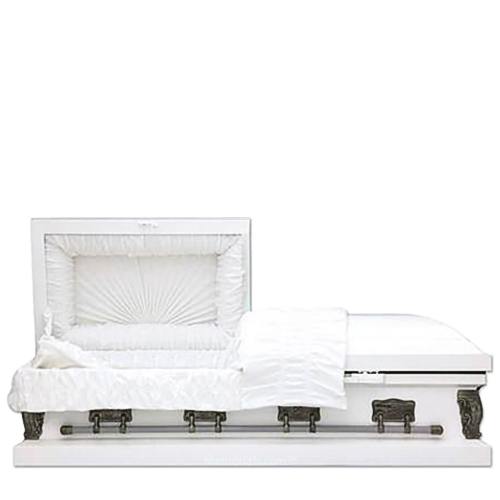
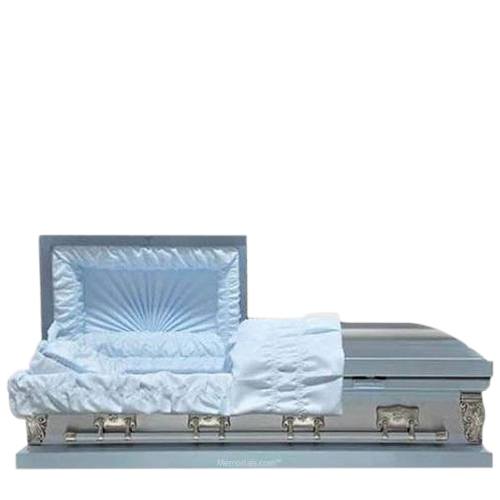
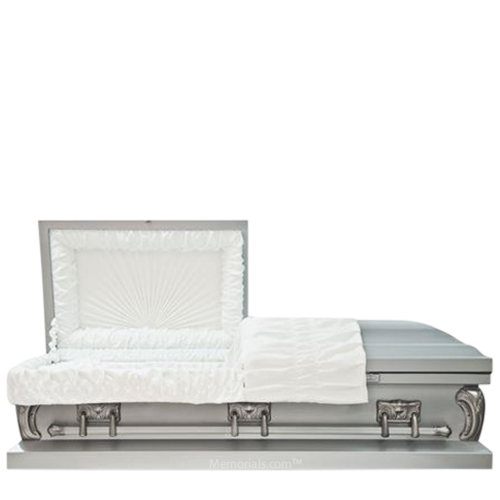
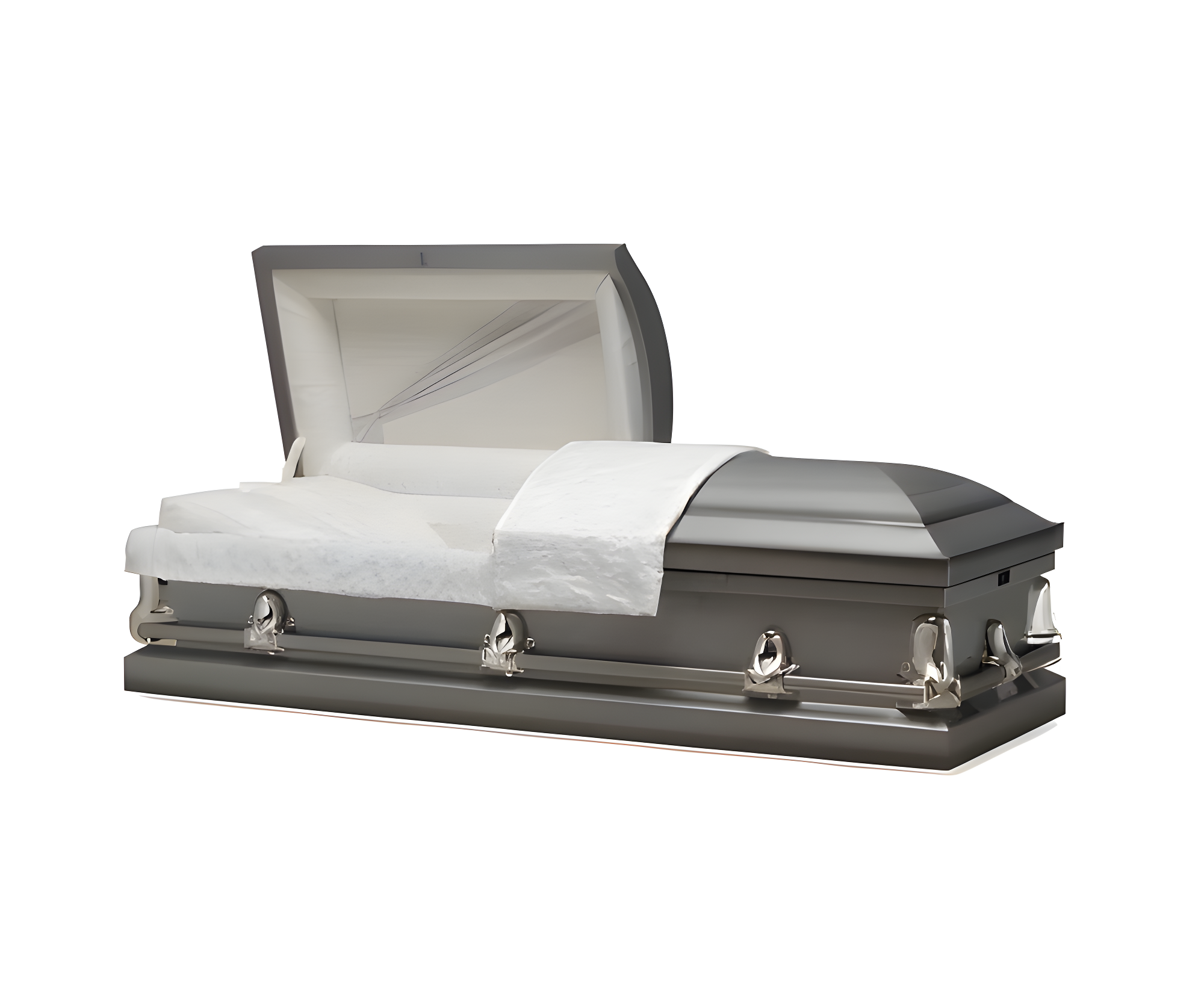
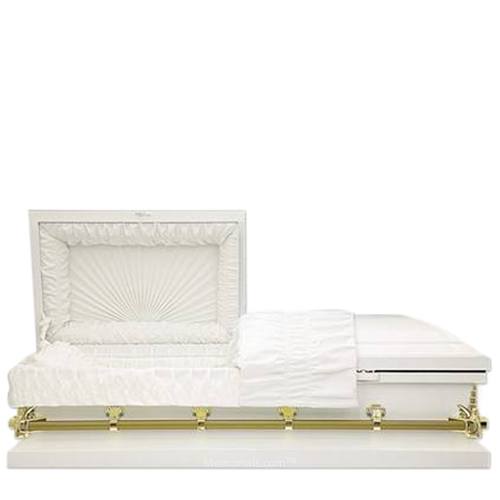
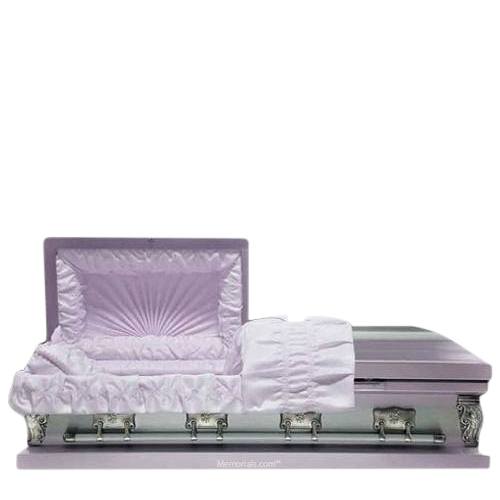
Our own metal caskets span $2,160 to $13,200 and the difference at the top is bronze and finish, not function.
This part of the price is real. A casket is upholstered furniture with hardware, and the interior work is done largely by hand.
The showroom
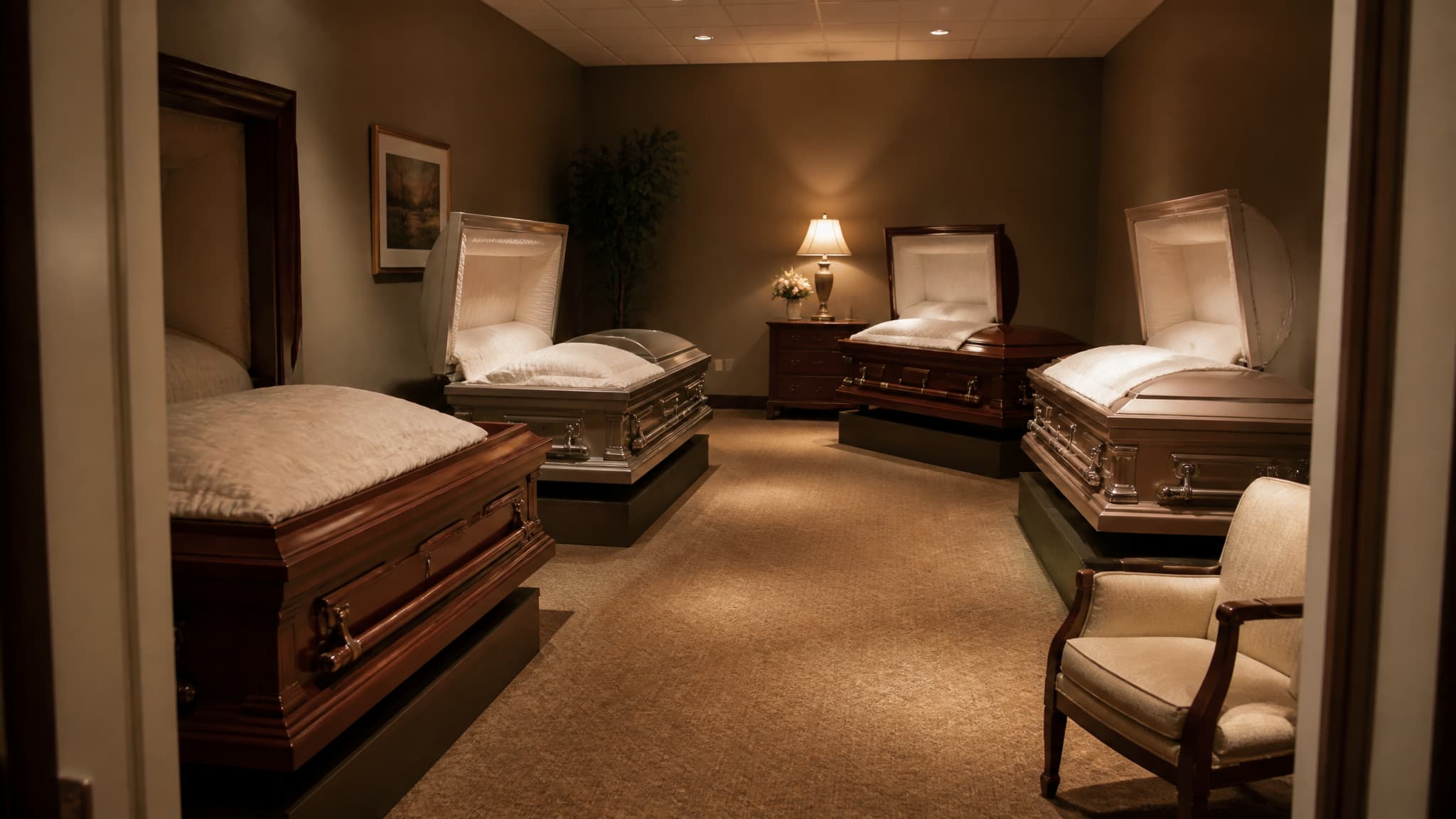
A selection room holds ten to thirty caskets that are not for sale — they are samples. That inventory is capital sitting still, in a heated, insured, staffed building. Some funeral homes have moved to displaying corners or panels, or to a screen, precisely because full-casket display is expensive.
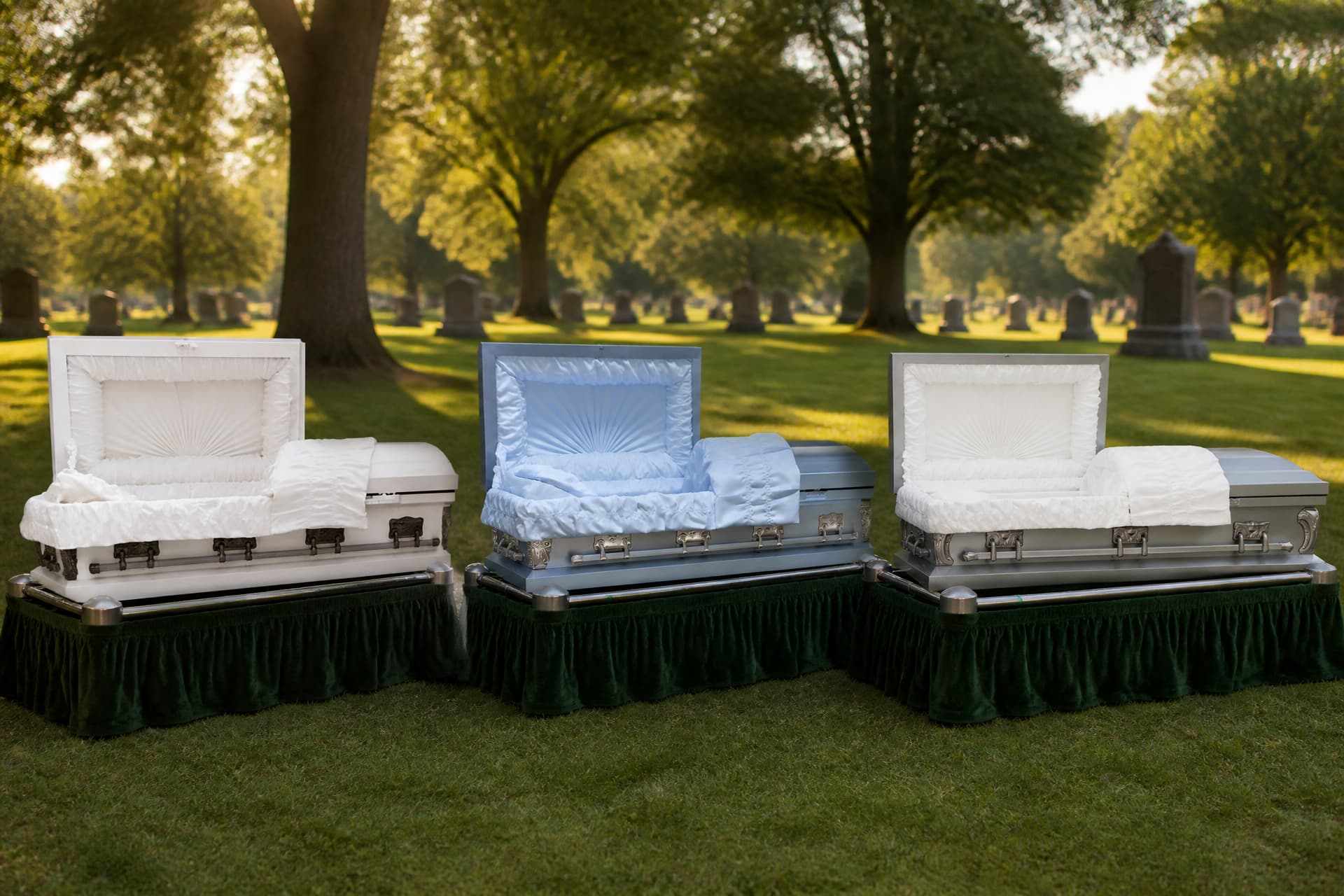
The showroom also does something to the buyer. Caskets are almost always arranged with the most expensive at eye level in the best light, and the cheapest at the end of the room or in an unflattering color. That is merchandising, and it is legal, and it works.
The FTC's Funeral Rule is the single most useful consumer protection in this industry, and most families have never heard of it. Four provisions matter here.
You must be given a casket price list before you are shown any caskets. Not after, not on request — before. If you are walked into the selection room without one, ask for it.
You may buy a casket anywhere. From an online retailer, from a warehouse club, from a carpenter. The funeral home has to use it.
No handling fee. A funeral home may not charge you a fee for accepting a casket you bought elsewhere, and may not require you to be present when it is delivered.
No preservation claims. No provider may tell you a casket or vault will preserve remains indefinitely. If the pitch involves "protection" doing something permanent, it is a claim the federal rules forbid.
There is one thing the Rule does not do: it does not cap prices. A funeral home may charge whatever it likes for a casket, as long as the price is disclosed on the list.
The Funeral Rule requires the funeral home to accept this and forbids a handling fee. A third-party casket typically runs 40 to 70 percent below funeral home retail for a comparable model.
Casket Cost Factors, in the Order They Move the Price
Factor
Effect on price
Material — bronze, copper, mahogany
Very large
Where you buy — funeral home vs third party
Very large
Gauge, for steel (16 vs 18 vs 20)
Moderate
Sealed or gasketed construction
Moderate
Interior fabric and finish
Moderate
Hardware — swing bars, corner pieces
Small
Oversized dimensions
Small to moderate
Of all the casket cost factors above, two swamp the rest — the material and the place of purchase — and one of those is entirely within your control.
Gauge decides the other number families ask about, too. If you are comparing 16-, 18- and 20-gauge steel, how much does a casket weigh sets out the actual figures by material.
Casket Pricing Explained: What You Will Be Shown
The arrangement conference has a shape, and knowing it helps.
Caskets are typically presented in a sequence from a mid-range option upward, with the least expensive somewhere out of the natural path. The word most often attached to the step up is "protection", and the emotional frame — sometimes stated, usually implied — is that a better casket is a measure of care.
It is not. There is no relationship between what a casket costs and how much a person was loved, and any funeral director who implies otherwise is selling rather than serving. Most will not. Some will.
Two questions that change the conversation:
"May I see the full casket price list, including the least expensive one you offer?"
"What does this one do that the one below it does not?"
The second is the one that matters, because the honest answers are "it is thicker steel", "it has a gasket" or "the interior is velvet rather than crepe" — all true, all worth what you think they are worth, and none of them about preservation.
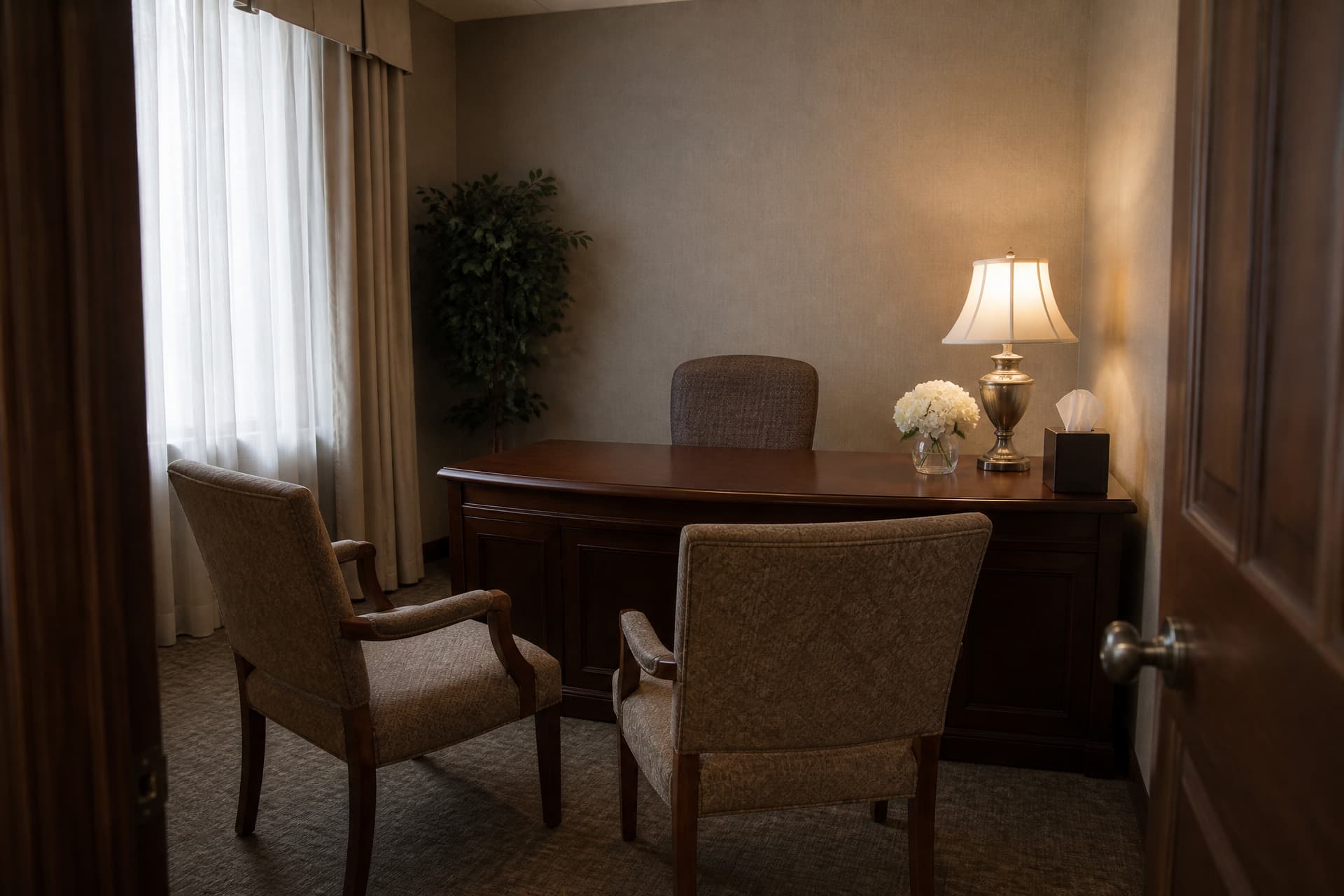
The room where the price list is legally required to be handed over, in person, before any discussion of arrangements. Asking for the itemized list is the single most useful thing you can do in it.
How to Spend Less Without Spending Less Care
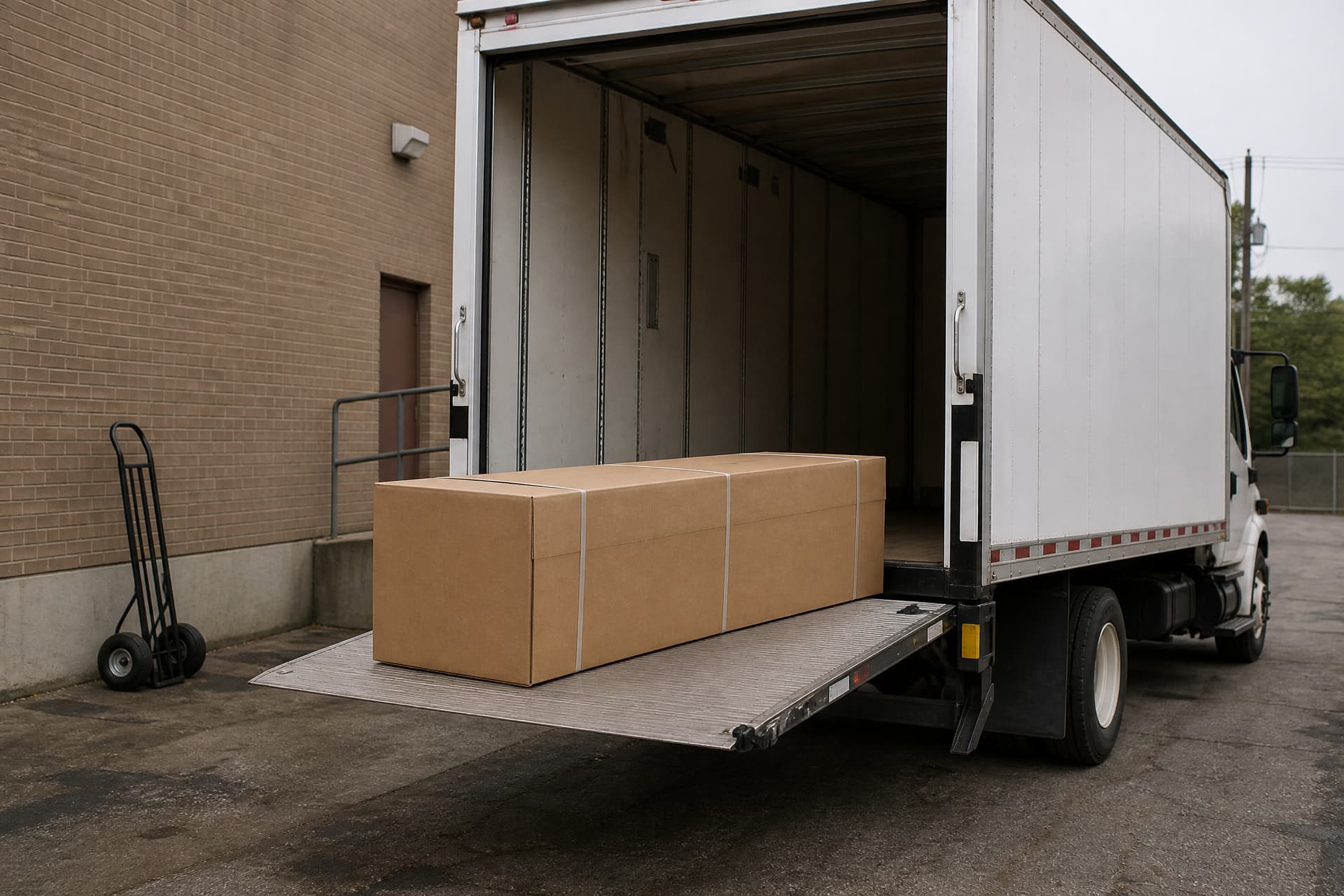
Buy online. The price difference is frequently thousands of dollars for the same or a comparable casket, and delivery to a funeral home is routine. Order early enough to allow shipping time.
Choose cremation with a rental casket. A rental casket is a finished outer shell with a removable inner container, used for the viewing and then returned. The family pays a few hundred dollars rather than a few thousand, and nobody at the service can tell.
Choose a simpler casket deliberately. A cloth-covered or plain hardwood casket is a legitimate choice, not a failure. Our cremation caskets and green caskets start far below the conventional range — green caskets from $284.
Skip what you do not want. Under the Funeral Rule you may decline any item that is not required by law or by the cemetery. Ask which is which, and ask for it in writing.
Compare before the day. This is the largest single lever and it costs nothing. Looking at casket prices a week early, at a kitchen table, produces a different decision from looking at them in a showroom an hour after choosing a burial plot.
What a Casket Costs, Roughly
Ranges rather than prices, because the same casket carries different numbers in different places.
The national median for a metal casket sits around $2,500, and the FTC uses a comparable figure in its consumer guidance. Anything quoted far above that is buying material and finish; anything far below usually means you are buying outside a funeral home, which is the point.
Prices at a third-party retailer typically run 40 to 70 percent below funeral home retail for a comparable casket. That is the same product from the same manufacturers, without the showroom.
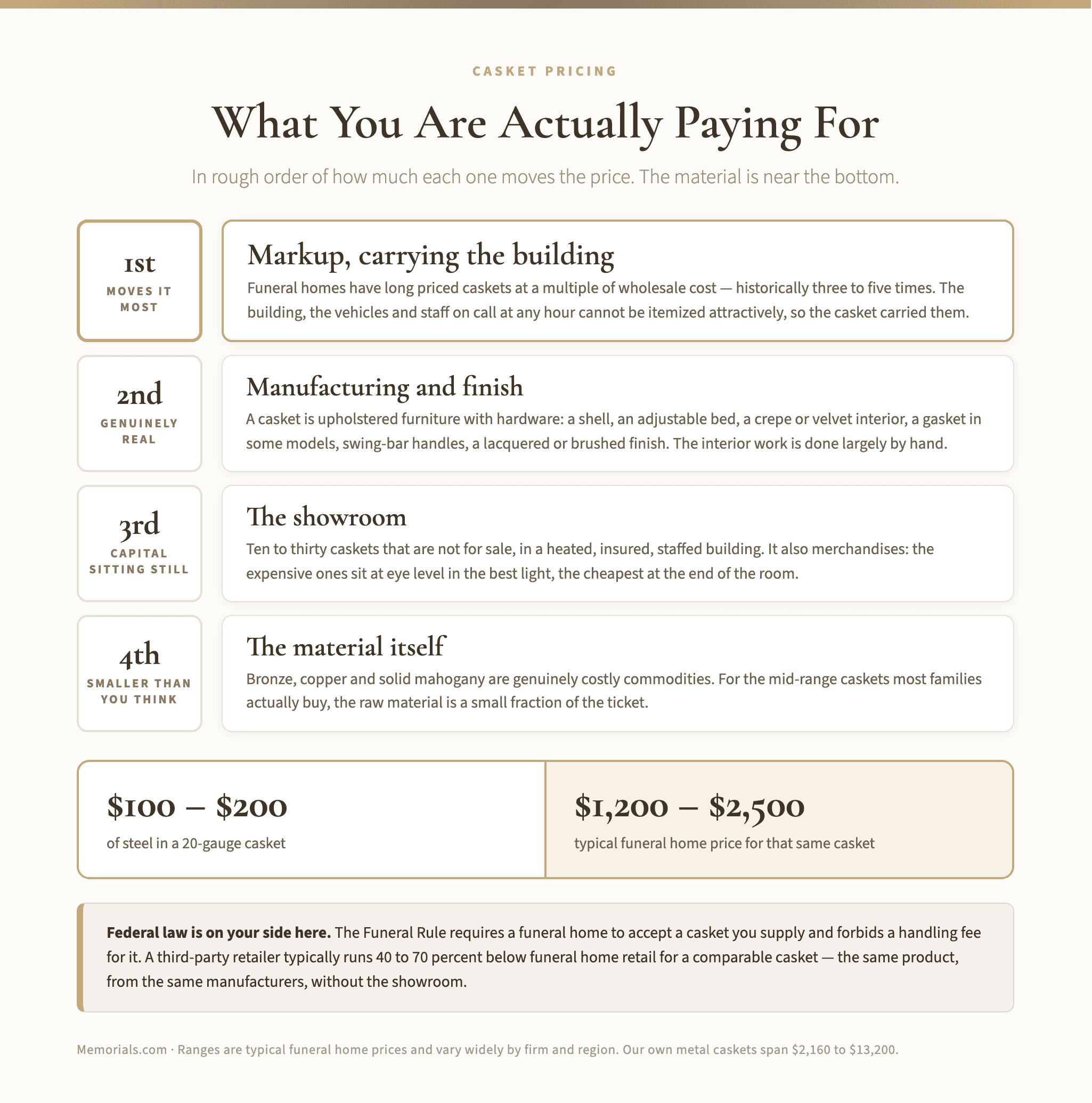
Ordered by how much each one moves the price. The material most people assume they are paying for sits at the bottom of the list.
Three Things That Are Not Required
Families often pay for these believing they must.
Embalming is almost never required by law. Most states require embalming or refrigeration if disposition is delayed, and refrigeration is cheaper. A funeral home may require it for a public viewing as a matter of its own policy, and must tell you that it is policy rather than law.
A casket for cremation is not required anywhere. The Funeral Rule requires every provider to offer an unfinished alternative container, and to tell you so.
A burial vault is not required by any state. Most cemeteries require one as their own condition of sale, which is a real requirement — but it comes from the cemetery, not the funeral home, and the cemetery is who to ask.
Each of those three is a place where "required" and "our policy" get blurred, and each is worth one direct question.
It is also worth knowing that a casket is not legally required for burial at all — can you be buried without a casket covers what the law says, and why the cemetery rather than the state is usually what decides.
Is a More Expensive Casket Better?
Better made, sometimes. Better looking, often, if that is what you want. Better at its job, no — and its job lasts a few days.
A casket carries someone from a funeral home to a grave, in front of people who loved them, and it looks dignified while doing it. A $1,200 casket does that as completely as a $9,000 one. What the extra money buys is material, finish and hardware, which are real things that some families genuinely want and should not feel bad about buying.
What it does not buy is time. A sealed bronze casket will outlast a pine one by a century, and that changes nothing anyone will experience — our article on whether caskets decompose covers what actually happens underground.
The protection claim is the one to treat most carefully: do caskets decompose sets out what actually happens underground, and how little a sealed lid changes it.
Why It Feels Worse Than It Is
There is a reason this question gets asked with an edge to it, and it is not really about the money.
Buying a casket is a purchase nobody researches in advance, made in a week when concentration is gone, from someone who is kind to you, about an object that stands in for a person. Every ordinary consumer instinct — shop around, sleep on it, ask what the cheap one lacks — feels inappropriate in that room, and the discomfort of applying them is real.
So families do not apply them, and afterward, when the bill arrives and the fog lifts, the number looks like what it is. The resentment that follows is usually aimed at the casket, and the casket is only where it landed.
The practical answer is to move the decision out of that room. Look at prices beforehand, decide roughly what you are willing to spend, and tell the funeral director the number when you arrive. A good one will work inside it without comment. That single sentence does more than any amount of negotiating on the day.
Frequently Asked Questions
Why are caskets so expensive compared with other furniture?
Because they carry the funeral home's margin. The materials in a mid-range casket cost a few hundred dollars; the retail price reflects an industry-standard markup of three to five times wholesale, which historically covered the building, vehicles and round-the-clock staff that could not be itemized attractively.
Can I buy a casket somewhere other than the funeral home?
Yes, and this is federal law. The FTC's Funeral Rule requires the funeral home to accept a casket you bought elsewhere, forbids a handling fee, and forbids requiring you to be there for delivery.
What is the cheapest legal option?
No state requires a casket at all for cremation, and most do not require one for burial either — though nearly every conventional cemetery requires some rigid container. An unfinished wood box or a cardboard alternative container is the floor, and it is entirely lawful.
Do funeral homes have to show me the cheapest casket?
They have to give you a casket price list covering everything they offer, before showing you any caskets. Some showrooms do not display the least expensive models. Ask to see the list and then ask to see the one you want.
Why is a sealed casket more expensive?
A gasket, a locking mechanism and the heavier construction that goes with them. It is a real manufacturing difference. What it is not is a way to preserve remains, and no provider may claim that it is.
Does a more expensive casket mean a better funeral?
No. It is the one line on a funeral bill most disconnected from what anyone attending will remember, which is also why it is the easiest place to save money without anybody feeling the difference.
The Short Version
Casket pricing explained in one sentence: you are paying a large retail markup on a piece of upholstered furniture, in a room designed to make the larger number feel appropriate, at a moment when you are least likely to argue.
Knowing that is not cynicism. It is the thing that lets you buy the casket you actually want — which may well be a nice one — rather than the one the sequence was steering toward. Our funeral planning guide covers the rest of the decisions, and what a funeral costs puts the casket in the context of the whole bill.