🏬Supersize Online Funeral Retailer🪦1000's of Headstones⚱️Over 10,000 Cremation Urns⚰️Caskets Overnight Delivery🛒Funeral & Memorial Superstore🚚FREE Shipping on ALL Orders👨👩👧👦Helping Families for over 20 Years💰Lowest Price Guarantee🏬Supersize Online Funeral Retailer🪦1000's of Headstones⚱️Over 10,000 Cremation Urns⚰️Caskets Overnight Delivery🛒Funeral & Memorial Superstore🚚FREE Shipping on ALL Orders👨👩👧👦Helping Families for over 20 Years💰Lowest Price Guarantee
🏬Supersize Online Funeral Retailer🪦1000's of Headstones⚱️Over 10,000 Cremation Urns⚰️Caskets Overnight Delivery🛒Funeral & Memorial Superstore🚚FREE Shipping on ALL Orders👨👩👧👦Helping Families for over 20 Years💰Lowest Price Guarantee🏬Supersize Online Funeral Retailer🪦1000's of Headstones⚱️Over 10,000 Cremation Urns⚰️Caskets Overnight Delivery🛒Funeral & Memorial Superstore🚚FREE Shipping on ALL Orders👨👩👧👦Helping Families for over 20 Years💰Lowest Price Guarantee
Yes. Do caskets decompose is one of those questions with a plain answer people are rarely given: everything buried in the ground breaks down eventually, and a casket is no exception. A wooden one takes roughly 10 to 20 years. A metal one can take 50 years or considerably more.
What varies is not whether it happens but how long it takes, and the three things that decide it are the material, the soil, and whether there is a burial vault around it.
Nothing buried is permanent. That is worth saying plainly, because a great deal of what gets said during a casket sale implies otherwise.
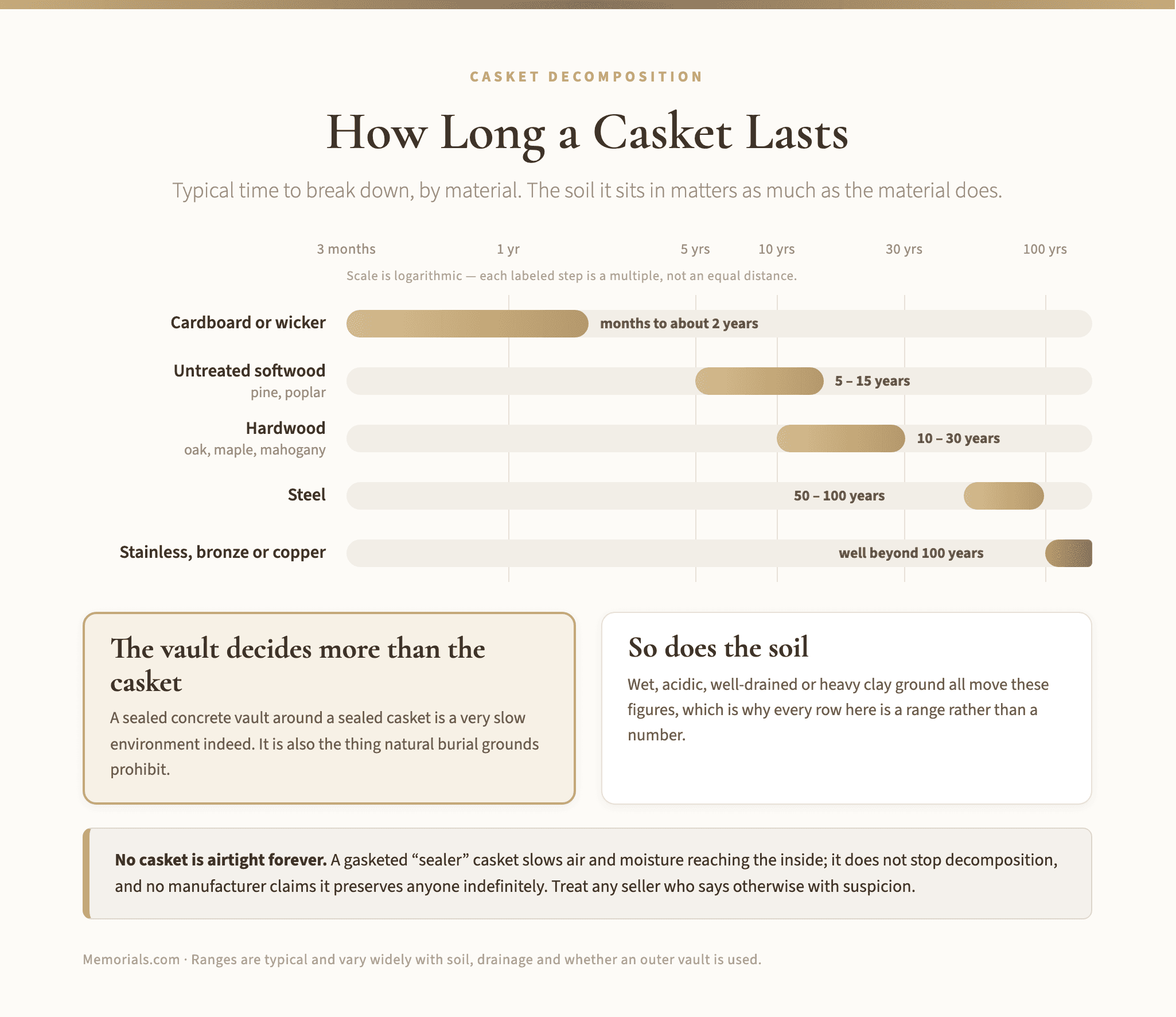
How long does a casket last, then, is a question with a range rather than a number. These are ranges, not schedules, and the spread inside each one is wide. A pine casket in wet acidic soil may be gone in five years; the same casket in dry sandy ground may last twenty.
Metal does not decompose in the way wood does. It corrodes. Steel rusts through from the outside in, faster where there is moisture and oxygen, slower where the ground is dry and stable. Bronze and copper do not rust at all — they develop a surface patina and then essentially stop, which is why a bronze casket is effectively permanent on any human timescale.
The scale is logarithmic, so each labeled step is a multiple rather than an equal distance. Even so, the spread from cardboard to bronze is the widest range in any table on this page.
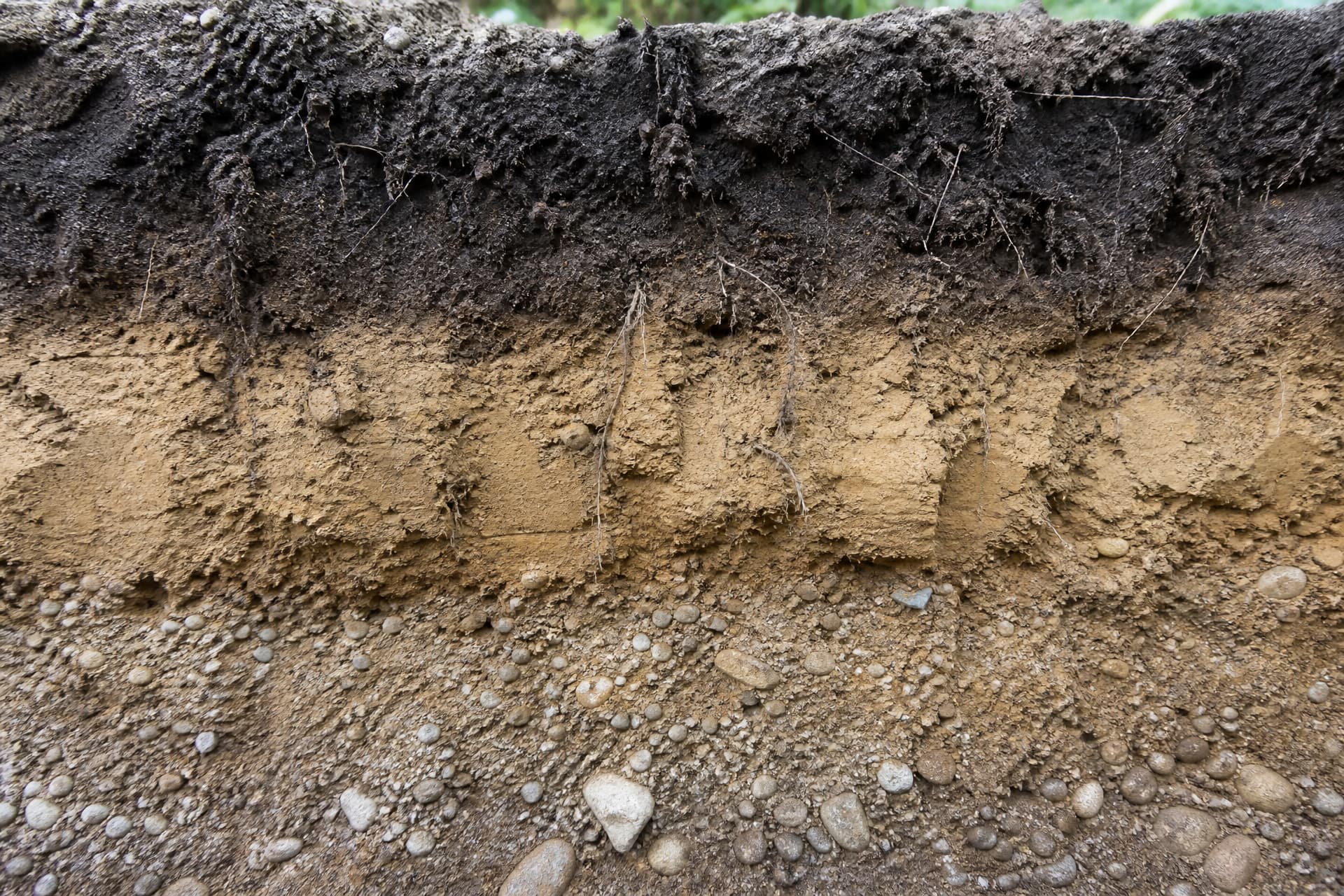
Wet ground accelerates everything. Acidic soil accelerates it further. Clay holds water against the casket; sand drains and slows the process. A high water table means a casket that is periodically submerged, and that is the fastest environment of all.
This is why two identical caskets in two different cemeteries — or two different corners of the same cemetery — can be in very different condition after the same number of years.
Whether there is a vault
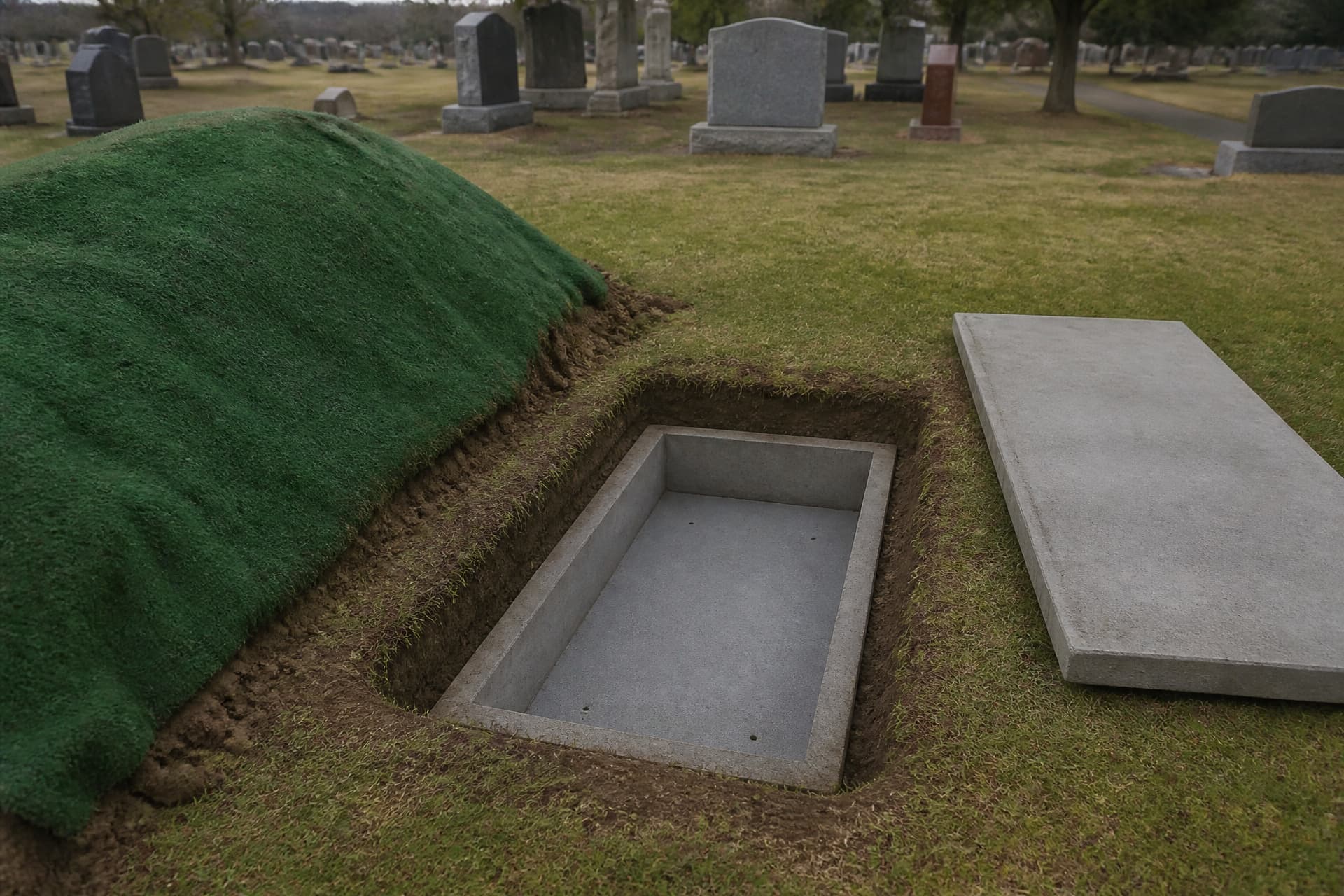
A burial vault or grave liner is a concrete, plastic or metal box that the casket sits inside. Most cemeteries in the United States require one, and the reason is groundskeeping rather than preservation: without a vault, the casket eventually collapses and the grave surface sinks, which makes mowing difficult and headstones tilt.
A vault does slow decomposition, sometimes dramatically. A sealed concrete vault keeps most soil and water away from the casket for decades. It does not stop the process, and a vault is not waterproof forever — the seal degrades, the concrete cracks, and groundwater finds its way in.
Our guide to what a burial vault is covers why cemeteries require them and what they cost.
Depth and temperature
Deeper is slower. The standard grave depth places the casket well below the zone where temperature swings and biological activity are highest, which is part of why the practice exists. Colder climates slow everything; warm wet ones speed it up.
The ground does most of the work, and it differs from one cemetery to the next. Wet, acidic, well-drained and heavy clay soils all move the figures above, which is why each one is a range.
The Sealed Casket Question
This is where the topic gets genuinely contentious, and families deserve a straight answer.
A "sealed", "protective" or "gasketed" casket has a rubber gasket around the lid and a locking mechanism that compresses it. The pitch is that it keeps air and water out.
It does, for a while. What happens next is the part nobody mentions during the sale: sealing a casket does not stop decomposition, it changes it. A sealed container with no oxygen favors anaerobic bacteria, which produce gas and liquid rather than the drier breakdown that happens in a casket that breathes. Some funeral professionals argue this makes the interior condition worse over time, not better.
The Federal Trade Commission's Funeral Rule addresses this directly. A funeral provider may not claim that a casket, a vault or embalming will preserve remains indefinitely. If anyone tells you otherwise, they are making a claim the federal rules specifically forbid.
A gasketed casket is a reasonable thing to buy if you want it. It is not a way to stop time, and it should not command a price step on that basis.
What About the Body?
Most people asking about the casket are really asking about this, so it is worth answering.
Without embalming and in an ordinary casket, soft tissue breaks down over roughly a year to a decade depending on the same soil conditions above, leaving the skeleton. Bone lasts far longer — decades to centuries, and in the right conditions much longer still.
Embalming delays the early stages by weeks or months, not years. It is a temporary measure designed to make a viewing possible, and our guide to the embalming process explains what it does and how long it holds.
Cremation is the other answer entirely — there is nothing left to decompose, which is one reason families choosing cremation rarely ask this question at all.
Green or natural burial is a deliberate choice in the opposite direction, and it is growing fast.
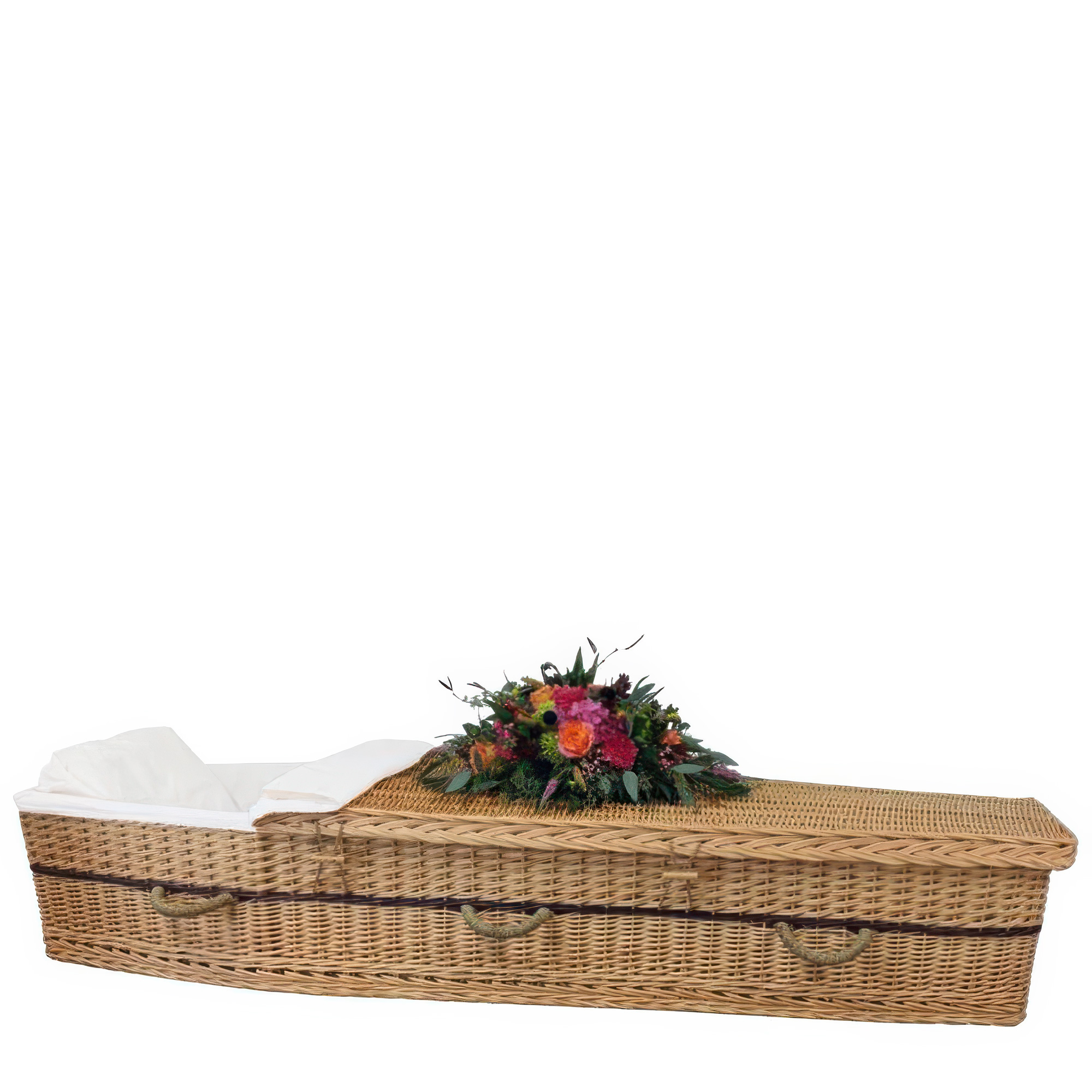
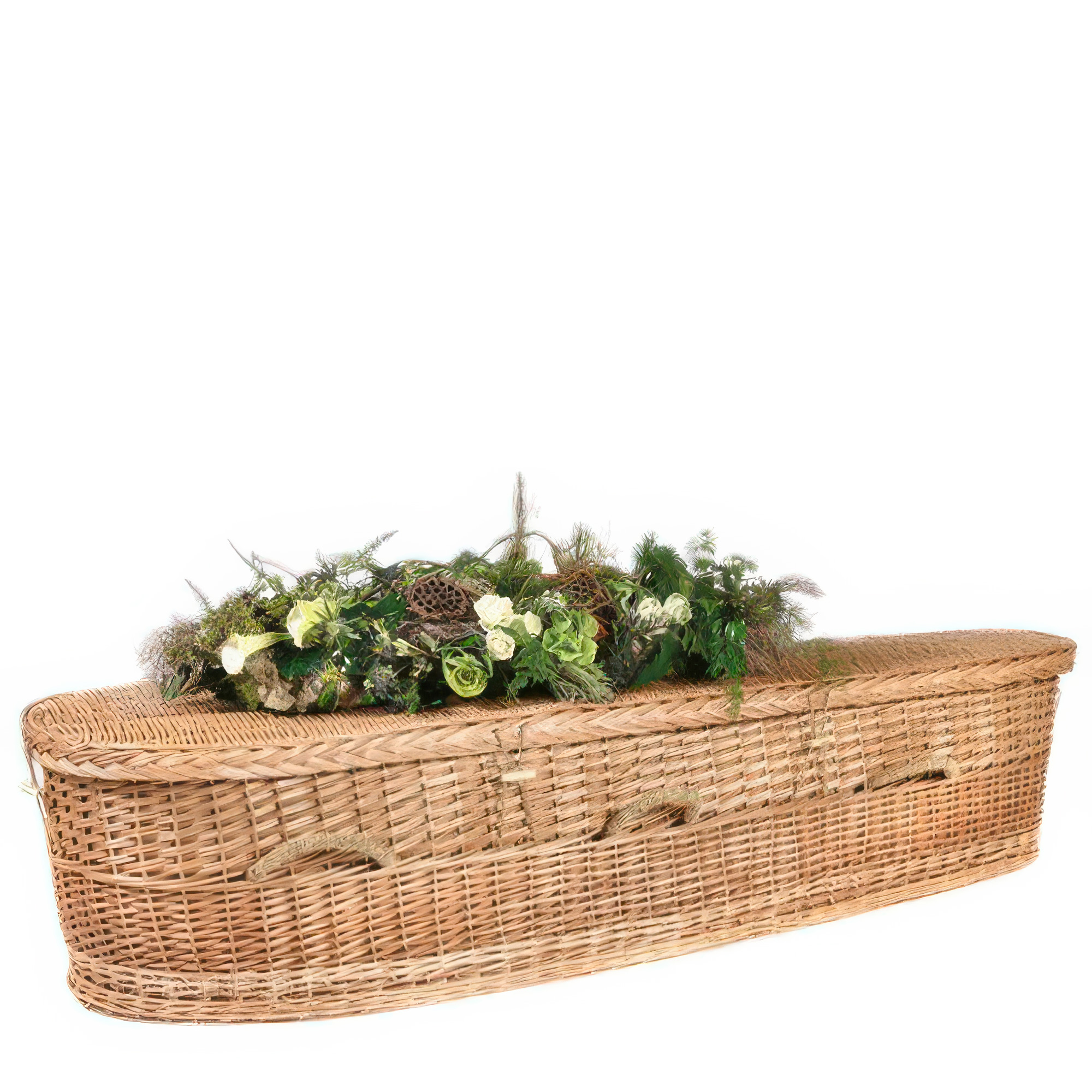
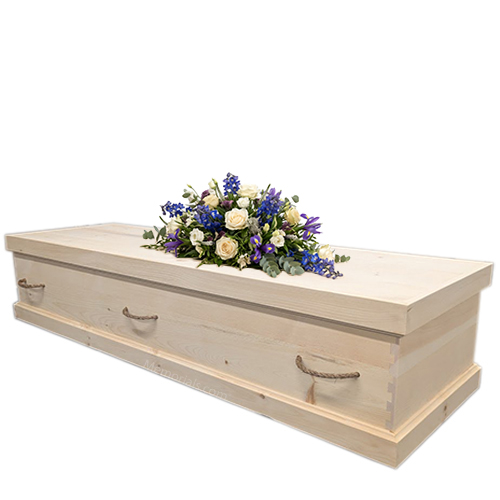
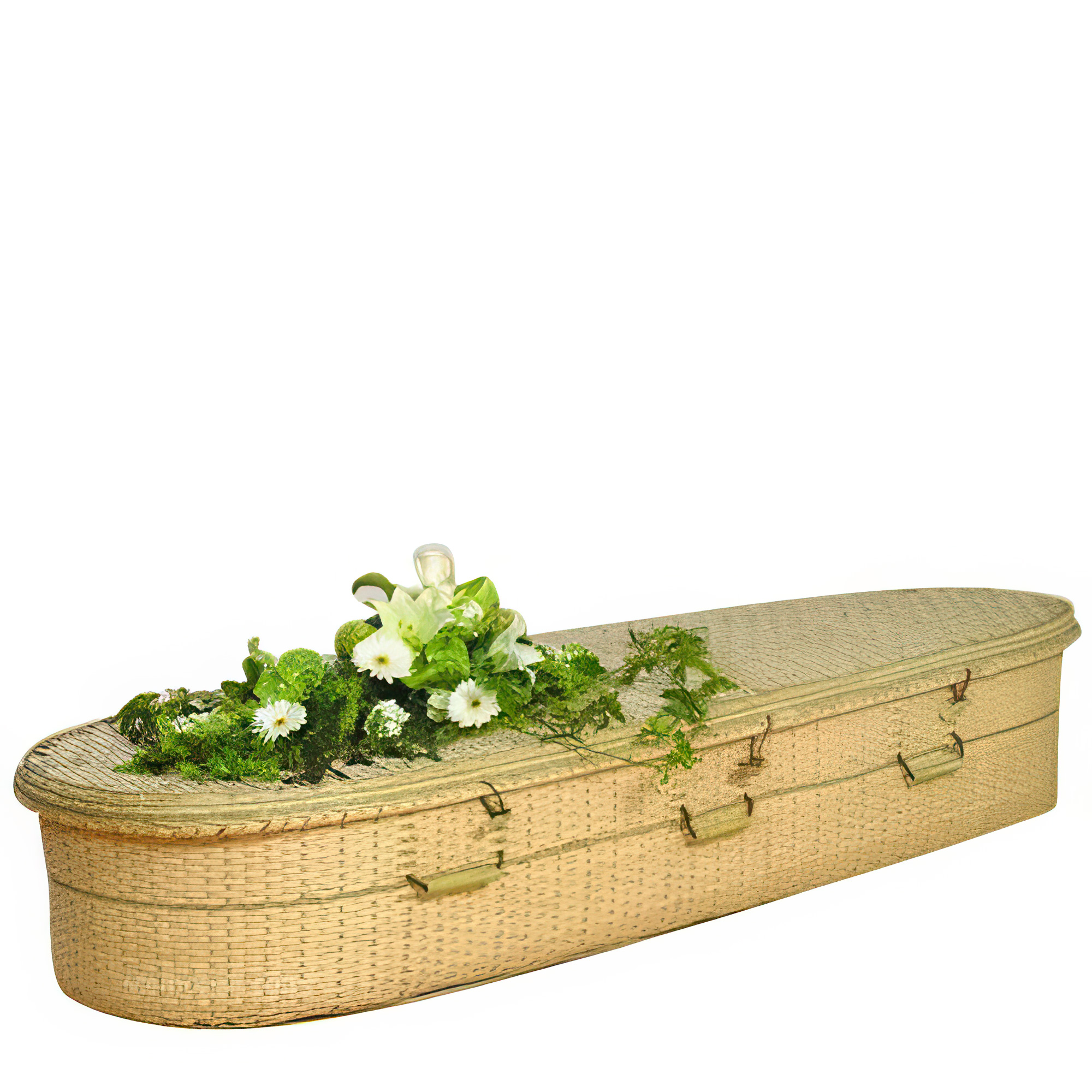
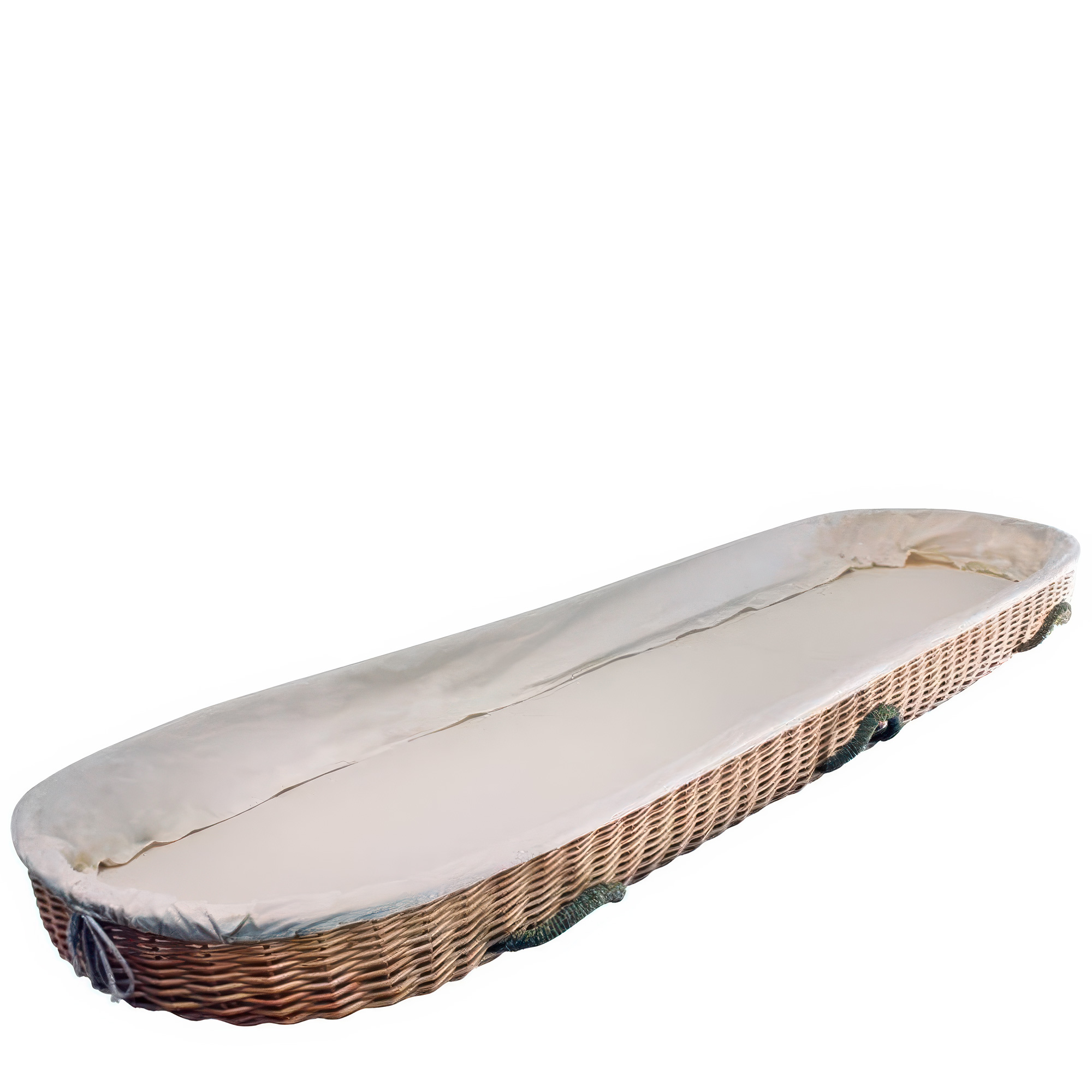
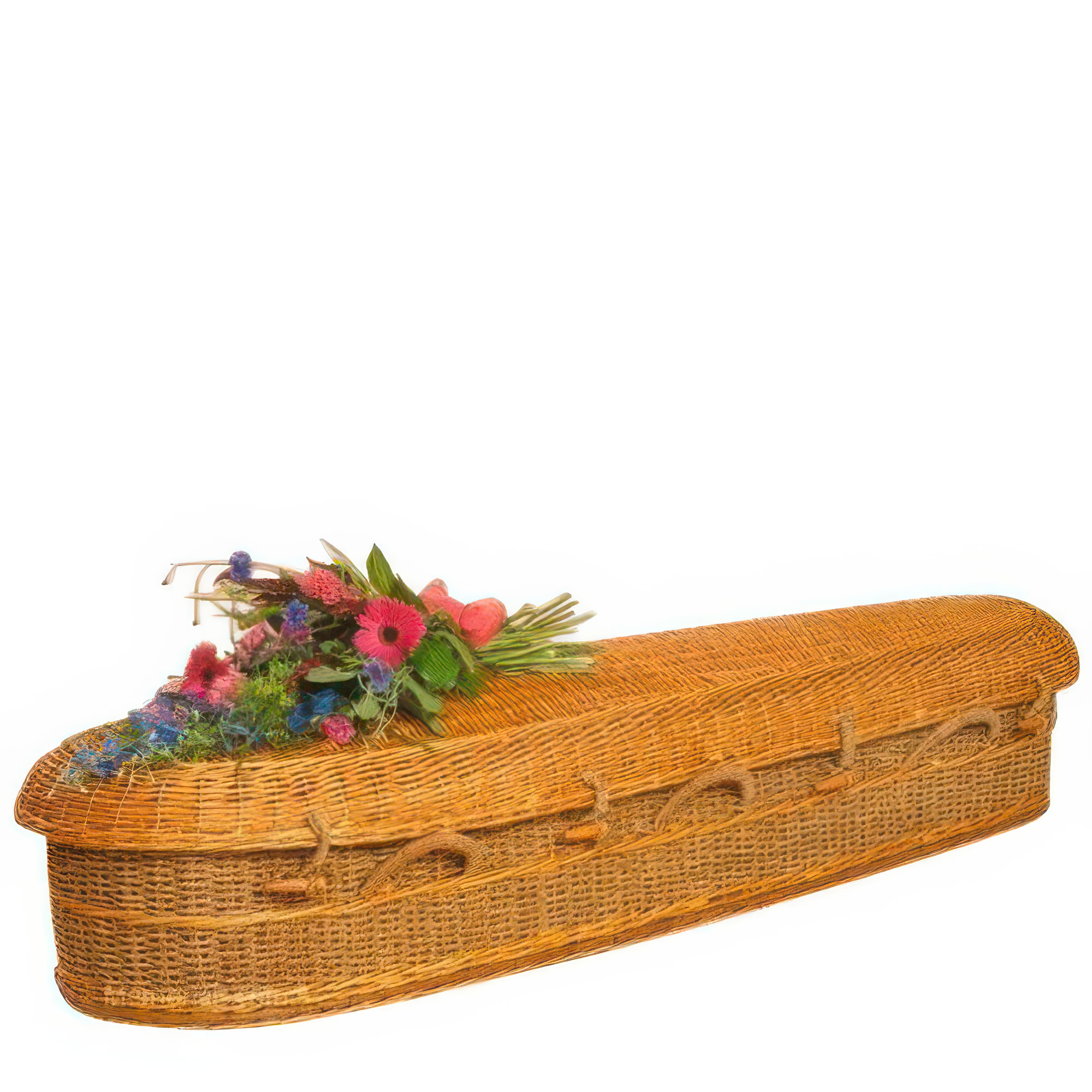
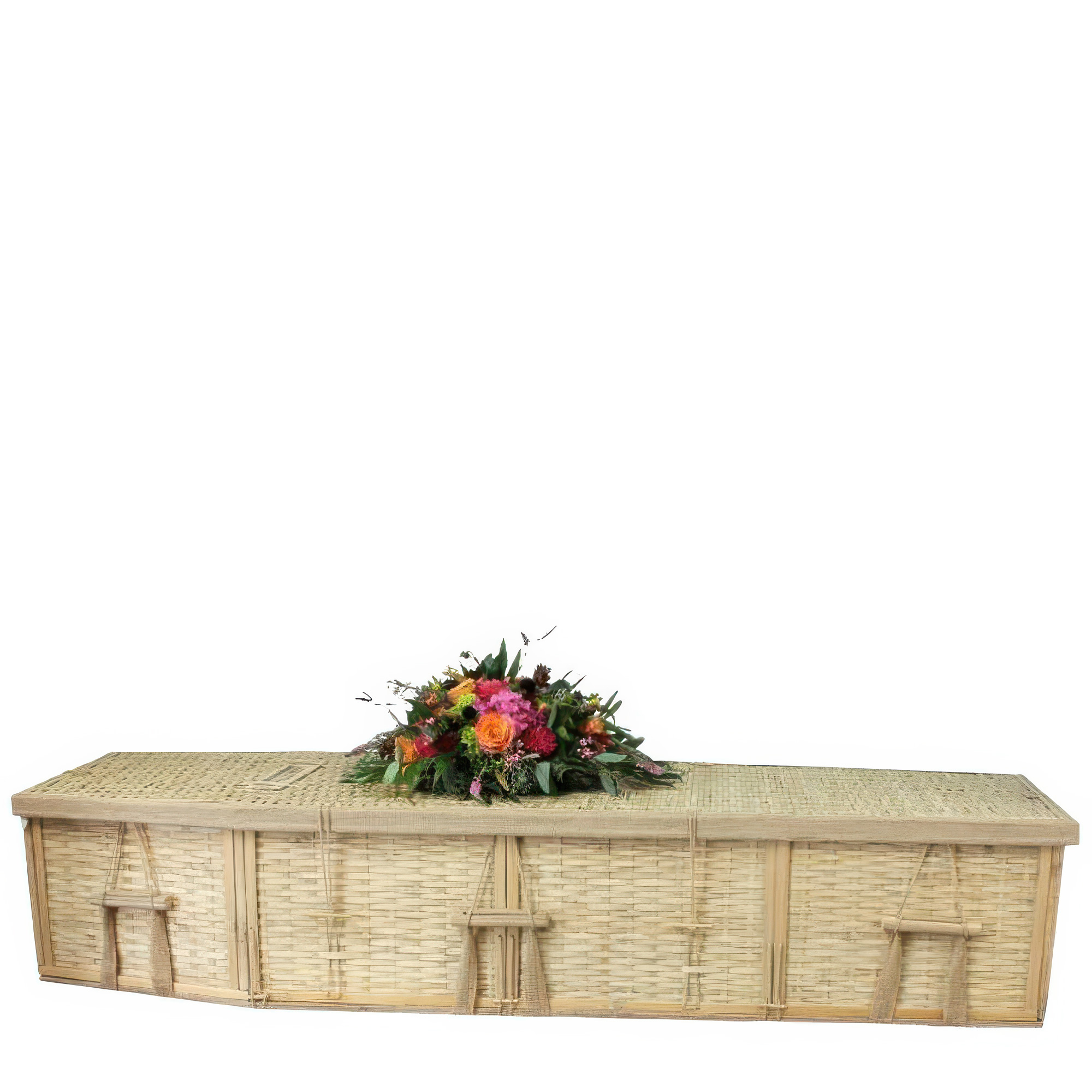
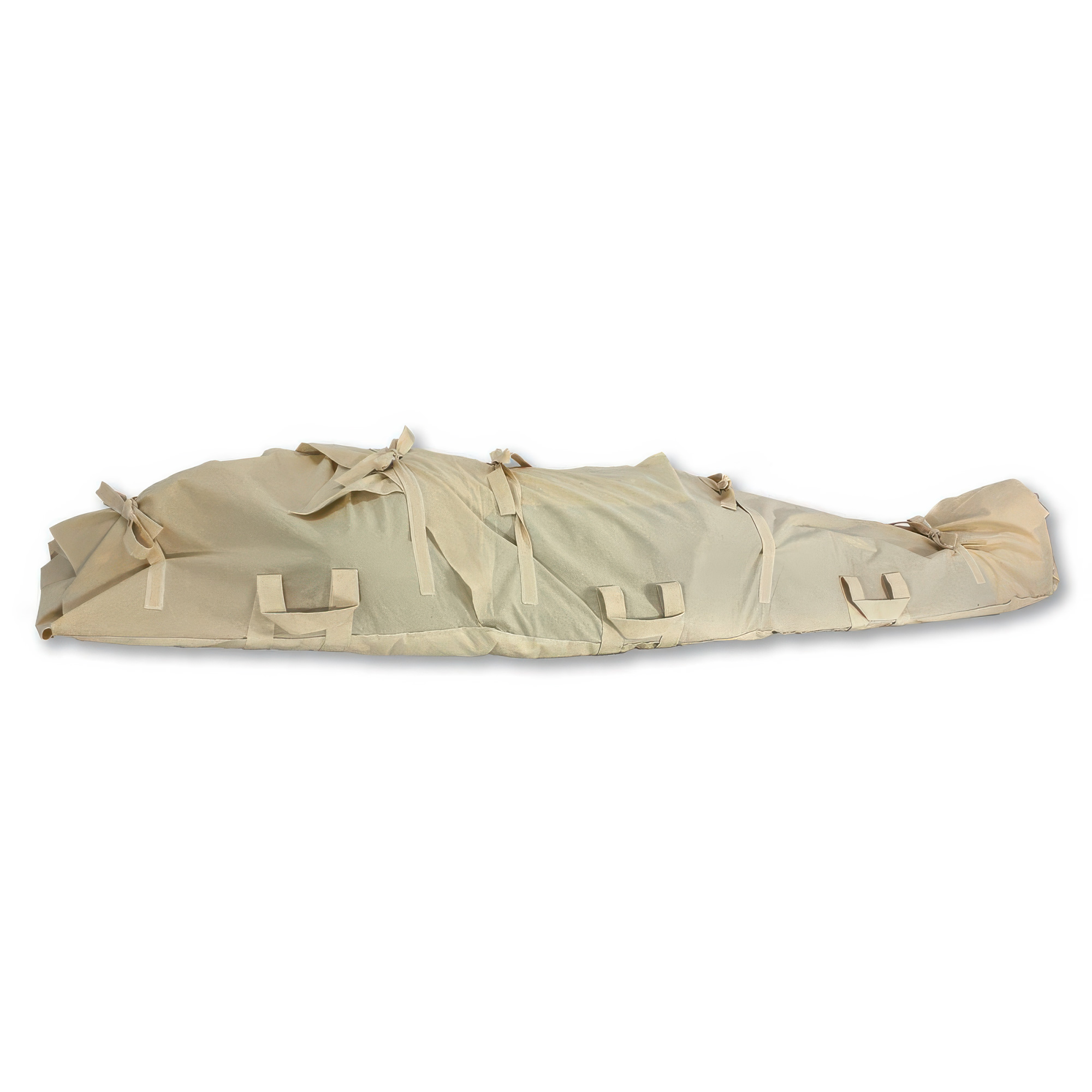
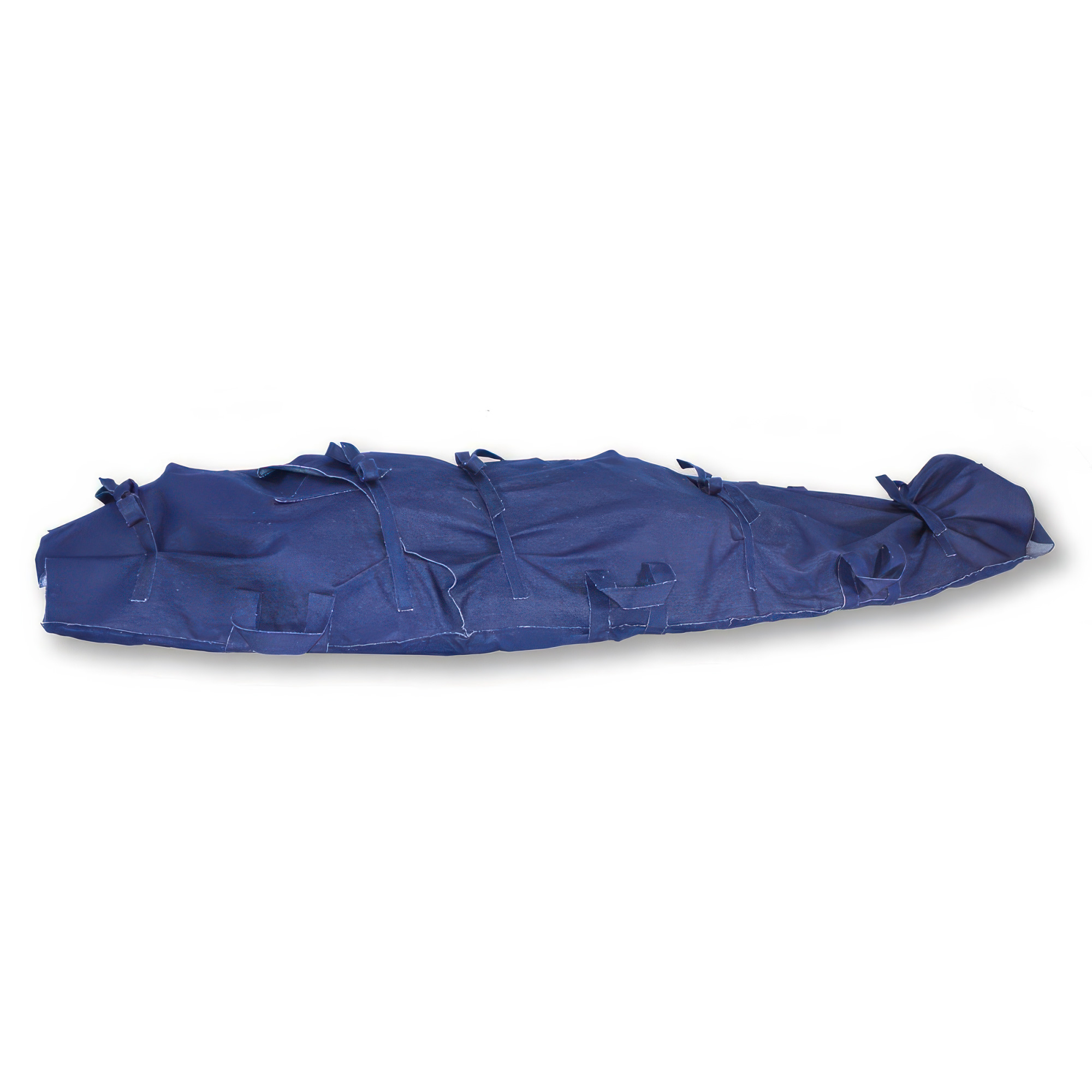
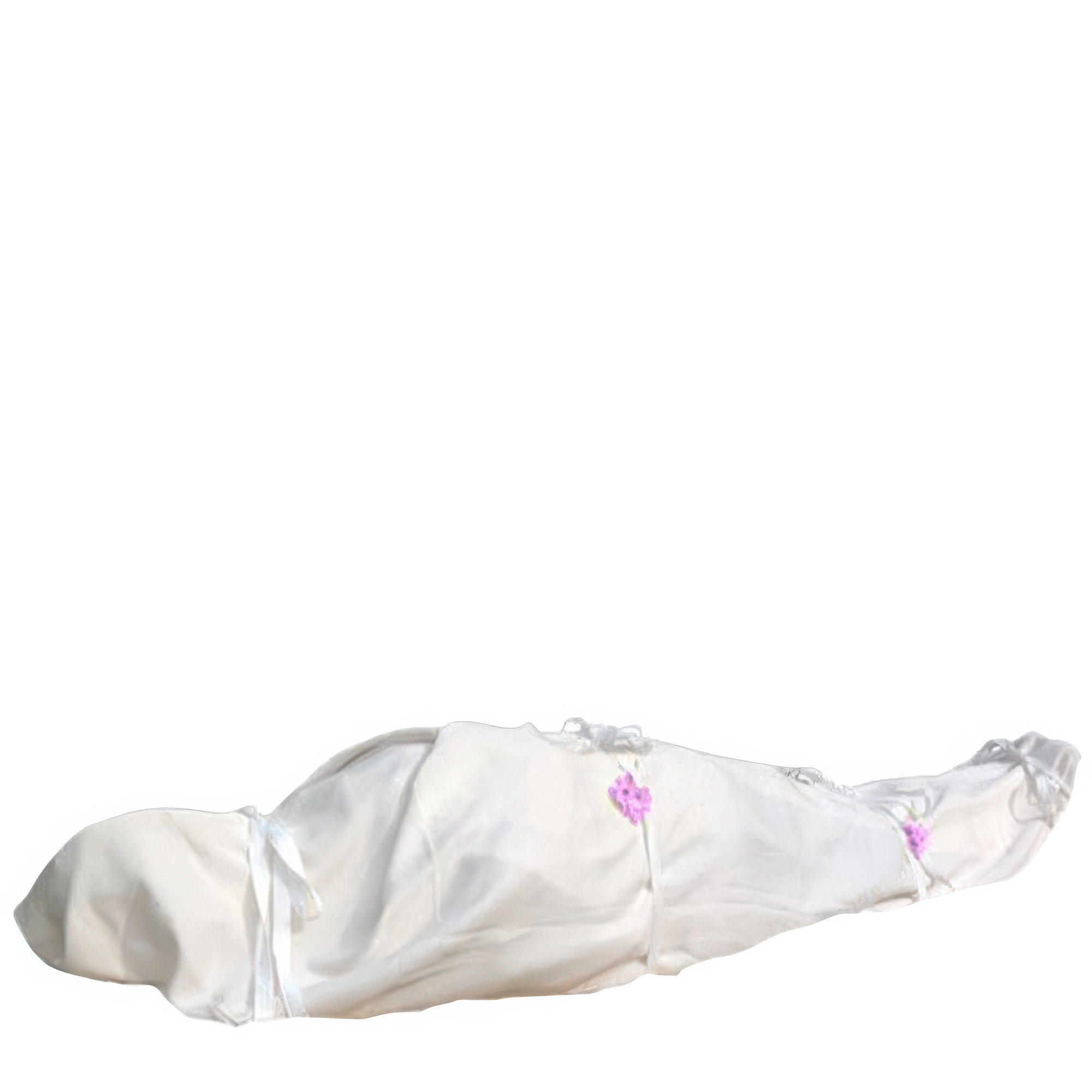
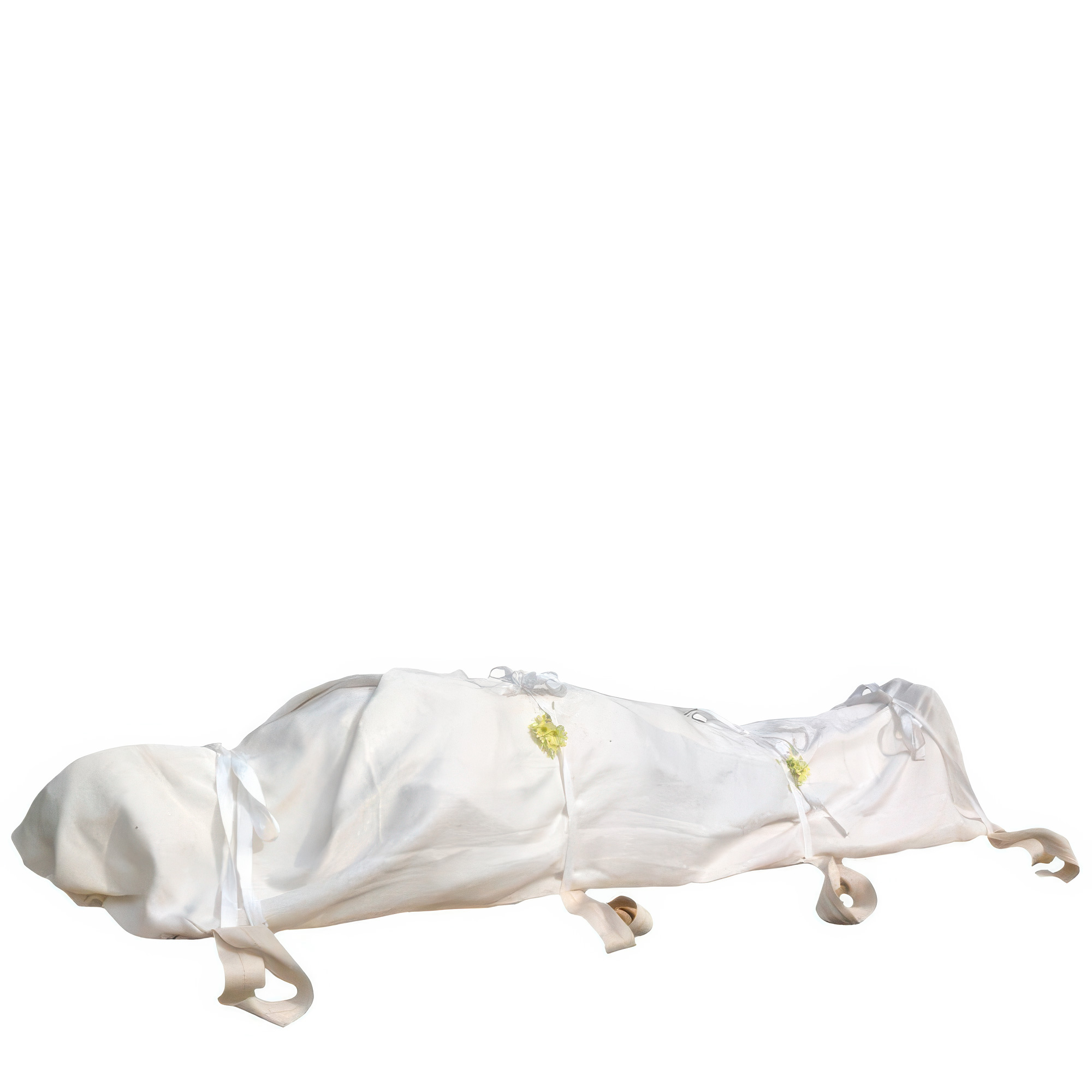
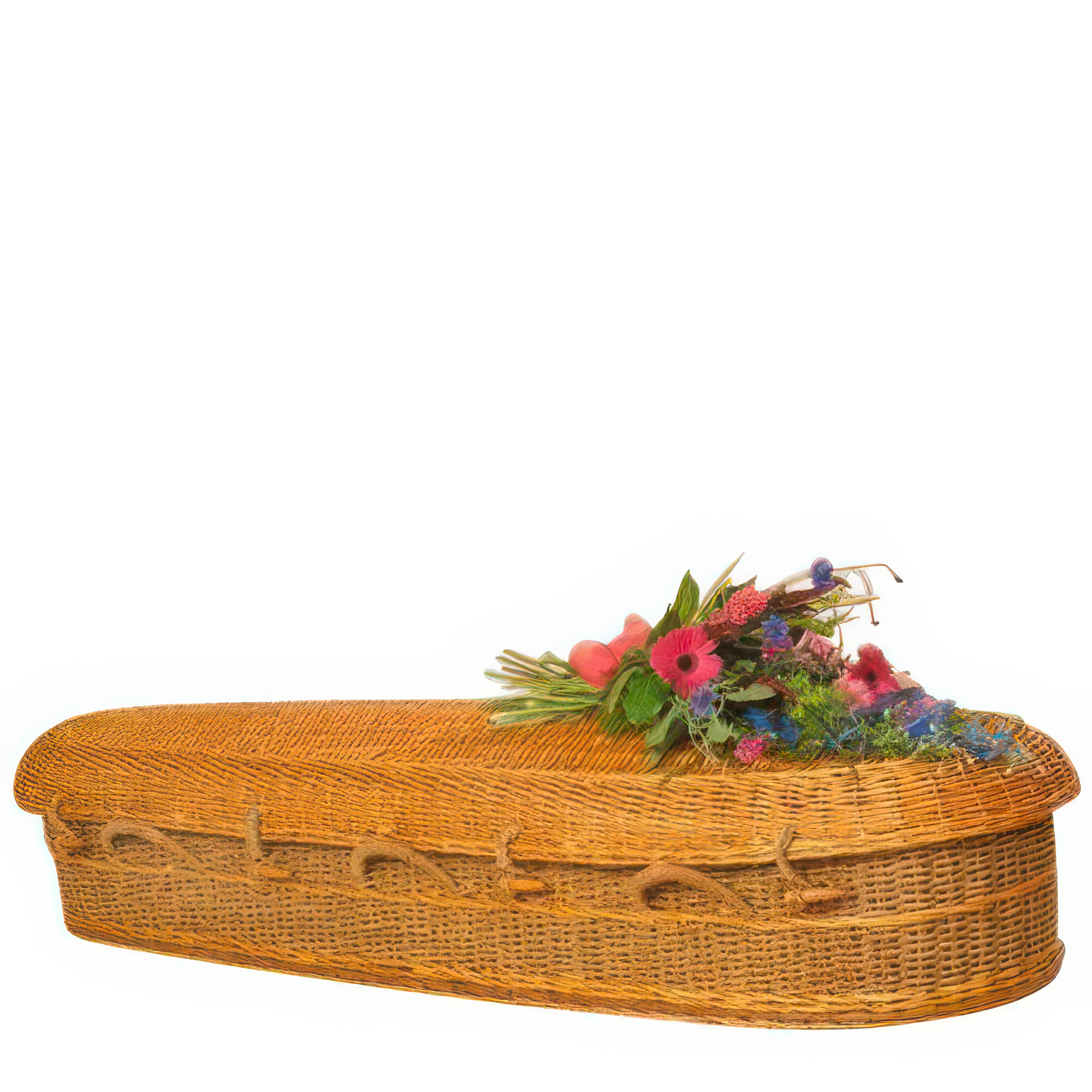
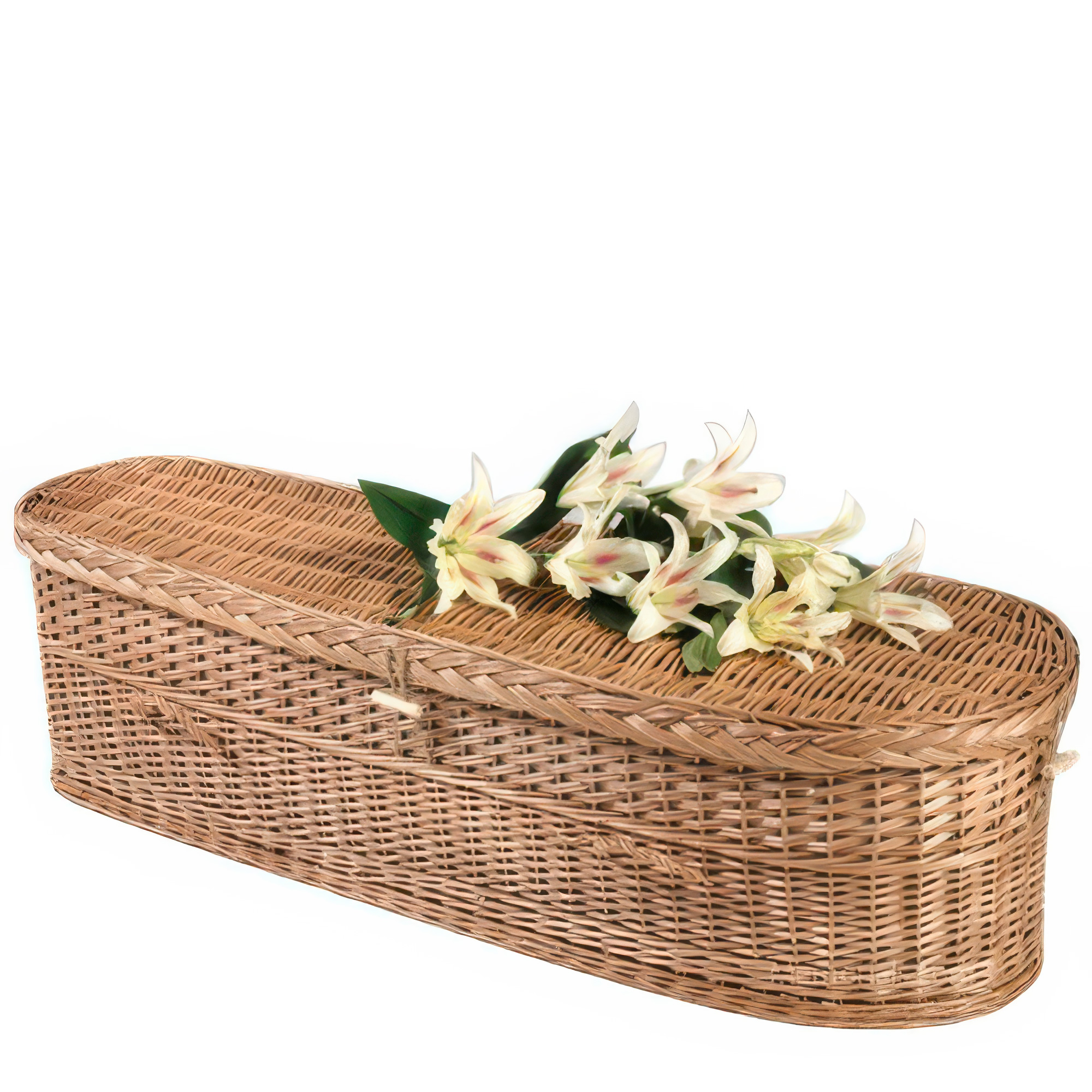
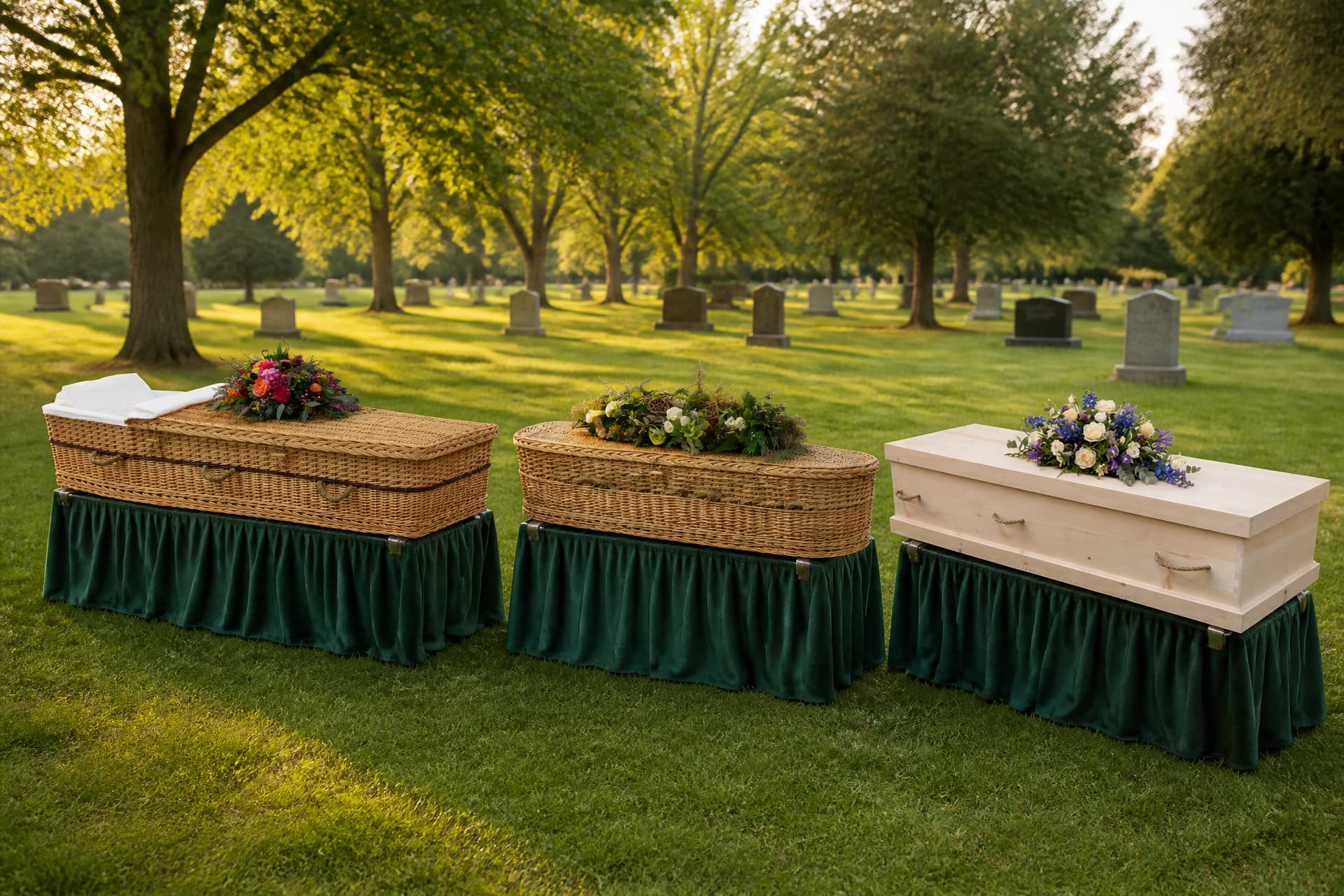
A natural burial uses a biodegradable container — unfinished pine, wicker, seagrass, bamboo, cardboard or simply a shroud — with no metal hardware, no sealing gasket, no vault and usually no embalming. The point is to return the body to the soil rather than to hold it apart from it, and a casket that is gone in a year or two is the intended outcome rather than a failure.
Natural burial grounds have their own rules, and most require biodegradable materials and forbid vaults outright. Our green caskets are built for this and run from $284 to $2,995 — the low end being a plain unfinished box, the high end a finished hardwood casket with no metal in it.
It is worth checking what a particular cemetery permits before committing. A conventional cemetery that requires a vault has effectively ruled out natural burial, whatever casket you choose.
What This Looks Like in Practice
Cemeteries know all of this, because they deal with the consequences.
Grave settling. Without a vault, the ground above a grave subsides as the casket gives way, sometimes noticeably within a decade. Groundskeepers top it up with soil and reseed, and a headstone set on the grave will need resetting. This is the single practical reason most cemeteries require vaults, and it has nothing to do with preservation.
Reopening a grave. A grave may be reopened for a second interment in a double-depth plot, or for a disinterment. What is found depends entirely on time and soil, and cemeteries handle this routinely and privately. If a family is planning a companion burial decades apart, the cemetery will explain how the plot is arranged.
Mausoleum entombment is different. Above-ground entombment in a crypt keeps the casket out of the soil entirely. Decomposition still happens — it is a sealed space, not a preserved one — but the timeline and the conditions are different from burial, and the casket itself may remain structurally intact for a very long time.
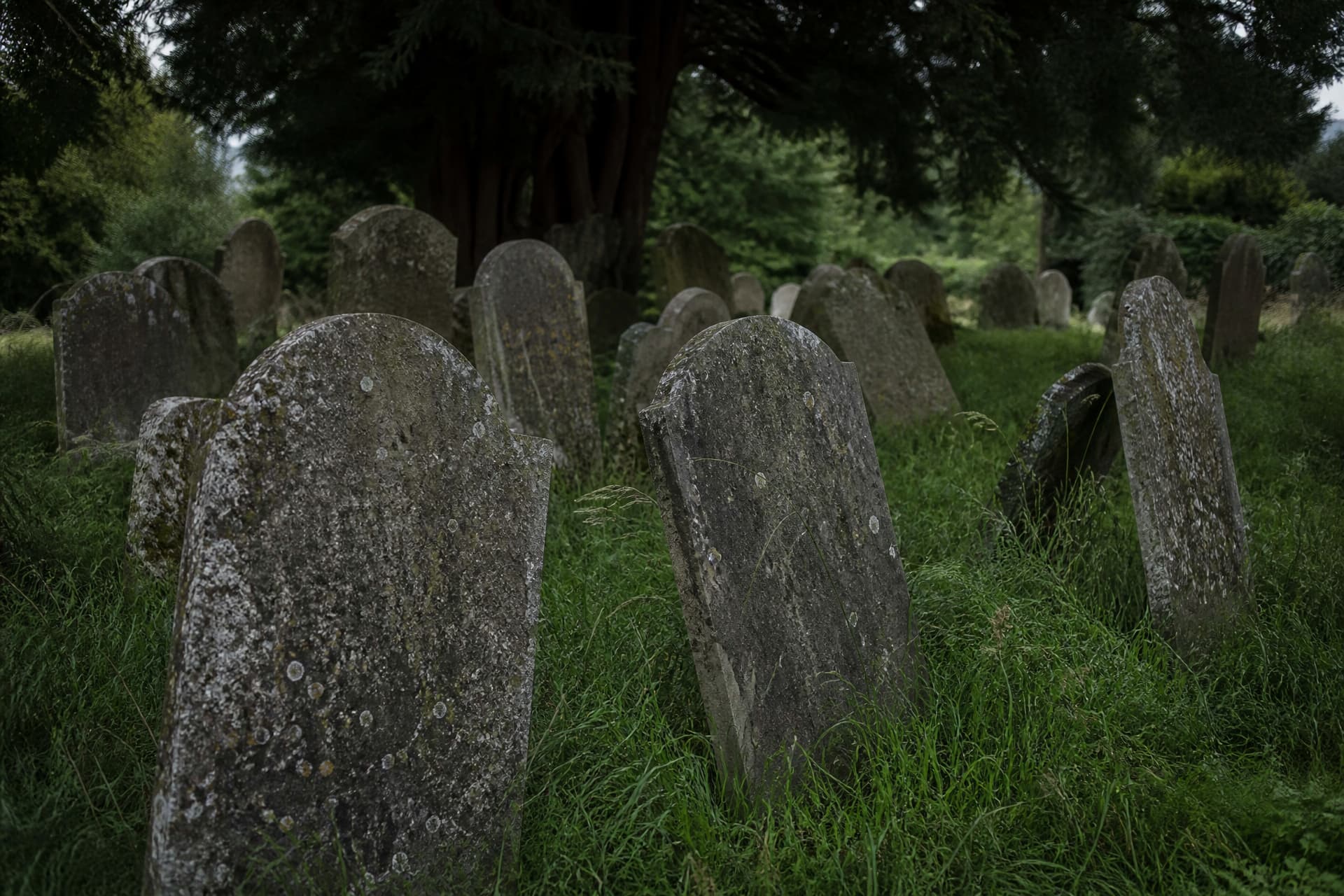
Very old cemeteries. Graves from the 1800s often have no vault and a plain wood casket, and after 150 years there is typically nothing left but bone and metal fittings — handles, screws, nameplate. Archaeologists relocating historic cemeteries report precisely this.
Why Cemeteries Require a Vault
The decomposition question is exactly why the burial vault exists, and the reason is more mundane than people assume.
As a casket breaks down, the ground above it settles. On a single grave that produces a dip; across a section it produces an uneven, sunken lawn that is difficult to mow, awkward to walk on and expensive to keep level. A concrete vault or grave liner carries the weight of the earth so the surface stays flat.
That is a groundskeeping requirement rather than a health one, and it is worth being clear that it is a cemetery rule and not a state law. No state requires a burial vault. Individual cemeteries do, and most conventional ones in the US do.
It follows that the vault, not the casket, is what most determines how long anything lasts down there. A sealed vault holding a sealed casket is a very slow environment indeed. This is also precisely what natural burial grounds prohibit, and why they can accept a shroud or a cardboard coffin where a conventional cemetery would want a liner around it.
This, not the casket, is what most decides how long anything lasts down there. It is a groundskeeping requirement rather than a health one, and no state law requires it.
Families who want the fastest breakdown often end up asking whether they need a container at all — can you be buried without a casket covers shroud burial, and what the law and the cemetery each require.
Does It Matter?
For most families, honestly, not much — and it is worth saying so.
A casket underground is doing a job that lasts days: it carries someone from a funeral home to a graveside with dignity, in front of people who loved them. What happens to it over the following decades is not something anyone will see, and it is not a measure of how well the person was cared for.
Where it does matter is when it is used to sell. "Protection" language, gasket upgrades and vault upsells all lean on an unstated promise about the long term, and that promise cannot be kept. Knowing that a wood casket lasts a decade or two and a bronze one lasts indefinitely is mostly useful as a defense against being sold the difference as though it were something else.
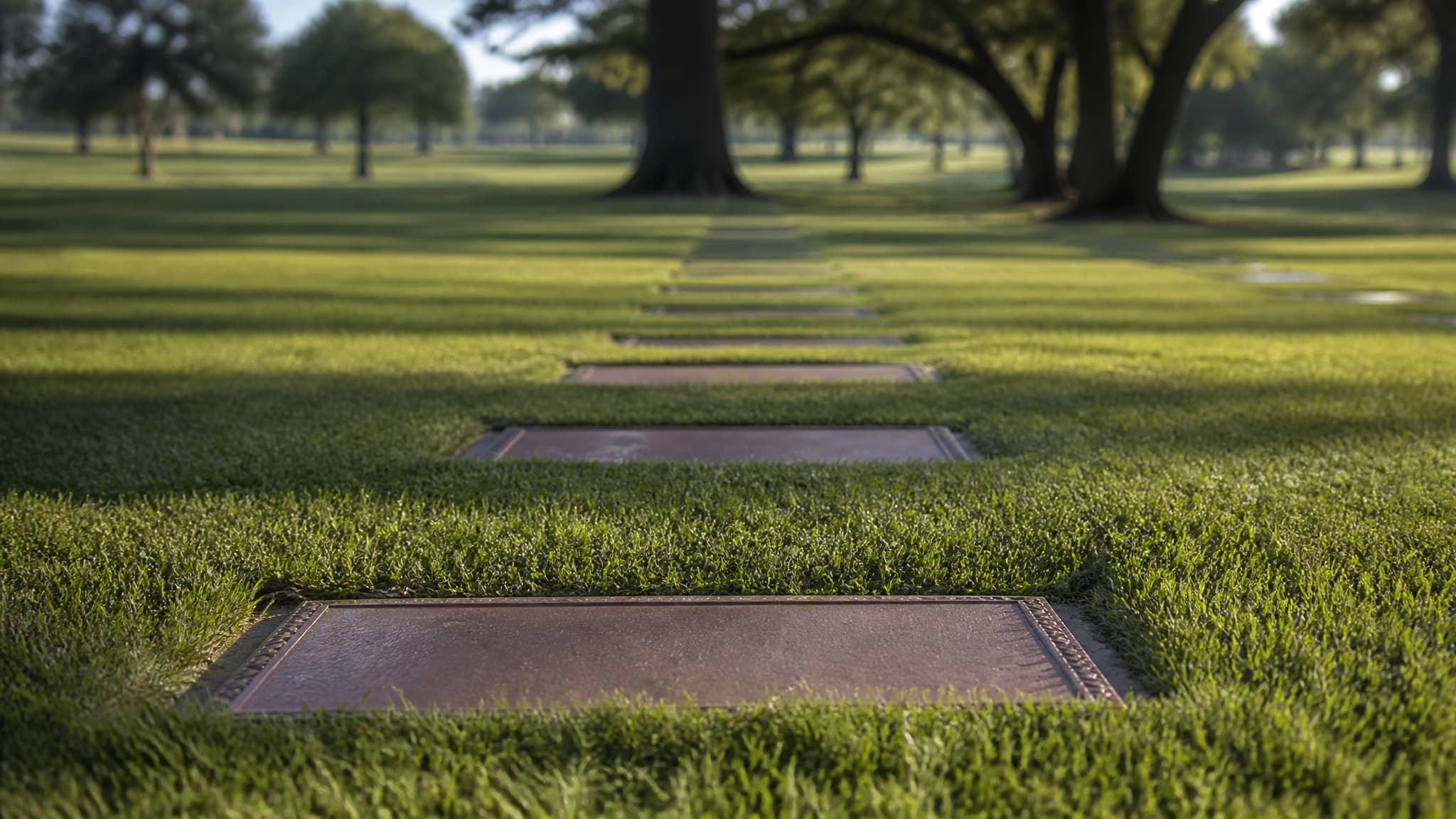
A century on, the ground here has long since finished with everything buried in it. That is the ordinary outcome, and for most families it is a reassurance rather than a worry.
Where the Question Usually Comes From
People arrive at this question by three different routes, and the useful answer differs for each.
Choosing a casket, and being offered protection. The question is really "is the expensive one worth it?" The honest answer is that a bronze casket will outlast a pine one by a century and that this changes nothing anyone will experience. Buy the casket you want to look at during the service, at a price you are comfortable with, and treat longevity claims as decoration.
Considering green burial, and wanting reassurance it works. It works, quickly, and that is the design. The only thing to check is whether the cemetery permits it, because a vault requirement makes the casket choice irrelevant.
Simple curiosity, often years after a death. There is no upsetting answer waiting here. The ordinary process of soil and time is not a failure of care, and people are frequently relieved to hear it described plainly rather than avoided.
Whichever route brought you, the thing that does last is the marker. Granite and bronze markers are specified in centuries, which is why the inscription — not the container — is what a family is really choosing for the long term.
Frequently Asked Questions
Do caskets decompose underground?
Yes. Wood caskets break down in roughly 10 to 20 years, cardboard and wicker in months to a couple of years, and steel corrodes over 50 to 100. Bronze and copper effectively do not break down on any human timescale.
How long does a casket last in the ground?
It depends more on soil than on material. Wet, acidic, clay-heavy ground is the fastest environment; dry sandy soil the slowest. A burial vault around the casket slows everything considerably but does not stop it.
Does a sealed casket stop decomposition?
No. It changes the conditions rather than halting the process, and the oxygen-free environment favors different bacteria that produce gas and liquid. The FTC's Funeral Rule forbids any provider from claiming a casket will preserve remains indefinitely.
What happens to a casket underground after 100 years?
A wooden one is gone, and the grave will have settled unless a vault held the space. A steel one is likely to have corroded through. Bronze or copper may be substantially intact. A concrete vault will still be recognizable, though usually cracked and no longer sealed.
Is a wooden casket better than metal for the environment?
Untreated wood, yes — it returns to the soil and adds nothing that was not already there. Varnished hardwood with metal hardware is a middle case. Natural burial grounds generally require untreated biodegradable materials and no vault.
Does a casket underground fill with water?
It can, and in high-water-table ground it commonly does. A vault delays this for years or decades; a gasketed casket delays it too, until the gasket degrades. Cemeteries in low-lying or coastal areas deal with it routinely, which is part of why some require a sealed vault rather than a simple liner.
How long do bones last in a grave?
Far longer than the casket. Decades to centuries in ordinary soil, and much longer in dry or alkaline ground. This is why disinterment after many years still recovers remains, and why archaeological burials thousands of years old are recoverable at all.
Do you have to use a burial vault?
No state requires one, but most cemeteries do as a matter of their own policy, because graves sink without them. Natural burial grounds usually forbid them. Ask the cemetery, not the funeral home — it is the cemetery's rule.