🏬Supersize Online Funeral Retailer🪦1000's of Headstones⚱️Over 10,000 Cremation Urns⚰️Caskets Overnight Delivery🛒Funeral & Memorial Superstore🚚FREE Shipping on ALL Orders👨👩👧👦Helping Families for over 20 Years💰Lowest Price Guarantee🏬Supersize Online Funeral Retailer🪦1000's of Headstones⚱️Over 10,000 Cremation Urns⚰️Caskets Overnight Delivery🛒Funeral & Memorial Superstore🚚FREE Shipping on ALL Orders👨👩👧👦Helping Families for over 20 Years💰Lowest Price Guarantee
🏬Supersize Online Funeral Retailer🪦1000's of Headstones⚱️Over 10,000 Cremation Urns⚰️Caskets Overnight Delivery🛒Funeral & Memorial Superstore🚚FREE Shipping on ALL Orders👨👩👧👦Helping Families for over 20 Years💰Lowest Price Guarantee🏬Supersize Online Funeral Retailer🪦1000's of Headstones⚱️Over 10,000 Cremation Urns⚰️Caskets Overnight Delivery🛒Funeral & Memorial Superstore🚚FREE Shipping on ALL Orders👨👩👧👦Helping Families for over 20 Years💰Lowest Price Guarantee
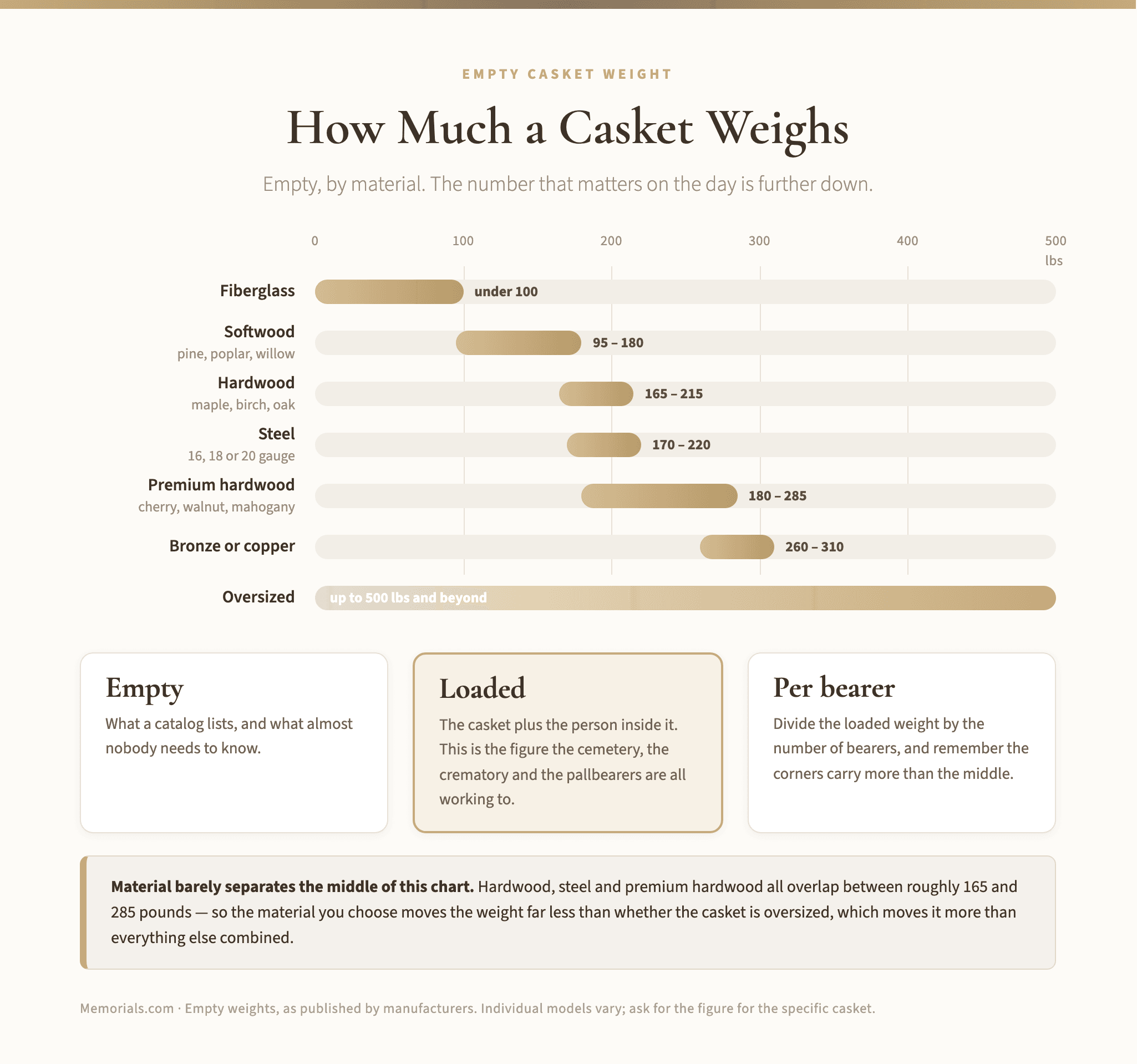
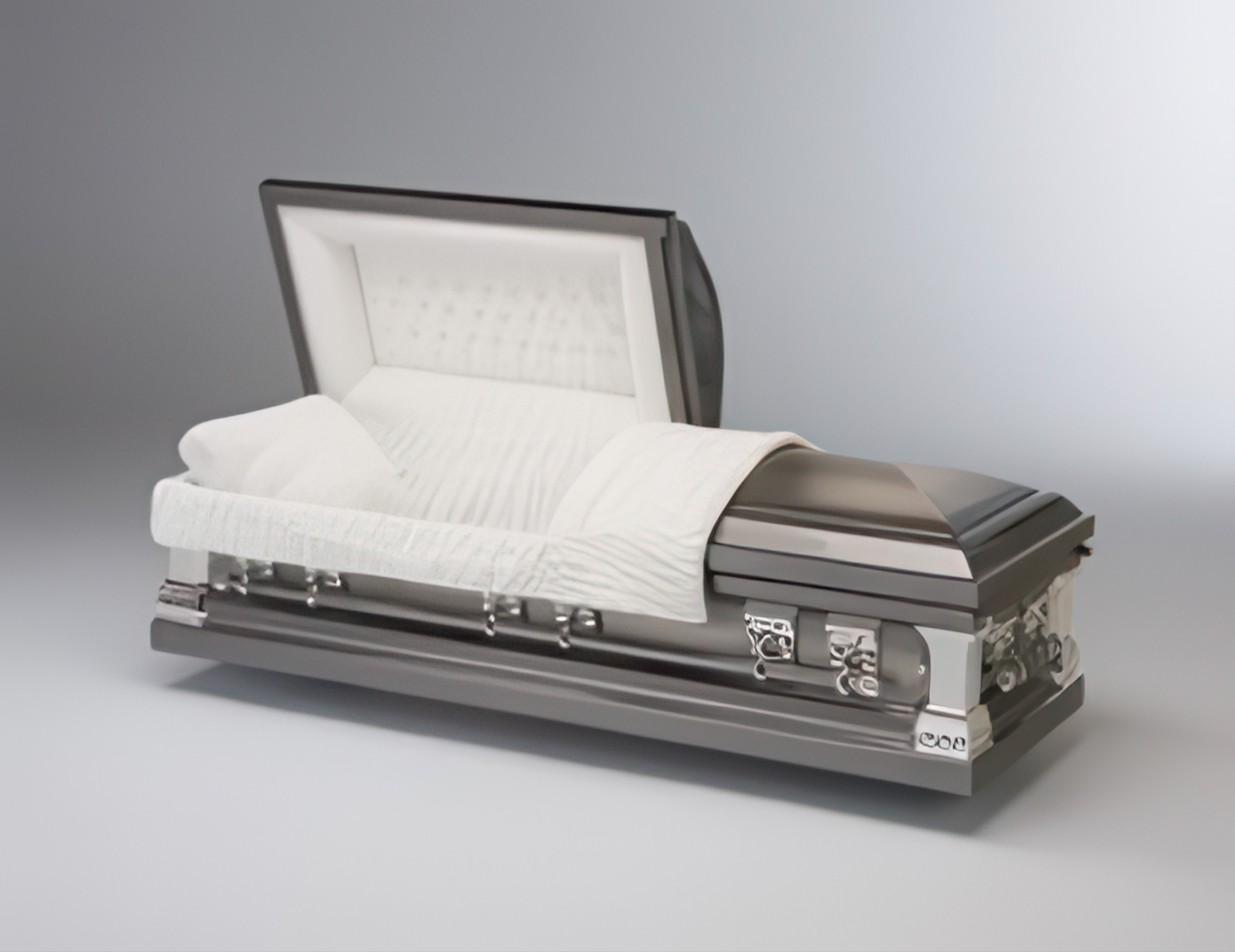
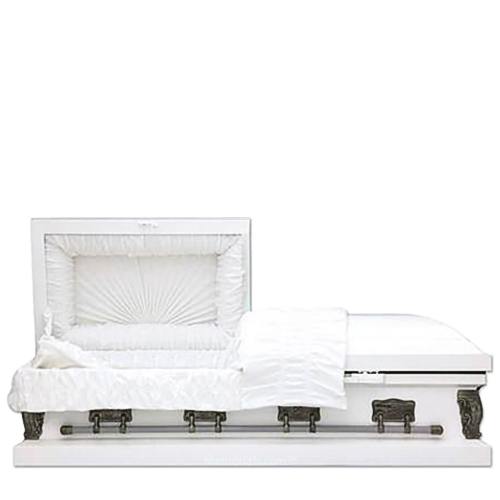
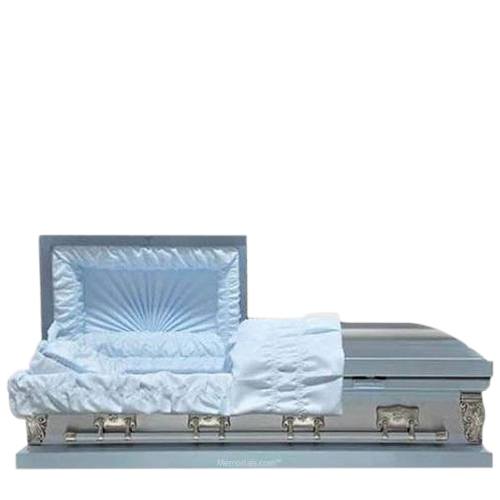
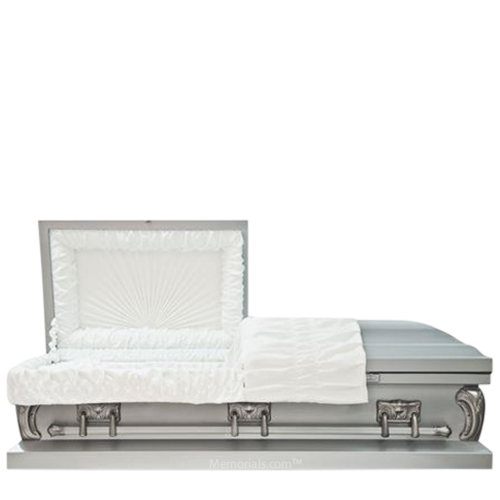
How much does a casket weigh? Between 150 and 250 pounds empty for most adult caskets, and 370 to 400 pounds once someone is inside it.
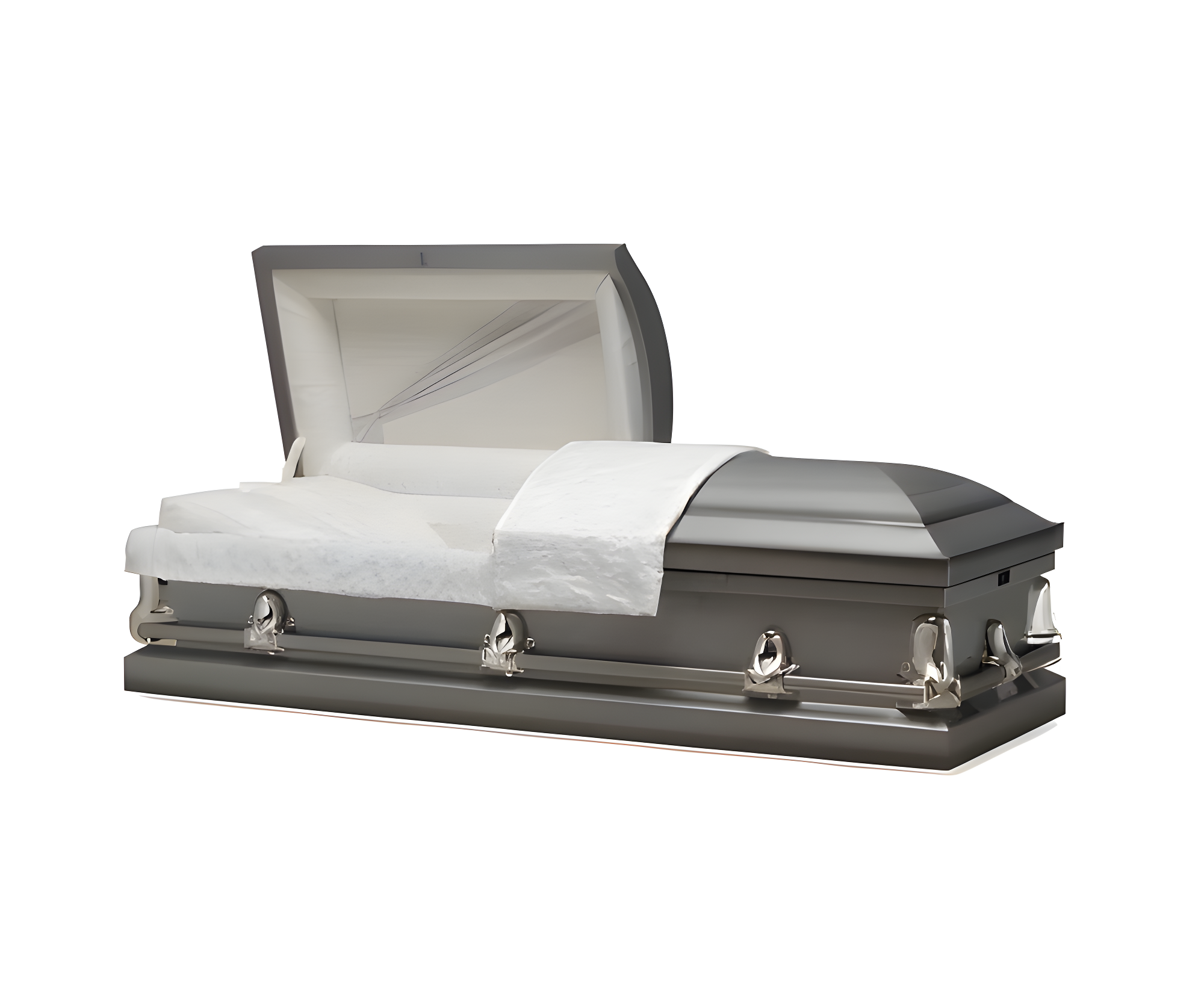
The question usually comes up for a practical reason — six people have agreed to carry it, or there are stairs, or it has to be shipped — and the answer that surprises most families is this: a metal casket is often lighter than a premium hardwood one. Steel runs roughly 170 to 220 pounds. Mahogany and walnut can reach 285.
Two things drive the number inside a material: thickness and hardware. A 16-gauge steel casket uses thicker sheet than a 20-gauge one and weighs noticeably more. Solid bar handles, a heavy crepe or velvet interior, and an adjustable bed all add pounds that the material name does not tell you about.
Our own metal caskets run from steel through bronze, and the wood caskets span the softwood-to-mahogany range above — the specification sheet for any individual casket gives its shipping weight, which is the figure to work from rather than a category average.
Hardwood, steel and premium hardwood all overlap between roughly 165 and 285 pounds. The material you choose moves the weight far less than whether the casket is oversized.
The Weight That Actually Matters Is the Loaded One
How heavy is a casket in the only sense that matters on the day? Nobody carries an empty one. The working figure is the casket plus the person inside it, and for a standard adult casket with an average adult that lands around 370 to 400 pounds.
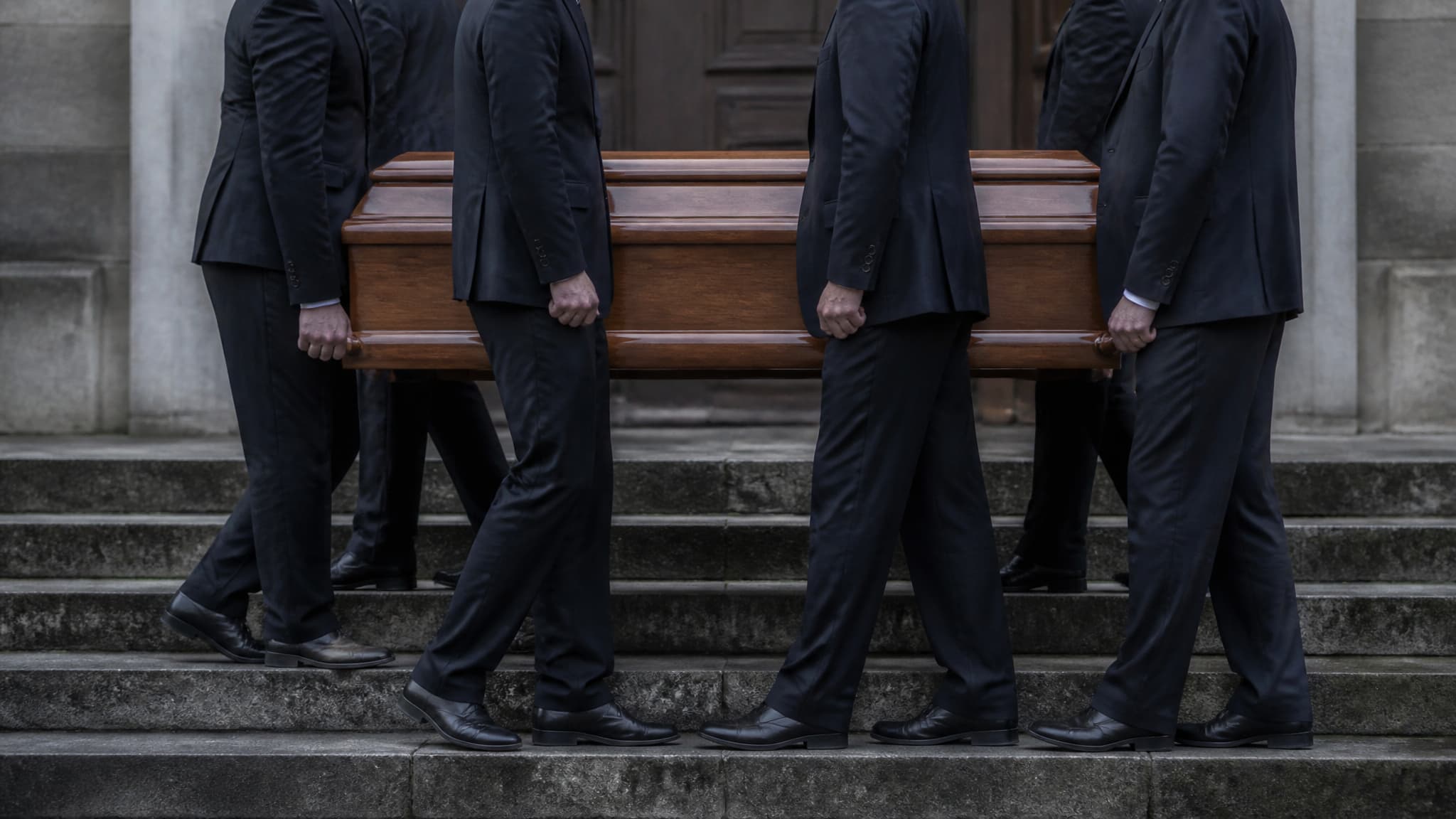
Split across six pallbearers, that is roughly 66 pounds each — about the weight of a full carry-on suitcase, held at arm's length, walking in step, on ground that may be uneven.
That number is manageable for most adults and genuinely difficult for some. It is also not evenly shared: the pallbearers at the head end carry more, because that is where the mass is. Funeral directors will quietly arrange the six so that the strongest are at the front, and a good one will ask about it without being prompted.
When six is not the right number
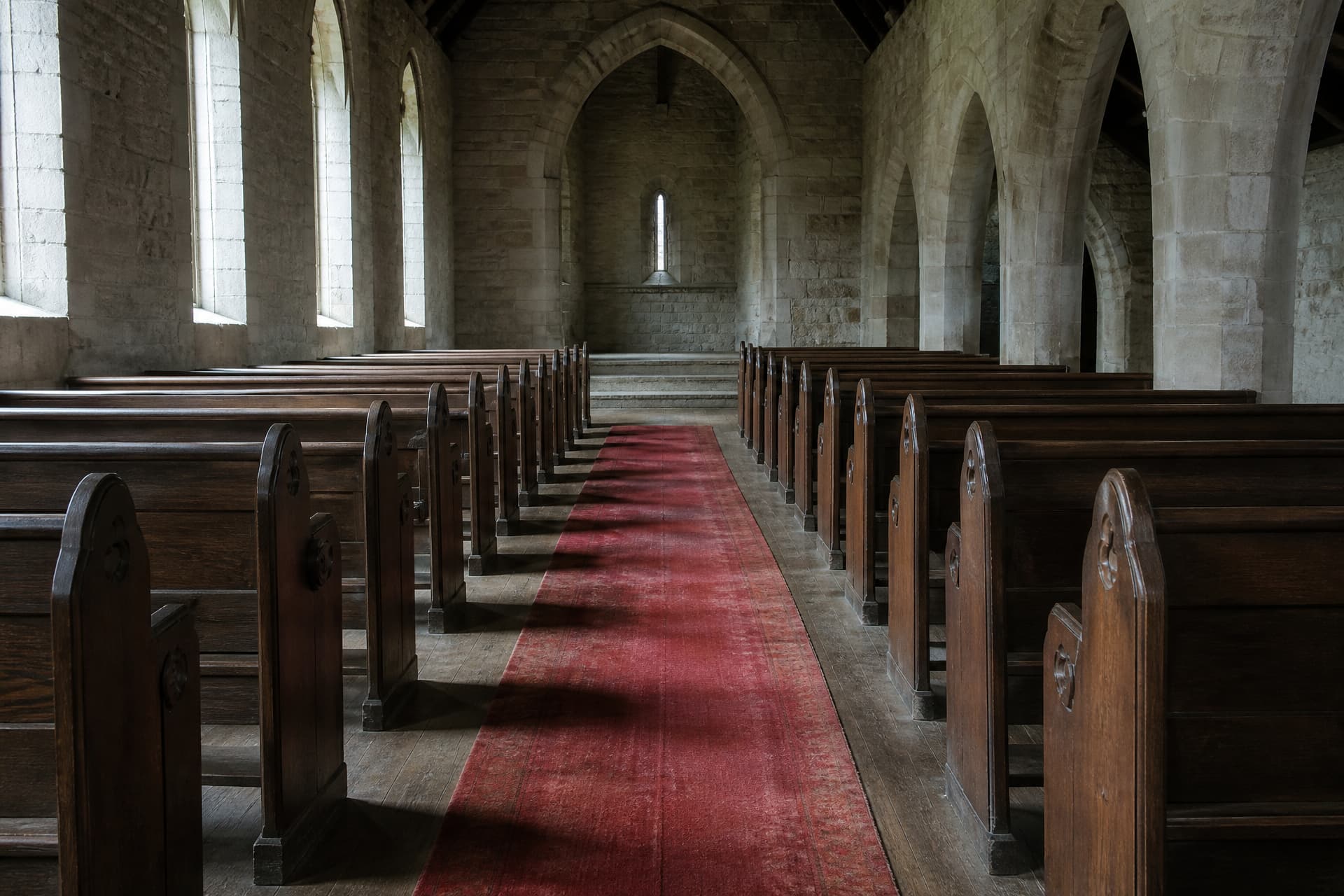
Eight pallbearers is common for an oversized casket or a heavier person, and there is nothing unusual about it. A church aisle may not be wide enough for eight abreast, in which case the funeral home uses a church truck — a wheeled bier — for most of the distance and reserves the carry for the final few steps.
If anyone on the list has a bad back, a recent surgery or simply does not want to, the honorary pallbearer role exists precisely for that. They walk alongside and carry nothing. It is a real honor, not a consolation.
Most of the time the weight is a detail the funeral home handles and the family never thinks about. It matters in five situations.
Stairs. A church with a flight of steps at the entrance, or a graveside on a slope, is the commonest place weight becomes a real problem. Tell the funeral director about the stairs before the day, not on it.
A home viewing. Doorways, corners and staircases in an ordinary house were not designed for an 80-inch box carried by six people. Home funerals are entirely legal and increasingly common, and the geometry is worth walking through in advance.
Shipping. Air transport of remains is priced partly by weight, and the difference between a poplar casket and a bronze one can be several hundred dollars on a cross-country flight. If someone is being flown home, ask for the total shipping weight before choosing.
Cremation. Crematory retorts have weight limits, and a heavy metal casket is not cremated in any case — metal does not burn. This is why cremation caskets are built from wood or engineered board, and why a direct cremation uses a simple container.
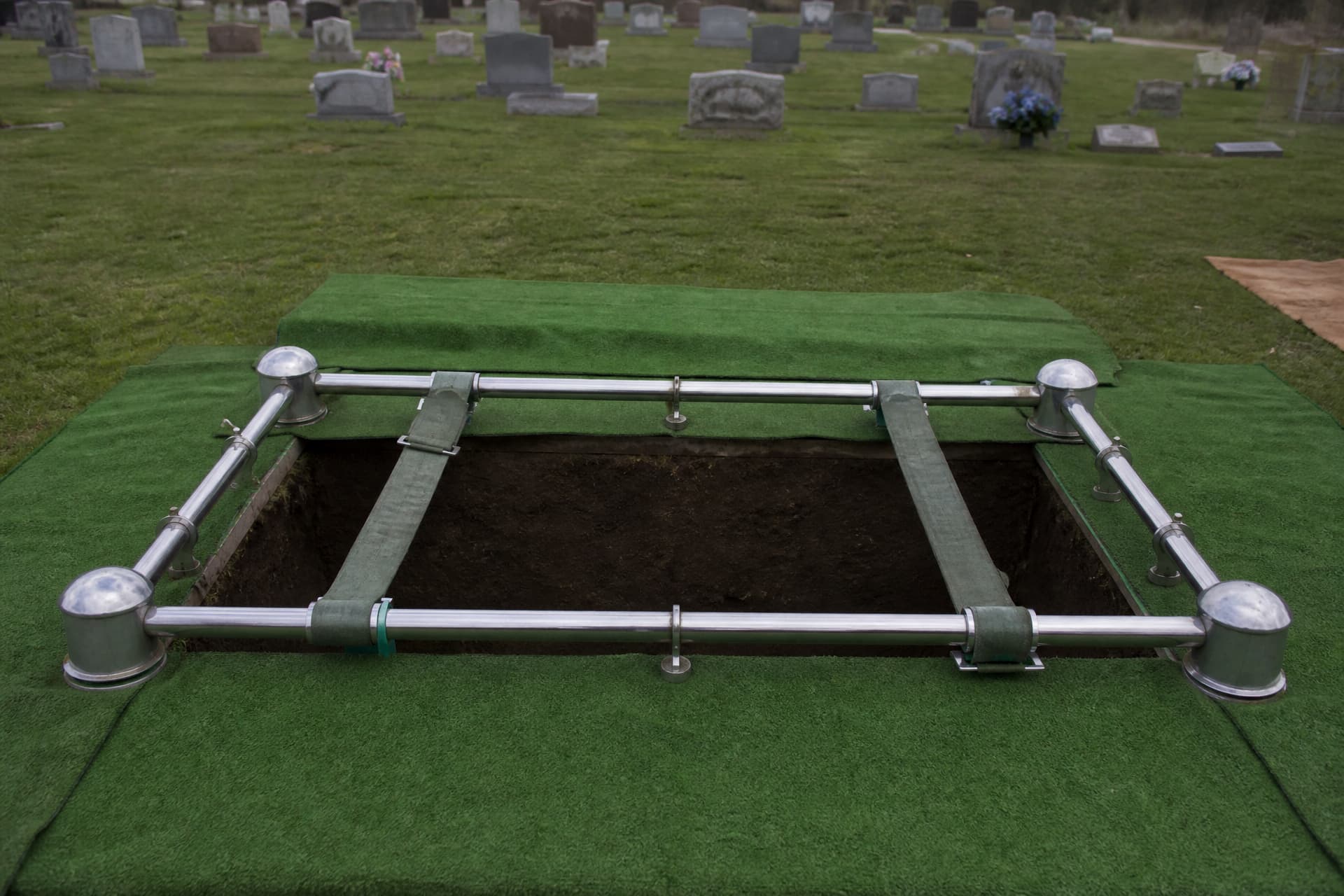
An older cemetery. Lowering devices have rated capacities. A modern cemetery will have equipment for any casket sold today; a small rural one with aging gear may want to know the weight in advance. They will ask if it matters.
How Heavy Is a Casket Compared With a Coffin?
A coffin — the six-sided, tapered shape — is usually lighter than a casket of the same material, simply because it contains less wood and less interior volume. The shape narrows at the head and foot, so there is less of it.
In North America the distinction is mostly academic, because nearly everything sold is a rectangular casket. Our guide to caskets versus coffins covers the difference in full.
Dimensions, Which Are More Standard Than Weight
Interior sizing is close to uniform across manufacturers, which is why weight varies so much more than size.
A standard adult casket is about 80 inches long and 25 inches wide on the exterior, giving an interior of roughly 78 by 23 inches. Oversized caskets go to 28, 31 and occasionally 36 inches wide. Our own standard wood casket measures 79.75 by 25.25 by 17 inches; an oversized green casket in the same catalog is 81 by 28 by 23.
The practical consequence is that a grave, a vault and a mausoleum crypt are all built to accommodate the standard size — and an oversized casket may require an oversized vault or crypt, which costs more and is not always available at every cemetery. Ask before choosing, not after.
Weight by Casket Type
Beyond material, four categories sit outside the standard range and are worth knowing about.
Cremation caskets are the lightest thing a funeral home will sell you for a service. Built from softwood, engineered board or heavy fiberboard with no metal hardware, they run from roughly 40 pounds for a plain alternative container to about 150 for a finished wooden one intended for a viewing before the cremation. They have to burn, which rules out everything heavy.
Green and natural burial caskets are similarly light by design — wicker, seagrass, bamboo, unfinished pine, sometimes cardboard. A woven casket can be under 60 pounds. Natural burial grounds typically require biodegradable materials and no metal, and the weight follows from the rule rather than being the point of it. Ours run from $284 to $2,995.
Oversized caskets start at 28 inches wide and go to 36 or more. Weight scales with the extra material and can pass 500 pounds loaded. These need an oversized vault and sometimes an oversized grave, both of which have to be arranged with the cemetery rather than assumed.
Children's and infant caskets are proportionally smaller and much lighter — an infant casket may be under 20 pounds, and is usually carried by one or two people rather than six. Funeral homes handle these with particular care and will not make a family ask.
Gauge: The Number That Actually Predicts Metal Weight
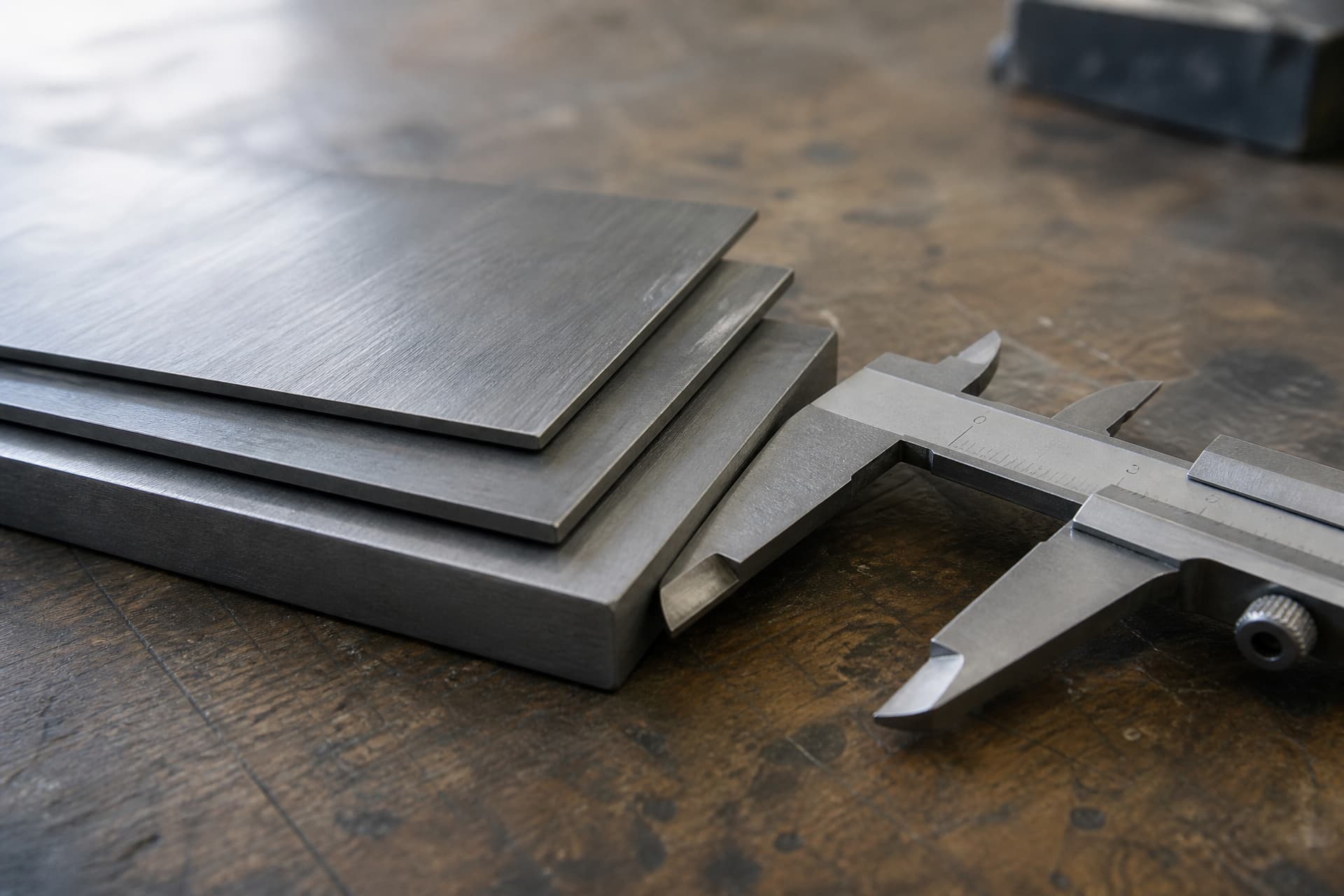
If you are comparing steel caskets, gauge is the specification that tells you what you are lifting — and it runs backward from how most numbers work. A lower gauge means thicker steel.
Gauge
Thickness
Where it sits
20 gauge
Thinnest
Entry-level steel, the lightest metal option
18 gauge
Middle
The commonest steel casket sold
16 gauge
Thickest
Premium steel, noticeably heavier and more expensive
The difference between 20 and 16 gauge is perhaps 40 to 60 pounds and several hundred dollars. It is also the specification most often used to justify a price step during an arrangement conference, so it helps to know what it does and does not buy. Thicker steel is more rigid and more resistant to denting in handling. It does not change what happens after burial.
Bronze and copper are priced and described by weight per square foot rather than gauge — 32 ounce and 48 ounce are the usual grades — and both are substantially heavier and substantially more expensive than any steel.
Gauge runs backwards: the lower the number, the thicker the steel. Sixteen gauge is the thickest and heaviest of the three commonly sold, twenty gauge the thinnest.
Weight and longevity get asked together, though they are different questions. Do caskets decompose covers how long each material lasts once it is in the ground.
What to Tell the Funeral Director
You do not need to arrive knowing casket weights. You do need to mention the things that make weight matter, because the funeral home cannot see them:
Stairs anywhere — at the church, the home, the graveside
Who is carrying, and whether any of them should not be
A home viewing, and the doorways involved
Air travel, and to where
The cemetery, if it is small, old or family-owned
Every one of those is easier to solve a week out than on the morning. A funeral director asked about stairs in advance will arrange a church truck, add pallbearers, or suggest a lighter casket. Asked on the day, they will manage — but the family will notice the managing.
This is the equipment with a rating, and it is one of the few places weight genuinely decides something. The cemetery will ask, so bring the loaded figure rather than the catalog one.
Does a Heavier Casket Protect Better?
No, and this is the place where weight gets sold as something it is not.
A heavier casket is thicker metal or denser wood, and neither stops what happens underground. A rubber gasket and a sealing mechanism — marketed as "protective" or "sealer" — keep water and air out for a time, but nothing about the arrangement is permanent, and some funeral professionals argue a sealed casket makes matters worse rather than better by trapping moisture. The FTC's Funeral Rule specifically forbids claiming that a casket will preserve remains indefinitely.
If the question behind the weight question is really will this last, our article on whether caskets decompose answers it directly.
And if the question is about cost, weight is a poor proxy for that too. Bronze is the heaviest and the most expensive, but among the rest the relationship breaks down quickly — see why caskets are so expensive for what actually drives the price.
Frequently Asked Questions
How much does a casket weigh on average?
An average casket weight for an adult is 150 to 250 pounds empty. Steel sits around 170 to 220, hardwood 165 to 215, premium hardwood up to 285, and bronze or copper 260 to 310. Fiberglass is the lightest at under 100 pounds.
How heavy is a casket with a body in it?
Around 370 to 400 pounds for a standard casket and an average adult — roughly 66 pounds per pallbearer across six. The head end is heavier than the foot end.
Is a metal casket heavier than a wooden one?
Usually not, which surprises most people. A steel casket at 170 to 220 pounds is often lighter than a mahogany or walnut one at 180 to 285. Bronze and copper are the genuinely heavy options.
How many pallbearers do you need?
Six is standard. Eight is normal for an oversized casket or where the carry is long or uphill, and there is no rule against it. Honorary pallbearers walk alongside and carry nothing.
Do pallbearers actually carry the casket the whole way?
Rarely. A church truck — a wheeled frame — does most of the distance in and out of the building and to the graveside. The genuine carry is usually short and deliberate.
Does casket weight affect the cost of a funeral?
Only through shipping, and only when remains travel by air. Otherwise the price is set by material, construction and finish rather than by weight. Compare casket prices directly rather than inferring cost from heft.
The other place it matters. Ask how far the carry is, whether there are steps, and how many bearers there will be — the corners take more of the load than the middle.
Why Weight Is Not on the Price List
The Funeral Rule requires a funeral home to give you an itemized general price list and a casket price list, and neither has to state a weight. Manufacturers publish shipping weights in their specifications, and funeral homes can look them up, but nobody volunteers the number because almost nobody asks.
That is worth knowing for two reasons. The first is that a weight is available if you want it — ask and the funeral director will find it. The second is that when weight is mentioned during a sale, it is usually being used as a proxy for quality: heavier sounds sturdier, sturdier sounds more protective, more protective sounds worth the price step. None of that chain holds up. A 16-gauge steel casket is more rigid than a 20-gauge one, and that is the entire claim that can honestly be made for the extra weight.
If you are buying a casket elsewhere — which you are entitled to do, and the funeral home must accept it without a handling fee — the shipping weight will be on the product page, because a shipper needs it. Compare it against what the funeral home quotes for a comparable model.
The Short Version
An average casket weight is 150 to 250 pounds empty and 370 to 400 loaded, a steel casket is usually lighter than a mahogany one, and six pallbearers carry about 66 pounds each. Weight is a logistics question, not a quality one. Ask it when there are stairs, a home viewing, a flight or an older cemetery involved, and otherwise let the funeral director handle it — they have done this several hundred times and will raise it themselves if it matters.
Where it is worth pushing back is when weight is offered to you as a reason to spend more. A heavier casket is a heavier casket. It is not a more protective one, and the federal rules governing funeral sales are explicit that nobody may tell you otherwise.