🏬Supersize Online Funeral Retailer🪦1000's of Headstones⚱️Over 10,000 Cremation Urns⚰️Caskets Overnight Delivery🛒Funeral & Memorial Superstore🚚FREE Shipping on ALL Orders👨👩👧👦Helping Families for over 20 Years💰Lowest Price Guarantee🏬Supersize Online Funeral Retailer🪦1000's of Headstones⚱️Over 10,000 Cremation Urns⚰️Caskets Overnight Delivery🛒Funeral & Memorial Superstore🚚FREE Shipping on ALL Orders👨👩👧👦Helping Families for over 20 Years💰Lowest Price Guarantee
🏬Supersize Online Funeral Retailer🪦1000's of Headstones⚱️Over 10,000 Cremation Urns⚰️Caskets Overnight Delivery🛒Funeral & Memorial Superstore🚚FREE Shipping on ALL Orders👨👩👧👦Helping Families for over 20 Years💰Lowest Price Guarantee🏬Supersize Online Funeral Retailer🪦1000's of Headstones⚱️Over 10,000 Cremation Urns⚰️Caskets Overnight Delivery🛒Funeral & Memorial Superstore🚚FREE Shipping on ALL Orders👨👩👧👦Helping Families for over 20 Years💰Lowest Price Guarantee
A headstone is one of the most enduring ways a family honors someone they love. But even the hardest stone breaks down over time. Rain, wind, freeze-thaw cycles, and biological growth slowly erode surfaces, obscure inscriptions, and weaken structural integrity. The good news: most damage can be reversed. Headstone restoration brings faded, cracked, and leaning memorials back to a condition that preserves both their beauty and the memory they represent. If you are starting the process of choosing and ordering a headstone, understanding long-term care and restoration will help you make decisions that keep the memorial looking its best for decades.
This guide walks through every stage of the restoration process — from identifying the type of damage you are dealing with, to cleaning, repairing cracks and chips, resetting leaning stones, restoring faded inscriptions, and deciding whether a project is something you can handle yourself or one that calls for a professional conservator.
Before touching a headstone, take time to evaluate its condition. The type and severity of the damage will determine every decision that follows — which tools you need, which products are safe to use, and whether a professional should be involved.
Start by tapping the surface gently with a fingertip. Hollow-sounding areas may indicate delamination, a condition where internal layers of stone separate due to moisture infiltration and freeze-thaw cycles. Delamination weakens the stone from the inside out and is not always visible on the surface.
Next, examine the stone for flaking, scaling, erosion, and stress cracks. If the surface crumbles like a sugar cube when rubbed lightly, the stone has lost structural integrity and aggressive cleaning or repair attempts may cause further harm. In these cases, seek guidance from a monument company or preservation professional rather than proceeding on your own.
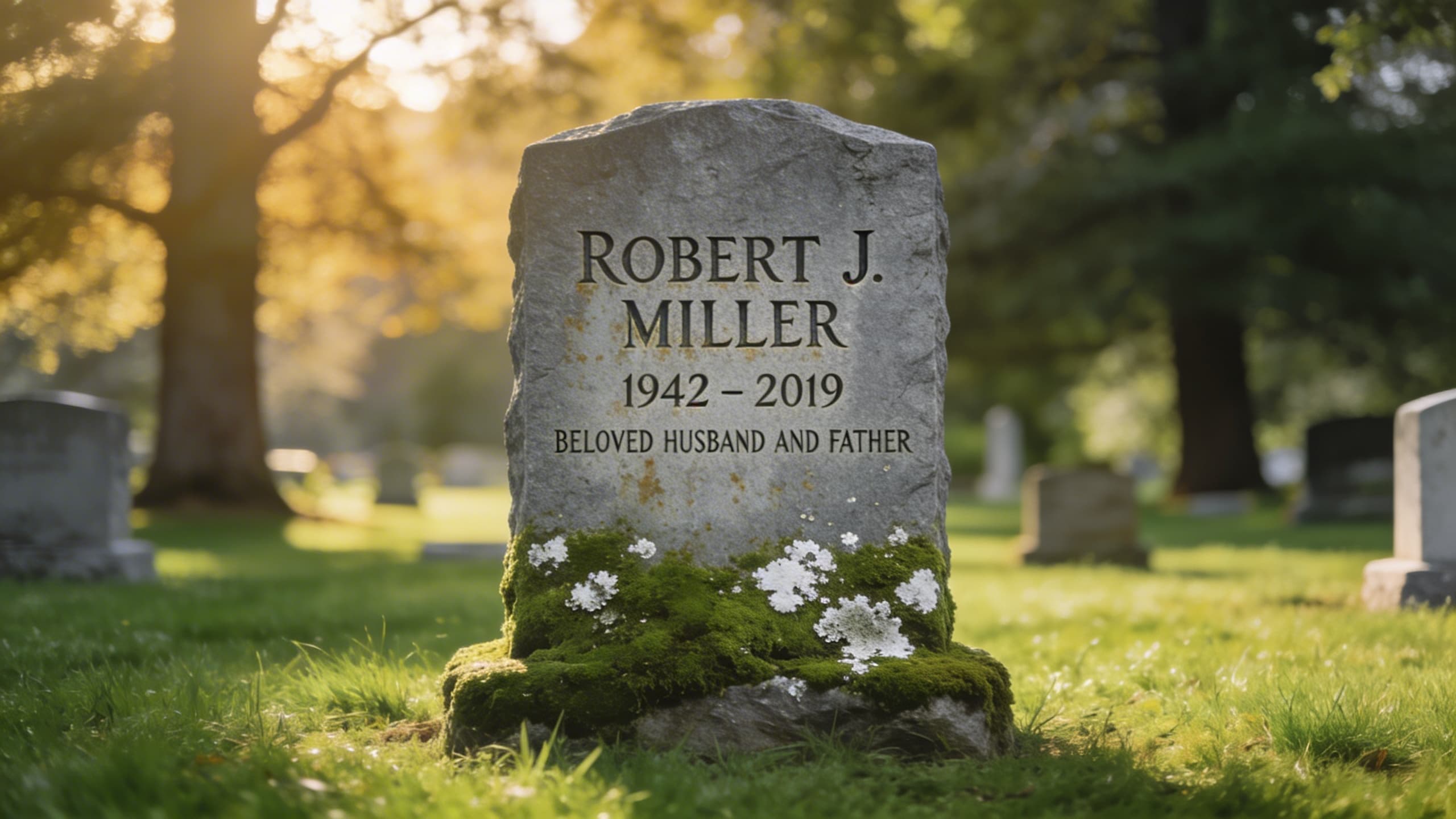
Also identify the type of soiling present. Common types include dirt and grime, carbonaceous or sooty deposits, moss and lichen, algae, metallic stains from iron or bronze fittings, oil stains, and efflorescence (white salt deposits that appear when minerals wick through the stone). Each type requires a different approach, and using the wrong product — particularly acidic cleaners — can permanently damage certain stone types.
Understanding headstone materials and durability is essential before beginning any work. Granite, marble, sandstone, limestone, and bronze all respond differently to cleaning agents, adhesives, and weather exposure. What works safely on polished granite may cause irreversible etching on marble.
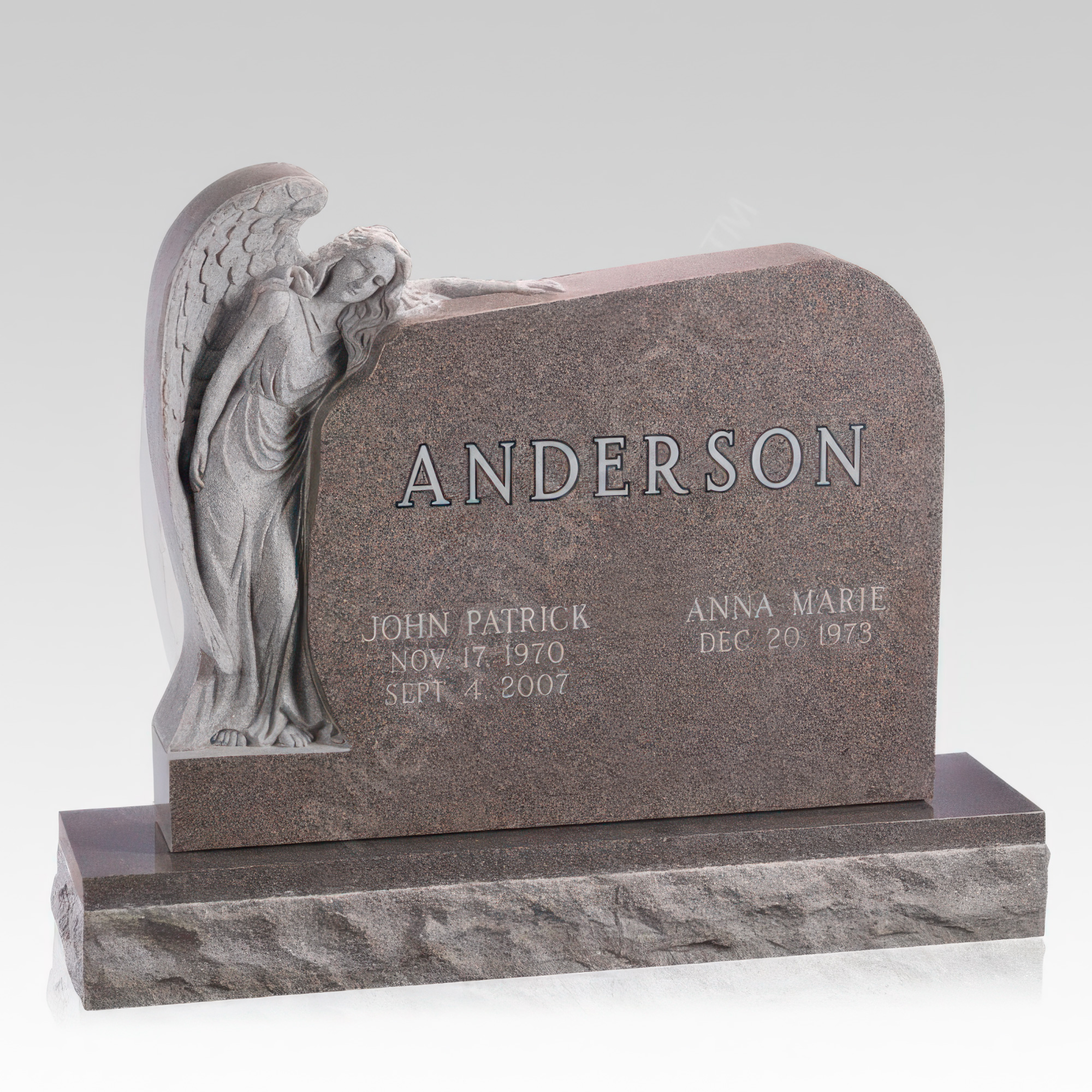
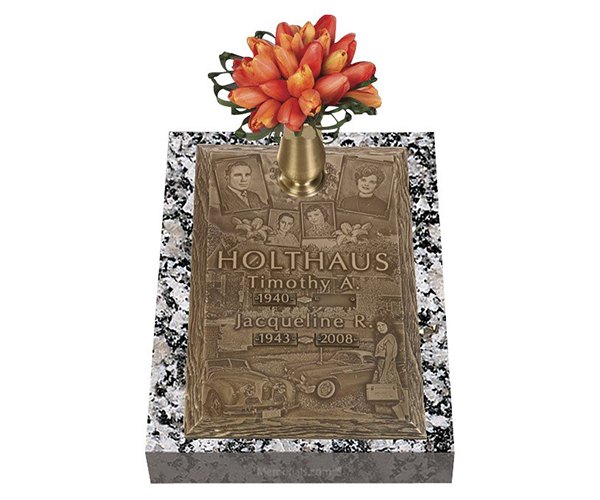
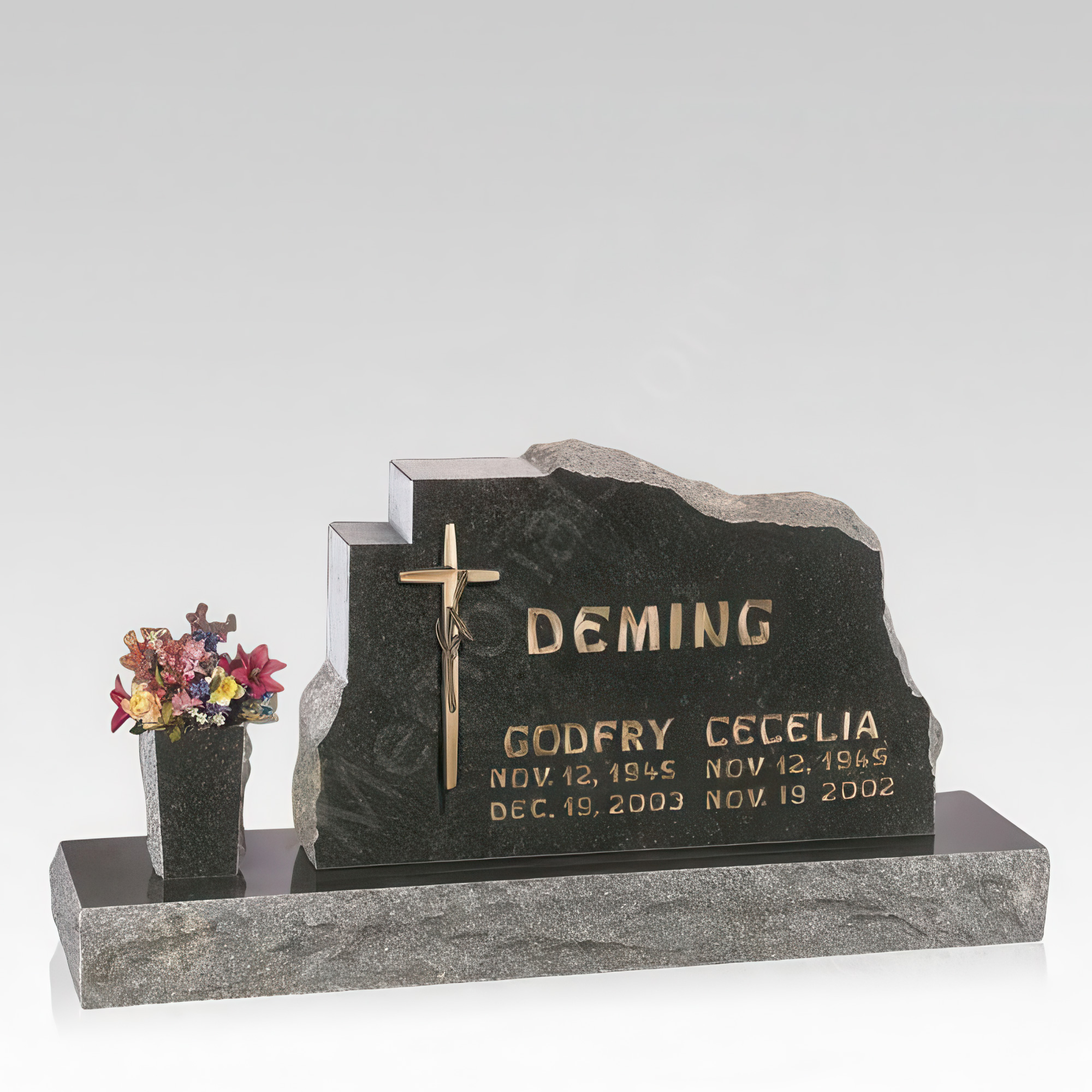
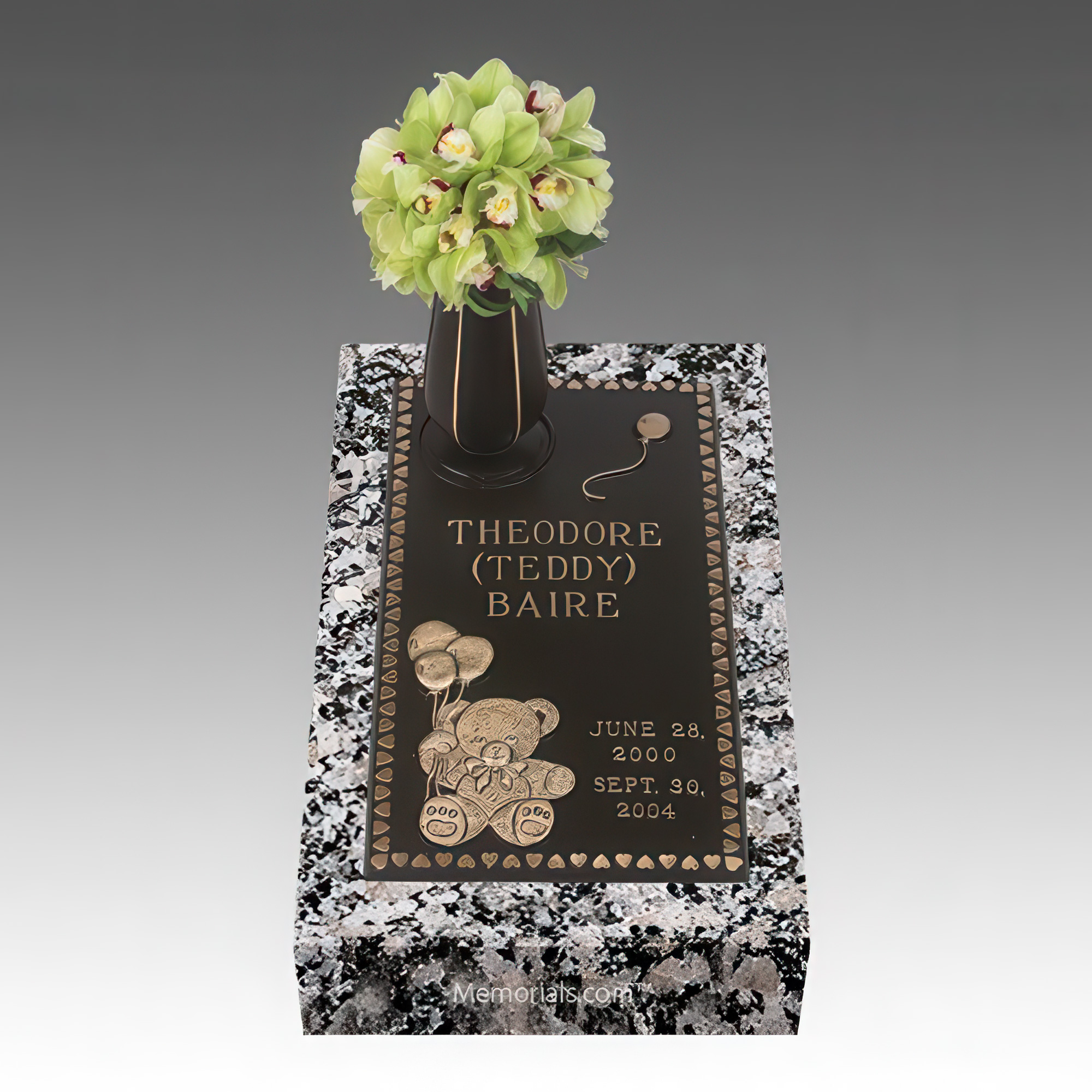
Browse Our Most Popular Headstones & Grave Markers
Handcrafted memorials to honor your loved one for eternity
Every restoration project begins with cleaning, and the cardinal rule is to start with the gentlest method and escalate only if needed. Knowing how to clean a headstone properly prevents the most common mistakes families make during well-intentioned maintenance.
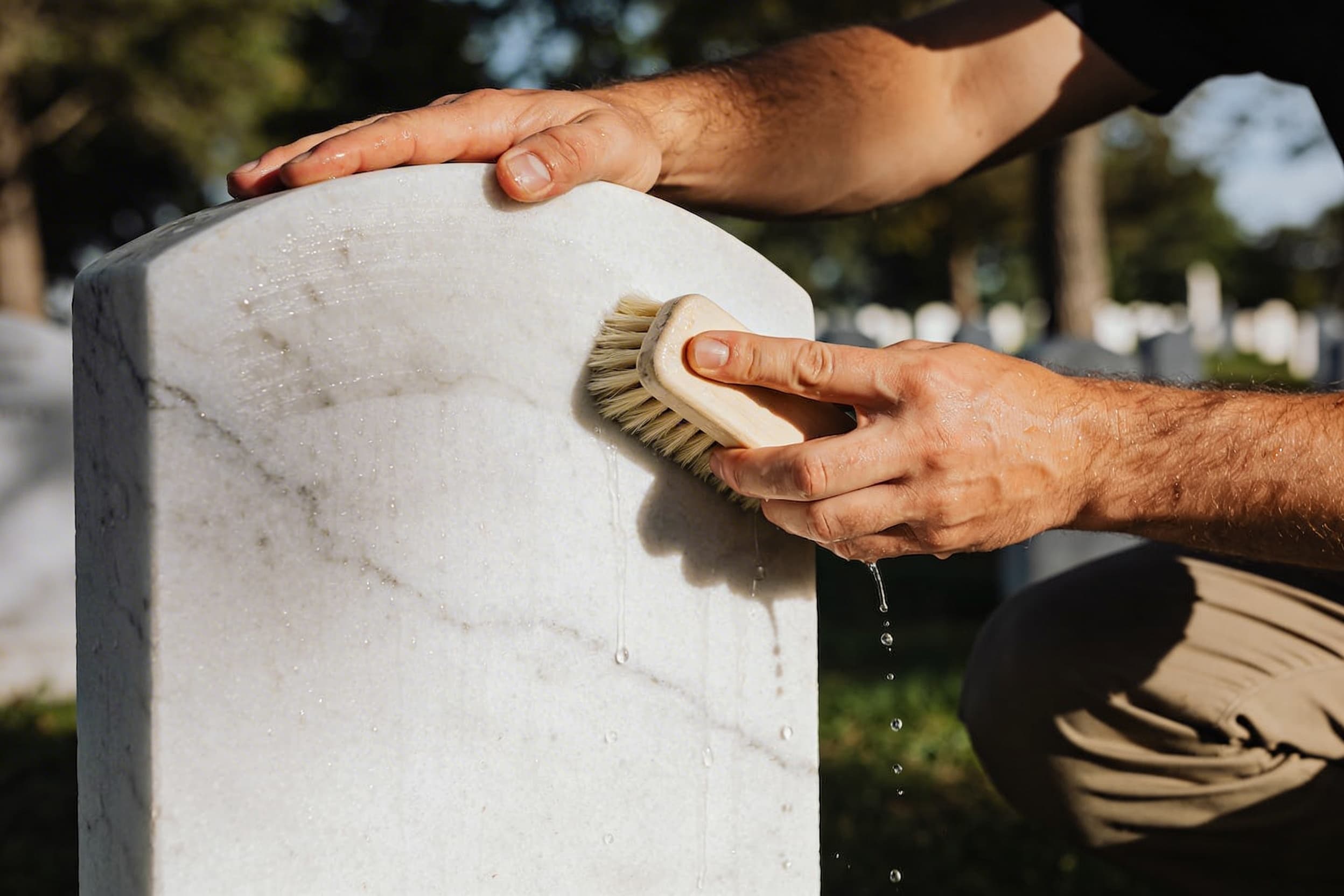
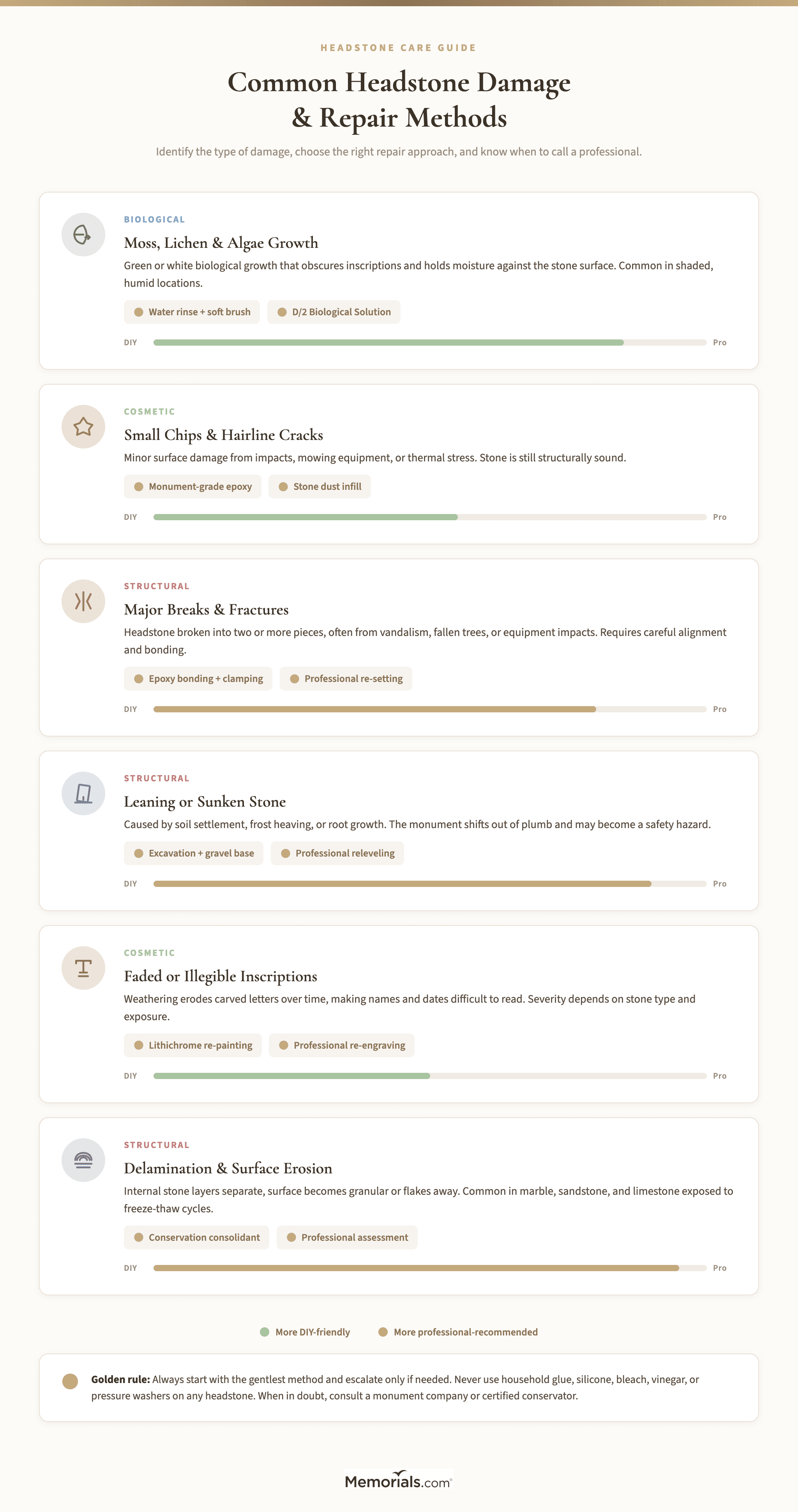
Begin by rinsing the entire surface with clean water. A garden hose works well — never use a pressure washer, which can blast away fragile stone surfaces, erase shallow inscriptions, and force water deep into existing cracks. After rinsing, use a soft-bristled brush (natural bristle or nylon, never wire) to gently scrub away loose dirt. For stubborn biological growth such as lichen or moss, a non-ionic cleaner like D/2 Biological Solution is widely recommended by conservators because it is pH-neutral and safe for all common headstone materials.
Avoid vinegar, lemon juice, bleach, ammonia, and any acidic or alkaline household cleaners. These products react chemically with marble, limestone, and sandstone, causing etching, discoloration, and accelerated surface erosion. Even on harder stones like granite, harsh chemicals can damage polished finishes and leave residues that attract new biological growth.
After cleaning, let the stone dry completely before moving to any repair work. Moisture trapped beneath adhesives or sealants can cause internal cracking as temperatures change.
Repairing Cracks, Chips, and Breaks
Once the stone is clean and dry, you can address physical damage. The right approach depends on the severity of the break and the type of stone.
Small Chips and Hairline Cracks
Minor surface damage can often be stabilized with a conservation-grade epoxy resin formulated specifically for monument use. These products are designed to bond stone while remaining slightly flexible — an important characteristic because headstones expand and contract with temperature changes, and rigid adhesives will eventually crack and separate.
To repair a chip, clean the damaged area thoroughly, mix the epoxy per the manufacturer's instructions, and apply it sparingly with a wooden craft stick or small spatula. For a nearly invisible repair, blend stone dust or finely crushed stone of a matching color into the uncured epoxy. This infill technique is what professionals use to make repairs disappear against the original surface.
Never use caulking, household glue, silicone, packaged concrete, or general-purpose adhesives on a headstone. These products trap moisture, expand at different rates than stone, and frequently cause more damage than they prevent.
Major Breaks (Two or More Pieces)
If a headstone has broken into two pieces, the repair begins by dry-fitting the fragments together on a flat, stable work surface. Check alignment carefully — once epoxy cures, repositioning is not possible without risking further breakage.
Apply a continuous bead of monument-grade epoxy along the center of the break, ensuring it reaches all contact points without excessive squeeze-out at the edges. Clamp or brace the pieces together and support the assembly so the weight of the stone does not shift the alignment while the epoxy cures.
For headstones broken into three or more pieces, lay all fragments on a padded flat surface and piece them together like a puzzle before applying adhesive. Work from the center outward, bonding two pieces at a time and allowing each joint to cure before adding the next. This staged approach prevents misalignment that becomes impossible to correct later.
When Not to Attempt Repair
Some stones are beyond safe DIY repair. If the stone crumbles at the touch, shows extensive delamination, has multiple stress fractures throughout, or is made of fragile historic marble or sandstone, contact a professional conservator. Well-meaning amateur repairs using the wrong products have permanently damaged countless headstones, and many preservationists emphasize that doing nothing is better than doing something harmful.
Resetting a Leaning or Sunken Headstone
Over time, soil settlement, frost heaving, and root growth can cause headstones to lean, sink, or topple entirely. Resetting a stone is one of the more physically demanding restoration tasks and carries significant risk — upright headstones are extremely heavy, and a stone that shifts during lifting can crack, break, or injure someone.
The process begins with carefully excavating around the base to expose the foundation. Once the stone can be safely removed (often requiring a pulley system or multiple people), the hole is widened and deepened, then partially filled with compacted gravel to improve drainage and create a stable base. Guide strings stretched along the row of existing monuments help ensure the reset stone aligns with its neighbors.
After placing the stone back in the prepared hole, check that it sits level in all directions using a spirit level across the top surface. Fill around the base with alternating layers of gravel and soil, tamping each layer firmly with a board or tamping tool. Proper drainage at the base is critical — stones set in dense clay or standing water will eventually sink and lean again.
For most families, resetting a leaning or toppled monument is a task best left to a monument company or cemetery grounds crew. Many cemeteries have specific regulations about who may perform structural work on memorials, and unauthorized work can result in fines or liability issues.
Restoring Faded Inscriptions
Faded or illegible inscriptions are one of the most emotionally frustrating forms of headstone damage. The approach to inscription restoration depends on how the lettering was originally created.
Carved or incised inscriptions on granite and marble can often be made readable again by carefully re-painting the letters. Clean the carved channels thoroughly, allow them to dry, tape around the lettering to protect the surrounding surface, and apply a stone-safe paint in thin, even coats. Lithichrome paint is a common choice among monument professionals for this purpose.
Raised or relief inscriptions require gentler treatment — cleaning and light scrubbing with approved products is usually sufficient to restore contrast between the raised letters and the receded background.
Deeply eroded inscriptions, particularly on soft stones like marble and sandstone, may be beyond restoration without professional re-engraving. A conservator can evaluate whether the remaining stone depth supports re-cutting or whether the inscription should be documented photographically and left undisturbed.
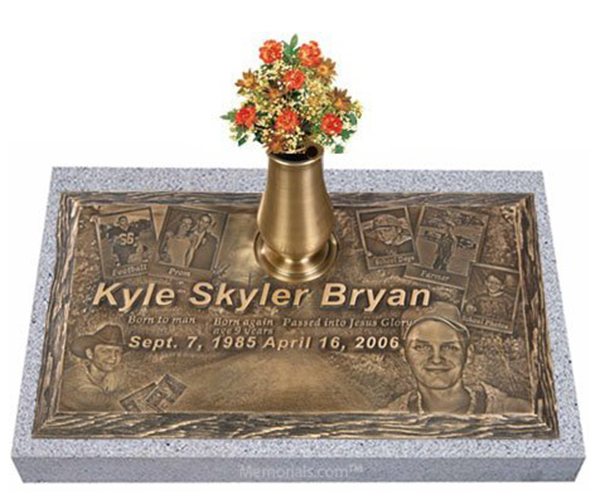
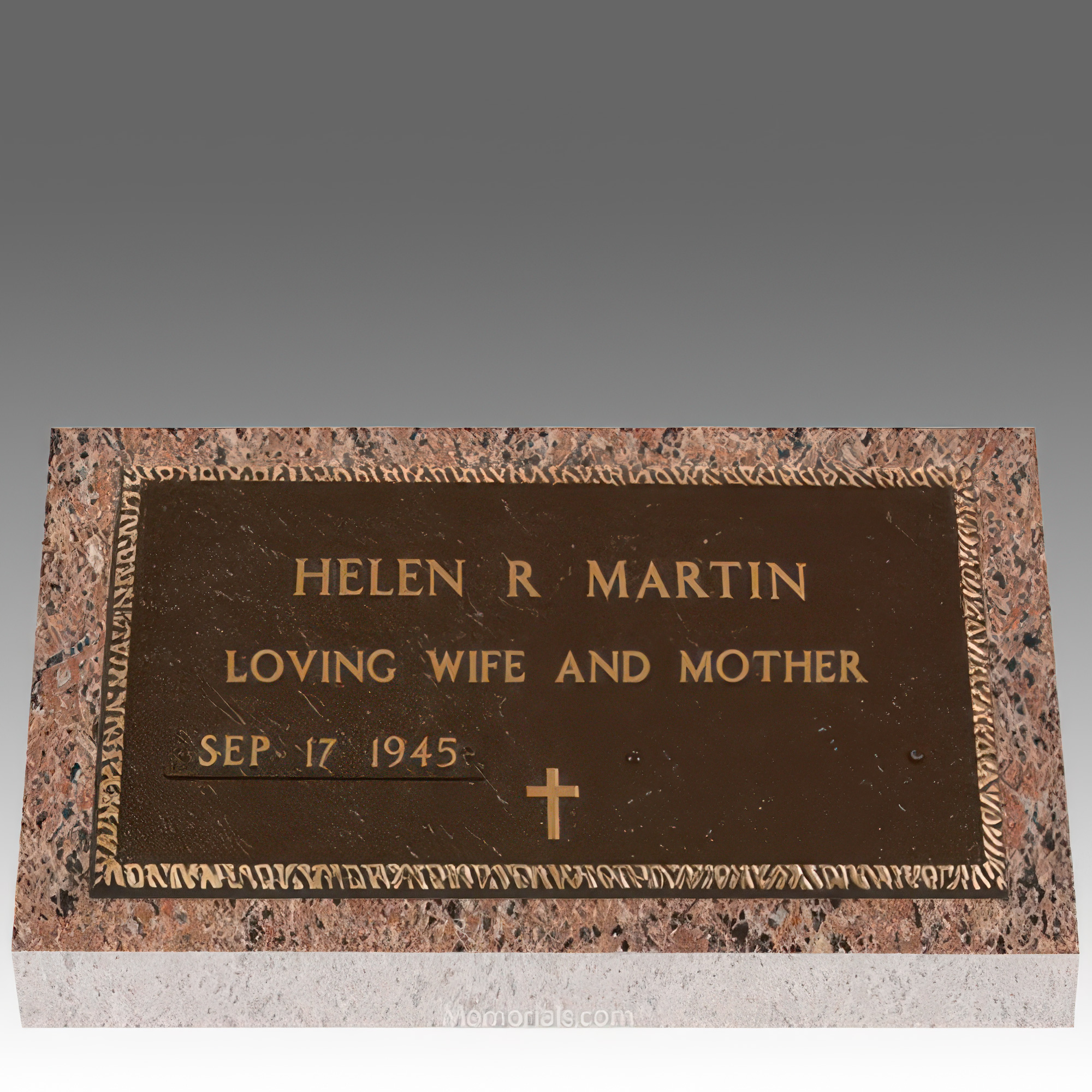
Bronze plaques and lettering develop a natural patina over time that many families and cemeteries consider appropriate and desirable. If the bronze needs cleaning, use a product specifically formulated for outdoor bronze memorials. Avoid polishing compounds intended for household brass, which can strip protective patina and cause uneven discoloration.
Material-Specific Restoration Considerations
Each headstone material ages differently and responds to restoration products in its own way.
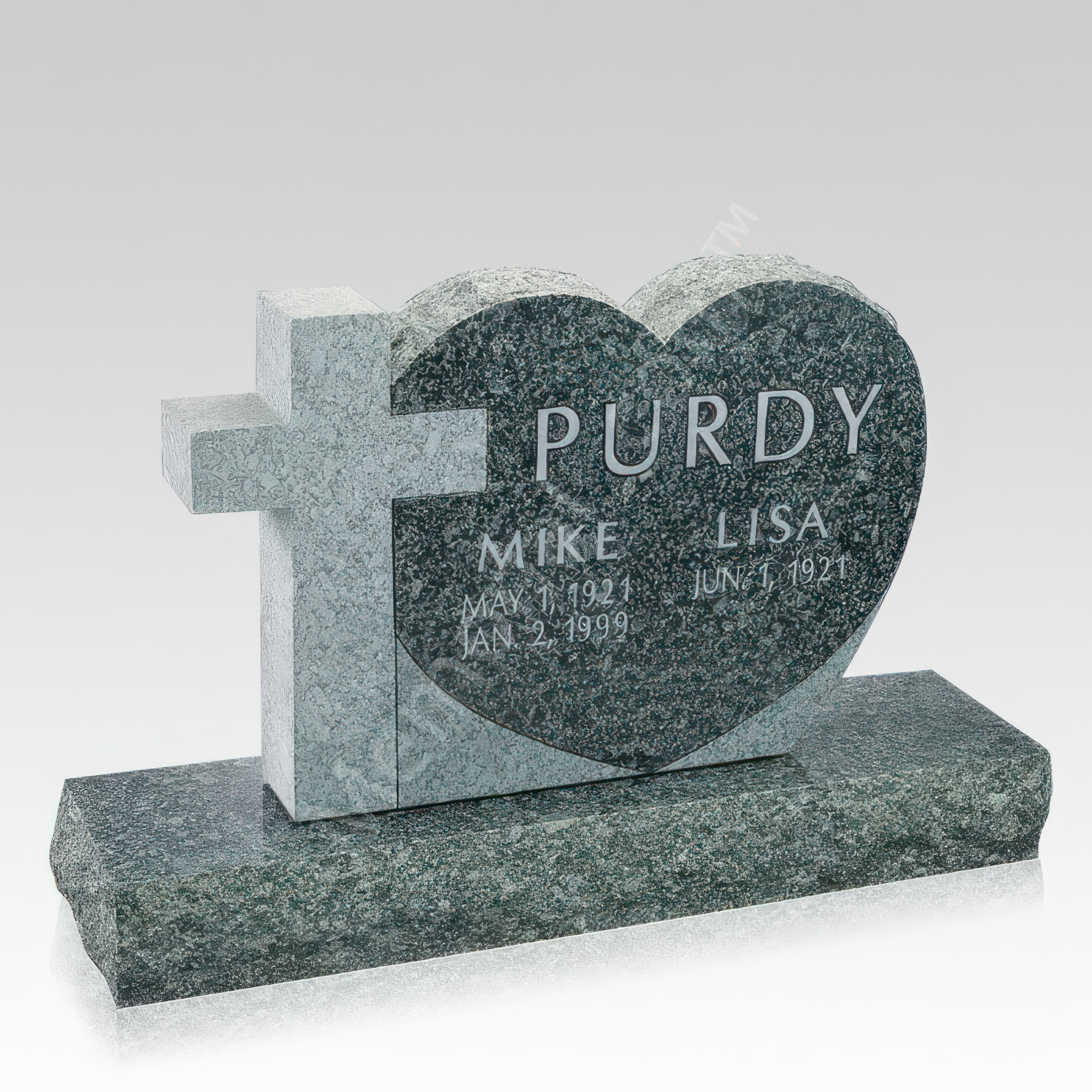
Granite is the most durable common headstone material. It resists biological growth better than softer stones, holds inscriptions well over time, and tolerates most approved cleaning products. Restoration of granite headstones typically involves cleaning, minor chip repair, and occasional re-painting of inscriptions.
Marble is softer and more porous than granite. It absorbs moisture readily, making it vulnerable to freeze-thaw cracking, biological growth, and acid rain erosion. Marble headstones should never be cleaned with acidic products. Restoration often requires conservation-grade consolidants to stabilize surfaces that have become sugary or granular from years of weathering.
Sandstone and limestone share marble's vulnerability to moisture and chemical damage, but they are even softer and more prone to erosion. Many historic gravestones are carved from these materials. Restoration of sandstone and limestone requires extreme care — aggressive cleaning or repair can cause more damage in a single afternoon than decades of weathering. These stones are strong candidates for professional conservation. Understanding old gravestone types and history provides valuable context for choosing the right restoration approach for historic memorials.
Bronze markers and plaques require different treatment entirely. Bronze corrodes through oxidation rather than erosion, developing a green or brown patina. Cleaning involves gentle removal of heavy buildup while preserving the patina's protective qualities. Damaged bronze markers may need professional re-casting or welding, repairs that are not feasible as DIY projects.
DIY Restoration vs. Hiring a Professional
Deciding between doing the work yourself and hiring a professional depends on the type of damage, the stone material, and your comfort level working with fragile, irreplaceable memorials.
Tasks generally safe for careful DIY work:
Rinsing with water, gentle scrubbing with a soft brush, applying approved biological cleaners like D/2, and re-painting carved inscriptions on granite headstones. These tasks carry low risk of permanent damage when performed following established best practices.
Tasks that should be left to professionals:
Resetting leaning or toppled stones, repairing major breaks, restoring sandstone or historic marble, re-engraving worn inscriptions, structural consolidation of delaminating stone, and any work on headstones in cemeteries with strict restoration regulations. Monument companies and certified conservators have specialized tools, conservation-grade materials, and experience handling heavy stone safely.
A professional assessment is worth the cost even if you plan to do some work yourself. A conservator can identify problems you might miss — such as hidden stress fractures or delamination beneath the surface — and recommend which tasks are safe for a homeowner and which need professional attention.
Headstone Restoration Costs
Restoration costs vary widely based on the type and extent of work, the stone material, and geographic location. Here are general ranges to help you budget:
Professional cleaning typically runs between $100 and $400, depending on the size of the memorial and the severity of soiling. Resetting a leaning monument ranges from $300 to $800, with larger or more complex stones on the higher end. Crack repair and epoxy bonding generally fall between $200 and $600. Full inscription restoration with professional re-lettering can cost $300 to $1,000 or more, depending on the number of characters and the restoration method.
For severely damaged memorials, compare the total estimated repair cost against headstone replacement costs. In some cases — especially with structurally compromised stone or extensive erosion — replacement may be more cost-effective and produce a more lasting result than attempting to restore a stone that has reached the end of its functional life.
When getting estimates, request itemized quotes from at least two or three monument companies. Ask whether the work includes a warranty, what products will be used, and whether the company carries liability insurance for on-site cemetery work. The lowest bid is not always the best value — quality materials and experienced craftsmanship prevent costly re-repairs down the road.
Cemetery Regulations and Permissions
Before beginning any restoration work, contact the cemetery office. Most cemeteries have specific rules about who can perform work on memorials, what materials and methods are permitted, and whether permits or scheduling approvals are required.
Some cemeteries maintain monuments themselves and may handle cleaning or resetting as part of their perpetual care services (though perpetual care typically covers grounds maintenance, not individual memorial repair). Others require families to hire an outside monument company from an approved vendor list. Working without cemetery authorization can result in fines, and unauthorized repairs may void any existing warranty on the memorial.
For headstones in historic cemeteries, additional regulations may apply. Local historical societies, state preservation offices, and the National Trust for Historic Preservation can provide guidance on appropriate conservation standards for historic memorials. The U.S. Department of Veterans Affairs also has specific rules about cleaning and restoring government-furnished cemetery products such as veteran headstones and markers — power washing, for example, is prohibited on VA-furnished stones.
Preventive Maintenance
The most effective headstone restoration is the work you do to prevent damage in the first place. A few simple practices can dramatically extend the life and appearance of a memorial:
Schedule a gentle cleaning every one to two years using only water and approved cleaners. Address biological growth early, before moss and lichen establish deep root structures that penetrate the stone surface. Keep soil graded away from the base to prevent moisture pooling and frost heaving. Trim nearby trees and vegetation to reduce falling branch damage and minimize shade that encourages moss growth.
After a professional restoration, ask whether a breathable stone sealant is appropriate for the specific material. Breathable sealants allow moisture vapor to escape while repelling liquid water — non-breathable sealants trap moisture inside the stone and accelerate internal damage. Not all stone types benefit from sealing, so follow the conservator's recommendation.
Frequently Asked Questions
Can I use bleach or vinegar to clean a headstone?
No. Bleach, vinegar, ammonia, and other acidic or alkaline household cleaners cause chemical damage to headstone surfaces, particularly marble, limestone, and sandstone. Even on granite, these products can damage polished finishes and leave residues that attract new biological growth. Use only water and a pH-neutral cleaner like D/2 Biological Solution.
How much does headstone restoration cost?
Costs depend on the type and extent of work. Professional cleaning typically runs $100 to $400. Resetting a leaning stone ranges from $300 to $800. Crack repair usually costs $200 to $600. Inscription re-lettering can run $300 to $1,000 or more. Always request itemized quotes from multiple monument companies.
Should I repair a headstone myself or hire a professional?
Light cleaning and re-painting inscriptions on granite are generally safe for careful DIY work. Structural repairs, resetting leaning monuments, restoring soft or historic stone, and re-engraving worn inscriptions should be handled by a professional conservator or monument company. When in doubt, get a professional assessment before starting.
How often should headstones be cleaned?
A gentle cleaning every one to two years is a good baseline. Headstones in humid, shaded, or heavily wooded areas may need cleaning more frequently due to faster biological growth. Regular light maintenance prevents the heavy buildup that requires aggressive cleaning later.
Do I need cemetery permission to restore a headstone?
Yes, in most cases. Contact the cemetery office before beginning any work. Cemeteries have rules about approved methods, permitted materials, and who can perform work on memorials. Some require families to use vendors from an approved list, and unauthorized work may violate regulations or void warranties.
Headstones are built to last, but they are not immune to the effects of time and weather. Whether you are cleaning a family monument, repairing a crack before it worsens, or evaluating whether a beloved headstone needs professional restoration, the most important principle is to start gently and proceed carefully. When the right approach matches the right materials and the right expertise, a memorial that seemed lost to deterioration can stand clear, dignified, and readable for generations to come. Memorials.com offers a full selection of granite, bronze, and custom memorials designed to honor your loved one for a lifetime.