🏬Supersize Online Funeral Retailer🪦1000's of Headstones⚱️Over 15,000 Cremation Urns⚰️Caskets Overnight Delivery🛒Funeral & Memorial Superstore🚚FREE Shipping on ALL Orders👨👩👧👦Helping Families for over 20 Years💰Lowest Price Guarantee🏬Supersize Online Funeral Retailer🪦1000's of Headstones⚱️Over 15,000 Cremation Urns⚰️Caskets Overnight Delivery🛒Funeral & Memorial Superstore🚚FREE Shipping on ALL Orders👨👩👧👦Helping Families for over 20 Years💰Lowest Price Guarantee
🏬Supersize Online Funeral Retailer🪦1000's of Headstones⚱️Over 15,000 Cremation Urns⚰️Caskets Overnight Delivery🛒Funeral & Memorial Superstore🚚FREE Shipping on ALL Orders👨👩👧👦Helping Families for over 20 Years💰Lowest Price Guarantee🏬Supersize Online Funeral Retailer🪦1000's of Headstones⚱️Over 15,000 Cremation Urns⚰️Caskets Overnight Delivery🛒Funeral & Memorial Superstore🚚FREE Shipping on ALL Orders👨👩👧👦Helping Families for over 20 Years💰Lowest Price Guarantee
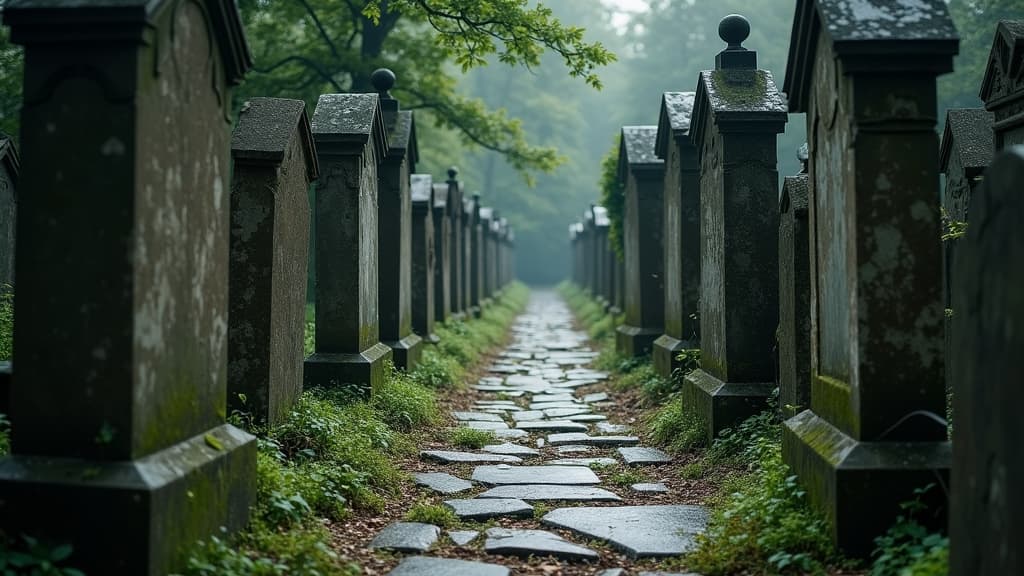
Do you love visiting old cemeteries and learning about the buried people there? Or maybe you have an ancestor laid to rest in one of these historic burial grounds. Either way, you’re not alone in your fascination with old gravestones.
For some, it’s the artistry involved in creating these monuments. For others, it’s the history that each stone represents. And still, for many, it’s the mystery surrounding some of the symbols and epitaphs that can be found on them.
Whatever your reason for being interested in old gravestones, this guide will be fascinating. We’ll look at the history of these stones, how they’ve evolved, and some of the most common types that you’ll find today. While this article explores the rich history behind designs, families shopping for a memorial today can start with for practical purchasing advice.
So, grab a cup of coffee, get comfortable, and let’s explore the fascinating world of old gravestones!
What Are Old Gravestones?
An old gravestone is defined as any stone marker that is used to identify and commemorate the burial site of an individual or individuals. These stones are also sometimes referred to as headstones, tombstones, or markers.
Gravestones have been used throughout history to remember and honor our deceased loved ones. For many people, they provide a connection to those who have passed away and act as a physical embodiment of our memories.
These stones come in all shapes and sizes, and they can be made from a variety of headstone materials. The most common type of gravestone is made from granite, but you’ll also find stones made from marble, sandstone, limestone, and even wood.
The History Of Gravestones
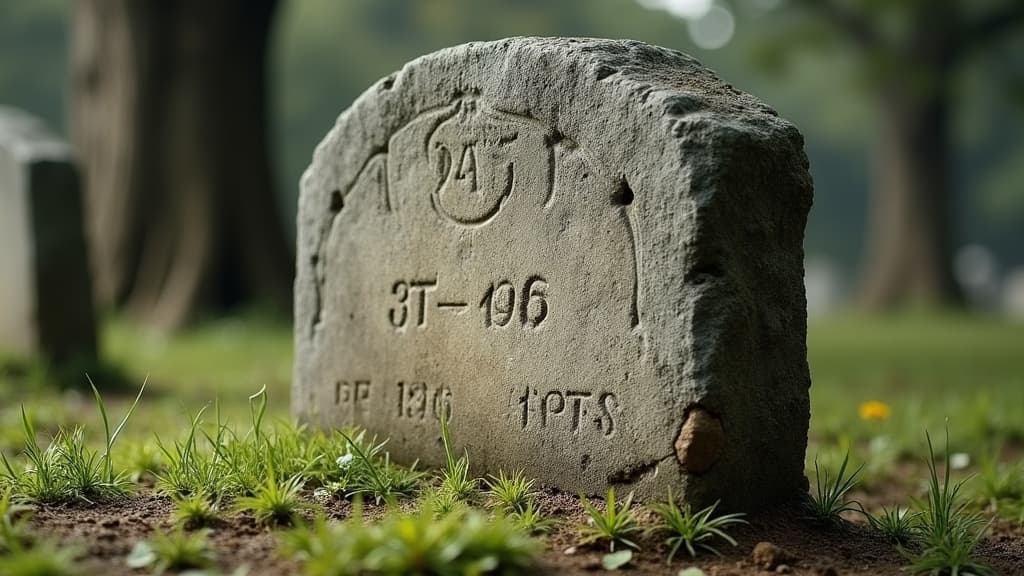
The use of gravestones dates back thousands of years when our ancestors were first learning how to bury their dead. They have been used to mark graves for centuries, with the earliest ones dating back to the Ancient Egyptians. The vast majority of early gravestones were simple slabs of stone or wood placed atop the grave. These rudimentary markers were often unadorned, with only the deceased’s name and dates inscribed upon them.
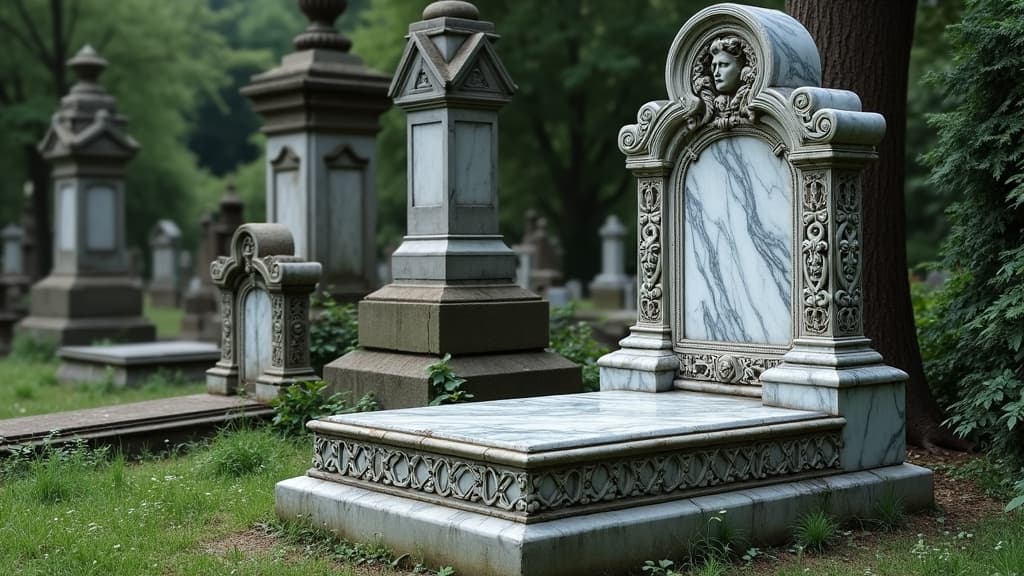
As time went on, gravestones became more elaborate, with carved designs and headstone symbols adorning them. This was especially true during the Victorian era when grieving families would commission lavish headstones as a way to remember their departed loved ones.
People began to add more information to these stones as time went on. This is where we get the epitaphs, or short sayings, that are often found on modern gravestones.
The Evolution Of Gravestones
If you were to walk through an old cemetery, you would quickly notice that the gravestones have changed quite a bit over time. This is due to several factors, including changes in technology, artistry, and even religion.
1. Material Of Stones
One of the most significant changes that have occurred is in the materials used to make these stones. In the beginning, the tombstones in America were usually uncomplicated, undemanding, and made from resources that were readily available nearby.
These early tombstones were typically carved from soapstone, sandstone, limestone, slate, or locally available material. They were also soft enough to be easily carved into tombstones.
Stones from the first generation of gravestones were chosen for how easily they could be worked.
They were often split into a rough thickness, like a piece of wood, because of the bedding planes’ prominence.
Today, some of these early colonial gravestones are in a near-pristine condition, like The Kings Chapel and the Granary.
Some other early gravestones have weathered away over time. For example, many Connecticut River Valley sandstone headstones have not lasted. Learn more about restoring old grave stones in our headstone restoration guide.
Victorian Era (1837-1901)
The Victorian era saw a change in attitudes towards death, with the winged death’s head being softened and represented as a winged cherub. In 1800, marble and brownstone monuments were introduced, which often featured verses or portraits carved into them.
The table-like shape of some megalithic monuments allowed families to picnic by them as they visited their loved ones. Common symbols included angels of death, the Dove, the Eye of Horus, the Egyptian symbol Ankh, weeping willows, flowers, horseshoes, maple leaves, and swords.
Introducing Marble Gravestones In 1873
Marble gravestones first became popular in the 1873s during the Civil War. The US government provided these headstones for civil war soldiers who died. Confederate soldiers also received similar headstones after the war ended. The designs in private cemeteries were simple slabs that were four inches thick, 12 inches tall, and 10 inches wide.
Shift To Granite Stones For Memorial Markers
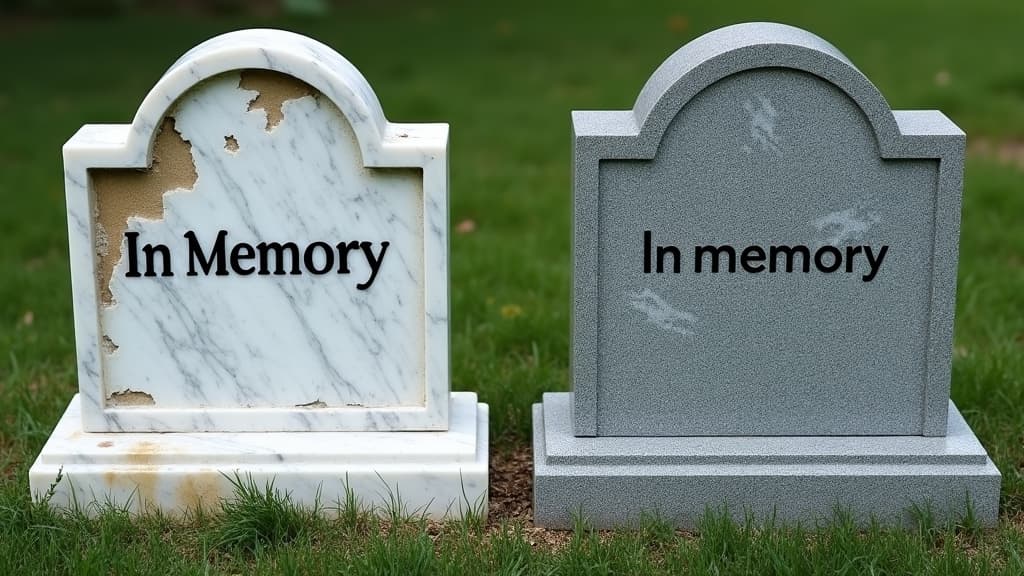
The environmental factors began to affect the marble stones by 1900, and it became difficult to read the engraved lettering. So, granite became the popular material for monuments as it is available in various shades and colors. Also, it can stand against the elements and has a shine that lasts long. Granite is one of the most popular materials used to make gravestones.
So, in the early days, most gravestones were made from limestone because it was a soft material that was easy to carve. However, people began to use harder materials like granite and marble as time went on. These materials are much more durable and less likely to deteriorate over time.
2. Carving The Stone Slab
Another significant change that has occurred is how these stones are carved. In the past, most gravestones were hand-carved by skilled artisans. However, with the advent of new technologies, many of these stones are now laser-etched or machine-carved. This means that they can be produced much faster and lower cost. It also means that there is a lot less variation in how they look.
3. Information On Grave Markers
In the past, most gravestones listed the name and dates of birth and death of the person who was buried there. However, many modern gravestones now include much more information, such as biographical details, photographs, and even quotes or poems. This is because we have a greater need to remember and honor our loved ones in today’s world. Learn more about modern headstone design ideas.
The Present-Day Different Types Of Gravestones
The development of technology has resulted in a significant change in the materials used for gravestones. In the past, headstones were made from stone, wood, or metal. However, they are usually made from granite, marble, or bronze these days.
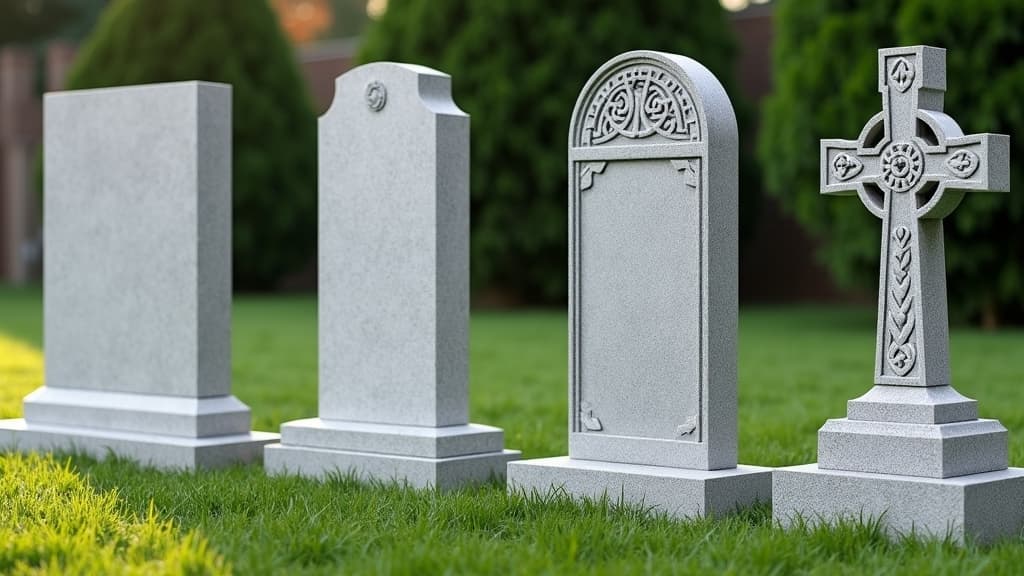
There are many different types of grave markers that you’ll find in cemeteries worldwide. Here are just a few of the most common types:
Flat Headstone: Flat bronze grave markers or granite grave markers lie flush with the ground. It is the most common gravestone found in modern cemeteries and is generally made from granite, bronze or marble.
Footstones: Footstones are smaller stones placed at the foot of the grave. They often bear the initials of the person who is buried there.
Slanted Headstone: A slanted headstone is a type of gravestone set at an angle rather than being flush with the ground or standing upright. In Catholic and Christian religions, family members may also place images there.
Crosses: Crosses are a prevalent type of gravestone, especially for those who belong to the Christian faith. They come in all shapes and sizes, and they can be made from various materials.
Statue Headstone: A statue headstone features a statue or other sculptural element. It is one of the more popular headstones, as it allows for a more personal tribute.
Celtic Crosses: Celtic crosses are a type of cross that is very popular in Ireland in Celtic and Roman cultures. They often have intricate designs, and they are made from materials like granite or marble.
Ledger Headstone: Ledger headstones are a large, flat stone that lies horizontally on the ground. The grave marker covers the entire burial chamber and is used in modern funeral customs.
Bevel Headstone: They are slanted at the top and have a beveled edge. The bevel can face in or out, and this kind of headstone is usually used as a single grave marker. They were commonly used in colonial times and found in old cemeteries.
Tree Headstone: A tree headstone is a type of gravestone in the shape of a tree. It is a popular choice for those who want to have a unique headstone representing their love of nature.
Obelisks: Obelisks are tall, slender gravestones that taper to a point at the top. They are usually made from granite or marble, and they often bear inscriptions or epitaphs.
Dogstones: Dogstones (or pet memorial grave stones) are small stones placed on the graves of pets. They often have the name and dates of birth and death of the pet and short memorial inscriptions.
Summing Up
Grave markers are a physical embodiment of remembrance. They commemorate the life of those who have passed and provide support for those left behind. As time goes on, these markers take on even more meaning as families and friends come together to remember their loved ones.
They can also provide insight into the history of our families and communities. We’ve explored the different types of gravestones and their meanings in this article. We hope you’ve enjoyed learning about them as much as we enjoyed writing about them. Let us know in the comments below.