🏬Supersize Online Funeral Retailer🪦1000's of Headstones⚱️Over 10,000 Cremation Urns⚰️Caskets Overnight Delivery🛒Funeral & Memorial Superstore🚚FREE Shipping on ALL Orders👨👩👧👦Helping Families for over 20 Years💰Lowest Price Guarantee🏬Supersize Online Funeral Retailer🪦1000's of Headstones⚱️Over 10,000 Cremation Urns⚰️Caskets Overnight Delivery🛒Funeral & Memorial Superstore🚚FREE Shipping on ALL Orders👨👩👧👦Helping Families for over 20 Years💰Lowest Price Guarantee
🏬Supersize Online Funeral Retailer🪦1000's of Headstones⚱️Over 10,000 Cremation Urns⚰️Caskets Overnight Delivery🛒Funeral & Memorial Superstore🚚FREE Shipping on ALL Orders👨👩👧👦Helping Families for over 20 Years💰Lowest Price Guarantee🏬Supersize Online Funeral Retailer🪦1000's of Headstones⚱️Over 10,000 Cremation Urns⚰️Caskets Overnight Delivery🛒Funeral & Memorial Superstore🚚FREE Shipping on ALL Orders👨👩👧👦Helping Families for over 20 Years💰Lowest Price Guarantee
A dog funeral gives your family a chance to gather, remember, and say goodbye to a companion who shaped your daily life. Whether your dog passed after a long illness or left suddenly, setting aside time for a ceremony can help everyone — adults and children alike — begin to process the loss and honor the bond you shared. Planning a service does not need to be complicated or expensive, but having a simple framework helps when grief makes even small decisions feel overwhelming.
This guide walks you through every step of planning a meaningful dog funeral service, from choosing between cremation and burial to selecting readings, organizing tributes, and creating lasting keepsakes. If you are still navigating the first hours after your dog's passing, our complete pet memorial guide covers the full range of decisions families face, and our article on outlines the immediate practical steps.
Before planning the ceremony itself, you will need to decide how your dog's body will be cared for. The two primary options are cremation and burial, and your choice shapes the timing, location, and format of the funeral.
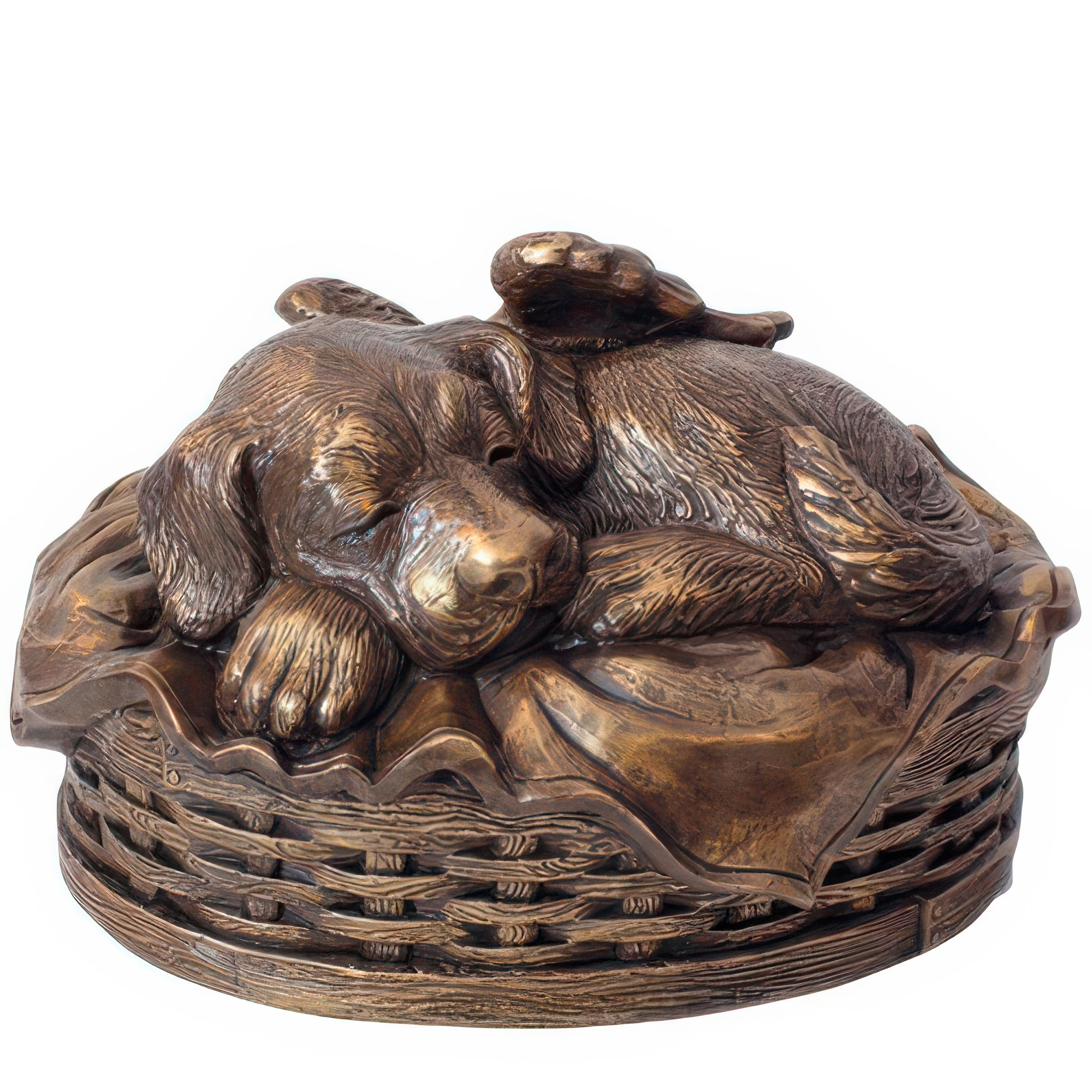
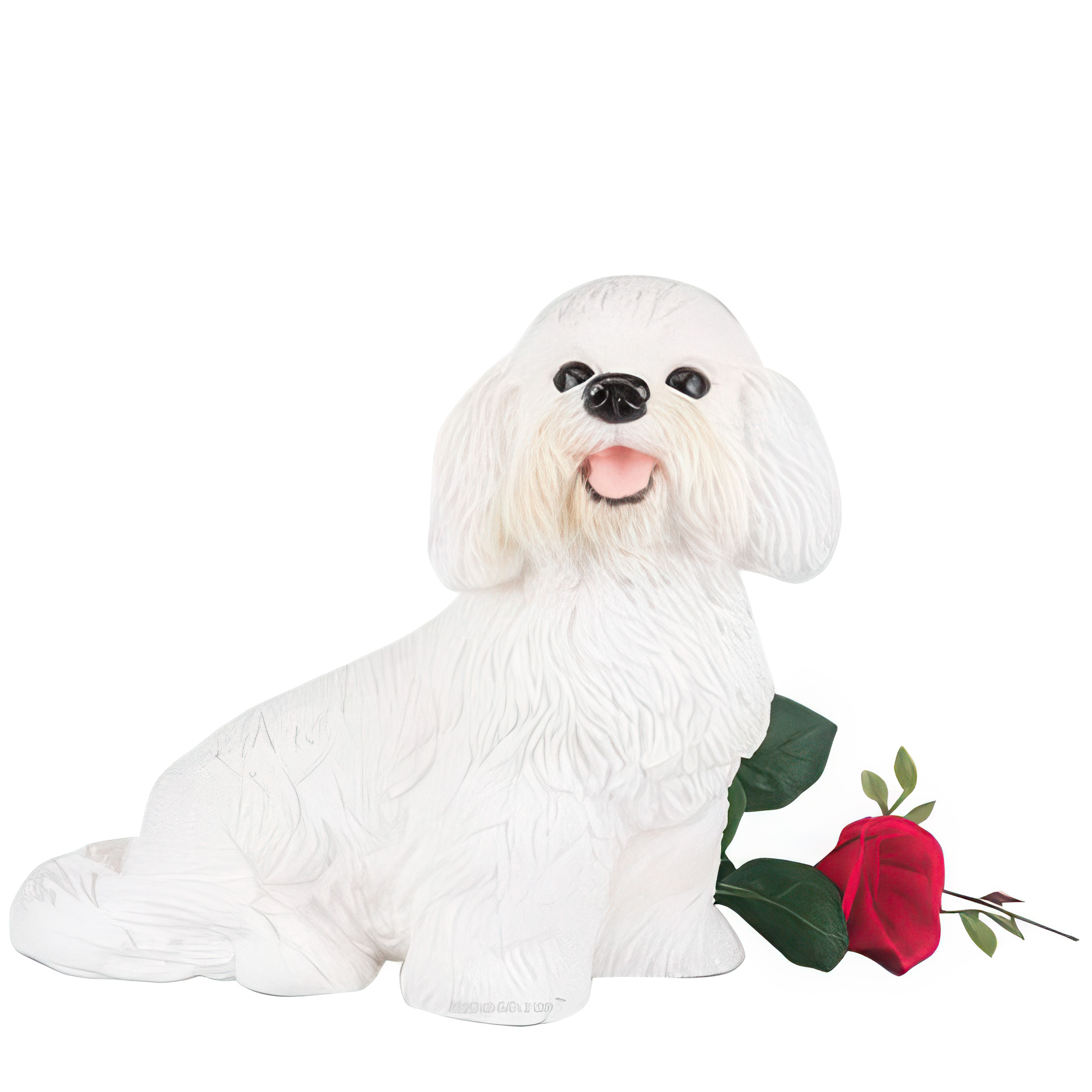
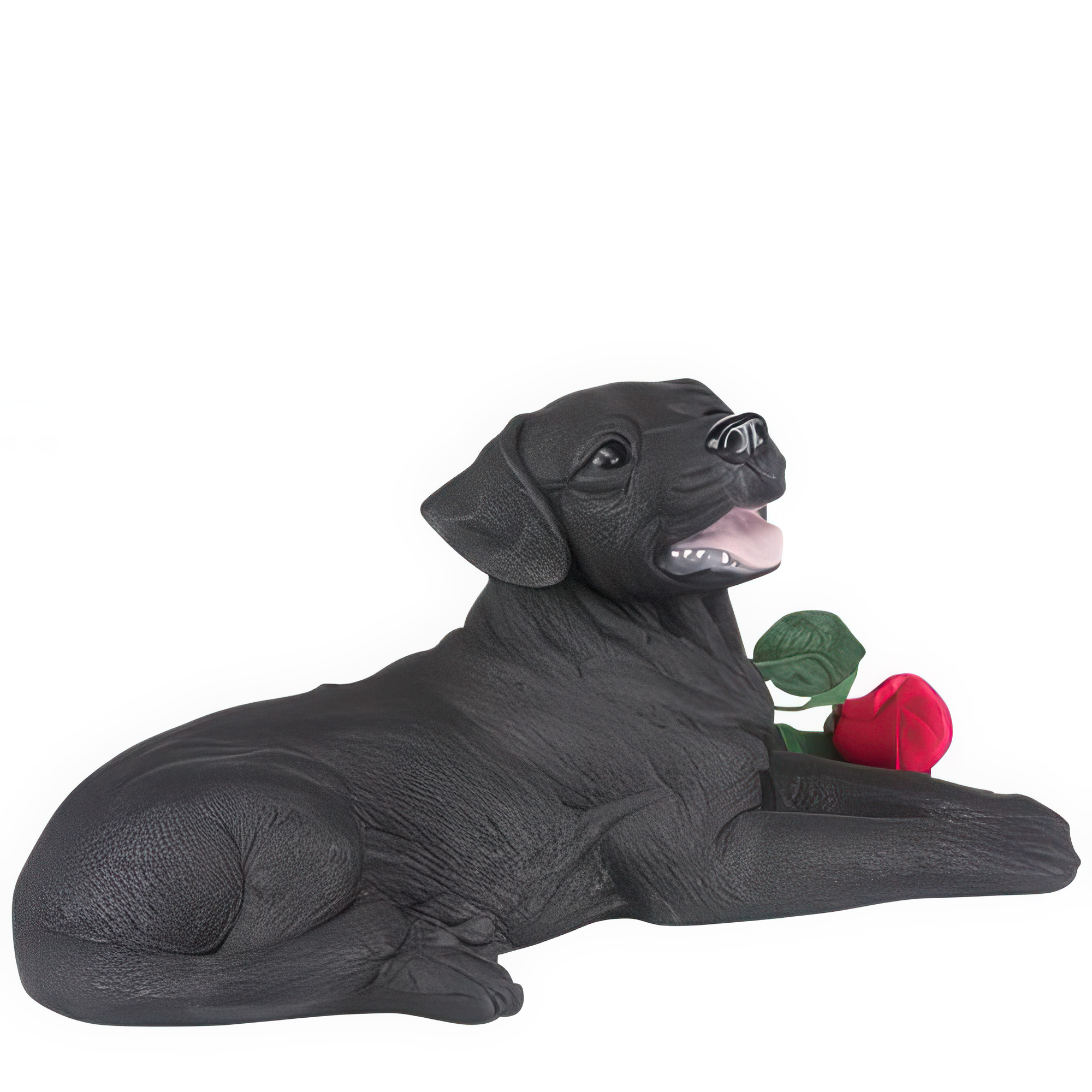
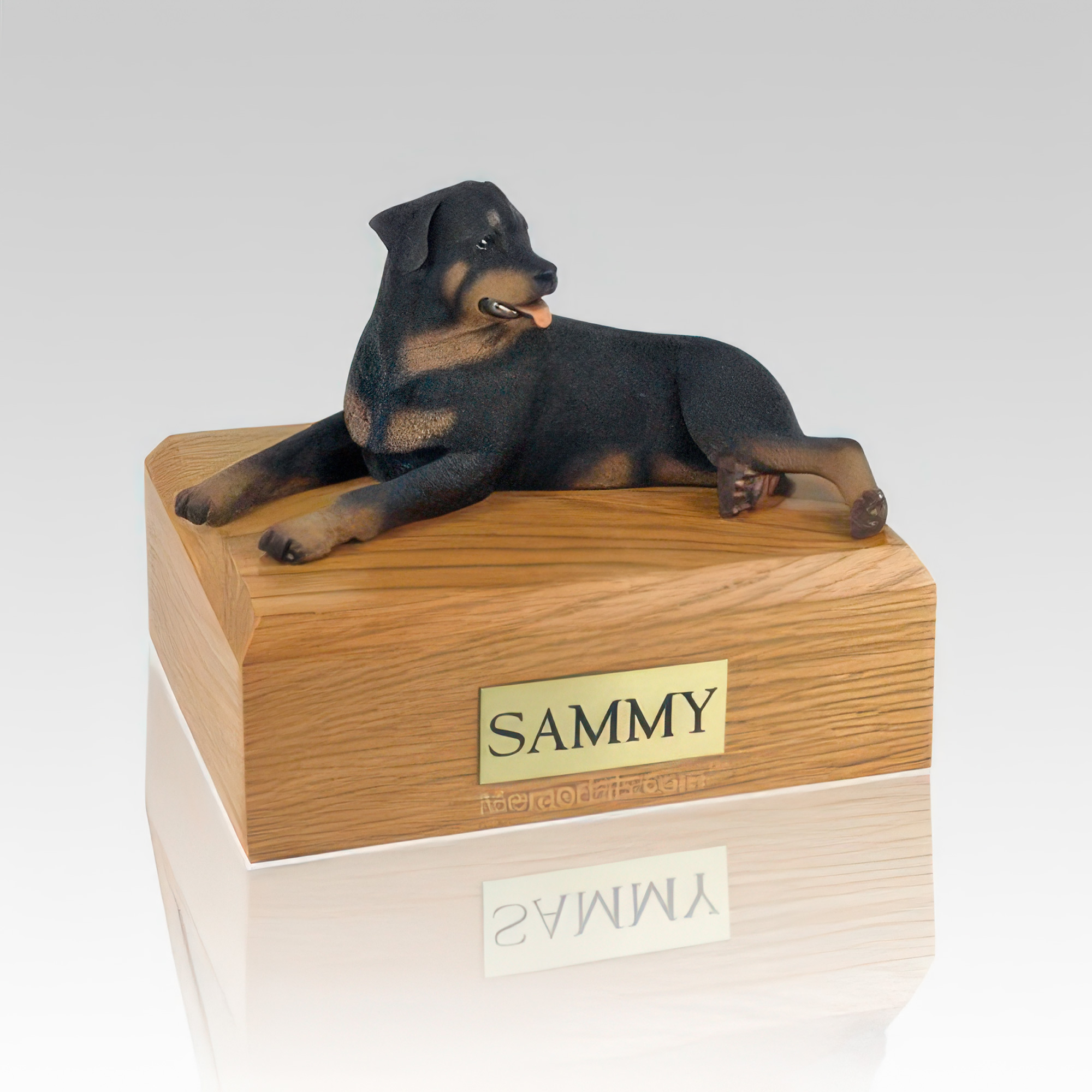
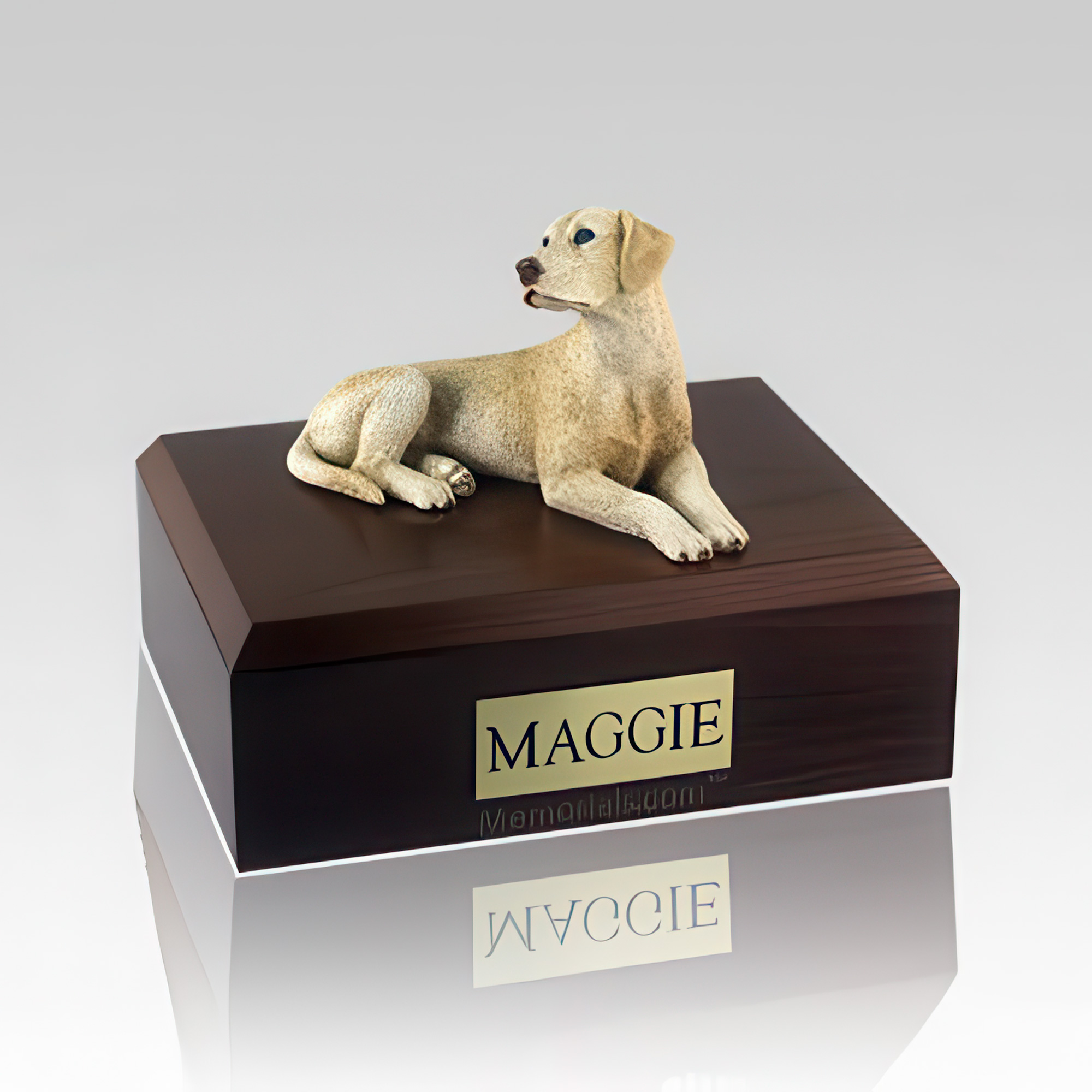
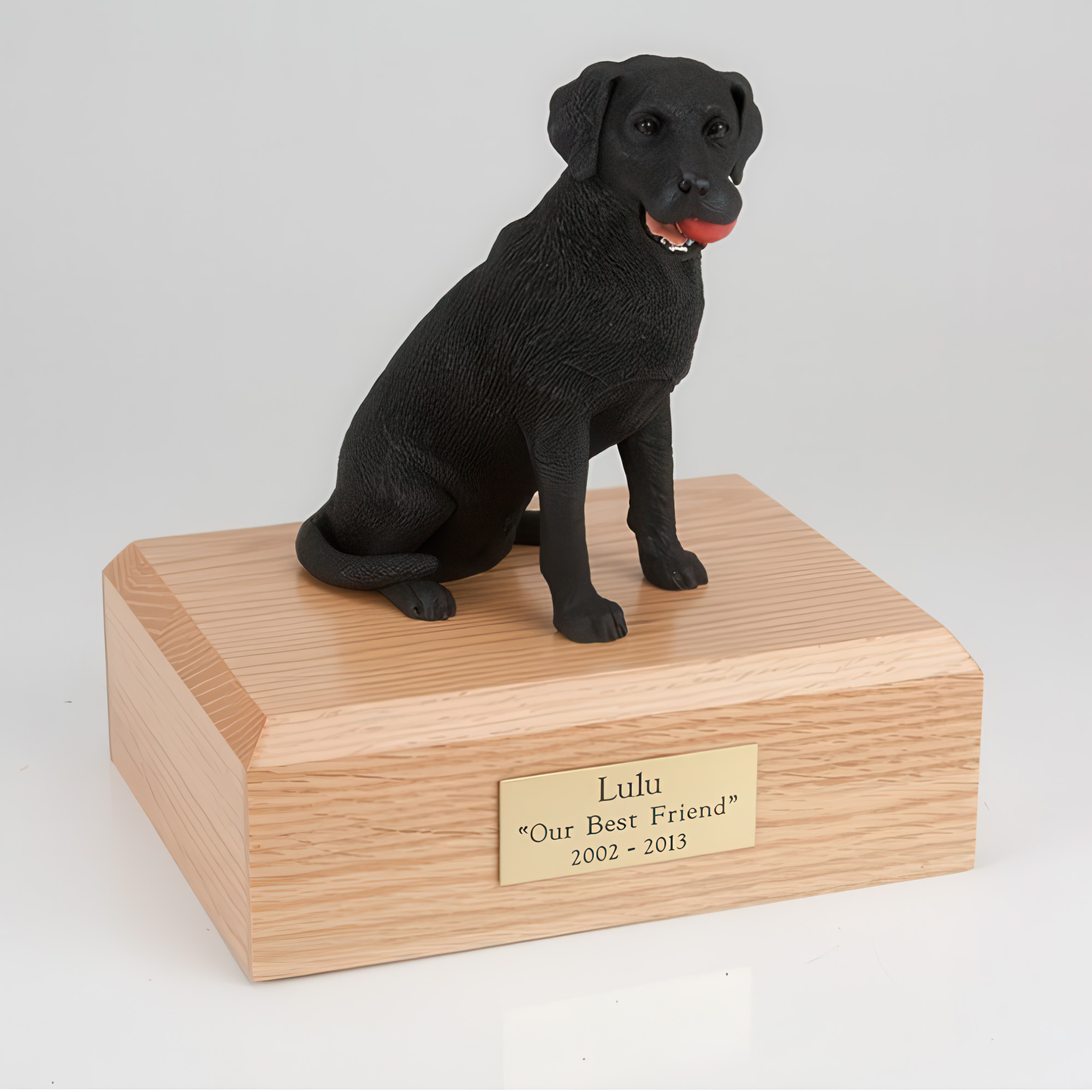
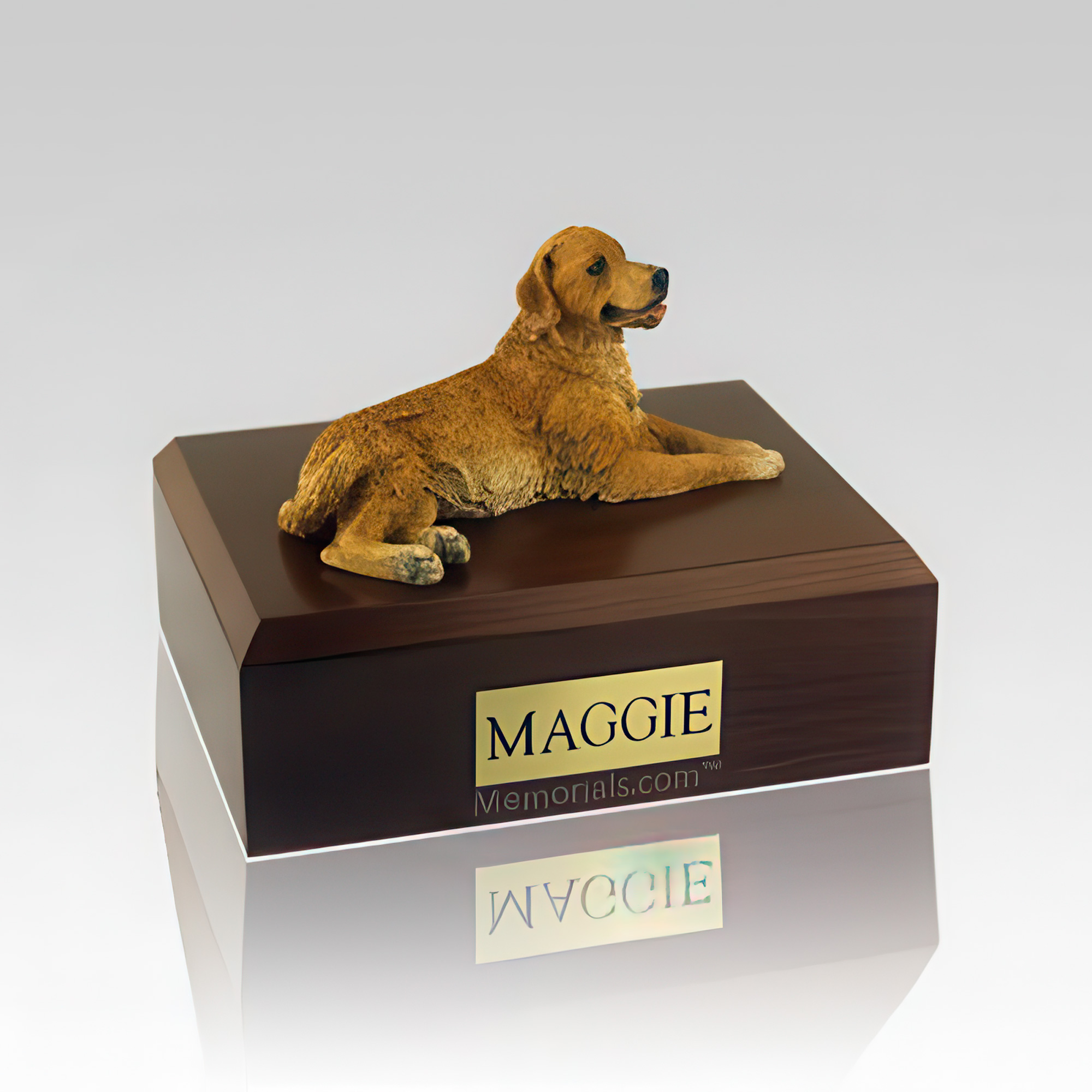
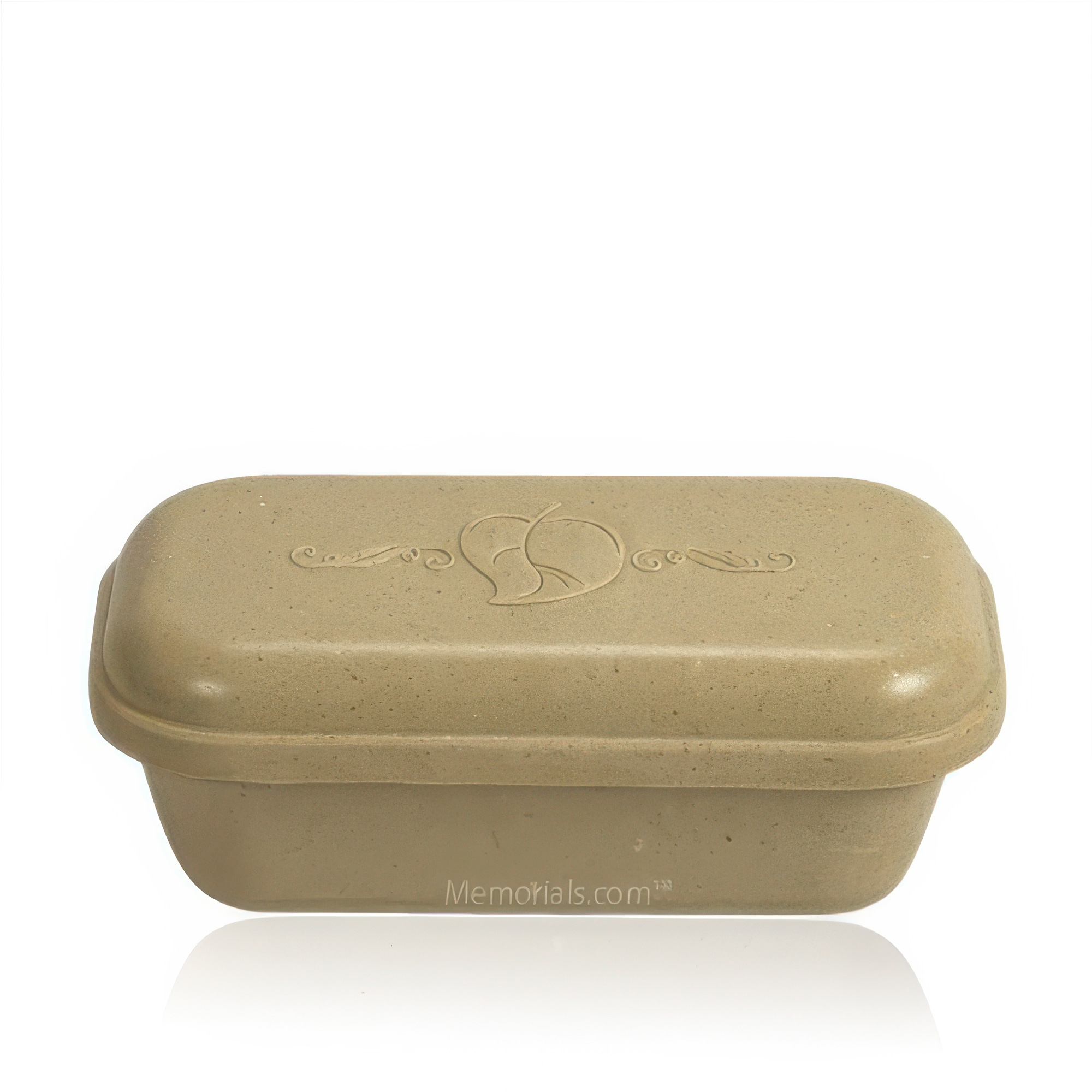
Cremation is the most common choice for dogs today. A private cremation ensures you receive only your dog's ashes, which can be placed in a pet urn, scattered at a meaningful location, or divided among family members using keepsake urns. The pet cremation cost typically ranges from $50 to $300 depending on your dog's size and the type of cremation you select. Many families hold the funeral ceremony after receiving the ashes, which allows more flexibility in timing and location.
Burial is an option for families with private property or access to a pet cemetery. If you plan to bury your dog at home, check local ordinances first — most areas require a burial depth of at least three feet. A pet cemetery handles logistics professionally and provides a permanent grave site with a pet memorial grave stone or marker. The burial can serve as the ceremony itself, or the funeral can be held separately.
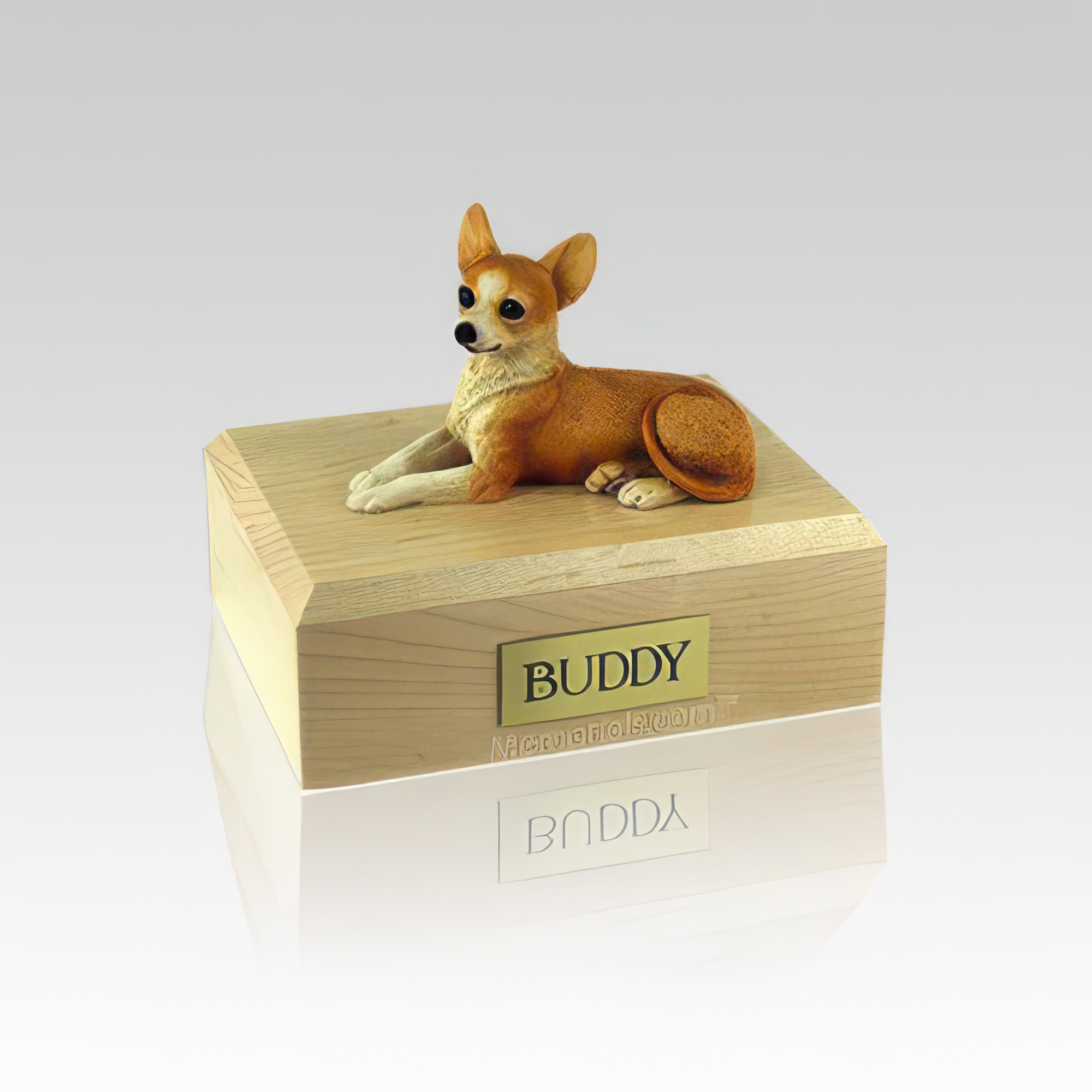
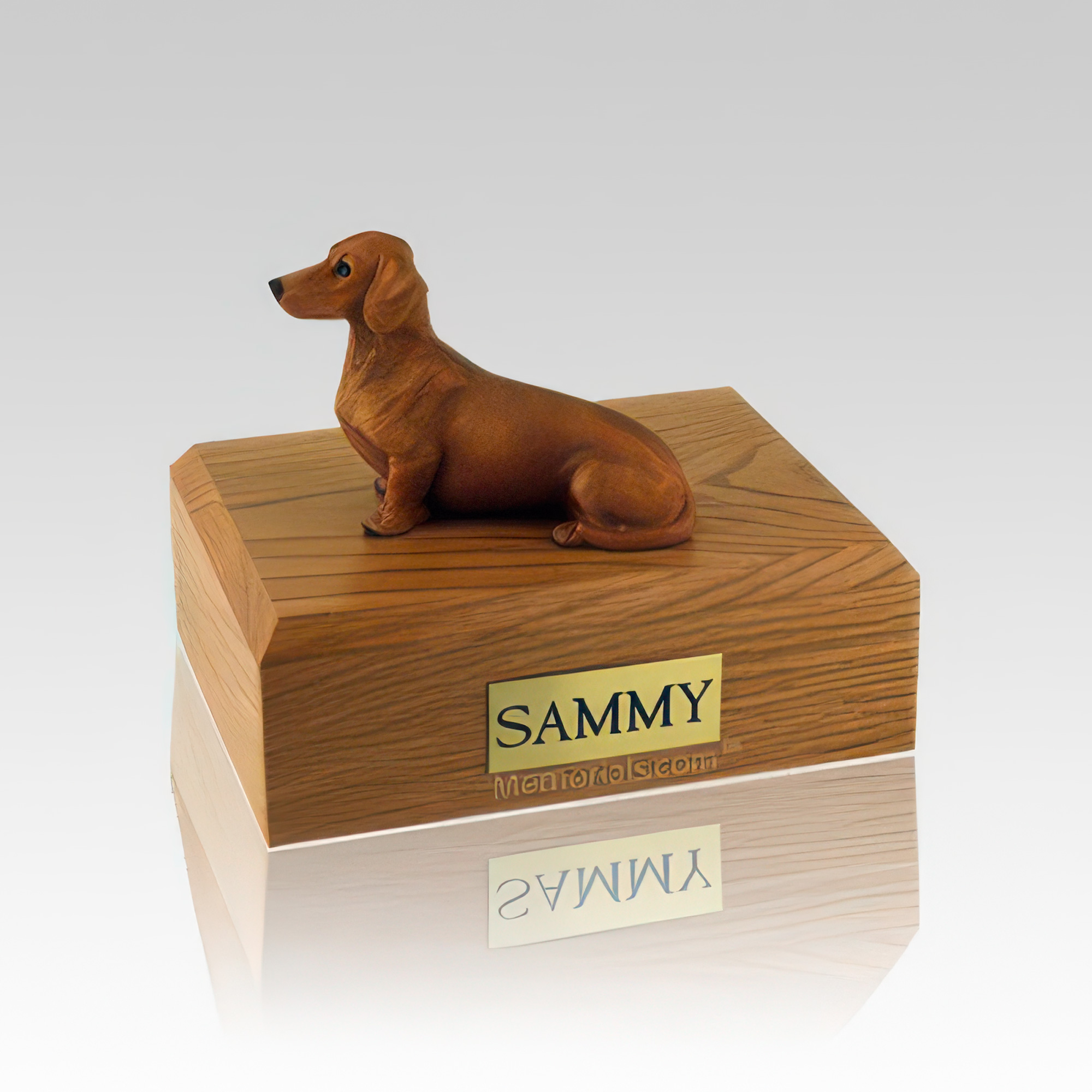
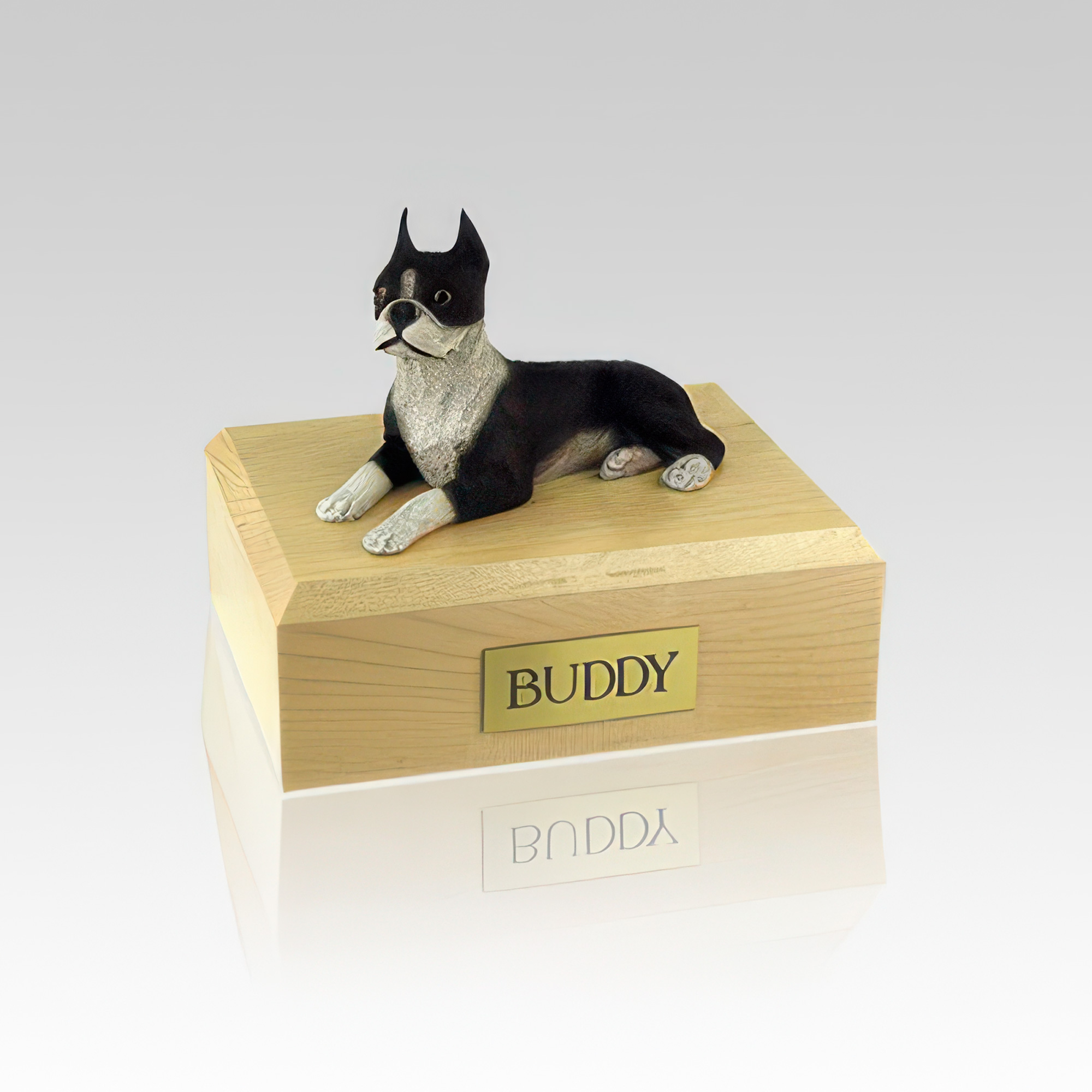
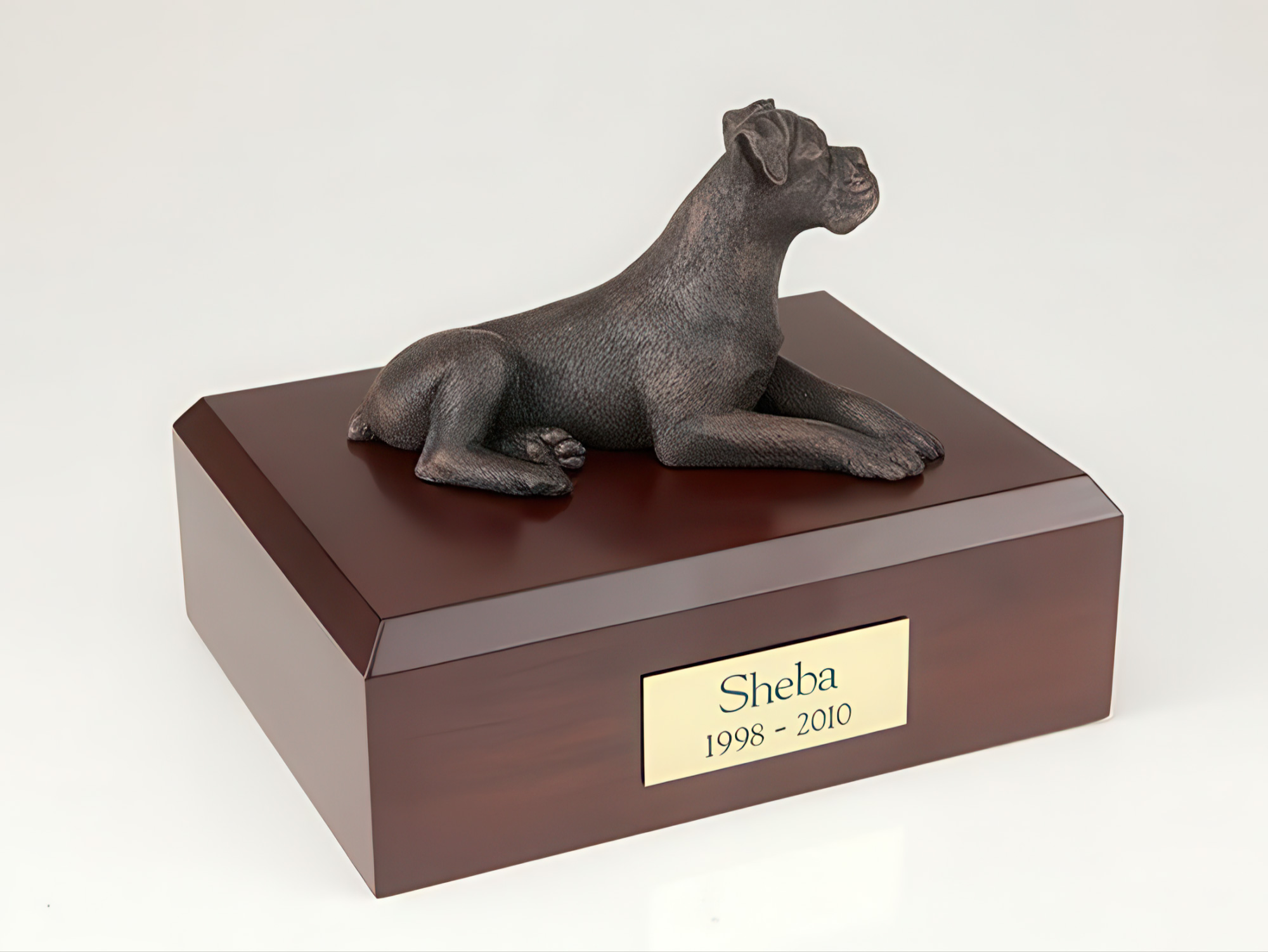
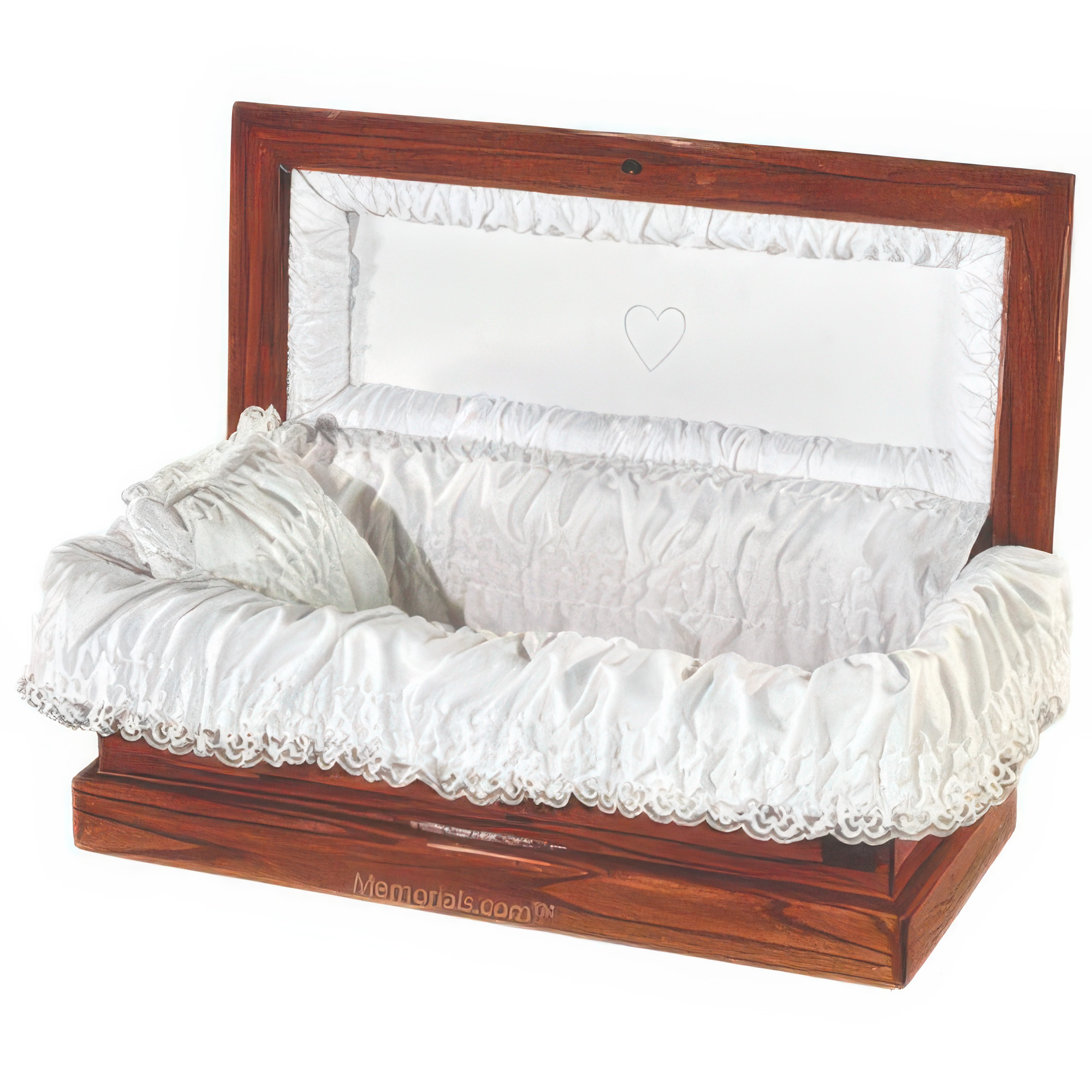
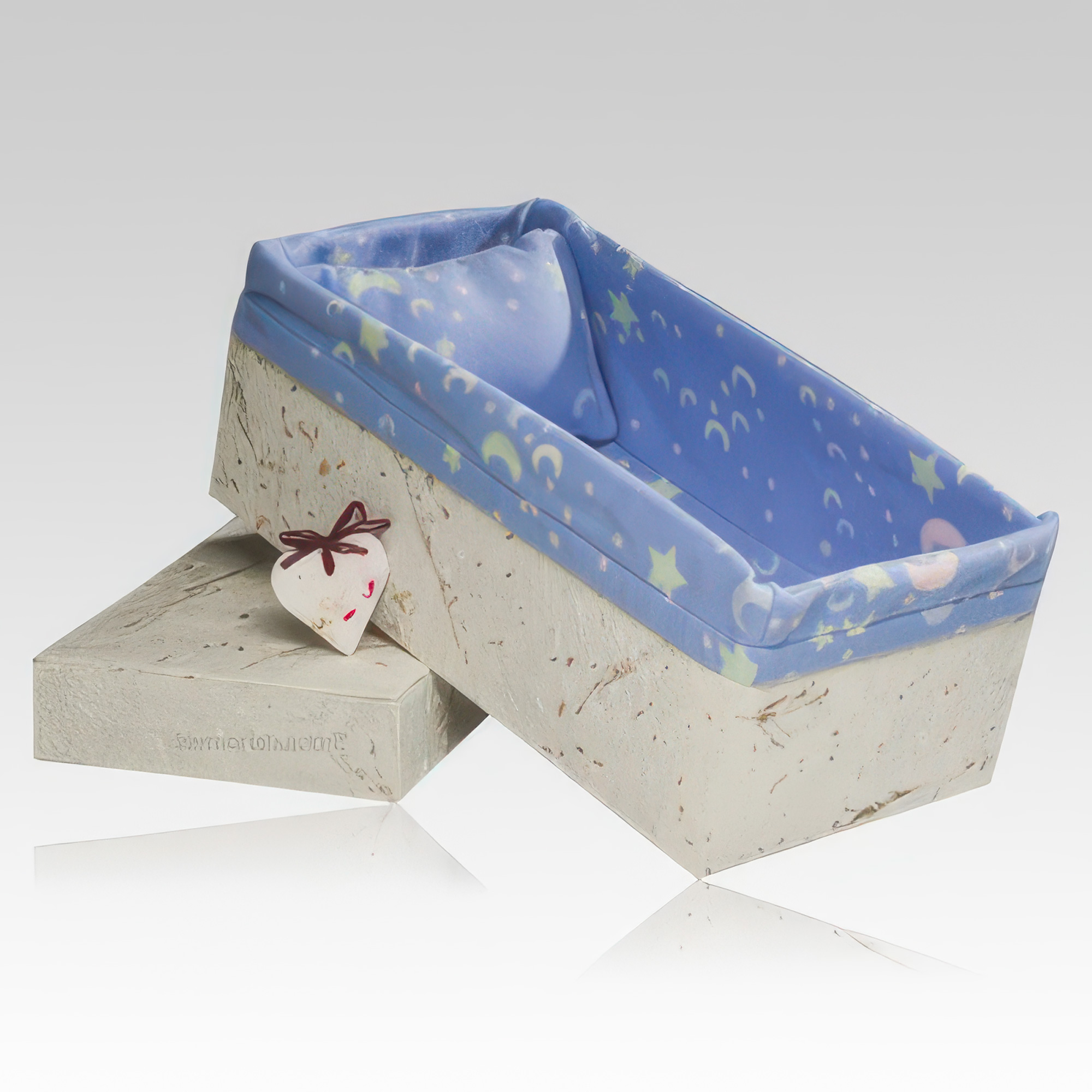
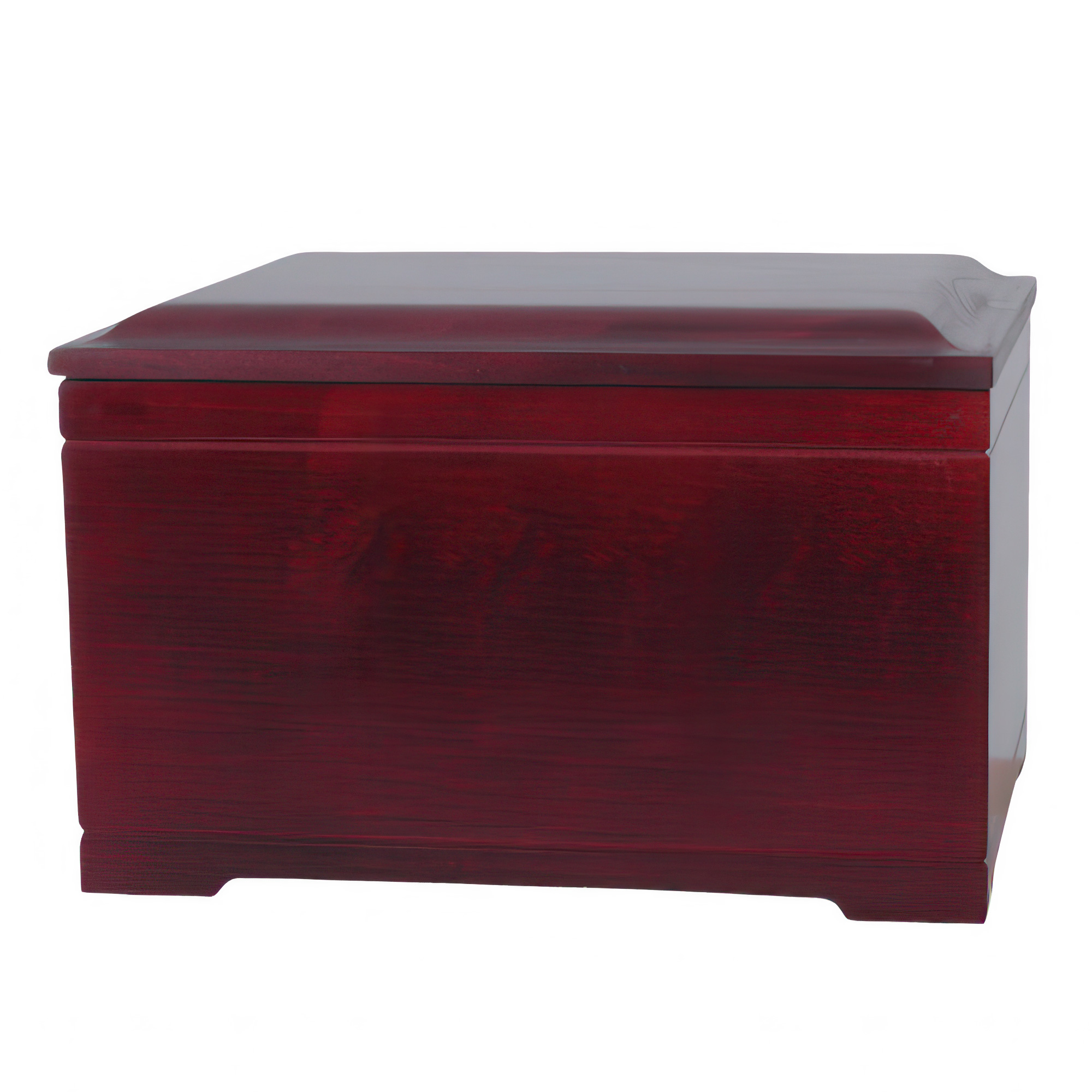
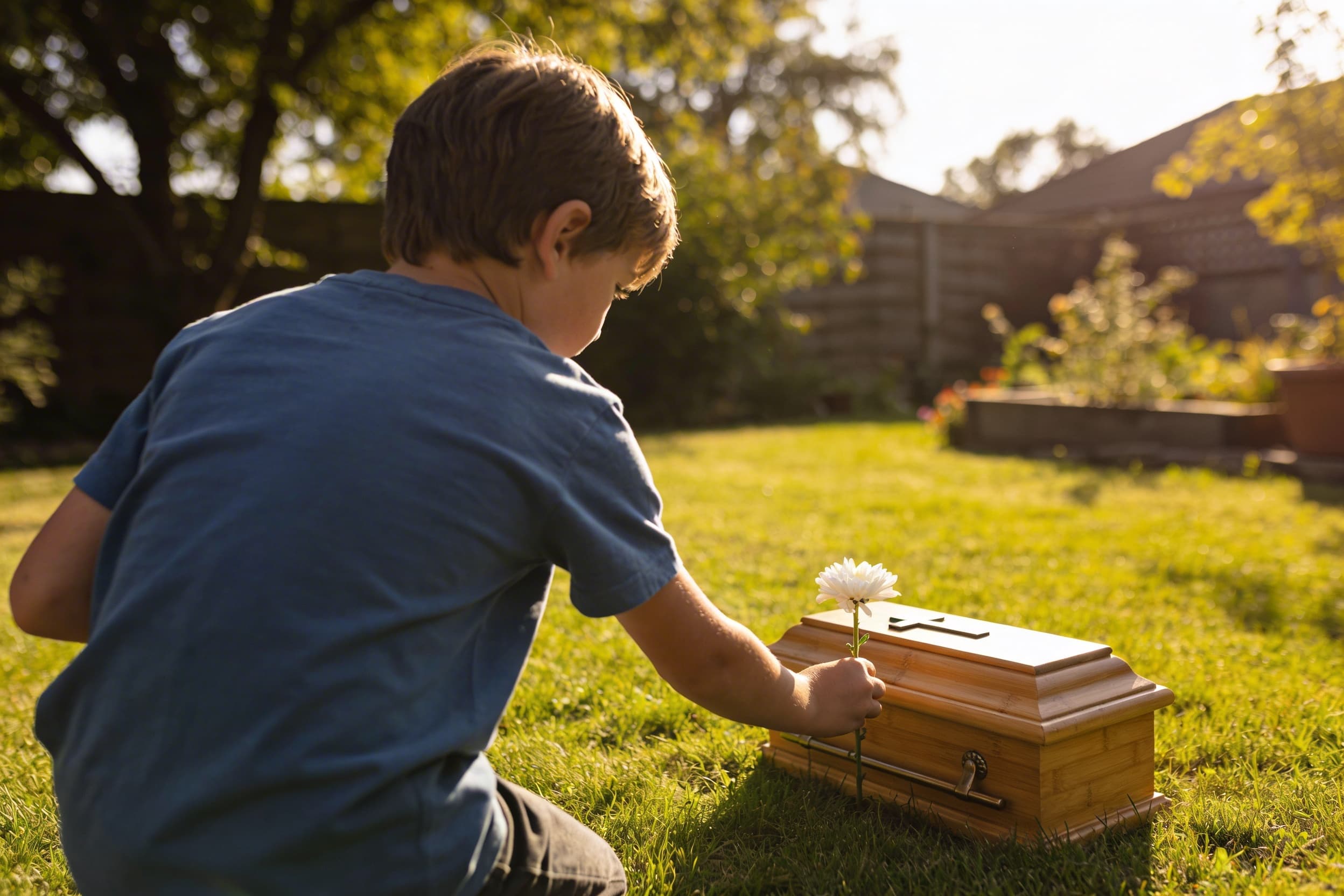
For either choice, a pet casket provides a dignified resting place. Wood pet caskets are a popular selection for home burials, as they are biodegradable and complement a natural setting.
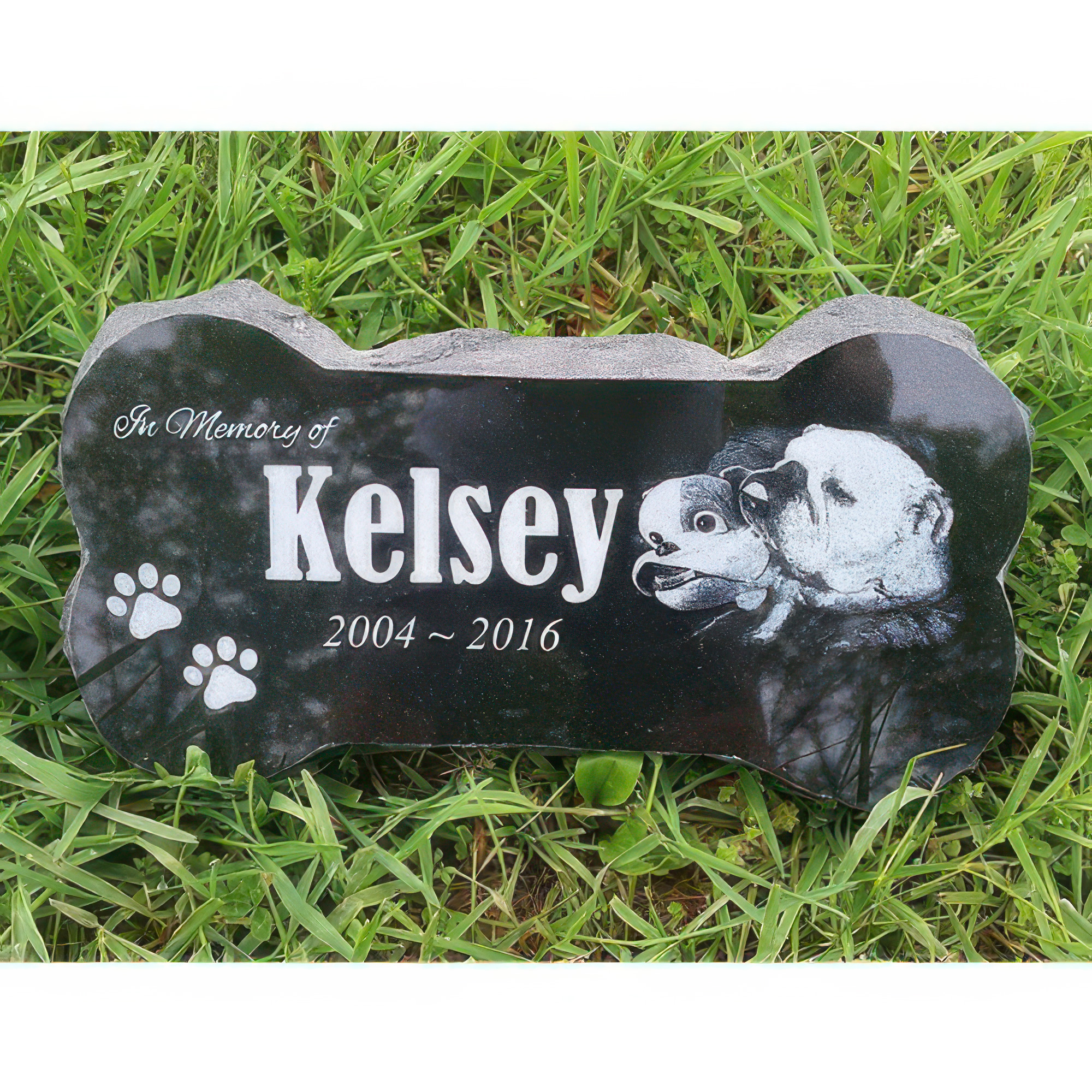
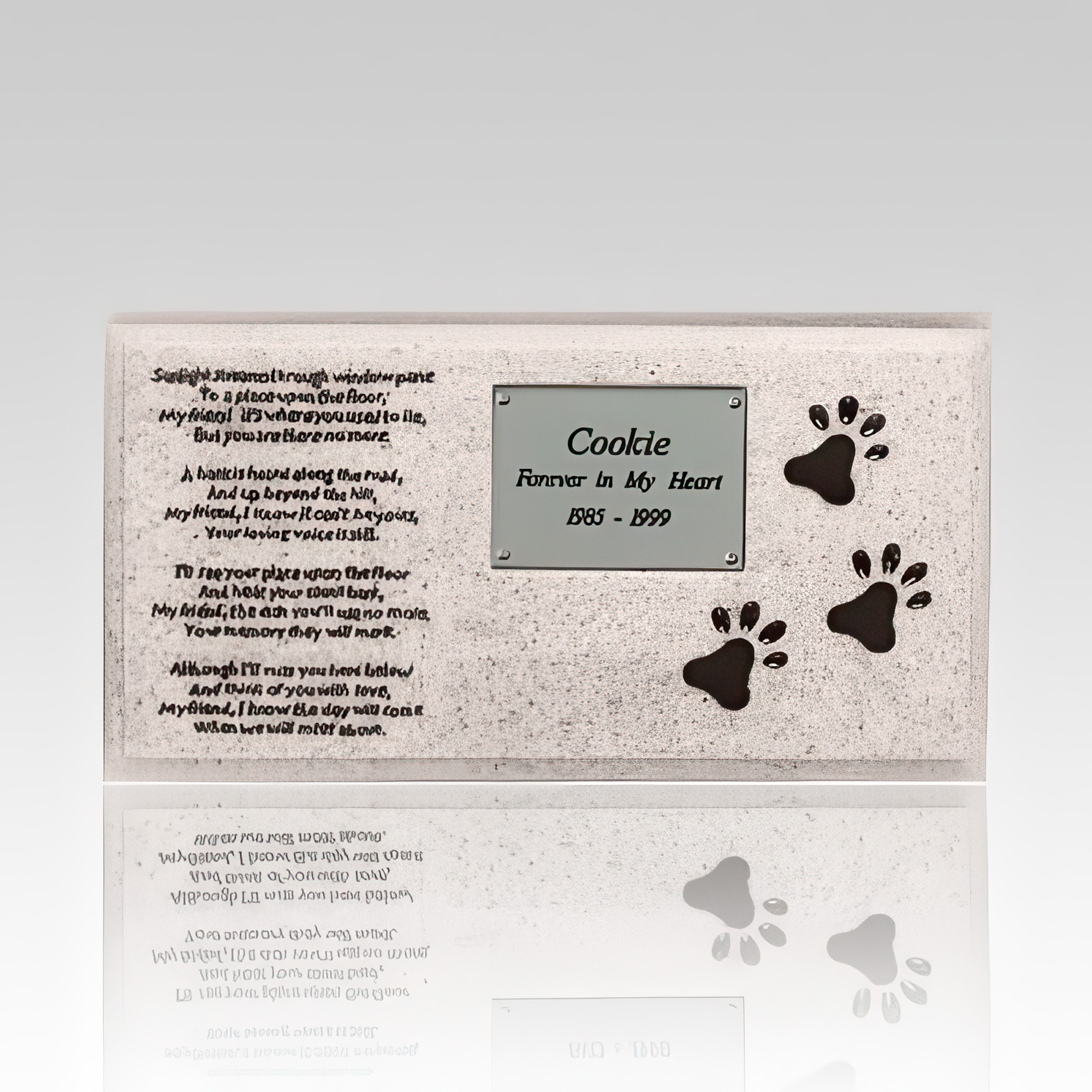
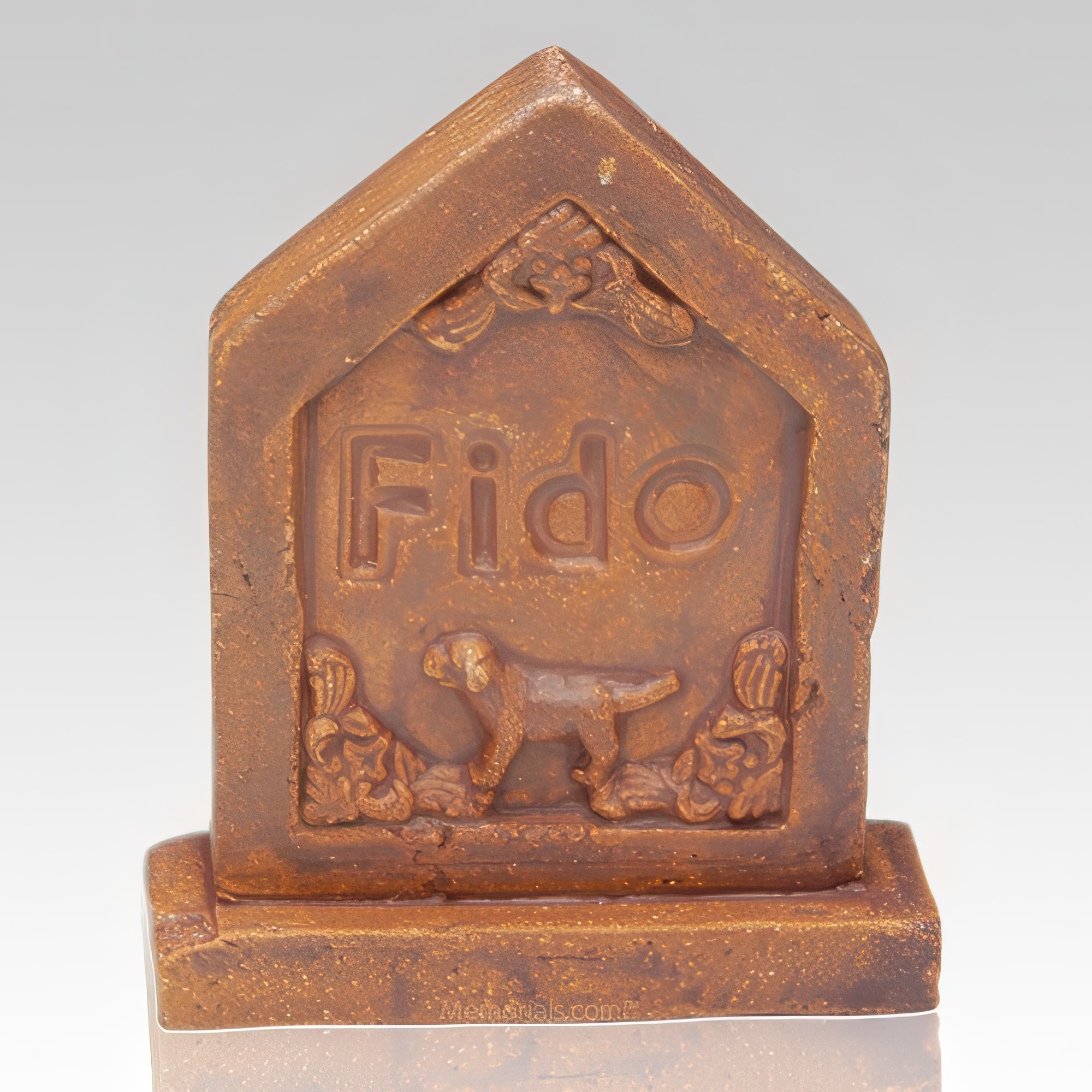
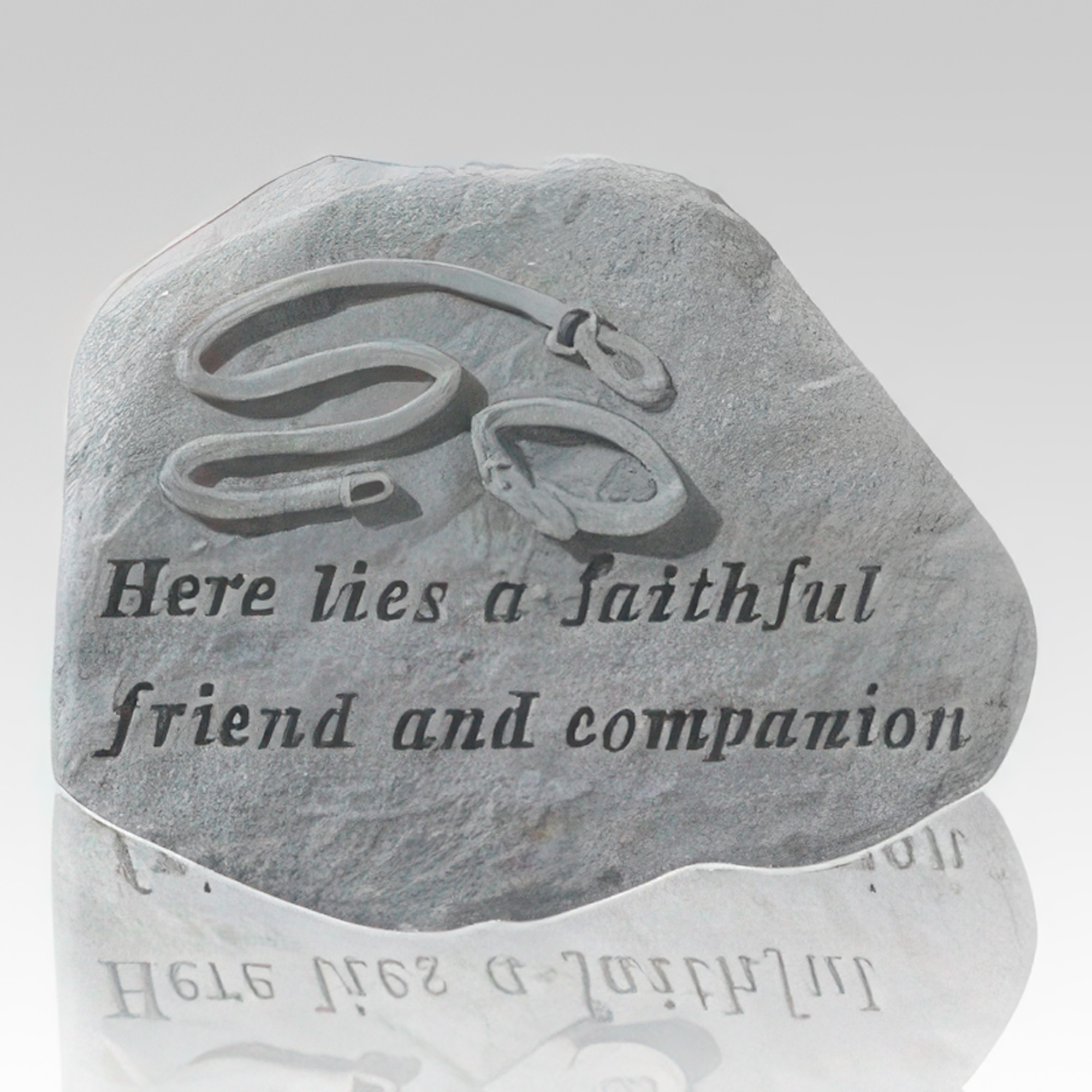
Browse Our Most Popular Dog Memorial Products
Handcrafted urns, headstones, and keepsakes to honor your beloved companion
The setting for a dog funeral should feel meaningful to your family and connected to your dog's life. There is no wrong choice — the ceremony can be as formal or informal as you need it to be.
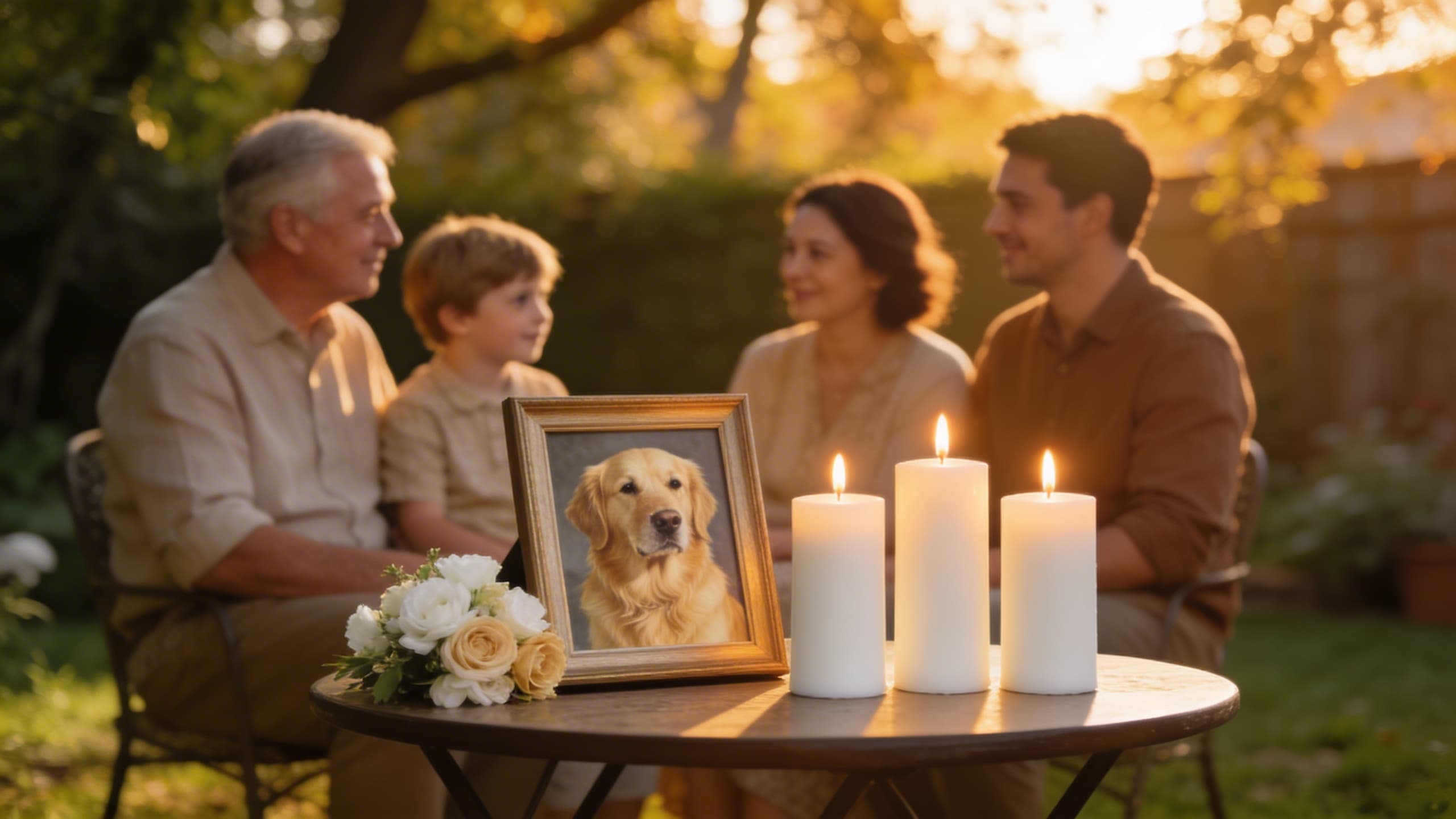
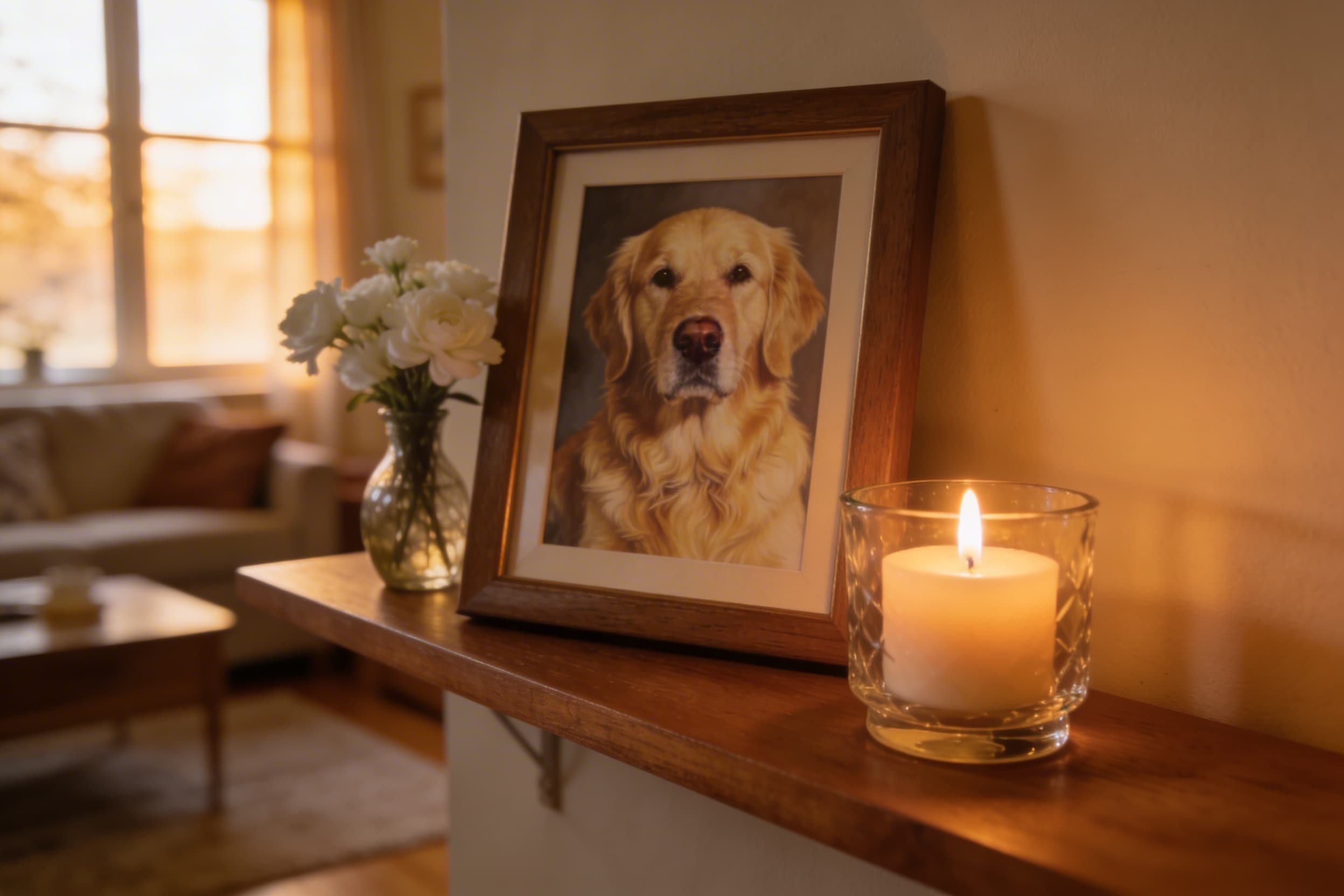
Popular locations include your backyard or garden, especially if it was your dog's favorite spot for napping or playing. A nearby park, beach, or trail where you walked together regularly can also work beautifully for a memorial gathering. Some families hold the service indoors, around a table arranged with photos, candles, and the dog's collar and tags.
If you choose a pet cemetery for burial, the cemetery grounds themselves become the natural setting. Pet funeral homes in some areas also offer visitation rooms and chapel spaces for families who want a more structured environment.
For families spread across different locations, a virtual ceremony over video call allows everyone to participate and share memories together.
Planning the Ceremony: A Step-by-Step Framework
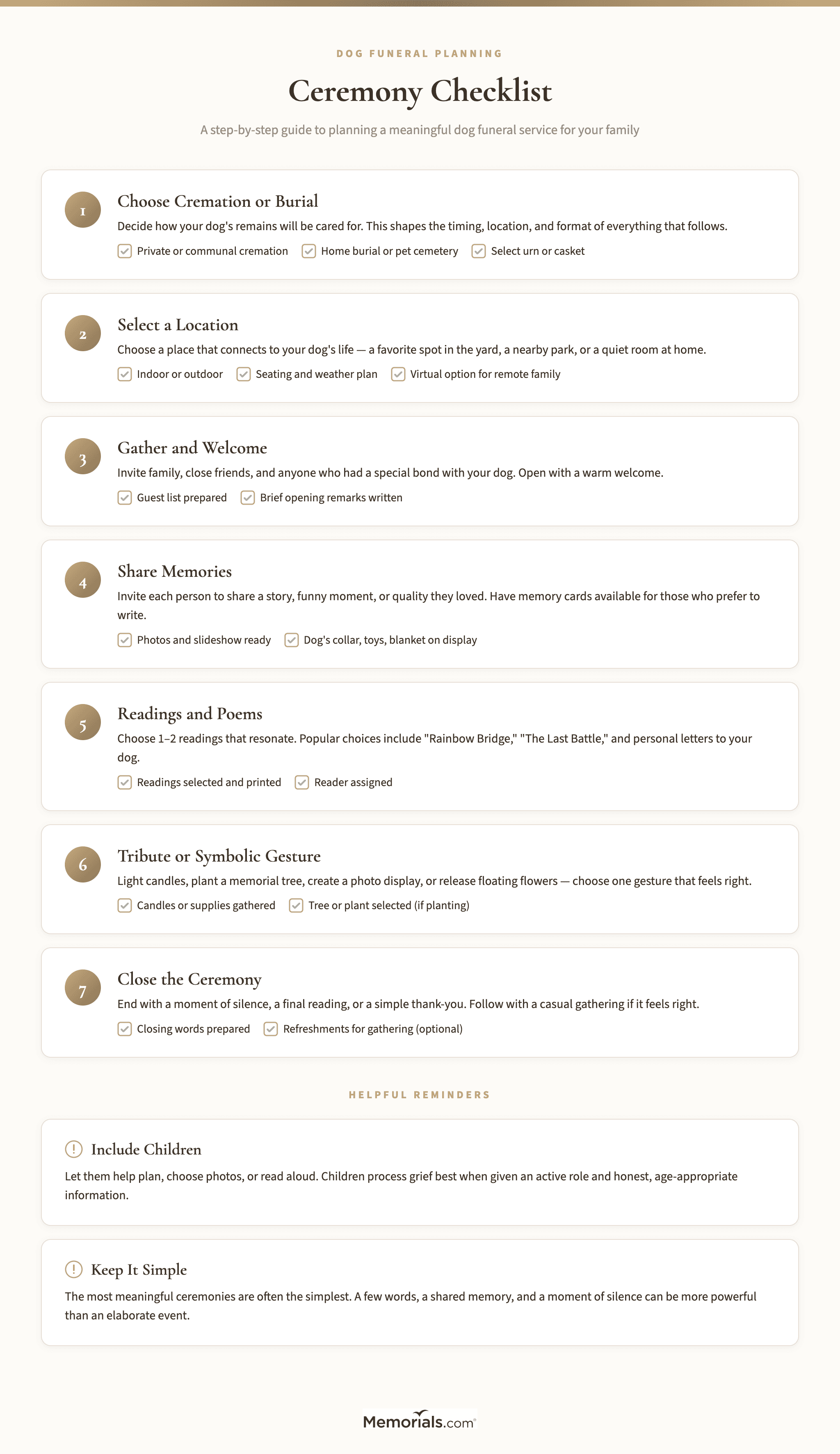
A dog funeral ceremony does not require a script, but a loose structure helps everyone feel included and gives the service a sense of beginning, middle, and close. Here is a simple framework you can adapt.
1. Gathering and Welcome
Invite family members and close friends who knew your dog. You might also include neighbors who regularly greeted your dog on walks or fellow dog-park friends. Keep the tone warm and open — let people know that tears and laughter are both welcome.
Begin with a brief welcome acknowledging why you are gathered. Something as simple as, "We're here to remember [dog's name] and celebrate the joy they brought into our lives," sets the right tone without formality.
2. Sharing Memories
This is often the most meaningful part of a dog funeral. Invite each person to share a favorite memory, a funny story, or a quality they loved about your dog. Children especially benefit from this step — it gives them an active role in the goodbye and validates their grief.
Some families pass around a photo album or play a short slideshow during this time. Others bring the dog's favorite toy, leash, or blanket to the gathering as a tangible connection. If sharing aloud feels too difficult, guests can write memories on cards to be collected and kept by the family.
3. Readings or Poems
Including a reading gives the ceremony a reflective pause. Several poems and passages have become cherished by pet owners for their ability to express what words often cannot. Some widely loved choices include "Rainbow Bridge" (an anonymous prose poem about pets waiting to reunite with their owners), "The Last Battle" (a poem about a pet asking their owner to let go), and "A Dog Has Died" by Pablo Neruda. You can also read a passage from a favorite book, a religious text, or a personal letter written to your dog.
Keep readings short — one or two selections are enough to provide comfort without overwhelming the emotional weight of the moment.
4. A Tribute or Symbolic Gesture
Adding a small tribute gives the ceremony a focal point and creates a shared experience that everyone remembers. Here are several ideas that families have found meaningful:
Candle lighting. Set out a candle for each family member or guest. Light them one at a time while sharing a word or phrase that describes your dog. Votives or pillar candles in glass holders are safest, especially outdoors. After the ceremony, guests can take the candles home and relight them when they want a quiet moment of remembrance.
Photo display. Arrange framed photos of your dog at different ages alongside their collar, tags, and a favorite toy. This creates a visual memorial that anchors the ceremony and sparks conversation.
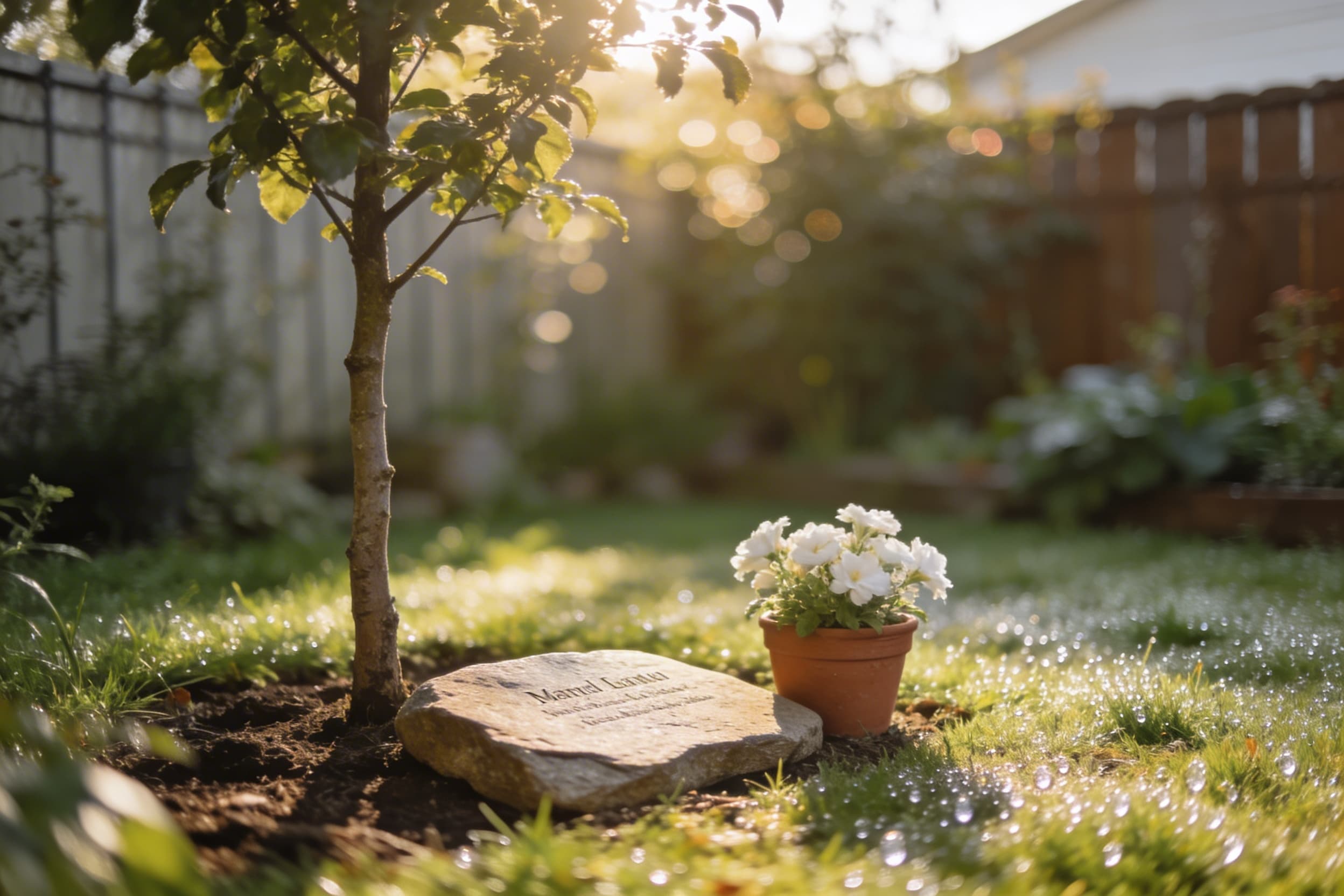
Memorial tree or garden planting. Planting a tree, shrub, or flowering plant in your dog's honor creates a living tribute that grows over time. Oak and maple trees are long-lasting choices. Lilac bushes and hydrangeas provide seasonal blooms that serve as gentle reminders.
Paw print keepsake. If you created a clay or ink paw print before or shortly after your dog's passing, display it during the ceremony. Some families frame the print or place it alongside the urn.
Releasing butterflies or floating flowers. For an outdoor ceremony near water, floating flowers downstream offers a symbolic gesture of letting go. Butterfly releases are another option, though they work best in warm weather.
5. Closing
End the service with a moment of silence, a final reading, or a simple statement like, "Thank you for being here. [Dog's name] was loved, and they will be missed." If the ceremony includes a burial, the lowering of the casket and placement of flowers or soil is a natural closing point.
Some families follow the ceremony with a casual gathering — sharing food, looking through photos, or simply spending time together. This social element can be especially comforting for children who need to see that life continues even after a painful loss.
Photo and Video Tributes
Creating a visual tribute is one of the most lasting ways to honor your dog at a funeral service. A simple slideshow set to quiet music can bring together years of photos and short video clips into a single, moving tribute.
How to create a slideshow. Gather photos from your phone, social media, and family members. Organize them roughly by timeline — puppyhood, adventures, quiet moments, and the most recent photos. Free tools like Google Photos, Canva, or iMovie make it easy to arrange photos with transitions and background music. Keep the slideshow under five minutes to maintain emotional impact without overwhelming the audience.
Memorial video. If you have short video clips of your dog playing, greeting you at the door, or doing something characteristically them, a compilation set to a meaningful song creates a powerful tribute. Some families save this video and watch it on the anniversary of their dog's passing.
Physical photo display. Print a selection of favorite photos and arrange them on a board, table, or mantel alongside your dog's belongings. After the ceremony, this display can become a permanent memorial corner in your home.
Readings and Quotes for a Dog Funeral
Choosing the right words for a ceremony can feel daunting when you are grieving. The following categories of readings have been used by pet owners for generations, and each serves a different emotional purpose.
Comfort-focused readings reassure the bereaved that their dog is at peace. "Rainbow Bridge" is the most widely known example, and its imagery of a green meadow where pets wait for their owners has brought comfort to millions of families.
Gratitude-focused readings celebrate the joy your dog brought into your life. The Roger Caras quote — a well-known line about dogs making our lives whole — is a favorite for this purpose, as are original letters that family members write to their dog.
Letting-go readings help families release guilt and accept the loss, especially after euthanasia. "The Last Battle" addresses the difficult decision directly and has helped many families find peace with their choice.
Children's readings use simple, accessible language. Younger children might draw a picture or dictate a short message to read aloud. Older children can select a quote or write their own words.
You do not need to choose a famous poem. A handwritten letter from your child, a story about your dog's favorite game, or a list of things your dog taught you can be more meaningful than any published text.
Helping Children Through a Dog Funeral
For many children, a dog's death is their first experience with loss. A funeral ceremony provides structure that helps children process complex emotions and understand that grief is a normal, healthy response.
Include them in planning. Let children help choose photos, select flowers, or decide where the ceremony will take place. Giving them a role empowers them during a time that otherwise feels out of their control.
Encourage expression. Some children want to speak at the ceremony. Others prefer to draw a picture, write a letter, or place a toy in the casket. All of these are valid ways to say goodbye.
Be honest and age-appropriate. Use clear language — avoid euphemisms like "went to sleep" that can create confusion or fear. Explain what happened, what the ceremony is for, and that it is okay to feel sad, angry, or even relieved if the dog was suffering.
Watch for ongoing grief. Children may revisit their sadness in waves over weeks or months, especially at bedtime or when they pass the dog's empty bed. Keep the conversation open and revisit memories together. If you or your family are struggling, resources for coping with pet loss can offer additional support.
Creating Lasting Memorials After the Ceremony
A dog funeral marks the beginning of remembrance, not the end. Many families find comfort in creating a permanent memorial that keeps their dog's presence woven into daily life.
Memorial garden. Dedicate a corner of your garden with a planted tree, a stepping-stone path, or a pet memorial marker. This gives you a quiet place to sit and remember whenever you need it.
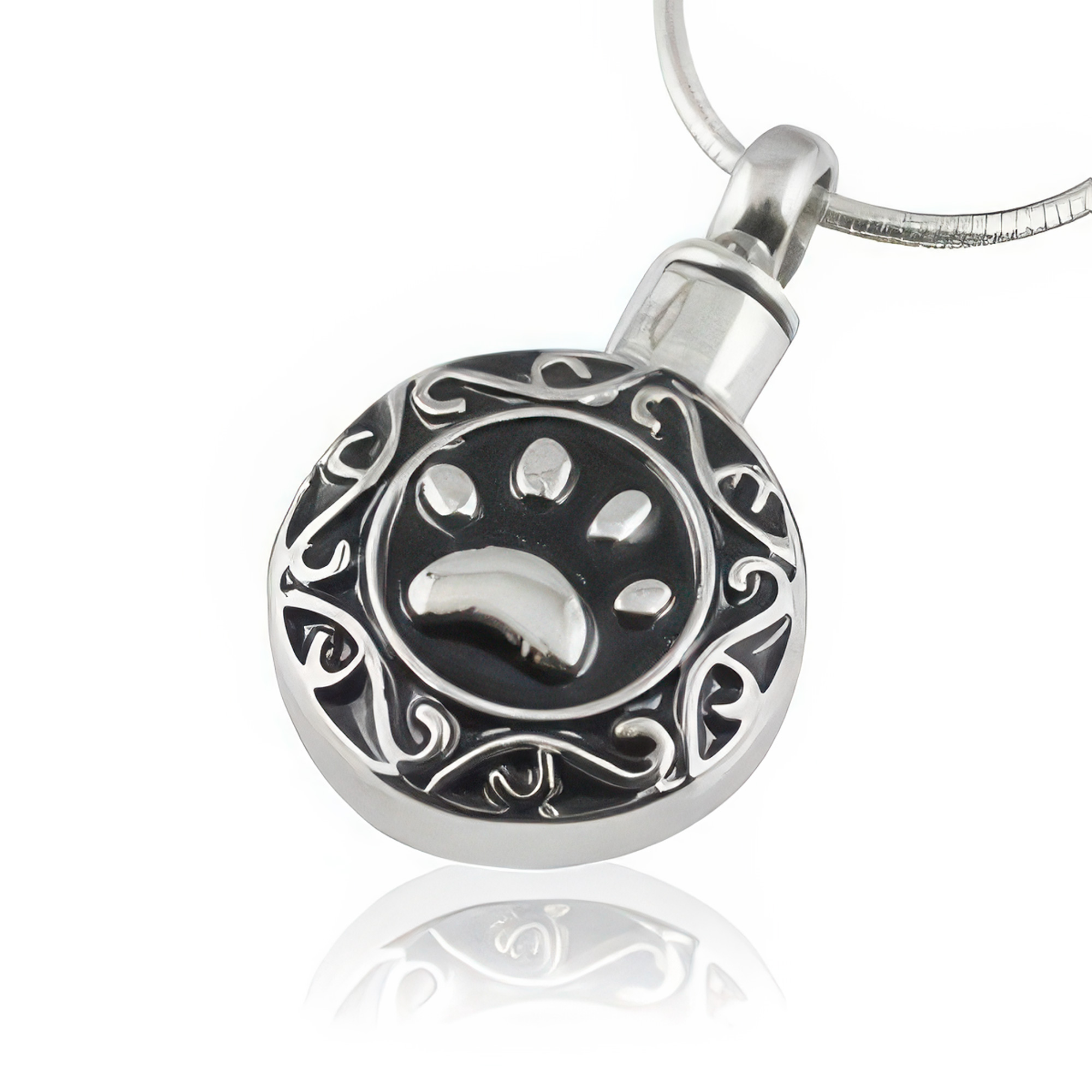
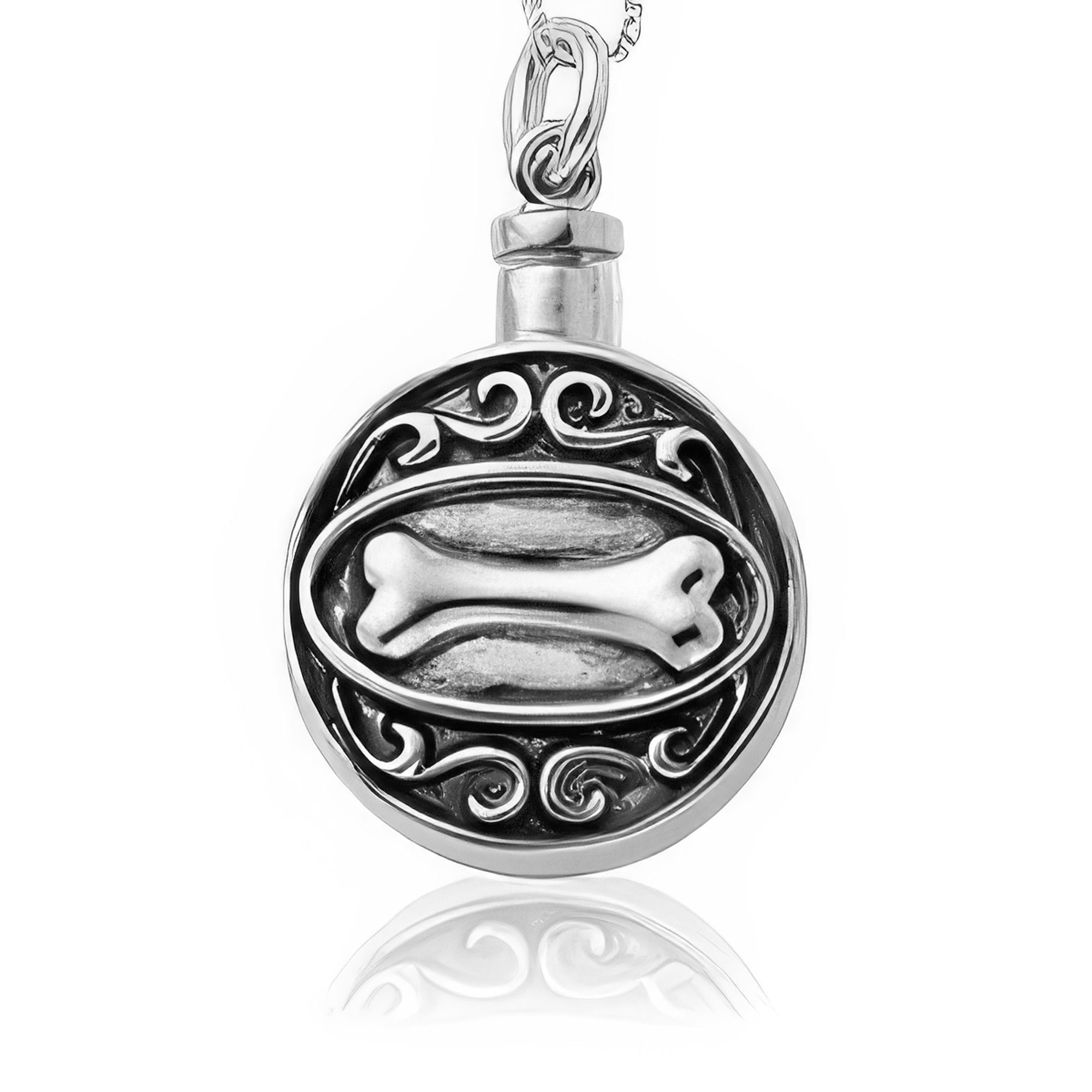
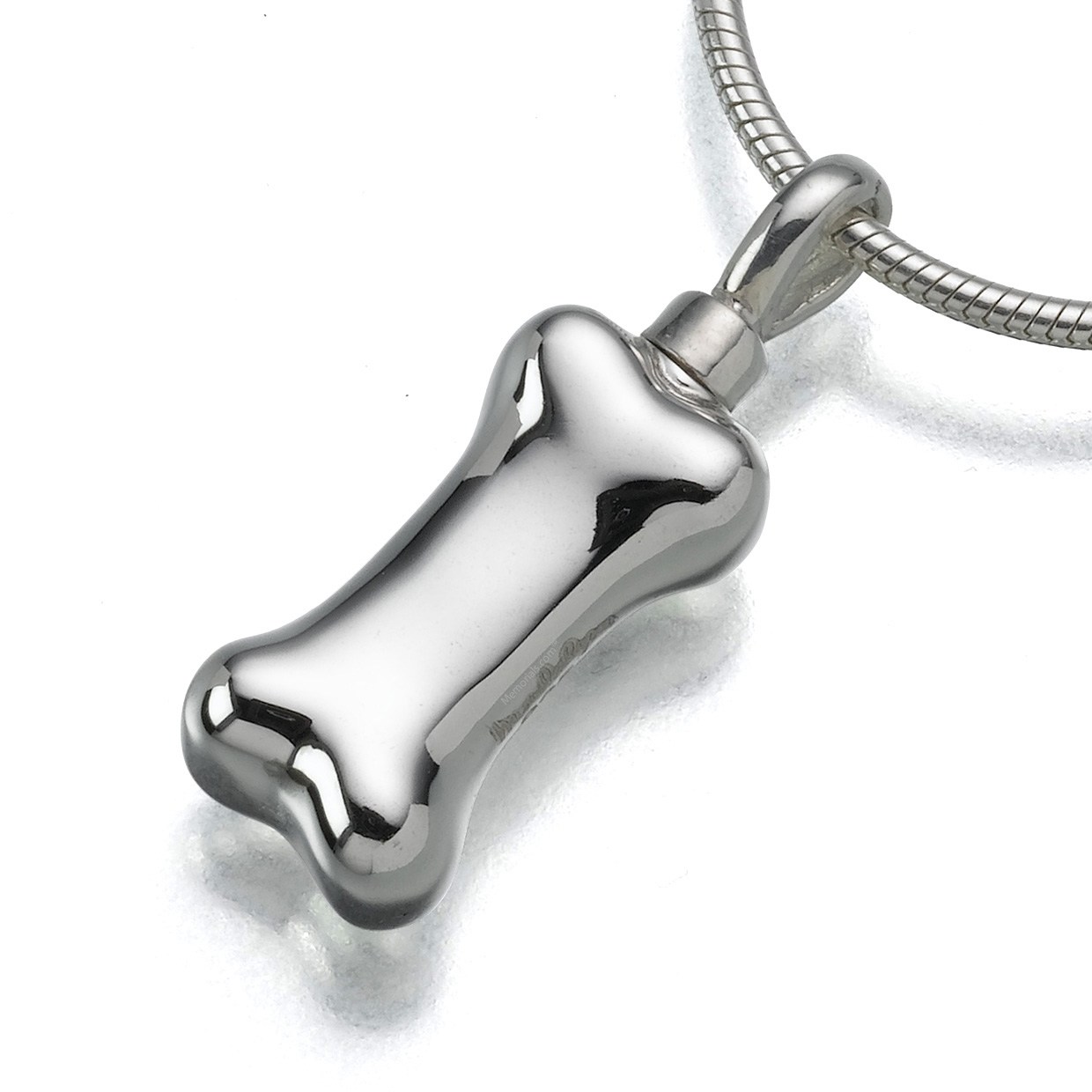
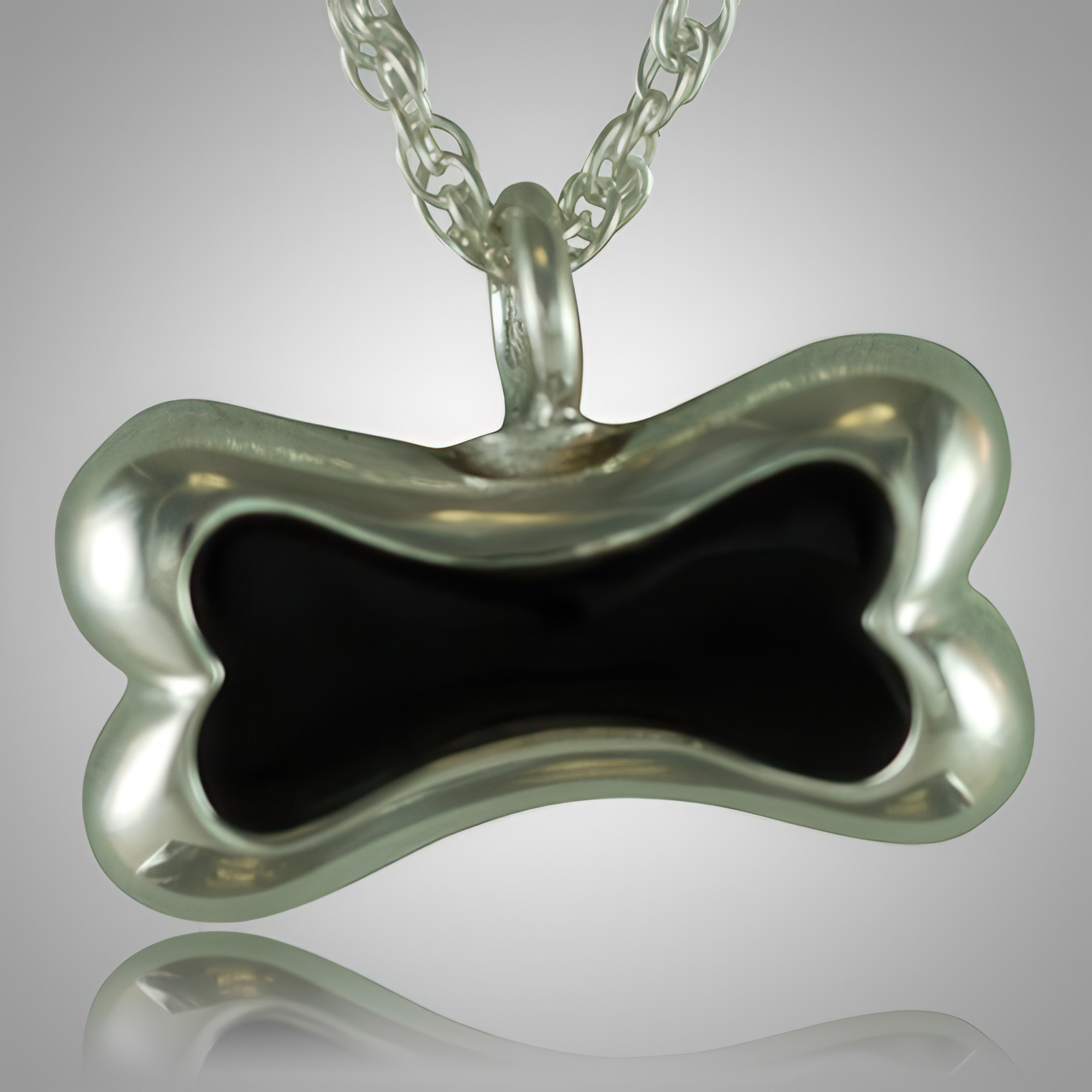
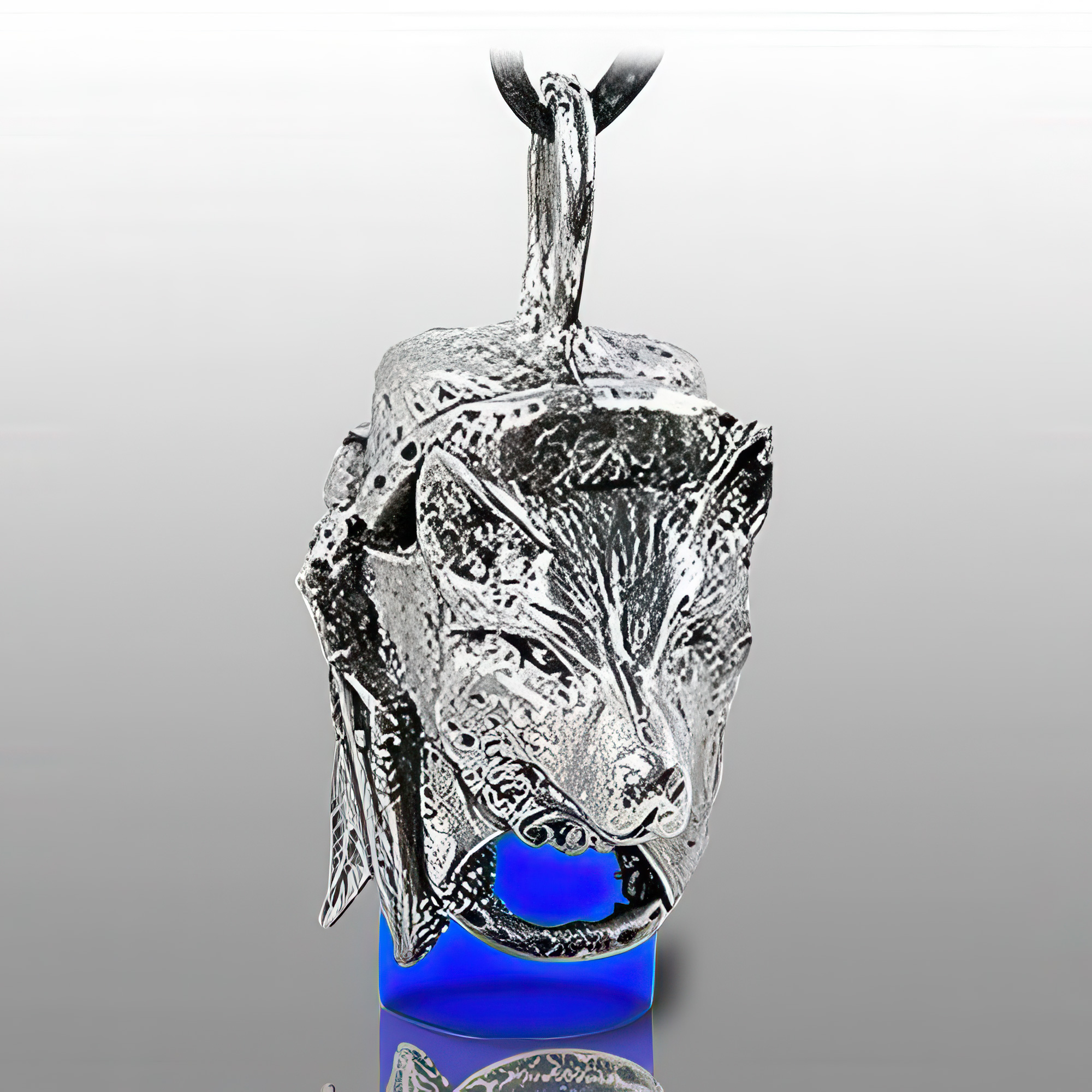
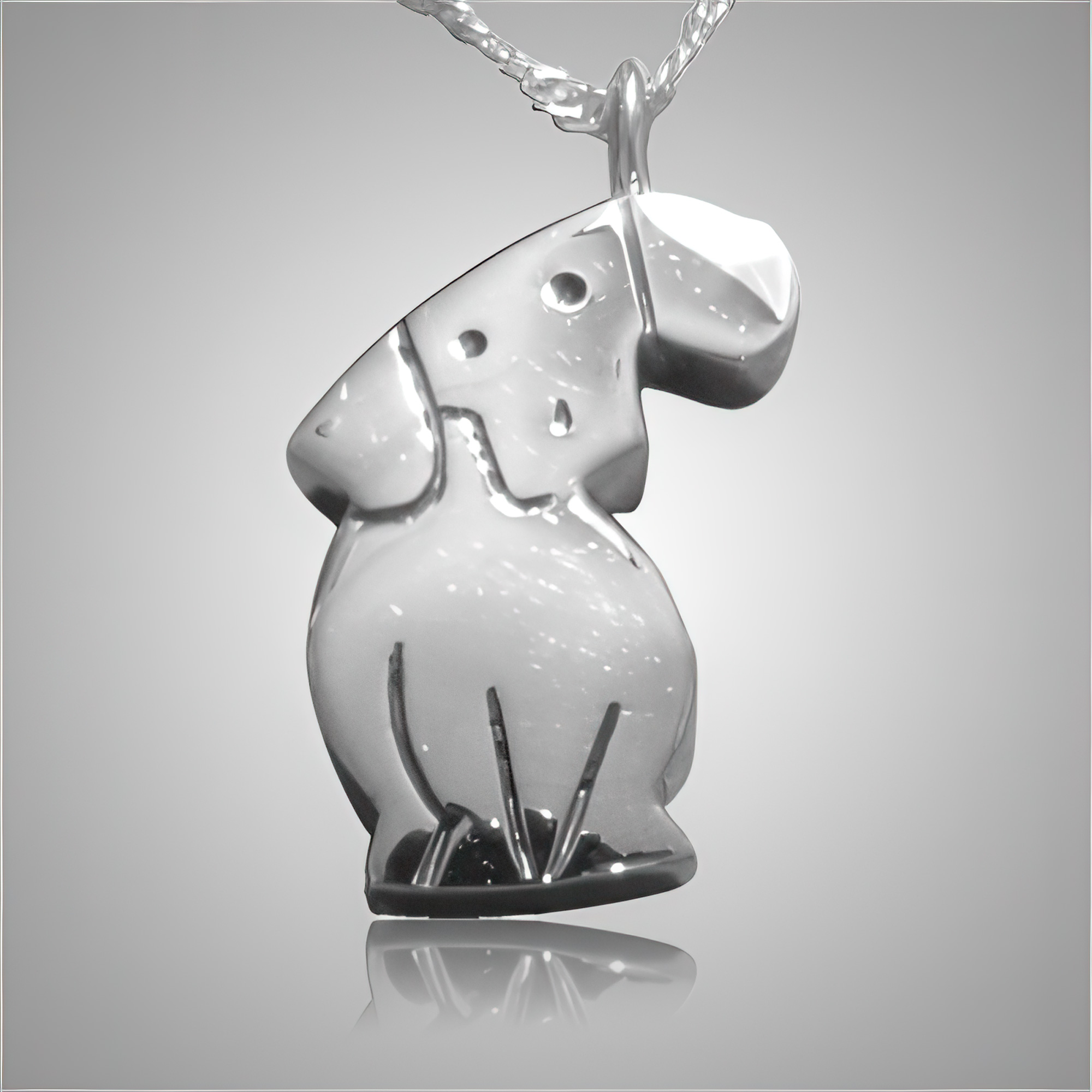
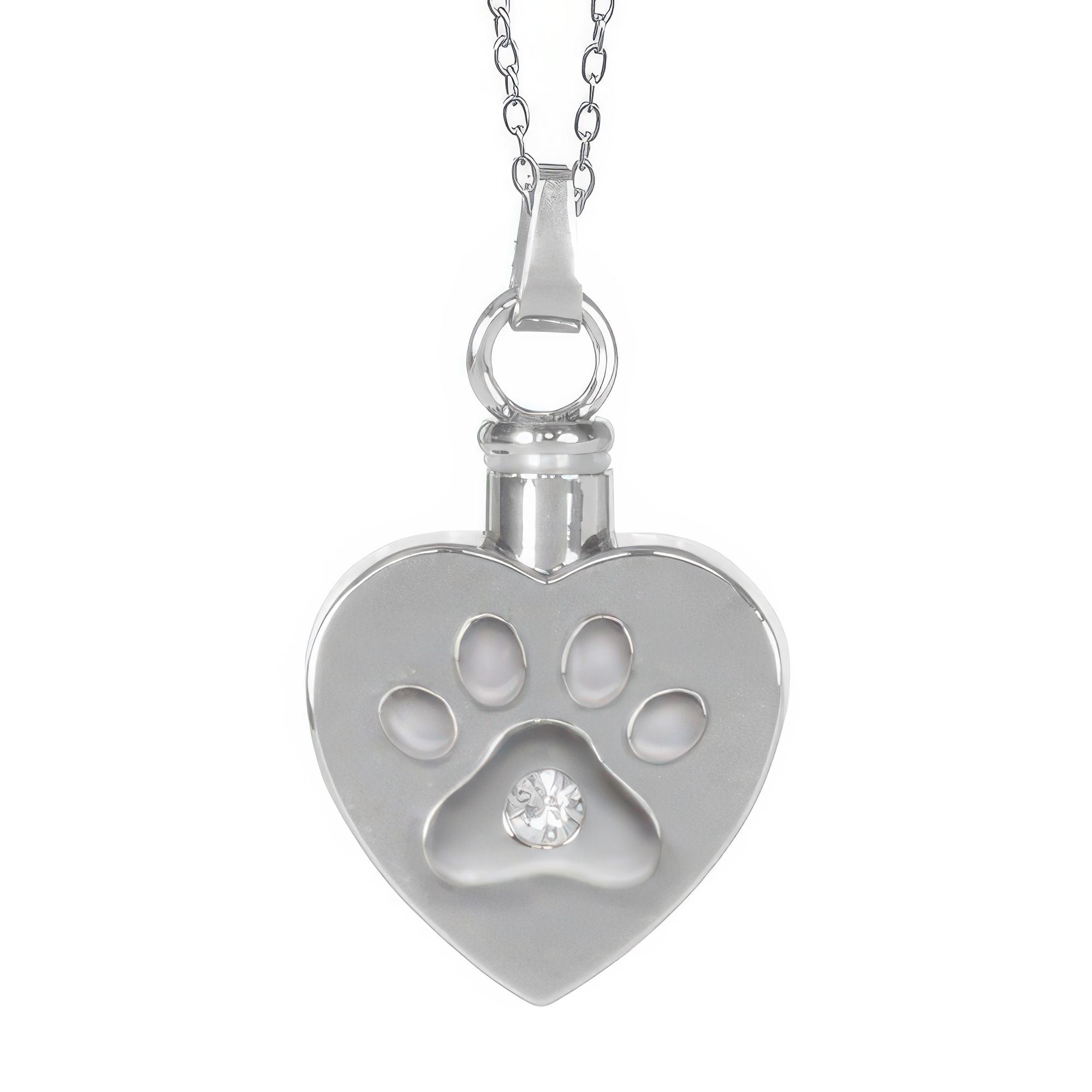
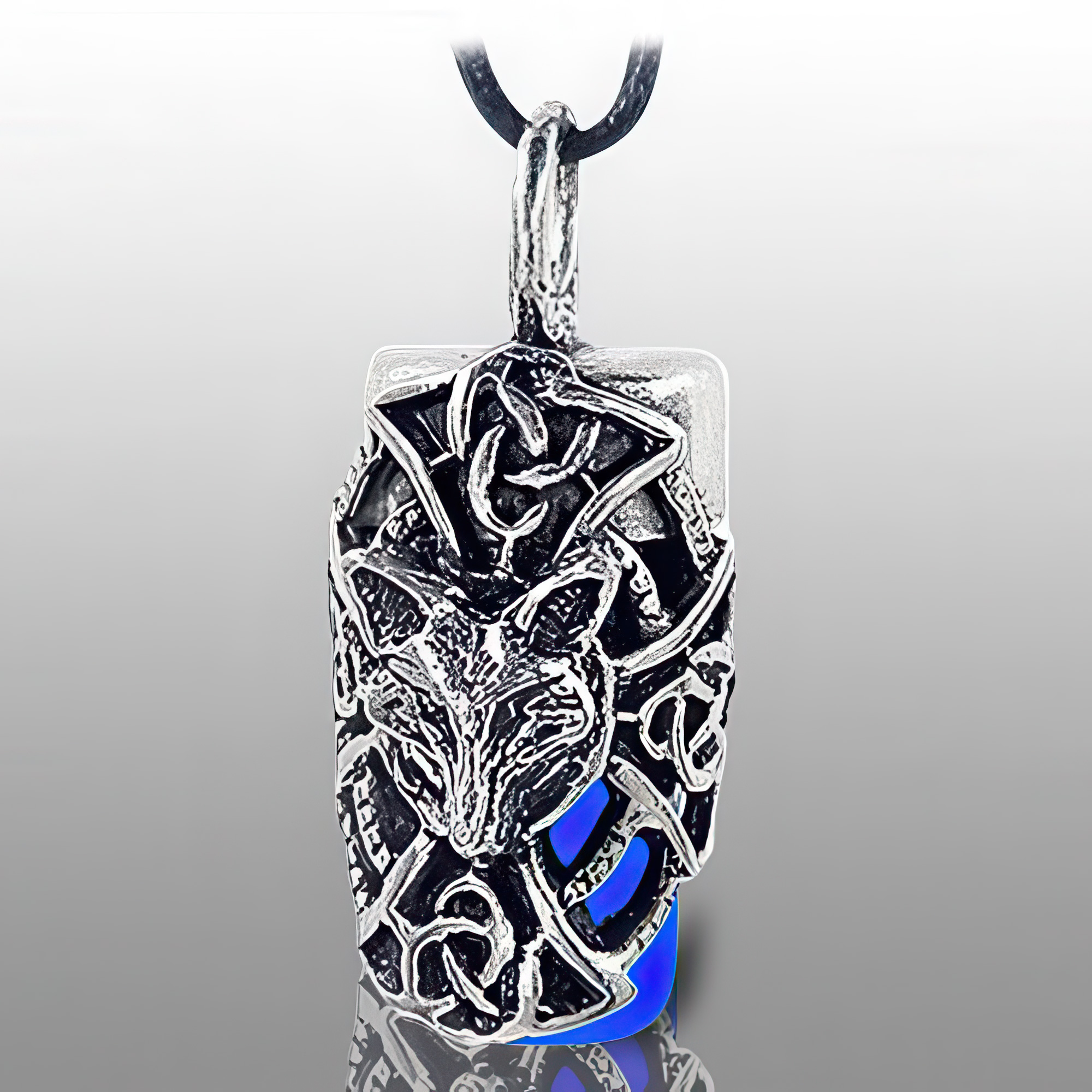
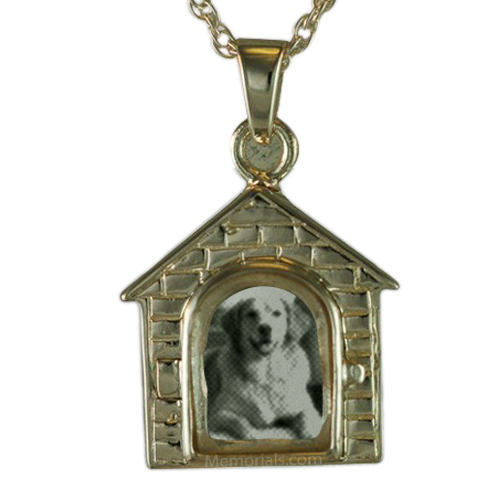
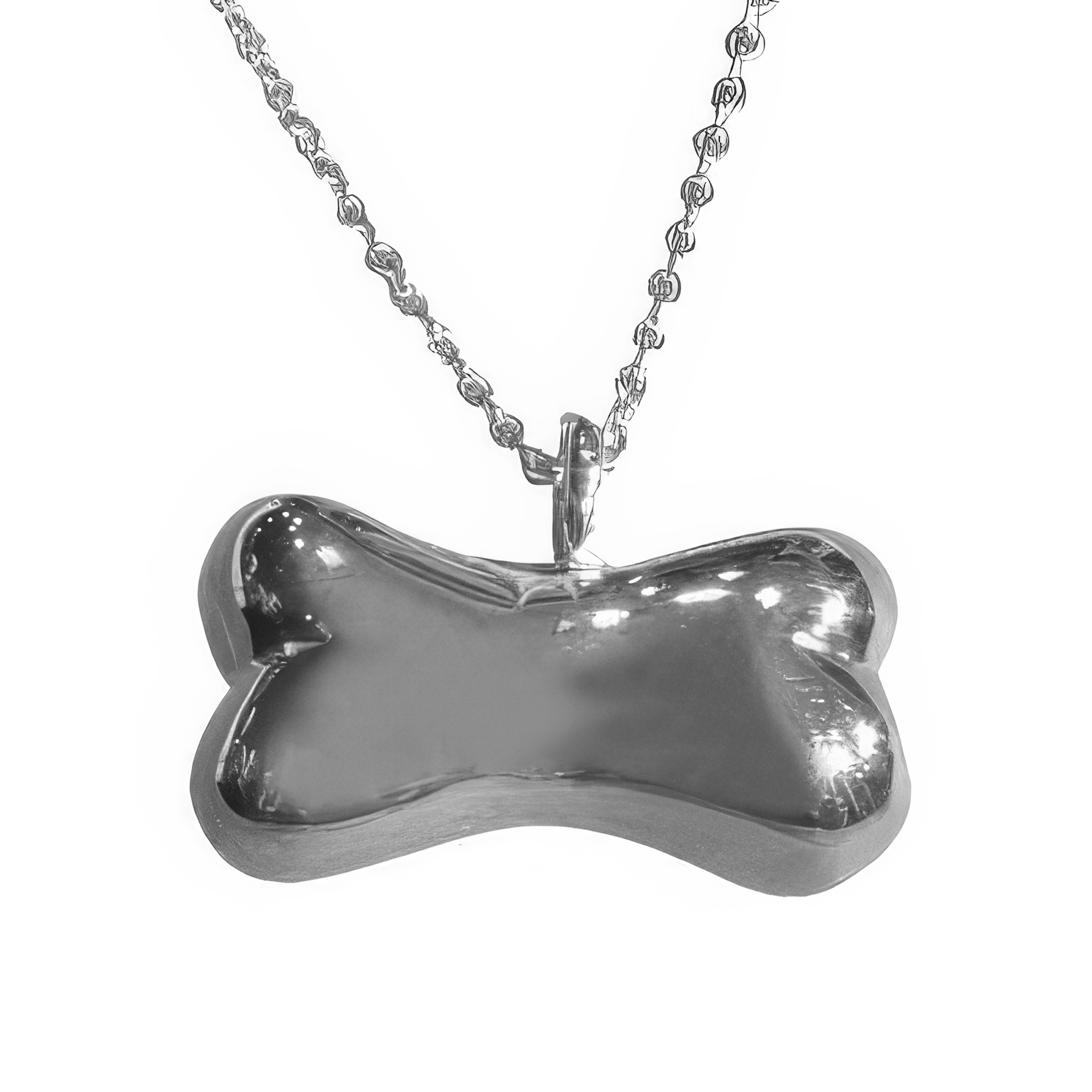
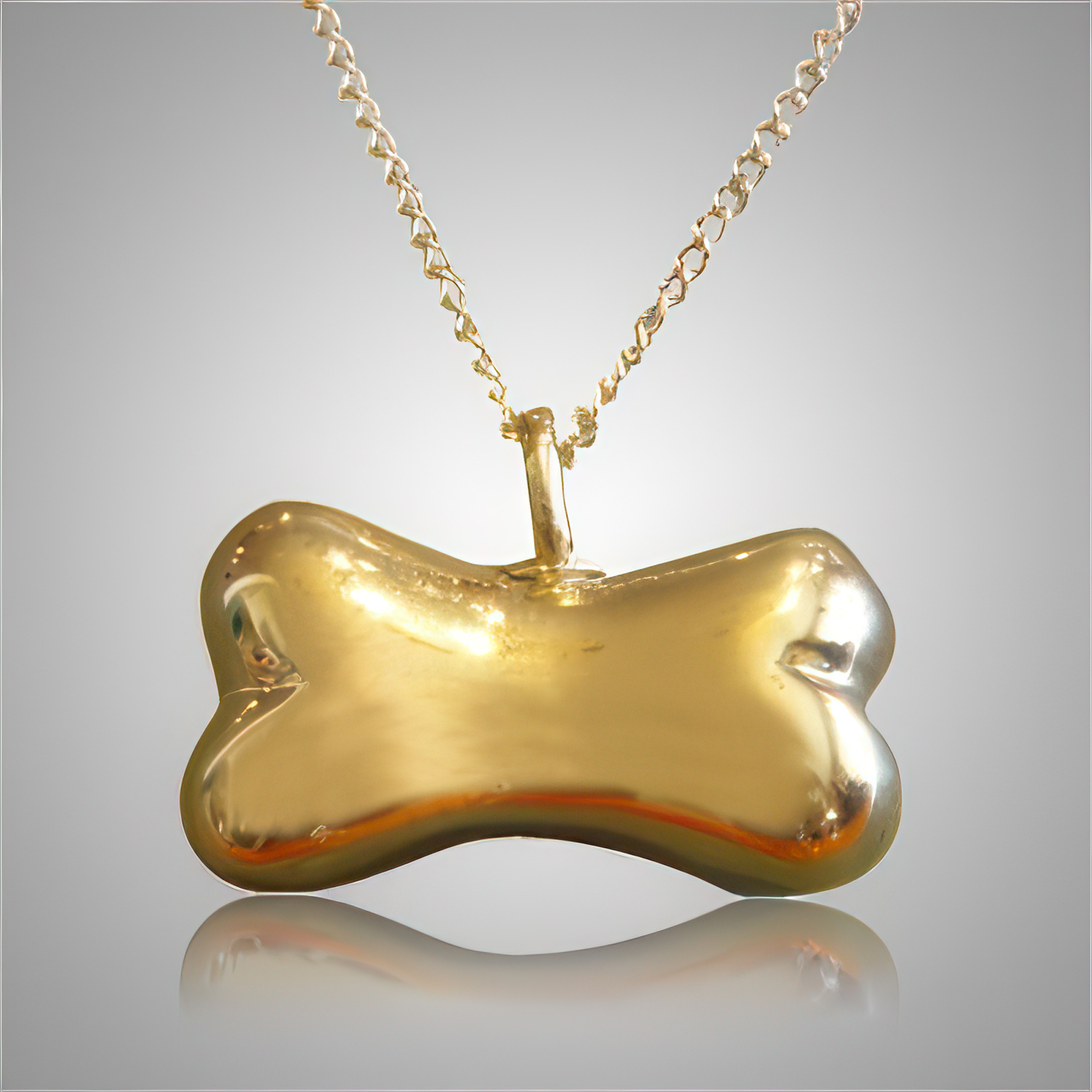
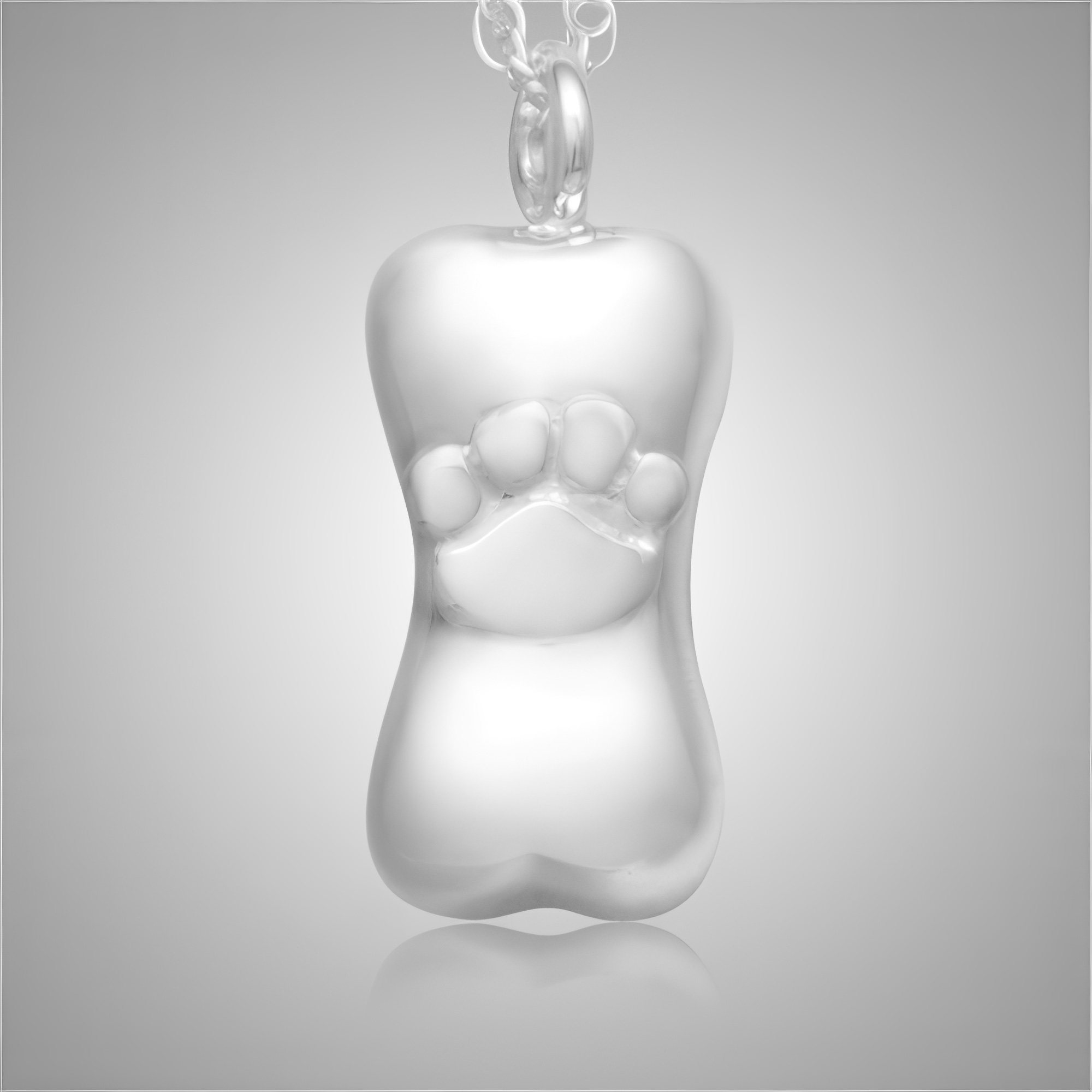
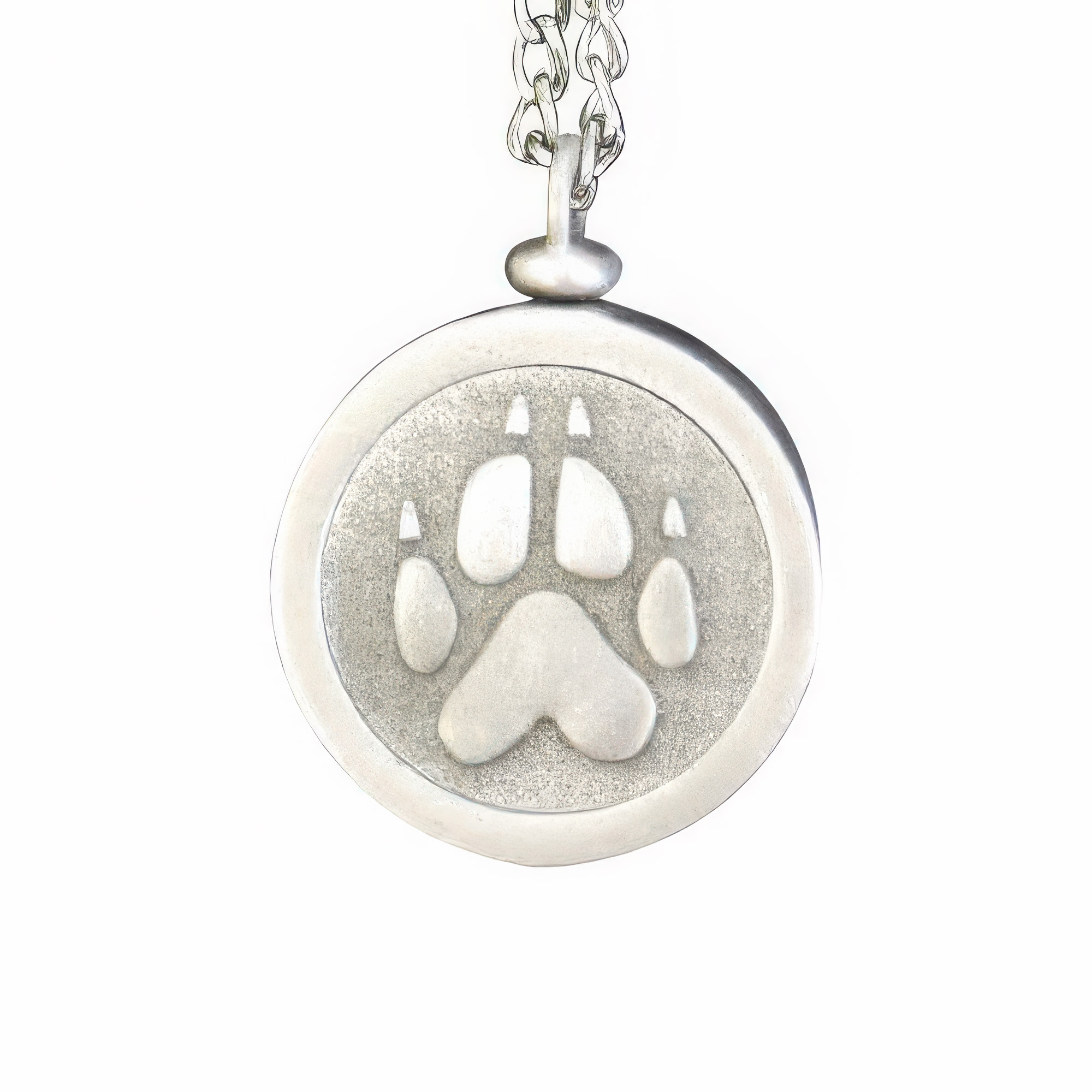
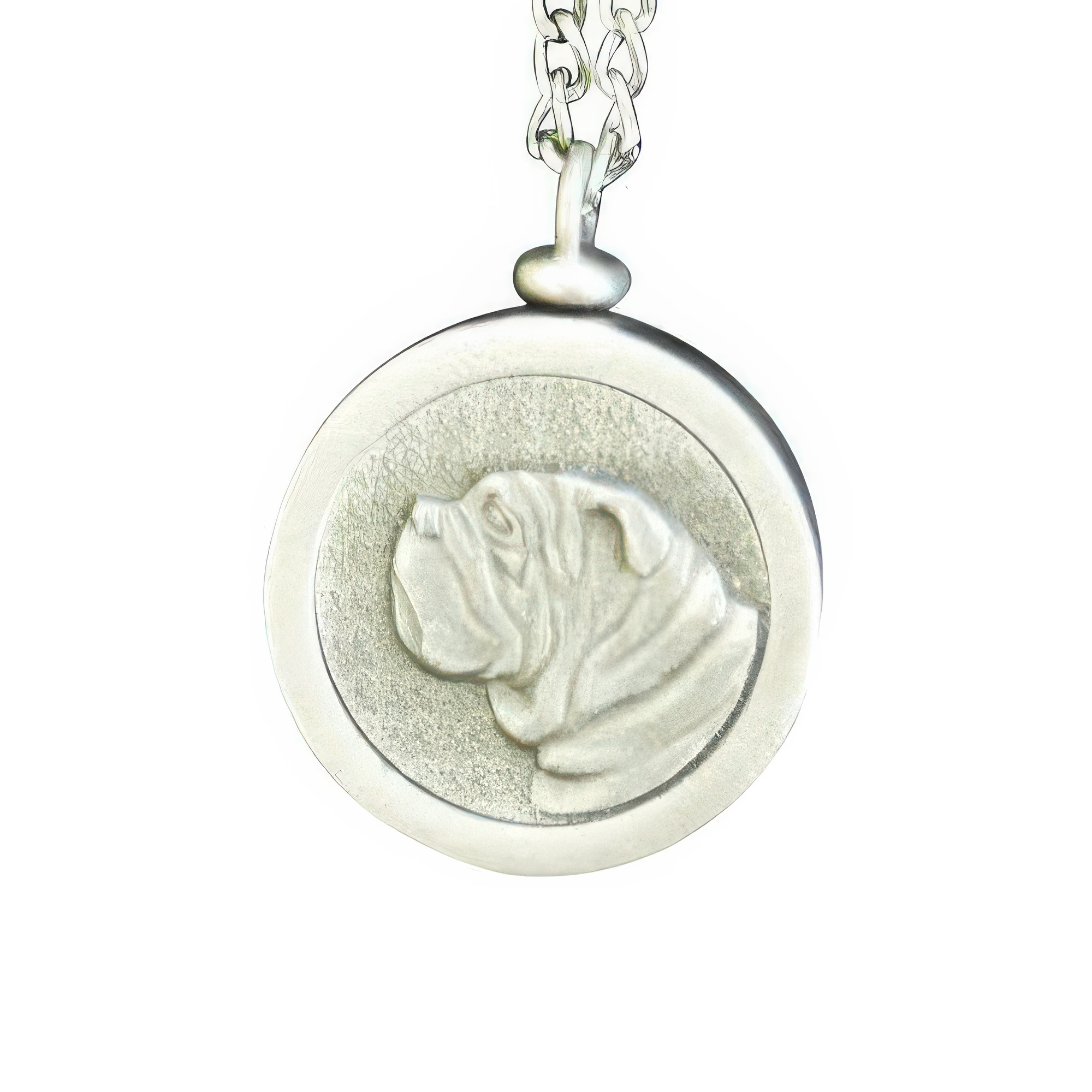
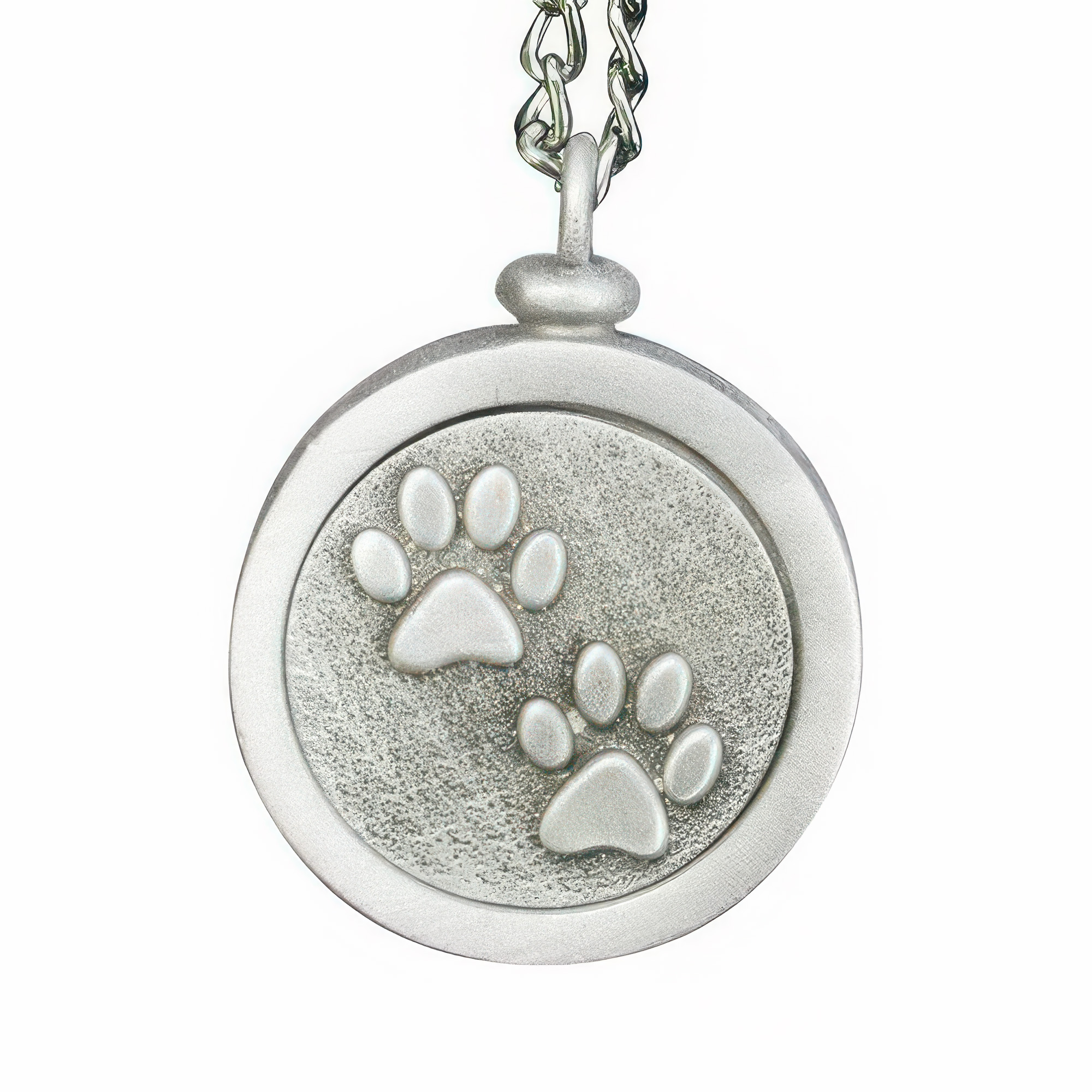
Keepsake jewelry.Pet cremation jewelry holds a tiny amount of ashes in a pendant, bracelet, or ring, keeping your dog close to your heart every day. This is especially meaningful for family members who want a private, wearable tribute.
Memory box. Collect your dog's collar, tags, a tuft of fur, their favorite toy, and a printed photo into a keepsake box. Some families include the clay paw print and a written note.
Sympathy acknowledgments. If friends and family sent flowers, cards, or attended the funeral, pet sympathy cards are a thoughtful way to thank them and share a final tribute to your dog.
Donation or volunteer work. Making a donation to a local animal shelter or rescue organization in your dog's name is a beautiful way to channel grief into something positive. Some families volunteer at a shelter on the anniversary of their dog's passing.
For more tribute ideas beyond the ceremony, explore our guide to pet memorial ideas.
Is It Normal to Have a Funeral for a Dog?
Absolutely. Holding a ceremony for a dog is a centuries-old practice, with evidence of formal pet burials dating back to ancient Egypt, Greece, and Rome. Modern surveys show that the majority of pet owners consider their dog a member of the family, and a growing number choose to hold some form of memorial. The grief felt after losing a dog is real and significant — studies have shown it can be comparable in intensity to the grief experienced after losing a human family member. A funeral provides a healthy outlet for that grief, creates space for shared mourning, and offers closure.
If someone in your life questions the decision to hold a dog funeral, know that you are in good company. The depth of your grief reflects the depth of the bond, and honoring that bond is one of the most compassionate things you can do for yourself and your family.
Frequently Asked Questions
How much does a dog funeral cost? Costs vary widely depending on your choices. A simple backyard ceremony with candles and photos costs very little beyond your time. Cremation services typically range from $50 to $300, while pet cemetery burial plots range from $400 to $600 or more. Caskets, urns, and headstones are additional expenses. Many families find that a meaningful ceremony does not require a large budget — the most important elements are the people who gather and the memories they share.
What do you say at a dog funeral? Speak from the heart. Share specific memories — the funny habits, the quiet companionship, the way your dog greeted you every day. You can read a poem or quote, recite a prayer, or simply say what your dog meant to you. There are no wrong words when they come from a place of love.
Can I hold a funeral for my dog at home? Yes. Home funerals for dogs are common and perfectly appropriate. Your backyard, living room, or any space that held meaning for your dog works well. If you are burying your dog at home, check local regulations regarding burial depth and proximity to water sources.
Should children attend a dog funeral? In most cases, yes. Attending a funeral helps children understand death as a natural part of life and gives them a structured way to process their emotions. Let children decide their level of participation — some will want to speak or place flowers, while others may prefer to watch quietly.
Can I plan a ceremony if my dog was already cremated? Absolutely. Many families hold the ceremony after receiving their dog's ashes. You can display the urn during the service, scatter ashes at a meaningful location as part of the ceremony, or simply gather with loved ones to share memories. The ceremony is about honoring your dog's life, regardless of timing.
A Final Word
Planning a dog funeral is an act of love — for your dog, for your family, and for yourself. There is no right way to say goodbye, and the ceremony does not need to be perfect. What matters is that you pause, gather the people who cared about your dog, and give yourself permission to grieve and to remember.
Your dog gave you unconditional loyalty, daily joy, and a kind of love that asked for nothing in return. A funeral is your chance to return that gift — to say thank you, to say goodbye, and to carry their memory forward into every day that follows.
If you are also navigating arrangements for a cat, our guide on planning a cat funeral covers the considerations specific to feline companions.