🏬Supersize Online Funeral Retailer🪦1000's of Headstones⚱️Over 10,000 Cremation Urns⚰️Caskets Overnight Delivery🛒Funeral & Memorial Superstore🚚FREE Shipping on ALL Orders👨👩👧👦Helping Families for over 20 Years💰Lowest Price Guarantee🏬Supersize Online Funeral Retailer🪦1000's of Headstones⚱️Over 10,000 Cremation Urns⚰️Caskets Overnight Delivery🛒Funeral & Memorial Superstore🚚FREE Shipping on ALL Orders👨👩👧👦Helping Families for over 20 Years💰Lowest Price Guarantee
🏬Supersize Online Funeral Retailer🪦1000's of Headstones⚱️Over 10,000 Cremation Urns⚰️Caskets Overnight Delivery🛒Funeral & Memorial Superstore🚚FREE Shipping on ALL Orders👨👩👧👦Helping Families for over 20 Years💰Lowest Price Guarantee🏬Supersize Online Funeral Retailer🪦1000's of Headstones⚱️Over 10,000 Cremation Urns⚰️Caskets Overnight Delivery🛒Funeral & Memorial Superstore🚚FREE Shipping on ALL Orders👨👩👧👦Helping Families for over 20 Years💰Lowest Price Guarantee
Not many events in life cause as much upheaval as the death of someone you love. In those difficult days and weeks, memorials become anchors — physical and emotional touchstones that help the living honor the dead and begin to heal. Whether it takes the form of a headstone in a cemetery, a memorial stone in a garden, or a quiet cremation urn displayed at home, a memorial gives grief a place to land. For families navigating loss for the first time, the complete grief support guide walks through the emotional and practical decisions that follow.
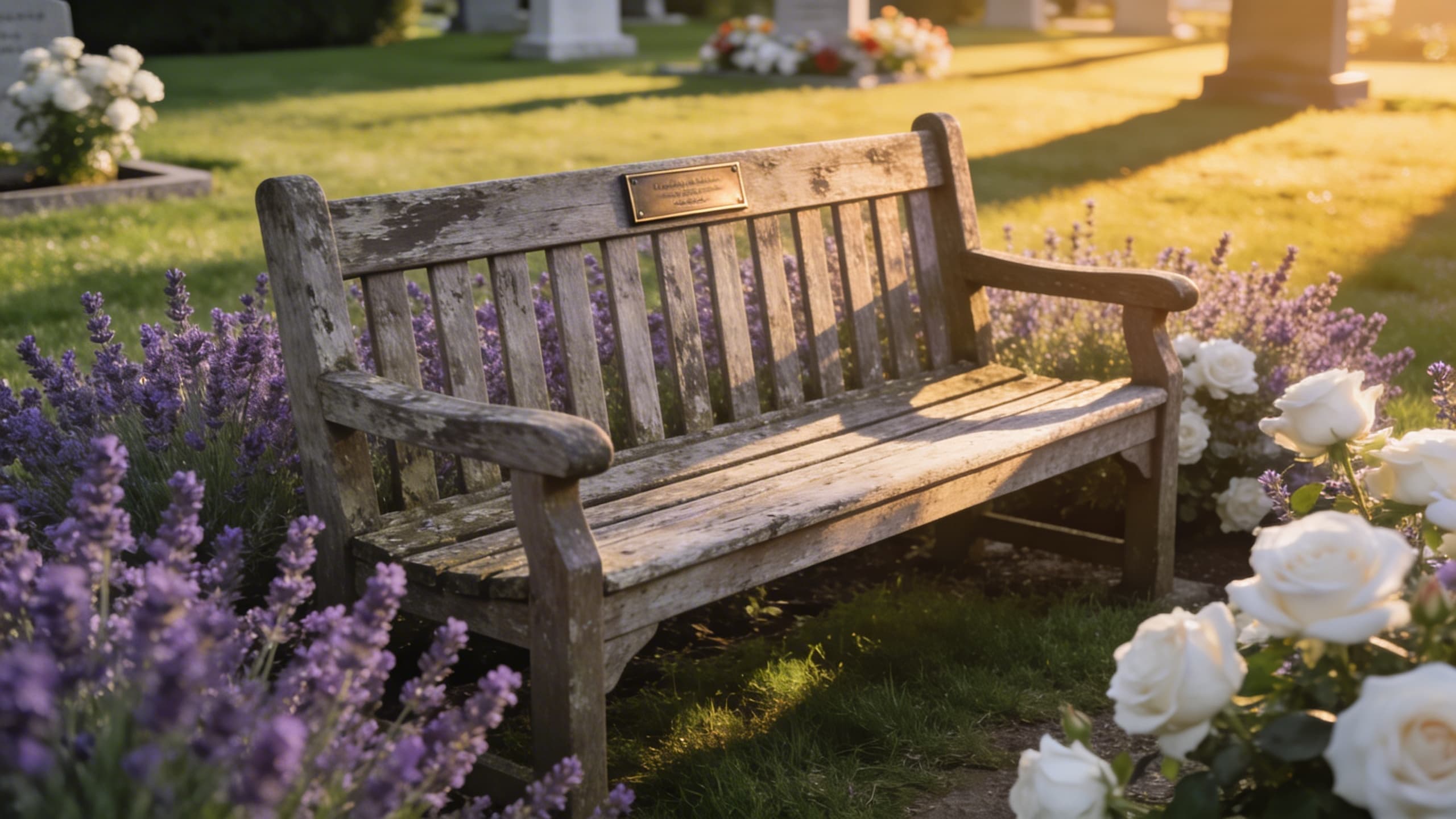
At its core, the purpose of a memorial is remembrance. Memorials exist to ensure that a person's life, values, and impact are not erased by time. They give survivors something tangible to return to — a name carved in stone, a photograph in a niche, a bench overlooking a favorite view.
But memorials do more than preserve facts and dates. They carry emotional weight. A well-chosen inscription or a meaningful symbol communicates something about who the person was and what they meant to the people around them. That emotional dimension is what separates a memorial from a record. Records document that someone lived. Memorials communicate that someone mattered.
Why Memorials Matter for Families
A Place to Return To
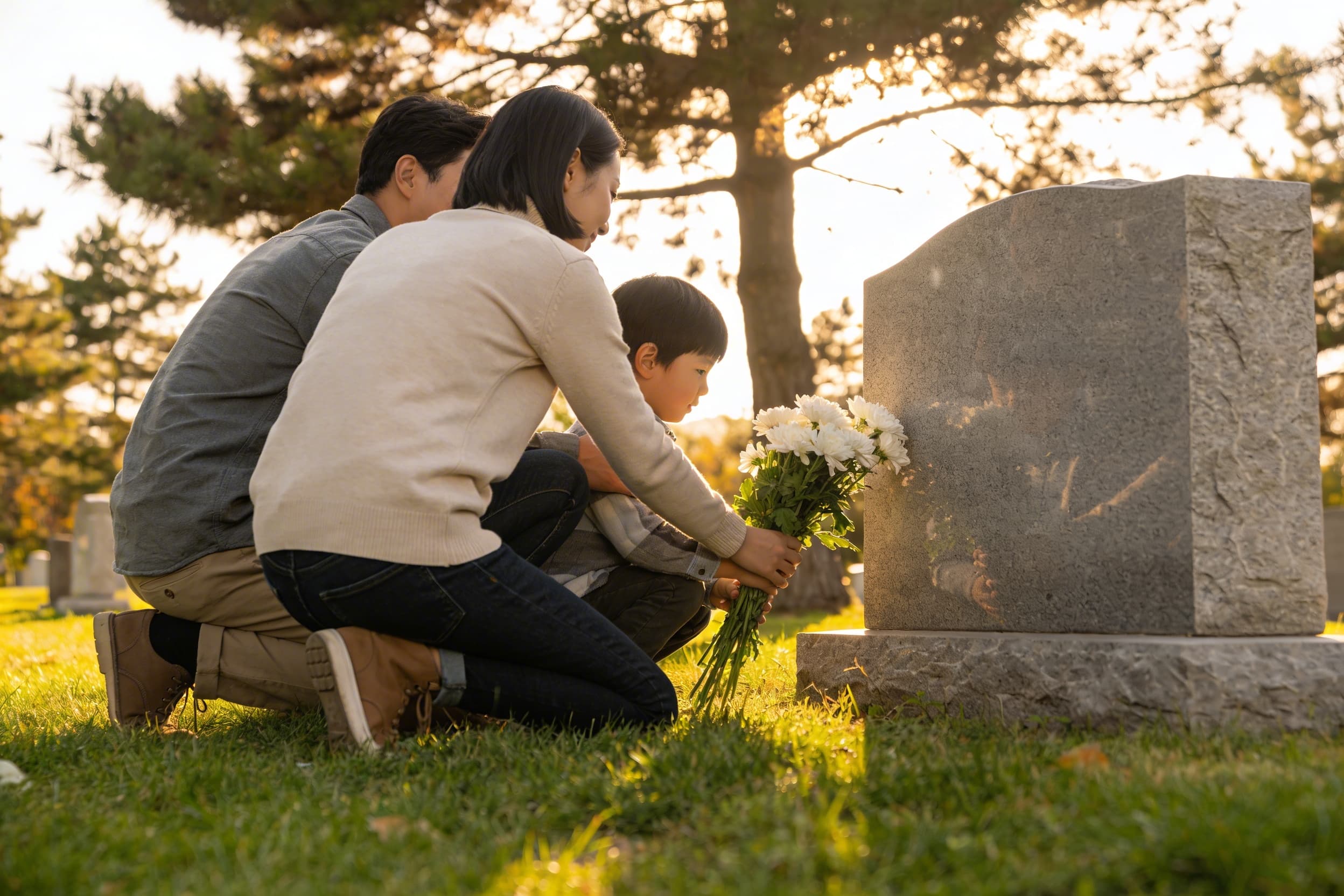
Grief does not follow a schedule. It surfaces at unexpected moments — an anniversary, a birthday, a quiet Tuesday afternoon. Memorials give families a designated place and time to sit with those feelings instead of pushing them away.
Cemeteries, columbaria, and memorial gardens provide peaceful, neutral settings where families can gather without distraction. The calm that comes from being near a loved one's resting place is something many families describe as irreplaceable. Even families who choose cremation and keep ashes at home find that creating a memorial at home — a dedicated shelf, a small garden corner, a memory table — offers that same grounding effect.
Processing Grief Through Action
The grieving process is complex, and there is no single right way to move through it. But memorialization gives families something constructive to do with their pain. Choosing a headstone design, selecting an engraving, deciding on flowers — these are small, meaningful actions that channel grief into purpose.
Planning a memorial service or funeral brings loved ones together at a time when isolation feels tempting. The act of sharing stories, reading a eulogy, or simply sitting together in silence can be profoundly healing. Grief expressed in community is easier to carry than grief held alone.
Focusing on What Was Good
It is natural for grief to pull attention toward the loss — the empty chair, the phone that no longer rings. Memorials redirect that focus toward what the person's life contained. The act of choosing words for an inscription, selecting photographs, or planning a celebration of life asks you to think about what made that person remarkable.
That shift in attention does not erase the pain. But it creates space alongside the pain for gratitude, love, and even humor. Many families discover that the most meaningful memorials are not the most elaborate ones — they are the ones that capture something true about the person who is gone.
Why Memorials Matter for the Deceased
Preserving a Legacy
A common human fear is being forgotten. On average, most people fade from living memory within about a hundred years of their death. Even prominent historical figures eventually become names in textbooks rather than people whose stories are actively told.
Memorials push back against that timeline. A granite headstone can last centuries. A memorial statue in a public space becomes part of a community's daily life. Even something as simple as an engraved bench in a park keeps a person's name visible to strangers who never knew them but who might pause, read the inscription, and wonder about the life behind the words.
For people approaching the end of their lives, knowing that steps will be taken to honor their memory provides comfort. It is a reassurance that the people and experiences they cared about will not simply vanish.
Commemorating a Life Well-Lived
Every person's life is a collection of unique values, lessons, relationships, and stories. Memorialization says that this collection mattered — that it was worth preserving and reflecting on. Even people who lived quietly, without public recognition, have wisdom to offer and memories worth keeping alive.
The celebration of a life well-lived is the heart of what memorialization accomplishes. It communicates to the departed — and to the living — that a human being's worth is not measured by fame or achievement but by the connections they made and the love they gave.
Why Memorials Matter for Society
Building Collective Memory
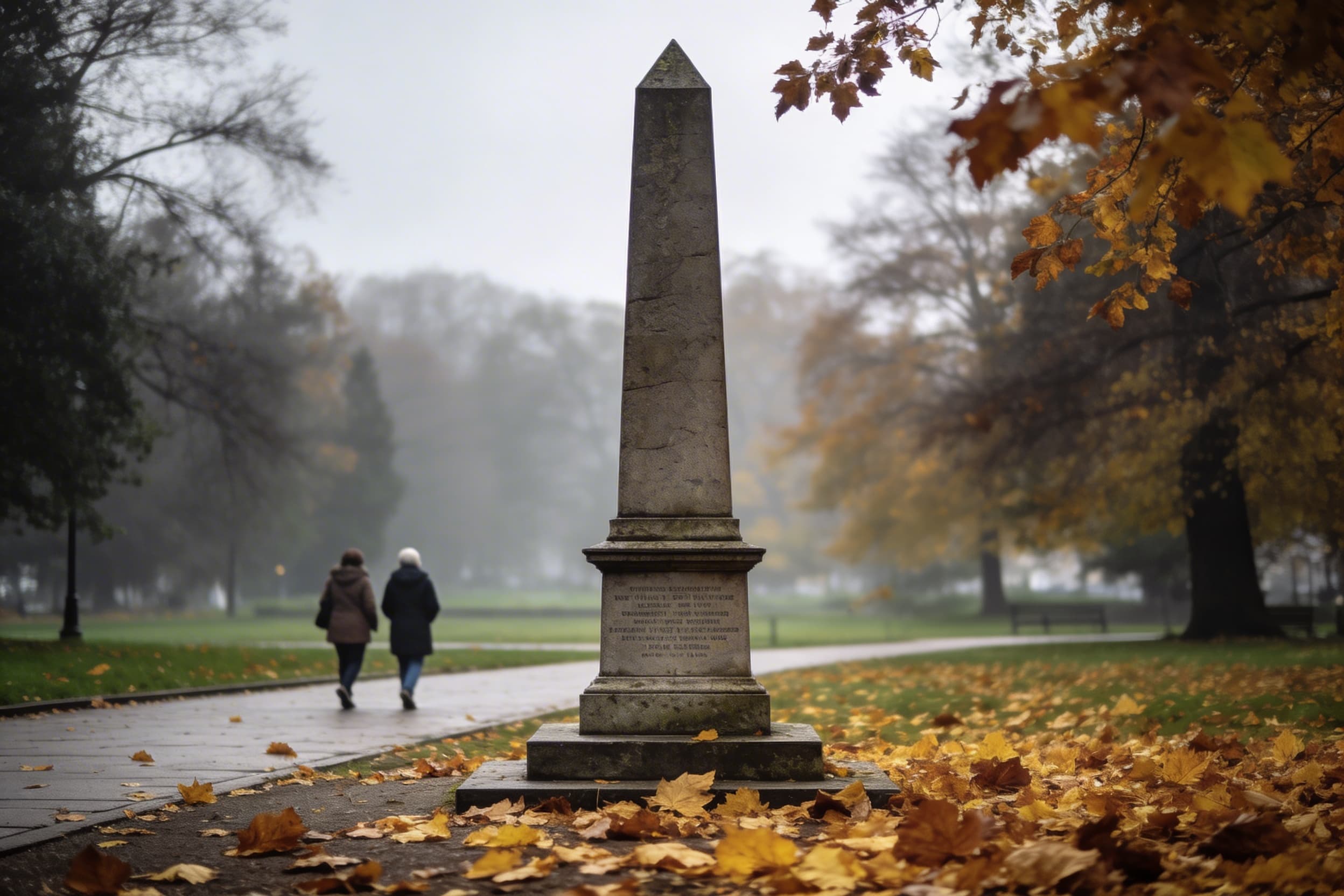
When memorials become part of the daily landscape — a monument in a park, a plaque on a building, a roadside cross marking an accident — they weave remembrance into ordinary life. A person walking past a war memorial on the way to work is invited, however briefly, to think about sacrifice, fragility, and what it means to be alive.
That kind of involuntary reflection builds empathy. Memorials make abstract concepts — loss, courage, injustice — tangible and personal. They connect strangers to stories they would never otherwise encounter. This is part of what gives memorials their cultural power: they create shared emotional reference points in communities that might otherwise have little in common.
The tradition of public memorials stretches back millennia, from the pyramids of ancient Egypt to the solemn monuments of modern capitals. What all of these share is a conviction that some things should not be forgotten — not because forgetting is impossible, but because remembering shapes who we become.
Shaping Values and Understanding History
Memorials and monuments reflect what a society considers important. War memorials remind citizens of the cost of conflict. Holocaust memorials confront the consequences of hatred. Civil rights monuments celebrate the courage of people who demanded justice.
Over time, the way a community relates to its memorials evolves. A monument that was once a site of raw grief becomes a place of education. What begins as a personal loss becomes a shared lesson. This transformation is one of the most valuable things memorials do: they carry meaning across generations, long after the people who built them are gone.
Helping Communities Process Conflict
After violent events, memorials appear quickly — flowers at a crash site, candles on a sidewalk, names read aloud at a ceremony. These spontaneous acts of memorialization help populations acknowledge what happened and begin to move forward together.
For larger conflicts, permanent memorials serve as what many cultures call "never again" reminders. They document suffering not to dwell on it but to ensure that future generations understand its reality. As time passes, these memorials transition from emotional touchstones to educational landmarks — and both roles matter.
The Angel of Grief statue and its legacy is one example of how a single memorial artwork can transcend its original context and become a universal symbol of mourning and love.
How Families Memorialize Today
Memorialization takes many forms, and families today have more options than any previous generation.
Traditional memorials — headstones, grave markers, mausoleum plaques — remain the most common choice for families choosing burial. For families choosing cremation, keepsake urns allow ashes to be divided among relatives, while full-size urns can be displayed at home, placed in a columbarium, or buried.
Beyond these, families are finding increasingly creative and personal ways to honor the people they have lost. Memorial ideas for honoring a loved one range from planting a memorial tree to commissioning a custom piece of art. Sympathy gifts — personalized candles, remembrance jewelry, memorial wind chimes — offer friends and extended family a way to participate in the grieving process even when they cannot be physically present.
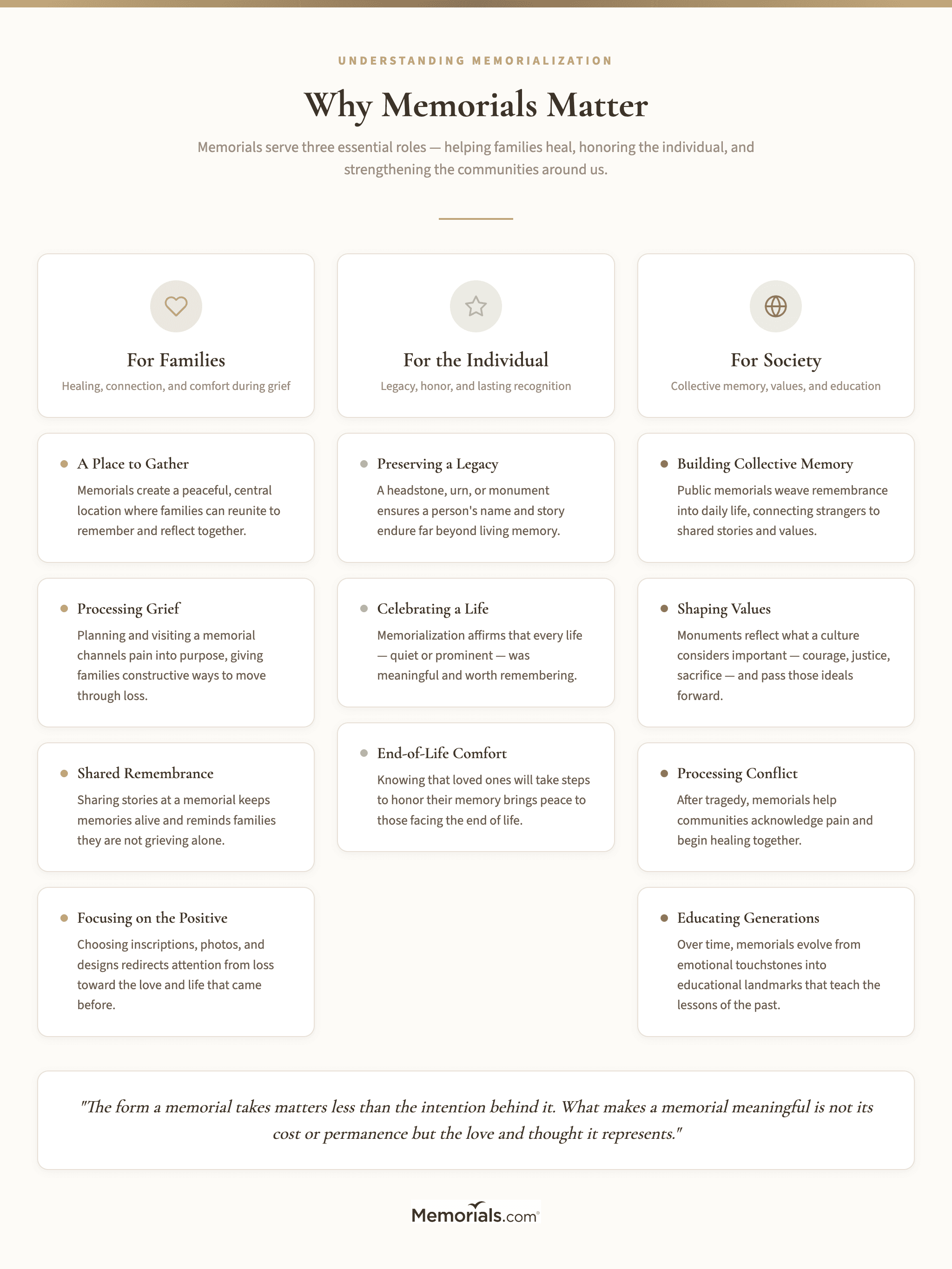
The form a memorial takes matters less than the intention behind it. What makes a memorial meaningful is not its cost or permanence but the love and thought it represents.
Final Thoughts
Coping with the fact that life continues after losing someone you love is one of the hardest things a person can face. The grieving process looks and feels different for everyone, and there is no timeline for when it should be "finished."
Memorials do not end grief. But they give it a home. They create spaces — physical and emotional — where loss can be acknowledged, where a person's life can be celebrated, and where healing can begin at whatever pace feels right.
The urge to remember is one of the most deeply human impulses we have. Memorials honor that impulse. They survive long after a funeral or memorial service ends, carrying a loved one's memory forward into the future.
Whether you choose a headstone, an urn, a garden stone, or simply the act of gathering with family to share stories, the memorial you create is a testament to something that death cannot erase: the fact that someone lived, and that their life meant something to you.