🏬Supersize Online Funeral Retailer🪦1000's of Headstones⚱️Over 10,000 Cremation Urns⚰️Caskets Overnight Delivery🛒Funeral & Memorial Superstore🚚FREE Shipping on ALL Orders👨👩👧👦Helping Families for over 20 Years💰Lowest Price Guarantee🏬Supersize Online Funeral Retailer🪦1000's of Headstones⚱️Over 10,000 Cremation Urns⚰️Caskets Overnight Delivery🛒Funeral & Memorial Superstore🚚FREE Shipping on ALL Orders👨👩👧👦Helping Families for over 20 Years💰Lowest Price Guarantee
🏬Supersize Online Funeral Retailer🪦1000's of Headstones⚱️Over 10,000 Cremation Urns⚰️Caskets Overnight Delivery🛒Funeral & Memorial Superstore🚚FREE Shipping on ALL Orders👨👩👧👦Helping Families for over 20 Years💰Lowest Price Guarantee🏬Supersize Online Funeral Retailer🪦1000's of Headstones⚱️Over 10,000 Cremation Urns⚰️Caskets Overnight Delivery🛒Funeral & Memorial Superstore🚚FREE Shipping on ALL Orders👨👩👧👦Helping Families for over 20 Years💰Lowest Price Guarantee
An interment service is the short graveside ceremony where a casket or urn is placed in its final resting place. The interment funeral portion follows the main service, it is much briefer than most families expect, and it is the part of the day nobody quite describes to you in advance.
That is the gap this page is meant to fill. If you have been told there will be an interment at the cemetery afterwards, or you are planning one and have no idea what it involves, what follows is the shape of the thing: who speaks, what is said, how long you will be standing there, and what happens once everyone leaves.
The word itself trips people up, and it is worth thirty seconds. Our guide to interment, inurnment, and entombment explains how the three differ. In this article, interment means the act of placing remains — casket or urn, in the ground or in a wall — and is the same event when an urn is involved. If you are new to the whole process, the covers the decisions that come before this day.
What happens at an interment service, step by step
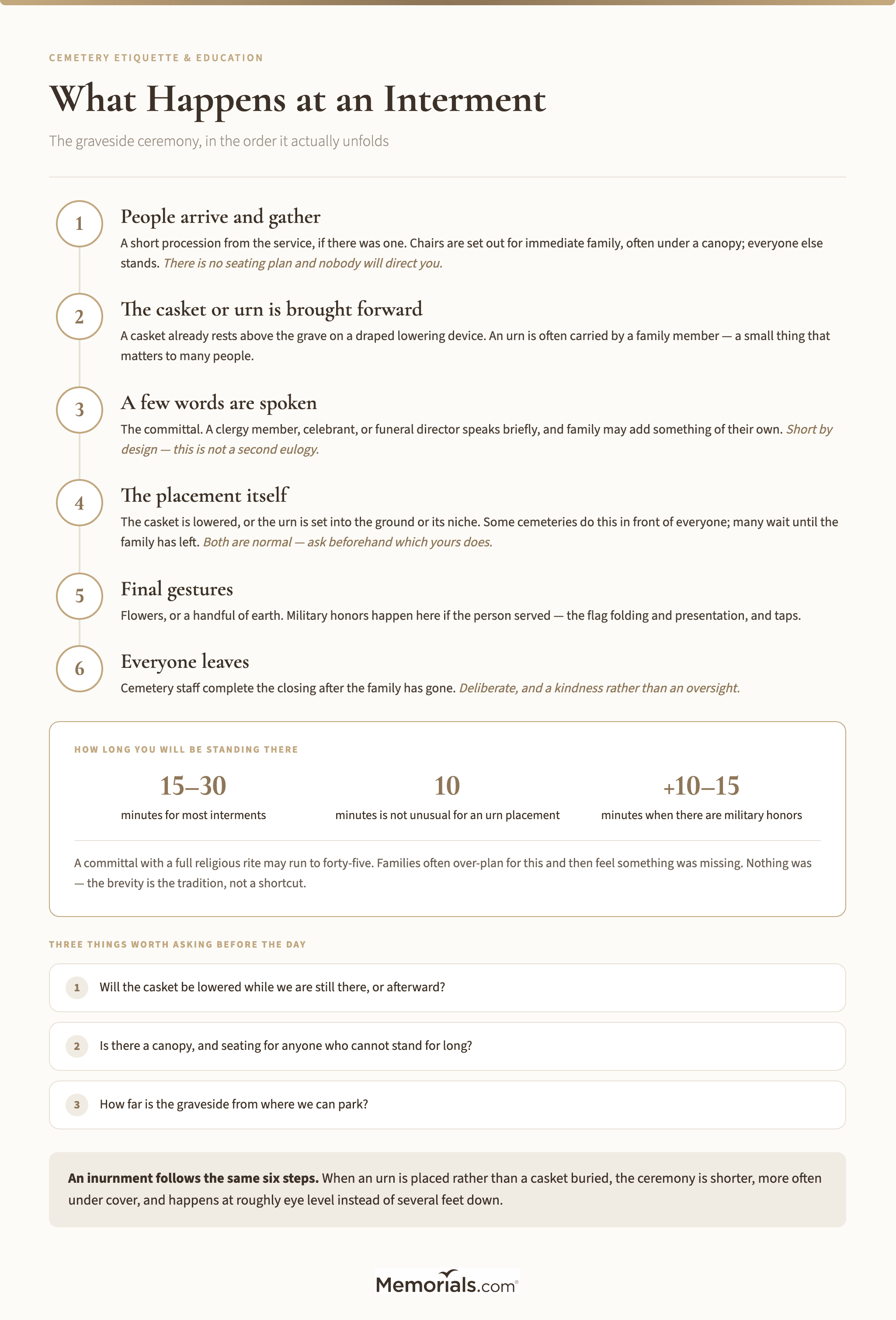
Families who ask what is interment service usually want the running order rather than a definition, so here it is. Cemeteries vary and a funeral director will walk you through the specifics for yours, but almost every interment ceremony follows the same six movements.
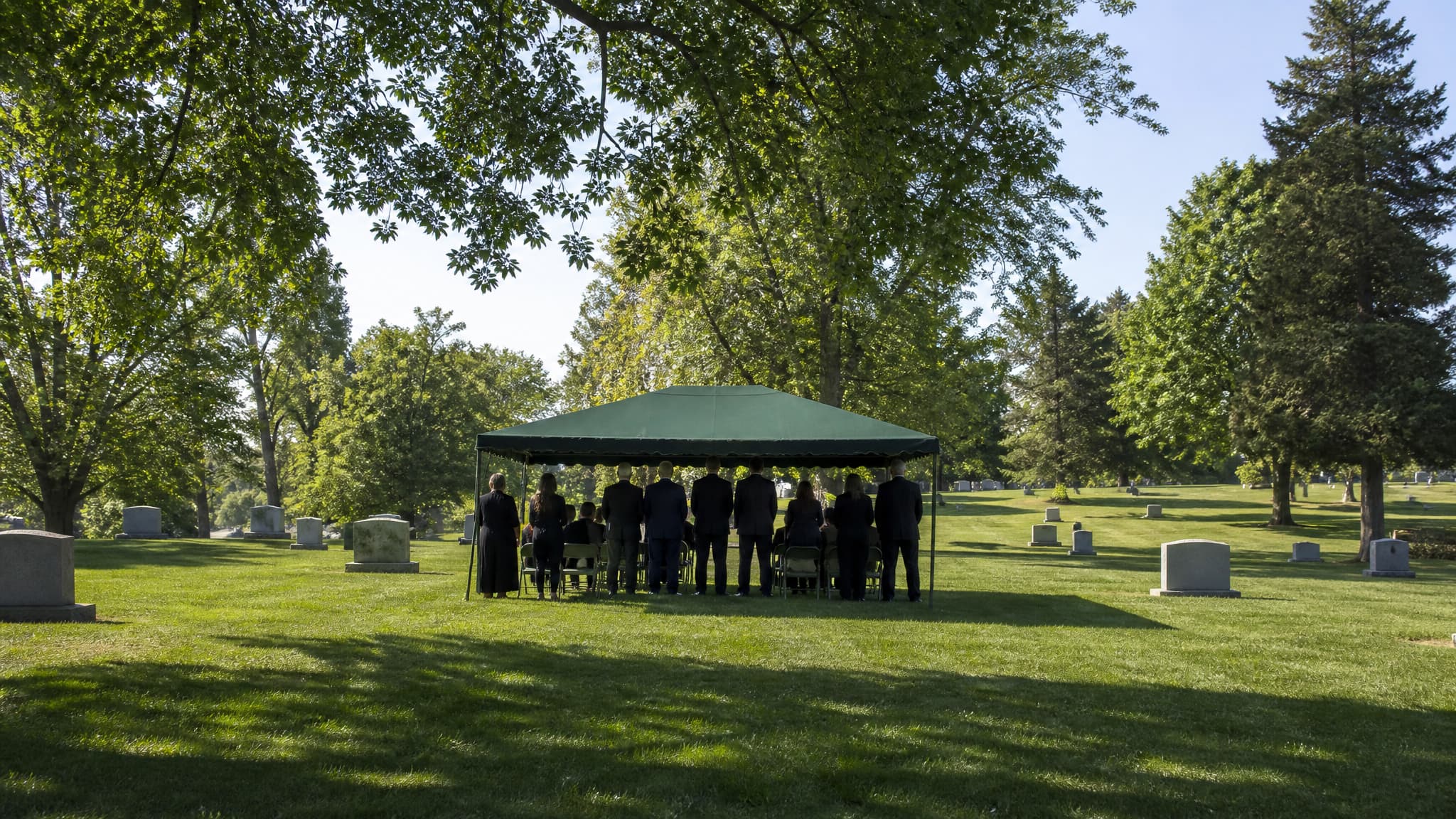
People arrive and gather. If the interment follows a service elsewhere, there is usually a short procession to the cemetery. At the graveside you will find chairs set out for immediate family, often under a canopy. Everyone else stands. There is no seating plan and nobody will direct you — stand where you feel right.
The casket or urn is brought to the site. For a casket burial, it is already resting above the open grave on a lowering device draped to hide the mechanism. For an urn, it is often carried by a family member, which is a small thing that matters to a lot of people.
A few words are spoken. This is the committal. A clergy member, celebrant, or funeral director speaks briefly, and family members may add something of their own. It is short by design.
The placement itself. The casket is lowered, or the urn is set into the ground or its niche. Some cemeteries do this in front of everyone; many wait until the family has left, and either is normal. Ask beforehand which yours does, because families are often caught off guard by it.
Final gestures. Flowers or a handful of earth may be placed. Military honors, if the person served, happen here — the flag folding and presentation, and taps.
Everyone leaves. Cemetery staff complete the closing after the family goes. This is deliberate, and it is a kindness rather than an oversight.
Flowers or a handful of earth are placed near the end of the service, just before everyone leaves.
A graveside interment runs in six movements: people gather, the casket or urn is brought forward, a short committal is spoken, the placement is made, flowers or earth are laid, and the family leaves before cemetery staff close the grave. Most take fifteen to thirty minutes, or as little as ten for an urn, with another ten to fifteen when there are military honors.
Marking the Place Afterward
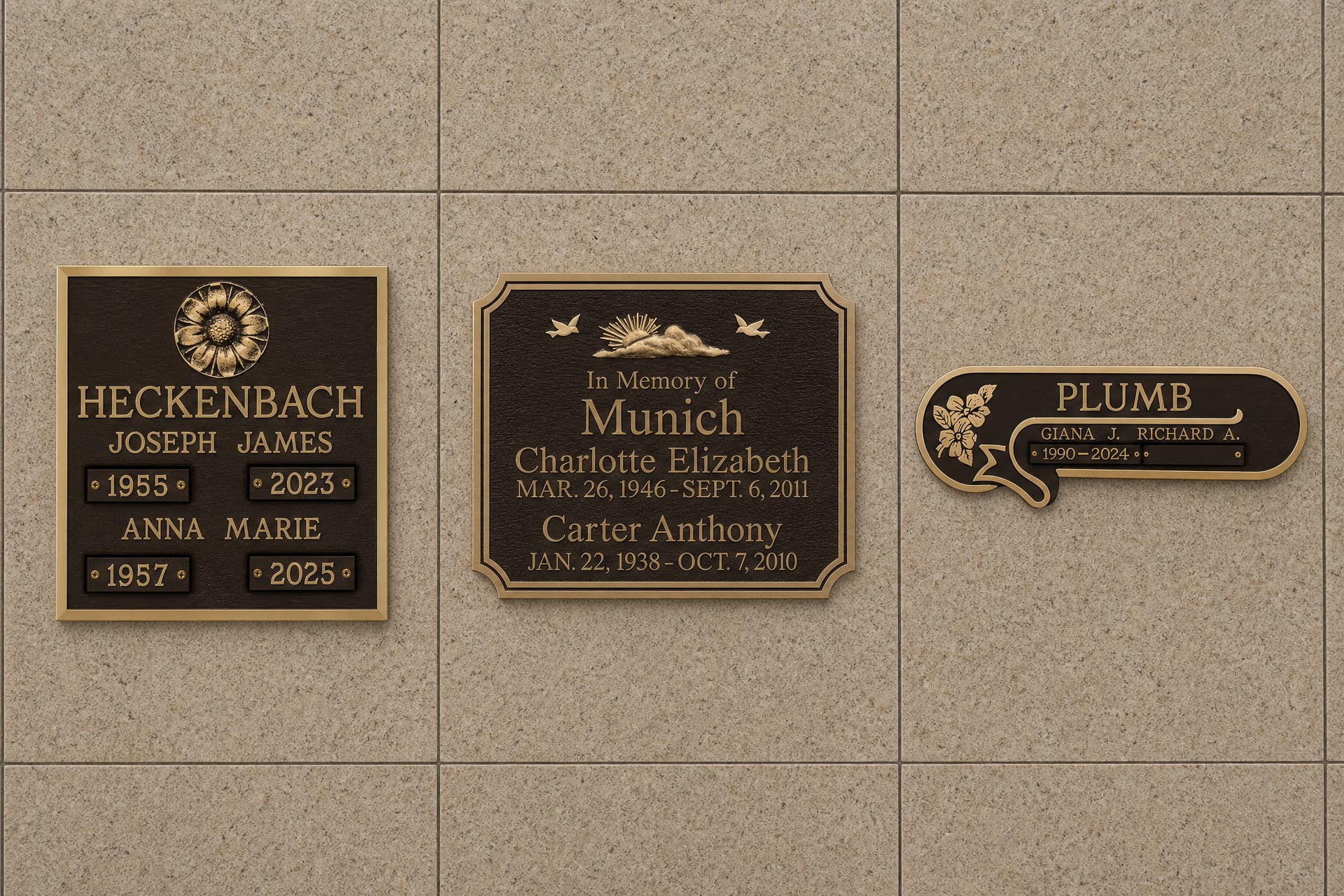
Niche plaques and cremation grave markers, for when the engraving is ready
What to say at an interment of ashes is the question families ask most, usually the night before, and often about a ceremony they did not expect to have to lead.
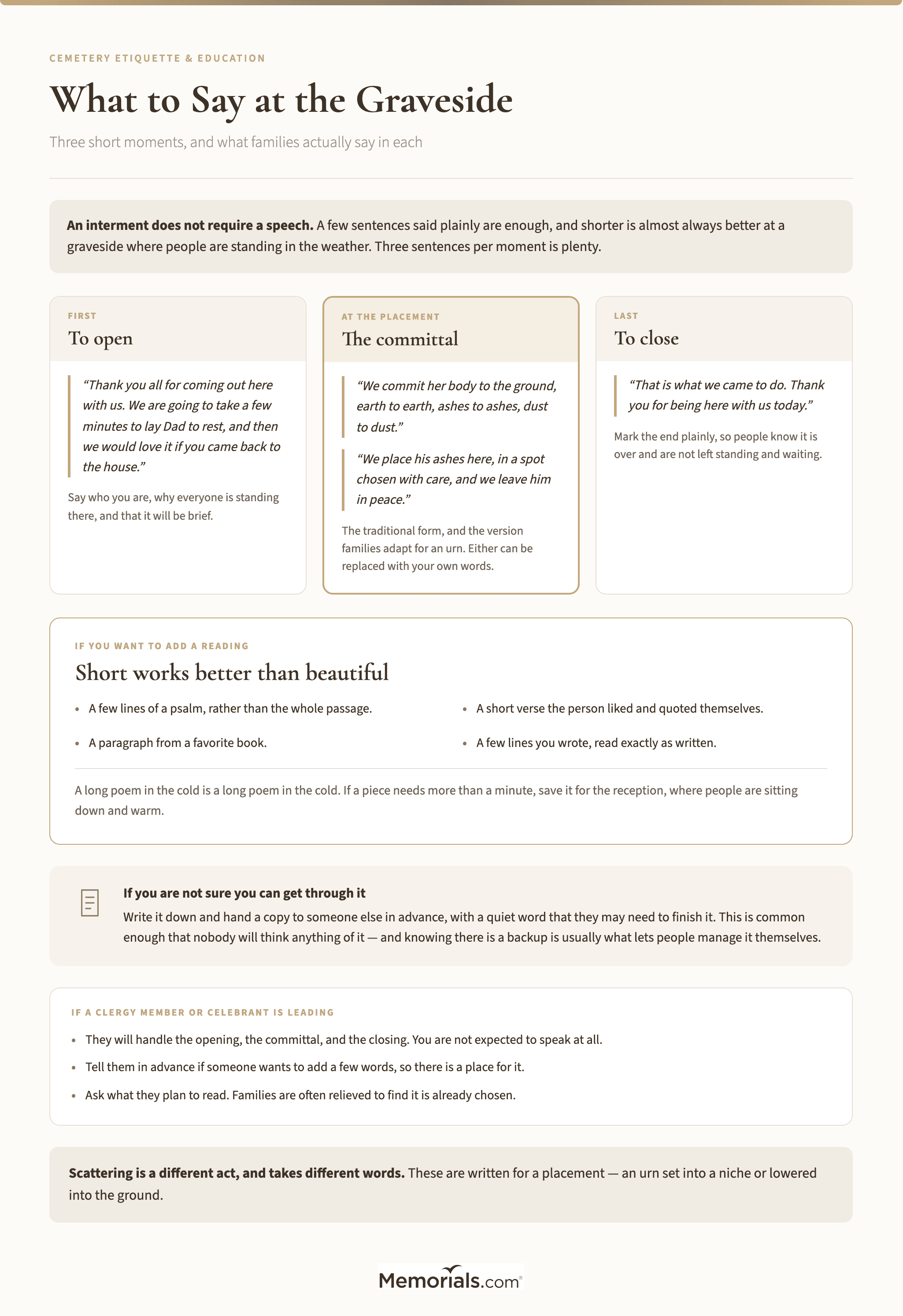
The reassuring part: an interment does not require a speech. A few sentences said plainly are enough, and shorter is almost always better than longer at a graveside where people are standing in the weather.
The committal words
The graveside committal words are the sentence or two that mark the placement itself. A traditional form runs:
> We commit her body to the ground, earth to earth, ashes to ashes, dust to dust. The full wording, where it comes from and why only the middle of it is ever quoted are covered in our guide to ashes to ashes, dust to dust.
For an urn, families often adapt it:
> We place his ashes here, in a spot chosen with care, and we leave him in peace.
You do not have to use either. "We are here to lay Mom to rest, in the place she picked herself," said honestly, does the same work.
If there is no clergy
Someone in the family will need to open and close. Three sentences each is plenty:
To open — say who you are, why everyone is standing there, and that it will be brief. "Thank you all for coming out here with us. We are going to take a few minutes to lay Dad to rest, and then we would love it if you came back to the house."
To close — mark the end plainly, so people know it is over and are not left waiting. "That is what we came to do. Thank you for being here with us today."
Readings that suit a graveside
Short works better than beautiful. A long poem in the cold is a long poem in the cold. Families commonly use a few lines of a psalm, a short verse the person liked, a passage from a favorite book, or a few lines of something they wrote themselves. If a piece needs more than a minute, save it for the reception.
If you cannot get through it
Write it down and hand it to someone else in advance. Ask them to read it if you cannot. This is common enough that no one will think anything of it, and knowing there is a backup often means you manage it yourself.
For a scattering rather than a placement, the words are chosen differently and our guide to what to say when scattering ashes covers readings suited to that act.
There are only three moments at a graveside where a family may need to speak: an opening that says why everyone is there, the committal at the placement itself, and a closing that marks the end. Three sentences each is enough, and the traditional committal — earth to earth, ashes to ashes — adapts readily for an urn. If a clergy member is leading, they cover all three and you are not expected to speak at all.
How long an interment takes
Fifteen to thirty minutes for most interments. An urn placement can be shorter still — ten minutes is not unusual.
With military honors, add another ten to fifteen. A committal that includes a full religious rite may run to forty-five.
Families frequently over-plan for this and then feel that something was missing. Nothing was. The brevity is the tradition, not a shortcut.
What to wear, and who comes
Dress as you would for the funeral service — the interment is usually the same day and the same people. The one practical difference is the ground. You will be standing on grass, possibly wet, possibly uneven, and heels sink. Flat shoes are the single most useful thing to get right.
Bring a coat. Graveside services run in whatever weather arrives, and there is rarely shelter beyond a canopy over the front row.
Attendance is often smaller than the main service, and that is normal. Some families keep the interment to immediate relatives only, either by preference or because the cemetery limits numbers. If you were not invited to the graveside, it is not a slight.
An inurnment service, and how it differs
When the remains are cremated and an urn is placed rather than a casket buried, the same event is often called an inurnment service. Anyone wondering what is an inurnment service, or what happens at an inurnment, can picture the interment above almost unchanged — the gathering, the words, the placement — with three practical differences. An inurnment ceremony is shorter, more often under cover, and closer to eye level.
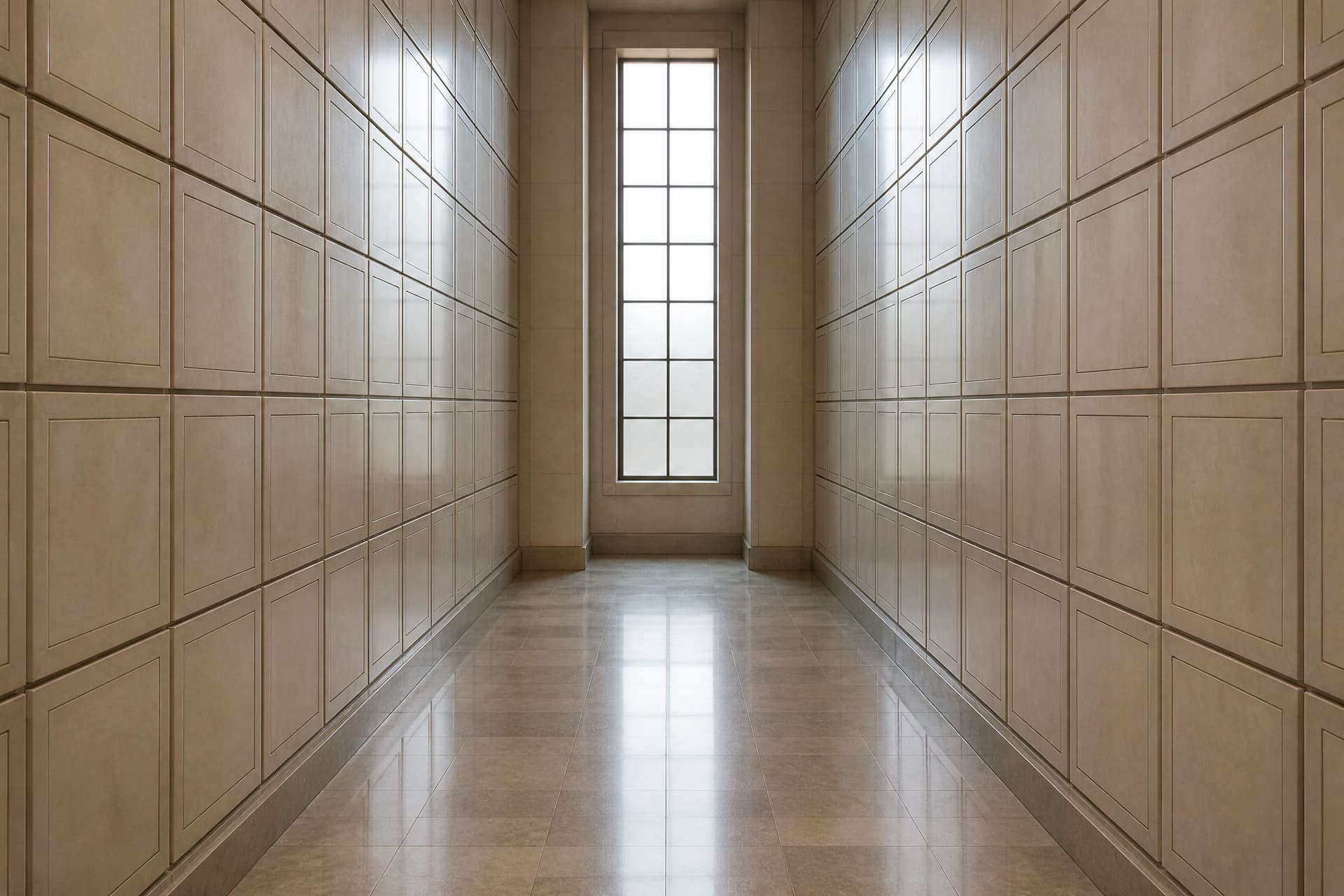
It is shorter because the placement takes less time. It is often indoors, since many columbariums sit inside a mausoleum or along a sheltered wall. And the placement is more visible: an urn goes into a niche at roughly eye level with people standing close, rather than into the ground several feet down.
Many columbariums sit indoors, which is why an inurnment is more often held under cover than a graveside burial.
If the urn is going into the ground rather than a wall, ask whether the cemetery requires an urn vault — a rigid outer container that stops the ground settling. It is a separate purchase, and it is easier to sort out before the day than on it.
After the service
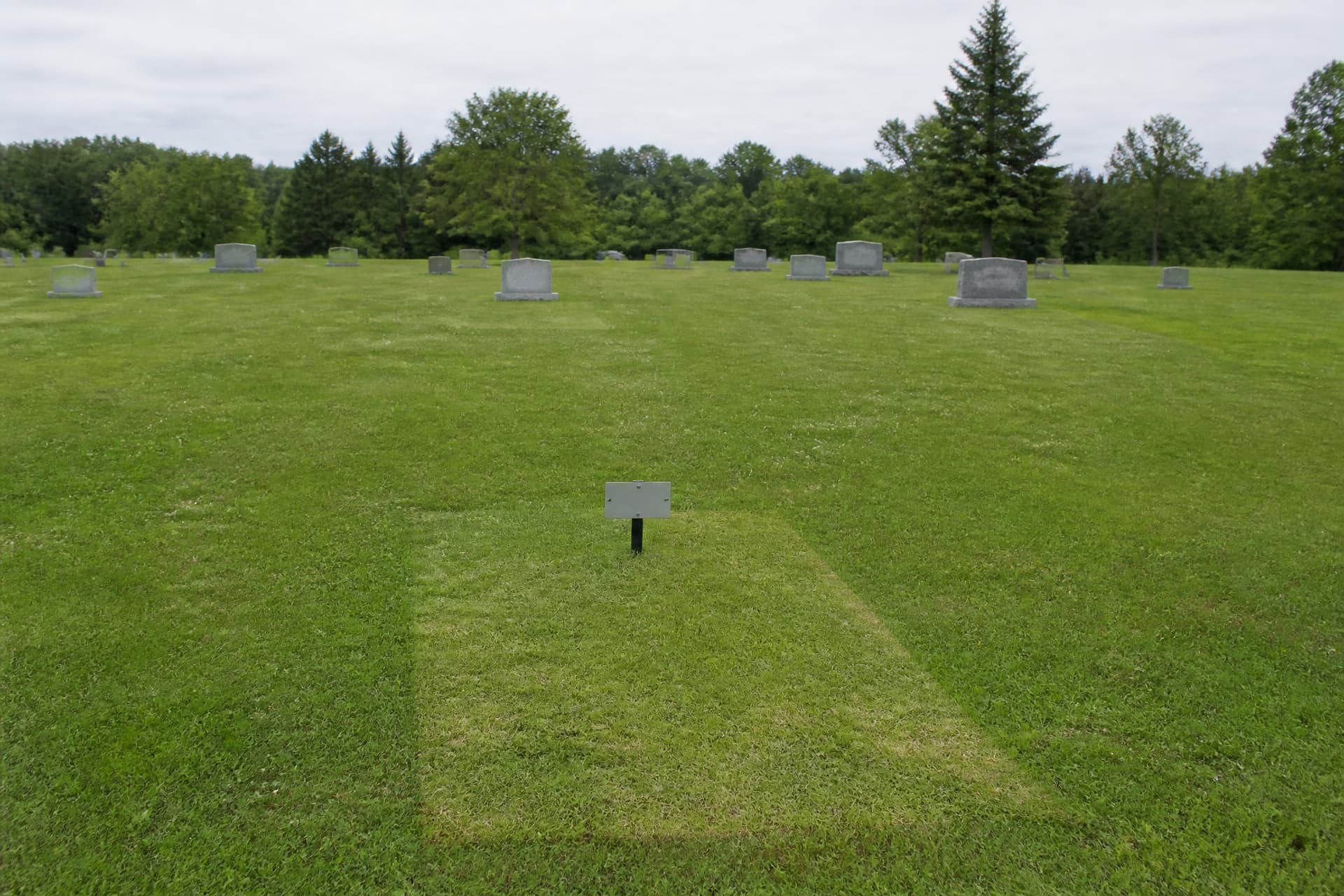
A temporary marker holds the place while the ground settles and the permanent stone is engraved.
On the day of interment the spot is usually unmarked, and it stays that way for a while. Engraving takes weeks, and cemeteries often ask that ground settle for several months before a stone is set, so most families visit an unmarked spot for a while. That is expected, and worth telling relatives in advance so nobody is upset by it.
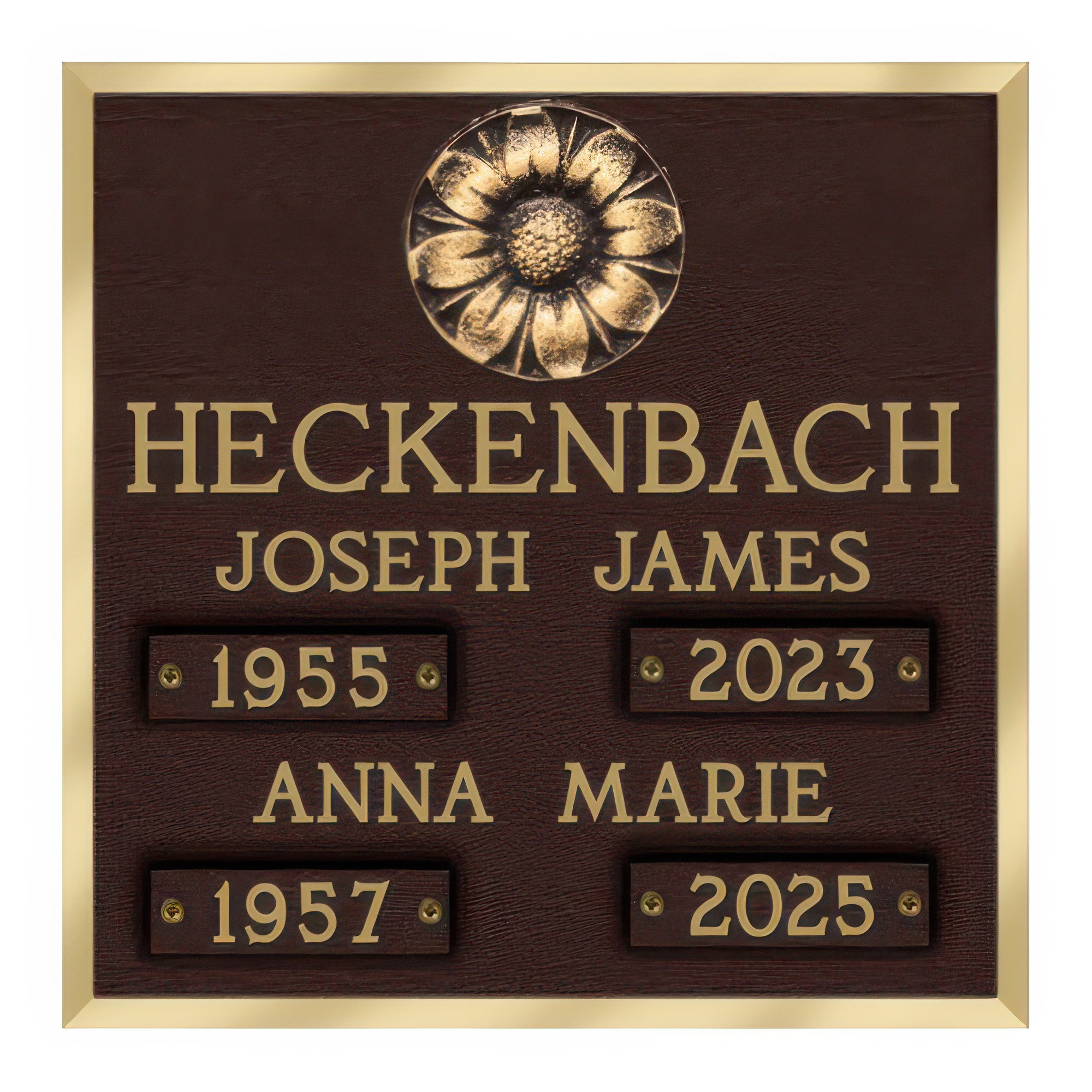
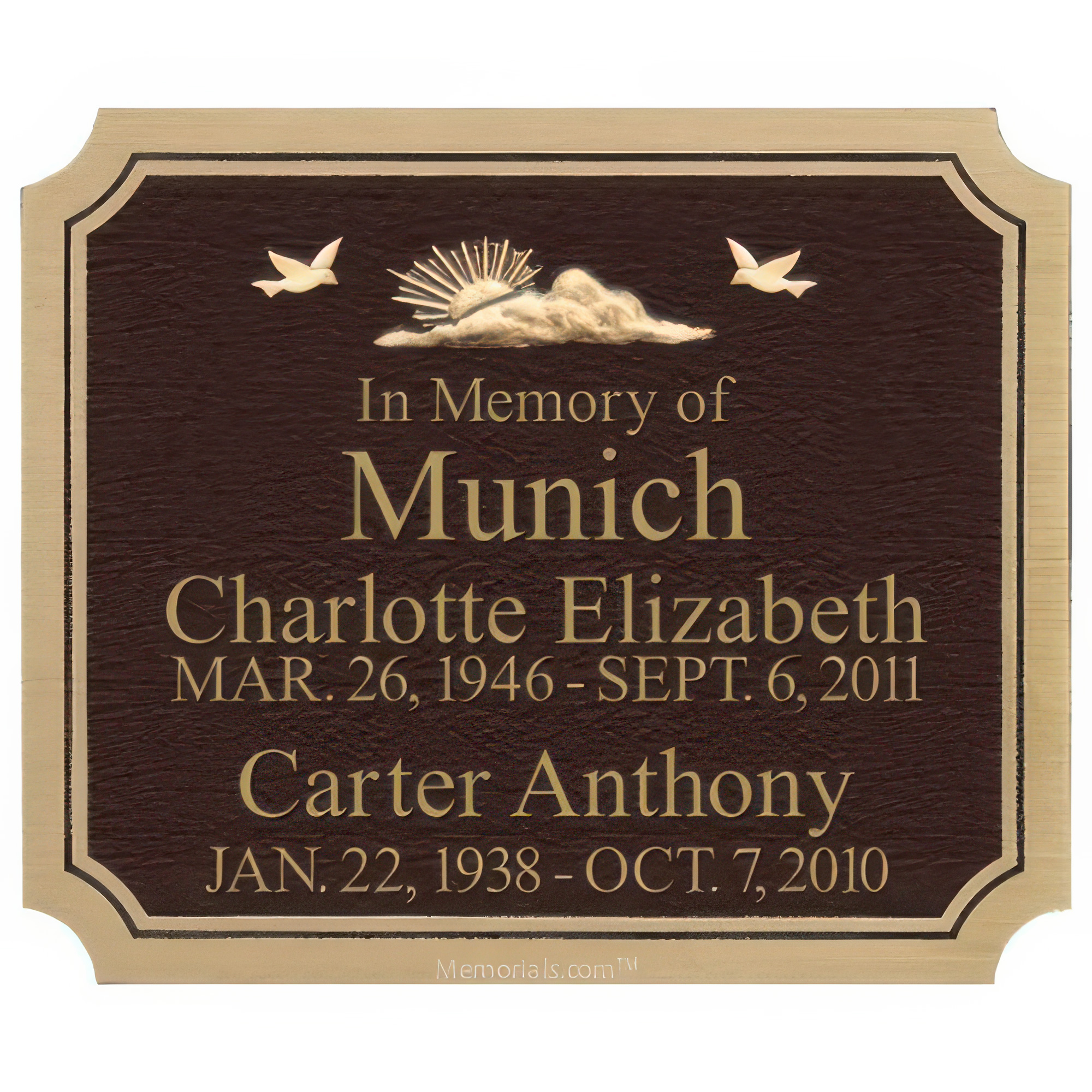
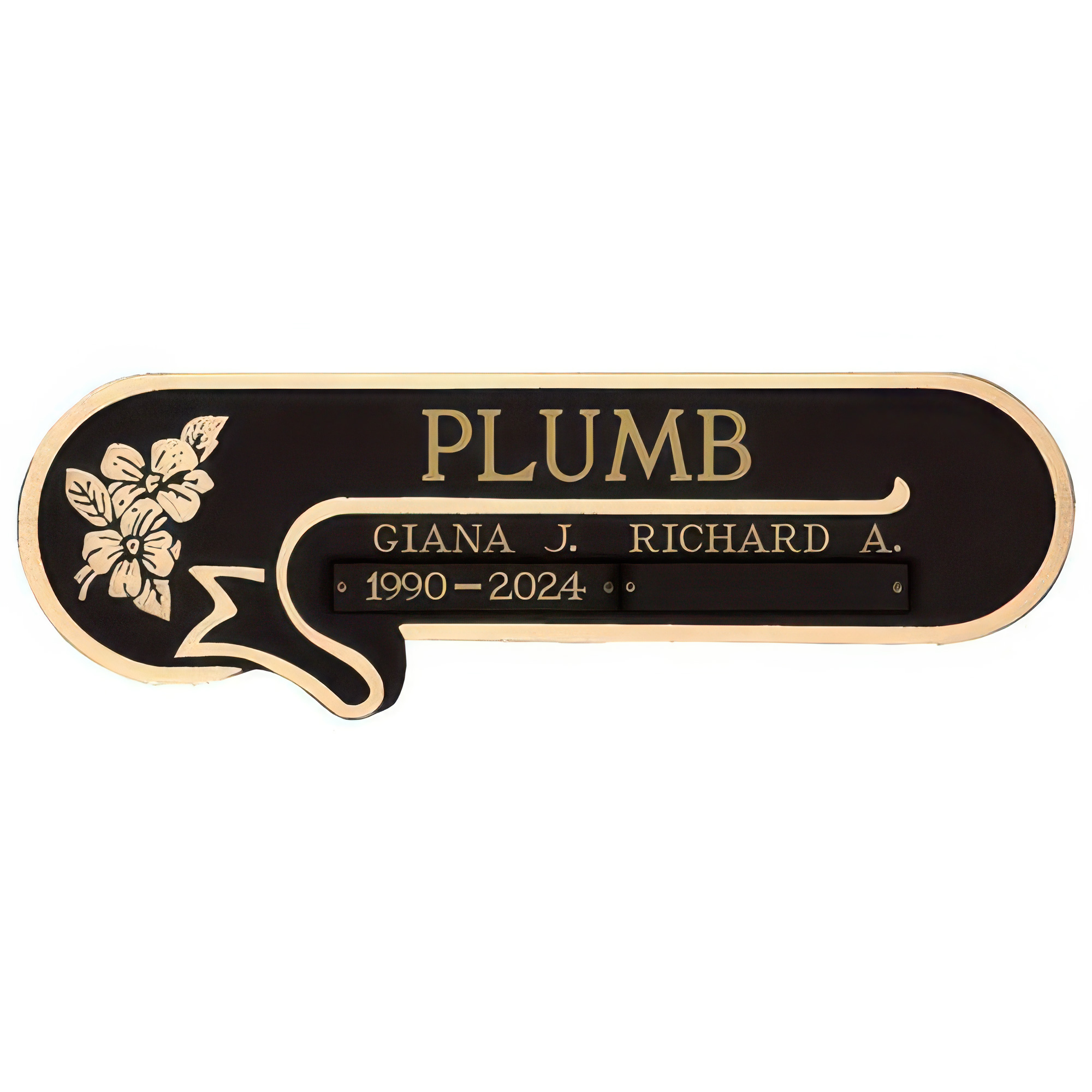
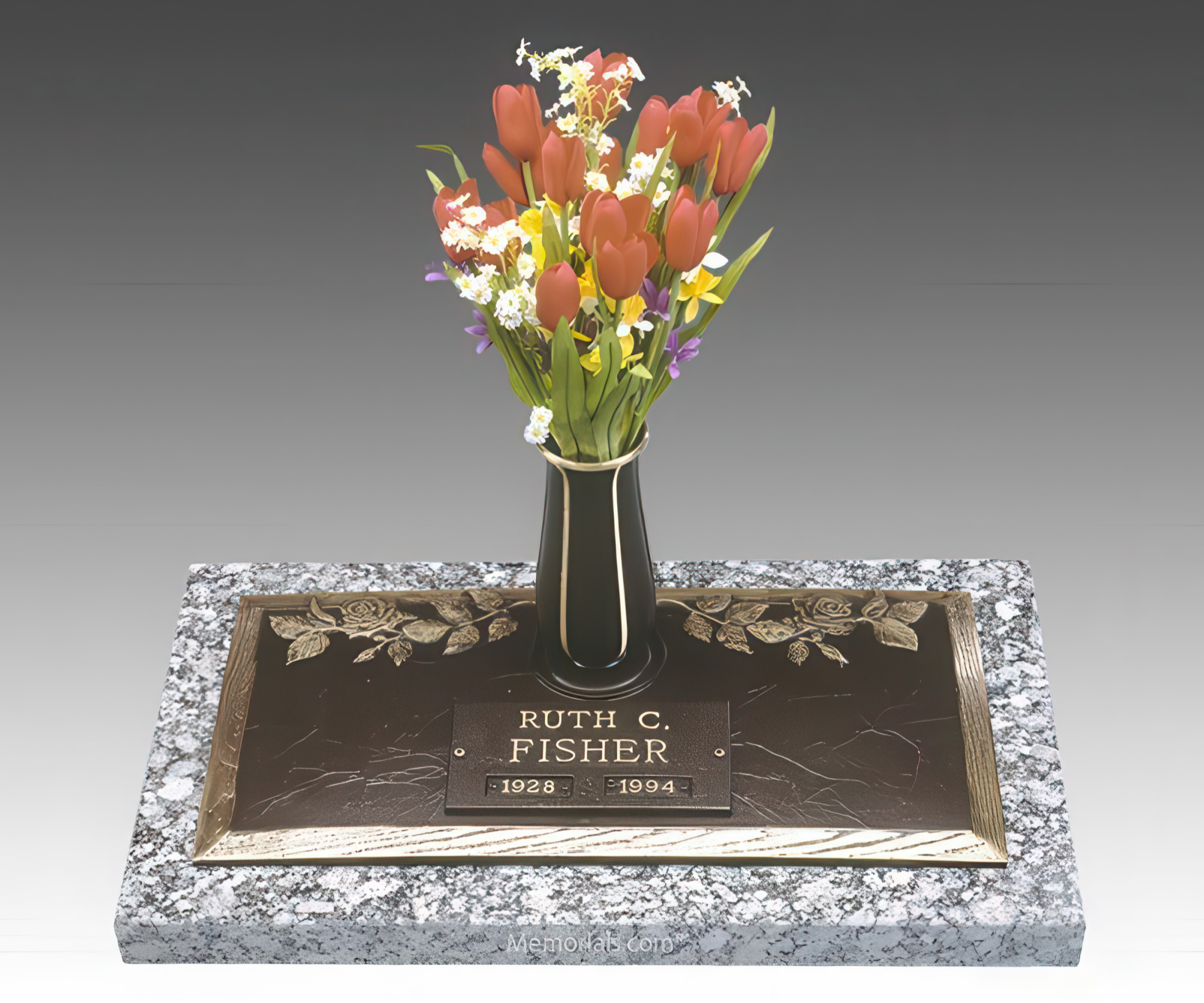
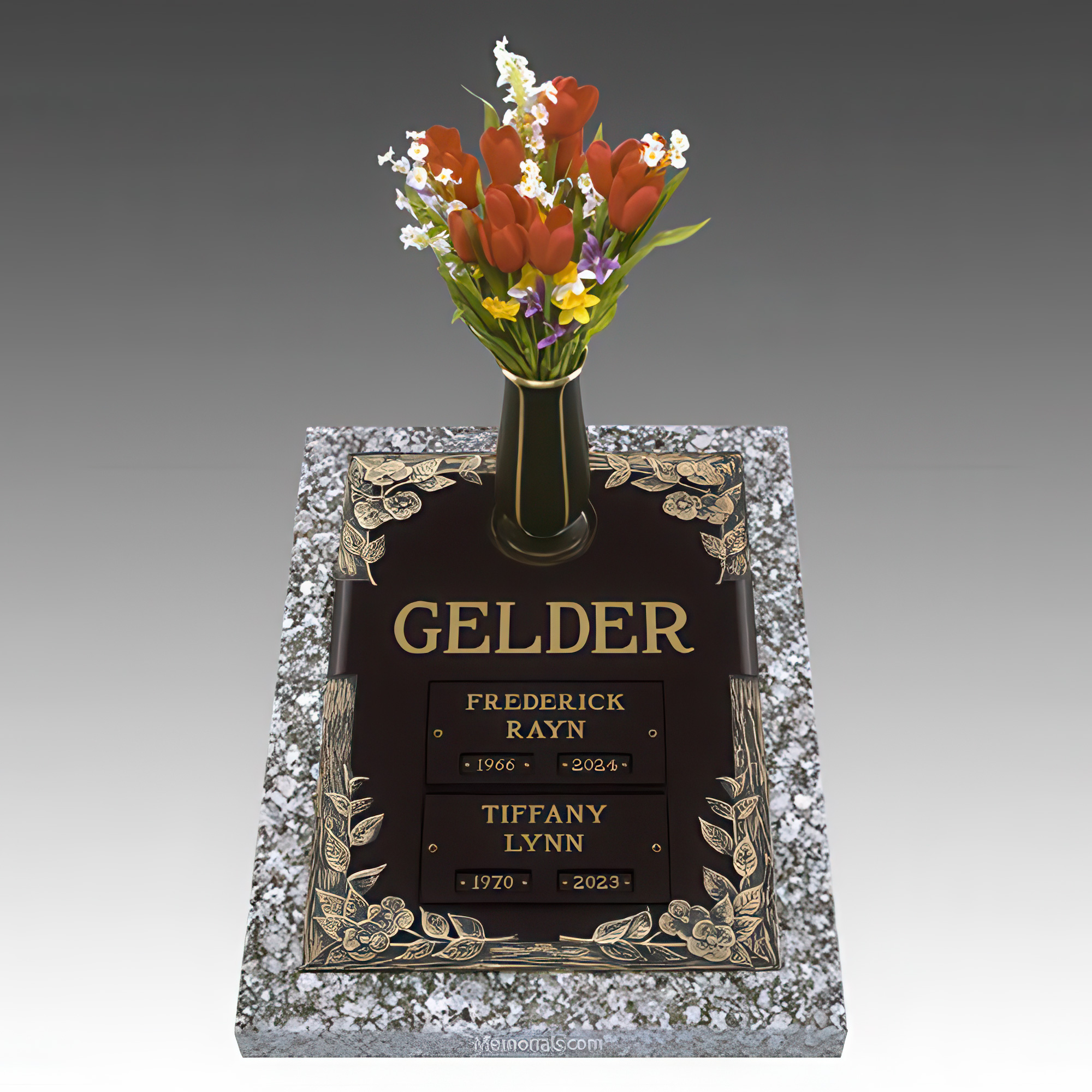
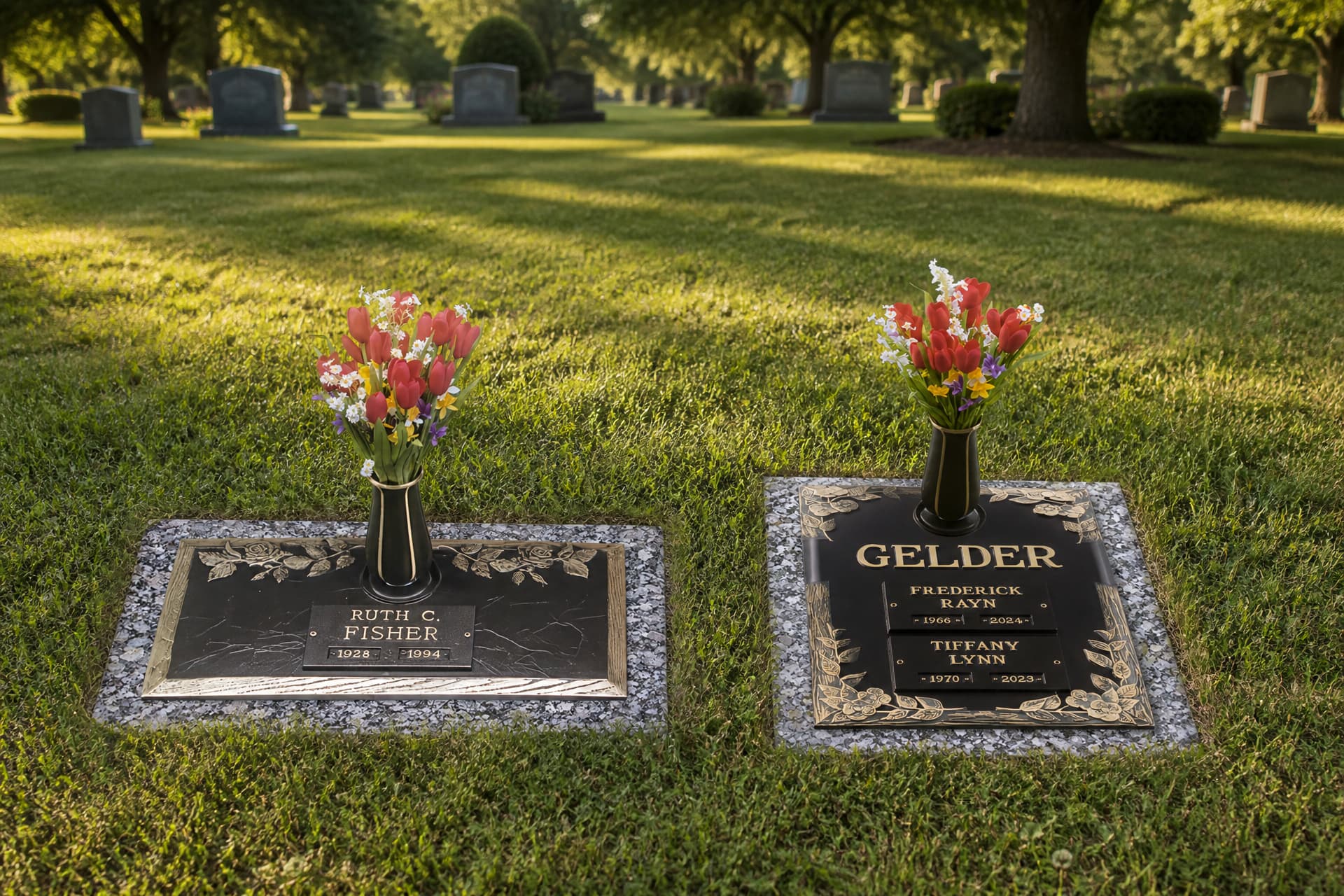
When the time comes, a niche is marked with niche plaques fixed to the front panel, and an urn plot with cremation grave markers sized for the smaller space. Many families also add cemetery vases so there is somewhere to leave flowers on later visits.
Families still choosing what the remains will rest in will find the range in our selection of cremation urns, and our guide to where urns go in a cemetery covers the placement options themselves.
Frequently asked questions
What is an interment service?
It is the graveside ceremony where a casket or urn is placed in its final resting place. It typically follows the funeral service and runs fifteen to thirty minutes.
Is the interment the same as the funeral?
No. The funeral service is the main gathering, usually at a church, funeral home, or chapel. The interment is the shorter graveside portion afterward, at the cemetery, and often with fewer people.
What happens at an inurnment?
The same as an interment, with an urn instead of a casket. The urn is carried to the niche or plot, a few words are said, and it is placed. It is usually the shorter of the two.
Do you have to say anything at an interment?
No. Many interments are led entirely by a clergy member or celebrant, and families are not expected to speak. If you want to and are not sure you can, write it down and ask someone to hold a copy.
Can you attend an interment if you missed the funeral?
Usually, but ask the family first. Some interments are open to everyone who came to the service, and some are kept to immediate relatives. A quick message avoids an awkward arrival.
Does the family watch the casket being lowered?
It depends on the cemetery, and both practices are common. Some lower it while everyone is present; others wait until the family has gone. Ask the funeral director beforehand so the answer is not a surprise on the day.
What happens on the day of interment if it rains?
It goes ahead. Cemeteries put up a canopy over the immediate family, and services are rarely postponed for weather. Dress for the conditions and expect to stand on soft ground.