🏬Supersize Online Funeral Retailer🪦1000's of Headstones⚱️Over 10,000 Cremation Urns⚰️Caskets Overnight Delivery🛒Funeral & Memorial Superstore🚚FREE Shipping on ALL Orders👨👩👧👦Helping Families for over 20 Years💰Lowest Price Guarantee🏬Supersize Online Funeral Retailer🪦1000's of Headstones⚱️Over 10,000 Cremation Urns⚰️Caskets Overnight Delivery🛒Funeral & Memorial Superstore🚚FREE Shipping on ALL Orders👨👩👧👦Helping Families for over 20 Years💰Lowest Price Guarantee
🏬Supersize Online Funeral Retailer🪦1000's of Headstones⚱️Over 10,000 Cremation Urns⚰️Caskets Overnight Delivery🛒Funeral & Memorial Superstore🚚FREE Shipping on ALL Orders👨👩👧👦Helping Families for over 20 Years💰Lowest Price Guarantee🏬Supersize Online Funeral Retailer🪦1000's of Headstones⚱️Over 10,000 Cremation Urns⚰️Caskets Overnight Delivery🛒Funeral & Memorial Superstore🚚FREE Shipping on ALL Orders👨👩👧👦Helping Families for over 20 Years💰Lowest Price Guarantee
The cost of cremation in Kansas starts between $875 and $4,070, with a median of $2,090. That comes from reading 19 published Kansas price lists in 2026.
Ask how much is cremation in Kansas and the state-level answer is unremarkable. Kansas sits a little above the national median of $1,925, 31st of the fifty states and sixth cheapest of the twelve Midwestern states — a reasonable place to be, because the Midwest is the most expensive of the four regions. Our cremation cost by state guide sets all fifty side by side.
That ordinary middle sits over a wide spread, and two decisions explain most of it: the kind of business you call, and where in the state the death happens. The cremation cost Kansas families are quoted follows from those two things far more than from anything haggling will produce.
31st of 50 cheapest — just above the middle of the country
Kansas's Midwest rank
6th of 12 cheapest
Every figure here is a floor: the lowest direct-cremation price on the provider's own document.
These are the price lists we could read online, not every price list that exists. Federal law requires every Kansas funeral home to give you an itemized general price list and to quote prices over the phone, so the document exists whether or not the firm puts it on a website. Ask for it by name.
Make sure the firms you compare are different firms
Some of the 19 price lists behind those figures are the same document. Three times in the Kansas file, separately branded firms publish word-for-word identical lists at identical figures — in one case four brands in a single city, served from one shared web address. A family calling around would reasonably treat those as independent opinions about what a cremation is worth. They are not.
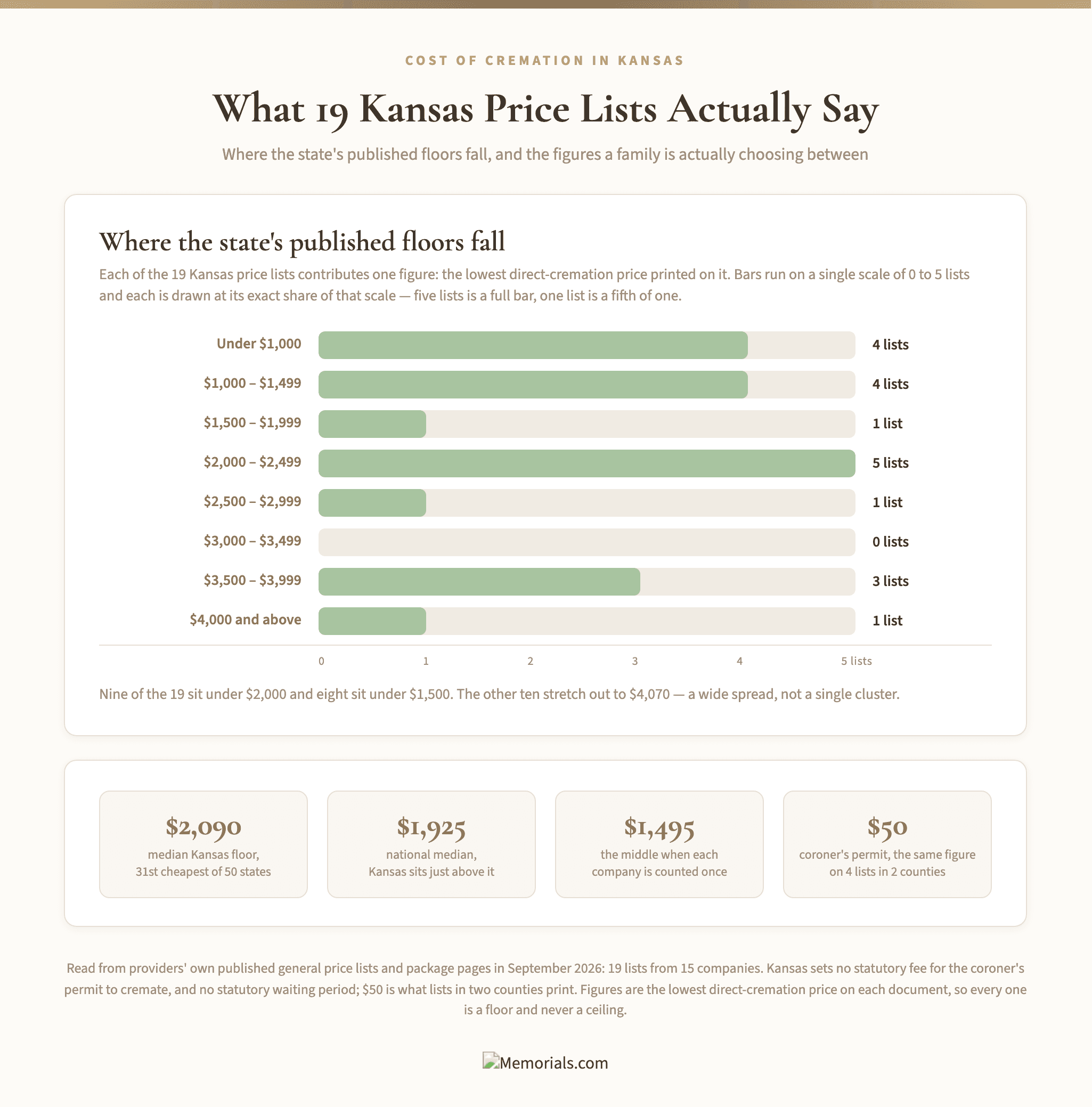
Count each company once and the middle of Kansas drops from $2,090 to $1,495. This guide publishes $2,090, but $1,495 is closer to what a family is really choosing between. So call across the state's price tiers rather than three doors down the same street.
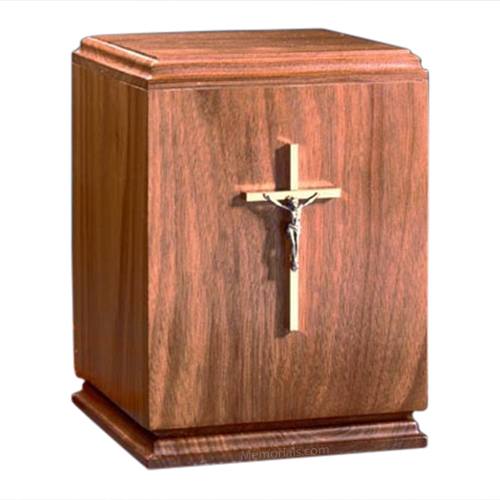
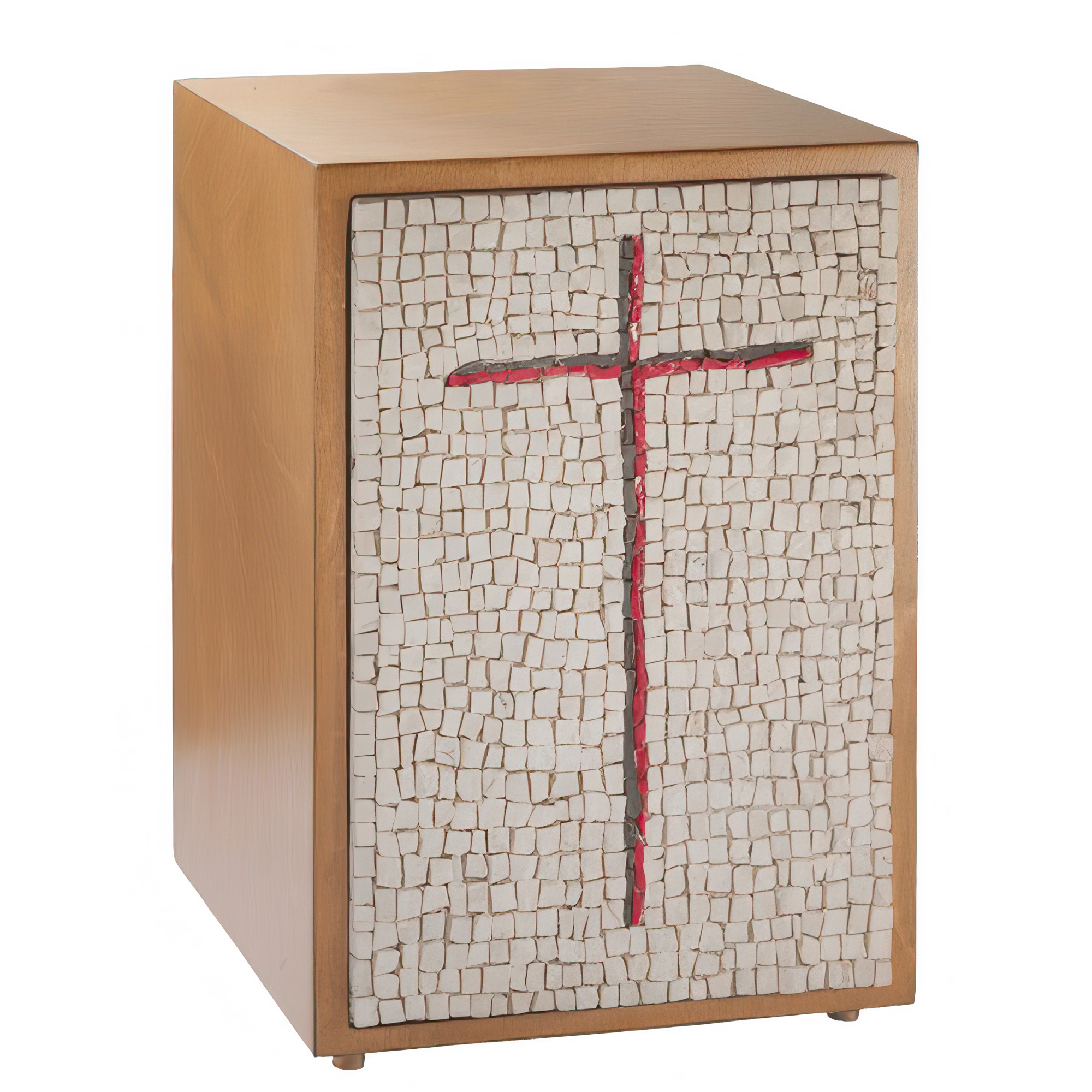
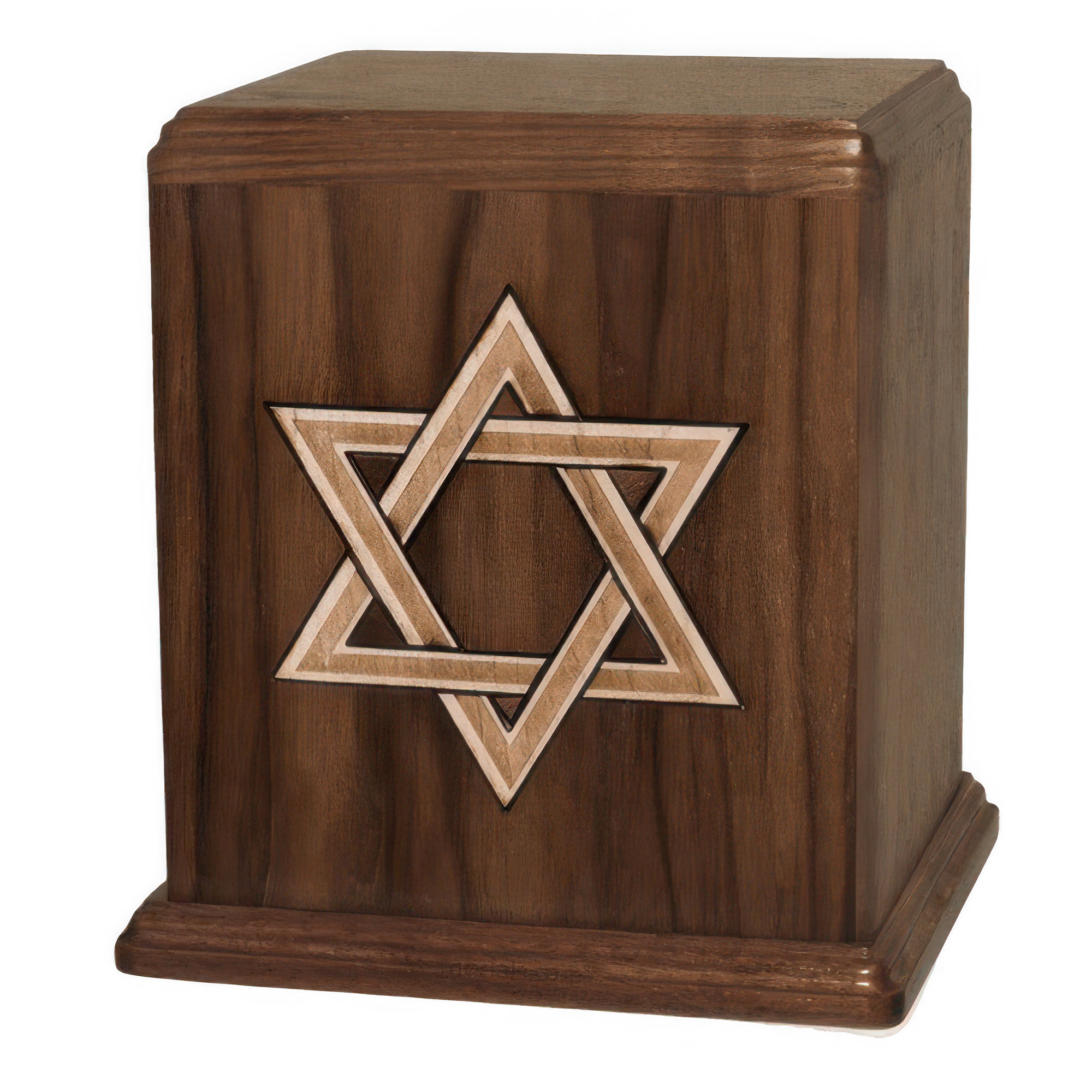
Urns for After a Kansas Cremation
The permanent urn is a decision you make later, at home, in your own time
Cremation Providers and Funeral Homes: Why One Is Cheaper
The cheapest and the most expensive published floors in Kansas are 4.7 times apart, for a cremation that is physically the same at both ends. Very little of that is a firm charging what it likes. The two ends of that range are two different kinds of business, and choosing between them is the decision to make before you compare a single number.
The cremation-only provider sets the floor
The bottom of the Kansas range is cremation-first operators. They sell one service, arrange it by phone or online, own or contract a retort, and keep no chapel, no viewing rooms and no casket selection room. Cremation societies work the same way a little further up the range.
Their own documents say what they are as plainly as their prices do: several state in their exclusions that the price covers no facilities or staff for any visitation or ceremony, public or private, before the cremation. That is not fine print. It is the product description.
The full funeral home occupies the middle and the top
The middle and the top of the range are full-service funeral homes: a building, arrangement offices, viewing rooms, staffed hours, a vehicle fleet, and a price list on which direct cremation is one line among forty. They also sell what the cheap end of the state does not stock at all, such as a container suitable for a private viewing.
Those rooms and those hours are real costs, and every price on such a list carries a share of them. The cheaper firm is not undercutting the more expensive one; it is selling less. A funeral home keeping a chapel for a small town cannot spread that building over a city's volume, which is part of why the highest floor in Kansas is rural.
What the cheaper option cannot do
A cremation-only provider generally cannot give you a viewing, a service with your loved one present, or a change of mind toward burial partway through the week. We found no separate, cheaper Kansas license category for a firm that only sells cremation — the statutes we read license the crematory operator and the cremation itself rather than creating a lower-tier seller, as some states do. The practical test is not the license anyway: it is whether the firm has a chapel and can arrange a service.
So decide which kind of firm you want before you compare prices. If you are certain about a direct cremation and nothing around it, the top of the Kansas range is capacity you will pay for and never use, and the cheapest providers in the state do the same work as the most expensive. If the family may want time with your loved one beforehand, the bottom of the range cannot arrange it at any price, and the saving is not really on offer.
What Else Moves a Kansas Price
Two more things move a Kansas figure once you have settled on the kind of firm, and neither is negotiable at the point of sale.
The ceiling on a Kansas price list is a box, not a service
Several Kansas lists print a high at twice their low or more, and the widest runs close to seven times its own floor. Nothing about the cremation changes across that span. The federal Funeral Rule requires a price list to disclose direct cremation with every container the firm sells, so the itemizations run from a cardboard alternative container up through progressively better caskets. The high number is a box, not a service, which is why every figure on this page is a floor and never a ceiling.
Where in Kansas the death happens
This runs the opposite way to the usual city-versus-country story. Every price we could read at the cheap end of the Kansas range sits in one of the three largest metro markets. Outside those three markets we could read only four price lists, and all four start higher — three of them well above $2,000, reaching the top of the state's range. In rural Kansas, the entry price is also the ceiling: there is no cheap tier to fall back to.
Geography rather than packaging is doing the work. Where one company publishes lists in two Kansas markets, its floors sit $1,000 apart for packages naming the same inclusions, bar a single extra line.
And eight Kansas cities of real size — Salina, Manhattan, Hutchinson, Garden City, Dodge City, Hays, Pittsburg and Emporia — produced no direct-cremation price we could read online. The funeral homes are there and the law entitles you to their price lists; the absence is in our reading, not in their pricing. It does mean a family in western Kansas cannot comparison-shop from a laptop.
Every Kansas price we could read at the cheap end sits in one of the three largest metros. From the western half of the state the nearest published price is a long drive, and mileage beyond the radius a package includes runs $3.00 to $5.00 a loaded mile.
What a Kansas Price Includes — and What It Does Not
Two Kansas price lists at the same number can cover different things, because they describe what they cover inconsistently. That is why the itemized list is the thing to ask for, and why one firm's headline figure is not comparable to another's until you have both documents side by side. Three questions settle most of it.
Is the container your loved one is cremated in inside the price? Kansas law requires a container. Some Kansas lists name one inside the price, some print it as a separate line, and some do not say either way — which is why the itemization, not the headline figure, is the thing to ask for. Where it is extra it is a modest line, $25 to $200, but it is the kind of line that makes two equal-looking quotes unequal.
Is the transfer to the crematory inside it? Some of the documents we read name it and some never mention it at all. Where a firm does not, ask — it matters wherever the crematory is not in the same building.
Is the figure you were shown the price list's figure? One Kansas provider's two published numbers differ by exactly a coroner's permit and one certified death certificate, cash advances its own list charges outside the package. Neither is wrong; they describe different bundles. But set a price-list figure beside another firm's website figure and you have silently compared a cremation with a cremation plus two cash advances. The price list, not the website, is the document to ask for.
The coroner's permit, which sits outside the quoted price
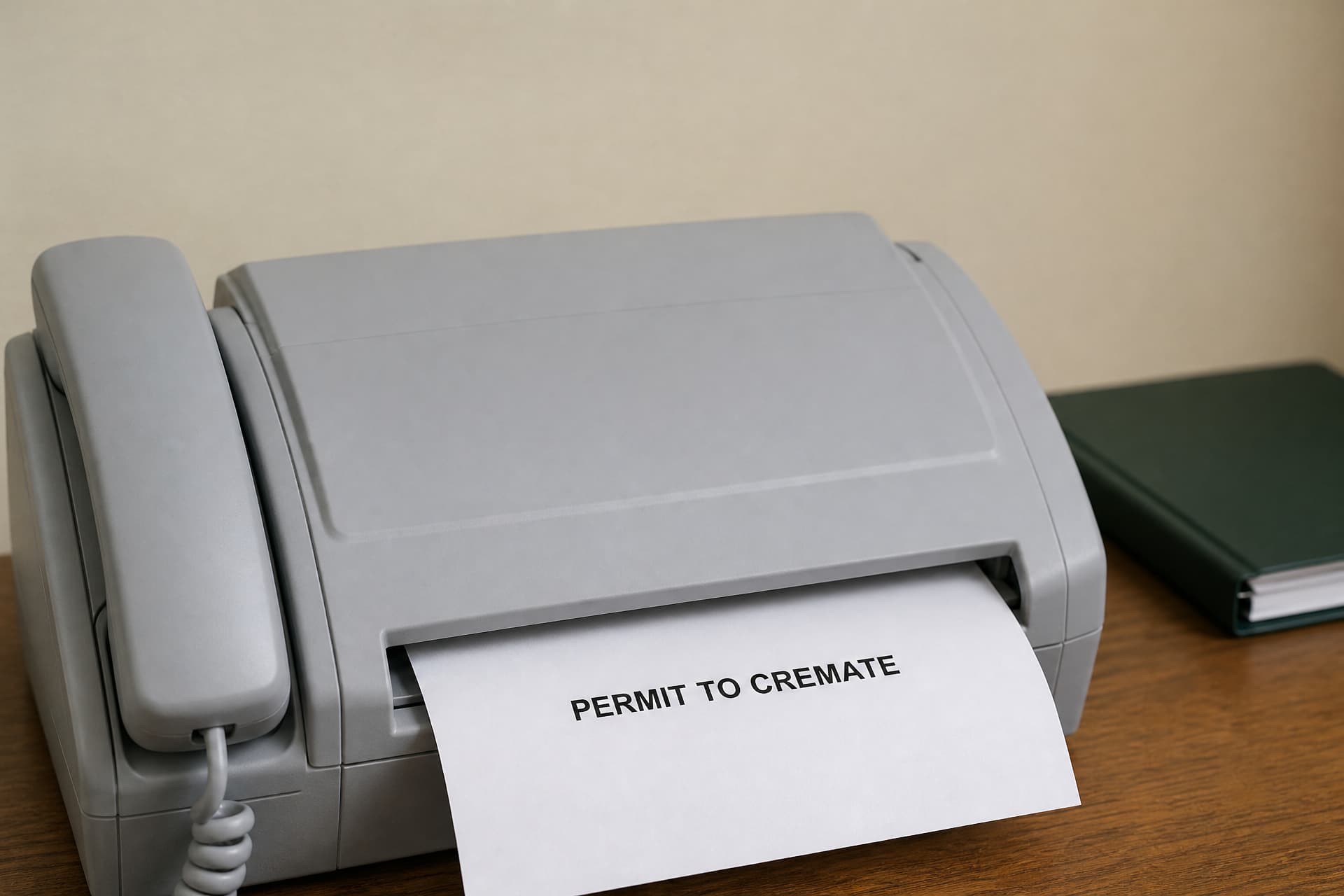
Kansas sets no waiting period before cremation, and that is the fact every aggregator page repeats — every comparison site a price search turns up, publishing figures for funeral homes it does not run. What actually gates a Kansas cremation is a permit. K.S.A. 65-2426a is explicit: no dead body shall be cremated unless a coroner's permit to cremate has been executed to authorize it. The statute accepts a faxed or electronically signed copy, a knowing violation carries a fine of up to $500, and it applies to every Kansas cremation, not only to deaths that meet an investigation trigger.
No statute sets the fee — it is a county charge. In the two counties where providers publish it, the figure is $50, and on all but one of those lists it sits outside the package. Treat that as typical rather than as a government schedule, and ask the funeral home for the figure in the county where the death occurred. It is the single question that most often changes which of two quotes is actually cheaper.
K.S.A. 65-2426a bars any Kansas cremation without a coroner's permit to cremate, and accepts a faxed or electronically signed copy as legal authorization. No statute prices it; in the two Kansas counties where providers publish the fee, it is $50, and it sits outside the package.
The 19 Kansas floors in $500 bands: eight sit under $1,500, and the rest stretch out to $4,070. The lists describe what those figures cover inconsistently — some itemize, some price by container variant, some print only what they exclude — which is why two Kansas quotes at the same number are rarely the same purchase.
Refrigeration, and the 24-hour clock
Kansas gives a provider one day. K.A.R. 63-3-11(d) allows a body to be cremated without embalming if the cremation happens within 24 hours of death; past that, 63-3-11(e) requires storage at a constant temperature below 40 degrees Fahrenheit, and K.S.A. 65-1763(b)(1) puts the same duty on the crematory.
A permit, a death certificate and a coroner's signature rarely all land inside a day, so holding happens on almost every Kansas cremation. Some lists name refrigeration inside the price and some do not say either way; others say only "care of remains," which may or may not mean the same thing. Where it is not included it is a daily charge, commonly $75 to $100.
The rest of what sits outside a Kansas headline price
All of these are printed on Kansas providers' own documents: certified death certificates at $20 to $30 for the first copy and $20 after it; mileage beyond an included radius at $3.00 to $5.00 a loaded mile; weight surcharges starting at 251 pounds and reaching $950; $250 to witness the cremation; $200 to ship the ashes; and sales tax on merchandise. Before ordering certificates, our guide to how many death certificates you need will keep that line from being larger than it has to be.
Kansas Cremation Laws That Affect Cost
Who may authorize, and in what order. K.S.A. 65-1734 sets the sequence: an agent under a durable power of attorney for health care, then the spouse, adult children, parents, the next degree of kin, a guardian, a personal representative, and finally the public official responsible for indigent burials. Any one adult child may direct the cremation after confirming in writing that the others were notified, unless another objects in writing. That objection is a cost item as much as a legal one: a contested authorization means days of refrigeration nobody budgeted for.
No casket is required, but a container is. K.A.R. 63-3-11(f) says that where a casket has not been used, the body must be placed in a suitable combustible container, permanently closed before release to the crematory. Some Kansas lists say so for consumers in as many words — state and local laws do not require a casket for cremation — and others cite the container statute by number, K.S.A. 65-1760(a). Elsewhere it is a priced line with no explanation beside it, so confirm whether your quote includes one.
The death certificate has to be filed before the disposition. K.S.A. 65-2412(d) requires a certificate to be filed within three days of death, through the Kansas electronic death registration system, before interment or disposal in every instance. Where the death was unattended, K.S.A. 65-2412(c) gives the coroner 24 hours from receiving the certificate to certify the cause — and that, rather than any waiting period, is the delay families actually meet.
A Kansas family may direct a disposition itself. K.S.A. 65-2412(b)(1) puts the duty to file the death certificate on "the funeral director or person acting as such who first assumes custody of a dead body," and we found no Kansas statute requiring a licensed funeral director to be retained — the statutory opening for a family-directed funeral. Whether a particular crematory will accept remains delivered by a family is its own policy, so call and ask first.
Scattering: we could not establish a Kansas rule in either direction. We found no statute governing where cremated remains may be scattered, and an absence in our search is not a permission. For the general position, and the questions to ask before scattering on land you do not own, see the laws and etiquette of scattering ashes.
One more rule with a price attached. Every Kansas cremation must be performed by a licensed crematory operator under personal supervision (K.S.A. 65-1770 and 65-1762(b)), which is part of why a crematory fee exists as a separate line at all.
How to Lower the Cost in Kansas
Ask for the general price list, in writing, and compare only those. Where we could read both a website figure and the same firm's price list, they disagreed as often as not. Even the state's cheapest published floor carries the wording "inquire about" with no itemized list behind it — a number to confirm rather than a package to compare.
Ask whether the coroner's permit is inside the price. Kansas requires one for every cremation, no statute prices it, and almost every list we read charges it outside the package. It changes which of two quotes is cheaper more often than anything else on this page.
Check the effective date on whatever you are handed. Effective dates across the Kansas file run from 2023 to this year, and some documents carry none at all. The most recent itemized document is the one that binds.
Do not take a directory's number to a funeral home. Where we could check a directory figure against a provider's own price list, the directory was low — and one aggregator publishes six Kansas city pages of headline prices without naming a single Kansas provider on any of them.
Call across the state's tiers, not within one. The gap between what one Kansas company charges and what its neighbor charges is far larger than anything haggling will produce. Call two cremation-first operators and one full-service funeral home, and ask all three the same questions: is the container in the price, is the permit in it, what does holding cost after 24 hours, and how far does the transfer radius reach before mileage starts.
Then decide how much of the rest you want. If you are still weighing the options, cost of cremation vs burial sets the two side by side, how much a funeral costs covers the full-service figure a Kansas funeral home would quote, and direct cremation explains exactly what the cheapest option does and does not include. Kansas's four neighbors make useful reference points too: Missouri is markedly cheaper at $1,295, Nebraska at $3,040 and Colorado at $2,310 are both higher, and Oklahoma matches Missouri at $1,295.
Choosing an Urn
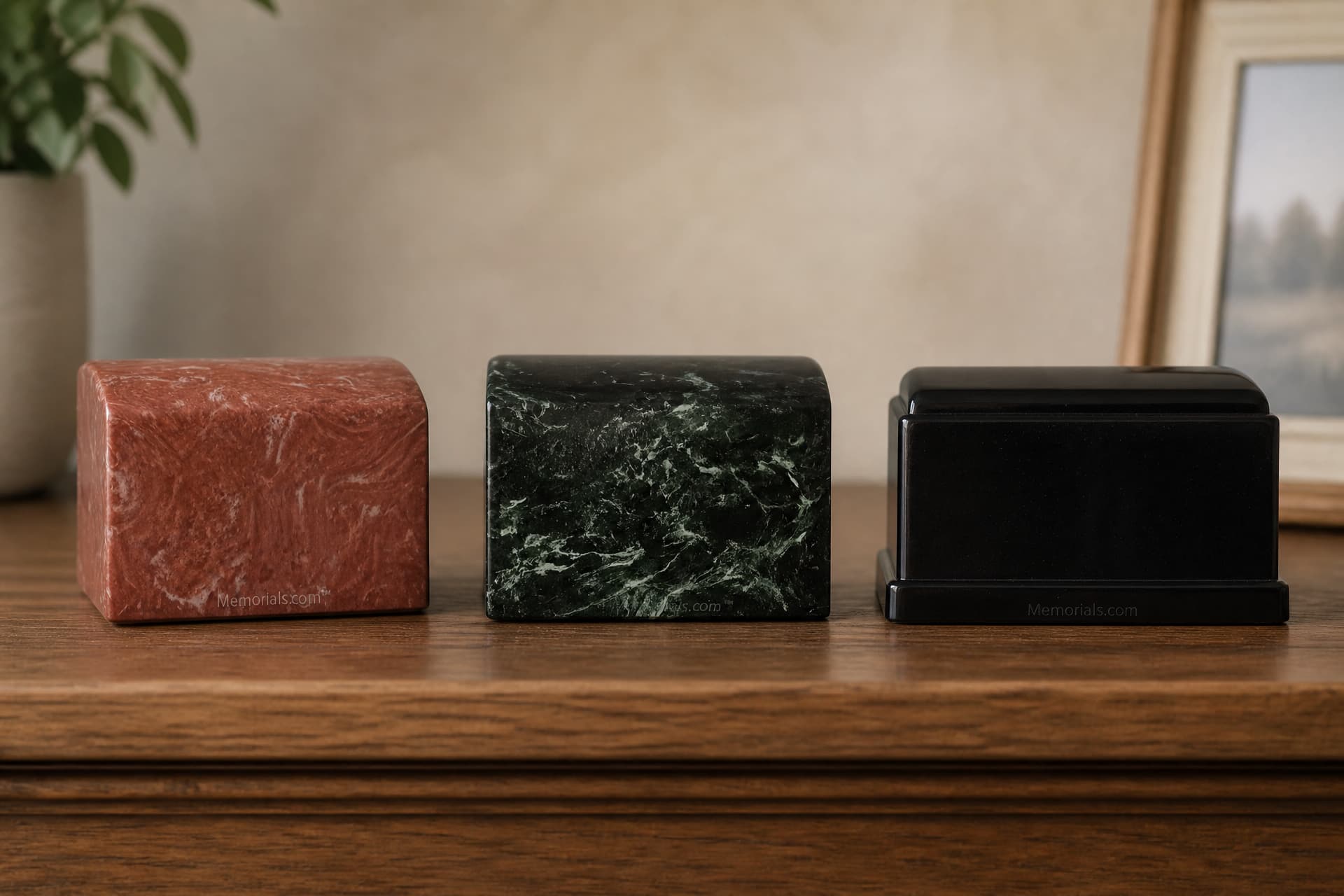
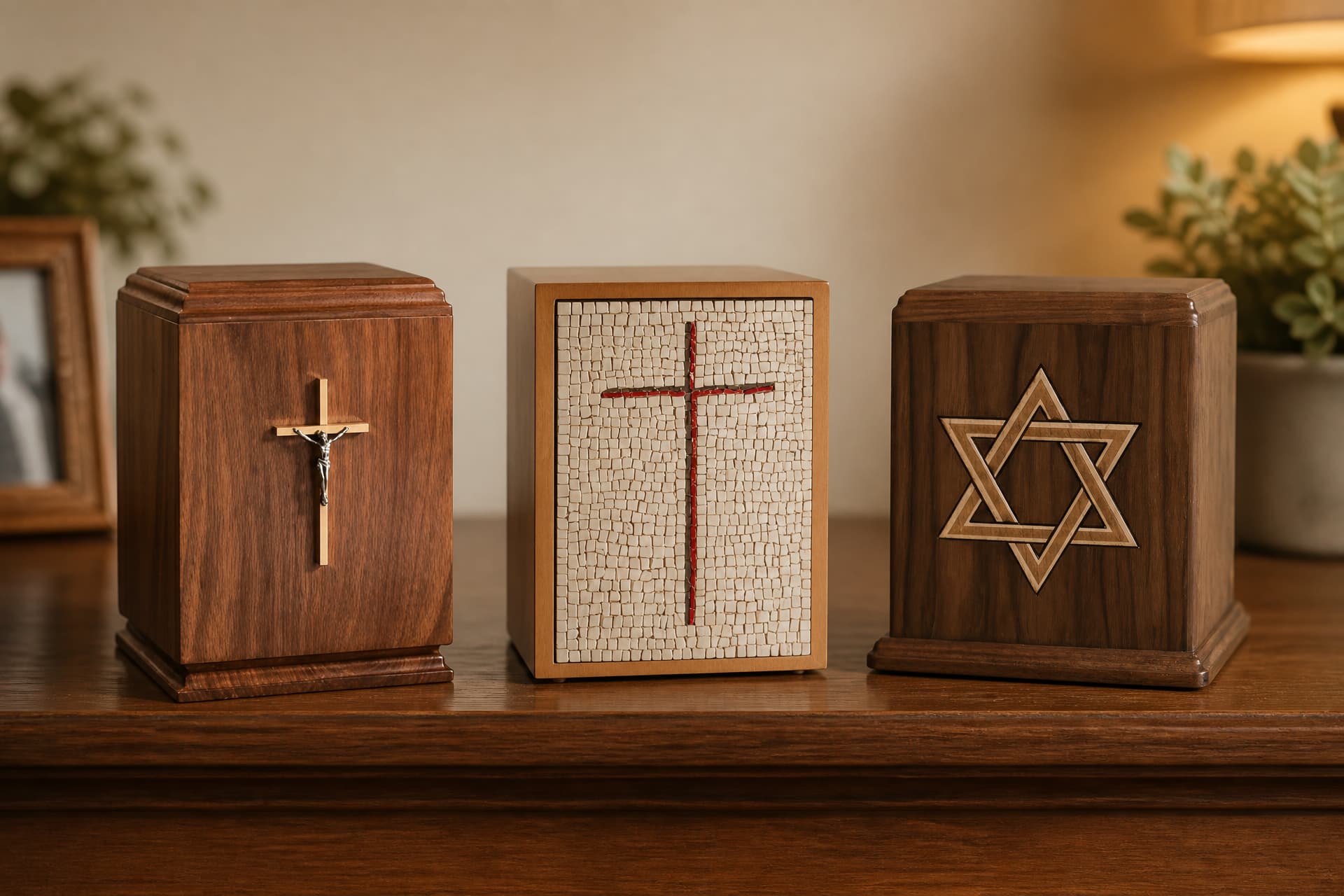
Where a Kansas package includes an urn at all — some lists name one inside the price and some do not say either way — it is a temporary urn, meant to last a couple of weeks. The permanent one is a separate decision, made later, at home, in your own time, which is exactly the right conditions for it.
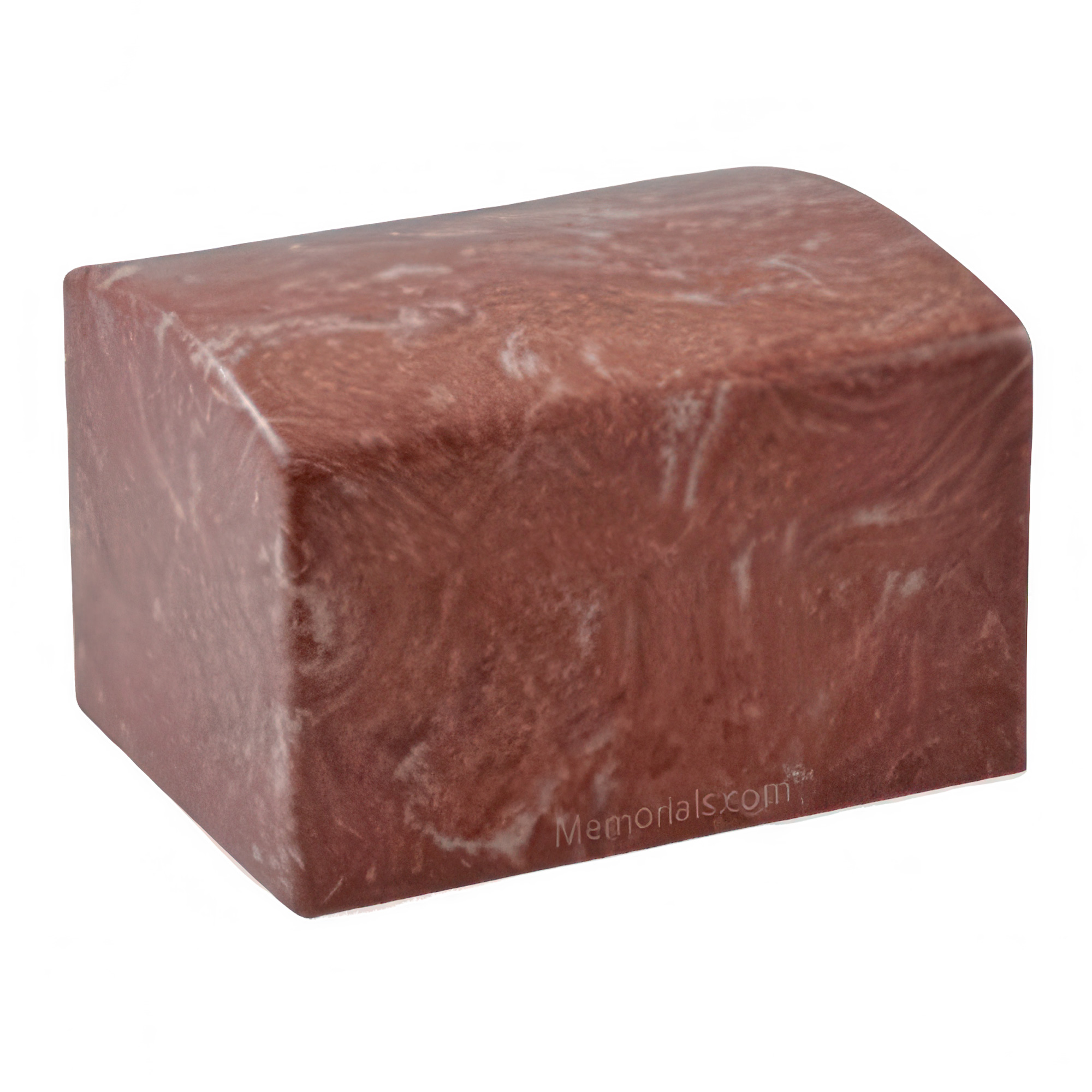
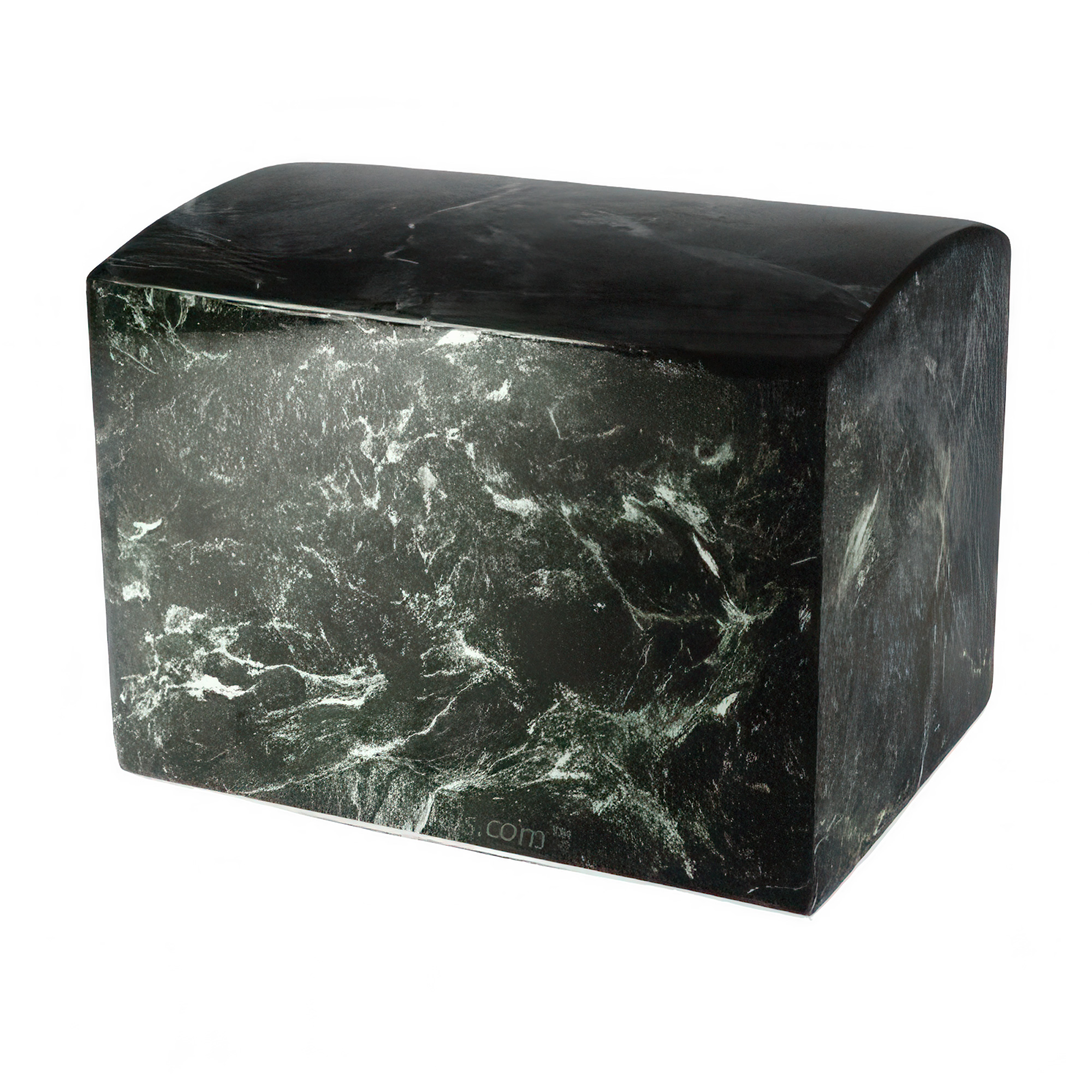
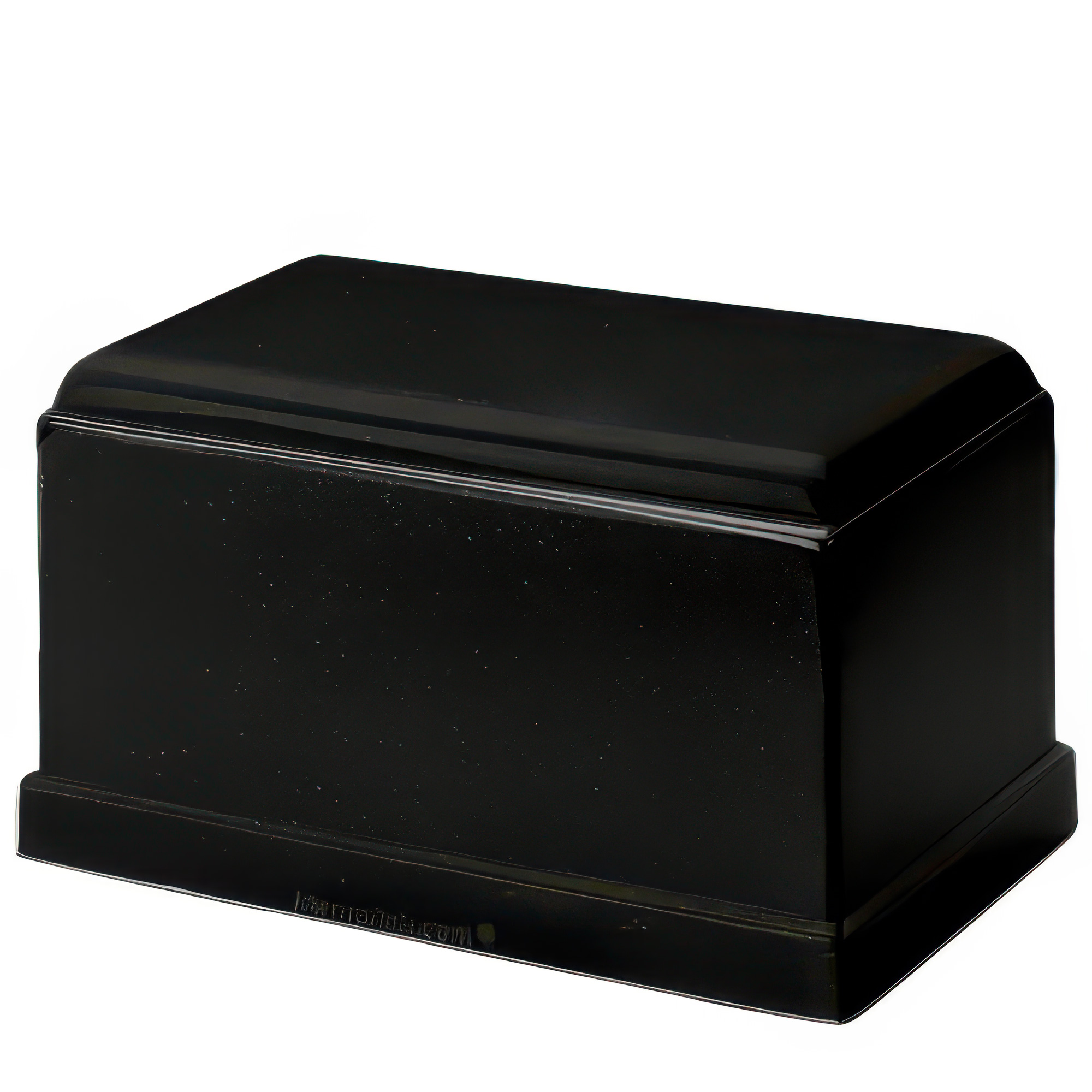
For the fuller version of that decision, how much a cremation urn costs works through materials and price bands, and our range of cremation urns is arranged by how you plan to keep them.
Frequently Asked Questions
How much does cremation cost in Kansas? Direct cremation starts between $875 and $4,070 across the Kansas price lists we read in 2026, with a median of $2,090 — a little above the national median of $1,925.
What is the average cost of cremation in Kansas? We publish a median rather than a mean, and we would treat any average cost of cremation in Kansas carefully unless the page says which documents sit behind it. Kansas's own median is pulled upward by one company's price list appearing four times under four brand names; count each company once and the middle is $1,495.
Is there a waiting period before cremation in Kansas? No. What gates the timing is K.S.A. 65-2426a, which forbids any cremation without a coroner's permit, and K.S.A. 65-2412, which requires the death certificate to be filed before disposition.
What does the Kansas cremation permit cost? No statute sets a figure — it is a county charge. In the two Kansas counties where providers publish it, the fee is $50, and in all but one case it sits outside the quoted package.
Do I have to buy a casket for cremation in Kansas? No. K.A.R. 63-3-11(f) requires only a suitable combustible container, permanently closed, and federal law forbids a provider to require a casket for a direct cremation. Containers on Kansas price lists run $25 to $200, and some lists put one inside the price while others print it as a separate line or do not say either way — so ask for the itemization rather than the headline figure.
Why is cremation cost in Kansas so different from one town to the next? Because the cheap tier is concentrated. Every Kansas price we could read at the cheap end sits in one of the three largest metros; outside those three markets, every list we could read starts higher.
Can I scatter ashes in Kansas? We could not establish a Kansas statute on scattering in either direction, so we will not tell you it is unrestricted. Ask the landowner or the managing agency of any site you have in mind.
In Short
Type cost of cremation Kansas into a search box and you will meet aggregator figures well below what the providers' own documents say. What Kansas providers publish is $875 to $4,070, median $2,090.
Two decisions sit under that spread, and the first is not about money. Which kind of firm you want: a cremation-only provider sets the Kansas floor and cannot hold a viewing, while a full-service funeral home carries rooms and staffed hours you pay for whether you use them or not. Then where the death happens — the cheap end of the range sits in the three largest metros.
After that it is one habit: ask for the itemized price list, and compare only those against each other.