🏬Supersize Online Funeral Retailer🪦1000's of Headstones⚱️Over 10,000 Cremation Urns⚰️Caskets Overnight Delivery🛒Funeral & Memorial Superstore🚚FREE Shipping on ALL Orders👨👩👧👦Helping Families for over 20 Years💰Lowest Price Guarantee🏬Supersize Online Funeral Retailer🪦1000's of Headstones⚱️Over 10,000 Cremation Urns⚰️Caskets Overnight Delivery🛒Funeral & Memorial Superstore🚚FREE Shipping on ALL Orders👨👩👧👦Helping Families for over 20 Years💰Lowest Price Guarantee
🏬Supersize Online Funeral Retailer🪦1000's of Headstones⚱️Over 10,000 Cremation Urns⚰️Caskets Overnight Delivery🛒Funeral & Memorial Superstore🚚FREE Shipping on ALL Orders👨👩👧👦Helping Families for over 20 Years💰Lowest Price Guarantee🏬Supersize Online Funeral Retailer🪦1000's of Headstones⚱️Over 10,000 Cremation Urns⚰️Caskets Overnight Delivery🛒Funeral & Memorial Superstore🚚FREE Shipping on ALL Orders👨👩👧👦Helping Families for over 20 Years💰Lowest Price Guarantee
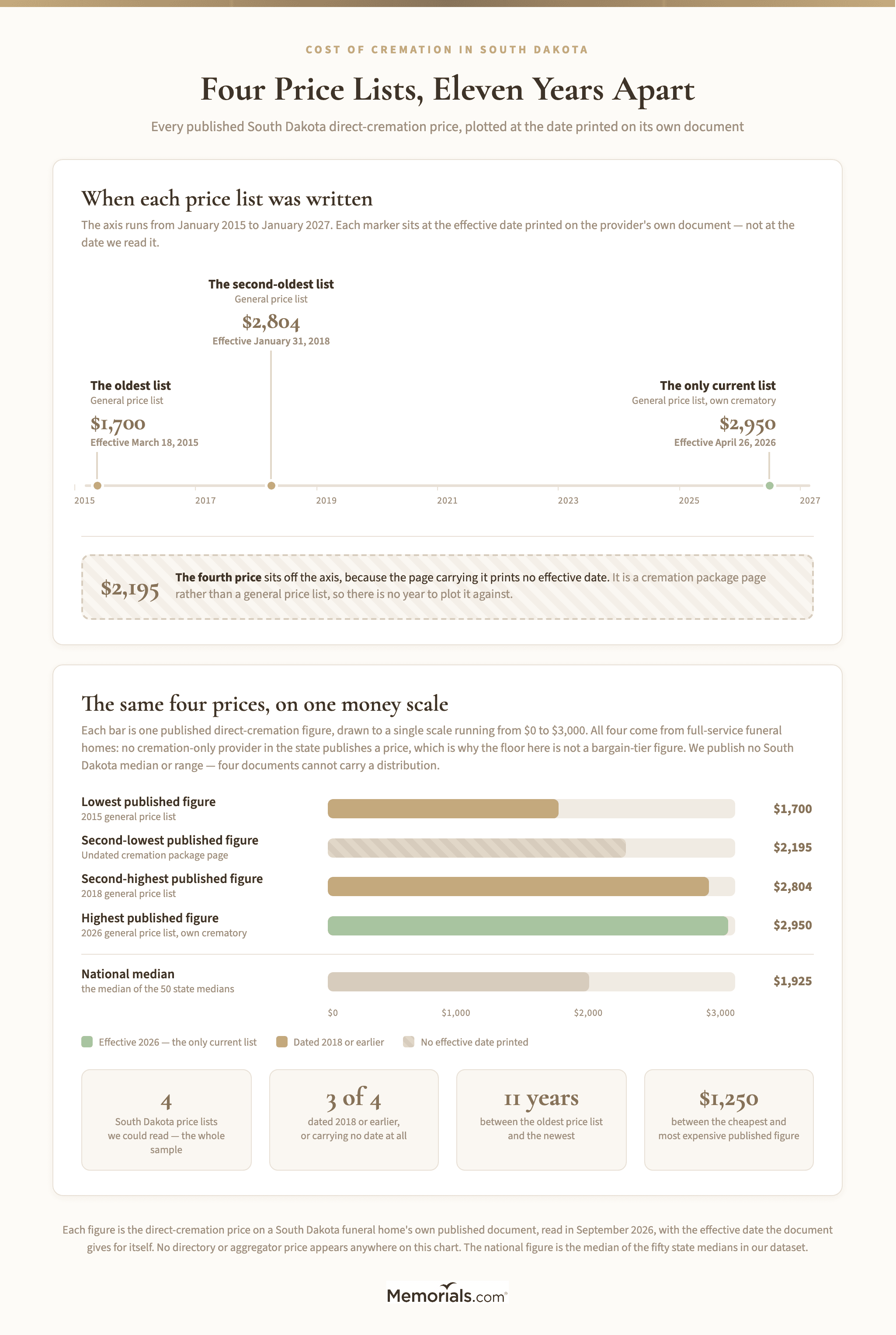
The cost of cremation in South Dakota runs from $1,700 to $2,950 on the four published price lists we were able to read across the state. That is the whole verifiable record — most South Dakota funeral homes publish no price at all, which is why this page spends more time on what to ask than on what to compare. And three of those four documents are dated 2018 or earlier; the cheapest carries an effective date of March 2015, eleven years old and still quoted back by national directories — the comparison sites that publish prices for funeral homes they do not run.
The figure you actually pay is not decided by any number you find on a screen. It is decided by which kind of funeral business you call, and by which questions you ask before you agree to anything. Both are below.
This is a state page under our national guide, which sets South Dakota beside the other forty-nine.
Four funeral homes in the state publish a direct-cremation price at all. Those published floors, read in September 2026, run from $1,700 to $2,950. A price list carries an effective date and changes, so confirm any figure with the provider before you commit.
We are not publishing a South Dakota median or a national rank. Four documents cannot carry a distribution; the honest thing is to print what we found and let you weigh it. For scale only: across all fifty states, the median of the fifty state medians in our dataset is $1,925, and one of the four South Dakota prices sits below that figure while three sit above it.
Only one of the four documents is current. The most recent is a general price list effective April 2026 — the newest published cremation price we found anywhere in the state. The next is dated 2018, the one carrying the lowest figure is dated 2015, and the fourth gives no effective date at all. So when someone quotes you an average cost of cremation in South Dakota, the first question to ask is which years the numbers came from.
The published record for South Dakota is eleven years wide. Only one of the four price lists we could read postdates 2018, and the cheapest of them was written in 2015. Every date shown here is printed on the document itself.
Federal law is on your side even where nothing is published. The Funeral Rule requires every funeral provider in the country to hand you an itemized general price list and to give prices over the phone, whether or not anything appears on their website. In a state where almost nobody posts a price, that phone call is the entire comparison.
Urns for a Family Keeping Ashes at Home
Only one South Dakota price list we read includes an urn
This is the decision that moves the most money, and almost nobody makes it deliberately. Direct cremation is sold by two different sorts of company, and they are not competing on the same product.
A cremation-only provider owns or contracts a retort and sells one thing. Arrangements happen by phone or online, and often no family member ever visits, because there is nothing to visit but an office and a crematory: no chapel, no viewing room, no display of caskets, no staff on site through the weekend. A full funeral home carries a building — arrangement offices, a chapel, viewing rooms, refrigeration, vehicles, licensed staff at hours nobody chooses in advance — and direct cremation is one line partway down a long price list.
Why one is cheaper is not a mystery, and it is not a discount. Both perform an identical cremation: same process, same equipment, same permits. The cheaper firm is not undercutting the expensive one, it is selling less. The chapel, the staffed hours and the vehicles are real costs, paid for by the families who use them, and that overhead is in a full funeral home's cremation price whether you use the building or not.
What the cheaper option cannot do is the part families learn too late. A cremation-only provider generally cannot offer a viewing, a service with your loved one present, or a change of mind to burial. Once the cremation has happened, the option is gone; nothing about it can be bought back later at any price.
Every published South Dakota price we could find belongs to a full-service funeral home. So the cheap tier that sets the floor in most states is simply not on this state's public record, and the bottom of the published evidence is a full funeral home's 2015 figure rather than a bargain-tier one. In a rural state that is not surprising: a town of five hundred people cannot support a cremation-only business, and the funeral home serving four counties keeps a chapel because it is the only one there is. The practical question to put to a provider here is not what their license permits, but whether they keep a chapel and whether you want one.
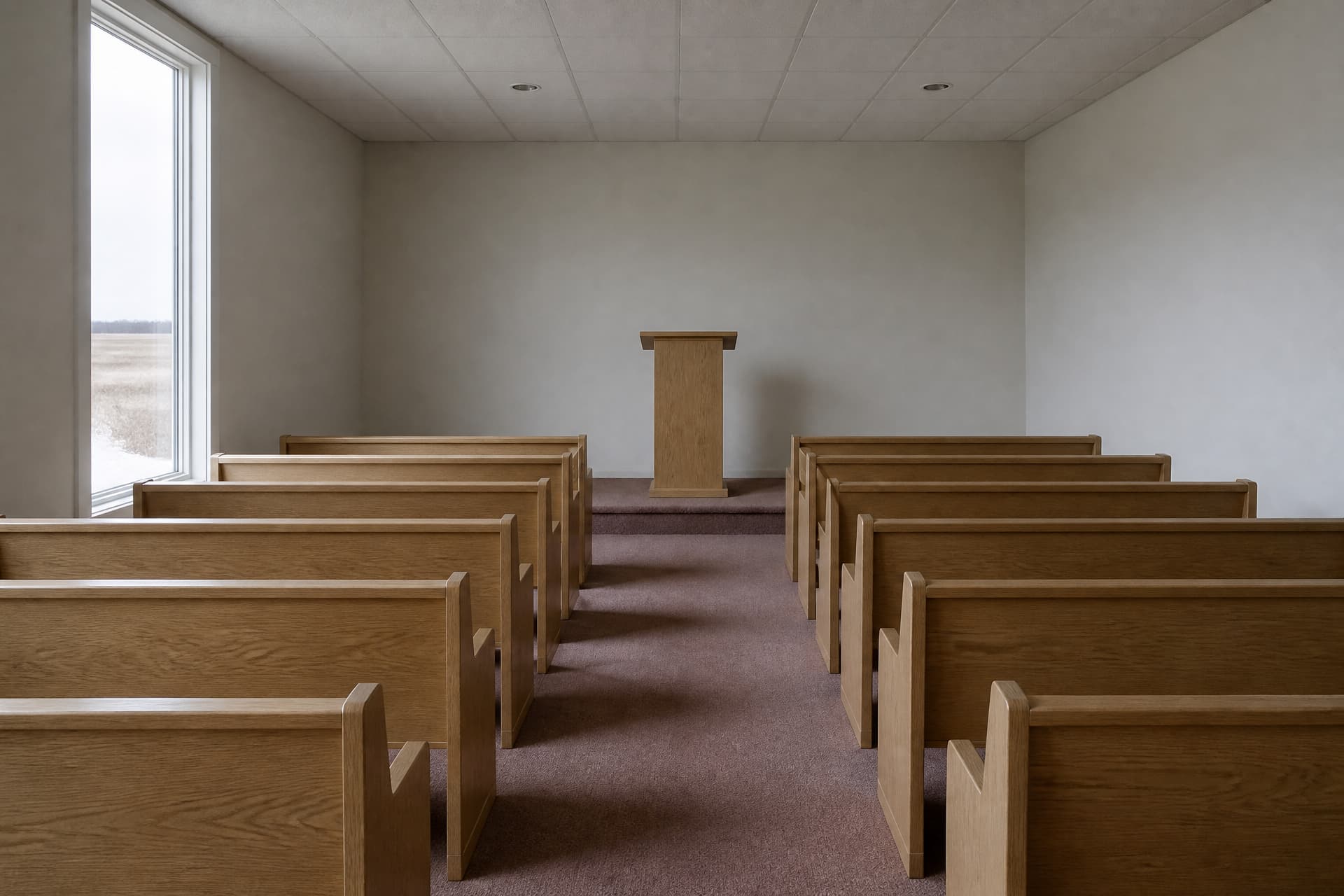
Every South Dakota price we could read comes from a firm that owns a room like this one. In most states the floor is set by cremation-only operators with no chapel at all; in South Dakota's published record there are none, which is one reason the cheapest posted figure here is not a bargain-tier figure.
So settle this before you compare a single price. Would the family want time with your loved one — a viewing, or a service with them present — or would you rather the cremation were done quietly and a gathering held later, on your own terms? If it is the second, say the words "direct cremation" on every call and be willing to look outside your county. If it is the first, the comparison to run is between full funeral homes on their itemized lists. Working that out in advance is worth more than any amount of shopping.
Why One South Dakota Firm Says $1,700 and Another Says $2,950
Nearly $1,300 separates the cheapest and the most expensive published figure for the same three words. Some of that gap is eleven years of inflation, some of it is the size of the building, and some of it is what sits inside each package.
The container is often the difference
The Funeral Rule requires a price list to show direct cremation with every container the firm sells, from a cardboard alternative container up to a hardwood casket. That is why a single line on a price list can start low and run to five figures: the ceiling is a box, not a cremation.
South Dakota's lists state direct cremation as one flat figure instead, but the same mechanics are underneath, and on one of them the cremation charge actually goes down when a casket is bought — the cheap alternative container drops out of the package and the casket is billed on its own, for several times the difference. Never read a low cremation line as a low total. Ask what the container is and whether it is inside the number.
Why the figures on directory sites do not match
Search for cremation cost South Dakota or how much is cremation in South Dakota and you will find plenty of numbers, nearly all of them from national funeral-price directories rather than from documents. Where we could check one against a provider's own price list it usually did not hold up: the directory sat hundreds of dollars low, and the one figure that matched exactly appears to be quoting the same decade-old sheet we read rather than confirming anything. Agreement with a stale document is not corroboration.
The same directory carries nineteen further South Dakota figures, spanning roughly $1,200 to $4,000, for firms whose own documents we could not find. Treat any number you did not read on a funeral home's own document as a reason to make a phone call, never as a quote.
What Is Included, and What Is Not
South Dakota's price lists describe what they cover inconsistently: some itemize the package line by line, some price by container variant, and some name only what they leave out. That is why the itemized general price list is the thing to ask for. It is the only document that answers the question in the firm's own words, and the only way to know whether two numbers are measuring the same service.
Four questions do most of the work.
Is the crematory charge inside this price, or added to it? This is the single most useful question in the state. Some lists print a separate cremation fee elsewhere on the document without making clear whether it sits inside the advertised figure or on top of it; others fold it into a phrase like "transfer to crematory and crematory services." The documents do not settle it, so ask in those words.
What does the basic services fee cover, and is refrigeration inside it? The basic services fee is the funeral director's non-declinable charge and usually the largest single line in the package. Refrigeration matters because of the 24-hour rule below, and it is not something these documents answer consistently — some name it inside the package, others do not say either way — so ask whether it sits in the basic services fee or is billed on its own.
How many death certificates, and are any of them in the price? Packages vary more than you would expect — one of the four includes two certified copies and a choice of urn, which is unusually full and worth real money against a lower number elsewhere. A list that says only "death certificates and permits" usually means filing and authorizations, not copies you can keep.
Is transport to the crematory included, and from how far? That one has a South Dakota answer of its own.
The transfer radius is a South Dakota line item
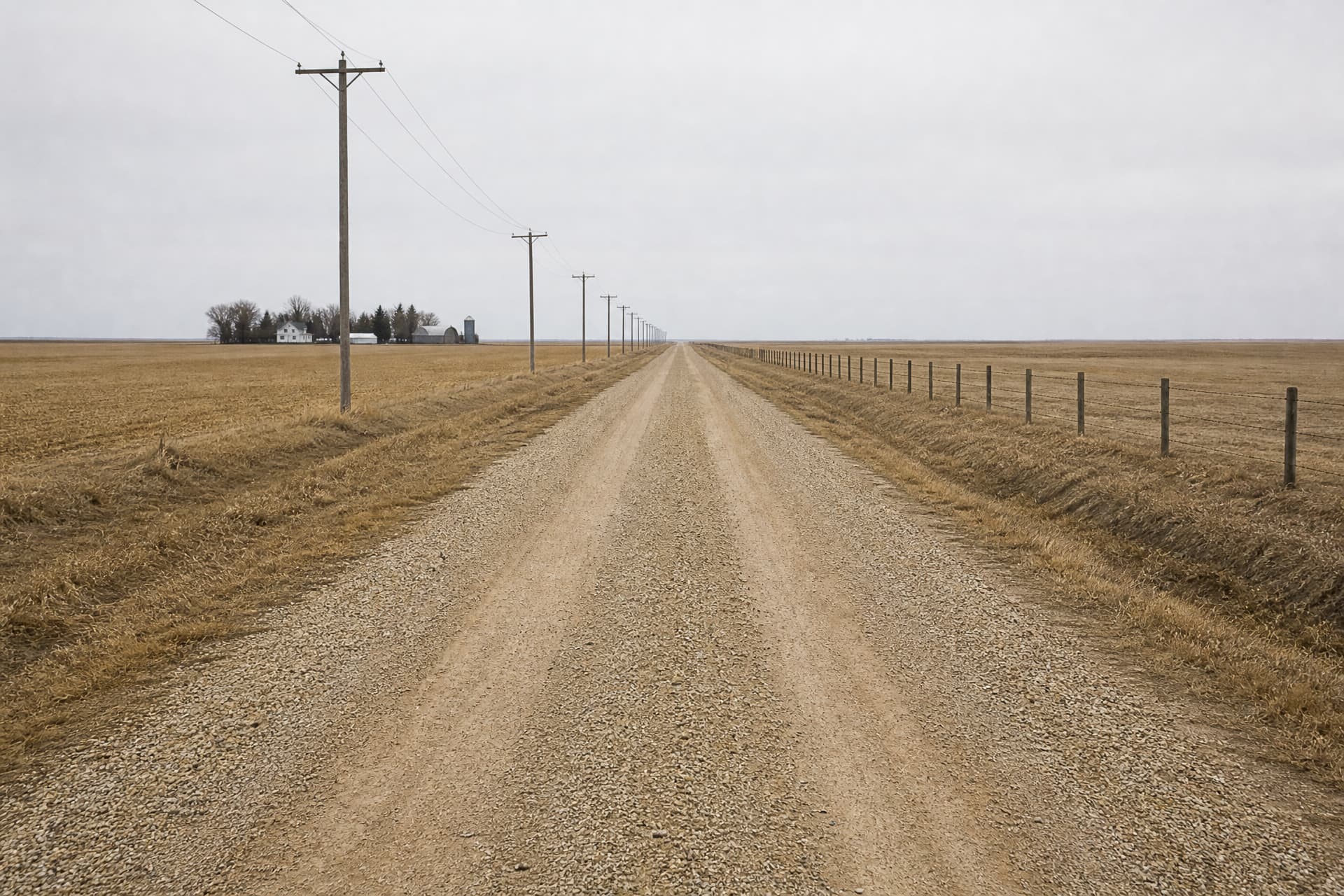
Both of the general price lists that itemize removal do it by distance, and the included distance is not the same: one covers a 25-mile radius, the other 60. That is not padding. It is what death care looks like in a state where one funeral home can be the only one for an hour's drive in any direction. Ask what the radius is and what a mile beyond it costs before you compare anything else — it is the line most likely to change your total, and it sits on the price list rather than on a website.
One South Dakota price list includes removal within 25 miles; another includes it within 60. Distance is a priced item here in a way it is not in a dense state, and the mileage band is written into the price list rather than quoted on the phone.
What the state charges on top
South Dakota charges $15 for each certified copy of a death certificate, the same for the first copy and the tenth; ordering by phone or online adds a service charge, and most families need several.
Ask whether any government fee appears on your itemization. The cremation chapter of the state code sets no permit fee and we found no statewide medical-examiner fee schedule, which is not the same as being told there is nothing to pay. Several states do charge a per-cremation government fee that sits outside the advertised price, so it is worth asking rather than assuming either way.
South Dakota Cremation Laws That Affect Cost
A handful of rules here bear directly on what you pay, and one of them is a deadline that can cost a family money long afterward.
A cremation cannot happen for 24 hours. SDCL 34-26A-13.1 provides that a decedent may not be cremated for twenty-four hours following death or the declaration of death, waivable only in writing by a physician or coroner and only where death resulted from a virulent communicable disease. Where a coroner is investigating, nothing happens until the coroner issues a written release. And S.D. Admin. R. 20:45:02:07 requires embalming or refrigeration wherever disposition will not occur within that day — embalming is not otherwise required for a cremation. Between the two rules, your loved one will be in the provider's care at least overnight, so a holding or refrigeration charge on a South Dakota itemization is a rule being followed rather than a line being padded.
Who may authorize, and in what order. SDCL 34-26-75 sets a twelve-step priority list for the right and duty to control disposition, cremation included. It begins with a person the decedent designated in advance under SDCL 34-26-77, then a person named on military Form DD 93, then the surviving spouse, the children, parents, siblings and grandparents. Naming your own agent in advance is free, and it removes the commonest source of delay — which in a state this rural can mean days of waiting.
No casket is required. An alternative container of unfinished wood, pressed wood, fiberboard or cardboard is acceptable, and federal law separately requires the provider to make one available to you.
The 60-day rule on unclaimed remains sits outside the price list entirely. Under SDCL 34-26A-24.1, if cremated remains are not claimed and no arrangements are made within sixty days, the crematory or funeral home may dispose of them, including by scattering — and the cost of doing so falls on whoever signed the cremation authorization. If the family is still deciding where the ashes should go, or waiting for someone to fly in, sixty days is the clock and the person who signed is the person who pays.
Scattering and burial on your own land. You may scatter on your own property; on someone else's you need the landowner's written permission, given to the crematory. Uninhabited public land is permitted, and the remains must come out of their container first — a small thing that surprises families holding a sealed temporary container at the graveside. At sea, federal rules apply: three nautical miles from shore and notice to the EPA within thirty days. Burying remains on private land is not forbidden, but SDCL 34-25-24 requires a burial permit and SDCL 34-27-8 requires the site to be recorded and mapped with the local registrar — the step people miss. Our guide to scattering ashes laws and etiquette covers the etiquette side of that decision.
On family-directed funerals, ask the state board. Whether South Dakota requires a licensed funeral director for any part of the process is not something the chapters we read settle, and the absence of a rule is not a permission. Ask the board to point at the rule.
How to Lower the Cost in South Dakota
Decide what kind of service you want before you price anything. If the family will want a viewing, or a service with your loved one present, the low end of any state's market is not really available to you, and comparing against it only makes the real quotes look expensive. If that is not what you want, say "direct cremation" on every call and ask what it costs on its own.
Re-confirm the cheapest published number, because it is eleven years old. The lowest published direct-cremation figure in the state is $1,700, and the list carrying it is dated March 2015. Call and ask what direct cremation costs today; whatever the answer, you will know something no directory does.
Ask for the general price list by name, from everyone. It is a federal right, it costs nothing, and it is the document that reveals separate cremation fees, mileage bands and container charges.
Ask three questions in this order. Is the crematory charge inside this price? What is the removal radius, and what does a mile beyond it cost? Is refrigeration included, given the 24-hour rule? On the four documents we read, those three items account for most of the difference between an advertised number and a total.
Compare across the town line, not the state line. Call every funeral home within a reasonable drive, not only the nearest one. Two providers serving the same small city can sit further apart on price than two corners of the state, and no website will tell you that — only the phone call and the price list it produces.
Buy the urn separately. An urn bought from a funeral home is bought at the worst possible moment and usually at the worst possible price. It is the one part of this that keeps, and nothing obliges you to decide it in an arrangement room.
Consider the whole decision, not just the cremation.Cost of cremation vs burial sets the two side by side, how much a funeral costs covers the full-service figure that direct cremation is measured against, and direct cremation explains exactly what the service is and is not.
Look over the state line, but do not expect the border to save you. The Midwest is the most expensive region in our fifty-state dataset, and South Dakota's northern and eastern neighbors sit at the top of it: Minnesota is the fourth most expensive state we measured, North Dakota the seventh. What a border call buys you is a wider field of firms to ask — cremation cost in North Dakota and how much is cremation in Minnesota if you are in the east, cremation cost in Nebraska and cremation cost in Wyoming for the other two borders.
Choosing an Urn
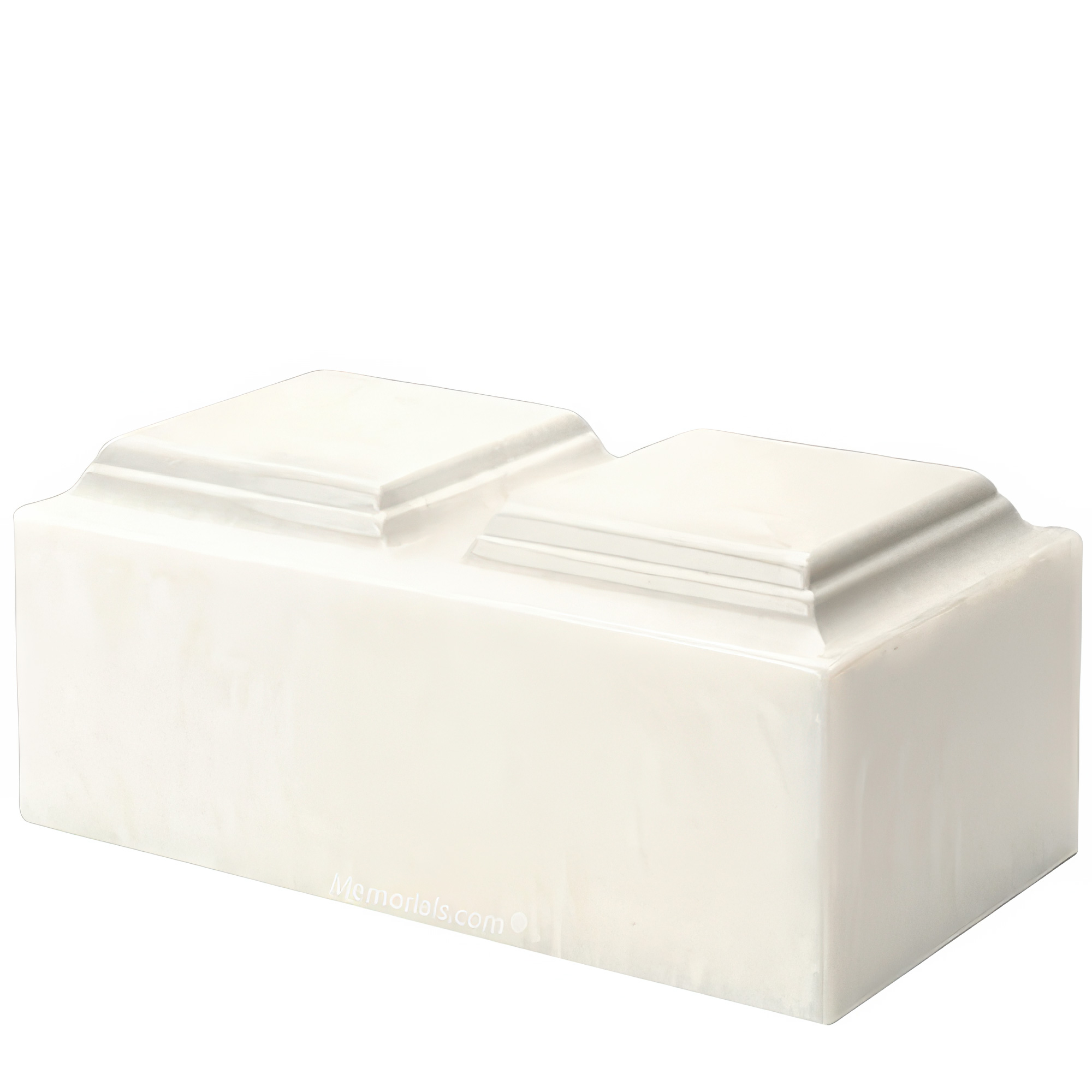
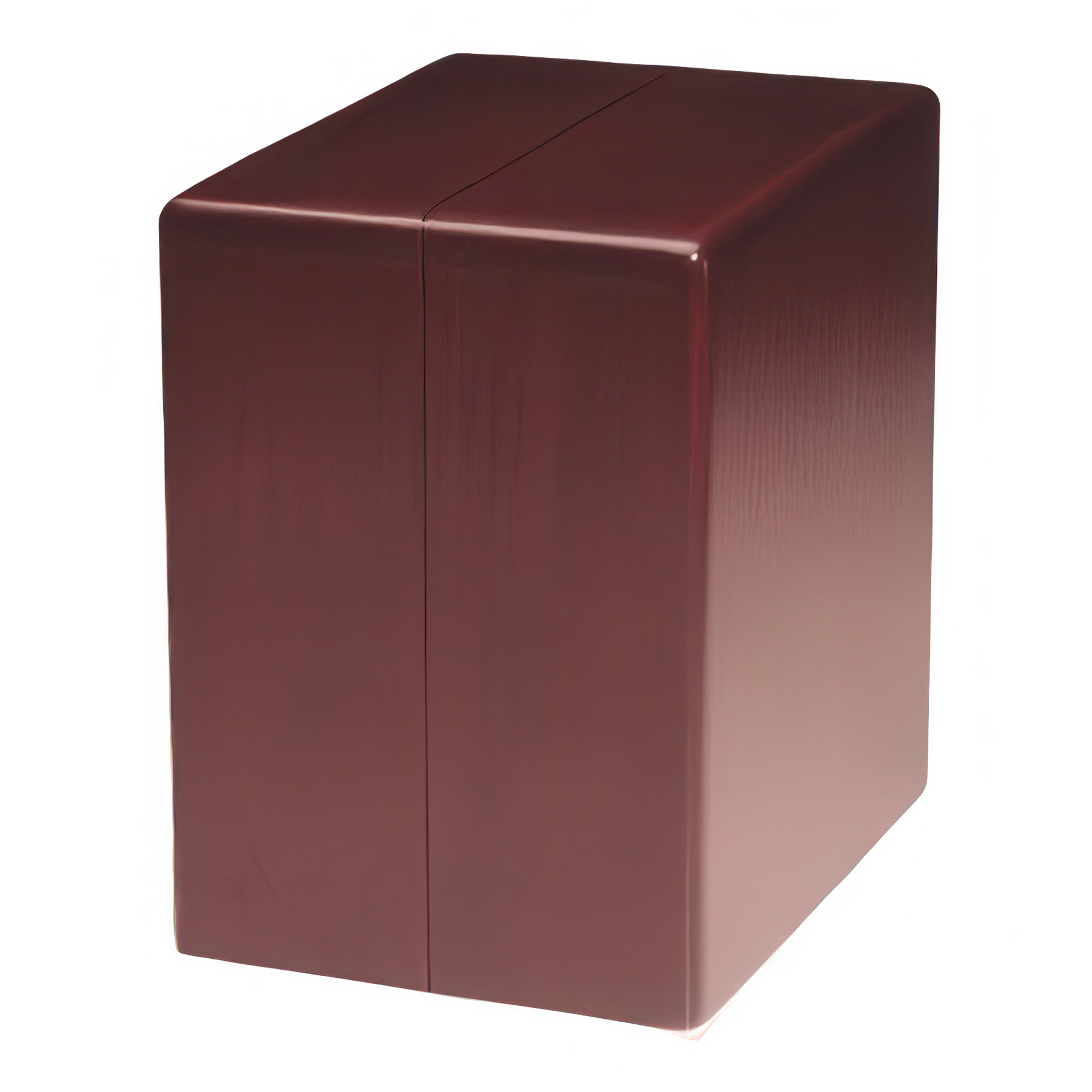
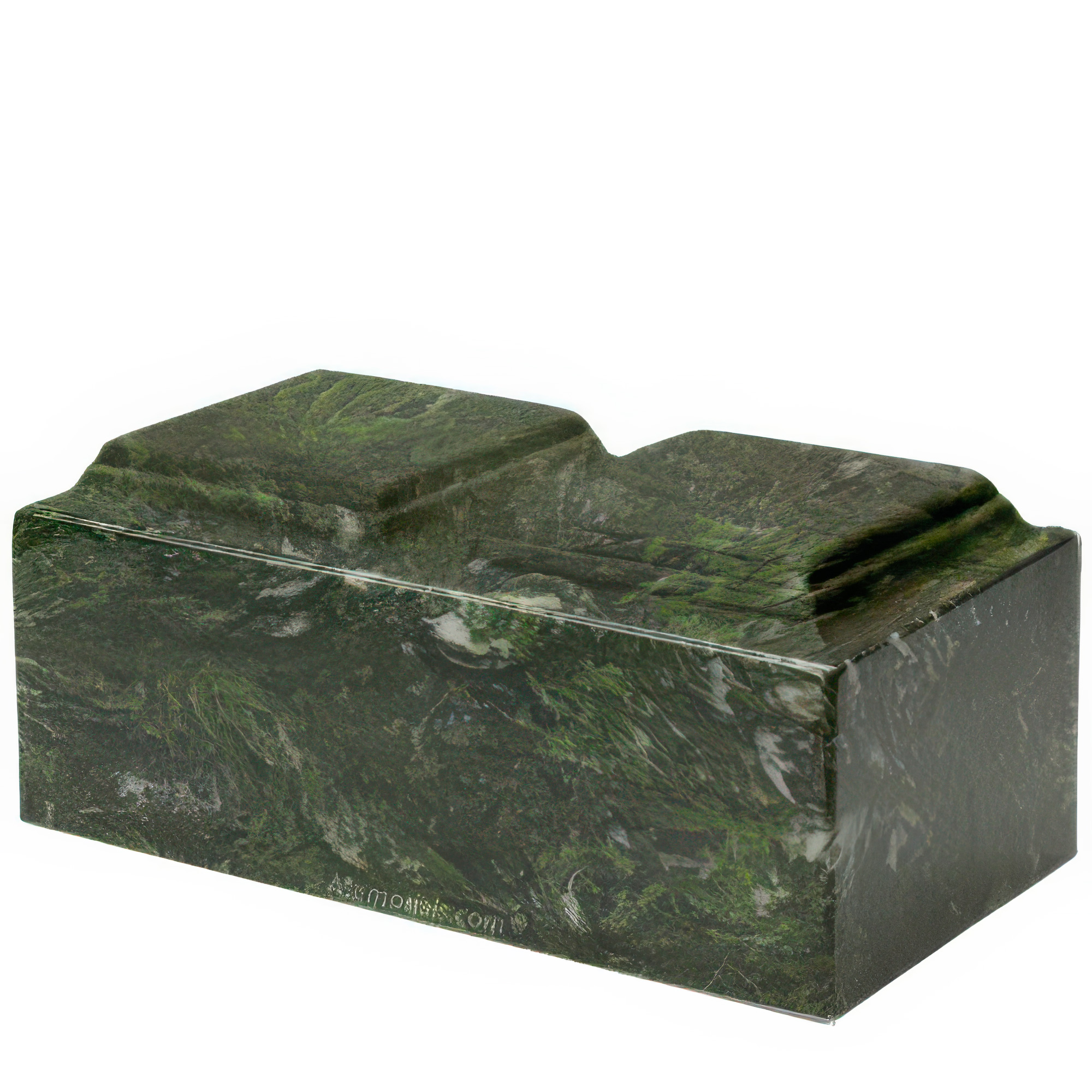
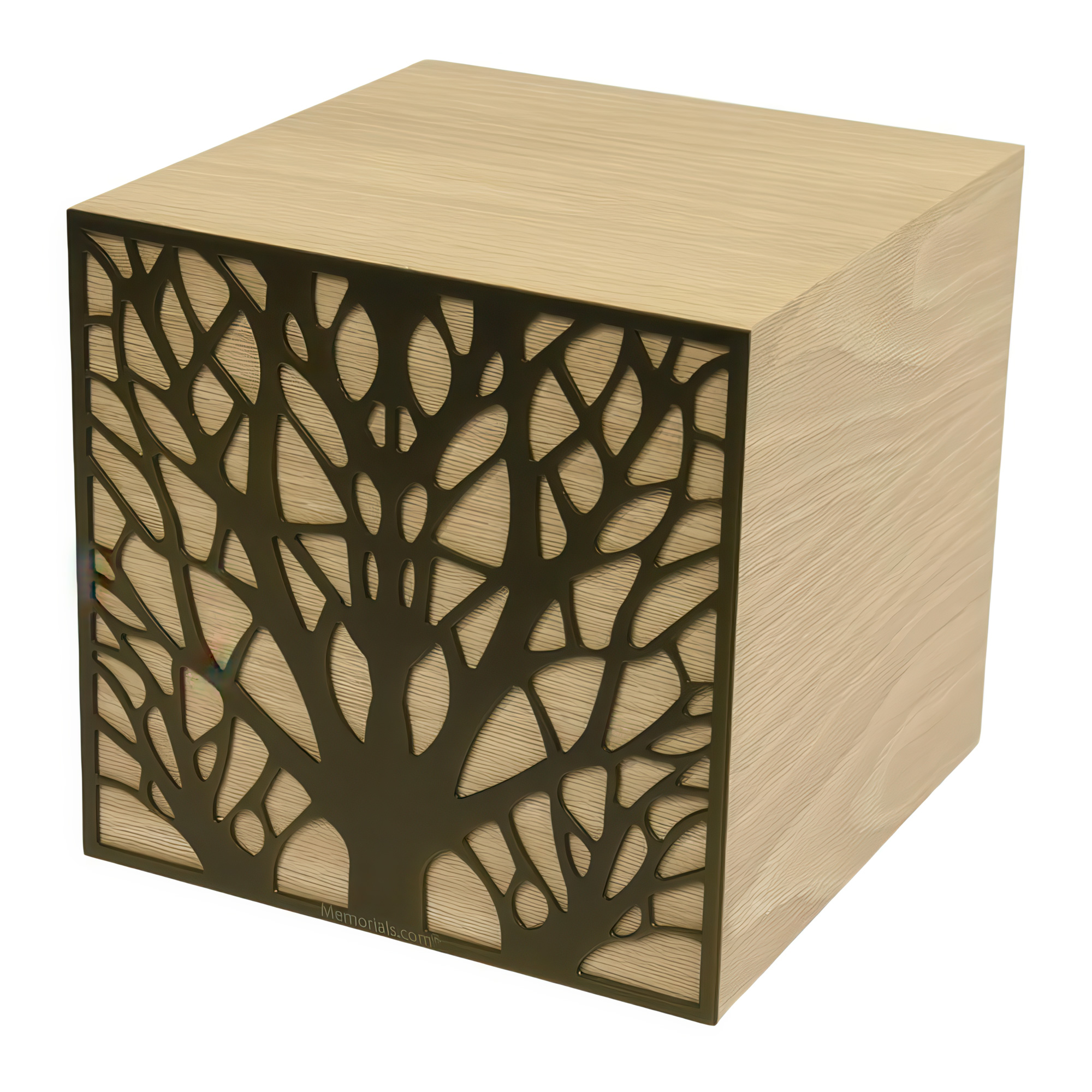
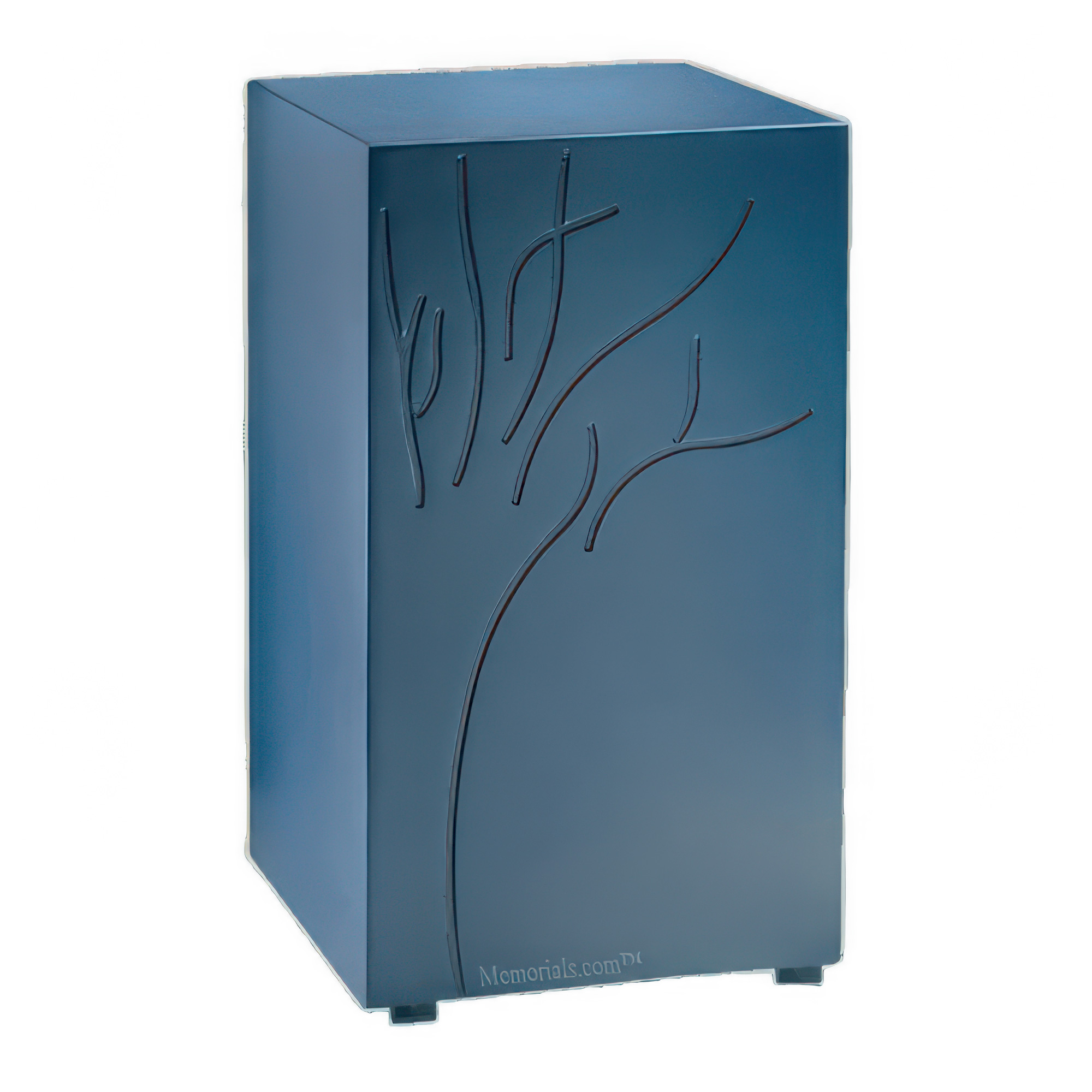
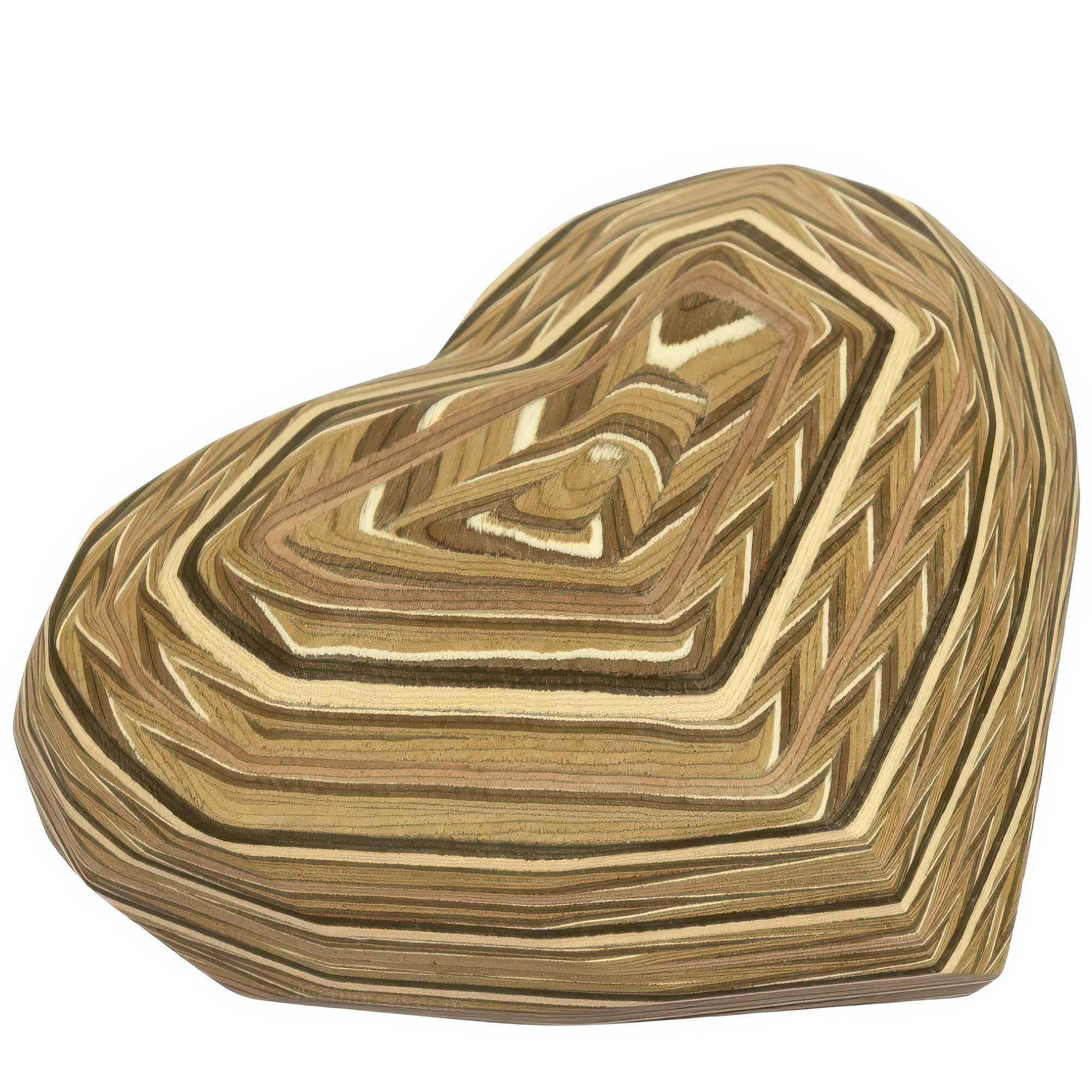
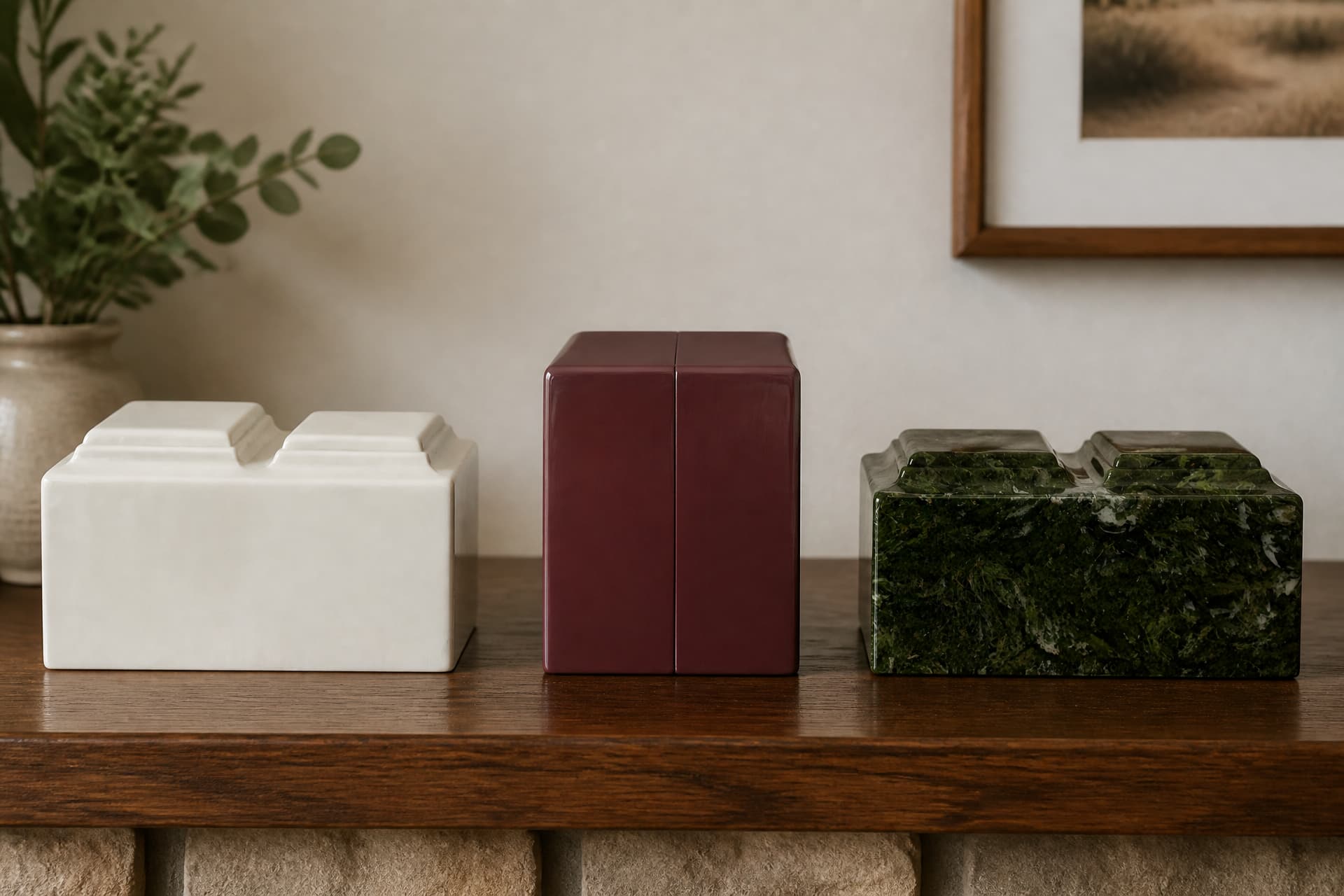
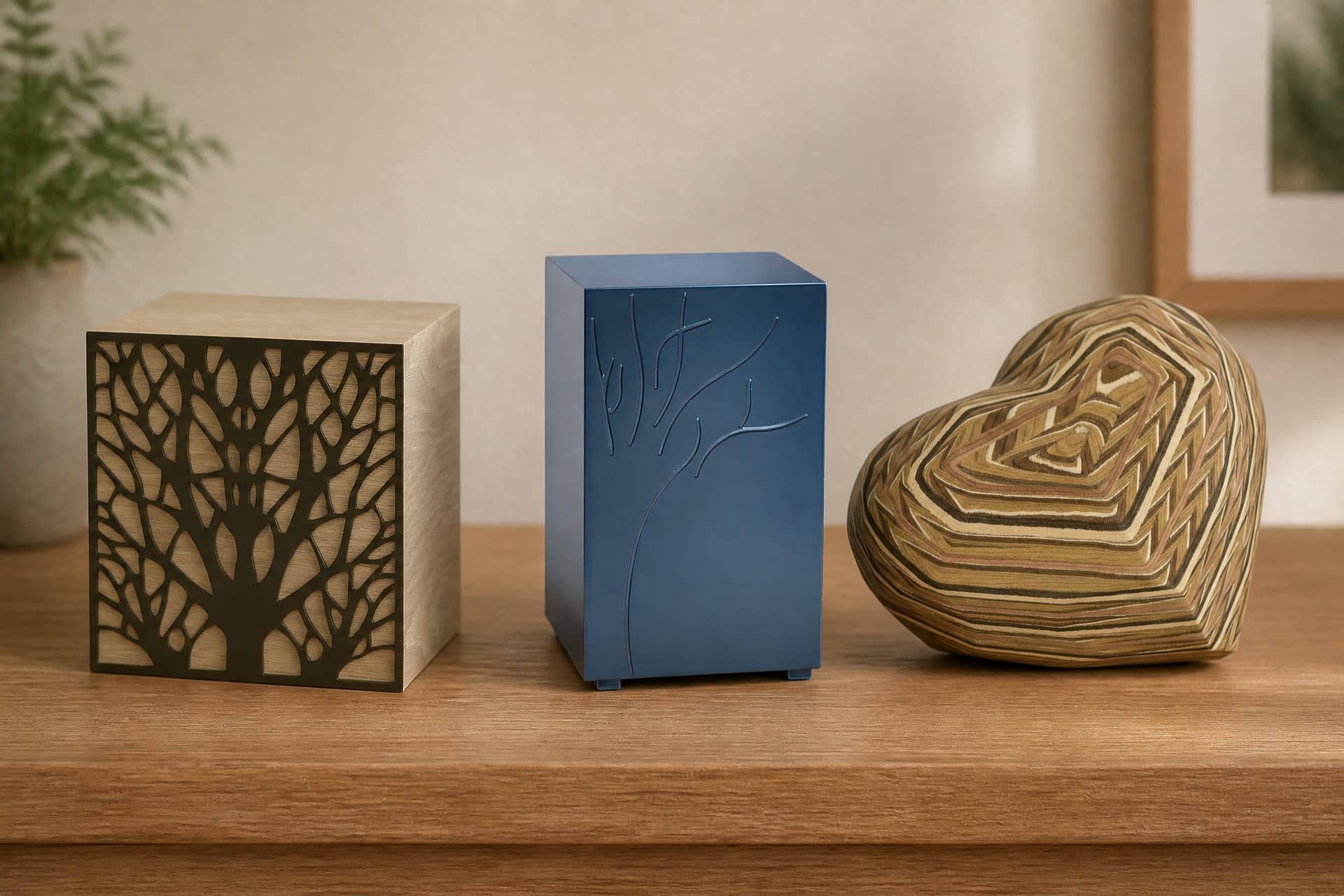
An urn is rarely inside a direct-cremation price. One of the four South Dakota documents is an exception; elsewhere what comes back is a temporary container, and the vessel is a separate decision — the one part of this a family makes at home, unhurried, with no funeral director in the room and no clock running.
If you want the fuller version of that decision, how much a cremation urn costs works through materials and price bands, and our full range of cremation urns is organized by how you plan to keep them.
Frequently Asked Questions
What is the cost of cremation in South Dakota? Four South Dakota funeral homes publish a direct-cremation price, and those four figures run from $1,700 to $2,950. Three of the four price lists are dated 2018 or earlier, so call before you rely on any of them.
Why does every other site show a different average cost of cremation South Dakota families pay? Because those figures come from national directories rather than from price lists. Where we could compare one against a provider's own document it was usually hundreds of dollars low, and where it matched it appears to have been quoting a decade-old sheet rather than confirming anything.
How much does cremation cost in South Dakota if I live in a small town? Ask about the removal radius first. The transfer is priced by distance — one list includes 25 miles, another 60 — and beyond the band there is a per-mile charge. In a rural county that single line can matter more than the gap between two firms' advertised prices.
Why is a cremation-only provider cheaper than a funeral home? Because it is selling less, not because it has a better deal on the cremation itself. A funeral home's price carries a chapel, viewing rooms, vehicles and staffed hours. The trade is that a cremation-only firm generally cannot offer you a viewing, a service with your loved one present, or a change of mind to burial.
Is there a waiting period before cremation in South Dakota? Yes. SDCL 34-26A-13.1 bars cremation for twenty-four hours after death or the declaration of death, waivable in writing by a physician or coroner only where death was caused by a virulent communicable disease. Because of the wait, your loved one stays in the provider's care, and state rules require embalming or refrigeration where disposition will not happen within that day.
Do I have to buy a casket for a cremation in South Dakota? No. An alternative container of unfinished wood, pressed wood, fiberboard or cardboard is acceptable, and federal law requires the provider to offer one. Watch the container line, though: on at least one South Dakota list the cremation charge is lower when a casket is bought, because the alternative container drops out and the casket is billed on its own.
What happens if nobody collects the ashes? After sixty days, SDCL 34-26A-24.1 allows the crematory or funeral home to dispose of unclaimed remains, including by scattering, and the cost falls on the person who signed the authorization. If a decision is going to take time, tell the provider so.
In Short
The verifiable cremation cost in South Dakota is four numbers on four documents, running from $1,700 to $2,950. Only one of those documents was written in the last eight years, and every one belongs to a full-service funeral home rather than to the cremation-only kind of firm that sets the floor elsewhere.
So do two things. Decide first whether the family will want time with your loved one — a viewing, or a service with them present — because that decides which firms are candidates at all, and it is not something the cheapest option can give you later. Then ask every candidate the questions that change the total: is the crematory fee inside the price, what is the removal radius, is refrigeration included, and how long will your loved one be in their care. Ask for the general price list while you have them on the phone.
Our guide to what cremation costs in every state puts South Dakota beside the states where enough providers publish to say more.