🏬Supersize Online Funeral Retailer🪦1000's of Headstones⚱️Over 10,000 Cremation Urns⚰️Caskets Overnight Delivery🛒Funeral & Memorial Superstore🚚FREE Shipping on ALL Orders👨👩👧👦Helping Families for over 20 Years💰Lowest Price Guarantee🏬Supersize Online Funeral Retailer🪦1000's of Headstones⚱️Over 10,000 Cremation Urns⚰️Caskets Overnight Delivery🛒Funeral & Memorial Superstore🚚FREE Shipping on ALL Orders👨👩👧👦Helping Families for over 20 Years💰Lowest Price Guarantee
🏬Supersize Online Funeral Retailer🪦1000's of Headstones⚱️Over 10,000 Cremation Urns⚰️Caskets Overnight Delivery🛒Funeral & Memorial Superstore🚚FREE Shipping on ALL Orders👨👩👧👦Helping Families for over 20 Years💰Lowest Price Guarantee🏬Supersize Online Funeral Retailer🪦1000's of Headstones⚱️Over 10,000 Cremation Urns⚰️Caskets Overnight Delivery🛒Funeral & Memorial Superstore🚚FREE Shipping on ALL Orders👨👩👧👦Helping Families for over 20 Years💰Lowest Price Guarantee
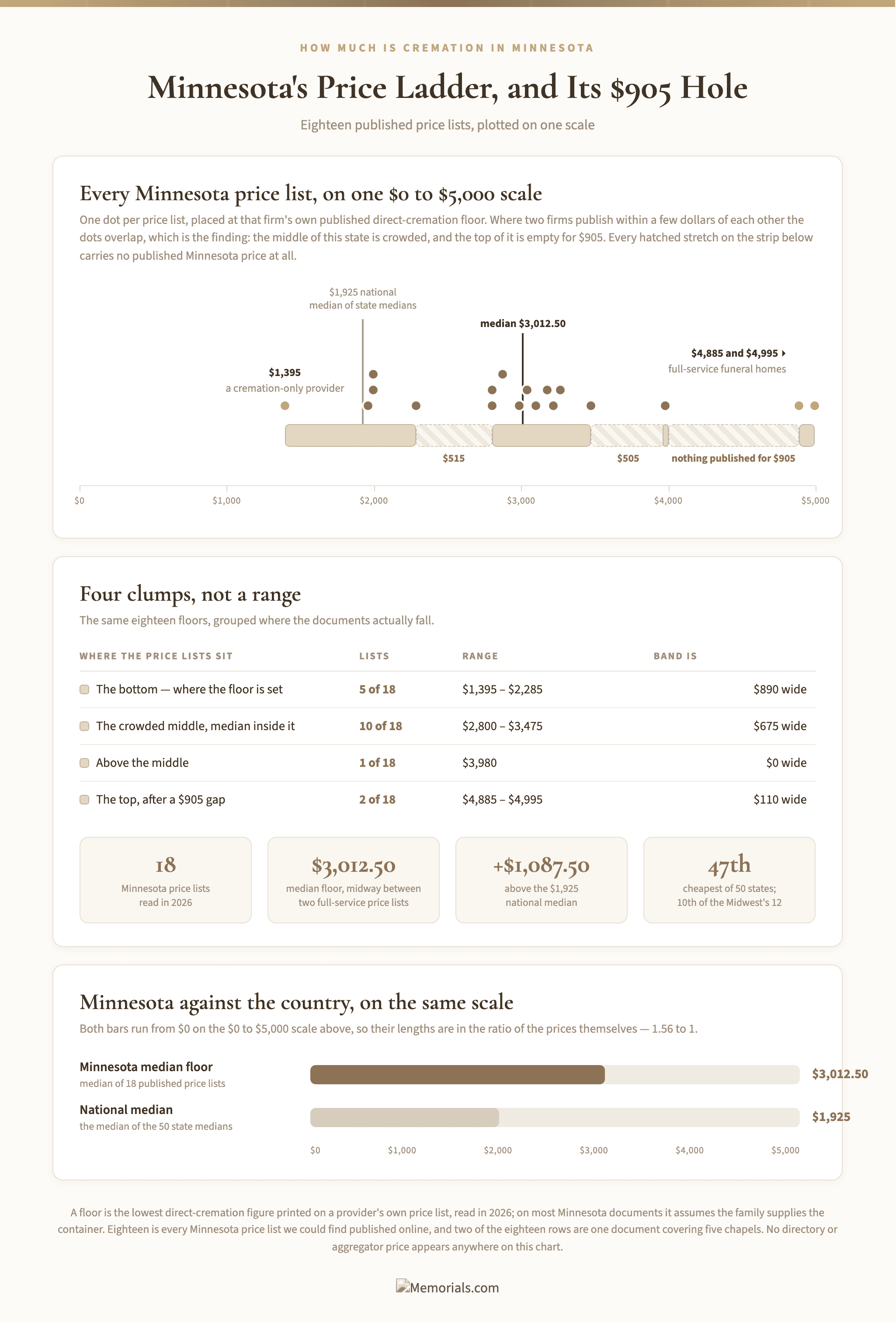
Ask how much is cremation in MN and the documents answer plainly: from 18 published Minnesota price lists read in 2026, direct cremation starts between $1,395 and $4,995, with a median of $3,012.50. Each figure is the lowest direct-cremation price printed on a firm's own document.
The harder part of that answer is not the median. It is that the same service, in the same metro, in the same month, is published near the bottom of that range and near the top of it. Minnesota is the fourth most expensive state in the country on our figures, against a national median of $1,925, and third of the twelve Midwestern states, behind Wisconsin and Nebraska. Our cremation cost by state guide sets all fifty side by side.
Minnesota's median is worth more than most states' medians, because the middle of this state is crowded rather than empty — ten of the eighteen lists sit within $675 of each other. What separates the cheapest from the most expensive is not geography and not the cost of running a crematory. It is what each firm sells: a cremation-only provider and a full-service funeral home are two different businesses, and they price the same cremation accordingly.
Every figure is a floor: the lowest direct-cremation number on a provider's own price list. What that floor covers is not the same from one document to the next, which is the single most important thing to know before comparing two of them.
Every Minnesota funeral home has to give you an itemized list. Federal law makes each of them hand you an itemized general price list and quote prices over the phone, so the document exists whether or not the firm puts it on a website — ask for it.
The shape of the Minnesota range
One price list often covers several buildings — one of the documents we read speaks for around twenty locations. Driving to another branch of the same firm will not get you a different number.
The shape of the range matters more than its middle. Minnesota's floors are not a smooth spread but a cheap group, a crowded middle that holds the median, and a short expensive tail with a $905 gap in front of it. Which band you land in is the whole decision.
Cheap is a Twin Cities phenomenon; expensive is not. The cheapest published floors in the state are all in the metro or in southeastern Minnesota — but so is one of the two highest, twelve miles from the lowest. Greater Minnesota holds the most expensive price list we read and two of the most moderate ones as well. Distance from a city is not what you are paying for.
Minnesota's eighteen floors are not a smooth range. Five sit at $2,285 or below, ten crowd into a $675 band that holds the $3,012.50 median, one sits just above it, and then nothing at all is published for $905 before the top two. The state median sits $1,087.50 above the $1,925 national one.
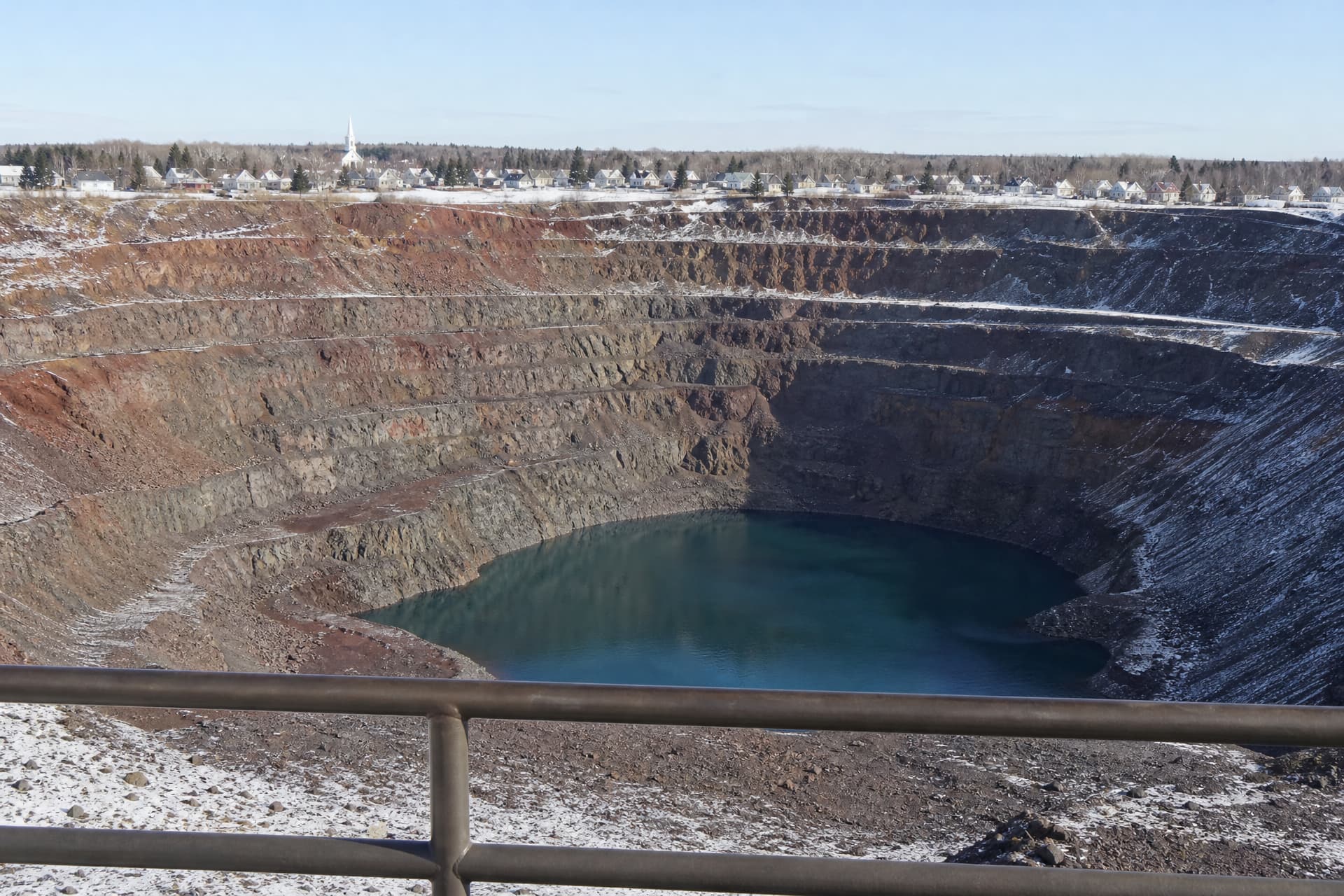
The Iron Range, roughly 200 miles north of the Twin Cities. Minnesota's median falls between a metro price list and one published 200 miles north of it — which is the plainest evidence that how far you are from a city is not what sets the bill.
Cremation Urns to Choose Later, at Home
A permanent urn is never part of a direct-cremation price -- it is a later decision, made at home
Cremation Services and Funeral Homes: Why the Same Service Is $1,395 and $4,995
The two ends of that range are not the same kind of business, and that is nearly the whole explanation. Minnesota has both kinds in quantity, often on the same street, and they publish very different numbers for a service that is physically identical.
A cremation-only provider owns or contracts a single retort and sells one thing. Arrangements happen by phone or through a web form, paperwork travels by email, and there is no chapel, no viewing room and usually no reason to visit an office. These are the firms that set Minnesota's floor, and they say so in writing — the cheapest list in the state prints "CEREMONIES: None provided" on the same page as its price.
A full-service funeral home is a building with staffed hours. Arrangement offices, viewing rooms, a chapel, a hearse, directors available on a Saturday morning — and direct cremation as one line among many. Those firms fill the middle band and the top of Minnesota's range, and at the very top the cheapest option on offer is not a bare direct cremation at all but a package with preparation, a service vehicle, the container, the permit and the crematory charge already inside it.
The cheaper firm is not undercutting anyone. It is selling less. The retort, the transfer and the filing cost much the same whoever performs them. What a cremation-only provider does not carry is a mortgage on a chapel, viewing rooms standing empty on a Tuesday, and staff rostered for services it does not hold. A funeral home recovers those real costs across the visitations, chapel services and caskets it actually sells — so buy nothing but a direct cremation from one, and you are paying a share of a building you will never walk into.
What the cheaper option cannot do is the part families discover late. A cremation-only provider generally cannot host a viewing, cannot hold a service with your loved one present, and cannot absorb a change of mind toward burial — that means starting again with a different firm, having already paid. Minnesota does not draw that line with a license, either: the state licenses crematories, funeral establishments and directors separately (Minn. Stat. 149A.52, 149A.65), and none of those is a cheaper, restricted license for a firm that only sells cremation. What a firm will not do for you is a matter of what it has built. The useful question is not what license it holds but whether it has a chapel.
Which makes the decision come before the comparison. Decide first whether the family will want time with your loved one beforehand, or a service in a chapel. If they might, the firms at the bottom of Minnesota's range cannot arrange it at any price, and say so in writing. If you are certain you want a direct cremation and nothing else, the top of the range is a building and a staff you will pay for and never use.
One owner can publish three different prices
Minnesota's cheapest list and one nearly three times higher belong to the same company: a cremation-only brand and a full-service chapel a few miles apart, same owner, same effective date, and a third document higher again. The cheaper package is, if anything, the fuller one. What differs is the brand over the door and the building behind it. Matching wording is no guide either — four of the eighteen lists are one template with different numbers filled in, same operator, floors spanning more than $2,000. Compare the numbers, not the descriptions.
Why the top of a Minnesota range is a box, not a service
Minnesota firms commonly publish a high several times their low, and the widest ranges we read run past $18,000. That upper number is not a more thorough cremation. The FTC Funeral Rule requires a general price list to disclose direct cremation across every container the firm stocks, from a fiberboard alternative container to a hardwood casket. The ceiling is the casket, and it is the same cremation underneath it. Which is why every figure on this page is a floor.
What's Included — and What Isn't
Minnesota price lists describe what they cover inconsistently: some itemize every line inside the price, some state only what they exclude, and some price direct cremation by container variant, so one document gives two answers depending on who supplies the box. So ask about named items rather than about what is "included" — and four items in particular decide most of the distance between a Minnesota headline and a Minnesota total.
The cremation itself. Ask whether the crematory charge is inside the number, because often it is not — some lists print it separately at a few hundred dollars, some fold it in, and some say nothing either way. On one firm's two documents of the same date it went both ways. Get the answer in writing.
The container your loved one is cremated in. Many Minnesota floors assume you supply it, and the uplift for the firm's own basic container is printed on the same page — $105 to $275, across the lists that show both figures. Ask which of the two you have been quoted.
Care before the paperwork clears. Refrigeration or sheltering is billed by the day at some Minnesota firms and folded into the price at others. It is the charge most likely to grow while you wait on a county office.
How you arrange it. At least one Minnesota headline price is conditional on the method, buying basic services "for phone/online arrangements" — sitting down with a director instead moves you several hundred dollars higher for the same cremation.
Name these too when you ask: the transfer of your loved one into the firm's care, the filing of the death certificate and permits, transportation to the crematory, and a temporary container for the ashes. Each sits inside some Minnesota prices and beside others as a separate line, along with mileage past a 25- to 50-mile radius, a card surcharge of 3% to 4%, and certified death certificates at $13 for the first copy and $6 for each after. Our guide to how many death certificates you need is worth reading before you order them.
Minnesota gives a funeral home three ways to care for someone when disposition will not happen within 72 hours — embalming, refrigeration, or dry ice, capped at four calendar days (Minn. Stat. 149A.94, subd. 1). It is a preservation rule, not a waiting period, and three of the eighteen price lists put a daily charge on it, from $30 to $50 a day.
What the state adds on top
Minnesota requires a disposition permit before any cremation (Minn. Stat. 149A.93, subd. 3) and a county medical examiner's cremation approval on top of it (390.152), and 390.15 expressly lets that office charge for the approval "subject to county board approval." So the fee is real, it is set county by county, and no statewide number exists.
Most Minnesota providers who name the county charge at all put it around $50 to $75 and call it varying; some fold it into the package instead. Treat those as typical rather than a published government schedule, and ask the funeral home for the figure in the county where the death occurred.
Minnesota Cremation Laws That Affect Cost
Minnesota has no waiting period before cremation, and its actual rule runs the other way. Minn. Stat. 149A.95, subd. 6a says: "A dead human body must be cremated within 24 hours of the crematory accepting legal and physical custody of the body." That is a maximum, not a minimum. What takes time is paperwork: the death record must be filed within five days and before disposition (144.221, subd. 1), no disposition permit issues until it is (149A.93, subd. 3), and the crematory needs that permit, the record or a signed release, and an authorization form before it can take your loved one into its care.
Choosing cremation in Minnesota adds a step that choosing burial does not. Because a body "will later be unavailable for examination," the death is reportable to the coroner or medical examiner (390.11, subd. 1(5)), and 390.152 requires that officer's approval first. That single approval is Minnesota's real cost-and-delay variable, and each county board sets its own fee for it.
You may not need a casket, and you may not even need a container. Under 149A.95, subd. 6, someone may be accepted for cremation "wrapped in an impermeable sheet or pouch and placed on a tray rigid enough for handling with ease," and federal law requires the disclosure, printed beside every direct-cremation price, that you may use an alternative container (16 C.F.R. 453.2(b)(4)(ii)(B)). No Minnesota provider may require a casket for a direct cremation.
Your own written instruction outranks your spouse, and it is free. Minn. Stat. 149A.80, subd. 2 puts the person named in a dated instrument signed by the decedent — a health care directive counts — above the spouse, adult children, parents and siblings. If you have a preference about cost as well as method, that is where to record it. A family may also handle much of this itself: 149A.01, subd. 3(c) exempts uncompensated family members with the right to control disposition, unlicensed transport is allowed (149A.93, subd. 8), and the Minnesota Department of Health publishes instructions for families who file without a funeral home.
Scattering has one rule in Minnesota statute, and it is about mixing, not place. Remains may not be scattered commingled with another person's without written permission (149A.95, subd. 16), and once they are inurned and released no further permit is needed. There is no scattering permit here. Statute is not the whole answer, though: nothing we read addresses private land, public land, state parks or the state's waters, so landowner permission and local ordinance still apply — for state land or water, ask the Minnesota DNR. Our guide to the laws and etiquette of scattering ashes covers the general position.
Minnesota's law is not why Minnesota is expensive. States with near-identical rules sit at opposite ends of the national range, so do not let a firm explain its price with the statute book.
How to Lower the Cost in Minnesota
Choose the kind of business before you choose the firm. This is the decision with the most money in it: inside a single metro, a cremation-only provider and a full-service funeral home publish figures for the same cremation that differ by more than $2,000. Work out first whether the family will want time with your loved one, or a service in a chapel, then shop inside the kind of firm that can do it.
Settle three things in writing before you compare two quotes: whether the crematory charge is inside the price, whether the price assumes you bring the container (the gap runs $105 to $275 and is printed on the same page), and what the county medical examiner charges to approve the cremation. That last one follows the county where the death occurred and is set by its board, so no firm can quote it as a fixed figure.
Check the date inside the document, not the label on the link. More than one Minnesota website we read showed an older, more expensive list on the page with a newer and cheaper one linked beneath it, and one link labeled "General Price List" opened a superseded document with nothing to mark it as old. The most recent itemized document is the one that binds.
Arrange the way the firm prices lowest. Where a provider charges less for a phone or online arrangement, that is a discount for doing the paperwork at your kitchen table, and it is worth asking for.
And call across the range, not within one band. Minnesota's cheapest published cremation and one of its most expensive are twelve miles apart, so a local search returns both. Call two firms whose published floors sit near the bottom of the state's range and two from the crowded middle, and make all four answer the same questions above.
Expect to buy the urn separately. Some Minnesota price lists say plainly that a container for the cremated remains must be purchased or provided by the family. Others hand over a temporary container for the ashes, and at least one of the cheapest carries a small credit toward an urn from the firm's own selection — a credit, not an urn. Ask which you are getting, then treat the urn as a separate decision, taken afterwards, at home, in your own time.
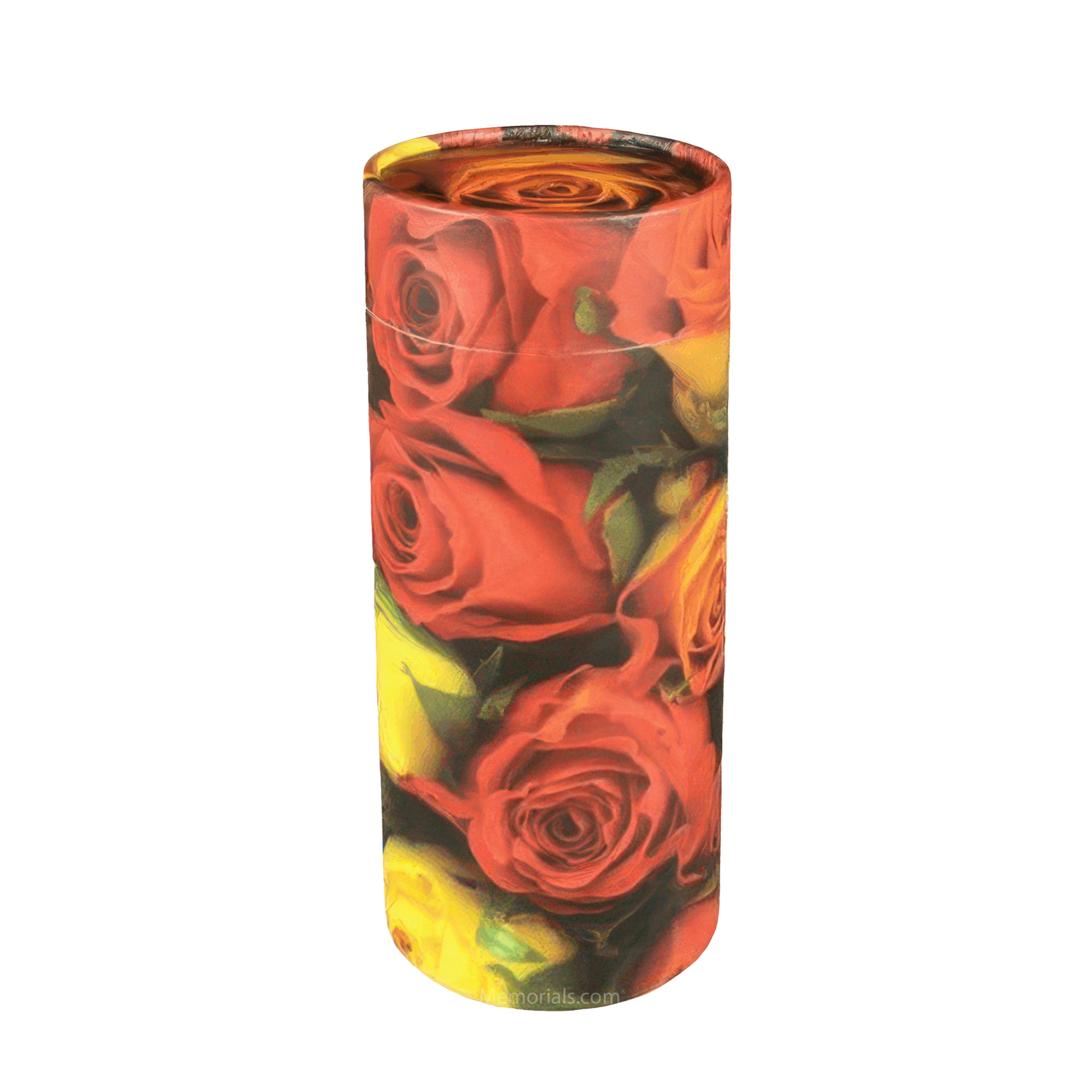
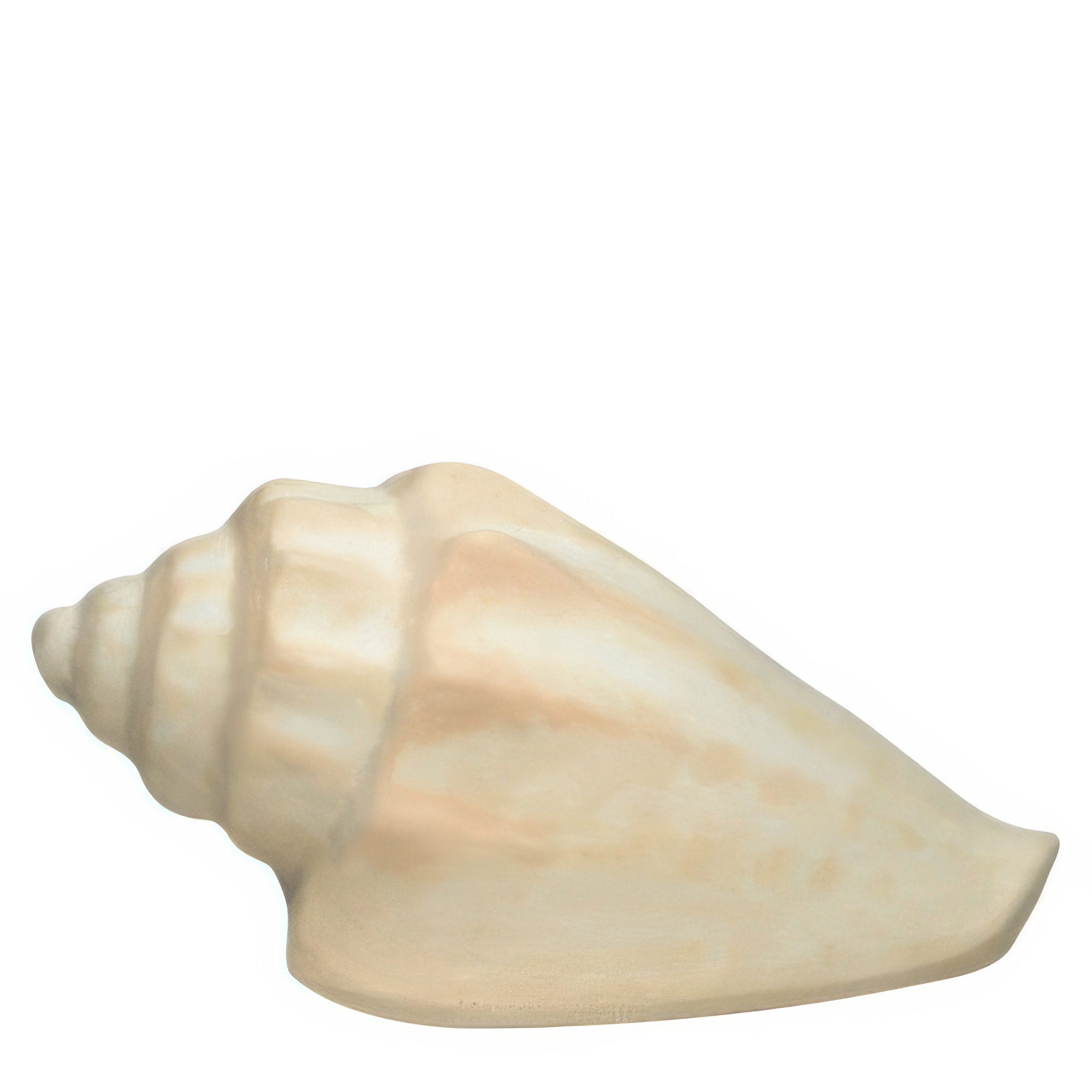
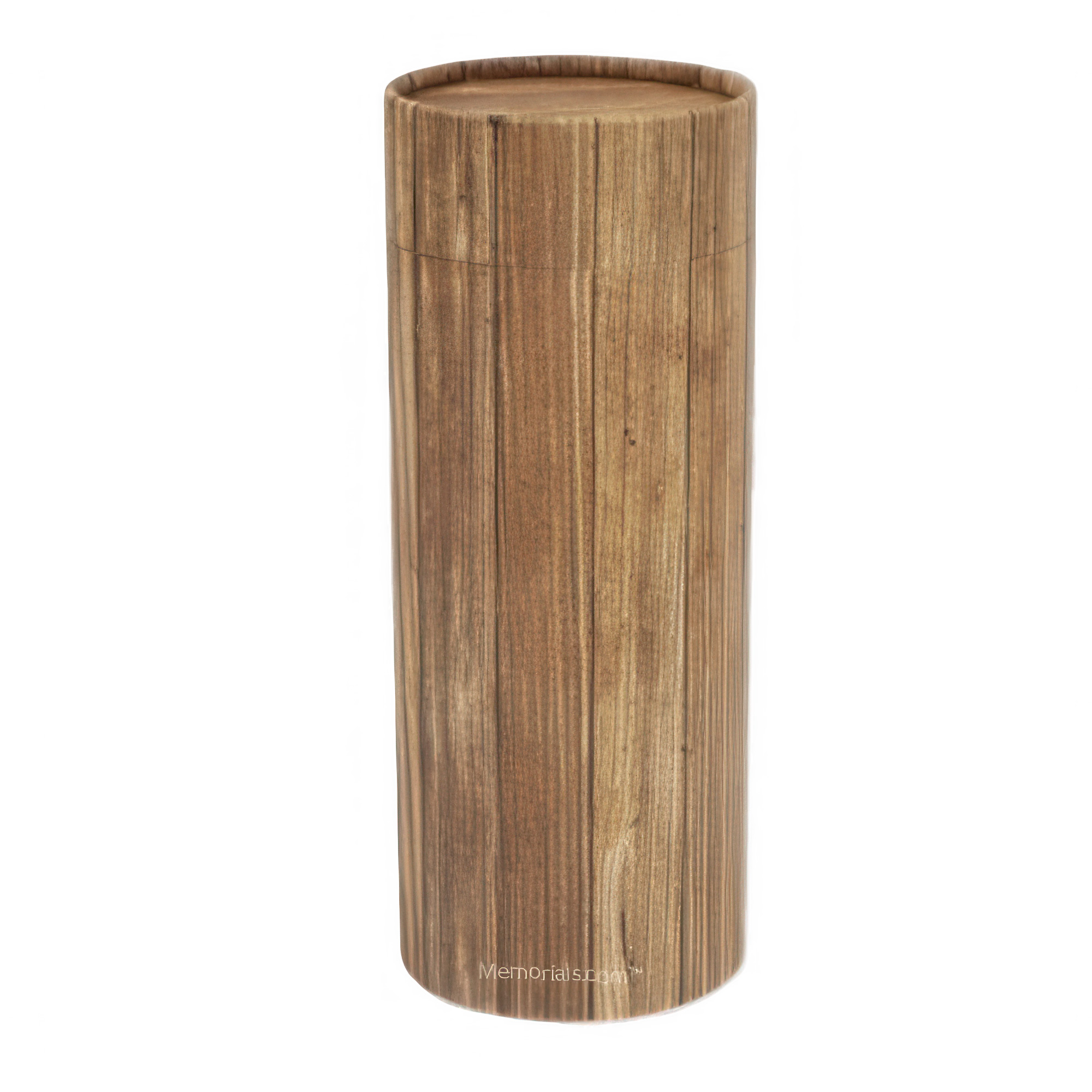
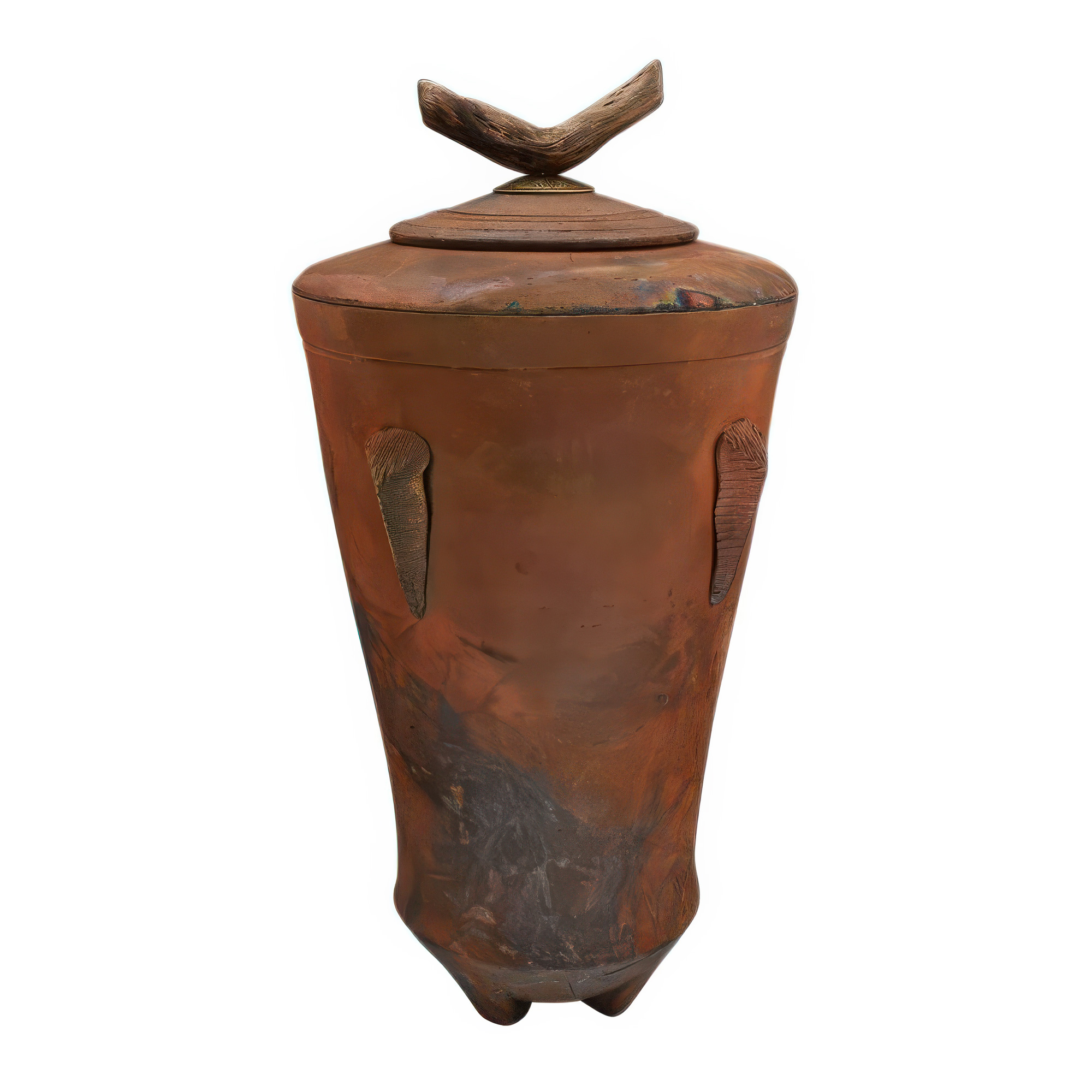
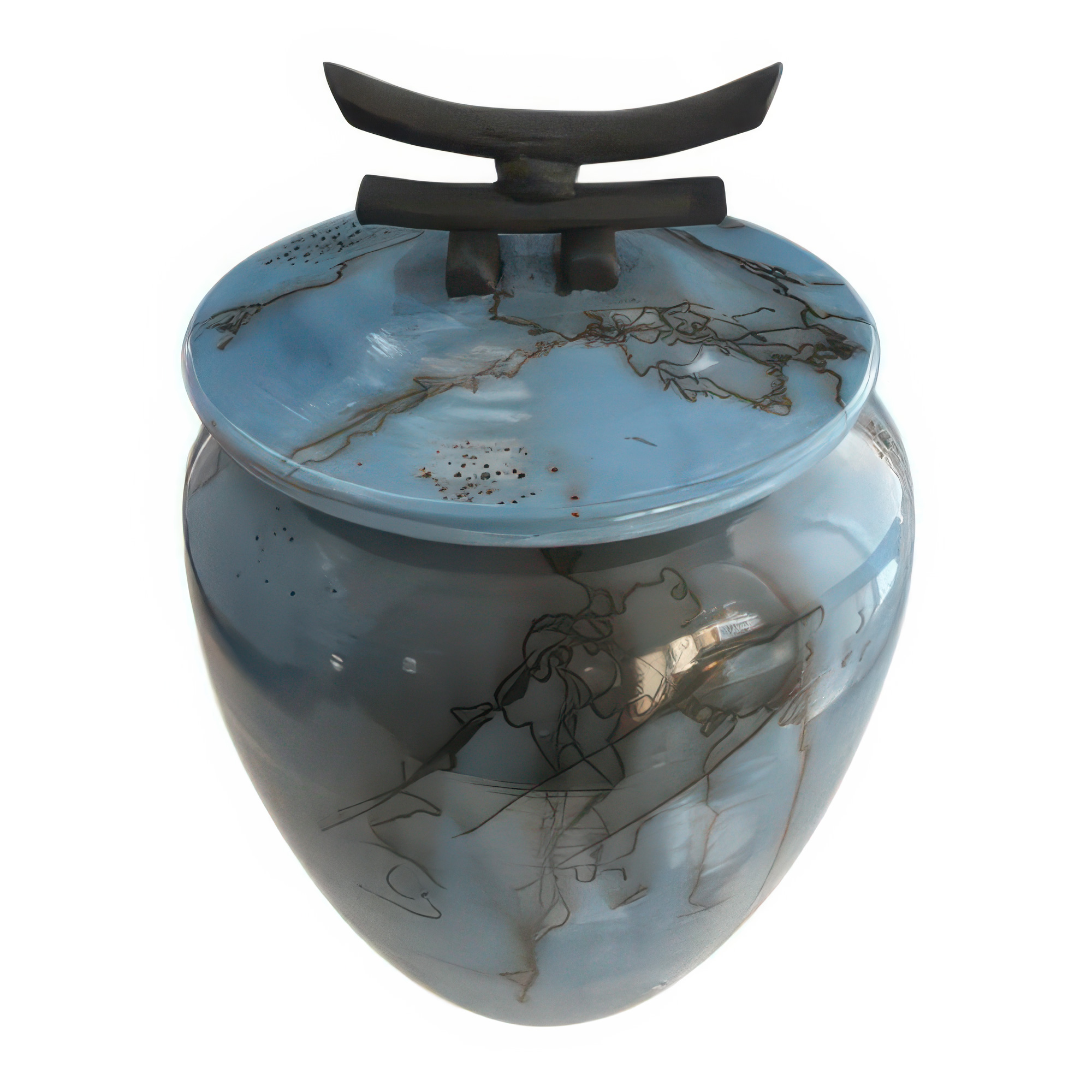
Nature urns suit a family keeping the urn at home rather than scattering. A household that has just paid the Minnesota median of $3,012.50 for the cremation itself has no reason to spend heavily again on the vessel. Products from left to right: Adoeete Cremation Urn, Artic Ceramic Urn and Aubergine Rose Cremation Urn.
For the fuller version of that decision, how much a cremation urn costs works through materials and price bands, and our range of cremation urns is organized by how you plan to keep them.
Frequently Asked Questions
How much does cremation cost in MN? Direct cremation starts between $1,395 and $4,995 on the published Minnesota price lists we read in 2026, with a median of $3,012.50. That places Minnesota fourth most expensive in the country and third of the twelve Midwestern states.
What is the average cost of cremation in Minnesota? We publish the median, $3,012.50, rather than an average, because Minnesota's floors are not evenly spread — most crowd into a $675 band, and a short expensive tail drags an average away from that middle. Whatever average cost of cremation in Minnesota you see quoted, check it against an itemized price list from a firm you would actually call.
What is the cheapest cremation in Minnesota? The lowest published figure we found is $1,395, at a cremation-only provider, with the container and a small urn credit included. Four more lists sit at $2,285 or below, all of them in the Twin Cities metro or southeastern Minnesota. That price buys no ceremony of any kind; the price list says so.
How much does cremation cost in Minnesota compared with its neighbors? Cremation costs in Minnesota run above the $1,925 national median and above both Michigan and North Dakota, and below only Wisconsin among its neighbors. The upper Midwest is the most expensive corner of the country on our figures.
Is a cremation society cheaper than a funeral home in Minnesota? Usually, for a plain reason: it is selling less. It carries no chapel, no viewing rooms and no staffed weekend hours — and it cannot offer you a viewing or a chapel service either. Decide which you need before comparing the two.
Is there a waiting period before cremation in Minnesota? No. Minnesota imposes the opposite: 149A.95, subd. 6a requires cremation within 24 hours of the crematory taking legal and physical custody. What takes time is the death record, the disposition permit and the medical examiner's approval.
Does a medical examiner have to approve every cremation in Minnesota? Yes. Because someone who has been cremated will later be unavailable for examination, 390.11, subd. 1(5) makes the death reportable and 390.152 requires that approval first. Minn. Stat. 390.15 lets the office charge for it, and each county board sets the amount.
Do I have to buy a casket for cremation in Minnesota? No. Minn. Stat. 149A.95, subd. 6 allows an impermeable sheet or pouch on a rigid tray in place of a casket, and federal law forbids requiring one for direct cremation. Many Minnesota lists assume you supply the container; the firm's own runs $105 to $275.
Can I scatter ashes in Minnesota? Minnesota statute imposes no scattering permit and regulates only commingling with another person's remains without written permission. It does not, in anything we read, address state parks, public land or the state's waters, so ask the landowner or the Minnesota DNR before scattering there.
In Short
Minnesota's median direct-cremation floor is $3,012.50, and ten of the eighteen published floors crowd between $2,800 and $3,475. The state's expense is real, but the spread inside it is not about geography — it is about what kind of business you called. One owner can publish the state's lowest figure under one brand and nearly three times that under another.
So decide first whether you want a cremation-only provider or a funeral home with a chapel, because the cheapest option in Minnesota cannot give your family time with your loved one at any price. Then settle two things in writing before you compare quotes — is the crematory charge inside this price, and does this figure assume I supply the container — and ask the county what its medical examiner charges, because Minnesota law lets it charge and prices it nowhere.