🏬Supersize Online Funeral Retailer🪦1000's of Headstones⚱️Over 10,000 Cremation Urns⚰️Caskets Overnight Delivery🛒Funeral & Memorial Superstore🚚FREE Shipping on ALL Orders👨👩👧👦Helping Families for over 20 Years💰Lowest Price Guarantee🏬Supersize Online Funeral Retailer🪦1000's of Headstones⚱️Over 10,000 Cremation Urns⚰️Caskets Overnight Delivery🛒Funeral & Memorial Superstore🚚FREE Shipping on ALL Orders👨👩👧👦Helping Families for over 20 Years💰Lowest Price Guarantee
🏬Supersize Online Funeral Retailer🪦1000's of Headstones⚱️Over 10,000 Cremation Urns⚰️Caskets Overnight Delivery🛒Funeral & Memorial Superstore🚚FREE Shipping on ALL Orders👨👩👧👦Helping Families for over 20 Years💰Lowest Price Guarantee🏬Supersize Online Funeral Retailer🪦1000's of Headstones⚱️Over 10,000 Cremation Urns⚰️Caskets Overnight Delivery🛒Funeral & Memorial Superstore🚚FREE Shipping on ALL Orders👨👩👧👦Helping Families for over 20 Years💰Lowest Price Guarantee
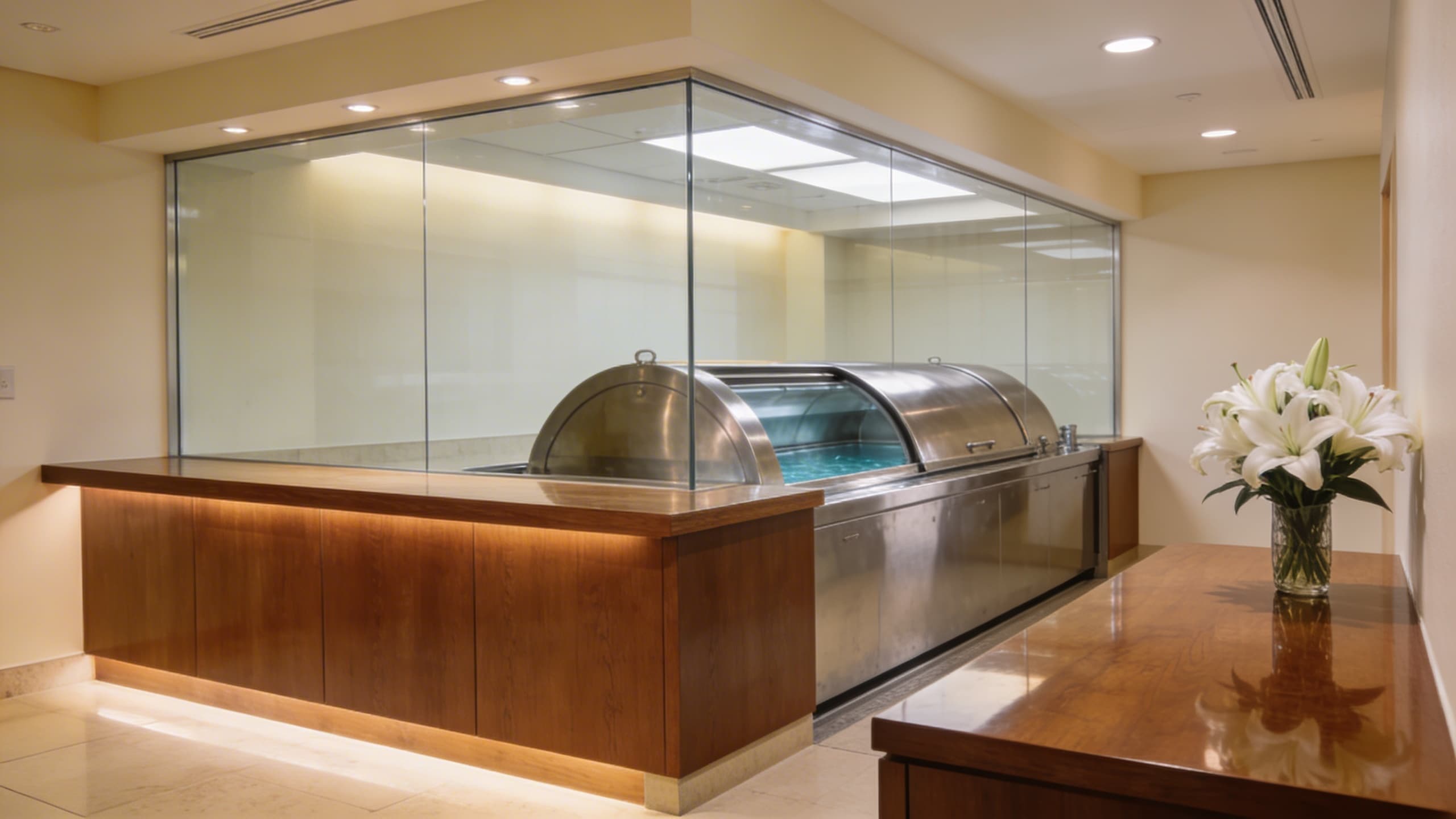
Aquamation — also known as hydro cremation, water cremation, or by its scientific name alkaline hydrolysis — is a water-based alternative to traditional flame cremation that has been gaining steady attention from families seeking a gentler, more environmentally conscious form of final disposition. The process uses warm water and an alkaline solution to reduce the body to its basic elements, leaving behind bone fragments that are processed and returned to the family just like traditional cremation ashes.
If you are exploring all of your end-of-life options and want to understand how aquamation fits into the bigger picture, our cremation guide covers the full range of choices, from direct cremation and memorial services to burial, scattering, and emerging alternatives like this one. Aquamation is part of a broader category of eco-friendly funeral options that are reshaping how families think about memorialization, and it is worth understanding how the process works, what it costs, and whether it is available where you live.
What Is Aquamation and How Does It Work?
Aquamation is a process in which the body is placed inside a sealed, stainless steel pressure vessel and surrounded by a solution of roughly 95 percent water and 5 percent alkali — typically potassium hydroxide or sodium hydroxide (commonly known as lye). The vessel is then heated to temperatures between 200°F and 350°F, well below the 1,400–1,800°F required for flame cremation. Gentle water flow circulates through the chamber, accelerating the natural process of tissue breakdown through alkaline hydrolysis.
Over a period of 6 to 8 hours in a high-temperature system (or 14 to 16 hours in a lower-temperature atmospheric system), the solution dissolves all soft tissue, leaving behind only bone fragments and a sterile liquid. The bone fragments are removed from the chamber, dried, and processed through a cremulator — the same machine used after flame cremation — to produce the fine, powdery remains that families receive.
The sterile liquid left behind is a combination of amino acids, peptides, sugars, salts, and water. It contains no DNA, no biological hazard, and no pathogens. This effluent is safely released into the municipal wastewater system, where treatment facilities process it just as they would any other organic wastewater. Many water treatment authorities have noted that the effluent actually benefits their systems by nourishing the bacteria that break down sewage.
Medical implants, dental fillings, and devices like pacemakers are recovered intact after the process. Unlike flame cremation, where pacemakers must be removed beforehand to prevent explosion, aquamation does not require pre-removal of most implants — a practical benefit that simplifies preparation for the family and the funeral provider.
What Do Aquamation Remains Look Like?
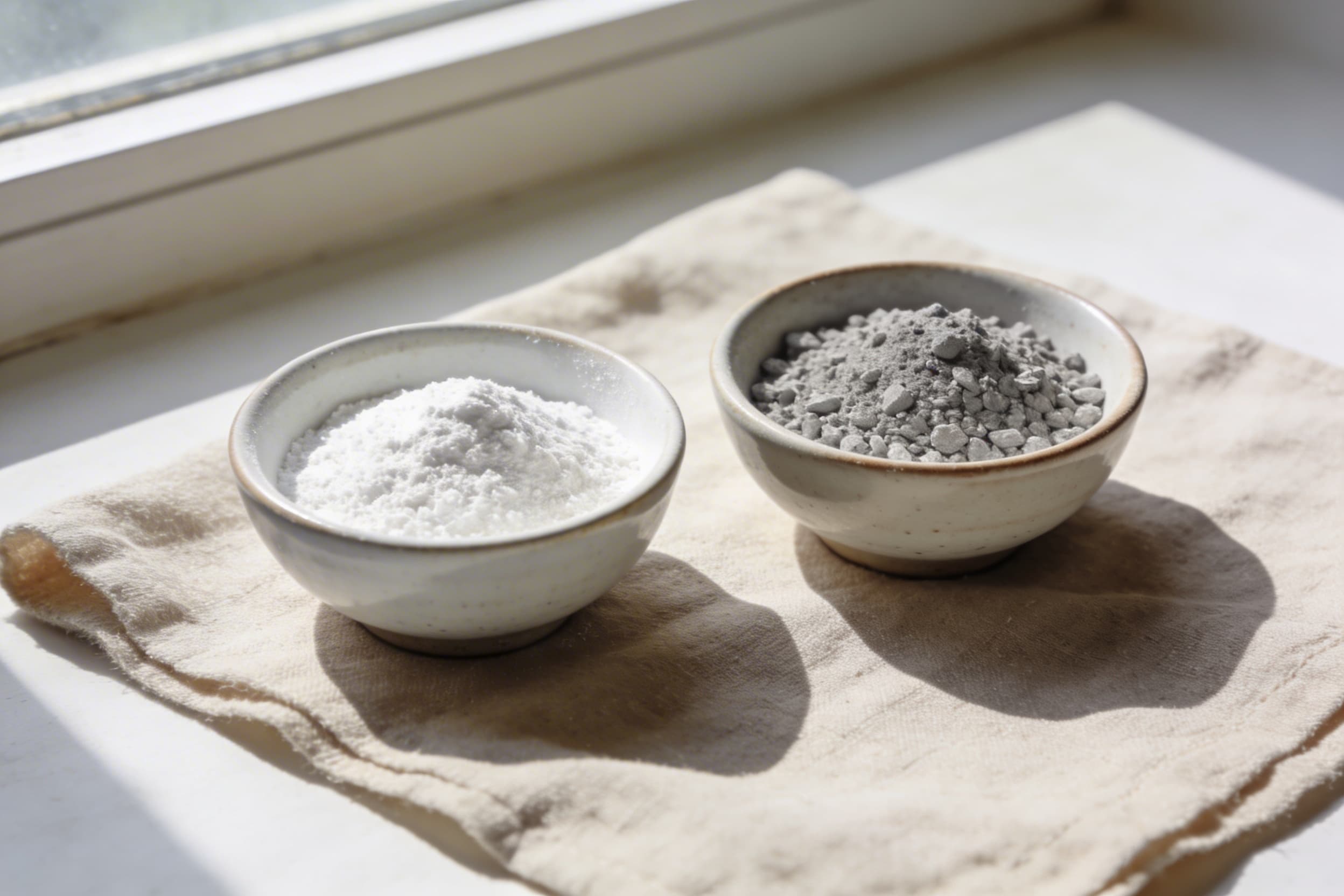
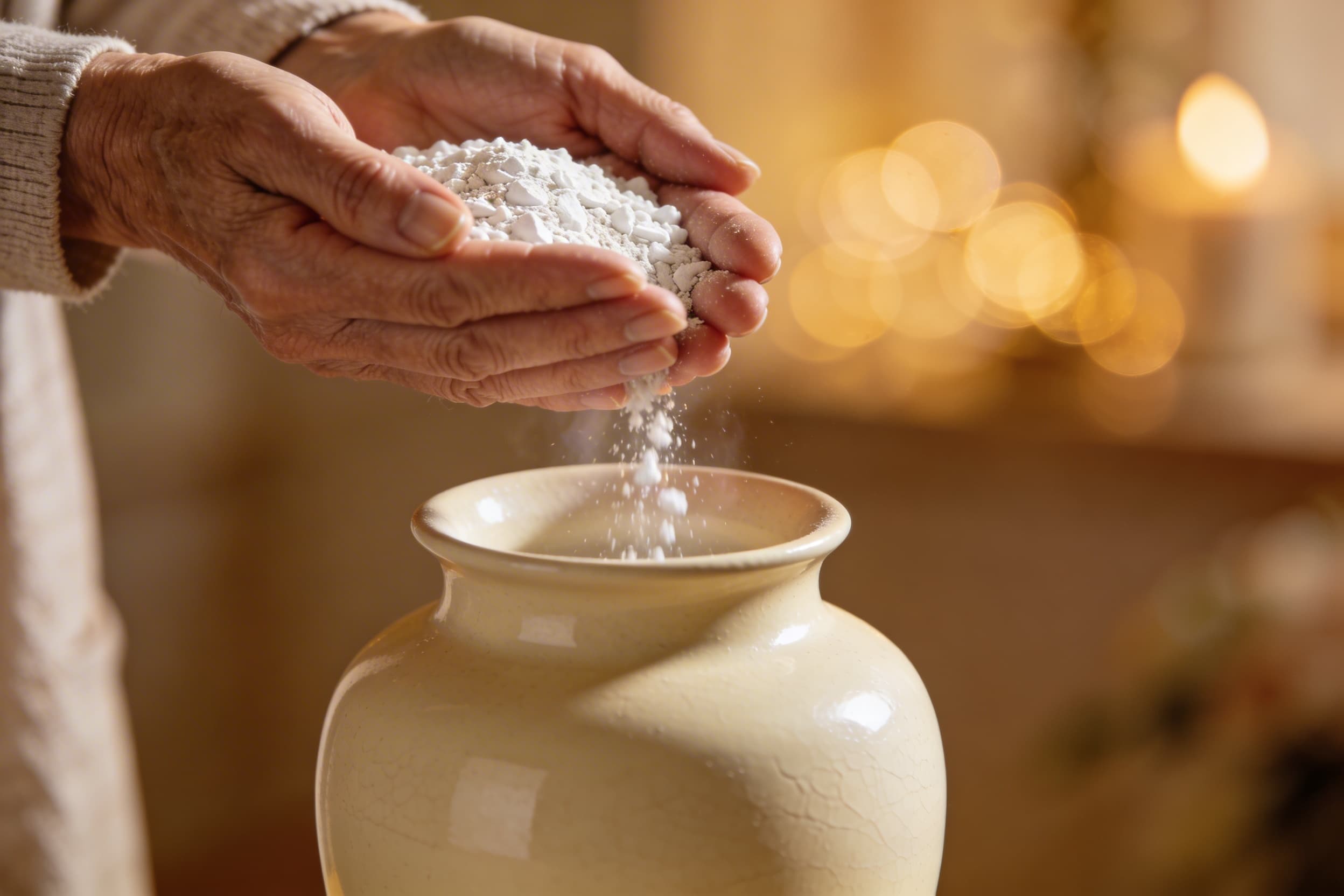
The cremated remains produced by aquamation are noticeably different from those produced by flame cremation. Families often describe aquamation remains as whiter, finer, and softer in texture — more like a fine powder than the coarser, gray, sand-like consistency typical of flame cremation ashes. The lighter color results from the gentler process, which preserves the natural mineral structure of the bones without the carbon discoloration that flame cremation produces.
Aquamation also yields approximately 20 to 32 percent more cremated remains than flame cremation for the same individual. This means families choosing aquamation may need a slightly larger urn. If you are shopping for a vessel before the process is complete, factor in this additional volume. A person who weighed 200 pounds before death might need an urn with 240 to 260 cubic inches of capacity after aquamation, compared to the standard 200 cubic inches recommended after flame cremation. The same cremation urns used for flame cremation work for aquamation remains — just size up accordingly.
Aquamation vs. Flame Cremation: Key Differences
Families considering aquamation often want to know how it stacks up against the cremation process they are already familiar with. The end result is similar — processed bone fragments returned in an urn — but the path there differs in several meaningful ways.
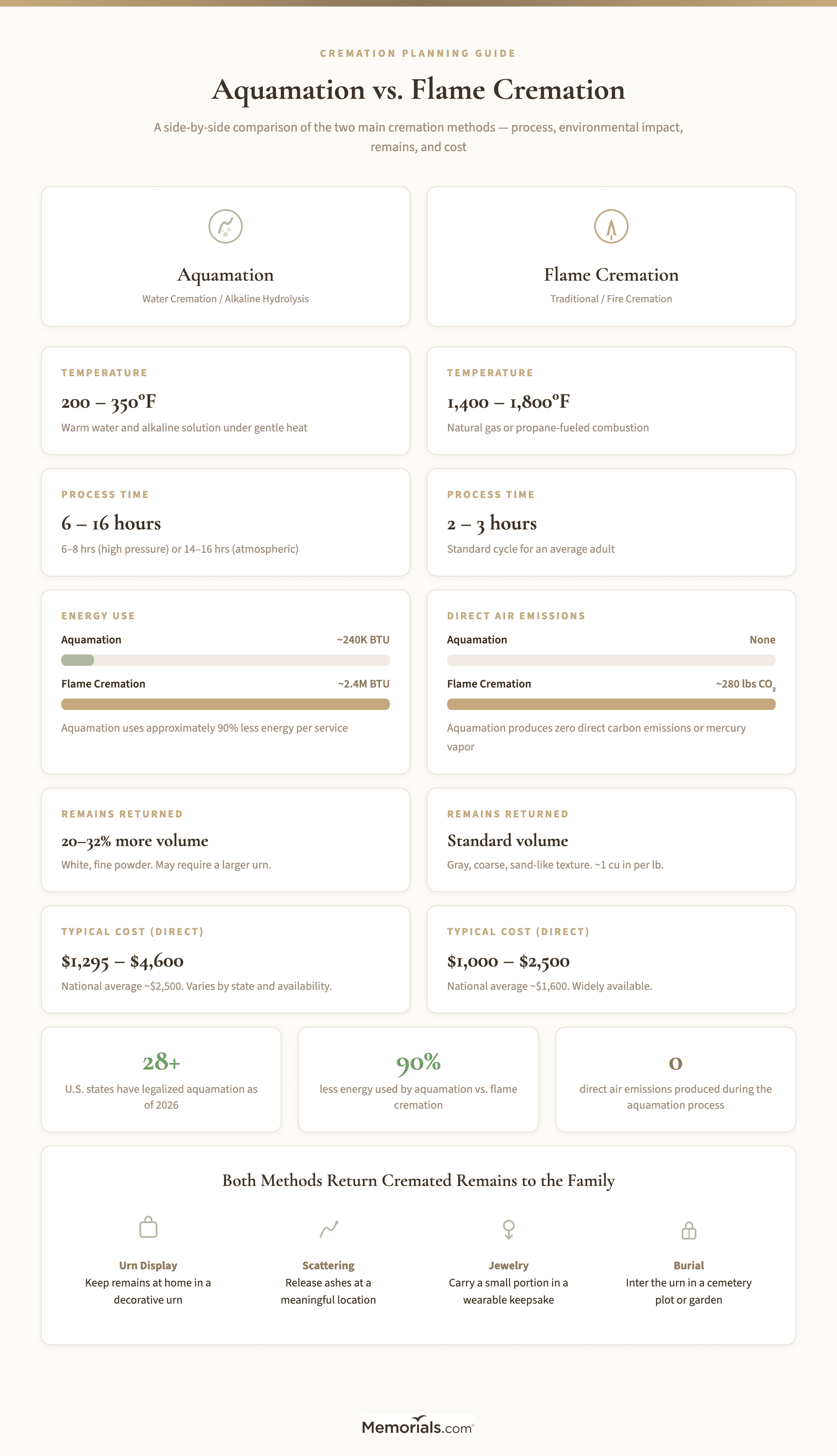
The temperature difference is substantial. Flame cremation operates between 1,400°F and 1,800°F, using natural gas or propane-fueled burners. Aquamation works at 200°F to 350°F using heated water and alkalinity. This lower temperature is one reason many families describe the process as "gentler" and more in keeping with natural decomposition.
Energy consumption is where aquamation makes its strongest environmental case. The process uses roughly 90 percent less energy than flame cremation and produces no direct carbon emissions — no greenhouse gases, no mercury vapor from dental fillings, and no particulate matter released into the atmosphere. For families already weighing cremation's environmental footprint against burial's land-use impact, aquamation offers a third path with a markedly smaller ecological signature.
The time required is longer. A single flame cremation takes 2 to 3 hours. Aquamation takes 6 to 8 hours in a high-pressure system or 14 to 16 hours in a low-pressure atmospheric system. From a practical standpoint, this rarely affects families directly, since the total turnaround time from death to receiving remains depends more on transport logistics, paperwork, and facility scheduling than on the process duration itself.
The remains themselves differ in appearance and volume, as described above. Aquamation produces whiter, finer, more voluminous remains. Both types of remains can be kept in an urn, scattered, buried, divided among family members, or placed into memorial jewelry.
How Much Does Aquamation Cost?
Cost is one of the most common questions families ask, and the answer depends heavily on location, provider, and the specific services included.
As of 2026, the national average for direct aquamation — the most basic option, covering transport, the process itself, and return of remains in a simple container — is approximately $2,500. The full range runs from roughly $1,295 in the most affordable markets (such as Missouri and Washington) to $4,600 or more in states with limited providers and higher operating costs (such as Vermont and California).
For context, direct flame cremation typically costs $1,000 to $2,500, making aquamation approximately $500 to $900 more on average. Families comparing cremation and burial costs will find that aquamation still comes in well below the cost of traditional burial, which averages $7,000 to $10,000 or more with a vault.
Several factors drive the higher price. Aquamation equipment is expensive — a single alkaline hydrolysis system costs $180,000 to $270,000 to purchase and install, compared to roughly $130,000 for a standard flame cremation retort. The process also takes longer per service, reducing the number of services a facility can perform each day. And because aquamation is still relatively new and not yet widely available, limited competition in many markets keeps prices elevated.
Families can expect these common pricing tiers: direct aquamation (no ceremony) at $1,295 to $3,500, aquamation with a memorial service at $3,000 to $5,000, and full-service aquamation with a viewing at $5,000 or more. Additional costs for death certificates, permits, transportation, and upgraded urns are typically billed separately.
If aquamation is not available locally and requires out-of-area transport, the logistics can add meaningful cost. Some families work with their local funeral home to coordinate transport to a facility in a neighboring state, while others contact the aquamation provider directly. Either way, ask for a fully itemized price list before committing.
Where Is Aquamation Legal?
As of 2026, aquamation is legal for human remains in at least 28 states, with legislation pending in several more. States that have legalized the process include Alabama, Arizona, California, Colorado, Connecticut, Delaware, Florida, Georgia, Hawaii, Idaho, Illinois, Kansas, Maine, Maryland, Massachusetts, Michigan, Minnesota, Missouri, Nevada, North Carolina, North Dakota, Oklahoma, Oregon, Tennessee, Utah, Vermont, Virginia, Washington, West Virginia, and Wyoming.
Minnesota was the first state to legalize aquamation in 2003, driven in part by the Mayo Clinic's adoption of the technology for its donated body program. Since then, the pace of legalization has accelerated, particularly after Archbishop Desmond Tutu's widely publicized aquamation in December 2021 brought global attention to the process.
It is important to note that legalization does not always mean availability. Some states that permit aquamation do not yet have an operating facility within their borders. In these cases, families may need to arrange transport to a provider in a neighboring state. The Cremation Association of North America (CANA) maintains a member directory that includes providers classified as offering alkaline hydrolysis, which can be a useful starting point for finding a nearby facility.
States that have not yet legalized aquamation often cite concerns about wastewater regulation, public perception, and the lack of existing industry standards. However, the trend is clearly toward broader adoption, and several states have active bills under consideration.
Aquamation and the Environment
Environmental impact is one of the primary reasons families choose aquamation. The ecological advantages over flame cremation are well documented.
A single flame cremation consumes approximately 2.4 million BTUs of energy and releases roughly 280 pounds of carbon dioxide directly into the atmosphere, along with trace amounts of mercury vapor (from dental amalgam fillings), particulate matter, and other combustion byproducts. Aquamation, by contrast, uses about one-tenth of that energy and produces no direct air emissions. The process does require approximately 300 to 350 gallons of water per service, but that water is returned to the municipal wastewater system in a cleaner state than most household and industrial effluent.
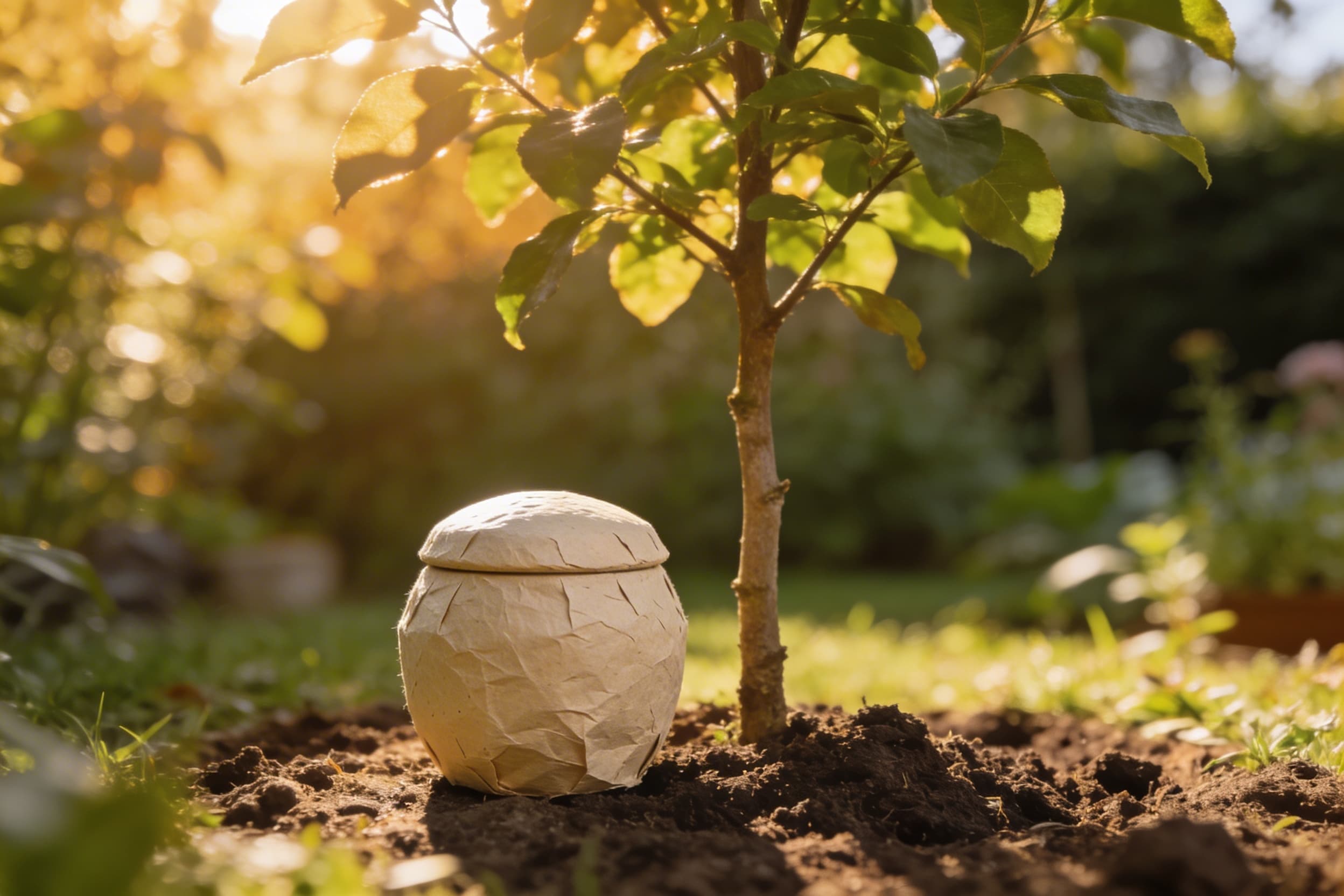
For families who are drawn to the environmental case but want to explore all the options available, aquamation is one of several emerging alternatives. Mushroom coffin alternatives use mycelium-based materials to accelerate natural decomposition in a burial setting. Tree pod burials place cremated remains in soil that nourishes a growing tree. Each approach takes a different path toward the same goal — reducing the environmental footprint of final disposition.
Aquamation also differs fundamentally from sea and water burial, which involves lowering a body or scattering cremated remains into the ocean. Despite sharing the word "water" in their common names, these are entirely different processes — aquamation is a disposition method (how the body is processed), while water burial is a memorialization choice (what happens to the remains afterward). Families sometimes confuse the two, so it is worth clarifying: aquamation produces cremated remains that you receive back, just like flame cremation. Water burial scatters or sinks those remains at sea.
What Happens After Aquamation
Once the aquamation process is complete and the bone fragments are processed, families face the same memorialization decisions as those who choose flame cremation. You can keep the remains at home in an urn, bury them in a cemetery, scatter them at a meaningful location, divide them among family members using keepsake urns, or have a small portion placed into cremation jewelry.
Because aquamation yields approximately 20 to 30 percent more remains than flame cremation, families who plan to store the ashes in an urn should choose a vessel with additional capacity. Biodegradable urns are a natural pairing for families who chose aquamation for its environmental benefits — these urns are designed to break down naturally in soil or water, completing the cycle of returning a loved one to nature.
The whiter, finer texture of aquamation remains also makes them well-suited for certain memorial art forms, including glass-blown keepsakes and cremation jewelry, where the finer consistency can produce a more uniform integration into the finished piece.
Aquamation for Pets
Aquamation is more widely available for pets than for humans in most parts of the country, since pet cremation facilities operate under different regulations than human crematories. Many veterinary clinics and pet aftercare providers now offer aquamation as an alternative to flame cremation for dogs, cats, and other companion animals.
The process is identical in principle — warm water, alkalinity, and time — scaled down for smaller animals. The cost for pet aquamation typically runs $150 to $400 depending on the animal's size, which is modestly higher than standard pet flame cremation. For families who chose aquamation for a human loved one and want consistency in how they memorialize their pets, or for pet owners who prioritize environmental sustainability, pet aquamation offers the same ecological advantages as the human process.
Frequently Asked Questions
Is aquamation the same as water cremation?
Yes. Aquamation, water cremation, hydro cremation, bio-cremation, flameless cremation, and resomation all refer to the same process: alkaline hydrolysis. The scientific process is identical regardless of the name used. The variety of terms can cause confusion, but they all describe a water-based disposition method that uses alkalinity and gentle heat to reduce the body to bone fragments and a sterile liquid.
How much does aquamation cost compared to cremation?
Direct aquamation costs approximately $1,295 to $4,600 nationwide, with a national average near $2,500. By comparison, direct flame cremation typically costs $1,000 to $2,500. The difference — usually $500 to $900 — reflects the higher equipment costs, longer process time, and limited provider availability associated with aquamation. Both options remain significantly less expensive than traditional burial.
What states allow aquamation?
As of 2026, at least 28 states have legalized aquamation for human remains. However, legal status does not guarantee local availability — some states that permit aquamation do not yet have operating facilities. Check with the Cremation Association of North America (CANA) member directory or contact funeral providers in your area to confirm whether the service is available near you.
Do you get ashes back from aquamation?
Yes. Aquamation produces cremated remains that are returned to the family, just like flame cremation. The remains consist of processed bone fragments — whiter and finer in texture than flame cremation ashes, and approximately 20 to 30 percent greater in volume. These remains can be placed in an urn, scattered, buried, or used in any other way that traditional cremation ashes are used.
Is aquamation more eco-friendly than cremation?
Significantly. Aquamation uses roughly 90 percent less energy than flame cremation and produces no direct air emissions — no carbon dioxide, no mercury vapor, and no particulate matter. The process does use approximately 300 to 350 gallons of water, which is returned to the municipal wastewater system. Most environmental assessments consider aquamation the lowest-impact form of human remains disposition currently available at scale.
Choosing the Right Path for Your Family
Aquamation is not yet the right choice for every family — availability remains limited, costs are higher than flame cremation, and the process is still unfamiliar to many people. But for families who value environmental responsibility, who are drawn to a gentler process, or who simply want to explore every option before making a decision, aquamation offers a meaningful alternative worth serious consideration.
The most important step is confirming availability in your area and requesting a detailed, itemized price list from any provider you contact. From there, the decisions about urns, memorialization, and ceremony planning follow the same path as any cremation — and Memorials.com is here to help with every step, from biodegradable urns suited for eco-conscious families to traditional vessels in wood, metal, ceramic, and stone.