🏬Supersize Online Funeral Retailer🪦1000's of Headstones⚱️Over 10,000 Cremation Urns⚰️Caskets Overnight Delivery🛒Funeral & Memorial Superstore🚚FREE Shipping on ALL Orders👨👩👧👦Helping Families for over 20 Years💰Lowest Price Guarantee🏬Supersize Online Funeral Retailer🪦1000's of Headstones⚱️Over 10,000 Cremation Urns⚰️Caskets Overnight Delivery🛒Funeral & Memorial Superstore🚚FREE Shipping on ALL Orders👨👩👧👦Helping Families for over 20 Years💰Lowest Price Guarantee
🏬Supersize Online Funeral Retailer🪦1000's of Headstones⚱️Over 10,000 Cremation Urns⚰️Caskets Overnight Delivery🛒Funeral & Memorial Superstore🚚FREE Shipping on ALL Orders👨👩👧👦Helping Families for over 20 Years💰Lowest Price Guarantee🏬Supersize Online Funeral Retailer🪦1000's of Headstones⚱️Over 10,000 Cremation Urns⚰️Caskets Overnight Delivery🛒Funeral & Memorial Superstore🚚FREE Shipping on ALL Orders👨👩👧👦Helping Families for over 20 Years💰Lowest Price Guarantee
You have decided to send something. That is already the right instinct — most people send nothing, and the most common thing grieving pet owners report is not that someone said the wrong thing but that almost nobody acknowledged it at all. What follows is how to choose a gift for loss of pet that helps rather than one that sits in a box because it arrived at the wrong moment.
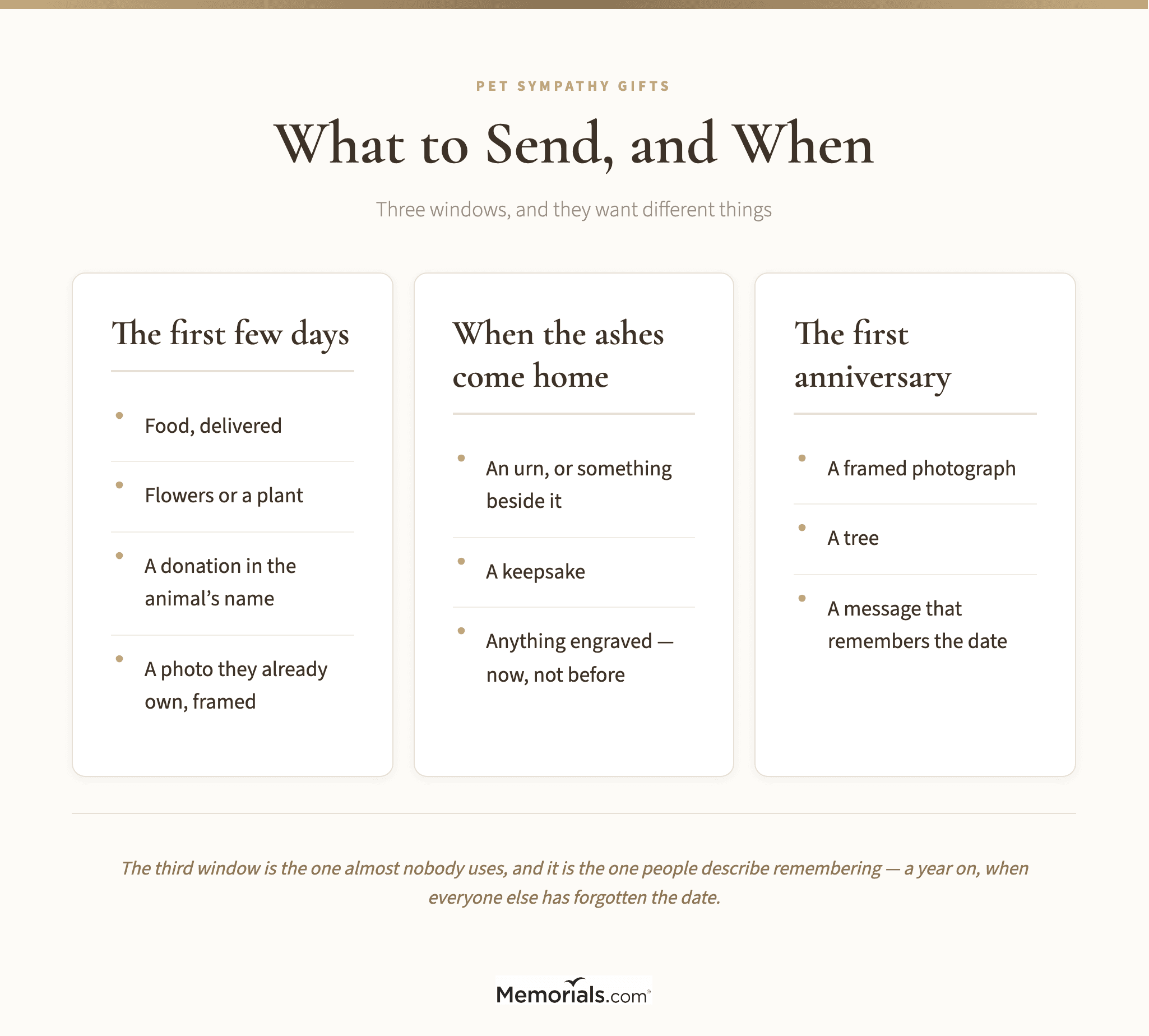
The organizing idea here is timing rather than budget. There are three windows, they want different things, and the third one is the one almost nobody uses. If you are still deciding whether to send a card or a gift at all, short message for loss of pet covers what to write, and the pet sympathy guide covers the rest.
Before You Choose: One Question That Rules Out Half of It
If you do not know, assume they have not. In the first days after a pet dies, the decision between burial and cremation is often still open, sometimes actively argued about, and occasionally waiting on a call from the vet.
Anything that presumes an outcome is the wrong gift in that window. An urn presumes cremation. A garden stone presumes a burial at home. An engraved plaque with dates on it presumes both the decision and the exact facts. Sent in week one, all of them ask the family to have finished a process they are in the middle of, and they can land as a nudge rather than a kindness.
This single question eliminates most of the mistakes people make here. It also explains why so many pet bereavement gifts are quietly put away rather than used: not because they were poorly chosen, but because they arrived four weeks early.
These work in the first days because none of them assumes anything.
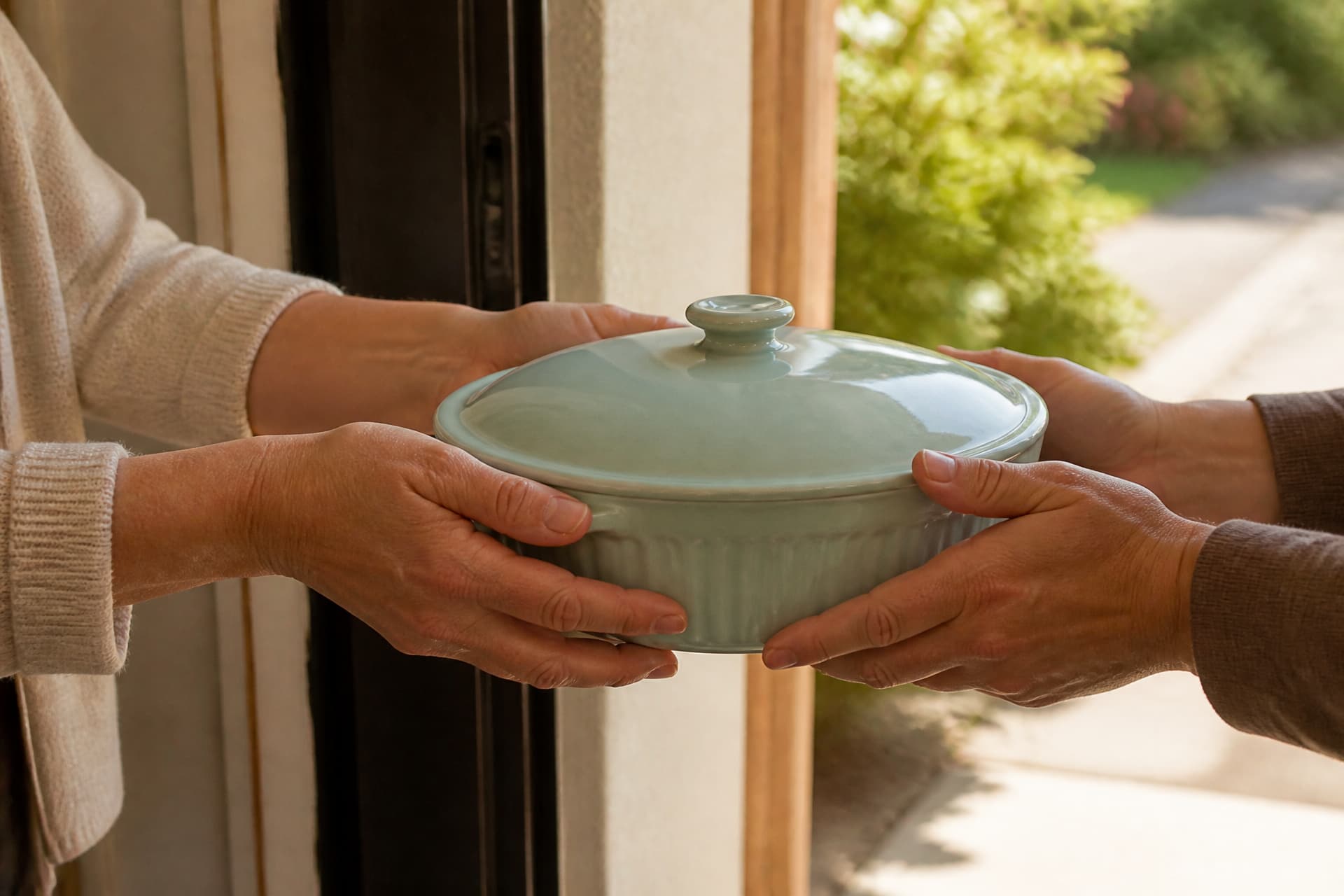
Food. The single most useful thing and the least often sent. Someone who has been at a veterinary clinic all day has not eaten. A delivered meal, a bag of groceries left on the step, or a box of something they like requires no decision from them.
Flowers or a plant. Ordinary and effective. A plant slightly outlasts flowers and does not require the recipient to find a vase on the worst day of their week.
A donation to a shelter or rescue in the animal's name. Especially strong when the animal was adopted, and it is the one gift that is never in poor taste. Send the confirmation, not just the intention.
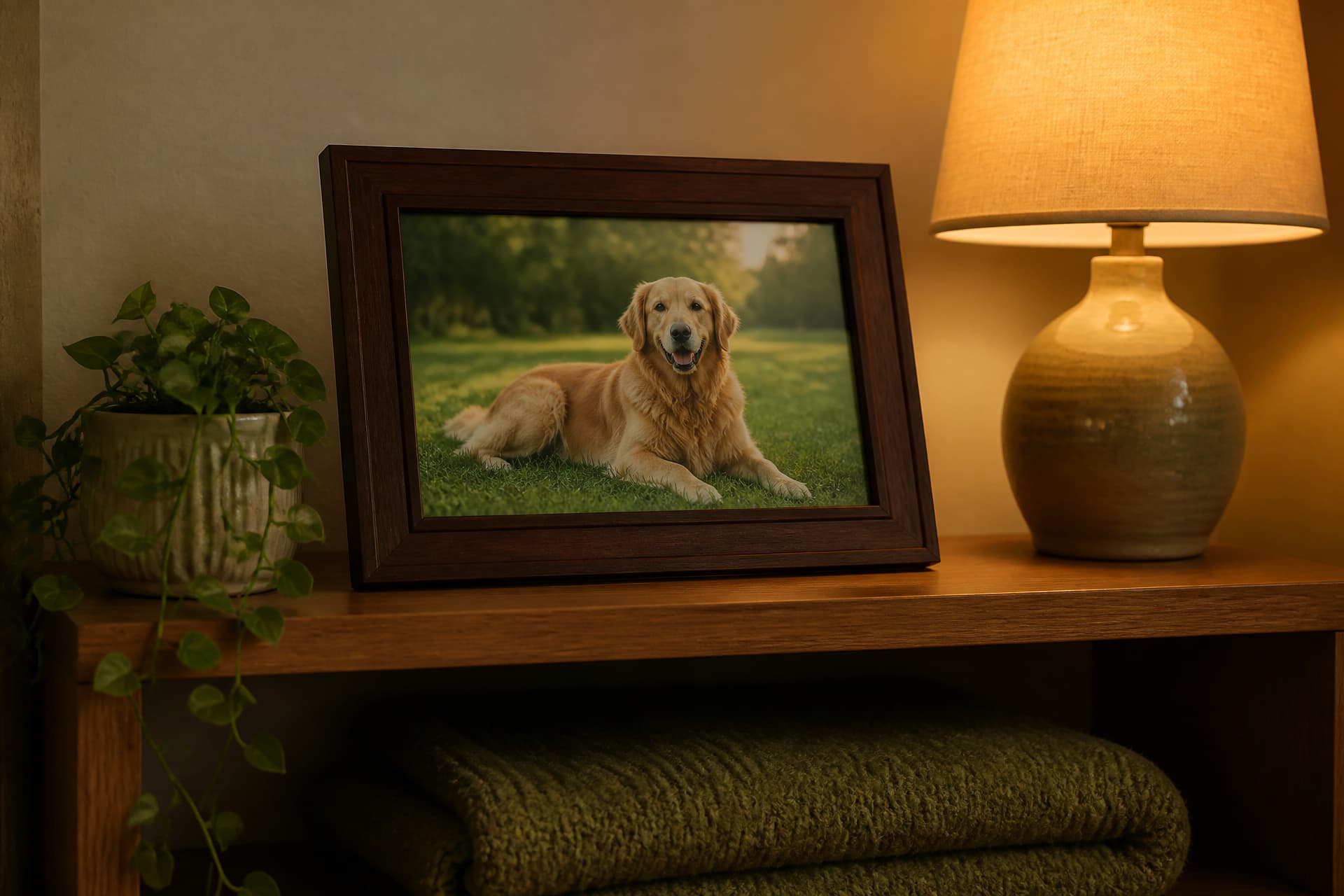
A photograph they already own, framed. If you have a picture of them with the animal, or can get one from someone who does, this is consistently the gift people describe keeping. It uses an image they have already made peace with rather than presenting them with a new one.
Your time, specified. Walking the surviving dog, driving them to the clinic to collect the ashes, taking the kids for an afternoon. Written down and offered as a date, not as "let me know."
What these have in common is that none of them requires a decision from the recipient. That is the test worth applying to any gift for pet loss in the first week: if opening it creates a task — a choice to make, a thank-you owed, a thing to find a place for — it is a second-window gift, however thoughtful.
Food is the most useful thing and the least often sent — someone who spent the day at a clinic has not eaten.
Keepsakes and Memorial Gifts
Once the immediate decisions are made, an object becomes welcome — and this is where most pet loss gift ideas actually belong rather than in week one.
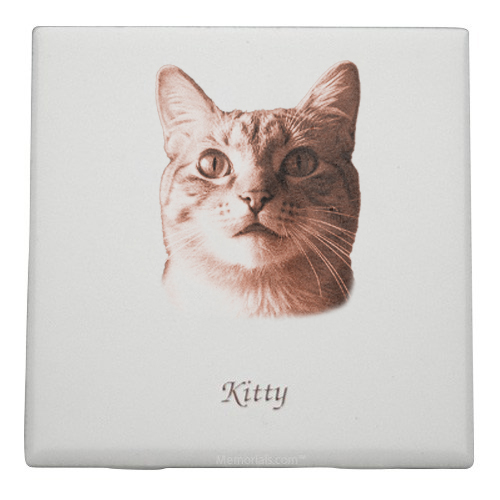
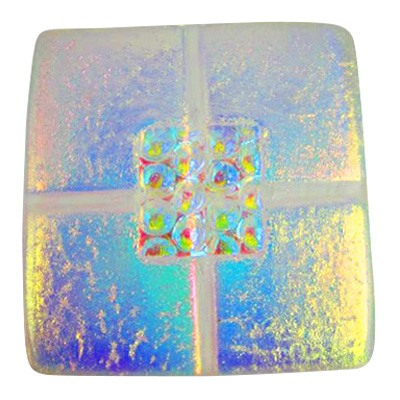
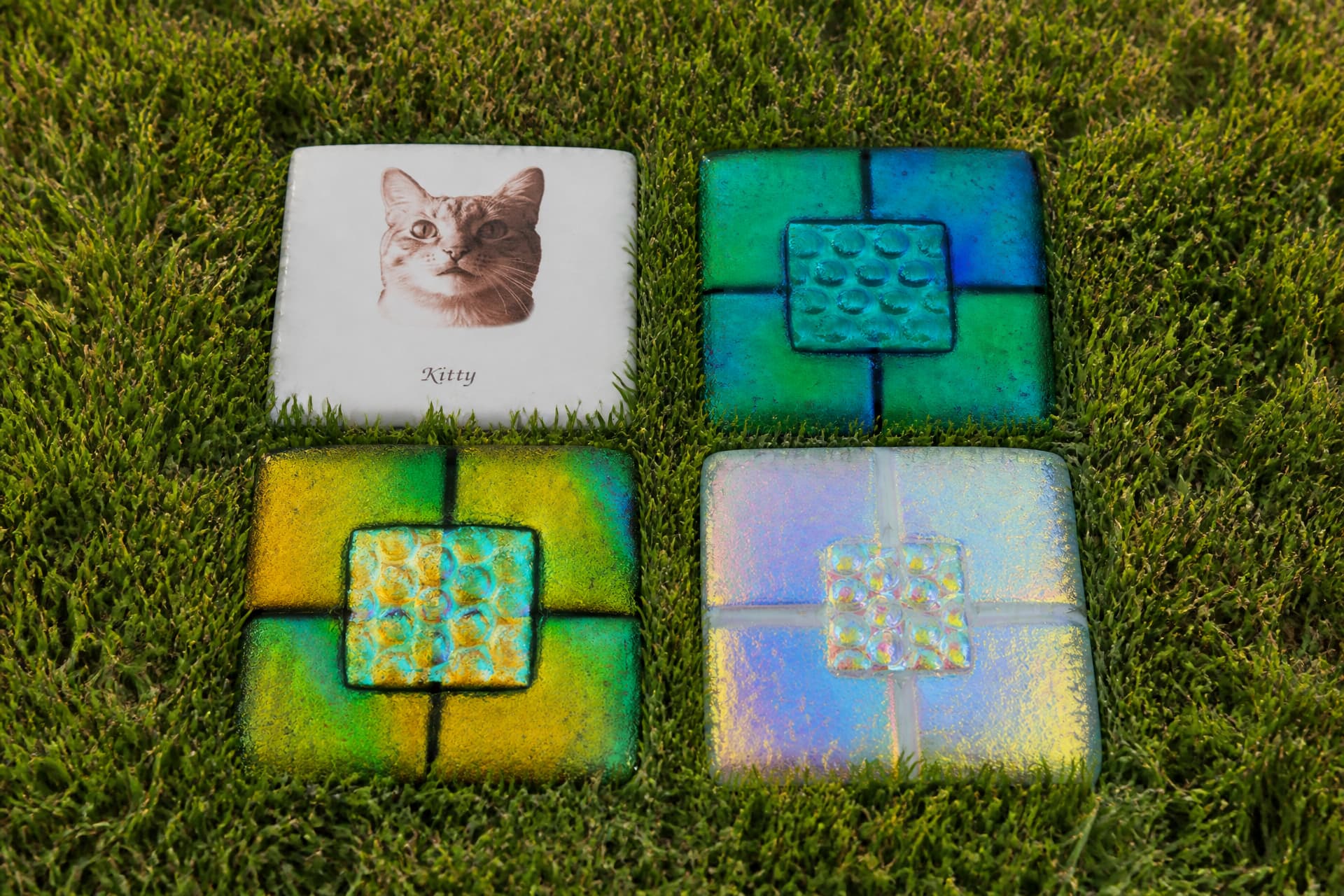
Personalized things carry the most weight, because the whole grief is about one specific animal rather than the category of animal. Unique pet memorial gifts covers the range: photo frames made for a pet picture, engraved tiles, paw print keepsakes, garden markers and memorial stones. Anything that carries the animal's name is doing the same job a good sympathy card does — insisting that this was somebody. Personalized pet memorial gifts outperform generic ones for exactly that reason, and the effect is not subtle: a stone reading "Bear" is a different object from a stone reading "Beloved Pet."
Jewelry is the other common direction, and it is more personal than it looks. Pet memorial jewelry includes pieces that hold a small portion of ashes and pieces that simply carry a paw print or a name. The ash-holding kind is a second-window gift by definition — it needs the cremation to have happened, and it needs to be something the person actually wants, which is worth establishing before buying.
A practical note on personalization: get the spelling from someone who knows it. An engraved keepsake with the animal's name misspelled is unfixable and memorable, and people are too polite to tell you.
There is a specific moment, usually one to three weeks after the death, when the ashes are returned. It is a small second bereavement and almost nobody outside the household knows it is happening.
If you know the date, that is the best possible time to send something, and it is the window in which an urn or a keepsake stops being presumptuous and becomes useful. Pet urns for ashes come in every size and material, though be careful here: the container for the ashes is usually a decision the owner wants to make themselves, and buying it for them can take away a small act of care they were looking forward to performing. Asking is not a failure of the surprise — "do you want help choosing something, or would you rather do that yourself?" is a kind question.
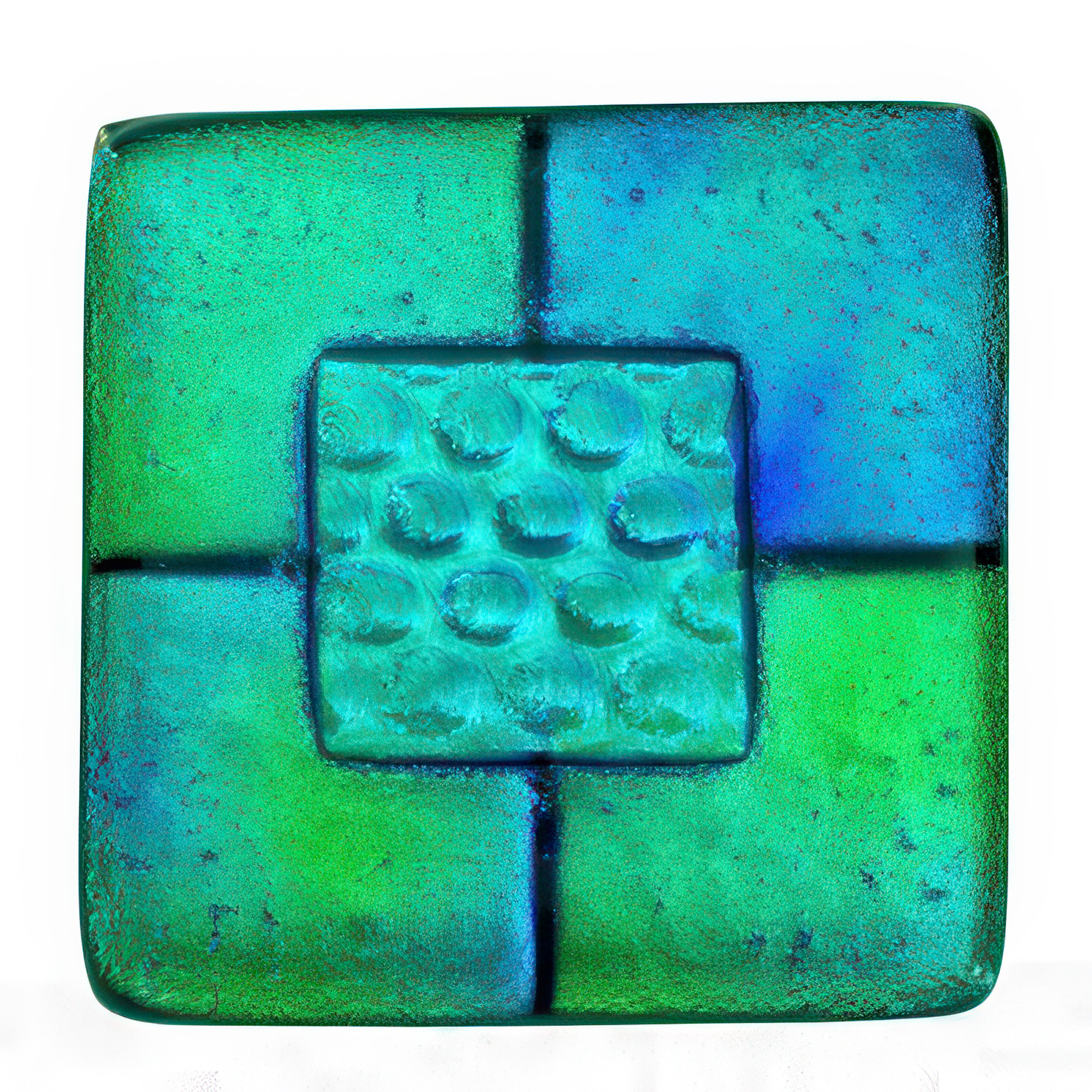
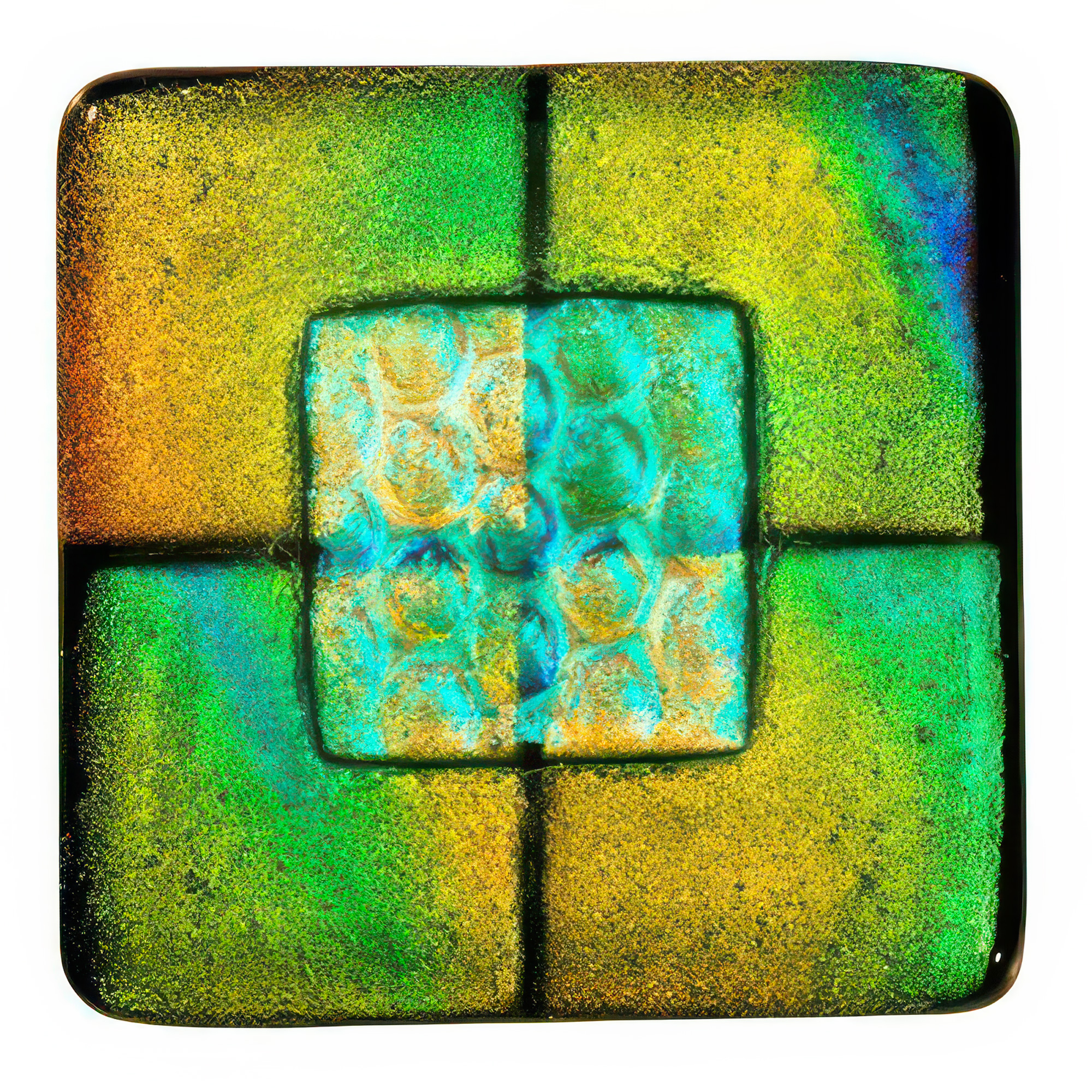
Safer at this moment: something that sits beside the urn rather than replacing the choice. A frame, a candle, a small plant, a stone for the garden.
One practical thing worth knowing, because it catches people out. Ashes usually come back in a plain sealed container inside a bag or a box — serviceable, and not something most people want on a shelf. Owners frequently do not realize they are expected to choose something else, and a gift that quietly solves that problem is genuinely useful. But it is also the moment to ask rather than assume: some people keep the plain container deliberately, and a few scatter within days and want nothing to keep at all.
Gifts for a Man Who Lost His Dog
Worth its own section because it is consistently badly served. Men are less likely to be asked how they are doing after a pet dies, less likely to be sent anything, and more likely to describe the loss as one they felt they had to minimize at work.
The gifts are not different. The framing is. Skip anything that reads as decorative and lean toward the functional and the specific: a good photograph framed simply, a leather keyring with the dog's name, a bench plaque, a tree. A donation in the dog's name to a working-dog or rescue charity lands well.
And say the thing out loud when you hand it over, because it is the part he is least likely to have heard: that it was a real loss and nobody expects him to be over it.
Group Gifts: an Office, a Family, a Team
The most common real-world case and the one no guide addresses. A workplace, a running club, a stable, a family group chat wants to send something together.
Ask one person close to them first. Some people find a card signed by twenty colleagues deeply touching; others find it mortifying to be the subject of an office collection. This is not predictable from outside, and the person who sits next to them knows.
Pool toward one good thing rather than several small ones. Four people sending four keepsakes produces clutter and an obligation to display all of it. One framed photograph, one substantial donation, or one memorial stone is better.
Send it from named people, not from "the team." A card signed with actual names is a set of individual acknowledgments; a card signed "Marketing" is a procedure.
Gifts That Can Land Badly
Every item here has been sent with genuine affection.
A new pet. Never, under any circumstances, as a surprise. Not a puppy, not a kitten, not "she'll come round once she meets him." It is the single most damaging thing on this list and it happens more than it should.
Anything engraved with a date nobody confirmed. Getting the year wrong on a permanent object is a lasting error.
A portrait or a painting, unrequested. Commissioned art from a photograph is a wonderful gift for some people and unbearable for someone who cannot yet look at pictures. Ask.
Anything that arrives before the body decision. Covered above, and it is the most common timing mistake.
A book about grief, unasked for. It can read as an instruction to process this faster.
Sympathy gifts intended for human loss. Check what you are sending. A grieving pet owner opening something clearly meant for a human bereavement feels the mismatch immediately, and the reverse is equally true.
What to Write on the Card That Goes With It
Short, and about the animal rather than the object. The gift does not need explaining and the card should not read like a receipt.
"Thinking of you and Bear. This is for whenever you're ready." That is enough. If you want examples sorted by how well you knew the person and the animal, the card guide linked above has the full set, and if you are going to see them rather than send it, what to say when someone loses a pet covers the spoken version.
When a Gift Is Not the Right Thing
Sometimes the honest answer is that an object is not what is needed, and choosing gifts for grieving pet owner situations well includes recognizing when the answer is not a gift at all.
If the person is not coping — weeks on, not eating or sleeping, not able to work — the useful thing is company and, if it goes on, a suggestion that help exists. Pet grief counseling covers hotlines and support groups, and grieving the loss of a pet is a better thing to send than an object.
And sometimes the right gift is nothing at all this week and a phone call in a month.
The third window is the one almost nobody uses, and it is the one people describe remembering — a year on, when everyone else has forgotten the date.
A gift sent in the wrong window does not offend; it simply waits, which is why timing matters more than budget here.
The test of a gift here is whether it will still be welcome in twelve months — which is why the late ones win.
Frequently Asked Questions
What is an appropriate gift for the loss of a pet?
In the first days: food, flowers, a donation in the animal's name, or a photograph they already own, framed. Later: something personalized with the animal's name. The distinction is timing rather than price.
Is it okay to give a gift instead of a card?
Send both if you can. A gift without a card leaves the recipient guessing at the sentiment, and the card is the part people keep. If you can only do one, send the card.
How much should you spend on a pet sympathy gift?
Less than you think. The gifts people describe keeping are photographs, plants and donations, not expensive objects. A meal delivered on the day costs little and is remembered.
Is it too late to send something a month later?
No — a month later is arguably the best moment. Sympathy arrives in a rush and then stops abruptly, and the second half of the first month is when most people describe feeling forgotten.
Should I donate to a shelter instead?
It is one of the strongest options, particularly if the animal was a rescue. Send the confirmation so they know it happened, and name the animal in the dedication.
What should I not send?
A replacement animal, anything engraved before the family has settled the details, an unrequested portrait, or anything designed for a human bereavement.
Something They Will Still Have Next Year
The best test of a gift here is whether it will still be welcome in twelve months. Food will have been eaten and flowers will have gone, and both did their job. A framed photograph, a stone in the garden, a name on something small — those are the things people describe still using, and they are almost always ones that arrived after the first two weeks rather than during them.
If you have already missed the first window, you have not missed anything. Send it now, put the animal's name in the card, and say you are still thinking about them.