🏬Supersize Online Funeral Retailer🪦1000's of Headstones⚱️Over 10,000 Cremation Urns⚰️Caskets Overnight Delivery🛒Funeral & Memorial Superstore🚚FREE Shipping on ALL Orders👨👩👧👦Helping Families for over 20 Years💰Lowest Price Guarantee🏬Supersize Online Funeral Retailer🪦1000's of Headstones⚱️Over 10,000 Cremation Urns⚰️Caskets Overnight Delivery🛒Funeral & Memorial Superstore🚚FREE Shipping on ALL Orders👨👩👧👦Helping Families for over 20 Years💰Lowest Price Guarantee
🏬Supersize Online Funeral Retailer🪦1000's of Headstones⚱️Over 10,000 Cremation Urns⚰️Caskets Overnight Delivery🛒Funeral & Memorial Superstore🚚FREE Shipping on ALL Orders👨👩👧👦Helping Families for over 20 Years💰Lowest Price Guarantee🏬Supersize Online Funeral Retailer🪦1000's of Headstones⚱️Over 10,000 Cremation Urns⚰️Caskets Overnight Delivery🛒Funeral & Memorial Superstore🚚FREE Shipping on ALL Orders👨👩👧👦Helping Families for over 20 Years💰Lowest Price Guarantee
You are about to see them — at the door in a minute, at work on Monday, on the phone as soon as you dial. Knowing what to say when someone loses a pet feels like a test you can fail, and the fear is specific: that there is a right sentence and you will miss it, or that you will say the thing everyone says and make it worse.
There is no right sentence. There is a short list of things that reliably help and a shorter list that reliably hurts, and the gap between a good response and a poor one is almost never eloquence. It is whether you named the animal and whether you tried to make the loss smaller. This page covers the spoken version — in person, on the phone, and by text. For the card or the written note, short message for loss of pet has messages you can copy, and the pet sympathy guide covers everything else.
Name and condolence. That is a complete response, and it is better than most of what people reach for instead. Three things make it work.
It uses the animal's name. "I'm sorry about your dog" is fine. "I'm sorry about Bear" is different, and the difference is that you are acknowledging somebody rather than a category. If you know the name, use it every time you refer to the animal for the rest of the conversation.
It does not qualify anything. No "but at least," no "well, he had a good life," no comparison to any other loss. The instinct to soften is strong and it is the instinct to resist.
It stops. Silence after a condolence is not a failure. Most people fill it, and most of what fills it is worse than the silence. Say the sentence and let them speak next.
If you want a second line, make it an offer with an edge on it — something specific enough to accept: "I'll walk Bella Thursday if that helps." "I'm bringing dinner Sunday, don't cook." Not "let me know if you need anything," which sounds generous and puts the work back on the person who has none left.
What to Say When Their Dog Dies, and When Their Cat Dies
The structure is identical; the details people want acknowledged are not.
When someone's dog dies, the absence is usually a routine. The walk that no longer happens, the door that no longer gets met, the alarm clock that no longer has a reason. What to say when someone's dog dies works best when it names one of those: "The house is going to be so quiet." "I keep thinking about your morning walks."
When a cat dies, the absence is more often a place. The end of the bed, the windowsill, the chair nobody else was allowed to sit in. "I keep expecting to see him on the stairs" lands the same way.
If you knew the animal at all, one concrete detail beats every adjective available to you. Not "he was such a good dog" but "he used to bring me a shoe every single time I came over." Specificity is the whole technique, and it is the thing that separates what you say from what a card says.
If you did not know the animal, you can still be specific about the person: "You two were inseparable." "I know he was the reason you got up in the morning."
There is one difference worth knowing about how the two losses are treated by everyone else. Dog owners are usually offered more sympathy, because the routine is visible — colleagues knew about the walks, neighbors saw them out. Cat owners more often report that nobody registered it happened at all. If you are the person who noticed, say so explicitly: "I know not everyone gets how big this is. I get it."
And if the animal was neither — a rabbit, a guinea pig, a horse, a bird — say the species out loud rather than defaulting to "your pet." People who lose a small animal spend the first week braced for someone to imply it does not count, and using the name of the animal is the fastest way to signal that you are not about to.
A hand on an arm does more than most sentences; when you cannot find words, proximity is a complete answer.
Saying It Over Text
Text is not a lesser channel here — it is often the right one, because it does not demand an immediate performance from someone who has been crying. But it has its own rules, and what to say to someone who lost a pet over text is a genuinely different problem from saying it out loud.
Keep it shorter than you think. Two sentences. The message is a signal that you know and you care, not a conversation opener.
Do not ask a question. "How are you doing?" obliges a reply, and replying is work. "Let me know if you want to talk" is better because it is declinable. Best is a statement that needs nothing back: "Thinking about you and Bear today. No need to reply."
Send it now. A text the hour you hear beats a considered message four days later. If you have already left it four days, send it anyway and say so.
Do not send a photo unprompted. A picture of the animal can be the kindest thing anyone does or the thing that ends their evening, and you cannot tell which from outside. Offer instead: "I have a couple of photos of him from the summer — want me to send them, or keep them for later?"
Saying It at Work
The workplace version has a constraint the others do not: the person has chosen to be there, and they may be there specifically to not think about it. Whatever you say has to leave them a way back to normal within about ten seconds.
Short, once, and near the start of the day rather than at the end of it: "I heard about Bear. I'm really sorry." Then let them steer. If they want to talk, they will. If they say "thanks" and turn to their screen, that is the answer and it is not rudeness.
Two things help more than any sentence. Absorb something. If you can take a meeting, cover a shift, or push a deadline without making it a discussion, do it and mention it in one clause: "I moved the Thursday call, don't worry about it." Practical cover is the workplace dialect of sympathy.
Do not organize anything without asking. A card circulated around the office is lovely for some people and mortifying for others, and the difference is not predictable from outside. Ask one person close to them, or ask them directly: "Would a card from the team be welcome, or would you rather we didn't?"
And do not raise it in front of a group. A quiet word at their desk is a kindness; the same words in a standup are an ambush that requires them to perform composure for eight people.
Saying It at the Vet's Office
If you work in veterinary practice, you are often the last person who saw the animal alive and the first person the family sees afterward, and they will remember what you said for a very long time.
Keep it short and unmistakably specific. "I'm so sorry. Scout was a favorite here." Use the animal's name, use a detail if you have one, and do not narrate the medicine unless you are asked. Families in that room are not receiving information; they will not retain it.
Two things practices get wrong. The first is clinical distance — "I'm sorry for your loss" delivered at the desk while processing a payment reads as procedure. The second is the opposite: a long explanation of why the outcome was inevitable, which the family hears as a defense nobody asked for.
If the practice sends a card afterward, have the people who actually treated the animal sign it by name rather than the clinic. That single change is the difference between a form and a message.
What to Say About a Euthanasia Decision
This is the hardest version and the one nobody prepares for. If the animal was put down, the person is very likely carrying a specific, unshareable worry: that they did it too soon, or waited too long, or did it for their own convenience.
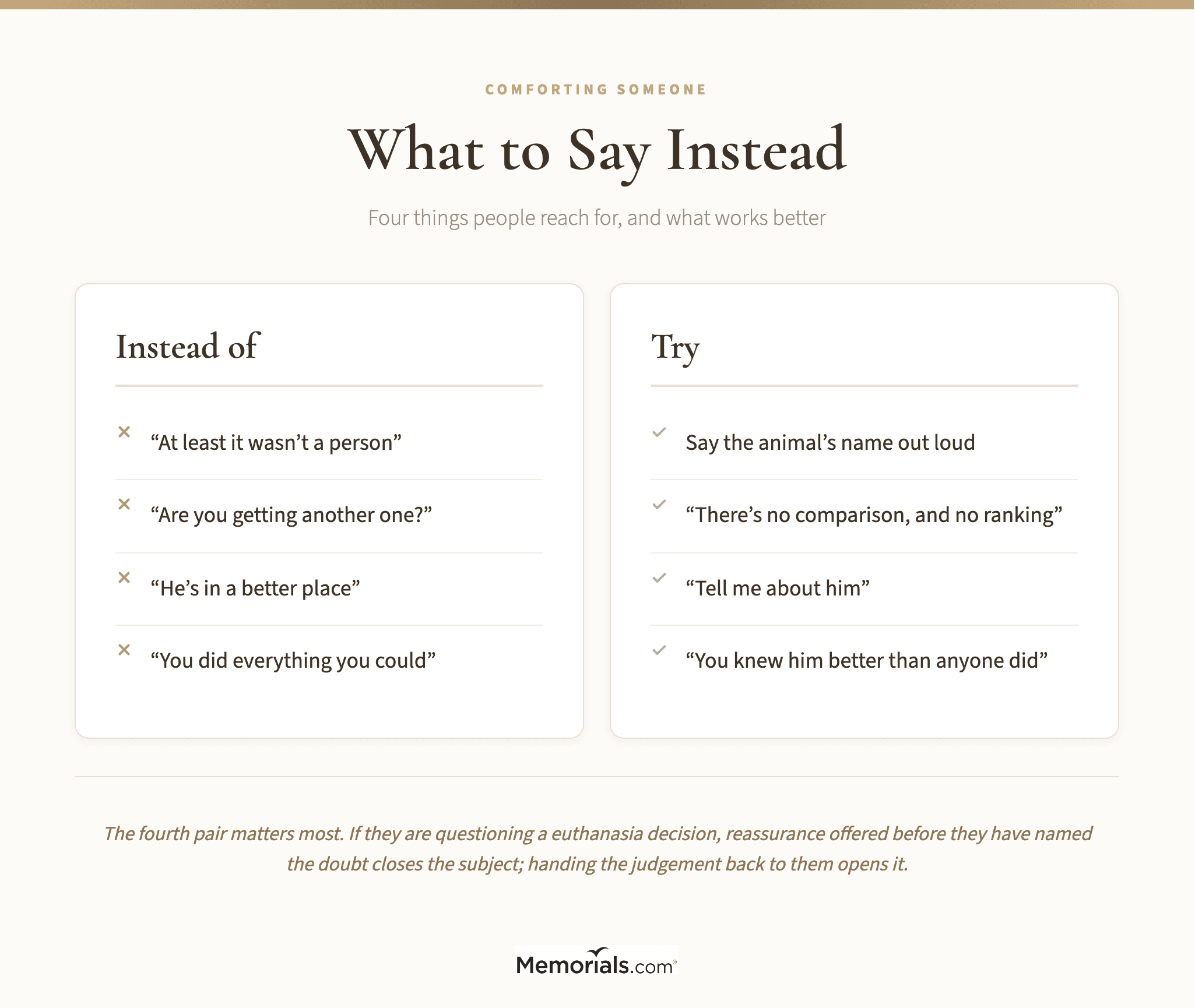
Do not reassure them before they have told you what is wrong. "You did everything you could" is meant kindly and often lands as a lid being put on the subject. If they have not raised the doubt, you saying the counter-argument tells them the doubt is visible.
What works is making room without prescribing:
"How are you feeling about the decision?" — only if you have the time to hear the answer.
"That must have been an awful call to have to make."
"You knew him better than anyone did."
That last one is the strongest thing you can offer a person second-guessing a euthanasia decision, because it is both true and not a verdict. It hands the judgment back to the only person qualified to make it.
If they are still in the deciding phase rather than the aftermath, when to put a dog down is a more useful thing to send them than any sentence you can produce.
Each phrase on the left fails the same way — it resizes the loss — and each replacement works because it leaves the size of the loss entirely up to them.
When the First Thing You Said Landed Badly
Every other page on this subject gives you lines to use. None of them tells you what to do at the moment you watch a line fail, which is where people actually get stuck — and it is why so many go quiet afterward and never come back to the subject.
You will know. Their face closes, or they say "yeah" in a flat voice, or they change the subject in a way that is not subtle.
Name it immediately and simply. "Sorry — that came out wrong." Not a paragraph, not an explanation of what you meant. The apology is doing one job: showing you noticed. That alone repairs most of it.
Do not defend the sentence. "I only meant that at least he wasn't in pain" is a second attempt at the thing that failed, and it converts an awkward moment into an argument the grieving person now has to manage.
Do not go silent for a week. This is the real damage — not the clumsy sentence, but the three weeks of avoidance that follow it because you are embarrassed. Send a short text that evening. "I said the wrong thing earlier and I've been thinking about it. I'm sorry about Bear. I'm around whenever."
The person who says something clumsy and comes back is remembered better than the person who said nothing at all. Learning how to comfort someone who lost a pet is mostly learning that recovery is available and that awkwardness is survivable.
The clumsy sentence is rarely the damage. The three weeks of avoidance that follow it, out of embarrassment, are.
What Not to Say
Every item here is well-meant. That is exactly why they persist.
"At least it wasn't a person." The most common, the most resented, and the one people remember years later. There is no version of this that helps.
"Only a dog." "Just a cat." Even affectionately, even self-deprecatingly about your own feelings.
"Are you getting another one?" Not now, not for months, not as a way of looking forward. It reads as: replace the thing you are crying about.
"He's in a better place." Fine if you know their beliefs and know they would find it comforting. A guess otherwise, and a guess that can land as a dismissal.
"At least you had a good run." True, useless, and it is a consolation about the past aimed at a person in the present.
"I know exactly how you feel." You do not, and it moves the subject to you. "I lost mine two years ago and it wrecked me" is better, because it offers company rather than equivalence.
Anything with a timeline. "It gets easier after a few weeks" is a deadline they did not ask for.
The pattern underneath all of them is the same: each one tries to resize the loss. What to say when a pet dies works when it lets the loss be exactly the size the person is experiencing it.
What to Say to a Child Whose Pet Died
Briefly, because this deserves more room than a section: use the word "died." Not "went to sleep," not "we lost her," not "went away." Soft words are well-intentioned and they reliably produce a child who is frightened of bedtime or waiting for the cat to come home.
Answer what is asked and stop. Expect the same question again in a week, and answer it the same way. Let them mark it somehow — a drawing, a stone in the garden, saying something at a burial.
The published guide to how to help a child deal with a pet's death covers the conversation properly, including what to do about seeing the body and what children understand at what age.
The hardest hours are not the day it happens but the ordinary ones afterward, when the house keeps the shape of an animal that is not in it.
When They Do Not Want to Talk
Some people want to tell you the whole story twice. Some want you to say nothing and change the subject, and both are normal.
Take the signal at face value. If they answer in one word, do not fish. "Understood — I'm around" and then talk about something else is a kindness, not a retreat.
Then come back. The pattern that helps most is not intensity in the first week; it is somebody still mentioning the animal in a month, when everyone else has moved on. That is the point at which most grieving pet owners describe feeling like they should be over it. A message on the anniversary, or the first time you notice the empty spot, is worth more than anything you said on day one.
If it goes on and they are not functioning — not eating, not sleeping, not working, weeks on — pet grief is a real and treatable thing, and there is help specifically for it. Suggest it gently and once. Pet grief counseling covers hotlines and support groups, and if you are watching someone struggle, grieving the loss of a pet is a better thing to send than advice of your own.
If You Want to Do Something as Well as Say Something
Words and objects do different jobs, and the timing rule is worth knowing: nothing permanent in the first days. The family may not have decided on cremation or burial yet, and an engraved keepsake arriving before that decision can read as pressure rather than sympathy.
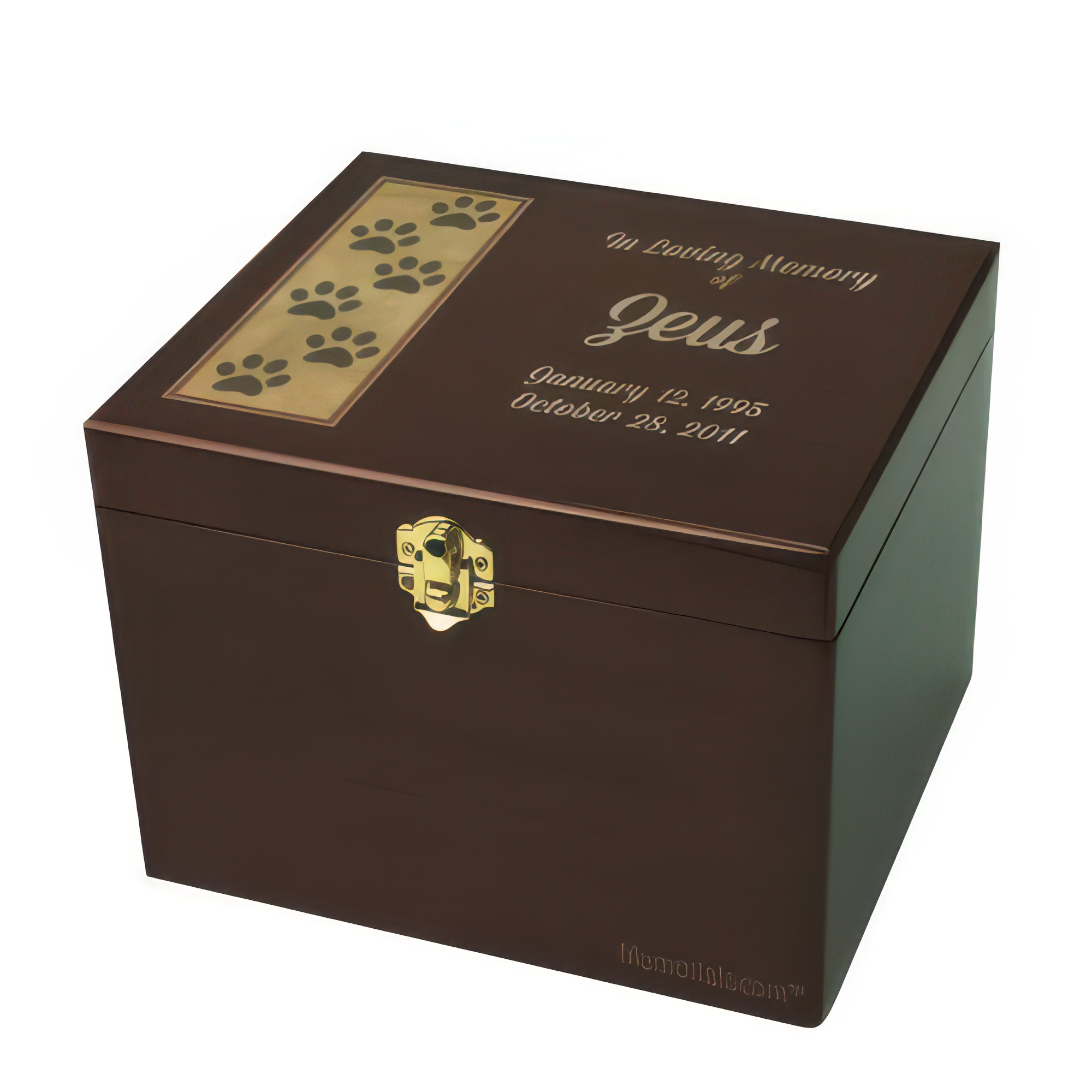
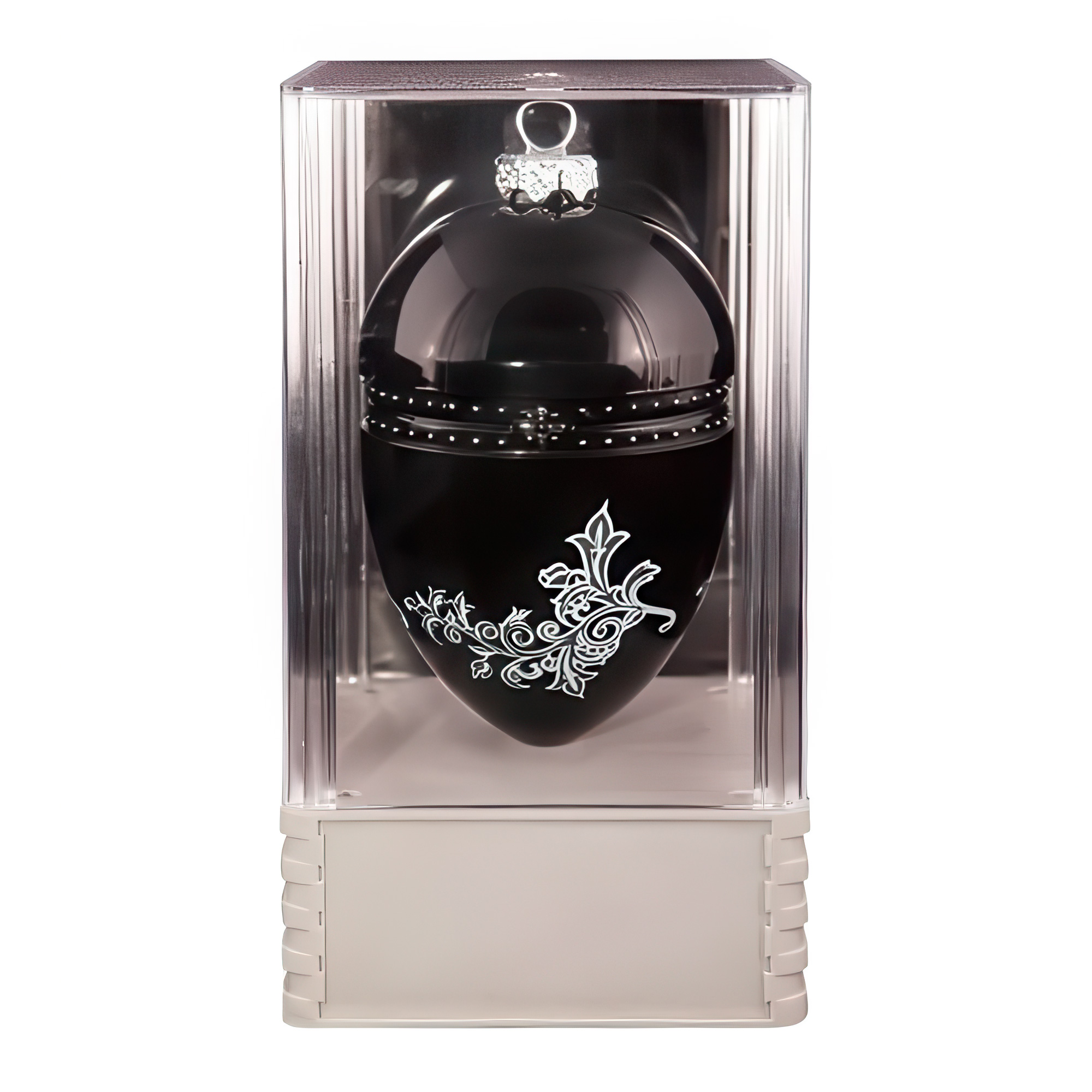
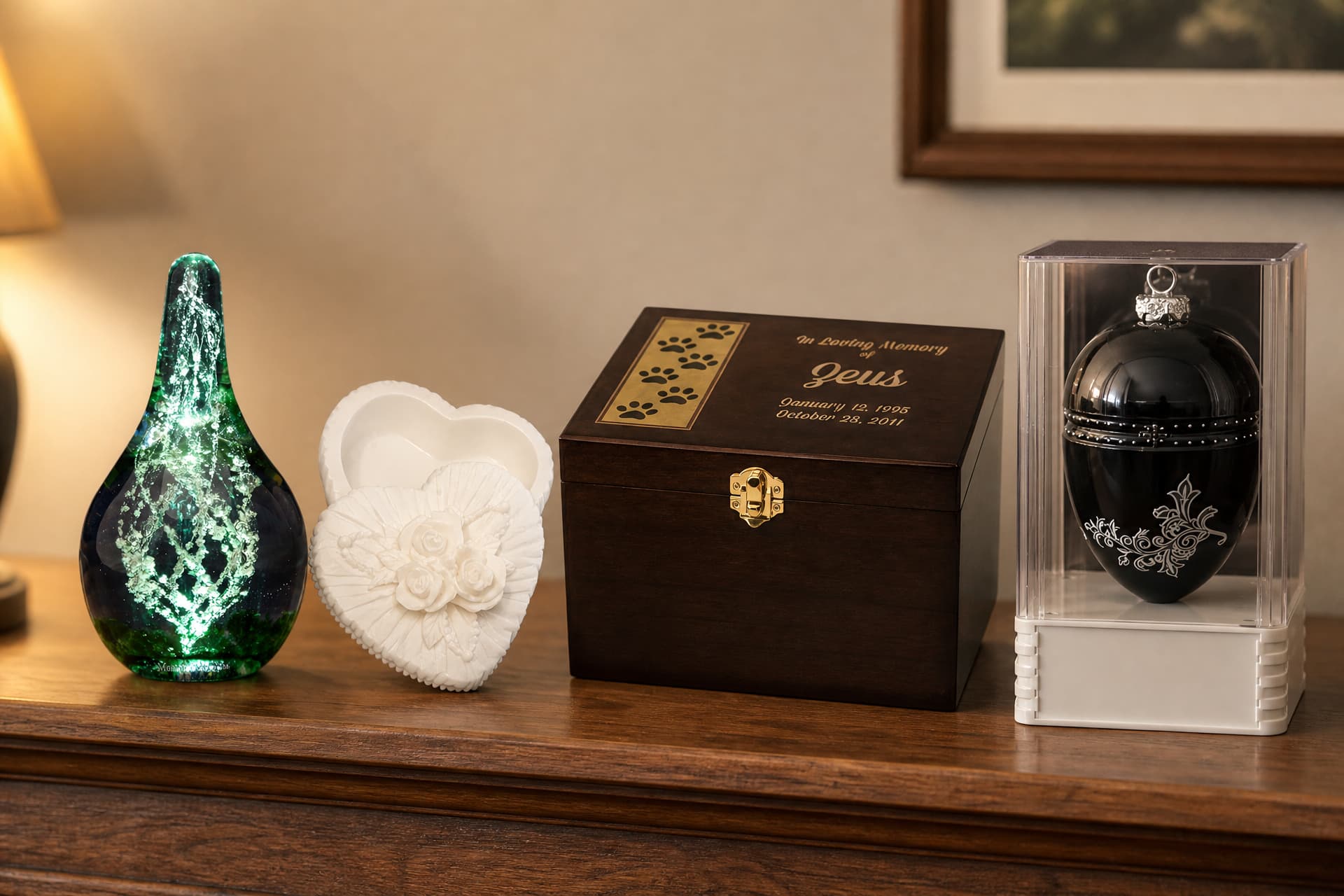
Later — once the ashes are home, or weeks on when the cards have stopped — something lasting is welcome. Personalized pet memorial gifts run from small keepsakes to garden stones. If the family is choosing what to keep the ashes in, urns for pet ashes come in every size and material, and that is their decision to make unhurried rather than a gift to spring on them. For the full question of what helps and what backfires, gift for loss of pet goes through it properly.
If there is a service or a burial and you have been asked to speak, dog eulogy examples has full examples to adapt. And if you are looking for a line for a frame or an engraving rather than a conversation, soulmate dog love quotes collects short ones that fit.
"I'm so sorry about [name]." Use the animal's name, do not qualify the loss, and offer one specific thing you will actually do. That is the complete answer, and adding to it usually makes it worse rather than better.
Is it okay to text instead of calling?
Yes, and often better. A call demands that they be able to speak; a text does not. Keep it to two sentences, do not ask a question that requires a reply, and send it the day you hear rather than composing something better for a week.
Should I mention the pet by name?
Always, if you know it. It is the single highest-value thing you can do, and its absence is noticeable — "sorry about your dog" reads as a form response even when it is not.
What do you say to someone who had to put their pet down?
Do not lead with reassurance. "That must have been an awful decision to have to make" opens the door; "you did the right thing" closes it before they have said what they are worried about. If they raise the doubt, "you knew him better than anyone did" is the most useful sentence available.
How long should I wait before asking how they are?
A week is a reasonable first check-in, and a month is when it matters most. The common failure is not asking too early — it is asking once, in the first two days, and never again.
What if I already said the wrong thing?
Say "that came out wrong, I'm sorry" as soon as you notice, and do not explain what you meant. Then do not disappear. Coming back is what people remember.
You Do Not Have to Say the Right Thing
The fear that sends people to this page is that there is a correct sentence and they are going to miss it. There is not, and nobody who is grieving is grading you.
What they will remember is whether you said the animal's name, whether you let the loss be as large as it is, and whether you were still mentioning it a month later. Those are all available to you and none of them requires being good with words. What to say to someone who lost their dog is, in the end, almost always some version of: I know who he was, I am sorry, and I am here.
Say it badly and early rather than perfectly and never.