🏬Supersize Online Funeral Retailer🪦1000's of Headstones⚱️Over 10,000 Cremation Urns⚰️Caskets Overnight Delivery🛒Funeral & Memorial Superstore🚚FREE Shipping on ALL Orders👨👩👧👦Helping Families for over 20 Years💰Lowest Price Guarantee🏬Supersize Online Funeral Retailer🪦1000's of Headstones⚱️Over 10,000 Cremation Urns⚰️Caskets Overnight Delivery🛒Funeral & Memorial Superstore🚚FREE Shipping on ALL Orders👨👩👧👦Helping Families for over 20 Years💰Lowest Price Guarantee
🏬Supersize Online Funeral Retailer🪦1000's of Headstones⚱️Over 10,000 Cremation Urns⚰️Caskets Overnight Delivery🛒Funeral & Memorial Superstore🚚FREE Shipping on ALL Orders👨👩👧👦Helping Families for over 20 Years💰Lowest Price Guarantee🏬Supersize Online Funeral Retailer🪦1000's of Headstones⚱️Over 10,000 Cremation Urns⚰️Caskets Overnight Delivery🛒Funeral & Memorial Superstore🚚FREE Shipping on ALL Orders👨👩👧👦Helping Families for over 20 Years💰Lowest Price Guarantee
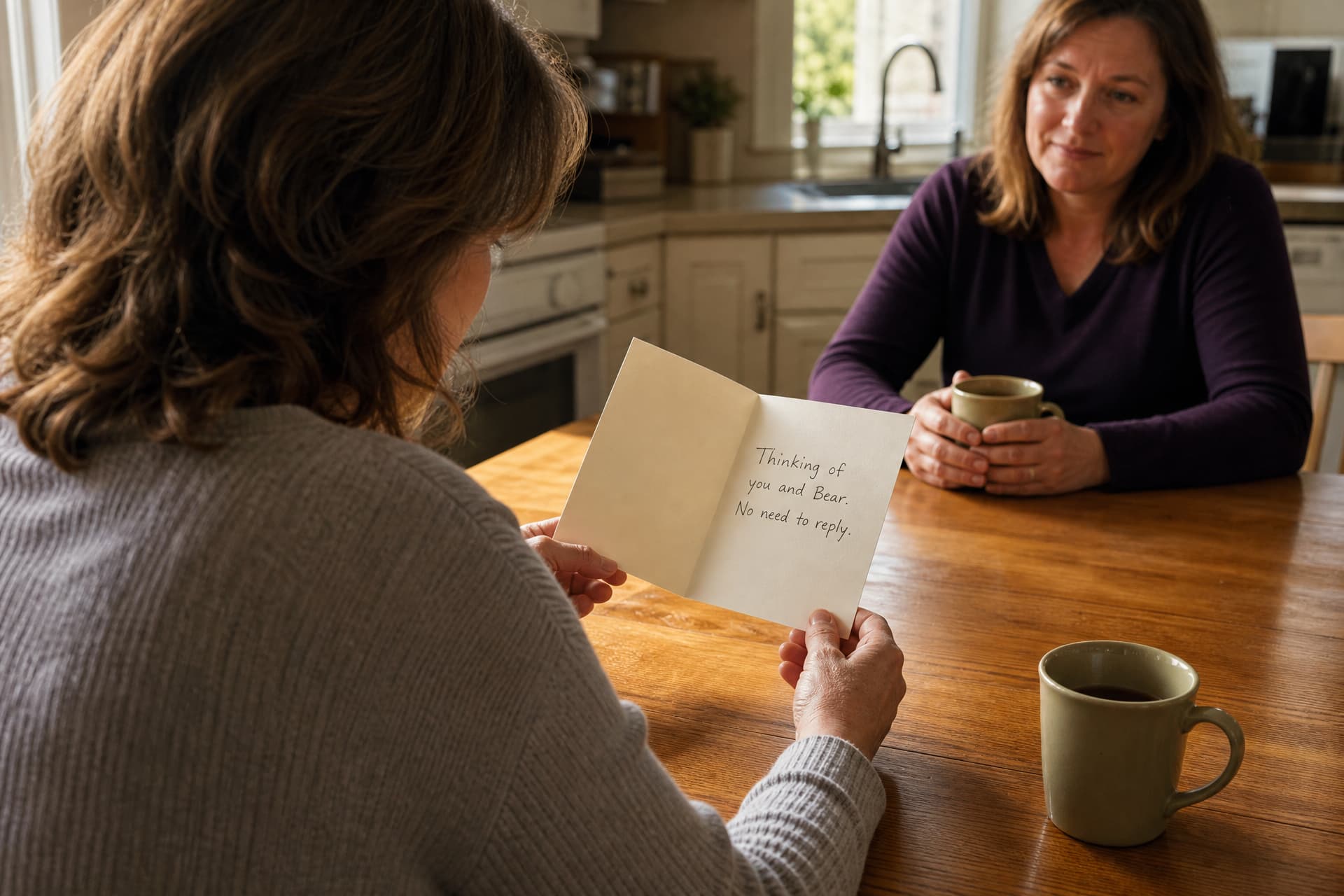
The card has been open on the table for ten minutes and you still have nothing. That is the ordinary experience of this, and it is worth saying plainly at the start: a short message for loss of pet is not a lesser version of a long one. It is usually the better one. The notes people keep are almost never the eloquent ones. They are the ones that named the animal and did not try to explain the loss away.
What follows is sorted by who you are to the person — a close friend, a coworker, a neighbor, a relative who never quite understood the dog, or a veterinary practice writing to a client. That distinction changes what you can say more than tone does. If you want the wider picture of what to say and send when someone's pet dies, the pet sympathy guide covers the whole ground.
Three things, and none of them takes more than a sentence.
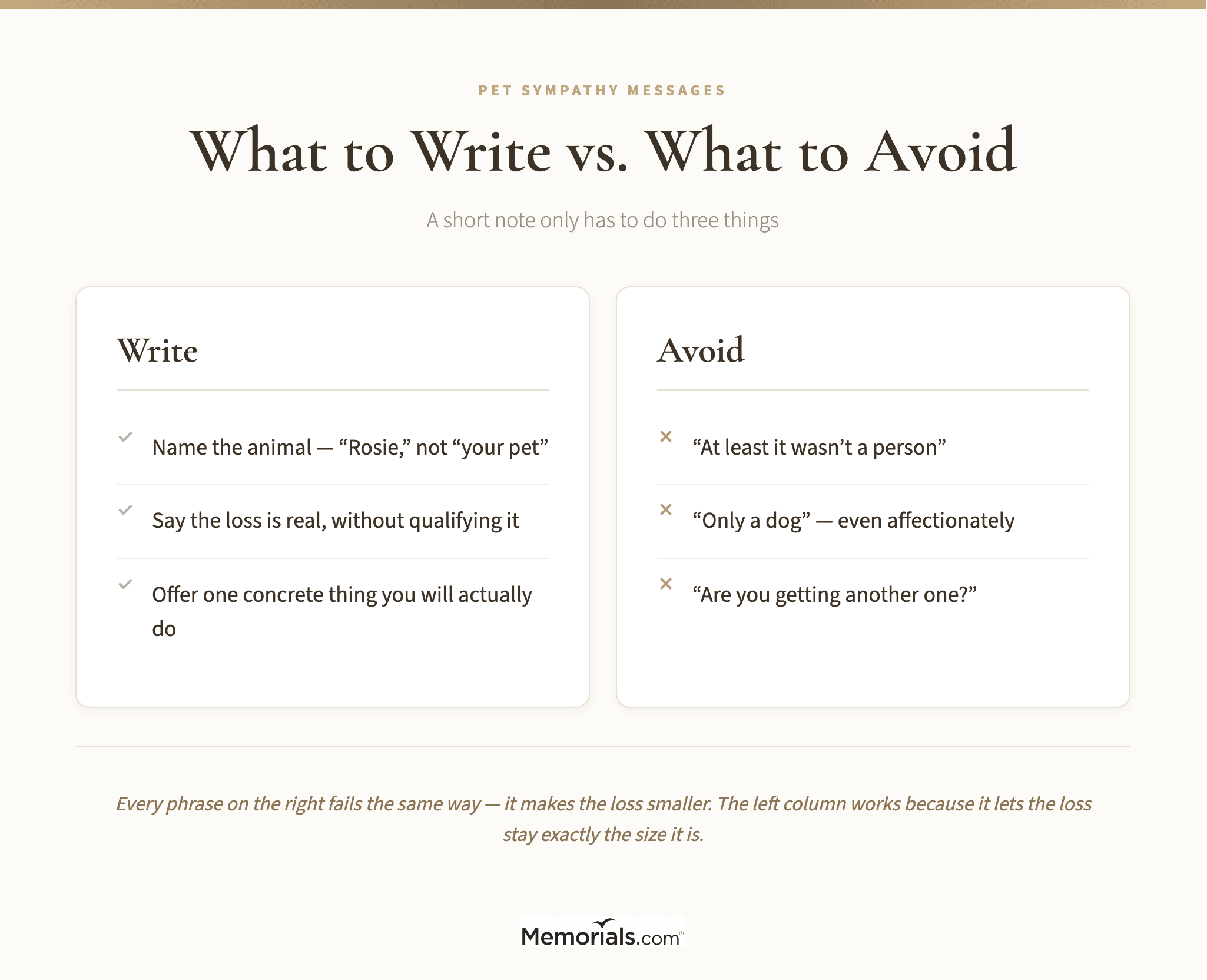
Name the animal. Not "your pet" — Rosie, Bear, Maggie. Using the name is the single clearest signal that you saw the animal as somebody rather than something. It costs you nothing and it is the detail people remember years later.
Say the loss is real. You do not have to rank it, compare it, or find a silver lining. "I'm so sorry" is complete. Most bad pet sympathy messages go wrong by trying to do more than this.
Offer one concrete thing. Not "let me know if you need anything," which puts the work back on the grieving person. One specific offer they can accept or ignore: I'll walk Bella Thursday, I'm dropping food off Sunday, I'll come sit with you.
That is the whole structure. Everything below is a variation on it.
These work as written. Change the name and the pronoun and you are done.
"I'm so sorry about Rosie. Fourteen years is a whole era of your life, and she was in every part of it."
"He was a very good boy and he was very well loved. I'm so sorry."
"I keep thinking about Bear. I'm so sorry. I'm around this week if you want company."
"There's no comparison and no ranking. You lost family. I'm sorry."
"I'm so sorry about Maggie. She was lucky to have you, and I know that isn't much comfort right now."
"Thinking of you. You gave her a good life and a gentle ending."
"I don't have the right words for loss of pet like this one. I just didn't want to say nothing."
That last one is worth keeping in your pocket. Admitting you have no script is more honest than reaching for one, and it never lands badly.
You will also see cards that say the animal "crossed the rainbow bridge." The pet rainbow bridge is a real reference with a real history rather than a greeting-card invention, and it comforts a great many people — but use it only if you know the person already uses that language themselves. Borrowed imagery in someone else's card can read as a stock phrase, which is the one thing a short note cannot afford.
If you want something shorter still — a text, a message under a photo — four or five words carry more than you would expect. "Bear was the best." "I'm so sorry about Rosie." "She was so loved." Send it now rather than composing something better for three days.
What to Write in a Pet Sympathy Card, by Who You Are
Every other guide sorts pet sympathy messages by tone — short ones, religious ones, funny ones. That is not the problem you have. The problem is that you are the coworker, or the neighbor, or the sister who once said the dog was spoiled, and what you can honestly write depends entirely on that. So: what to write in a pet sympathy card, sorted by who is holding the pen.
A Close Friend
You have permission to be specific, and specificity is the whole thing. You knew this animal.
"I'm going to miss him too. I keep expecting him at the door when I come over."
"Fifteen years of that ridiculous face. I'm so sorry, and I loved him."
"You did everything right, including the last part. I'm so sorry."
Writing a sympathy card for loss of dog you knew personally is the one case where a memory beats a sentiment. One line about something the animal actually did — the way he greeted you, where he slept, the thing he always stole — will outlast every kind adjective you could reach for.
A Coworker
Warmth without intimacy. Short is correct here, not cold.
"I heard about Duke. I'm so sorry — I know how much he meant to you."
"Thinking of you this week. No need to reply to this."
"So sorry to hear about your cat. Take the time you need; we've got things covered."
That last line matters more than the sentiment. If you are in a position to absorb some of their work, saying so is the most useful sympathy card for loss of pet you can send.
A Neighbor
You probably knew the animal by sight and not much else, and that is enough to write from.
"I'll miss seeing Milo in the window. I'm sorry — he was part of the street."
"I'm so sorry about your dog. He always made my morning."
A Family Member Who Was Not Close to the Pet
This is the hardest one, and the honest move is not to pretend. Write about the person instead of the animal.
"I know how much she meant to you, and I'm sorry."
"I didn't know Pip the way you did, but I know what he was to you. I'm sorry."
Do not use this card to note that you were never a dog person. It is a real temptation and it lands as a correction at the worst possible moment.
From a Veterinary Practice
Veterinary sympathy card messages have their own register, and it is a genuinely different job. The practice is often the last place the animal was alive and the family remembers who signed the card. Keep it brief, professional, and unmistakably personal.
"We were so sorry to say goodbye to Luna. Thank you for trusting us with her care."
"It was a privilege to look after Scout for eight years. Our thoughts are with your family."
"We are all thinking of you. Scout was a favorite here."
Sign it with the names of the people who actually treated the animal rather than the clinic name alone. That single change is what turns a form card into pet condolences the family keeps.
When You Did Not Know the Pet — or Its Name
This is the situation that stops most cards from being sent at all, and no other guide addresses it. You heard secondhand. You do not know whether it was a dog or a cat, how old it was, or what it was called.
Write anyway, and be straightforward about what you do not know.
"I heard you lost your dog this week. I'm so sorry — I wish I'd met him."
"I don't know the details and I don't need to. I'm sorry, and I'm thinking of you."
"I'm so sorry for your loss. I know how much your cat meant to you."
The alternative — waiting until you can find out the name, then never sending anything — is the outcome to avoid. Condolences for pet loss sent late and vague beat condolences never sent. If you learn the name afterward, use it next time you speak.
What Not to Write
A short list, because these are the ones that actually cause damage. Every one of them is well-meant.
"At least it wasn't a person." Never. This is the single most common thing said and the single most resented.
"Only a dog." Or "just a cat." Even affectionately. Even as a joke.
"Are you getting another one?" Not in the card, not for months. It reads as replace the thing you are crying about.
"He's in a better place." Fine if you know they would find it comforting. A guess otherwise.
"At least you had a good run." True and useless.
"You did everything you could." Careful. If they are questioning a euthanasia decision, this can sound like reassurance offered before they have said what is wrong.
A timeline of any kind. No version of "you'll feel better in a few weeks" helps.
The pattern is that all of them try to resize the loss. Sympathy messages for loss of pet work when they let the loss be exactly the size it is.
The left column works because each item lets the loss stay the size it is; every phrase on the right shrinks it, which is why well-meant cards so often sting.
A card is enough on its own. If you want to send something with it, the timing matters more than the object.
In the first days, nothing permanent. The family may not have decided on cremation or burial yet, and an engraved keepsake that arrives before that decision is made can land as pressure. Food, flowers, or a donation to a shelter in the animal's name are safe in a way that objects are not.
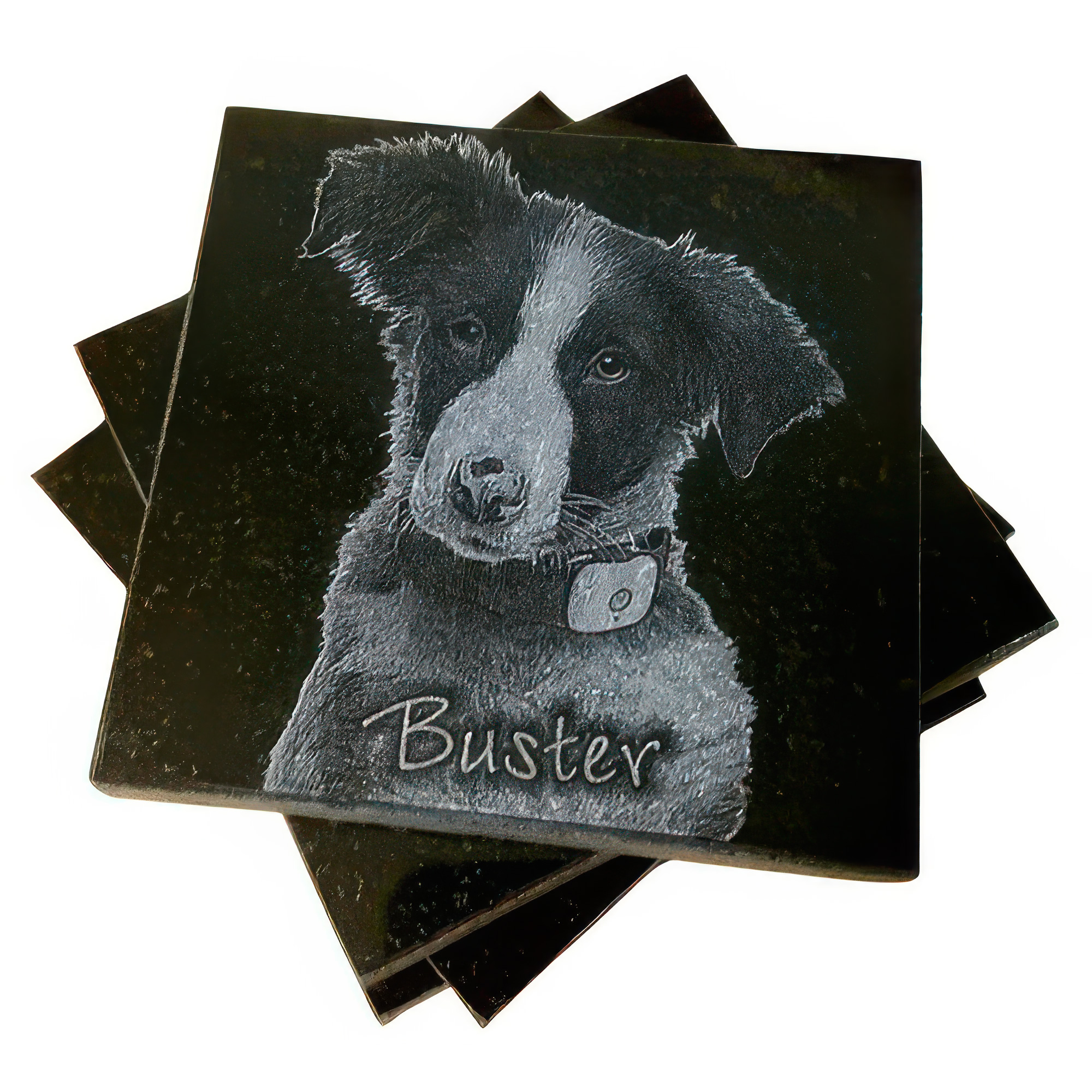
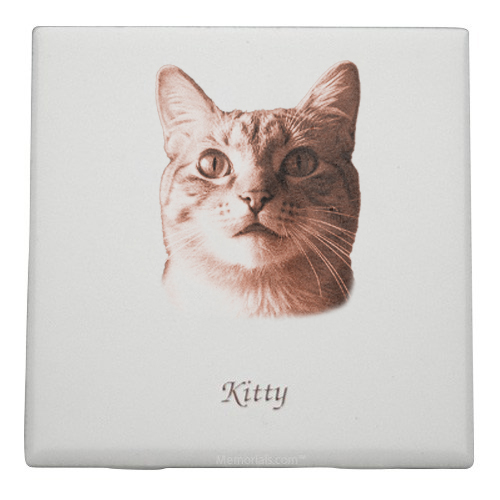
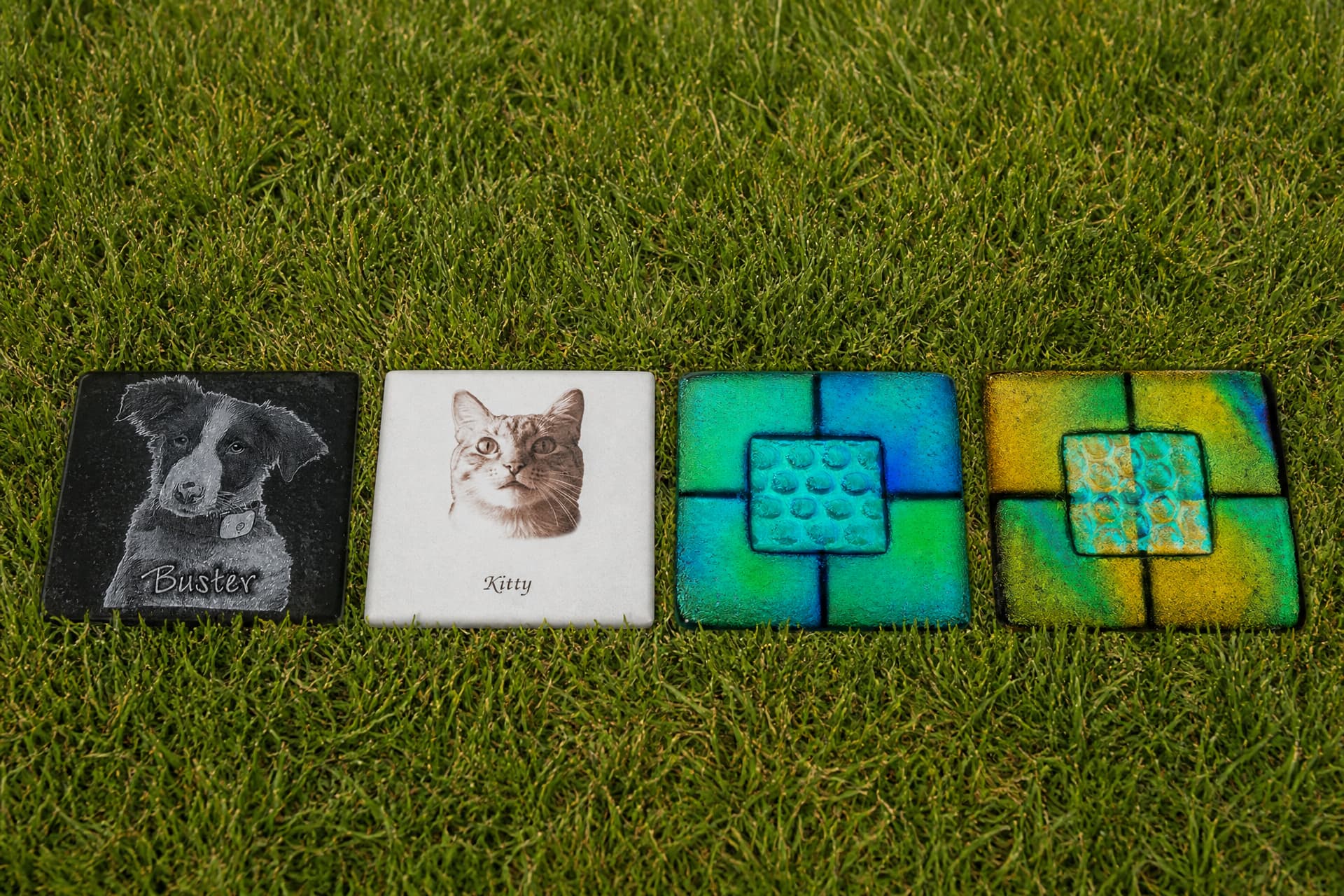
Later — once the ashes are home, or a few weeks on when the cards have stopped — something lasting is welcome. Framed photographs, paw print keepsakes and engraved plaques all work; for a dog specifically, dog memorial gifts run from small keepsakes to garden stones, so there is something at every budget. If you are considering what to send rather than what to write, gift for loss of pet covers the whole question, including the things that land badly.
Not everything belongs in a card. If you are going to see this person — at work Monday, at their door tonight — the spoken version is a different problem with a different register, and what to say when someone loses a pet covers it, including what to do when the first thing you said landed wrong.
For a service or a burial, longer words are wanted rather than shorter ones, and dog eulogy examples has full examples you can adapt. And if the person you are writing to is the one struggling rather than the one being consoled, grieving the loss of a pet is the page to pass on.
A card that asks for nothing back is a kindness — the recipient is already retelling the story to everyone who calls.
Frequently Asked Questions
How long after a pet dies is it appropriate to send a card?
Immediately is best, but there is no window that closes. A card that arrives three weeks later, when everyone else has moved on, is often the one that means the most. If you have hesitated for a month, send it anyway and say so: "I've been meaning to write since I heard."
Is it okay to send a sympathy card for a pet?
Yes, and it is more welcome than most people expect. The common worry is that a pet loss sympathy card will seem excessive. The far more common experience on the receiving end is that almost nobody sent anything.
Should I use the pet's name in the card?
Always, if you know it. Pet sympathy cards that use the animal's name read completely differently from ones that say "your pet." If you do not know it, write without it rather than guessing.
What do you write in a pet sympathy card from a vet's office?
Keep it to two or three sentences, mention the animal by name, thank the family for trusting the practice, and have the people who actually treated the animal sign it. Avoid clinical language entirely.
Is a text message acceptable instead of a card?
Yes — especially in the first day or two, when speed matters more than formality. A short pet condolences message sent the hour you hear is worth more than a card that takes you four days to compose. Send both if you are close to them.
What do I write if their dog died suddenly?
Acknowledge the shock rather than the illness. "I'm so sorry — I know this came out of nowhere." Sudden dog condolences do not need an explanation, and asking what happened puts them back in the worst moment. Condolences for loss of dog that happened without warning should stay short: the family is retelling the story to everyone who asks, and a card that does not require an answer is a kindness.
Do I need to write something different for a cat than for a dog?
Not structurally. The three jobs are the same, and most pet condolence messages work for either with the name swapped. What changes is the detail you reach for — dogs give people routines to miss, cats give people places to miss — so if you knew the animal, name the specific absence rather than the species.
A Short Note Is Enough
The fear that keeps the card blank is that whatever you write will not be adequate to the loss. It will not be. Nothing you write will be adequate, and that is not the standard.
The standard is that you said the animal's name, you did not try to make the loss smaller, and you offered one real thing. Every good example on this page does only that. Write four sentences, send it today, and if you think of something better next week, say that too — a second short message is never unwelcome.
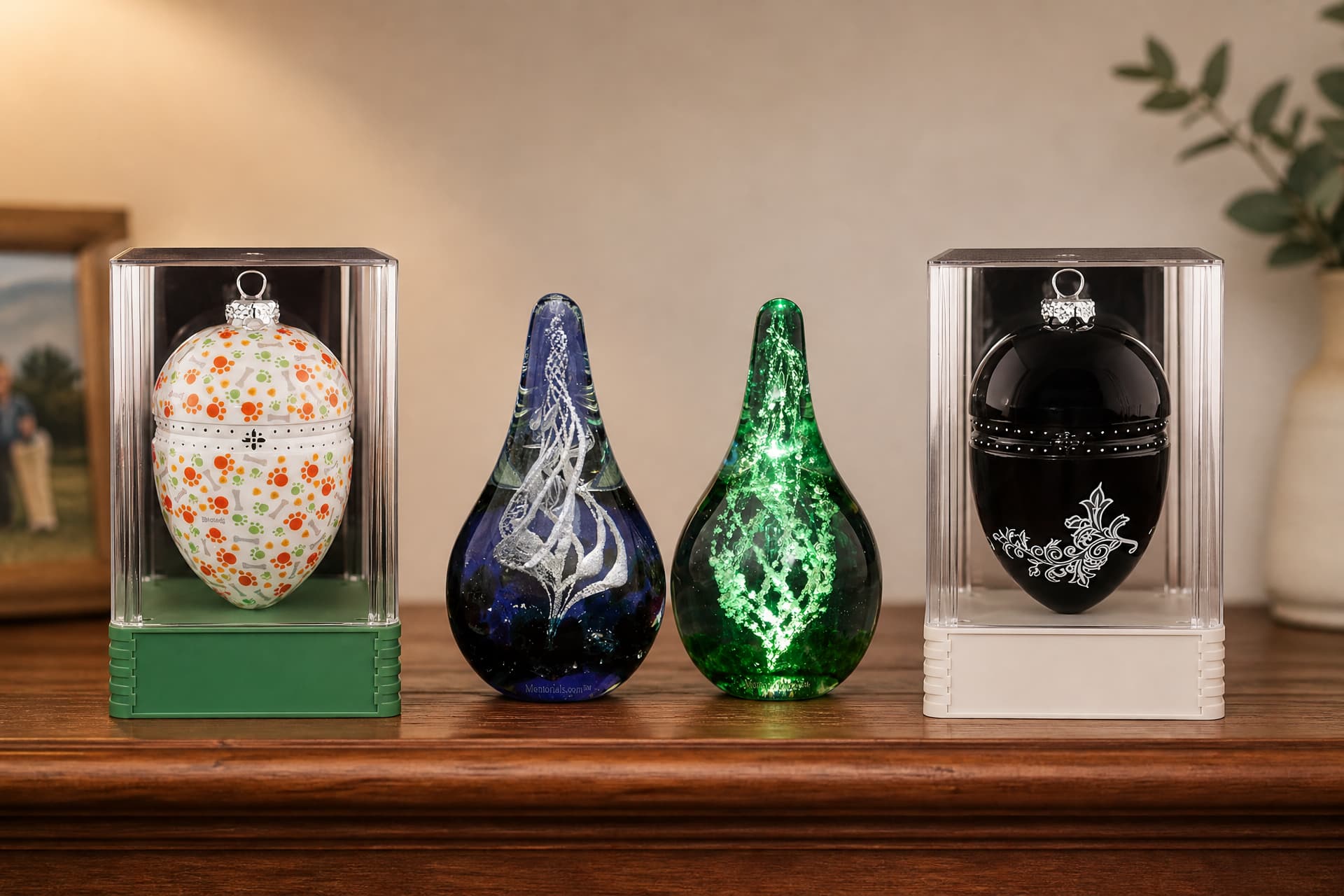
If they are still deciding what to do with the ashes, pet cremation urns come in every size and material, and that is a conversation for later rather than something to raise in the card.
Sent late is not sent wrong. The second half of the first month is when most people describe feeling forgotten.