🏬Supersize Online Funeral Retailer🪦1000's of Headstones⚱️Over 10,000 Cremation Urns⚰️Caskets Overnight Delivery🛒Funeral & Memorial Superstore🚚FREE Shipping on ALL Orders👨👩👧👦Helping Families for over 20 Years💰Lowest Price Guarantee🏬Supersize Online Funeral Retailer🪦1000's of Headstones⚱️Over 10,000 Cremation Urns⚰️Caskets Overnight Delivery🛒Funeral & Memorial Superstore🚚FREE Shipping on ALL Orders👨👩👧👦Helping Families for over 20 Years💰Lowest Price Guarantee
🏬Supersize Online Funeral Retailer🪦1000's of Headstones⚱️Over 10,000 Cremation Urns⚰️Caskets Overnight Delivery🛒Funeral & Memorial Superstore🚚FREE Shipping on ALL Orders👨👩👧👦Helping Families for over 20 Years💰Lowest Price Guarantee🏬Supersize Online Funeral Retailer🪦1000's of Headstones⚱️Over 10,000 Cremation Urns⚰️Caskets Overnight Delivery🛒Funeral & Memorial Superstore🚚FREE Shipping on ALL Orders👨👩👧👦Helping Families for over 20 Years💰Lowest Price Guarantee
Working out how to preserve flowers from a funeral is a small, urgent job that arrives in the worst possible week. The house is full of arrangements, they are already going over, and the decision has to be made by somebody who cannot currently decide what to have for lunch.
The short version: pick the best three or four stems in the first two or three days, and either hang them upside down in the dark or press them flat. Everything else is detail, and none of it needs doing today. The sympathy and condolence guide is the wider starting point.
Do This in the First Three Days
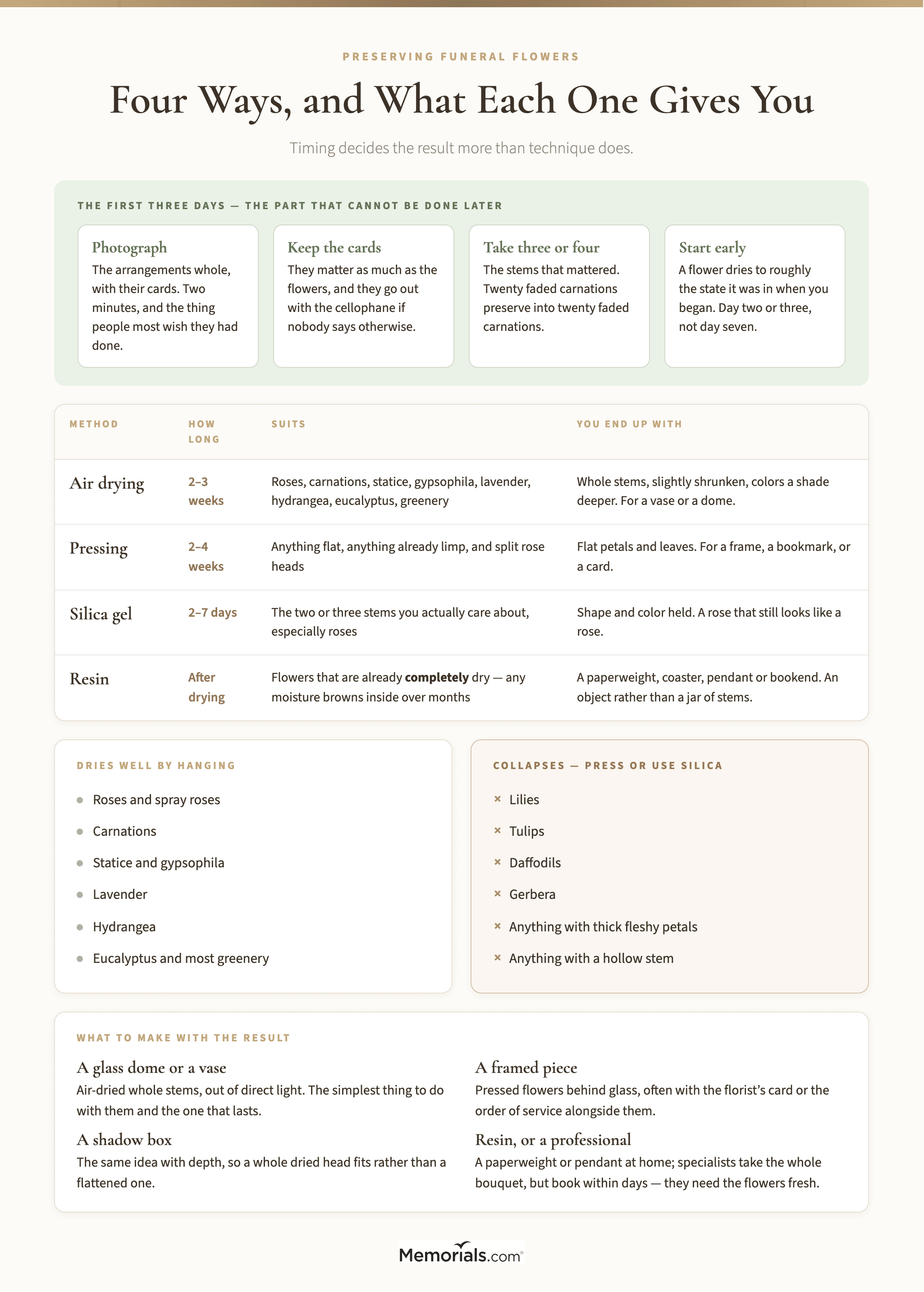
Timing decides the result more than technique does.
Start before they look tired. A flower dries to roughly the state it was in when you started. Day two or three after the service is right; day seven is too late for anything but pressing.
Take a few, not all of them. Three or four good stems from the arrangements that mattered — the casket spray, the one from her sister, the one the grandchildren sent. Twenty faded carnations preserve into twenty faded carnations. Carnations turn up in almost every funeral arrangement for reasons of cost and durability rather than symbolism, though the black carnation is the exception that does carry a meaning.
Photograph the arrangements first, whole and with their cards. This takes two minutes and is the thing people most often wish they had done.
Keep the cards. They matter as much as the flowers and they will be thrown out with the cellophane if nobody says otherwise. They are also what you will need when the thank-you notes get written — funeral thank-you messages covers that part.
Then put the rest in water and forget about them. You do not have to solve the whole room.
Photograph the arrangements, keep the cards, then take three or four stems. Twenty faded carnations preserve into twenty faded carnations.
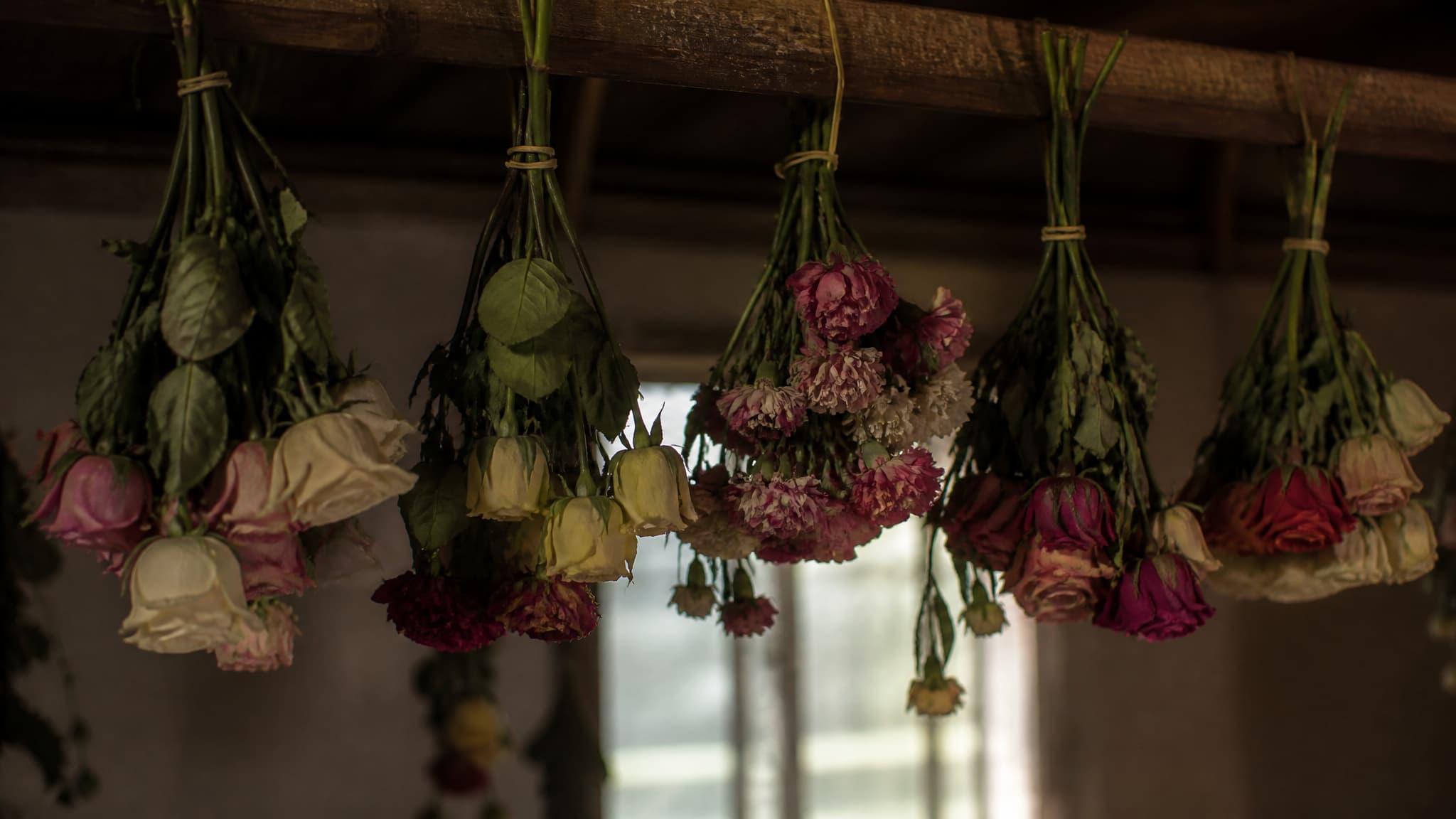
The simplest way to dry funeral flowers, and the one that suits roses, carnations, statice and most of what arrives at a funeral. If you only ever preserve memorial flowers once, do it this way.
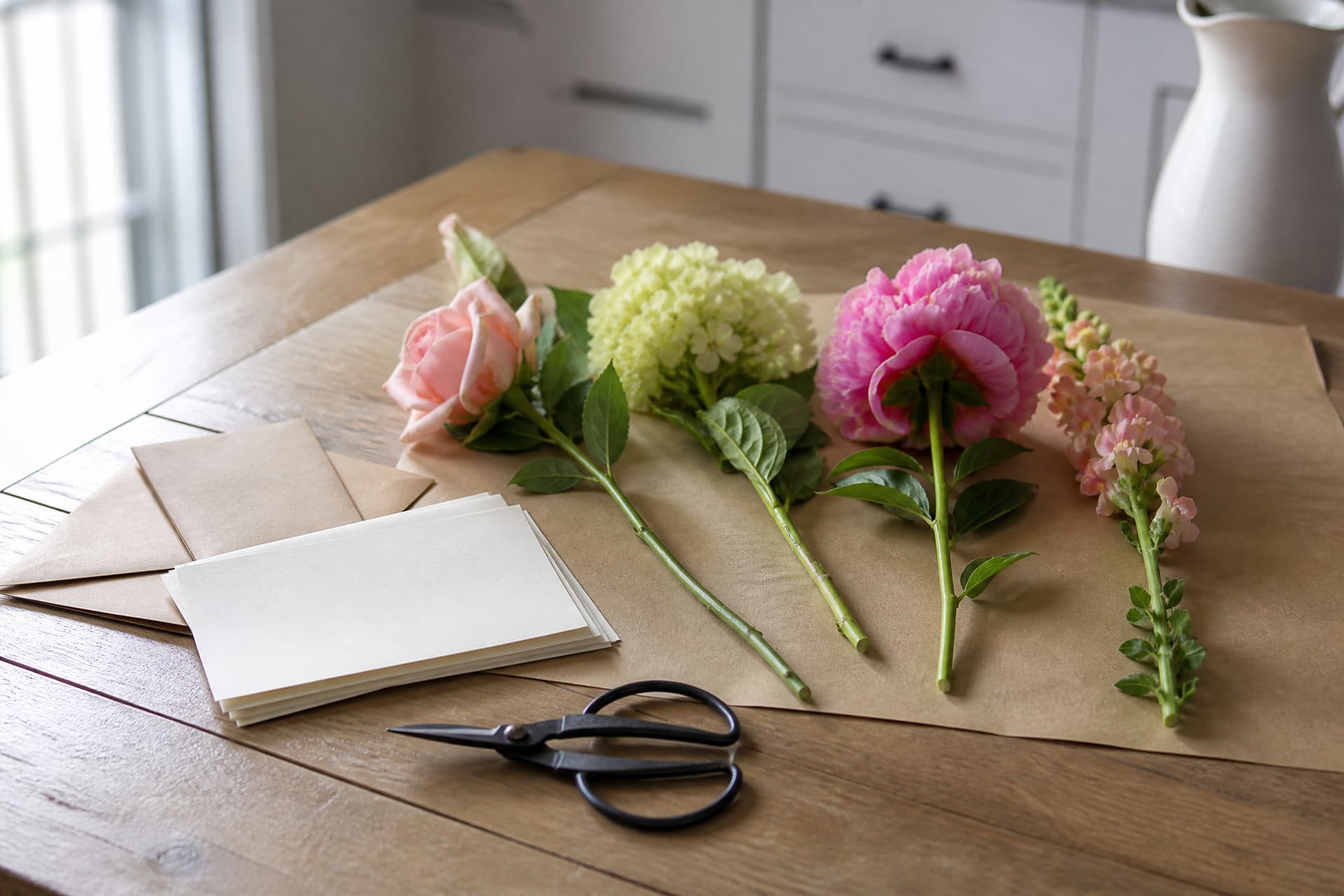
1 — Strip the lower leaves and cut the stems to roughly the length you want to keep.
2 — Bundle four or five stems with an elastic band, not string. Stems shrink as they dry and string goes slack; an elastic band tightens with them.
3 — Hang them upside down, in the dark, somewhere dry and airy. A closet, a spare wardrobe, an airing cupboard. Not a bright window, which bleaches the color out within two weeks of hanging.
4 — Leave them two to three weeks. They are ready when the thickest part of the stem snaps rather than bends.
5 — Spray lightly with unscented hairspray from about a foot away. It is not elegant and it works — it holds the petals on for years.
What air dries well: roses, carnations, statice, gypsophila, lavender, hydrangea, eucalyptus, most greenery.
What does not: lilies, tulips, daffodils, gerbera, anything with thick fleshy petals or a hollow stem. They collapse or go brown. Press those instead, or use silica.
Pressing: For Anything Flat, and Anything Late
Pressing rescues flowers that are already too far gone to hang, and it is the method to choose if what you want at the end is something framed.
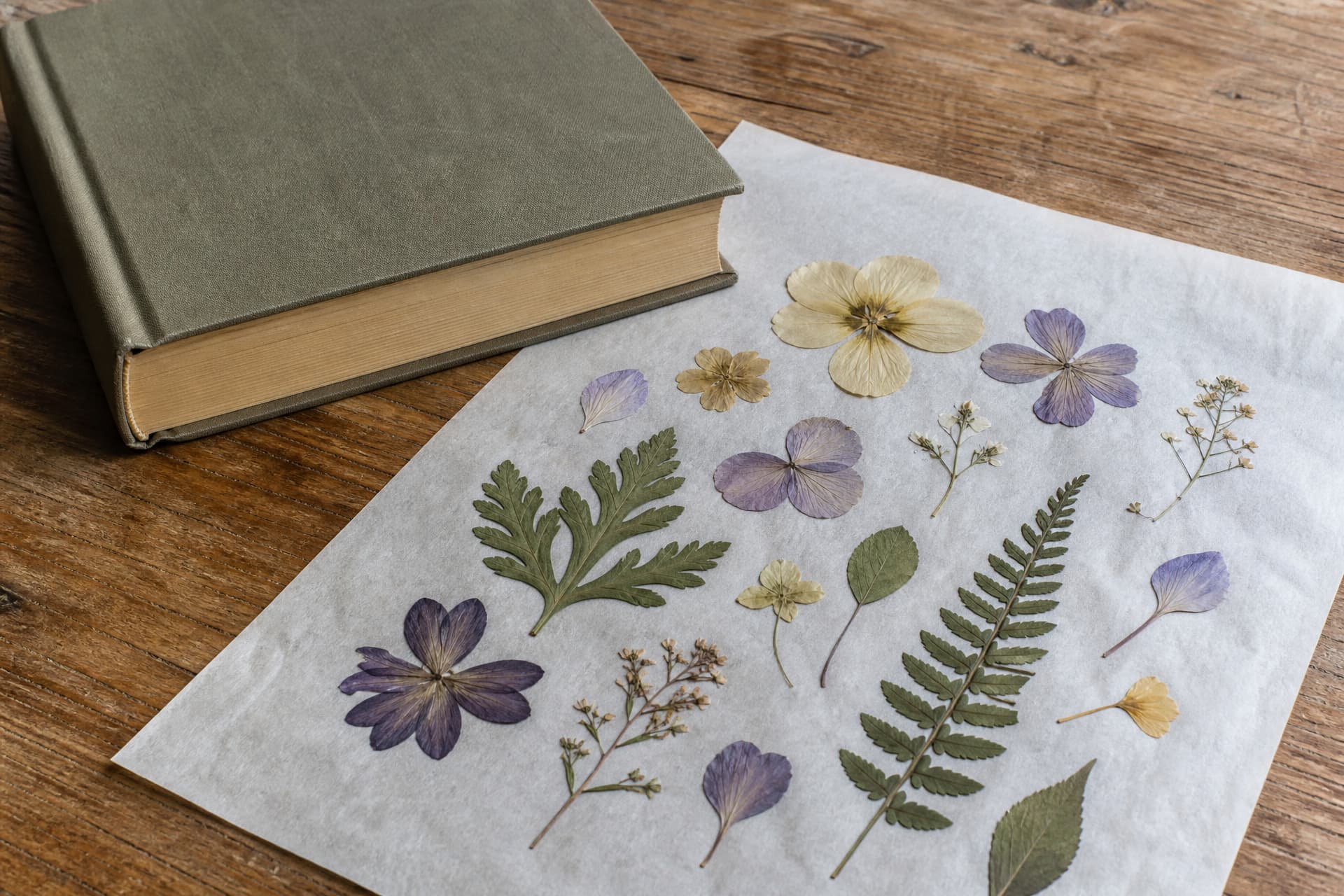
Use a heavy book and baking parchment, not the pages themselves — the moisture stains paper and the ink can transfer back. One flower per opening, well apart, more books on top.
Split thick flowers. A rose head will not press whole; cut it in half from top to stem and press each side face down.
Leave it two to four weeks and do not peek. Lifting the parchment early tears petals that have half-bonded to it.
The microwave press is real, if two weeks is longer than you can wait: a flower between parchment inside two ceramic tiles, thirty seconds at a time until dry. It is faster and slightly less reliable, which is a reasonable trade for a hand you were dealt.
Pressed flowers are what you want for a framed piece, a bookmark, or a card. Dried ones are what you want in a dome or a vase.
One flower per opening, well apart, and do not lift the parchment early — half-bonded petals tear.
Silica Gel: When the Shape Matters
Silica gel is the method florists use, and it is the only one that keeps a rose looking like a rose rather than like a dried rose.
Get flower-drying silica, not the sachets out of a shoebox. It comes as a fine sand-like crystal and a two-pound tub does several arrangements.
Bury the heads face up in an airtight container with an inch of silica underneath, then trickle more between the petals until the flower is covered without being crushed.
Seal it and wait two to seven days, depending on how thick the flower is. Check at two.
Lift them out with a spoon and brush the dust off with a soft paintbrush.
It costs more, it takes a container per batch, and it is worth it for exactly one thing: the two or three stems you actually care about, keeping their color and their shape.
Resin, Framing, and Having It Done For You
If what you want is an object rather than a jar of dried stems, there are three routes.
Resin. Fully dried flowers set into a paperweight, a coaster, a pendant or a bookend. The flowers must be completely dry first — any moisture left in them browns inside the resin over the following months, which is the single most common disappointment with a home resin project.
Framing. Pressed flowers behind glass, sometimes with the card, the order of service, or a photograph. A shadow box does the same job with room for a dried head rather than a pressed one.
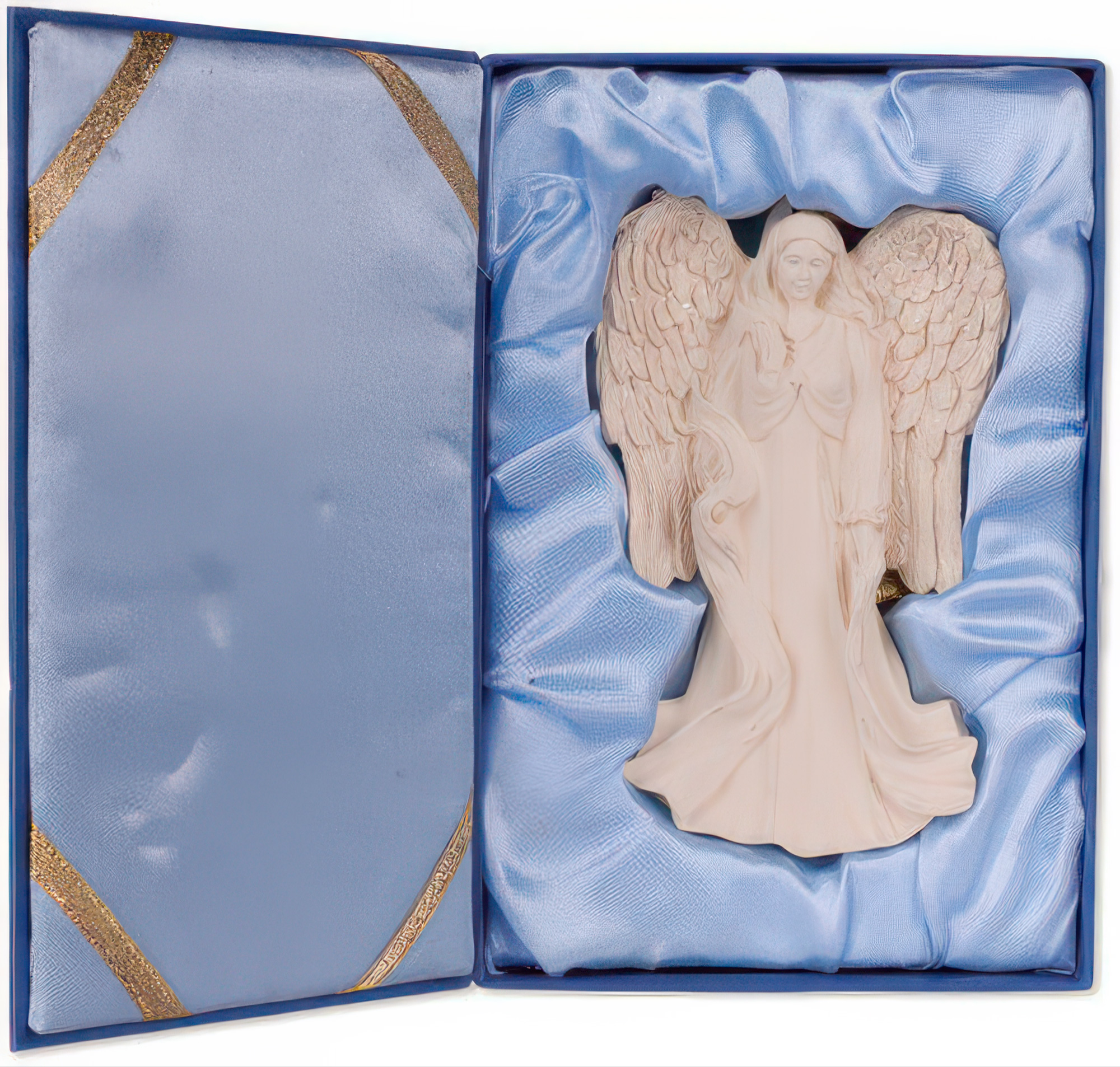
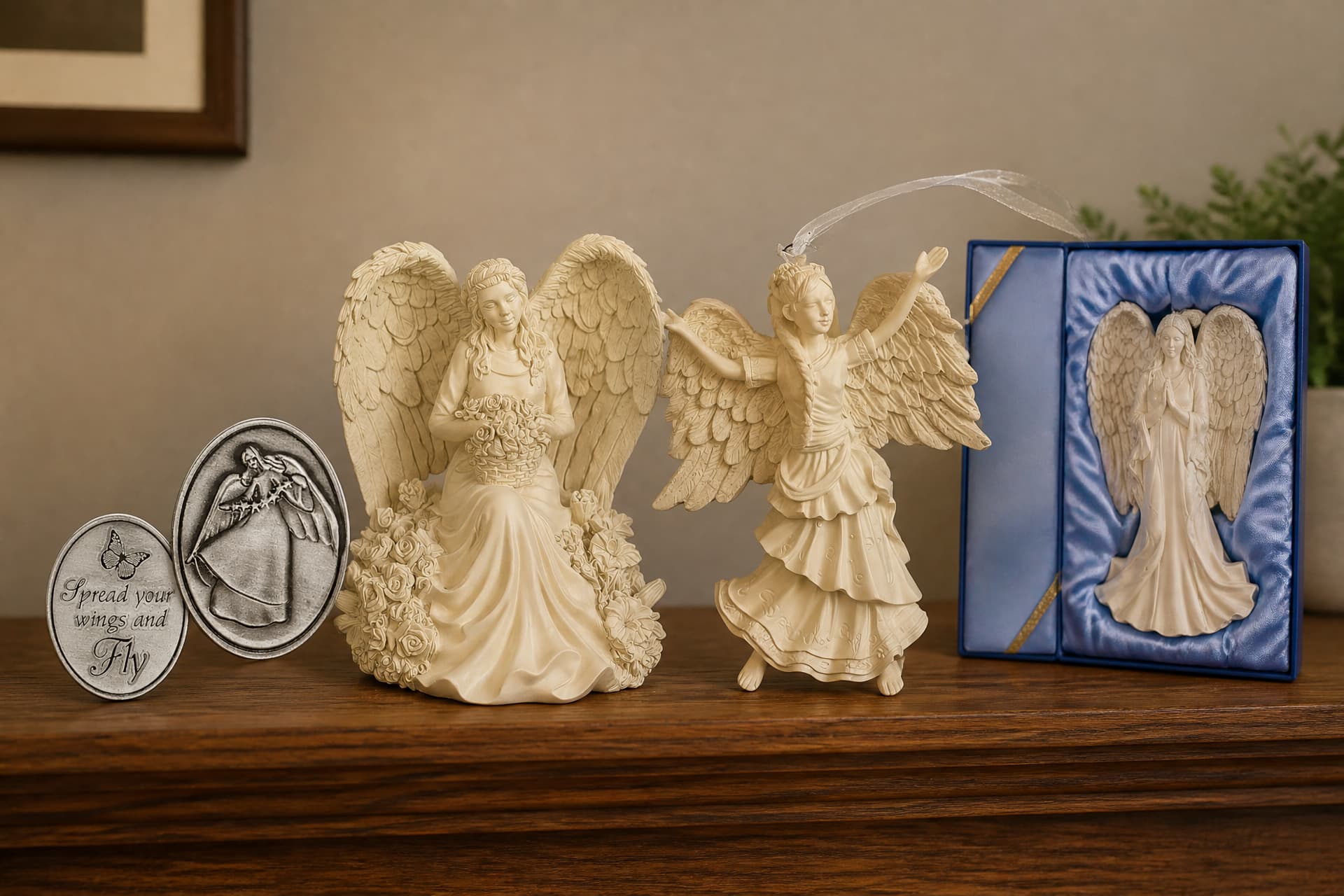
Professional preservation. Specialists take the whole bouquet and return it dried, framed, or set in resin. Expect to book within days of the funeral, because they need the flowers fresh. Prices vary widely and are worth comparing against what you would spend on funeral keepsakes that arrive finished — sympathy gifts by budget sets out what falls where.
Most of the flowers in the house are not going to be preserved, and there are better answers than the bin.
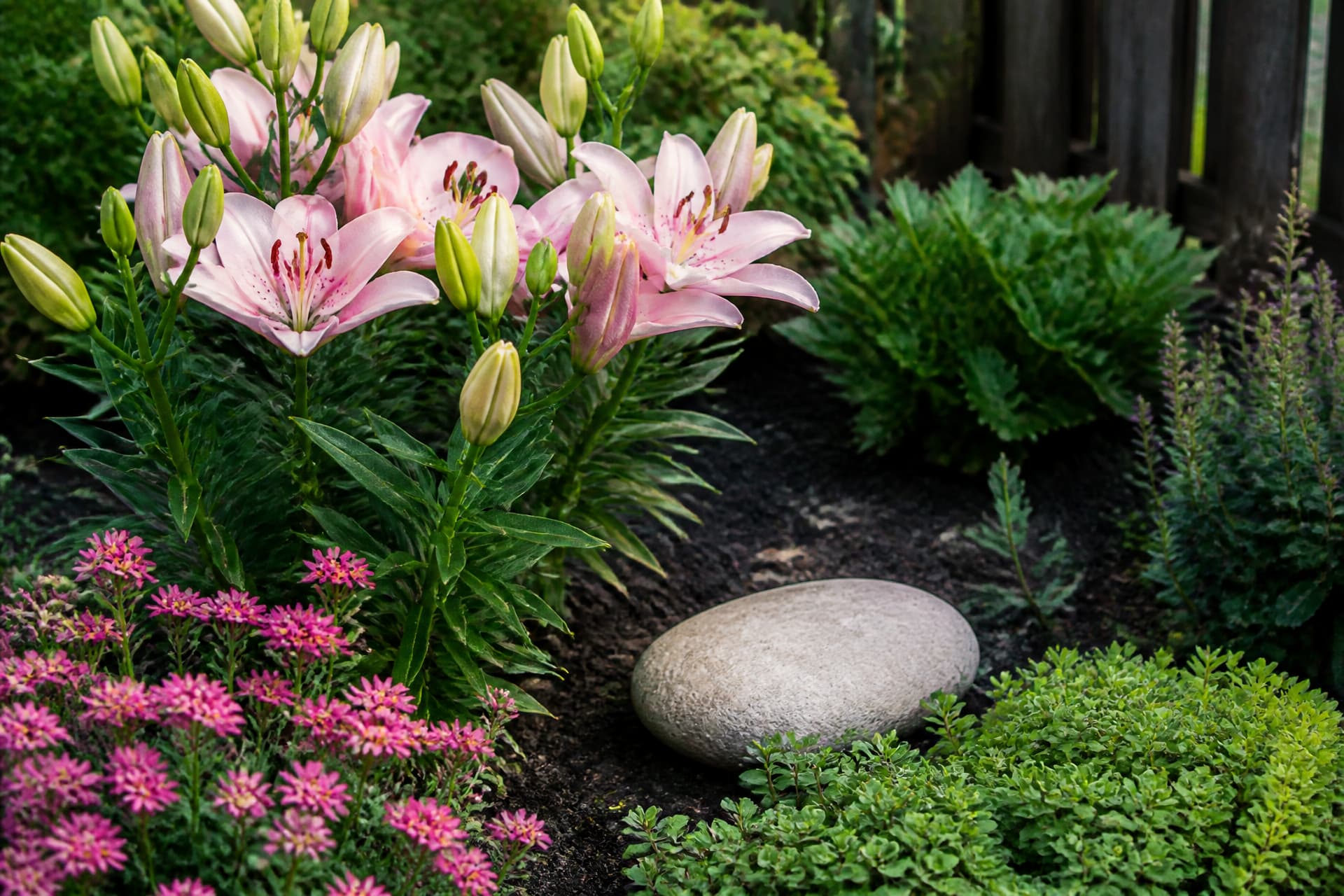
Plant them out. Potted plants, lilies and anything with a bulb go into a bed and come back every year, which is the version of this that most families end up loving most. Building a garden memorial covers doing that properly, and a heart shaped rock set in the bed marks it without a plaque.
Anything with a bulb comes back every year. A plain stone marks the bed without turning it into a grave.
Take them somewhere they are wanted. Hospices, care homes, hospital wards and churches will often take arrangements the day after a funeral. Ring first; some cannot accept them for infection-control reasons.
Leave some at the grave, and take the rest home. The cemetery will clear them within a week or two, so keep back anything you want.
Compost the rest, minus the florist's foam, which is plastic and does not break down. Strip the flowers off it before it goes in the bin.
Scatter the petals somewhere that meant something. It is the oldest answer on this list and still the best one for the arrangements nobody has a plan for.
If You Are Sending Flowers, Not Receiving Them
A note for the other side of this, because it changes what the family can keep.
Bouquets are easier to preserve than arrangements. A wired arrangement in florist's foam has to be dismantled before anything can be dried; loose stems can be hung the same evening.
Say if the flowers can be planted. A potted azalea or a rose bush lasts years, and families rarely realize a plant is a plant unless somebody tells them.
Include a card that will survive. Written, not printed onto the cellophane. It ends up in the frame.
Air drying suits most of what arrives at a funeral. Lilies and tulips are the exception, and they need pressing or silica.
Frequently Asked Questions
How long after a funeral can I still preserve the flowers? Two or three days for air drying or silica. Pressing still works at a week, and is the method to reach for once petals have started to go limp.
How do I dry a funeral bouquet? Strip the lower leaves, bundle four or five stems with an elastic band, and hang them upside down in a dark, dry, airy place for two to three weeks. Finish with a light coat of unscented hairspray.
Will the color fade? Some. Reds darken, whites go cream, and blues hold better than anything. Drying in the dark keeps far more color than drying anywhere with daylight.
Can I preserve lilies? Not by hanging — they collapse. Press them, or use silica gel, which is the only method that keeps their shape.
How do I save a funeral bouquet if I have no time this week? Put the best few stems in a book with baking parchment and close it. That takes ninety seconds and buys you a month to decide what to do properly.
Is it strange to keep them for years? No. Dried flowers in a dome or a frame are one of the most common things families keep, and a jar of dried petals on a shelf is a perfectly ordinary thing to still have in ten years.
In Closing
Take three or four stems in the first couple of days, hang them upside down in a dark closet, and photograph the arrangements before anything else happens.
That is ninety seconds of work in a week where nothing else is easy, and it is the part that cannot be done later.