🏬Supersize Online Funeral Retailer🪦1000's of Headstones⚱️Over 10,000 Cremation Urns⚰️Caskets Overnight Delivery🛒Funeral & Memorial Superstore🚚FREE Shipping on ALL Orders👨👩👧👦Helping Families for over 20 Years💰Lowest Price Guarantee🏬Supersize Online Funeral Retailer🪦1000's of Headstones⚱️Over 10,000 Cremation Urns⚰️Caskets Overnight Delivery🛒Funeral & Memorial Superstore🚚FREE Shipping on ALL Orders👨👩👧👦Helping Families for over 20 Years💰Lowest Price Guarantee
🏬Supersize Online Funeral Retailer🪦1000's of Headstones⚱️Over 10,000 Cremation Urns⚰️Caskets Overnight Delivery🛒Funeral & Memorial Superstore🚚FREE Shipping on ALL Orders👨👩👧👦Helping Families for over 20 Years💰Lowest Price Guarantee🏬Supersize Online Funeral Retailer🪦1000's of Headstones⚱️Over 10,000 Cremation Urns⚰️Caskets Overnight Delivery🛒Funeral & Memorial Superstore🚚FREE Shipping on ALL Orders👨👩👧👦Helping Families for over 20 Years💰Lowest Price Guarantee
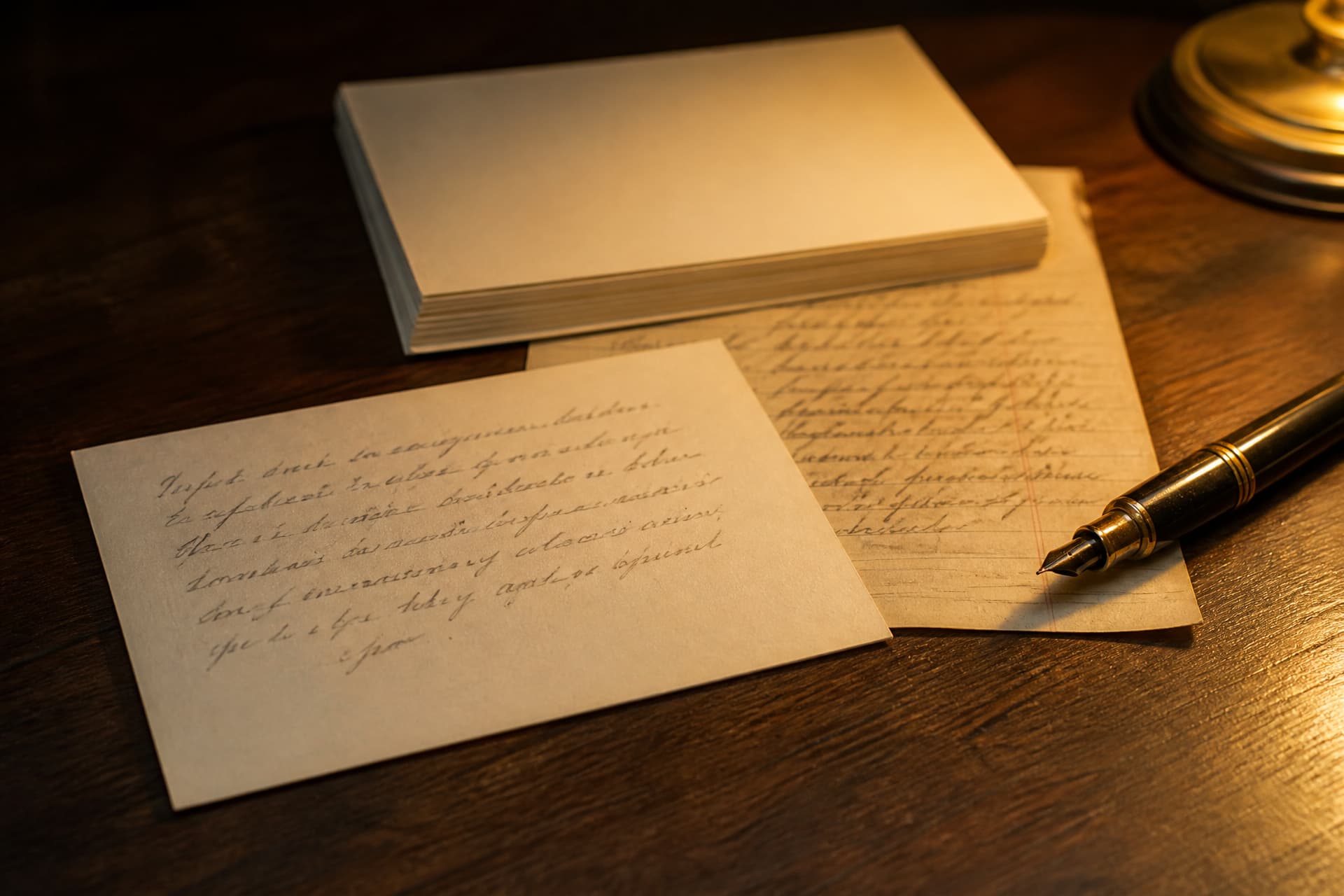
A funeral thank you message from the family does not have to be long, original, or beautifully written. Four lines will do it: name what they did, say what it meant, say something about the person who died if you can, and sign it. Thank you for the lilies you sent for Dad's service. The room was full of them. He would have liked that. — The Ramirez family. That is a finished note.
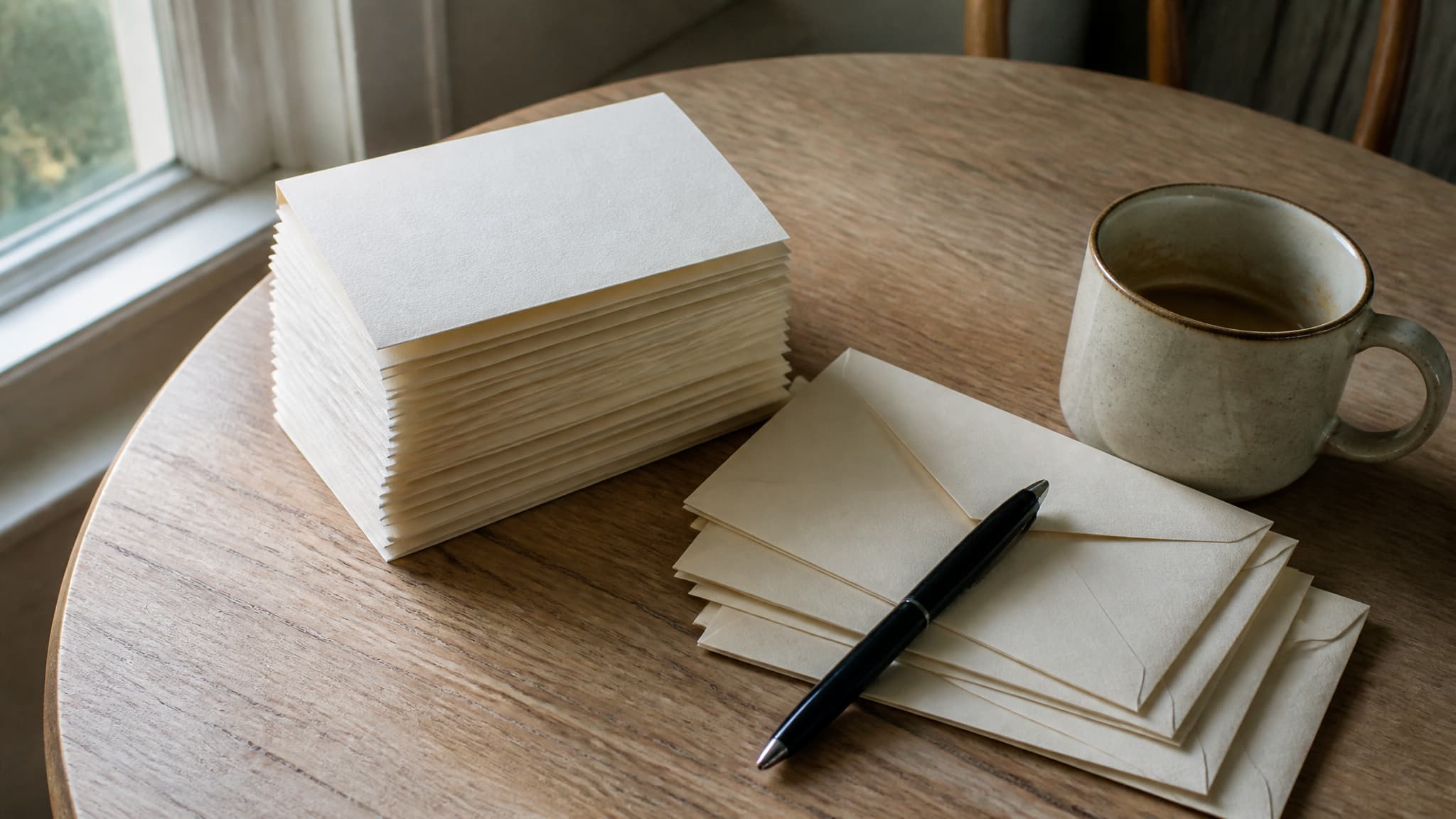
The hard part was never the wording. It is that there are sixty of them, you are exhausted, and the pile has been sitting on the dining table for three weeks getting heavier. This page is written for that pile.
It covers what to write for flowers, food, money, and the person who did something nobody else thought to do — plus who signs, and what to say when you are months late. For when the note is going the other way, short condolence messages has the version you send to a grieving family, and the is the wider starting point.
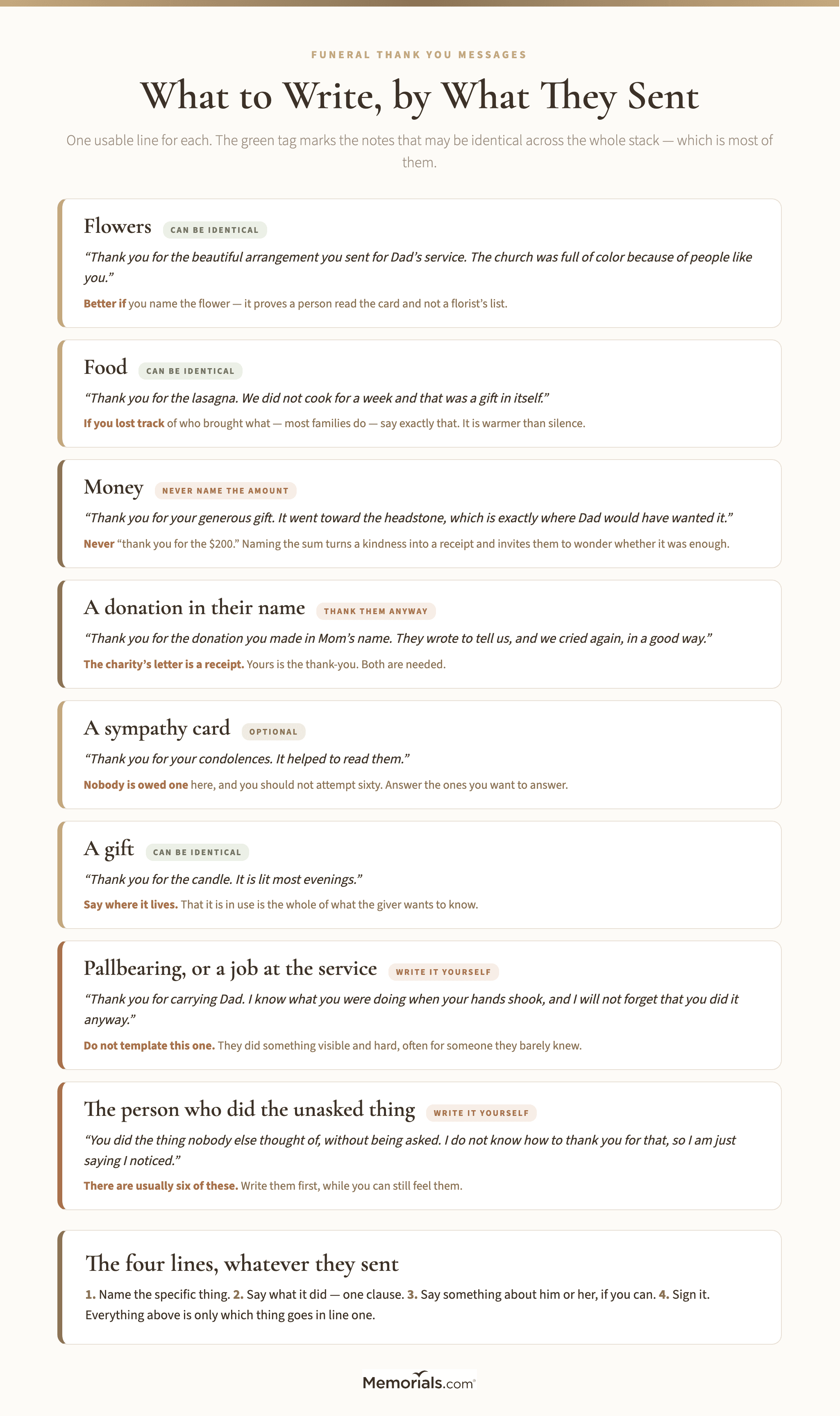
The most common note and the easiest. Name the flower if you can — it proves a person read the card rather than a funeral director's list.
Thank you for the beautiful arrangement you sent for Dad's service. The church was full of color because of people like you.
Thank you for funeral flowers so lovely that three people asked who sent them. It meant a great deal to see them there.
The white roses you sent were Mom's favorite, and I do not think that was an accident. Thank you.
Thank you for the peace lily. It is on the windowsill and it is doing well, which feels like something.
If flowers were declined in favour of donations, in lieu of flowers covers how that request is worded and what people actually send instead.
And if you are on the other side of this — sending an arrangement rather than thanking someone for one — the card that travels with it is a different set of words entirely. Messages for funeral flowers has what to write on the small card the florist hands you.
Thank You for the Food
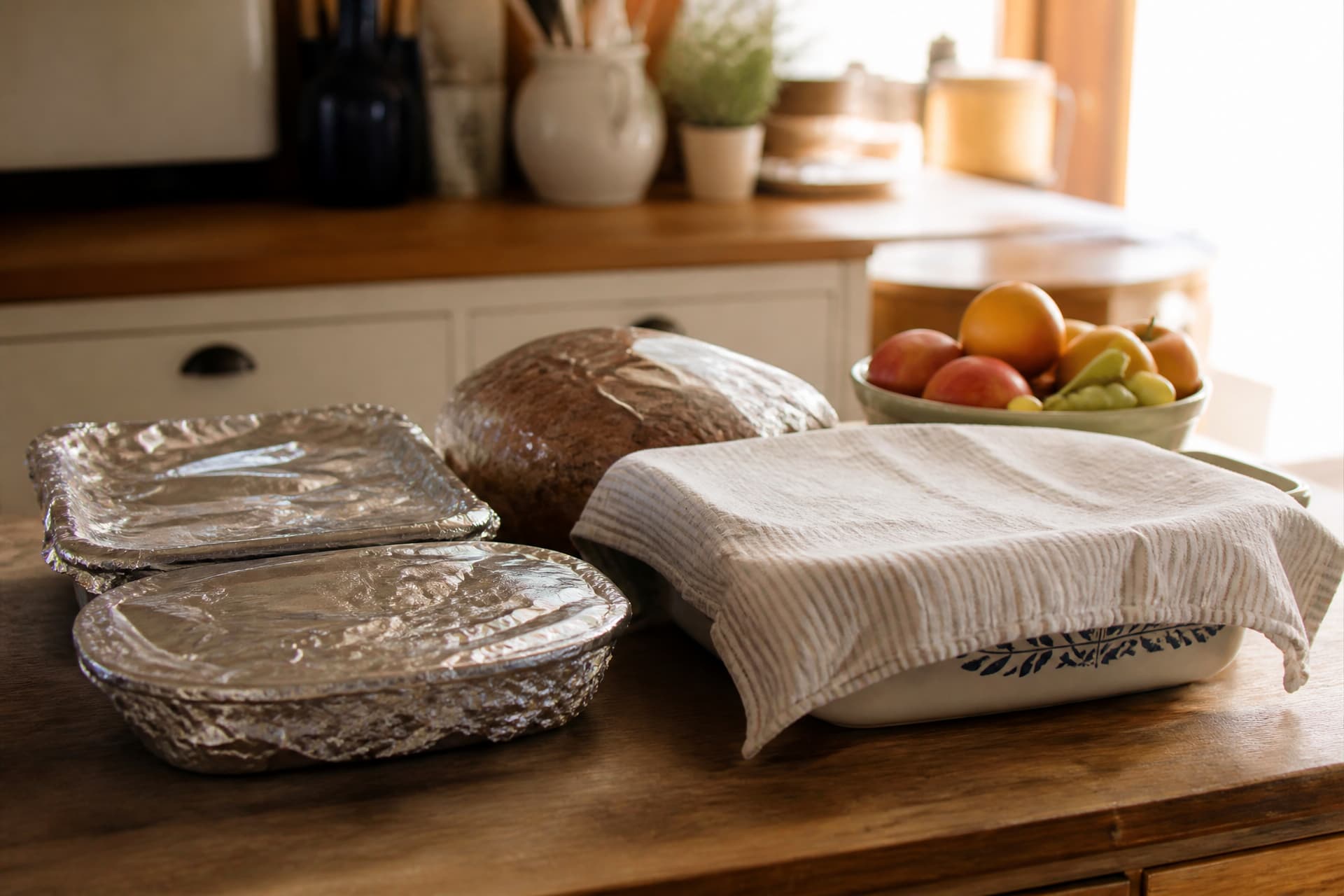
Food is the most-given and least-acknowledged thing after a death, partly because so much of it arrives at once and nobody writes down who brought what.
Thank you for the lasagna. We did not cook for a week and that was a gift in itself.
Thank you for the food you left on the porch. I never found out who it was from until later, and I am glad I did.
The soup arrived on the worst afternoon of the week. Thank you for knowing to send it.
Thank you for organizing the meals. Not having to think about dinner was the only decision taken off us.
If you have no record of who brought what — and most families do not — say so plainly. I know you brought something and I have lost track of what, which tells you the state we were in. Thank you. That is a better note than silence. Our funeral food guide covers the other side of it.
It arrives all at once and nobody writes down who brought what. Saying so is a better note than silence.
The plainest deliveries are the ones that vanish from the thank-you pile altogether: the grief groceries left on the step — milk, bread, coffee, dog food — which arrive unlabelled, get used within days, and are remembered longer than the casseroles. If you can work out who, they are worth a line.
Money, Donations, and the Rule Nobody States
This is the note people get stuck on, and it is the largest single gap in what is written about funeral thank-you notes anywhere.
The rule: acknowledge the gesture, never the amount. You do not write thank you for the $200. You write thank you for your generous gift. Naming the sum turns a kindness into a transaction and invites the reader to wonder whether it was enough. This holds whether it was twenty dollars or two thousand.
Knowing what to write in a thank you card for money is otherwise the same four lines, with one addition: say what it went toward if you know, because that is what the giver actually wants to hear.
Thank you for your generous gift. It went toward the headstone, which is exactly where Dad would have wanted it.
Your kindness helped more than you know. We were not prepared for what a funeral costs and you took that weight off us.
Thank you for the donation you made to the Heart Foundation in Mom's name. They wrote to tell us, and we cried again, in a good way.
Thank you for your gift. It is paying for the bench at the community garden, which was his real church.
Two more points on the money note:
If a donation was made in the person's name, thank the giver even though the charity also will. The charity's letter is a receipt; yours is the thank-you.
If you genuinely do not know what it went toward — because it went into the general pile that kept the household running — say that. It went toward keeping everything upright for a few weeks, which is what we needed most. True and sufficient.
The money row is the one people come back for. Acknowledge the gesture, never the amount.
Thank You for a Sympathy Card, or for Condolences
Different act, different note. This is not the formal card sent weeks after the funeral — it is you replying to someone who wrote to you, often by text or message, often within days.
Nobody is owed a reply here, and you should not attempt sixty. But when you want to answer one:
Thank you for your condolences. It helped to read them.
Thank you for the sympathy card. Your note about Dad and the fishing trip made me laugh, which I needed.
Thank you for sympathy card and kind words both — I have kept it.
Thank you for your message. I have not been able to answer everyone, but I read every one of them.
Thank you for sympathy gift and card. The candle is lit most evenings.
That third and fifth line are worth saying out loud in your own words rather than copying, but the shape is right. And if you have not replied to anyone in three weeks, that is normal — say so and answer anyway. I am sorry to be so late. Thank you for your condolences; they mattered at the time and they still do.
Pallbearers, Clergy, and Everyone Who Had a Job
These people did something visible and difficult, often for someone they barely knew.
Pallbearers. Thank you for carrying Dad. I know what you were doing when your hands shook and I will not forget that you did it anyway.
Clergy. Thank you for the service. You spoke about him as though you had known him for years, and that is not a small thing to manage.
Musicians and readers. Thank you for singing. Nobody else could have got through it and we knew that when we asked you.
The funeral director. A note here is unusual and lands hard. They are used to being paid and not thanked.
Medical and hospice staff. Thank you for looking after Mom in her last weeks, and for looking after us at the same time. We noticed.
The hospice note is the one families most often mean to write and never do. If you are going to write one of these, write that one. The first week after a loss covers what else lands in that period.
The Person Who Did Something Nobody Else Did
Every death has one. The neighbor who mowed the lawn without mentioning it. The colleague who quietly handled the paperwork. The friend who sat in the kitchen for four hours and said almost nothing.
These notes should not be templated, and they are the reason to do this by hand at all.
You did the thing nobody else thought of, and you did it without being asked. I do not know how to thank you for that so I am just saying that I noticed.
Thank you for sitting with me. You did not try to fix it, which is why it helped.
You dealt with the house while we dealt with everything else. I still cannot think about that week without thinking about you.
And the awkward one, which nobody writes about: the person who brought something wrong, or said something clumsy, but showed up. Thank them for showing up. Thank you for coming all that way. It mattered that you were there. All true, and it closes the thing kindly.
Who Signs It
The step that stalls more families than any wording question, because it is really a question about who the family is now.
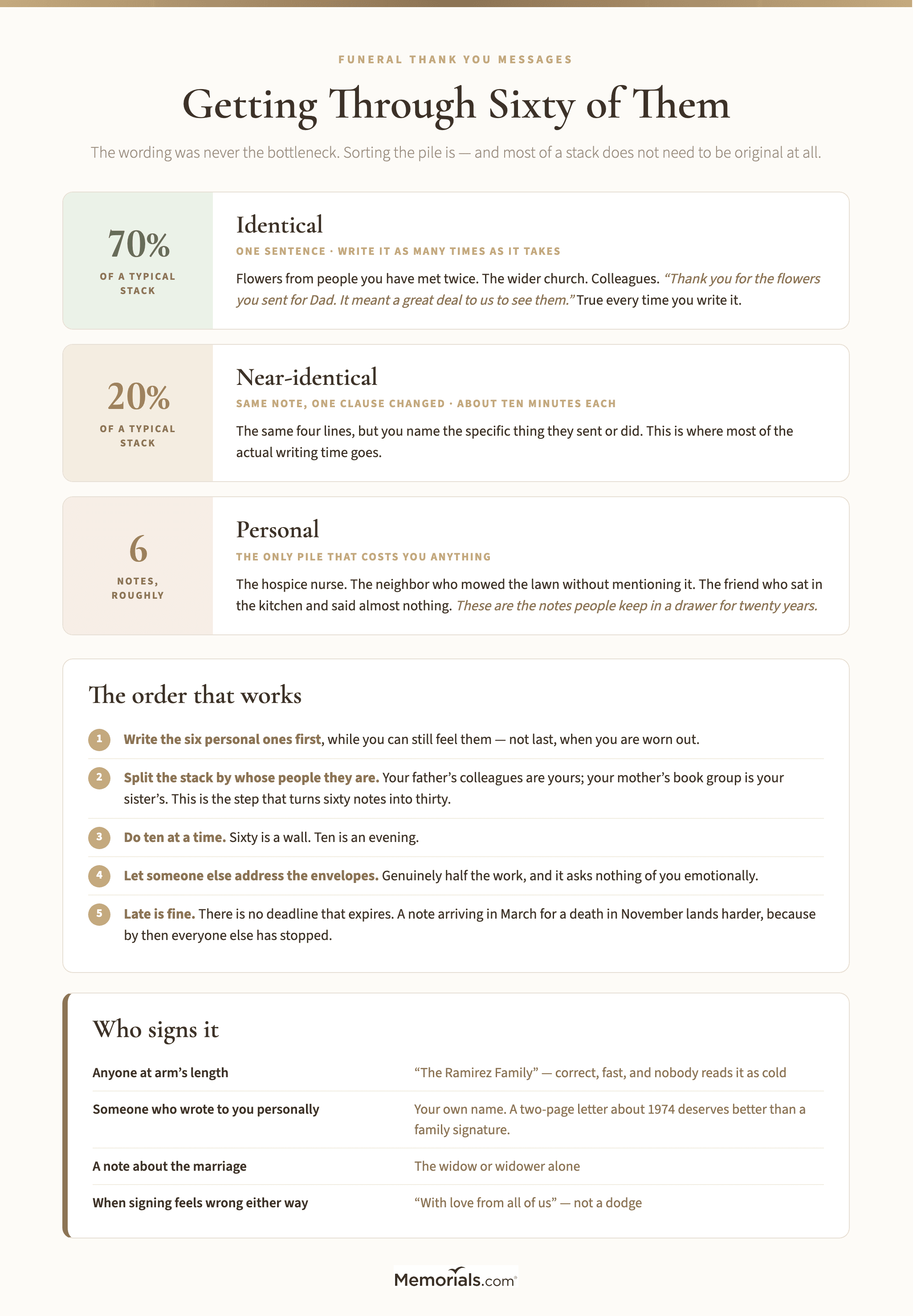
Use "The [Surname] Family" for anyone at arm's length — colleagues, neighbors, the wider church, people who sent flowers you cannot place. It is correct, it is fast, and nobody reads it as cold.
Sign your own name for anyone who was writing to you personally. If your mother's oldest friend wrote you two pages about 1974, The Ramirez Family is the wrong answer.
The widow or widower signs alone when the note is about the marriage — condolences addressed to them, gifts sent to them.
Adult children can and should split the pile by whose people they are. Your father's work colleagues are yours to thank; your mother's book group is your sister's. This also halves the stack, which is the real reason to do it.
If the household is now one person and signing feels wrong either way, With love from all of us avoids the question entirely and is not a dodge.
Split the pile by whose people they are. It is the only step that makes sixty notes into thirty.
When There Are Sixty of Them
The practical version, because the wording was never the bottleneck.
Sort into three piles. Identical, near-identical, and personal. Most stacks are 70% identical, and that is not laziness — a note for a flower arrangement from someone you have met twice does not need to be unique.
The identical pile can be one sentence.Thank you for the flowers you sent for Dad. It meant a great deal to us to see them. Write it sixty times if you have to; it is a true sentence every time.
The near-identical pile changes one clause. Same note, but you name the specific thing. Ten minutes each.
The personal pile is the only one that costs you anything. There are usually six. Do those first while you can still feel them, not last when you are worn out.
Do them ten at a time. A stack of sixty is a wall. Ten is an evening.
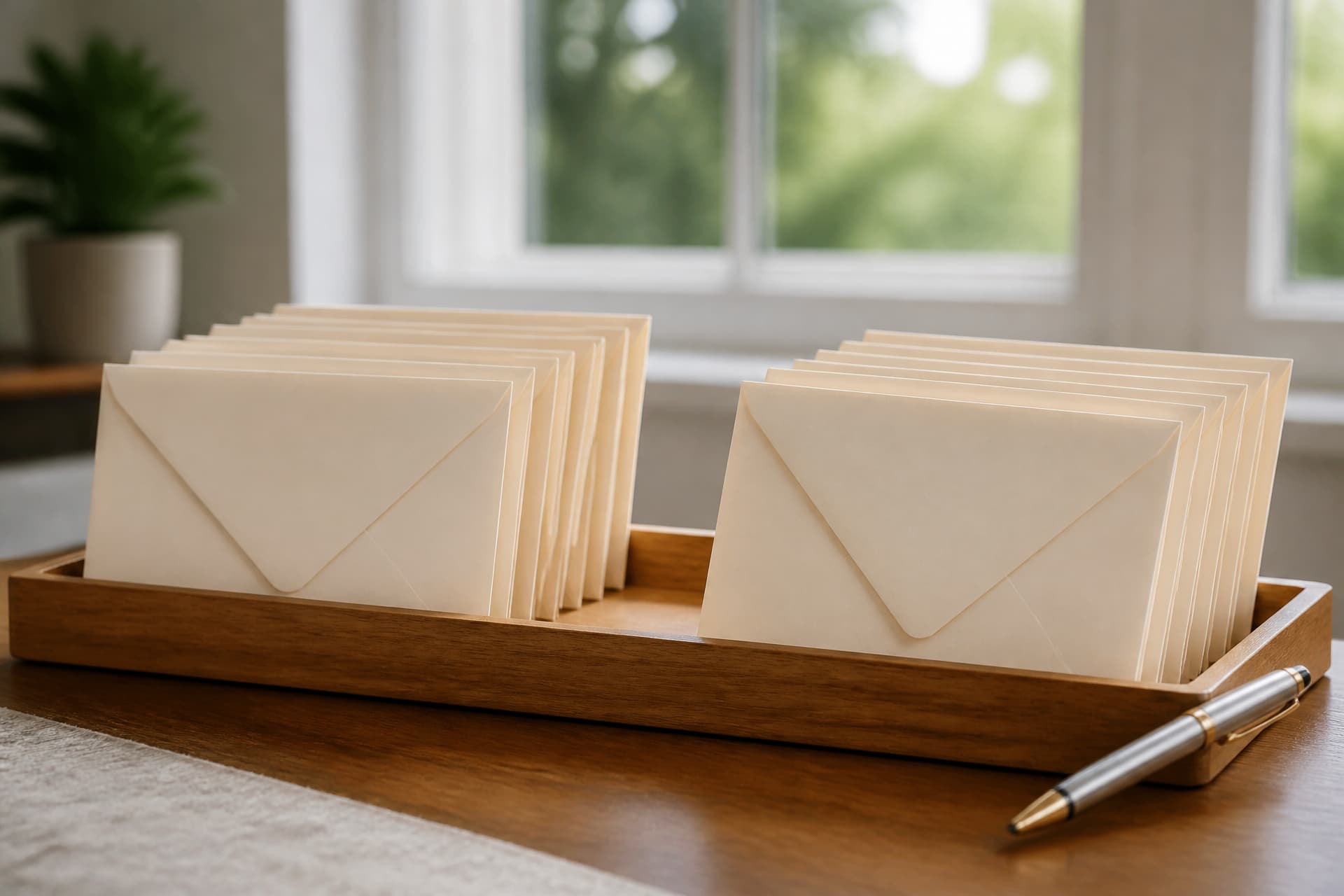
If somebody else offers to address envelopes, let them. That is genuinely half the work and it requires nothing of you emotionally.
When You Are Months Late
Most people who search this have already missed the window and assume the moment has passed. It has not.
There is no deadline that expires. A note that arrives in March for a death in November is more welcome than one that arrived in week two, because by March everyone else has stopped and the family is discovering how quiet it gets. That is true in reverse too — a thank you after the funeral, arriving late, tells the giver they were remembered when things were hard.
Do not over-apologize. One line, then the note.
I am sorry this took so long. I could not do it until now. Thank you for the flowers you sent for Mom.
This is very late and I hope you will forgive it. Your kindness in October is still with us.
For the timing rules proper — how soon a note is expected, who must receive one, and whether printed acknowledgment cards are acceptable — when to send them covers the etiquette side. The funeral planning checklist puts thank-you notes in sequence with everything else that follows a death.
A Note About Keepsakes
Some families send a small object with the note to the handful of people who did the most — a pallbearer, the hospice nurse, the friend who held everything together.
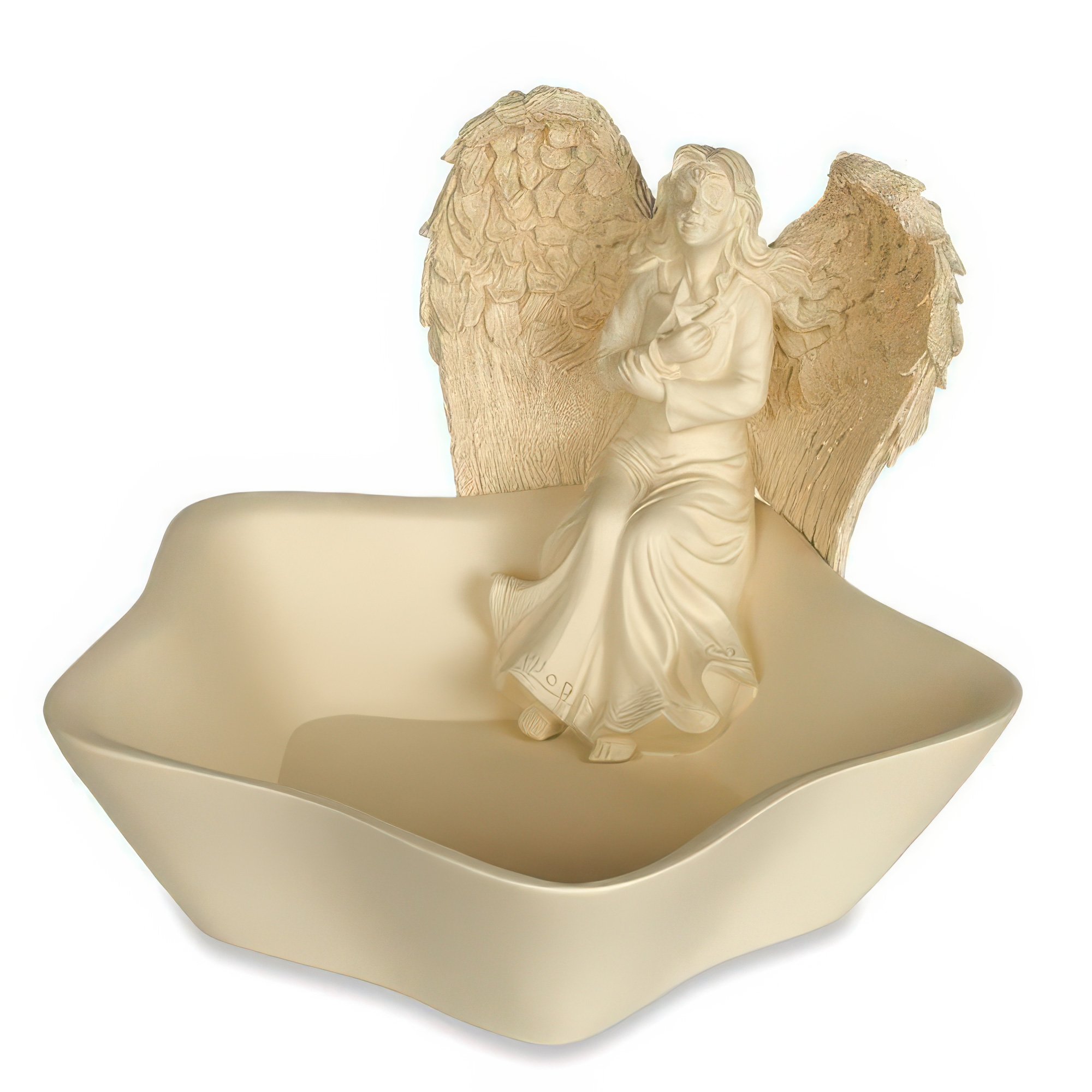
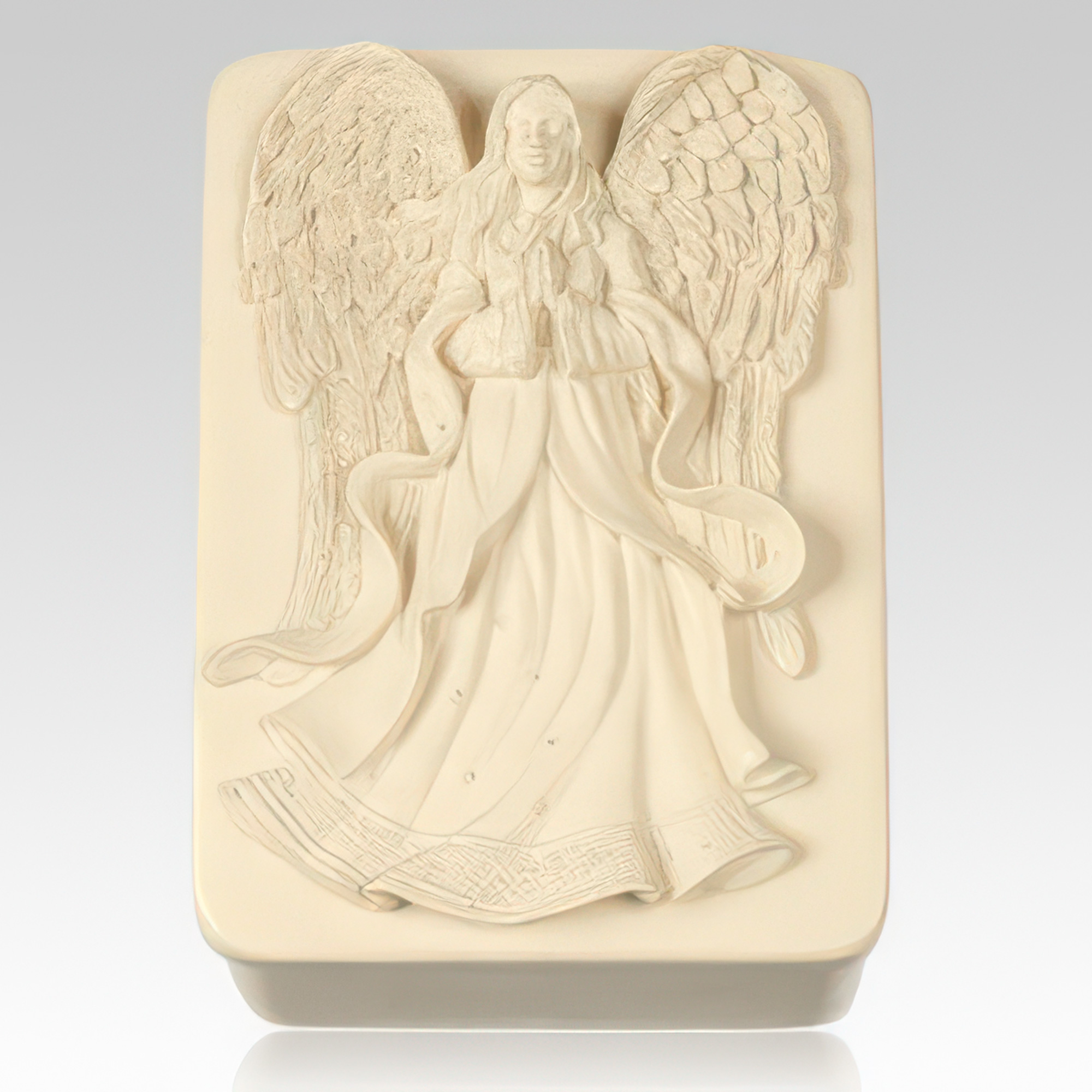
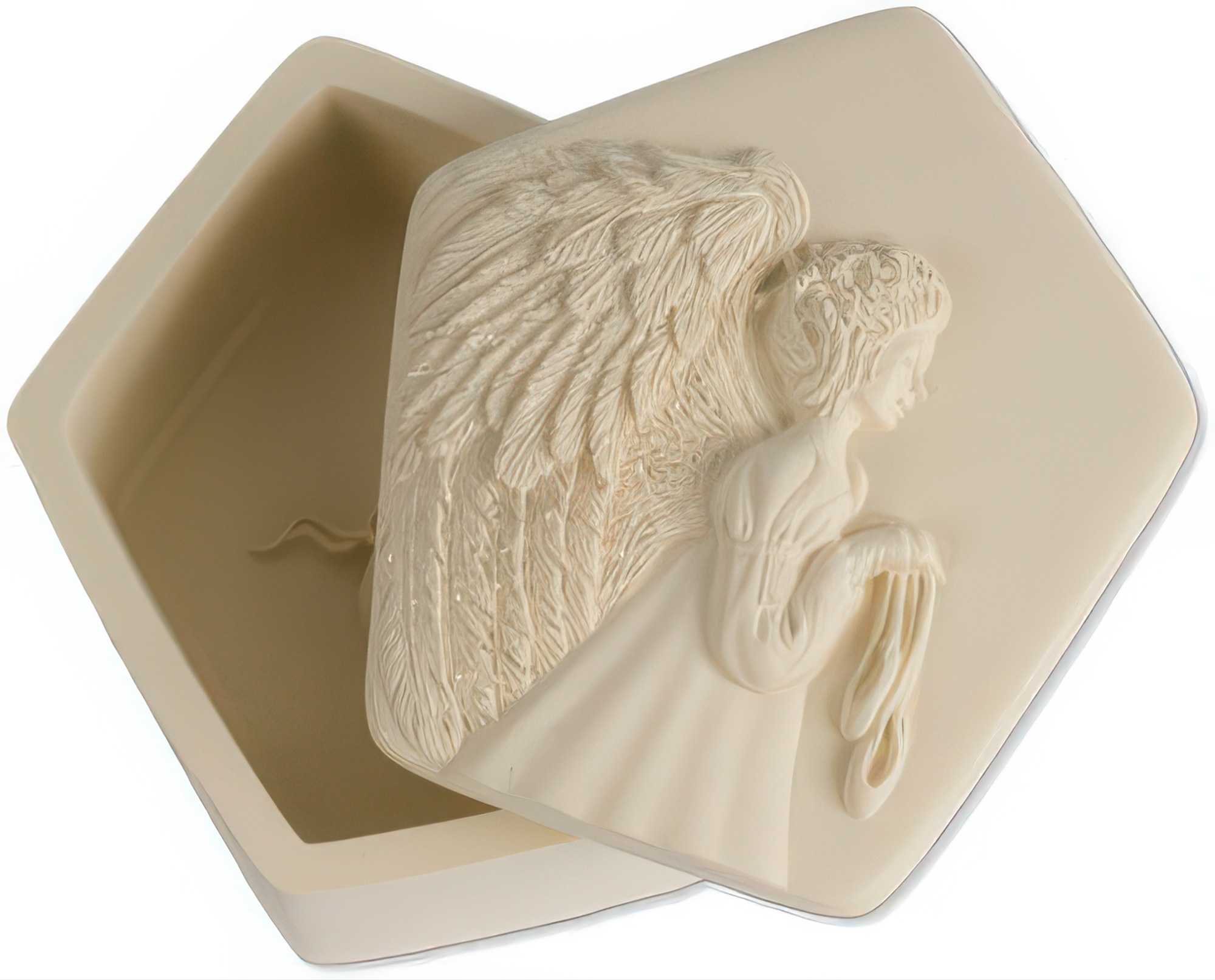
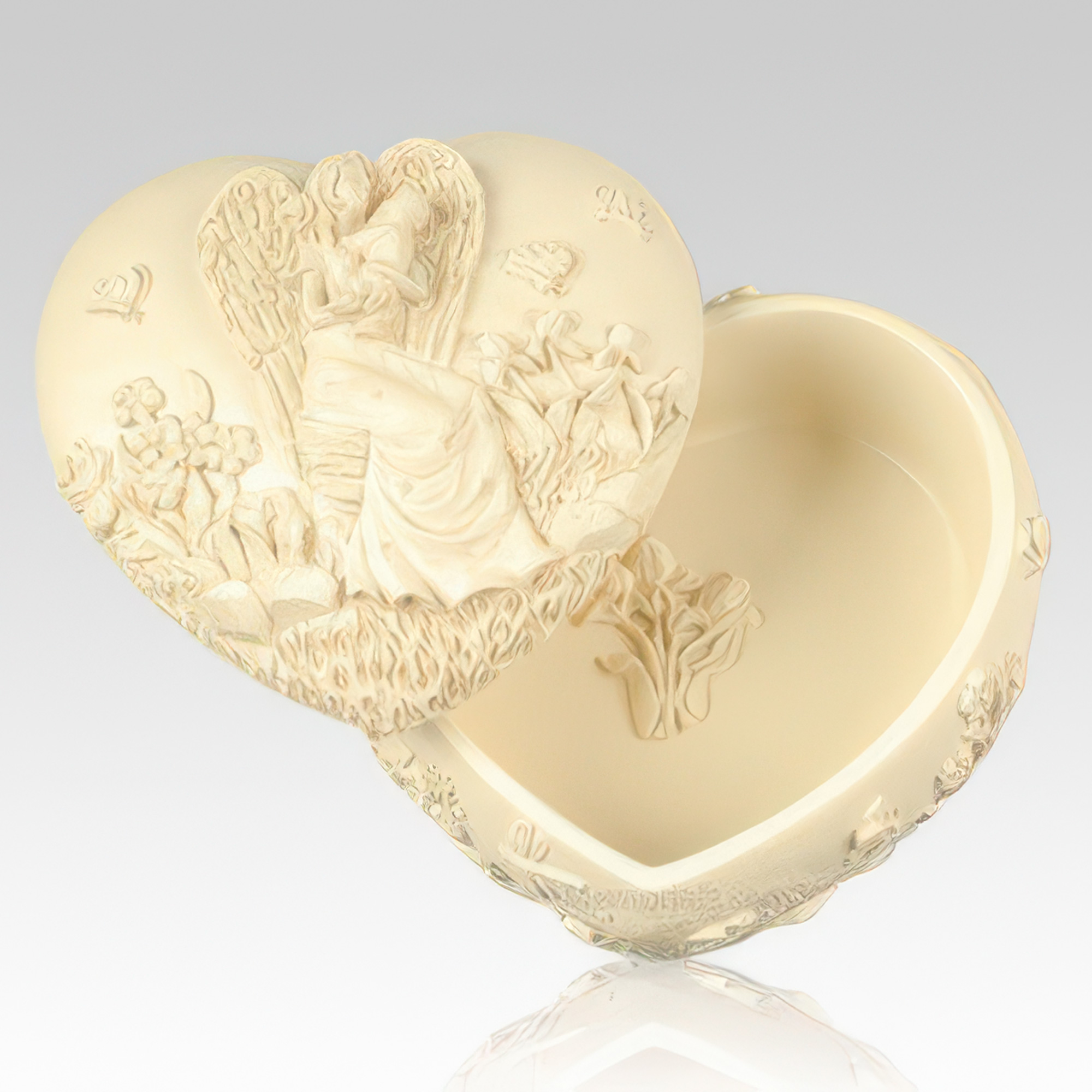
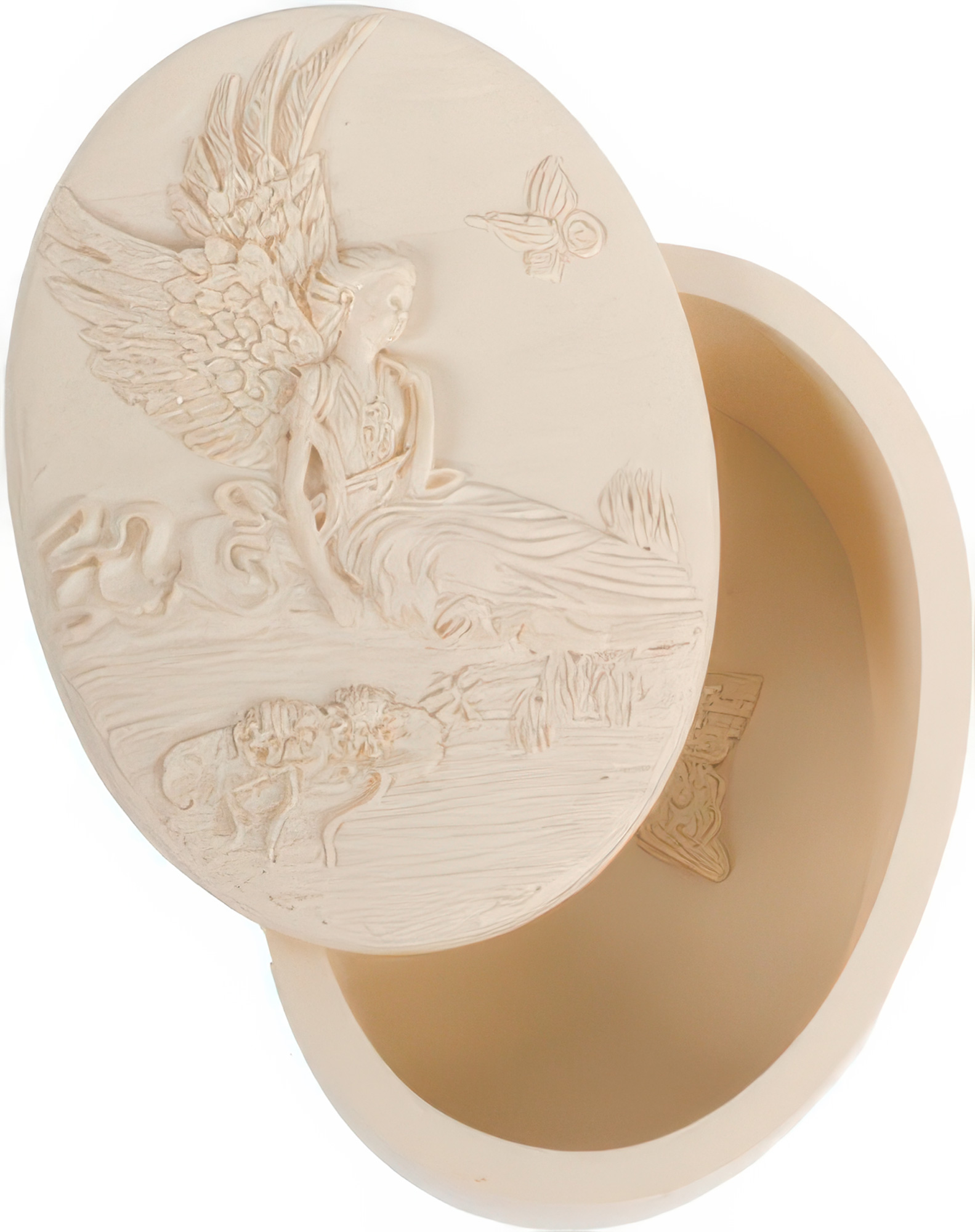
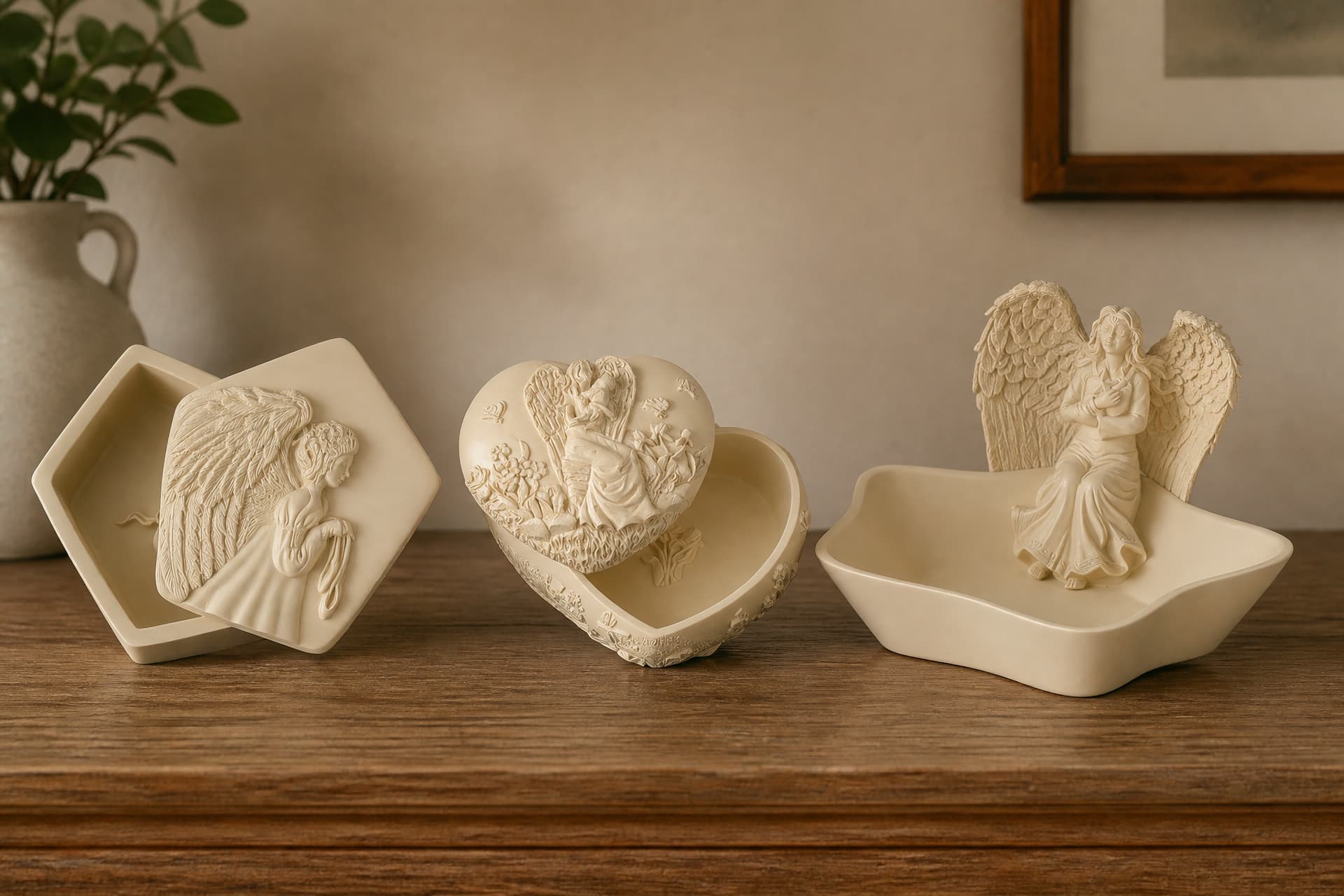
This is not expected and nobody will think less of you for skipping it. But among in loving memory gifts, a small engraved keepsake carries something a card cannot: it stays on a desk. The memory gifts that work best here are small and self-contained — a keepsake box, a covered dish, a tear bottle — rather than anything that asks for a shelf of its own.
The wording was never the bottleneck. Sorting the pile is.
Frequently Asked Questions
Do I have to send thank you notes after a funeral? Not to everyone. Anyone who did something specific — flowers, food, money, a job at the service, real practical help — should get one. People who simply attended do not need one, and people who sent a card do not strictly need one either.
What do I write in a thank you card for money? Thank them for the gift, never the amount, and say what it went toward if you know. Thank you for your generous gift; it went toward the headstone. Naming a sum turns it into a receipt.
Is it too late to send thank you notes for funeral gifts? No. A late note is better than none and often lands better, because it arrives after everyone else has moved on. Apologize in one line and then write the note.
Can I send a text or an email instead? For replying to condolences, yes — that is the medium most of them arrived in. For flowers, money, or someone who did a job at the service, a written card still carries more.
Who should sign the notes? "The [Surname] Family" for anyone at arm's length; your own name for anyone who wrote to you personally; the widow or widower alone when the note is about the marriage.
What if I do not know who sent something? Say so. Funeral homes usually keep the florist cards — ask. If it is genuinely lost, a note that admits it is warmer than no note at all.
In Closing
The pile does not need to be beautiful. It needs to exist, and it needs to say the specific thing.
If you write nothing else, write the six that are personal — the hospice nurse, the neighbor, the friend who sat in your kitchen. Those are the notes people keep in a drawer for twenty years. The other fifty-four can be one true sentence, repeated, and that is genuinely fine.