🏬Supersize Online Funeral Retailer🪦1000's of Headstones⚱️Over 10,000 Cremation Urns⚰️Caskets Overnight Delivery🛒Funeral & Memorial Superstore🚚FREE Shipping on ALL Orders👨👩👧👦Helping Families for over 20 Years💰Lowest Price Guarantee🏬Supersize Online Funeral Retailer🪦1000's of Headstones⚱️Over 10,000 Cremation Urns⚰️Caskets Overnight Delivery🛒Funeral & Memorial Superstore🚚FREE Shipping on ALL Orders👨👩👧👦Helping Families for over 20 Years💰Lowest Price Guarantee
🏬Supersize Online Funeral Retailer🪦1000's of Headstones⚱️Over 10,000 Cremation Urns⚰️Caskets Overnight Delivery🛒Funeral & Memorial Superstore🚚FREE Shipping on ALL Orders👨👩👧👦Helping Families for over 20 Years💰Lowest Price Guarantee🏬Supersize Online Funeral Retailer🪦1000's of Headstones⚱️Over 10,000 Cremation Urns⚰️Caskets Overnight Delivery🛒Funeral & Memorial Superstore🚚FREE Shipping on ALL Orders👨👩👧👦Helping Families for over 20 Years💰Lowest Price Guarantee
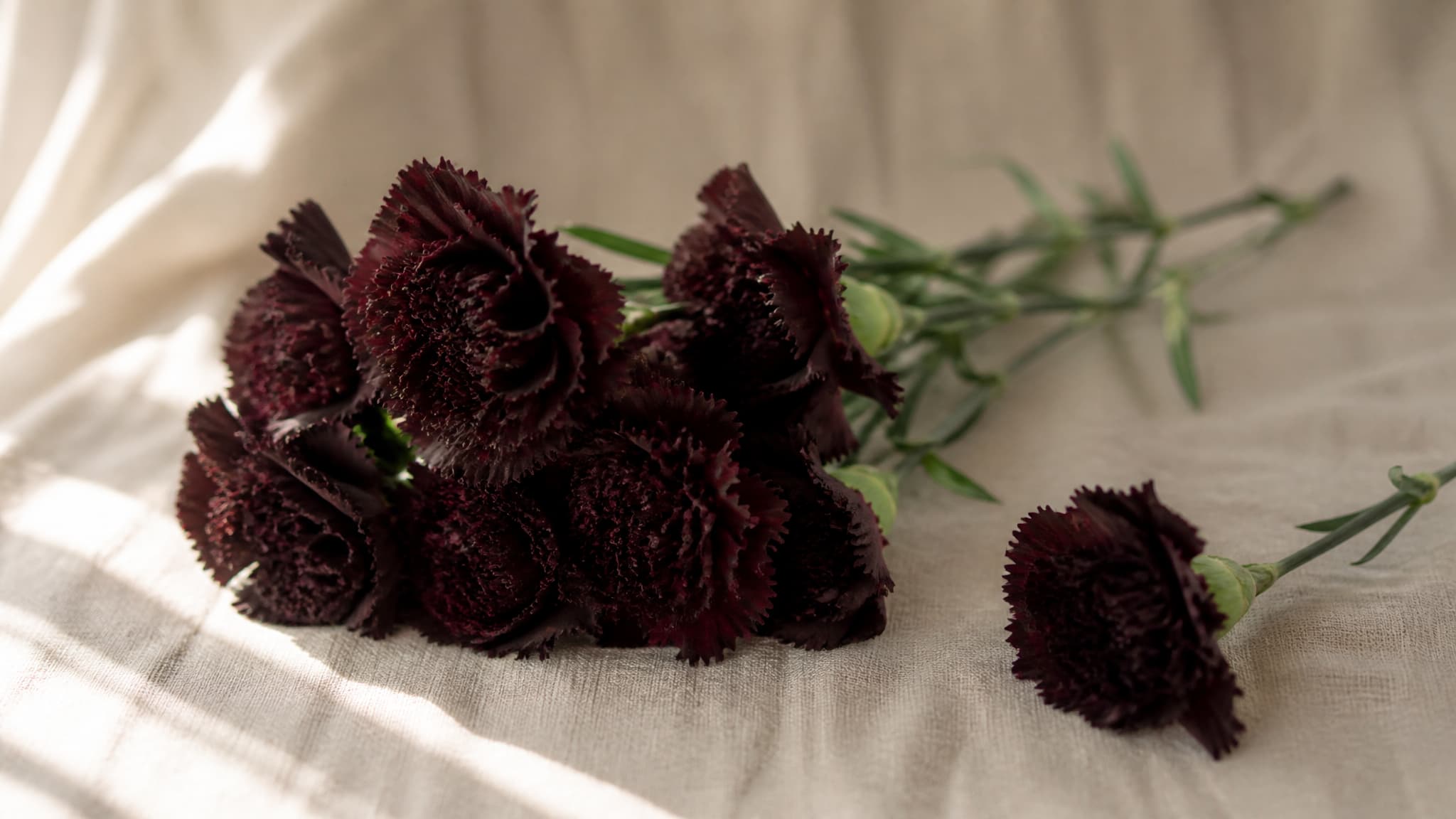
There is no such thing as a naturally black carnation. Every one you have seen — in a florist's book, in a photograph of a funeral spray, in an arrangement somebody sent — is either a very dark burgundy bloom that reads as black in low light, or a white carnation that has been dyed. Black carnations exist because people wanted them to exist, which is a different kind of true, and it is most of what makes them worth explaining.
That does not make the flower empty. A symbol does not have to be ancient or botanical to do its job, and this one does its job quickly: almost everybody who sees a dark carnation in a memorial arrangement reads mourning, without being told. This page answers both halves of the question people usually arrive with — what the dark flower is meant to say, and whether carnations belong at a funeral at all. It sits inside our death symbolism guide, which covers the omens, mythology and mourning customs that surround the same subject from other directions.
There Is No Such Thing as a Naturally Black Carnation
Carnations are cultivars of Dianthus caryophyllus, a Mediterranean pink that has been bred in gardens for a very long time. The genus name comes from Greek roots usually read as "flower of the gods," which is a better piece of trivia than most of the ones attached to funeral flowers. What the plant does not produce is black pigment. The darkest blooms breeders have managed are deep reds and burgundies — saturated enough that in a dim room, or against a dark ribbon, or in a photograph, they genuinely look black.
The other kind of black carnation is manufactured, and it is manufactured in one of two ways.
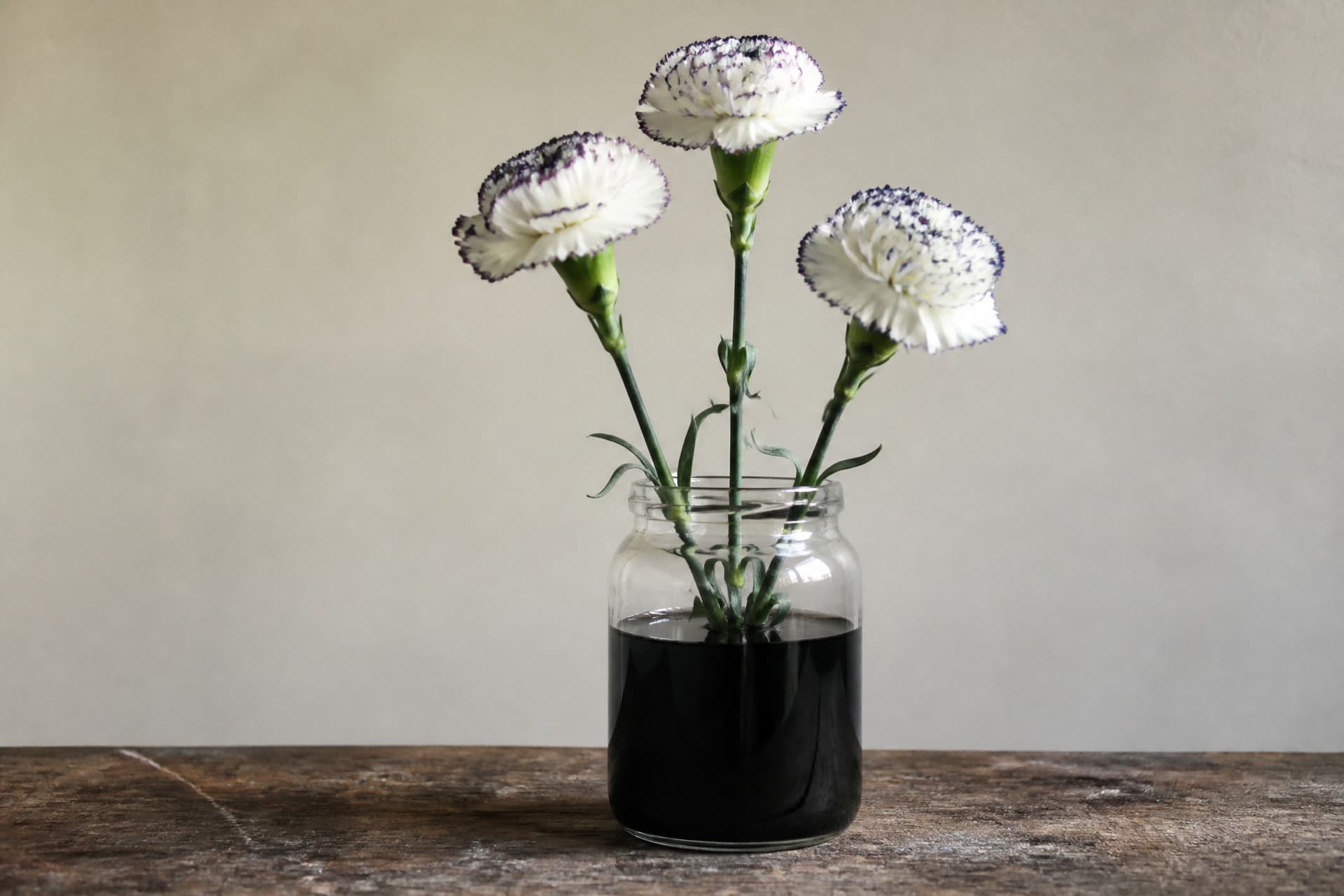
The first is absorption dyeing, the same effect as the school experiment with food coloring and celery. A cut white carnation stands in water carrying a strong dye; the stem draws the dye up into the petals, and the fringed edges color first. Carnations take dye unusually well, which is why they are the flower the florist reaches for when somebody asks for a color that does not exist. The result is a bloom that is colored all the way through the petal tissue.
The second is surface tinting — the flower is sprayed or airbrushed after cutting. It is faster, it gives a more even and more truly black finish, and it sits on the outside of the petal rather than inside it.
Knowing which one you have matters more than it sounds. A dyed flower can transfer color. A surface-tinted bloom brushed against a white shirt cuff, a car seat, or the pale lining of a casket can leave a mark, and it is worse if the flowers have been misted or have sat in a warm room. Absorption-dyed stems are better behaved on contact but drink dark water, so the vessel they stand in shows it. Neither is a reason to avoid them; both are a reason to keep dark flowers away from anything pale until they are placed, and to warn whoever is carrying them.
Absorption dyeing colors the petal from the inside out, so the fringed edges darken first. Ask which method your florist used — surface-tinted blooms are blacker, and more likely to mark a pale cuff.
What a Black Carnation Is Meant to Say
The traditional reading is mourning, farewell, and the end of something — a grief that is not softened. Where a white lily is offered as consolation, a dark carnation is closer to an acknowledgment. It does not promise that anything will be all right.
Be careful with how old that meaning is. Most of the color vocabulary attached to flowers dates to the nineteenth century, and black carnations are not part of it, for the simple reason that nobody could make one. The dark carnation is a modern addition to an older grammar: the language existed, the flower was added to it later, and the meaning was assigned by the people selling and sending them rather than inherited from anywhere. That is unusual enough to be worth saying plainly, because a great deal of writing about this flower implies a Victorian pedigree it does not have.
What it does have is immediate legibility, which is the only thing a symbol really needs. Black is the mourning color across most of the Western world, and a black flower reads as mourning to almost anyone who sees it, with no explanation required. That is the same job done by the armband, the drawn curtain and the dark border on a card — the symbols of grief and mourning that exist to make a private loss visible so that the person carrying it does not have to keep saying it out loud.
Where the Language of Flowers Came From
Nearly every color meaning still quoted in a florist's shop comes from floriography, the nineteenth-century fashion for reading sentiment into flowers. It produced dictionaries — competing ones, which disagreed with each other — and a habit of thinking about arrangements as messages rather than decoration. The same era produced hair kept in lockets, jet worn for a year, and the whole apparatus of Victorian mourning jewelry, which is not a coincidence: this was a culture that wanted its grief to be readable at a glance.
The useful takeaway is that these meanings are conventions, not properties of the plant. A red carnation is not intrinsically anything. It means what a shared tradition agrees it means, which is why the meanings vary between countries and why nobody at a funeral is going to be offended by a flower they read differently. Send what you would want to receive, and let the dictionary go.
Are Carnations Funeral Flowers?
Yes — and more than almost any other bloom. If you have been to a funeral in the United States, you have been in a room with carnations, whether or not you noticed them. Anyone asking whether carnations are for funerals has usually been offered them and is quietly wondering whether they are the cheap option.
They are, in fact, one of the less expensive stems. They are also the practical one, and those two facts are related rather than opposed. Three properties make funeral carnations the florist's workhorse:
They last. Carnations hold for a long time in water, and — the part that matters here — they hold for hours out of water. A standing spray sits in a foam base through a viewing, a service and a graveside committal, often across two days, frequently in a warm room. Most flowers are visibly finished by the end of that. Carnations are not.
They keep their shape. The bloom is dense and round, with stiff fringed petals that do not flop when wired. That is why carnations funeral arrangements can be built into wreaths, crosses, hearts and lettered pieces at all: the flower will hold a form. A rose will not do this without a great deal more work.
They are available every week of the year. No season, no scramble, no substitution three days before a service. When a funeral has to be arranged in four days, that reliability is worth more than novelty.
Priced against lilies or orchids, carnation funeral flowers are the cheaper line on the invoice and the reason the whole piece is still standing on day two. So carnations funeral flowers are not the compromise choice, they are the correct one for the job, and a good florist will use them as the structure of a piece and spend the budget on a few statement stems elsewhere. If you are working out what to send and what it should cost, we have a fuller guide to sending flowers to a funeral.
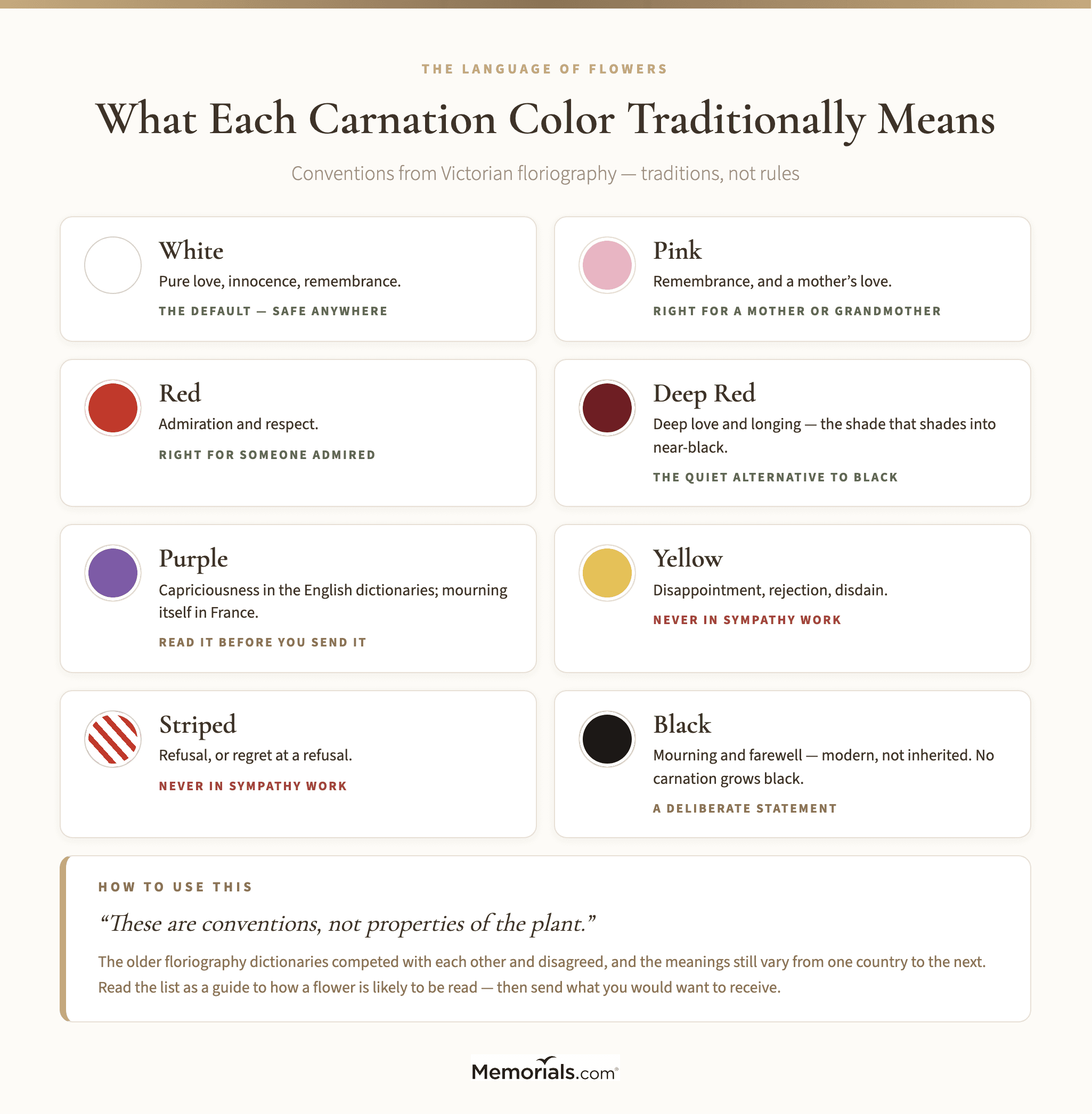
Eight carnation colors and what the tradition assigns to each. White, pink and deep red are the ones that read cleanly at a funeral; yellow and striped carry meanings that were never meant kindly, and are best avoided in sympathy work whatever your florist has in stock.
What Each Carnation Color Traditionally Means
These are traditions rather than facts, and the older dictionaries disagreed with each other. Treat them as a guide to how a flower is likely to be read, not as a rule.
White — pure love, innocence, remembrance. White is the default among carnation flowers for funeral work, safe in any context, and the standard choice for the death of a child or a young person.
Pink — remembrance, and specifically a mother's love. In one Christian legend the first pink carnations grew where Mary's tears fell at the crucifixion, which is a story rather than a history, but it is the reason pink carries the maternal association at all.
Red — admiration and respect. Ordinary red is the color of esteem for someone who was admired.
Deep red — deep love and longing. This is the shade that shades into the near-black bloom, and the reason a very dark carnation reads as grief rather than as decoration.
Purple — capriciousness in the English dictionaries, but in several European traditions, and in France especially, the color of mourning itself. Worth knowing before you send purple to a family with French roots and expect it to be read as whimsy.
Yellow — disappointment, rejection, disdain. Never appropriate in sympathy work, whatever it looks like in a photograph.
Striped — refusal, or regret at a refusal. A meaning nobody intends and everybody should avoid.
Black — mourning and farewell, as above, and modern rather than inherited.
There is also a custom, older than most people realize, of wearing a white carnation for a mother who has died and a colored one for a mother still living. It survives here and there around Mother's Day, and it is the one place the flower still carries a meaning in the wearing rather than the sending.
Carnation Funeral Arrangements, and Who Sends Which
Most of the anxiety around funeral flowers is not about color. It is about sending the wrong kind of thing — something too large, too intimate, or addressed to a role that is not yours.
The casket spray is the arrangement that lies on the casket, and it comes from the immediate family. It is not something a friend, a colleague or a neighbor sends. If you are not sure whether you count as immediate family, you are not sending the casket spray.
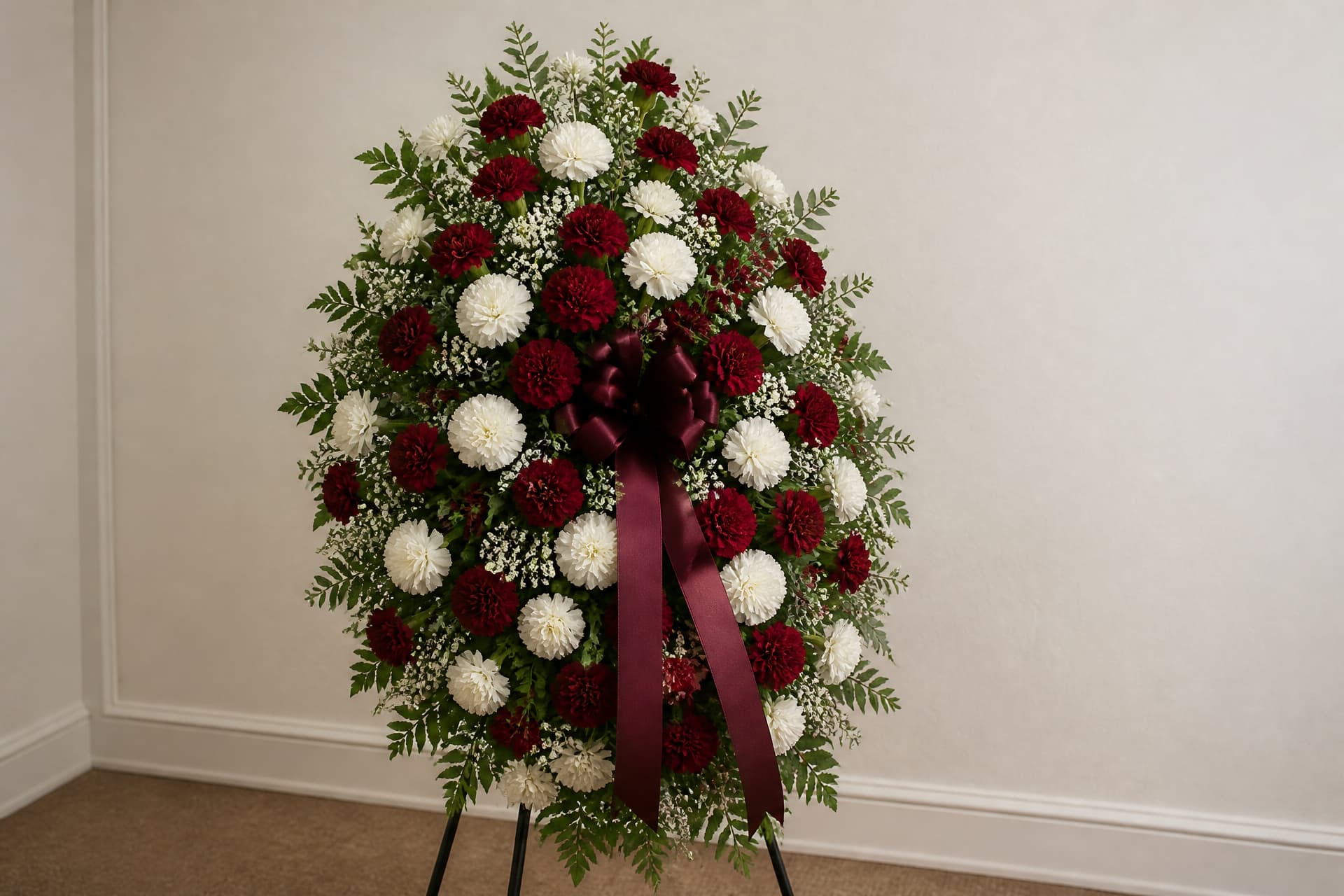
Standing sprays and easel pieces are for everyone else — friends, extended family, workplaces, congregations. These are where carnation funeral arrangements do their best work, because the shapes are large and structured and the flower holds them.
Wreaths and crosses carry an explicitly formal or religious register. Wired carnations are the traditional body of both.
Baskets and vase arrangements are the gentlest option, and the most practical, because they can be moved to the family's home afterward and will still look like something a week later.
Single stems are the quietest choice of all. Some families invite mourners to lay one carnation on the casket at the graveside. If you are unsure of your standing, this is never wrong.
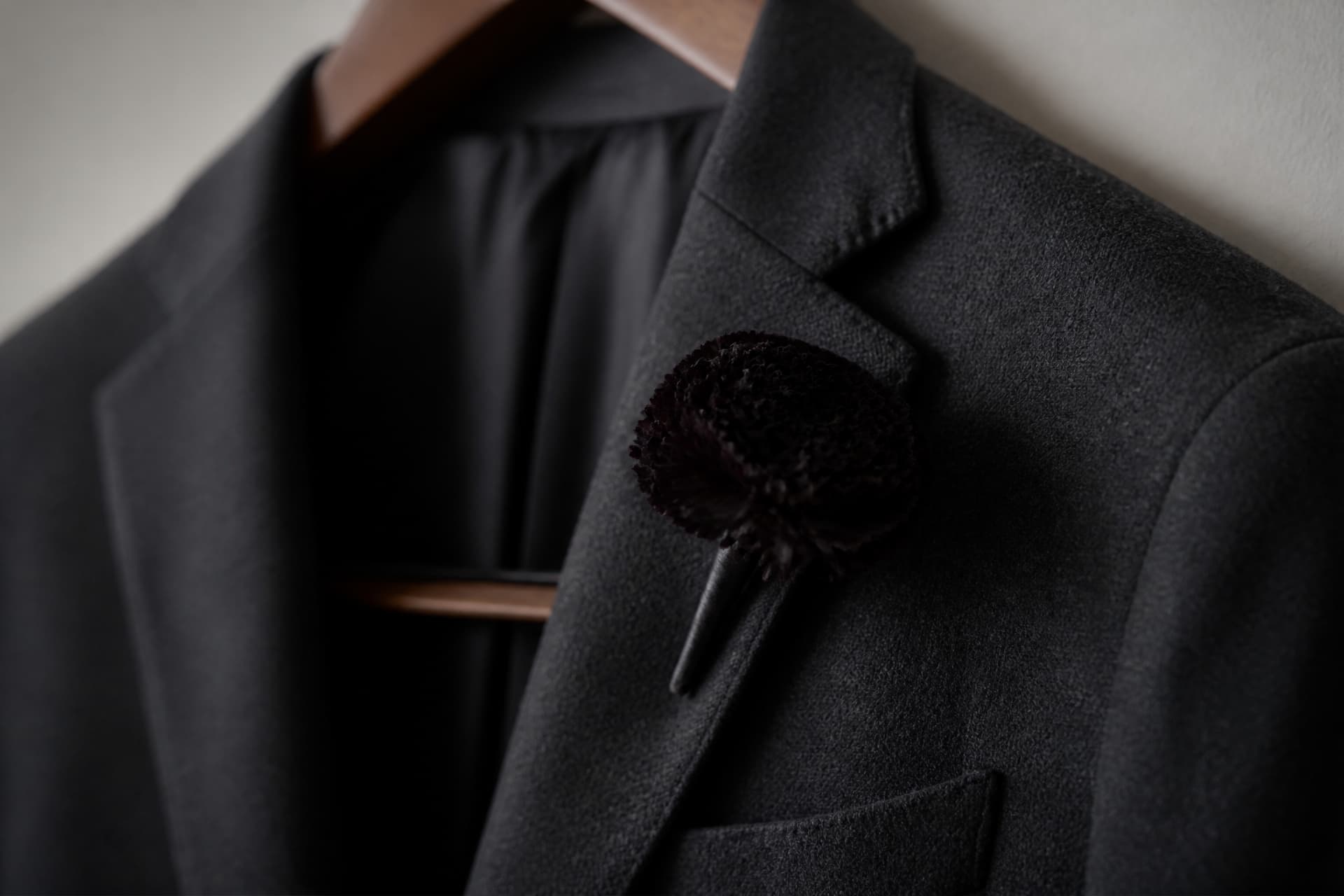
Boutonnieres and corsages are worn by pallbearers, honorary pallbearers and close family, and are usually arranged by the family rather than sent. A single dark carnation is a common choice.
Whatever you send, the card matters more than the flowers. It is the part the family keeps and rereads, often months later, and it is the part people freeze over — we have a guide to what to write on the card if the blank space is doing what blank spaces do.
A standing spray is the piece most guests send. Carnations are the structure of nearly every one of them, holding the shape while a few costlier stems do the talking.
When a Black Carnation Fits, and When It Does Not
This is the question the color meanings do not answer, and it is the one people are embarrassed to ask.
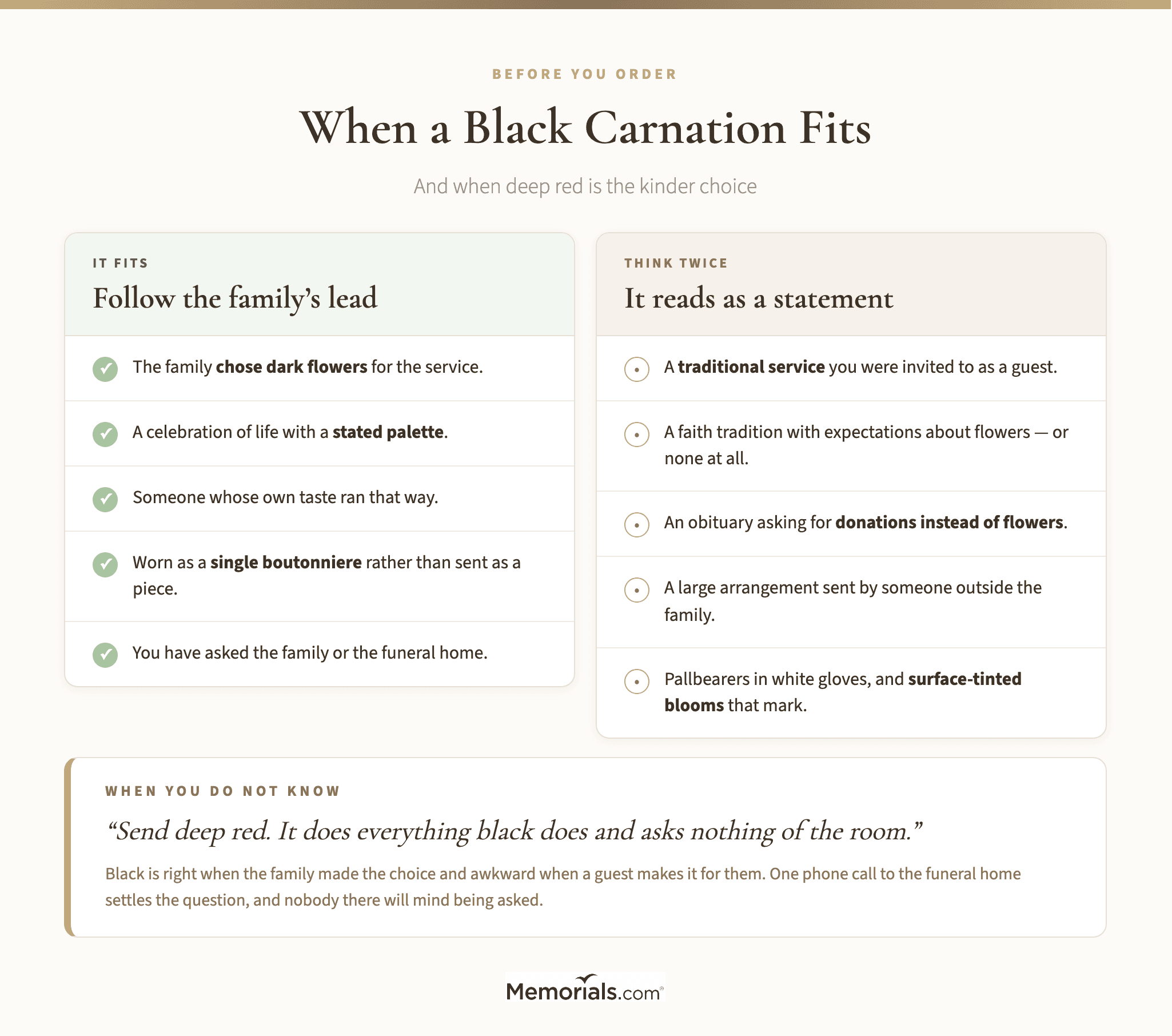
A black carnation fits when the family chose it. Personal, contemporary and celebration-of-life services sometimes use dark flowers deliberately — for someone whose taste ran that way, for a family that finds pastel sympathy arrangements false, for a service with a stated palette. When the family has set the tone, follow it.
It is a strong statement at somebody else's traditional funeral. Sent unasked to a conventional service, a black arrangement can read as a comment rather than a condolence — the sender making a point about grief in a room full of white lilies. That is not what anyone intends, and it is a real risk. If you do not know the family well, dark red does everything black does and asks nothing of the room.
Religious services often have conventions worth asking about. Some traditions have expectations about flowers at a funeral, and a few ask that there be none at all. One phone call to the funeral home settles it, and they will not mind the question.
Check whether the family has asked for something else. When an obituary says in lieu of flowers, that is a request, not a formality, and it applies to striking arrangements more than to modest ones.
And there is the practical point from earlier. Dyed blooms can mark pale fabric. If your flowers are going to be handled by pallbearers in white gloves, or laid on a light casket, say so when you order and ask for absorption-dyed stems rather than surface-tinted ones.
Worn rather than sent, a single dark bloom is the least risky way to use the color — it makes the statement on one person's lapel instead of across the whole room.
The short version: follow the family's lead, and when you do not know it, choose deep red. Black reads as a deliberate statement, which is right when the family made it and awkward when a guest does.
Black Is Not the Mourning Color Everywhere
Everything above assumes a Western funeral, and that assumption is worth naming, because a black flower means nothing in particular in much of the world.
Across much of East and South Asia, white is the color of mourning, and white flowers — chrysanthemums especially — carry the weight that black carries here. A black arrangement at such a service is not a stronger version of the same message; it is a different message, or none. The same logic governs what guests wear, which is why the question of whether you have to wear black to a funeral has a different answer depending on whose funeral it is.
Mexico is a useful counterexample in the other direction. The flower that carries the dead on a Día de Muertos altar is the marigold — orange, loud, and chosen precisely because its color and scent are supposed to guide the dead home. Nothing about it is somber, and the sugar skull sitting beside it on the same altar is decorated in the same spirit. A tradition can take death entirely seriously and still refuse to be gray about it.
What Happens to the Flowers After the Service
Every page about funeral flowers stops at the service. Families do not, and the days afterward produce a set of questions nobody prepares them for: the house is full of arrangements, they are all failing at once, and throwing them out feels like a second loss.
Keep a few stems, not all of them. Three or four from the arrangements that meant something — the casket spray, the one from her sister, the one the grandchildren sent. Carnations air-dry particularly well, holding their shape where softer flowers collapse, and our guide to how to preserve flowers from a funeral covers the methods that actually work. Photograph everything first, and keep the cards.
Some of it goes to the grave. Taking flowers to the cemetery in the days after a burial is one of the oldest things mourners do, and it is where the ashes to ashes, dust to dust of the committal stops being words and becomes a place you visit. Loose stems laid on a new grave last about a day. Most cemeteries have rules about what may be left and for how long, and nearly all of them are happier with flowers in a fixed holder than with anything resting on the grass, because the grounds crew has to mow around whatever is there.
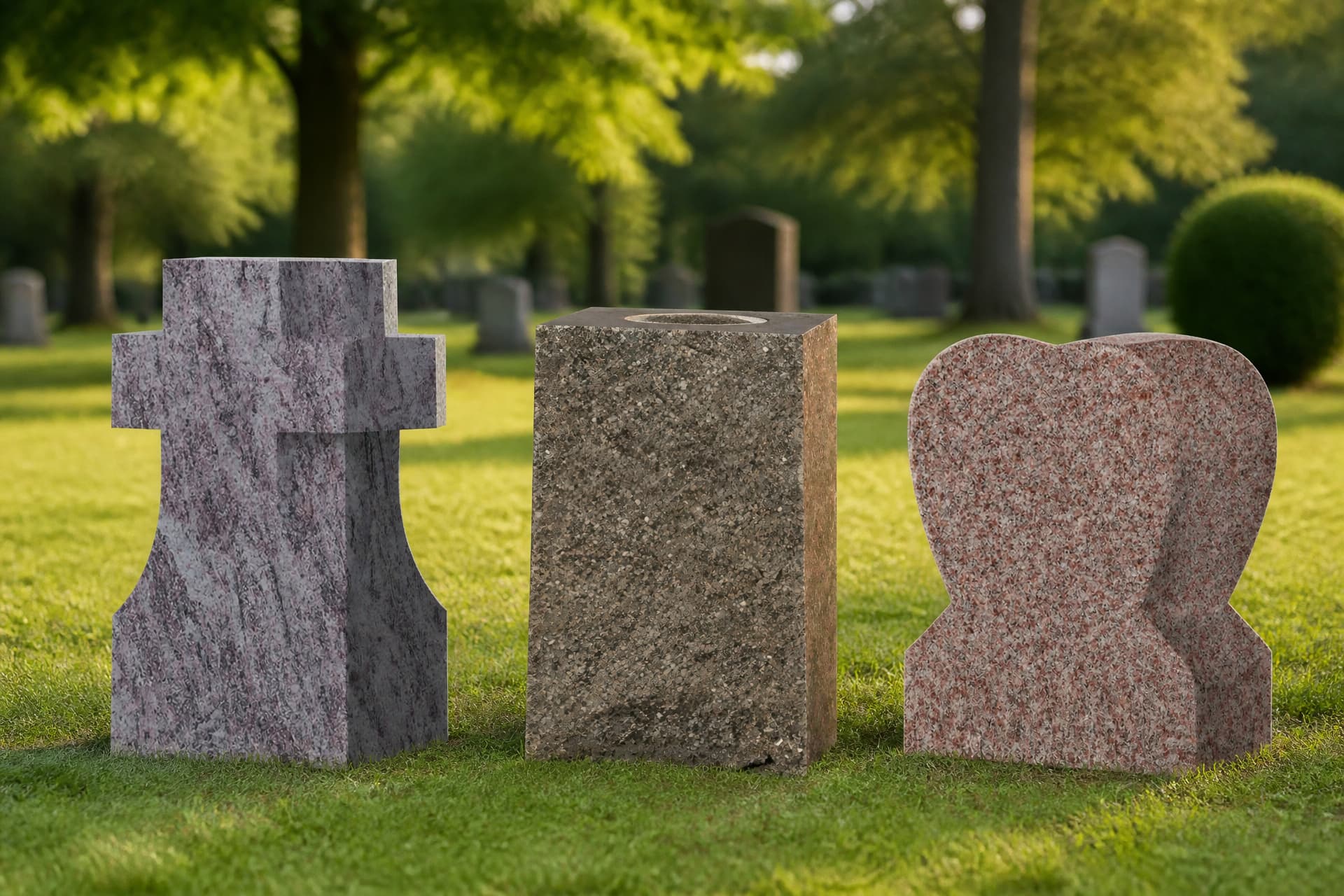
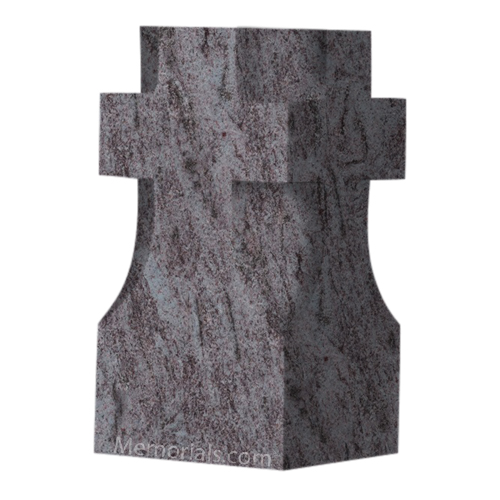
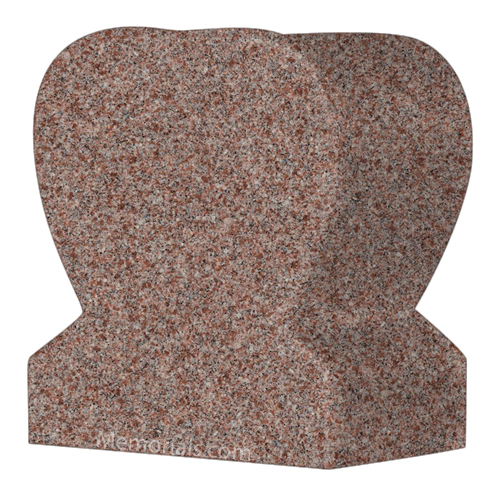
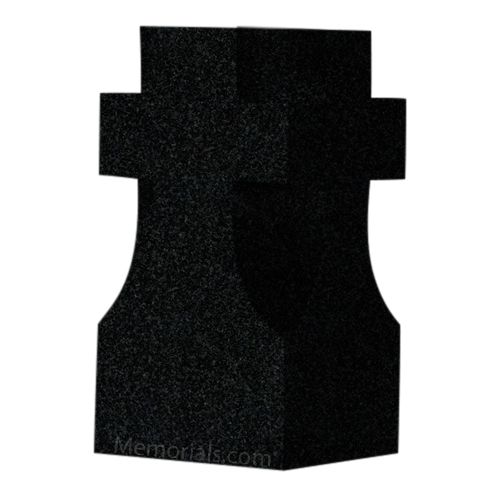
That is what cemetery flower holders are for. A granite or bronze holder mounts to the base of a monument or sits beside a flat marker, keeps stems upright through wind and mowing, and gives the family a fixed place to put something on a birthday or an anniversary. Match the granite to the memorial if there is one, and check the cemetery's regulations before ordering, since permitted sizes and mounting styles vary from one section to the next. Our guide to choosing a graveside vase walks through materials, mounting and the questions to ask the office.
Beyond the first few weeks, most families settle into a rhythm rather than a single gesture — something at the holidays, something on a birthday, a change with the seasons. Ideas for decorating a grave through the year are worth reading before the first anniversary rather than after it.
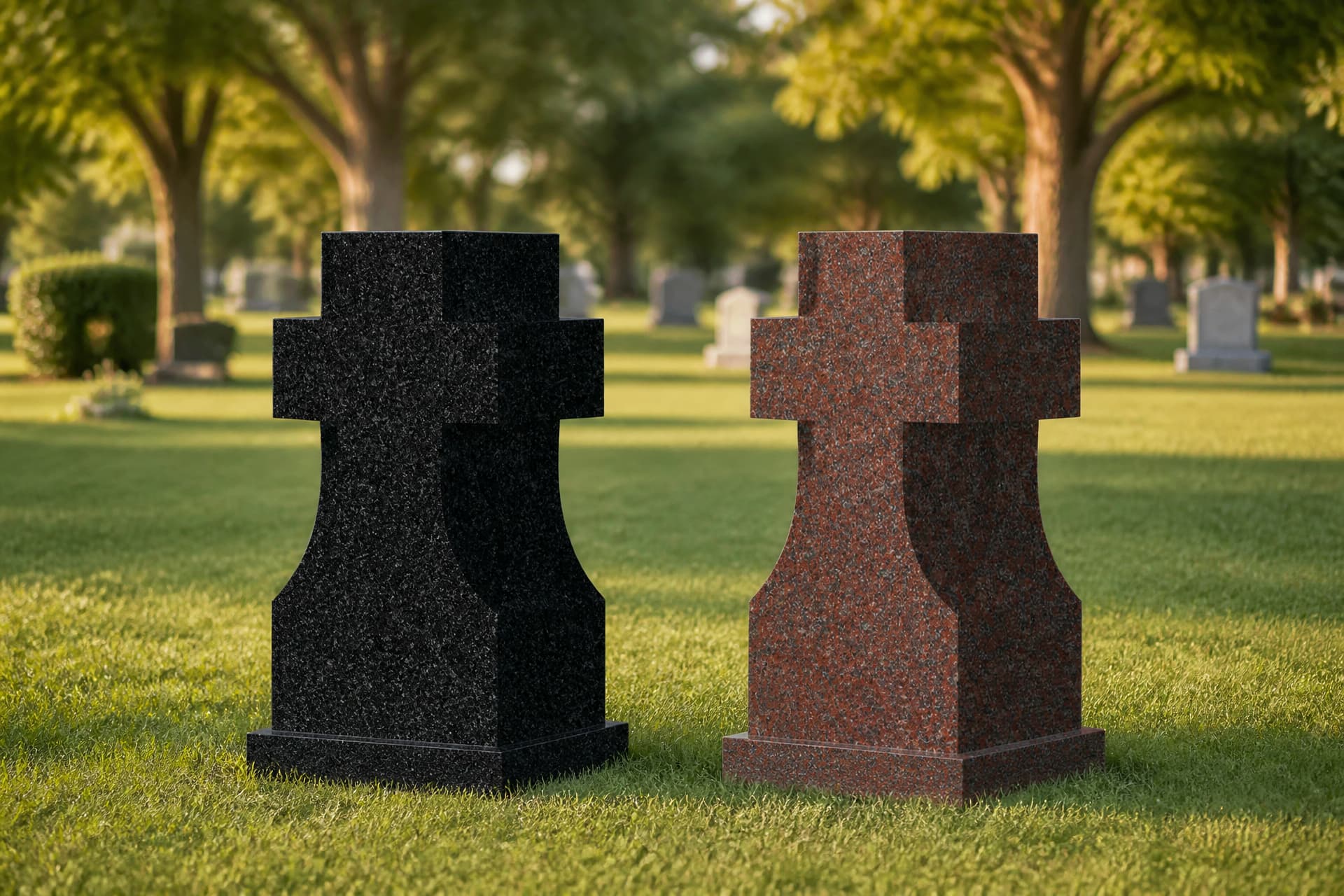
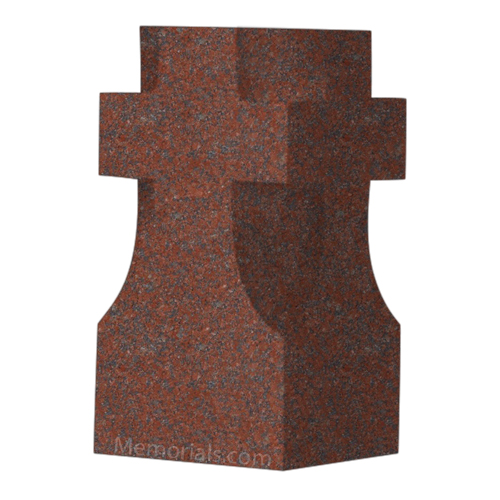
One shape, two granites. Cemeteries that require a fixed holder usually say nothing about its color, so the choice is the family's and it is the part that will still be there in ten years. Products from left to right: India Black Cross Granite Vase and India Red Cross Granite Vase.
Granite Vases for the Graveside
Fixed holders that keep flowers upright through wind and mowing
Yes, and they are the most widely used flower at American funerals. They are inexpensive, they last for days out of water, and their dense round heads hold their shape when wired into wreaths, crosses and sprays. Most of the structure of a funeral arrangement is carnations, whatever else is in it.
What do black carnations mean?
Mourning, farewell, and grief that is not being softened. It is a modern meaning rather than an inherited one — the flower could not be produced when the rest of the flower dictionary was written — but it reads clearly to almost anyone who sees it, which is all a symbol has to do.
Are black carnations real flowers?
They are real flowers, but the color is not natural. What is sold as black is either a very dark burgundy cultivar that looks black in low light, or a white carnation dyed through the stem or tinted on the surface. No carnation grows black.
Are carnations for funerals only?
Not at all. Carnations appear at weddings, in birthday arrangements and in everyday bouquets, and the same properties that suit them to funerals — durability, availability, low cost — make them useful everywhere. The funeral association is strong in the United States, but it is a convention, not a rule.
What color carnation is for a funeral?
White is the traditional and safest choice, and the usual one for a child or a young person. Pink carries a maternal association and suits the loss of a mother or grandmother. Deep red reads as love and respect. Avoid yellow and striped, which carry unkind meanings in the older tradition, and treat black as a deliberate statement rather than a default.
The Flower Is the Easy Part
If you came here to find out whether you can buy a truly black carnation, the honest answer is no, and the useful answer is that you can get very close, either with a deep burgundy bloom or with a dyed white one — and that the second will be blacker and the first will behave better. Ask your florist which they are giving you.
If you came for the meaning, it is mourning and farewell, assigned recently, understood instantly. And if you came because someone has died and there are decisions in front of you, the flowers are genuinely the easy part. They will be beautiful for a few days and then they will not, and nobody will remember which ones you chose. What people remember is that you came, that you wrote something on the card, and that the grave still has something on it a year later.