🏬Supersize Online Funeral Retailer🪦1000's of Headstones⚱️Over 10,000 Cremation Urns⚰️Caskets Overnight Delivery🛒Funeral & Memorial Superstore🚚FREE Shipping on ALL Orders👨👩👧👦Helping Families for over 20 Years💰Lowest Price Guarantee🏬Supersize Online Funeral Retailer🪦1000's of Headstones⚱️Over 10,000 Cremation Urns⚰️Caskets Overnight Delivery🛒Funeral & Memorial Superstore🚚FREE Shipping on ALL Orders👨👩👧👦Helping Families for over 20 Years💰Lowest Price Guarantee
🏬Supersize Online Funeral Retailer🪦1000's of Headstones⚱️Over 10,000 Cremation Urns⚰️Caskets Overnight Delivery🛒Funeral & Memorial Superstore🚚FREE Shipping on ALL Orders👨👩👧👦Helping Families for over 20 Years💰Lowest Price Guarantee🏬Supersize Online Funeral Retailer🪦1000's of Headstones⚱️Over 10,000 Cremation Urns⚰️Caskets Overnight Delivery🛒Funeral & Memorial Superstore🚚FREE Shipping on ALL Orders👨👩👧👦Helping Families for over 20 Years💰Lowest Price Guarantee
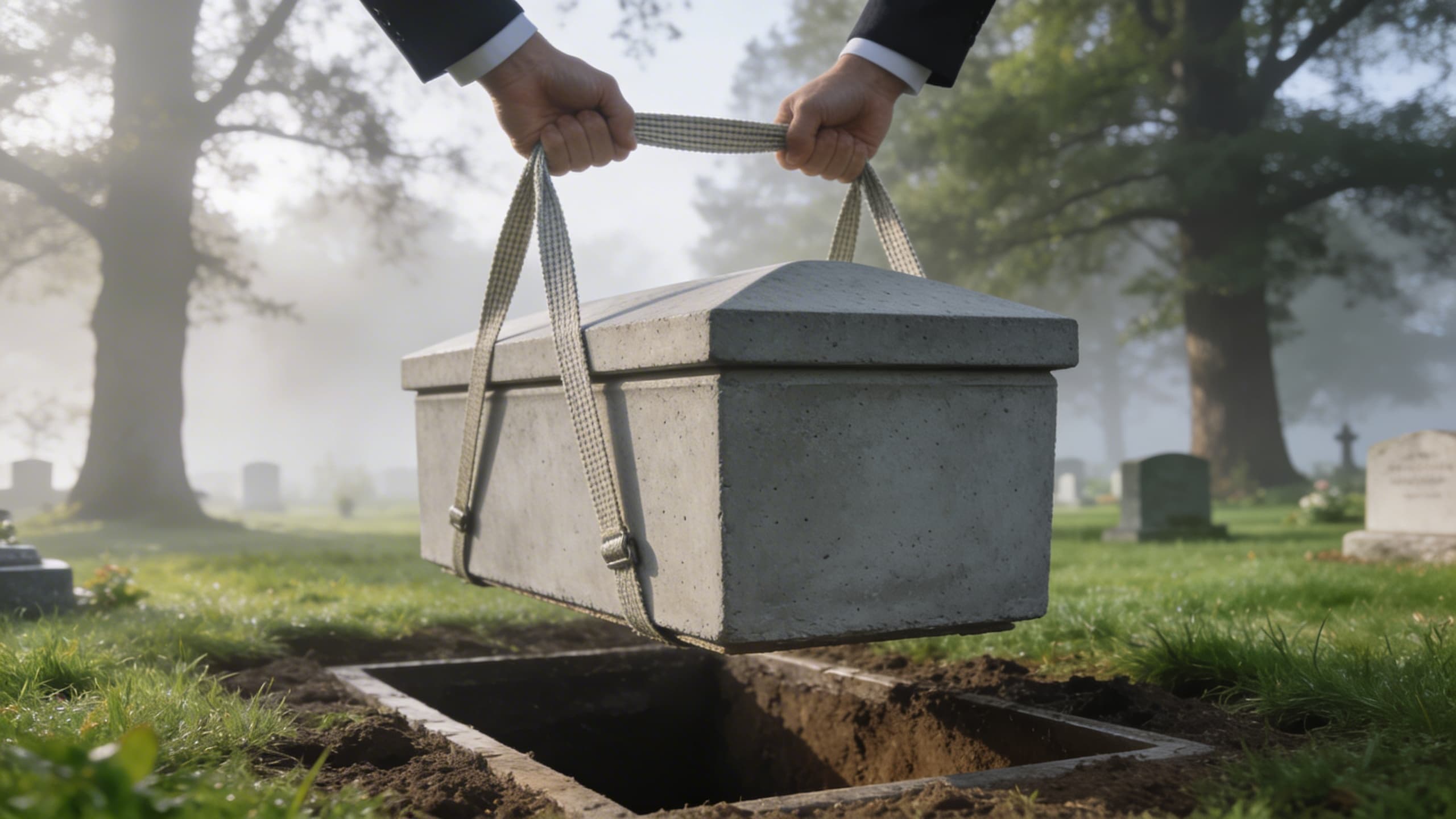
A cremation vault is a protective outer container designed to house a cremation urn when it is buried in the ground. Made from materials like concrete, polymer, or steel, the vault shields the urn from soil pressure, moisture, and the weight of cemetery maintenance equipment that passes over the gravesite. Without this layer of protection, many urn materials — wood, ceramic, thin metal — will eventually weaken and collapse, creating a sunken depression in the ground above.
If you are navigating cemetery decisions for a loved one who chose cremation, understanding cremation vaults is one of the most practical steps you can take. Most cemeteries in the United States require some form of for urn , and the vault you select affects everything from long-term preservation to total burial cost.
This guide walks through vault types, standard sizing, price ranges, and the key factors that determine whether you need one at all.
How a Cremation Vault Differs from a Casket Burial Vault
The term "burial vault" can cause confusion because it applies to two very different products. A full-size casket burial vault is a large concrete or steel enclosure that surrounds an entire casket — typically measuring around 30 inches wide by 86 inches long. These vaults are heavy, require mechanical equipment to lower into the grave, and cost between $900 and $7,000 or more.
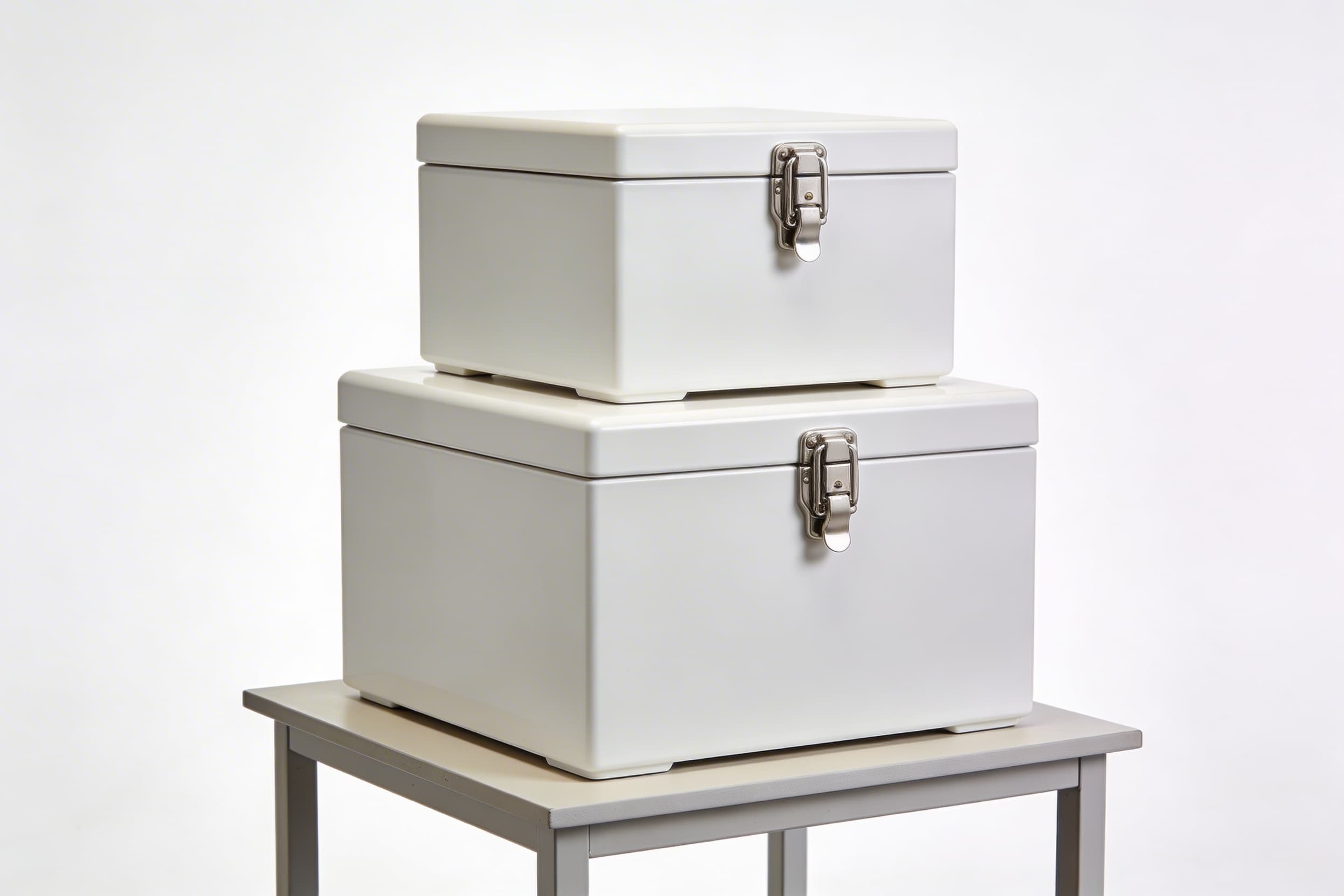
A cremation vault, by contrast, is much smaller. It serves the same protective function — shielding its contents from soil weight and groundwater — but is sized to hold an urn vault rather than a full casket. Standard cremation vaults measure roughly 15 inches square and 14 to 18 inches tall. They are light enough for one or two people to carry, and they cost a fraction of their full-size counterparts.
Cremation vaults are built from several different materials, each offering a different balance of durability, weight, appearance, and cost.
Polymer and ABS Plastic Vaults
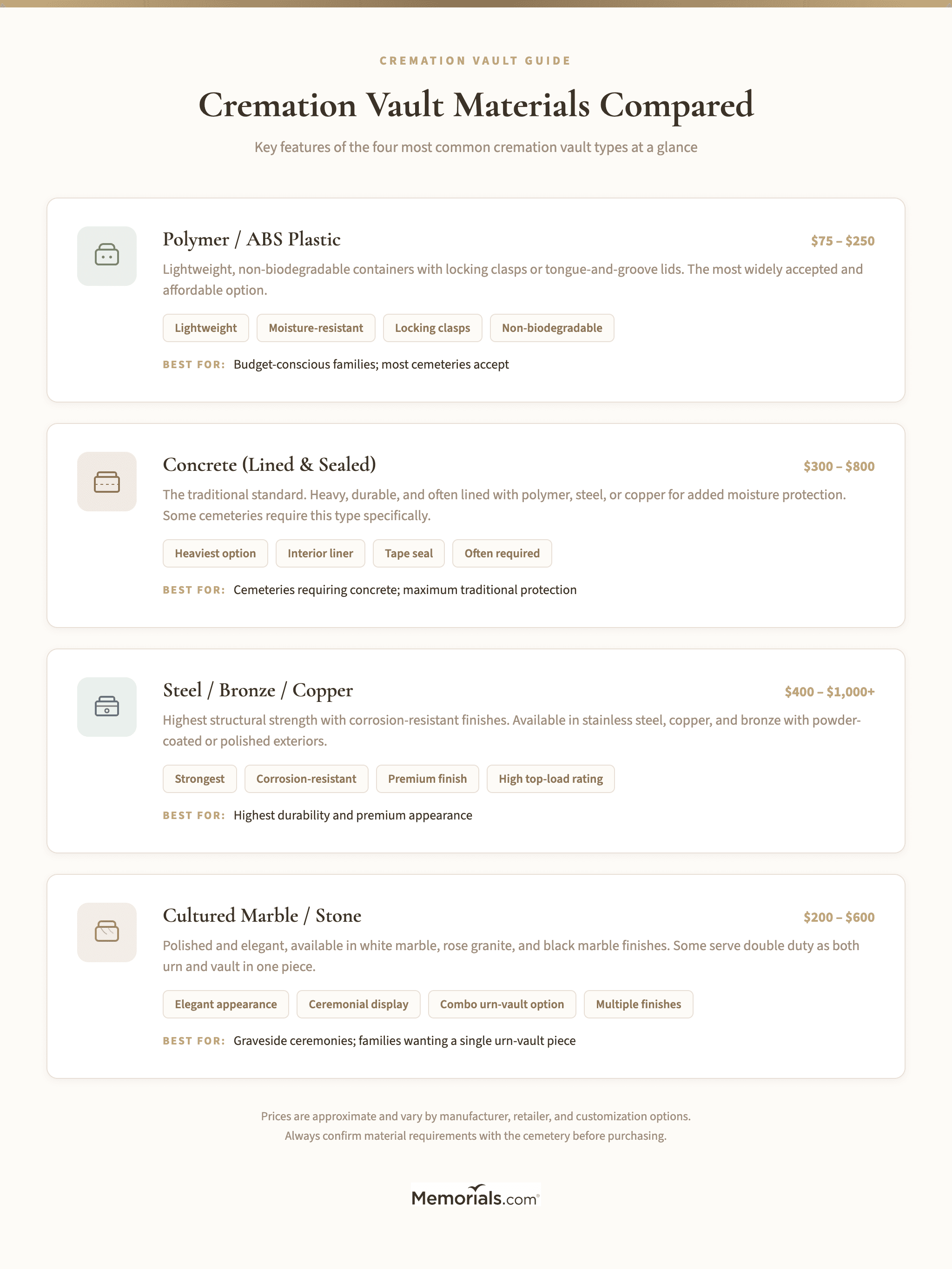
Polymer vaults are the most common and the most affordable option. Constructed from high-impact polypropylene or ABS plastic, these vaults are lightweight, non-biodegradable, and resist moisture well. Many feature locking clasps or a tongue-and-groove lid design that creates a tight seal. Most cemeteries accept polymer vaults, making them the default choice for families seeking reliable protection without a premium price tag.
Expect to pay between $75 and $250 for a standard polymer cremation vault.
Concrete Vaults
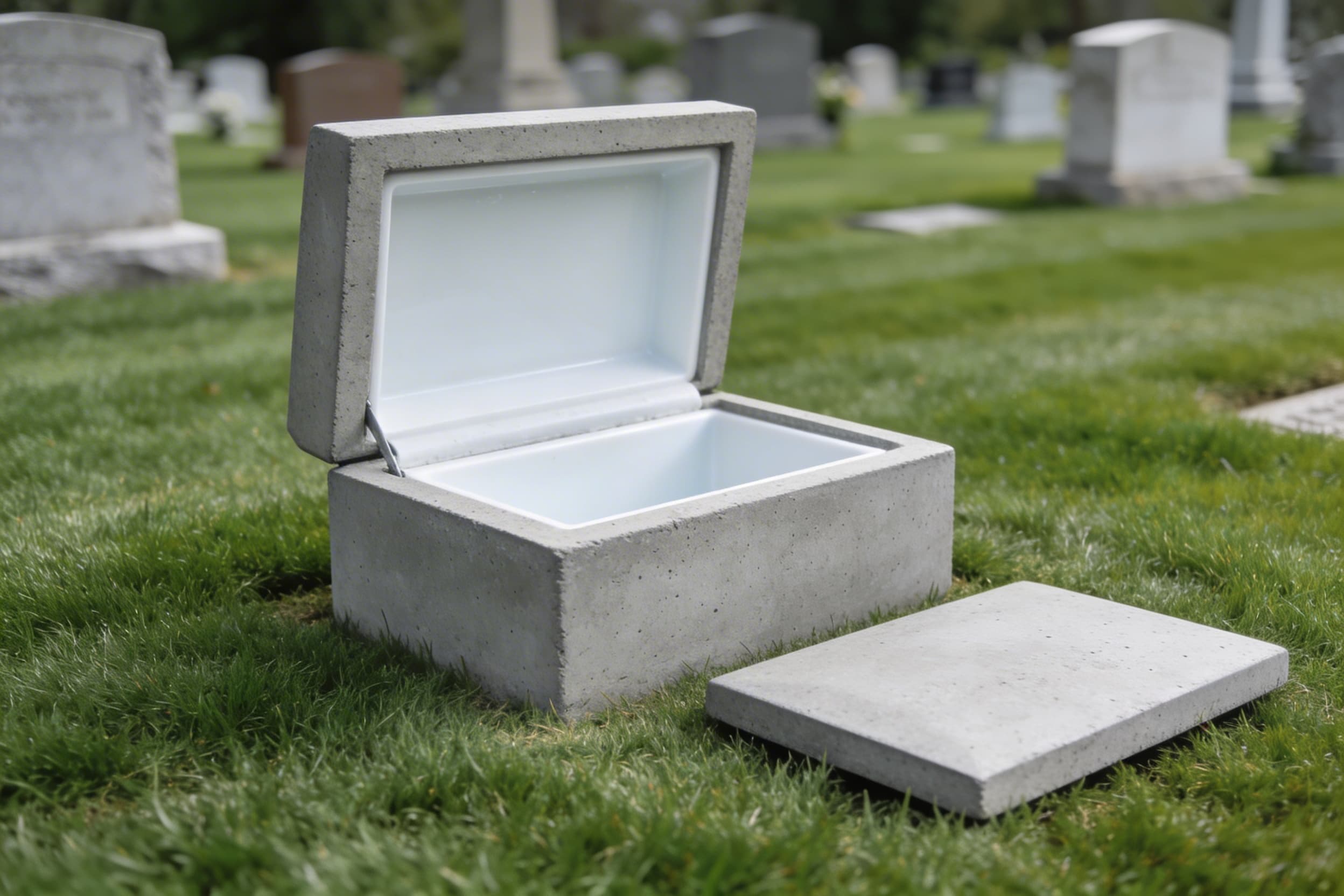
Concrete cremation vaults are the traditional choice and the type most often required by cemeteries with strict burial regulations. These vaults are heavier and more durable than polymer options, and they often include an interior lining — polymer, steel, or copper — that adds a second layer of moisture protection. The lined-and-sealed construction is what distinguishes a true vault from a simpler outer burial container or grave liner.
Concrete vaults for cremation urns generally cost between $300 and $800, depending on lining material and decorative finishes. Some cemeteries require concrete specifically, and these vaults may only be available through the cemetery's approved vendor.
Steel and Metal Vaults
Steel cremation vaults offer the highest structural strength. Stainless steel, copper, and bronze options are available, often with powder-coated exteriors and decorative detailing. These vaults resist rust and corrosion and can withstand significant top-load pressure from soil and equipment. Metal vaults are a premium choice and can range from $400 to over $1,000.
Cultured Marble and Stone Vaults
Cultured marble and simulated stone vaults combine visual elegance with reasonable durability. These are often chosen when the vault will be visible during a graveside ceremony before burial. They provide a polished, dignified appearance and are available in colors like white marble, rose granite, and black marble. Prices typically fall between $200 and $600.
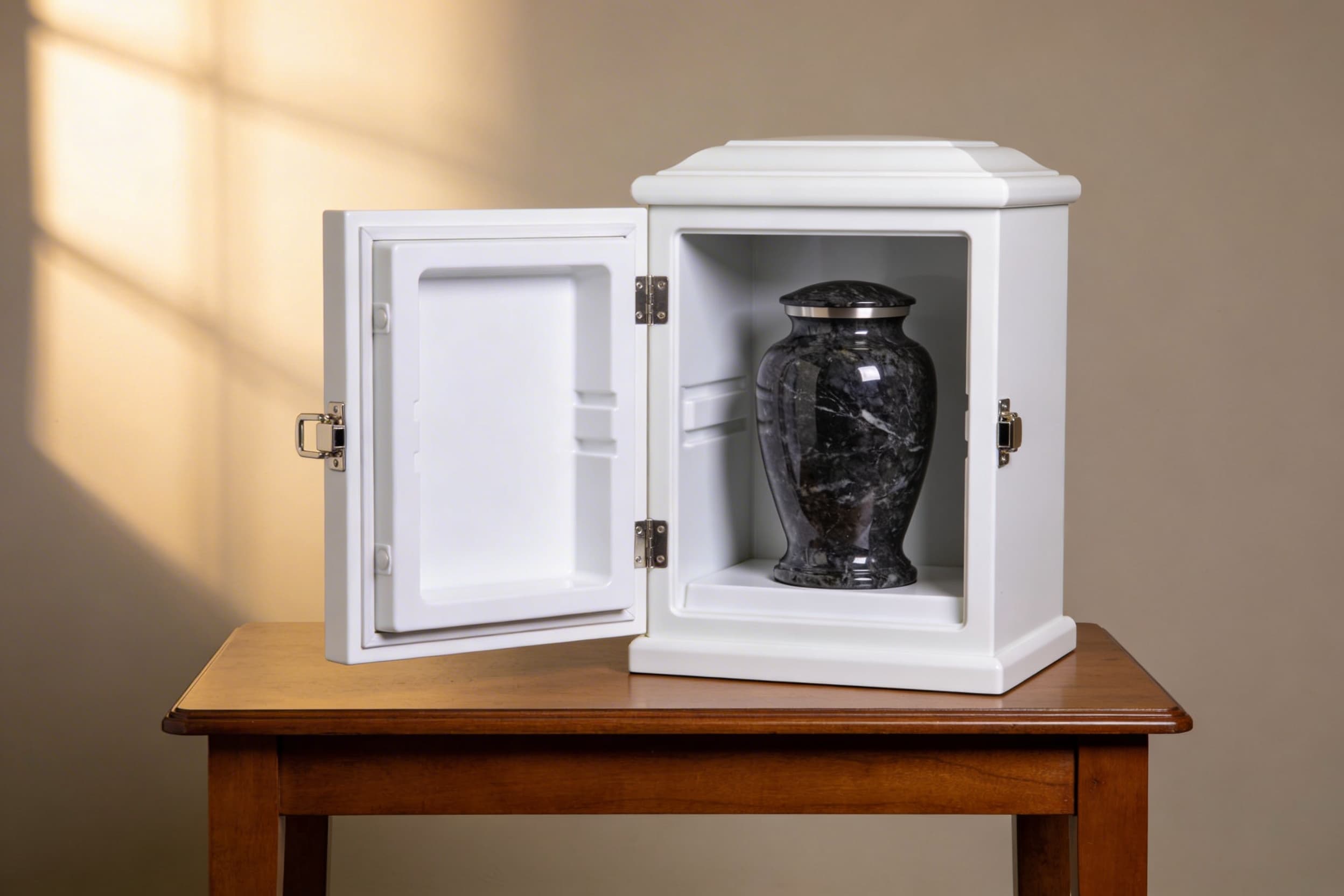
Some cultured marble cremation urns are designed to serve double duty — functioning as both urn and vault in a single container. These combination pieces can simplify the purchase and may satisfy cemetery requirements without a separate vault.
Fiberglass Vaults
Fiberglass vaults occupy a middle ground between polymer and concrete. They are lighter than concrete but stronger than most plastic options, and they resist moisture effectively. Fiberglass is less common in the cremation vault market, but it is available from some manufacturers and funeral homes.
Cremation Vault Sizes: What Fits and What to Measure
Choosing the right vault size means matching the vault's interior dimensions to the urn's exterior dimensions — with clearance to spare.
Standard Cremation Vault Dimensions
The industry standard for a full-size cremation vault is approximately 15 inches long by 15 inches wide by 18 inches tall on the exterior. Interior dimensions are smaller — typically around 12 to 14 inches in each direction — because of wall thickness. Before purchasing, confirm that the urn you have selected will physically fit inside the vault with at least half an inch of clearance on each side.
Low-Profile Vaults
Low-profile cremation vaults stand shorter — usually around 14 inches in exterior height rather than 18. These vaults are designed for cemeteries that allow stacked urn burials, where two cremation vaults are placed one on top of the other within the same grave plot. The lower height makes it possible to fit both vaults within the required burial depth.
Low-profile vaults also work well for smaller urns, keepsake-size containers, or situations where the cemetery has specific depth restrictions.
Vaults for Two Urns
Families who want to bury two sets of cremated remains together have two main options. The first is a companion-sized cremation vault — a wider container designed to hold two standard urns side by side. These are larger than standard vaults, typically measuring 20 to 24 inches wide, and they cost more due to the additional material.
The second option is stacking two standard or low-profile vaults in the same grave plot. This approach requires the cemetery to allow double-depth excavation and may involve separate opening-and-closing fees for each interment. Check with the cemetery in advance, as policies on stacking vary.
How Much Does a Cremation Vault Cost?
Cremation vault pricing depends on material, construction quality, sealing method, and any customization features. Here is a general breakdown.
Price Ranges by Material
Material
Typical Price Range
Best For
Polymer / ABS plastic
$75 – $250
Budget-conscious families; most cemeteries accept
Concrete (unlined)
$200 – $400
Cemeteries requiring concrete; basic protection
Concrete (lined & sealed)
$400 – $800
Maximum traditional protection; premium seal
Cultured marble / stone
$200 – $600
Ceremonial presentation; combination urn-vaults
Steel / bronze / copper
$400 – $1,000+
Highest durability; premium appearance
What Drives the Price Higher
Several factors push cremation vault cost beyond the base material price. Lined interiors — where a polymer, copper, or stainless steel layer is bonded inside a concrete shell — add cost but significantly improve moisture resistance. A strong tape seal or adhesive system that secures the cover to the base keeps the interior dry and is a worthwhile investment for long-term preservation. Decorative features like simulated marble finishes, photo appliqués, military emblems, and engraved plaques can add $50 to $250 depending on the manufacturer.
Additional Cemetery Fees to Plan For
The vault itself is only one part of the total urn burial cost. Most cemeteries charge opening-and-closing fees — the cost of excavating the grave, lowering the vault, and backfilling — which typically run $200 to $800 for an urn burial. Some cemeteries also charge a separate fee if the vault is not purchased through their facility. Ask about these fees before finalizing your purchase to avoid surprises.
Whether you need a cremation vault depends on the cemetery's policies, not on state or federal law. No U.S. state requires a cremation vault by statute. However, the vast majority of traditional cemeteries do require one — or at minimum, an outer burial container — as a condition of urn interment. The requirement exists because vaults prevent the ground above from settling, which protects both the appearance of the cemetery grounds and the safety of maintenance crews operating heavy equipment.
Before purchasing any vault, contact the cemetery directly and ask these questions:
Is a vault required for urn burial, or is an outer burial container sufficient?
Are there specific material requirements (concrete only, for example)?
Must the vault come from an approved vendor, or can families supply their own?
What are the interior dimension limits for the burial section where the urn will be placed?
Understanding these cemetery rules for vault installation early in the planning process saves time and prevents the frustration of purchasing a vault the cemetery will not accept.
For a complete overview of what cemeteries typically require when burying cremated remains, our guide on what's required for burying an urn covers vault rules, depth requirements, and documentation.
Alternatives to Vault Burial
Not every family chooses ground burial for cremated remains. If the cost, logistics, or permanence of vault burial does not align with your wishes, several alternatives exist.
A columbarium niche is a wall-mounted compartment designed to hold one or two urns. Niches eliminate the need for a vault entirely and are available at many cemeteries, churches, and memorial gardens. Families interested in this option can explore choosing between a niche and ground burial to compare the costs, visitation experience, and long-term considerations of each approach.
A niche does not have to sit in a freestanding wall. A mausoleum holds caskets in crypts and urns in niches inside one building, and because everything is sealed above ground in stone, no vault is required there either.
Other families choose to keep the urn at home, scatter the ashes in a meaningful location, or divide them among family members using keepsake urns. Each of these paths avoids vault costs altogether while still honoring the person who has passed.
How to Choose the Right Cremation Vault
Selecting a cremation vault comes down to four practical considerations.
Match the Vault to the Urn
Always choose the urn first, then select a vault with interior dimensions that accommodate it. Measure the urn's height, width, and depth — including any protruding features like handles, finials, or lids — and compare those numbers to the vault's published interior measurements. A half-inch of clearance on each side is a good rule of thumb.
Confirm Cemetery Requirements
Call the cemetery before purchasing. Some facilities only accept concrete vaults from their own vendor. Others accept polymer or steel vaults purchased independently. Knowing the rules in advance prevents returns, restocking fees, or delays.
Decide on Protection Level
If long-term preservation matters to your family, invest in a lined-and-sealed vault with a strong adhesive cover seal. If the goal is simply to meet cemetery requirements at the lowest cost, a basic polymer vault with locking clasps is a practical and dignified choice.
Consider Companion Needs
If a second set of remains will eventually be buried in the same plot, plan for that now. A companion vault or two low-profile stackable vaults may be more cost-effective than purchasing a second standard vault later — especially if the cemetery charges separate opening-and-closing fees for each burial.
Frequently Asked Questions
What is the difference between a cremation vault and a grave liner?
A cremation vault is a fully enclosed, sealed container that protects the urn from moisture and soil pressure on all sides — top, bottom, and walls. A grave liner, by contrast, only covers the top and sides. It prevents ground settling but does not offer the same moisture barrier. Many cemeteries accept either, but some require a full vault.
Can I use a cremation vault for two urns?
Yes. Companion-sized cremation vaults are designed to hold two standard urns side by side. Alternatively, some cemeteries allow two low-profile vaults to be stacked in the same plot. Check with the cemetery for their specific policy on double urn burials.
How deep is a cremation vault buried?
Depth varies by cemetery, but most require the top of the vault to sit at least 18 to 24 inches below the ground surface. Some states, like Texas, specify that non-permeable containers must be buried at least 24 inches deep. The cemetery will set the exact depth based on local regulations and the vault's dimensions.
Do all cemeteries require a cremation vault?
No. While most traditional cemeteries do require a vault or outer burial container, some natural or green cemeteries do not — and some even prohibit non-biodegradable containers. Columbariums and mausoleum niches do not require vaults at all. Always confirm requirements directly with the cemetery.
Can I buy a cremation vault online instead of through the funeral home?
Yes. Federal law (the FTC Funeral Rule) requires cemeteries and funeral homes to accept vaults purchased from third-party sources without charging handling fees. Buying online often offers a wider selection and lower prices, but confirm that the vault meets the cemetery's specific material and dimension requirements before ordering.