🏬Supersize Online Funeral Retailer🪦1000's of Headstones⚱️Over 10,000 Cremation Urns⚰️Caskets Overnight Delivery🛒Funeral & Memorial Superstore🚚FREE Shipping on ALL Orders👨👩👧👦Helping Families for over 20 Years💰Lowest Price Guarantee🏬Supersize Online Funeral Retailer🪦1000's of Headstones⚱️Over 10,000 Cremation Urns⚰️Caskets Overnight Delivery🛒Funeral & Memorial Superstore🚚FREE Shipping on ALL Orders👨👩👧👦Helping Families for over 20 Years💰Lowest Price Guarantee
🏬Supersize Online Funeral Retailer🪦1000's of Headstones⚱️Over 10,000 Cremation Urns⚰️Caskets Overnight Delivery🛒Funeral & Memorial Superstore🚚FREE Shipping on ALL Orders👨👩👧👦Helping Families for over 20 Years💰Lowest Price Guarantee🏬Supersize Online Funeral Retailer🪦1000's of Headstones⚱️Over 10,000 Cremation Urns⚰️Caskets Overnight Delivery🛒Funeral & Memorial Superstore🚚FREE Shipping on ALL Orders👨👩👧👦Helping Families for over 20 Years💰Lowest Price Guarantee
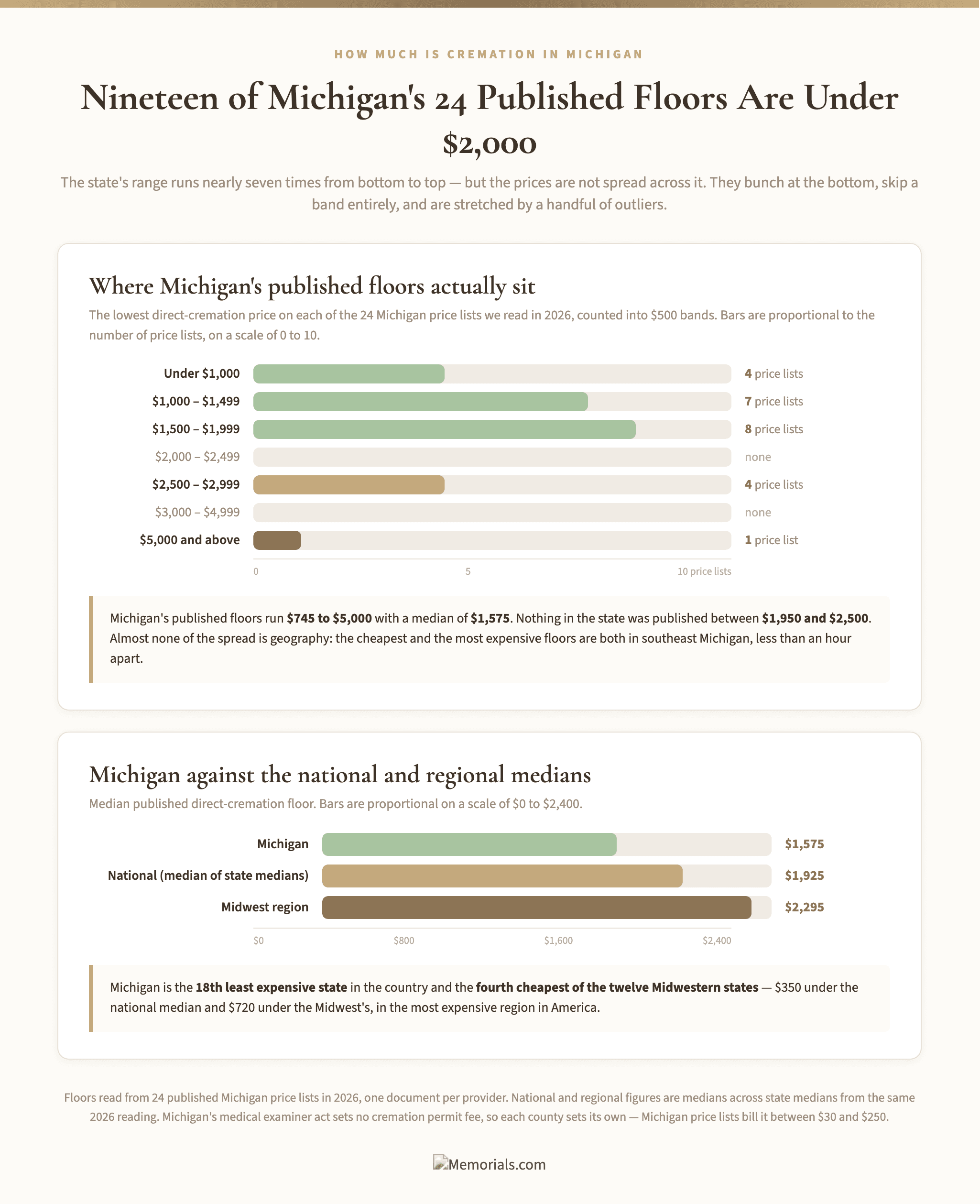
The cost of cremation in Michigan starts between $745 and $5,000 depending on who you call, with a median of $1,575. Those figures come from 24 published Michigan price lists in 2026, each read for its lowest direct-cremation price.
Ask how much is cremation in Michigan and you will be quoted a package price. Michigan is the 18th least expensive state in the country, $350 below the national median of $1,925, and the fourth cheapest of the twelve Midwestern states — a region that is, as a whole, the most expensive in America at $2,295.
Its published range runs nearly seven times from bottom to top, and almost none of that is geography: the cheapest and the most expensive floors in the state sit in the same corner of it, less than an hour apart. What separates them is the kind of firm you called and what the number contains — and Michigan law puts two signatures and one county-set fee into every cremation.
Direct cremation in Michigan starts between $745 and $5,000, with a median of $1,575, across 24 published Michigan price lists read in 2026.
Every figure is a floor: the lowest direct-cremation price on the provider's own document.
Not every Michigan provider posts a price online. Federal law makes every Michigan funeral home hand you an itemized general price list and quote prices by phone, but nothing requires them to publish one. Ask for the list — it is the document that answers what a package covers.
Two of the figures we read are not prices any family pays, and the documents say so. One is quoted before a transfer fee and before any container, with the payable package printed further down the same page. The other is a services charge that excludes the cost of the cremation process itself. Whether the cremation is inside a headline figure is exactly what those two make visible, and it is the first question to put to any Michigan quote.
In Michigan, the cheapest packages are usually the ones bought without a meeting. Several providers publish the identical immediate cremation twice — once for an arrangement made online and once, higher, for one made across a desk — and on some lists the cheapest option rules out in-person appointments and phone calls by name.
Where Michigan's published floors actually sit. Nineteen of the 24 are under $2,000, and nothing was published between $1,950 and $2,500 — the nearly-sevenfold range is made by a few outliers, not by a spread. What those floors contain is a separate question the prices cannot answer: some lists name the cremation itself inside the price and some do not say either way, which is why the figure to set beside another quote is the all-in total.
Cremation Urns for a Michigan Family
None of the 26 Michigan price lists we read includes a permanent urn
The part that explains most of the gap: the firms at the bottom of Michigan's range and the firms at the top are not the same kind of business. Which kind you want is a decision to make before you start collecting quotes, because the cheapest option in Michigan cannot give you a viewing at any price.
The cremation-only provider sets the floor
The cheap end of the range is almost entirely one kind of business. A cremation-only operator sells one product and takes the arrangement by phone or through a web form; several have no chapel, no viewing room, and no premises a family would visit. That is why they hold the bottom of the state's range.
The full funeral home occupies the middle and the top
The other end of the range is full funeral homes — a building, viewing rooms, a chapel, vehicles and staffed hours — and for them direct cremation is one line on a long price list rather than the business. Every Michigan floor we read above $2,000 belongs to one.
Why one is cheaper than the other
The cheap firm is not undercutting the expensive one. It is selling less. A chapel, viewing rooms, vehicles and the staff who keep them available are real costs, and a funeral home's direct-cremation line carries a share of that building whether or not you use any of it. A cremation-only operator has no building to spread across the price. The care itself is the same either way: your loved one is cremated, and the ashes come back to the family.
What the cheaper option cannot do
It cannot give you a viewing, a service with your loved one present, or a change of mind toward burial once the arrangement is made. The lists at the cheap end of the state say so plainly — one of them excludes "any type of viewing when Direct Cremation has been arranged." In some states that limit is a condition of the provider's license; in Michigan it is not, so the price list itself is where you find out. If direct cremation and nothing else is certain, the top of Michigan's range is capacity you will pay for and not use.
Michigan has no separate license category for a cremation-only provider. Some states create one and restrict what it may sell; Michigan does not. A cremation-only firm and a funeral home with a chapel hold the same license, so the license tells you nothing about which one you are calling. The price list does.
In Michigan the split also shows up in the channel. Several providers price the same immediate cremation two ways — one number for an arrangement completed online, a higher one for the same thing arranged across a desk. If a quote sounds low, ask which way it was priced.
The crematory fee often sits outside the quoted price. Some Michigan lists name the cremation itself among the things the package covers, some name it as an extra, and some say nothing about it either way — so ask which yours does. Where it is billed separately it runs into the hundreds of dollars, which is enough to reorder two quotes that looked a few dollars apart.
The price can depend on where and when the person died — Michigan's most distinctive pricing mechanic. Some lists charge one price for a death in a hospital, more for a nursing home, more again for a death at home or in hospice; others add an overnight surcharge. Nobody chooses those circumstances, so ask which tier a quote assumes.
And the container can double the printed range. Where a Michigan list prints a top price at twice its bottom one, the container is usually the whole difference: the federal Funeral Rule makes a provider's direct-cremation line cover every container they stock, from a cardboard alternative to a hardwood casket. The ceiling on a range like that is a casket, not a cremation. We explain it in our cremation cost by state guide.
What Is Included, and What Is Not
Michigan price lists describe what they cover inconsistently — some itemize every line, some price by container variant, and some arrive at a number through a paragraph of what it excludes. That last kind is where both of the misleading figures flagged earlier came from, and it is why the itemized list is the thing to ask for.
So do not ask a Michigan provider "what's included?" and accept a yes. Ask, item by item, whether the number covers the cremation itself, the container your loved one is cremated in, the transfer into their care, the basic services of the director and staff, transportation to the crematory, refrigeration or sheltering, filing the death certificate and permits, and a temporary container for the ashes — and where the answer is no, what that line costs. Those eight are the whole of a direct cremation, and any of them can sit outside a headline price.
Refrigeration is the item to raise even if the provider does not. It is the line that grows the longer the paperwork takes, and Michigan has only just started licensing the facilities that provide it (MCL 339.1853, in force since 2 April 2025). Some lists name refrigeration inside the price and cover the first day or two of it; a document that does not mention it is not a document where it is free.
Michigan providers publish other charges outside the headline price, and they are the ones families do not think to ask about: extra staff and a heavier container above a stated weight, mileage once the transfer passes a set radius, a fee for certified copies, postage to mail the ashes. Each is printed on the provider's own list and none of it is in the headline. Our guide to how many death certificates you need is worth reading first.
What the state of Michigan charges on top
Michigan puts one of these numbers in statute and leaves the other to 83 counties.
The death certificate is statutory and you can check it. MCL 333.2891(4) sets $34.00 for a search including one certified copy and $16.00 for each additional copy ordered at the same time. A local registrar may adopt a lower fee but never a higher one, so a figure above that on any quote is worth questioning.
The medical examiner's cremation permit fee is in no statute at all. The counties set their own, and Michigan price lists bill it anywhere from $30 to $250. Treat that span as evidence of how much it varies by county rather than as a published government schedule, and ask the funeral home for the figure in the county where the death occurred.
Michigan Cremation Laws That Affect Cost
Two separate medical examiner signatures touch every Michigan cremation, not only suspicious deaths. MCL 333.2848(3) has the medical examiner of the county where the death occurred sign the authorization for final disposition. MCL 52.210 adds a second signed permit before anyone may take your loved one to a crematory or out of the county. That second one matters where many rural counties have no crematory of their own: the cremation happens in one county and the county where the death occurred still has to sign for the journey. Ask early which county that is, because it also sets the permit fee.
Michigan imposes no statutory waiting period before cremation.
The "Michigan requires 48 hours" line you may have read comes from three different 48-hour clocks in Michigan death law, and none of them is a waiting period — they govern how quickly a physician certifies, how quickly a medical examiner acts, and when a licensee may embalm without authorization, which is no part of a direct cremation. Michigan's real clocks run the other way: the authorization for final disposition must be obtained within 72 hours of death and before disposition, and the death record filed within 72 hours (MCL 333.2848, MCL 333.2843). Deadlines, not delays.
What actually stalls a Michigan cremation is an unsigned certificate. Since 2026 PA 3, effective 17 March 2026, death registration runs on the state's web-based system and a physician who refuses to certify a death record risks discipline against their own license. It changes no price list, only how long the family waits — and a waiting family pays for refrigeration.
Who may authorize, and who pays. MCL 700.3206 sets Michigan's order of priority, and it is unusual: grandchildren outrank parents and grandparents outrank siblings, where most states jump straight from children to parents. You can override all of it by naming a funeral representative before two witnesses or a notary, and the designation may sit inside your will. The part that belongs on a page about cost is this — whoever exercises the right of disposition must ensure payment and is personally liable for it. Signing is not a formality in Michigan.
No Michigan statute requires a casket. Michigan imposes no container requirement for cremation, and the operative rule is federal: 16 CFR 453.2(b)(4)(ii)(B) requires every price list to say that an alternative container may be used for a direct cremation, and the FTC's Funeral Rule forbids a provider from telling you that state or local law requires a casket. Some Michigan sites still tell families the state requires one. A crematory may require a rigid container as its own operating condition — that is the crematory's rule, not the law's.
Michigan started licensing removals and refrigeration in 2025. A stand-alone removal service — the business that collects and transports your loved one — now needs its own registration, and it may not contract directly with a family (MCL 339.1855, MCL 339.1857). That is the exact stretch low-cost operators subcontract, and it was unregulated here until last year.
A home funeral is not what Michigan is set up for. Handling and disposition must be supervised by someone licensed in mortuary science, and the death record must be certified by a licensed funeral director (MCL 700.3206(1), MCL 333.2843). That is narrower than home funerals being illegal, but it does mean a licensed director is in the process either way.
Scattering is the dimension Michigan leaves most open, and the Great Lakes are why. Michigan statute says nothing at all about scattering cremated remains — the authorizing person simply has the right to take the ashes home after the cremation, with no stated restriction on what happens next. And the federal rule does not fill the gap. The EPA's ocean-dumping permit at 40 CFR 229.1 reaches ocean waters at least three nautical miles from land, and the EPA states plainly that lakes, rivers and other inland waters fall outside it. Private land needs the landowner's permission; for state park land, DNR land or the Great Lakes themselves, ask the Michigan Department of Natural Resources first. Our guide to scattering ashes laws and etiquette covers the general position.
Scattering is the part Michigan statute leaves open. No Michigan statute addresses it, and the federal three-nautical-mile rule reaches ocean waters only — the EPA says inland lakes and rivers fall outside it. Michigan borders four of the five Great Lakes, so ask the Michigan Department of Natural Resources before scattering on the water or on state land.
How to Lower the Cost in Michigan
Decide first what kind of firm you need, before you call anyone. If nobody in the family will want a viewing, or time with your loved one beforehand, a cremation-only provider is the whole market you should be calling. If somebody will, the cheapest Michigan options generally cannot offer it at any price, and setting their number beside a funeral home's compares two different products.
Make four providers answer the same five questions. Is the cremation itself inside the price; what does the county medical examiner's permit cost, and which county signs — if the death happens in one county and the crematory sits in another, the first county signs; is refrigeration inside; how far does the transfer radius reach before mileage starts; and what is the total including cash advances and tax.
Understand what a Michigan "society" is selling. The Michigan cremation societies whose price lists we read publish membership rules, and the rules are not the same rules. One discounts an at-need cremation only for families who registered and signed before the death, which closes it to anyone calling afterward. Another sells a small one-time membership for a flat saving you can buy at the time of need — a coupon rather than a pre-planning discount. Ask which kind you are being offered before you count the saving.
Check the effective date. Several of the Michigan price lists we read were around three years old. A price list carries an effective date; ask whether the figure you are reading is the one they will charge.
Ignore any "Michigan average" that does not say where it came from. A national figure repeated on a Michigan page is still a national figure.
And do it early if you can: the person who signs is personally liable for the cost. If you are weighing the alternatives, cost of cremation vs burial sets the two side by side, how much a funeral costs covers the full-service figure, and direct cremation explains what happens and in what order.
Compare all-in totals, not headlines. A couple of Michigan lists do the arithmetic for you, printing a complete figure with cash advances and tax beneath the package price. Most print the headline and leave the addition to you. Ask every provider for the same all-in number those few publish.
Choosing an Urn
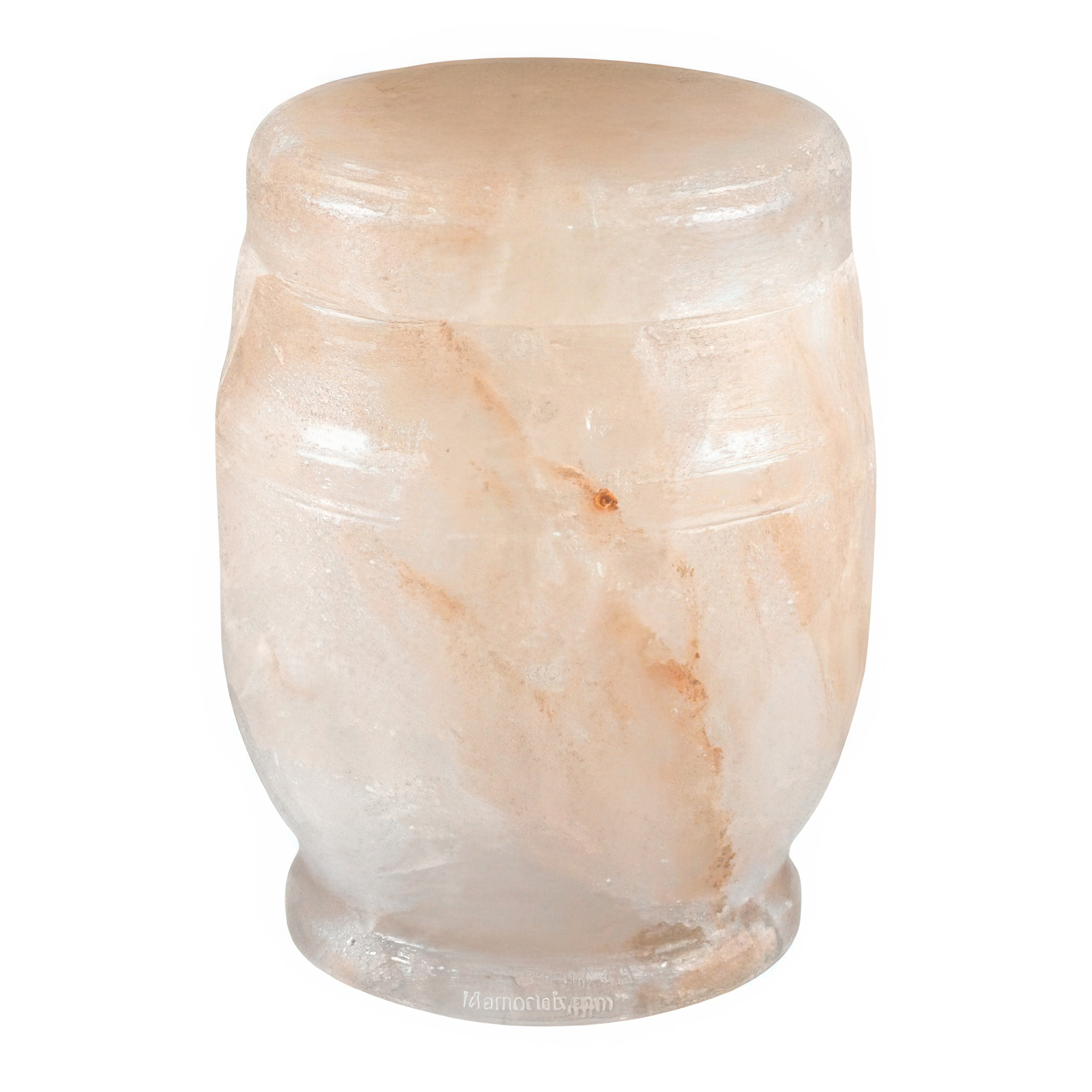
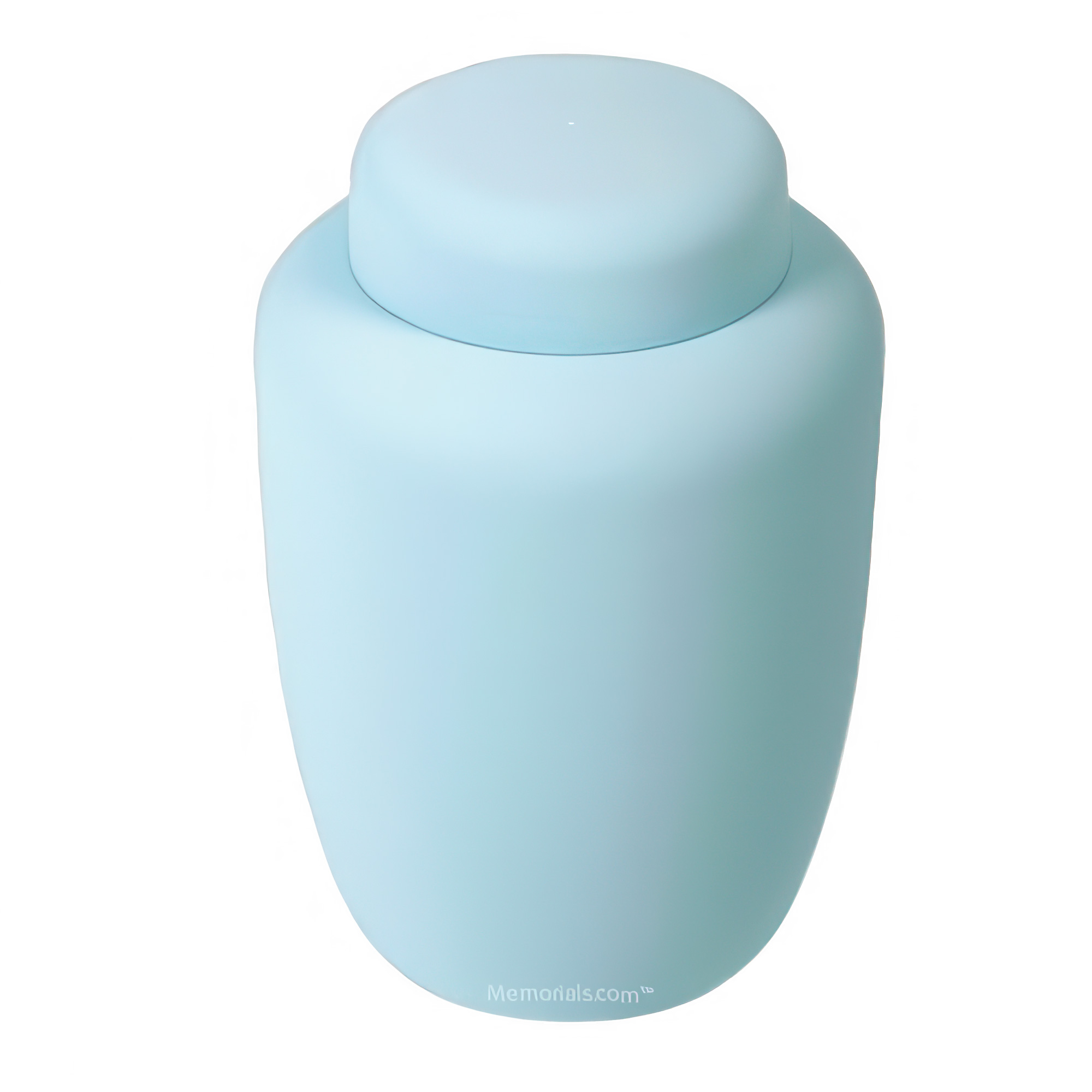
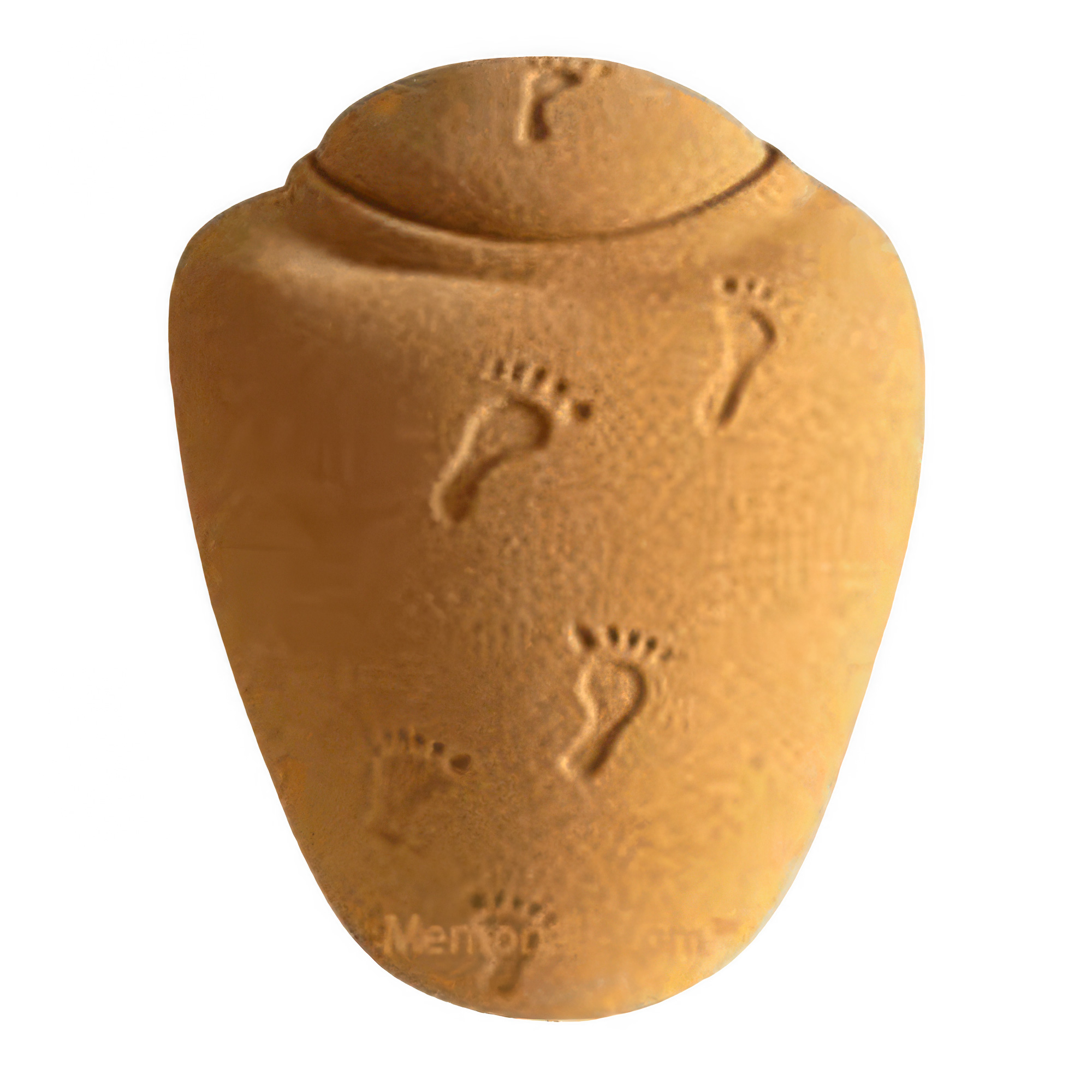
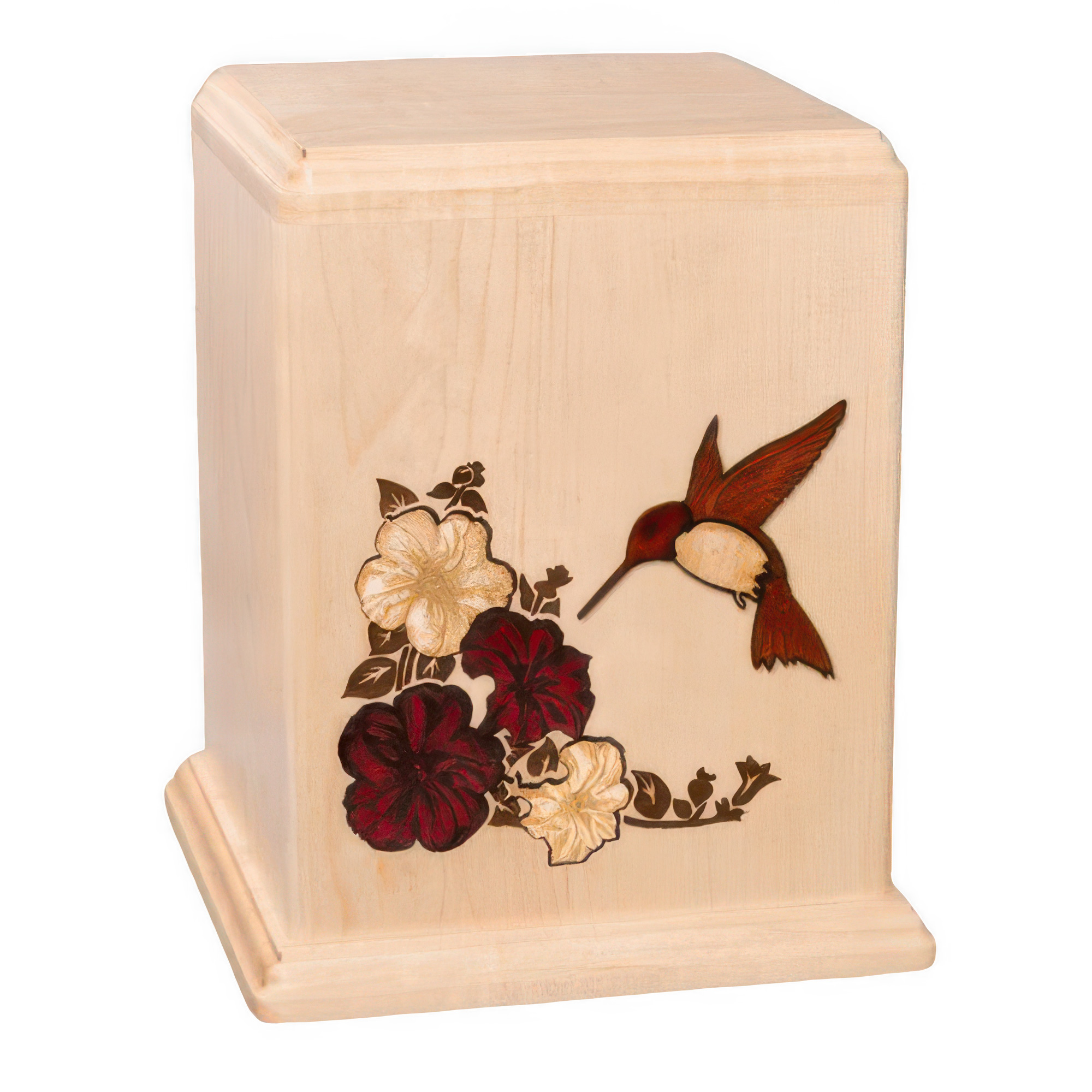
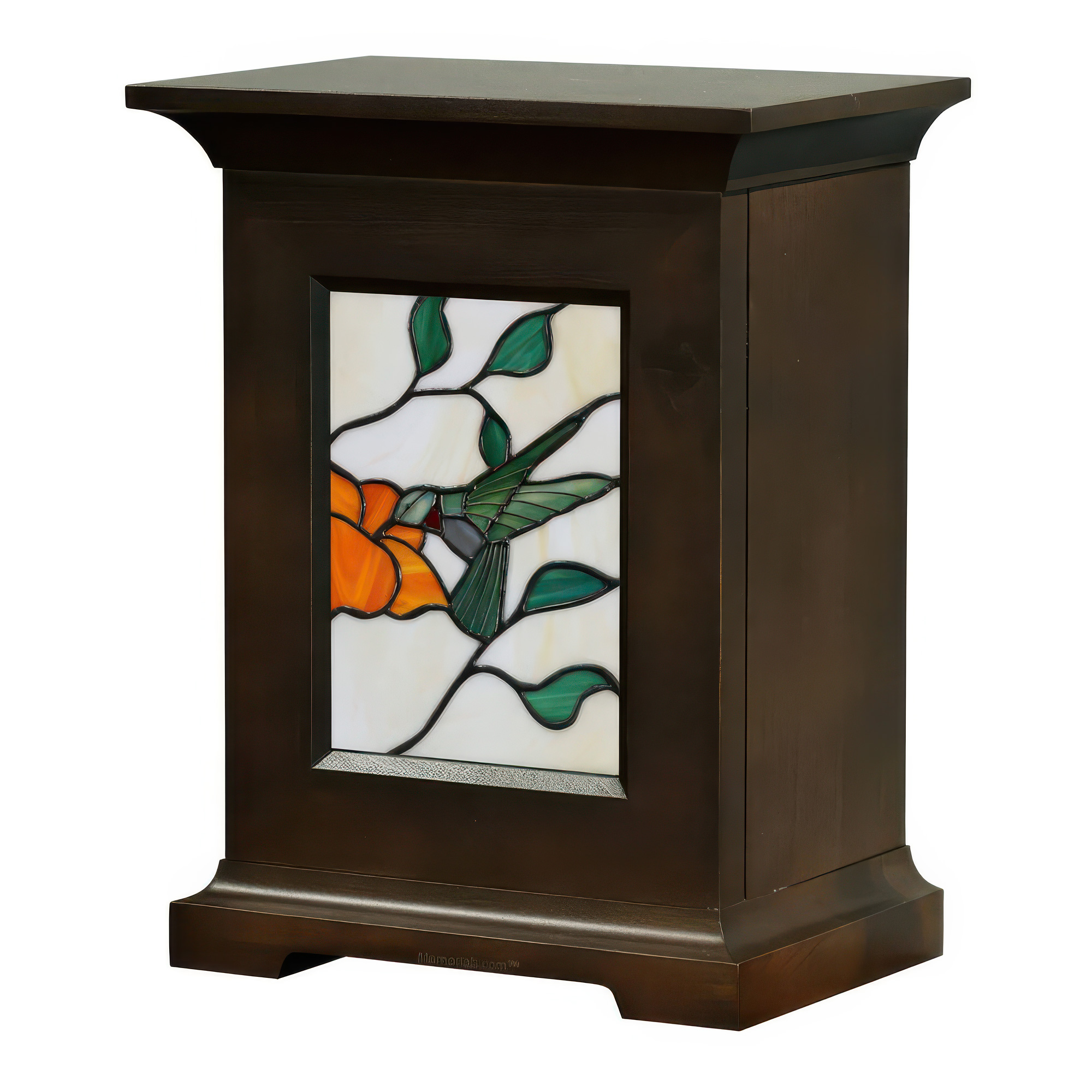
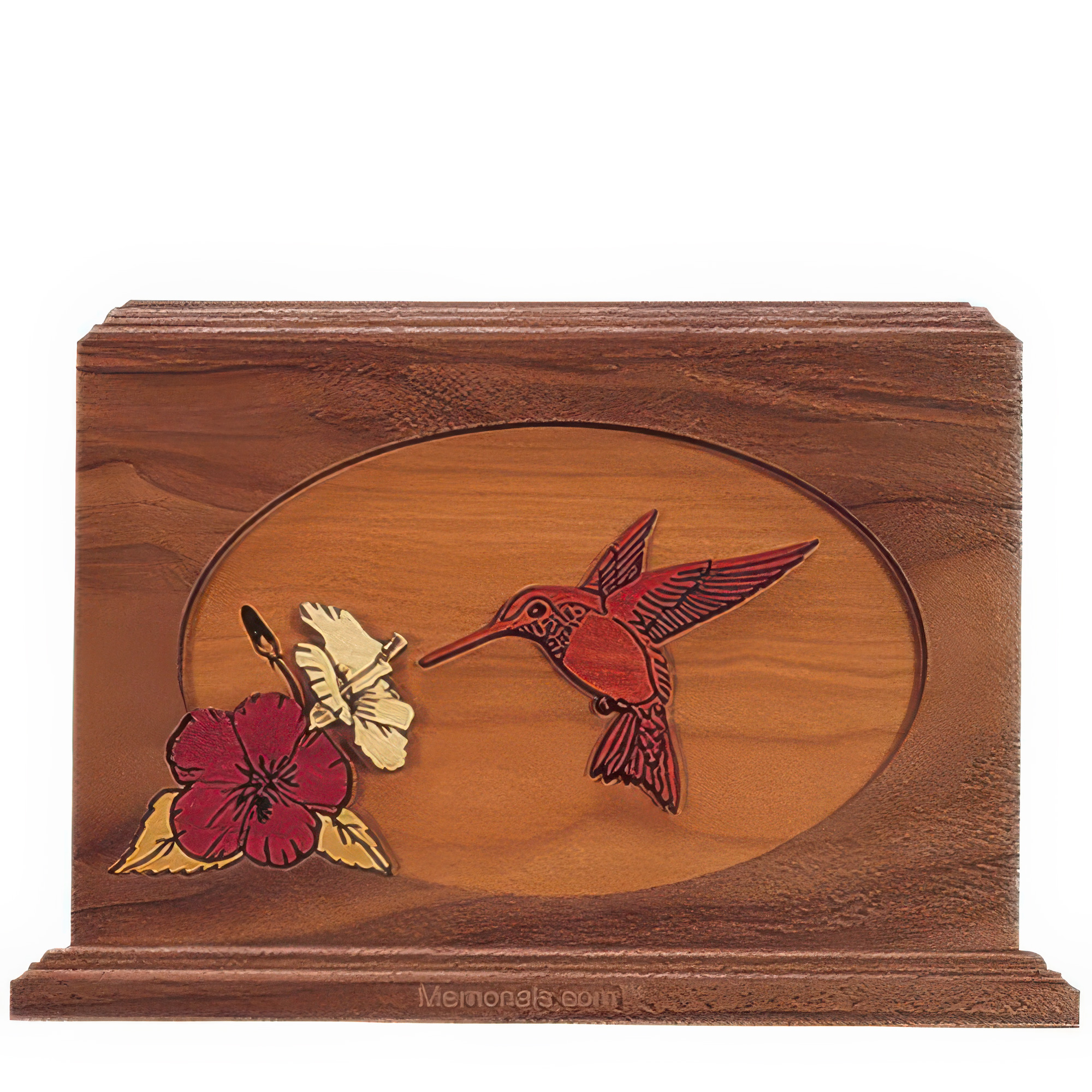
A Michigan direct-cremation package rarely covers even a temporary container for the ashes, and a permanent urn is not part of one at all. The provider hands over a plastic or cardboard box — some Michigan lists say so in as many words — and the family chooses the vessel afterward, at home and on their own time.
There is no relationship between what a cremation cost and what an urn should cost. Our cremation urns are organized by how you plan to keep them, which is the question that decides it.
How much does cremation cost in Michigan? Between $745 and $5,000, median $1,575, on published Michigan price lists in 2026. Where a given quote lands inside that range depends mostly on whether you called a cremation-only provider or a full funeral home.
What is the average cost of cremation in Michigan? We publish the median, $1,575, not the mean: a handful of high outliers pull an average upward and describe nobody. Be skeptical of any average cost of cremation in Michigan that does not say where its number came from.
How much is a cremation in Michigan if you want nothing else? That is direct cremation, the figure on this page. A viewing or a service is a different product, and the cheapest Michigan packages exclude viewings by name.
Why do cremation costs in Michigan vary by nearly seven times? Because the number covers different things: the kind of business, whether the cremation is inside the price, the county permit, and pricing by where and when the death happened.
Is there a waiting period before cremation in Michigan? No Michigan statute imposes one. The clocks in Michigan death law are deadlines — 72 hours to obtain the authorization for final disposition and to file the death record — not delays.
What does a Michigan cremation permit cost? There is no statewide figure — each county sets its own, and Michigan price lists bill it anywhere from $30 to $250. The death certificate you can look up: $34.00 under MCL 333.2891 for a search with one certified copy.
Does a medical examiner have to approve every cremation in Michigan? Yes, twice over: MCL 333.2848(3) has the county medical examiner sign the authorization for final disposition, and MCL 52.210 requires a separate signed permit before your loved one may be taken to a crematory or out of the county.
Do I have to buy a casket for cremation in Michigan? No. No Michigan statute requires a casket or any container, and federal law forbids a provider from telling you that state law does. A crematory may require a rigid alternative container as its own condition. Some Michigan lists name a basic one inside the price and some charge for it separately, so ask which yours does.
Can I scatter ashes in Lake Michigan? The federal three-nautical-mile rule covers ocean waters only, the Great Lakes are inland waters, and no Michigan statute addresses scattering. Ask the Michigan Department of Natural Resources before you plan it.
In Short
Michigan is a moderately priced state in the most expensive region: a median direct-cremation floor of $1,575, $350 under the national figure and $720 under the Midwest's. What decides the total is not the headline but what sits outside it — so ask whether the cremation is inside the number, what the county medical examiner's permit costs where the death will happen, and what the total is including cash advances and tax.