🏬Supersize Online Funeral Retailer🪦1000's of Headstones⚱️Over 10,000 Cremation Urns⚰️Caskets Overnight Delivery🛒Funeral & Memorial Superstore🚚FREE Shipping on ALL Orders👨👩👧👦Helping Families for over 20 Years💰Lowest Price Guarantee🏬Supersize Online Funeral Retailer🪦1000's of Headstones⚱️Over 10,000 Cremation Urns⚰️Caskets Overnight Delivery🛒Funeral & Memorial Superstore🚚FREE Shipping on ALL Orders👨👩👧👦Helping Families for over 20 Years💰Lowest Price Guarantee
🏬Supersize Online Funeral Retailer🪦1000's of Headstones⚱️Over 10,000 Cremation Urns⚰️Caskets Overnight Delivery🛒Funeral & Memorial Superstore🚚FREE Shipping on ALL Orders👨👩👧👦Helping Families for over 20 Years💰Lowest Price Guarantee🏬Supersize Online Funeral Retailer🪦1000's of Headstones⚱️Over 10,000 Cremation Urns⚰️Caskets Overnight Delivery🛒Funeral & Memorial Superstore🚚FREE Shipping on ALL Orders👨👩👧👦Helping Families for over 20 Years💰Lowest Price Guarantee
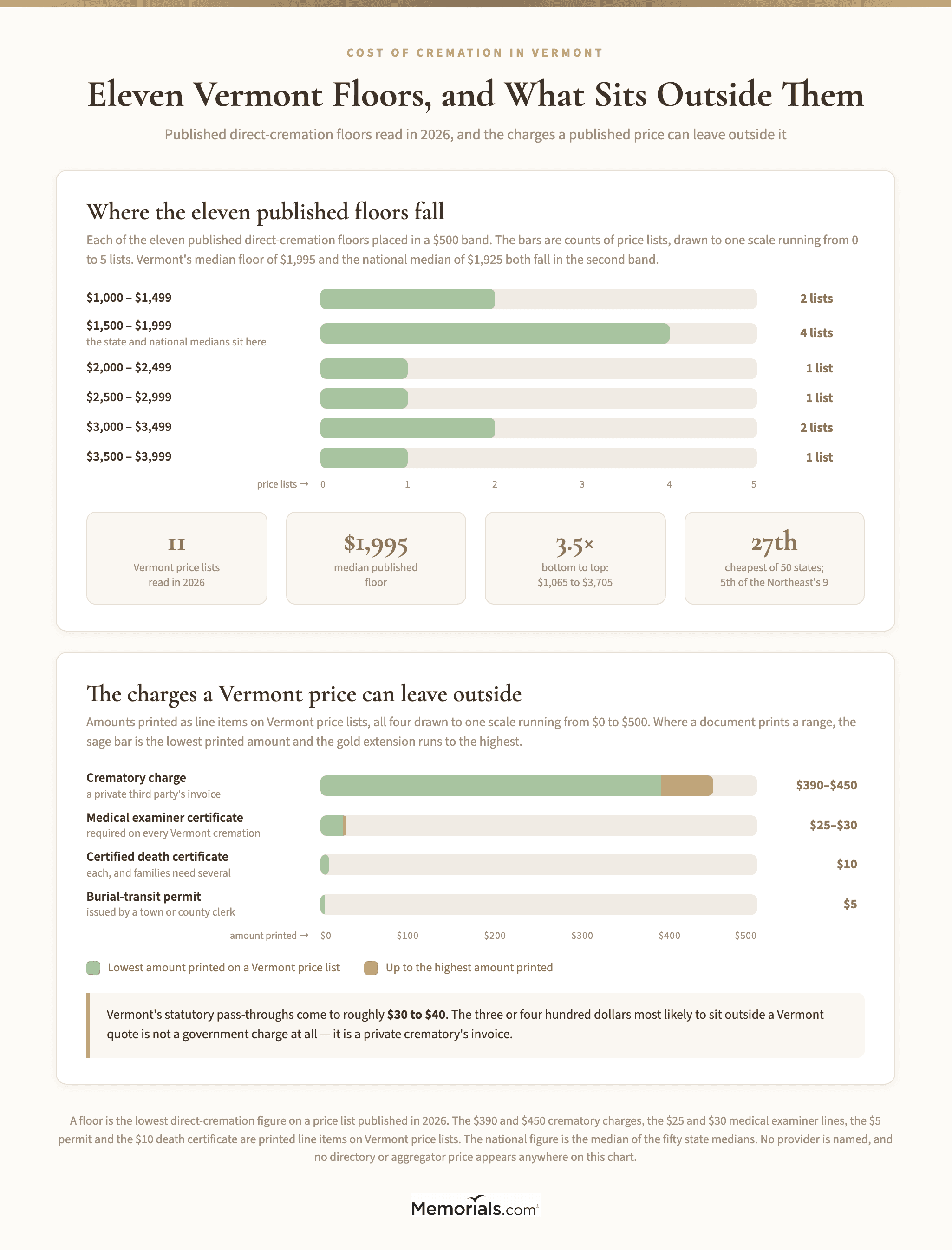
The cost of cremation in Vermont starts between $1,065 and $3,705, with a median of $1,995, across the 11 Vermont price lists we could read in 2026. Each figure is the lowest direct-cremation price on that provider's own published document.
That median puts Vermont 27th cheapest of the fifty states, $70 above the national median of $1,925, and 5th cheapest of the nine Northeastern states — exactly the region's own median of $1,995. Our cremation cost by state guide sets all fifty side by side with the evidence behind each.
That range is not a set of competing quotes for one service. Most of the distance between its two ends is the kind of business you called: cremation-only providers sit at the bottom, full funeral homes carrying a building and staffed hours at the top. The second thing that moves the number is whether the crematory's own charge sits inside the published price or outside it, and Vermont does both.
Across the 11 Vermont published price lists, direct cremation starts between $1,065 and $3,705, with a median of $1,995 — bottom to top, 3.5 times. Every figure is a floor: the lowest direct-cremation line on the document, which normally assumes the family supplies the container or takes the provider's cardboard one. Each was read from a published price list in September 2026, and a price list carries an effective date and changes — confirm any number you are working from before you commit to it.
The firm nearest you may not publish a price at all
Most Vermont funeral homes publish nothing at all — we found no readable price list anywhere in Montpelier, Barre, St. Johnsbury, Middlebury, White River Junction or Morrisville, and firms operate in every one of them. Federal law requires each of them to hand you an itemized general price list and to quote prices over the telephone. Nothing requires any of them to put it online, so silence on the internet is a reason to telephone a firm, not to skip it.
Do not fill the gap with a price comparison site. We watched four national directories quote one Vermont firm's single service at four different prices, none of them agreeing. Any average cost of cremation in Vermont built on that material inherits every one of those errors and shows you none of them.
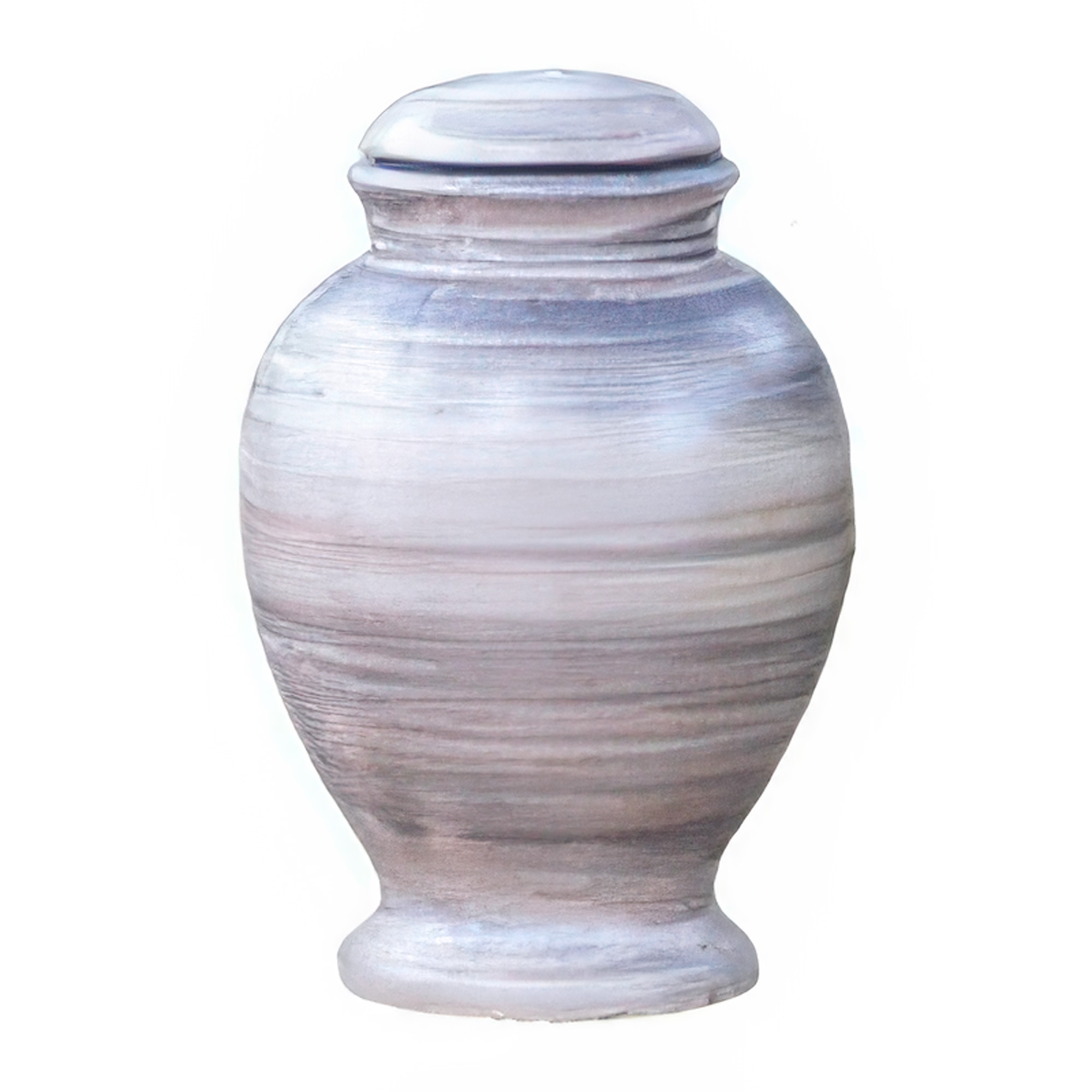
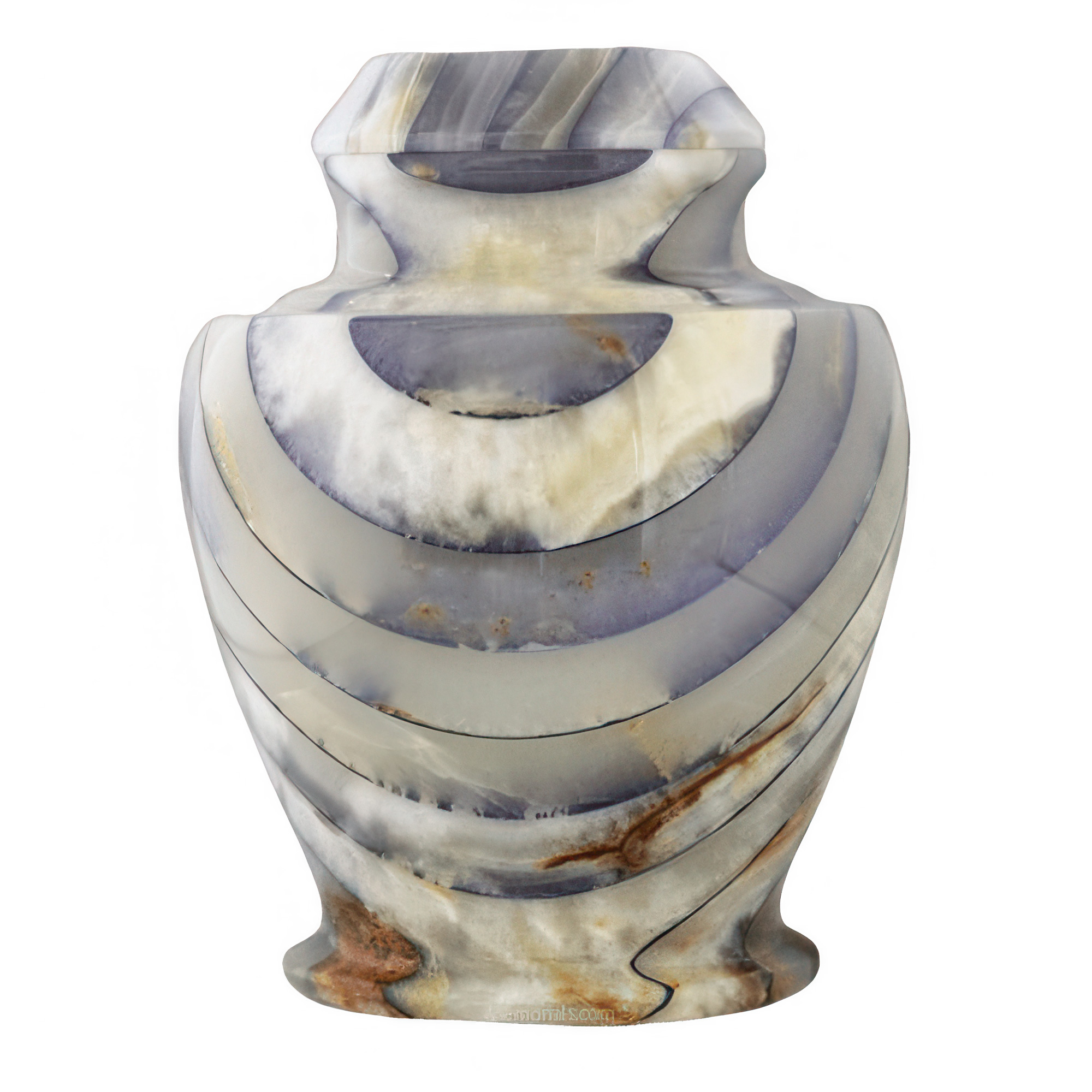
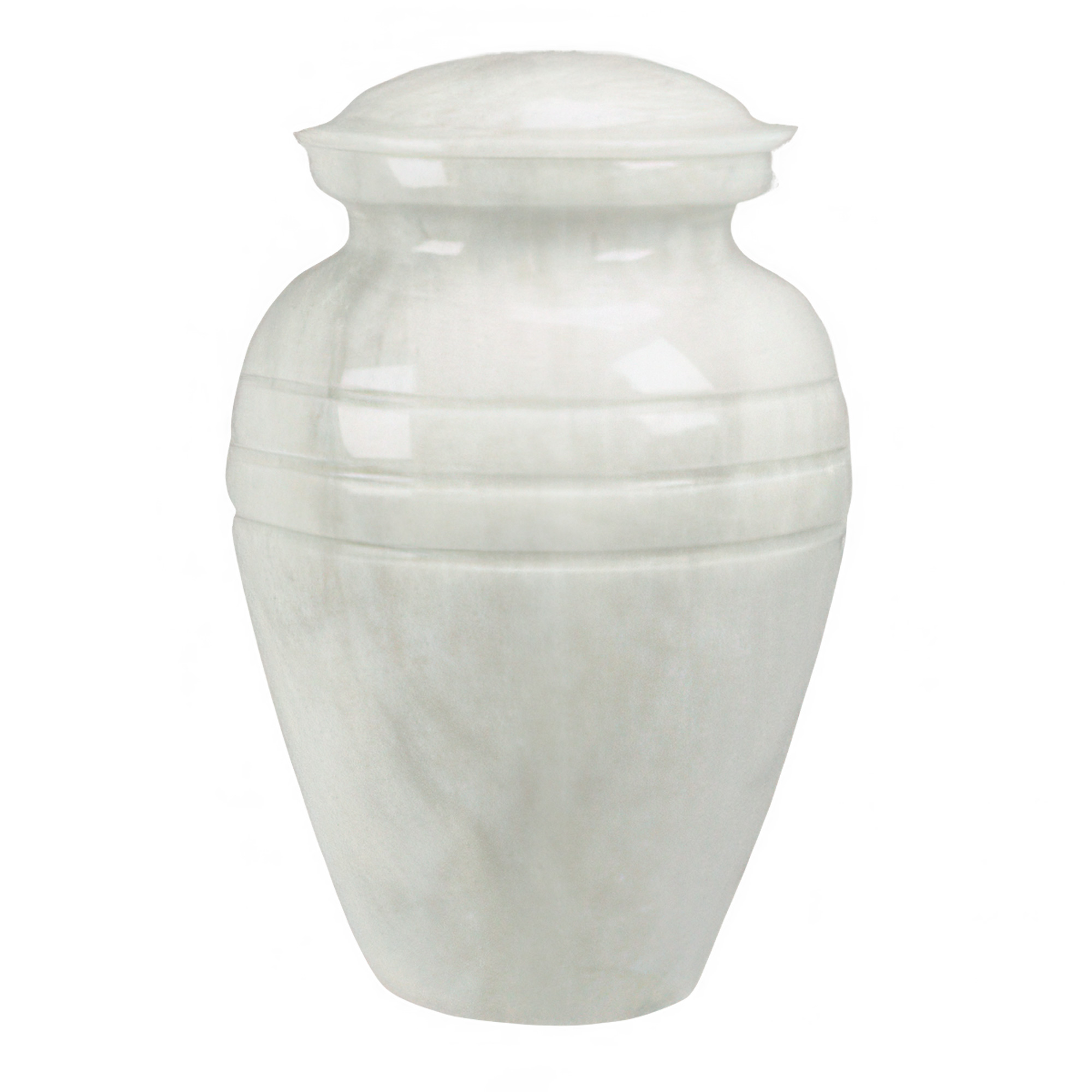
Shop Cremation Urns
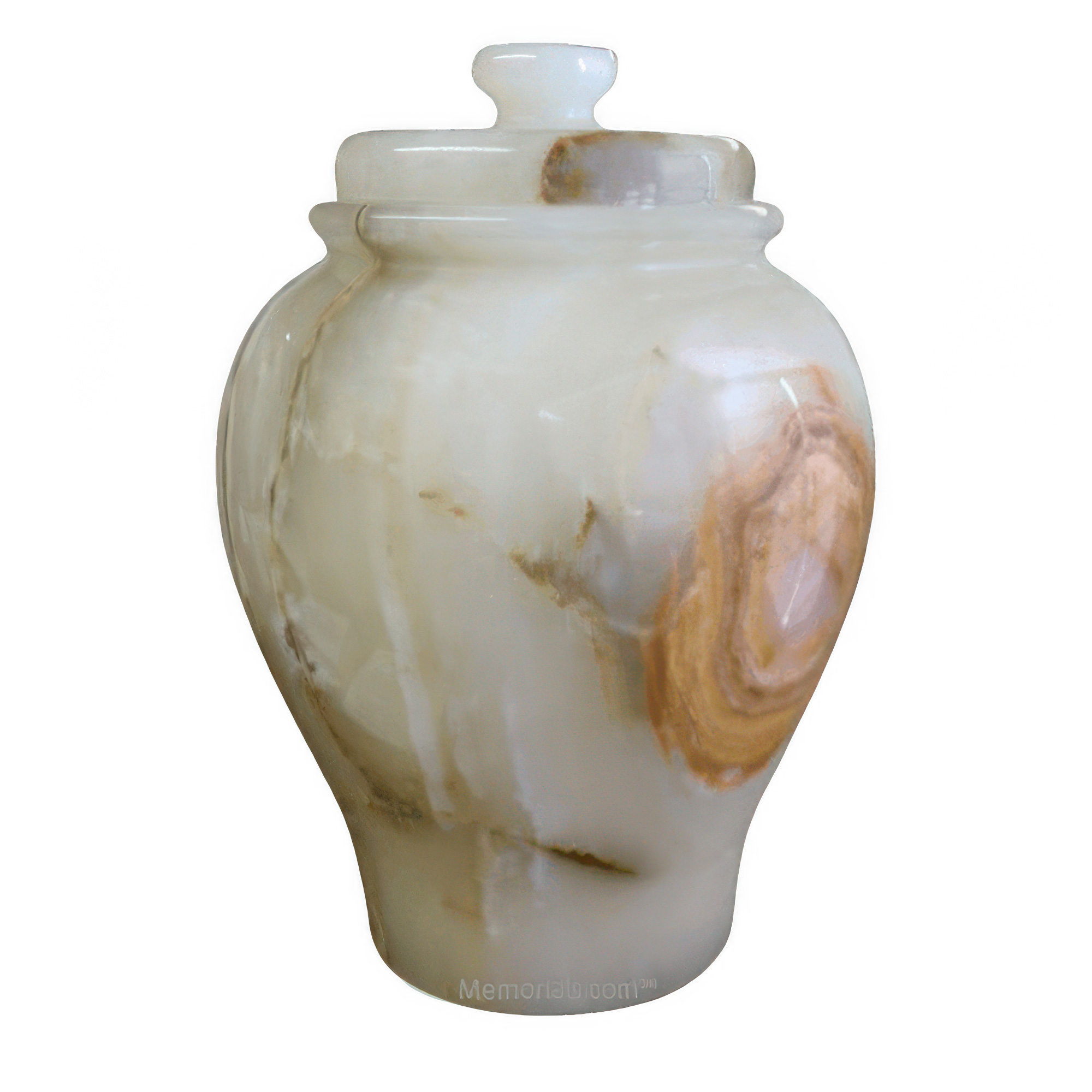
A Vermont price list rarely names an urn — that choice is yours
Cremation-Only Providers and Funeral Homes: Why One Is Cheaper
This is the decision that moves the most money in Vermont, and it is not a negotiation. It is a choice between two kinds of business that both perform the same cremation.
A cremation-only provider owns or contracts a retort and sells one thing. No chapel, no viewing rooms, no selection room; arrangements are made by telephone or online, and the price is published because there is only one price to publish. These are the firms clustered at the bottom of the state's published range, and on their documents the cremation itself is usually named inside the price.
A full funeral home is a building with staff in it — arrangement rooms, viewing rooms, a selection room, refrigeration, a fleet, and someone reachable at three in the morning. Direct cremation is one line among dozens on its price list, and Vermont's full-service firms hold the middle and the top of the range.
The cheaper firm is not undercutting anyone. It is selling less. Those rooms and hours are real costs. Near the top of the Vermont range, part of what you pay is a share of a building you are not going to use; near the bottom, none of it is.
What the cheaper option cannot do is the point. A firm with no viewing rooms cannot hold a viewing, cannot hold a service with your loved one present, and is not set up to turn a cremation into a burial if somebody changes their mind. That is a limit of what the business has, not a discount on what it charges, and it does not become available at a higher price.
So settle which kind of firm you want before you compare any prices. If the family will want time with your loved one beforehand, or a service with them present, the cheapest number in Vermont is not a candidate at any price. If the plan is a cremation and a gathering somewhere else afterward — a church, a home, a hillside in the spring — then the cremation-only firms are the right list to call. Vermont gives you no shortcut for telling them apart, either: some states license a cremation-only operator as its own category and we found no Vermont equivalent, so ask about the building and the hours rather than the license number.
The crematory fee is the Vermont spread
Most Vermont funeral homes buy the cremation itself from a third-party crematory, and that charge can sit inside the advertised number or outside it. Vermont does both, on documents that look alike. The Funeral Consumers Alliance of Vermont has called that practice misleading for years and puts the fee at roughly $300; Vermont lists that print an amount come in higher, at $390 to $450.
The state's cheapest floor shows the problem in one number. Vermont's low of $1,065 buys a funeral home's service charge, and the cremation is not named against it anywhere on the page. Elsewhere in the state that same charge is one line of five — service, crematory, examiner's permit, transit permit, death certificate — and the total is several hundred dollars higher. Others simply say the crematory fee sits outside the price printed on their own document. The number on the page is often not the number a family finishes at, which is why we have not adjusted the median to hide the gap.
A Vermont price list may name the cremation itself inside its published figure, say plainly that it sits outside, or never mention it at all — which is why the itemization, not the headline figure, is the thing to ask for. Where a list prints that crematory charge it is worth $390 to $450. The state's own charges add roughly $30 to $40.
The container, and why Vermont's range is not about caskets
The federal Funeral Rule makes a provider's direct-cremation line cover every container they stock, from fiberboard to hardwood, so on most state pages the top of a published range is a box rather than a better cremation. We explain that at length on the national guide.
Vermont barely shows it. One group here runs the full spread, up to nearly four times its own floor once a casket comes out of the selection room; every other document offers a two-option choice just $50 to $225 apart. In Vermont the container is not where the money hides. The crematory fee, and the kind of firm you called, are.
What a Vermont Price Includes, and What to Ask
Vermont's eleven documents disagree most about the costliest line of all: some name the cremation inside the published price, some say it sits outside, and some never mention it. Two lists a few hundred dollars apart can be describing very different purchases. Ask for the itemized list in writing, and ask about these five things by name.
The cremation itself. The largest and most common thing to sit outside a Vermont number, and worth $390 to $450 where a document names it.
Refrigeration or sheltering. Named inside the price on some Vermont documents and not on others. Where it is not, ask the daily rate — Vermont makes you wait at least 24 hours before the cremation can happen at all.
The container. Every Vermont price list we read offers cardboard or fiberboard, and the federal Funeral Rule forbids a provider from requiring anything more. Ask which container the quoted figure assumes.
A temporary urn. Rarely included. On most Vermont lists the ashes come back in whatever container the crematory supplies.
Distance. The cheapest all-in package in the state covers a three-county radius and adds a flat $500 for a death outside it — in a rural state, the drive is a line item.
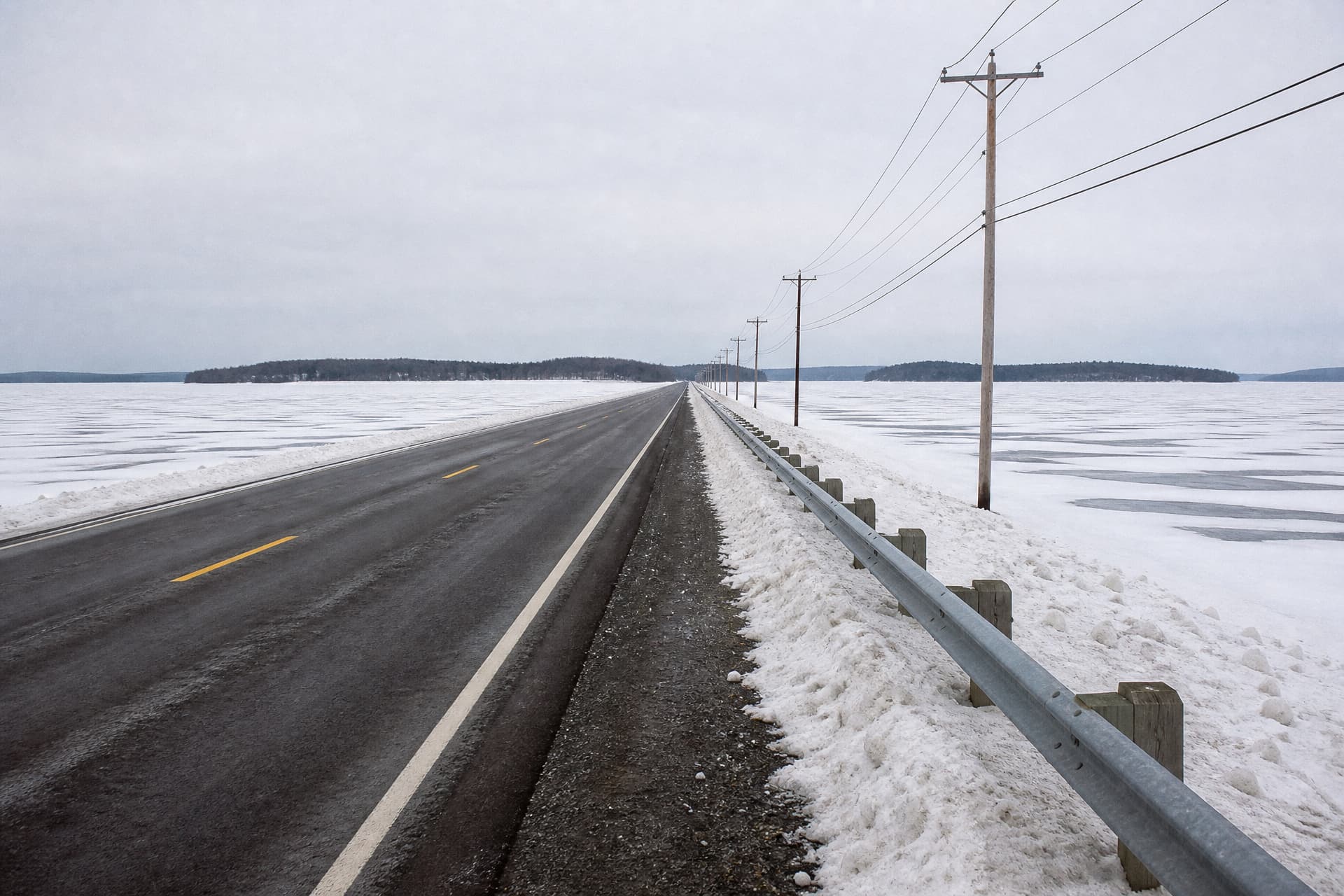
Grand Isle County is out here, on the islands in Lake Champlain — inside the radius of the cheapest all-in package in the state. A death one county further on adds $500 to the very same cremation, more than the crematory's own fee.
What the state of Vermont charges on top
Several states in this guide add real money before a funeral home has charged anything — $150 for the examiner's certificate in Connecticut, $235 for the permit in Oklahoma. Vermont is not one of them, and that is the useful finding.
Medical examiner certificate. Under 18 V.S.A. § 5201(c), your loved one cannot be released for cremation until the person in charge holds a certificate from a medical examiner — on every cremation, not only unexplained ones. Vermont lists that itemize it print $25, or $30 with the permit. That is a provider disclosure, not a figure we read from the state.
Burial-transit permit. Required by § 5201(a) and § 5207 before any disposition. Vermont lists that print it put it at $5.
Certified death certificates.$10 each where a Vermont list prices them, and you will want several — see how many death certificates you need before you order.
A $6 consumer-protection fee is disclosed on Vermont price lists as money sent to the state to protect funeral customers, though at least one says it is currently suspended. Treat it as a line you may or may not see.
Vermont is cheap by its neighbors' standards — the same two charges run $25 and $60 in New Hampshire, nearly triple. Vermont's statutory pass-throughs come to roughly $30 to $40 all told. The three or four hundred dollars most likely to sit outside a Vermont quote is not a government charge at all. It is a private crematory's invoice.
Vermont Cremation Laws That Affect Cost
Vermont has a real 24-hour waiting period. 18 V.S.A. § 5201(b) forbids a cremation "until the passage of at least 24 hours following the death of the decedent, as indicated on the death certificate," with a narrow public-health exception. Most states have no statutory wait at all, and Vermont's is short by the standards of the ones that do — Massachusetts makes you wait 48 hours. But 24 hours is genuine, and it is why the refrigeration question above matters.
A medical examiner has to sign off on every cremation. In most of the country an examiner is involved only when a death is violent, suspicious or unexplained. In Vermont it happens every time, on an ordinary expected death, and it is the $25 to $30 line families see itemized.
The burial-transit permit comes from your own town. Section 5207 lets a municipal or county clerk or deputy clerk, a Vermont-licensed funeral director, the manager of a licensed disposition facility, or a law enforcement officer issue one. A family member is not on that list, so a family arranging a home funeral without a funeral director gets the permit from the town clerk — which is why the statute requires clerks to appoint deputies reachable outside office hours. In a state of very small towns, that clerk may be a neighbor.
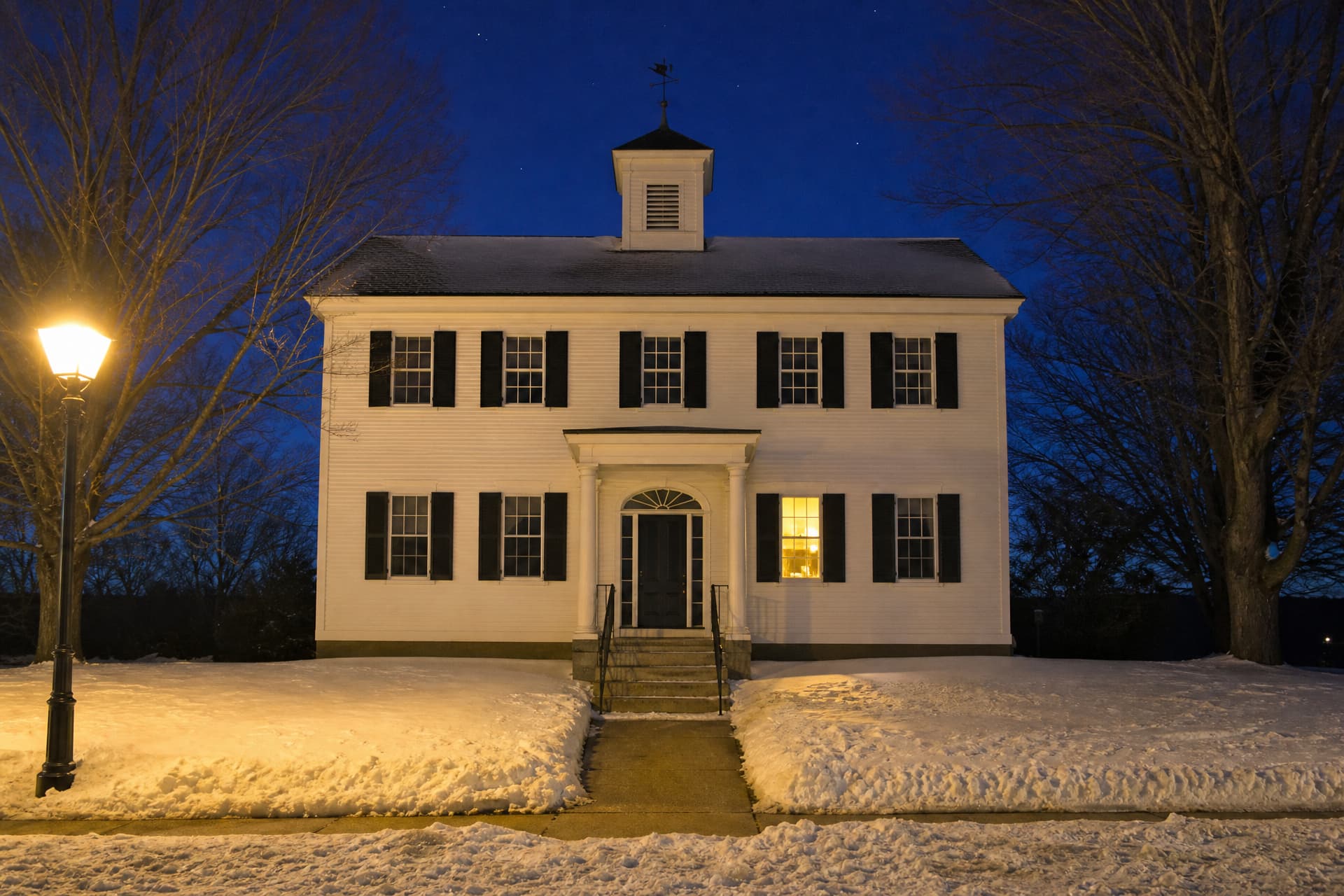
Vermont's burial-transit permit is a municipal document — a family arranging a cremation without a funeral director gets it here, from their own town clerk. The statute requires deputies to be reachable outside office hours, because deaths do not keep to a clerk's schedule.
Who may authorize the cremation is written down, in order. Section 5227 puts your loved one's own written directive first. Absent one, it runs through an advance-directive agent, the surviving spouse, the children, a parent, siblings, and on through kin to a guardian. If the family is not united, that order is the thing to read before anybody signs.
No casket is required, and no embalming. Nothing in 18 V.S.A. ch. 107 requires a casket for cremation; every Vermont price list we read carries the federal alternative-container disclosure and offers cardboard or fiberboard, and all of them say embalming is not required by law. A firm may still have its own house policy about embalming when disposition takes more than a day or two, so ask whose rule you are being quoted.
Human composting is legal in Vermont. Natural organic reduction sits in § 5201 alongside cremation, under the same 24-hour wait — but no Vermont price list we read offers it, so it is a lawful option with no published price attached.
Who pays. Section 5229 places the cost on the estate, subject to the insolvent-estate limits in 14 V.S.A. § 1205, or on anyone who agrees to pay. A family that cannot pay is pointed toward the state's General Assistance program, and complaints go to the Secretary of State's Office of Professional Regulation, 802-828-2367.
Scattering: we could not establish Vermont's rule. We found no scattering-specific provision in 18 V.S.A. ch. 107, but we will not assert an absence we did not confirm. Ask the landowner, and ask the town. Our guide to scattering ashes laws and etiquette covers the questions worth asking anywhere.
How to Lower the Cost in Vermont
The cost of cremation Vermont families end up paying is not settled by negotiation. It is settled by a handful of questions, and every one of them is asked on the first telephone call.
Settle the kind of firm before you settle the price. Decide first whether the family will want time with your loved one beforehand, or a service with them present — then call the right list. The cheaper firm cannot become the more expensive one for extra money.
Ask one question before any other: is the crematory fee inside this price? It is worth $390 to $450 and it is the single largest source of confusion in the state. Get the answer in writing on the itemized statement, not over the phone.
Then ask about the permits. The examiner's certificate and the burial-transit permit are unavoidable and small — about $30 together — but "all in" means different things on different documents, and some lists include the crematory charge while excluding both of these.
Say where the death happened, on the first call. The cheapest package in Vermont is priced for three counties and adds $500 outside them. In a state this rural, that one fact can outweigh the difference between two firms' basic fees.
Read the effective date on the document. Vermont has an unusual amount of stale pricing online — lists years out of date still being served, and one firm publishing two live at once, a year apart, at different prices. The newest effective date binds, and the old one is what a comparison site most likely scraped.
Ask whether membership changes the price. A Vermont cremation society may price a members' rate a couple of hundred dollars under its public one, with 30 days' standing required from payment — so it is not something a family can buy at the time of need.
Call outside your own town. The published spread here is 3.5 times, and we could not confirm that any of the low-cost national cremation companies operates in Vermont, so the floor is set by small in-state operators — often in small towns rather than the cities.
The urn is almost always a separate decision. On most Vermont lists the ashes come home in a plain temporary container and the urn is chosen later — the one part of this process that no statute and no price list governs. The name and dates are a separate purchase again, and an engraved urn nameplate carries them.
How much does cremation cost in Vermont? Between $1,065 and $3,705 to start, with a median of $1,995 — the 27th cheapest of the fifty states. Before you compare two quotes, check that they are the same kind of business and that both include the crematory fee.
What is the difference between a cremation society and a funeral home in Vermont? A cremation-only provider sells one package and has no chapel or viewing rooms; a funeral home carries a building, staff and a selection room. Both perform the same cremation, but only the funeral home can offer a viewing or a service with your loved one present, and that capacity is what the higher price pays for.
What is the average cost of cremation in Vermont? We publish the median rather than the mean, because the figures at the top would drag an average upward and describe nobody. The median is $1,995. Treat any figure for the average cost of cremation in Vermont with suspicion unless the page says where its numbers came from.
How much is cremation in Vermont, all in? Take the published floor and add what that list leaves outside it: the crematory charge where it is separate, $390 to $450; the medical examiner certificate at about $25 to $30; the burial-transit permit at $5; and death certificates at $10 each. Against the $1,995 median that is realistically $2,050 to $2,500, and more on a list that excludes the cremation itself.
Why is Vermont's cheapest published price $1,065? Because that figure buys a funeral home's service charge and never names the cremation. Ask whether the cremation is inside a number before you compare it with anything.
Is there a waiting period before cremation in Vermont? Yes. 18 V.S.A. § 5201(b) requires at least 24 hours to pass after the death recorded on the death certificate, with a narrow public-health exception.
Who can authorize a cremation in Vermont? Your loved one's own written directive comes first. After that, 18 V.S.A. § 5227 sets an order running from an advance-directive agent and the surviving spouse through the children, parents, siblings and other kin to a guardian.
Do I have to buy a casket for cremation in Vermont? No. Nothing in 18 V.S.A. ch. 107 requires one, every Vermont price list we read offers a cardboard or fiberboard alternative, and federal law forbids a provider from requiring a casket or telling you that state law does.
Is human composting legal in Vermont? Yes. Natural organic reduction sits in the same statute as cremation, 18 V.S.A. § 5201, under the same 24-hour wait. No Vermont price list we read publishes a price for it.
In Short
The cremation cost Vermont families are quoted is an ordinary Northeastern number — a $1,995 median, running from $1,065 to $3,705 — and most of that distance is the difference between two kinds of business rather than two prices for one service. A cremation-only provider sells the disposition and nothing else; a funeral home sells a building and the people in it. Neither is overcharging, because they are not selling the same thing. The state's own charges are small: roughly $30 for the certificate and the permit, plus $10 a death certificate.
So decide which kind of firm you want first, then ask the question that moves the most money inside that choice — does this number include the cremation? Get the answer in writing, and check the effective date on the page you are reading.