🏬Supersize Online Funeral Retailer🪦1000's of Headstones⚱️Over 10,000 Cremation Urns⚰️Caskets Overnight Delivery🛒Funeral & Memorial Superstore🚚FREE Shipping on ALL Orders👨👩👧👦Helping Families for over 20 Years💰Lowest Price Guarantee🏬Supersize Online Funeral Retailer🪦1000's of Headstones⚱️Over 10,000 Cremation Urns⚰️Caskets Overnight Delivery🛒Funeral & Memorial Superstore🚚FREE Shipping on ALL Orders👨👩👧👦Helping Families for over 20 Years💰Lowest Price Guarantee
🏬Supersize Online Funeral Retailer🪦1000's of Headstones⚱️Over 10,000 Cremation Urns⚰️Caskets Overnight Delivery🛒Funeral & Memorial Superstore🚚FREE Shipping on ALL Orders👨👩👧👦Helping Families for over 20 Years💰Lowest Price Guarantee🏬Supersize Online Funeral Retailer🪦1000's of Headstones⚱️Over 10,000 Cremation Urns⚰️Caskets Overnight Delivery🛒Funeral & Memorial Superstore🚚FREE Shipping on ALL Orders👨👩👧👦Helping Families for over 20 Years💰Lowest Price Guarantee
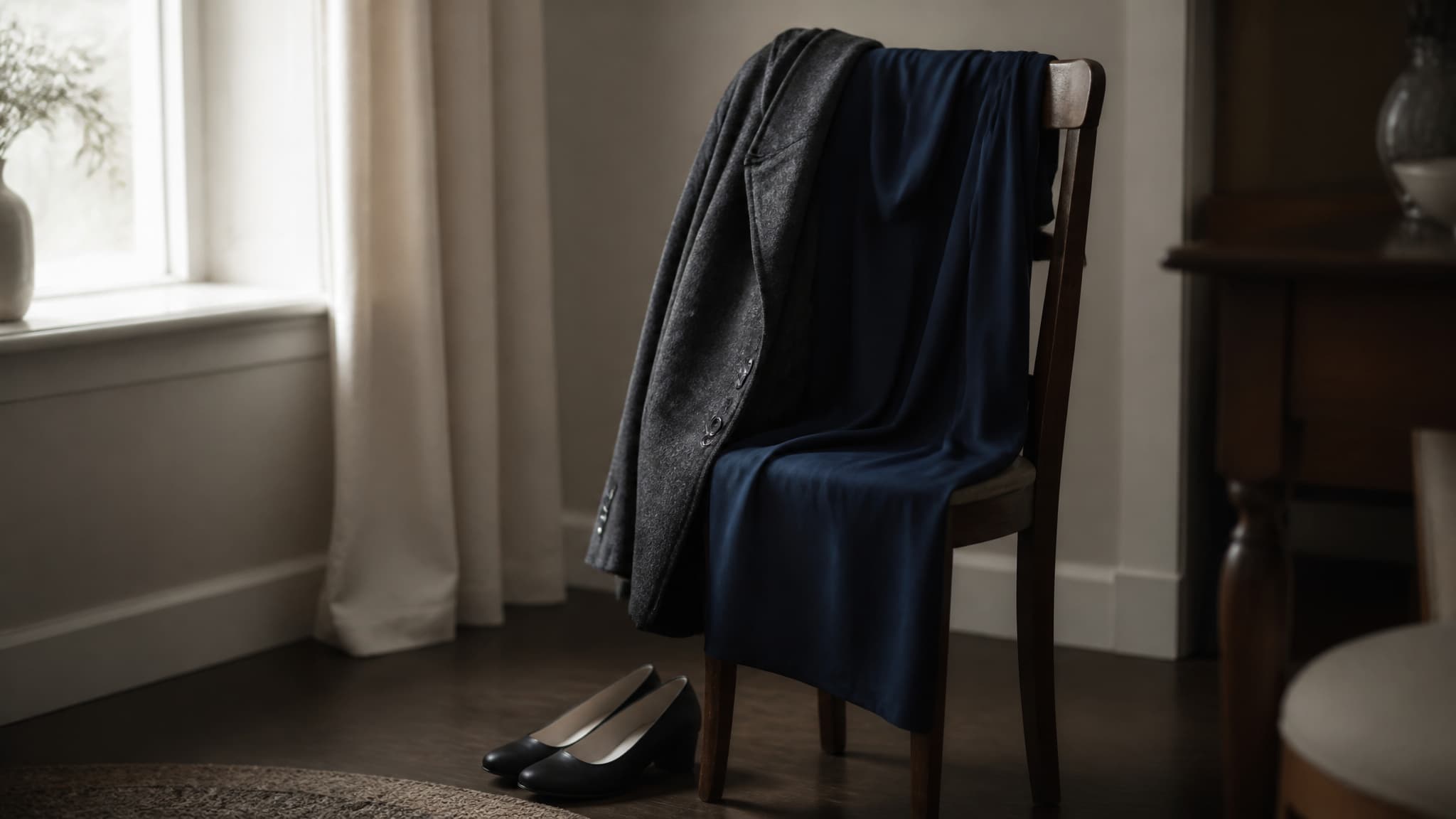
Dark, plain, covered, and comfortable enough to stand for an hour. That is what to wear to a funeral, and it will be right almost everywhere in the United States. A navy or charcoal suit. A dark dress with sleeves, or a dark top with dark pants or a longer skirt. Shoes you can walk on grass in. If you are reading this the night before a service and need an answer rather than an essay, you now have one, and the rest of this page is the reasoning and the edge cases.
The worry underneath the question is usually not really about clothing. It is about being the person who got it wrong at somebody's funeral — too bright, too casual, too much. That fear is close to universal and almost never realized. Nobody at a funeral is examining the guests. The family will remember that you came.
What follows is the reasoning behind the rule, the specifics for each kind of service, and the small number of things that genuinely do read as wrong. If you want the detail for a particular situation, this page is the front door to our , which covers each one properly.
Four words carry most of it: dark, plain, covered, comfortable.
Dark means black, charcoal, navy, deep gray, or brown. Black is traditional and always safe, but it has not been required in most of the country for decades. A navy suit is not a compromise.
Plain means no loud patterns, no slogans, no bright accent colors, nothing that catches light across a room. The point is to be unremarkable.
Covered means shoulders covered, necklines high, hems at or below the knee, and no bare midriff. In a church, mosque, or temple this may be a requirement rather than a courtesy.
Comfortable is the one people forget. A funeral involves standing, sitting, standing again, and often a walk across uneven ground to a graveside. Shoes that hurt after twenty minutes will make a difficult morning worse.
If you are still asking yourself what do i wear to a funeral after that, the honest answer is that you almost certainly already own it. The dark clothes you would wear to a job interview or a serious meeting will be right. There is no separate category of dress to wear to a funeral that you need to go out and buy, and the attire for funeral services in most of the country has been quietly relaxing for thirty years.
There is no rule written down anywhere. The funeral dress code is a convention, and conventions make more sense when you know what they are for.
Dressing dark and plain moves attention away from you. A funeral is a room where the family is being looked at — walking in, sitting at the front, standing to speak. Everything a guest wears that draws an eye takes a little of that room's attention and points it in the wrong direction. That is the whole reasoning. It is not about respect in the abstract, and it is not about grief being formal. It is about not competing.
That explains the exceptions too. When a family asks for bright colors, they are telling you the attention is welcome. When a service is at a beach or a garden rather than a chapel, the room is different and so is the convention.
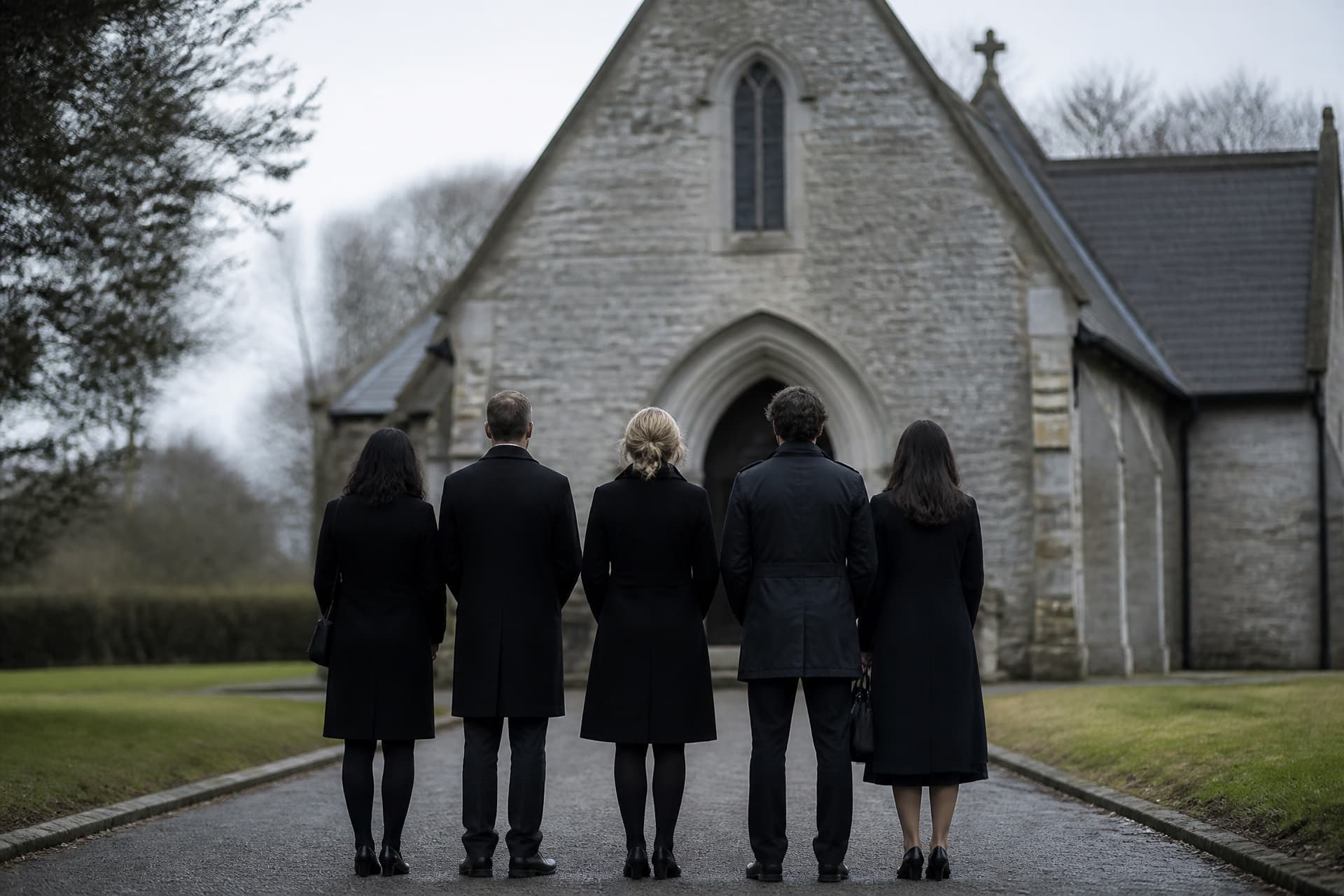
Because there is no written rule, most people arrive at what is appropriate to wear to a funeral by copying what they have seen, which is why the convention drifts by region and by generation. Formality varies with the setting more than with anything else, and funeral service attire is really a question about the room you are walking into:
A church, synagogue, mosque, or temple service is the most formal. Suits and dark dresses. Some traditions expect covered heads; if you are unsure, bring a scarf and follow the family's lead.
A funeral home chapel is close behind, though a jacket without a tie is unremarkable.
A graveside service is the same standard as the chapel, with practical adjustments for weather and ground.
A celebration of life is the loosest, and often deliberately so.
Roles carry their own expectations. If you have been asked to carry the casket, the standard is a step above the guests' and there are practical constraints on shoes and jackets — pallbearer attire covers what changes and why.
The dress code most services actually run on: dark, plain, and unremarkable enough that nobody remembers afterwards what you wore.
What Counts as Appropriate Funeral Attire
The general rule is easy. The specifics are where people get stuck, so here they are.
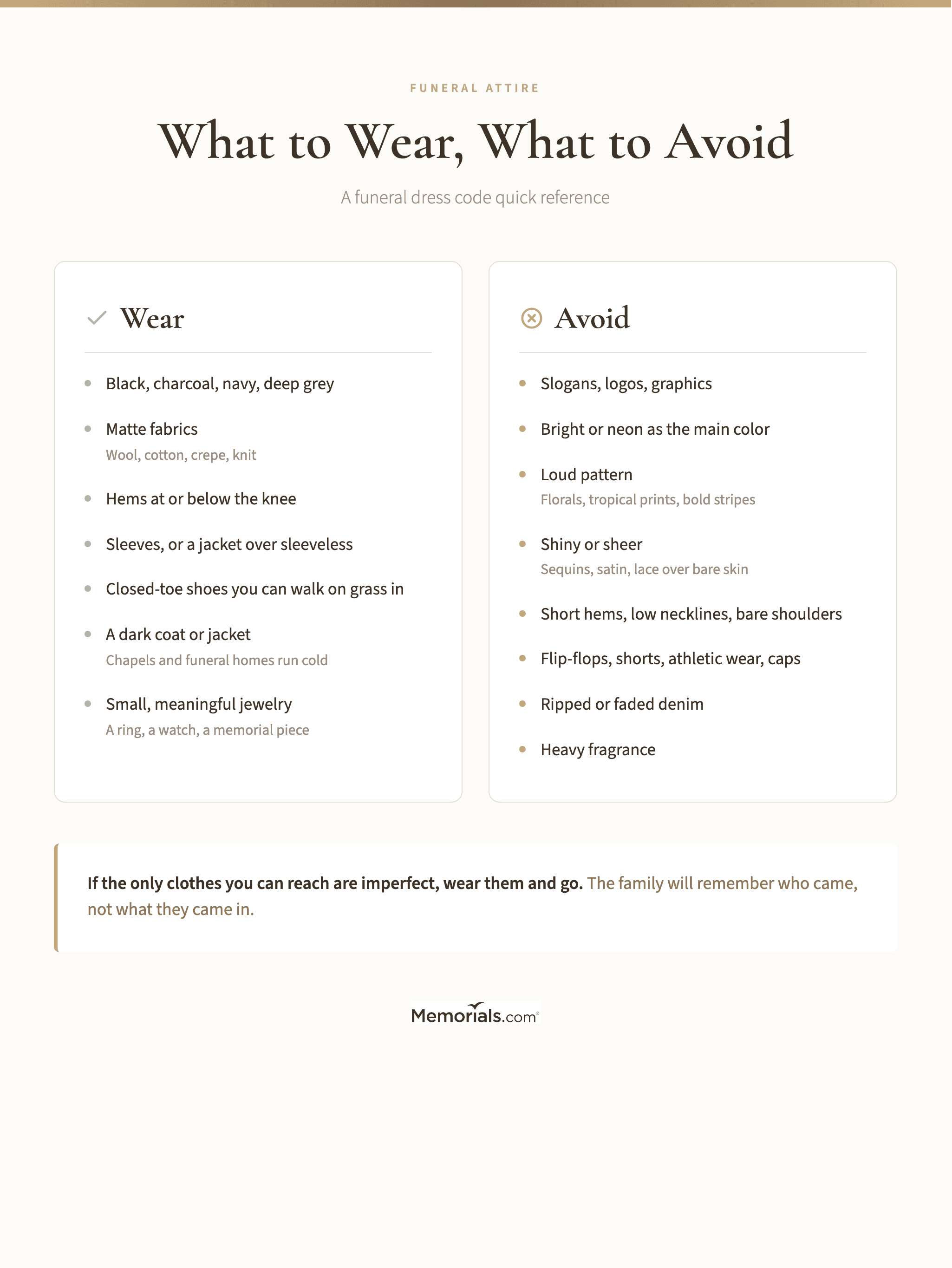
Fabrics and finish. Matte over shiny. Wool, cotton, crepe, and knit all read as appropriate funeral attire; satin, sequins, metallic thread, and anything with a sheen do not. This is the single most common way an otherwise correct outfit goes wrong — a black dress can be too much if it glitters. Fabric is doing more work here than color, and it is the difference between appropriate funeral clothing and something that merely happens to be black.
Necklines and hems. At or below the knee for dresses and skirts. Necklines high enough that you are not adjusting them while seated. Sleeves are preferable; if your dress is sleeveless, a cardigan or jacket over it solves the problem and can come off at a reception afterwards.
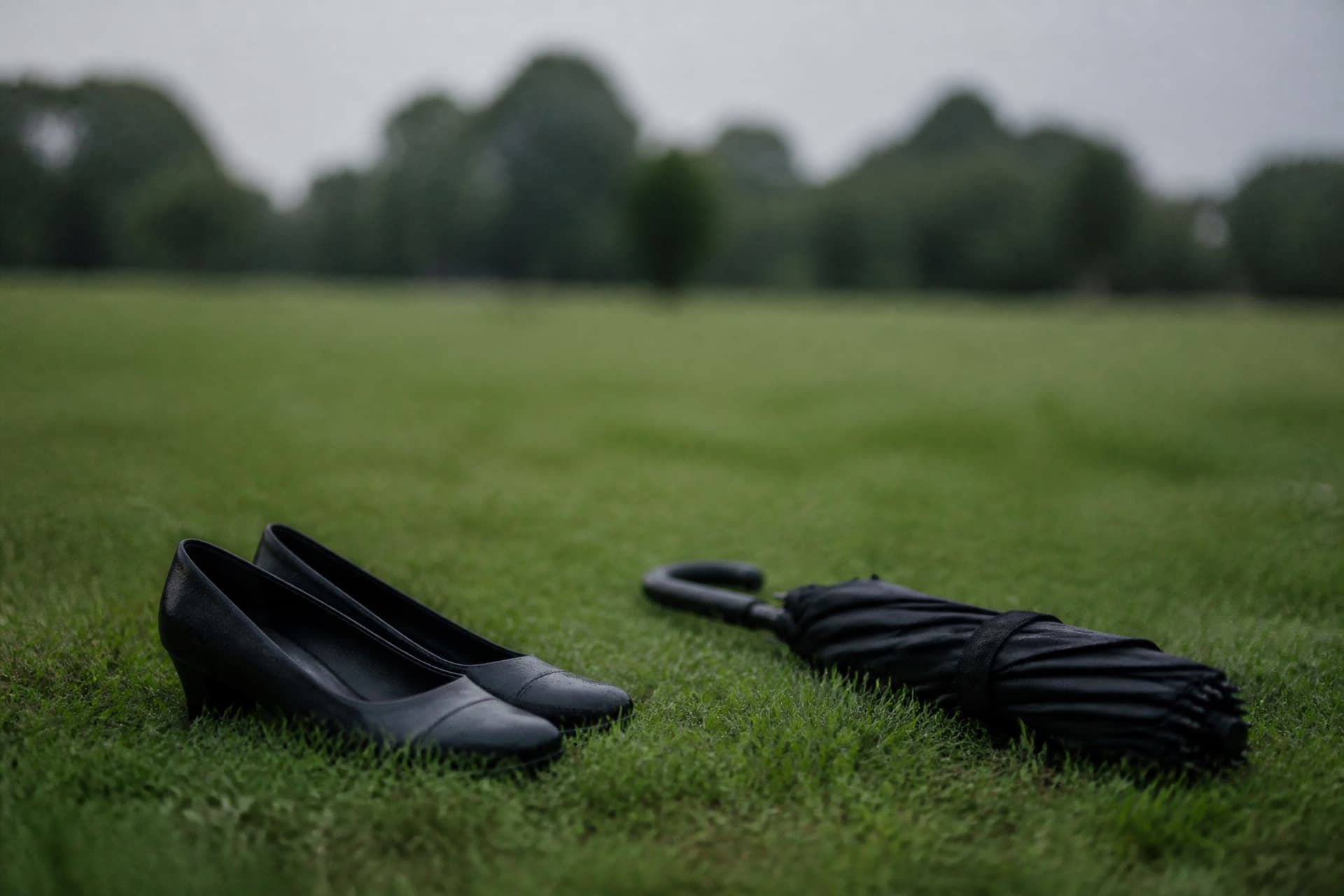
Shoes. Closed-toe, low heel or flat, and broken in. Graveside services happen on grass, which is often wet, and a narrow heel sinks. If you own one pair of plain dark shoes you can walk in, those are the correct ones.
Layers. Funeral homes and churches are frequently cold, and services often move outdoors partway through. A dark jacket or coat is doing real work, not just completing an outfit.
Bags and outerwear. Small, dark, plain. Whatever you carry will sit on your lap for an hour.
Grooming. Understated. Heavy fragrance is genuinely inconsiderate in a small warm room full of people who may already feel unwell.
Put together, that list is the whole of funeral appropriate attire. Nothing on it is expensive, and nothing on it requires a shopping trip.
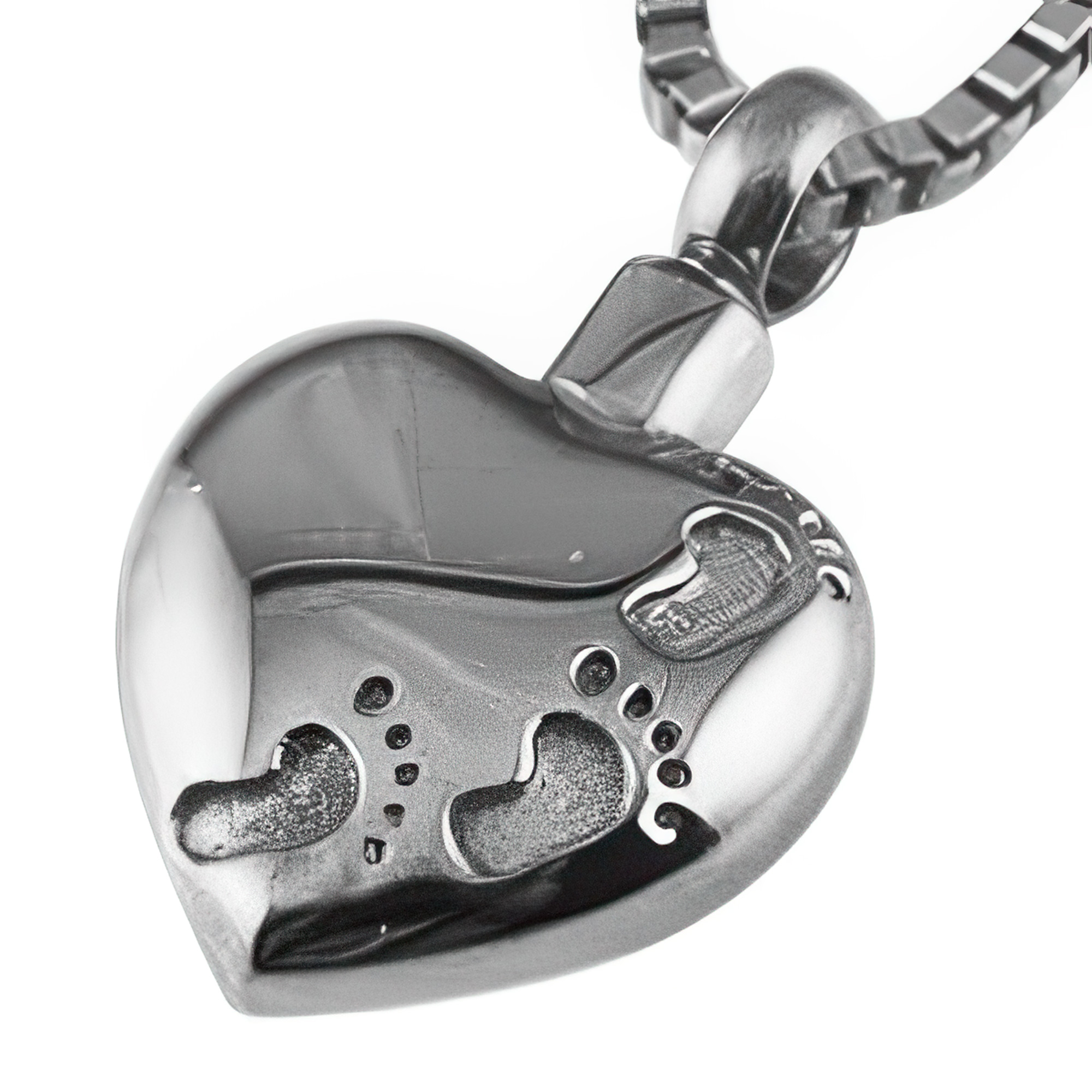
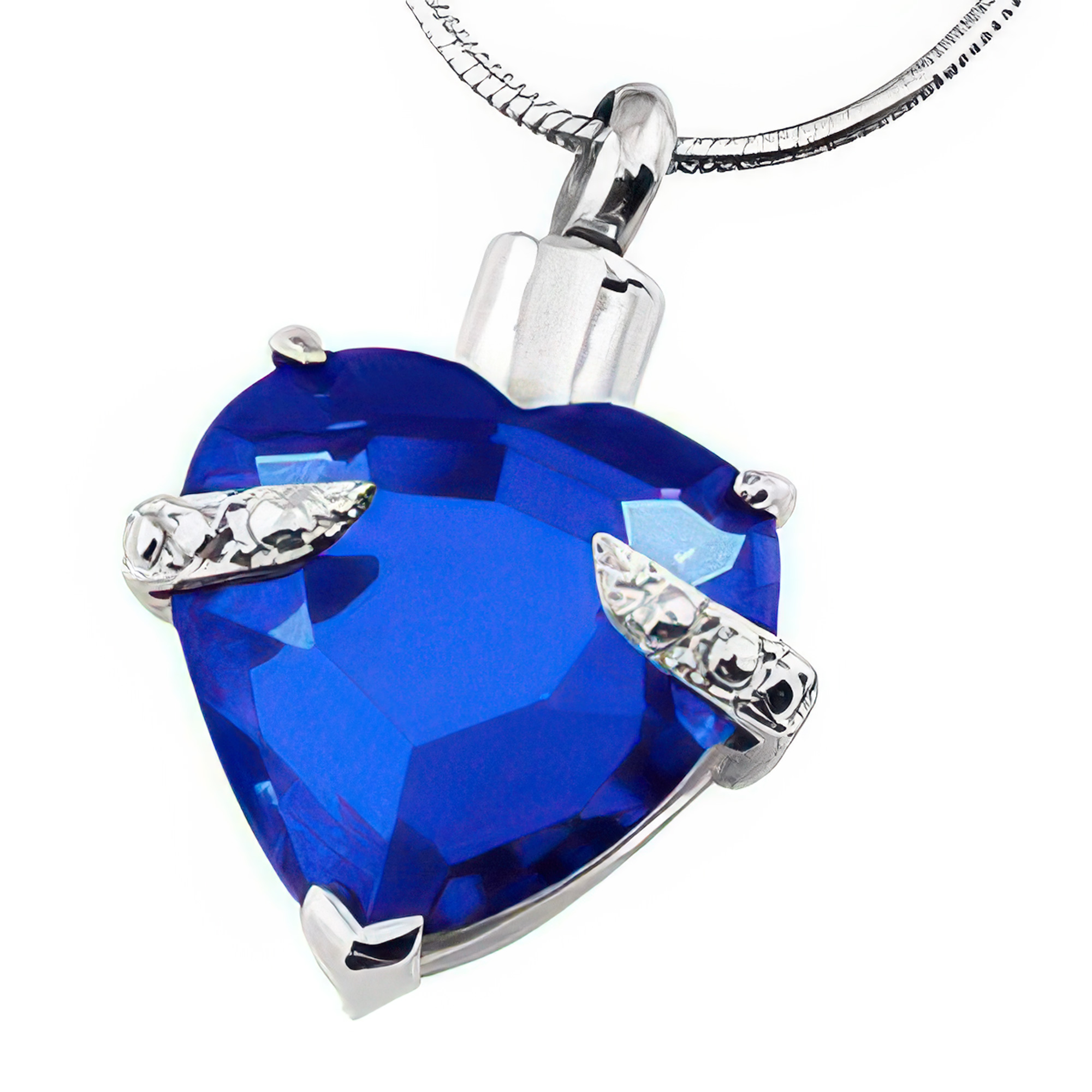
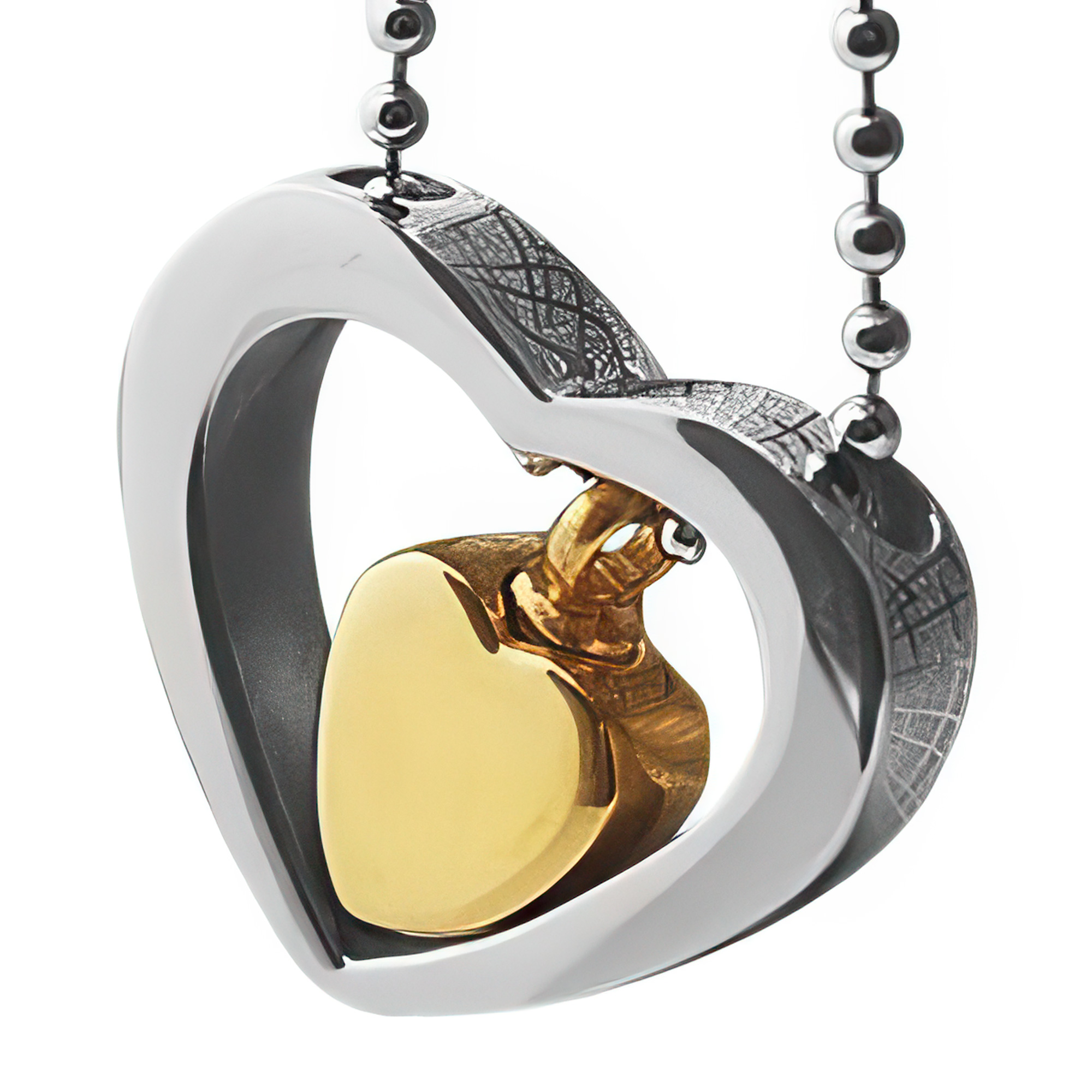
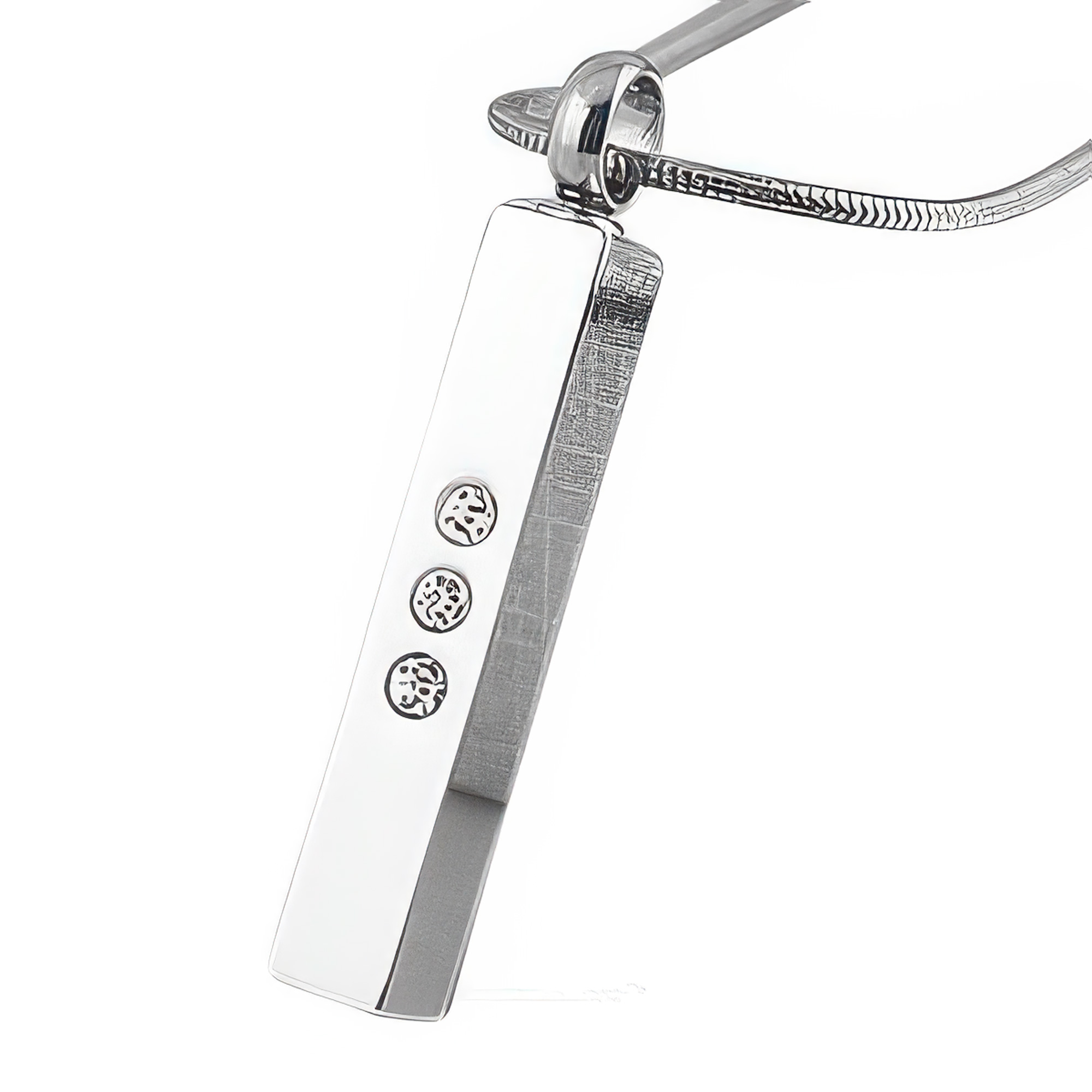
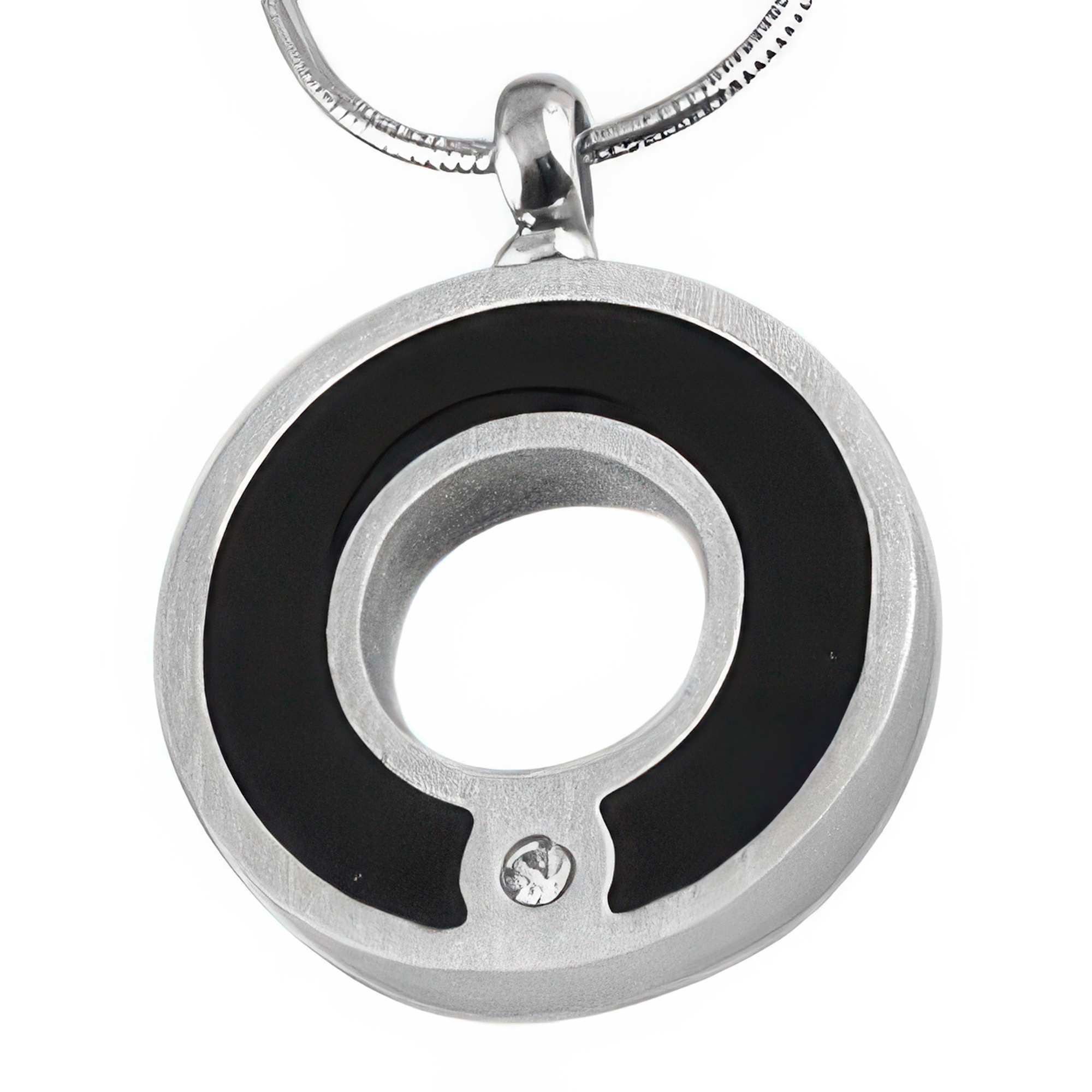
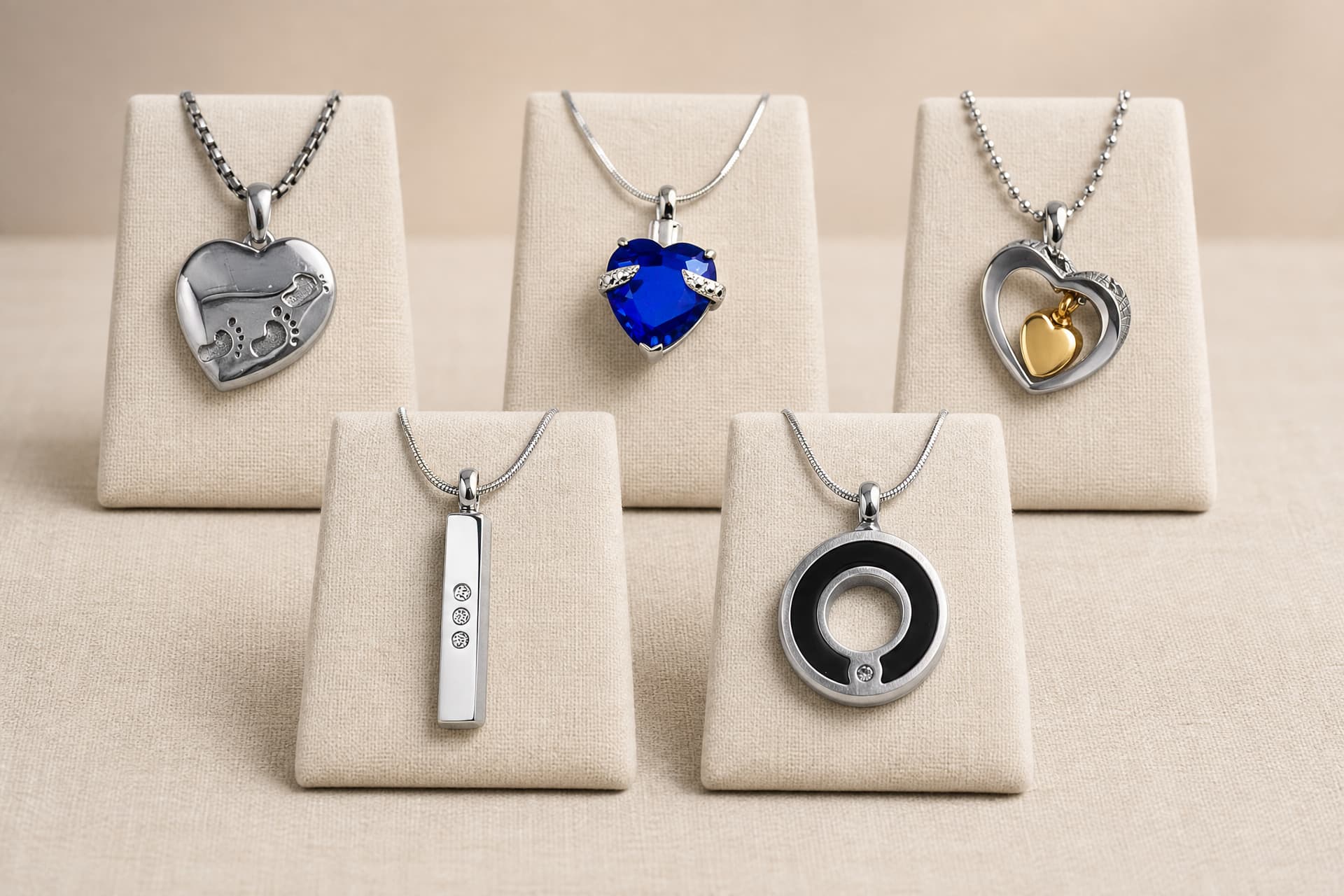
Jewelry is the one area where personal meaning is welcome rather than distracting, and where the convention has always bent. A wedding ring, a watch, a small pair of earrings, a cross or a Star of David — none of these read as ornament. Many people wear something that belonged to the person who died, and at a service for a spouse or a parent it is common to see a piece of memorial jewelry that holds a small portion of ashes. Worn quietly, it is the opposite of showy.
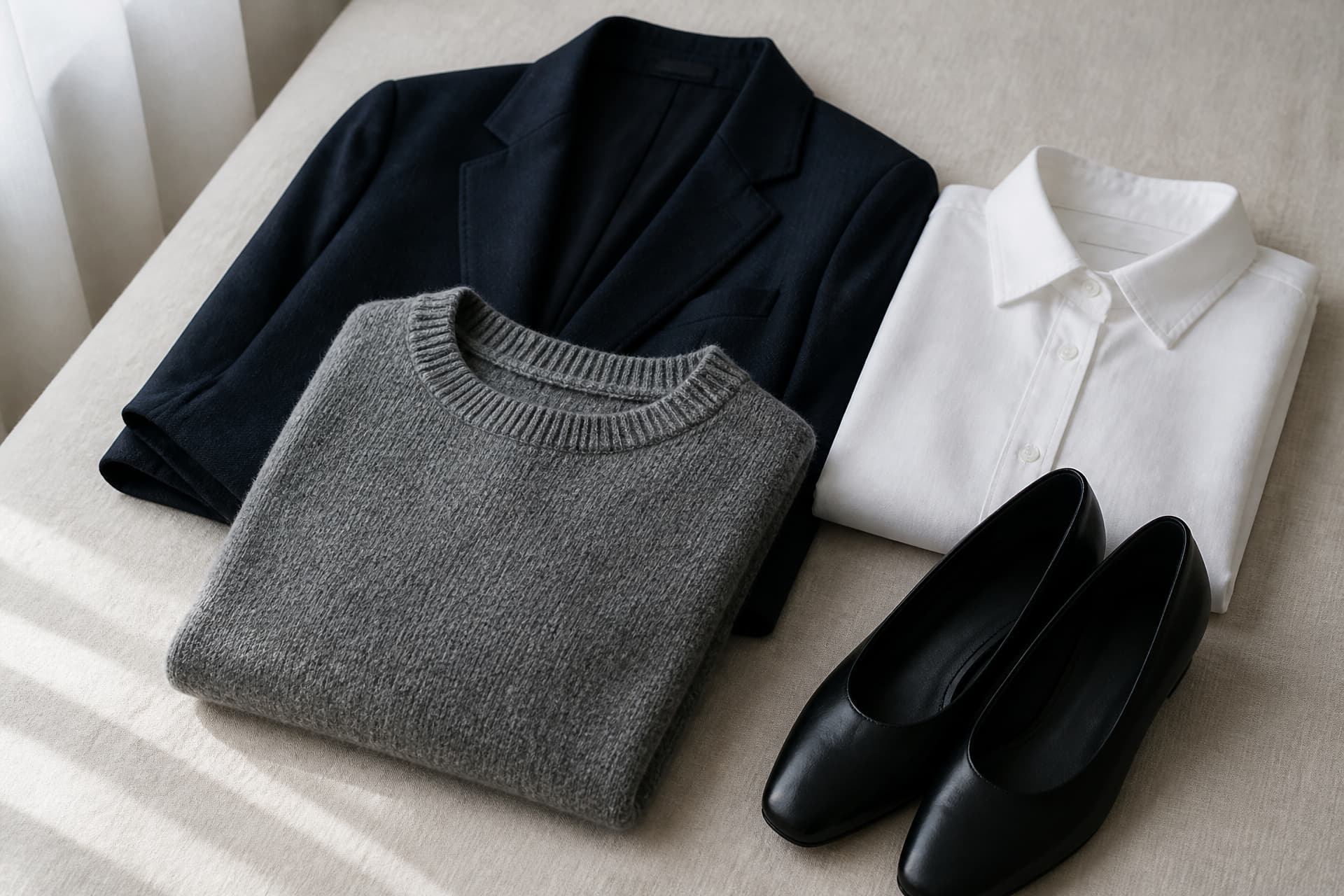
Almost everyone already owns a funeral outfit. It is usually a dark jacket, a plain top, and shoes you can stand in for an hour.
Most guidance on what not to wear to a funeral is a single vague sentence about avoiding bright colors. The specifics are more useful, because the things that actually read as wrong are narrower than people fear.
Genuinely avoid:
Anything with a slogan, logo, or graphic. A printed t-shirt under a jacket is still a printed t-shirt.
Bright or neon color as the main event. A red dress, a yellow blazer. A small colored detail is not the same thing.
Shiny or sheer fabric. Sequins, satin, lace over bare skin.
Revealing cuts. Short hems, low necklines, bare shoulders in a house of worship, anything cut out.
Beachwear and gymwear. Flip-flops, shorts, athletic leggings, baseball caps indoors.
Distressed denim. Ripped jeans are the clearest example of inappropriate funeral clothing.
Heavy fragrance and rattling jewelry. Both carry further than you think in a quiet room.
Sunglasses indoors, unless you are wearing them because you have been crying, which nobody will question.
The list of real funeral outfit mistakes is short, and none of them are subtle. If you are worried about a specific item, the test is simple: would it draw a glance in a quiet room? If not, it is fine.
Two things worth saying plainly. First, plain dark jeans are a genuine gray area rather than an outright error — at a graveside service in a rural community they can be entirely normal, and at a formal church funeral they will not be. We deal with that question and the wider one of color in do you have to wear black to a funeral. Second, arriving is better than not arriving. If the only clothes you can reach are imperfect, wear them and go.
Two columns at a glance. On the left: dark, plain, covered, comfortable, already owned. On the right: anything bright, anything tight, anything brand new, and anything that asks to be looked at.
If You Have Nothing to Wear and No Time to Shop
This is the most common real situation and almost nobody writes about it. The service is tomorrow, you have been traveling or you have been at a hospital, and the clothes you own are the clothes you own.
Work backwards from what you already have. Almost every wardrobe contains something dark and plain enough. A navy or gray work outfit is correct as it stands. A black sweater over dark pants is correct. A collared shirt with the jacket of a suit whose pants no longer fit is correct — nobody is checking that a jacket and pants match, and a mismatched dark jacket reads as considered rather than careless.
Borrow before you buy. A jacket, a tie, a dark cardigan, a pair of plain shoes in your size — someone in the family almost certainly has one, and asking is normal. Funerals are one of the few occasions where borrowing clothes is entirely unremarkable.
If you must buy, buy one thing that fits and that you will wear again. A plain dark jacket or a simple dark dress will cover this funeral and every future one. Do not buy an outfit; buy a garment.
And if none of that is possible — if what you have is a dark hoodie and clean jeans — wear it and go. Every funeral director will tell you the same thing: the family notices who came, not what they came in. Missing a service because of clothes is a decision you may regret for years. Turning up imperfectly dressed is one nobody else will remember by the following week.
Dressing for a Funeral as a Woman
The standard is a dark dress with sleeves at or below the knee, or dark pants with a dark top, or a skirt and blouse. A jacket or cardigan over the top handles both cold rooms and sleeveless dresses. Flats or a low block heel.
Beyond that, the questions get specific quickly — what works for a summer service, how to handle a dress that is the only dark one you own, what to do when you are pregnant or nursing, and how the expectations differ if you are family rather than a guest. Those are covered properly in what to wear to a funeral woman.
Dressing for a Funeral as a Man
A dark suit with a white or pale shirt and a plain dark tie is the reliable answer. Navy and charcoal are as correct as black.
The more common real situation is not owning a suit, which is far less of a problem than it feels like. Dark pants, a dark jacket, and a collared shirt will pass anywhere, and at many services the jacket alone is enough. There is a whole set of questions here — tie or no tie, what to do with a shirt that is the wrong shade, whether a sweater works — and what to wear to a funeral men answers them.
What Children Should Wear
Children are held to a much softer standard, and no one expects a toddler in a suit. Dark or muted clothing that is clean and comfortable is enough. School uniform is a perfectly good answer for older children. Comfort matters more here than anywhere else in this article, because a child who is uncomfortable will make the service harder for everyone around them.
Not every service expects the same thing, and reading the invitation matters more than following a rule.
Wakes, viewings, and visitations are usually a step less formal than the funeral itself, and they often run for several hours with people arriving straight from work. What to wear to a wake is a question with its own answer, because these events differ from a funeral in length, setting, and who is present.
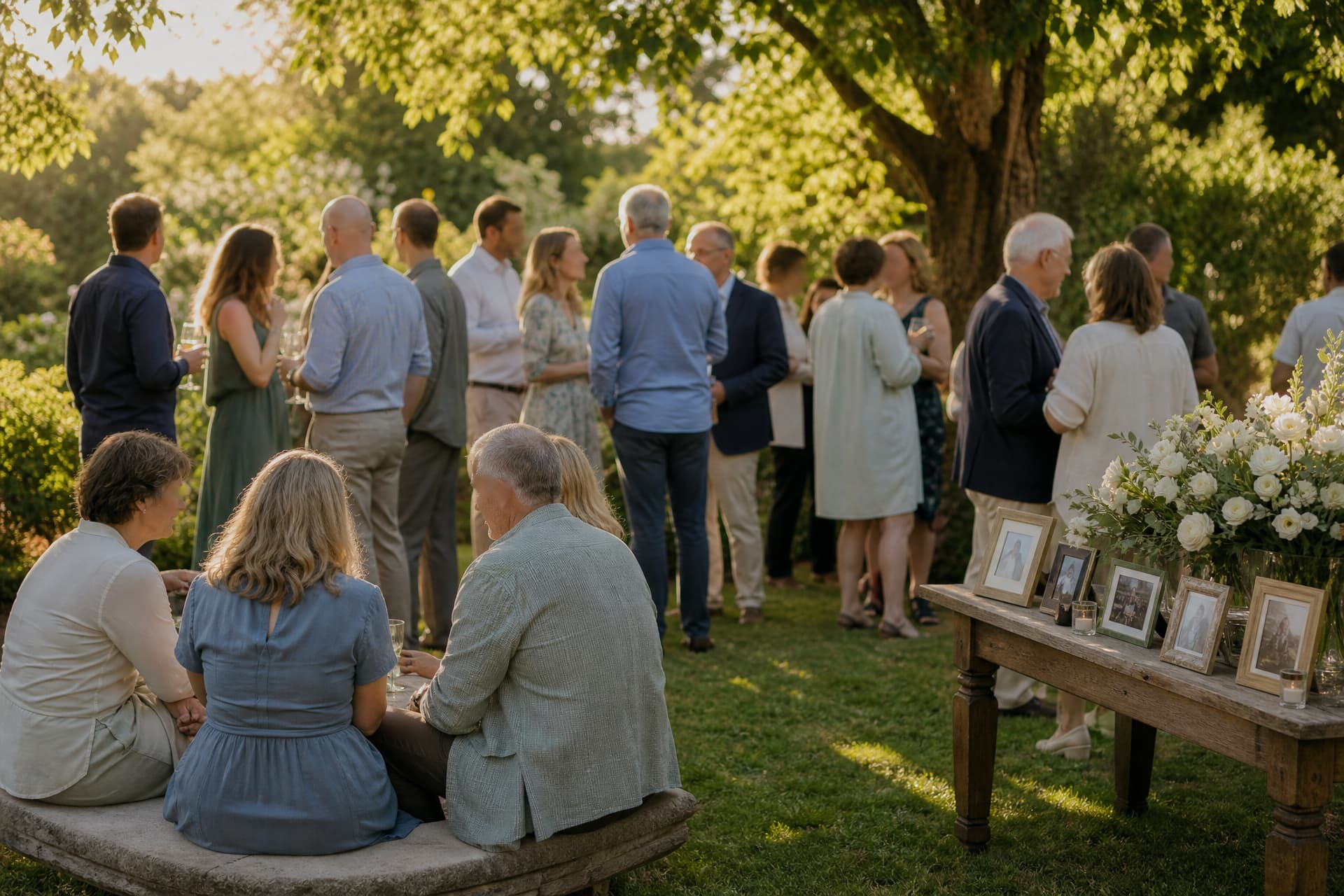
A celebration of life is frequently held weeks after the death, often outdoors, and families regularly ask for color. Turning up in full black to a celebration of life can itself feel out of step. See what to wear to a celebration of life.
When the family requests something specific — a color, a sports team, no black at all — do what they ask. It is not a suggestion, and it is usually something the person who died wanted.
Casual funeral attire is a real category rather than a contradiction, and it applies more often than the traditional picture suggests: home services, beach scatterings, graveside-only gatherings, and second services held far from where someone died. Casual still means dark and plain, just softer — a knit instead of a jacket, flats instead of heels.
When the family asks for colour, the request is the dress code — and black becomes the wrong answer rather than the safe one.
What to Wear to a Memorial Service
A memorial service is not the same event as a funeral, and the difference changes what to wear. There is usually no casket and no burial to follow. It often takes place weeks or months later, sometimes in a home, a hall, a restaurant, or outdoors rather than at a funeral home. The urgency and the formality are both lower.
So what do you wear to a memorial service? The same principles, one notch softer. Dark or muted rather than strictly black. A jacket without a tie. A dark dress or smart separates. If the invitation names a dress code, that overrides everything here.
Two practical notes. What to wear to memorial service events held outdoors depends far more on ground and weather than on formality — a memorial in a garden in October needs a coat more than it needs a tie. And the question of what to wear to a memorial service female guests most often ask about is sleeves and hemlines, where the answer is the same as for a funeral: covered is safer, and a cardigan solves it.
If the memorial follows a scattering or an interment of ashes, expect to be outdoors and on uneven ground for part of it, and dress for that.
Weather, Season, and Practicalities
Graveside services happen in whatever weather the day brings, and this is where otherwise correct outfits fail.
Heat. A dark suit in July is genuinely difficult. Lighter-weight wool, cotton, and linen blends in dark shades are the answer, along with a short walk from the car planned in advance. What to wear to a funeral in the summer covers fabric weight, sleeve length, and how much you can reasonably remove.
Cold and wet. A dark overcoat over everything, and shoes with grip. Umbrellas are normal and nobody minds. What to wear to a winter funeral goes into layering and what a graveside service in February actually requires.
Ground. If any part of the service is at a graveside, assume grass, assume it may be soft, and choose shoes accordingly. This single decision prevents more discomfort than any other.
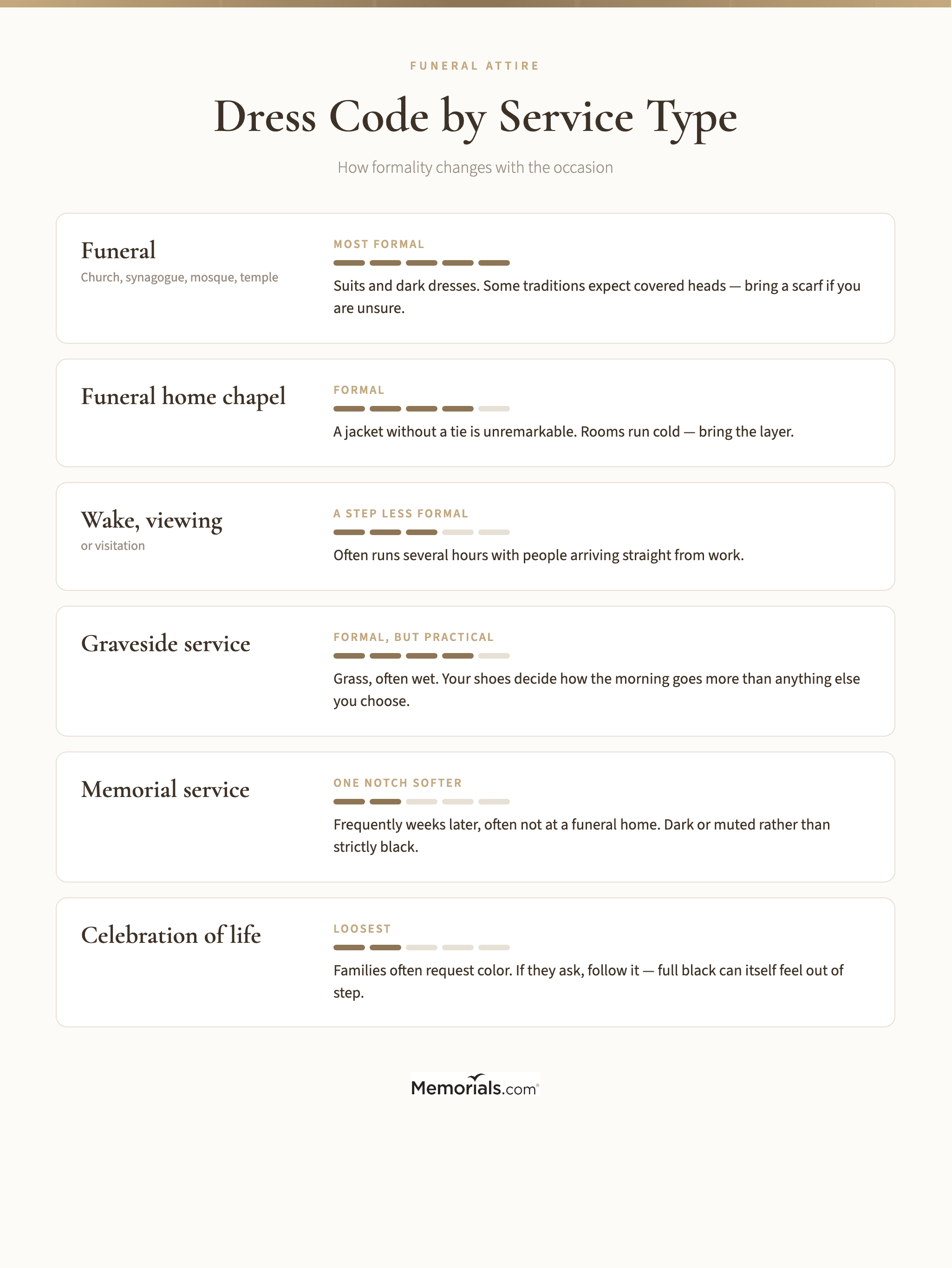
Expected formality across five kinds of service — funeral, wake, celebration of life, memorial service and graveside committal — and what a guest changes at each. The register softens as you move down; the family's own wishes matter more.
Graveside is where practicality overtakes formality: shoes for wet grass, a coat you can keep on, and an umbrella you may hold for twenty minutes.
When the Funeral Follows a Different Tradition
Religious and cultural traditions carry expectations that override the general convention, and getting them right matters more than any of the advice above. White is the mourning color across much of East and South Asia, and wearing black to some services is the error rather than the safe choice. Head coverings are expected in some traditions and not others. Some services ask guests to remove shoes.
If you are attending a service in a tradition you do not know, ask whoever invited you — the question is welcome, and guessing is how people get it wrong. Our culture-specific guides cover the details, starting with indian funeral attire.
Frequently Asked Questions
Can I wear jeans to a funeral?
At a formal church or chapel service, no. At a graveside gathering, a home service, or in a rural community where a suit would look out of place, plain dark jeans with a jacket are often entirely normal. Ripped or faded denim is not appropriate anywhere. If you genuinely have nothing else, wear the darkest, plainest pair you own and go.
What colors should you not wear to a funeral?
Bright and saturated colors as the main element — red, orange, yellow, hot pink, bright white as a full outfit. Muted color is fine: deep green, burgundy, dark purple, and brown all read as appropriate. A small colored detail, like a scarf or a tie with a pattern in it, is not a problem.
Is it OK to wear a short-sleeved shirt to a funeral?
Yes, particularly in summer and at less formal services. A short-sleeved shirt under a jacket is unremarkable. Sleeveless is a different question and is better covered by a cardigan in a house of worship.
Do you have to wear a suit to a funeral?
No. A dark jacket with dark pants and a collared shirt is correct at almost any service, and at graveside or informal gatherings the jacket alone is enough. The suit is the traditional answer, not the required one.
What should you not bring to a funeral?
Large bags, loud phones, strong fragrance, and children's toys that make noise. Flowers are usually sent to the funeral home rather than carried in, and some families ask for donations instead — the notice will say.
A Last Word Before You Go
The bar here is lower than the anxiety around it suggests. Dark, plain, covered, comfortable, and the right kind of shoes for the ground. Everything else in this article is refinement on those four words. Nobody has ever been remembered for their clothes at a funeral, and the family is not going to start with you.
If you are attending a service for someone very close to you, one small thing worth knowing: many people find it helps to carry or wear something that belonged to them. A watch, a ring, a scarf. It gives you somewhere to put your hands during the parts that are hard.