🏬Supersize Online Funeral Retailer🪦1000's of Headstones⚱️Over 10,000 Cremation Urns⚰️Caskets Overnight Delivery🛒Funeral & Memorial Superstore🚚FREE Shipping on ALL Orders👨👩👧👦Helping Families for over 20 Years💰Lowest Price Guarantee🏬Supersize Online Funeral Retailer🪦1000's of Headstones⚱️Over 10,000 Cremation Urns⚰️Caskets Overnight Delivery🛒Funeral & Memorial Superstore🚚FREE Shipping on ALL Orders👨👩👧👦Helping Families for over 20 Years💰Lowest Price Guarantee
🏬Supersize Online Funeral Retailer🪦1000's of Headstones⚱️Over 10,000 Cremation Urns⚰️Caskets Overnight Delivery🛒Funeral & Memorial Superstore🚚FREE Shipping on ALL Orders👨👩👧👦Helping Families for over 20 Years💰Lowest Price Guarantee🏬Supersize Online Funeral Retailer🪦1000's of Headstones⚱️Over 10,000 Cremation Urns⚰️Caskets Overnight Delivery🛒Funeral & Memorial Superstore🚚FREE Shipping on ALL Orders👨👩👧👦Helping Families for over 20 Years💰Lowest Price Guarantee
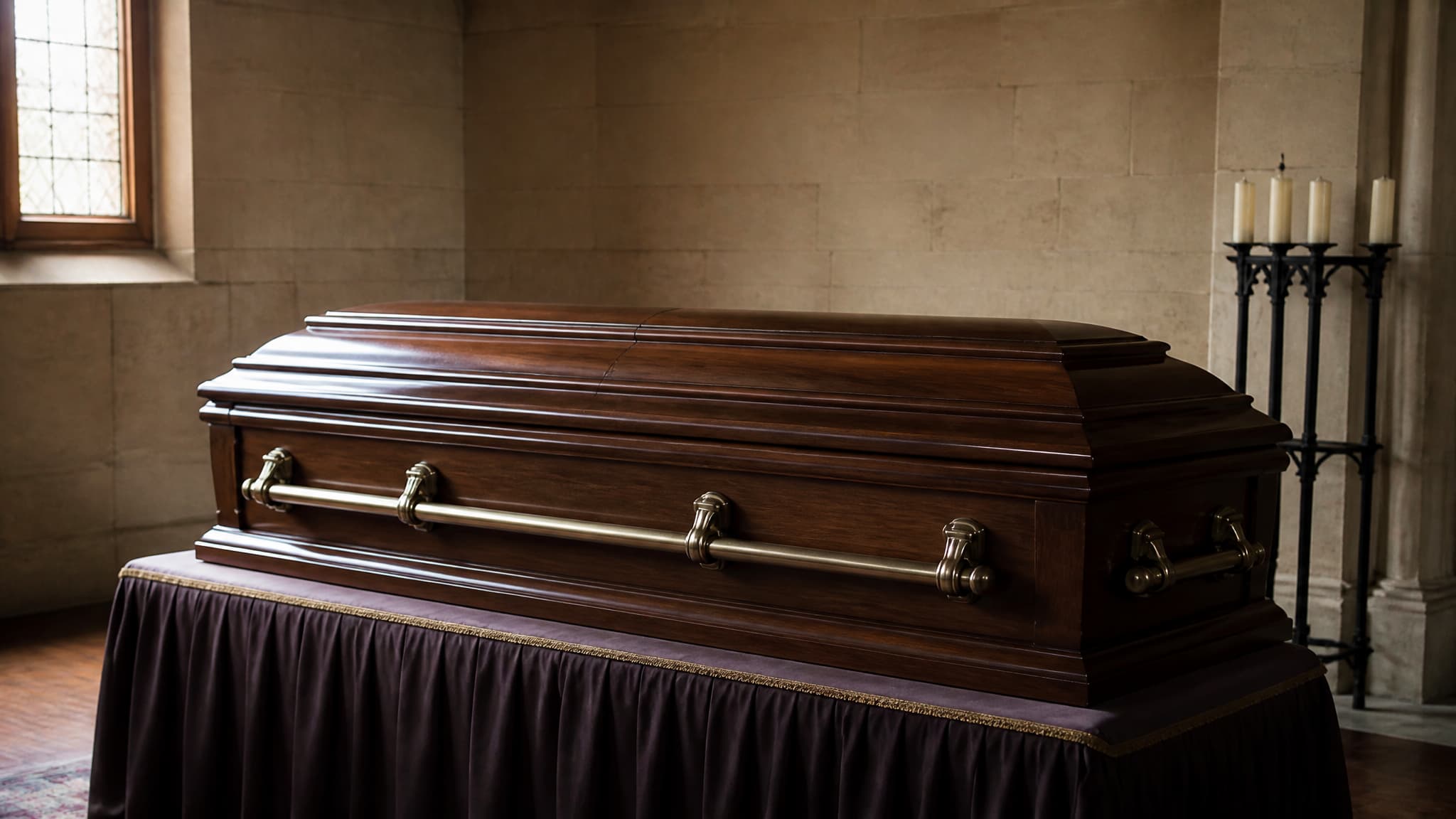
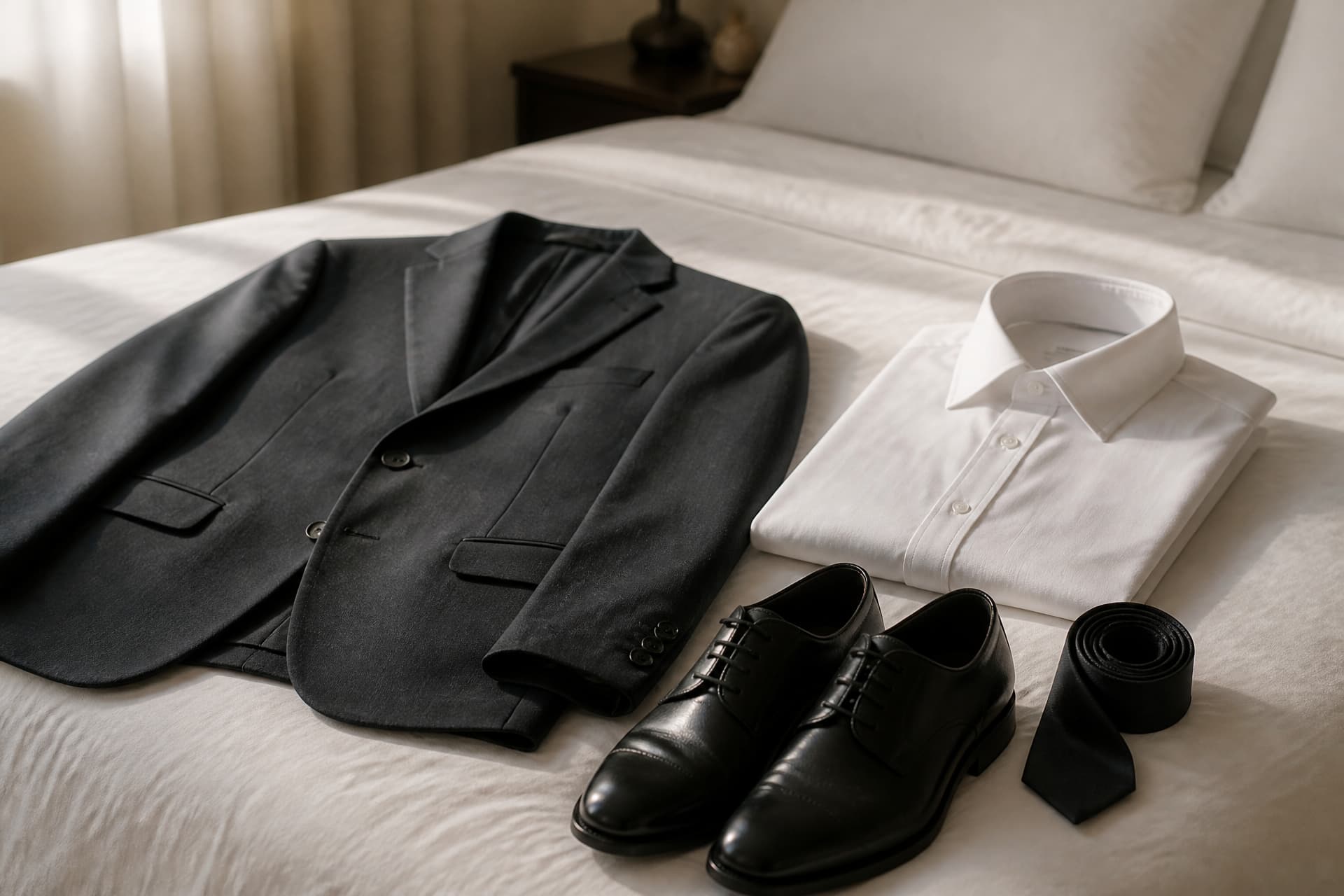
A dark suit, a white shirt, a plain dark tie, and shoes you will not slip in. That is pallbearer attire, and the last item on that list matters more than the first three combined — because unlike everyone else at the service, you have a physical job to do.
Being asked is an honor and it is also work. You will carry something heavy, in step with five other people, over ground you have not seen, in front of a grieving family. Most of what follows is about making that go smoothly rather than about looking correct, though the two happen to point the same way.
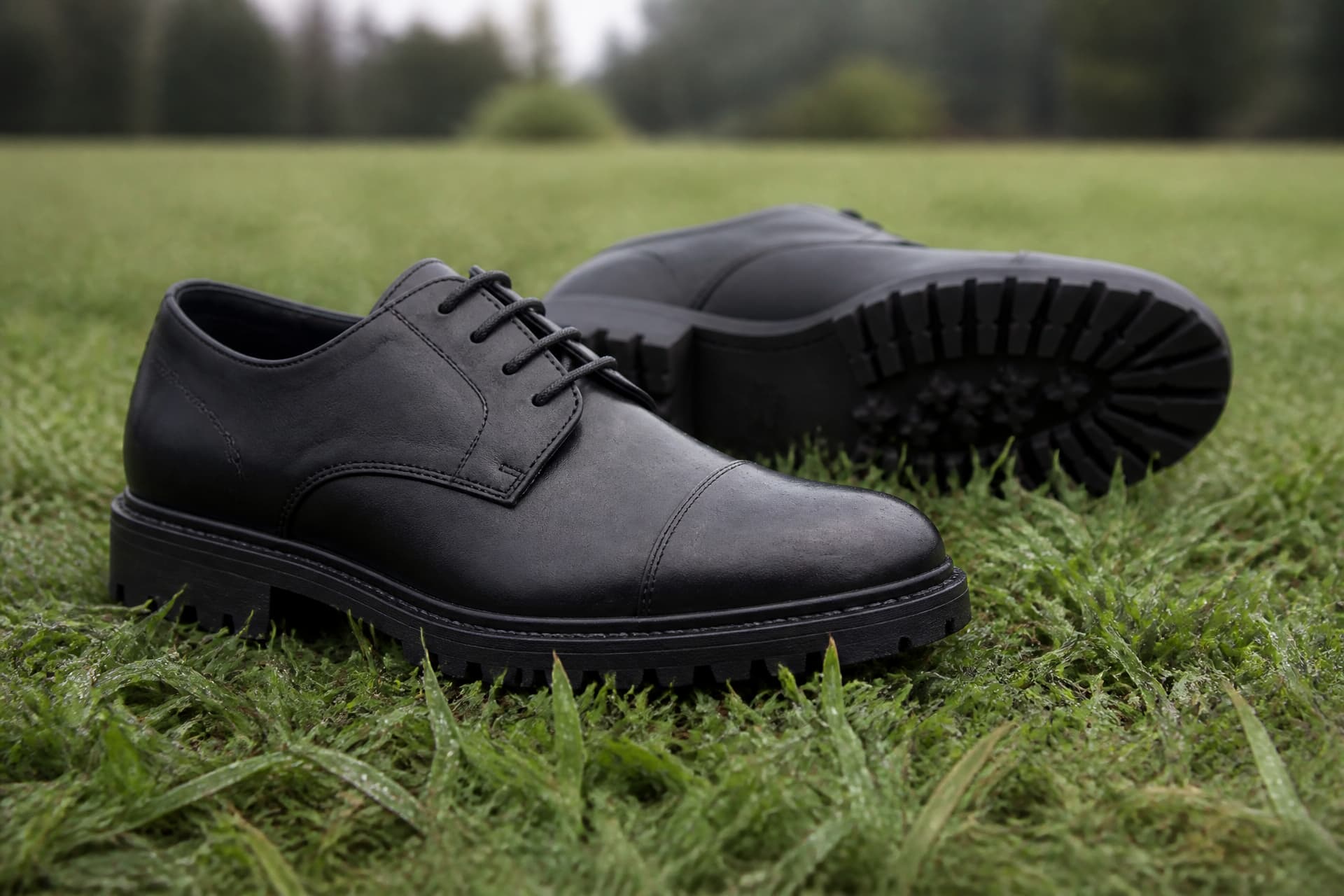
Shoes with grip. Rubber or composite soles. Not leather soles, not new shoes.
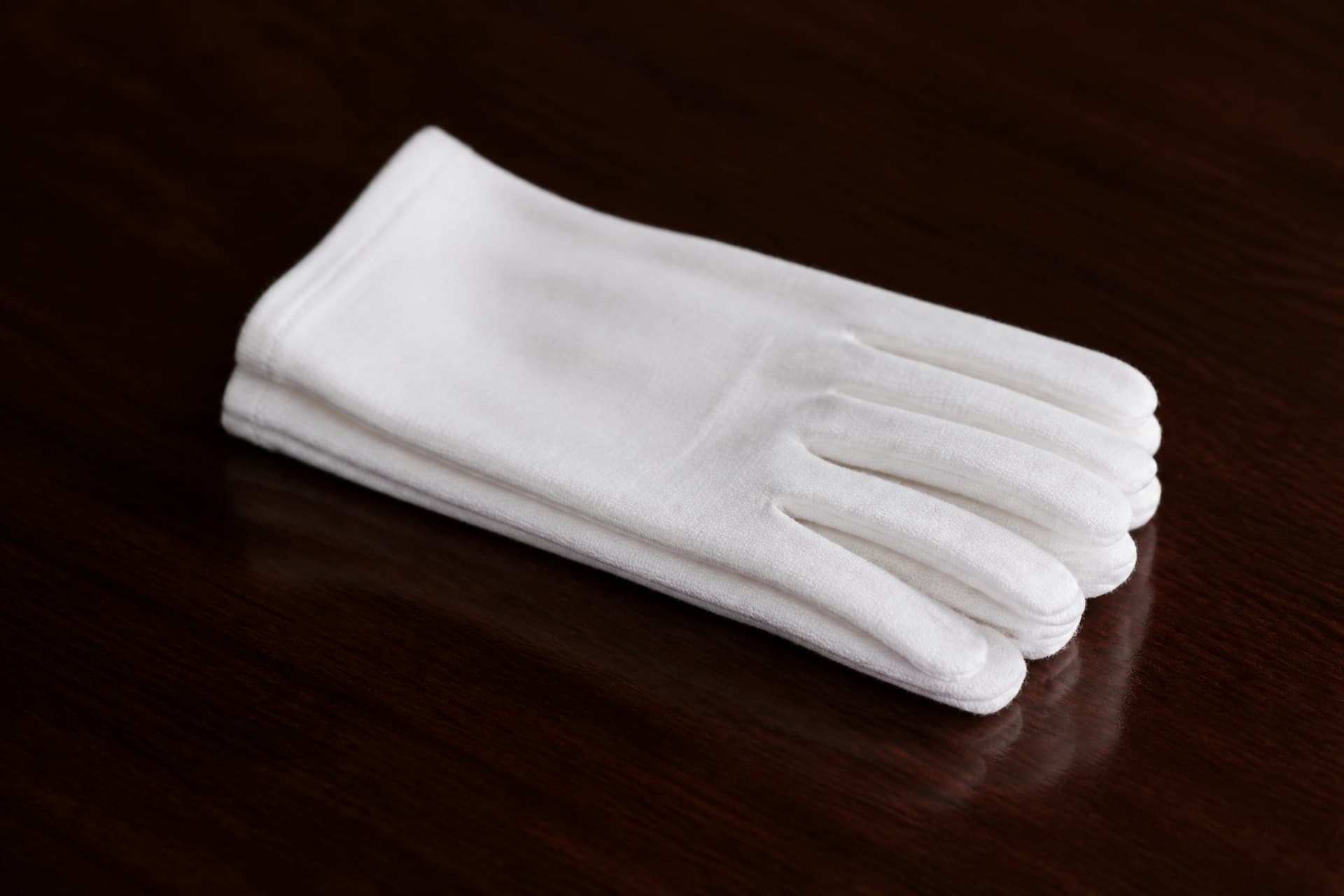
Gloves if the funeral home provides them — they usually will.
Empty pockets. Everything else on this page is detail; this one is free.
If you own no suit, wear the darkest jacket and pants you have and borrow if you can. The family asked you because of who you are, not because of your wardrobe.
The pallbearer dress code is the most formal version of ordinary funeral attire, and the reason is visual as much as ceremonial: six people moving together read as one thing if they are dressed alike, and as a crowd if they are not.
Suit: black or charcoal. Navy is acceptable and slightly less usual. Match the group if someone is coordinating.
Shirt: white. Pale gray or pale blue at a very informal service.
Tie: plain black, charcoal or navy. Keep it tucked into your jacket, or use a tie clip — a tie swinging free while you carry is both distracting and a genuine snag risk near the handles.
Jacket: on for the carry, buttoned. It is a formal role and it is brief.
Coat: take it off before the carry if you possibly can. A long overcoat tangles between your legs and the casket.
Jewelry: a watch and a wedding ring are fine. Rings with raised stones, bracelets and anything that catches should come off — they scratch the casket and they hurt under load.
Hats: off for the carry, indoors and out.
What do pallbearers wear when the service is genuinely casual, outdoors, or a celebration of life? A jacket over dark pants with an open collar. Even at the most relaxed service, the pallbearers usually dress a step above the guests, and the family will be quietly grateful that you did.
Shoes — the Part That Actually Matters
This is the section other pages do not write, and it is the one that could actually go wrong.
You will be carrying between two and four hundred pounds, shared between six people, across some combination of: a chapel aisle, a gravel path, wet grass, a curb, and occasionally steps or a slope. You cannot see your feet. You cannot stop and rebalance without the whole group stopping.
Rubber or composite soles. Leather soles on wet grass are genuinely slippery, and a new leather sole is worse than a worn one. If your only dress shoes have leather soles, scuff them thoroughly on concrete first, or wear a different pair.
Not brand-new shoes. A shoe you have never walked in is the wrong thing to discover during a carry.
Laced, not slip-on. A loafer that comes loose mid-carry is a problem you cannot solve with your hands full.
Plain dark leather or a smart boot. A polished boot with a proper sole is a better choice here than a thin-soled oxford, and nobody will look twice.
If it has been raining, say so to whoever is organizing. Funeral directors deal with this constantly and will often re-route the walk or lay boards.
The one thing on this page that could actually go wrong. Rubber or composite soles — leather on wet grass is genuinely slippery, and a new sole is worse than a worn one.
Gloves
Most funeral homes provide white or black cotton gloves for pallbearers, handed out shortly before the service.
They are not a formality. They are there for grip — cotton on a polished metal rail holds better than a dry palm, and considerably better than a damp one — and to keep fingerprints off the casket's finish, which is more visible than you would think under chapel lighting.
Wear them if they are offered. If they are not offered and you would like them, ask; the funeral director will almost certainly have a box. And if you have a strong preference for bare hands because you grip better that way, that is fine too — this is a practical matter, not a rule.
Gloves are for grip, not ceremony. Cotton holds on a polished rail better than a dry palm, and considerably better than a damp one.
Fit, and Why It Is Not About Looks
Everywhere else in this guide, fit advice is aesthetic. Here it is functional.
The shoulders and armholes are what matter. You will be lifting with the shoulder nearest the casket, often with your arm raised and slightly across your body. A jacket that is tight through the back or the armhole will restrict exactly that movement.
If the jacket is snug, that is a reason to borrow a looser one, not a tighter one. This is the opposite of the usual advice.
Pants should let you take a full step and bend at the knee. You may be going down steps.
Test it at home. Put the suit on and lift something heavy at shoulder height. Ten seconds tells you what an hour of worrying will not.
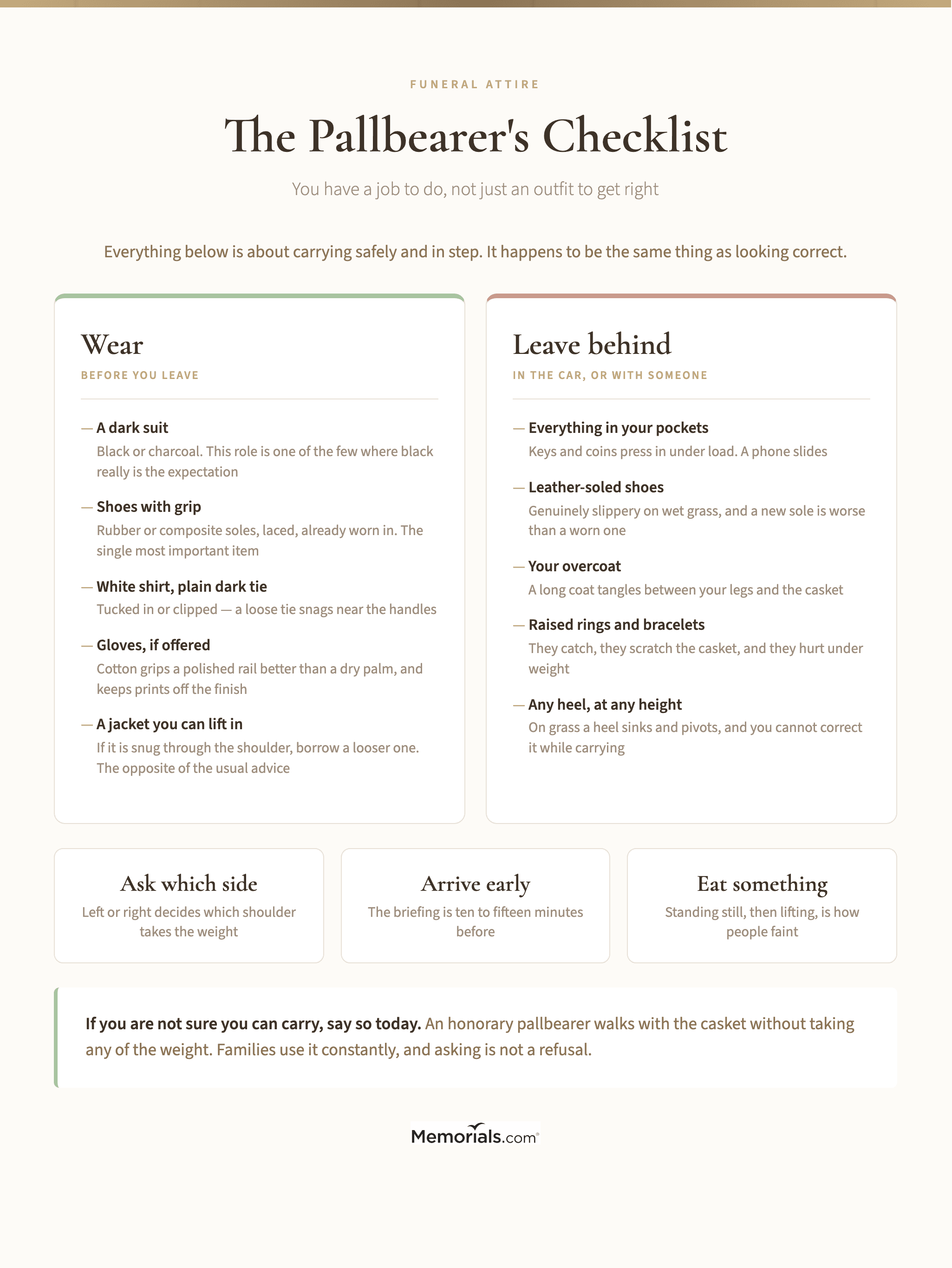
The pallbearer's checklist in order: a dark suit, white shirt and plain dark tie; shoes with grip rather than leather soles; gloves if the funeral home offers them. Then the list for before you leave — empty your pockets, take off anything on your wrists, eat something, and ask which side you are carrying on.
Lay it out the night before, then put the jacket on and lift something heavy at shoulder height. Ten seconds tells you what an hour of worrying will not.
Before You Leave the House
A short list, and every item on it is something people wish they had done.
Empty your pant pockets. Keys and coins press into your leg under load, and a phone will slide. Give them to someone or leave them in the car.
Take off anything on your wrists except a flat watch.
Eat something. Standing still for an hour then lifting is how people faint, and it is more common at funerals than anywhere else.
Arrive early. Pallbearers are usually briefed ten to fifteen minutes before, and you want to hear it.
Find out where you are walking — indoors only, or out to the grave as well. It changes your shoes.
Ask which side you are on. Left or right determines which shoulder takes the weight, and knowing it in advance means you are not working it out in the moment.
Honorary Pallbearers
An honorary pallbearer is named in the service and walks with the casket, but does not carry it. The role exists so that someone who matters — an older friend, a colleague, a relative whose back or health rules out the lifting — is publicly recognized without being asked to bear weight.
Dress exactly as the carrying pallbearers do. That is the whole point: the two roles should look identical from the pews. A dark suit, white shirt, dark tie, plain dark shoes.
Two differences, both small:
Shoes matter less. You are not taking weight on a wet slope, so ordinary smart shoes are fine — though see the shoes section above, because you may still be walking on grass.
Gloves, if the family is using them, are usually given to honorary pallbearers too. Wear them if handed a pair.
If you have been named an honorary pallbearer and are not sure whether you are expected to lift, ask the funeral director rather than guessing on the day. It is a routine question and the answer is usually written on their running order.
Women Pallbearers
Increasingly common, entirely appropriate, and the requirements are the same job with the same constraints.
Everything below is about carrying. For the rest of it — fabric, sleeve length, what works across a season — what to wear to a funeral as a woman covers the general case.
A dark pantsuit is the most practical choice by a distance.
A dark dress or skirt with a jacket works, but choose a length and cut that lets you take a full stride and climb a step.
Flat shoes or a low block heel with a rubber sole. No heels of any height on grass — this is not a style point, a heel sinks and pivots and you cannot correct it while carrying.
Hair tied back if it would otherwise fall forward. You will not have a free hand.
Military and Uniformed Services
If the person served, the honor guard may carry the casket instead of, or alongside, family pallbearers — in dress uniform, to a set drill.
If you are a civilian pallbearer at a service with military honors, wear the standard dark suit and follow the honor guard's timing rather than setting your own. The flag on the casket has its own protocol, including how it is folded and presented, which our guide to how a flag should be placed over a casket sets out in full.
Serving or veteran pallbearers in uniform follow their branch's dress regulations, which override everything on this page.
If You Are Not Sure You Can Do It
Say so. Today, to whoever asked you.
People agree to this because they are honored and then worry privately about a bad back, a recent operation, their own strength, or their grief. All of those are real reasons, and every one of them is better raised now than discovered at the graveside.
There is a role designed for exactly this situation: an honorary pallbearer walks with the casket, or is named in the order of service, without taking any of the weight. Families use it constantly — for elderly friends, for someone recovering from illness, for a grandchild too young to lift. Asking to be honorary instead is not a refusal, and nobody will think less of you for it.
The practical questions around how many pallbearers a casket needs, and what pallbearer duties actually involve on the day, are worth reading separately if you have not done this before.
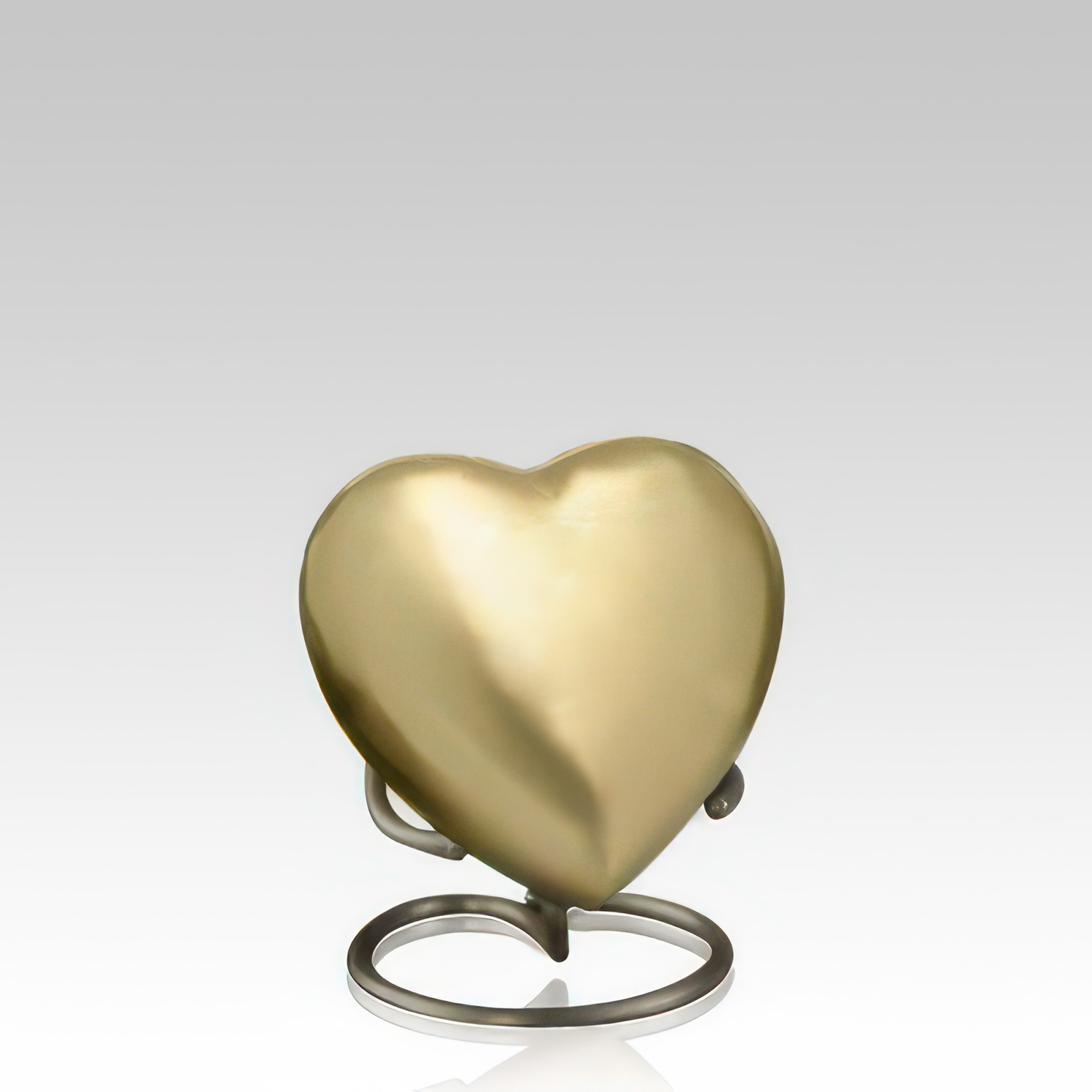
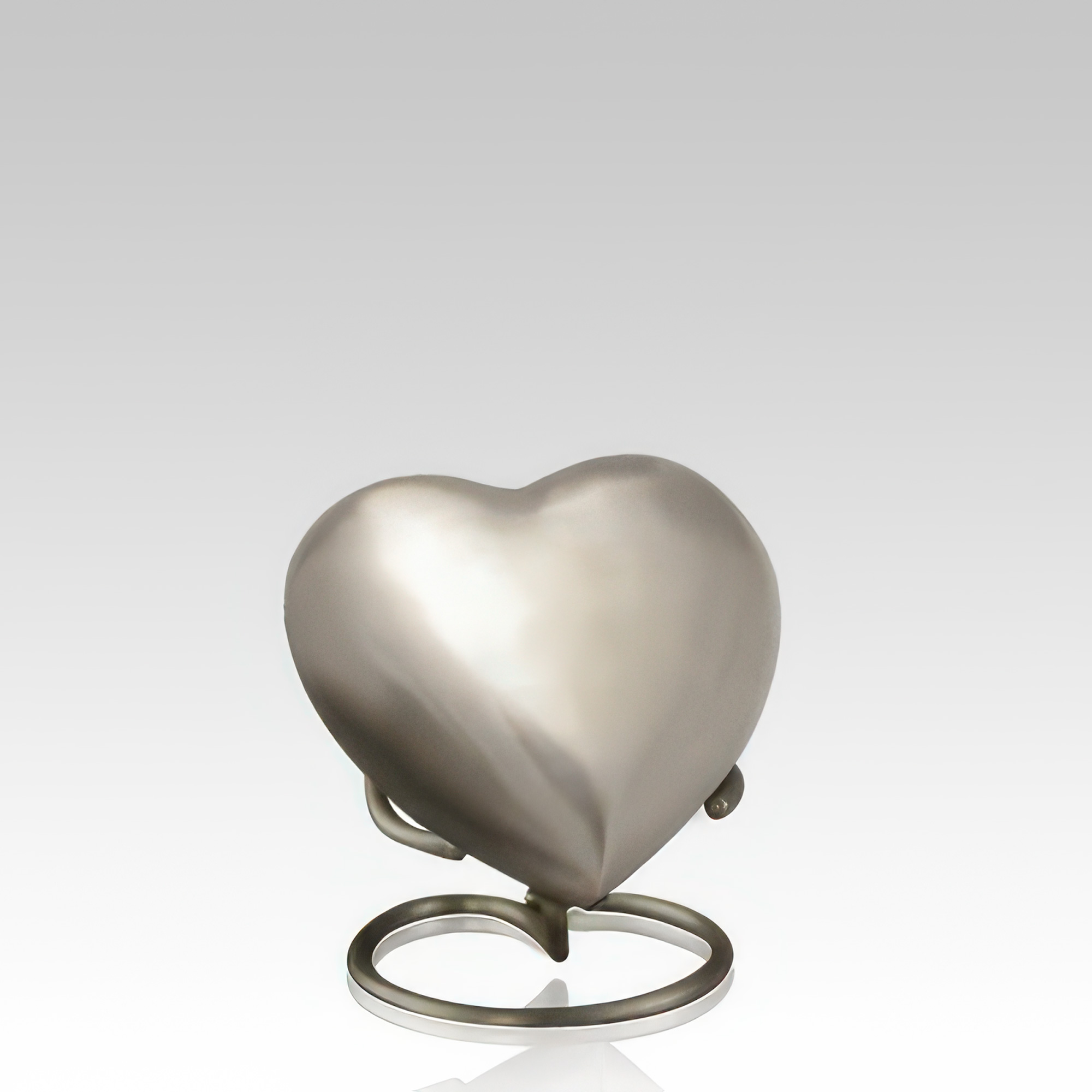
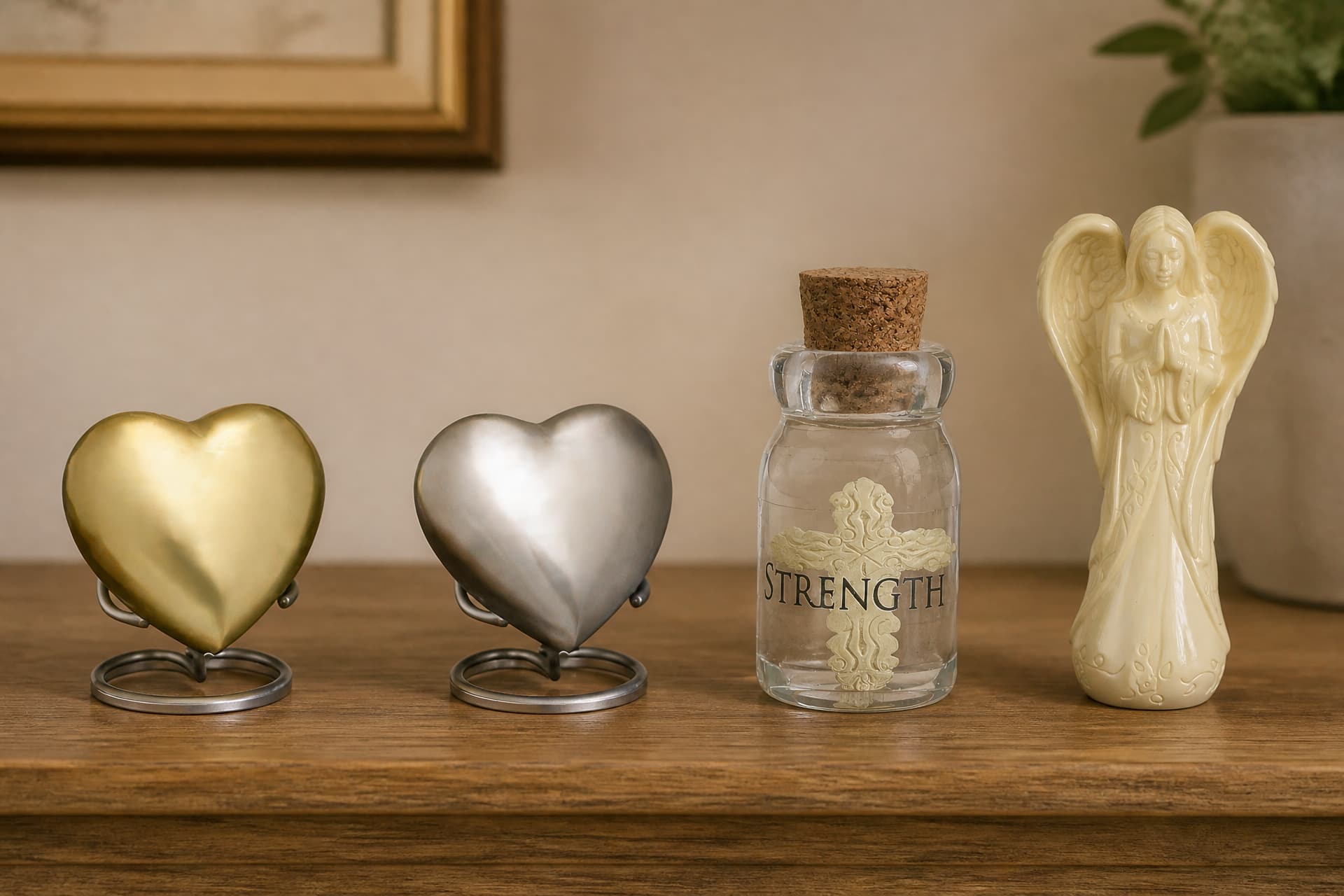
Something else worth knowing: many families give their pallbearers a small memento afterwards — a keepsake heart, an engraved token, sometimes a share of the ashes for those closest. If you are the one arranging the funeral rather than carrying, funeral keepsakes are a quiet way to thank the six people who did this for you.
Do pallbearers have to wear black? Black or charcoal is the expectation for this role specifically, more so than for guests. Navy is acceptable. If you own neither, a dark jacket and dark pants will do — see do you have to wear black to a funeral for the wider picture.
What if I do not own a suit? Wear the darkest jacket and pants you have, or borrow. Dark pants with a white shirt and a tie is entirely acceptable, and better than declining. What to wear to a funeral as a man covers the no-suit options in full.
Are gloves required? No, but they are usually provided and they genuinely help your grip. Wear them if offered.
Can women be pallbearers? Yes, and commonly are. A dark pantsuit with flat, grippy shoes is the practical choice.
Does an honorary pallbearer dress differently? No — dress exactly as the carrying pallbearers do. The roles are meant to look the same from the pews, which is the entire reason the honorary title exists.
It is raining. Can I wear a coat while carrying? Take it off before you take the casket. A coat restricts your shoulders and the sleeves slip against the rail. Most families arrange umbrellas for the walk instead, and you will be outside for a short time.
What do pallbearers wear at a celebration of life? A step above the other guests, but in keeping with the occasion — a jacket over dark pants, tie optional. See what to wear to a celebration of life.
In Short
Dark suit, white shirt, plain tie, and shoes that grip. Empty your pockets, arrive early, and ask which side you are on. If you cannot carry, say so now and ask to be honorary instead.
You were asked because you mattered to them. Everything on this page is just about letting you do it without having to think about yourself.