🏬Supersize Online Funeral Retailer🪦1000's of Headstones⚱️Over 10,000 Cremation Urns⚰️Caskets Overnight Delivery🛒Funeral & Memorial Superstore🚚FREE Shipping on ALL Orders👨👩👧👦Helping Families for over 20 Years💰Lowest Price Guarantee🏬Supersize Online Funeral Retailer🪦1000's of Headstones⚱️Over 10,000 Cremation Urns⚰️Caskets Overnight Delivery🛒Funeral & Memorial Superstore🚚FREE Shipping on ALL Orders👨👩👧👦Helping Families for over 20 Years💰Lowest Price Guarantee
🏬Supersize Online Funeral Retailer🪦1000's of Headstones⚱️Over 10,000 Cremation Urns⚰️Caskets Overnight Delivery🛒Funeral & Memorial Superstore🚚FREE Shipping on ALL Orders👨👩👧👦Helping Families for over 20 Years💰Lowest Price Guarantee🏬Supersize Online Funeral Retailer🪦1000's of Headstones⚱️Over 10,000 Cremation Urns⚰️Caskets Overnight Delivery🛒Funeral & Memorial Superstore🚚FREE Shipping on ALL Orders👨👩👧👦Helping Families for over 20 Years💰Lowest Price Guarantee
Do you have to wear black to a funeral? No — and you have not had to for a long time. The convention is dark and muted, and black is only the most familiar way of meeting it. Charcoal, navy, deep gray, forest green and burgundy all read as correct in any chapel in the country.
That is the whole answer, and most people find it hard to believe, which is why the rest of this page exists. If you own nothing black, if you have been asked not to wear it, or if you simply do not want to, you have more room than you think — and there are three situations where the old rule still holds, which are worth knowing before you decide.
Black is optional. Dark and muted is the actual requirement.
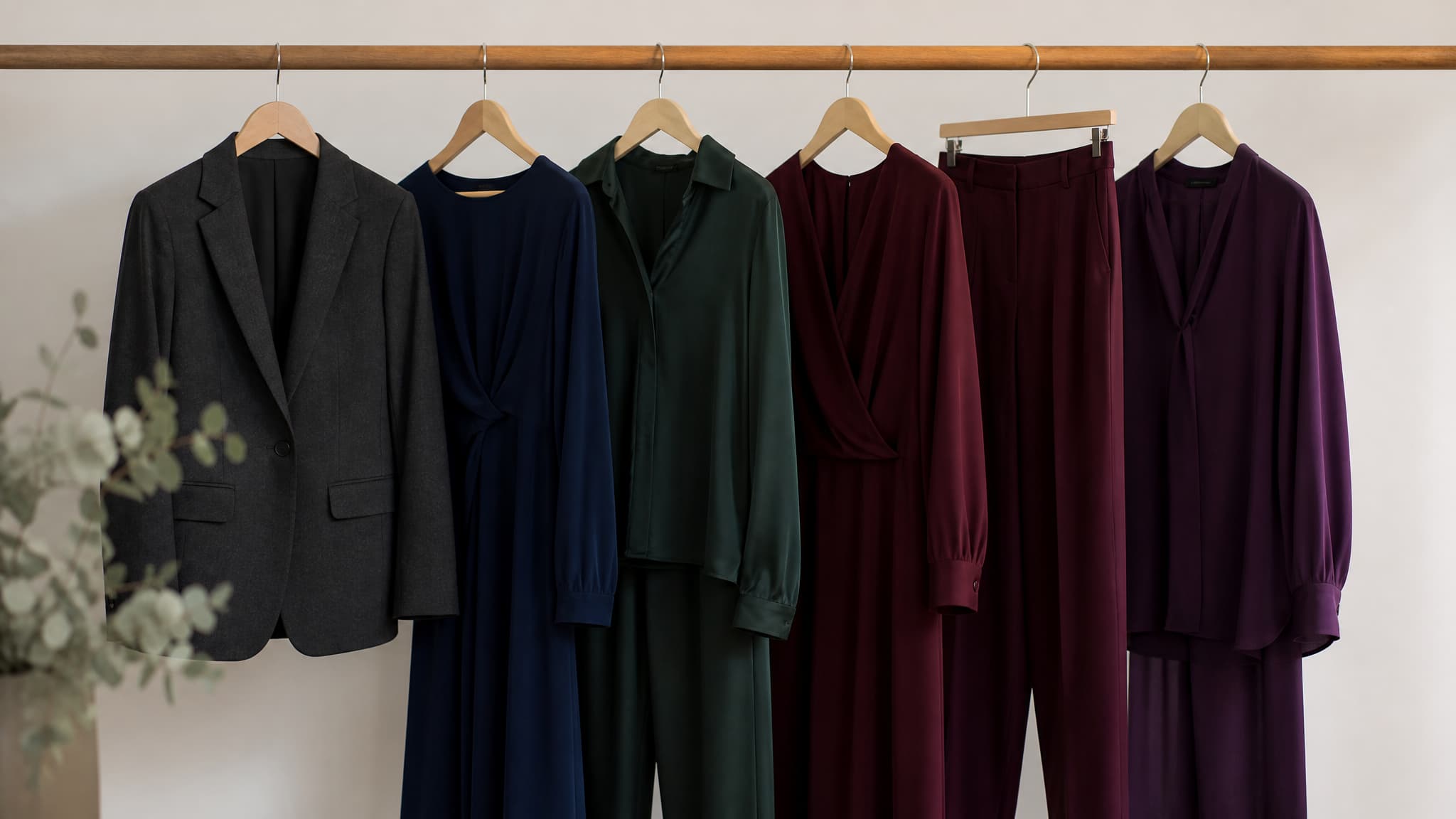
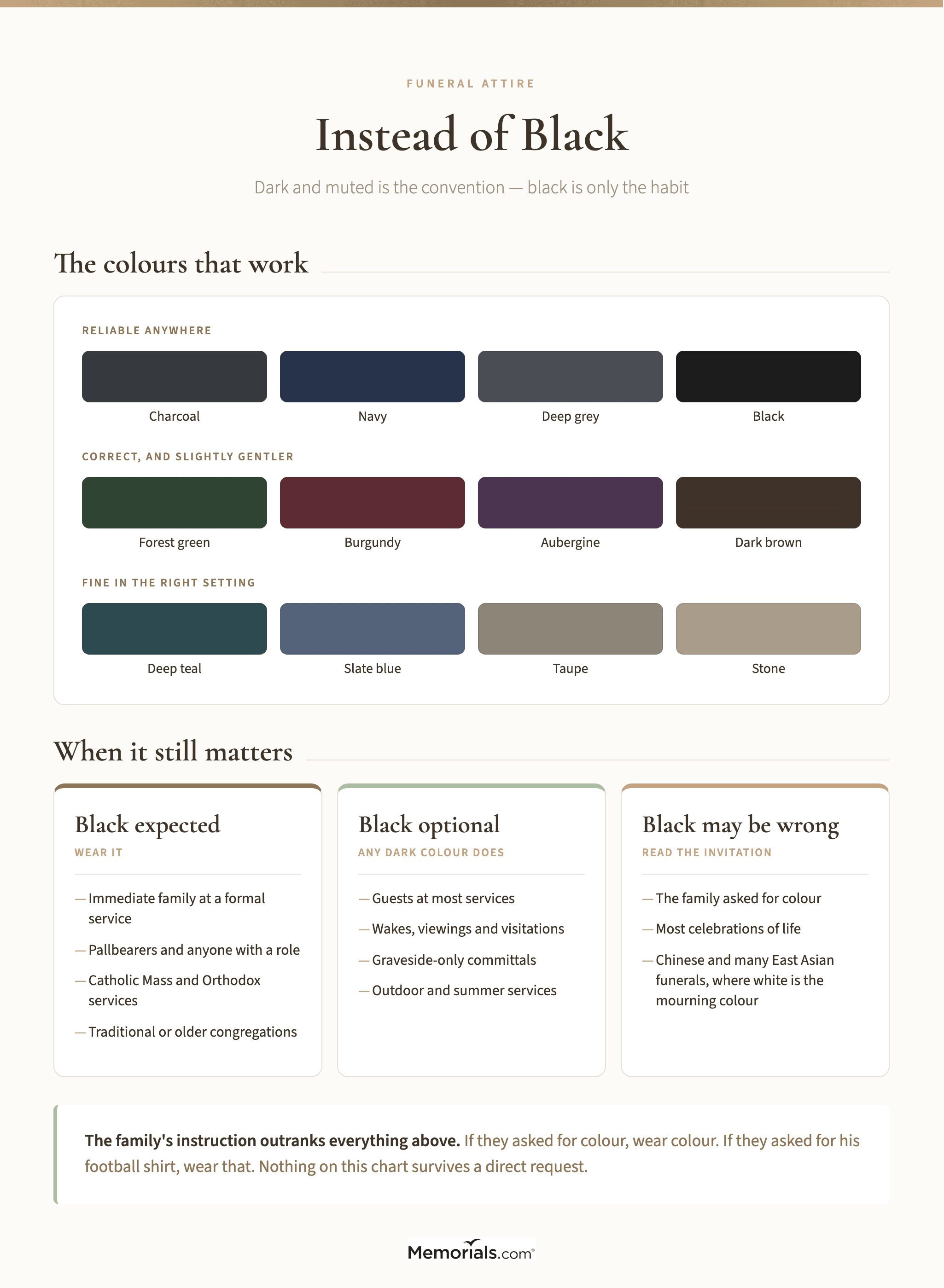
Safe alternatives: charcoal, navy, deep gray, forest green, burgundy, aubergine, dark brown.
Still expected: immediate family at a formal service, pallbearers, and some religious traditions.
Do not wear: bright color, patterns, anything that draws the eye — unless the family asked for it.
The one instruction that beats all of this: whatever the family requested.
Nobody is auditing your wardrobe. The question underneath "do i have to wear black to a funeral" is really will I look like I did not care, and the answer to that is decided by whether your clothes are dark, tidy and covered — not by whether they are black.
Worth two minutes, because knowing why the rule exists tells you when it does not apply.
Wearing black for mourning is old — Roman mourners wore a dark toga pulla — but it became the fixed Western convention in the nineteenth century, and largely because of one person. When Prince Albert died in 1861, Queen Victoria wore black for the remaining forty years of her life, and mourning dress became a rigid, codified, and commercially enormous industry. Widows wore full black for a year and a day, then "half-mourning" grays and mauves. There were rules for cuffs, for jewelry, for how long.
Two things follow from that history. First, the reason for black was not looking somber — it was signaling status as a mourner, publicly and for a fixed period. Second, that system collapsed after the First World War, when the number of dead made prolonged public mourning impossible to sustain, and it has been eroding ever since.
So when people ask why do you wear black to a funeral, the honest answer is: because a Victorian convention became a habit, and the habit outlived the rules that gave it meaning. What survived is the useful part — dress so as not to draw attention — and that part is satisfied by any dark color.
What to Wear Instead — the Actual Colors
People search colors what to wear to a funeral not black and get "muted tones" back, which tells them nothing. Advice on what to wear to a funeral not black almost always stops there. Here is the named palette.
Reliable anywhere:
Charcoal — the most useful dark there is, and softer on most complexions than black.
Navy — equally formal, slightly warmer, and you probably already own some.
Deep gray — the same job as charcoal at a lower contrast.
Correct, and slightly gentler:
Forest or bottle green — reads as considered rather than casual.
Burgundy and deep wine — one of the traditional half-mourning colors.
Aubergine and deep plum — the same, and flattering on almost everyone.
Dark brown and chocolate — fine, though avoid pairing with black.
Fine in the right setting:
Soft neutrals — taupe, stone, oatmeal — at a daytime or outdoor service.
Deep teal, slate blue — dark enough to read as respectful.
Avoid unless asked: red, orange, bright yellow, hot pink, and anything neon. Not because they are disrespectful in themselves, but because they make you the thing people look at, which is the one outcome funeral clothing exists to prevent.
Choosing a dress for funeral not black is easiest at midi length in any of the colors above; the cut does more work than the color. If you want the color to carry meaning rather than just be dark, our guide to what color represents remembrance sets out what each traditionally signifies.
Navy is the most useful alternative to black — formal in any room, and nobody registers it as a choice.
What to reach for when you own nothing black: navy, charcoal, deep grey, brown and muted green, ranked by how formal each reads — and the colours to avoid whatever else you do, which are the bright, the shiny and the patterned.
When Black Really Is Expected
Three situations where the older convention still holds, and no other page separates them out.
Immediate family at a formal service. Spouse, children, parents and siblings are still generally expected in black or near-black at a traditional church or chapel funeral. It is not a rule anyone will enforce, but the room reads the front row differently, and most families choose it themselves.
Pallbearers and anyone with a formal role. A dark suit is close to a uniform for this, and it matters because six people carrying a casket look like a unit or they look like a crowd. Our pallbearer attire guide covers the specifics.
Some religious and cultural traditions. Orthodox and traditional Catholic funerals lean conservative, as do many older congregations. This is worth checking rather than guessing.
Outside those three, wearing black to a funeral is a choice rather than an obligation. And the reverse question — should you wear black to a funeral when the family has asked for color — has a clear answer: no. Their request outranks the convention entirely.
Can You Wear Jeans to a Funeral?
Can you wear jeans to a funeral? Usually not — but the honest answer is conditional, and every page that just says "no" is leaving out what the reader needs.
The conditions that make it acceptable:
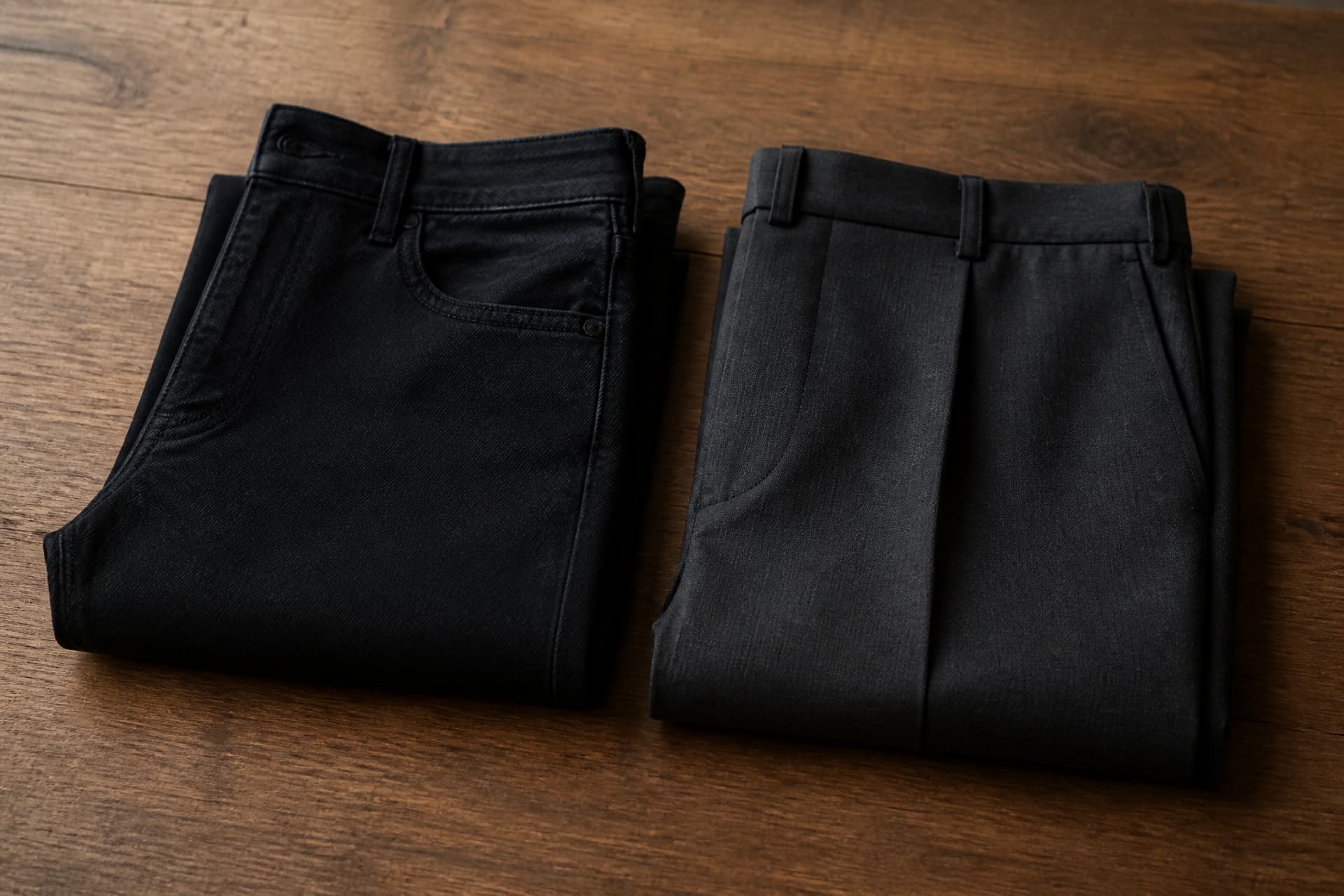
The jeans are genuinely black or very dark indigo — not faded, not stonewashed, not blue.
There is no rip, no distressing, no fading at the knee.
They are cut like pants, not skinny or wide-leg-fashion.
You wear them with a proper shirt or blouse, and leather shoes — never sneakers.
The service is casual, outdoors, graveside-only, or a celebration of life.
The conditions that rule it out:
A church, chapel or Catholic mass. Wear pants if you own any.
You are immediate family or have a role.
The jeans are blue, at any level of formality.
You have literally any other dark pants available.
So: can i wear jeans to a funeral if it is all I own? Yes, and it is far better than not going. Make them the darkest pair you have, iron them, and lift everything else — a pressed shirt, a jacket if you own one, clean leather shoes. Is it ok to wear jeans to a funeral by preference, when pants are in the wardrobe? No. Wear the pants.
Dark, plain jeans pass at a casual service or a house gathering. Charcoal trousers cost no more effort and pass everywhere.
Black or White Shirt? And Other Small Questions
Black or white shirt for funeral wear? White, in almost every case. A white shirt under a dark suit is the standard, it reads as formal rather than fashionable, and it hides perspiration far better. A black shirt with a black suit reads as evening wear or as a statement, neither of which fits. Pale blue and pale gray are also fine.
Do you wear all black to a funeral, head to toe? You can, and many people do. But an entirely black outfit is not more respectful than a charcoal suit with a white shirt — it is simply more traditional. Head-to-toe black on a bright summer day outdoors is also uncomfortable in a way that shows.
What about black tights, black shoes, a black coat? All fine and all invisible. Accessories are where black is genuinely easiest, and pairing a colored dress with black shoes and a black coat is a completely standard way to dress for this.
Patterns? Small, subtle and dark. A faint stripe or a small repeating print is fine; a large floral or a bold geometric is not, even in dark colors.
Catholic Funerals and Other Religious Services
Catholic funeral attire is the most conservative end of what this page covers, and worth treating separately.
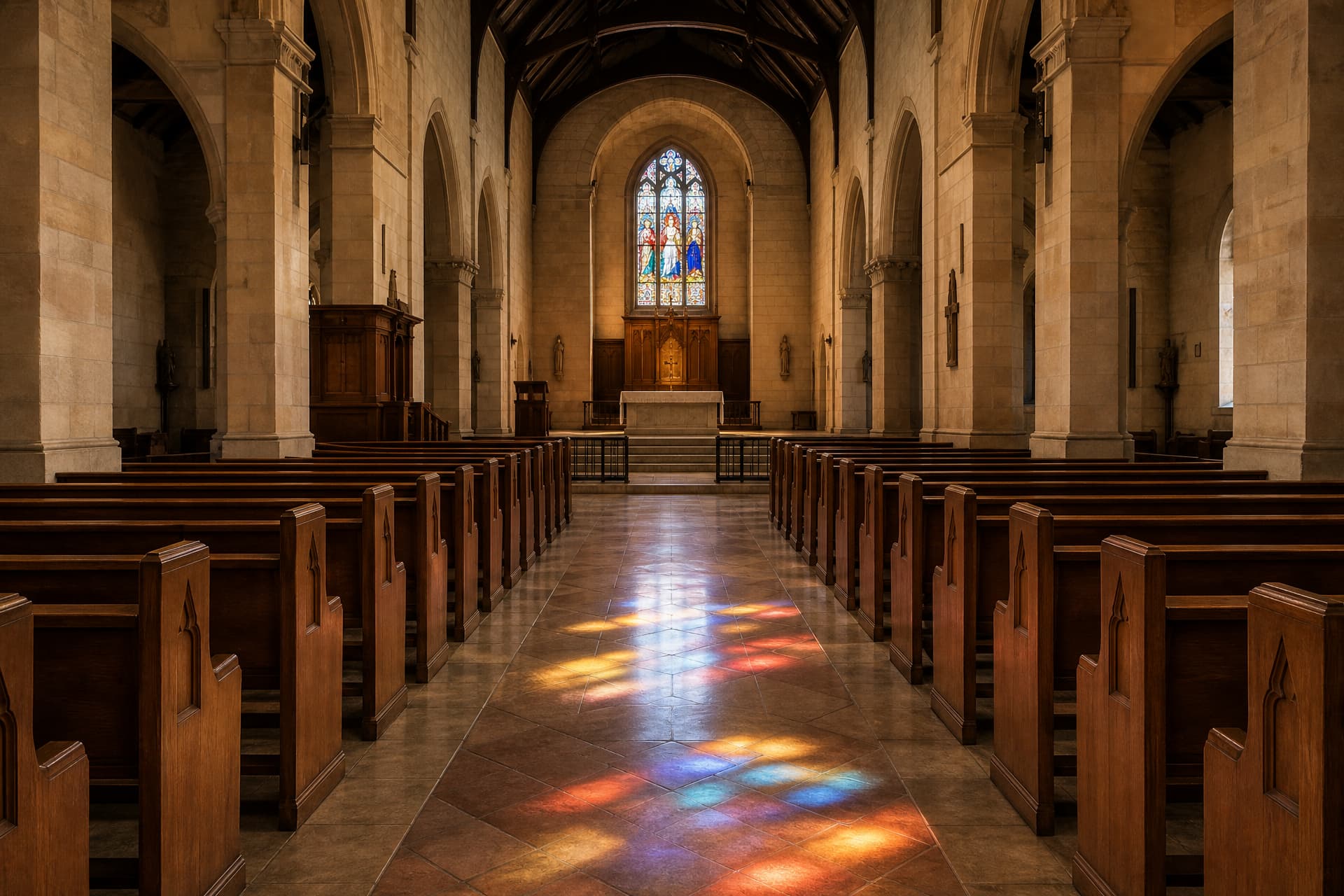
A Catholic funeral is usually a Mass — a full liturgy inside a church, often an hour long, sometimes preceded by a vigil the night before and followed by a graveside committal. The setting makes the expectations:
Cover shoulders and knees. This is a church rule rather than a funeral one, and it applies regardless of color.
Dark and formal. Black, charcoal or navy. This is one of the settings where black remains the safest choice rather than merely one option.
Modest necklines and hemlines, and a jacket or wrap if your dress is sleeveless.
A head covering is not required for most Catholic funerals now, though some traditional parishes still observe it. If you are unsure, take a scarf.
Do not worry about the ritual. You are not required to take Communion, kneel, or know the responses. Stand and sit with everyone else.
If you are involved in arranging one, our guide to planning a Catholic funeral covers the Mass, the vigil and the burial.
Other traditions vary widely. Orthodox Jewish funerals are dark and modest, with a similar covering expectation. Many Protestant services are noticeably more relaxed. Muslim funerals expect modest dress and often separate seating. When in doubt, ask the person who invited you — nobody has ever been offended by that question.
A religious service is the one setting where black remains the safest answer rather than one dark option among several.
Where the Rules Are Different
Beyond religion, expectations vary by place and community more than most guides admit.
Regionally. A rural chapel service in a farming community and a city funeral home have different norms, and the rural one is often more formal rather than less. If you are traveling to a service somewhere you do not know, ask.
In many Black churches in the US, funerals — often called homegoing services — are frequently more formal and more celebratory at once. Hats are common and appropriate for women, and the register is dignified rather than somber. Turning up underdressed is the risk here, not overdressed.
At an Irish wake, the house gathering that precedes or follows the funeral is genuinely informal, though the funeral Mass itself is not.
In much of East Asia, white is the mourning color, not black. At a Chinese funeral, white and undyed cloth signal mourning, red is actively avoided because it signifies joy, and the whole premise of this page inverts. If you are attending one, read Chinese funeral attire first, because the mistake available there is a much bigger one than wearing the wrong shade of gray.
Classy Outfits That Are Not Black
Putting the colors together into something you would actually wear.
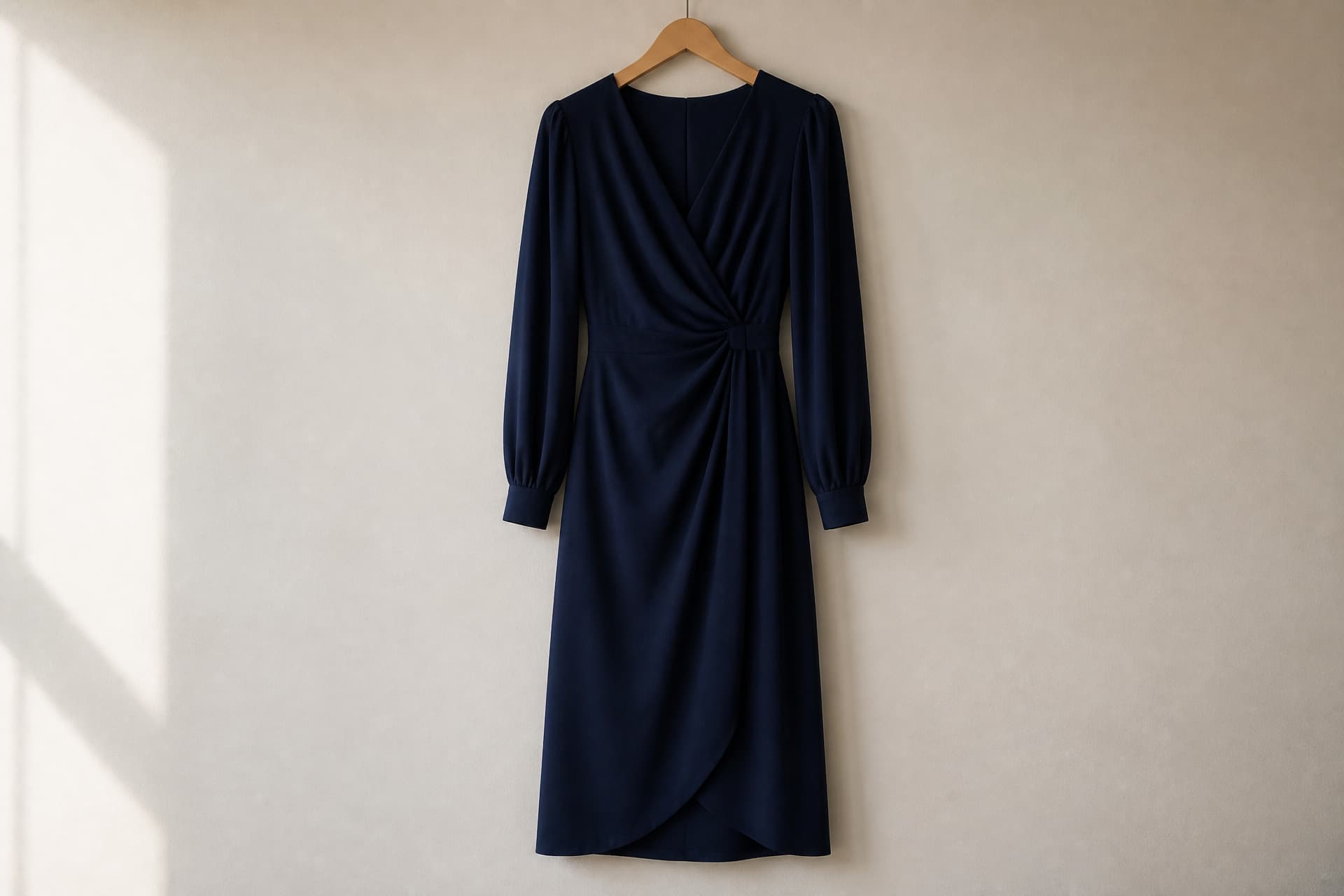
For women. Classy funeral outfits for ladies who would rather not wear black come down to three reliable shapes: a navy or charcoal midi dress with sleeves or a light cardigan; a deep green or burgundy wrap dress with plain court shoes; or wide-leg charcoal pants with a soft blouse in cream, gray or dusty blue. Any of the three reads as considered and none of them is black. Add pearl or plain metal jewelry, a structured bag, and a coat in any dark color.
Dresses for funeral not black are easiest to find at midi length in autumn shades — the seasonal palettes in most shops are full of exactly the right colors from September onward. A funeral dress not black in color is genuinely easier to shop for than a black one, because almost every autumn range carries deep green, burgundy and plum. In summer, look for the same shades in lighter fabric rather than switching to pale ones.
A note on genuinely colorful funeral attire. Bright color is appropriate at a funeral in exactly one circumstance: the family asked for it. When they do, take it seriously and wear real color rather than a token accessory. Non black funeral attire in muted shades is a personal choice; bright color is a response to an instruction.
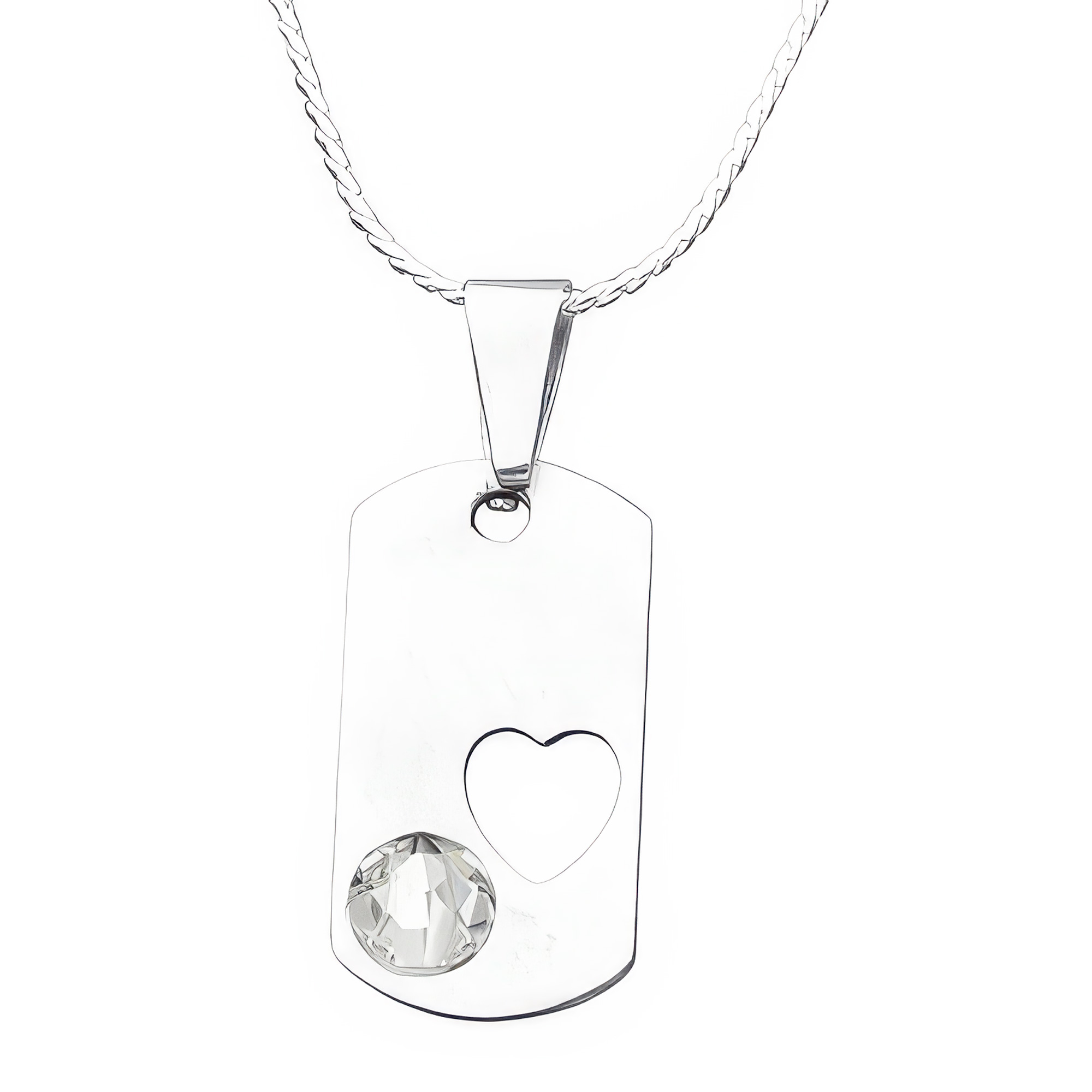
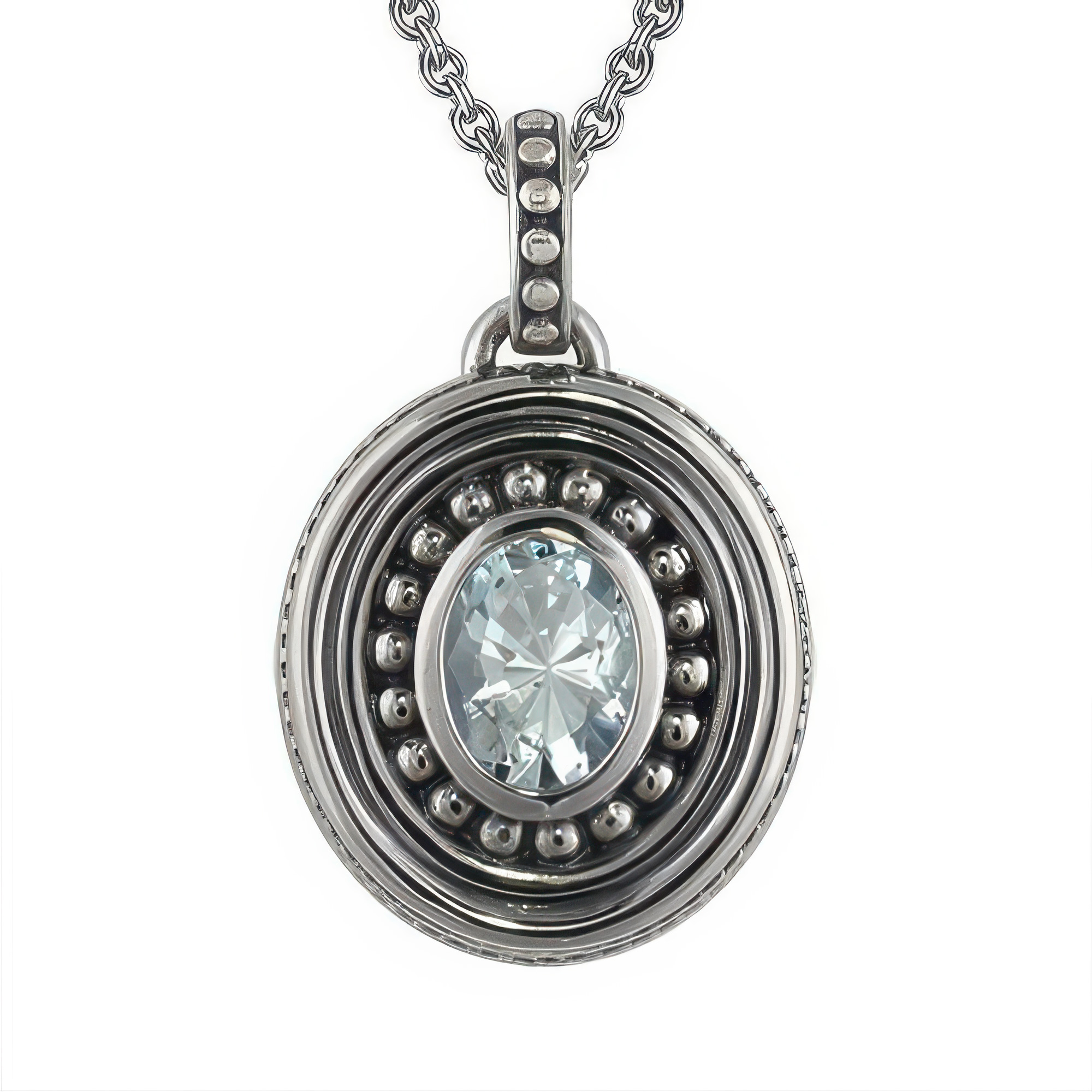
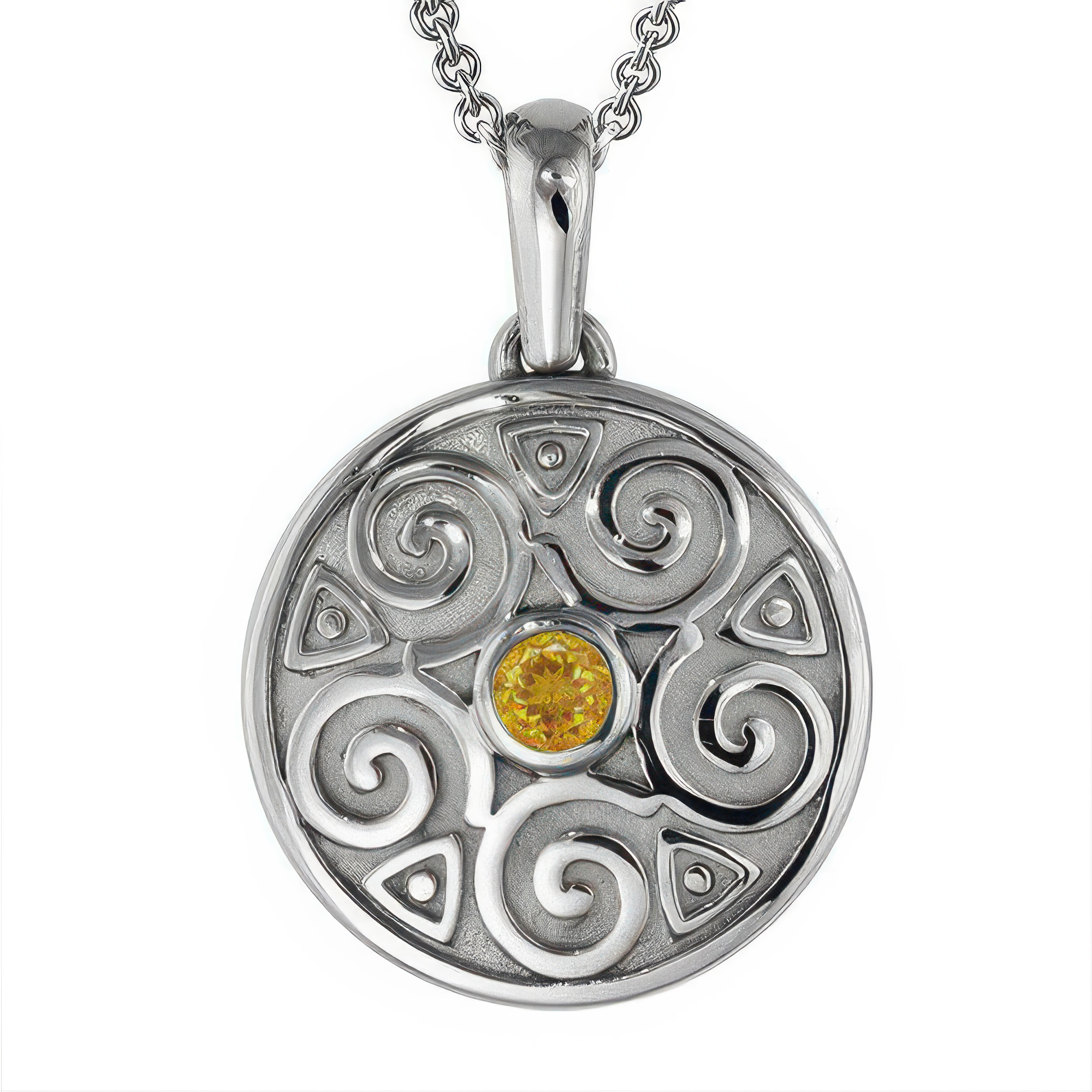
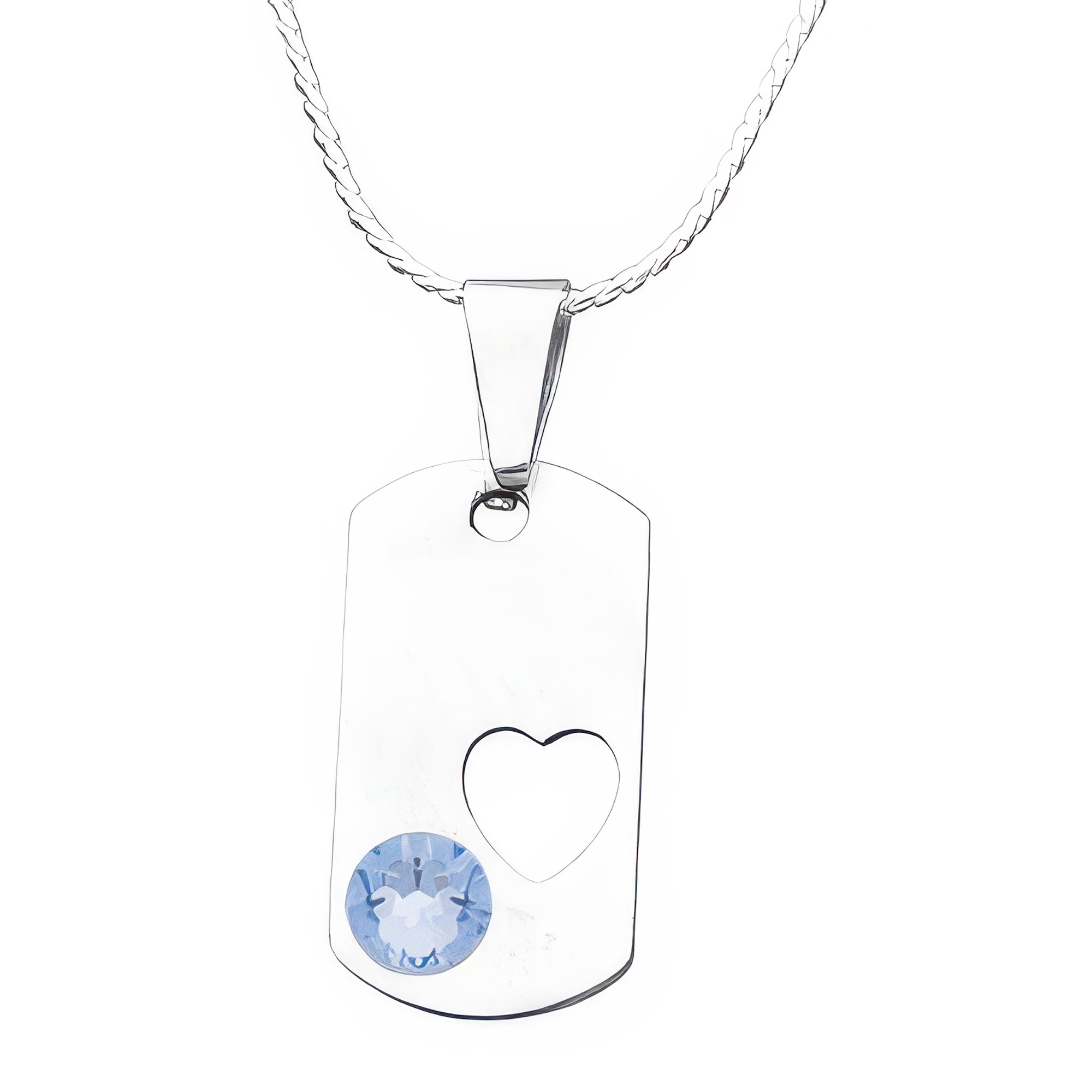
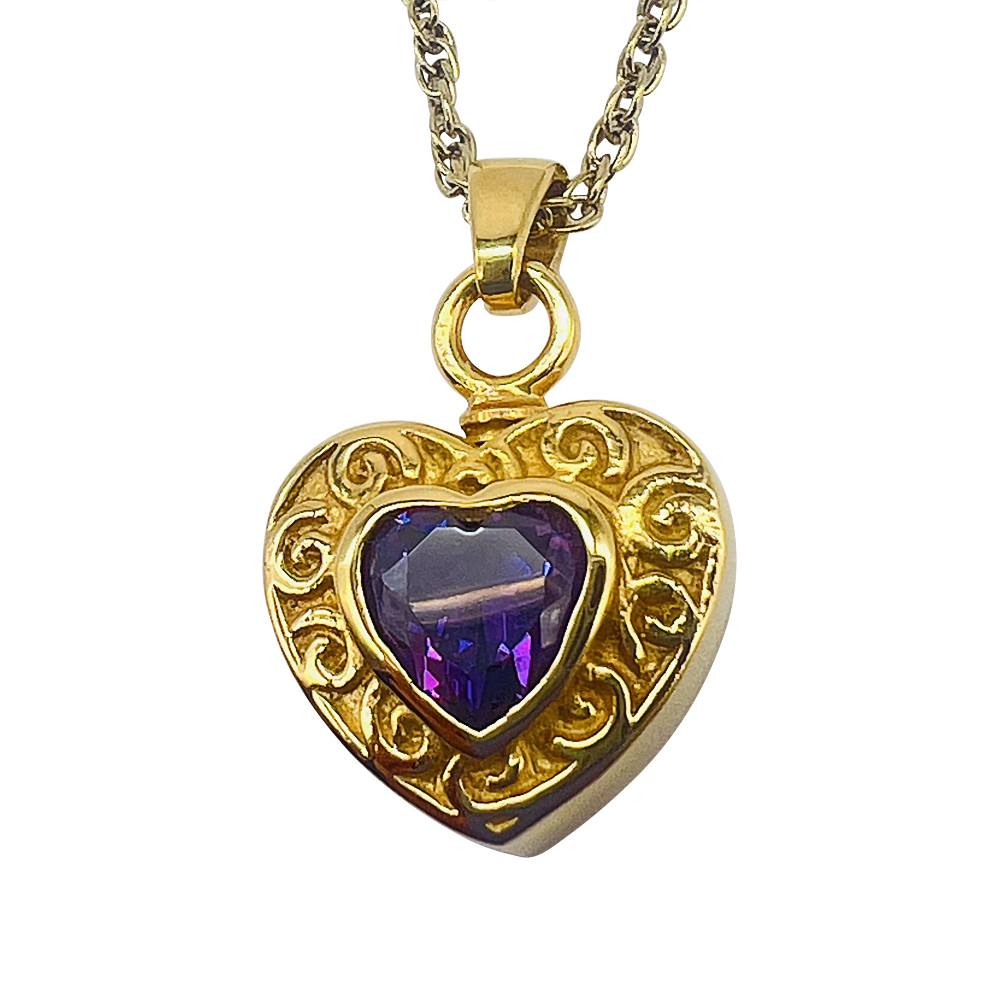
Something small and colored worn close is a middle path a lot of people take. A piece of birthstone cremation jewelry carries a color that means something specific — their month, their stone — inside an outfit that is otherwise entirely conventional.
The events around the funeral relax further, and the color question relaxes with them.
Wakes and visitations sit a notch below the service. Dark separates, a jacket without a tie, a simple dark dress. Guidance on what to wear to a visitation female readers ask for is the same as for the funeral, one step softer and with more color tolerance — a deep green dress at a visitation is completely unremarkable. And can you wear jeans to a wake? At a house wake or an informal evening visitation, dark jeans with a smart top will pass where they would not at the service. The full picture is in what to wear to a wake, viewing or visitation.
Celebrations of life invert the question entirely. Color is frequently requested, black is frequently the wrong choice, and the family's instruction is the whole answer — see what to wear to a celebration of life.
Summer services raise a practical point rather than a color one: a black suit in August is genuinely punishing, and navy or charcoal in a lighter cloth will serve you far better. See what to wear to a funeral in the summer.
Frequently Asked Questions
Is it disrespectful not to wear black to a funeral? No. Dark, muted and tidy is the convention, and charcoal, navy or deep green meet it completely. What would read as disrespectful is bright color, casual clothing, or looking like you did not think about it.
What color should I wear if not black? Charcoal, navy or deep gray are the safest. Forest green, burgundy and deep plum are equally correct and slightly softer. Any of these will look entirely appropriate in any chapel.
Can I wear white to a funeral? A white shirt or blouse, yes — that is standard. An all-white outfit is a much bigger statement at a Western service, though in several East Asian traditions white is the correct mourning color.
Do children have to wear black? No, and they generally should not have to. Dark, clean and comfortable is enough, and nobody expects a child to own funeral clothes.
What if I turn up in color and everyone else is in black? It is far less noticeable than you fear, and nobody will say anything. If the family asked for color, you did the right thing regardless of what the room chose.
Does the rule change for a black funeral held outdoors or at a graveside? Only practically. Same colors, but choose shoes for grass and a coat you can keep on.
In Short
You do not have to wear black. The convention is dark, muted and unobtrusive, and a dozen colors meet it. Keep black for the three cases where it still carries weight — immediate family at a formal service, a formal role, and the more traditional religious settings — and wear whatever dark thing you own the rest of the time.
And if the family asked for something else entirely, wear that. Their instruction is the only one on this page that is not negotiable.