🏬Supersize Online Funeral Retailer🪦1000's of Headstones⚱️Over 10,000 Cremation Urns⚰️Caskets Overnight Delivery🛒Funeral & Memorial Superstore🚚FREE Shipping on ALL Orders👨👩👧👦Helping Families for over 20 Years💰Lowest Price Guarantee🏬Supersize Online Funeral Retailer🪦1000's of Headstones⚱️Over 10,000 Cremation Urns⚰️Caskets Overnight Delivery🛒Funeral & Memorial Superstore🚚FREE Shipping on ALL Orders👨👩👧👦Helping Families for over 20 Years💰Lowest Price Guarantee
🏬Supersize Online Funeral Retailer🪦1000's of Headstones⚱️Over 10,000 Cremation Urns⚰️Caskets Overnight Delivery🛒Funeral & Memorial Superstore🚚FREE Shipping on ALL Orders👨👩👧👦Helping Families for over 20 Years💰Lowest Price Guarantee🏬Supersize Online Funeral Retailer🪦1000's of Headstones⚱️Over 10,000 Cremation Urns⚰️Caskets Overnight Delivery🛒Funeral & Memorial Superstore🚚FREE Shipping on ALL Orders👨👩👧👦Helping Families for over 20 Years💰Lowest Price Guarantee
A panikhida is a short Orthodox memorial service for someone who has died — usually fifteen or twenty minutes of prayer, mostly sung rather than spoken, served in church or standing at the grave. It is held at set points after a death: traditionally the third day, the ninth day and the fortieth day, then at six months, at one year, and on the anniversary every year after that. The person's name is said aloud throughout, which is close to the whole point of it.
Most people reading this are here for one of two reasons. Either the parish has arranged one and you are the relative who does not go to church often enough to know what happens, or somebody invited you to "a pomen on Saturday" and you cannot tell whether that means a funeral, a church service, a lunch, or all three. Both are ordinary situations, and neither is embarrassing. This page answers the practical questions first, and it sits alongside the rest of our , which covers how other faiths mark the same stretch of days after a death.
The short version, before the detail: you may attend whether or not you are Orthodox, you are not expected to bring anything, you will probably stand rather than sit, nobody will ask you to do anything, and it will be over quickly.
What a Panikhida Is
The word comes from the Greek pannychis, a night-long vigil, and in the Slavic churches it settled into the name for the memorial service itself. You will also see it written panihida. What it is, stripped of the vocabulary: a set of prayers, litanies and hymns asking God to grant rest to a named person who has died, and asking forgiveness for whatever that person got wrong. A deacon or the priest chants the petitions, a chanter or the congregation answers, and the service closes with the singing of "Memory Eternal" — Vechnaya Pamyat in Slavonic, and the one phrase almost every visitor remembers afterward.
It is not the funeral. The funeral service is longer, it happens once, and it takes place with the body present. A panikhida can be served three days after a death or thirty years after one, in a church with two hundred people or in an empty side chapel with a priest and one grandson. It is not a wake either — a wake is a gathering, this is a service — and if the American vocabulary around a death is part of what is confusing you, our explainer on the difference between a wake, a funeral, and a viewing sorts those terms out.
It is also not a Mass and not the Divine Liturgy. Communion is not distributed at a panikhida. The service often follows the Liturgy on a Sunday morning, especially in Greek parishes, but the two are separate: the Liturgy is the long one, and the memorial is the short one appended to the end, after which everybody goes downstairs for coffee.
One thing to hold onto before any of the detail below: Orthodox Christianity is not a single practice. Greek, Russian, Serbian, Romanian, Bulgarian, Antiochian, Georgian and American-founded parishes all keep these memorials, and they differ in the names they use, the days they emphasize, the food they serve and how much of it happens at the grave rather than in church. What follows is what is commonly observed, not a rule book. The family's own instruction always wins, and asking them is an ordinary question that will not offend anyone.
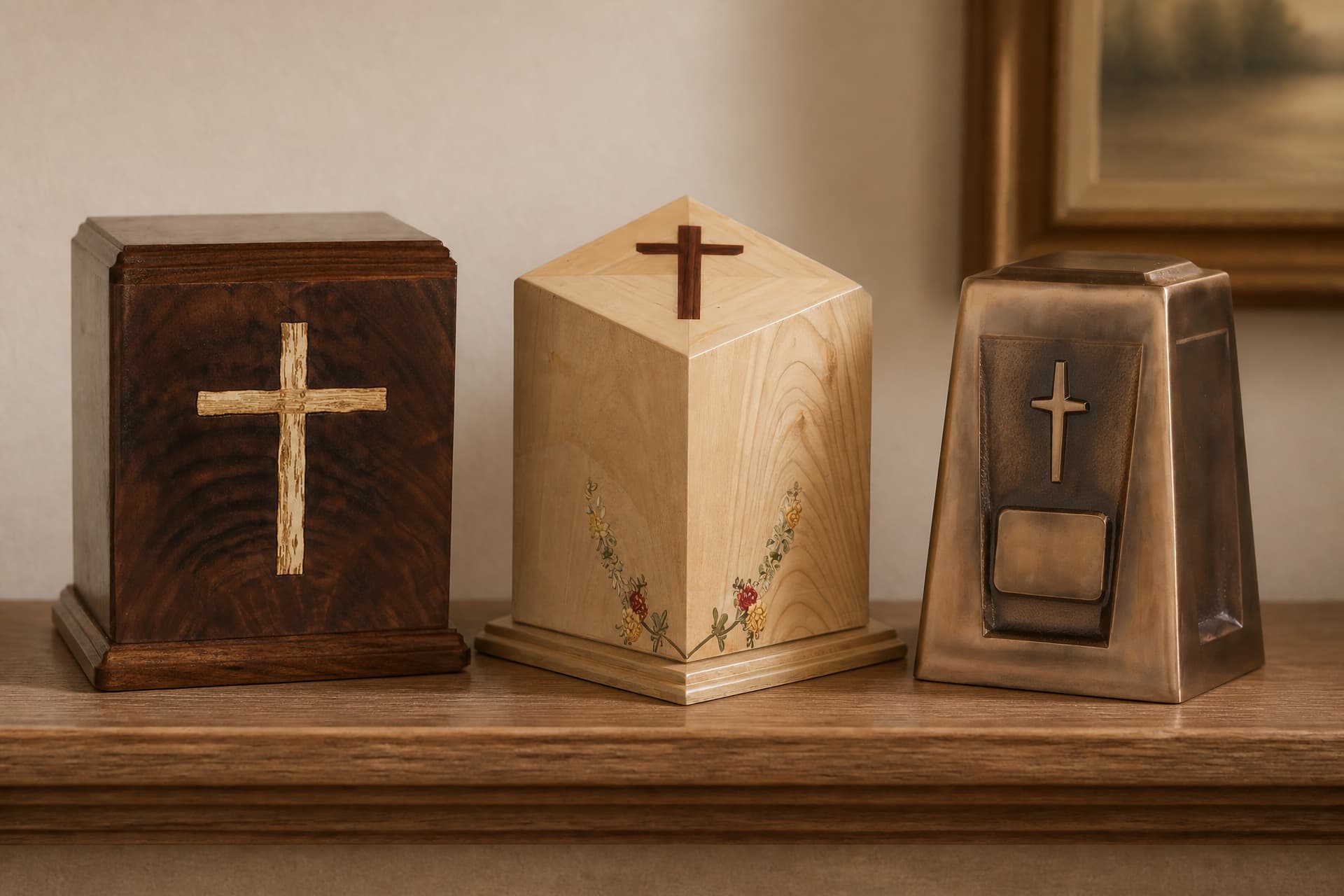
Cross Urns, Keepsake Urns and Cemetery Vases
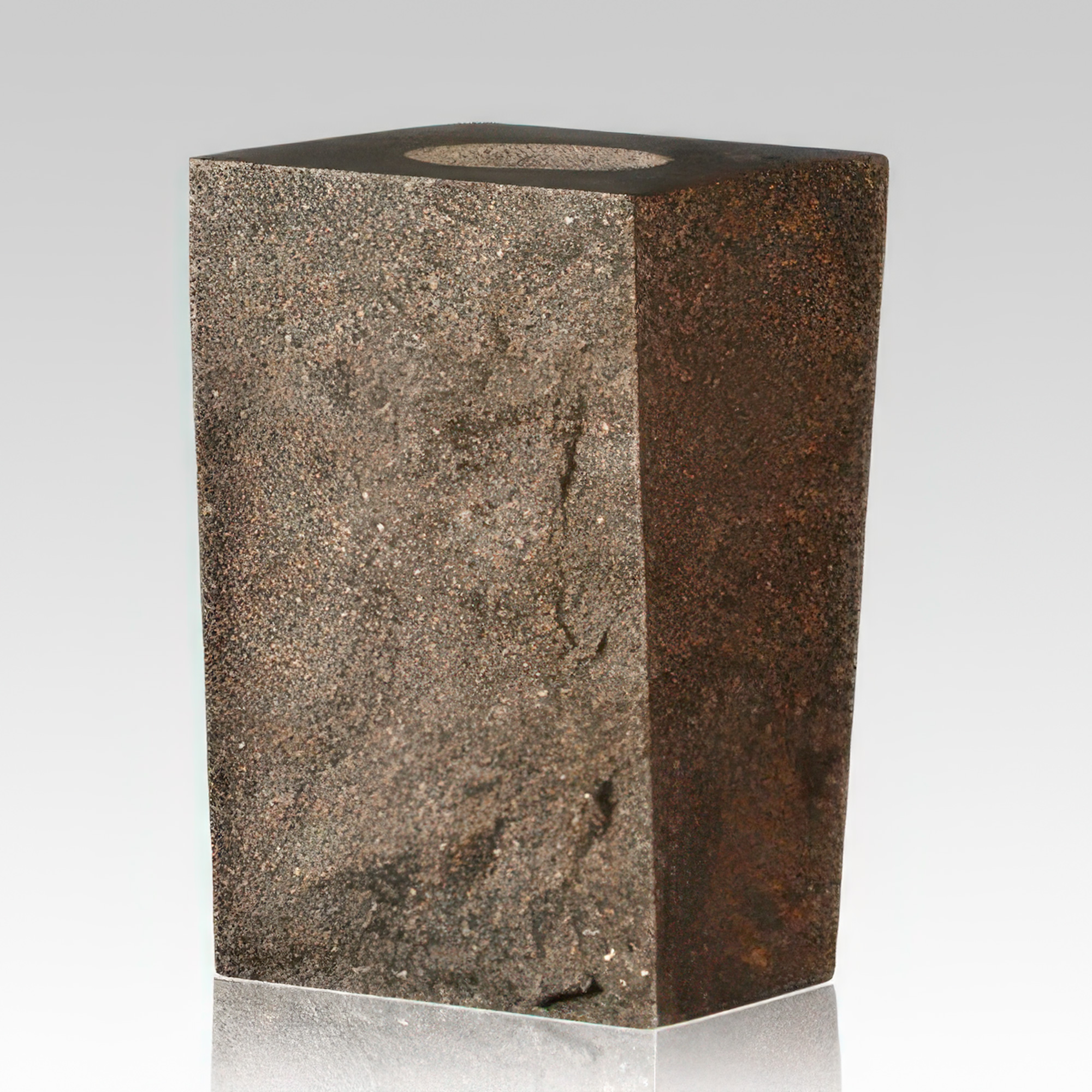
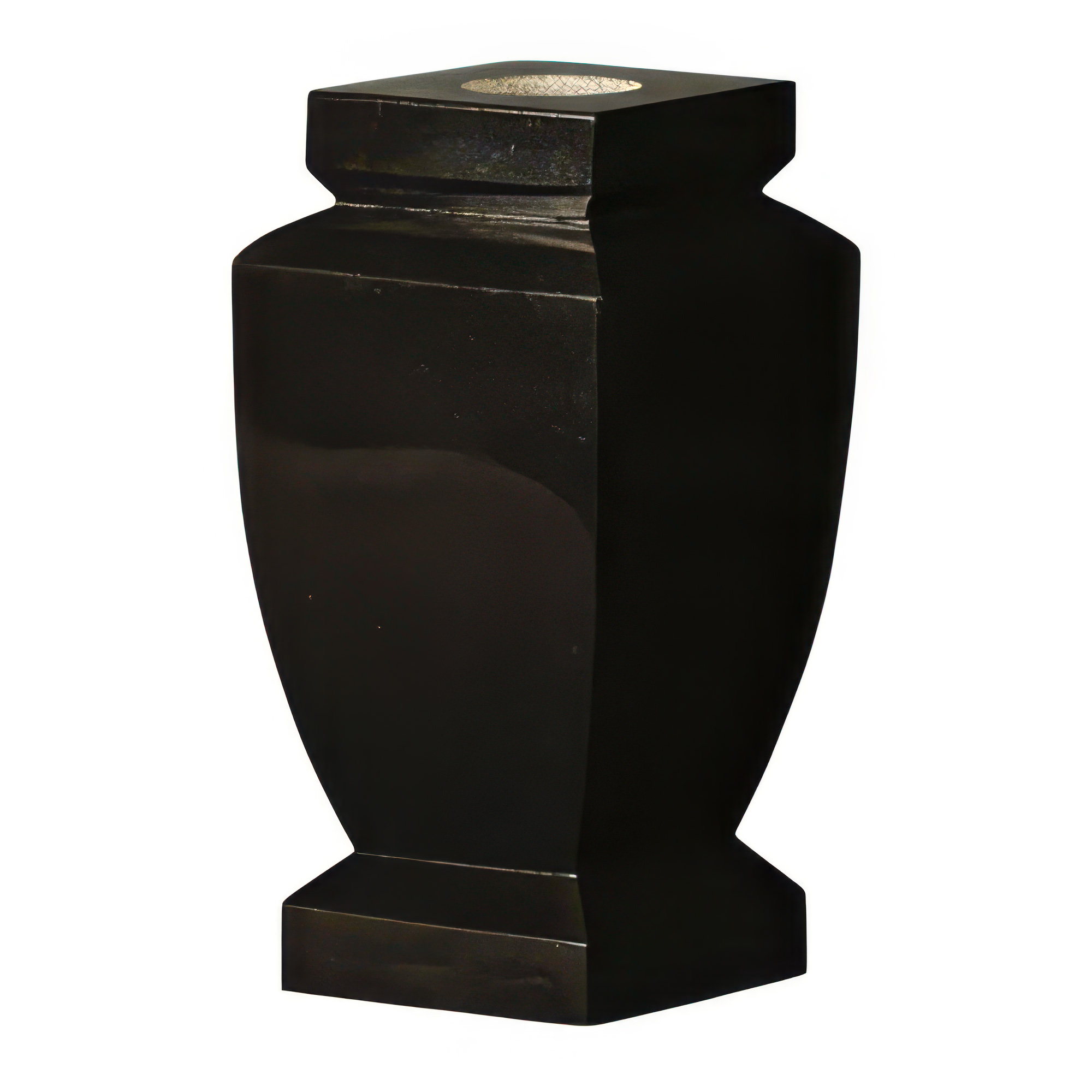
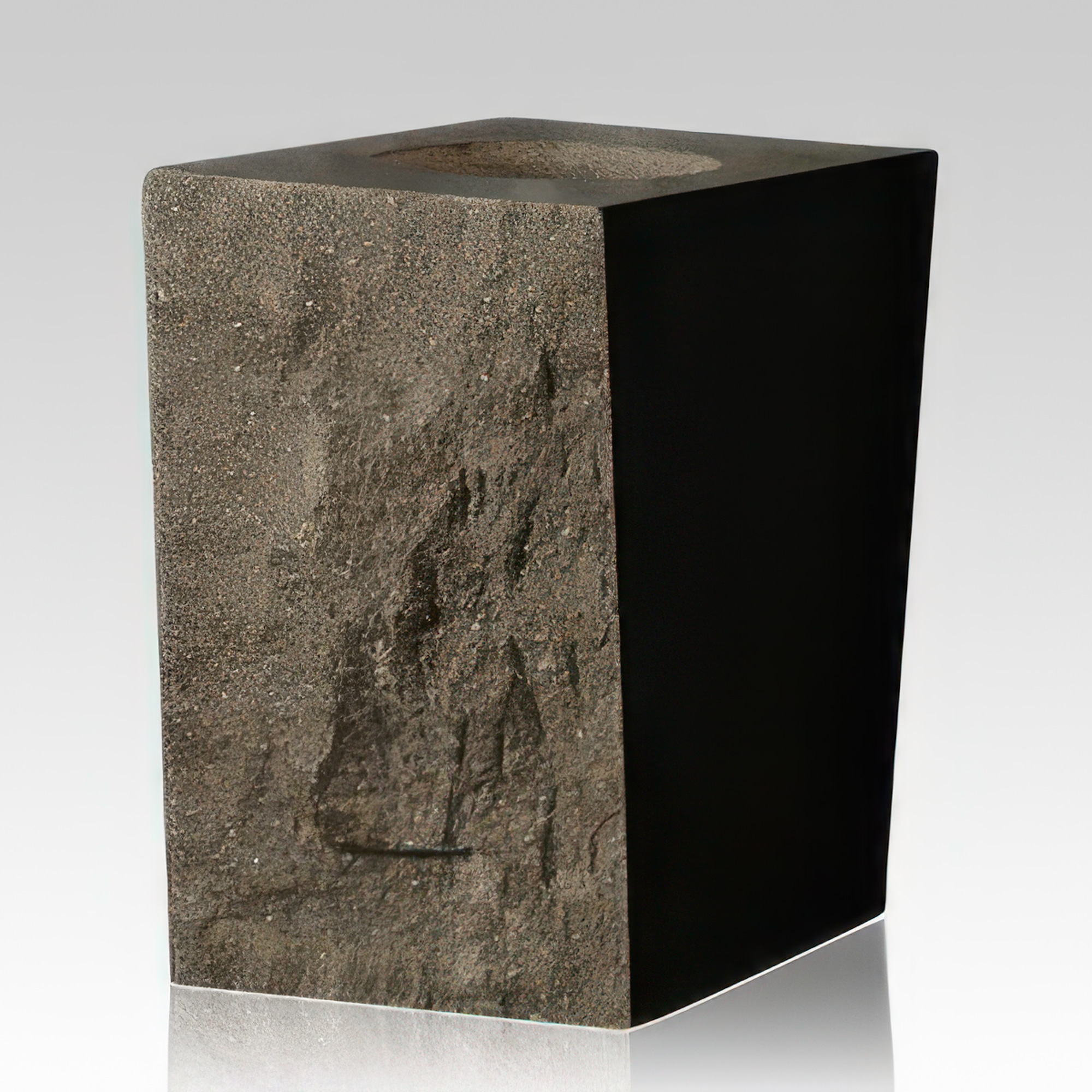
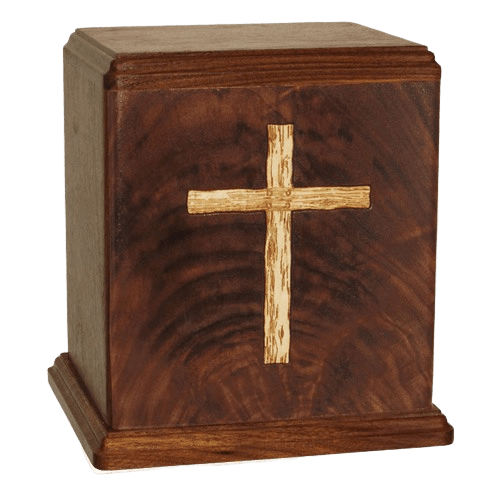
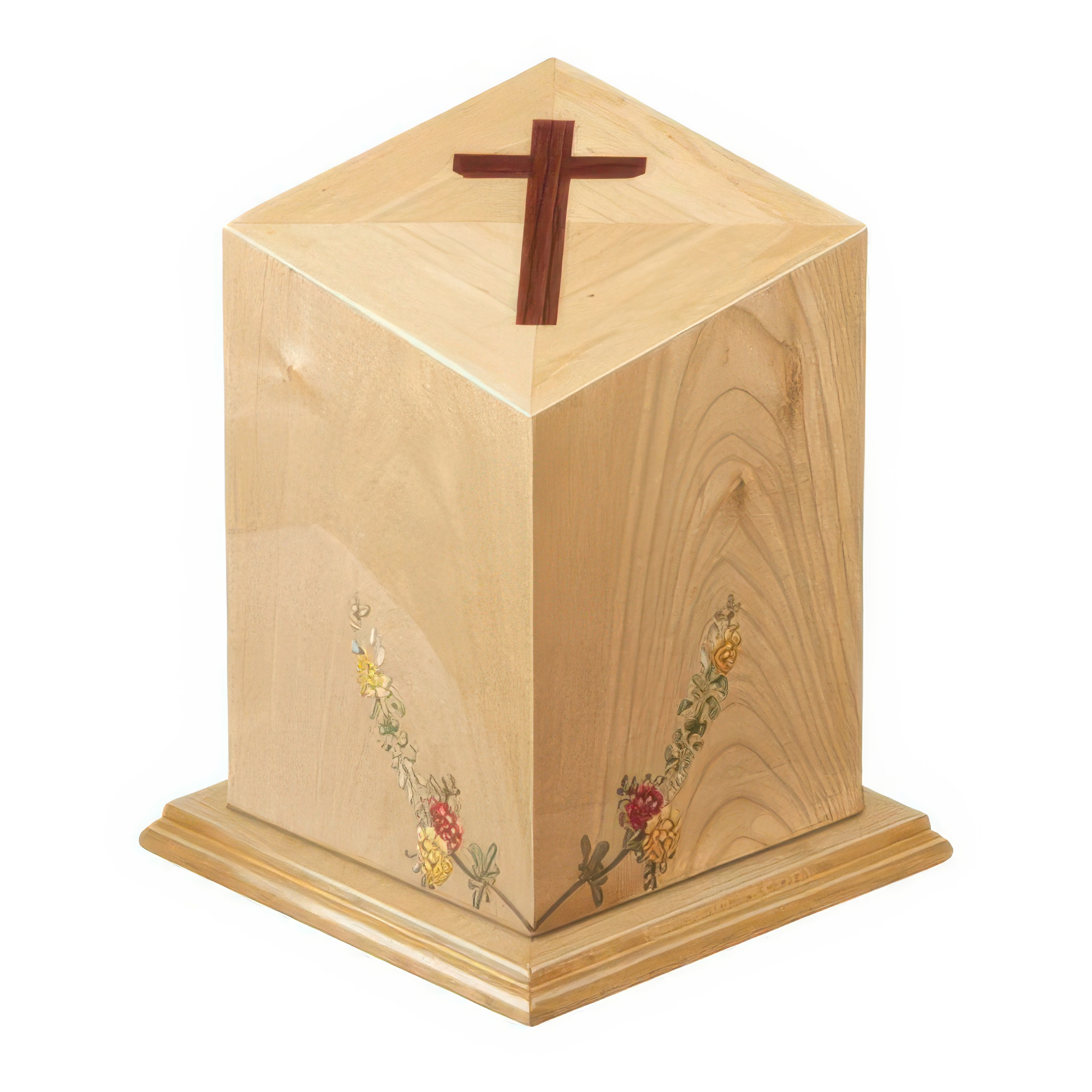
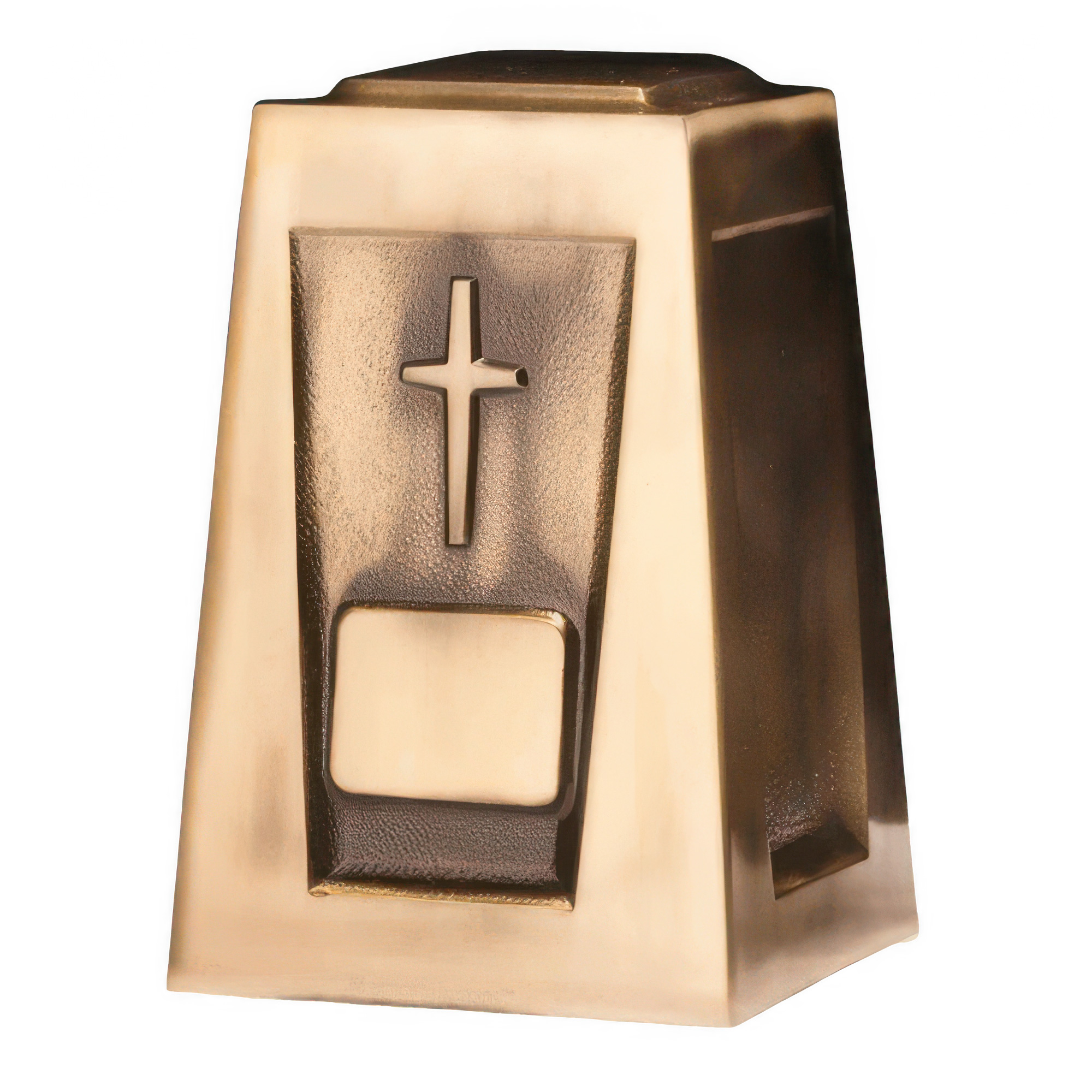
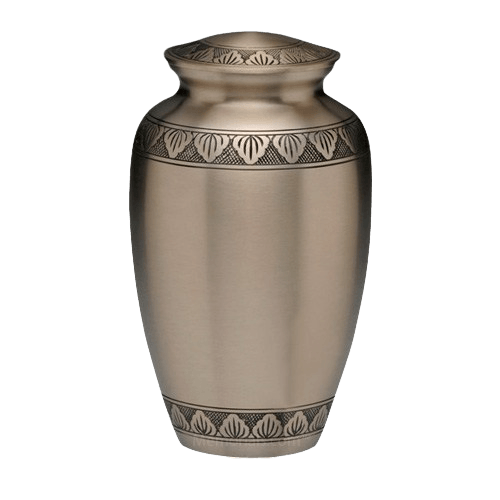
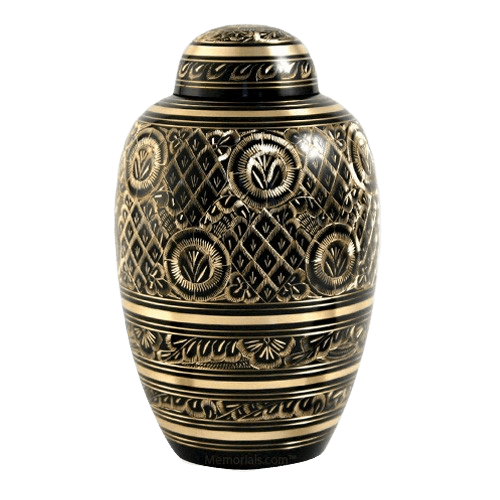
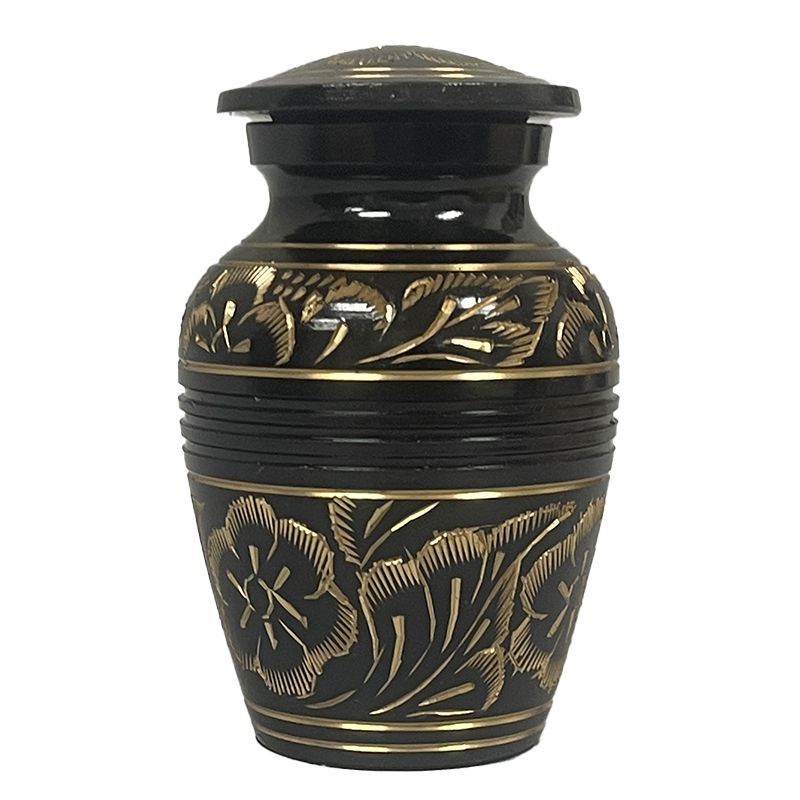
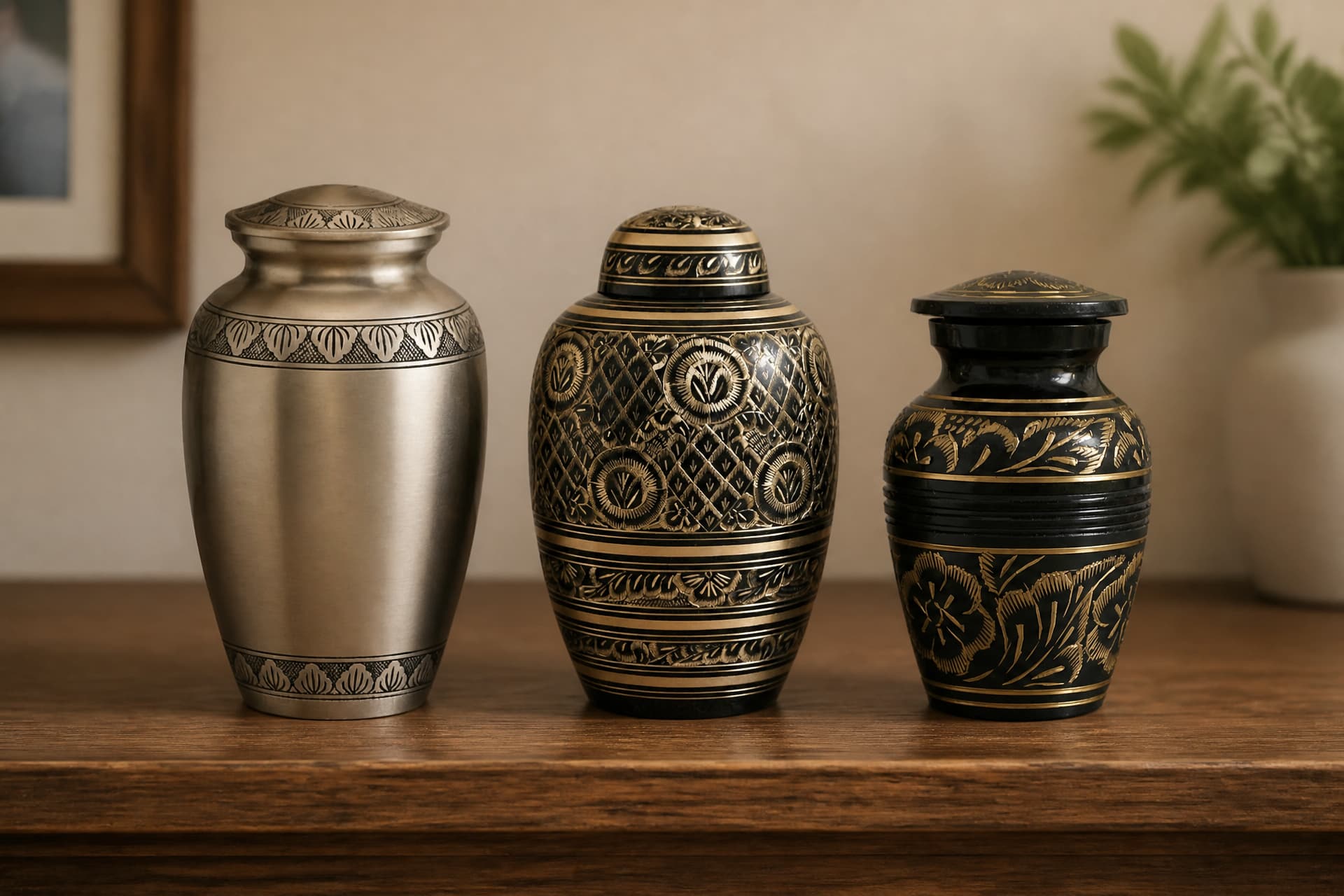
The nine pieces shown in the photographs on this page
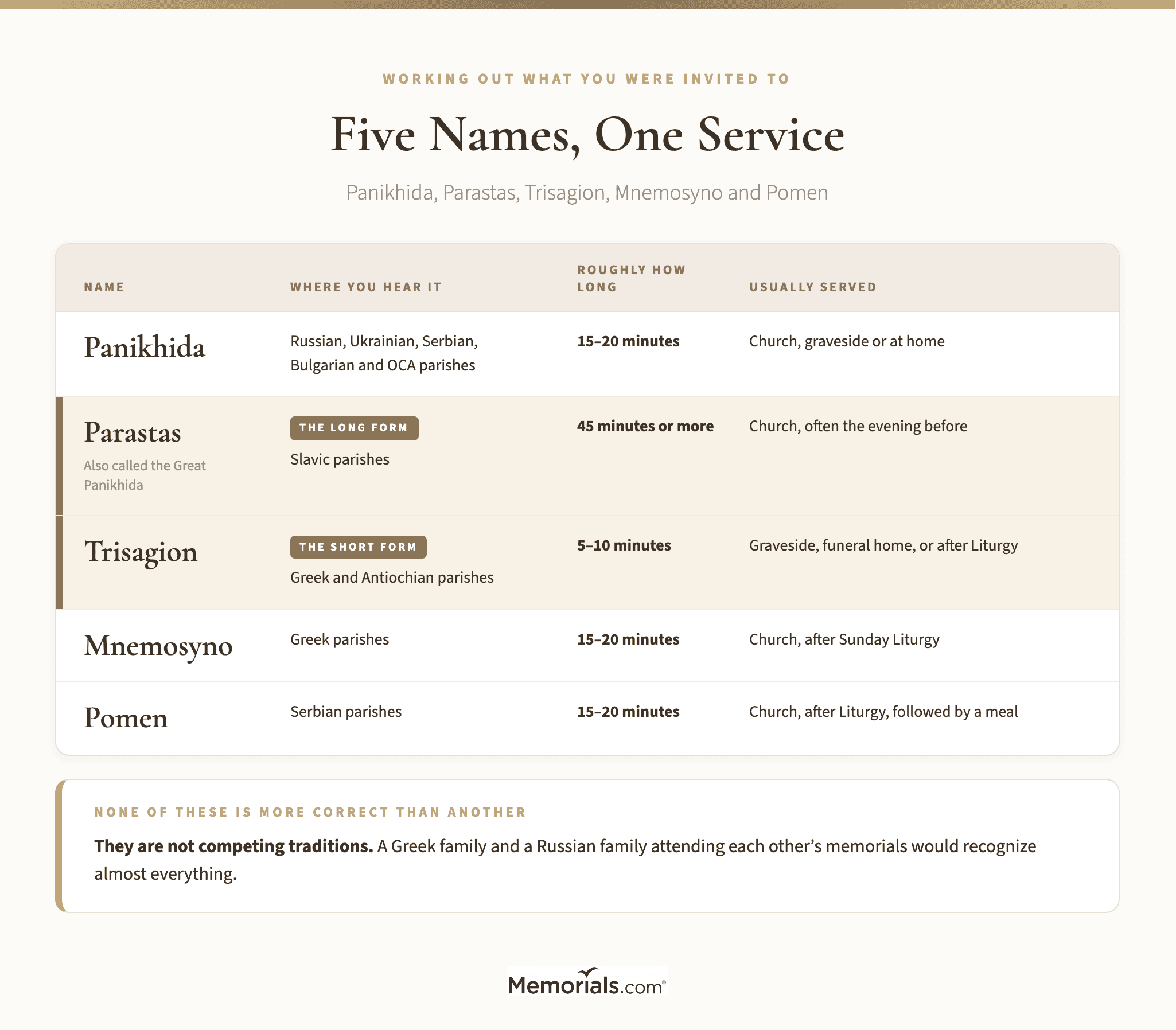
Panikhida, Parastas, Trisagion, Mnemosyno, and Pomen
Five words, one basic act of prayer, and the reason a single family can sound like it is planning five different events. This is the table nobody publishes, and it is the fastest way to work out what you have actually been invited to.
Name
Where you hear it
Roughly how long
Usually served
Panikhida
Russian, Ukrainian, Serbian, Bulgarian and OCA parishes
15–20 minutes
Church, graveside or at home
Parastas
Slavic parishes; also called the Great Panikhida
45 minutes or more
Church, often the evening before
Trisagion
Greek and Antiochian parishes
5–10 minutes
Graveside, funeral home, or after Liturgy
Mnemosyno
Greek parishes
15–20 minutes
Church, after Sunday Liturgy
Pomen
Serbian parishes
15–20 minutes
Church, after Liturgy, followed by a meal
A pomen service is the Serbian name for the same memorial, and in Serbian and Bosnian families it usually names the whole occasion rather than only the prayers — the service, the wheat, the visit to the grave and the meal that follows. If your invitation said pomen, you are going to a panikhida with lunch afterward.
Parastas is the long form. It is essentially a panikhida with the whole of Psalm 118 chanted through, which is what turns twenty minutes into three quarters of an hour, and it is typically served on the eve of a major memorial day rather than on the day itself. Trisagion is the short form, named for the Trisagion prayers that open it, and it is the one served standing at a graveside in the cold or in the front room of a house. Mnemosyno is simply the Greek word for a memorial, used the way Slavic families use panikhida.
None of these are competing traditions and none is more correct. A Greek family and a Russian family attending each other's memorials would recognize almost everything.
Five names for one service. Parastas is the long form at forty-five minutes or more; Trisagion is the five-to-ten-minute graveside version; panikhida, mnemosyno and pomen are the same twenty-minute memorial under Slavic, Greek and Serbian names.
When a Panikhida Is Held
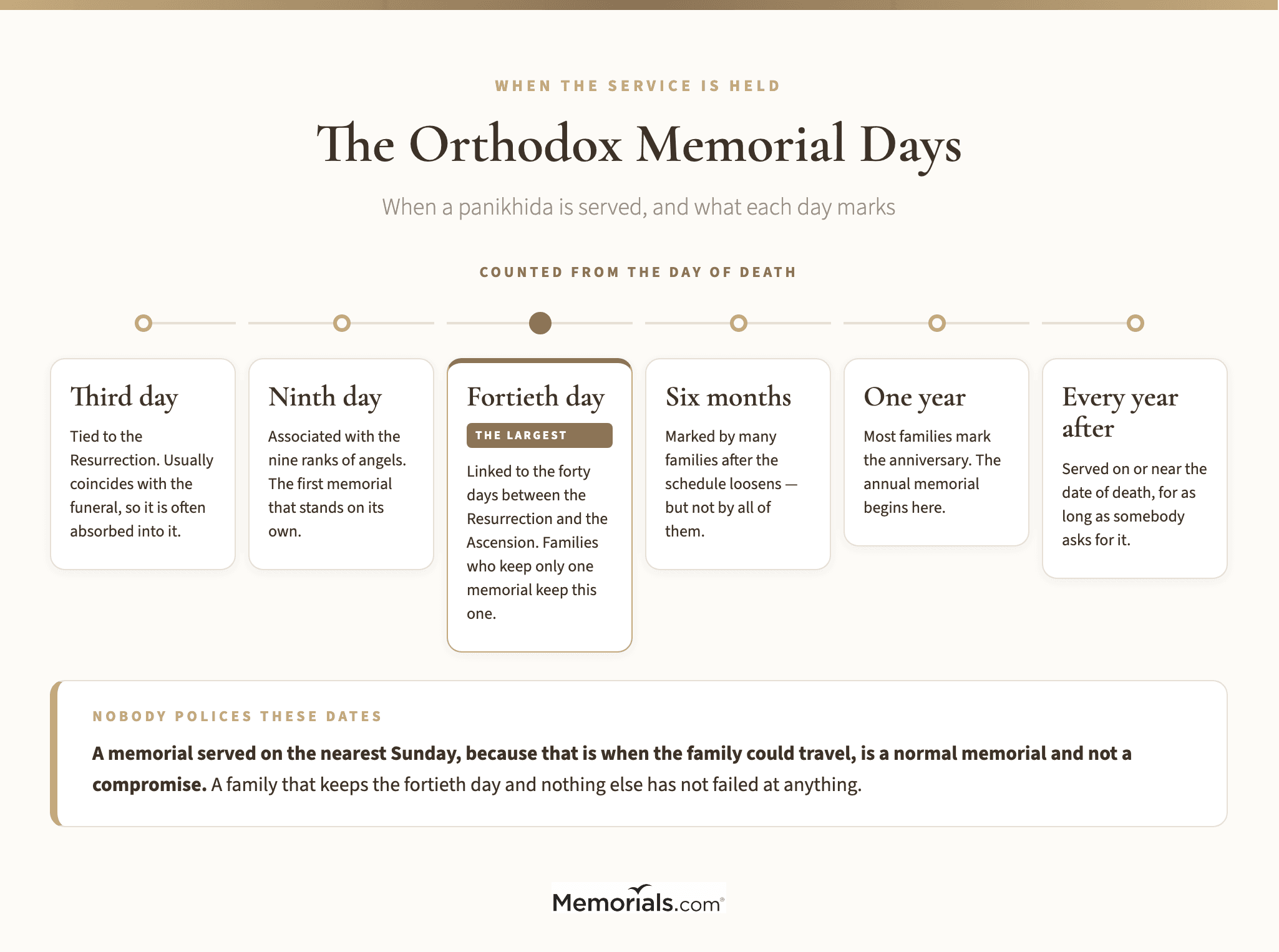
The memorial days are counted from the day of death, and the first three are the ones nearly every Orthodox family keeps.
The third day is tied to the Resurrection, and in practice it usually coincides with the funeral itself, so it is often absorbed into it rather than served separately. The ninth day is traditionally associated with the nine ranks of angels, and it is the first memorial that stands on its own, after the funeral is over and the visitors have gone home — which is, not by accident, the week the family feels the loss most sharply. The fortieth day is the largest of them. It is linked to the forty days between the Resurrection and the Ascension, and in Slavic piety it marks the end of the soul's journey and the point at which its place is settled. Families who keep only one memorial keep this one.
Counting from other traditions runs on similar rhythms, which is worth knowing if the memorials in your own family are timed differently. Catholic families keep nine consecutive evenings of prayer rather than a single ninth-day service; the 9 day novena prayer for the dead covers the same interval with a different shape.
After the fortieth day the schedule loosens. Many families mark six months, most mark the one-year anniversary, and from then on the memorial is annual — served on or near the date of death for as long as somebody asks for it. Buddhist practice counts further in the other direction, observing every seventh day through 49 days after death, which is the closest parallel to the Orthodox forty in any other tradition.
Nobody polices these dates. A memorial served on the nearest Sunday because that is when the family could travel is a normal memorial, not a compromise, and a family that keeps the fortieth day and nothing else has not failed at anything.
The memorial days at a glance. Day three ties to the Resurrection, day nine to the nine ranks of angels, day forty to the Ascension; after that the memorial is served at six months, at a year, and once a year for as long as the family asks.
The One-Year Memorial
The annual memorial is the one people outside the church have usually heard of, and it is the one families most often search for by description rather than by name. Anyone looking up what the Russian Orthodox 1 year after death observance is called has found it: it is a panikhida, served on or near the anniversary, and it is not structurally different from the fortieth-day service. What changes is the tone. A year in, the family is no longer in shock, the crowd is smaller, and the memorial reads less like an emergency and more like an appointment the family intends to keep for the rest of their lives.
In most parishes the annual memorial is served after the Divine Liturgy on the Sunday closest to the date, because that is when everyone is already there. Some families ask for it at the grave instead, and some do both — church in the morning, cemetery in the afternoon. In Serbian and Greek practice the meal that follows is as much a part of the day as the service.
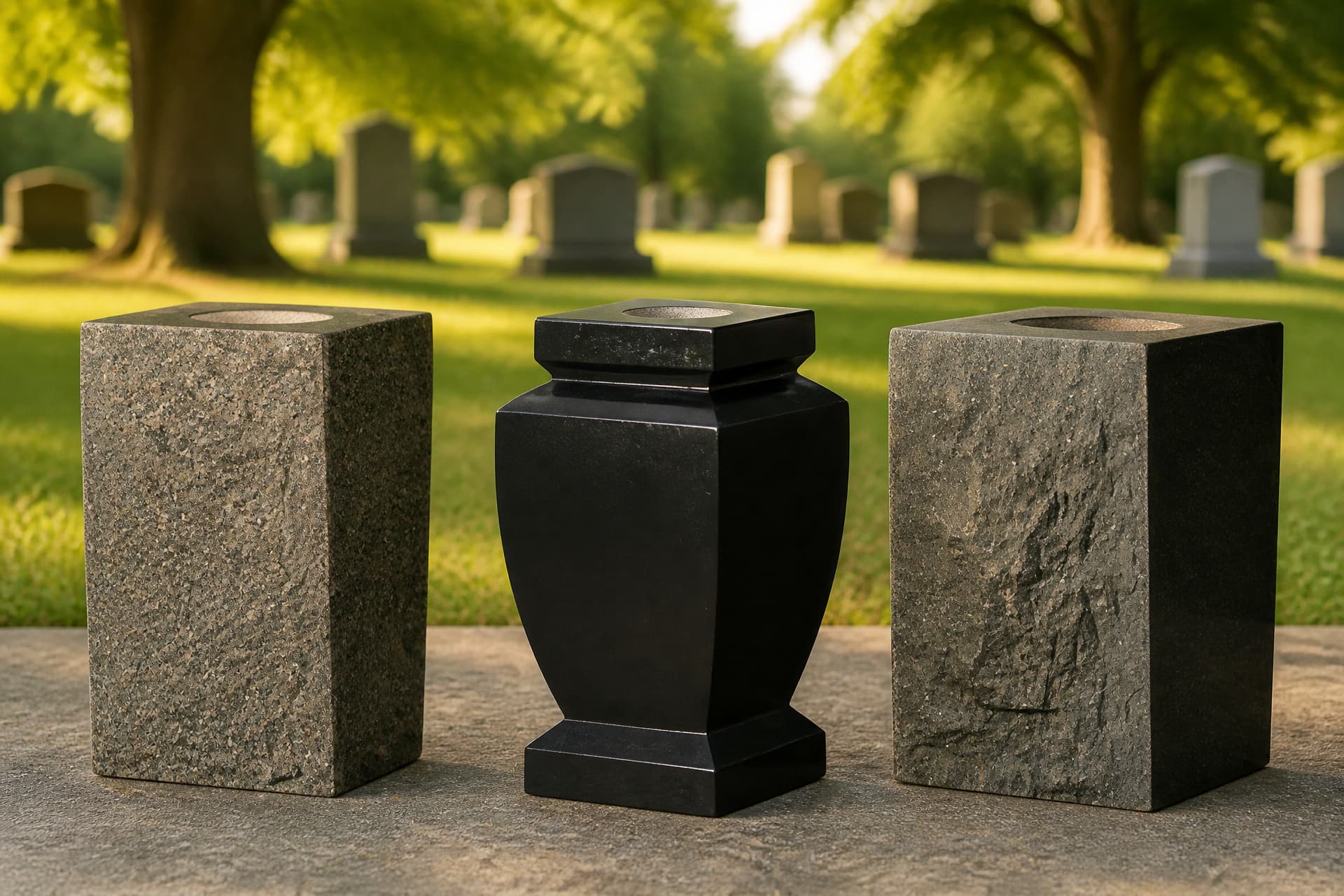
The graveside visit is where the practical questions start. Families bring flowers, and permanent cemetery vases are what keep them upright through a windy afternoon and standing for the week afterward — the alternative, every year, is a bunch laid flat on the granite that is gone by the next morning. Some families also bring a candle in a glass to leave burning at the stone.
Jewish families mark the anniversary of a death on a comparable schedule, lighting a yahrzeit candle that burns for a full twenty-four hours; the instinct behind both is the same, that the date should not pass unmarked.
Something that surprises families who thought the memorials ended at forty days: the church keeps a set of days on which everyone's dead are commemorated at once. These are the Saturdays of Souls — Psychosabbata in Greek, and often called Soul Saturdays in English. There are several through the year, clustered around the start of Great Lent and before Pentecost, and on each of them a panikhida is served for the whole parish's departed together.
Slavic parishes add Radonitsa, held on a Tuesday shortly after Pascha, when families go out to the cemetery to greet the dead with the news of the Resurrection. It is one of the few genuinely cheerful days in the memorial calendar, and in parts of Eastern Europe the cemeteries are busier that day than at any other point in the year.
What this means practically is that a name given to a parish once tends to stay commemorated. Families often submit a list of names to be read at every Soul Saturday, and once the name is on the list it is prayed for several times a year without anybody having to remember to arrange it.
What Happens During the Service
The order varies slightly by jurisdiction, but the shape is consistent and short.
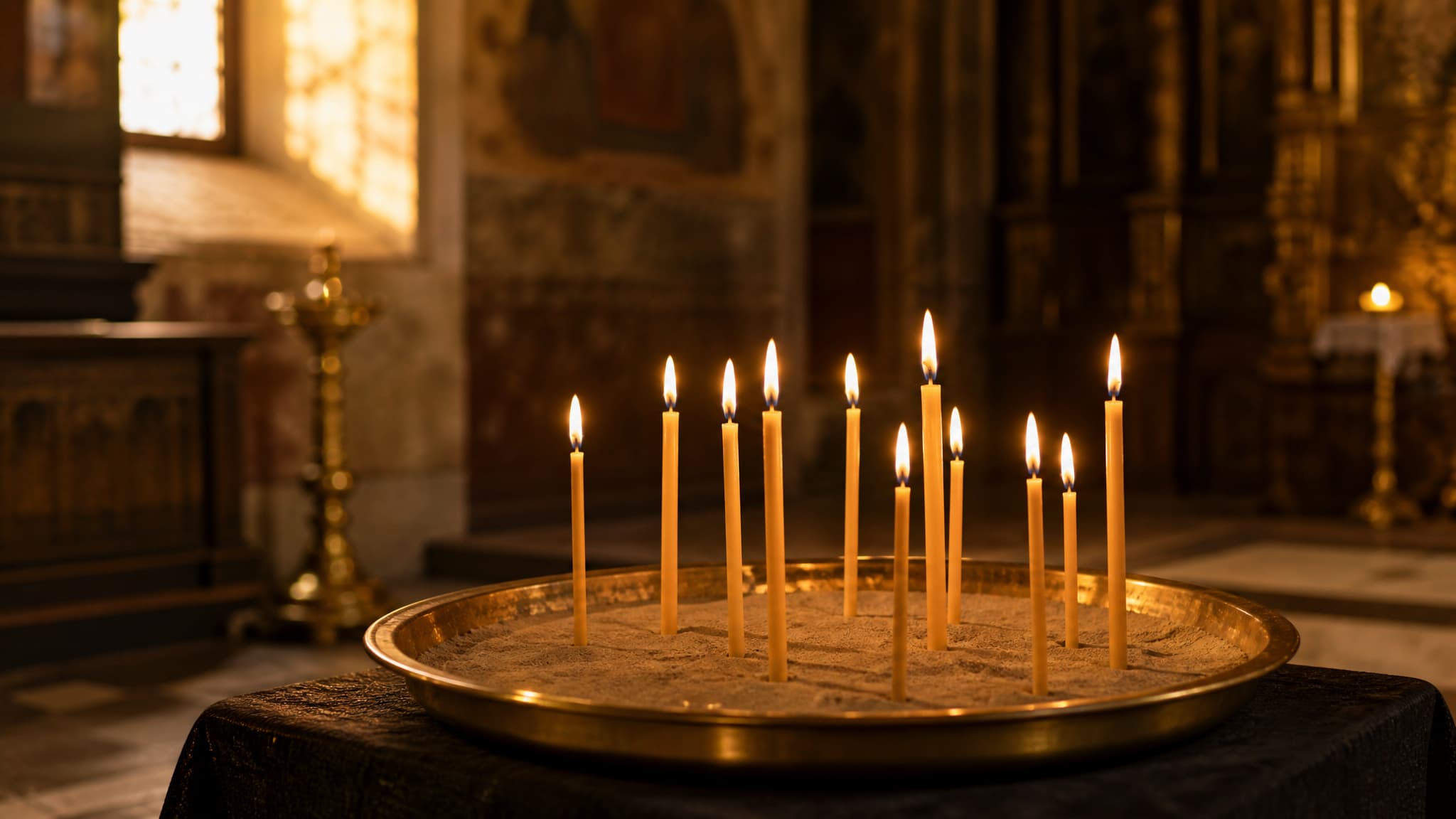
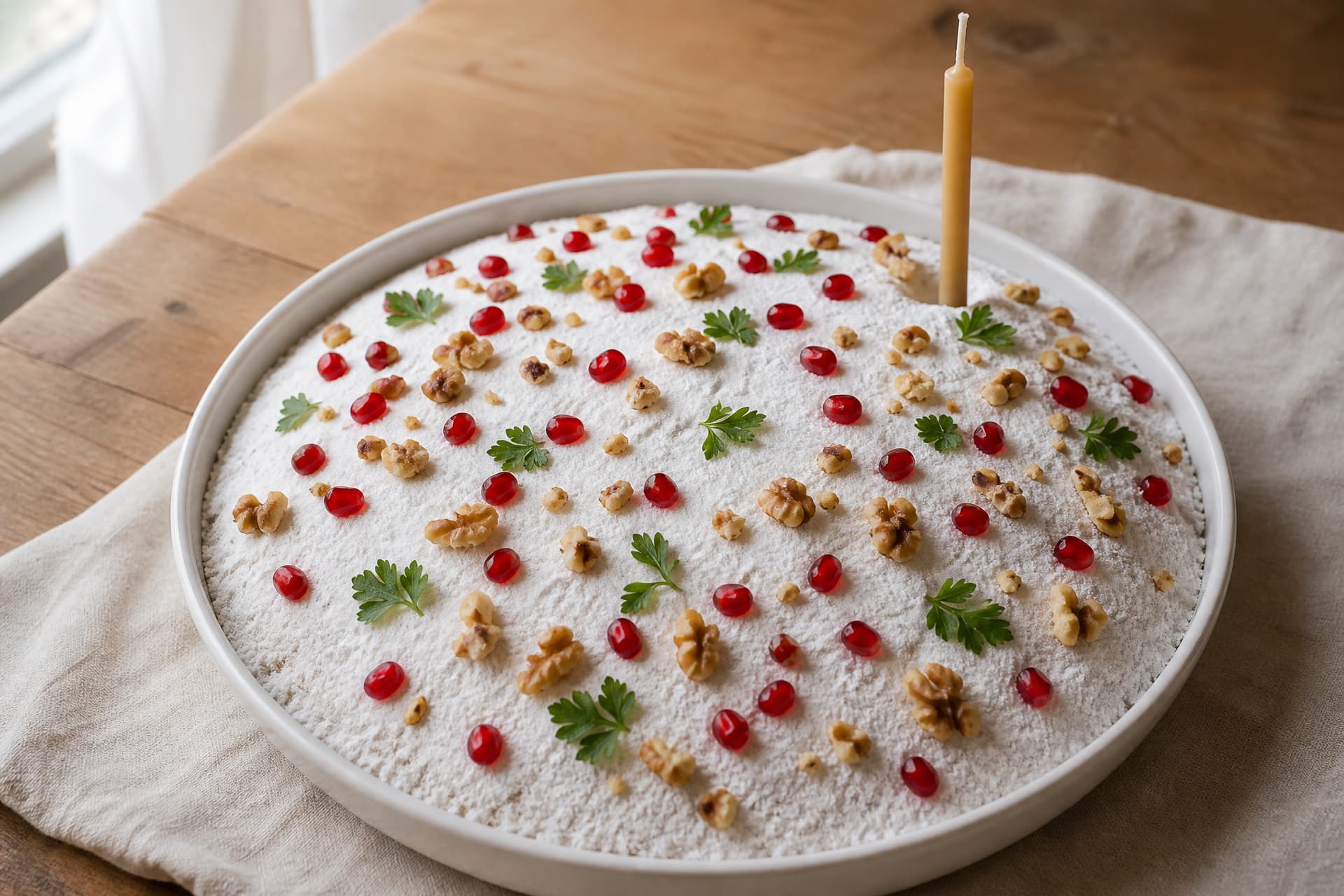
People are given a slender candle at the door and light it from a neighbor's. Everyone stands holding a lit candle for the length of the service, which is why the room ends up looking the way it does; if you have wondered why memorial candles recur across so many traditions, this service is one of the clearest cases of the practice. A low table is set at the front with a bowl of koliva on it, usually with an unlit taper standing in the wheat.
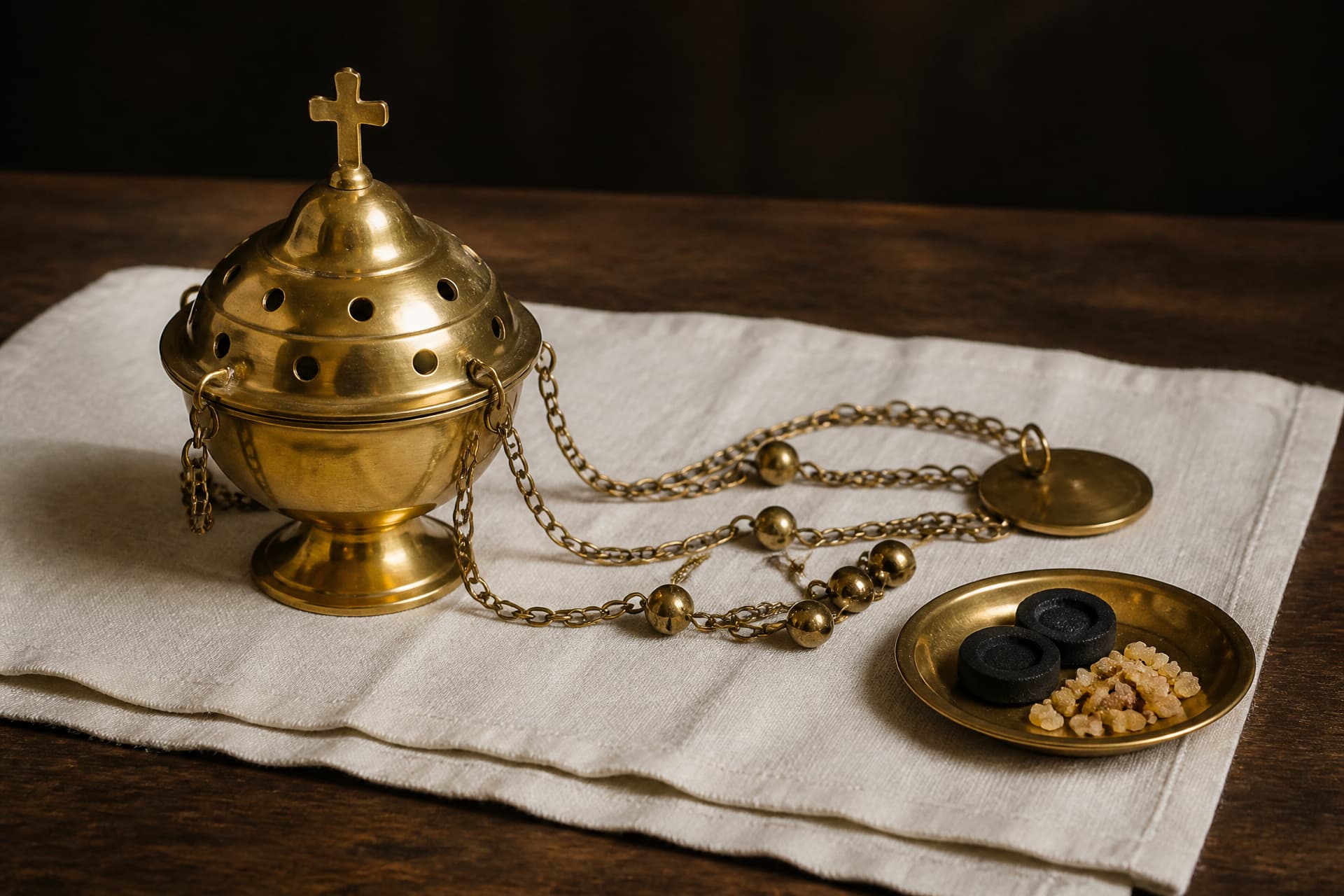
The priest censes the table, the icons and the people. He then chants the petitions, asking rest for the servant of God and naming the person — first name only, and it is the baptismal name rather than a nickname or a legal name. The chanter answers each petition. Partway through, a list of other names may be read as well, since families rarely commemorate only one person at a time. The service closes with "Memory Eternal," sung three times, and everybody blows out their candle.
The censer, set down with its charcoal and incense beside it. Censing the table, the icons and the people comes before the petitions are chanted, and the whole service runs fifteen or twenty minutes from there.
It takes fifteen or twenty minutes. That is not a shortened version for the convenience of visitors; that is the service.
Some parishes hand out small prayer cards printed with the person's name and dates, and families often keep them tucked into an icon or a prayer book for years afterward. If you are given one, it is meant for you to keep.
Koliva, the Wheat Dish Served at Memorials
Koliva — kollyva in Greek, kutia or koljivo in Slavic kitchens — is boiled wheat, sweetened and dressed, brought to church for the memorial and eaten afterward. Recipes differ by household and by country: powdered sugar, ground walnuts, raisins, pomegranate seeds, cinnamon, sometimes a cross marked into the sugar on top.
The meaning is the reason it is wheat and not something else. A grain buried in the ground looks finished, and it is not; it is the plainest image of the resurrection available in a kitchen, and it has been used that way since long before anybody wrote the recipe down. The sweetness stands for the hope that the person's memory is a sweet one.
Who makes it: usually a woman of the family, often a grandmother, and often with more ceremony attached to the making than to the eating. If you are a guest, you are not expected to bring any, and you should not attempt to make it as a gesture unless someone has asked you to. You will be offered a spoonful after the service. Take it; declining it is the one small awkwardness available at a panikhida, and it is easily avoided.
Boiled wheat, sugar, walnuts and pomegranate. A grain that looks finished in the ground and is not, which is the entire argument of the dish.
What to Wear and What to Expect as a Guest
The section nobody writes, in plain terms.
You may attend. A non-Orthodox guest is welcome at a panikhida, and no one will ask what you believe. Communion is the only thing genuinely reserved, and it is not distributed at this service anyway.
Wear what you would wear to a funeral, minus the formality. Dark or muted colors, nothing bright, shoulders covered, no shorts. Men take hats off inside. In Russian and Serbian parishes many women wear a headscarf; in most American parishes it is customary rather than expected, and a visitor who does not wear one will not stand out. If you want to, a plain scarf in your bag is enough.
You will stand. Orthodox churches often have little seating, and the service is short enough that this is not a hardship. If you cannot stand, sit — nobody minds, and elderly parishioners sit throughout.
You do not have to cross yourself. Follow along if you want to, or stand quietly with your candle. Nobody is watching you, and nothing is expected of a visitor beyond being there.
Bring nothing. No flowers, no food, no card, unless the family has asked. If you want to do something, ask the family whether you can give the priest a name to commemorate, or come to the meal afterward and stay a while.
What to say to the family: "Memory eternal" is the customary phrase and it will be understood, but there is no wrong version of saying you are sorry and you came. Most families are simply counting the room.
How to Request a Panikhida
Anyone can ask for one, including a family that has not been to church in years.
Call the parish office, not the priest's cell phone, and say which day you want it served — the ninth, the fortieth, the anniversary, or simply the nearest Sunday. Give the baptismal name of the person who died. This matters more than it sounds: the priest commemorates the name given at baptism or chrismation, so if your grandfather was baptized Ioann and known his whole life as John, say both and let the parish decide. If you do not know it, say so; they deal with this constantly.
Ask whether the service will be at the church or at the grave. A graveside service means coordinating with the cemetery for access and, if the parish is at any distance, with the funeral home that handled the burial. This is the same set of phone calls that goes into planning a memorial service of any kind, and doing it two weeks out rather than two days out makes all of it easier.
On what to offer: there is no fee and asking for one will get you a polite non-answer. An offering to the parish is customary — an envelope handed over after the service, in whatever amount is reasonable for you. If you genuinely cannot, the memorial is still served. No Orthodox priest will decline to pray for someone over money.
If you want the name commemorated at the Divine Liturgy as well, ask about that in the same call. In most parishes you submit a written list of names, and they are read while the priest prepares the bread — a separate commemoration from the panikhida, and free.
Memorials in the Home, in the Days Between
Between the service days, most of what happens happens at home. A candle burns in front of an icon, often for the first forty days. The photograph goes up. Families who keep a stricter observance cover mirrors, avoid music, and keep the person's place at the table for a time.
Some families also want the house itself addressed — the room where a person died, the bed, the atmosphere in the days afterward — and the customs for cleansing a house where someone died run across almost every culture, Orthodox households included. In Orthodox practice this is usually a house blessing rather than anything folk, and a priest will come and do it if asked.
Cremation is the question families ask most nervously, and it deserves a straight answer rather than a comfortable one. Most Orthodox jurisdictions do not permit it, and some will decline an Orthodox funeral for a person who chose it. Practice varies — the Greek Orthodox Archdiocese is stricter than some Slavic jurisdictions, which allow exceptions in specific circumstances — so if cremation is already part of your family's plan, that is a conversation to have with your parish priest early, not a rule to read off a web page.
For the families whose situation makes cremation the outcome, religious urns are the part of the catalog that speaks the same visual language as the rest of the house. Plain cross urns in wood or brass sit on an icon shelf without looking out of place, which is more than can be said for most of what is sold.
A short Orthodox memorial service — usually fifteen to twenty minutes — of prayers, litanies and hymns asking God to grant rest to a specific person who has died. It is served in church, at the graveside or at home, most often on the third, ninth and fortieth days after a death and then at six months, at a year, and annually.
What is the difference between a panikhida and a Trisagion?
Length and setting. The Trisagion service is the short form, five to ten minutes, named for the prayers that open it, and it is the one served at a graveside or in a funeral home. A panikhida is the fuller version at fifteen to twenty minutes, usually in church. Greek parishes tend to say Trisagion where Slavic parishes say panikhida; both are asking for the same thing.
What is a pomen service?
Pomen is the Serbian name for the memorial service, and in Serbian and Bosnian families it commonly refers to the whole occasion — the service, the koljivo, the visit to the grave and the meal afterward. If you have been invited to a pomen, expect a short church service followed by food.
What happens one year after death in the Russian Orthodox Church?
A panikhida is served on or near the anniversary, generally after the Divine Liturgy on the closest Sunday, and often followed by a visit to the grave. It is the same service as the fortieth day, and it is repeated every year afterward for as long as the family asks for it.
Can a non-Orthodox person attend a panikhida?
Yes. Visitors are welcome, no one will ask about your beliefs, and nothing is required of you beyond standing quietly and holding a candle. Communion is not distributed at a panikhida, so the one thing reserved for Orthodox Christians does not arise.
Remembering Someone by Name
What holds the whole practice together is not the wheat or the candles or the count of days. It is the name. It is said aloud on the ninth day and the fortieth, at a year and at every year after, at Soul Saturdays alongside a hundred other names, and quietly at the Liturgy by a priest who never met the person. A tradition that thought forgetting was inevitable would not have built that many occasions to say it out loud.
That is also the useful thing to take away if you are the guest and not the family. You are not expected to know the service, follow the Slavonic or find the right words afterward. You are expected to be one of the people in the room when the name is read, which is the entire job, and the family will remember that you were.
At home, most families end up keeping something small — a photograph that stays out, a candle lit on the anniversary, a keepsake that lives on the icon shelf where it catches the eye every day rather than in a drawer. There is no correct object and no schedule for choosing one. The fortieth day is not the afternoon to decide it.