🏬Supersize Online Funeral Retailer🪦1000's of Headstones⚱️Over 10,000 Cremation Urns⚰️Caskets Overnight Delivery🛒Funeral & Memorial Superstore🚚FREE Shipping on ALL Orders👨👩👧👦Helping Families for over 20 Years💰Lowest Price Guarantee🏬Supersize Online Funeral Retailer🪦1000's of Headstones⚱️Over 10,000 Cremation Urns⚰️Caskets Overnight Delivery🛒Funeral & Memorial Superstore🚚FREE Shipping on ALL Orders👨👩👧👦Helping Families for over 20 Years💰Lowest Price Guarantee
🏬Supersize Online Funeral Retailer🪦1000's of Headstones⚱️Over 10,000 Cremation Urns⚰️Caskets Overnight Delivery🛒Funeral & Memorial Superstore🚚FREE Shipping on ALL Orders👨👩👧👦Helping Families for over 20 Years💰Lowest Price Guarantee🏬Supersize Online Funeral Retailer🪦1000's of Headstones⚱️Over 10,000 Cremation Urns⚰️Caskets Overnight Delivery🛒Funeral & Memorial Superstore🚚FREE Shipping on ALL Orders👨👩👧👦Helping Families for over 20 Years💰Lowest Price Guarantee
Most people arrive at the search for unique bereavement gifts the same way: they already sent flowers, or they were about to, and something stopped them. The arrangement will be beautiful for six days. Then someone has to throw it away, usually the person who is already exhausted from throwing things away.
That instinct is worth trusting. It does not mean you need to find something clever. Some of the most memorable things people receive after a death are plain objects chosen with obvious care — a box for the letters, a stone that fits in a pocket, a small engraved piece with a date on it. What makes a gift land is not novelty. It is that the gift is clearly about this person, and that it is still there in a year.
This article is part of our grief support guide, and it takes a different angle from most gift lists. Rather than sorting by who died or what you can spend, it sorts by what the object actually does — holds something, carries a name, gives the hands something to do — and it spends real time on the part almost nobody covers: what to send in month three, when the cards have stopped coming.
There is a difference between unusual and unique, and the gap between them is where well-meant presents go wrong.
Unusual is a novelty. It is the thing nobody else thought of, which is often because it was not a good idea. Unique, in the way that matters to a grieving family, means specific — it could only have been given to this person, about this loss, by someone who was paying attention. A mass-produced keepsake engraved with the right date beats a one-of-a-kind sculpture that has nothing to do with anyone.
Two questions sort most of it out.
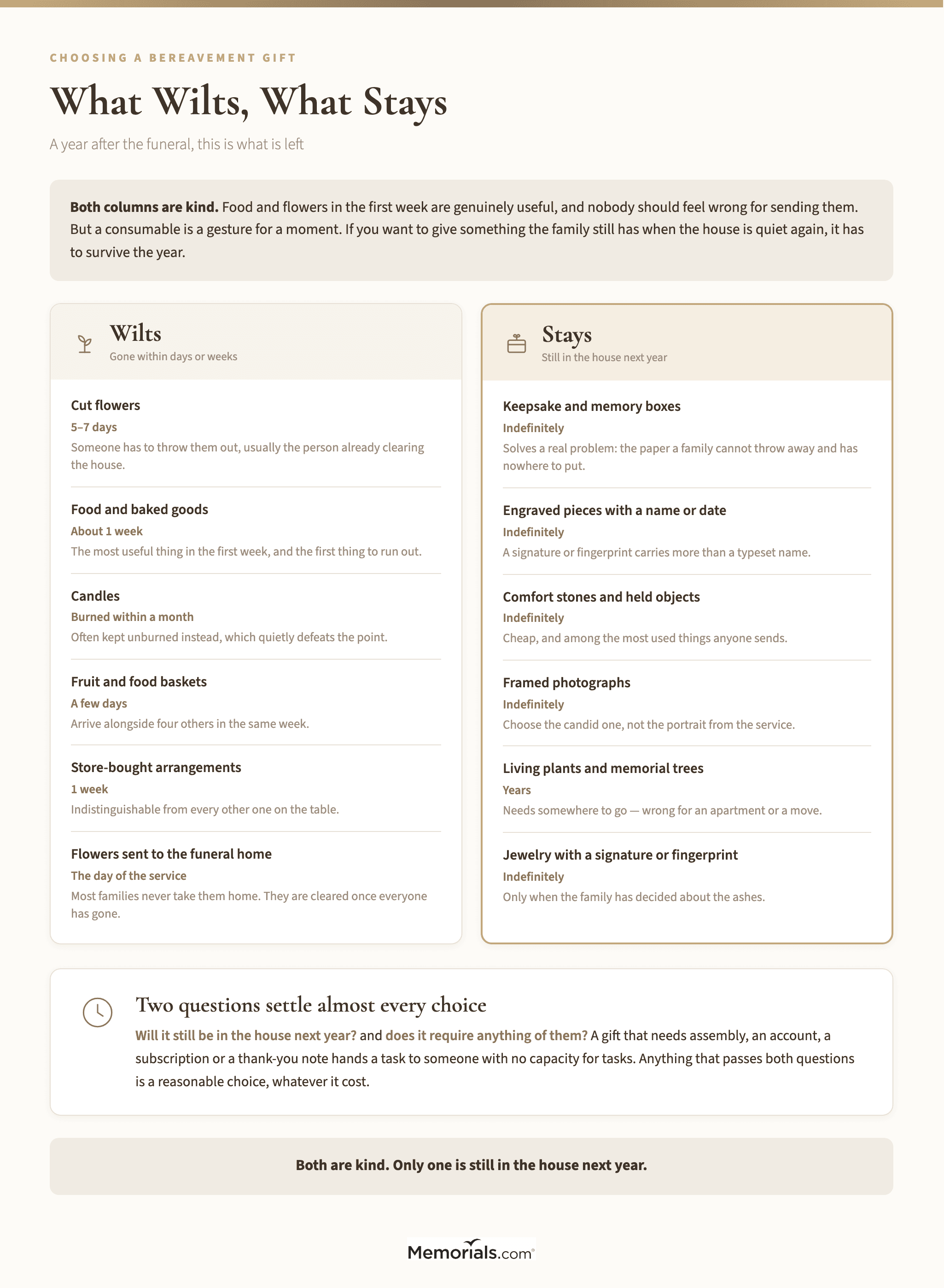
Will it still be in the house next year? Flowers, food, and candles are consumed. That is not a criticism — food in the first week is genuinely useful, and a meal train is one of the kindest things you can organize. But a consumable is a gesture for a moment, and if you want to give something that carries weight later, it has to survive the year.
Does it require anything of them? A gift that needs assembly, an account, a subscription, or a thank-you note is a small task handed to someone with no capacity for tasks. The best memorial gifts ask nothing. They arrive finished, they need no decision, and they can be set on a shelf and looked at when the person is ready and not before.
Most good bereavement gift ideas pass both tests without being remotely original. That is the point.
Keepsakes That Hold Something of the Person
The most durable category is also the simplest: objects that contain something.
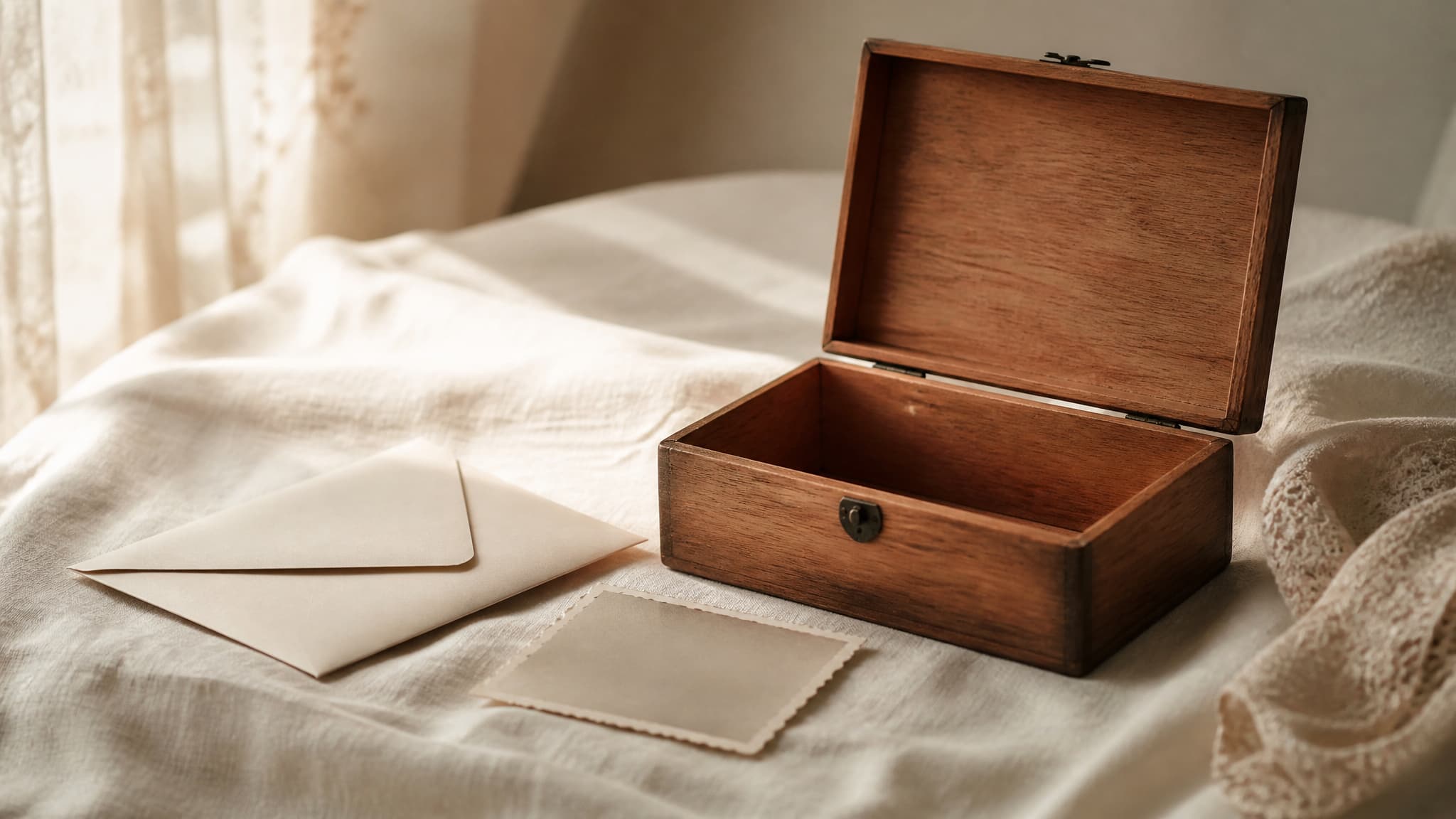
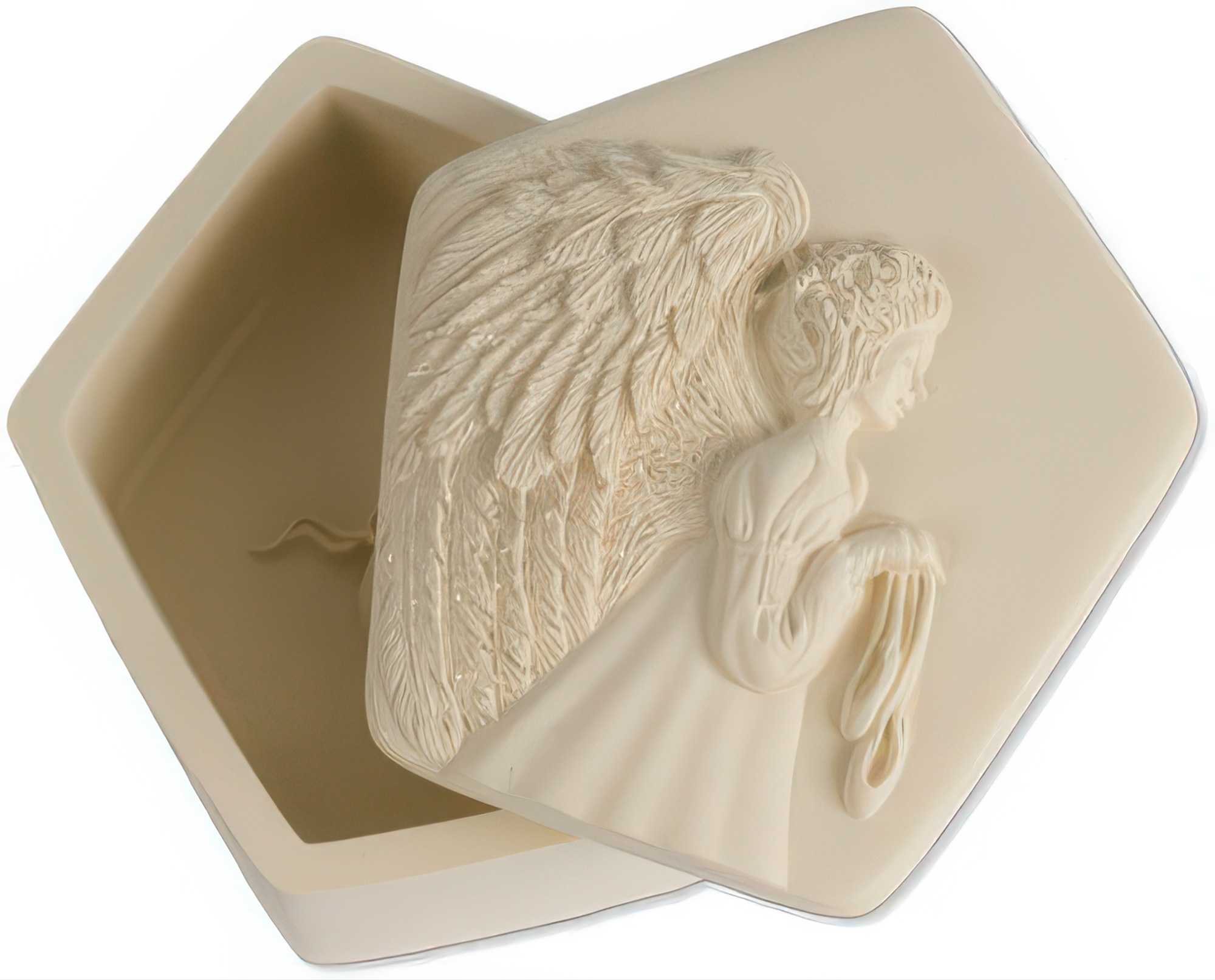
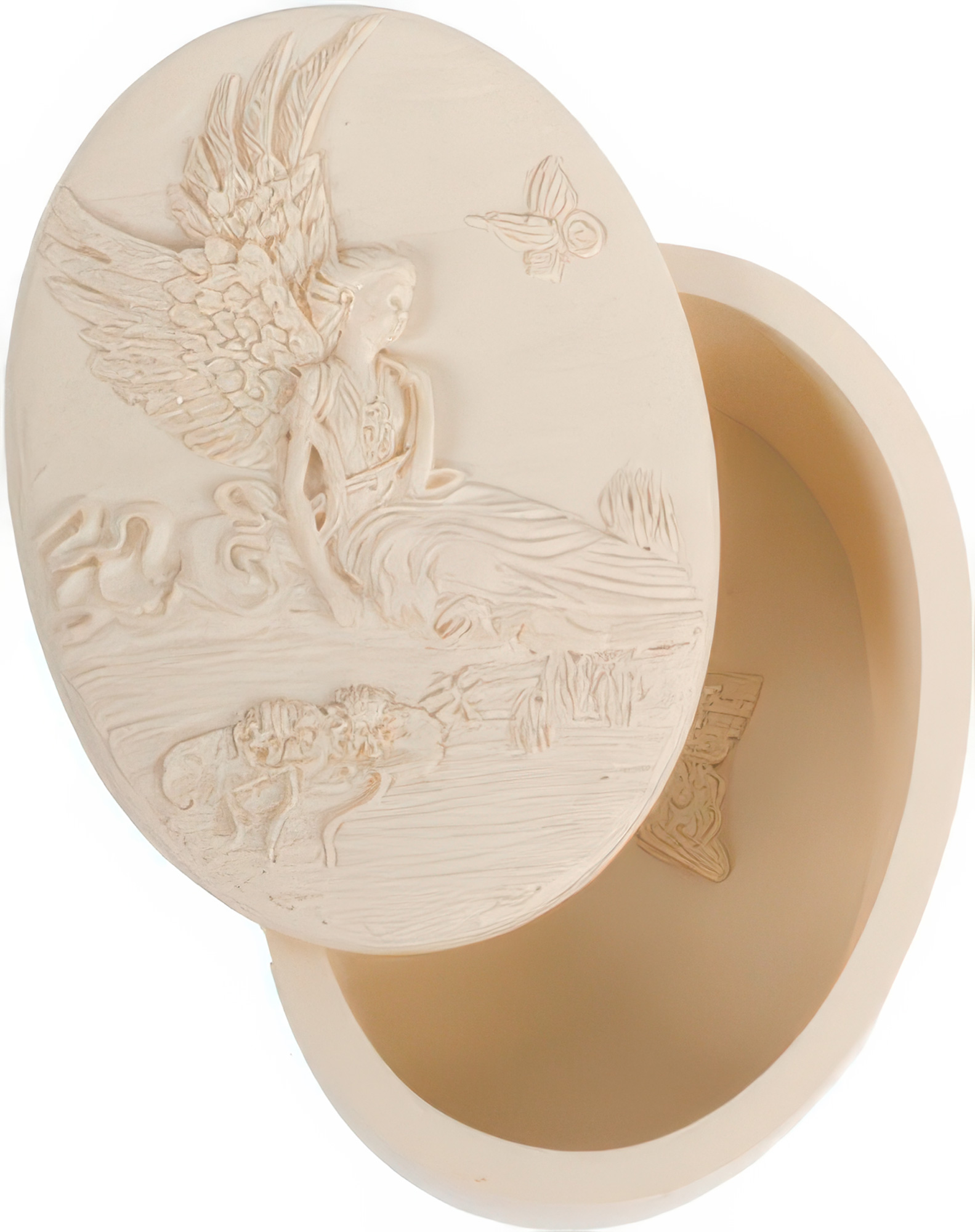
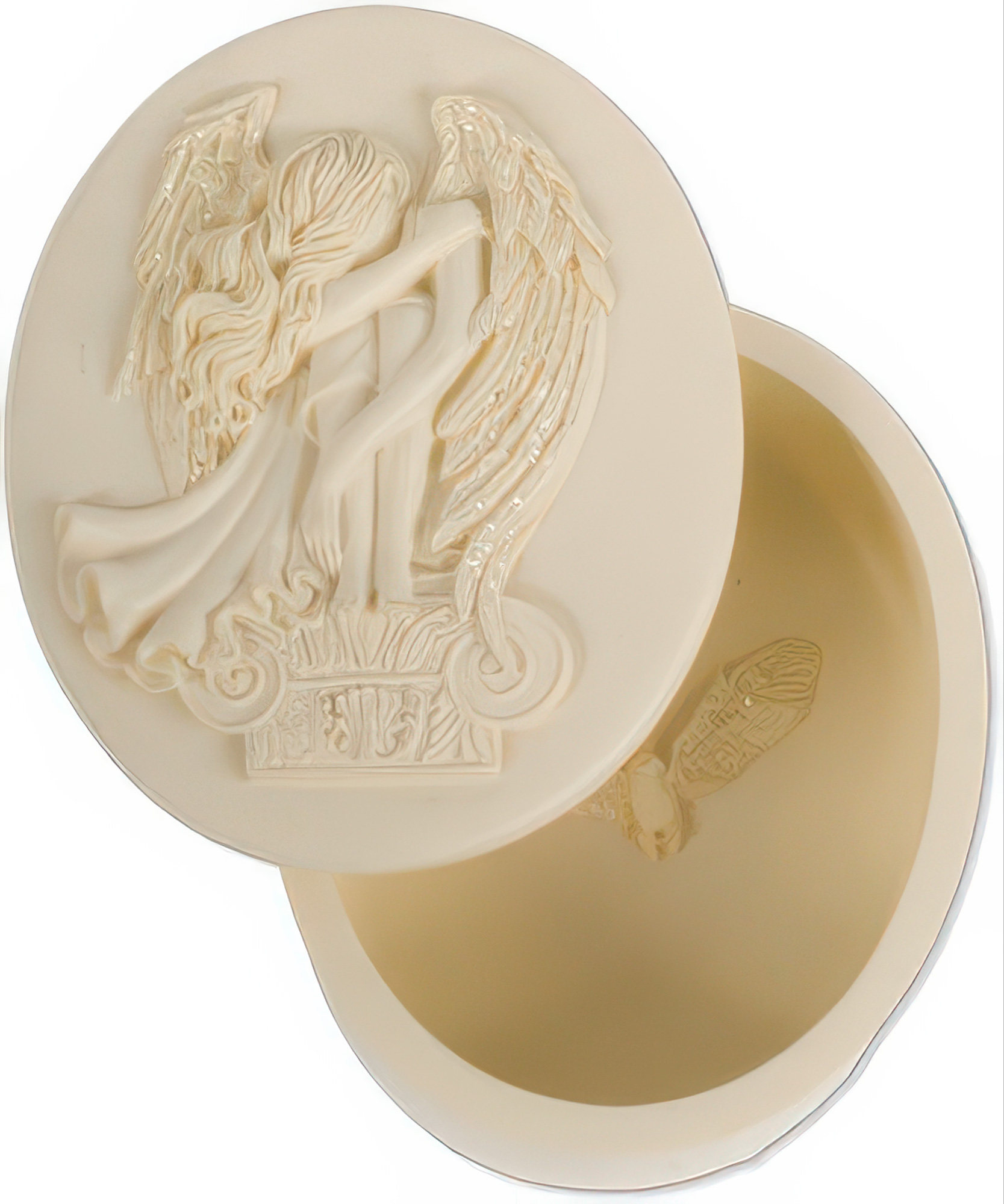
A memory box is the one people reach for most, and for a practical reason. After a death, a house fills up with paper — the service program, the condolence cards, a hospital bracelet, a last shopping list in familiar handwriting. None of it can be thrown away and none of it has anywhere to live. A box solves a real problem that the family has not yet articulated, which is why it so often becomes the thing they keep on the dresser.
Buy the larger size if you are unsure. People consistently underestimate how much they will want to keep, and a box that has run out of room is a small recurring frustration.
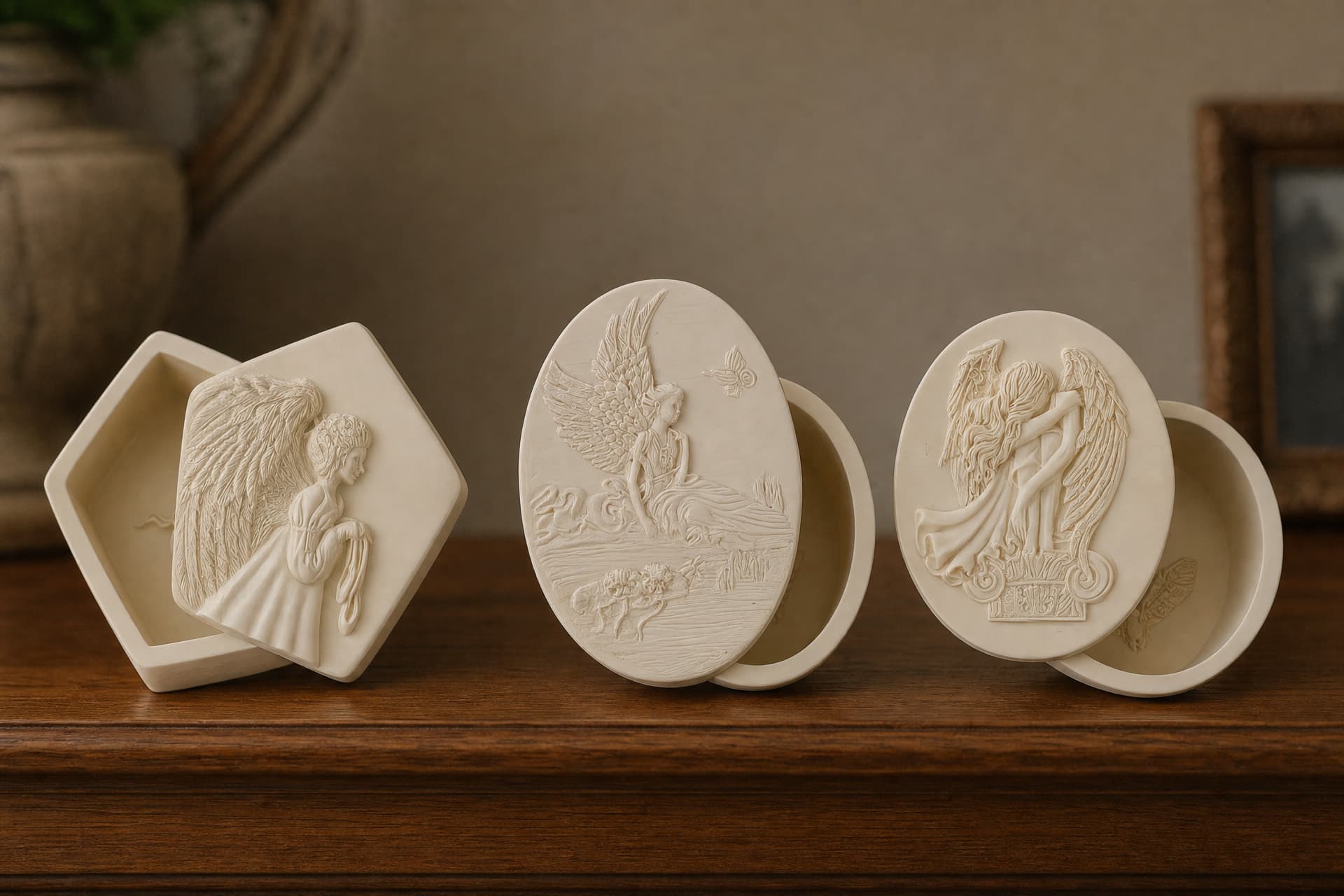
Beyond boxes, this category includes urns kept at home and small keepsake vessels that hold a portion of ashes. These are a more intimate gift and the rule is straightforward: only give one if you are close enough to know the family's wishes about the ashes. If you are not sure, you are not close enough, and a box is the better choice.
Gifts That Carry a Name, a Date, or Handwriting
Engraving is what turns a nice object into a specific one, and it is the most reliable route to a gift that feels unique without being strange.
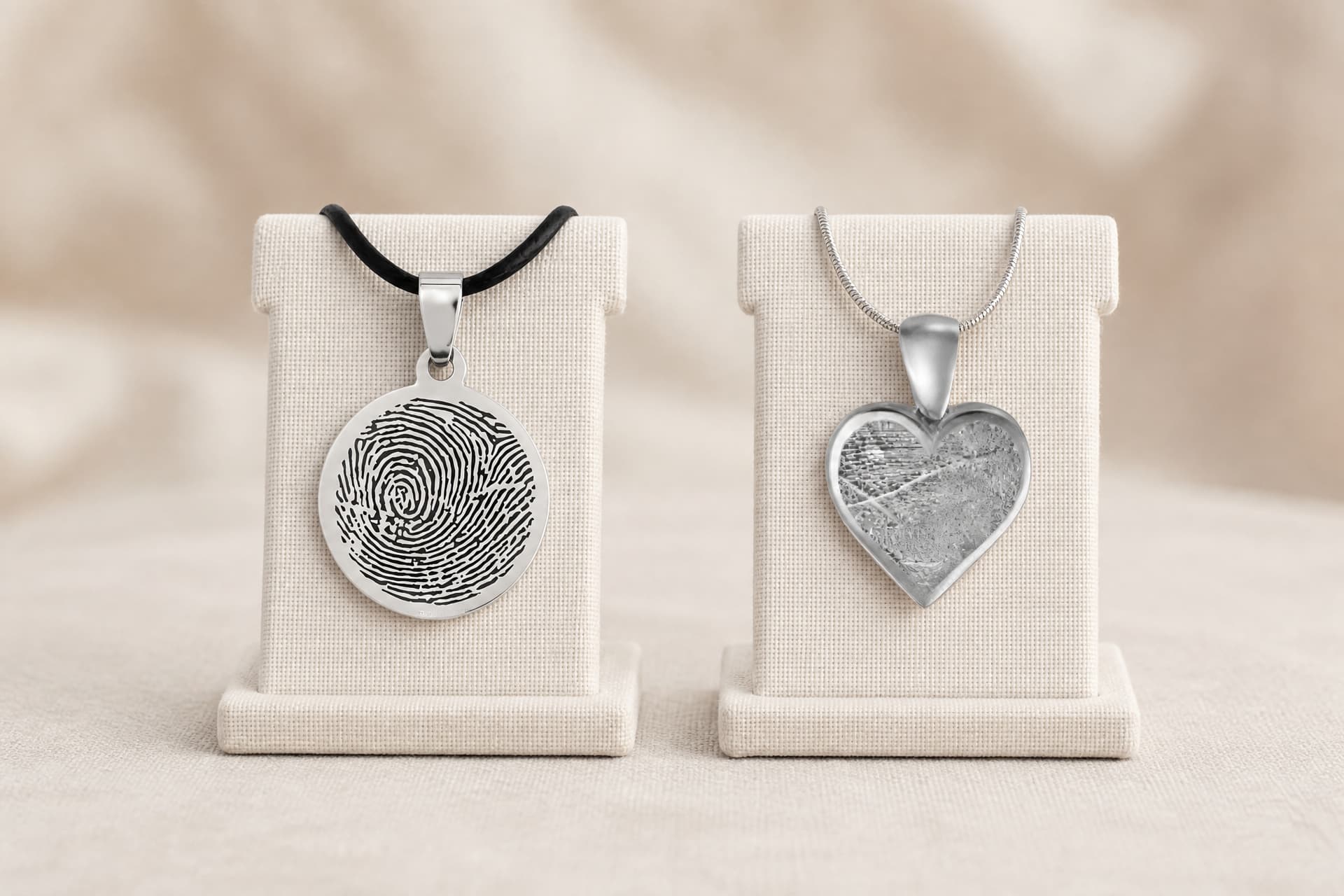
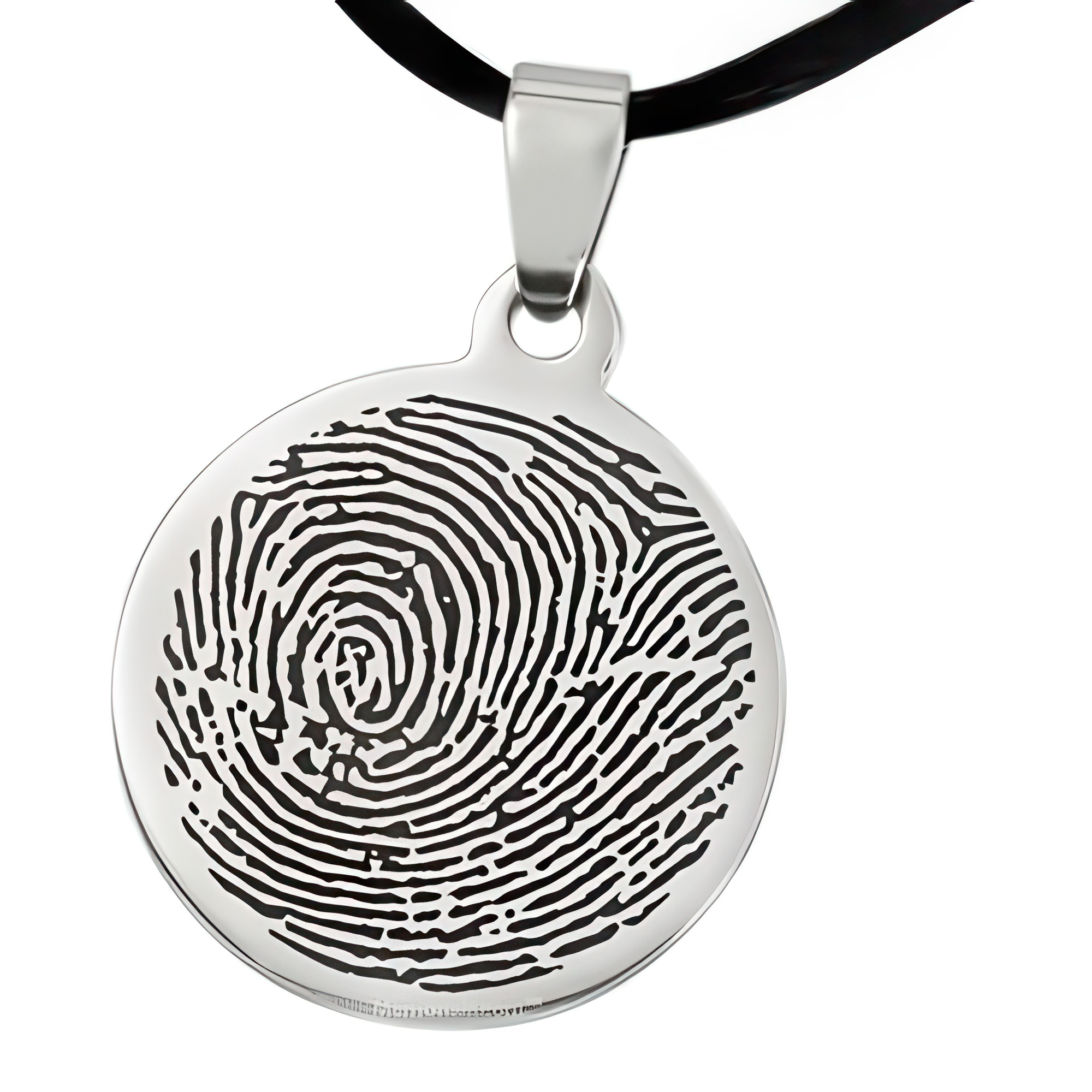
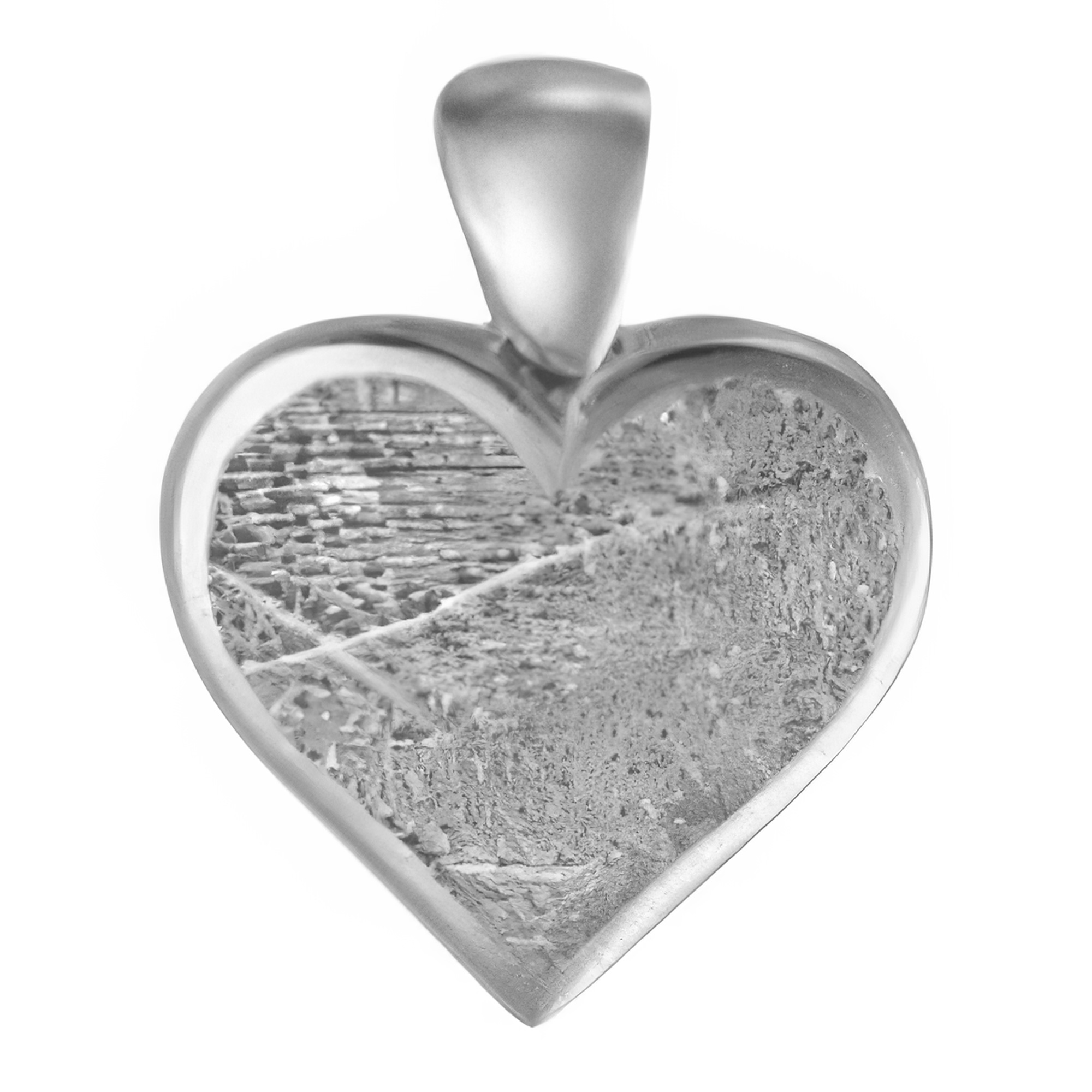
The strongest pieces reproduce something that already existed. A signature lifted from a birthday card, a fingerprint taken from a hospital form, a few words in their own handwriting — these carry a charge that a typeset name does not, because the line on the metal is a line that person actually drew. Memorial keepsakes in this category range from small engraved tokens to pieces meant to be worn every day.
Photographs work the same way and deserve more thought than they usually get. A framed picture is fine; a well-chosen picture is better. The image families return to is rarely the formal portrait used at the service — it is the candid one where the person is laughing at something off-camera. Our guide to photo-based remembrance keepsakes covers the formats in more detail, including which ones hold up over time.
One caution on fingerprint pieces specifically: many of them are also cremation jewelry, built with a small chamber for ashes. That is a different gift with a different set of assumptions behind it, and it is worth checking which kind you are looking at before you buy. A print pendant that simply carries the fingerprint asks nothing of the family. One that holds ashes asks quite a lot.
Three practical notes on anything personalized. Engraving takes time, often one to three weeks, so a personalized piece is not a fast gift. Check spelling twice and get the dates from a written source rather than memory. And keep the inscription short — a name and a single date reads as dignified where a paragraph reads as crowded.
If you are sending something engraved and want to say why you chose it, our guide to sympathy messages has wording that works alongside a gift rather than repeating what the gift already says.
A comparison of bereavement gifts consumed within days against those still present a year later. Cut flowers, food, and candles last between five days and a month, while keepsake boxes, engraved pieces, comfort stones, and framed photographs stay in the home indefinitely. Both kinds are welcome, but only the second group is still there when the family wants something to hold.
Comfort Objects — Things Meant to Be Held
This is the least-covered category and often the most useful, because grief is physical before it is anything else. People pace. They cannot sit still. Their hands want something to do at three in the morning.
Worry stones are smooth, palm-sized, and meant to be rubbed with a thumb. They cost very little and they get used, which is more than can be said for most sympathy gifts. They fit in a coat pocket and go to the funeral, the appointment with the attorney, the first day back at work.
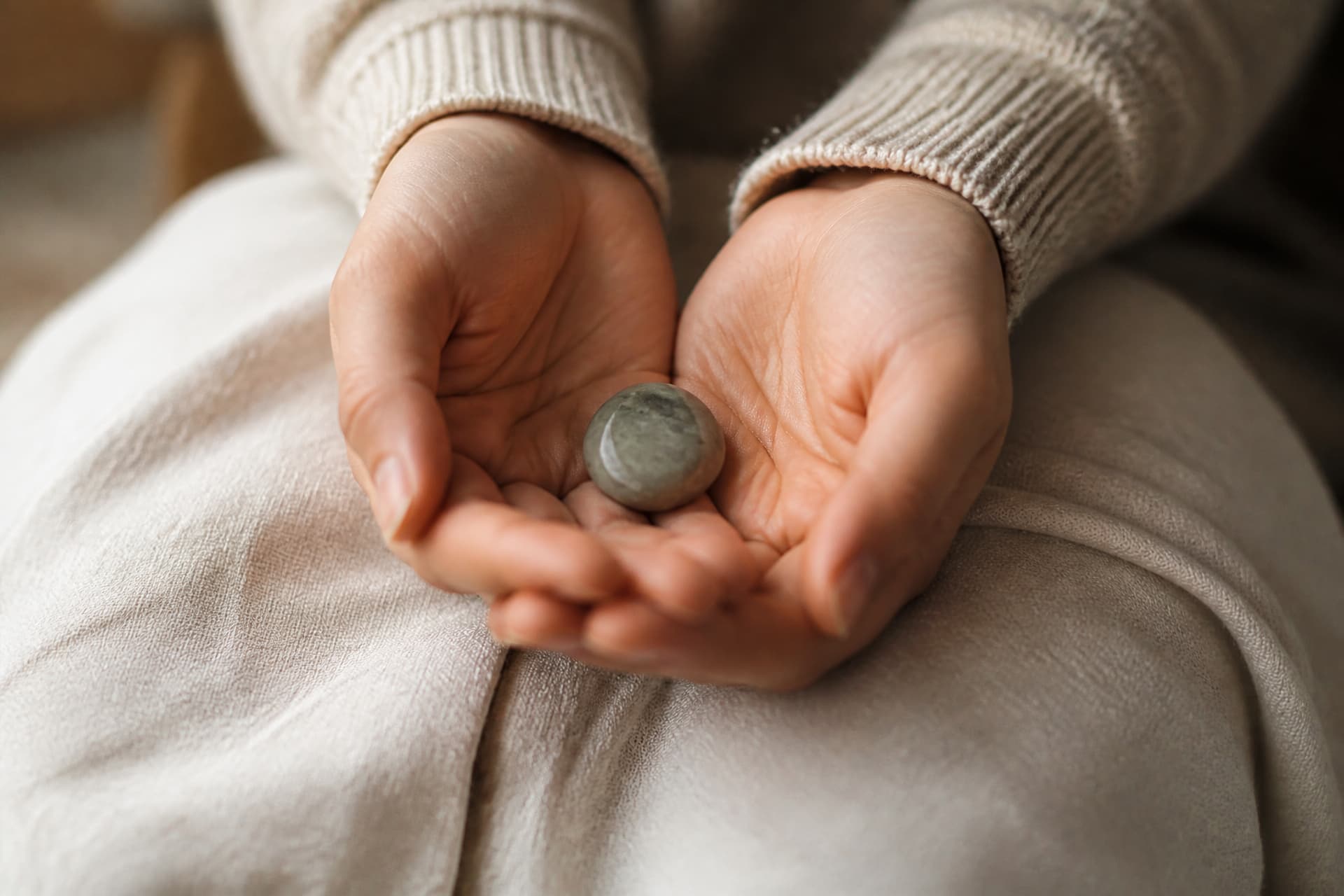
A polished comfort stone sits in a pair of cupped hands. Small enough to keep in a coat pocket, it is the kind of gift that gets used rather than displayed.
Tear bottles belong to an older tradition — small glass vessels that hold tears as a token of mourning. They are unusual in the honest sense, and they suit someone who finds meaning in ritual. They are not right for everyone, which is worth saying plainly: a person who wants practical help will find a tear bottle bewildering.
Weighted blankets, soft throws, and anything that provides physical pressure fall into this group too. They are not memorial objects and they carry no engraving, but they address the part of grief that is a body problem — the not sleeping, the constant low-grade adrenaline.
There is a middle category between the flowers that die and the objects that sit on a shelf, and it suits some families better than either.
A memorial tree, a rose bush, or a plant chosen for the garden keeps changing rather than staying still, which is closer to how grief actually behaves. Families who find a permanent keepsake too final in the first months often take to a living gift immediately, because tending something is a way of doing rather than only remembering. A tree planted for a father becomes a thing to visit.
Two cautions. A living gift needs somewhere to go, so it is the wrong choice for someone in an apartment or facing a move, and it is the wrong choice for someone with no interest in plants — a dying gift plant becomes a quiet reproach. And check the season: a bare-root tree delivered in high summer is a gift and a chore at once.
Where you know the person's garden, or know they loved one, this is among the most personal things you can send. Where you do not, choose the box.
Condolence Gifts for the Months After
Almost every gift guide, and almost every person, is aimed at the first week. This is the single biggest gap, and closing it is the most genuinely unique thing you can do.
Here is what the first week actually looks like from the inside: the house is full, the phone does not stop, food arrives faster than anyone can eat it, and the bereaved person is too busy managing logistics to feel much of anything. Then the funeral ends. Everyone goes home. The casseroles run out. And somewhere around week three, when the adrenaline drops and the visitors have stopped, the loss actually lands.
Nobody sends anything in week three. That is precisely why a gift then is remembered.
Condolence gifts sent later can be simpler than early ones, because they are not competing for attention. A note that says I was thinking about him today on an ordinary Tuesday in April does more than an elaborate arrangement in the first week. If you want to give something later, some of the best moments are the first birthday, the first holiday, and the anniversary of the death — days the family is dreading and assuming everyone else has forgotten.
Timing questions come up constantly, and there is more detail on them in our guide to sympathy gift etiquette, including what to do when you have only just heard about a death that happened months ago. The short version: send it anyway, and do not open with an apology for the delay.
If you would rather assemble something yourself than buy a finished piece, grief basket ideas are worth exploring — a composed collection of small practical things often reads as more personal than a single purchased object, particularly among close friends.
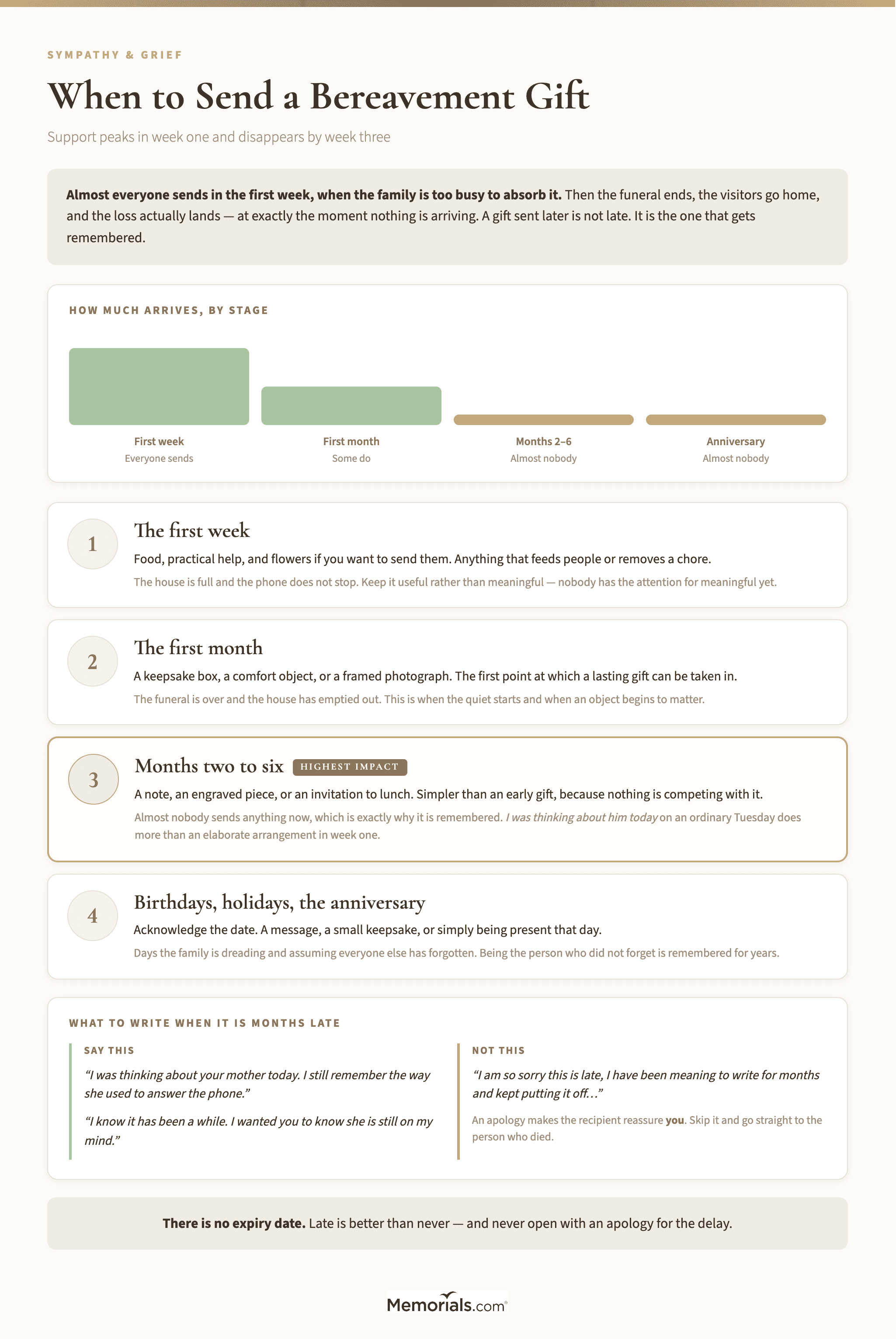
A timeline of which bereavement gifts suit each stage after a death. Support peaks in the first week and largely disappears by week three, which makes months two through six the highest-impact window for sending something. Birthdays, holidays, and the anniversary are the moments families most expect to be forgotten, and the graphic also shows what to write when a gift arrives months late.
When a Unique Gift Misfires
The pursuit of something distinctive is exactly where sympathy gifts go wrong, and the failures are consistent enough to be predictable.
Too clever. A gift that requires explanation puts the recipient in the position of admiring your thinking. Grief has no energy for that.
Too permanent, too early. Anything that makes a decision on the family's behalf — where ashes go, what gets displayed, how someone is memorialized — takes a choice away from people who have had most of their choices taken away already. Wait, or give something that leaves the decision open.
Too much about the giver. A long letter about your own memories, a framed photograph of you with the person who died, a donation to a cause you care about rather than one they did. These are all common and all backwards.
Too soon for the ashes. Cremation keepsakes and ash jewelry are meaningful gifts and terrible surprises. They require the family to have decided something they may not have decided.
Our guide on what not to send covers these in more depth. It is worth a read before buying anything unusual — most unique sympathy gifts fail for one of four reasons, and all four are avoidable.
Frequently Asked Questions
What is an appropriate condolence gift?
Something that lasts, asks nothing of the recipient, and does not make a decision on the family's behalf. A keepsake box, an engraved token, a comfort object, or a donation to a charity the person who died cared about are all safe. If you are close to the family, something personalized is stronger. If you are not, something simple and useful is better than something ambitious.
Is it appropriate to send a gift weeks or months after the loss?
Yes, and it is often better. The first week is crowded and the bereaved person is usually too busy to absorb much. Support thins out sharply after the funeral, so a gift at week three, on a birthday, or on the anniversary tends to land harder than one sent immediately. Do not apologize for the timing — say you were thinking of them.
What should I give someone who is grieving?
Start with your relationship. A close friend or family member can give something personalized — engraved, photographic, or specific to the person who died. A colleague or acquaintance should stay simpler: a comfort object, a plant, a practical gift. When you are unsure, choose the plainer option, because an overreach from a distant relationship is more awkward than a modest gift from a close one.
How do you choose a memorial gift?
Ask what the object does rather than what it is. Does it hold something, carry a name, occupy the hands, or mark a date? Then check it against two tests: will it still be in the house next year, and does it require anything of them? Anything that passes both is a reasonable choice, whatever it costs. Our guide to affordable sympathy gifts covers the price question, which matters far less than people assume.
Is cremation jewelry suitable as a gift for someone grieving?
Only when you know the family has decided what is happening with the ashes, and only when you are close enough to have discussed it. Cremation jewelry holds a small portion of ashes, so it presupposes both a decision and a willingness to divide them. As a surprise it can land badly. As something chosen together, or given to someone who has already said they want one, it is among the most treasured pieces a person can own.
Keepsakes That Outlast the Flowers
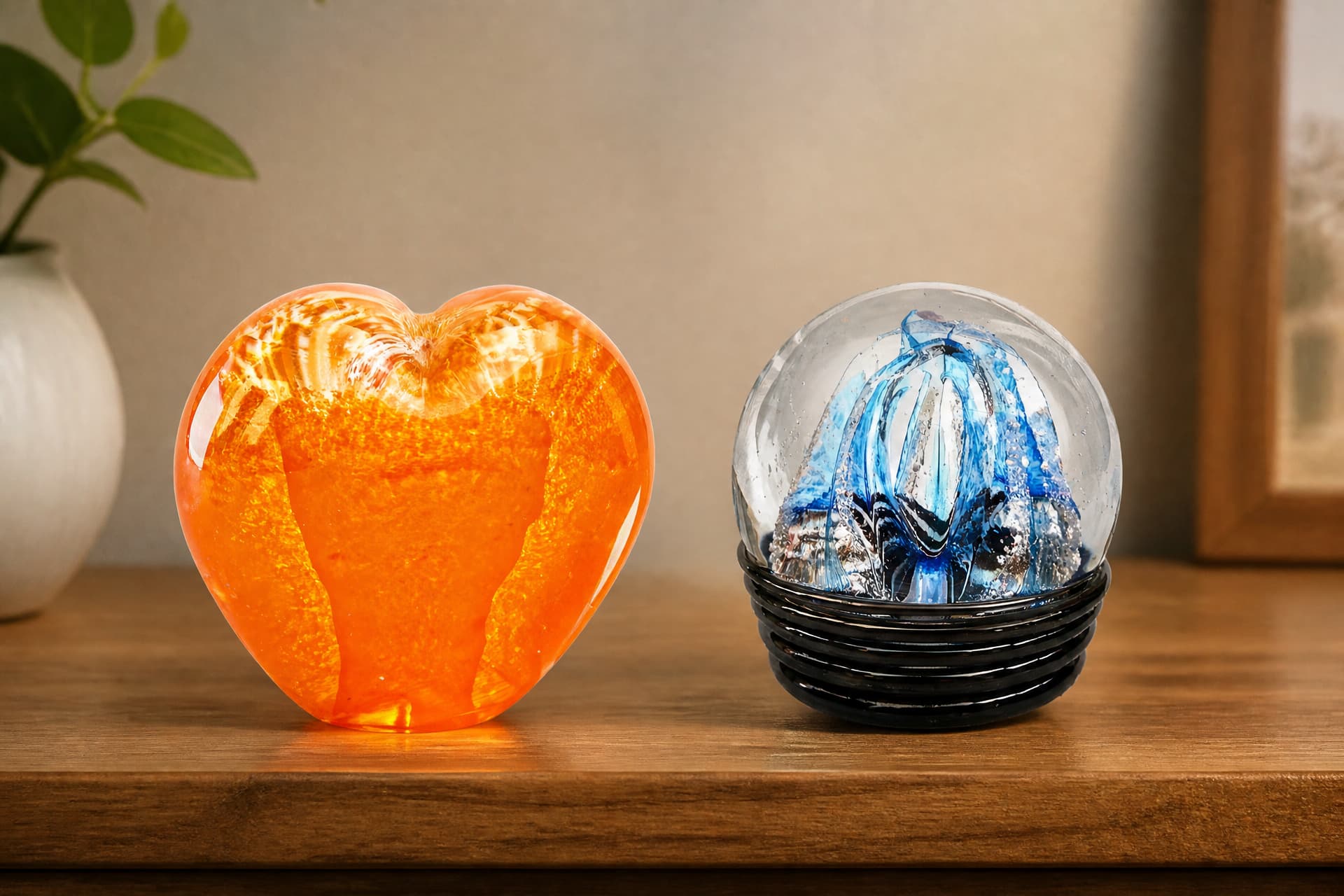
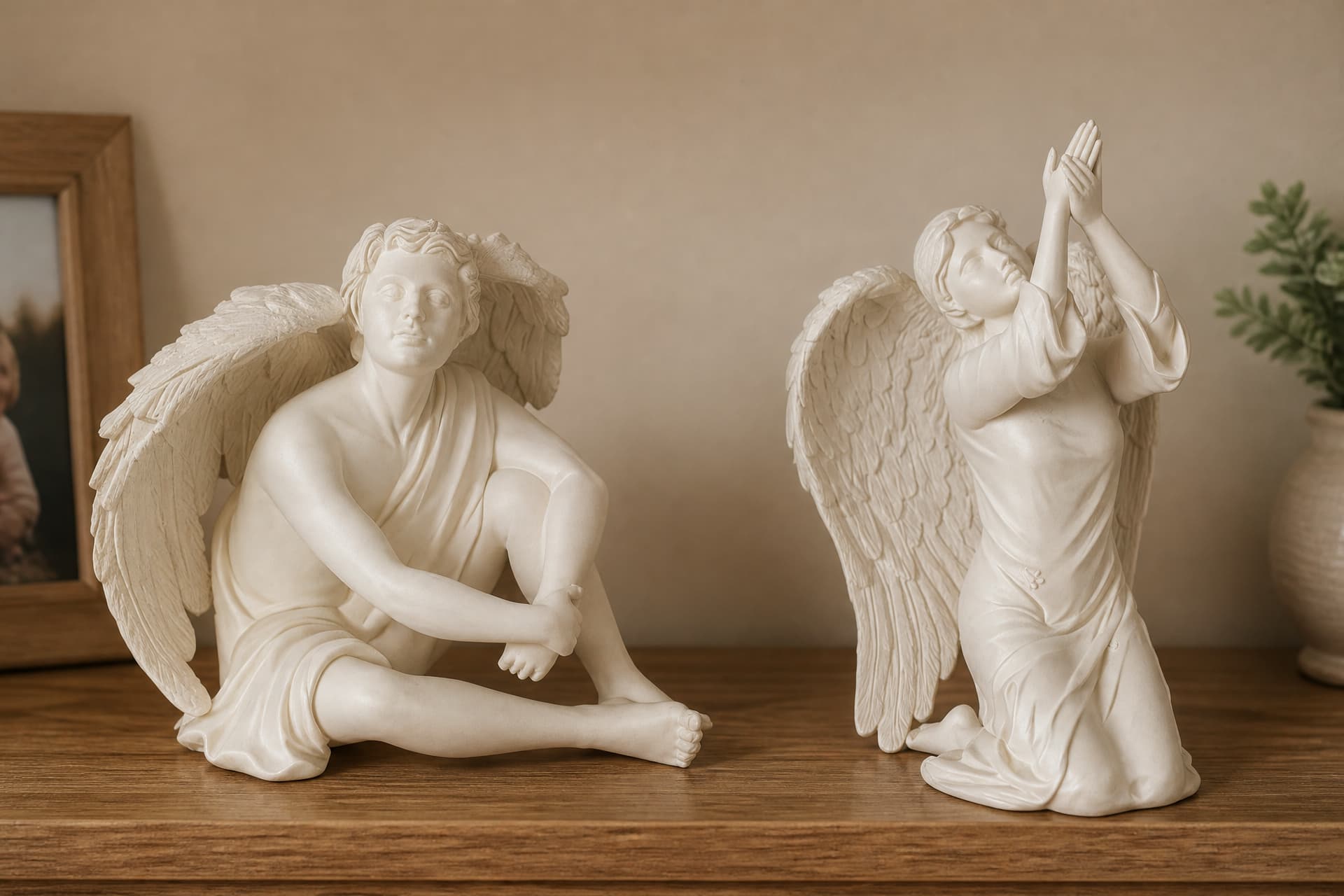
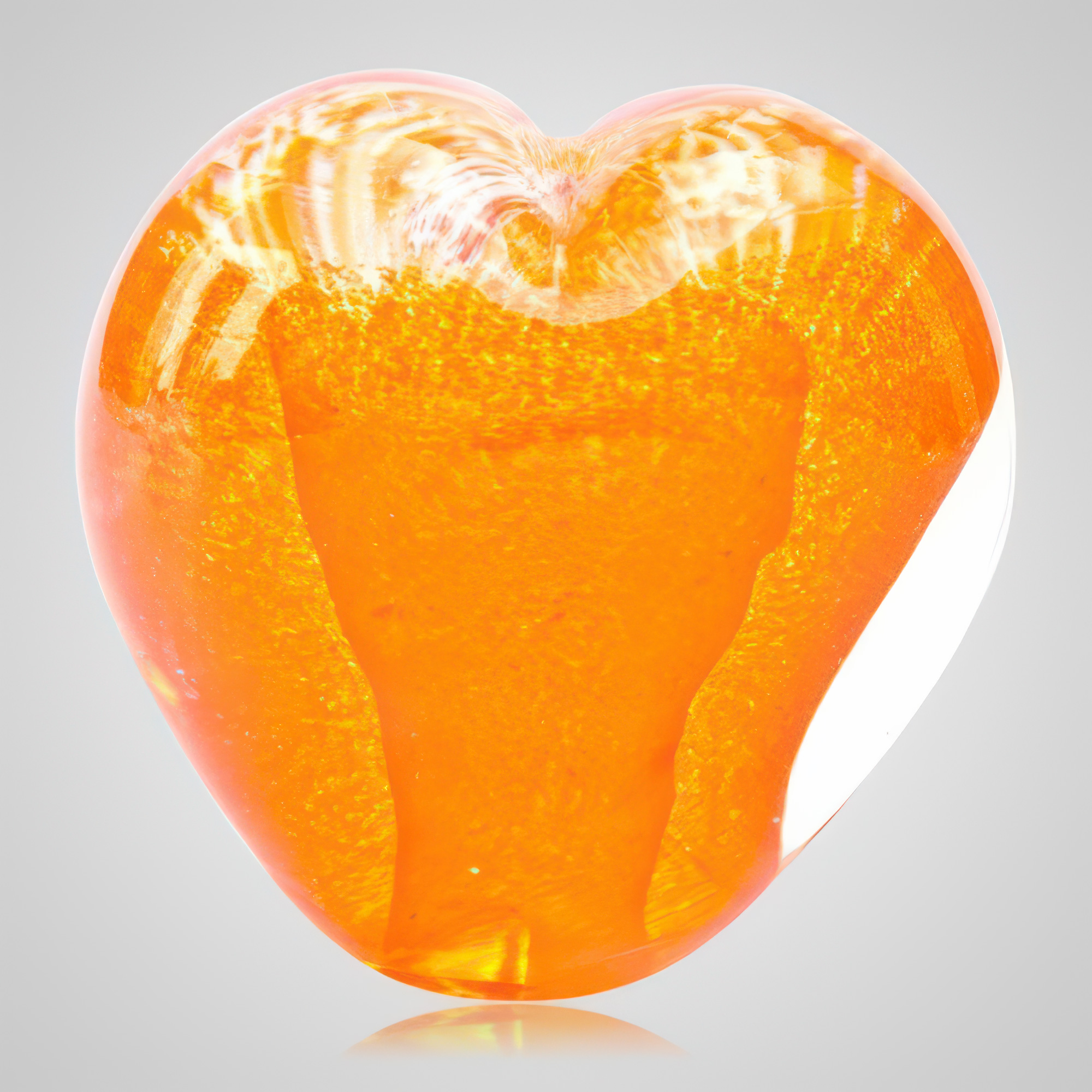
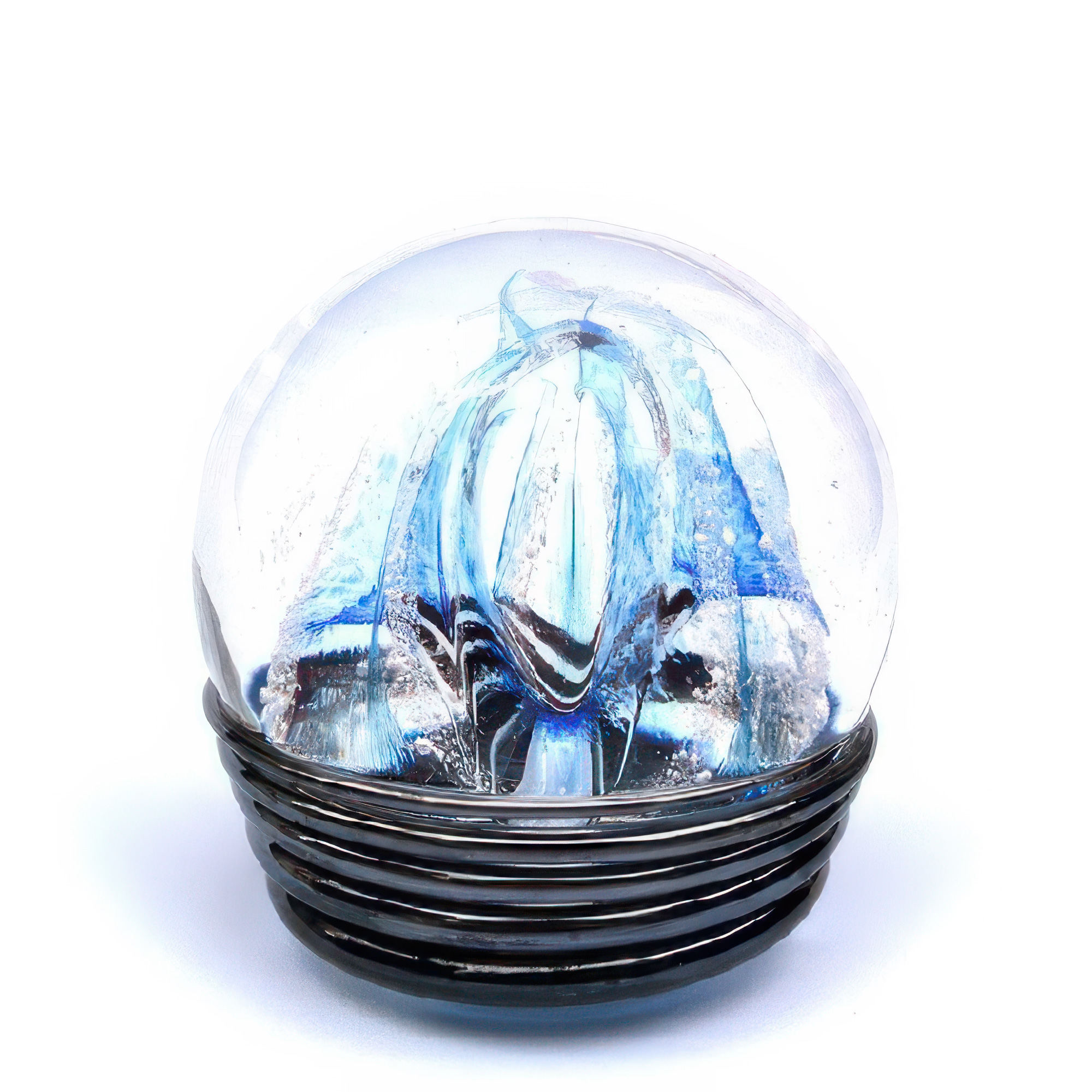
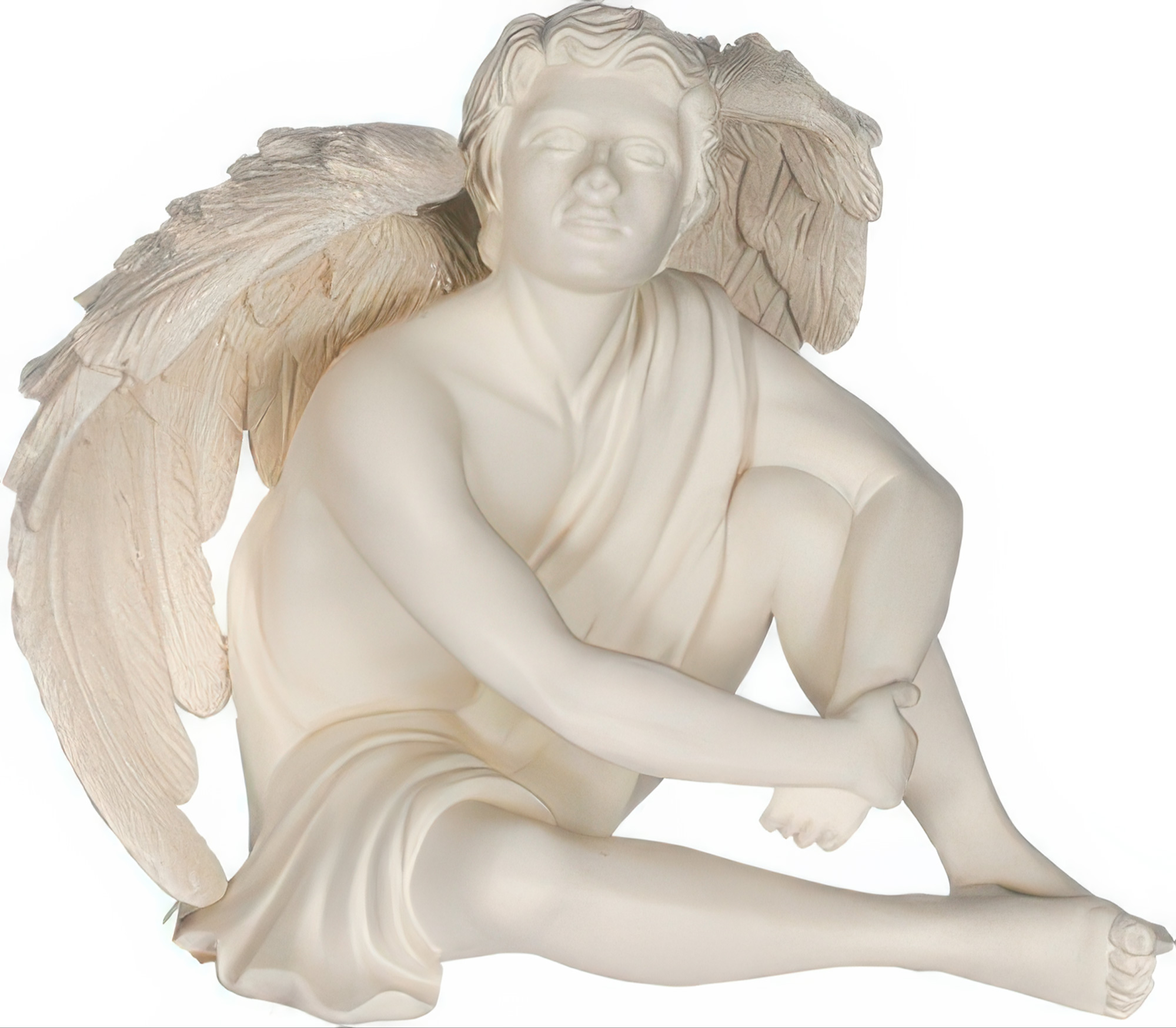
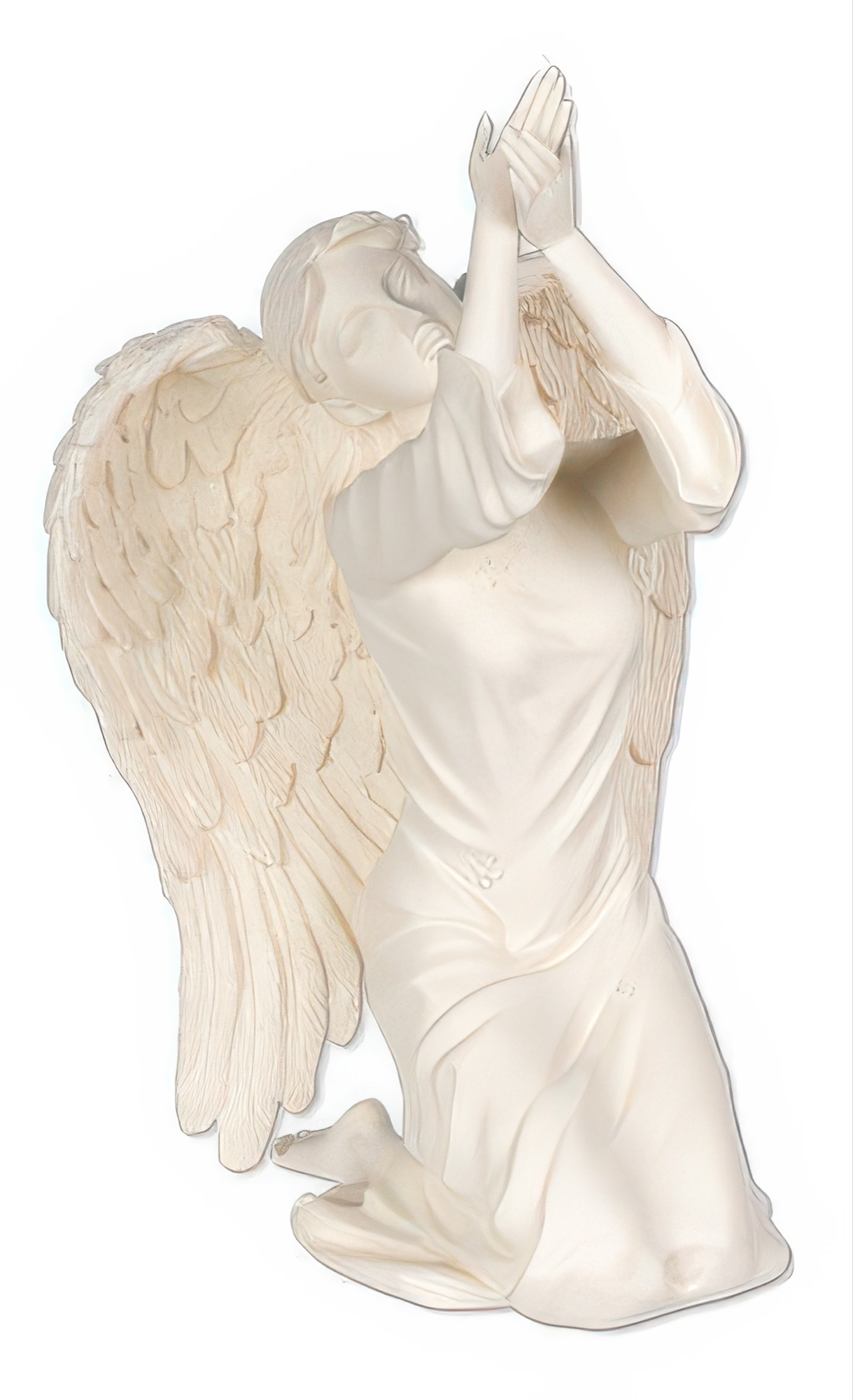
Every piece shown in this guide — memory boxes, fingerprint keepsakes, glass art and angel figures.
Choosing Something That Will Still Matter Next Year
The pressure to find something perfect is worth setting down. Nobody receiving a sympathy gift is grading it. What they register is that you thought about their specific person, and that you were still thinking about them after everyone else had moved on.
If you take one thing from this: pick the object that will still be on the shelf in twelve months, and if you can, send it later than you were planning to. Unique memorial gifts are rarely unique because of the object. They are unique because of the timing and the attention behind them, and both of those are free.
Whatever you choose, keep it simple, get the details right, and say plainly why you picked it. That sentence is usually the part they keep.