🏬Supersize Online Funeral Retailer🪦1000's of Headstones⚱️Over 10,000 Cremation Urns⚰️Caskets Overnight Delivery🛒Funeral & Memorial Superstore🚚FREE Shipping on ALL Orders👨👩👧👦Helping Families for over 20 Years💰Lowest Price Guarantee🏬Supersize Online Funeral Retailer🪦1000's of Headstones⚱️Over 10,000 Cremation Urns⚰️Caskets Overnight Delivery🛒Funeral & Memorial Superstore🚚FREE Shipping on ALL Orders👨👩👧👦Helping Families for over 20 Years💰Lowest Price Guarantee
🏬Supersize Online Funeral Retailer🪦1000's of Headstones⚱️Over 10,000 Cremation Urns⚰️Caskets Overnight Delivery🛒Funeral & Memorial Superstore🚚FREE Shipping on ALL Orders👨👩👧👦Helping Families for over 20 Years💰Lowest Price Guarantee🏬Supersize Online Funeral Retailer🪦1000's of Headstones⚱️Over 10,000 Cremation Urns⚰️Caskets Overnight Delivery🛒Funeral & Memorial Superstore🚚FREE Shipping on ALL Orders👨👩👧👦Helping Families for over 20 Years💰Lowest Price Guarantee
A permanent memorial should reflect the life it honors, not the size of a family's bank account. The good news is that beautiful, lasting headstones exist at every price point, and families who take time to understand their options can find meaningful grave markers without financial strain. For a full walkthrough of every step in the process, see our complete headstone buying guide.
This guide breaks down the most budget-friendly headstone styles, materials, and purchasing strategies so you can make a confident decision during a difficult time.
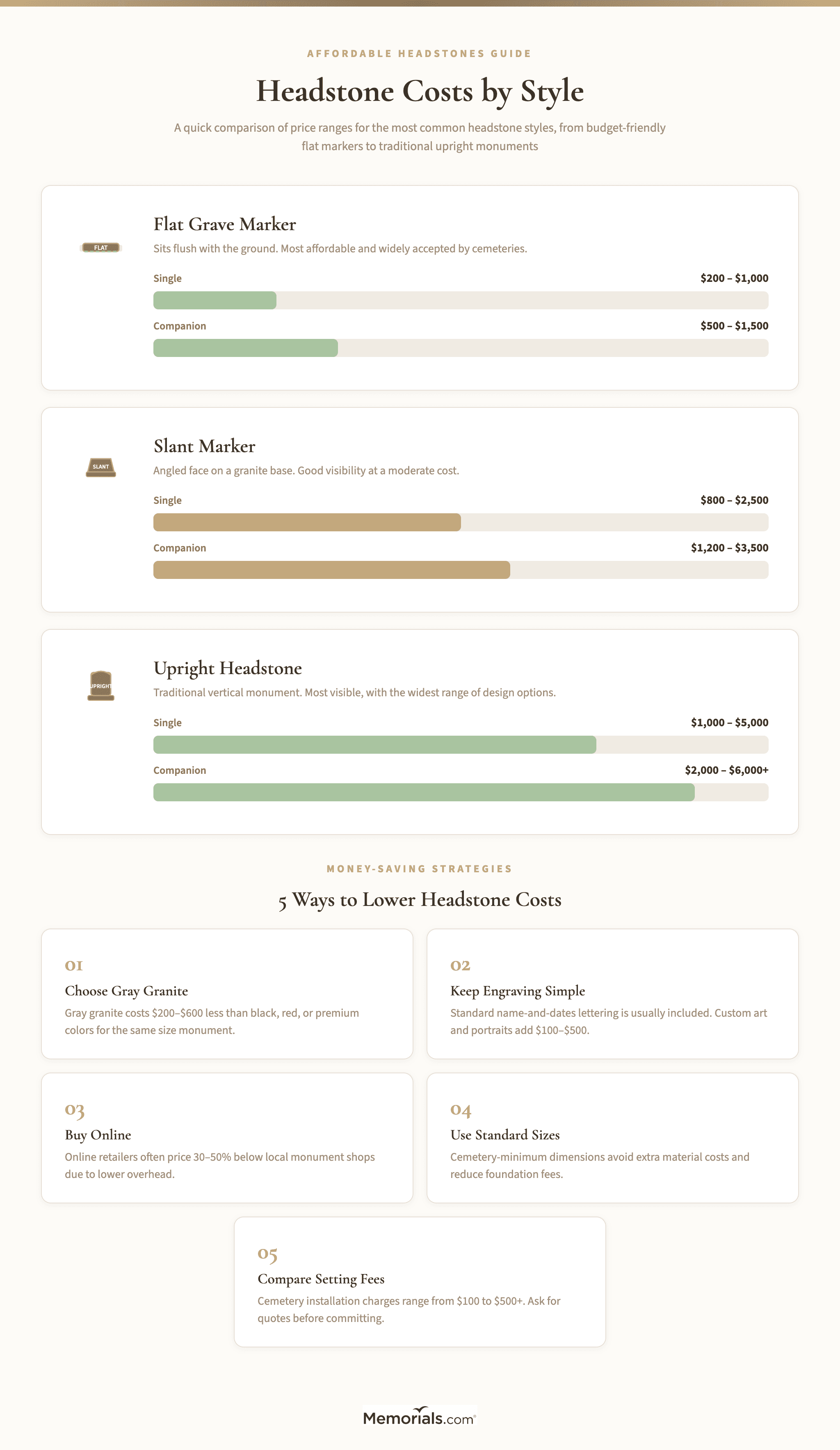
Headstone prices range widely, from under $200 for a simple flat marker to $5,000 or more for a large upright monument. The final number depends on four main variables: style, material, size, and how much engraving or artwork you add.
These ranges include the stone itself and standard lettering. Installation fees, cemetery setting charges, and foundation costs are typically separate and can add $100–$500 depending on your cemetery's requirements. For a deeper look at how each factor affects the total, our complete headstone pricing guide covers every line item you should expect.
Budget-Friendly Headstone Styles
The single biggest factor in headstone cost is the style you choose. Smaller, simpler designs require less raw material, less labor, and lower installation fees. That does not mean they are less meaningful — many families find that a clean, well-crafted flat marker or slant headstone says everything it needs to say.
Flat Grave Markers: The Most Affordable Option
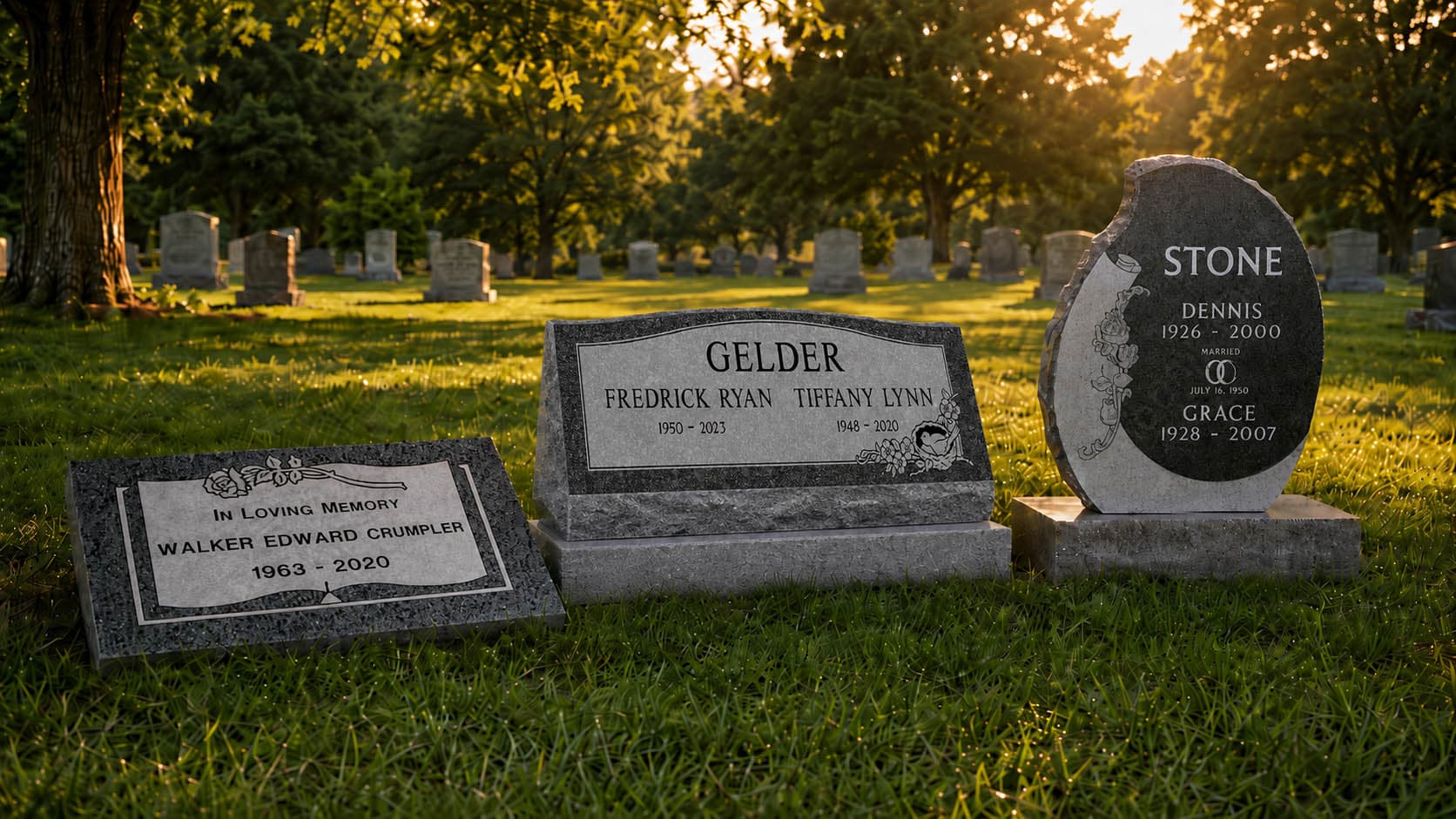
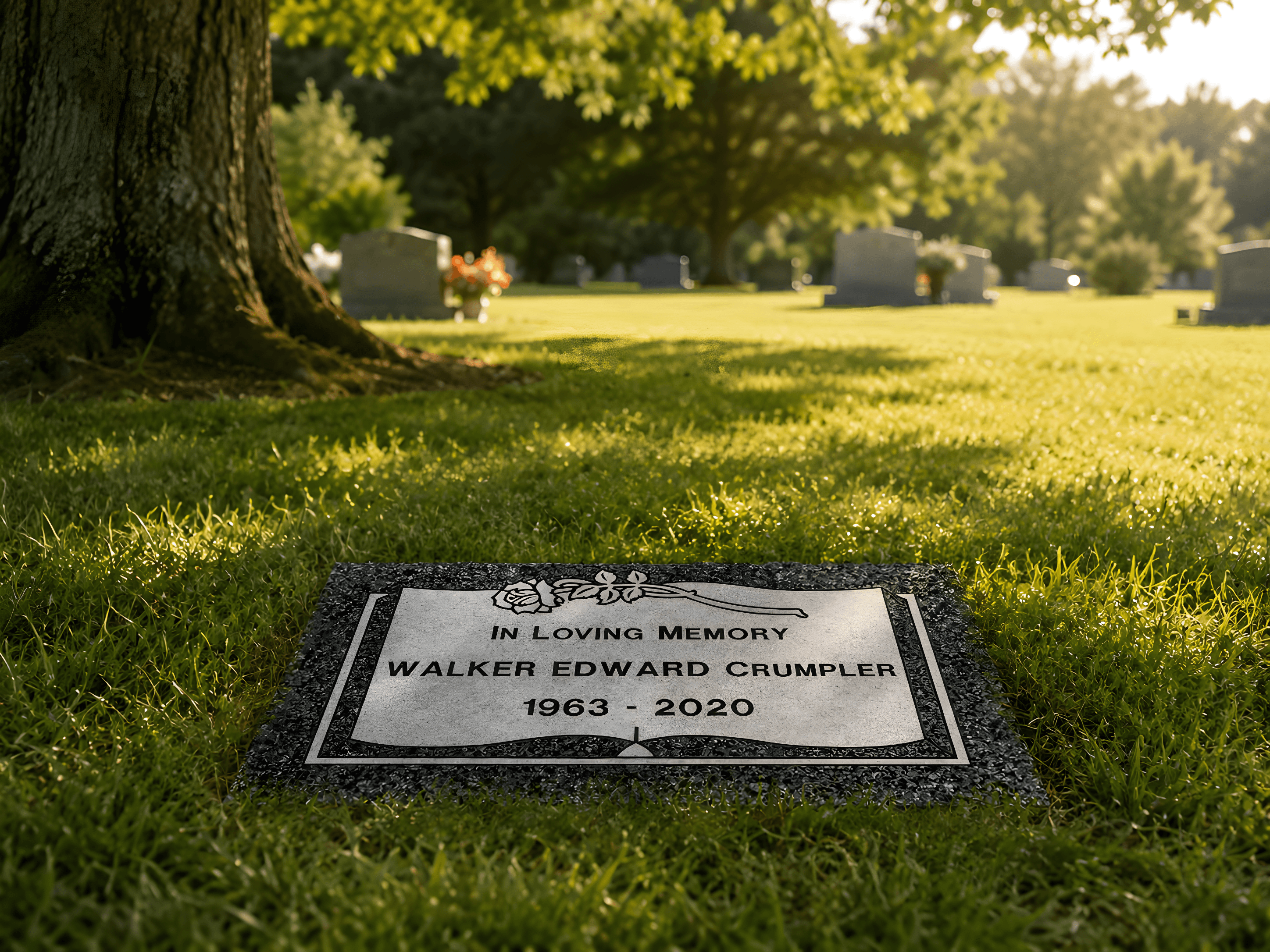
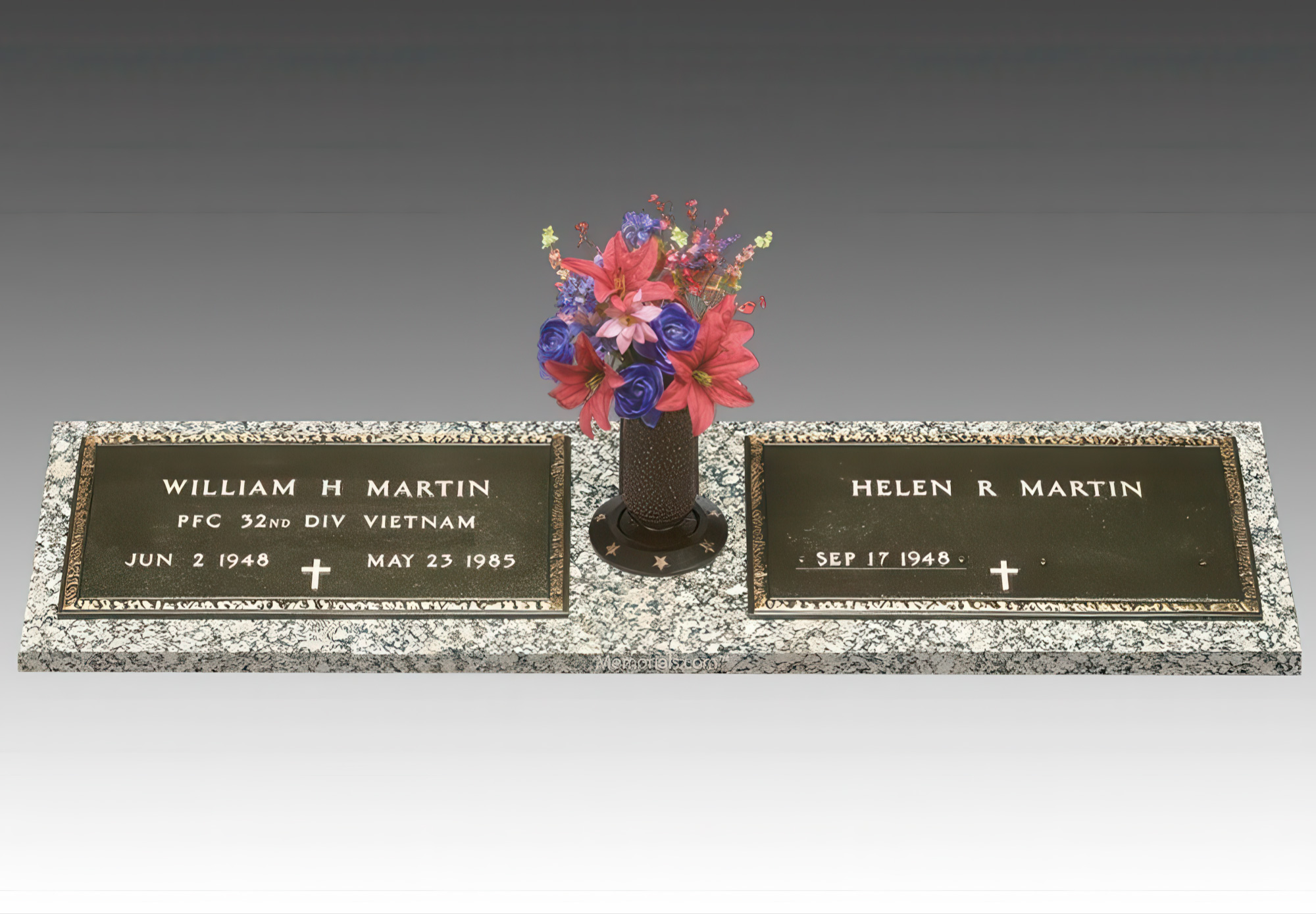
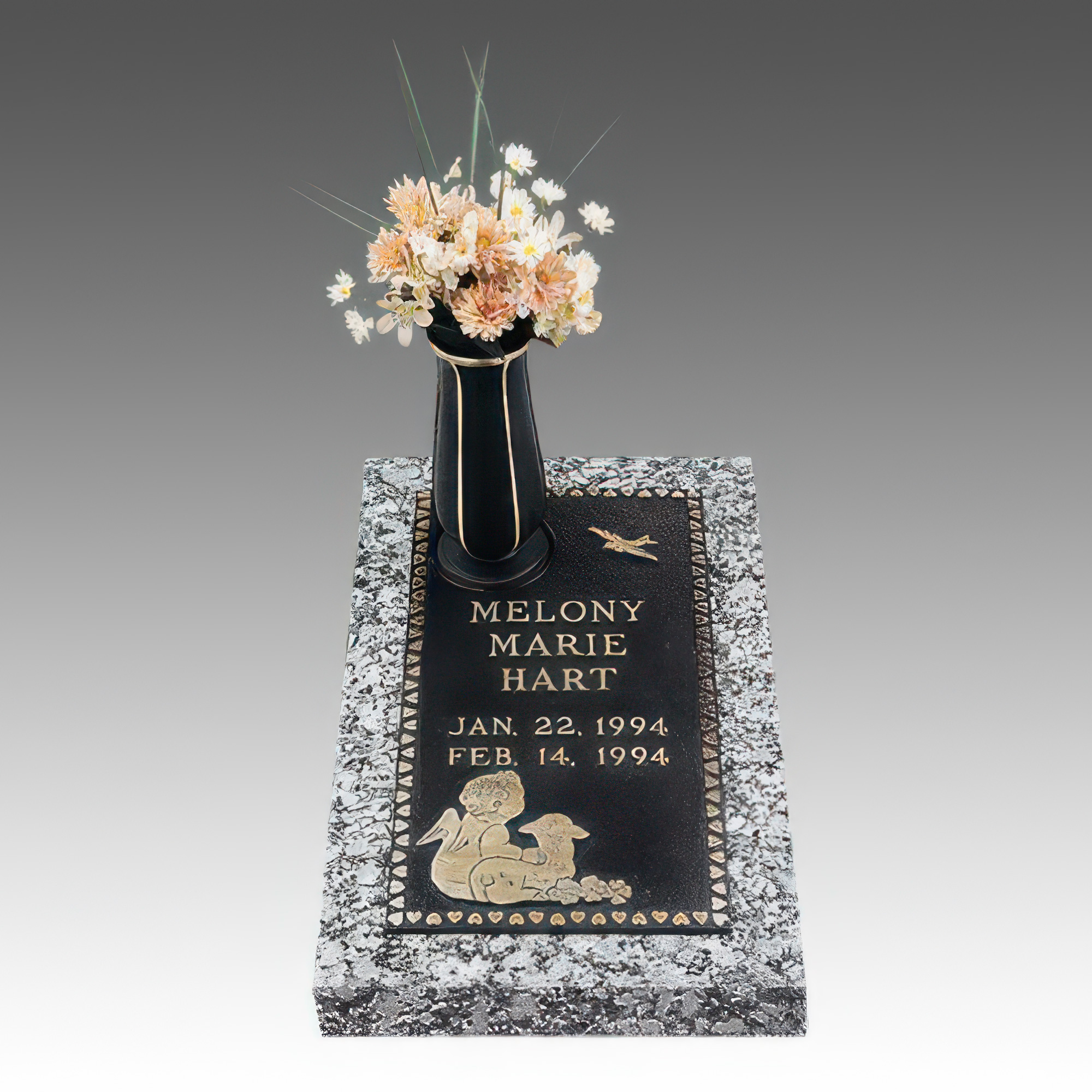
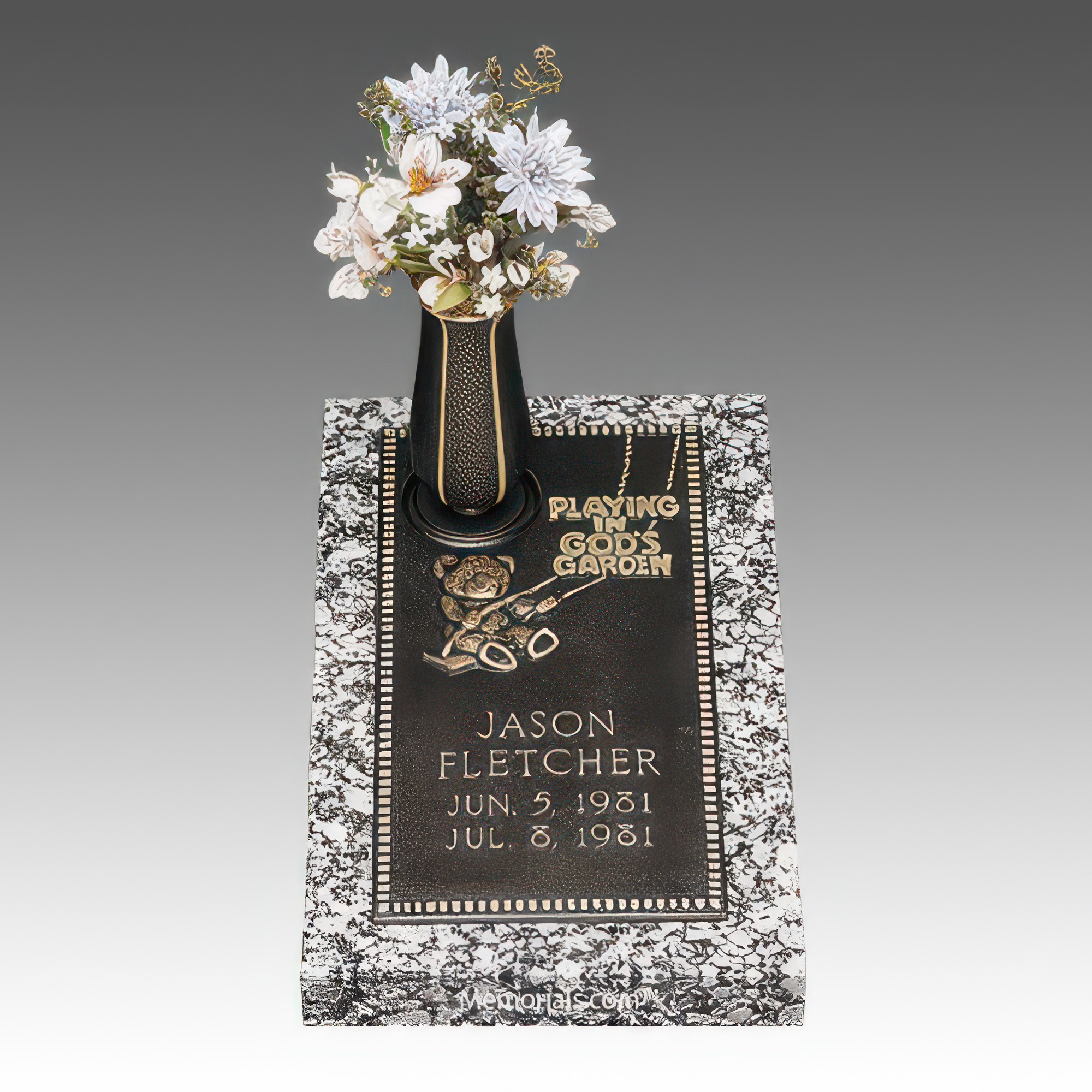
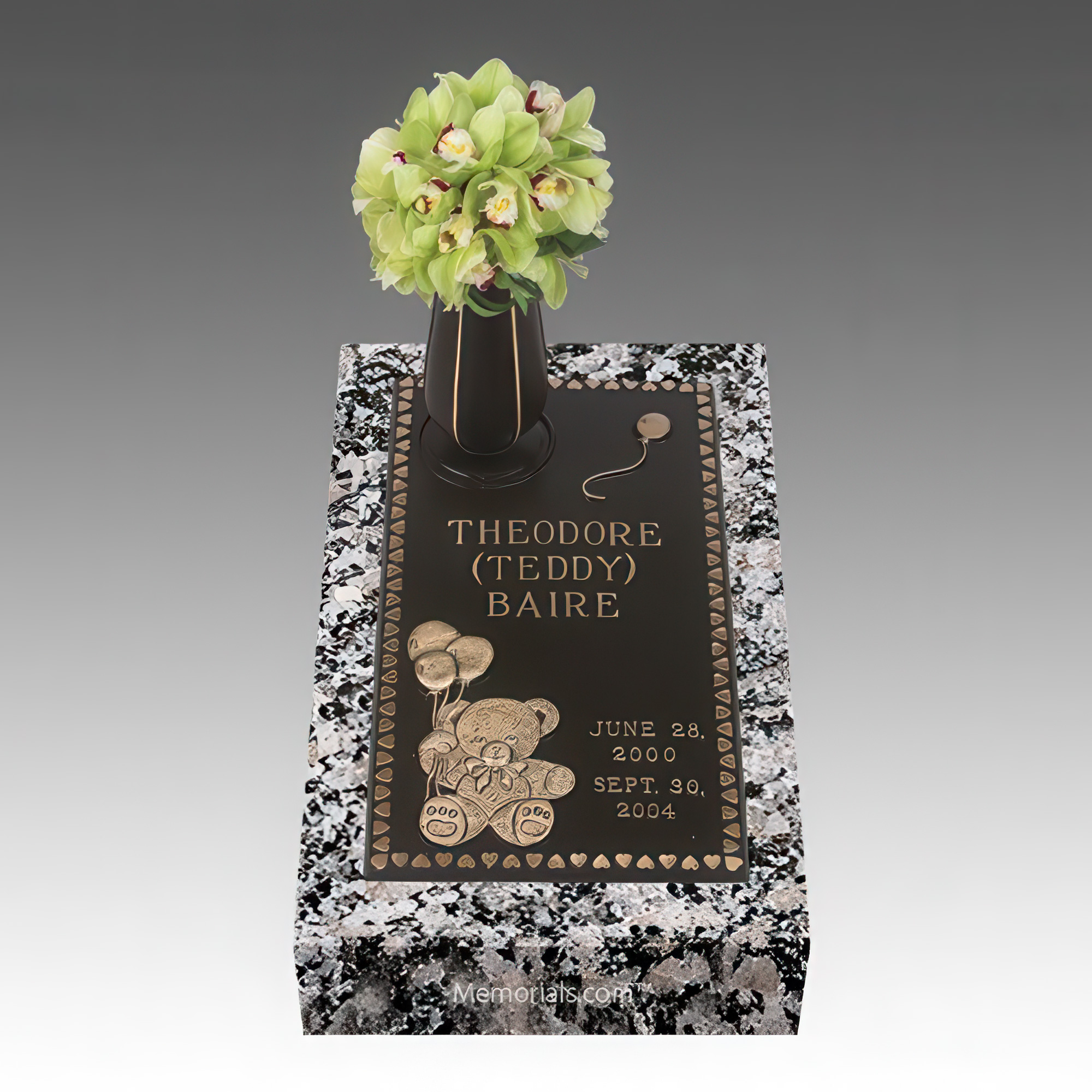
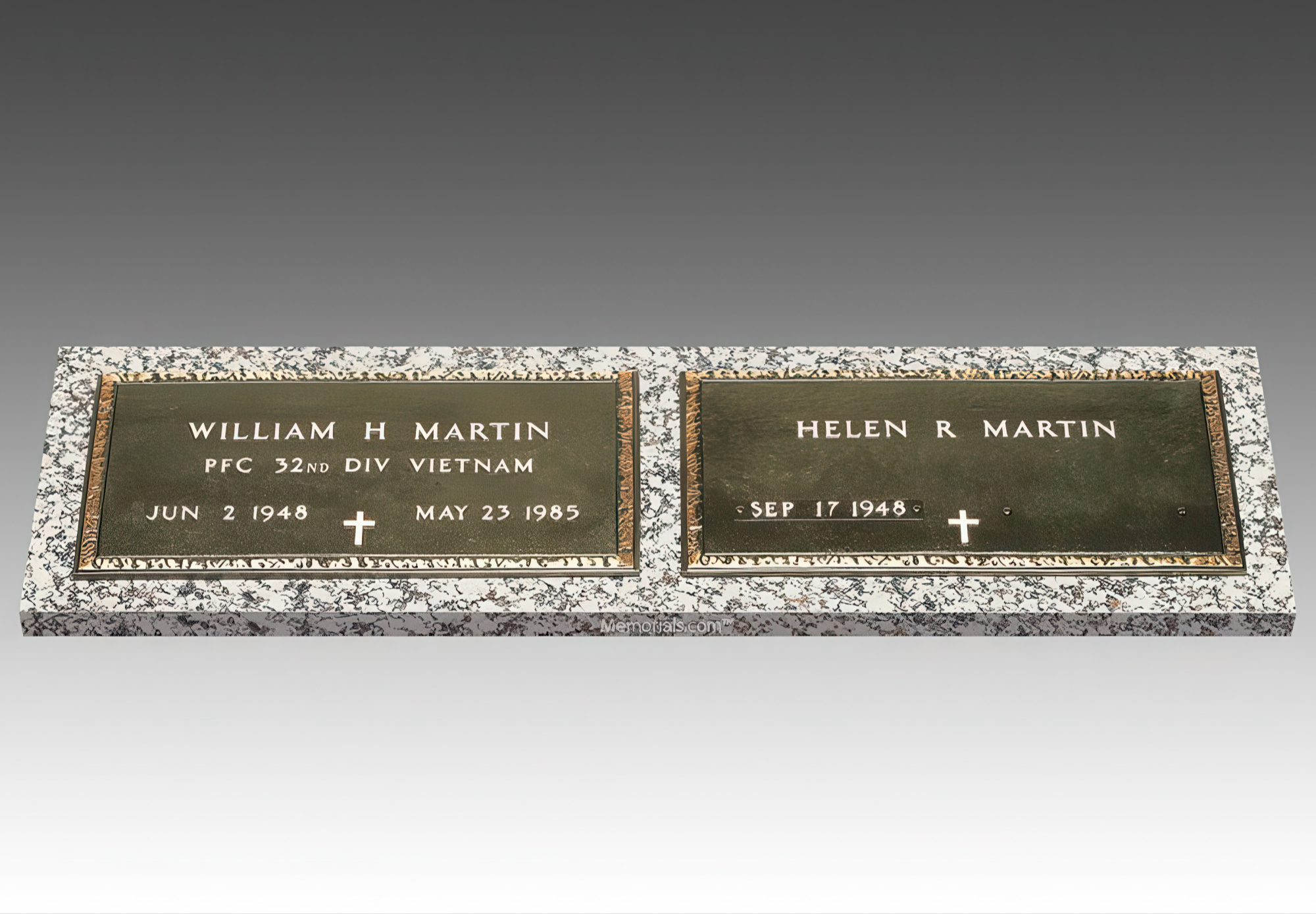
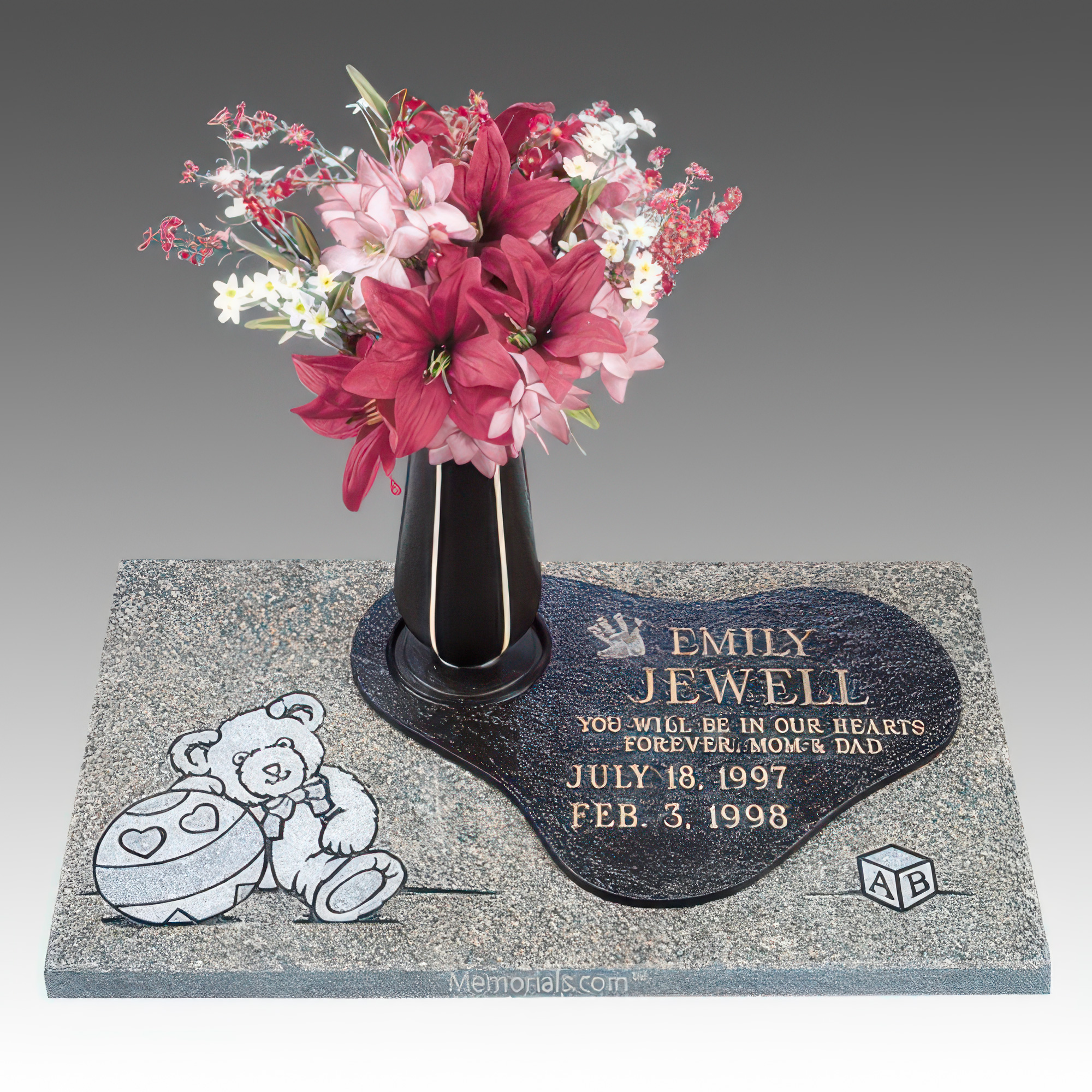
Flat grave markers are the most cost-effective choice for families on a budget. These markers sit level with the ground, flush against the grass, and typically measure between 24 × 12 inches and 28 × 16 inches. Because they use less stone and require a simpler foundation, they cost a fraction of what upright monuments do.
A standard single flat marker in gray granite starts around $200–$400 with basic engraving. Even with added personalization — a laser-etched portrait, a short verse, or a simple border design — most flat markers stay under $800.
Flat markers are also practical. They are easy for cemeteries to maintain since mowers pass right over them, and many cemeteries that restrict monument heights specifically require flush markers. If you are unsure whether your cemetery allows upright styles, a flat marker is almost always accepted.
Slant Markers: A Budget-Friendly Middle Ground
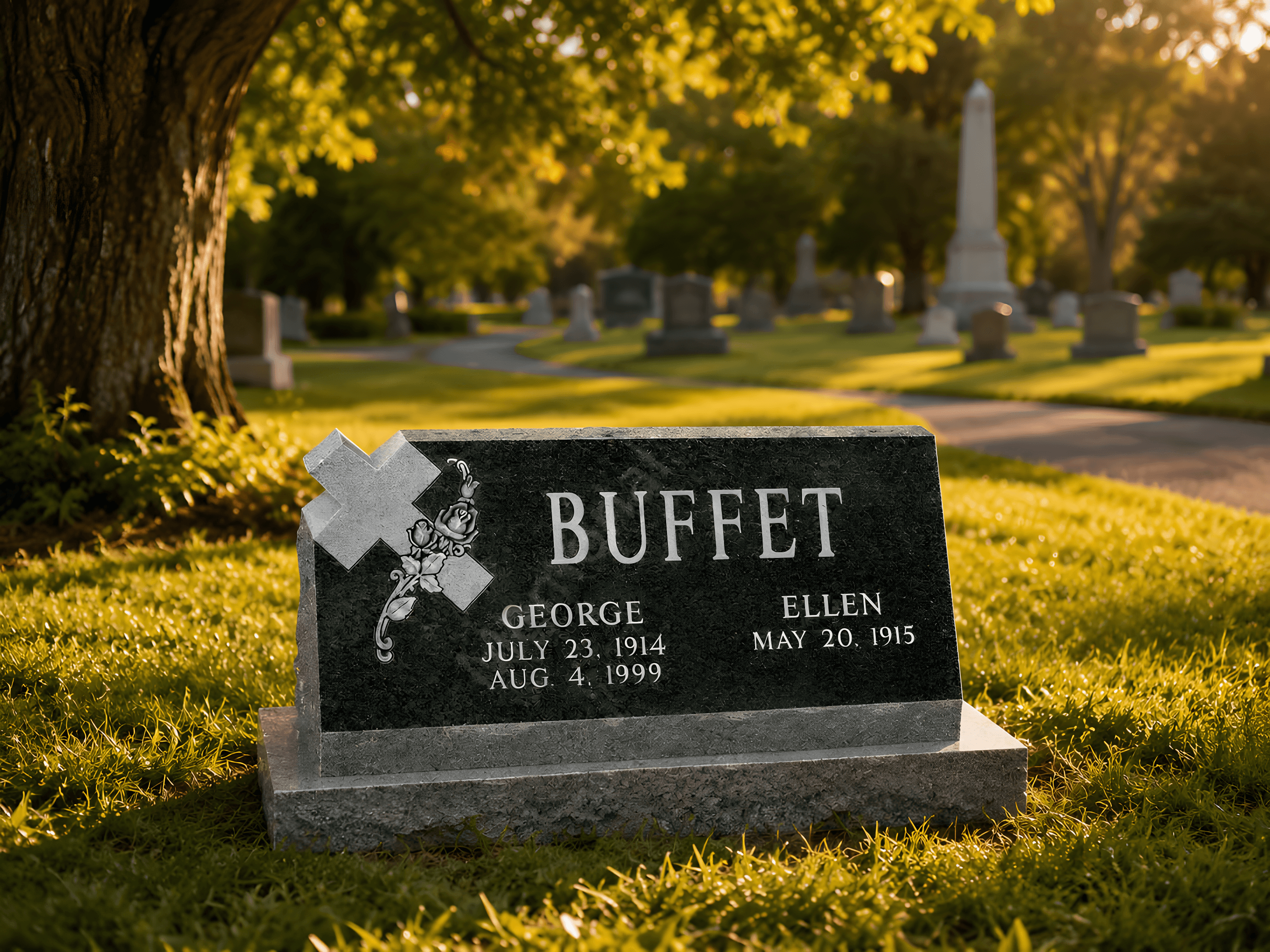
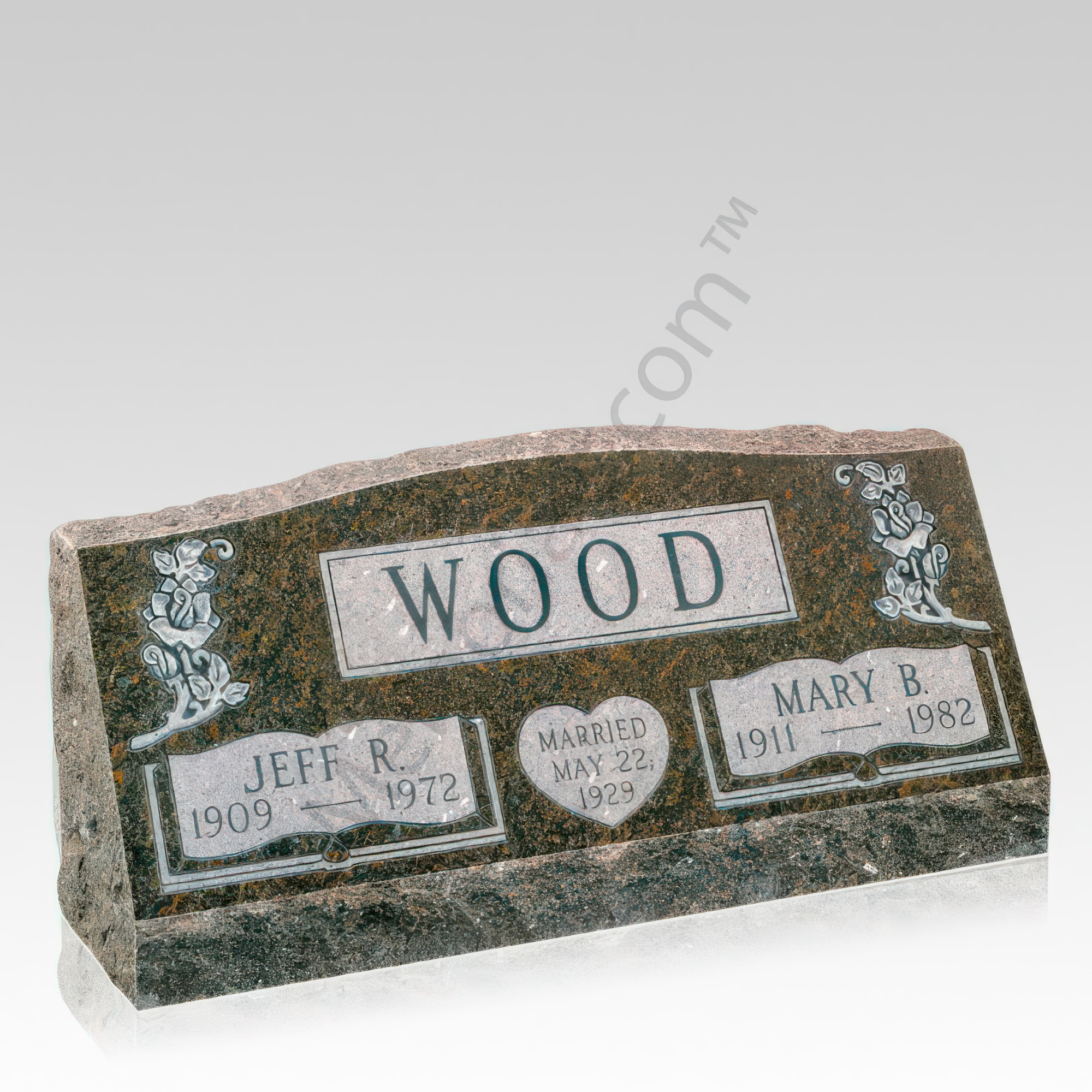
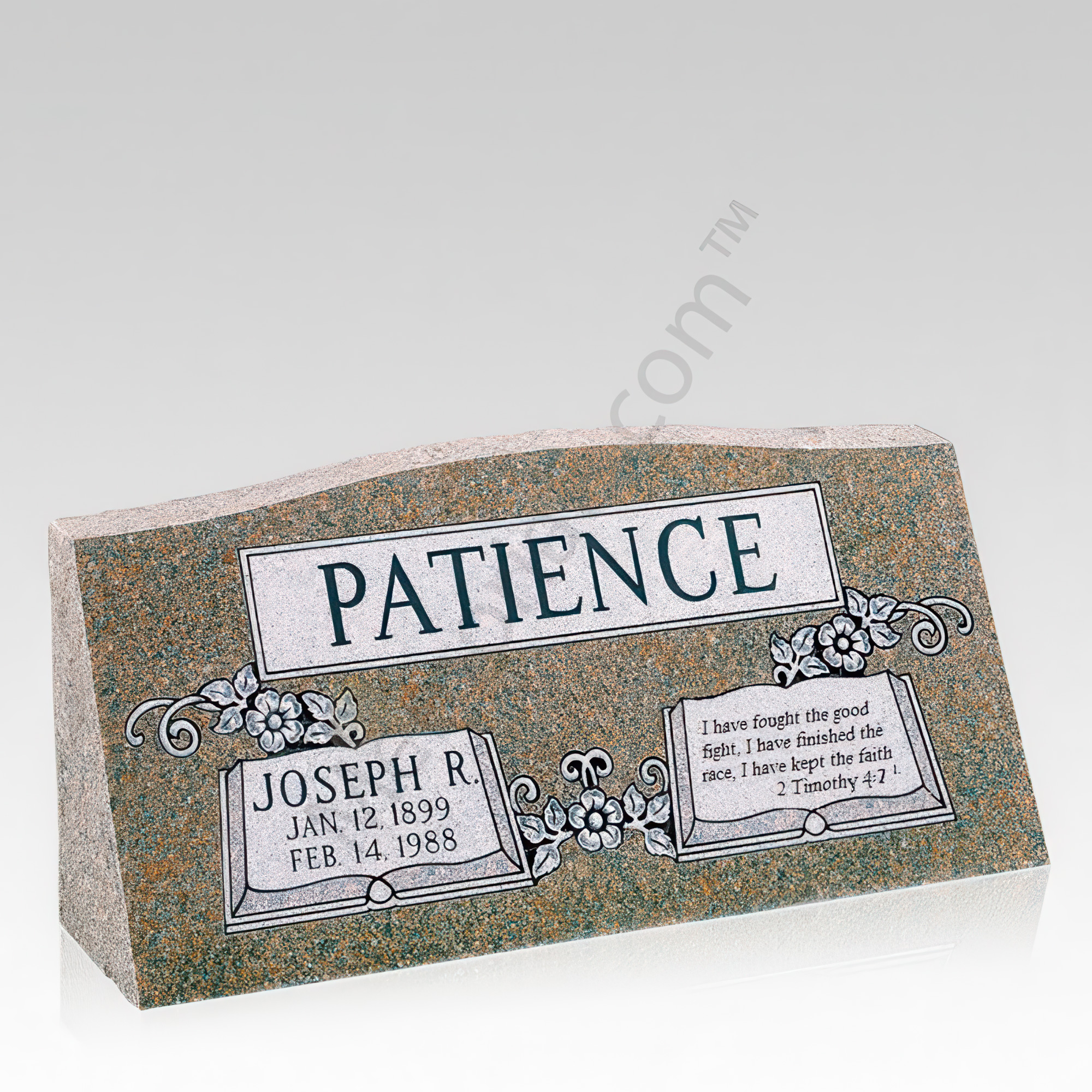
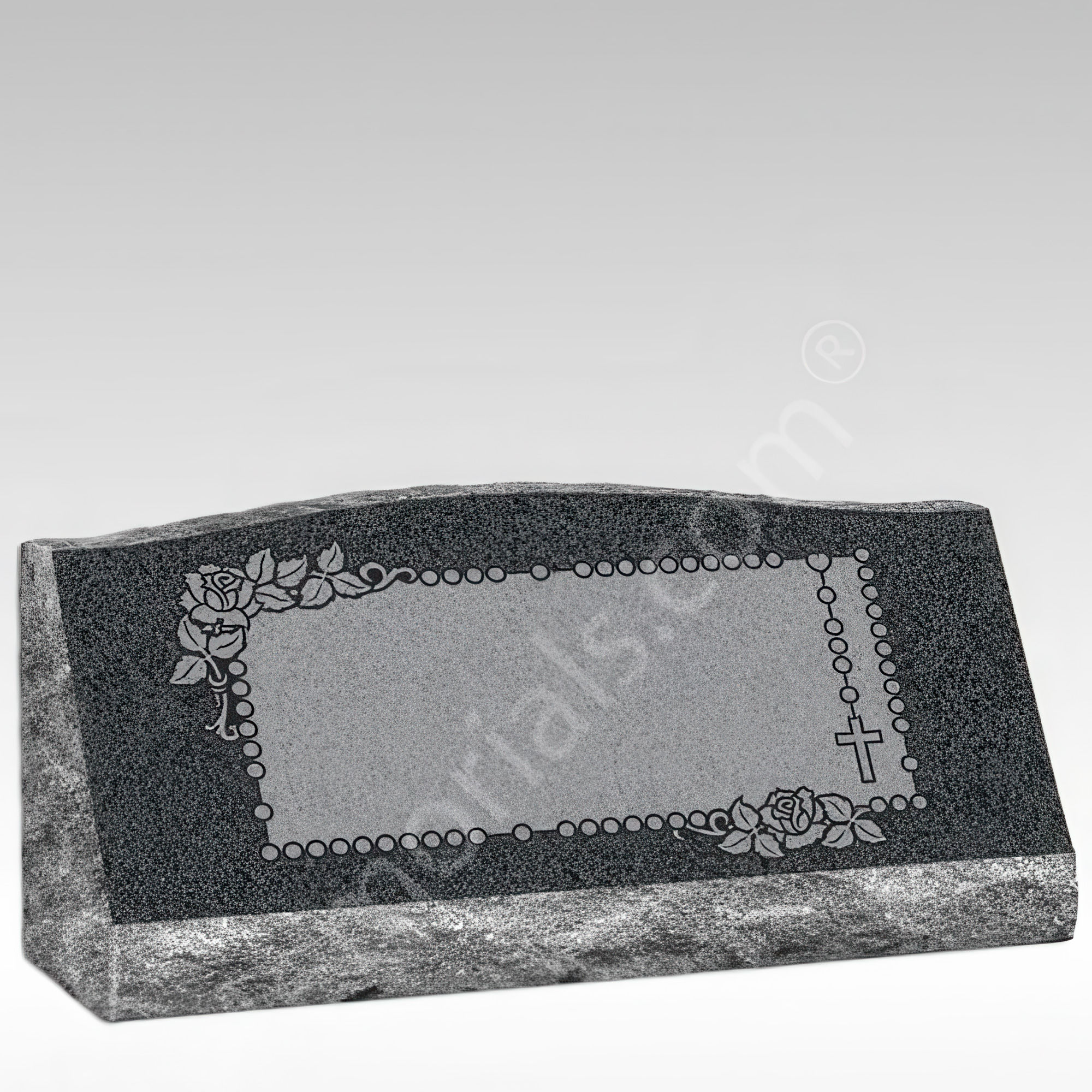
Slant markers offer more visibility than flat markers without the cost of a full upright monument. The stone sits on a granite base with the face angled toward visitors, making inscriptions easier to read from a distance.
Single slant markers typically range from $800 to $1,500, and companion slant markers for couples fall between $1,200 and $2,500. The angled surface catches natural light well, which is especially striking on polished black or dark gray granite where laser-etched artwork and portraits stand out.
Slant markers give families a meaningful upgrade in presence and design flexibility while staying well below the cost of traditional upright headstones. They are a strong option for families who want something more visible than a ground-level marker but need to stay within a moderate budget.
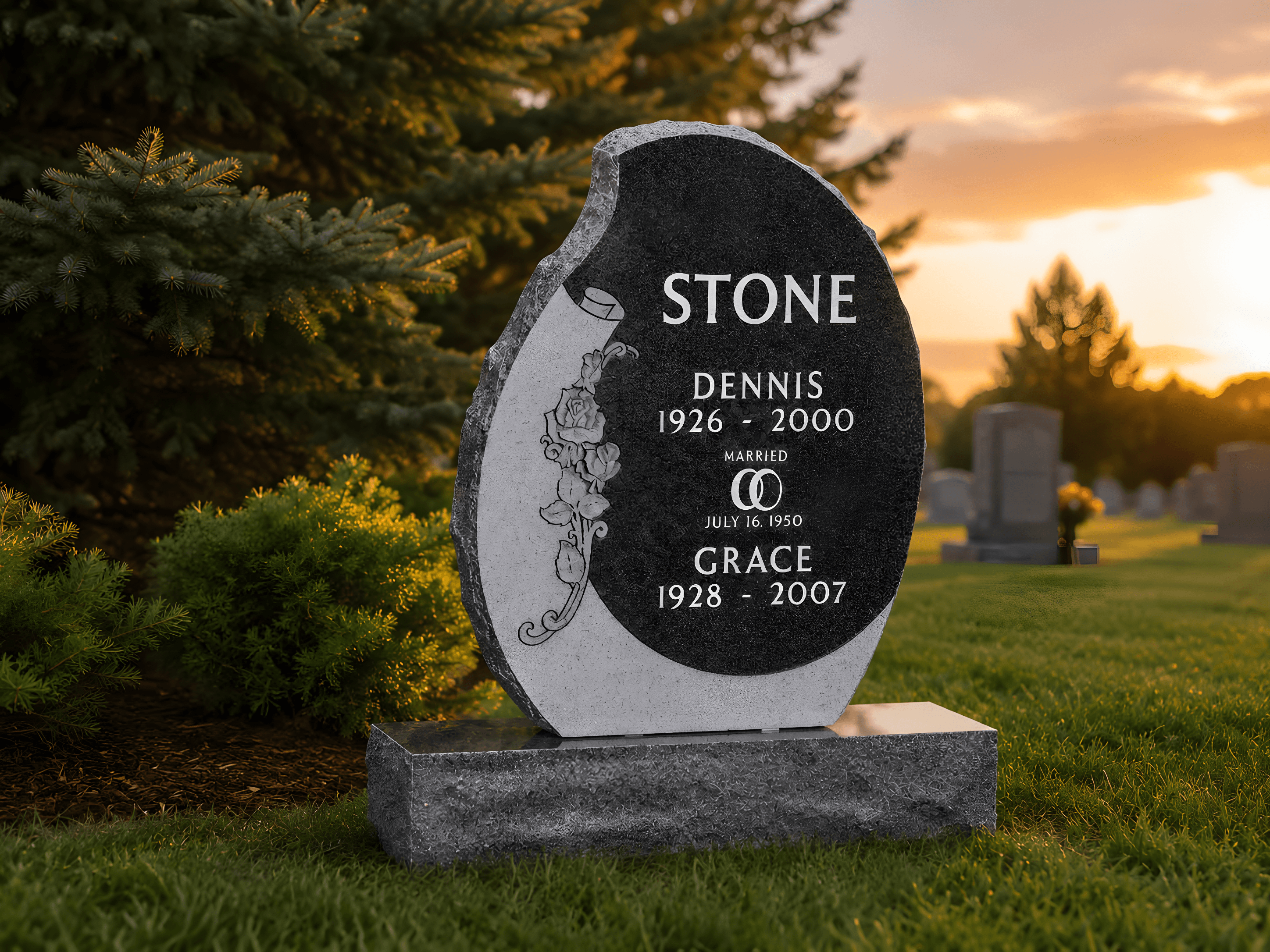
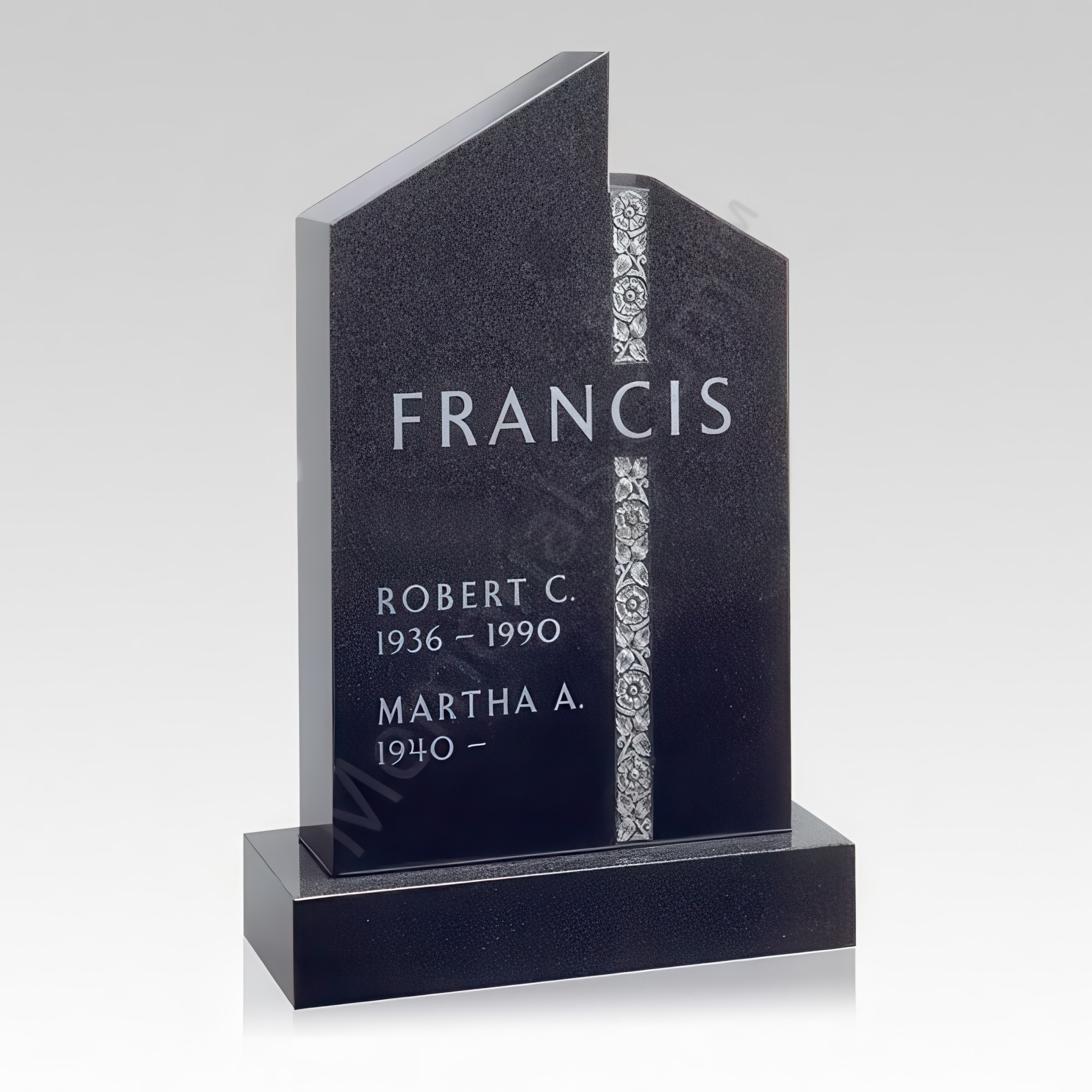
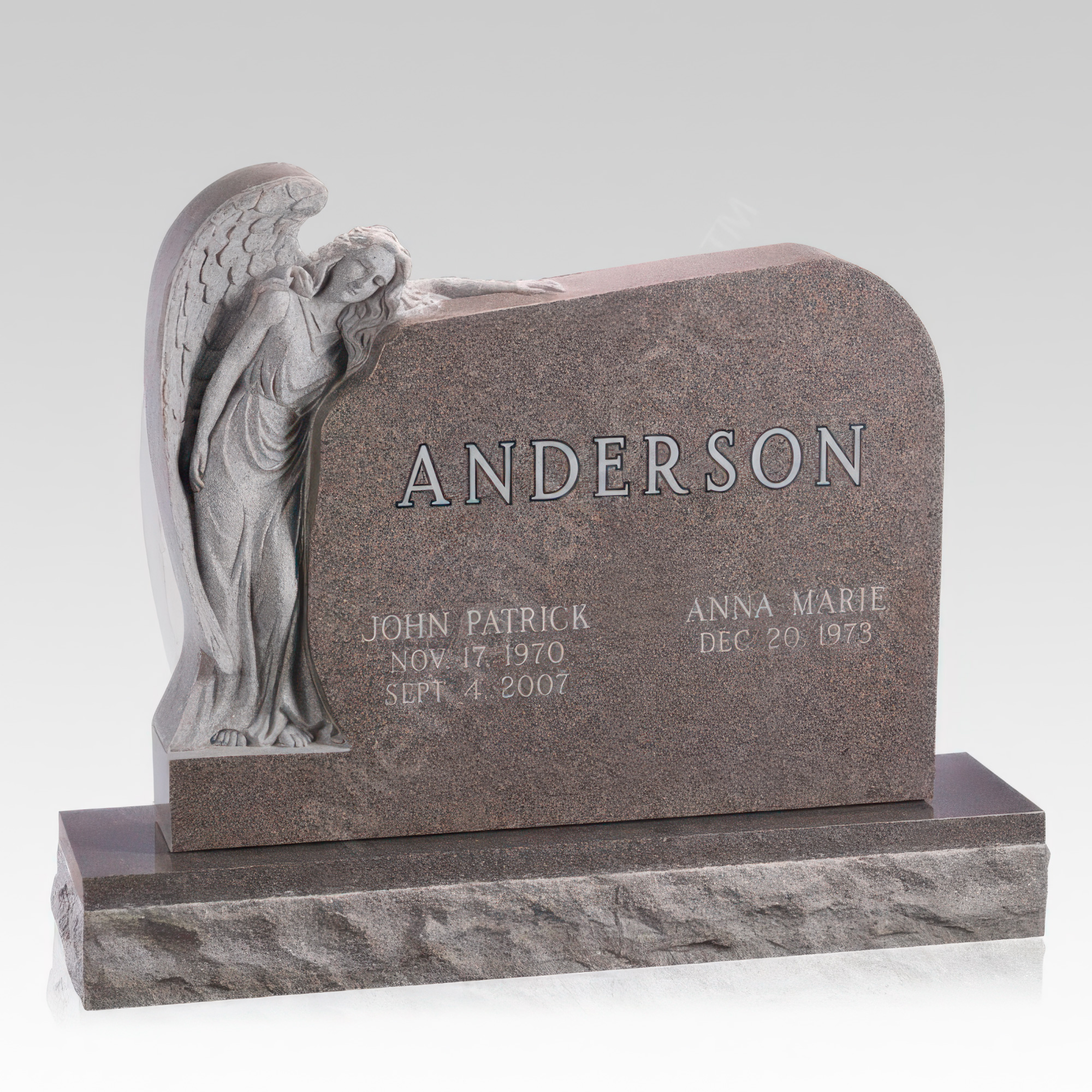
Upright headstones — the classic vertical monuments most people picture in a cemetery — are the most expensive category, but they do not have to break the budget. A single upright in standard gray granite with basic engraving can start around $1,000–$1,500, which is far less than the $3,000–$5,000 range many families expect.
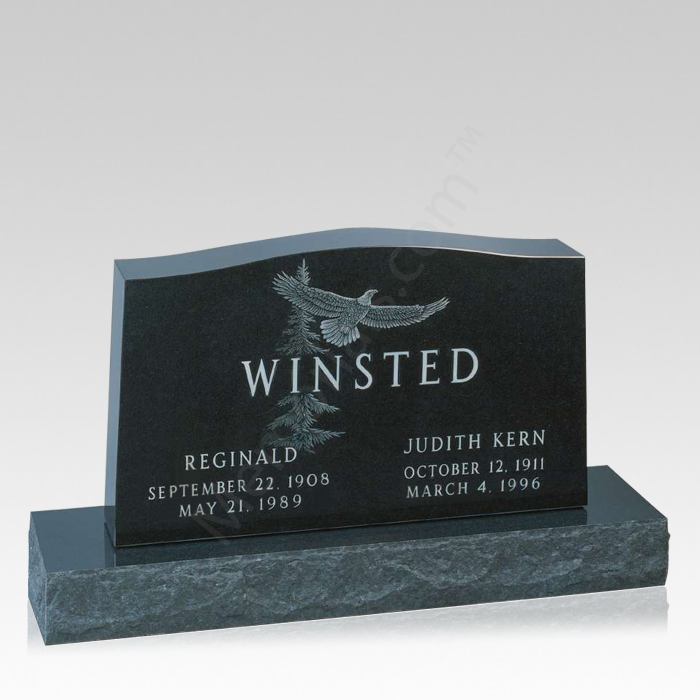
The keys to keeping upright headstones affordable are size and simplicity. A standard 24 × 8 × 20-inch die (the upright slab) on a matching base provides a dignified, classic look at a fraction of the cost of larger custom-shaped monuments. Choosing a straight-top or serp-top shape rather than a custom-carved angel, heart, or cross also saves hundreds of dollars in fabrication.
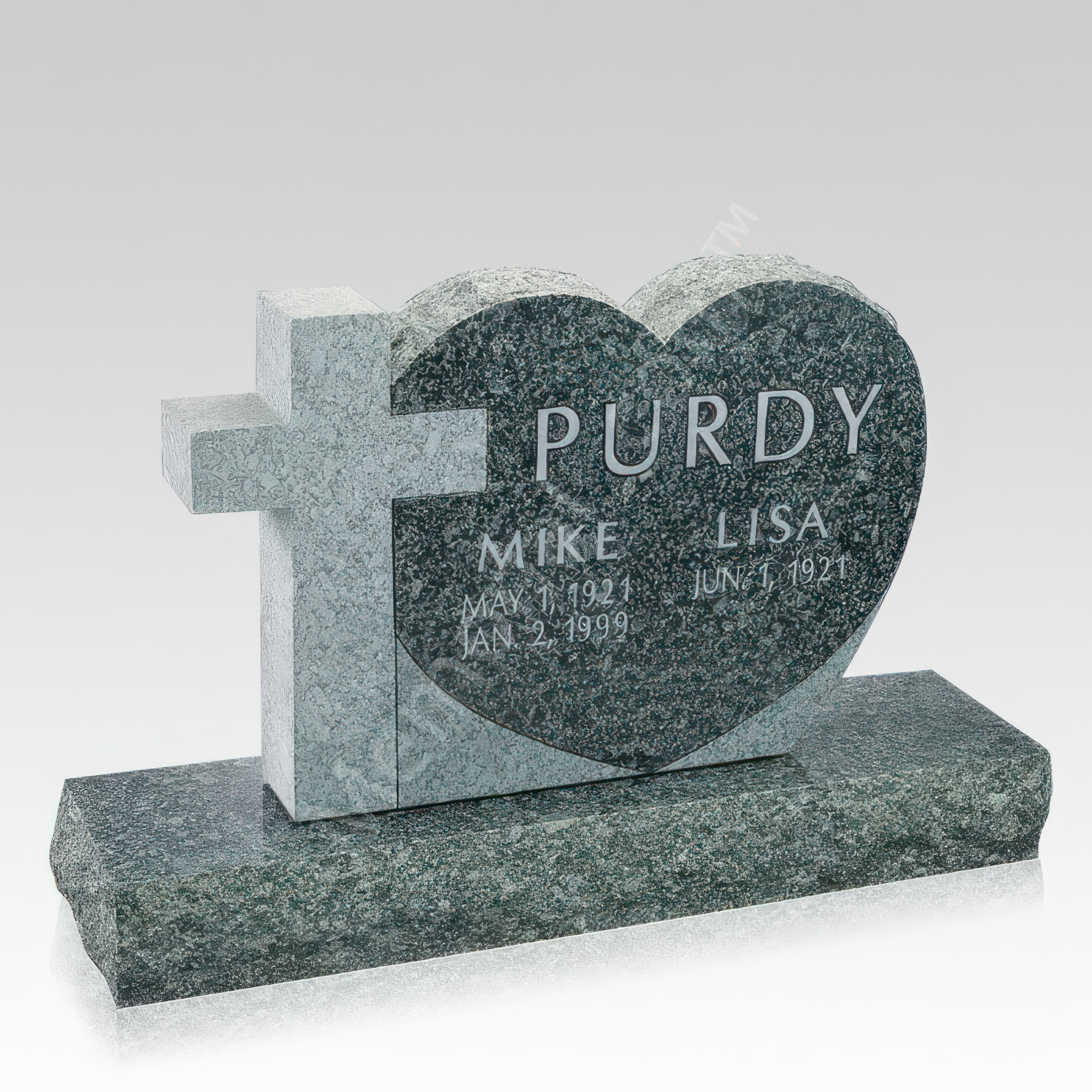
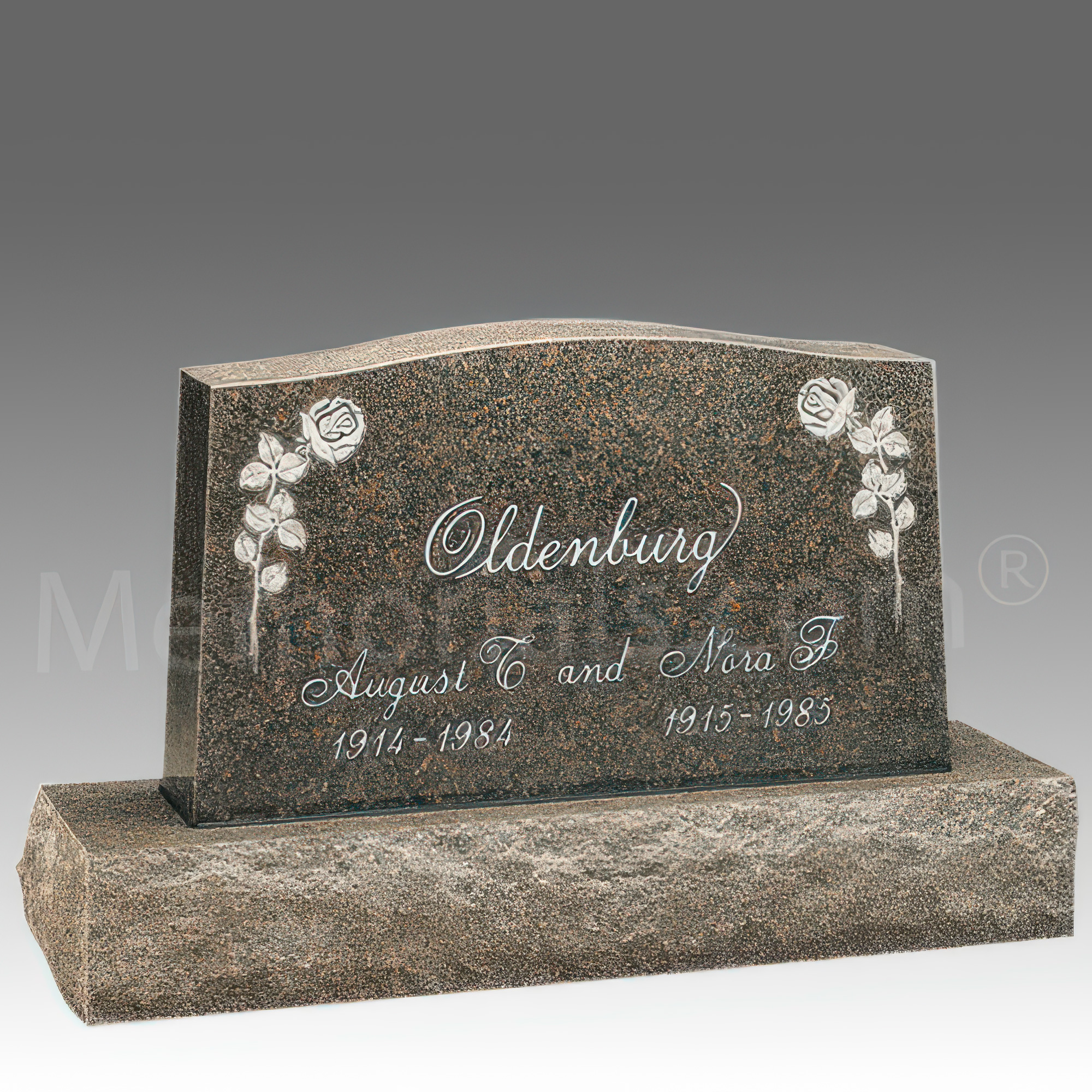
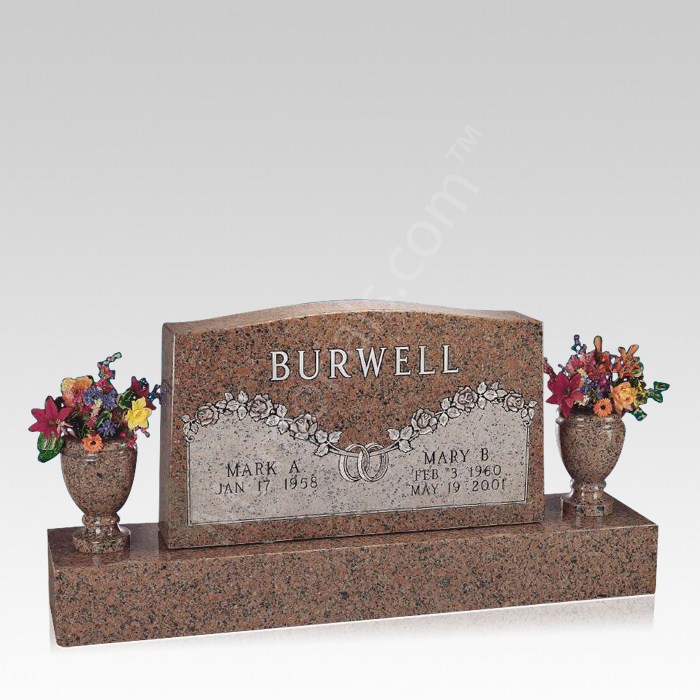
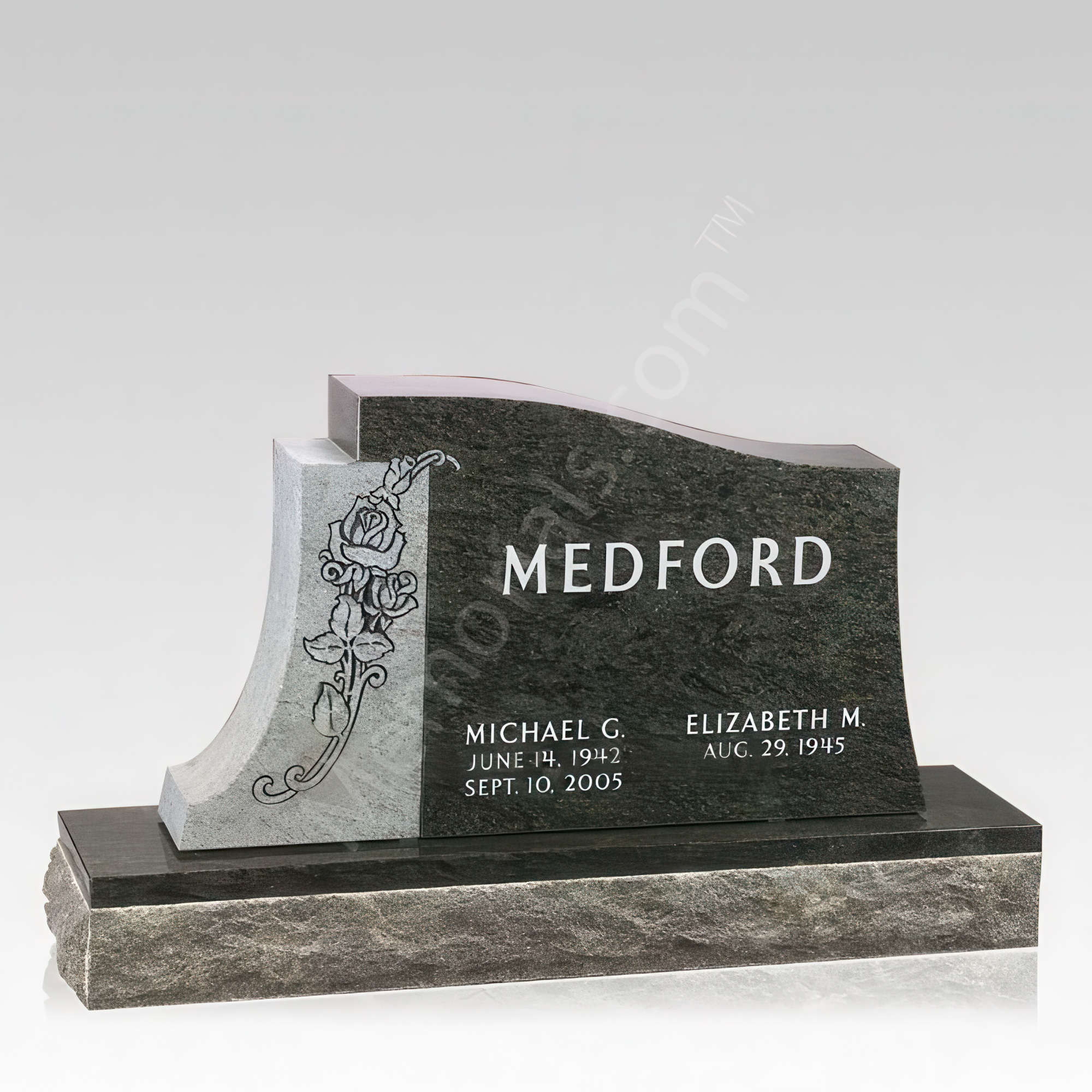
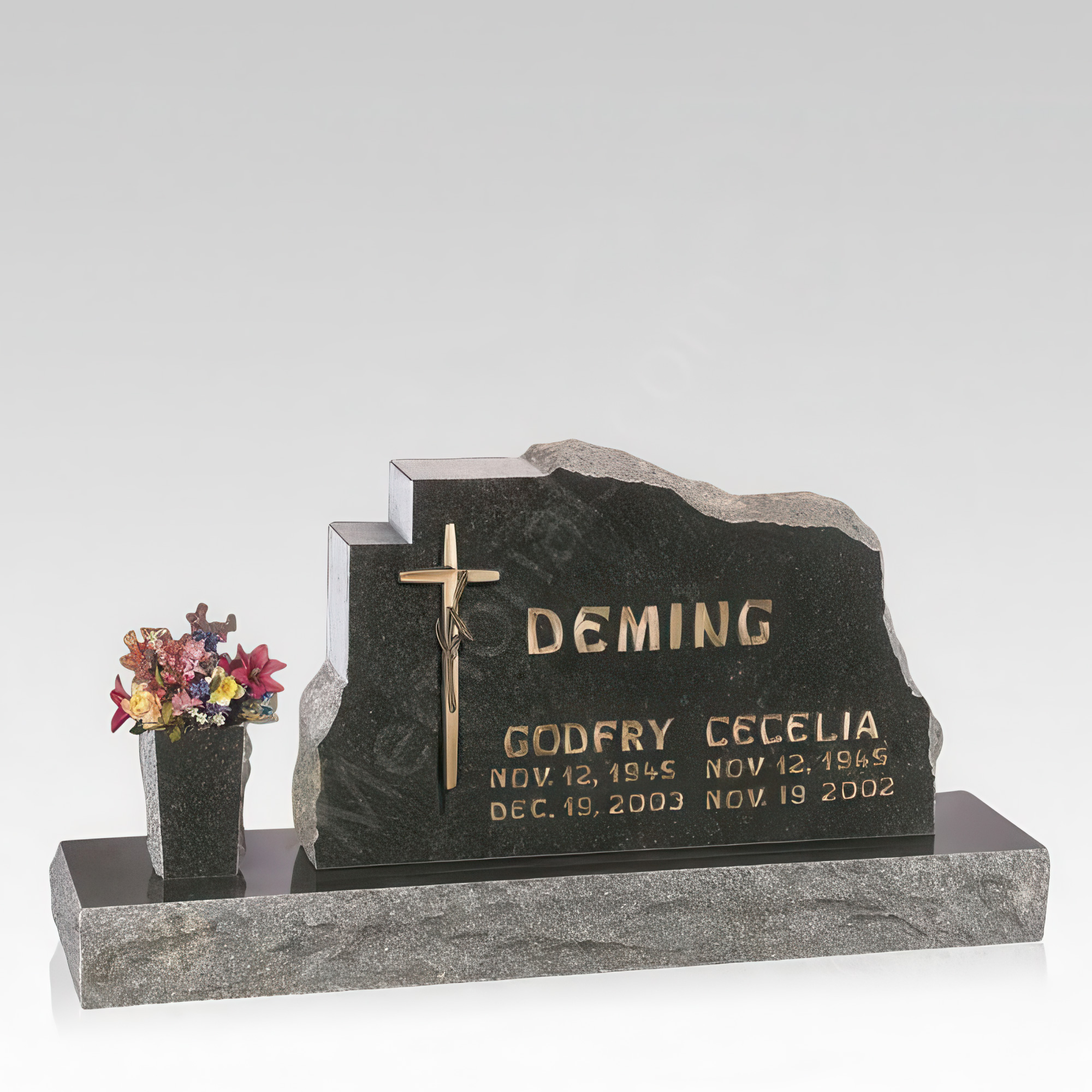
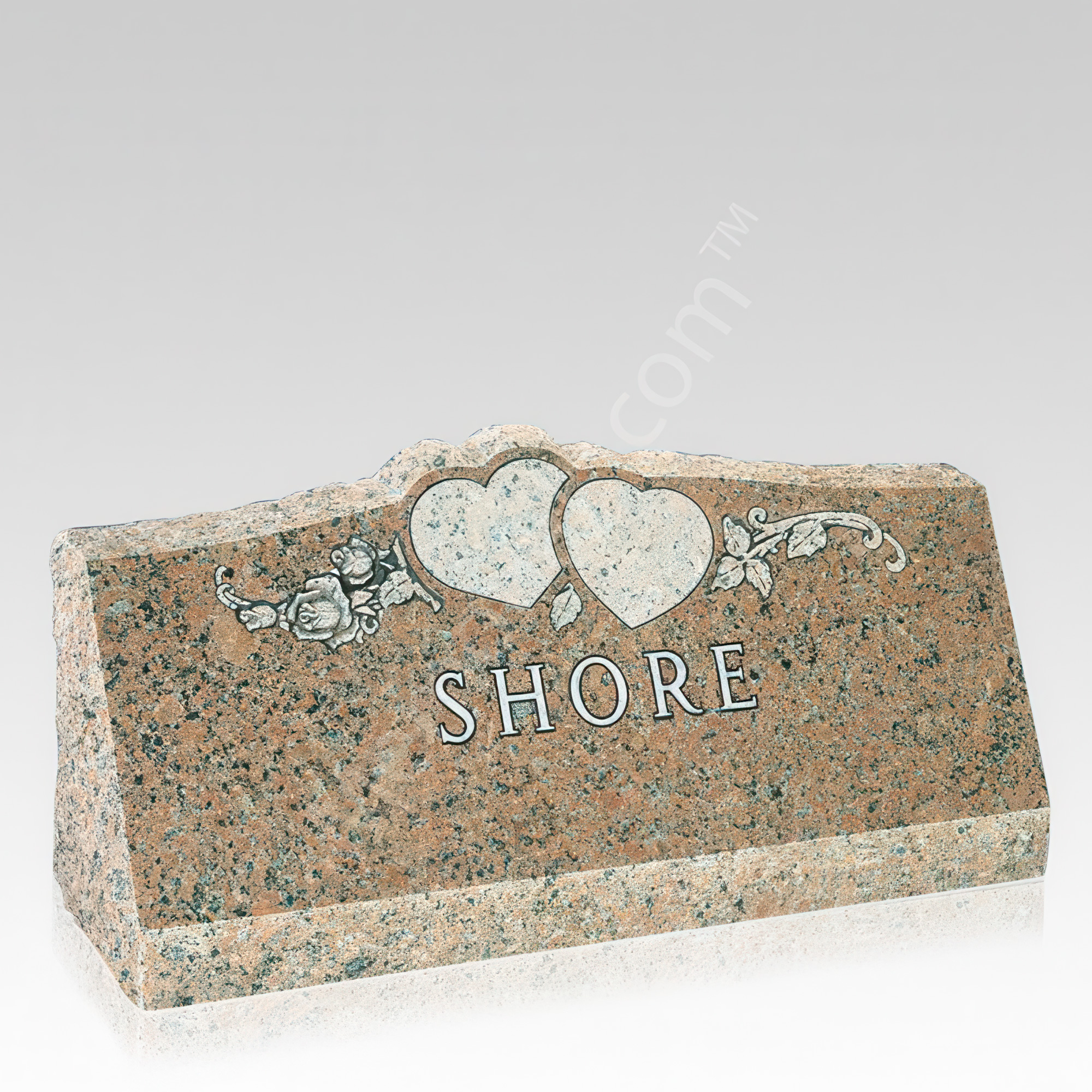
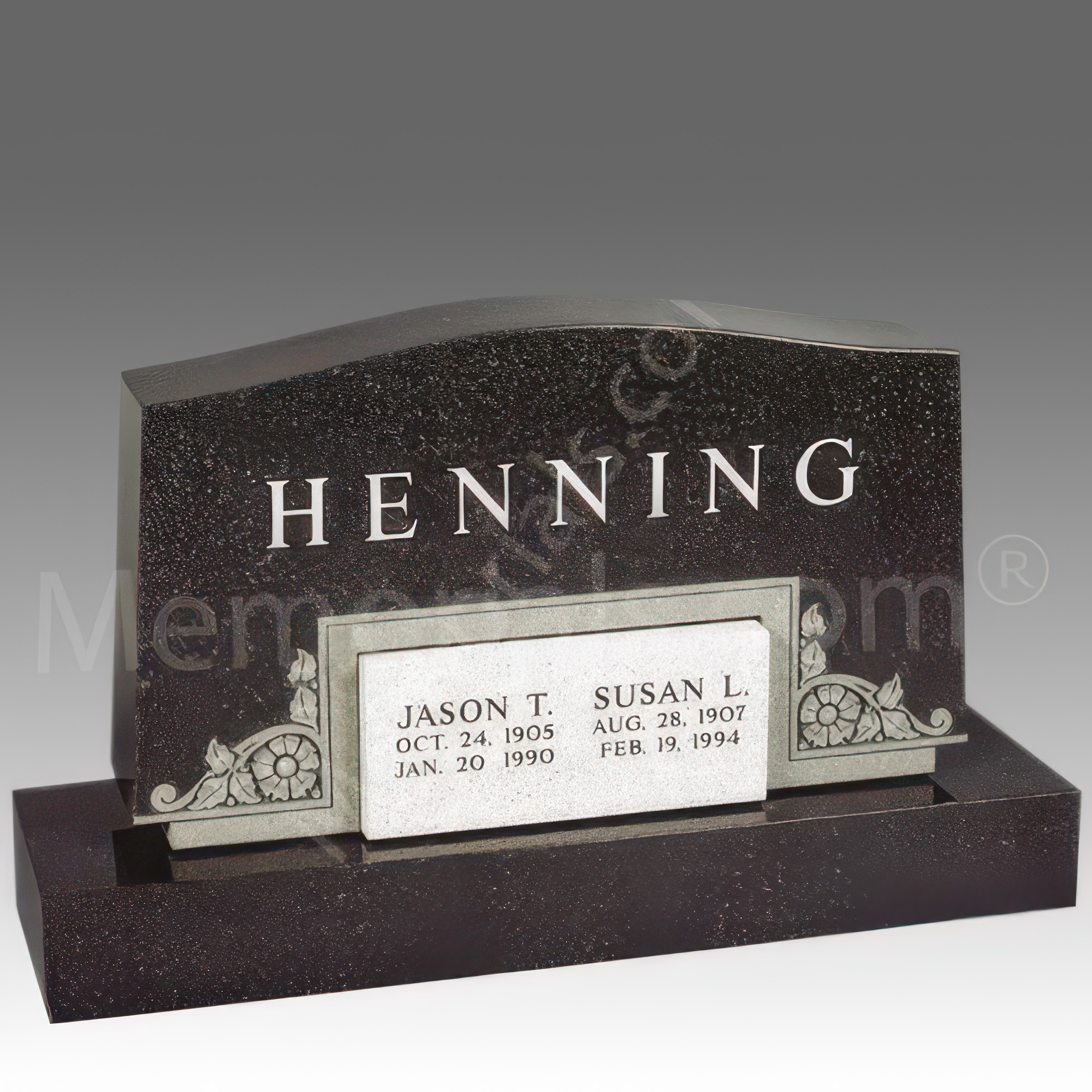
Families who want two names on a single monument can explore companion headstones, which cost less than buying two separate upright markers. A companion upright in the $2,000–$4,000 range provides space for both inscriptions and can include one side's details now with the second side completed later.
The material you choose has a direct impact on both the price and the longevity of the memorial. Our guide on headstone materials compared covers every option in depth, but here is a cost-focused summary.
Granite: The Best Value for Durability
Granite is the most widely used headstone material, and for good reason. It resists weathering, holds engraving detail for decades, and comes in a wide range of colors. For families watching their budget, the most important thing to know is that granite color affects price significantly.
Gray granite is the least expensive option. It is quarried domestically in large quantities, which keeps costs low. Black granite costs more because it is often imported, and premium colors like red, blue, or mahogany carry the highest material surcharges.
Choosing gray granite over black can save $200–$600 on the same size monument. The finish matters less — polished, honed, and steeled (matte) finishes on gray granite are all similarly priced.
Browse Our Most Popular Headstones & Grave Markers
Handcrafted memorials to honor your loved one for eternity
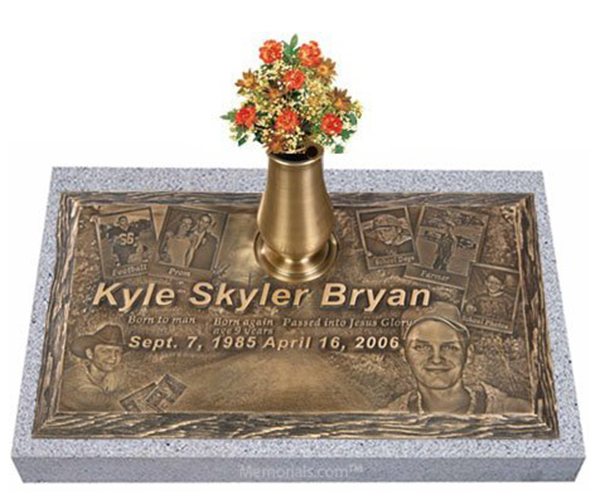
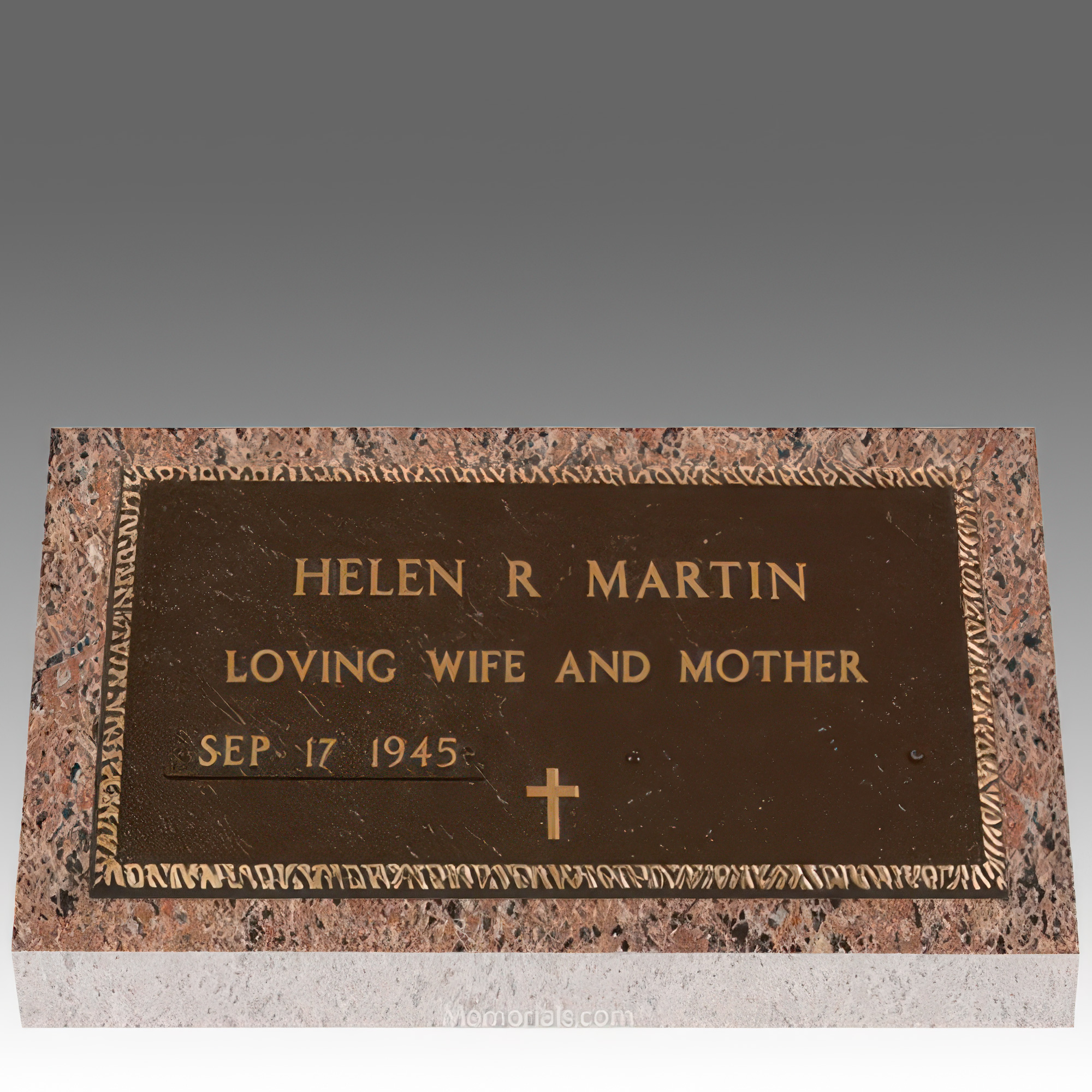
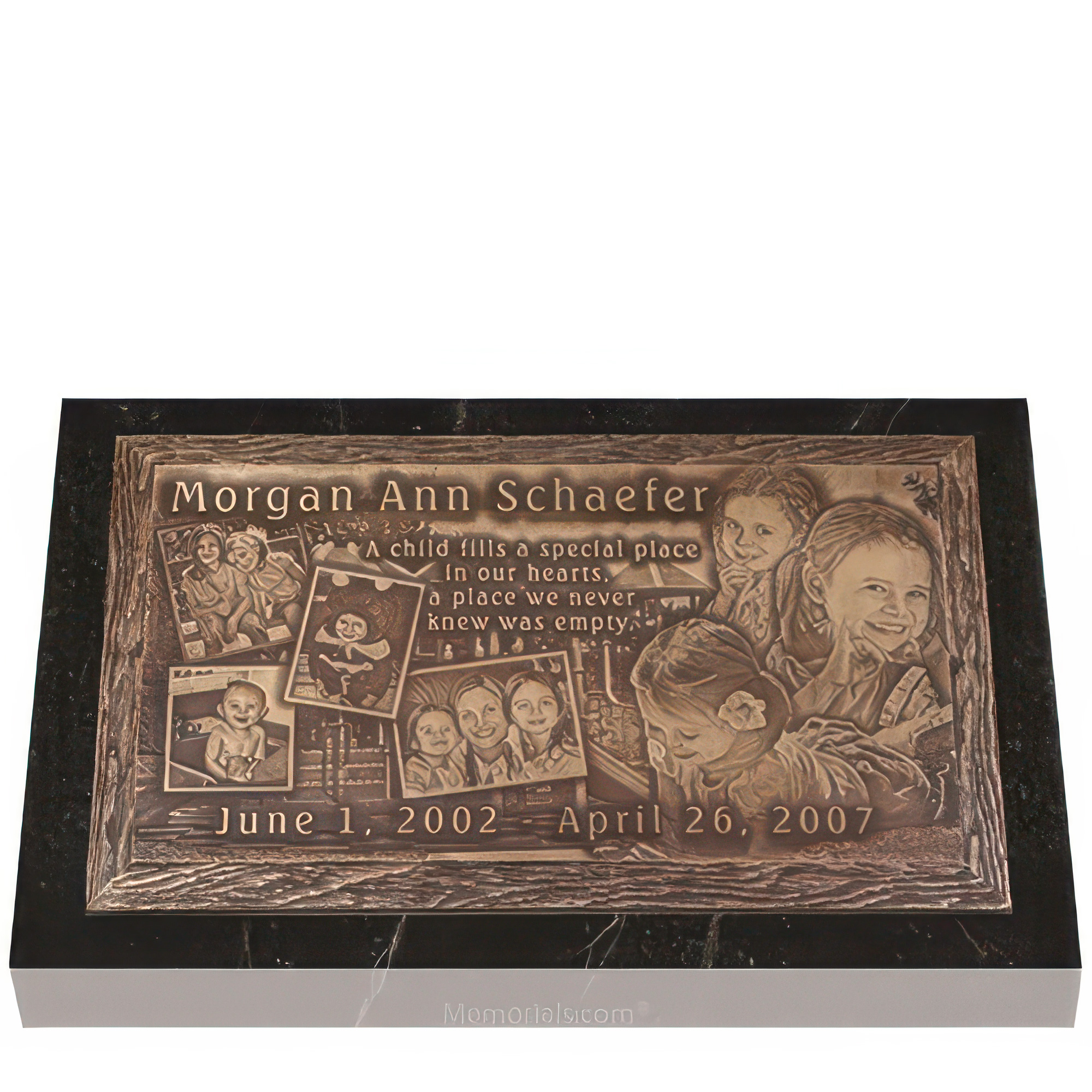
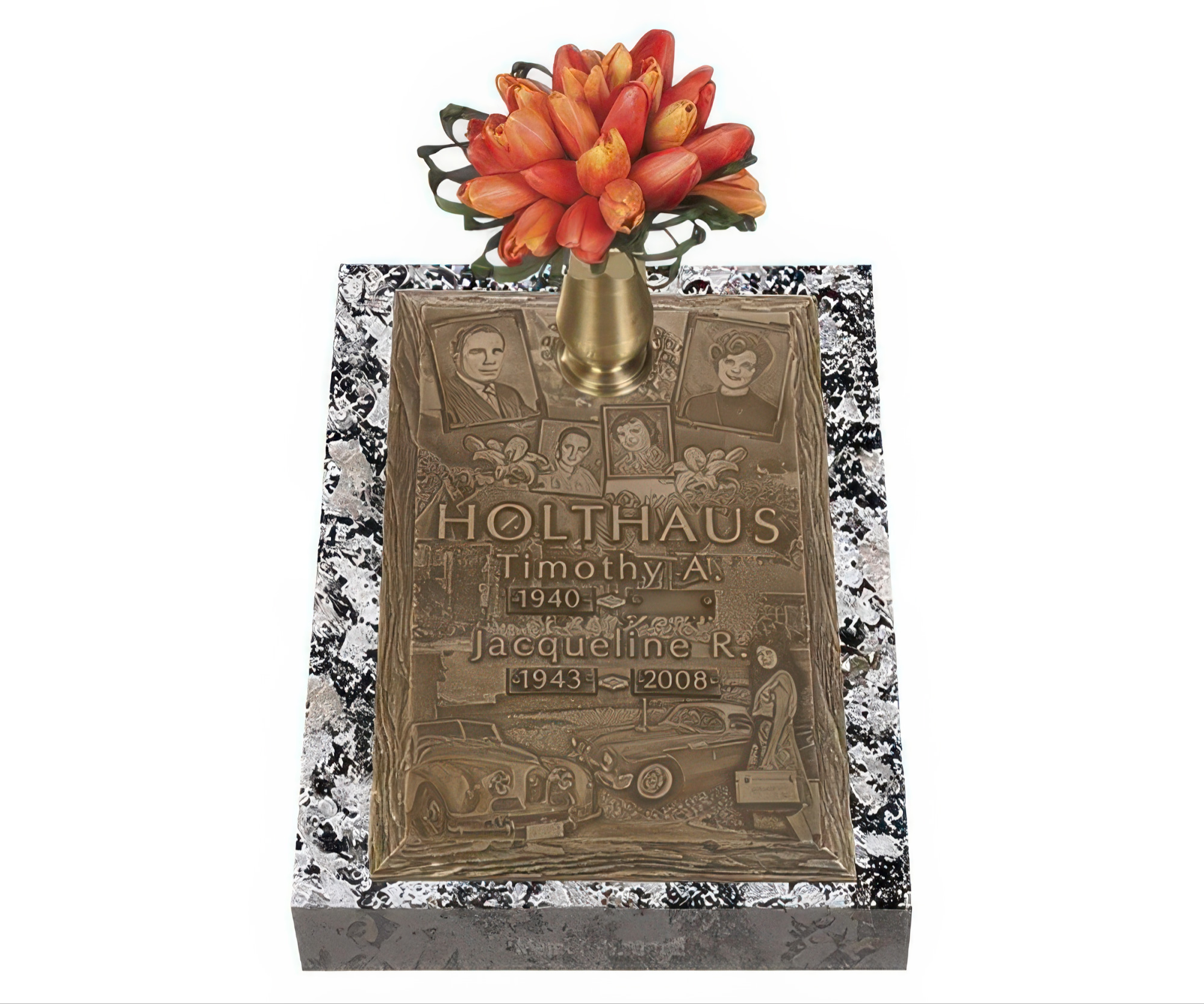
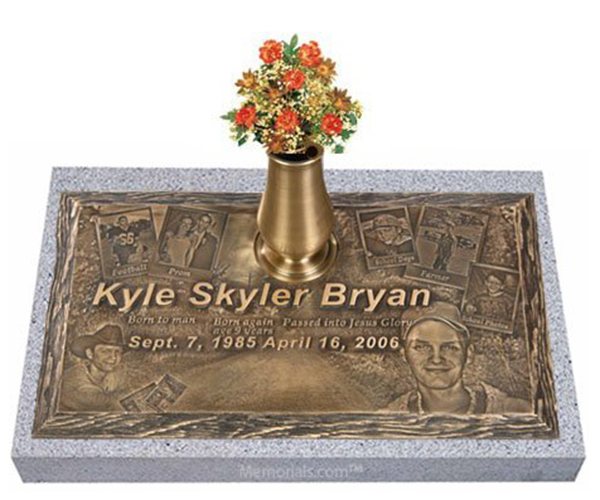
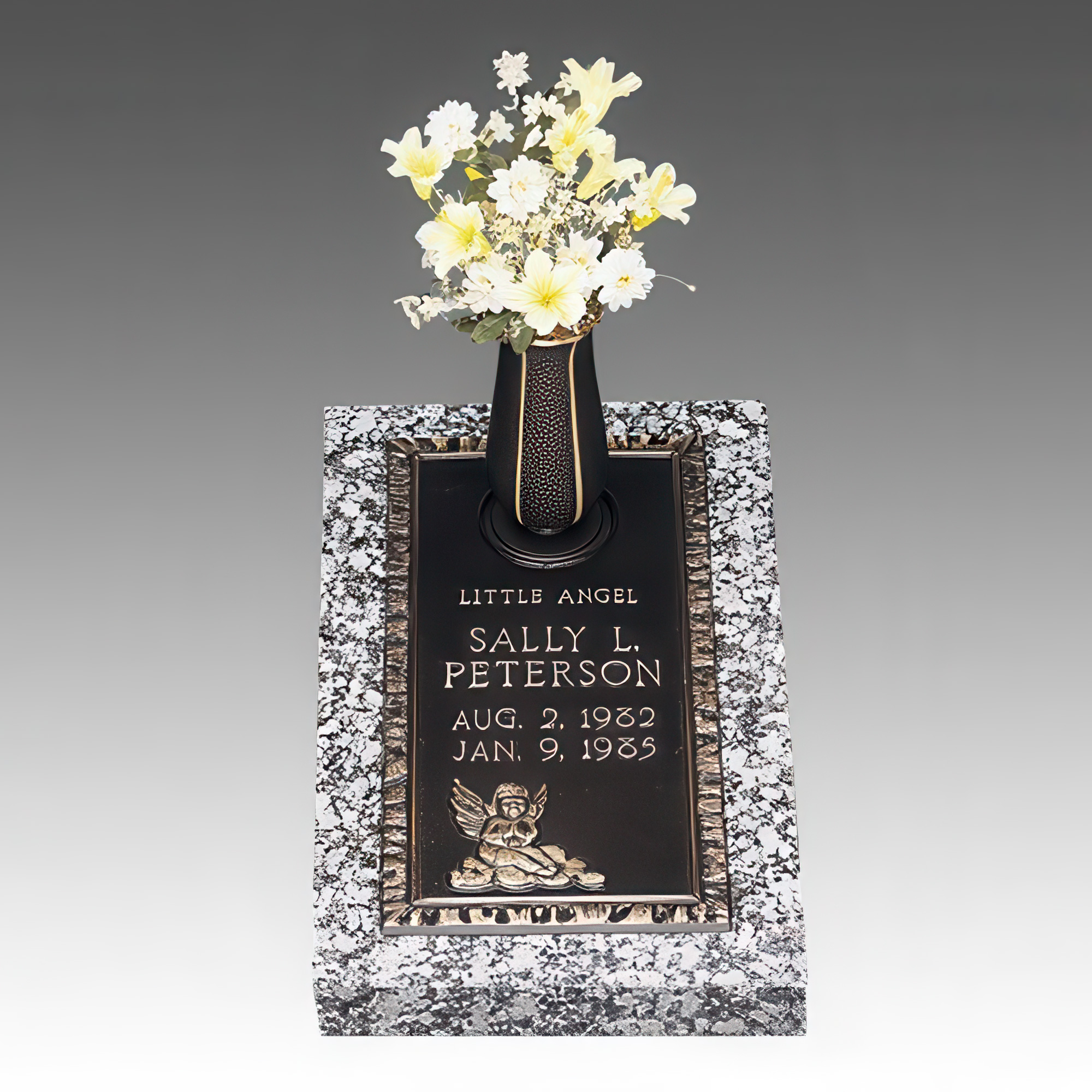
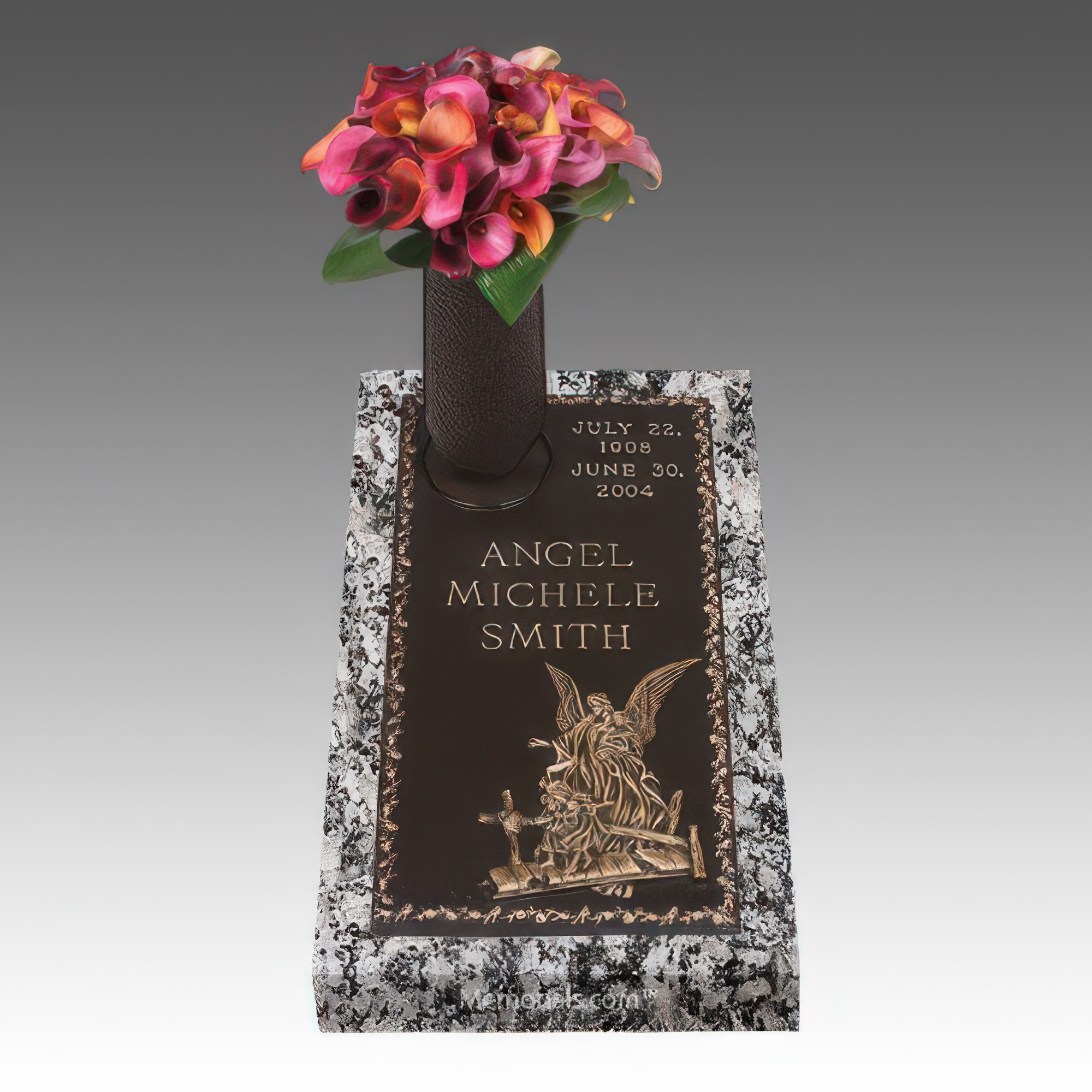
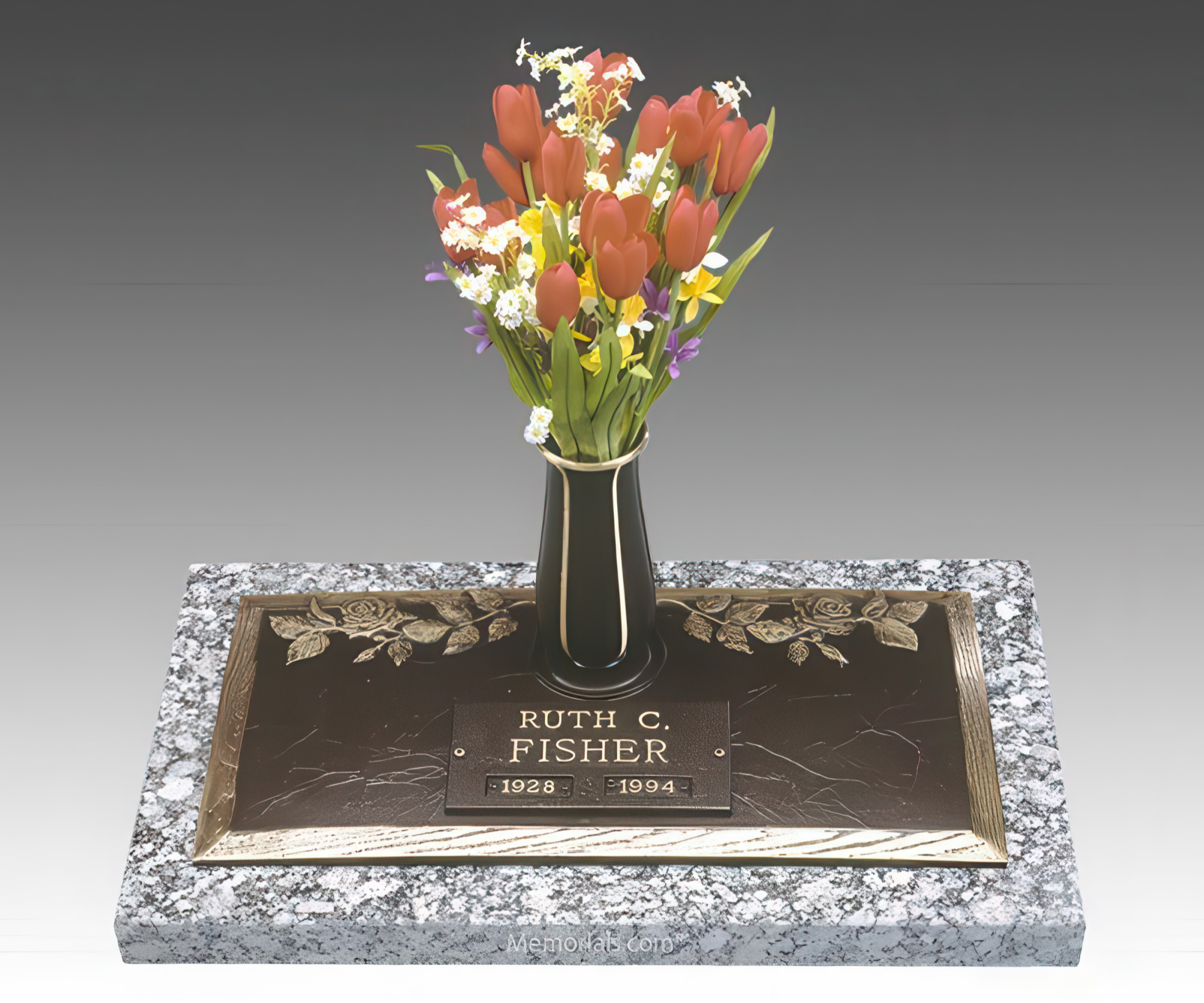
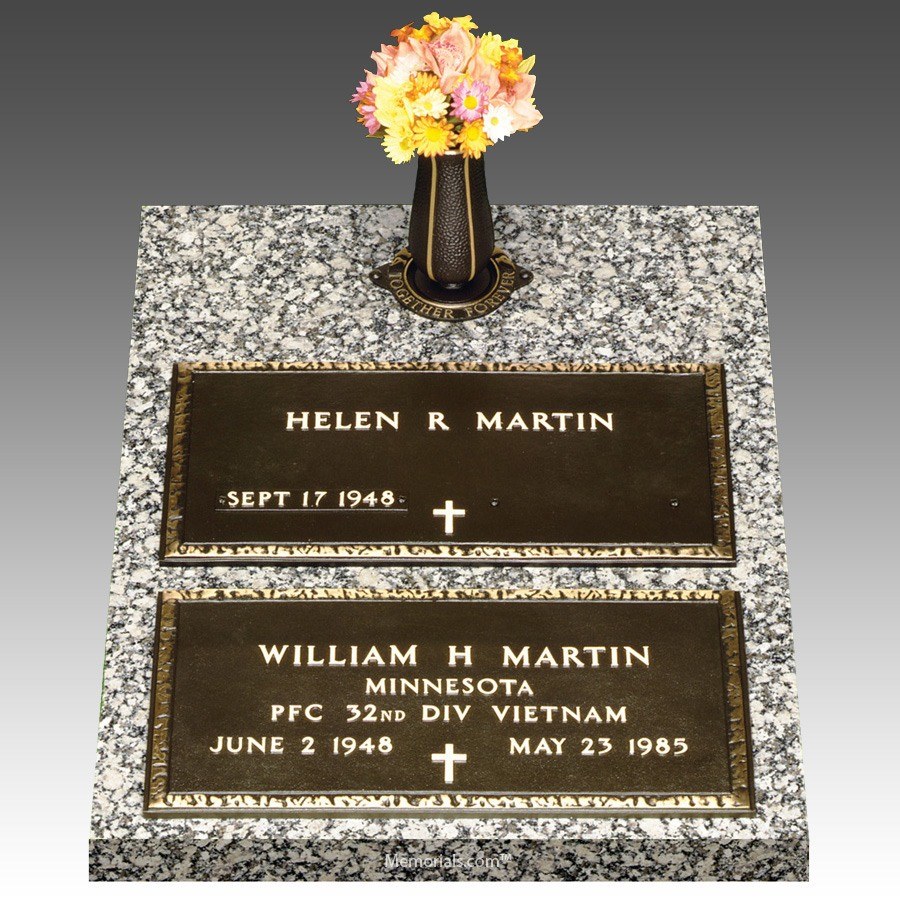
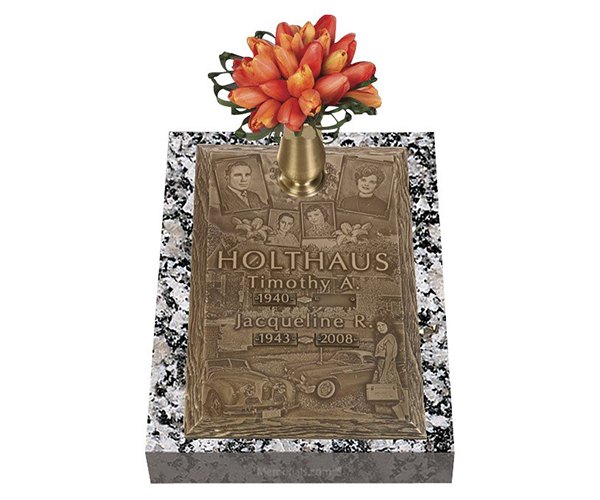
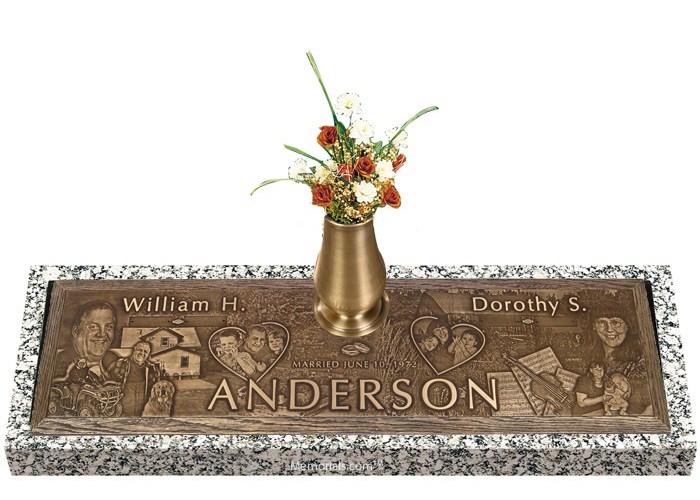
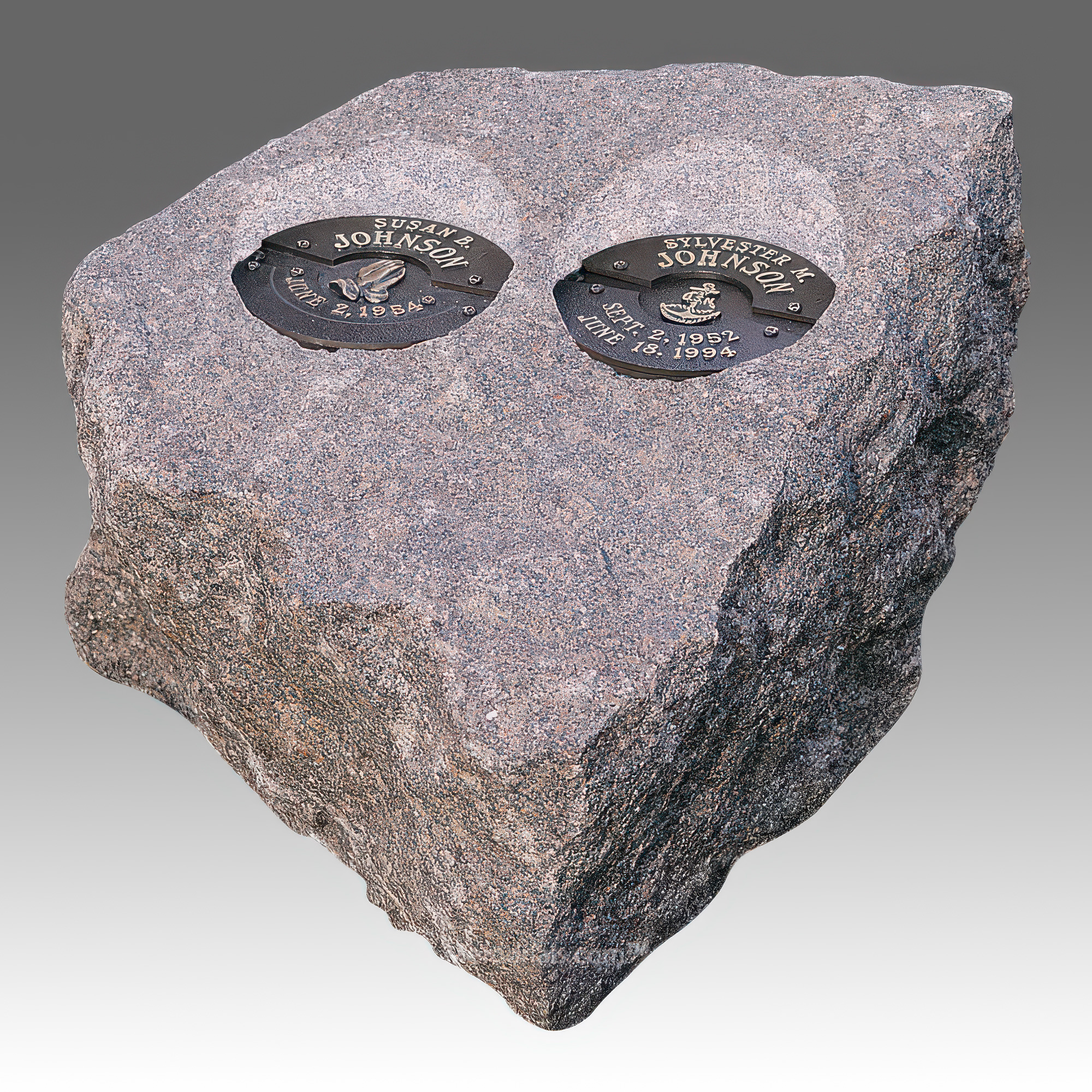
Bronze is commonly used for flush grave markers, especially in cemeteries that mandate flat memorials. A single bronze marker on a granite base typically costs $800–$1,500, which overlaps with the mid-range for granite flat markers.
Bronze holds up extremely well in all climates. It does develop a natural patina over time, which many families consider attractive. The tradeoff is that bronze markers offer less variety in shape — they are almost always rectangular — and intricate custom artwork costs more than it would in granite.
Materials to Approach with Caution
Marble is beautiful, but it is softer than granite and erodes faster, especially in humid or rainy climates. Over 20–30 years, marble inscriptions can become difficult to read. Limestone and sandstone are similar — they are less expensive upfront but may require replacement sooner. For a memorial intended to last generations, granite remains the safest budget choice.
Smart Ways to Save Without Sacrificing Quality
Beyond choosing a cost-effective style and material, several practical strategies can help families lower the total cost of a headstone without settling for inferior quality.
Keep engraving simple. Standard lettering — name, dates, and a short epitaph — is typically included in the base price. Each additional element (portraits, detailed artwork, extra verses, or custom borders) adds to the cost. A well-chosen inscription of a few meaningful words can be more powerful than a crowded design.
Stick with standard sizes. Cemeteries often specify a minimum and maximum marker size. Choosing a standard size that meets the cemetery's requirements without exceeding them avoids unnecessary material costs. Oversized monuments do not just cost more for the stone — they also require larger, more expensive foundations.
Buy from an online retailer. Online headstone suppliers often have significantly lower overhead than local monument dealers or funeral homes. Without showroom costs, many online retailers offer the same quality granite at 30–50% less than brick-and-mortar shops. The stone is shipped directly to you or your cemetery, and most reputable online sellers include engraving in the quoted price.
Ask about payment plans. Many monument companies and online retailers offer financing or installment plans. Spreading the cost over several months can make a higher-quality memorial accessible without a large upfront payment.
Compare installation fees. The "setting fee" your cemetery charges to install a marker varies widely, from $100 to $500 or more. Some cemeteries require you to use their installation service, while others allow the monument company to handle it. If you have a choice, compare the cemetery's setting fee against what the supplier charges for delivery and installation — the difference can be substantial.
Consider timing. There is no rule requiring a headstone to be placed immediately after burial. Some families wait several months, which allows time to compare options, save toward a better memorial, or take advantage of seasonal promotions from monument companies.
Headstone vs. Grave Marker: Which Is More Budget-Friendly?
The terms "headstone" and "grave marker" are often used interchangeably, but they refer to different products with different price points. Understanding the headstone vs grave marker differences can help you identify the most cost-effective option for your situation.
A grave marker typically refers to a flat or flush memorial that sits at ground level. A headstone traditionally means an upright monument. Because grave markers use less material and require simpler installation, they are almost always the more affordable choice.
For families whose primary goal is a dignified, permanent memorial at the lowest cost, a flat granite grave marker is hard to beat. For those who want more visual presence and can stretch the budget slightly, a slant marker offers excellent value.
What About Free or Government-Provided Headstones?
Eligible U.S. military veterans and their spouses can receive a government-furnished headstone or marker at no cost through the Department of Veterans Affairs. The VA provides flat bronze or granite markers, upright headstones, and niche covers for cremated remains. Cemetery setting fees may still apply, but the memorial itself is free.
To qualify, the veteran must have been discharged under conditions other than dishonorable. Families can apply through VA Form 40-1330 or work with their funeral director to submit the request. Processing typically takes 8–12 weeks.
For non-veterans, some states and counties offer indigent burial assistance programs that include a basic grave marker. Eligibility and coverage vary by location, but it is worth contacting your local social services office to ask.
Frequently Asked Questions
What is the cheapest type of headstone?
Flat granite grave markers are the least expensive option. A standard single flat marker in gray granite with basic engraving starts around $200–$400. Bronze flat markers are slightly more expensive, typically $800–$1,500 including the granite base.
Can I buy a headstone online?
Yes. Many families purchase headstones from online retailers and have them shipped directly to their cemetery. Online prices are often 30–50% lower than local monument dealers because online sellers have lower overhead costs. Look for retailers that include engraving in the price and offer a proof approval process before carving.
How much does it cost to engrave a headstone?
Basic engraving — name, dates, and a short epitaph — is usually included in the headstone price. Additional engraving, such as portraits, detailed artwork, or extended inscriptions, typically adds $100–$500 depending on complexity. Laser etching on dark granite allows for photographic-quality images and costs more than standard sandblast lettering.
Do cemeteries charge extra fees for headstones?
Most cemeteries charge a setting fee (also called an installation fee or foundation fee) to place the headstone, ranging from $100 to $500 or more. Some cemeteries also charge a permit or approval fee. Always ask your cemetery for a full list of fees before purchasing a headstone, as these charges are separate from the cost of the stone itself.
How long does it take to get a headstone after ordering?
Production and delivery typically take 6–12 weeks for a standard headstone. Custom designs, premium materials, or peak-season orders may take longer. Rush services are available from some suppliers for an additional fee.
Finding the Right Memorial for Your Budget
A meaningful headstone does not require a large expense. Flat markers, slant markers, gray granite, and standard designs all provide lasting, beautiful tributes at accessible price points. The key is understanding which choices drive cost up and which keep it manageable.
Take the time to compare suppliers, ask about all fees upfront, and choose a style and material that balances what you can spend today with the permanence you want for decades to come. Browse our full collection of headstones for graves to see options at every budget level.