🏬Supersize Online Funeral Retailer🪦1000's of Headstones⚱️Over 10,000 Cremation Urns⚰️Caskets Overnight Delivery🛒Funeral & Memorial Superstore🚚FREE Shipping on ALL Orders👨👩👧👦Helping Families for over 20 Years💰Lowest Price Guarantee🏬Supersize Online Funeral Retailer🪦1000's of Headstones⚱️Over 10,000 Cremation Urns⚰️Caskets Overnight Delivery🛒Funeral & Memorial Superstore🚚FREE Shipping on ALL Orders👨👩👧👦Helping Families for over 20 Years💰Lowest Price Guarantee
🏬Supersize Online Funeral Retailer🪦1000's of Headstones⚱️Over 10,000 Cremation Urns⚰️Caskets Overnight Delivery🛒Funeral & Memorial Superstore🚚FREE Shipping on ALL Orders👨👩👧👦Helping Families for over 20 Years💰Lowest Price Guarantee🏬Supersize Online Funeral Retailer🪦1000's of Headstones⚱️Over 10,000 Cremation Urns⚰️Caskets Overnight Delivery🛒Funeral & Memorial Superstore🚚FREE Shipping on ALL Orders👨👩👧👦Helping Families for over 20 Years💰Lowest Price Guarantee
The best flowers for gravesite use are not the most beautiful ones. They are the ones still standing a week later.
Anyone searching for long-lasting flowers for grave use has already worked out the constraint. A cemetery vase is a hostile place for a cut stem: a few inches of water at most, full sun with no shade, wind, and nobody coming back to top it up. Flowers that would last two weeks on a kitchen table can be finished in two days out there. Choosing for that, rather than for the bouquet, is the whole skill — and it is why the traditional funeral flowers are the traditional ones.
The Flowers That Last
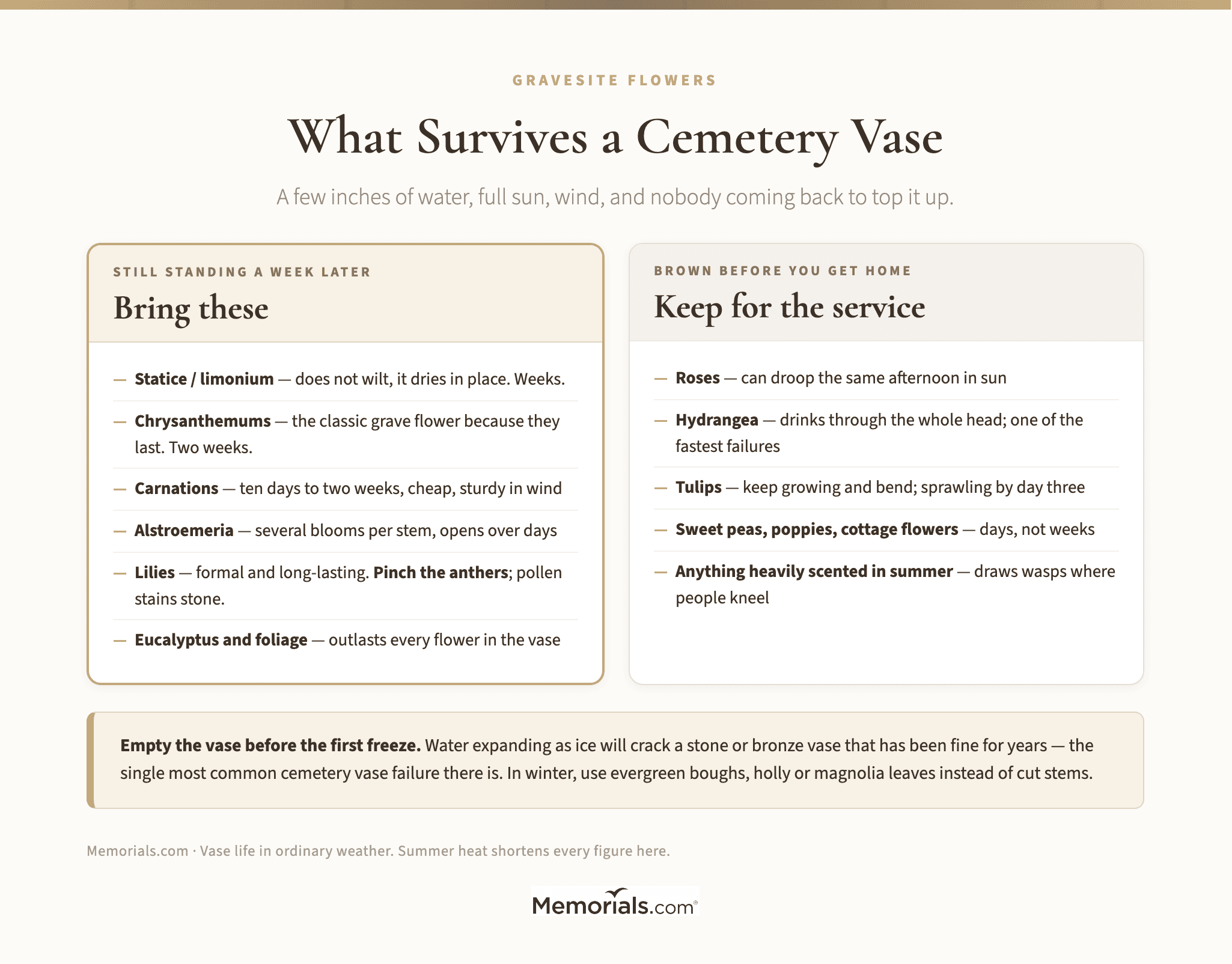
These are the long lasting flowers for grave arrangements that hold up in ordinary weather, roughly in order of how long they last.
Statice and limonium. The longest-lasting thing you can put in a vase, because it does not really wilt — it dries in place and keeps its color for weeks. Papery, purple or white, and unfashionable enough that most people overlook it. If the grave is visited rarely, this is the answer.
Chrysanthemums. The classic grave flower across most of Europe and much of Asia, and the association is not sentimental — mums genuinely last. Two weeks in a vase is normal, they come in every color, and they tolerate heat. In France and Italy they are so strongly tied to the dead that giving them to a living person reads as a mistake.
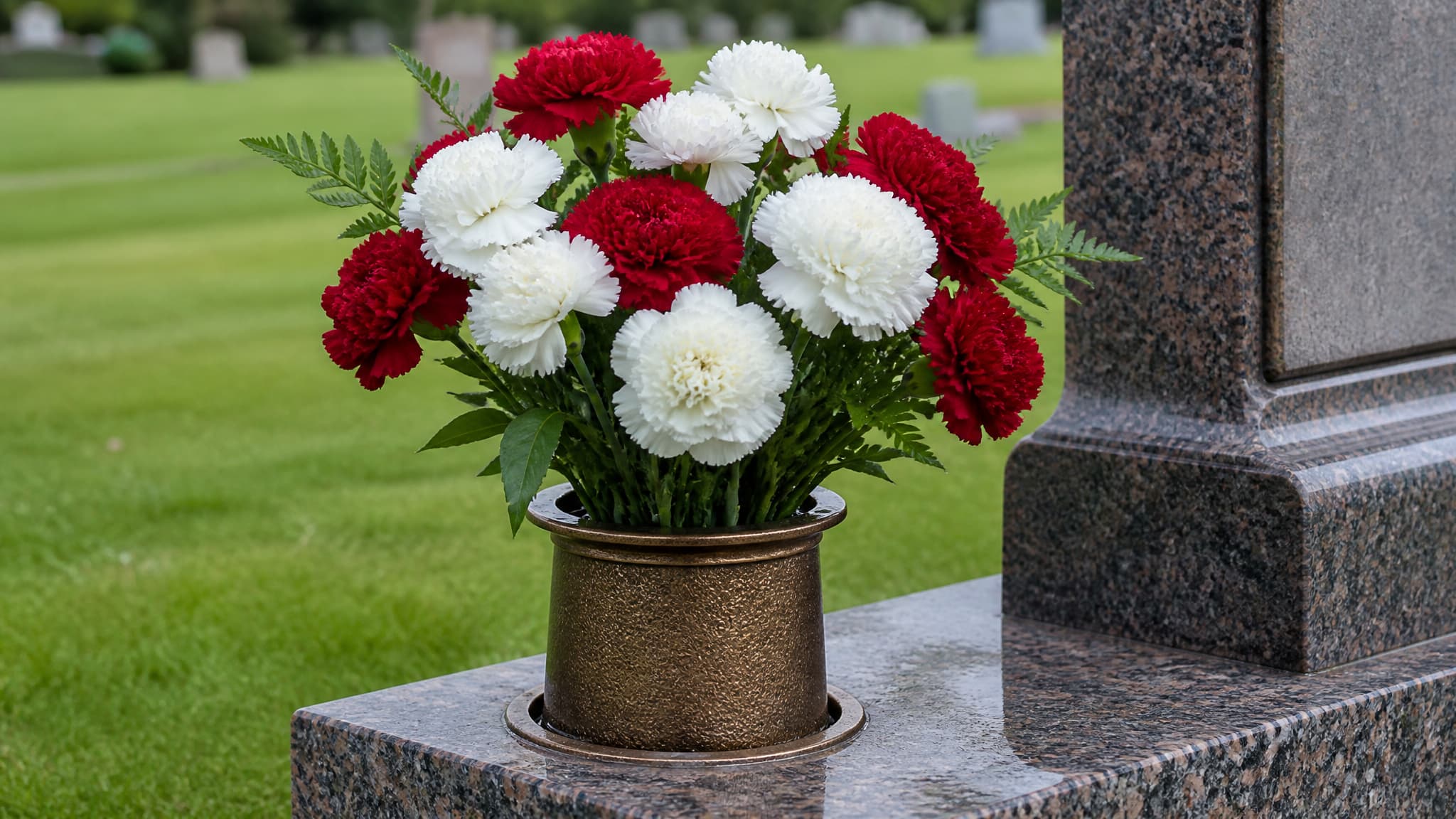
Carnations. Ten days to two weeks, cheap, widely available, and sturdy in wind. The frilled heads hold their shape rather than dropping petals, which matters when nobody is there to clear up.
Alstroemeria, or Peruvian lily. Excellent value for longevity, often outlasting carnations, with several blooms per stem so an arrangement keeps opening over days rather than peaking at once.
Lilies. Long-lasting and formal, and the flower most associated with funerals in English-speaking countries. Two cautions: the pollen stains stone permanently, so pinch the anthers out before arranging, and lilies are seriously toxic to cats, which matters in a cemetery where cats roam.
Gladioli. Tall, architectural, traditional at graveside services, and they open progressively up the spike. They need a deep vase or they blow over.
Eucalyptus, ruscus and other foliage. Underrated. Greenery lasts far longer than flowers, holds an arrangement's shape as blooms fade, and looks deliberate rather than dead when it dries.
Six that are still standing a week later, and five to keep for the service.
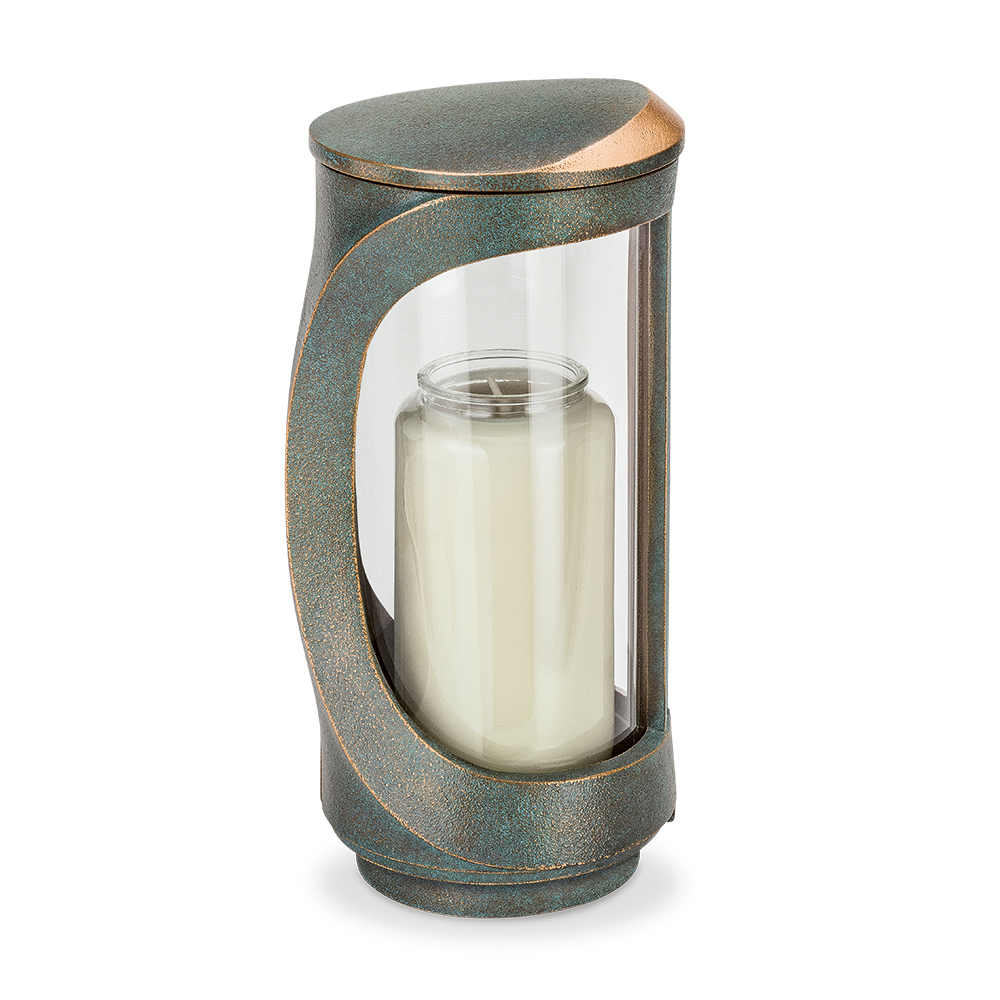
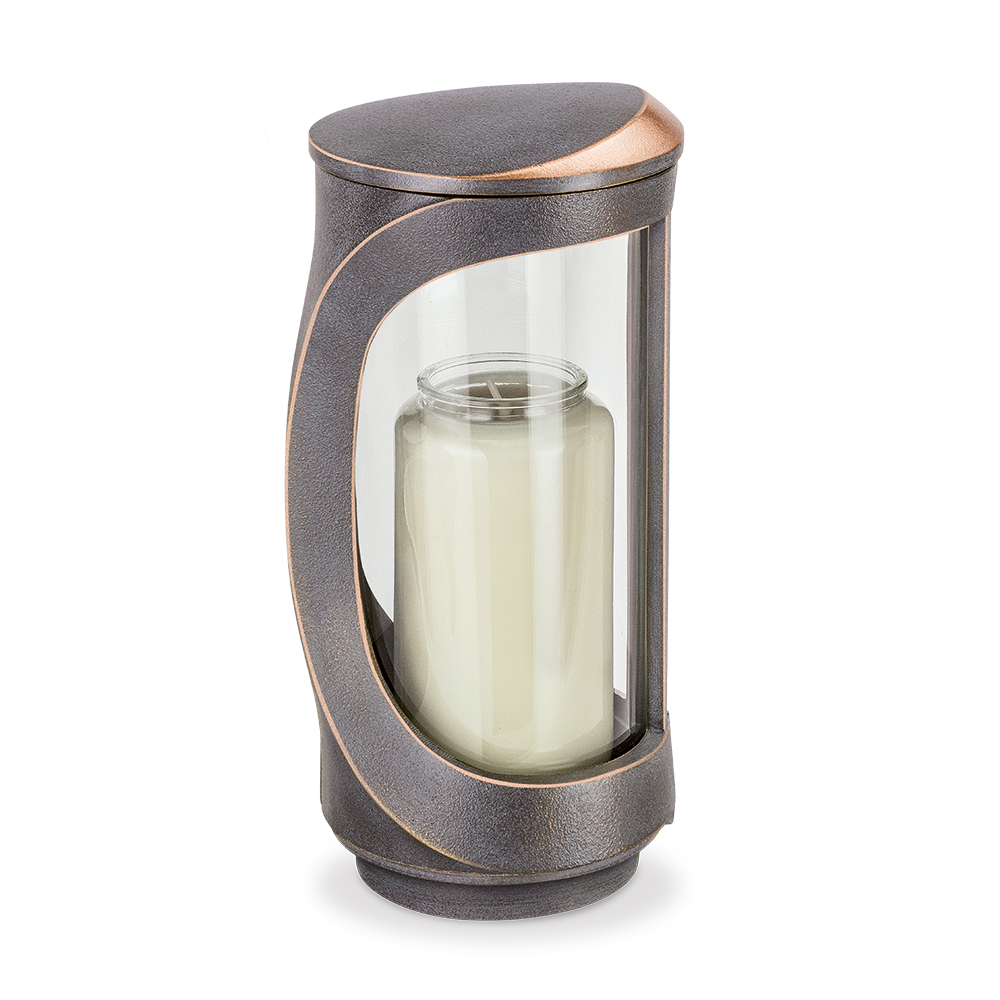
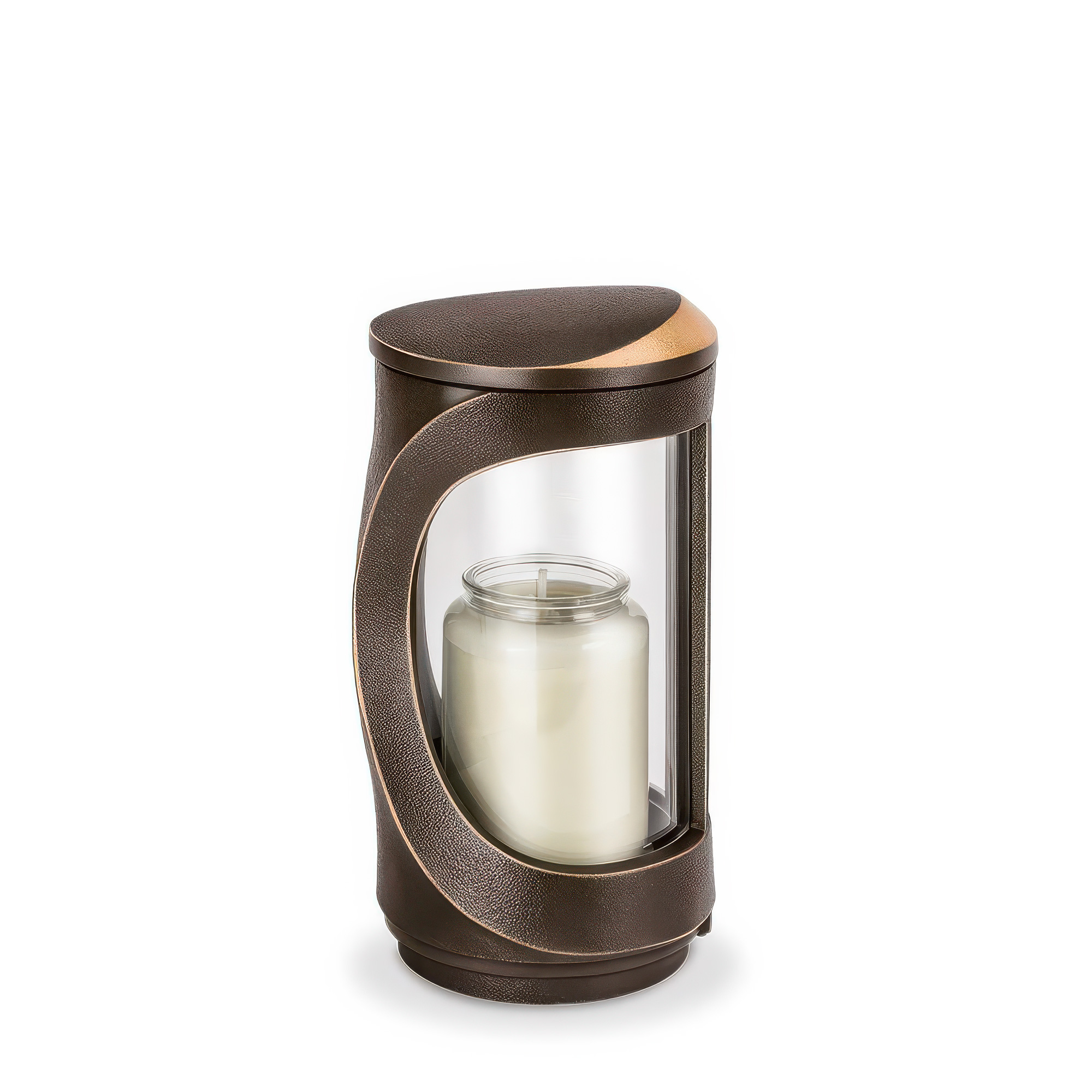
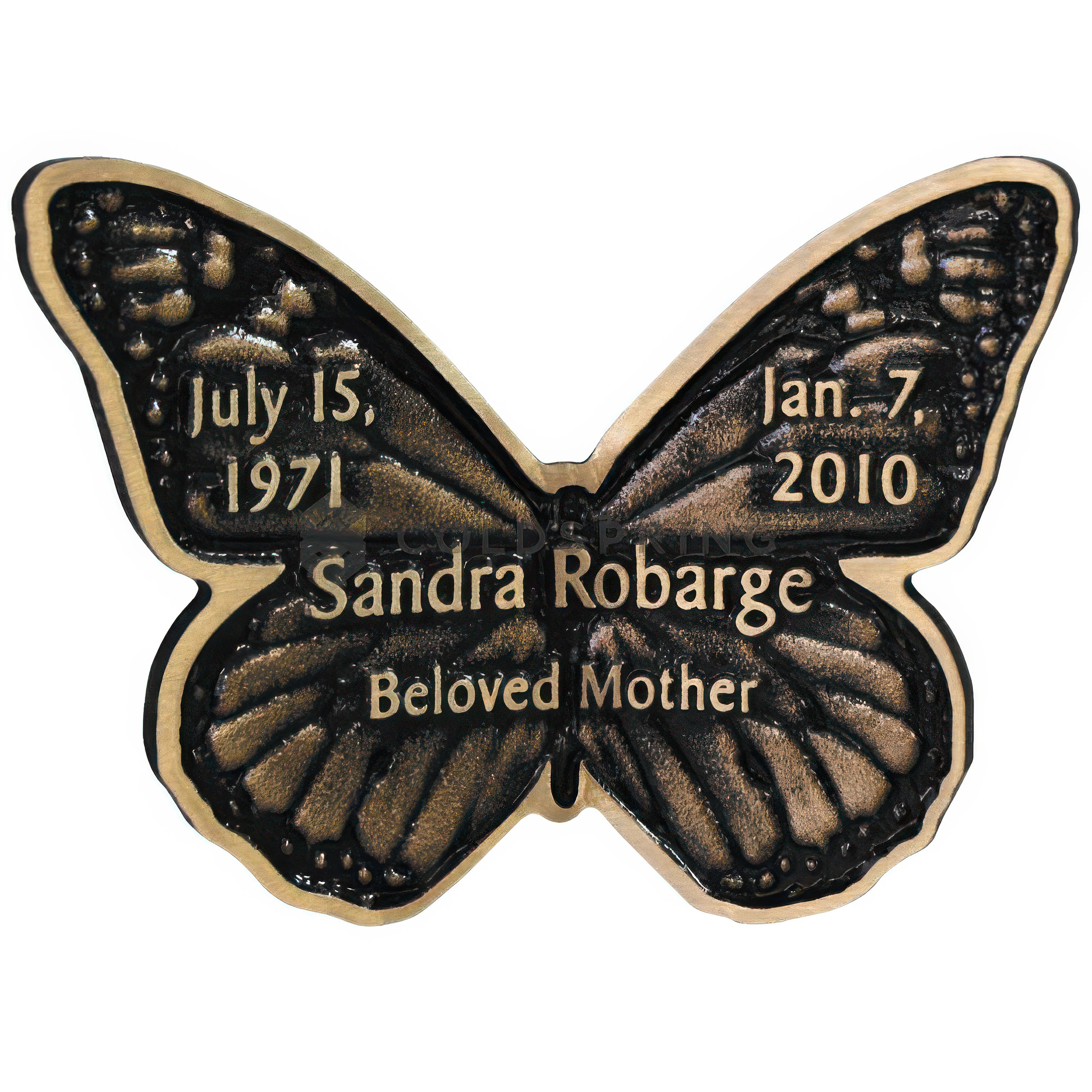
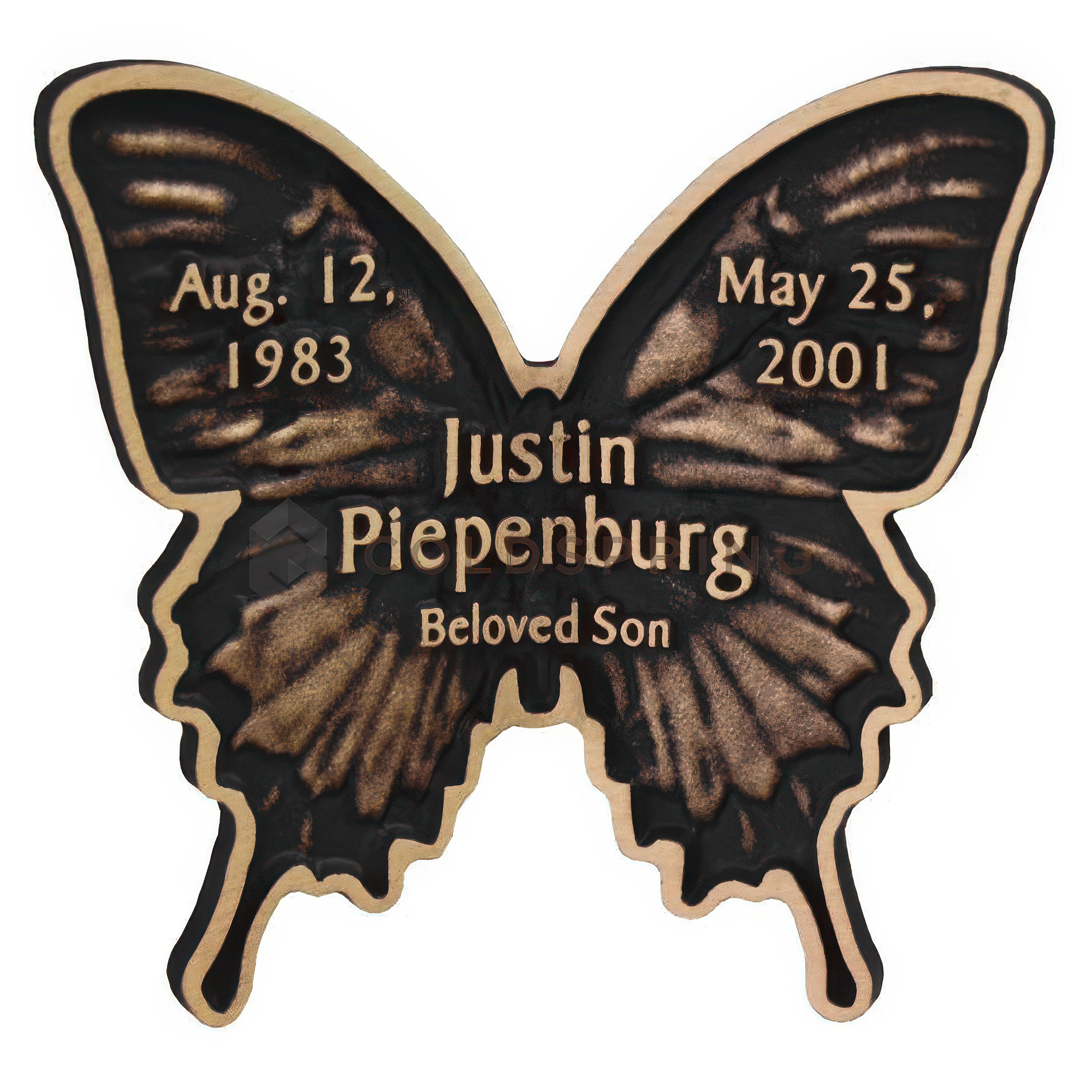
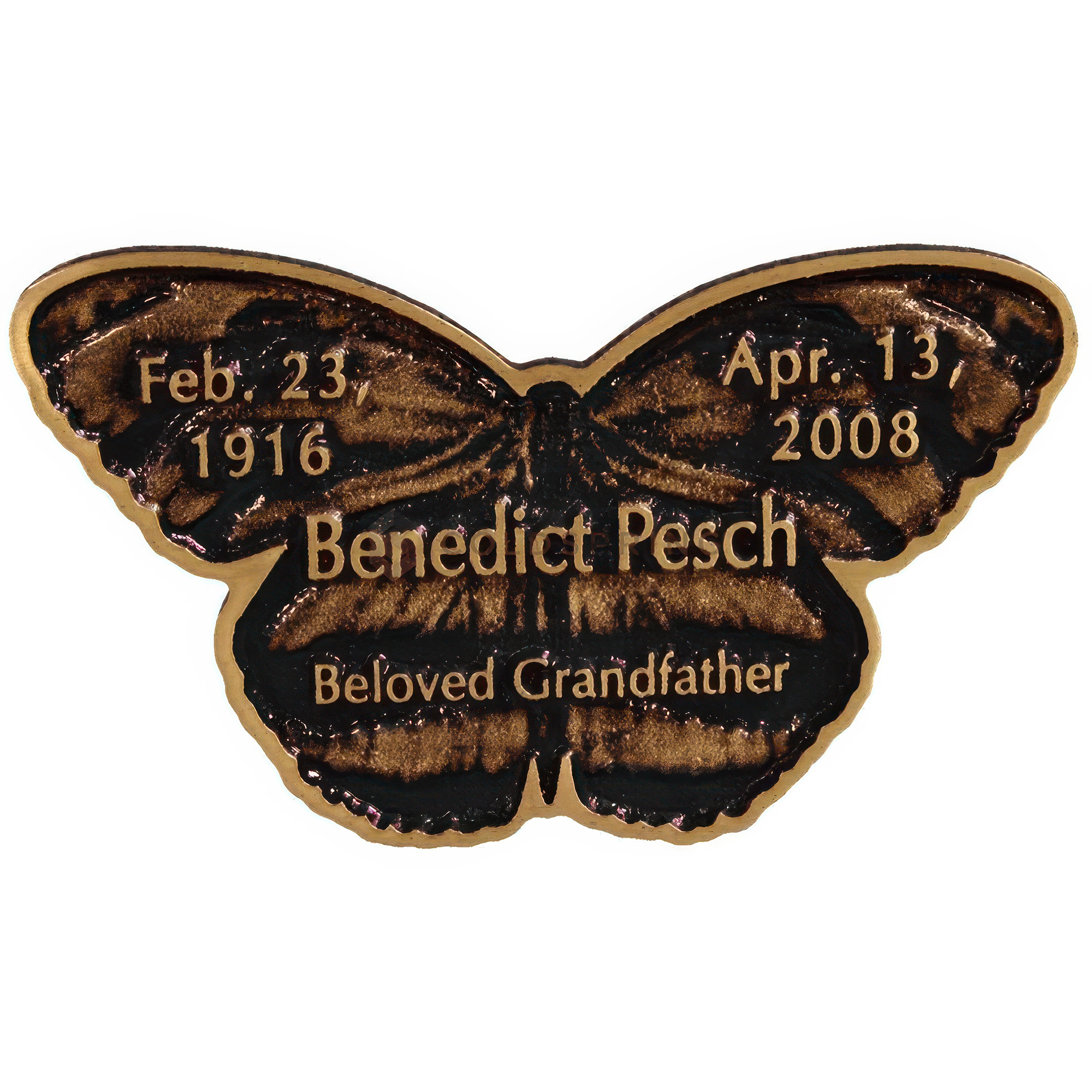
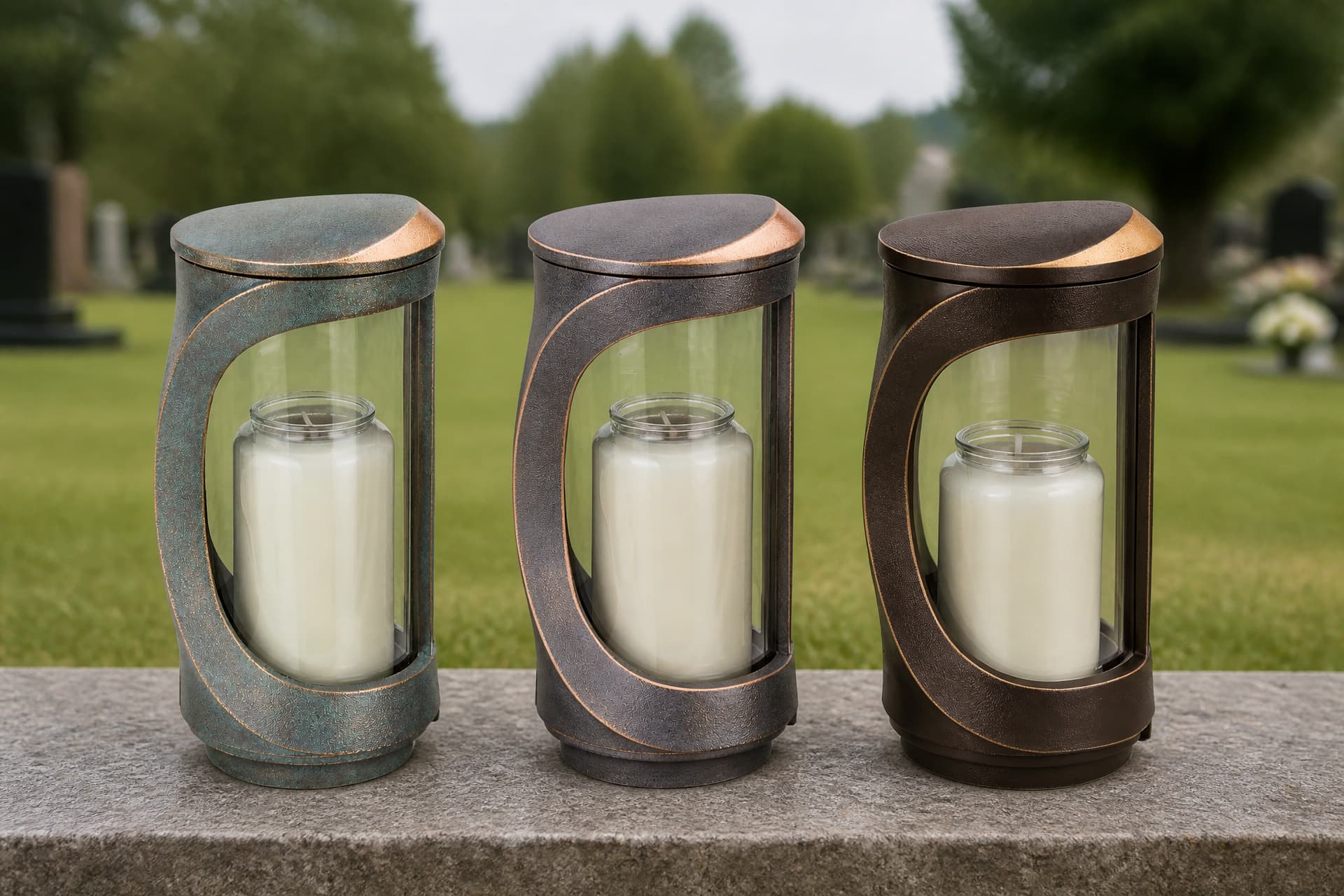
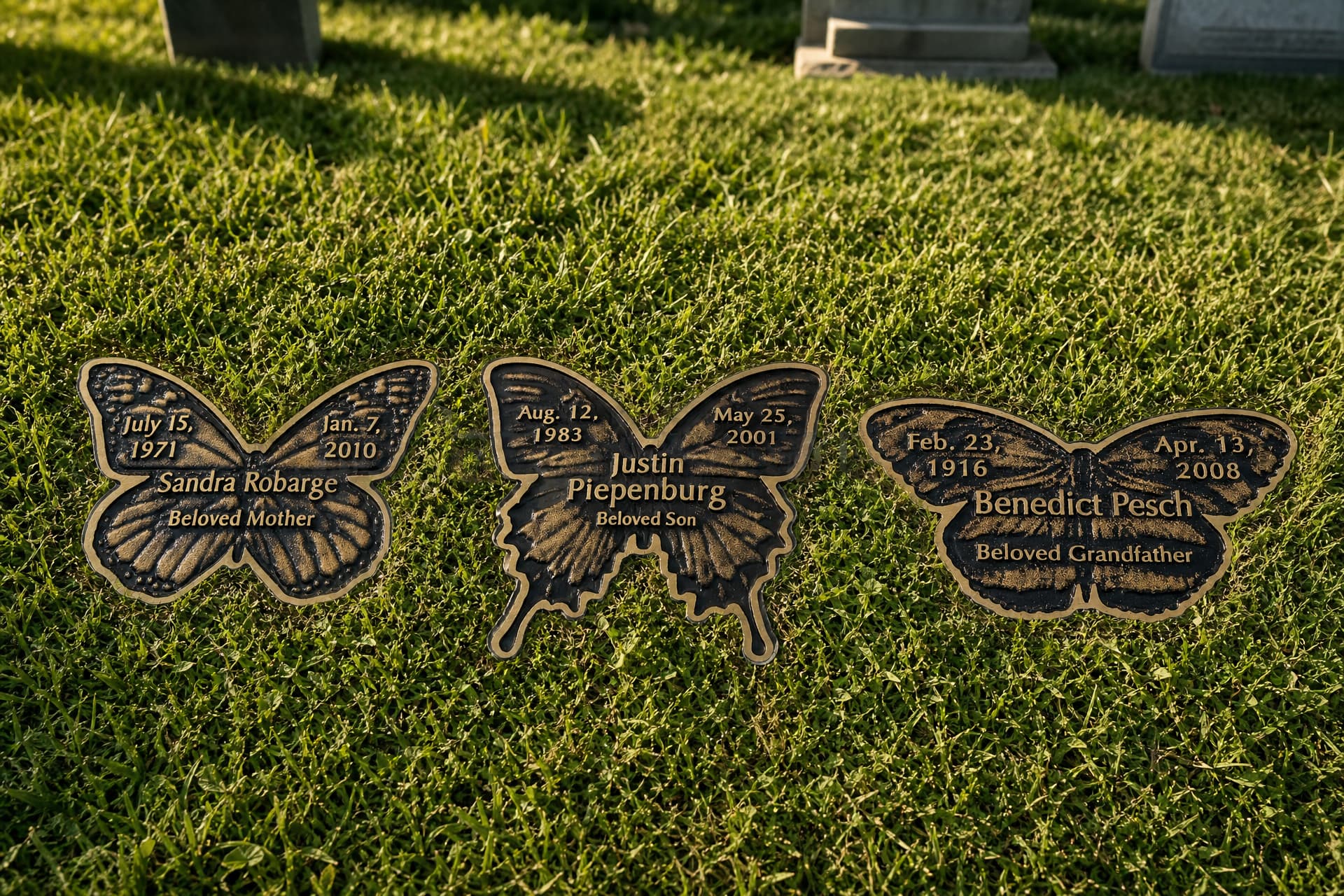
Shop Gravesite Lamps and Markers
Cemetery lamps and flush bronze markers for a graveside that is visited
Not a criticism of the flowers. They are simply the wrong tool.
Roses. Beautiful, meaningful and short-lived in heat. A rose in a shallow vase in full sun can be drooping the same afternoon. Keep them for the service.
Hydrangea. Drinks through the whole flower head and collapses within a day or two without constant water. One of the fastest failures.
Tulips. Keep growing after cutting and bend toward the light, so an arrangement that looked neat is sprawling by day three.
Sweet peas, poppies, most cottage-garden flowers. Days, not weeks.
Anything heavily scented in summer. It draws wasps to a spot where people kneel.
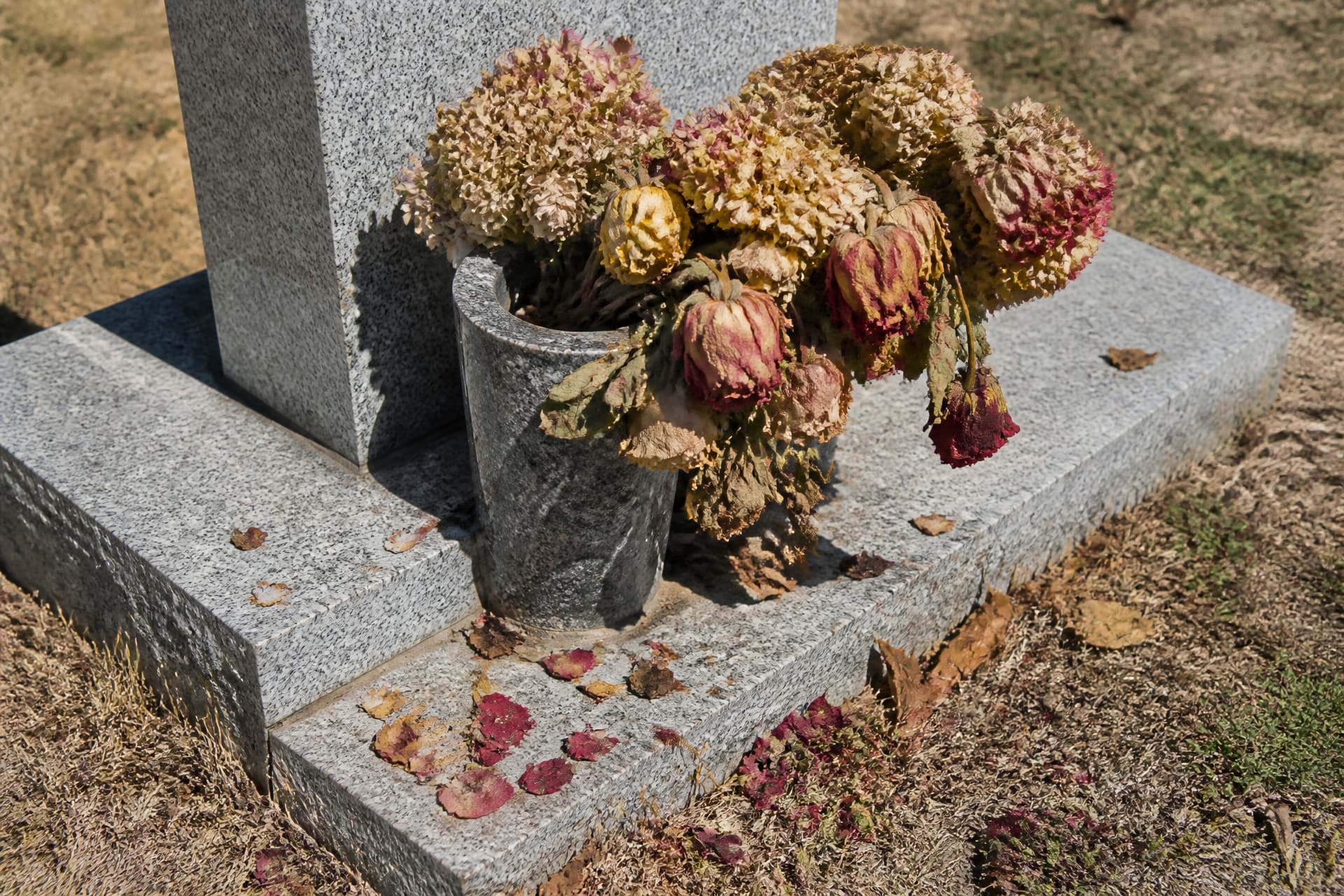
Roses and hydrangea in a shallow vase in summer sun. Both were fine when they were put there; neither is a bad flower, they are simply the wrong tool for this job.
What Kind of Flowers Do You Put on a Grave?
If you are asking what kind of flowers do you put on a grave as a matter of custom rather than durability — the best flowers for grave use judged by meaning rather than by vase life — the honest answer is that almost nothing is wrong. But the traditional choices carry meanings worth knowing.
Lilies — restored innocence, and the flower most associated with funerals in Britain and North America
Chrysanthemums — death and mourning in much of Europe and Asia; cheerfulness in the United States, which is a genuine cross-cultural trap
Carnations — remembrance; pink for a mother, white for pure love and remembrance
Roses — love, with red for deep love, white for reverence, and yellow for friendship
Forget-me-nots — exactly what the name says
Gladioli — strength of character, and the traditional flower of the graveside service
Rosemary, which is a herb rather than a flower, has meant remembrance since antiquity and appears in funeral custom across Europe
The best flowers for graves in winter are, frankly, not flowers at all. Winter is where fresh stems lose and something else wins.
Cut stems freeze in a vase, and water expanding as ice will crack a stone or bronze vase that was fine for years. Empty the vase before the first freeze — that single habit prevents the most common cemetery vase failure there is.
What works instead:
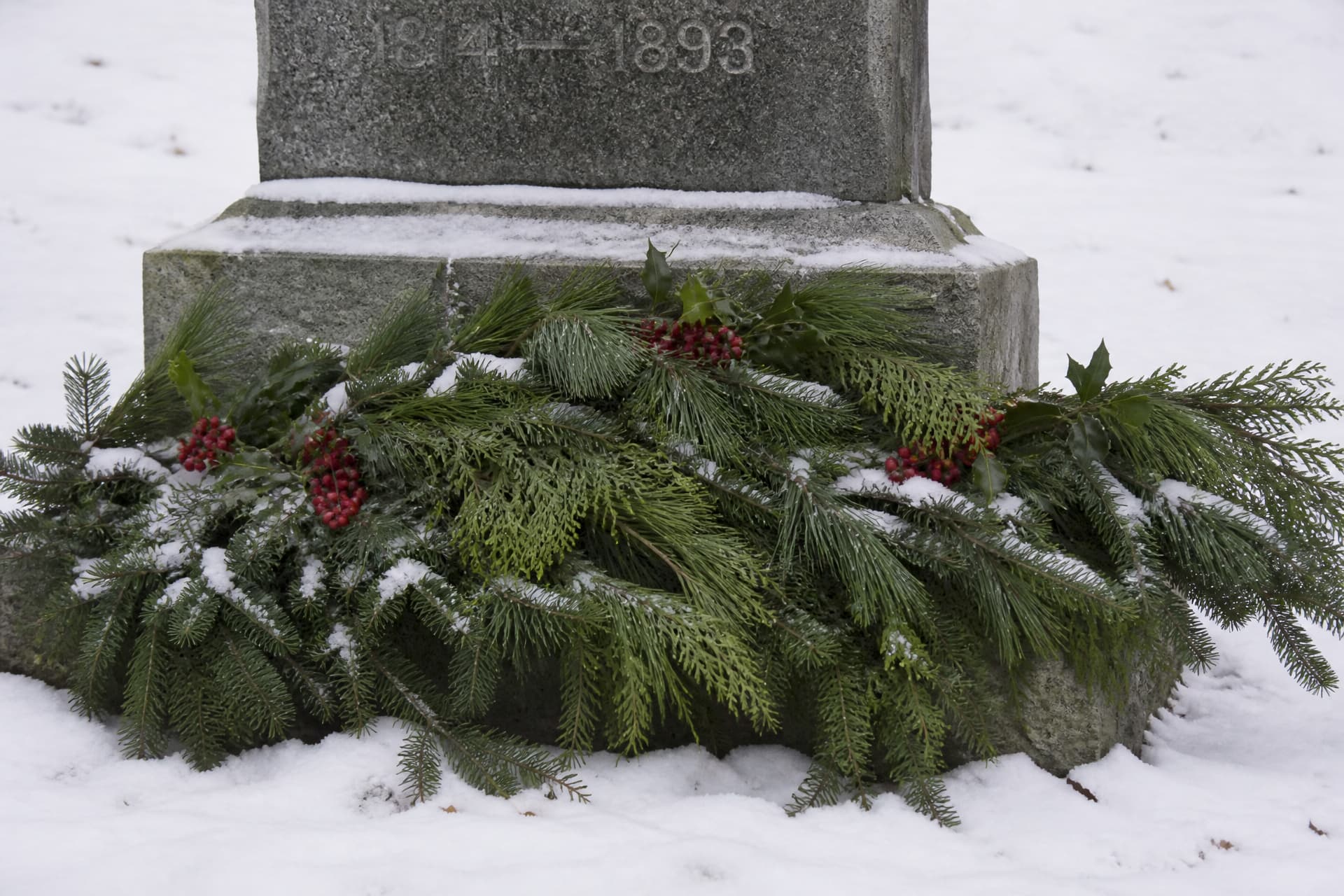
Evergreen boughs. Pine, spruce, cedar and fir hold their needles and their color for weeks in cold, and they smell like the season.
Holly and winterberry. Berries last well and carry color against snow.
Magnolia leaves. Glossy, structural, and they last for months.
A winter wreath or blanket. The traditional answer in cold regions, laid rather than stood, so wind cannot take it.
What actually holds up once it freezes. Evergreen keeps its color for weeks in cold, and unlike a cut stem it cannot burst the vase.
Cold also changes what else is permitted. Grounds that refuse decoration for most of the year frequently relax between late November and early January, which is when the gravestone decorations and solar lights that are banned in summer appear across whole sections. Our guide to solar lights for graves covers the one piece of winter decoration that needs no maintenance at all, which matters in the months when nobody is visiting weekly.
Our guide to seasonal cemetery decorations covers the calendar across the whole year, including what cemeteries typically permit in each season.
Making Them Last Longer
Five things, none of which take more than a minute.
Recut the stems at an angle immediately before putting them in the vase. A stem cut yesterday has sealed.
Strip every leaf below the waterline. Submerged foliage rots and fouls the water within a day.
Fill the vase completely, and bring a bottle of water with you rather than hunting for a tap.
Site the arrangement on the shaded side of the monument if there is one. A few degrees is worth a day or two.
Cut them short. A tall arrangement in a shallow vase is a lever for the wind. Short stems in a full vase survive weather that flattens a bouquet.
The vase itself does more work than any of these. A fixed vase set into the marker holds more water, cannot be knocked over, and is permitted in grounds that prohibit loose containers. Our guide to choosing cemetery vases covers materials and mounting, our cemetery vases range covers the freestanding and ground-set formats, and memorial vases covers the bronze ones that fit a flat marker.
Fresh, Artificial, or Planted
Three approaches, and cemeteries treat them very differently.
Fresh is permitted essentially everywhere and is the only option that is universally safe. It is also the only one that needs replacing.
Artificial is allowed in some grounds, banned in others, and permitted only seasonally in many. Modern silk holds up better than it used to but still fades badly in sun, and faded plastic is the thing cemeteries cite when they ban it. Check before buying.
Planted is a different question with a different answer — most cemeteries restrict planting in the ground far more tightly than they restrict flowers in a vase. If you are looking at the best flowers to plant at cemetery plots rather than to bring, our guide to the best plants for cemetery plots covers what survives and, more importantly, whether you are allowed to do it at all.
Flowers for the Graveside Service Itself
A graveside service is a different brief from an ongoing arrangement, because it only has to look right for an hour.
That frees you to use the flowers that do not last: roses, peonies, garden flowers, anything meaningful to the person. The best flowers for graveside service use are simply the ones that say something, since longevity has stopped being the constraint.
Two practical notes. Decide in advance what happens to the arrangements afterwards — most will be left at the grave and cleared by the cemetery within days, and some families prefer to take them home or distribute them. And if anything is to be kept, our guide to preserving funeral flowers covers drying and pressing.
What the Cemetery Will Let You Leave
Flowers are the least regulated thing you can bring, but the rules are not nothing, and they vary more than families expect.
Loose containers. Many grounds prohibit glass outright — it breaks under a mower and the fragments stay in the turf for years — and a good number prohibit any container that is not fixed. A jam jar of flowers is the classic thing to arrive and find gone.
Where the arrangement may sit. Flush-marker sections usually require everything to sit on the marker or its foundation rather than on the grass, for the mowing reason that produces every other rule in a lawn cemetery.
Clearance dates. Almost every cemetery clears the grounds periodically, and many do it on published dates before major mowing. Anything out is collected, dead or not. If an arrangement matters, find out the dates.
Seasonal windows. Some grounds permit artificial flowers only between set dates, or permit winter blankets and wreaths only from a certain week. These are rarely posted anywhere obvious and the office will simply tell you.
None of this is about restricting mourning. It is about a small staff maintaining a very large lawn, and a cemetery that explains its rules badly is far more common than one that enforces them harshly.
What are the longest lasting flowers for grave use? Statice, which dries rather than wilts, followed by chrysanthemums, carnations and alstroemeria. All four routinely manage a week or more in a cemetery vase.
How often should flowers be replaced at a grave? Every two weeks suits most fresh arrangements in mild weather, and weekly in summer heat. Many cemeteries also clear the grounds on a schedule regardless, so ask what that schedule is.
Are there types of flowers for graves that are considered inappropriate? Very few, though the chrysanthemum's meaning flips between cultures and bright mixed bouquets can read as celebratory where local custom expects restraint. If in doubt, look at what else is on the graves around you.
Can I leave flowers on a grave that is not my family's? Generally yes, and it is a long-standing kindness. Do not move or remove anything already there.
Do cemeteries throw flowers away? They clear them, usually on a published schedule and always once they are dead. It is groundskeeping rather than disrespect, and a fixed vase makes it obvious which arrangements are current.
What should I do with the vase over winter? Empty it and, if it lifts out, take it home. Water freezing in a vase is the single most common cause of cracked cemetery vases and it can damage the stone around them.
One Arrangement, or Something Every Season?
Worth deciding deliberately, because it changes what to buy.
The steady approach is one durable arrangement refreshed every few weeks — statice or mums, short, in a fixed vase. It always looks tended, it costs little, and it suits a grave visited by one or two people on no particular schedule.
The occasion approach marks the dates instead: a birthday, an anniversary, the day itself, and the holidays. Nothing sits there between times. This suits families spread across the country, where visits cluster around travel rather than falling evenly through the year.
Neither is better and most families drift between them over time, usually toward the second as years pass. The thing worth avoiding is the accidental third option — an arrangement left because nobody decided, which looks tended for two weeks and neglected for eleven months.
Choose for the Week, Not the Moment
The flower that looks best in the shop is rarely the one that will still be standing when somebody next visits. Statice, mums, carnations and alstroemeria are unglamorous and they are what the grave will actually hold.
For everything else that goes on the plot and the rules that govern it, start with our cemetery planning guide.