🏬Supersize Online Funeral Retailer🪦1000's of Headstones⚱️Over 10,000 Cremation Urns⚰️Caskets Overnight Delivery🛒Funeral & Memorial Superstore🚚FREE Shipping on ALL Orders👨👩👧👦Helping Families for over 20 Years💰Lowest Price Guarantee🏬Supersize Online Funeral Retailer🪦1000's of Headstones⚱️Over 10,000 Cremation Urns⚰️Caskets Overnight Delivery🛒Funeral & Memorial Superstore🚚FREE Shipping on ALL Orders👨👩👧👦Helping Families for over 20 Years💰Lowest Price Guarantee
🏬Supersize Online Funeral Retailer🪦1000's of Headstones⚱️Over 10,000 Cremation Urns⚰️Caskets Overnight Delivery🛒Funeral & Memorial Superstore🚚FREE Shipping on ALL Orders👨👩👧👦Helping Families for over 20 Years💰Lowest Price Guarantee🏬Supersize Online Funeral Retailer🪦1000's of Headstones⚱️Over 10,000 Cremation Urns⚰️Caskets Overnight Delivery🛒Funeral & Memorial Superstore🚚FREE Shipping on ALL Orders👨👩👧👦Helping Families for over 20 Years💰Lowest Price Guarantee
Decorating a loved one's gravesite gives you a way to stay connected to their memory as the months change. Each season carries its own colors, traditions, and holidays — and each one offers a fresh opportunity to refresh a memorial with something meaningful. Whether you place tulips beside the headstone in April or lay an evergreen wreath across the marker in December, seasonal displays show that someone is still loved, still visited, still remembered.
This guide walks through the full year season by season, covering the best decoration choices for spring, summer, fall, and winter. You will also find practical advice on cemetery rules, weather-resistant materials, and timing your visits around cleanup schedules. For a broader look at every aspect of planning, see our complete guide to cemetery planning. And if you are looking for year-round inspiration beyond seasonal themes, our guide to covers permanent and rotating options in more detail.
Understanding Cemetery Decoration Rules Before You Start
Before purchasing seasonal decorations, contact your cemetery office and ask for a copy of its decoration policy. Rules vary widely — some cemeteries welcome artificial flowers, solar stakes, and small garden ornaments year-round, while others restrict nearly everything outside of fresh-cut bouquets placed in approved vases. A few common restrictions to watch for:
Glass containers. Many cemeteries prohibit glass jars, bottles, or picture frames because broken glass poses a hazard to visitors and groundskeepers.
Unsecured items. Lightweight decorations that can blow onto neighboring graves or into mowing paths are often removed without notice.
Height and footprint limits. Some cemeteries set maximum dimensions for decorations so they do not interfere with mowing equipment or block adjacent markers.
Seasonal cleanup dates. Most cemeteries schedule specific dates when staff remove all seasonal decorations. Items left past those dates may be discarded. Ask for the exact schedule so you can retrieve anything you want to keep.
Understanding these guidelines up front saves you from the disappointment of arriving to find that a carefully chosen tribute has already been cleared away.
Spring: Renewal and Fresh Blooms
Spring is one of the most popular seasons for gravesite visits. Warmer weather returns, cemeteries reopen areas that may have been closed during winter, and families feel drawn to tend the space after months away.
Best Spring Flowers for Graves
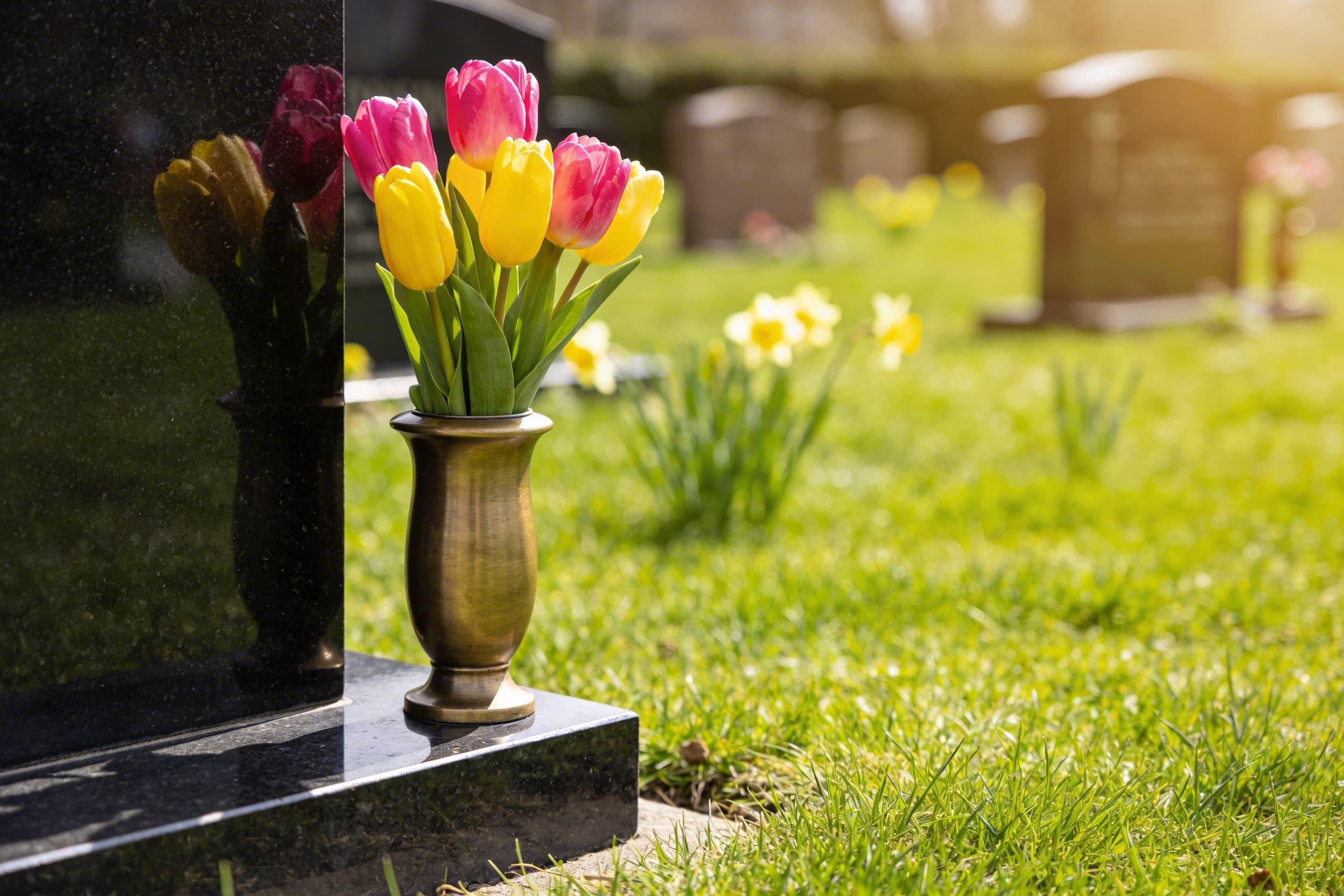
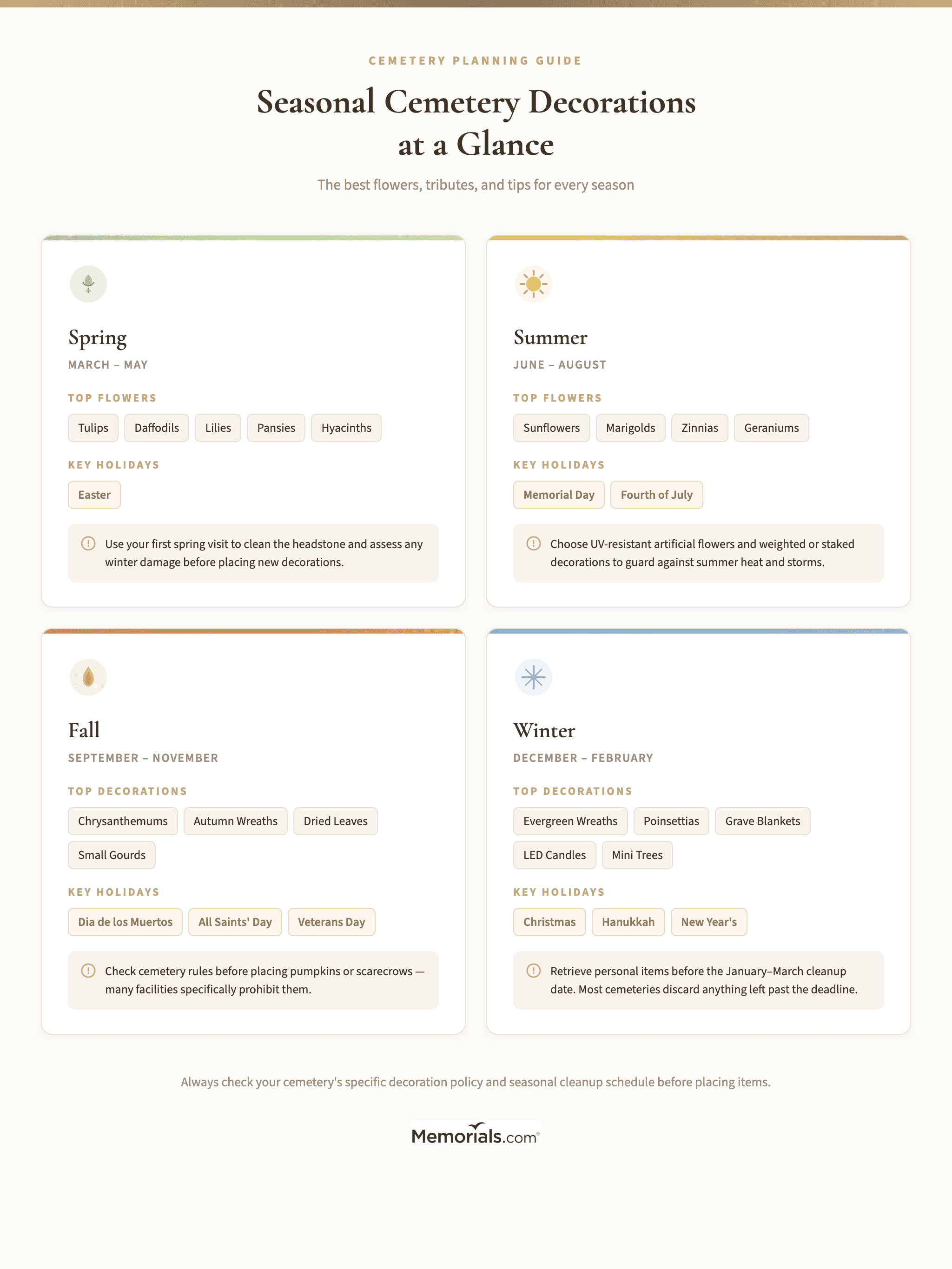
Fresh-cut flowers are the classic spring choice. Tulips, daffodils, hyacinths, and lilies bring bright color and carry associations with renewal and hope. If your cemetery allows potted plants, a small pot of pansies or primroses can last several weeks and withstands light frost.
When placing fresh flowers, use a weatherproof vase approved by the cemetery. Many flat markers come with a built-in bronze or granite vase specifically designed for this purpose. If you need a separate container, look into selecting vases for seasonal flowers that match the cemetery's requirements and complement the marker's style.
Easter Grave Decorations
Easter visits are a deeply personal tradition for many families. Simple, reverent decorations work best — a small cross, a miniature lily arrangement, or a spring wreath in pastel tones. Avoid plastic eggs or novelty items that may conflict with the setting's solemnity. Some families place a single white lily beside the headstone as a symbol of resurrection and remembrance.
Check your cemetery's cleanup schedule around Easter. Many facilities remove holiday-specific decorations within a week of the holiday to prepare for general spring maintenance.
Spring Maintenance Checklist
Use your first spring visit to assess the gravesite after winter. Look for soil settling, shifted markers, and debris that accumulated under snow. Clean the headstone surface gently with water and a soft brush — avoid harsh chemicals. Trim any overgrown grass at the base of the marker. This seasonal reset gives the space a fresh foundation for the decorations you plan to add throughout the warmer months. For a more detailed maintenance routine, see our seasonal grave care tips.
Summer: Patriotic Tributes and Vibrant Color
Summer brings both the warmest weather and several significant holidays for gravesite decoration, including Memorial Day, the Fourth of July, and Veterans Day (which falls in November but is closely tied to patriotic memorial traditions that carry through the summer months).
Memorial Day Grave Decorations
Memorial Day is the most widely observed decoration holiday at American cemeteries. The tradition dates back to the years following the Civil War, when communities began placing flowers on the graves of fallen soldiers. Today, families honor both military veterans and civilian loved ones with floral tributes, flags, and personal tokens.
Popular Memorial Day displays include red, white, and blue flower arrangements — often combining roses, carnations, and small American flags. A headstone saddle arrangement in patriotic colors sits securely on top of the marker and withstands wind better than loose bouquets. Small flags placed in the ground beside the marker are a simple, powerful gesture, especially for veterans. Some families also leave challenge coins, service medals, or unit patches at the gravesite as a sign of respect and solidarity.
If your loved one was cremated and their ashes rest in a cemetery vase or niche, you can still decorate the surrounding area with a small wreath, a flag holder, or a potted plant in coordinating colors.
Summer Flower Choices
Beyond patriotic arrangements, summer is the time for vibrant, heat-tolerant flowers. Sunflowers, marigolds, zinnias, and geraniums all hold up well in warm conditions. Artificial silk flowers also perform well in summer because they resist wilting in direct sunlight, though they can fade over several weeks of UV exposure. Look for UV-resistant artificial blooms if you plan to leave them in place for an extended period.
Heat and Weather Considerations
Summer heat can warp or fade decorations quickly. Avoid candles, chocolate, or any meltable items. Choose weighted or staked decorations to guard against afternoon thunderstorms. Solar-powered garden stakes work well in summer because the long daylight hours keep them charged for an evening glow.
Fall: Harvest Tones and Quiet Reflection
Fall carries a contemplative quality that pairs naturally with cemetery visits. The changing leaves, cooler air, and approach of Día de los Muertos (November 1–2) and All Saints' Day draw many families back to the gravesite. If your family keeps that observance, the objects on the altar each have a job: our guide to the sugar skull and the ofrenda sets out what belongs on it and why.
Best Fall Decorations for Graves
Chrysanthemums are the signature fall cemetery flower. They come in deep golds, burgundies, and burnt oranges that echo the surrounding foliage, and they are remarkably hardy in cooler temperatures. A potted mum can last well into November if temperatures stay above hard-freeze levels.
Autumnal wreaths made from dried leaves, wheat, and small gourds bring a seasonal feel without looking out of place. Keep the arrangement compact and secure it to the headstone or a wreath stand to prevent wind damage. Small pumpkins and decorative corn can work at cemeteries with relaxed decoration policies, but check first — some facilities specifically prohibit pumpkins, scarecrows, and similar harvest items.
Día de los Muertos and All Saints' Day
Families with Latin American or Catholic traditions often visit the gravesite on November 1 or 2 with marigolds (cempasúchil), candles, photographs, and favorite foods of the deceased. These displays are colorful and deeply personal. If your cemetery does not typically see these traditions, a quick conversation with the office staff can confirm what is permitted and ensure your tribute remains undisturbed for the holiday.
Transitioning from Summer to Fall
As summer arrangements fade, remove any wilted flowers, sun-bleached flags, or cracked solar stakes before placing fall decorations. A clean transition shows attentiveness and keeps the gravesite looking cared for. This is also a good time to inspect the marker for any cracks or chips that may worsen over the winter freeze-thaw cycle.
Winter: Evergreens, Lights, and Holiday Tributes
Winter is the most challenging season for cemetery decoration. Cold temperatures, snow cover, frozen ground, and shorter daylight hours all limit what you can place and how long it will last. But winter holidays — Christmas, Hanukkah, New Year's — make this one of the most emotionally important times to visit.
Christmas Cemetery Decorations
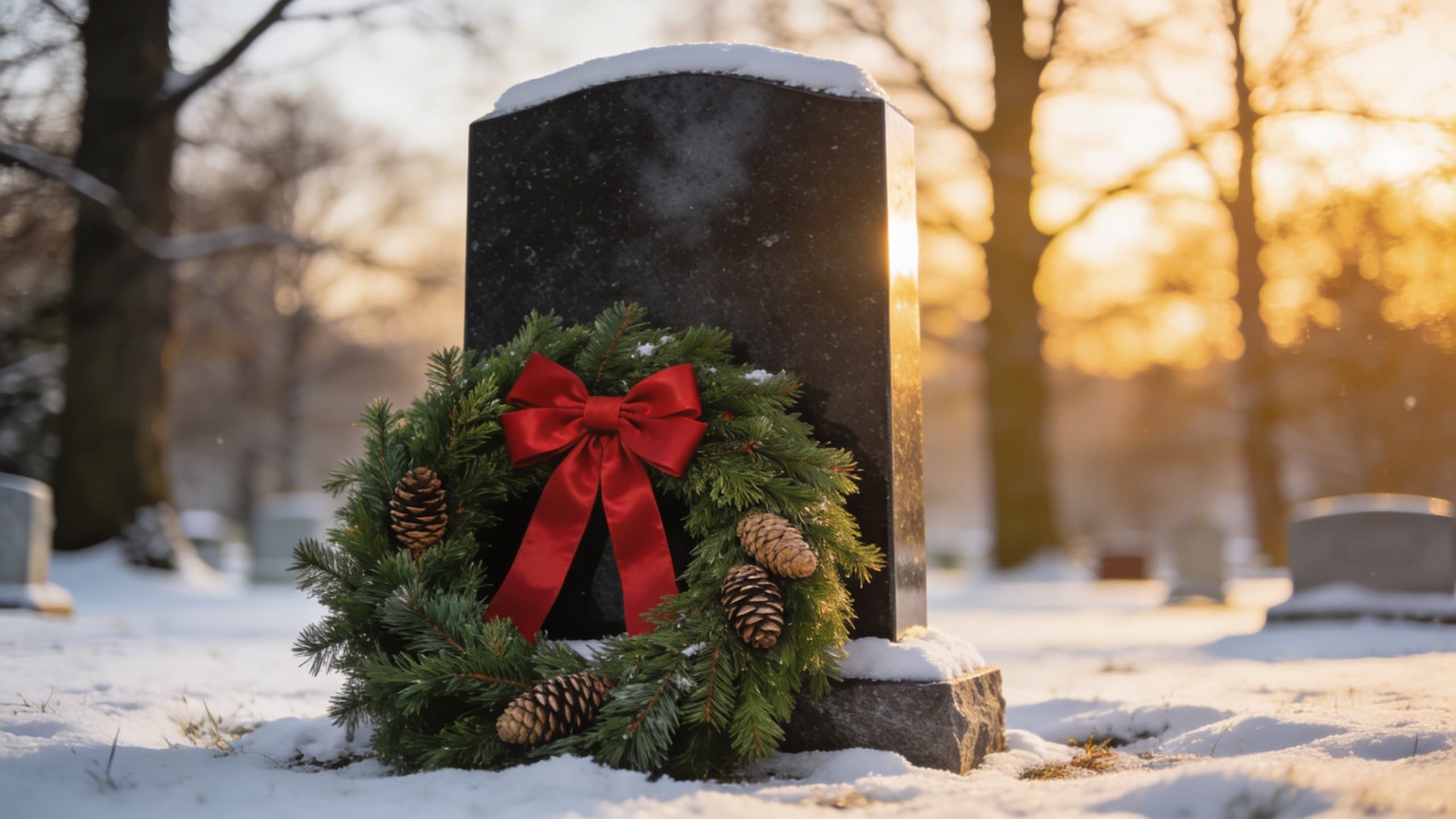
Evergreen wreaths are the most traditional winter cemetery decoration. A small wreath of fresh or artificial pine, cedar, or fir placed flat on the marker or propped on a stand brings warmth and color to an otherwise bare landscape. Red bows, pinecones, and holly berries add simple elegance without cluttering the space.
Poinsettias — both real and artificial — are another popular Christmas choice. Real poinsettias will not survive frost, so artificial versions are more practical in cold climates. A small tabletop poinsettia tucked into a weighted pot can last the entire season if it is made from quality silk.
Many families also place a miniature Christmas tree (under 36 inches, per most cemetery rules) beside the marker, decorated with a few meaningful ornaments. This creates a focal point for visits and gives grandchildren something tangible to participate in during holiday cemetery trips.
Winter Lighting Options
Short winter days make lighting especially meaningful. Battery-operated LED candles offer a safe, weatherproof glow that lasts for weeks on a single set of batteries. Solar-powered options work too, though reduced winter sunlight means they may only illuminate for a few hours each evening. For families who want a lasting light at the gravesite, adding solar lighting to gravesites covers the full range of products and installation approaches.
Avoid real candles — most cemeteries prohibit open flames, and wind and snow make them impractical regardless.
Grave Blankets
Grave blankets are flat arrangements of fresh evergreen boughs, typically decorated with pinecones, berries, and ribbons. They are designed to lay directly over the grave, covering the ground in front of the headstone. Grave blankets are especially popular in the Midwest and Northeast, where heavy snow would bury smaller decorations. They provide a dignified, natural-looking display that weathers well through the season.
Order grave blankets from a local florist or garden center in late November to ensure they are fresh for the holiday season. Most cemeteries remove grave blankets during the spring cleanup in March or early April.
Winter Cleanup Dates
Pay close attention to your cemetery's post-holiday removal schedule. Many facilities clear all Christmas and winter decorations between January 1 and March 1. If you placed meaningful items — personalized ornaments, family photos, or heirloom decorations — retrieve them before the posted deadline. Items left past the cleanup date are typically discarded without notice.
Year-Round Decoration Tips
Some decorations work across all four seasons and can remain at the gravesite permanently, depending on cemetery policy.
Weather-Resistant Materials
Choose decorations made from materials that withstand UV exposure, rain, frost, and wind. Bronze, granite, cast stone, and stainless steel are the most durable options for permanent items. For flowers, high-quality silk or polyester artificial arrangements resist fading better than cheaper plastic versions. Weighted bases and ground stakes keep items anchored during storms.
Coordinating with the Headstone
The most polished seasonal displays coordinate with the headstone's material and color. A dark granite marker pairs beautifully with white or gold flowers. A light gray or white marble marker stands out against deep reds and greens. Matching the scale of your decorations to the marker size also matters — a large floral saddle overwhelms a small flat marker, while a tiny vase gets lost beside a full upright monument.
Visiting with Children
Involving children in seasonal decoration can turn a cemetery visit into a meaningful family tradition rather than a somber obligation. Let younger children choose a flower, place a flag, or position a small ornament. Older children can help clean the headstone or plant a seasonal container. These hands-on moments create memories and normalize the process of honoring loved ones.
Seasonal Decoration Calendar at a Glance
Planning your visits around holidays and cemetery schedules keeps the gravesite looking its best year-round. Here is a simplified timeline:
March–April: Spring cleanup. Remove any remaining winter items. Place first fresh flowers. Assess and clean the headstone.
May (Memorial Day weekend): Patriotic arrangements, flags, and summer flowers. Coordinate with any cemetery-sponsored Memorial Day ceremonies.
June–August: Maintain summer arrangements. Replace faded flowers monthly. Check solar lights and stakes for damage.
September–October: Transition to fall. Chrysanthemums, autumnal wreaths, harvest accents. Prepare for Día de los Muertos if observed.
November: Veterans Day flags and fall displays. Begin planning winter decorations.
December: Christmas and holiday decorations — wreaths, poinsettias, grave blankets, cemetery lights for graves, miniature trees.
January–February: Retrieve personal items before cemetery cleanup. Monitor grave blankets and winter decorations for damage.
Frequently Asked Questions
Can you leave decorations on a grave year-round?
It depends on the cemetery's policy. Some cemeteries allow permanent in-ground vases, solar lights, and small memorial stones at all times, while others restrict decorations to specific seasonal windows. Always confirm with the cemetery office before leaving anything you expect to remain indefinitely.
What flowers last the longest at a cemetery?
For fresh flowers, chrysanthemums, carnations, and alstroemeria have the longest vase life — often one to two weeks in moderate weather. For a maintenance-free option, high-quality artificial silk flowers can last several months before UV exposure fades them. Replacing artificial arrangements each season keeps them looking fresh.
Are artificial flowers allowed at cemeteries?
Many cemeteries permit artificial flowers during the winter months when fresh flowers are impractical but restrict them during the growing season so groundskeepers can mow without obstruction. A smaller number of cemeteries allow artificial flowers year-round. Check your specific cemetery's decoration policy.
How do you secure decorations so they don't blow away?
Use weighted vases, ground stakes, or saddle arrangements that sit directly on top of the headstone. Avoid lightweight plastic containers or loose items. For wreaths, use a sturdy wreath stand rated for outdoor use, or wire the wreath to the back of an upright headstone. Remove any decoration before a forecasted storm if it is not well secured.
When should you remove seasonal decorations?
Remove decorations promptly when the season ends or before the cemetery's posted cleanup date — whichever comes first. Leaving faded, damaged, or out-of-season items at the gravesite gives the impression of neglect rather than care. A fresh transition between seasons is part of maintaining a dignified memorial.
Making Each Visit Count
Seasonal decorations are more than aesthetics. They give you a reason to visit, a ritual to look forward to, and a quiet moment to reflect on someone who mattered. The flowers you choose, the wreath you hang, the flag you place — each one is a small act of love that carries weight far beyond its size. Over the course of a year, these visits become a rhythm that keeps grief from hardening into distance and keeps memory from fading into silence.
Browse our full collection of gravestone decorations to find weather-resistant options that complement your loved one's memorial through every season.